Custom Workwear Manufacturer for OEM and Private Label
Veelianpro supports custom workwear development for OEM, ODM, and private-label programs. Start with the garment purpose, fit, fabric direction, trims, branding, and packing needs, then approve a sample against clear checks before bulk planning. Minimum order quantity starts from 100 pieces per style and color, conditional on fabric and requirements.
Custom Workwear Reference Directions
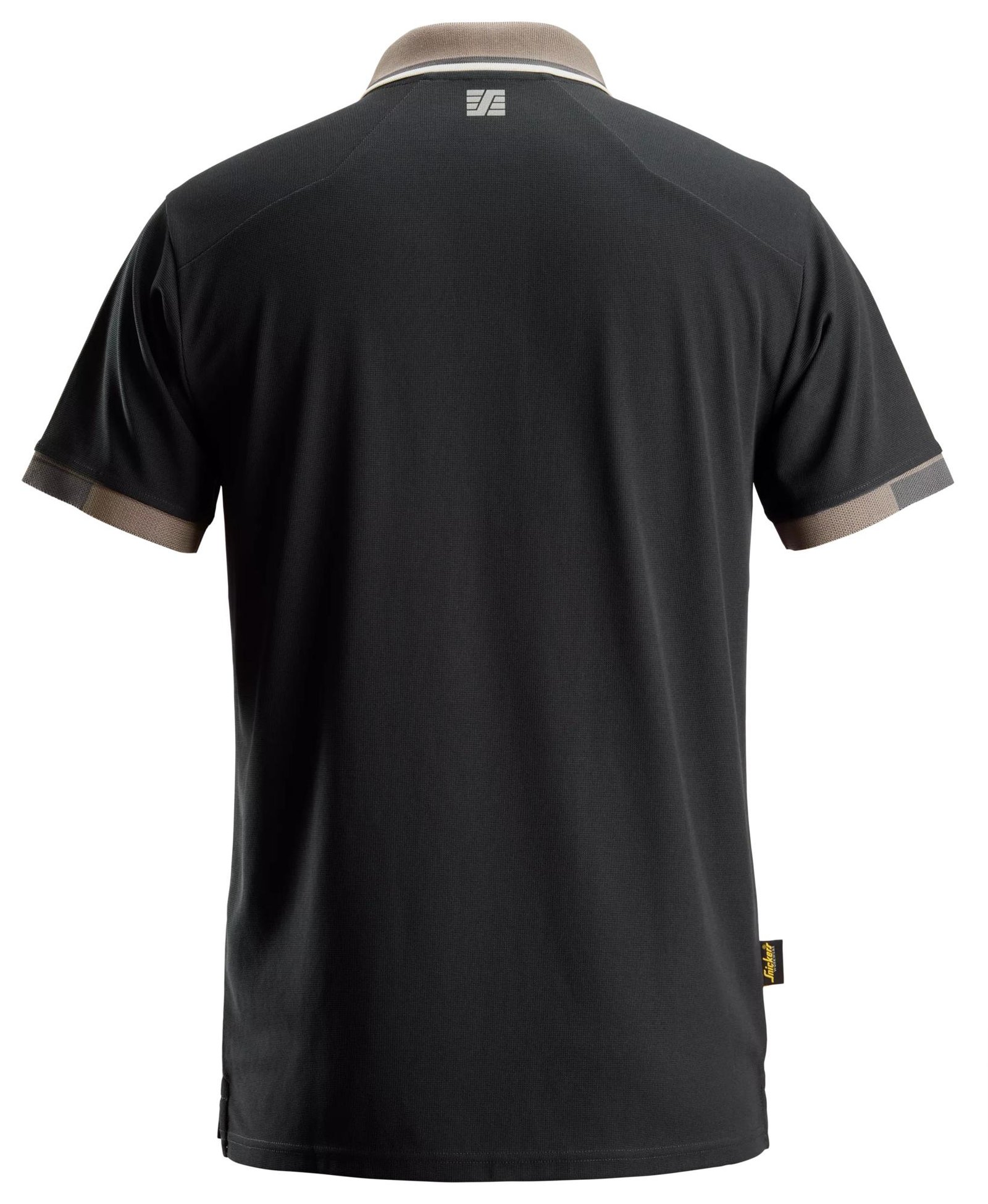


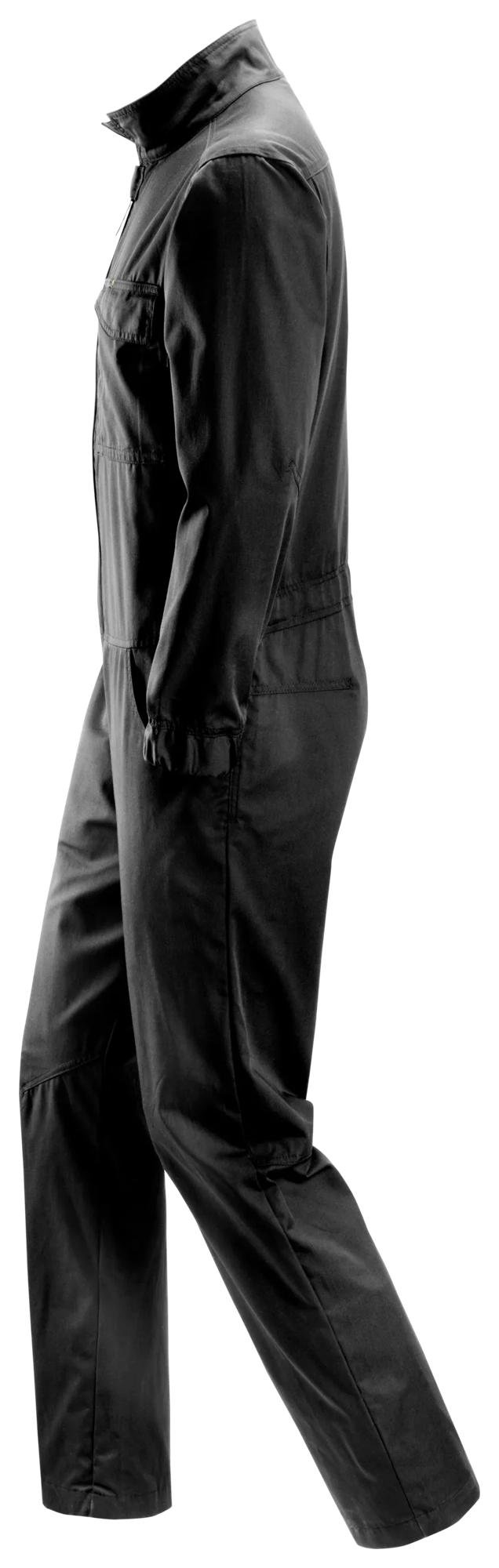

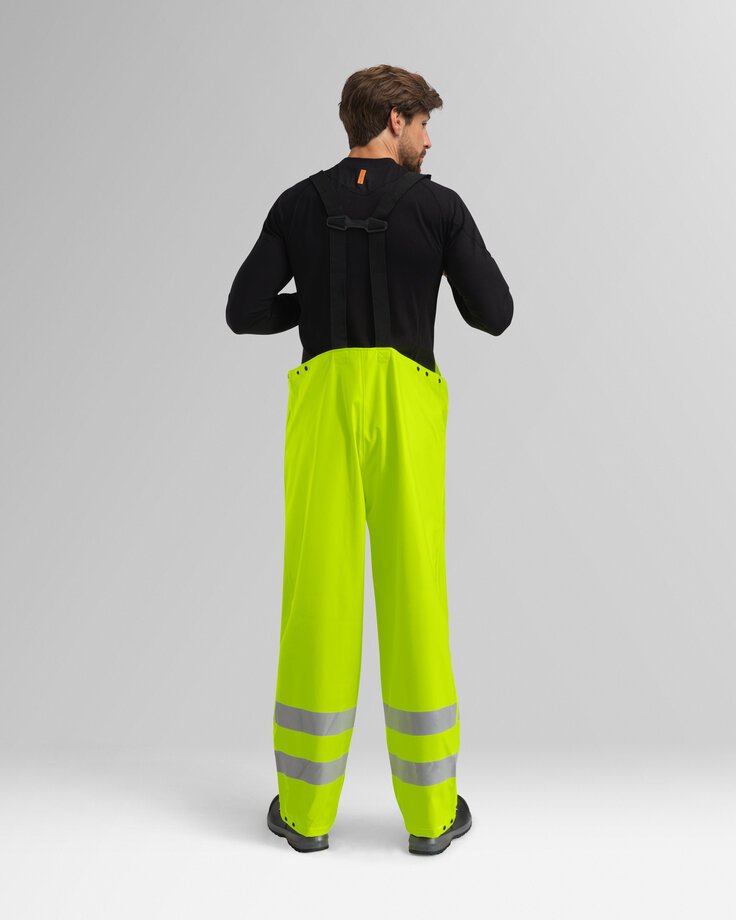


Explore Custom Workwear Styles
Browse workwear styles by garment category and share the details you want developed for your team.



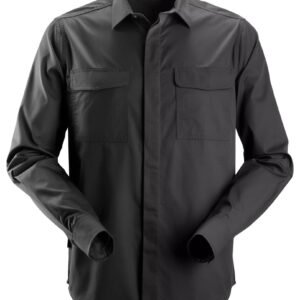

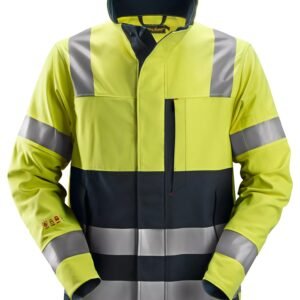
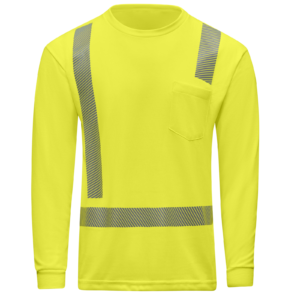
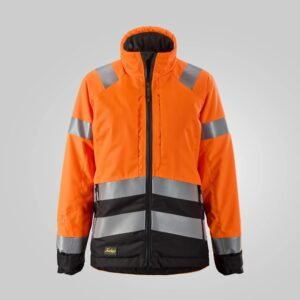


Custom Workwear Manufacturer Capabilities
Practical support from initial product brief through inspection, packing, and export coordination for OEM, private-label, and wholesale workwear programs.
Tech-Pack Support
Start with a tech pack, sketch, sample, or product idea, then align garment details, size grading, and construction requirements.
Fabric and Trim Sourcing
Discuss fabric composition, weight, color, reflective materials, zippers, and other trims suited to your intended work setting.
Reinforced Construction Options
Specify practical details such as reinforced knees, bartacks, triple stitching, gussets, pocket systems, and weather-protection features before production.
Private-Label Branding
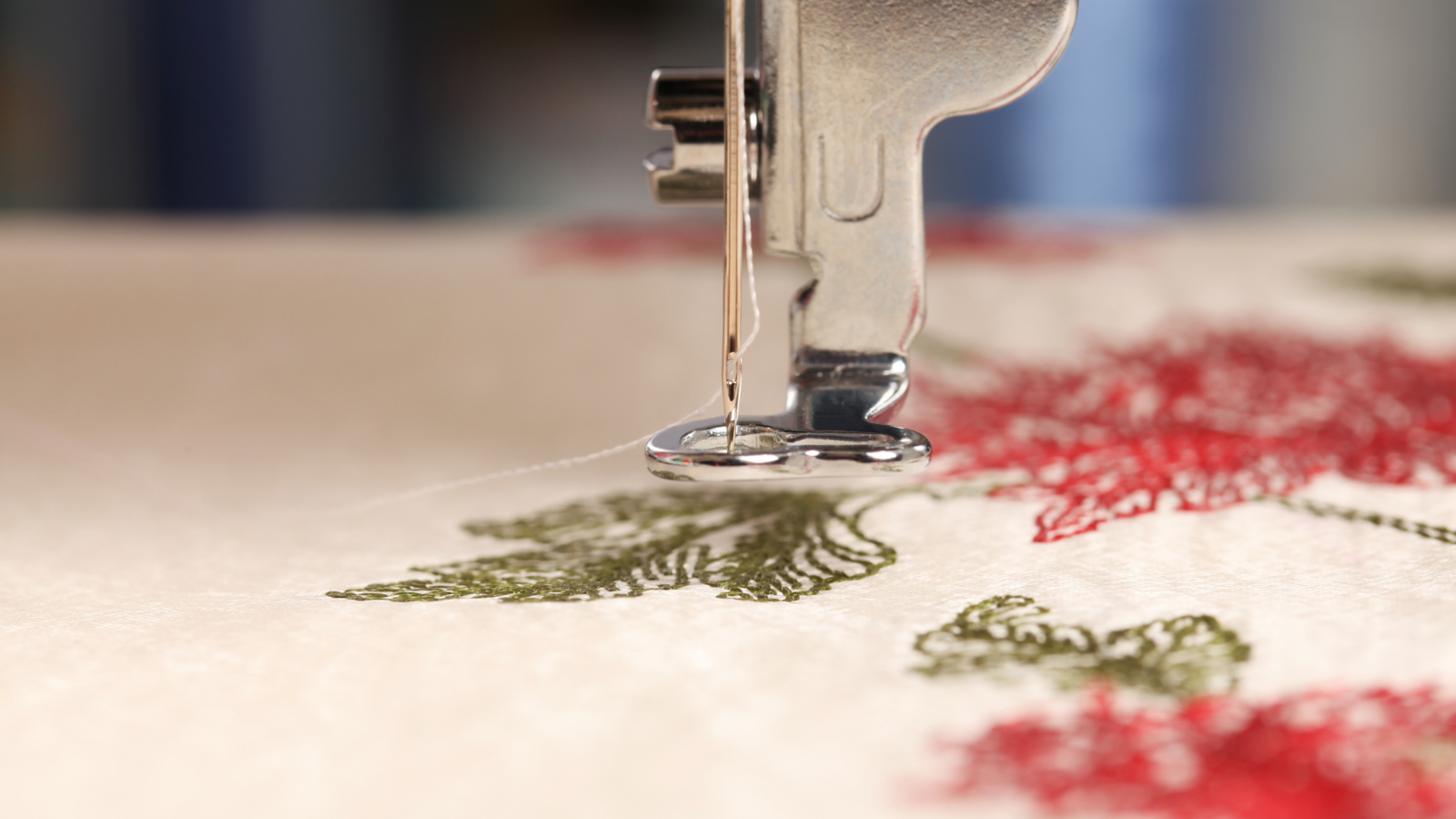
Apply embroidery, screen printing, heat transfer, patches, woven labels, care labels, and custom packaging to support your brand program.
Inspection and Export Coordination
Coordinate quality checks, packing, and export arrangements with a custom workwear manufacturer built for international B2B sourcing needs.
Custom Workwear for Every Program
OEM, ODM and private-label garments developed for industrial, safety, service and uniform programs.

OEM Workwear Manufacturing
OEM, ODM, private-label and wholesale workwear production begins with a tech pack, sketch, sample or product idea. Veelianpro can coordinate fabric and trim sourcing, pattern development, sampling, cutting, sewing, finishing, quality checks, packing and export preparation.
Get a Quote
Custom Workwear Tops
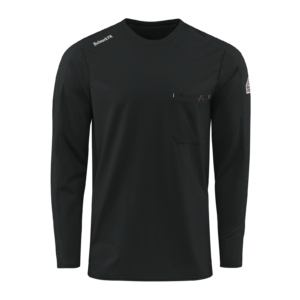
Custom tops include crew-neck tees, polos, button-front shirts and layered uniform styles for industrial and service teams. Buyers can specify fabric composition, color, fit, size grading, pocket layouts, labels, embroidery, printing, patches and retail or bulk packaging.
Get a Quote
Work Shirts
Work shirts can be developed in short- or long-sleeve formats with button or snap closures, chest pockets, utility detailing and reinforcement where required. Fabric selection, collar construction, branding placement and size ranges are specified around the intended job setting.
Get a Quote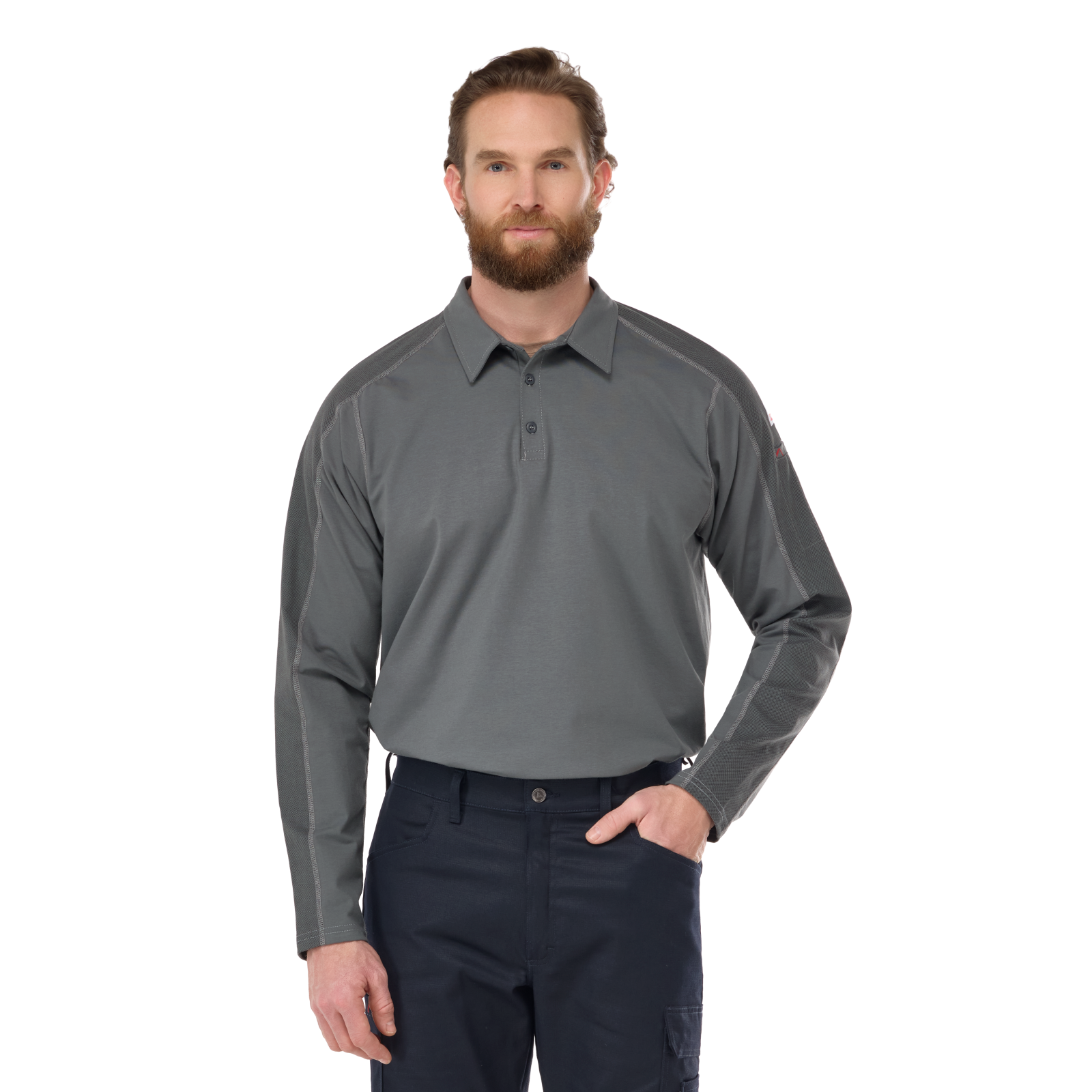
Work T-Shirts and Polos
Work T-shirts and polos support everyday uniform programs in cotton-rich, blended or performance-oriented fabric choices. Develop sleeve length, collar style, placket, pocket option, color blocking, printed graphics, embroidery, woven labels and graded sizing for branded teams.
Get a Quote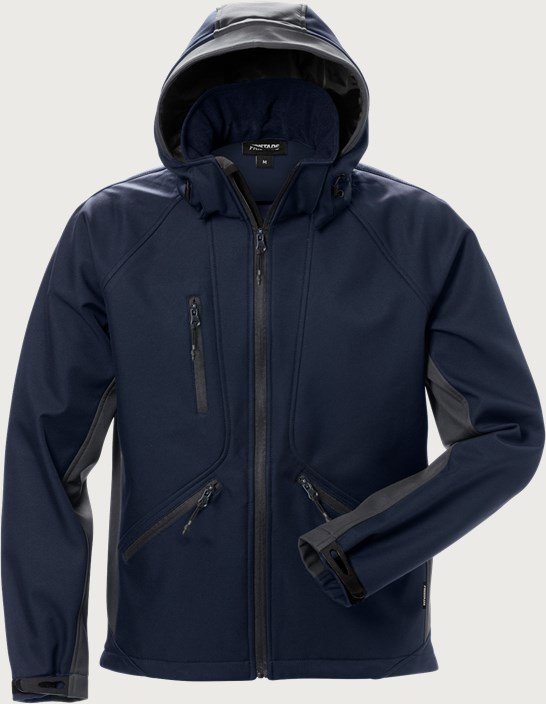
Custom Work Jackets and Outerwear
Jackets and outerwear include softshell, fleece, padded and rainwear-inspired styles for changing work conditions. Development can address shell and lining choices, closures, pocket systems, reinforced areas, weather-oriented construction, reflective trim placement and private-label branding.
Get a Quote
Work Vests
Work vests can be developed as lightweight utility, safety or service layers with front closures, multiple pocket configurations and logo locations. Fabric, lining, contrast panels, trim, reflective tape placement and branding are selected according to the planned application.
Get a Quote
Bodywarmers and Gilets
Bodywarmers and gilets provide core insulation while preserving arm mobility for warehouse, field and service work. Options can include fleece or padded constructions, stand collars, zip fronts, pocket arrangements, lining, contrast details, labels and embroidered branding.
Get a Quote
Bottoms
The bottoms range covers work trousers, cargo pants, shorts, skirts and skorts for industrial and service uniform assortments. Buyers can align fabric, fit, rise, pocket utility, reinforcement, closures, color and decoration with the rest of a program.
Get a Quote
Work Pants and Trousers
Work pants and trousers can incorporate cargo pockets, tool pockets, reinforced knees, bartacks, triple stitching and gusseted construction where specified. Develop fabric weight and composition, fit, waist treatment, inseam grading, branding and color options for the work environment.
Get a Quote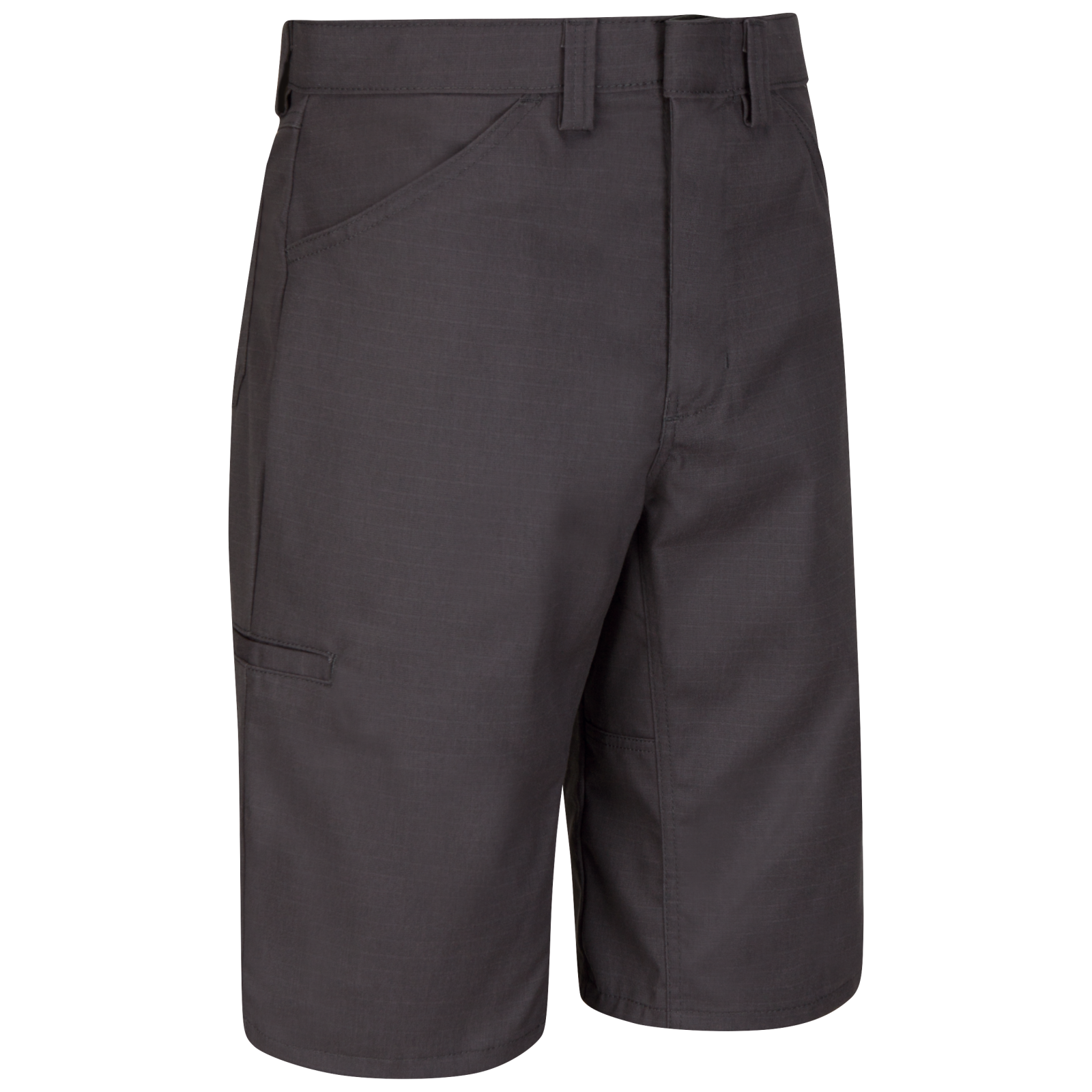
Work Shorts
Work shorts are suited to warm-weather service, trade and logistics programs. Product development can define fabric, inseam, cargo or utility pockets, waistband construction, reinforcement, color matching and logo treatment while maintaining a coordinated uniform appearance.
Get a Quote
Work Skirts and Skorts
Work skirts and skorts support hospitality, service and customer-facing uniform collections. Styles can be developed around fabric drape, length, waistband, closure, pockets, shorts underlayer, color, labels and decoration to match the program’s functional and visual requirements.
Get a Quote
Coveralls and Sets
Coveralls and coordinated workwear sets provide full-body or matched garment solutions for industrial teams. Construction can be planned around access points, pocket systems, reinforced stress areas, closures, fabric selection, color blocking, branding and application-specific design targets.
Get a Quote
Coveralls and Overalls
Coveralls and overalls are available as one-piece suits, bib overalls and related industrial garments. Buyers can specify front closures, adjustable straps, chest and leg pockets, knee reinforcement, bartacks, reflective details, fabric and trim choices, sizing and private-label finishing.
Get a Quote
Two-Piece Workwear Sets
Two-piece workwear sets combine matching jackets, shirts or tops with trousers for a consistent team issue. Fabric coordination, pocket functions, reinforcements, closure systems, color blocking, logos, labels and individual garment sizing can be developed as one program.
Get a Quote
Specialist Workwear
Specialist workwear families cover product-development needs beyond core uniforms, including high-visibility, welding, cold-storage, medical, cleanroom and protective-oriented garments. Specific performance, protective ratings and certification claims depend on the exact material, design and documented test scope.
Get a Quote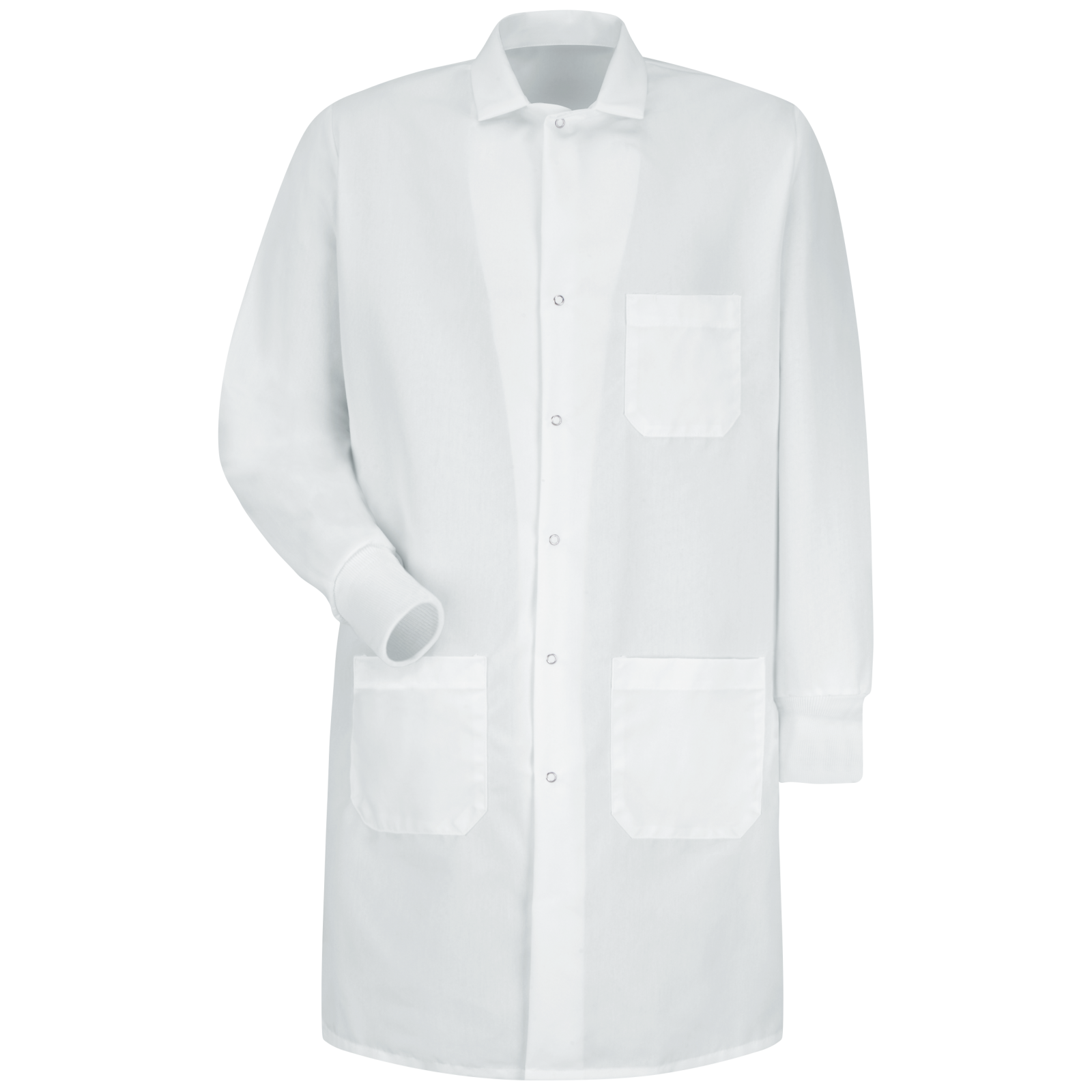
Medical and Cleanroom Clothing
Medical and cleanroom clothing includes scrubs and controlled-environment garment families developed around intended use, coverage, fabric selection and garment construction. Specify style, color, size range, pockets, closures, labeling and any required material or compliance documentation before production.
Get a Quote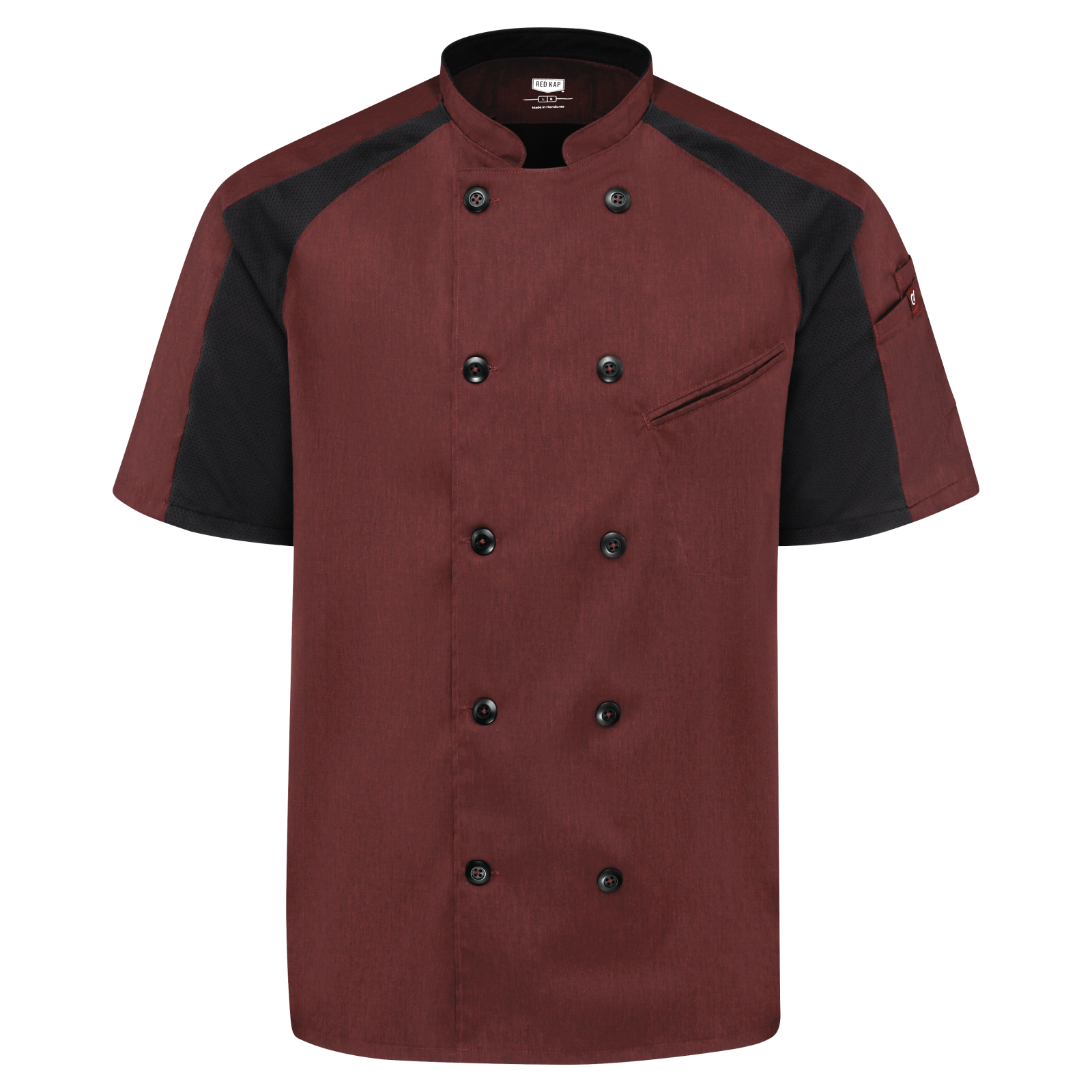
Food Service Clothing
Food service clothing includes chef jackets, aprons, service shirts, trousers and coordinated hospitality uniforms. Buyers can define washable fabric choices, closure style, pocket placement, apron details, color, piping, logo decoration, labels and packaging for kitchen or front-of-house roles.
Get a Quote
Cold Weather Workwear
Cold-weather workwear can include fleece, padded jackets, insulated vests and layered outerwear concepts. Development decisions cover shell, lining and insulation choices, collar and cuff design, closures, pockets, weather-oriented details, branding and the intended temperature conditions without unverified ratings.
Get a Quote
Welding and Heat Workwear
Welding and heat-work garment families can be developed with relevant fabric and construction requirements supplied by the buyer. Coverage, closures, pocket design, reinforced zones, seams and trim must be specified alongside the applicable standard and required testing documentation.
Get a Quote
High Visibility Workwear
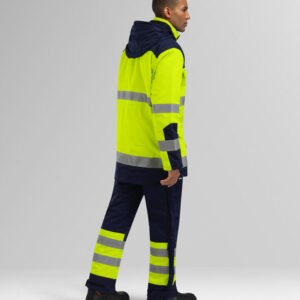
High-visibility workwear includes vests, jackets, trousers and coverall concepts with color blocking and reflective tape placement planned for the intended work setting. Any visibility classification or compliant performance claim requires SKU-specific material, design and certification evidence.
Get a Quote
Flame Resistant and Arc Workwear
Flame-resistant and arc-workwear development may include shirts, pants, coveralls and outerwear designed around buyer-specified protective requirements. Fabric, components, construction and labeling must align with the applicable standard; no rating should be claimed without documented test evidence.
Get a Quote
Chemical Resistant Clothing
Chemical-resistant clothing is developed only against a clearly defined exposure scenario, material requirement and testing scope. Garment format, closures, seams, hood or coverage details and labeling can be planned, while resistance claims require documented evidence for the finished SKU.
Get a Quote
Anti-Static and Cleanroom Workwear
Anti-static and cleanroom workwear includes ESD-oriented and controlled-environment garment concepts such as coats, coveralls and related layers. Fabric selection, closure, cuff, hood, coverage and labeling should follow the buyer’s process requirements and any required verification documentation.
Get a Quote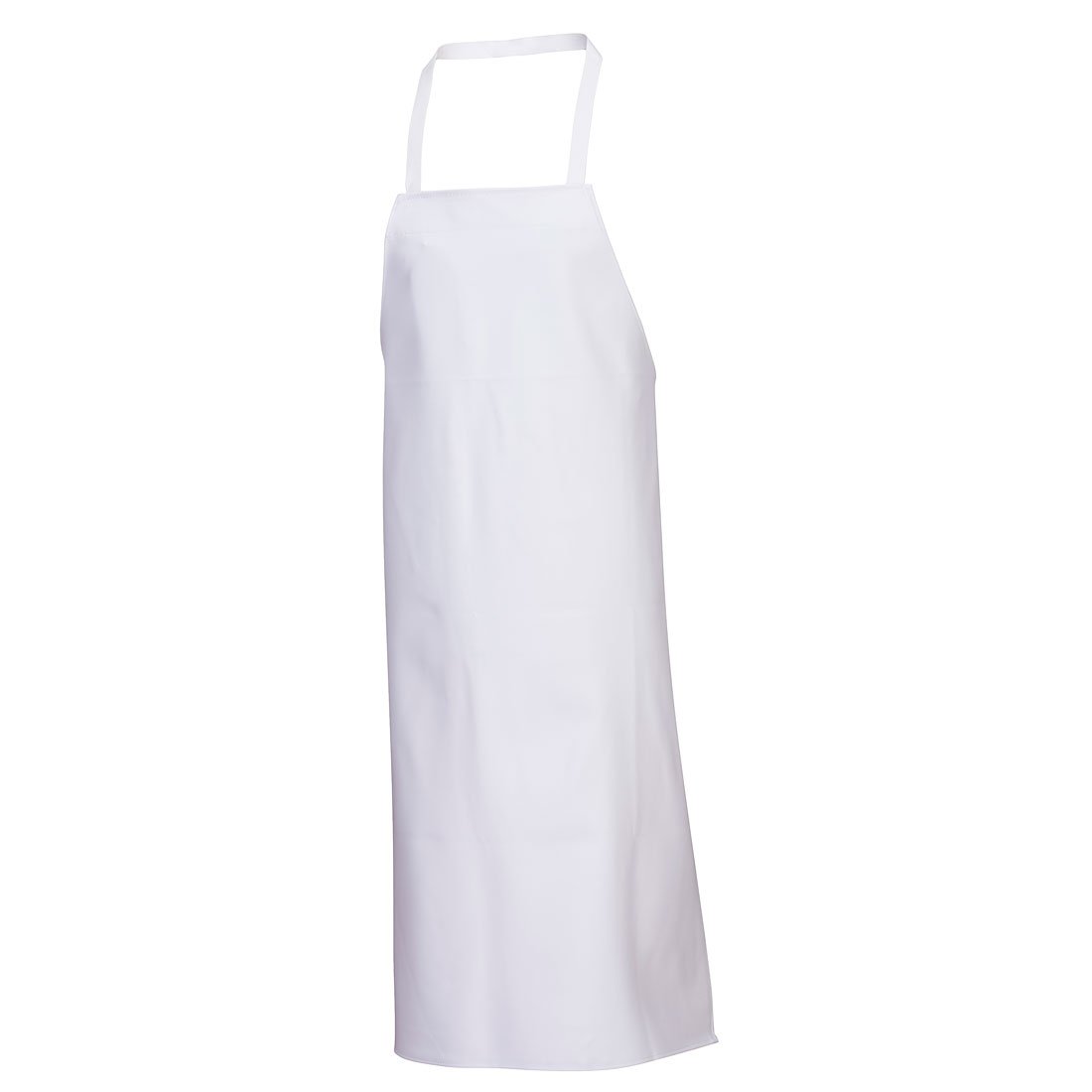
Industry Uniforms
Industry uniforms combine practical construction with consistent brand presentation across trades, facilities and service operations. Shirts, polos, trousers, jackets, vests and coveralls can share fabrics, colors, logo methods, labels, sizing and packing rules within one supply program.
Get a Quote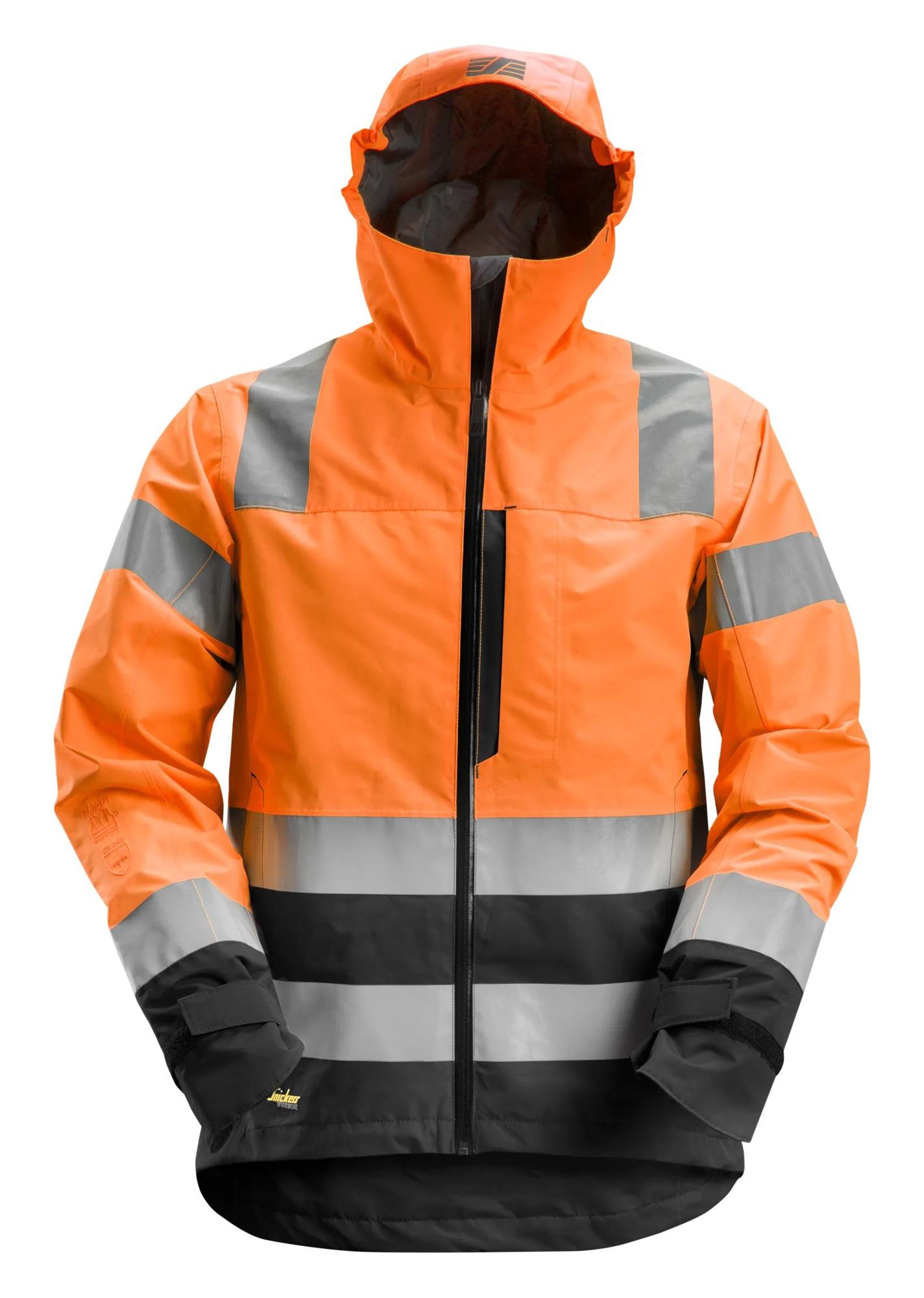
Construction Workwear
Construction workwear includes durable shirts, cargo trousers, shorts, jackets, vests, bib overalls and coveralls. Buyers can specify utility pockets, reinforced knees, bartacks, triple stitching, gussets, weather layers, visibility detailing and branding based on the tasks crews perform.
Get a Quote
Warehouse and Logistics Workwear
Warehouse and logistics workwear supports picking, dispatch, delivery and site teams with polos, tees, trousers, shorts, vests and outerwear. Develop mobility-focused fits, pocket arrangements, durable fabrics, color coding, reflective placement, logos and seasonal layers for coordinated issue.
Get a Quote
Oil Gas and Chemical Workwear
Oil, gas and chemical workwear programs can include coveralls, two-piece suits, shirts, trousers, jackets and specialist garment concepts. Protective requirements, fabrics, trims and construction must be defined against the application and supported by the relevant test or certificate scope.
Get a Quote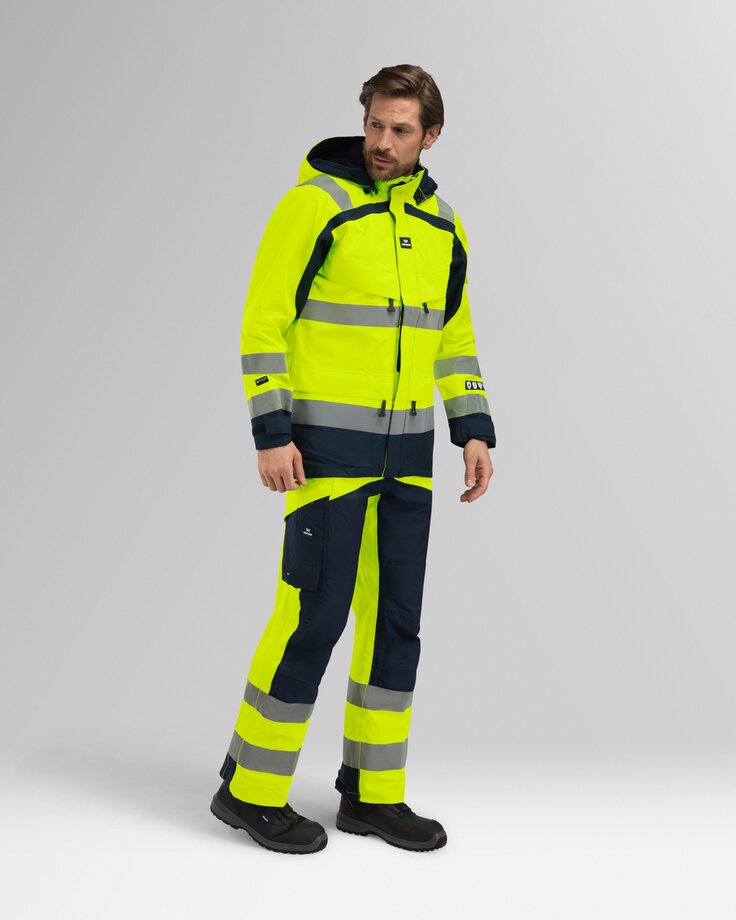
Electrical Utility Workwear
Electrical utility workwear can be developed as shirts, trousers, coveralls and layered outerwear for field and maintenance teams. Buyers should provide applicable protective standards and test requirements; garment features, branding, pockets and weather layers are then planned around the program.
Get a Quote
Manufacturing Workwear
Manufacturing workwear includes durable tops, trousers, coveralls, jackets and vests for production-floor teams. Fabric composition, mobility, pocket utility, reinforcement, color coding, logo decoration and sizing can be tailored to the facility’s processes and daily wear requirements.
Get a Quote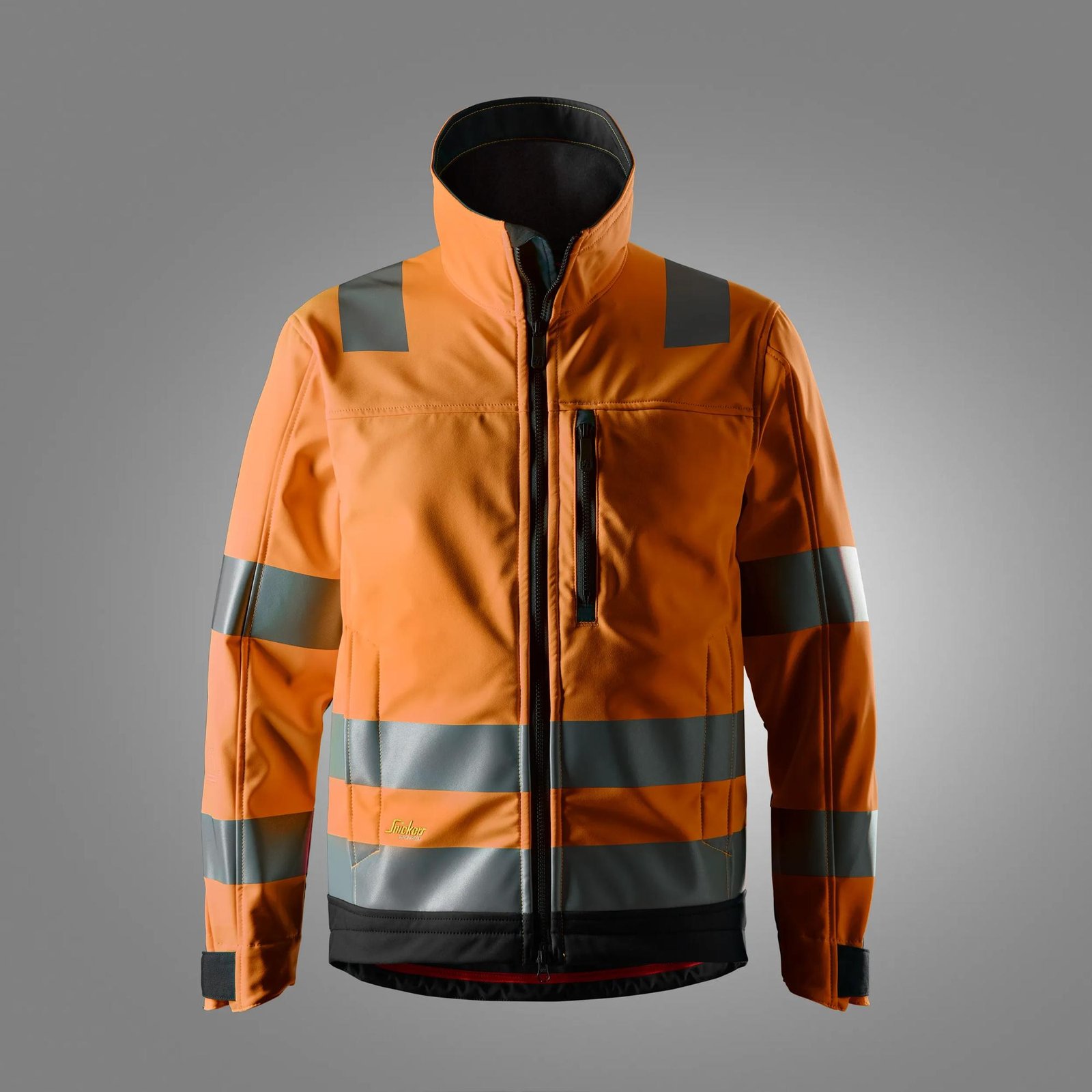
Aviation Ground Crew Uniforms
Aviation ground crew uniforms can combine polos, shirts, jackets, trousers, vests and weather layers for ramp, baggage and support teams. Develop durable materials, functional pockets, color-blocked identification, reflective placement, branding, sizing and seasonal assortments for operational roles.
Get a Quote
Hospitality and Service Uniforms
Hospitality and service uniforms span front-of-house shirts, polos, trousers, skirts, skorts, chef clothing, aprons and outerwear. Fabric appearance, comfort, color, fit, logo treatment, trims and coordinated role-based styling can be developed for customer-facing teams.
Get a Quote
Security and Law Enforcement Uniforms
Security and law-enforcement uniform concepts include shirts, polos, trousers, outerwear, vests and coordinated accessories. Buyers can define fabric, pocket systems, badge or patch placement, shoulder details, color, fit, labels and branding; official specifications remain buyer-supplied requirements.
Get a Quote
Tactical Uniforms
Tactical uniform development can cover field shirts, cargo trousers, outer layers and coordinated sets with utility pockets, reinforced areas, bartacks, gussets and durable fabric options. Configuration, colors, insignia placement and procurement requirements are determined by the buyer’s application.
Get a Quote
Agriculture and Forestry Workwear
Agriculture and forestry workwear includes shirts, trousers, shorts, jackets, vests, bib overalls and outer layers for field operations. Durable fabrics, practical pockets, reinforced zones, weather-oriented construction, color options and branding can be developed around seasonal work needs.
Get a Quote
Mining Workwear
Mining workwear can include coveralls, two-piece sets, jackets, vests, trousers and base layers for site teams. Pocket systems, reinforced construction, visibility design targets, weather layers, fabric selection and branding are specified for the environment, with protective claims requiring evidence.
Get a Quote
Marine Workwear
Marine workwear includes shirts, trousers, coveralls, jackets, vests and weather-layer concepts for dock, vessel and service crews. Buyers can develop corrosion-conscious trim choices, practical closures, pockets, color coding, weather protection details and branding for the intended operating conditions.
Get a Quote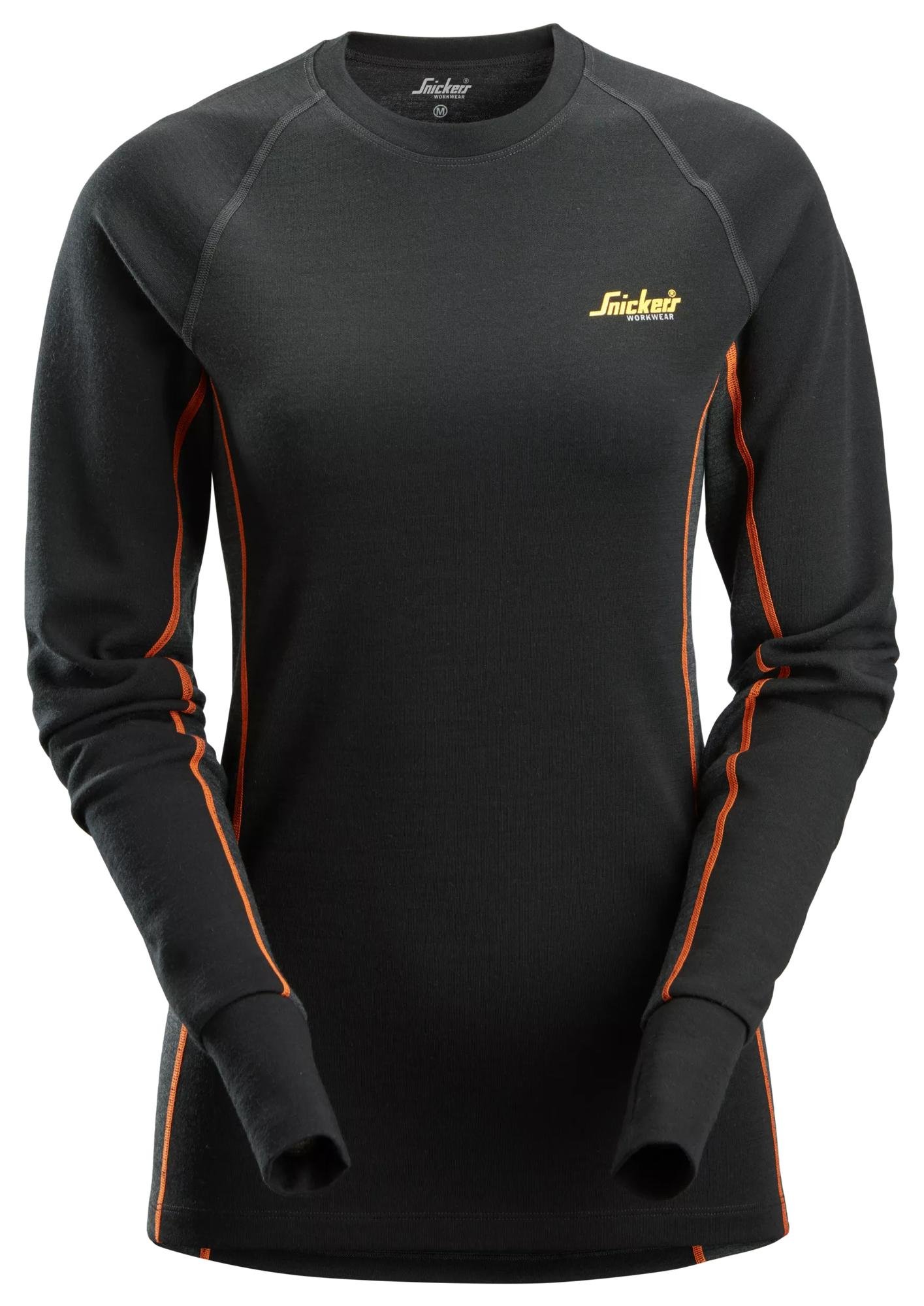
Base Layers
Base layers can be developed as undershirts, thermal tops, leggings and lightweight layering pieces for workwear systems. Fabric composition, stretch, weight, seams, neck shape, cuffs, color, size grading, labels and packaging are selected for the planned uniform use.
Get a Quote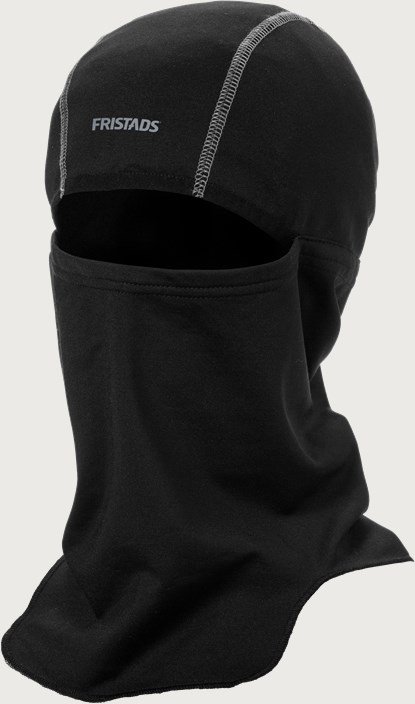
Headwear and Neckwear
Headwear and neckwear extend a uniform program with caps, beanies, neck gaiters, scarves and related accessories. Buyers can coordinate color, fabric, seasonal weight, woven labels, embroidery, patches, printing and packaging with the primary garments.
Get a Quote
Workwear by Application
Workwear by application brings together garment families for industrial, safety, service and field roles. Shirts, trousers, outerwear, vests, coveralls and sets can be configured around environment, task demands, branding, seasonal layering and buyer-defined material or protective requirements.
Get a Quote
Construction Uniform Programs
Construction uniform programs coordinate durable garments across site roles, from polos and shirts to cargo pants, jackets, vests and coveralls. Set common colors, logo methods, utility features, reinforced construction, size grading and packing rules for consistent procurement.
Get a Quote
Manufacturing Uniform Programs
Manufacturing uniform programs organize production-floor apparel into practical, branded assortments. Work shirts, polos, trousers, coveralls, jackets and vests can share fabric families, colors, pocket functions, logo placement, labels, sizing and employee issue requirements.
Get a Quote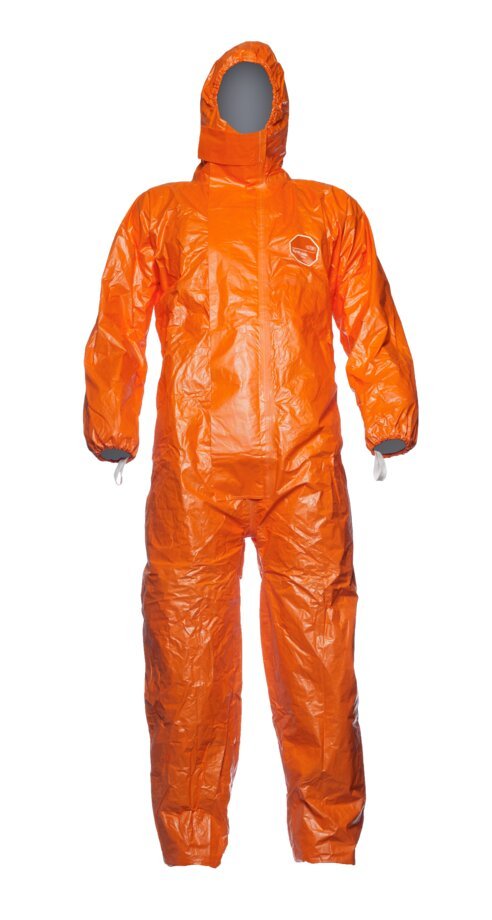
Oil and Gas Uniform Programs
Oil and gas uniform programs can combine everyday industrial garments with buyer-specified protective workwear development. Coveralls, shirts, trousers, outerwear and layers are coordinated by color, branding and construction, while performance requirements require exact standards, testing and documentation.
Get a Quote
Electrical Utilities Uniform Programs
Electrical utilities uniform programs can align field shirts, trousers, coveralls, jackets and layered outerwear under one identity system. Fabric, pockets, weather-oriented details, logo placement and sizing are developed to the brief; arc-related claims require SKU-specific verified evidence.
Get a Quote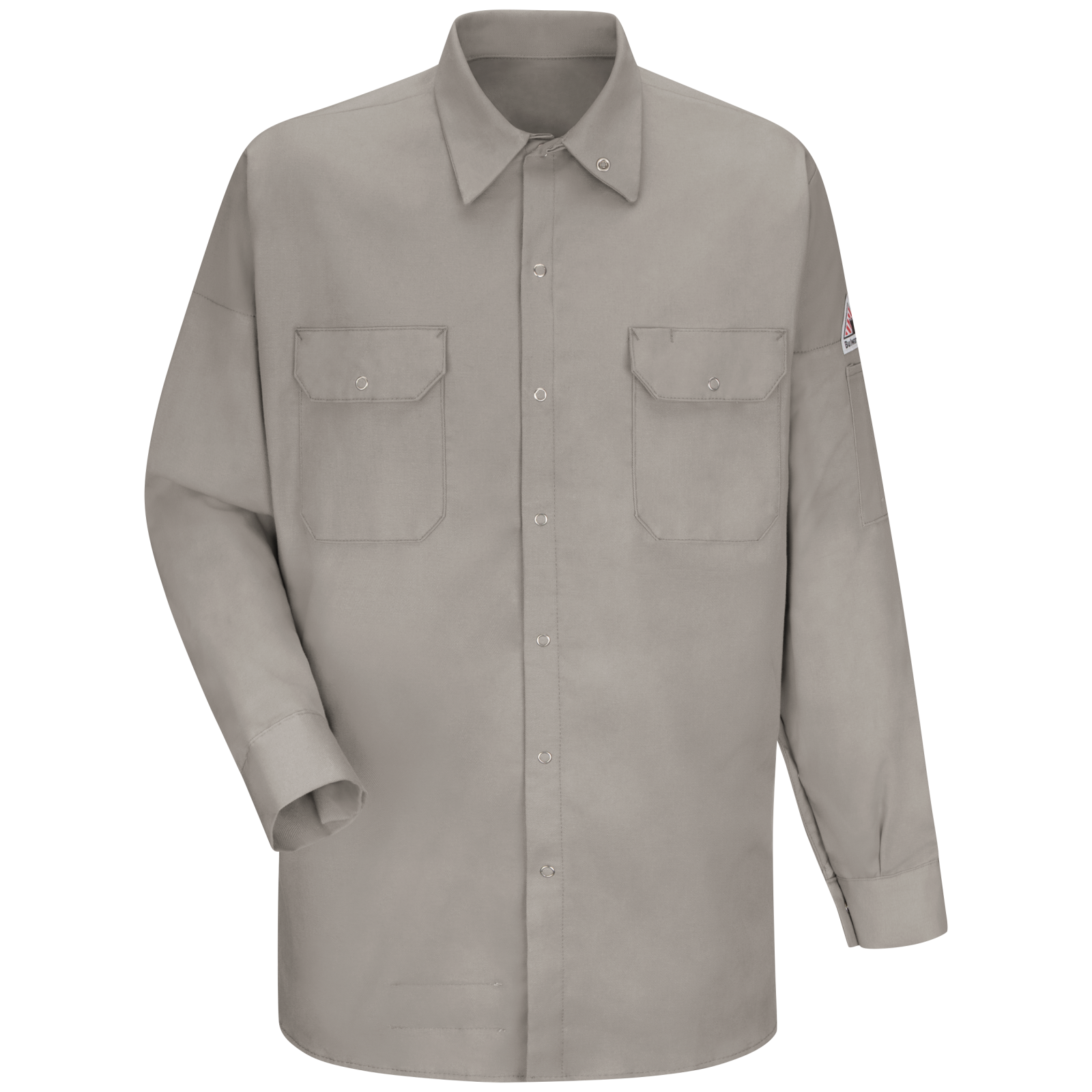
Welding Uniform Programs
Welding uniform programs can include shirts, trousers, coveralls, jackets and protective-oriented garment concepts. Material selection, coverage, pocket design, closures, reinforcements and branding are built to buyer requirements, with heat or flame performance claims limited to documented test and certification scope.
Get a Quote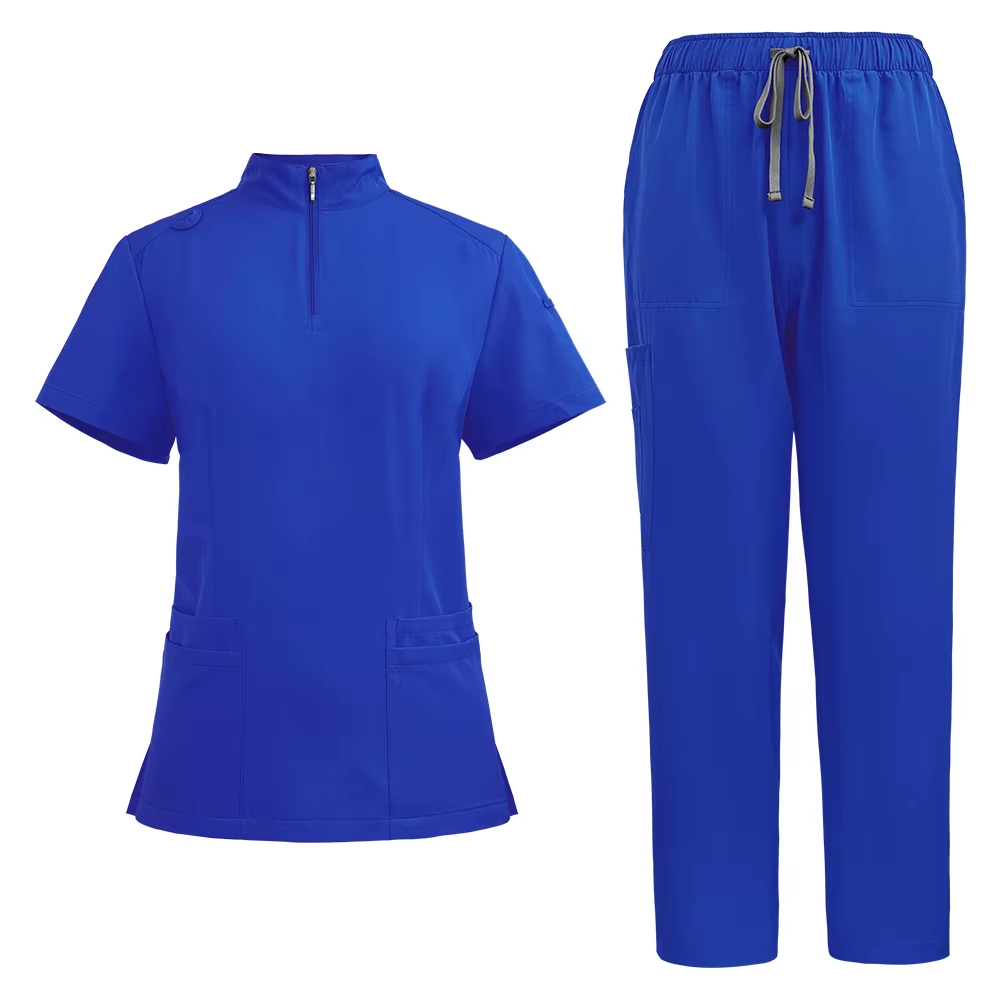
Healthcare Uniform Programs
Healthcare uniform programs include scrubs, lab-style garments and coordinated service apparel for clinical teams. Buyers can develop fabric, color, fit, pockets, closure details, size grading, woven labels, embroidery and packaging around the intended workplace and procurement model.
Get a Quote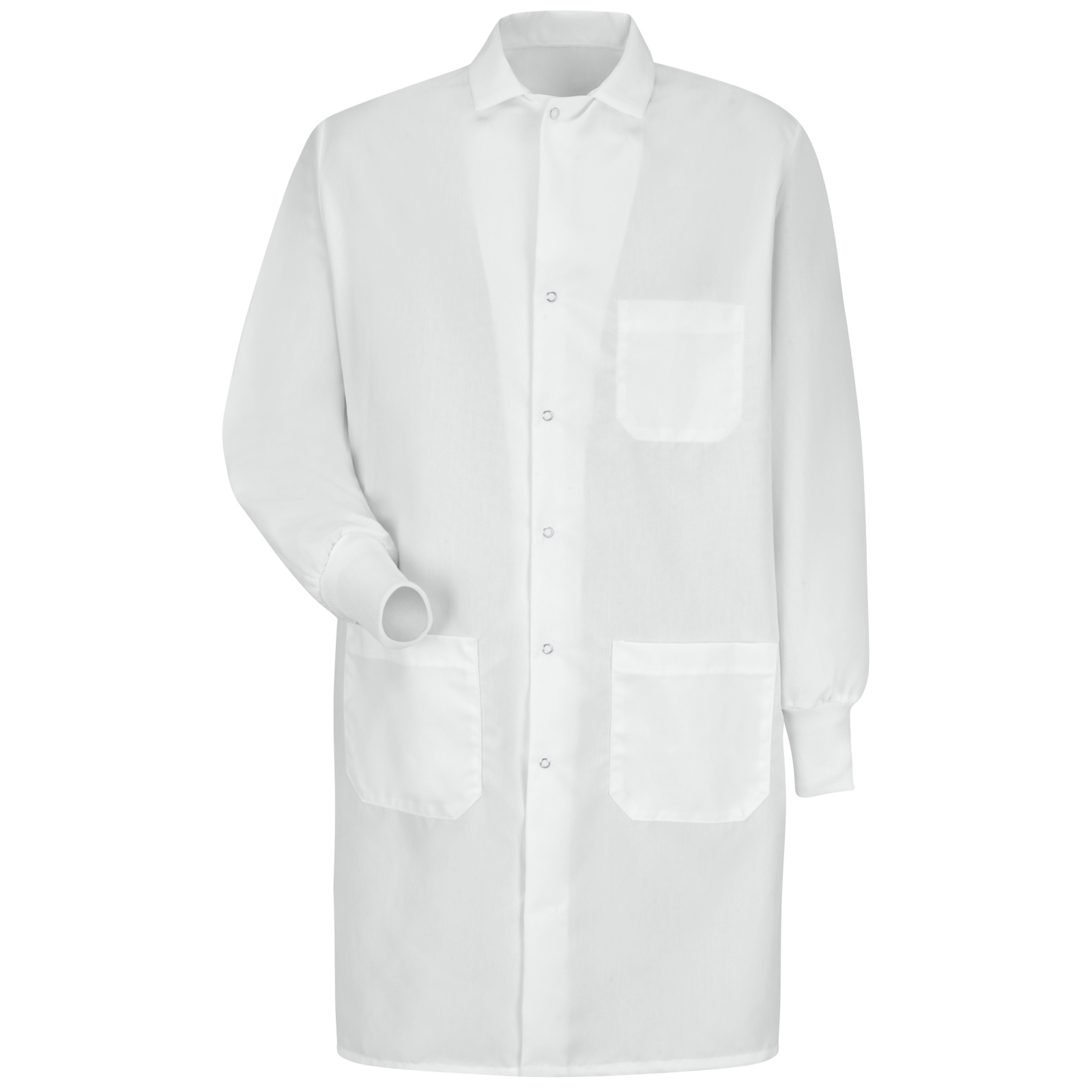
Food Processing Uniform Programs
Food processing uniform programs can include coats, shirts, trousers, coveralls, aprons and related headwear concepts. Define coverage, fabric, closures, colors, logo treatment and laundering expectations for the facility; hygiene or protective compliance requirements must be supplied and documented.
Get a Quote
Cold Storage Uniform Programs
Cold-storage uniform programs layer base garments, fleece, padded jackets, vests, trousers and coveralls for planned working conditions. Shell, lining, insulation, cuffs, collars, closures, pockets and branding can be specified, without assigning temperature ratings absent documented evidence.
Get a Quote
Logistics Uniform Programs
Logistics uniform programs combine polos, tees, trousers, shorts, vests, jackets and outer layers for warehouse and delivery teams. Standardize fabric choices, color coding, visibility design targets, logo placement, pocket needs, size ranges and seasonal issue across locations.
Get a Quote
Mining Uniform Programs
Mining uniform programs coordinate coveralls, work sets, jackets, trousers, vests and base layers for demanding site operations. Buyers can specify durability features, pocket layouts, reinforced areas, weather layers, color coding and branding; safety performance claims require verified documentation.
Get a Quote
Agriculture Uniform Programs
Agriculture uniform programs cover seasonal field apparel, including shirts, trousers, shorts, jackets, vests, bib overalls and outer layers. Fabric, pocket utility, reinforcement, weather-oriented features, colors, labels and branding can be matched to crop, livestock or forestry operations.
Get a Quote
Custom Workwear Development Capabilities
Custom workwear development covers the path from concept to production: fabric and trim sourcing, patterns, samples, grading, cutting, sewing, reinforcement, decoration, finishing, inspection, packing and export coordination. MOQ starts at 100 pieces per style and color, subject to requirements.
Get a Quote
Workwear Buying Guides
Workwear buying guides help buyers frame category decisions around garment type, work setting, fabric, sizing, colors, branding, quantity, destination and timeline. For protective projects, guides should also identify the applicable standard and required tests or certificates before quoting.
Get a QuoteWorkwear Fabrics Selected for the Job



Custom Workwear Manufacturer Processes for Branding and Durability


Functional Trims and Brand Accessories


Why Choose Veelianpro as Your Custom Workwear Manufacturer
Veelianpro is a Wuhan-based custom workwear manufacturer with an operating background beginning in 2012. We help industrial, safety, hospitality, and service apparel buyers turn a tech pack, sample, sketch, or product idea into a production-ready program tailored to their market and work setting.
Our buyer-first process brings fabric and trim sourcing, pattern development, sampling, size grading, sewing, reinforcement, decoration, quality checks, packing, and export coordination into one practical workflow. Discuss pocket layouts, fabric choices, reinforced areas, weather features, reflective placement, labels, and packaging before production begins.
We support OEM, ODM, private-label, and wholesale workwear programs from 100 pieces per style and color, subject to material and construction requirements. Clear feasibility review, customization details, and quote-ready communication help buyers develop garments with fewer assumptions and a stronger basis for repeat orders.
Custom Workwear Manufacturer Capabilities That Support Production
Pattern Development That Fits
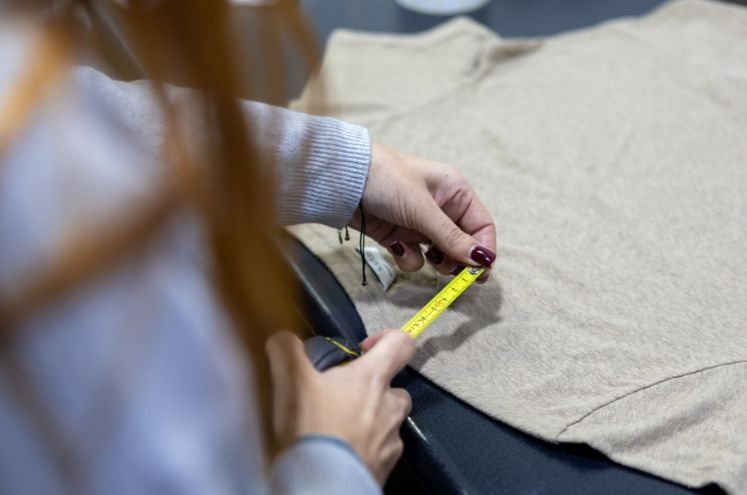
Veelianpro develops patterns from your tech pack, sketch, approved sample, or product concept, then supports size grading and sample refinement before bulk production. This helps buyers align fit, movement, pocket placement, and construction details with the intended work setting.
- Review tech packs, sketches, samples, and product ideas
- Develop patterns and size grading for agreed ranges
- Refine fit and functional details through sampling
- Confirm production-ready specifications before bulk cutting

Fabric and Trim Sourcing
Select fabrics, linings, closures, reflective components, labels, and other trims around the garment’s purpose and brand requirements. Buyers can discuss composition, weight, color, weather protection, and required documentation early, while final suitability remains subject to the selected materials and application.
- Discuss fabric composition, weight, color, and hand feel
- Source trims for pockets, closures, labels, and branding
- Coordinate reflective tape placement and functional accessories
- Provide applicable standards or test requirements with the inquiry

Durable Construction Details
A custom workwear manufacturer should translate real job demands into practical garment construction. Veelianpro can incorporate reinforced knees, bartacks, triple stitching, gussets, pocket systems, and other agreed details to support the product design without making unverified performance claims.
- Specify reinforced panels and knee construction
- Plan bartacks and stitching at high-stress points
- Configure utility pockets, loops, and closure systems
- Review gussets and mobility-focused pattern details
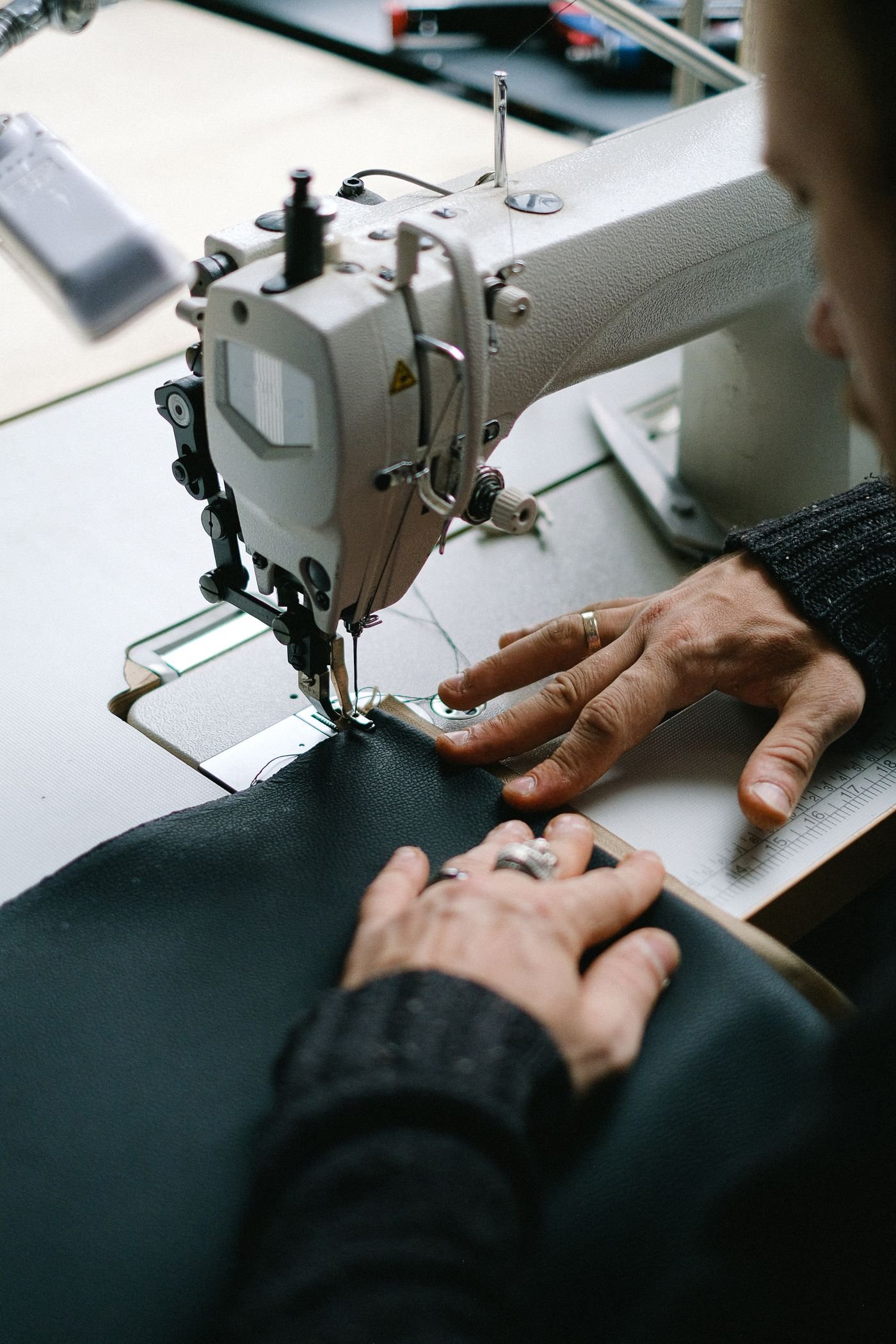
QC, Packing, and Export Coordination
After production, Veelianpro coordinates quality checks, finishing, packing, and export preparation according to the confirmed order requirements. Clear instructions for labels, folding, carton marks, destination, and inspection expectations help keep the finished workwear program organized for delivery and repeat orders.
- Coordinate agreed quality-check requirements
- Apply care labels, woven labels, and custom packaging
- Confirm folding, carton marks, and packing instructions
- Share destination and shipment needs when requesting a quote

What Veelianpro Puts in a Workwear Quote
Compare a developed workwear program with an off-the-shelf uniform order. Keep the intended use, quantity and delivery basis the same when requesting both quotes.
← Swipe left or right to view →
From Product Brief to Export-Ready Workwear
A practical custom workwear manufacturer process that keeps materials, construction, approvals and shipment details aligned before production.
Review Brief and Feasibility
Share your tech pack, sketch or product idea with garment type, work setting, quantity, destination and any required standards for an initial feasibility review.
Select Fabrics and Trims
Confirm fabric composition and weight, colors, pocket layout, reinforcements, reflective details, closures, labels and decoration methods suited to your intended workwear program.
Develop Patterns and Samples
Create patterns, size grading and a pre-production sample for review, allowing your team to assess fit, construction, branding placement and material choices before approval.
Confirm Quote and Order
Finalize approved specifications, quantities, packing requirements, commercial terms and production details. MOQ starts from 100 pieces per style and color, subject to requirements.
Cut Sew and Inspect
Production moves through cutting, sewing, reinforcement, finishing and quality checks, with attention to approved construction details, labeling, measurements and presentation.
Pack and Coordinate Export
Finished garments are packed to the agreed requirements, then shipment coordination supports delivery planning for your destination, documentation needs and future reorder program.
Start Your Custom Workwear Manufacturer Order
Share the right product details early so materials, branding, sampling and bulk production can be planned around your program.
Send Your Product Brief
Provide a tech pack, sketch, reference sample or concept with garment type, work setting, size range, target quantity, destination and timeline.
Confirm Materials and Branding
Review fabric, trims, construction details, colors, pocket layout and decoration options, including embroidery, printing, patches, labels and custom packaging.
Approve Samples and Quotation
Assess the developed sample and confirmed specifications, then review the quotation, applicable protection documentation requirements and order details before approval.
Move Into Bulk Production
After order confirmation, Veelianpro coordinates cutting, sewing, reinforcement, decoration, finishing, quality checks, packing, export support and future reorder planning.
Documentation to Review for Custom Workwear


How Buyers Resolve Sample and Order Issues
We were ordering for warehouse pickers and drivers, and one jacket fit was giving us two different problems. The pickers needed room to reach and the drivers needed a hem that stayed clear of the seat belt. We tried the same fabric in both fittings, changed the driver hem and kept the same badge placement. That gave us a simple two-line order rather than asking either crew to compromise.
Our first quote covered the garment but left the label and carton work as one extra charge. We separated the two and agreed what each colour needed before asking for the revised quote. The final approval list had the swatch reference, logo file and carton mark on it, so the warehouse knew what to check when the order came in.
When we planned a second order, our original sample and the size list were in different email threads. We pulled the pattern revision, signed measurements and colour swatch into one approval record. The next quote could then refer to the same specification, and we only had to discuss the change to the size split.
Custom Workwear Manufacturer FAQ
Practical answers about garment specification, sample checks and sourcing decisions.
Which garment categories should be included in a custom workwear program?
What does a custom workwear manufacturing brief need before development starts?
Which fabric and construction choices should be checked on a workwear sample?
How should a buyer review logo decoration and placement on workwear?
How can branded workwear support a consistent team presentation?
What should be confirmed before requesting a custom workwear quotation?
When should a buyer treat safety or protective requirements as a separate documentation check?
What order quantity should be planned for a custom workwear style and color?
The Complete Guide to Custom Workwear Manufacturing
Build a coordinated workwear range with the right garment families, fabrics and construction. Understand how specifications, sampling and order structure affect fit, consistency and cost.
1. What a Custom Workwear Manufacturer Does
A custom workwear manufacturer turns a buyer’s intended garment program into production specifications, samples, and repeatable private-label goods. In OEM sourcing, the buyer defines the product and brand while the factory makes it; ODM can add development support when the starting point is a sketch, reference sample, or functional brief.
That differs from decorating blank apparel. Printing or embroidering a stocked shirt changes its appearance, but custom manufacturing can determine the pattern, fabric and trim selection, pocket layout, reinforcement, size grading, labels, packaging, and finishing before cutting begins. The distinction matters when a range needs a consistent fit or job-specific construction rather than a logo on an existing garment.
Buyers usually begin in one of three ways. A complete tech pack gives the clearest control over measurements, bill of materials, artwork, and construction details; adapting a proven construction can reduce development decisions while allowing selected changes; and a concept brief requires more definition through pattern, material, and sample review. For Veelianpro inquiries, identify the garment type, work setting, fabric direction, size range, color, branding, quantity, destination, and timeline; protective claims also require the applicable standard and supporting test or certificate requirements.
2. How Custom Workwear Programs Evolved
A coordinated uniform once meant matching shirts and trousers, but a modern workwear program is built around what each wearer carries, reaches for, kneels on, and layers over the course of a shift. A warehouse picker, field technician, kitchen team, and site supervisor may share a color system and identity while needing different pocket layouts, mobility, abrasion management, and weather layers.
That change makes the garment family—not the isolated SKU—the practical unit of development. A core work shirt or polo can establish fit and color; trousers, cargo styles, coveralls, vests, fleece, softshell jackets, and rain layers then extend the same visual and sizing logic to distinct job roles and seasons. Reinforced knees, bartacks, gussets, tool storage, reflective-tape placement, and decoration should be specified where the use case justifies them, rather than copied across every style.
Distribution also shapes the assortment. An enterprise uniform buyer may need role-based issue options and consistent reordering, while a wholesaler or safety distributor may need a clear good-better assortment that can be presented across customer segments. For a private-label range, shared fabrics, trims, color standards, label treatments, and graded size blocks help connect the collection; each style can still retain a defined end-use purpose. Where visibility or protective performance is part of the brief, it must remain a separately documented requirement, not an assumed result of a coordinated look.
3. Custom Workwear Manufacturer Product Categories
A private-label range works best when each garment has a defined job: daily uniform, task-specific utility layer, weather layer, or full-body option. A custom workwear manufacturer can develop individual styles or an assortment built from shared fit, color, and branding decisions.
| Category | Typical Assortment Role | Cross-Category Decision |
|---|---|---|
| Shirts and polos | Daily uniform base | Brand placement and color blocking |
| Utility pants | Task-focused lower body | Pocket logic and fit block |
| Coveralls and jackets | Industrial or weather layer | Closure, trim, and size consistency |
| Vests | Add-on functional layer | Decoration and reflective-tape layout |
Shirts, Polos, And Tees
Work shirts suit industrial, maintenance, and field uniforms where a collar, chest-pocket layout, or tougher appearance matters. Polos and tees give service, hospitality, and customer-facing teams a lighter everyday option.
Keep collar shape, color blocking, logo position, and size labeling consistent so entry-level tops still read as part of the same collection.
Trousers And Utility Pants
Work trousers, cargo pants, shorts, and utility styles anchor a range because pocket layout and movement needs vary more by job than by logo. A cargo silhouette may suit tools and supplies, while a cleaner trouser supports service uniforms.
Specify the intended pocket system and reinforcement concept before sampling; those choices affect the matching shirt or jacket proportions.
Coveralls And Outer Layers
Coveralls and two-piece work suits create a recognizable industrial offer for workshop, maintenance, and site programs. They should be developed as complete systems rather than oversized versions of separate tops and pants.
Softshell, fleece, padded, and rain jackets extend the program across changing conditions. Any weather or protective requirement needs its own documented specification and review.
Vests And Coordinated Sets
Utility and safety vests add a flexible layer for roles needing accessible pockets or an over-garment. Reflective tape placement is a design specification, not a visibility-performance claim without the applicable evidence.
A coordinated set can pair a top, pant, outer layer, and vest using the same color standard, trims, labels, and decoration rules. This helps distributors reorder related styles without visual drift.
4. Materials and Technical Options for Workwear
Material specifications determine whether a garment feels breathable and familiar or structured and hard-wearing after repeated laundering. A custom workwear manufacturer should match fiber, weave, finish, and trims to the task rather than treating fabric weight alone as a durability specification.
| Option | Commercial Character | Typical Fit |
|---|---|---|
| Cotton | Soft natural hand; can retain moisture | Service shirts and comfort-led uniforms |
| Polyester | Color-retentive, quicker-drying synthetic | Active service and logo-led programs |
| Cotton-polyester | Balanced hand and care profile | General uniforms and industrial basics |
| Twill | Diagonal weave with structured appearance | Pants, shirts, coveralls |
| Canvas | Firm, substantial woven surface | Abrasion-exposed workwear |
| Ripstop | Reinforcing grid construction | Snag-prone utility applications |
| Stretch woven | Greater movement through construction or elastic fiber | Mobility-focused trousers and panels |
Fiber And Weave Choices
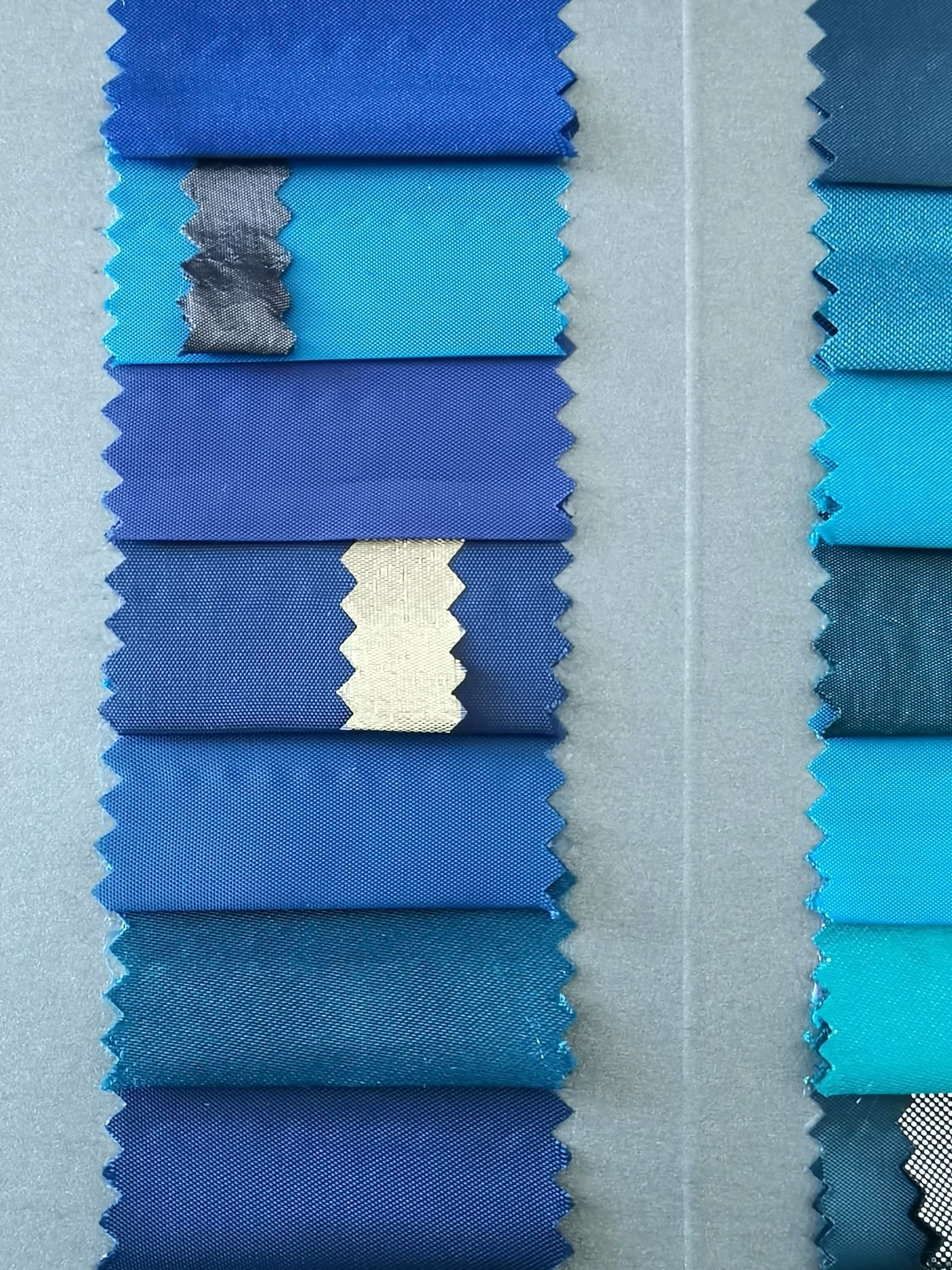
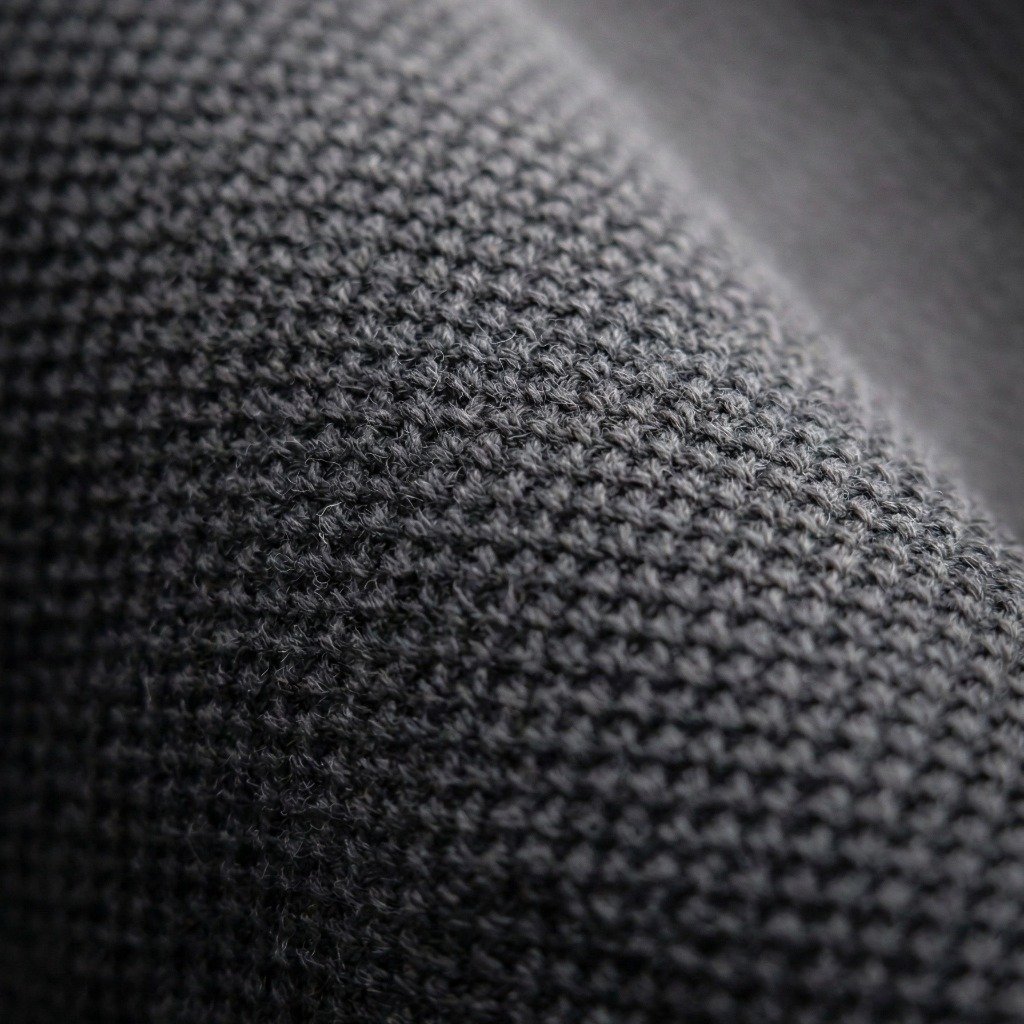
Cotton offers a natural hand and breathability, while polyester generally improves color retention and drying behavior. Cotton-polyester blends balance those traits for many uniform programs; the agreed composition should appear in the approved specification.
Twill’s diagonal structure suits trousers, shirts, and coveralls where a substantial surface is wanted. Canvas is typically firmer for abrasion-exposed zones, while ripstop uses a reinforcing grid that can help limit propagation after a snag.
Stretch, Finish, And Trims
Mechanical stretch comes from weave construction; stretch woven fabrics add elastic fiber for easier bending, climbing, or kneeling. More stretch can change recovery, hand feel, and laundering expectations, so approve a finished sample rather than judging an unwashed swatch.
Water-shedding finishes, zippers, snaps, hook-and-loop closures, webbing, and pocket linings should be specified by location and use. A tool-pocket edge needs a different trim decision from a hospitality shirt placket.
Protective Specifications Need Evidence
Standard workwear may use reflective-looking trim or weather-oriented construction without making a protection claim. For high-visibility, flame-resistant, arc-rated, chemical-protective, or other regulated programs, provide the applicable standard, required test evidence, and certification scope during development.
Veelianpro can discuss fabric, tape placement, and construction targets, but a design target is not a tested garment claim. Keep certificates and test documentation tied to the exact material, configuration, and claimed end use.
5. Custom Workwear Manufacturer Branding Options
Branding works best when it is drafted with the garment, not added after the pattern is finalized. A color block, pocket layout, closure choice, reinforcement zone, specified reflective detail, and logo position should read as one product specification.
| Method | Typical Placement | Visual Effect | Artwork Constraint | Garment Compatibility |
|---|---|---|---|---|
| Embroidery | Chest, sleeve, cap | Textured, dimensional | Simplify small detail | Wovens, fleece, stable panels |
| Screen Printing | Back, chest, large panel | Flat color graphic | Works best with separated colors | Tees and smooth fabric panels |
| Heat Transfer | Chest, sleeve, individual names | Crisp edged graphic | Needs prepared transfer artwork | Smooth, heat-suitable panels |
| Patch | Sleeve, chest, hem | Badge-like identity | Define patch shape and border | Jackets, shirts, bags |
| Woven Label | Neck, side seam, hem | Refined brand identifier | Best for concise text or marks | Most garment seams |
Build The Visual System
Map main, contrast, and trim colors across shirts, trousers, jackets, and vests so a uniform program is recognizable at distance. Confirm whether color blocking crosses pocket openings, plackets, or reinforcement panels before sampling.
Pocket geometry affects both use and decoration space. A chest-logo location may compete with a radio pocket, zipper, or flap; choose the functional component first, then reserve a clear branding area.
Match Decoration To Garments
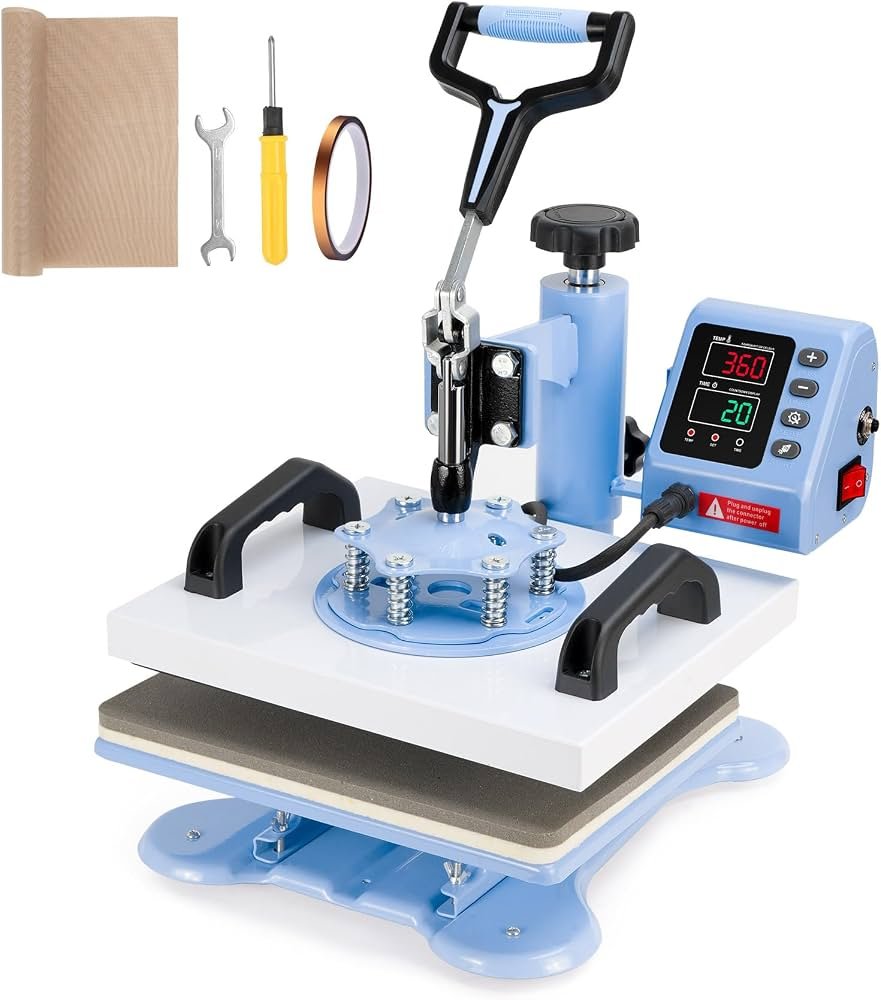
Artwork should be supplied in a usable format and assigned to a placement, scale, and color treatment for each garment. Our decoration options include embroidery, screen printing, heat transfer, patches, and woven labels; feasibility depends on the selected fabric and construction.
Finish The Private Label
A private-label specification also names the woven brand label, care label, hangtag, and packaging format. Keep required market information separate from promotional copy, and approve label text and artwork with the sample.
Specified reflective tape requires exact placement in the tech pack. A visibility or protective claim should be used only when the project has the applicable documented test and certification scope.
6. Construction Details That Shape Quality
Construction is where a workwear specification becomes repeatable rather than merely presentable. Before sampling, define the fit block, seam construction, reinforcement locations, pocket load, closures, and approved trims against the wearer’s actual task.
Pattern Blocks And Grading

A coverall that binds when crouching or a trouser with an unstable inseam often starts with an incomplete pattern, not poor sewing. Approve the base size, ease, rise, sleeve reach, and movement points before size grading.
Graded measurements, placement callouts, and a retained approved sample give reorders a common reference. Specify whether men’s, women’s, or unisex fits are required rather than assuming one block suits every wearer.
Seams And Reinforcement

Seam choice should follow the load path: inseams, crotches, armholes, and pocket corners see different stress from flat body panels. State the required seam type and stitch density when it is material to the design, then identify bartack locations and reinforcement patches on the tech pack.
A gusset can add room at a crotch or underarm, while reinforced knees suit kneeling-intensive work. These details must be drafted and positioned consistently, not added informally after sampling.
Pockets, Closures, And Trims
Utility pockets need an attachment method, opening dimensions, and intended contents defined; a phone pocket and a tool pocket impose different loads. Clarify flap shape, fastening, and whether pocket edges require reinforcement before the sample review.
For coveralls, document zipper or snap type, placket construction, puller finish, and placement of every recurring trim. A controlled trim specification helps later production match the approved sample when suppliers or lots change.
Pocket Attachment Details
A pocket layout should balance access with interference: thigh cargo pockets can obstruct movement if their volume and attachment are not tested in wear. Include placement from fixed pattern points and define reinforcement at corners, flap ends, and tool-loop joins.
During sampling, load the pocket with the intended item and inspect distortion, access, and stitching after movement. Record approved construction photos with the tech pack for repeat-order reference.
7. Choosing a Custom Workwear Manufacturer
A capable custom workwear manufacturer can turn a concept into a controlled repeat order, but fit depends on evidence, not broad capability lists. Compare how each supplier handles your category, approval decisions, and destination requirements.
| Comparison Area | Evidence To Request | Why It Matters |
|---|---|---|
| Category fit | Comparable construction details | Tests practical experience |
| Development control | Dated tech pack and sample approvals | Prevents revision drift |
| Reorder control | Master specification and packing record | Supports repeat consistency |
Match Category Experience
Ask to see development evidence for the garment family you are buying: a coverall is not a polo, and a padded jacket is not a cargo pant. Review relevant pocket layouts, reinforcement locations, closures, grading, and decoration placement.
For protective or visibility programs, provide the required standard and ask what test or certificate scope would be needed. A design target is not a documented performance claim.
Control The Sample Path
Agree on what each sample is intended to approve: fit and pattern first, then fabric, trims, artwork, construction, and packing. Record revisions against a dated tech pack so a bulk order does not rely on memory or marked-up photos.
At Veelianpro, we can begin from a tech pack, sketch, sample, or product idea and support pattern development and sampling. Confirm the project-specific sequence in the quotation.
Make Inputs Traceable
Request fabric composition, weight, color reference, trim specifications, and decoration files in writing. For embroidery, screen printing, heat transfer, patches, and labels, approve production artwork and placement before bulk release.
Ask how substitutions are proposed and approved when an input changes. This protects color consistency, hand feel, and branding across reorders.
Compare Operational Evidence
A supplier comparison is strongest when every candidate answers the same operational questions. Ask for the planned inspection points, measurement tolerances, defect-reporting format, master specification file, packing method, carton marks, and export documents needed for your destination.
Veelianpro lists quality checks, packing, and export coordination among its stated services; verify the scope for your order. Preserve approved samples, size charts, bills of materials, artwork, and packing instructions as the reorder reference.
8. Common Custom Workwear Sourcing Mistakes
Small specification gaps become expensive when they reach patternmaking, decoration, or bulk approval. A custom workwear manufacturer can develop a concept, but the buyer must convert its intended use into decisions that can be sampled and signed off.
Reference Images Need Specifications
A reference photo shows silhouette, not fabric composition, pocket dimensions, seam construction, or grading rules. Translate it into a tech pack or annotated sample with measurable placements and approved trims.
Illustrative scenario: a buyer requests a coverall copied from a photo, then rejects the first sample because the pocket opening and leg fit differ from expectation. A marked reference prevents interpretation from becoming a remake.
End Use Comes Before Fabric
Choose fabric after defining the work setting, movement demands, climate, laundering, and required appearance. The same cargo pant may need different composition, reinforcement, or weather features for service, warehouse, or outdoor use.
Illustrative scenario: selecting a heavy fabric for perceived durability can create an unsuitable uniform for active indoor staff. Document the end use first, then evaluate fabric and construction together.
Fit, Decoration, And Records
Size curves must reflect the target wearers; a size range alone does not establish proportions or grading. Decoration also needs placement, dimensions, color artwork, and a check against seams, pockets, and stretch areas.
Illustrative scenario: an embroidered chest logo lands partly over a pocket after pattern revision because artwork approval was separate from the garment sample. Keep one dated approval record for the sealed sample, size chart, artwork, labels, and packaging.
Protective Claims Require Evidence
Standard branded workwear and regulated protective apparel are different sourcing paths. Reflective tape, a flame-resistant fabric request, or a chemical-protection concept does not itself establish a certified performance claim.
Illustrative scenario: a distributor markets an unverified vest as compliant based on its appearance. Provide the applicable standard and required test or certificate at inquiry, then keep product copy limited to documented scope.
9. Launching a Private-Label Workwear Program
A private-label program becomes repeatable when the commercial brief is translated into one controlled garment specification. Start with the target wearer, work setting, assortment role, and the details that must remain consistent from sample through reorder.
Build the Assortment Brief
Define whether the launch centers on coveralls, work shirts, cargo pants, jackets, vests, or a coordinated uniform range. State the intended setting, such as maintenance, hospitality, warehouse, or service work, so fabric, pocket layout, reinforcement, and fit are developed for the actual use.
Lock the Technical File
Turn the concept into a tech pack or annotated reference garment: fabric and trim choices, colorways, graded size range, measurements, stitch and bartack locations, pocket dimensions, and construction notes. For a protected-workwear target, supply the applicable standard and required test or certificate; a design request is not a documented performance claim.
Approve Samples Before Bulk
Use the sample to check fit, mobility, fabric hand, decoration placement, labels, and packing—not merely the overall appearance. Record each revision, then approve a pre-production reference with bulk-quality criteria covering workmanship, measurements, branding, labeling, and packaging.
Send a Quote-Ready Request
A useful request to Veelianpro includes garment type, quantities by colorway and size, end use, fabric preferences, reference garments or sketches, logo artwork, labeling and packaging needs, destination, and target timeline. Veelianpro lists a starting MOQ of 100 pieces per style and color, subject to fabric, certification, and construction requirements; confirm MOQ and timing in a project-specific manufacturer discussion.
- Quantity by style, colorway, and size
- Vector or production-ready decoration files
- Reference sample, sketch, or tech pack
- Destination and required delivery window
10. Custom Workwear Manufacturer Cost Drivers
A coverall with multiple pockets, reinforcement, and branded trim is quoted differently from a basic polo because the pattern, component count, sewing operations, and inspection points are different. At Veelianpro, our starting MOQ is 100 pieces per style and color, subject to fabric, certification, and construction requirements.
A useful quote separates one-time development work from repeatable bulk inputs. Keep the specification consistent across colors and sizes where possible, but do not remove construction details needed for the intended job setting merely to simplify cost.
| Cost Driver | What Changes Cost | How Buyers Can Control Complexity |
|---|---|---|
| Garment category and construction | Coveralls, jackets, and cargo pants usually involve more panels, pockets, closures, reinforcement, and sewing than simple shirts. | Define the required pocket layout, bartacks, stitching, and reinforcement in the tech pack. |
| Fabric and trims | Composition, weight, color availability, reflective tape, zippers, snaps, elastic, and other components change material sourcing and assembly. | Approve fabric and trim options before sampling; identify any protection requirement with its applicable standard and evidence scope. |
| Pattern development and size assortment | A new block, fit revisions, grading, and a broad size curve add development and cutting complexity. | Provide an existing tech pack or sample when available, then confirm the size range and planned size breakdown early. |
| Colors and decoration | Additional colorways, color blocking, embroidery, screen printing, heat transfer, or patches require separate artwork, setup, or operations. | Use finalized artwork and placement files; consolidate decoration methods when the brand presentation allows. |
| Labels and packaging | Woven labels, care labels, hangtags, custom bags, and cartons add components and packing steps. | Specify mandatory label content and packaging format rather than requesting open-ended customization. |
| Quantity and order mix | Quantity per style, color, and size affects material purchasing, cutting efficiency, and how fixed development work is allocated. | Request a quote by complete style-color-size breakdown, including destination, instead of a single total-piece estimate. |
Ready to Develop Custom Workwear With Veelianpro?
Send your garment type, work setting, fabric, sizes, branding, quantity, destination, and timeline for a practical custom workwear manufacturer quote.