
Custom Overalls Built for Your Workwear Program
Veelianpro is a Wuhan-based custom workwear manufacturer developing custom overalls through OEM, ODM, and private-label production from a starting MOQ of 100 pieces per style and color, subject to project requirements.
Featured Products for Custom Overalls Development




Related Product Catalogue and Quotation


Why Buyers Choose Custom Overalls from Veelianpro
From buyer specifications to export-ready production, Veelianpro supports practical custom overalls programs for workwear brands, distributors, and enterprise sourcing teams.
Develop from Specifications
Share a tech pack, sketch, sample, or product idea; Veelianpro supports pattern development, sampling, grading, and construction refinement.
OEM, ODM, Private Label
Build custom overalls through OEM, ODM, or private-label programs, with fit, fabrics, trims, labels, packaging, and decoration aligned to your collection.
Flexible Project MOQ
Plan production from 100 pieces per style and color, subject to fabric, certification, construction, and other project-specific requirements.
Coordinated Material Sourcing
Coordinate fabric and trim sourcing alongside cutting, sewing, reinforcement, branding, finishing, packing, and export preparation through one manufacturing partner.
Production Quality Checks
Review workmanship and product details through production quality checks, while keeping protection claims tied to SKU-specific testing and certification evidence.
Custom Coveralls for Demanding Work
Developed for industrial, safety, service and specialist applications, with construction, materials and branding aligned to your product brief.

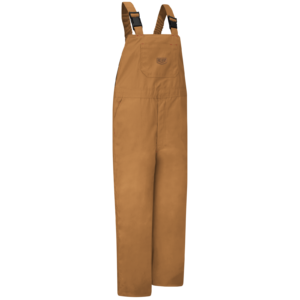
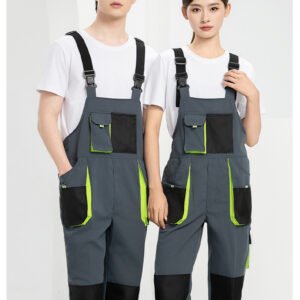
Bib Overalls
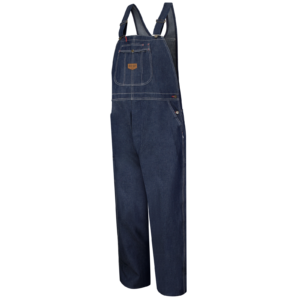
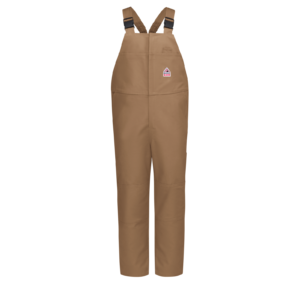
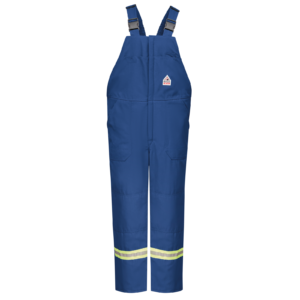
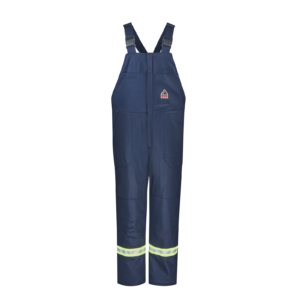
Bib overalls can be developed with adjustable shoulder straps, bib pockets, side closures and utility storage. Specify fabric composition, reinforced knees, bartacks, leg profile, branding labels and color blocking for trade, maintenance or industrial uniform programs.
Get a Quote
Short Overalls
Short overalls combine a bib-and-brace upper with a shorter inseam for warm-weather work settings. Pocket layout, strap hardware, hem finish, lightweight fabric selection and decoration can be tailored to service, warehouse and promotional workwear collections.
Get a Quote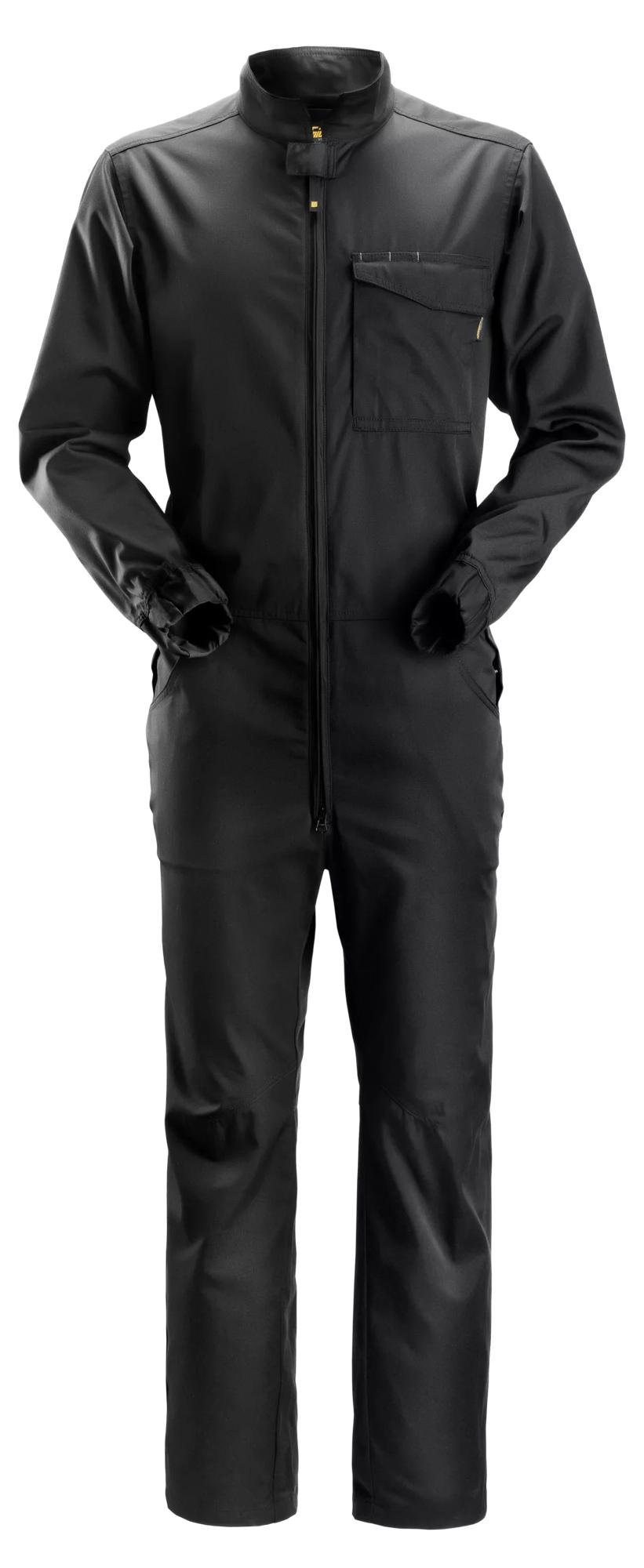
Coverall
One-piece coveralls are available with front closures, chest and hip pockets, action backs, elasticated sections and reinforced stress points. Develop the silhouette, fabric weight, collar, cuff, leg opening and private-label details around the intended work environment.
Get a Quote
FR Coverall
FR coveralls can be developed using buyer-specified flame-resistant fabrics, closures and construction details for industrial programs. Provide the applicable standard, required test scope and certification needs so the final product specification does not exceed documented performance evidence.
Get a Quote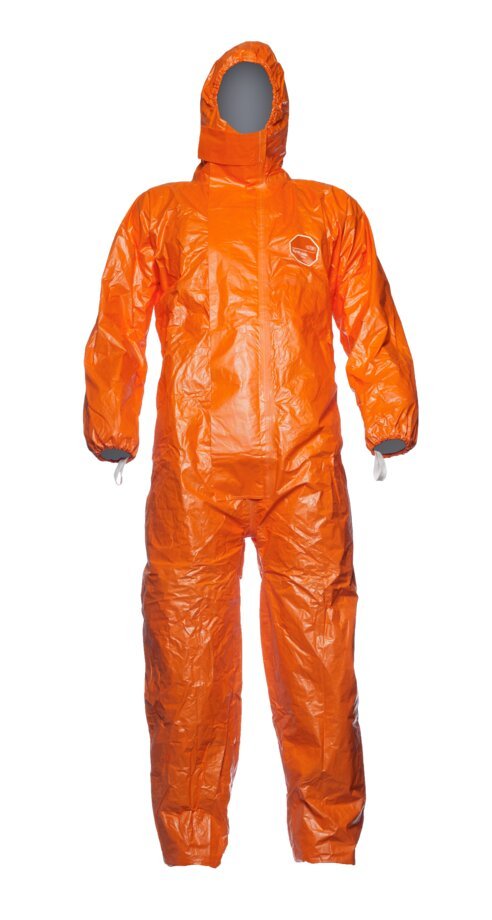
Chemical Coverall
Chemical-protective coverall development starts with the exposure scenario, required barrier material and garment configuration. Seam construction, hood, cuffs, closures and protective interfaces should be specified against the relevant standard and validated test requirements.
Get a Quote
Arc Flash Coverall
Arc flash coveralls can be designed around the required protective fabric system, layering approach, closure configuration and labeling. Buyers should provide the applicable standard and target documented rating; performance claims require SKU-specific test evidence and certification scope.
Get a Quote
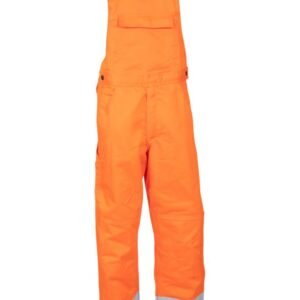
Hi-Vis Coverall
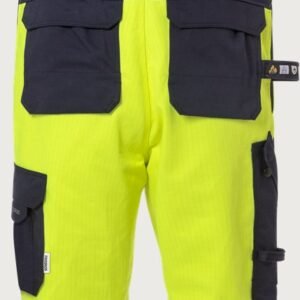
Hi-vis coveralls can incorporate contrast panels, reflective tape placement, pocket access and visibility-focused color layouts. Select the relevant standard and required test documentation during development, rather than treating a visual design as proof of certified visibility performance.
Get a Quote
Rain Coverall
Rain coveralls are built around weather-protection requirements, using selected shell materials, seam treatments, storm flaps, adjustable cuffs and hood configurations. Fabric performance, construction and any requested standard should be confirmed in the project specification before production.
Get a Quote
Insulated Coverall
Insulated coveralls support cold-working programs with selected shell fabrics, lining or insulation choices, full-length closures and mobility details. Coordinate the insulation package, pocket access, cuff design and target work conditions without assigning an unsupported temperature rating.
Get a Quote
Cleanroom Coverall
Cleanroom coveralls can be developed with suitable low-lint materials, enclosed closures, elasticated cuffs and hood or boot interface details. Define the controlled-environment protocol, material requirements and any validation needs before sampling to match the intended operating procedure.
Get a Quote
Medical Coverall
Medical coveralls can be tailored for clinical, laboratory or care settings with practical closures, pocket configurations, size grading and identification details. Material selection, color coding, labels and laundering expectations can be aligned to the buyer’s uniform program.
Get a Quote
Welding Coverall
Welding coveralls are developed with the requested fabric system, covered closures, reinforced stress areas and pocket placement suited to welding tasks. Share the exposure conditions and applicable standard requirements so protective features and supporting documentation are specified accurately.
Get a Quote
Disposable Coverall
Disposable coveralls are intended for single-use or limited-use applications, with material, hood, cuff, ankle and closure configuration selected for the work process. Required barrier properties and any protective claim must be supported by the applicable product testing.
Get a Quote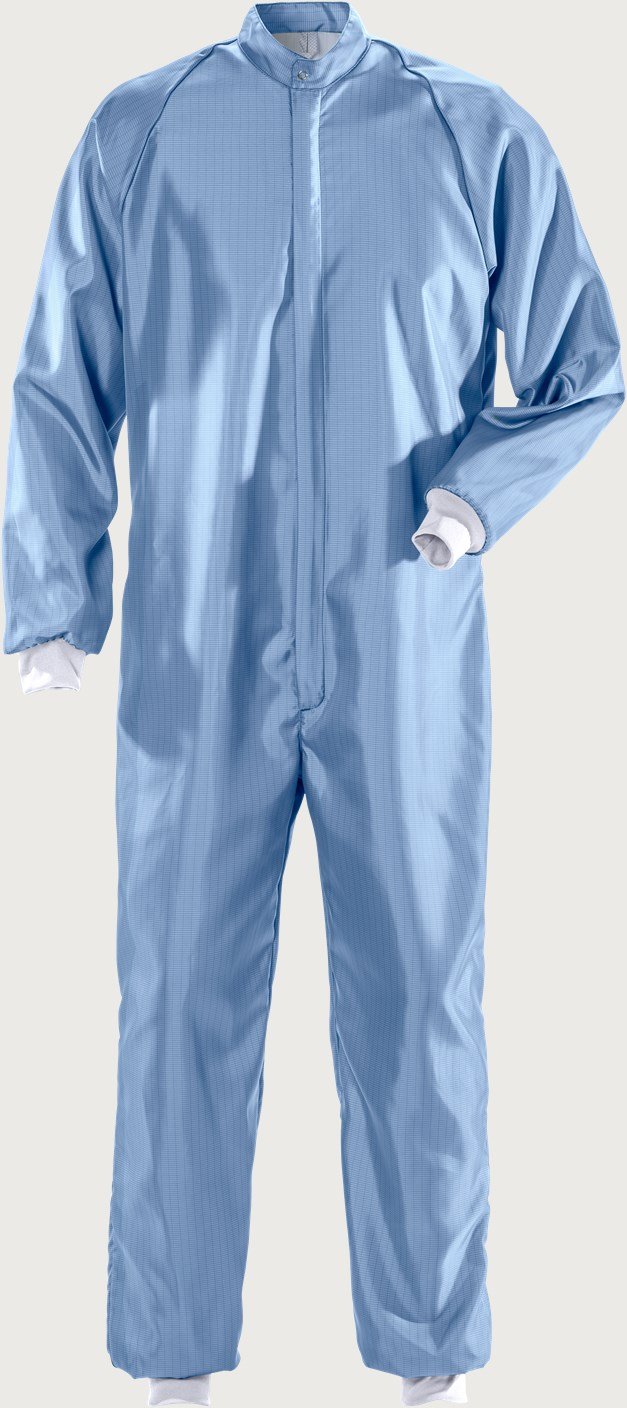
Reusable Coverall
Reusable coveralls are designed for repeat wear, with fabric durability, seam reinforcement, repair-conscious construction and care-label requirements considered from the start. Choose pocket systems, closures, branding and laundering expectations to suit the planned service life.
Get a Quote
Hooded Coverall
Hooded coveralls integrate head coverage with the one-piece garment through specified hood shape, face opening, closure overlap, cuff details and seam construction. They can be developed for industrial, weather-protection, cleanroom or protective product concepts based on the buyer’s requirements.
Get a QuoteMaterials for Custom Overalls and Workwear




Custom Overalls Decoration and Production Processes



Trims and Accessories for Custom Overalls


About Our Custom Overalls Manufacturing
Hubei Veelianpro Workwear Co., Ltd. is a Wuhan-based manufacturer serving industrial, safety, hospitality and service apparel buyers. The company profile states that its workwear operation began in 2012, with a mission to help brands turn product ideas, sketches, samples and tech packs into dependable custom overalls and coordinated uniform programs.
Veelianpro supports OEM, ODM, private-label and wholesale production from a starting MOQ of 100 pieces per style and color, subject to fabric, certification and construction requirements. Our workflow covers fabric and trim sourcing, pattern development, sampling, grading, cutting, sewing, reinforcement, decoration, finishing, quality checks, packing and export coordination.
What sets Veelianpro apart is a practical development process built around buyer requirements. Teams can review fabric choices, fit, pocket systems, reinforced knees, bartacks, stitching, reflective placement, weather protection and branding before production. The company profile also states a team of more than 300 skilled workers; this operating figure should be verified before prominent public use.

Core Capabilities Behind Custom Overalls
Review Ideas and Tech Packs
Veelianpro begins with your sketch, sample, tech pack or product idea. Our team reviews construction intent, work setting, branding needs and production feasibility before recommending practical specifications for custom overalls and related workwear programs.
- Assess garment format, use environment and target quantity
- Review pockets, closures, reinforcement and branding details
- Identify fabric, trim and certification requirements
- Clarify sampling, quotation and production milestones

Develop Fit and Sizing
Pattern development and sampling turn your concept into a production-ready garment. We can refine proportions, grading and wearer coverage for bib overalls, coveralls and coordinated workwear, with fit decisions aligned to movement, layering and the intended workforce.
- Develop or adapt patterns from approved references
- Create size grading for the required size range
- Review fit, mobility and layering during sampling
- Support men’s, women’s and inclusive sizing requirements

Source Fabrics and Trims
Material selection shapes comfort, durability, appearance and cost. Veelianpro helps compare fabric weights and compositions, then coordinates suitable trims for your custom overalls, including reflective elements, labels, closures, pocket components and private-label details.
- Compare fabric weight, composition and hand feel
- Source trims suited to weather, wear and workflow
- Plan reflective tape placement where required
- Coordinate woven labels, care labels and custom packaging

Build, Decorate and Inspect
After approval, production combines controlled cutting, sewing, reinforcement, decoration and finishing. Quality checks address workmanship and agreed specifications before packing and export coordination, while any protective performance claim remains subject to SKU-specific testing and documentation.
- Apply bartacks, triple stitching, gussets and reinforcements as specified
- Add embroidery, screen printing, heat transfer or patches
- Inspect measurements, construction, decoration and finishing
- Coordinate packing, shipment and reorder support

Custom Overalls vs. Off-the-Shelf Decorated Garments
Compare a made-to-specification development route with a preselected stock garment that receives added decoration. Minimum order feasibility depends on the final fabric, certification, and construction requirements.
← Swipe left or right to view →
Custom Overalls Production Process
Veelianpro guides each project from initial specification and fabric sourcing through sampling, production, inspection, packing, and export coordination for dependable B2B workwear development.
Share Your Requirements
Share your custom overalls concept, tech pack, sketch, sample, target setting, quantity, size range, destination, and timeline for an initial feasibility review.
Develop the Specification
We source suitable fabrics and trims, confirm construction priorities, develop patterns, and align branding, labeling, protection requirements, and private-label details.
Review Production Samples
Veelianpro produces samples for fit, measurements, pocket placement, reinforcement, decoration, and wearer review before approving the final specification for production.
Manufacture and Decorate
Approved styles move through cutting, sewing, reinforcement, decoration, finishing, and in-process quality checks according to the confirmed construction and branding requirements.
Inspect and Coordinate Export
We complete final inspection, packing, documentation, and export coordination, then support reorder discussions as your custom overalls program develops.
How to Develop Custom Overalls with Veelianpro
Move from an initial concept to production-ready workwear through structured review, sampling, quotation, manufacturing, inspection, and shipment.
Send Your Product Brief
Send your tech pack, sketch, sample, or product idea with target fabric, sizes, colors, branding, quantity, destination, timeline, and requirements.
Review Project Feasibility
We assess construction, fabric and trim sourcing, size grading, protection requirements, and whether the project fits the conditional MOQ starting at 100 pieces per style and color.
Approve the Development Sample
Veelianpro develops patterns and samples, then reviews fit, pocket systems, reinforcement, decoration, labels, and packaging with your team before quotation.
Confirm and Start Production
After order confirmation, we coordinate cutting, sewing, quality checks, packing, inspection, and shipment, supporting repeat production for approved custom overalls programs.
Custom Overalls Certifications and Compliance Evidence


Illustrative Custom Overalls Procurement Scenarios
Illustrative scenario: A safety distributor needs full coveralls for a maintenance program after its reference garment proves awkward for tool access. The proposed solution is a sampled coverall with a revised pocket map, closure, cuffs, and contrast panels. Intended acceptance criteria are approved measurements, logo placement, color matching, pocket access during task trials, and any required protection documentation.
Illustrative scenario: A workwear brand needs bib overalls that allow trade crews to carry tools without relying on a generic pocket layout. The proposed solution is to sample buyer-selected fabric options with defined reinforced-knee locations, tool pockets, size grading, and decoration method. Intended acceptance criteria are the signed sample, agreed measurements, pocket-access trial, approved artwork, and confirmed size breakdown before bulk production is considered.
Illustrative scenario: An enterprise uniform buyer needs one two-tone overall program for a mixed-service team with different sizing and identification needs. The proposed solution is to develop a specification covering buyer-selected fabric, mobility details, employee-identification options, and packing requirements. Intended acceptance criteria are a signed sample, agreed size breakdown, approved artwork, confirmed quantity, and documented delivery destination.
Customer Feedback Pending Verification
Practical answers for sourcing custom overalls through Veelianpro’s OEM, ODM, private-label and wholesale programs.
What is the MOQ for custom overalls?
How long does it take to develop and produce custom overalls?
How much does a custom overalls sample cost?
What payment terms are available for custom overalls orders?
How are custom overalls shipped internationally?
What artwork should I provide for custom overalls branding?
Can custom overalls be made in different sizes and fits?
Should I choose standard custom overalls or OEM and ODM development?
How does Veelianpro protect my custom overalls design and brand assets?
Custom Overalls: A Buyer’s Guide for Workwear Procurement
Use a practical framework to compare garment formats, fabrics, construction, branding, supplier fit, and quote scope—while avoiding specification gaps that can undermine a uniform program.
1. What Are Custom Overalls?
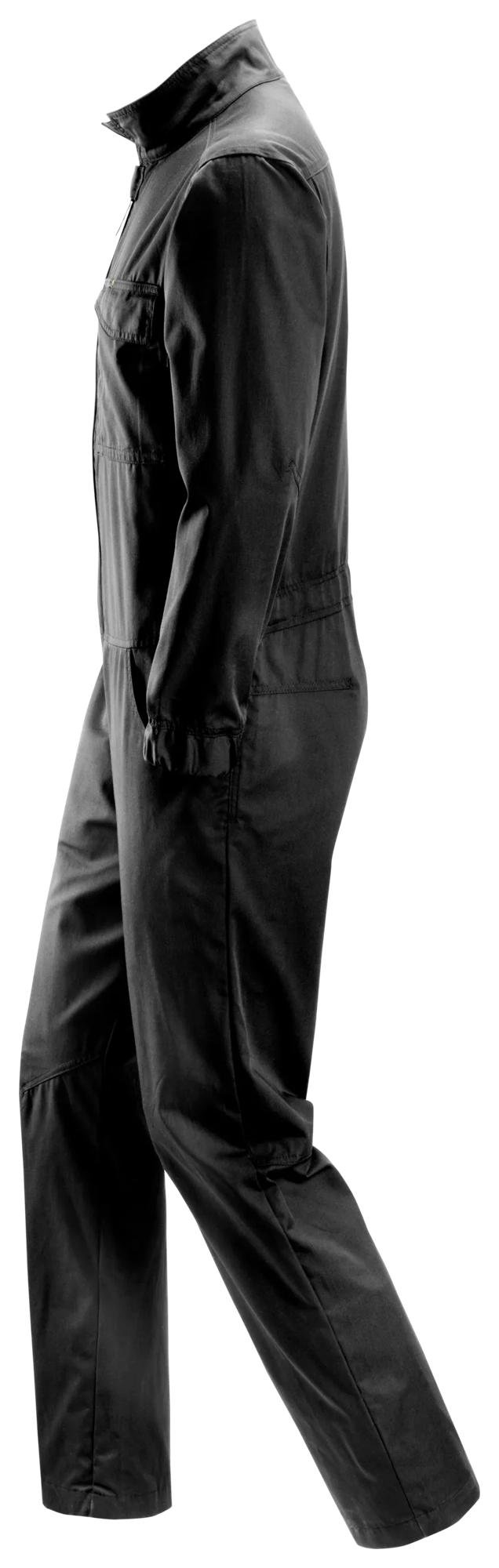
Custom overalls are purpose-built work garments developed around a crew’s tasks, uniform identity, and ordering requirements. In this guide, the term includes bib overalls—trousers with a chest bib and shoulder straps, worn over a separate shirt—and full coveralls, which join sleeves and legs in one garment.
The choice changes how workers dress, move, carry tools, and present a consistent uniform. Bibs leave the arms and upper torso to the base layer or jacket, while full coveralls provide one continuous work layer; pocket layout, closures, reinforced areas, cuffs, waistband treatment, and gussets should follow the actual job rather than a catalog default.
At Veelianpro, development can begin with a tech pack, sketch, sample, or product idea. A useful custom overalls brief defines the work environment, preferred format, fabric composition and weight, size range, colors, pocket system, branding method, quantity, destination, and timeline; protective requirements also need the applicable standard and supporting test or certificate scope before they appear as a product claim.
Customization is more than adding a logo. Embroidery, screen printing, heat transfer, patches, woven labels, care labels, and custom packaging can be considered alongside fit grading and construction, so the quoted garment reflects the approved specification rather than an incomplete visual concept.
2. Types of Custom Overalls
Custom overalls are a format decision before they are a fabric or branding decision. Choose the garment around how workers dress, move, enter work areas, and need to remove the layer during a shift.
| Format | Coverage And Layering | Typical Fit |
|---|---|---|
| Bib overall | Open arms; layers over a shirt | Active trades and variable conditions |
| Long-sleeve coverall | Full arm, torso, and leg coverage | Service and industrial uniform programs |
| Short-sleeve coverall | Covered body and legs; cooler arms | Warm indoor work and maintenance |
| Insulated style | Built-in warmth; less layering flexibility | Cold-setting work when specified |
| Unlined style | Layering controlled by wearer | Mixed temperatures and year-round programs |
| Two-tone workwear | Color-blocked format; coverage depends on base style | Brand-led uniform ranges |
Bib Overalls
Bib overalls protect the legs and torso front while leaving the arms free for a separate shirt, jacket, or weather layer.
They suit crews that need flexible layering or frequent upper-body movement; specify strap adjustment and the intended chest-pocket use early.
Long-Sleeve Coveralls
Long-sleeve coveralls provide continuous torso, arm, and leg coverage in one garment. They are practical where workers need to dress quickly over base clothing.
Assess front-opening access, cuff treatment, and reach through the shoulders against the actual task sequence.
Short-Sleeve Coveralls
Short-sleeve coveralls retain one-piece body and leg coverage but reduce arm coverage and heat buildup. They fit warmer indoor work or roles needing easier forearm access.
They are not a substitute for a specified protective sleeve requirement.
Lined, Unlined, And Two-Tone
Insulated styles add a thermal layer; unlined styles leave room for the wearer to control warmth with base layers. Confirm the work setting and layering plan before selecting either format.
Two-tone panels help organize company colors or visually separate high-wear areas, but their placement should not interfere with required branding or protective design.
3. Custom Overalls Materials and Technical Options
Fabric selection is a specification decision that should start with the work environment, care routine, garment format, and buyer-approved sample. Record the requested composition, weight, weave or construction, color, and any required documentation so the quotation and sample are evaluated against the same brief.
| Option | Composition Or Construction | Briefing Focus | Sample Review Point | Example Brief Context |
|---|---|---|---|---|
| Cotton | Buyer-specified cotton woven construction | Composition, weight, hand feel, and care expectations | Confirm the agreed care and wash-test scope | General uniform brief |
| Polyester/cotton | Buyer-specified polyester/cotton woven construction | Blend ratio, weight, and care expectations | Approve hand feel and appearance on the submitted sample | Repeat-uniform brief |
| Denim | Buyer-specified denim construction | Weight, finish, and panel plan | Approve weight and mobility in the garment sample | Trade or outdoor uniform brief |
| Duck fabric | Buyer-specified duck construction | Weight, weave, and finish to confirm | Approve hand feel and movement in the garment sample | Higher-wear uniform brief |
| Stretch-content | Buyer-specified fabric containing stretch fiber | Panel location and movement trial | Confirm recovery, placement, and seam construction in sampling | High-mobility task brief |
Core Fabric Trade-Offs

Cotton, polyester/cotton, denim, and duck are material categories, not interchangeable specifications. Confirm the exact composition, weight, weave or construction, finish, color, and care expectations with the submitted fabric and garment sample. The sample review should include the intended movement, layering plan, pocket load, and agreed wash-test scope.
Material Comparison
Use the table as a briefing tool, not a substitute for a submitted fabric sample and garment trial.
Stretch And Insulation
For a stretch-content request, identify the panels, motion sequence, and fit points to review during sampling. For an insulated style, identify the work setting, intended layering plan, garment bulk limits, and any required documentation. Do not assign a temperature rating unless the exact garment has supporting test evidence and certification scope.
Protective Fabric Requests
Specialized fabric may be considered when the job requires flame resistance, arc protection, chemical protection, ESD control, or weather protection. A design request is not a performance claim: provide the applicable standard and required test or certificate so the proposed garment can be reviewed against the correct scope.
Worked Selection Examples
Example: A maintenance-uniform program with frequent washing may brief a polyester/cotton blend, subject to sample approval. Example: An outdoor task crew seeking a more substantial unlined bib may compare denim with duck fabric, then trial mobility, layering room, and pocket load before confirmation.
4. Custom Overalls Features That Affect Daily Use
Daily usability is decided by the components workers touch, load, and adjust throughout a shift. Specify these details in the tech pack so the sample tests real tasks rather than a hanger appearance.
| Feature | Daily-use advantage | Failure To Prevent |
|---|---|---|
| Covered central closure | Limits exposed hardware contact | Gaping or snagging flap |
| Adjustable waist | Accommodates fit variation | Pressure under belt or harness |
| Specified tool pocket | Keeps needed item reachable | Tool interference or loss |
Closures, Collars, And Cuffs
A central zip speeds dressing, while buttons or snaps may suit a different service routine. Where exposed hardware could contact finished surfaces or equipment, request a covered closure and confirm its overlap in the sample.
A stand collar can limit neck exposure; cuff choice should follow glove use and sleeve-clearance needs. Loose cuffs can snag, while overly tight elastic can impede layering.
Waist And Movement Zones
Elastic side panels can add give without changing the front profile; adjustable tabs allow a closer fit across varied body shapes. Ask where the adjustment ends so it does not create pressure under a belt or harness.
Knees, seat seams, crotch joins, and pocket corners carry repeated stress. Reinforced panels, bartacks, triple stitching, or a gusset should be selected only where the work motion justifies added bulk.
Pockets And Tool Access
Pocket count is less useful than access while bending, climbing, or wearing gloves. Define the contents, maximum tool size, closure requirement, and whether the wearer must reach the pocket while seated.
A chest pocket may suit a notebook; a leg pocket can keep tools accessible. Unspecified pocket placement often leads to contents pressing against the thigh or falling out during movement.
Size Range Planning

Grade the approved pattern across the required size range instead of treating one sample size as proof of fit. Collect crew size data early, including any need for alternate inseams or allowance for base layers.
Share the size breakdown with the quote request so the proposed size range and order makeup can be reviewed before production planning.
5. Custom Overalls Branding and Finishing
Branding on custom overalls should be planned with the garment construction, not added after the pocket map and colorway are fixed. Veelianpro can coordinate embroidery, screen printing, heat transfer, patches, woven labels, care labels, and custom packaging.
| Option | Best Artwork Fit | Placement Consideration | Wear-Condition Review |
|---|---|---|---|
| Embroidery | Compact logos and names | Avoid bulky seams and pocket edges | Review stitch area against fabric and movement |
| Screen Printing | Bold graphics or broad color areas | Needs a suitable flat decoration field | Review fabric compatibility and abrasion exposure |
| Heat Transfer | Detailed multicolor artwork | Keep clear of closures and heavy seam intersections | Review heat-applied area for the intended garment use |
| Patch Or Woven Label | Simple identity marks | Works on planned panel or pocket zones | Review edge attachment and placement |
Choose The Decoration Method
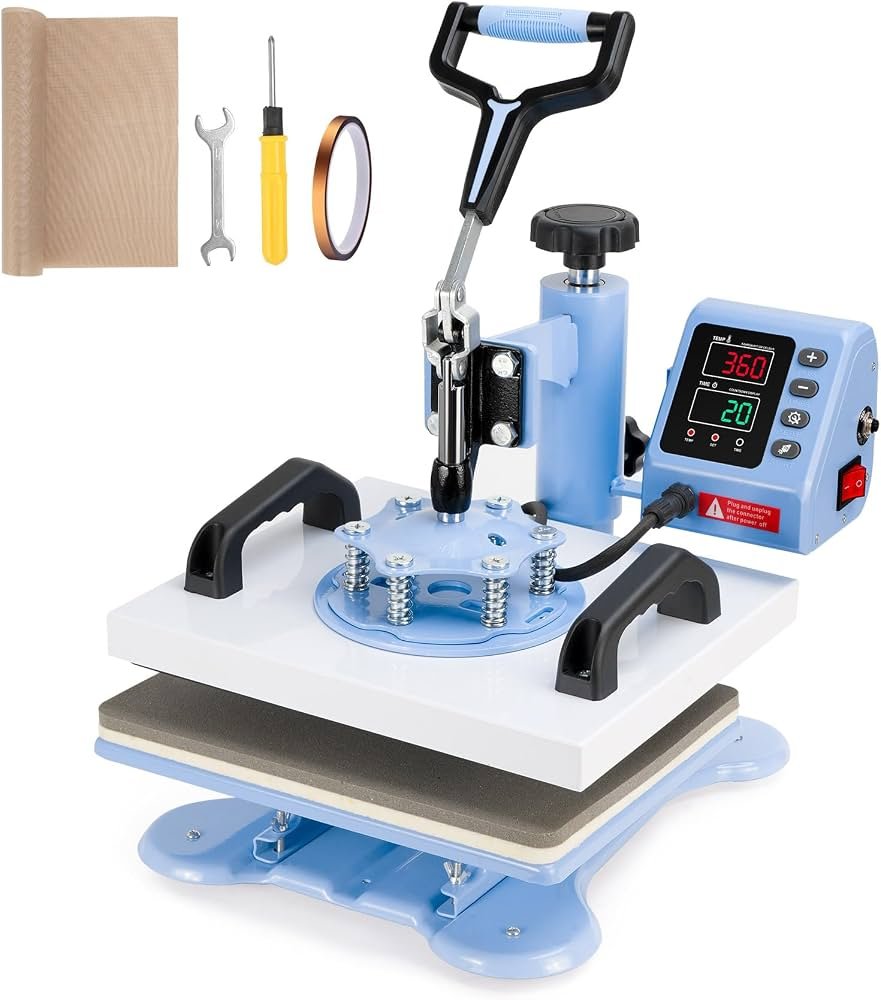
Embroidery suits compact logos and name identification where a stitched appearance is wanted. Screen printing or heat transfer can better accommodate artwork with fine color transitions or larger graphic areas, subject to fabric and placement review.
Share the intended fabric, logo dimensions, colors, and wear setting before sampling. A chest pocket, bib panel, sleeve, back yoke, or leg may provide different usable areas.
Plan Identity Zones
A company logo and employee name need separate visual hierarchy: place the logo in the primary viewing zone and keep the name readable without competing with pocket openings, seams, or reflective tape.
For bib overalls, the upper bib is often the clearest identification field; full coveralls can also use the chest, sleeve, back, or leg. Confirm the final placement on the approved artwork and sample.
- Primary logo: bib, chest, sleeve, or back
- Employee name: chest or bib field
- Avoid seams, zippers, pocket openings, and tape
Use Color Blocking Deliberately
Contrast inserts and two-tone panels can carry brand colors while separating high-contact or visually busy areas from the main body color. Define the panel boundaries alongside pockets, closure, cuffs, and reinforcement details so the color layout remains intentional.
Provide vector artwork when available, plus approved color references and location mockups. If artwork is incomplete, identify the elements that must remain exact before pattern and decoration approval.
6. Evaluating Construction Quality Before Approval
Approve the production sample as an assembly, not as a flat garment. Check the actual custom overalls while opening closures, loading pockets, bending knees, and comparing both sides under consistent light.
| Review Area | Failure Signal | Likely Remedy |
|---|---|---|
| Seams | Skipped stitches or puckering | Adjust sewing setup; remake sample |
| Closures | Catching or misaligned zipper | Correct tape alignment or closure specification |
| Pockets | Corner lifting under load | Add specified reinforcement or revise seam |
| Decoration | Off-center logo or uneven trim | Reset placement references; approve corrected sample |
Inspect Seams And Stress Points

Follow the inseam, crotch, rise, pocket corners, bib attachment, and knee panels. Stitch lines should be continuous, secure at starts and ends, and free of skipped stitches, loose thread, puckering, or seam twisting.
At load-bearing points, confirm the specified bartacks, reinforcement, or triple stitching are present and correctly positioned. A pocket corner that pulls open usually needs reinforcement or a revised attachment seam.
- Check crotch and inseam joins
- Pull-test pocket and bib corners
- Compare left and right construction
Operate Closures And Pockets
Zip, snap, button, hook-and-loop, and adjuster operation should be checked repeatedly on the fitted sample. A zipper that catches can result from uneven tape, fabric encroachment, or an unsuitable closure length; correct it before bulk cutting.
Fill each tool pocket with a project-relevant item and confirm its opening, placement, and attachment do not distort the garment. Verify reflective tape, contrast panels, labels, and decoration follow the approved placement artwork.
- Open and close each fastening repeatedly
- Check pocket opening and reach
- Measure decoration from fixed seam references
Confirm Measurements And Wash Scope
Use the approved measurement specification when one is supplied, including the measurement method and permitted tolerances. Compare size points on a laid-flat sample; do not treat an unagreed generic tolerance as an acceptance rule.
Agree the wash-test scope before approval: cycle, temperature, detergent, drying method, and what will be evaluated afterward. Review color consistency across panels and trims before and after the agreed test.
- Record measured points by size
- Document wash-test conditions
- Photograph color under agreed lighting
Illustrative Procurement Scenario
Illustrative procurement scenario: a safety distributor finds that a chest-pocket corner lifts after the agreed wash test. The corrective action is to revise the attachment with the specified reinforcement, approve a replacement sample, then release production.
This is an approval-control example, not customer feedback or a performance claim. Keep the signed sample, measurement sheet, artwork placement record, and wash-test notes with the purchase file.
7. Choosing a Custom Overalls Manufacturer
A capable manufacturer turns a work setting into buildable specifications, rather than treating custom overalls as a logo-only order. Compare how it resolves technical questions before reviewing a quotation.
| Evaluation Area | Evidence To Request | Why It Matters |
|---|---|---|
| Product development | Annotated tech pack or sample comments | Prevents unresolved build details |
| Sizing | Size-set plan and grading confirmation | Reduces fit inconsistency |
| Quotation | Line-item specification summary | Makes revisions comparable |
Start With Development Dialogue
Send the tech pack, sketch, or sample alongside the work setting, target quantity, size range, destination, and required timeline. At Veelianpro, we can develop patterns, grade sizes, source fabric and trims, and align pocket systems, reinforcement, and branding before production.
Test Samples And Size Sets
A sample should confirm fit, closure operation, pocket access, logo position, and construction details in the intended fabric. Request a size-set plan when crew measurements span multiple sizes; grading assumptions should be agreed before bulk cutting.
Control Artwork And Inspection
Provide editable artwork, placement dimensions, colors, and decoration method for embroidery, screen printing, heat transfer, patches, woven labels, or care labels. Ask which inspection records and packing details will accompany the order, and distinguish a design target from any tested protection claim.
Read The Quote Precisely
A useful quote separates fabric, trims, construction, decoration, packaging, and export coordination so changes remain traceable. Confirm minimum-order feasibility only after the fabric, certification needs, and construction requirements are defined.
8. Common Custom Overalls Buying Mistakes
Costly revisions usually begin when a garment brief describes appearance but not the work sequence. Treat format, fabric, access points, branding, sizing, protection, and quote scope as linked decisions before requesting custom overalls.
| Quote Item | Must Match Across Quotes | Revision Risk |
|---|---|---|
| Garment build | Fabric, reinforcement, pockets, closure | Different daily-use function |
| Branding | Method, locations, artwork, labels | Different decoration scope |
| Order scope | Sample, packing, inspection, export coordination | Misleading total comparison |
Start With Task Mapping
Choosing bibs or full coveralls from a catalog image can miss required coverage and access. Map bending, climbing, tool carrying, restroom breaks, and layers first.
Then state the work setting, climate, and exposure context alongside the chosen format. A fabric name alone does not define a suitable garment.
Design Pockets And Closures
Pocket locations that conflict with a harness, kneeling, or vehicle seat become daily complaints. Specify what is carried, which hand retrieves it, and whether contents must stay secured.
Likewise, identify the preferred closure, cuff, and waistband behavior in the brief. This prevents a functional requirement being discovered after sampling.
Control Artwork And Sizing
Incomplete logo files, missing placement dimensions, and unclear decoration methods delay a usable sample. Supply final artwork, locations, color references, label copy, and whether names or patches vary by wearer.
A single sample size also cannot represent a crew. Provide the planned size breakdown and any grading or fit requirements before production planning.
Separate Claims From Quote Scope
Do not assume a protective property from fabric appearance or a product-family label. For any protective requirement, provide the applicable standard plus the required test or certificate scope; otherwise describe it only as a design target.
Compare quotations line by line. Confirm which fabric, trims, decoration, labels, packaging, sampling, inspection, and export coordination are included.
9. From Brief to Approved Order
A reliable custom-overalls order turns the job environment into a controlled specification before fabric is cut. At Veelianpro, feasibility review connects the use case, construction, branding, quantities, and destination to an accurate quotation.
| Decision Gate | Buyer Confirms | Order Record |
|---|---|---|
| Brief | Use case and garment format | Specification request |
| Sample | Construction and branding | Approved reference |
| Quote | Quantity and commercial details | Final quotation |
Define The Use Case
State whether the order is for bib overalls or full coveralls, the work setting, and any protective requirement.
A protective design target must include the applicable standard and required test or certificate; it is not a performance claim.
Lock The Garment Specification
Confirm fabric composition and weight, closure, pocket map, reinforcements, size range, colors, and decoration method.
Send logo artwork and identify each placement. Approve color references and label copy before sampling.
Approve The Reference Piece
Review the sample or pre-production piece against the approved specification, including stitching, bartacks, placement, measurements, labels, and packaging.
Then provide the size breakdown and inspection criteria so production checks target the agreed version.
Send A Complete Quote Request
Example—complete quote-request checklist:
Veelianpro’s starting MOQ is 100 pieces per style and color, subject to fabric, certification, and construction requirements. Final timing and order feasibility are confirmed only after specifications, material availability, sampling route, and order details are agreed.
- Garment type, work setting, and destination
- Fabric, colorway, pockets, closure, and reinforcements
- Size range and units by size
- Artwork, decoration placements, labels, and packaging
- Quantity, requested timing, and required standards or testing
10. Custom Overalls Cost Drivers
A custom-overalls quote changes with the garment format: bib overalls, full coveralls, insulation, weather-protection details, and the selected fabric composition or weight each affect the material and construction scope. Protective performance may be quoted only against the requested standard and supporting test or certificate scope; it must never be assumed from a design brief.
Pocket layouts, reinforced knees, gussets, bartacks, triple stitching, reflective-tape placement, contrast panels, closures, and trim choices each need to be defined so quotations can be compared on the same scope. Include sampling, size grading, packing, destination, and requested timing in that comparison.
| Cost Driver | What Changes Cost | Quote Must Specify |
|---|---|---|
| Garment format and fabric | Bib versus full coverall, fabric composition or weight, lining or insulation, and requested weather-protection details. | Style, work setting, fabric target, insulation or lining requirement, and protection standard if applicable. |
| Construction and utility details | Pocket count and layout, reinforced areas, gussets, bartacks, triple stitching, closures, cuffs, and reflective tape add materials and sewing operations. | Tech pack or sketch, pocket map, reinforcement locations, trims, and tape placement. |
| Color and decoration | Color blocking requires additional cutting and sewing; embroidery, screen printing, heat transfer, patches, labels, and multiple locations change setup and application work. | Color artwork, logo files, decoration method, placement, dimensions, and number of locations. |
| Order makeup and delivery | Size mix, sample requirements, quantity, custom packaging, export packing, and destination requirements affect the finished quote. | Units by size and color, sample needs, packaging specification, destination, and requested timeline. |


Ready to Develop Custom Overalls for Your Brand?
Send your garment details, work setting, materials, sizes, branding, quantity, destination and timeline for a tailored Veelianpro quotation. Email info@veelianpro.com or WhatsApp +86 139 8615 2456.