
Custom FR Coveralls for OEM, ODM & Private Label
Develop custom FR coveralls with Veelianpro from 100 pieces per style and color, subject to project requirements.
Featured Products for Custom FR Coverall Development


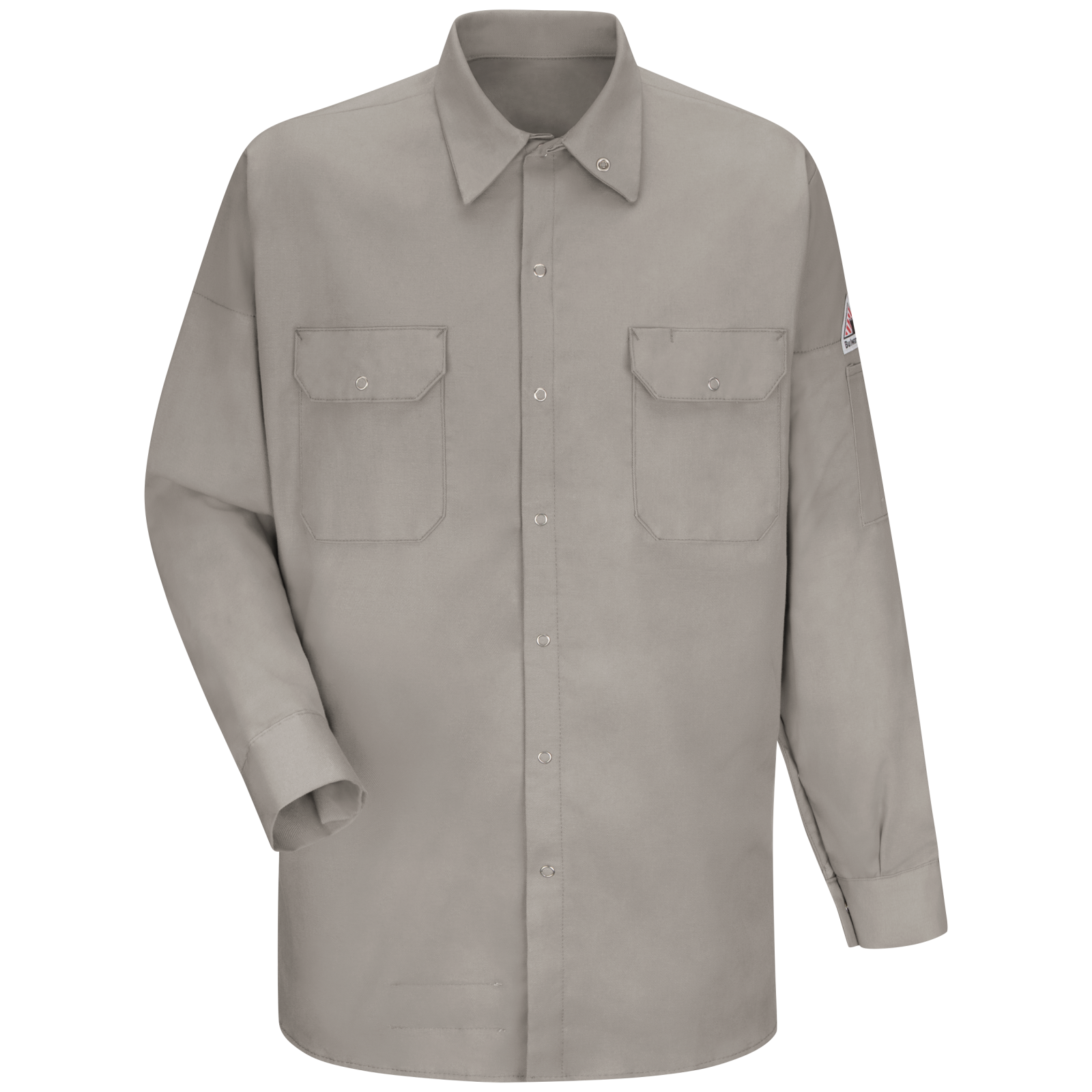
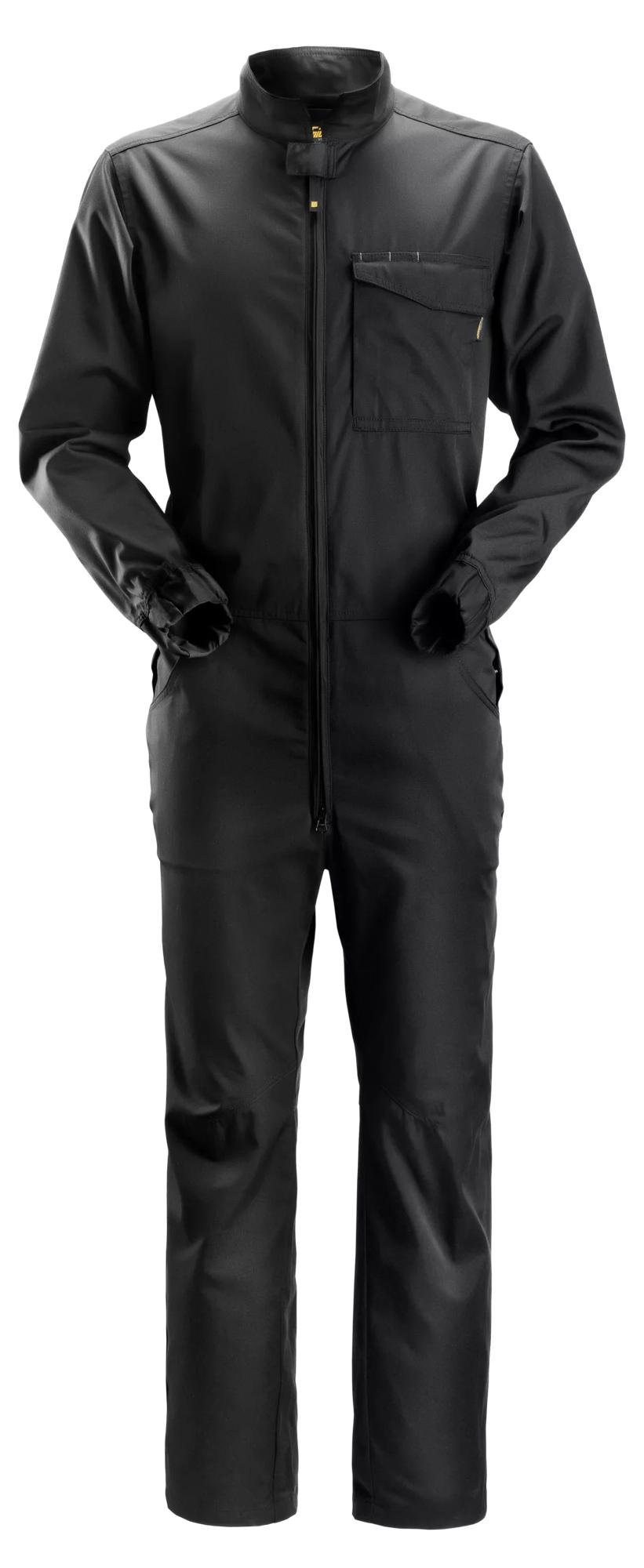


Related FR Coverall Catalogue and Quotation



Why Choose Veelianpro for Custom FR Coveralls
Veelianpro helps workwear brands and sourcing teams develop custom FR coveralls through OEM, ODM, and private-label production. From a 100-piece starting MOQ per style and color, subject to project requirements, we coordinate materials, fit, branding, sampling, production, quality checks, packing, and export support. Required FR ratings and certifications remain SKU-specific and require test evidence.
OEM, ODM, Private Label
Choose OEM, ODM, or private-label development for branded FR coveralls shaped around your tech pack, sketch, sample, or product idea.
Conditional 100-Piece MOQ
Start from 100 pieces per style and color, subject to fabric, certification, construction, and project requirements confirmed during feasibility review.
Material and Trim Guidance
Coordinate fabric, trim, pattern, and branding choices with sampling support before production, helping buyers review fit, construction, and decoration details.
Coordinated Production Workflow
Manage cutting, sewing, reinforcement, quality checks, packing, and export coordination through one practical workwear manufacturing workflow.
Branding for Distribution
Develop custom FR coveralls with labels, embroidery, heat transfer, patches, or packaging options aligned to your brand and distribution program.
Custom Workwear for Industrial and Service Teams
Developed for branded programs, uniform supply, and job-specific apparel across industrial, safety, hospitality, and service environments.

Work Shirts
Custom work shirts developed in long- or short-sleeve formats, with fabric, collar, pocket, closure, and reinforcement details selected for the work setting. Add company decoration through embroidery, printing, patches, woven labels, and custom packaging.
Request a Workwear Quote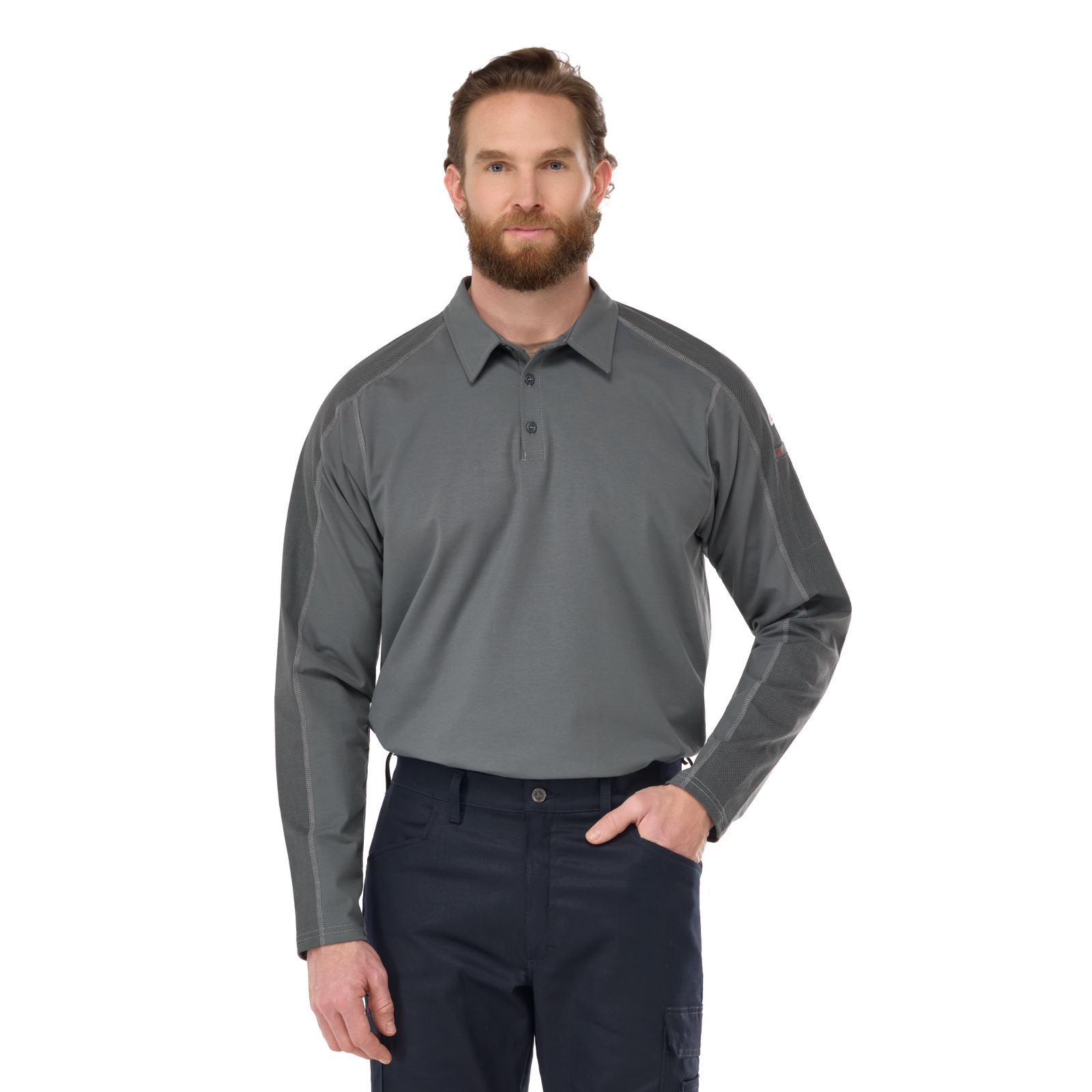
T-Shirts & Polos
Crew-neck tees and work polos for uniform programs, with choices around fabric composition, weight, collar construction, plackets, color blocking, and logo placement. Suitable for service crews, hospitality teams, promotional uniforms, and layered workwear systems.
Request a Workwear Quote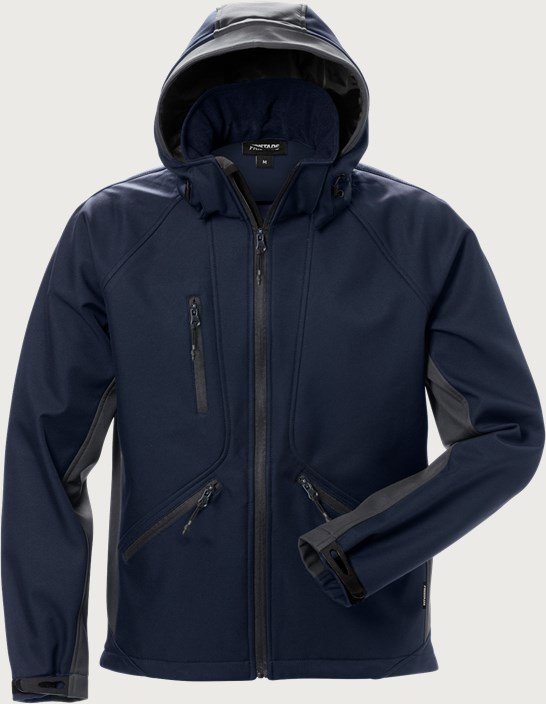
Work Jackets & Outerwear
Softshell, fleece, padded, and rain jacket development for changing outdoor and industrial conditions. Specify weather-protection priorities, lining, hood and cuff details, pocket layout, reflective tape placement, reinforcement, and decoration methods before sampling.
Request a Workwear Quote
Work Vests & Bodywarmers
Utility vests, safety vests, and insulated bodywarmers configured around pocket systems, closures, insulation needs, visibility details, and branding locations. Designed as practical layers for warehouse, logistics, construction, field-service, and uniform programs.
Request a Workwear Quote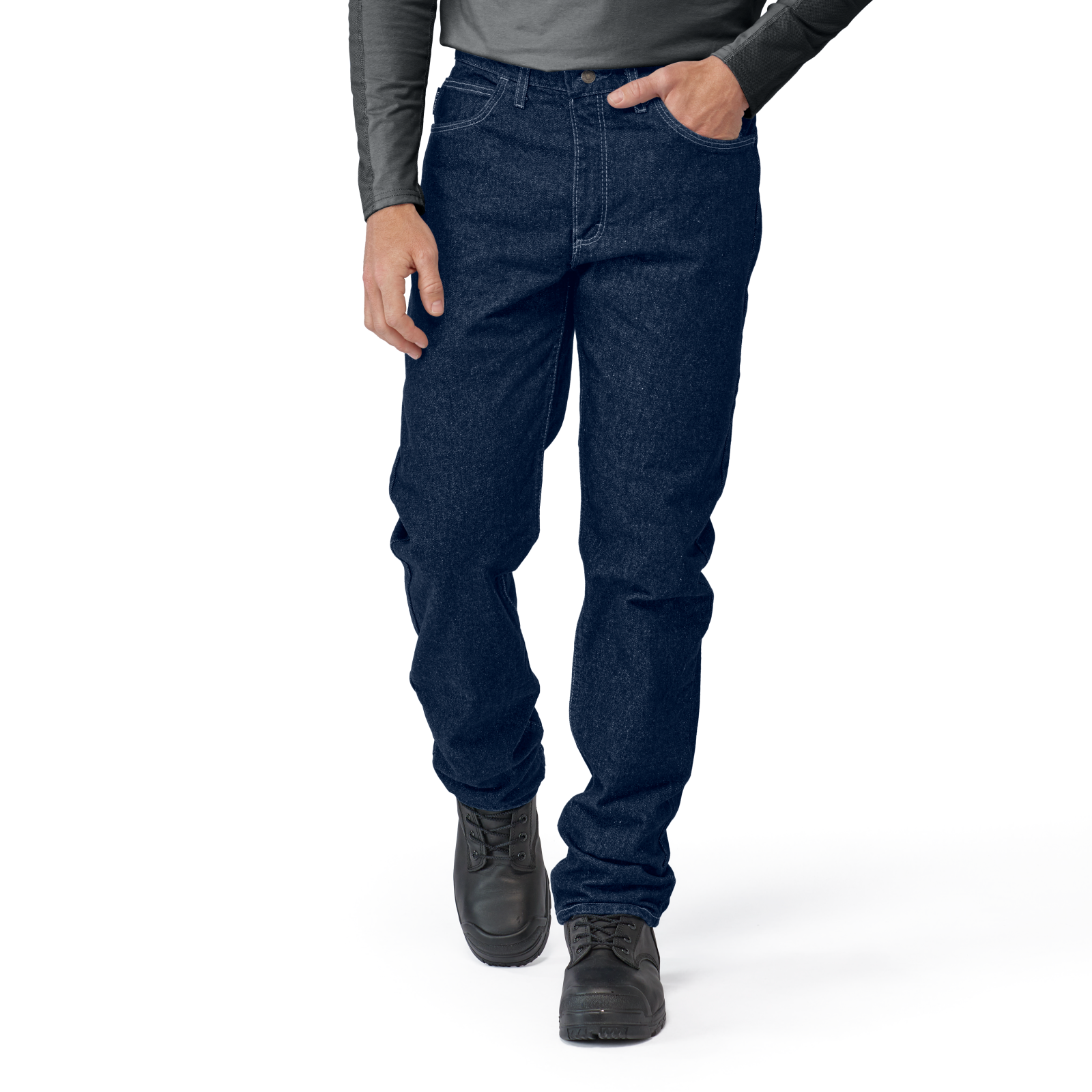
Work Pants & Shorts
Work trousers, cargo pants, and shorts developed with task-specific pocket layouts, reinforced knees, bartacks, triple stitching, gussets, fabric selection, and size grading. Details can be adapted for trade teams, maintenance crews, logistics operations, and service uniforms.
Request a Workwear Quote
Coveralls & Bib Overalls
One-piece coveralls, bib overalls, and related industrial garments built around access, coverage, mobility, pockets, closures, reinforcement, and decoration requirements. Development can start from a tech pack, sample, sketch, or product idea for branded workwear programs.
Request a Workwear Quote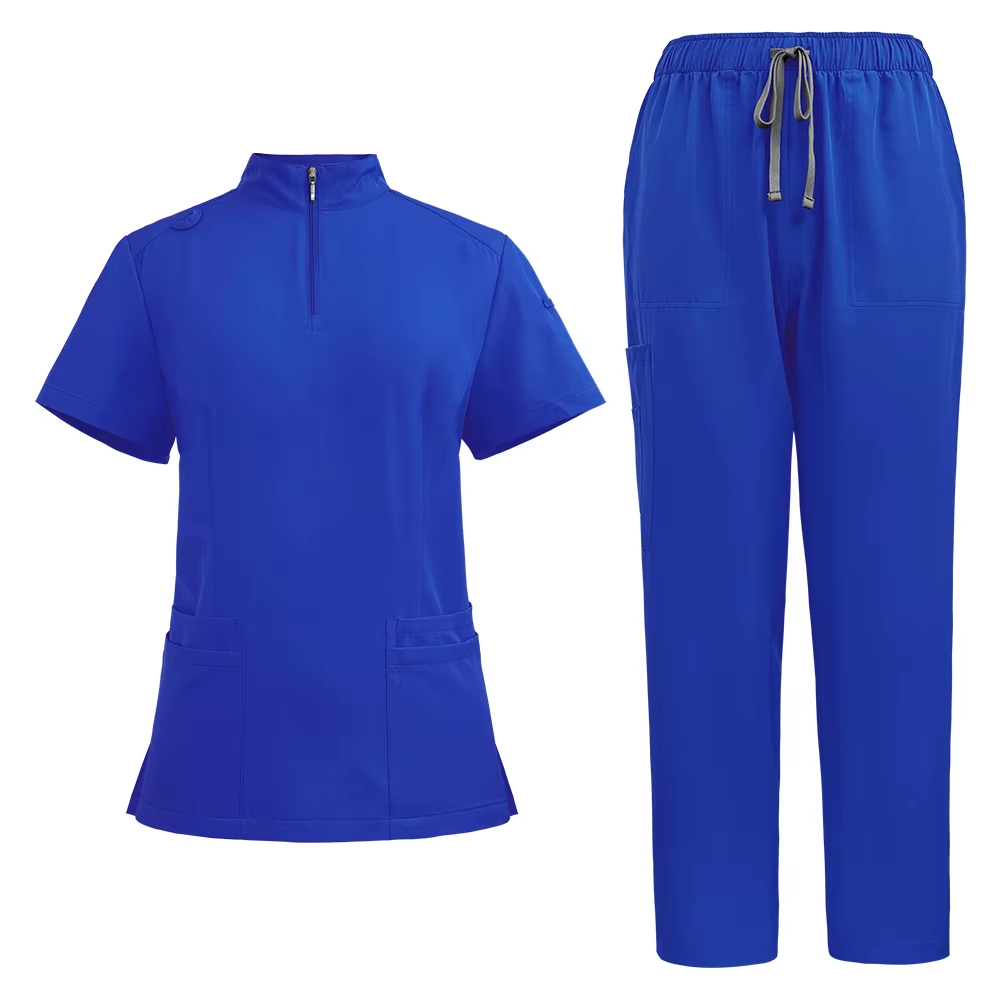
Workwear Sets
Coordinated two-piece work suits and matching uniform sets combining shirts, jackets, vests, and trousers. Align fabric, color, trim, sizing, pocket systems, and branding across the range for a consistent team presentation and procurement program.
Request a Workwear Quote
High-Visibility Workwear
High-visibility garment families including vests, jackets, trousers, coveralls, and coordinated sets, with development options for color blocking and reflective tape placement. Applicable standards and any required testing or certification must be defined for the specific SKU.
Request a Workwear Quote
Flame-Resistant & Arc-Rated Wear
FR and arc-rated workwear families can be developed as shirts, trousers, coveralls, jackets, and layered systems. Fabric, construction, closures, and trim should be specified against the intended requirement; protective claims require SKU-specific test evidence and certification scope.
Request a Workwear Quote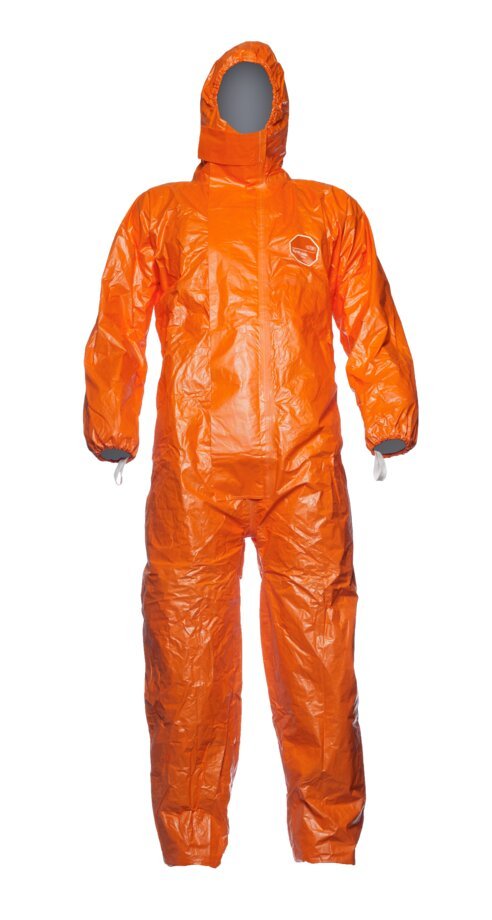
Chemical-Protective Clothing
Chemical-protective clothing developed around the intended work environment, garment format, coverage, closures, seams, and material requirements. Buyers should provide the relevant chemical exposure scenario, standard, and required documentation; protection claims depend on exact tested construction.
Request a Workwear Quote
Cold-Storage Workwear
Cold-storage apparel programs may include insulated jackets, trousers, coveralls, vests, and layering pieces. Development focuses on insulation approach, shell and lining choices, closures, cuffs, hoods, mobility, and operational needs rather than unsupported temperature ratings.
Request a Workwear Quote
Welding Workwear
Welding workwear includes jackets, trousers, coveralls, aprons, and coordinated garments developed for workshop and industrial use. Discuss coverage, reinforcement, pocket placement, closures, fabric requirements, and the applicable protection standard before sampling; performance claims require documented evidence.
Request a Workwear Quote
Medical & Cleanroom Wear
Medical scrubs, cleanroom garments, and ESD clothing families developed for the relevant operating environment. Configure garment type, fabric, closures, pocket details, sizing, color coding, labels, and branding, while defining any cleanroom or ESD documentation required for the exact product.
Request a Workwear Quote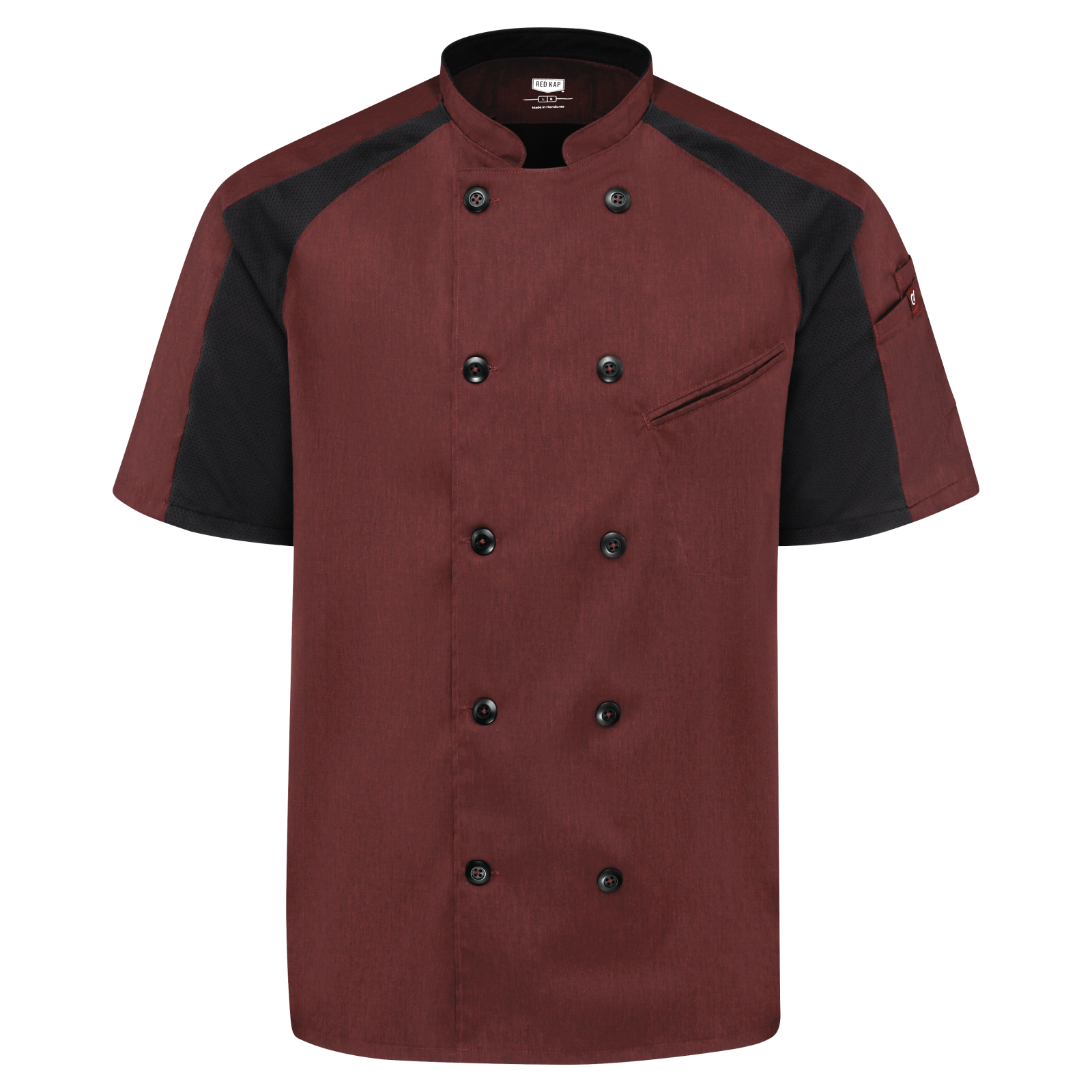
Chef & Hospitality Uniforms
Chef clothing and hospitality uniforms spanning chef jackets, service shirts, polos, trousers, aprons, and coordinated front- and back-of-house looks. Specify comfort, color, collar and closure styles, pockets, size range, branding, labels, and packaging for the program.
Request a Workwear Quote
Industry Uniforms
Industry uniforms for construction, logistics, manufacturing, utilities, facilities, transport, hospitality, and service teams. Build practical garment combinations around job roles, visual identity, fabric and trim sourcing, durability details, decoration, and consistent size grading.
Request a Workwear Quote
Base Layers & Accessories
Base layers and workwear accessories that complete a coordinated apparel program, including layering pieces and branded add-ons where project requirements allow. Define intended use, material needs, sizing, color matching, labels, decoration, and packaging alongside the main garment range.
Request a Workwear QuoteCustom FR Coveralls: Fabric and Material Options




Custom FR Coveralls: Production and Branding Processes



Custom FR Coveralls Trims, Closures and Accessories


About Veelianpro: Custom FR Coveralls
Veelianpro is a Wuhan, Hubei workwear manufacturer whose company profile states that its operation began in 2012. From early product ideas to production-ready programs, the team supports brands, distributors, wholesalers and enterprise buyers developing custom FR coveralls and other industrial, safety and service apparel.
The manufacturing service begins with a tech pack, sketch, sample or product concept. Veelianpro coordinates fabric and trim sourcing, pattern development, sampling, size grading, cutting, sewing, reinforcement, branding, finishing, quality checks, packing and export coordination. OEM, ODM, private-label and wholesale programs start from 100 pieces per style and color, subject to project requirements.
Veelianpro’s difference is practical development support: buyers can review fabric composition, garment weight, pocket layouts, closures, mobility details, reflective placement and branding before production. The company profile also describes a team of more than 300 skilled workers. These operating figures are company-supplied; protection ratings and certifications must be confirmed through SKU-specific test evidence and documentation.

Core Custom FR Coverall Capabilities
Review the Product Direction
Veelianpro starts with your tech pack, sketch, sample or product idea. Our team reviews the intended work setting, protection requirements, fabric direction, fit, branding and target quantity before confirming a practical development path for your custom FR coveralls.
- Tech-pack and specification review
- Hazard, standard and test-evidence discussion
- Fabric weight, composition and color planning
- Feasibility review before sampling

Develop Fit and Construction
Pattern development turns your concept into a production-ready garment. Veelianpro can refine pocket layouts, reinforced knees, gussets, bartacks, triple stitching, closures and mobility details, then grade the approved pattern across your required size range.
- Pattern development and size grading
- Pocket, reinforcement and closure planning
- Mobility, cuff and ventilation details
- Fit review for demanding work

Source Materials and Build Samples
We coordinate fabric and trim selection around your design target, comfort expectations and work environment. Sampling allows buyers to assess construction, branding placement and fit before approving the specifications for a larger OEM, ODM or private-label order.
- Fabric and trim sourcing
- Prototype and fit sample development
- Embroidery, printing, patches and labels
- Sample feedback and specification updates

Control Production to Export
After approval, Veelianpro coordinates cutting, sewing, reinforcement, decoration, finishing, inspection, packing and export preparation. MOQ starts at 100 pieces per style and color, subject to fabric, certification and construction requirements stated in the project quotation.
- In-process construction and quality checks
- Branding, care labels and custom packaging
- Final inspection and packing coordination
- Export documentation and shipment support

Custom Coverall Development vs. Stock Garments With Decoration
Compare a specification-led custom FR coveralls program with purchasing stocked garments and adding decoration afterward. Starting MOQ is subject to fabric, certification and construction requirements.
← Swipe left or right to view →
Our Custom FR Coveralls Production Process
Veelianpro develops custom FR coveralls from your product brief through sampling, production, branding, inspection and shipment. OEM, ODM, private-label and wholesale projects can begin at 100 pieces per style and color, subject to fabric, certification, construction and testing requirements.
Review Your Requirements
Share your tech pack, sketch, sample or product idea with garment type, work setting, materials, quantities, branding, destination and timeline for feasibility review.
Select Materials And Trims
We align FR fabric and trim choices, protective design targets, closures, pockets, reflective details and branding methods, subject to required test evidence and certification scope.
Develop And Sample
Pattern development, size grading, sample making, fit review and revisions establish mobility, reinforcement and construction details before cutting and sewing begin.
Produce And Inspect
Veelianpro applies approved labels, embroidery, patches or transfers, then completes finishing and quality checks against the confirmed specification before packing.
Ship And Support Reorders
We coordinate export shipment and reorder support, keeping approved specifications available for future production discussions, subject to materials, quantities and updated project requirements.
How to Develop Custom FR Coveralls With Us
Veelianpro turns a coverall concept into a reviewable production specification: buyers share technical inputs, define hazards and documentation needs, select materials and construction, approve samples and pricing, then move into controlled bulk production. As a Wuhan-based manufacturer, we support OEM, ODM, private-label, and wholesale programs with MOQ starting at 100 pieces per style and color, subject to project requirements.
Share Your Concept
Share your tech pack, sketch, sample, or product idea, including work setting, target quantity, destination, timeline, and branding requirements for initial feasibility review.
Confirm Hazards and Standards
Confirm intended hazards, applicable standards, and required test evidence before selecting FR materials, visibility details, construction targets, and certification scope for the garment.
Review Materials and Construction
Review fabric weight, composition, pockets, closures, reinforcement, mobility features, reflective placement, labels, and packaging to align performance goals with private-label requirements.
Approve Sample and Quotation
Approve the sample, graded size range, quotation, and production specifications after fit and construction review, with revisions documented before order confirmation.
Start Bulk Production
Start bulk production from 100 pieces per style and color, subject to fabric, certification, construction, and project requirements, followed by inspection, packing, and export coordination.
The Complete Buyer’s Guide to Custom FR Coveralls


Custom FR Coveralls: Sourcing Scenarios
Illustrative scenario: A safety distributor needs a private-label coverall program for mixed industrial accounts. Veelianpro reviews the intended hazard requirements, fabric and closure choices, logo placement, and size range before sampling. Acceptance criteria include approved construction, decoration compatibility, and SKU-specific certification evidence where required.
Illustrative scenario: A uniform buyer is replacing a basic one-piece uniform with custom FR coveralls for field crews. The development process focuses on pocket layout, reinforcement points, mobility features, branding, and color selection. The buyer’s acceptance criteria are a confirmed tech pack, approved sample, graded sizing, and production-ready trim specifications.
Illustrative scenario: A workwear brand is planning a low-MOQ capsule line from 100 pieces per style and color, subject to project requirements. Veelianpro develops patterns and samples from the brand’s concept, sources suitable fabrics and trims, and plans labels and packaging. Acceptance criteria include fit approval, defined decoration method, and documented protective requirements.
Custom FR Coveralls FAQ
Practical answers for OEM, ODM and private-label FR coverall development, from first specification to shipment.
What is the MOQ for custom FR coveralls?
How long does it take to develop custom FR coveralls?
How much does a custom FR coverall sample cost?
How should I choose fabric, weight and fit for custom FR coveralls?
Can custom FR coveralls include private-label branding?
Can custom FR coveralls include reflective or high-visibility details?
What certification evidence is needed for custom FR coveralls?
What payment, shipping and IP terms apply to a custom FR coverall order?
Custom FR Coveralls: A Procurement Buyer’s Guide
Use a practical framework to align hazard requirements, garment specifications, customization, sampling, supplier evidence, and total program cost—while avoiding mismatched protection, incomplete quote scopes, and care-planning gaps.
1. What Are Custom FR Coveralls?
Custom FR coveralls are one-piece garment-development projects for buyers whose own hazard assessment calls for an FR requirement. A controlled brief can define the pattern, pocket system, closures, reinforcement, sizing, color, labels, and branding.
Do not treat the one-piece format, a fabric name, reflective details, or a logo application as proof of protective performance. The buyer should define the applicable requirement and request evidence that covers the selected material, construction, trims, decoration, and finished-garment configuration before making a protective claim.
Custom production is useful when a brand, distributor, or employer needs repeatable specifications across a size run, private labeling, or job-specific details that stock garments cannot control. Veelianpro can develop from a tech pack, sketch, sample, or product idea. Retail stock may suit an urgent standard need, while a managed-uniform model may suit organizations that also need laundering, inspection, repair, and issue administration.
2. Custom FR Coveralls: Protection Starts With Hazard Scope
A coverall becomes an FR specification only after the job hazard is defined. Set the site’s required standard or hazard category first; fabric, reflective placement, logos, and commercial comparisons follow that decision.
| Selection Input | Specification Effect | Documentation Check |
|---|---|---|
| Flash fire | Protection target and garment scope | Finished-garment scope matches requirement |
| Arc flash | Required hazard category | Evidence matches selected configuration |
| Visibility, climate, mobility | Tape layout, wearability, pattern | Separate from protection claim |
Separate The Exposure Types
A procurement brief may identify flash-fire, arc-flash, welding-related, or other worksite requirements. Do not use one requested category as evidence for another.
Record the task, applicable requirement, requested evidence, and any prohibited garment features. Confirm the governing requirement with the responsible site safety authority before selecting a material or making a product claim.
- Flash fire: exposure scenario and required standard
- Arc flash: hazard category and documented scope
- Welding: spark, spatter, and task-specific coverage
Add Visibility And Wear Conditions
Enhanced visibility is a separate worksite need, not proof of FR or arc protection. Specify reflective tape layout only after confirming it suits the required garment scope.
Climate and movement affect field acceptance: consider heat load, rain exposure, layering, reach, crouching, and access to tools. These inputs shape the pattern and component choices without substituting for hazard documentation.
Match Documentation To Build
Request evidence that corresponds to the selected material and finished-garment configuration, including the stated protection scope. A material document alone does not automatically substantiate a completed coverall with its chosen construction, trims, or decoration.
Provide Veelianpro with the applicable standard, required test or certificate, work setting, and design target during feasibility review. Protective product families support development discussions; unverified ratings must remain design targets, not product claims.
3. Types of Custom FR Coveralls
Coverall configuration should follow the task sequence, not a catalog label. Decide where workers climb, kneel, carry tools, work near traffic, or add layers; then convert those conditions into pattern, closure, pocket, and visibility requirements.
| Configuration | Primary Field Problem | Useful Direction | Key Trade-Off |
|---|---|---|---|
| Standard industrial | General coverage | Accessible pockets and practical closure | Bulk versus tool access |
| Welding-oriented | Spark-exposed work | Protected closure and clean exterior | Heat and stiffness |
| Enhanced visibility | Low-light vehicle areas | Planned reflective placement | Reduced branding space |
| Mobility-focused | Climbing and kneeling | Gussets and articulated shaping | More complex pattern |
| Layering and service | Temperature changes and checks | Fit allowance and utility pockets | Snag clearance |
Standard Industrial Coveralls
A standard industrial layout suits general maintenance and plant work where full-body coverage and straightforward issue control matter most.
Specify access pockets and a closure that works with the crew’s gloves. More pockets improve tool access but can add bulk and snag points.
Welding-Oriented Coveralls
Welding-oriented designs prioritize coverage at the front, sleeves, and closure area where sparks and abrasion are routine.
A protected closure and reduced exposed trim can simplify the exterior. The trade-off is extra front overlap or layers may increase heat burden and stiffness.
Enhanced-Visibility Coveralls
Enhanced-visibility configurations address work around vehicles, moving equipment, or low-light areas through planned reflective-tape placement and contrast panels.
Tape layout must preserve practical pocket access and branding space. Visibility detailing should be specified separately from any tested protective-performance claim.
Mobility-Focused Coveralls
Mobility-focused patterns help crews squat, reach overhead, climb ladders, or enter confined work positions without pulling across the back or crotch.
Consider gussets, articulated shaping, and reinforcement only where movement or wear justifies them. Each added panel increases pattern complexity and sample-review importance.
Layering And Service Designs
Layering-compatible or service-maintenance coveralls suit changing temperatures and frequent equipment checks, where room for base layers and organized tool carry are useful.
Adjustable cuffs, leg openings, and pocket positions can support daily wear. A roomier fit may improve layering but can reduce snag clearance around machinery.
4. Custom FR Coveralls Materials and Technical Options
Material selection should begin with the buyer’s applicable requirement, then proceed to the supplier’s proposed fabric specification, sample, care instructions, and requested documentation. Pocket layouts and branding should be finalized only after the approved material and finished-garment scope are clear.
| Material Approach | Decision Factors | Limitations To Review | Appropriate Use Condition |
|---|---|---|---|
| Inherent FR fabric | Fiber blend, comfort, durability, documentation | Available constructions and component compatibility vary | When the proposed fabric and garment evidence match the stated hazard requirement |
| Treated FR fabric | Base fabric, treatment, laundering plan, documentation | Care deviations may affect the intended performance | When approved care conditions can be controlled and documented |
| Reinforced FR assembly | Stress zones, panel material, seam and trim selection | Added panels must remain compatible with the protection design | When task-specific abrasion or movement points justify reinforcement |
Inherent Versus Treated FR
Suppliers may describe fabric offerings as inherent or treated FR. Those labels are sourcing classifications, not evidence that a proposed coverall meets a buyer’s requirement.
For either route, compare the offered fabric specification, care instructions, sample, required standard, and requested evidence for the proposed finished configuration before approval.
Fiber And Fabric Construction

Request the proposed composition, weave or knit construction, fabric weight, finish, care instructions, and supplier documentation as one material specification. Evaluate comfort, movement, and task suitability on the submitted sample.
Fabric weight is one selection input, not a quality ranking or a protective claim. Record the buyer’s wear priorities and required evidence in the approval file.
Reinforcements And Compatible Trims

Review knees, elbows, pocket edges, inseams, crotch gussets, and closure areas against the crew’s tasks, posture, and equipment. Add reinforcement only where the approved brief identifies a need.
List zippers, snaps, hook-and-loop closures, thread, reflective materials, labels, and logo methods in the construction specification. Do not assume a material document covers every selected component; request evidence for the final configuration when a protective claim is required.
5. Custom FR Coveralls Customization and Finishing
Customization should make a coverall easier to identify and use without changing an unverified protection claim. Lock the approved FR material and hazard documentation first, then develop branding, visibility, access, and fit around that baseline.
| Choice | Field Effect | Production Consideration |
|---|---|---|
| Chest logo | Visible identification | Approve compatible application and location |
| Reflective detailing | Adds specified visual marking | Set layout before cutting |
| Tool-pocket layout | Improves access | Match equipment and movement |
| Fit grading | Supports wearer coverage | Confirm size allocation and sample fit |
Branding And Color Blocking
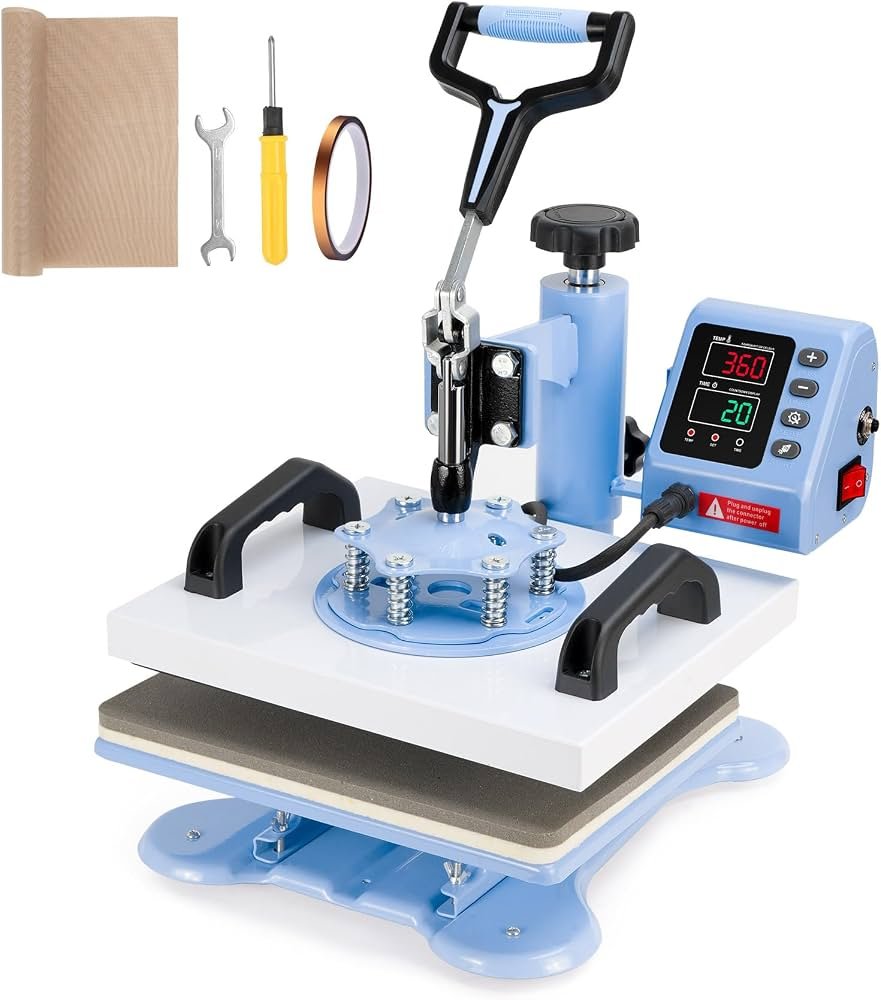
Embroidery, screen printing, heat transfer, patches, woven labels, care labels, and custom packaging can be specified during development. Confirm the decoration method, thread or transfer compatibility, placement, and any effect on the protective design before approval.
Color blocking can separate teams or service functions, but every added panel means more cutting, sewing, and color-control work. Keep logos clear of closures, pockets, and reflective tape.
Access, Visibility, And Closures
Chest, hip, rear, and tool pockets should follow the wearer’s actual equipment and reach zones. A pocket that interferes with a harness, belt, or frequent kneeling can reduce field usability even when the garment otherwise fits.
Reflective tape placement and front-closure selection need review on the approved sample. Specify the closure type, flap requirement, tape layout, and any hardware restrictions in the tech pack.
Sizing Allocation And Scenario

Submit the size run, wearer measurements where available, and any required short, regular, or tall grading before bulk production. Confirm mobility, sleeve and inseam lengths, and closure operation on the sample.
Illustrative procurement scenario: a safety distributor needs one coverall style for two end-user roles with different pocket needs. The proposed solution uses one approved base specification, two documented pocket layouts, chest identification, and a size-allocation review. Acceptance criteria are an approved sample for each layout, confirmed measurements, approved artwork placement, and a final quotation that states the applicable MOQ.
6. Construction Details That Affect Field Use
Construction details decide whether a coverall stays usable through reaching, climbing, kneeling, and tool handling. A pre-production sample should be worn over the intended base layers and assessed in the movements and access conditions of the actual job.
Seams And Stress Points
Inspect seam placement at the inseam, crotch, armhole, knee, and pocket corners. Seams placed directly on a repeated pressure or abrasion zone can chafe, split, or wear early.
Ask the sample to show the specified reinforcement at known stress points, such as bartacks or reinforced panels where applicable. The remedy is a documented construction callout, not an assumption from a photograph.
Front Closures And Plackets
Operate the front closure while wearing gloves and bending forward. An exposed closure may catch on equipment, while a protective placket can reduce snag exposure if it remains flat and secure through movement.
Check that the closure, placket, and collar meet cleanly without pulling the torso or creating a gap. Record the closure type and fastening arrangement in the approved sample specification.
Pockets And Movement Zones
Load representative tools or a radio into each proposed pocket, then squat, climb, reach overhead, and sit in a vehicle. A pocket that is reachable standing may become blocked by a harness, belt, or bent knee.
Test gussets, action-back shaping, and knee articulation for unrestricted reach rather than judging them flat on a table. Pocket placement should support the work task without creating a snag or pressure point.
Adjustment Labels And Inspection
Verify that cuffs and ankles can be adjusted as specified without loose ends interfering with work. Confirm the size, care, fiber-content, and required protection labels are readable after the garment is donned and not hidden by a placket or seam.
Use the approved sample as the inspection reference: compare seam alignment, closure operation, pocket position, and label placement across production units. Protective claims require separate applicable test evidence and certificate scope.
7. Selecting a Custom FR Coveralls Manufacturer
A capable FR coveralls manufacturer reviews the technical brief before discussing decoration or price. Compare documented scope, sample discipline, change control, and reorder records—not broad competitor-page claims that are not tied to your exact garment.
| Comparison Point | Quote Scope A | Quote Scope B |
|---|---|---|
| Technical brief | General description | Signed specifications |
| Documentation | Unstated | Requested scope listed |
| Approval | Unstated | Sample and change log |
| Reorder | Unstated | Approved production file |
Verify The Technical Scope
Provide the hazard requirement, applicable standard, intended fabric, closures, reflective placement, pocket layout, size range, and branding method. For each requested claim, ask what evidence applies to the material and what applies to the finished garment.
Veelianpro can develop from a tech pack, sketch, sample, or product idea and supports sourcing, pattern development, sampling, production, inspection, packing, and export coordination. Protective ratings remain a design target until exact test evidence and certification scope are supplied.
- Material identification and document scope
- Garment construction and trim specification
- Applicable standard and required evidence
Control Samples And Changes
Approve a sample against a signed specification, including measurement points, logo position, label text, trim, and workmanship. Record every revision in one dated change log; verbal changes are easily lost between sampling and bulk cutting.
Plan a size-set before order confirmation, then define inspection checkpoints, defect handling, carton marks, and destination requirements. A replenishment-ready file preserves the approved pattern, bill of materials, artwork, grading, and packing instructions.
Compare Quote Scope, Not Headlines
Illustrative sourcing example: Buyer A compares two 300-piece quote scopes. One lists coveralls only; the other identifies fabric, requested documentation, sample approval, size breakdown, labels, packing, inspection expectation, and export coordination. The second scope is easier to evaluate even when prices are not yet comparable.
Confirm the final MOQ, replenishment feasibility, and every requested document in the individual quotation.
8. Common Custom FR Coveralls Procurement Mistakes
Custom FR coveralls fail at procurement when a familiar coverall specification substitutes for a defined work condition. Correcting the brief early prevents a sample, quote, or decoration decision from masking an unresolved protection requirement.
Specify Hazards Before Features
Selecting pockets, color, or a fabric concept before documenting the worksite hazard can produce a garment that does not match the required protection scope.
Provide the applicable standard, required test or certificate, task exposure, and work conditions before pattern and material selection.
Do Not Copy Retail Specs
A retail listing rarely records your crew’s closure access, pocket use, mobility needs, branding locations, or size mix. Copying it unchanged transfers those omissions into the production brief.
Turn the reference into a marked specification with required construction, options, and exclusions.
Integrate Branding With Construction
A logo, patch, reflective tape, and label placement can conflict with seams, pockets, access points, or the intended FR design. Treating decoration as a late add-on invites avoidable sample revisions.
Show each placement on the artwork and tech pack, including dimensions and attachment method.
Validate Sample And Size Mix
Desk approval misses whether workers can reach, bend, layer clothing, and use pockets during real tasks. A field-use sample review should test those actions before bulk approval.
Send size ratios with the order; total quantity alone cannot establish a usable issue plan.
Compare Complete Programs
A lower quote may omit fabric and trim scope, sample work, labeling, packing, inspection, documentation, or export coordination. Compare line items against one shared specification, not unit price alone.
Assign laundering, inspection, repair, replacement, and care-instruction ownership. A certificate reference is not proof that the delivered garment has the required documented scope; request evidence tied to the selected item.
9. From Brief to Approved Production Order
An approved production order begins with one controlled brief, not scattered messages. Record the work setting, wearer tasks, applicable protection requirement, destination, target delivery window, and the exact approval owner before sampling starts.
| Hypothetical size | Wearers | Reserve | Order quantity |
|---|---|---|---|
| Medium | 45 | 9 | 54 |
| Large | 35 | 7 | 42 |
| XL | 20 | 4 | 24 |
Build The Specification Brief
Translate the brief into a coverall specification: required protective standard and evidence, fabric and trim choices, color, closures, pockets, reinforcement, reflective tape, branding, labels, packaging, and size range.
Submit a tech pack, sketch, sample, or product idea to Veelianpro. Protective performance remains a design target until the selected material and finished garment have the applicable test evidence and certification scope.
- Worksite hazards and required standard
- Wearer tasks and mobility constraints
- Branding locations and label content
Plan Sizes And Quantities
Allocate units from actual wearer data where possible; do not copy a previous unverified size curve. Separate initial issue, reserve stock, colorways, and any location-specific requirements.
Worked example, hypothetical only: a 120-piece issue for 100 wearers includes 20 reserve units. Confirm the final order scope, including fabric, requested documentation, construction, color, and size allocation, in the quotation.
Approve Sample And Release
Review the sample on a wearer performing reach, bend, squat, climb, and closure operations. Check mobility, pocket access, tape and logo placement, measurement points, seams, labels, and care information; record every revision in one approval file.
Before release, define inspection checkpoints, approved sample reference, packing requirements, and requested documentation. Keep the approved specification, graded size chart, artwork, and change log for replenishment orders.
- Approve or revise in writing
- Set inspection and document deliverables
- Retain approved files for reorders
10. Custom FR Coveralls Pricing and Quote Scope
A custom coverall quote is a specification document, not a retail unit-price comparison. Material selection, pattern work, construction details, trims, decoration, sampling, packing, requested documentation, and destination logistics should each be stated in the quote scope.
Confirm the applicable MOQ and lead time only after the buyer has defined the requirement, approved specification, size breakdown, requested documentation, and delivery destination.
| Cost Driver | What Changes Cost | Quote Must Specify |
|---|---|---|
| Fabric and protective scope | Fiber composition, fabric weight, finish, sourcing, and required testing or documentation affect material and compliance work. | Exact fabric target; applicable standard; required test evidence and certificate scope. |
| Pattern and construction | New patterns, grading, gussets, pocket systems, closures, bartacks, triple stitching, and reinforced areas add development and sewing operations. | Tech pack or sketch; size range; pocket layout; reinforcements; closure and seam requirements. |
| Visibility and branding | Reflective tape placement, embroidery, screen printing, transfers, patches, labels, and colorways affect materials, setup, and handling. | Artwork; logo method and locations; tape layout; color references; label and packaging files. |
| Sampling and quantity | More sample iterations and smaller or split production runs spread development and setup across fewer garments. | Sample stages; approval criteria; quantity by style, color, and size; reorder plan. |
| Packing and logistics | Individual packing, custom cartons, inspection requests, export coordination, and destination routing alter final landed-cost scope. | Packing specification; inspection scope; Incoterm; destination; requested shipment method. |


Request Your Custom FR Coveralls Quote
Send your tech pack or product idea with work setting, materials, branding, quantity, destination, timeline, and required standards.