


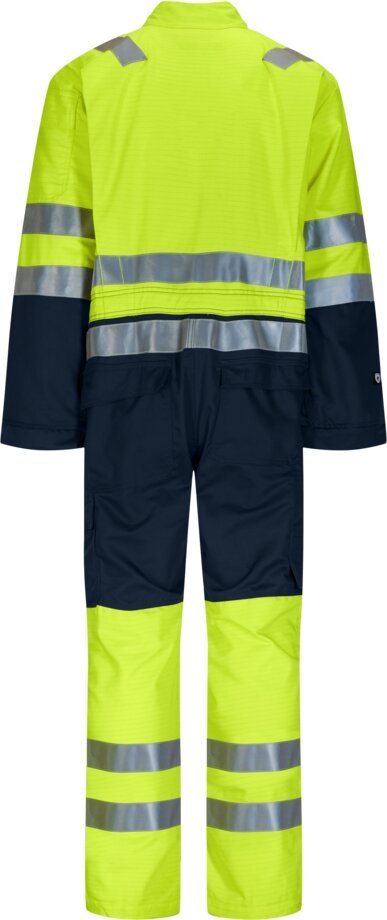






Develop a high-visibility industrial coverall with configurable tool-retention points, protected storage, mobility shaping, and reflective trim, tailored to your crew’s tasks, identity, fit range, and approved performance targets.
Develop Custom Industrial Safety Coveralls with Veelianpro
Veelianpro can develop this coverall from your technical brief, covering pattern and fit, fabric and trim sourcing, secure pocket layout, decoration, labels, and packing. Start with a prototype to review mobility, storage access, attachment-point reinforcement, visibility layout, and any testing route required for the final approved style.
Define the Workwear Brief
Built for industrial maintenance, utilities, field service, and elevated-work programs, this one-piece workwear concept combines fluorescent and contrast panels with a practical carry system. Specify which pockets, access points, knee-pad arrangement, fit adjustments, branding zones, and tool-tether attachment locations support the actual workflow before development begins.
Define whether the final style needs tested protection for heat, flame, arc, welding, electrostatic, splash, or visibility hazards.
Specify attachment locations, intended tool weights, reinforcement details, and validation criteria for tethered equipment used at height.
Select essential chest, device, sleeve, pass-through, ruler, thigh, rear, and two-level knee-pad storage options.
Confirm mobility pleats, adjustable waist and cuffs, sizing, contrast panels, reflective trim, and protected logo areas.
Fabric, Fit and Construction Options
Choose a fabric platform around durability, comfort, season, laundering, colour retention, and the hazard profile of the intended job. We can source suitable shell fabrics, linings, reflective components, zips, hook-and-loop adjustments, elastic, thread, and reinforcements. Where protective performance is required, material selection and the complete finished garment should follow an agreed testing plan.
Set a stand collar and covered front closure as options, with back action pleats, extended rear coverage, adjustable waist tabs, and adjustable cuffs for working movement. Specify flap or zip security by pocket. Available development options include chest storage, a vertical device pocket, sleeve pen compartment, side pass-through access, rear and thigh pockets, ruler pocket, and two-level knee-pad compartments.
From Brief to Approved Sample
Begin with a development sample based on your size chart, artwork, colour plan, and carry requirements. Review fit, reach, closure operation, pocket usability, reinforcement placement, and decoration before approving revisions. For protective or tool-retention objectives, align laboratory testing and wearer validation to the exact materials, construction, components, and intended use selected for production.
- Brief Alignment Confirm workplace use, fit, pockets, colors and branding requirements.
- Material Sourcing Review fabric, trim and closure options against intended conditions.
- Sample Development Build prototype, review construction, refine fit and functional details.
- Approval Route Conduct wear trials and arrange applicable testing before production.
What to Send for a Useful Quote
Project Scope Share job roles, environmental conditions, quantities, sizes and colorways.
Tool Retention Define attachment locations, expected loads and required validation approach.
Branding Pack Provide logo artwork, label details, decoration and packaging preferences.
Custom Industrial Safety Coveralls Procurement FAQs
Which hazards must the final coverall be tested for?
Specify every hazard before development: heat, flame, welding, electrostatic, arc, splash, or visibility risks may require different materials, trims, construction, and testing. Provide task analysis, exposure conditions, wearer roles, applicable market requirements, and care expectations. Protective performance is confirmed only after testing the exact approved style.
Do you need reinforced tethered-tool attachment points?
Yes, reinforced tether-ready attachment points can be developed when the intended tools, attachment method, task height, and target load are defined. Confirm number and placement of loops, reinforcement layers, stitching plan, tool dimensions, user movement, and validation protocol. Do not assign load ratings until final-style testing is completed.
Which pockets are essential for your crew?
Select pockets around the crew’s real carry needs: chest, device, sleeve pen, pass-through side, ruler, thigh, rear, and knee-pad options can be combined. Confirm contents, access while wearing gloves, closure preference, drainage needs, device dimensions, interference with harnesses, and whether knee-pad pockets need adjustable positions.
Should the coverall include adjustable fit and mobility features?
Yes, these construction options can be specified: a stand collar, covered front closure, adjustable waist, adjustable cuffs, and back action pleats. Confirm closure type, flap width, cuff adjustment range, waist placement, mobility requirements, layering allowance, and wash process. Approve fit through graded sample reviews and wearer trials.
What visibility and reflective-trim layout is required?
Set the visibility layout around site rules and logo zones, using contrast colour blocking and reflective trim as approved development features. Confirm panel locations, trim width and continuity, logo size, seam routes, and visibility target. Any required visibility classification must be tested on the final approved coverall.
Which branding, labels, and packing details are required?
Specify logo locations, decoration method, label content, and packing format at sampling stage. Confirm logo artwork, dimensions, colour references, placement clearances, label language, care information, barcode needs, folding method, polybag requirements, carton assortment, and approval samples. Decoration must suit the selected fabric and must not compromise protective targets.
Discuss Your Custom Industrial Safety Coveralls Program
Request a quotation with quantity, size breakdown, target market, required performance targets, colourways, logo files, pocket plan, packaging needs, and delivery destination.


Reviews
There are no reviews yet.