
Workwear Buying Guide: Build a Production-Ready Range
This workwear buying guide helps brands, distributors, and sourcing teams define custom garments, specifications, branding, and samples with Veelianpro.
Match Workwear Features to Job Hazards
Veelianpro helps brands translate hazards, daily tasks and workforce needs into production-ready specifications, from fabrics and reinforcement to fit, utility, protective targets, branding and sampling. OEM, ODM, private-label and wholesale programs start at 100 pieces per style and color, subject to project requirements.
Hazard-Led Materials
Specify fabric weight, fiber content, stretch, weather protection and maintenance needs around the job environment, shift length and cleaning routine.
Reinforced Construction
Translate abrasion points and tool use into reinforced knees, bartacks, gussets, secure closures and stitching details for dependable daily wear.
Fit and Mobility
Set size ranges, grading, ease and mobility requirements so shirts, pants, coveralls and layers support varied teams without restricting movement.
Task-Ready Utility
Define pocket positions, tool storage, vents, cuffs and closures from real tasks, then validate access and comfort during sample review.
Protective Feature Targets
Identify high visibility, flame-resistant, arc-rated, chemical, cold-storage or other targets, then confirm applicable tests and certification scope for each SKU.
Branding and Private Label
Plan embroidery, heat transfer, labels, packaging and private-label details alongside tech-pack approval, sampling, MOQ and production consistency requirements.
Specify Workwear for Every Job and Workforce
Practical development guidance for custom industrial, safety, hospitality, and service apparel programs.

How to Specify a Custom Workwear Order
Define the garment type, work setting, fabric direction, size range, colors, branding, quantity, destination, and required delivery window. Include pocket layout, reinforcement points, weather needs, and any applicable protection standard so feasibility, sampling, and quotation can be assessed accurately.
Get a Quote
Workwear Fabric Selection Guide
Compare fiber composition, fabric weight, weave or knit structure, durability, comfort, weather exposure, and care requirements. Fabric selection should also account for the garment’s construction, decoration method, intended shift conditions, and any project-specific testing or certification requirements.
Get a Quote
Work Shirt Fabric Comparison
Select shirting fabrics around the wearer’s task: breathable constructions for service teams, durable woven fabrics for industrial use, or stretch-inclusive options where movement matters. Evaluate hand feel, opacity, wash performance, collar construction, pocket requirements, and logo-decoration compatibility.
Get a Quote
Work Trouser Fit and Sizing Guide
Plan trouser sizing with body measurements, inseam options, rise, leg shape, and intended layering. Cargo pocket placement, reinforced knees, gussets, bartacks, elastic sections, and waistband adjustments should support the job without restricting movement or complicating grading.
Get a Quote
Coverall Fit and Closure Guide
Specify coveralls by entry method, mobility, and task exposure. Front zippers, snap closures, storm flaps, elasticized areas, adjustable cuffs, pocket access, and two-way zipper configurations can be developed around practical wear, layering, and worksite requirements.
Get a Quote
High Visibility Workwear Buyer Checklist
High-visibility programs require clear specification of garment type, background color, reflective tape layout, work environment, size range, and branding placement. If a standard or rating is required, provide the applicable standard and SKU-specific test or certificate scope during development.
Get a Quote
Flame Resistant Workwear Evidence Checklist
Flame-resistant workwear must be specified from documented requirements rather than appearance. Identify the intended application, applicable standard, required fabric or garment evidence, decoration restrictions, and labeling needs. Final performance claims should match the exact tested garment configuration and certification scope.
Get a Quote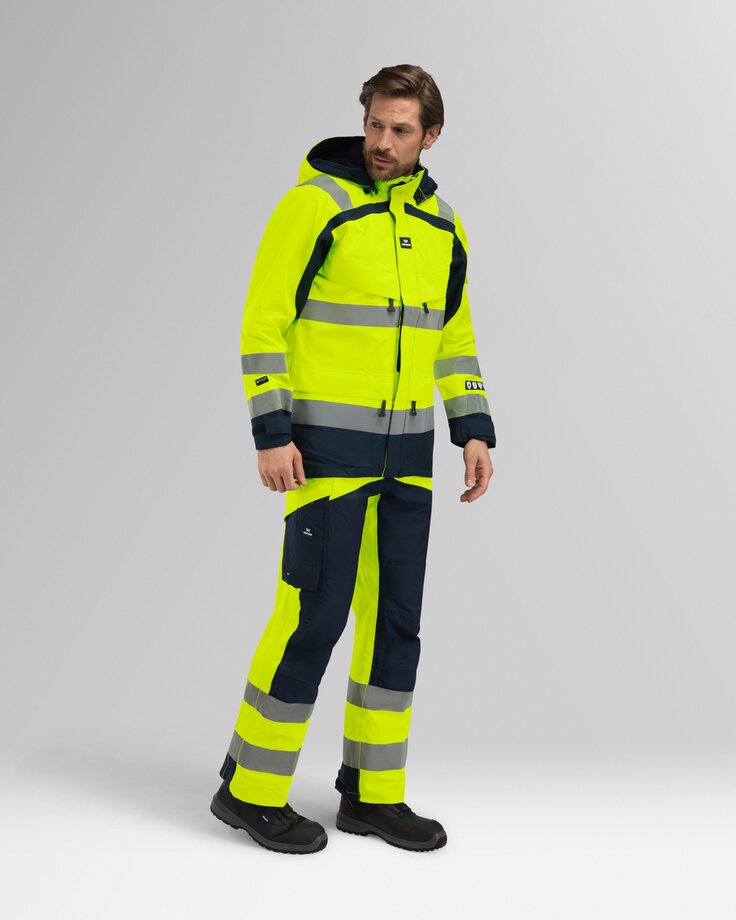
Arc Rated Clothing Specification Checklist
For arc-rated clothing, provide the applicable standard, required protection level, work conditions, garment layers, and documentation expectations before sampling. Fabric, trims, closures, reflective elements, labels, and decoration methods must be reviewed within the required test and certification scope.
Get a Quote
Cold Storage Workwear Layering Guide
Cold-storage apparel is developed as a layering system, not a single universal garment. Consider base layers, insulating mid-layers, outer jackets or coveralls, cuff and collar sealing, pocket access, movement needs, and the actual workplace temperature and exposure duration.
Get a Quote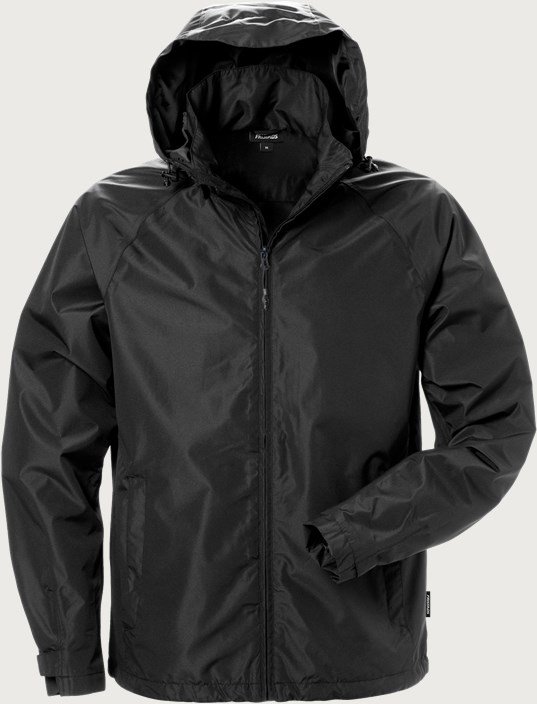
Rainwear Fabric and Seam Guide
Rainwear development centers on shell fabric, coating or membrane direction, seam construction, hood design, closure protection, and ventilation. Specify whether the garment will be a jacket, pants, coverall, or set, plus wear conditions and any required performance documentation.
Get a Quote
Embroidery vs Screen Printing for Uniforms
Embroidery suits durable logo applications on polos, shirts, jackets, and caps, while screen printing can suit larger graphics and high-volume uniform programs. Artwork size, garment fabric, placement, color count, wash expectations, and decoration area should be reviewed before production.
Get a Quote
Private Label Workwear Development Guide
Private-label development combines your product direction with pattern work, fabric and trim sourcing, samples, labels, packaging, and production planning. Programs can begin from 100 pieces per style and color, subject to fabric, construction, and project requirements.
Get a Quote
How to Prepare a Workwear Tech Pack
A usable tech pack translates the product idea into production details: technical sketches, measurements, grading, bill of materials, color references, construction notes, artwork files, label instructions, and packaging requirements. It reduces sampling revisions and creates a clearer basis for quotation.
Get a Quote
Bulk Uniform Order Planning Guide
Bulk uniform planning aligns garment mix, department needs, size breakdowns, branding, replacement quantities, destination, and rollout schedule. Separate styles by role or work environment, then confirm fabric and trim choices early enough to support sampling, approval, production, inspection, and shipment coordination.
Get a Quote
Workwear Care Label and Packaging Guide
Care labels and packaging should reflect the garment’s actual fiber content, care method, size identification, country-of-origin requirements where applicable, private-label details, and packing format. Options include woven labels, printed care labels, patches, hangtags, individual bags, and custom outer cartons.
Get a Quote
How To Order Private Label Activewear
Send your brief for feasibility review, sampling, and a comparable quote from 100 pieces per style and color, subject to project requirements.
Get a Quote
How To Prepare A Teamwear Order
Use our how to prepare a teamwear order checklist to align styles, sizes, artwork, approvals, and a conditional 100-piece starting MOQ per style and color. Reference image: Work Skirts and Skorts representative garment reference.
Get a Quote
How To Specify Teamwear Player Numbers
Control roster, artwork, placement, sizing, sample approval, and reorder records for numbered teamwear. Veelianpro reviews made-to-order development from 100 pieces per style and color, subject to project feasibility. Reference image: Hands guiding cloth through an industrial sewing machine.
Get a Quote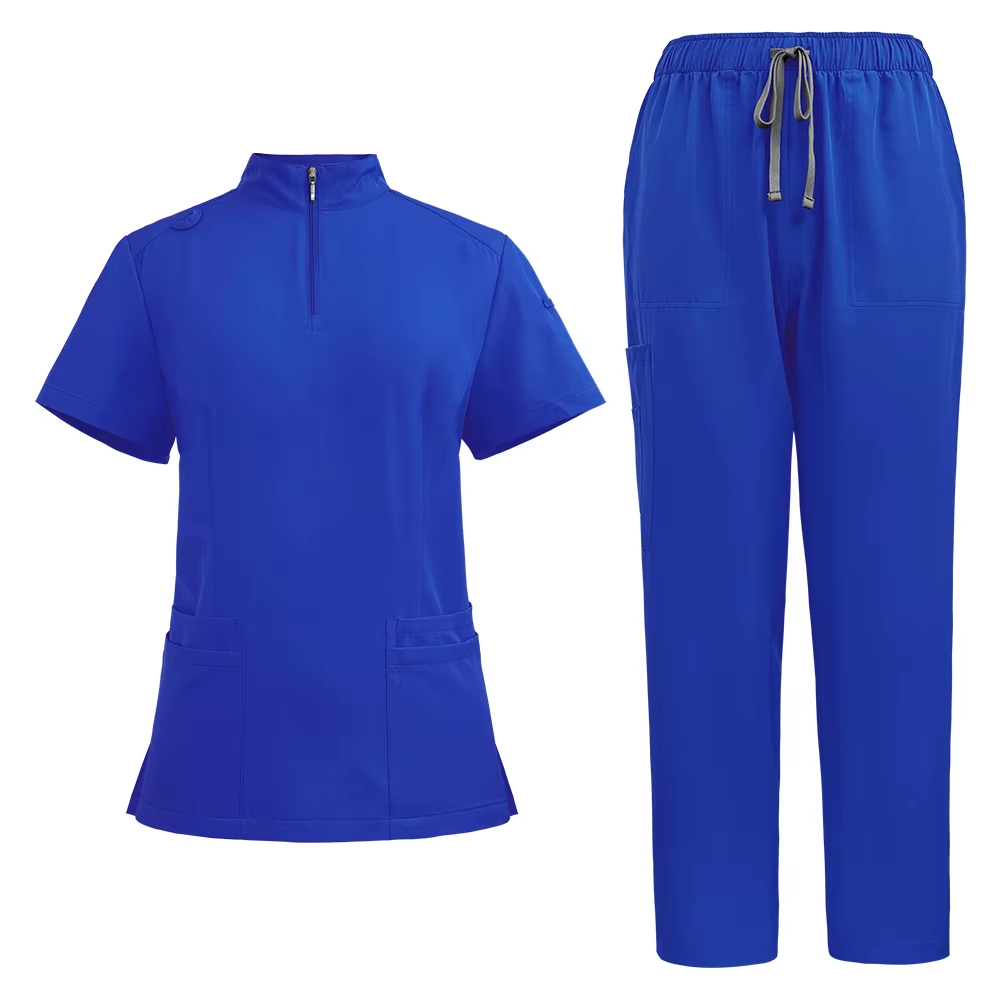
How To Compare Blank Apparel Suppliers
Compare equivalent specifications, approval scope, and development options for custom garments from 100 pieces per style and color, subject to project feasibility. Reference image: Scrub Set — Fashionable Medical Scrubs Set Wholesale Spa Clinic Uniform Doctors Hospital Nursing Apparel Supply garment reference.
Get a Quote
How To Choose A Swimwear Manufacturer
Compare custom development, fit approvals, materials, branding, and conditional quantities from 100 pieces per style and color with Veelianpro. Reference image: Hands measuring garment fabric during sample review reference.
Get a Quote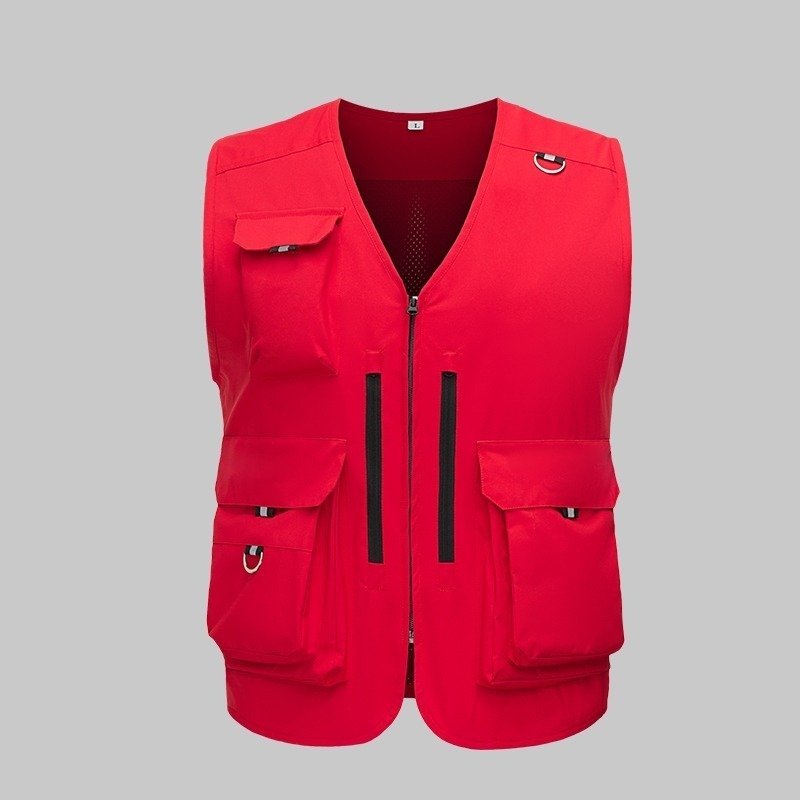
How To Develop An Outdoor Apparel Range
Plan OEM, ODM, or private-label development with specifications, samples, and feasibility-based production from 100 pieces per style and color. Reference image: Custom Dual-Zip Multi-Pocket Outdoor Work Vest — reference garment view 2.
Get a Quote
How To Create An Apparel Size Set
Learn how to create an apparel size set—from wearer profiles and measurement points to grading, fit-sample approval, and quote-ready quantities—from 100 pieces per style and color, subject to feasibility. Reference image: Uniform Suit — Industrial Work Jacket and Pants Set DM2316D-2 garment reference.
Get a Quote
How To Evaluate A Garment Pre Production Sample
Learn how to evaluate a garment pre production sample for fit, materials, construction, trims, labels, and documentation before bulk release. Reference image: Textile workers examining fabric on an inspection table, material review reference.
Get a Quote
How To Plan Repeat Orders For Apparel
Learn how to plan repeat orders for apparel by freezing approved specifications, materials, trims, artwork, and quantity details before requesting a quote. Reference image: Garments on a rack beside a packing workbench and cartons, repeat-order workflow reference.
Get a Quote
How To Calculate Apparel Color Minimums
Learn how to calculate apparel color minimums from 100 pieces per style and color, subject to fabric, construction, and evidence requirements. Reference image: Custom Shell Work Trousers — Reference Style reference garment view 1; alternate color where shown.
Get a Quote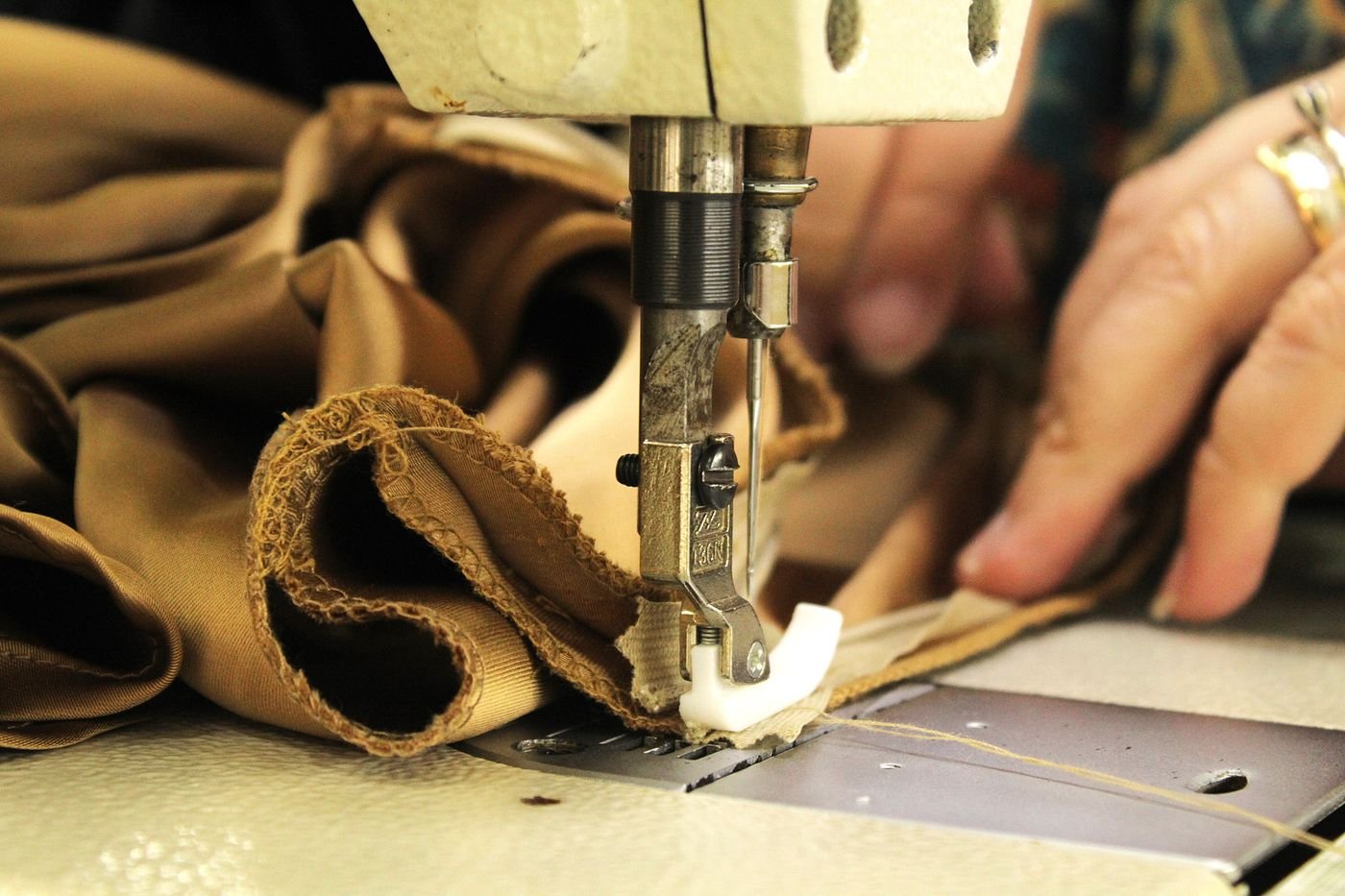
How To Compare Apparel Manufacturing Quotes
Use one complete brief to compare development scope, samples, materials, decoration, approvals, and delivery terms before selecting a custom garment supplier. Reference image: Sewing machine stitching a folded fabric edge.
Get a Quote
How To Approve School Uniform Sizes
Learn how to approve school uniform sizes through measurement charts, fit samples, and documented size-set reviews before requesting custom bulk production. Reference image: Tape measurement across a garment on a form, size approval reference.
Get a Quote
How To Plan Mixed Size Workwear Orders
Build a controlled size matrix by style and color, then submit your specification for feasibility review and a custom workwear quote. Reference image: Tailor laying out multiple garment pattern pieces and fabric on a cutting table.
Get a Quote
How To Measure Fit For Outdoor Layering
Learn how to measure fit for outdoor layering with movement checks and sample criteria. Development starts from 100 pieces per style and color, subject to feasibility.
Get a Quote
How To Approve A Custom Sock Sample
Inspect the physical sample, document every revision, and release only the confirmed version. Request a Workwear Quote to assess custom sock feasibility and applicable MOQ. Reference image: Knitted socks showing ribbed cuffs, stripe placement and overall sample shape.
Get a Quote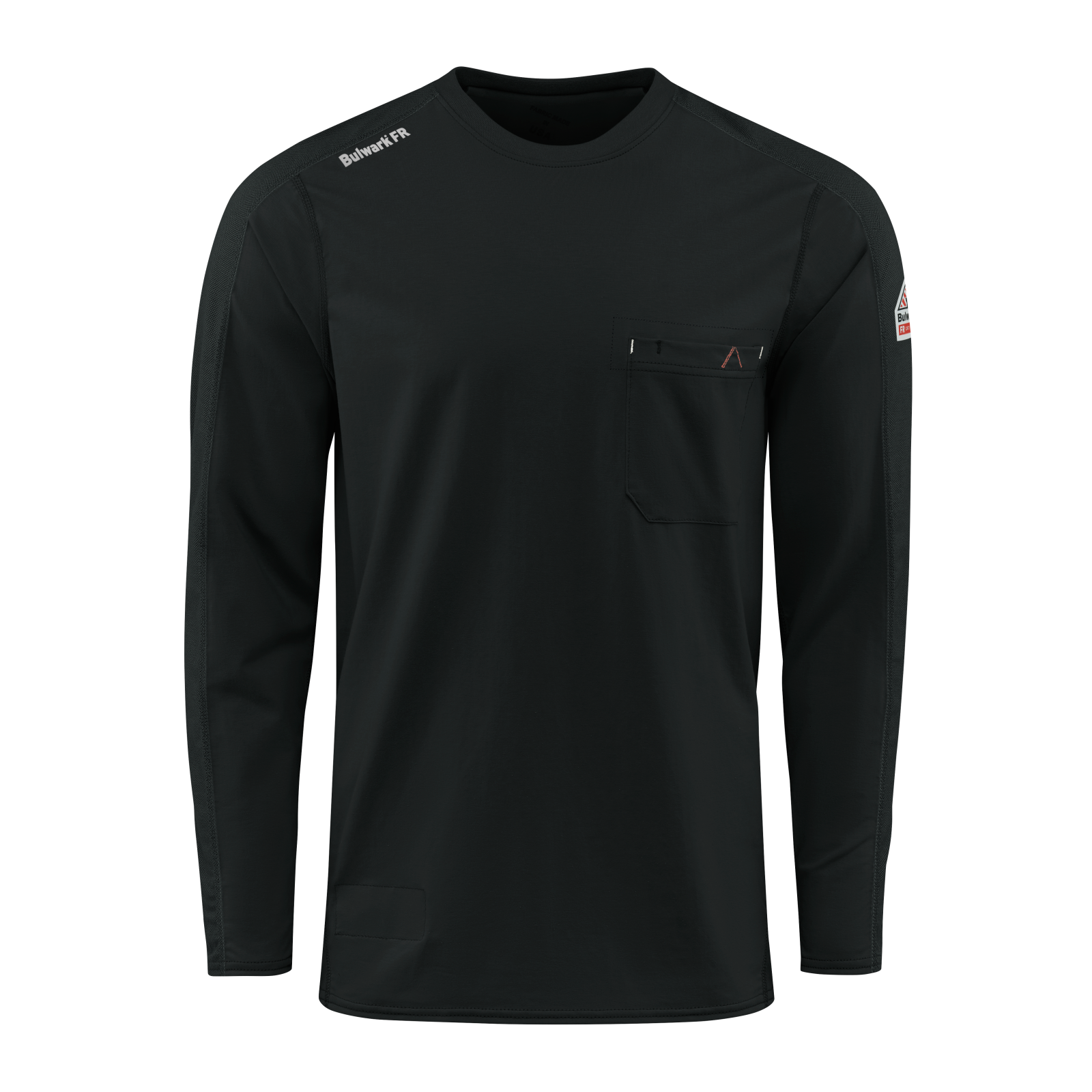
How To Compare Crew Sock Sizes
Compare wearer groups, foot measurements, size splits, fit checks, labeling, and approval samples before requesting a feasibility-led custom crew sock quote. Reference image: Crew Neck Short Sleeve T-Shirt — Men’s Flex Knit Tee garment reference.
Get a Quote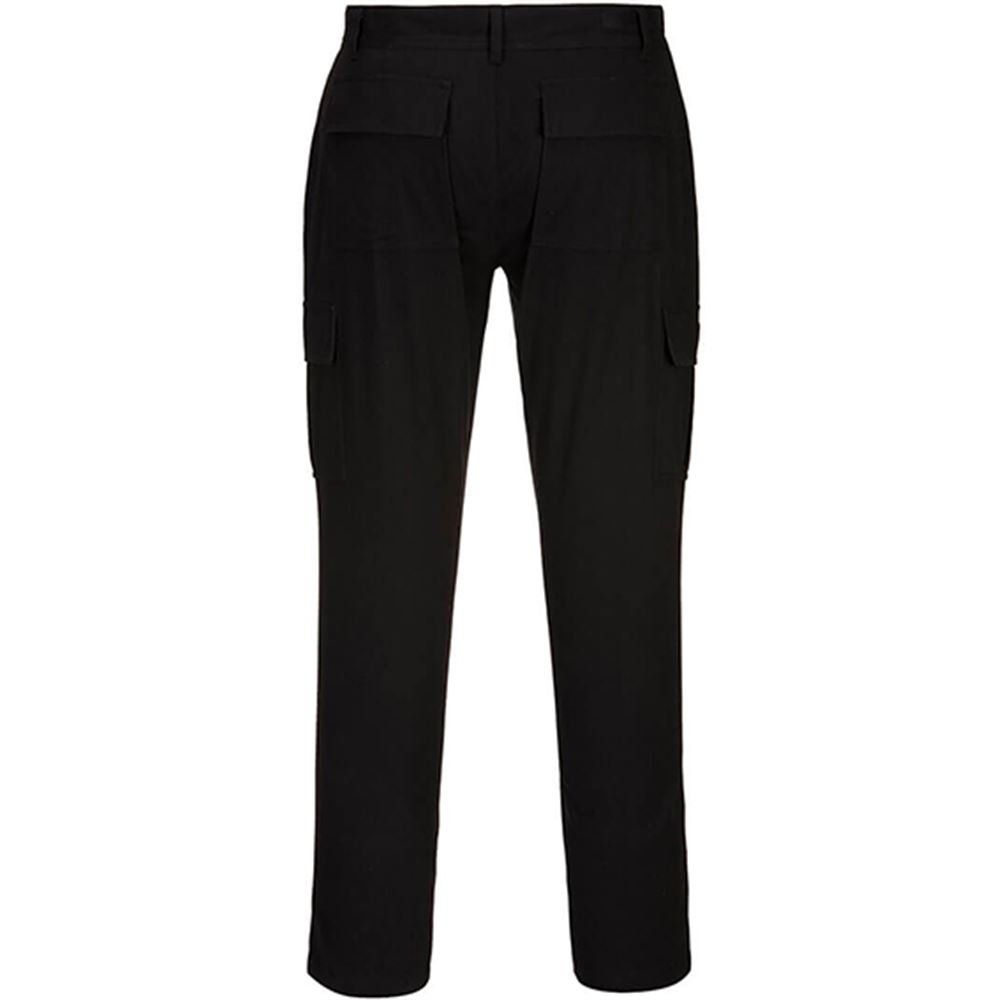
How To Request A Cut And Sew Apparel Quote
Send a tech pack, sample, sketch, or product idea for a comparable bulk-garment quote, from 100 pieces per style and color subject to project feasibility. Reference image: Cut Resistant Pants — Portwest CR40 Cut Resistant Combat Trousers reference.
Get a Quote
How To Check Stitching On A Garment Sample
Learn how to check stitching on a garment sample, document corrections, and assess custom workwear feasibility from 100 pieces per style and color, subject to requirements. Reference image: Custom Elastic-Waist Chef Trousers with Check or Solid Color Options — garment development reference.
Get a Quote
How To Compare Apparel Decoration Methods
Learn how to compare apparel decoration methods by garment control, artwork, order structure, and approvals, with conditional production from 100 pieces per style and color. Reference image: Stacked screen-printing frames beside a textile workshop station.
Get a Quote
Choosing Blank Shirts For Dtg Printing
Compare fiber, surface, fit, and approvals when choosing blank shirts for DTG printing, then request feasibility review from 100 pieces per style and color. Reference image: Short Sleeve Work Shirt — Men’s Cooling Short Sleeve Work Shirt garment reference.
Get a Quote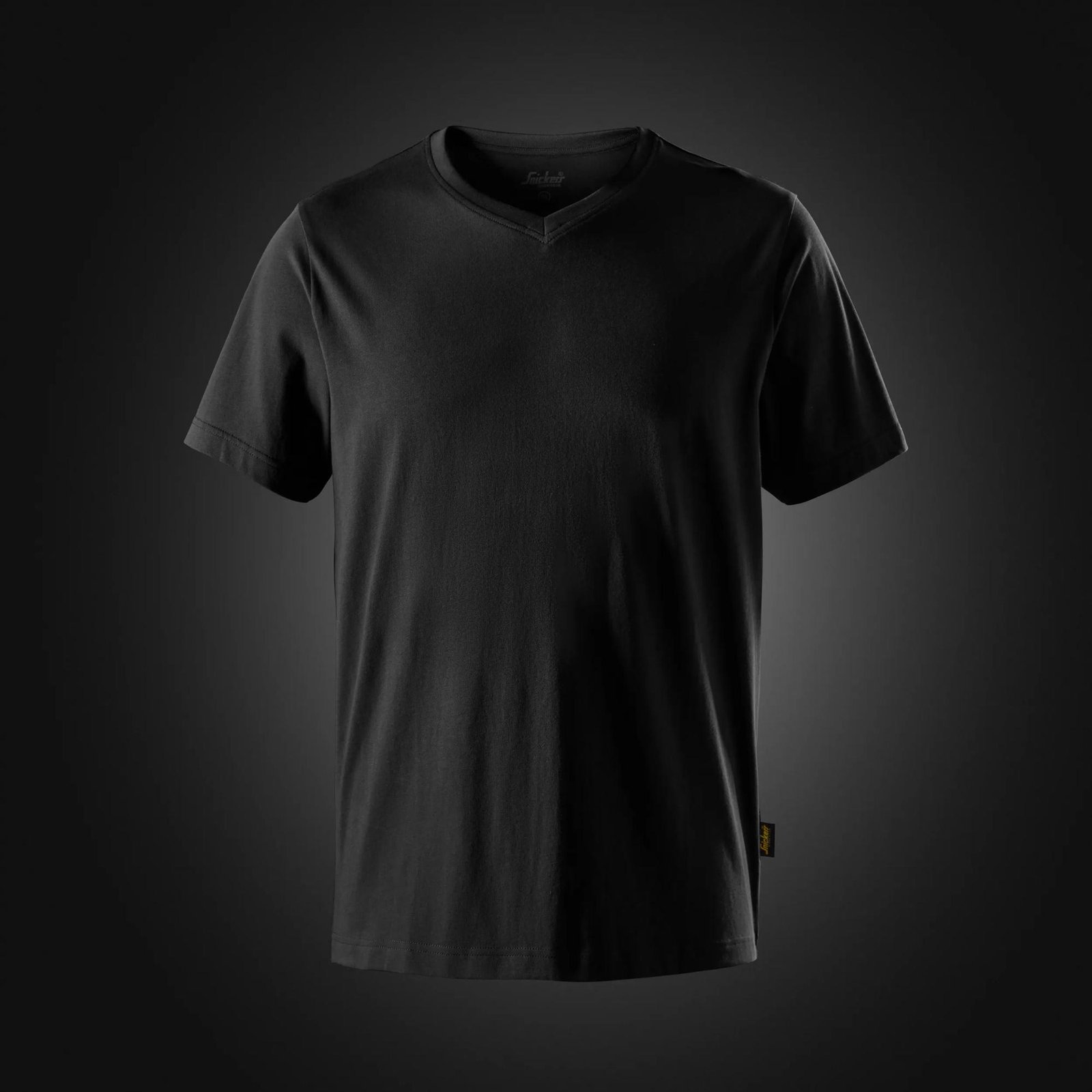
Sublimation Vs Screen Printing For Teamwear
Compare fabric, artwork, personalization, and sample approvals for sublimation vs screen printing for teamwear, with custom development from 100 pieces per style and color, subject to feasibility. Reference image: V-Neck T-Shirt — Classic V-Neck T-Shirt reference.
Get a Quote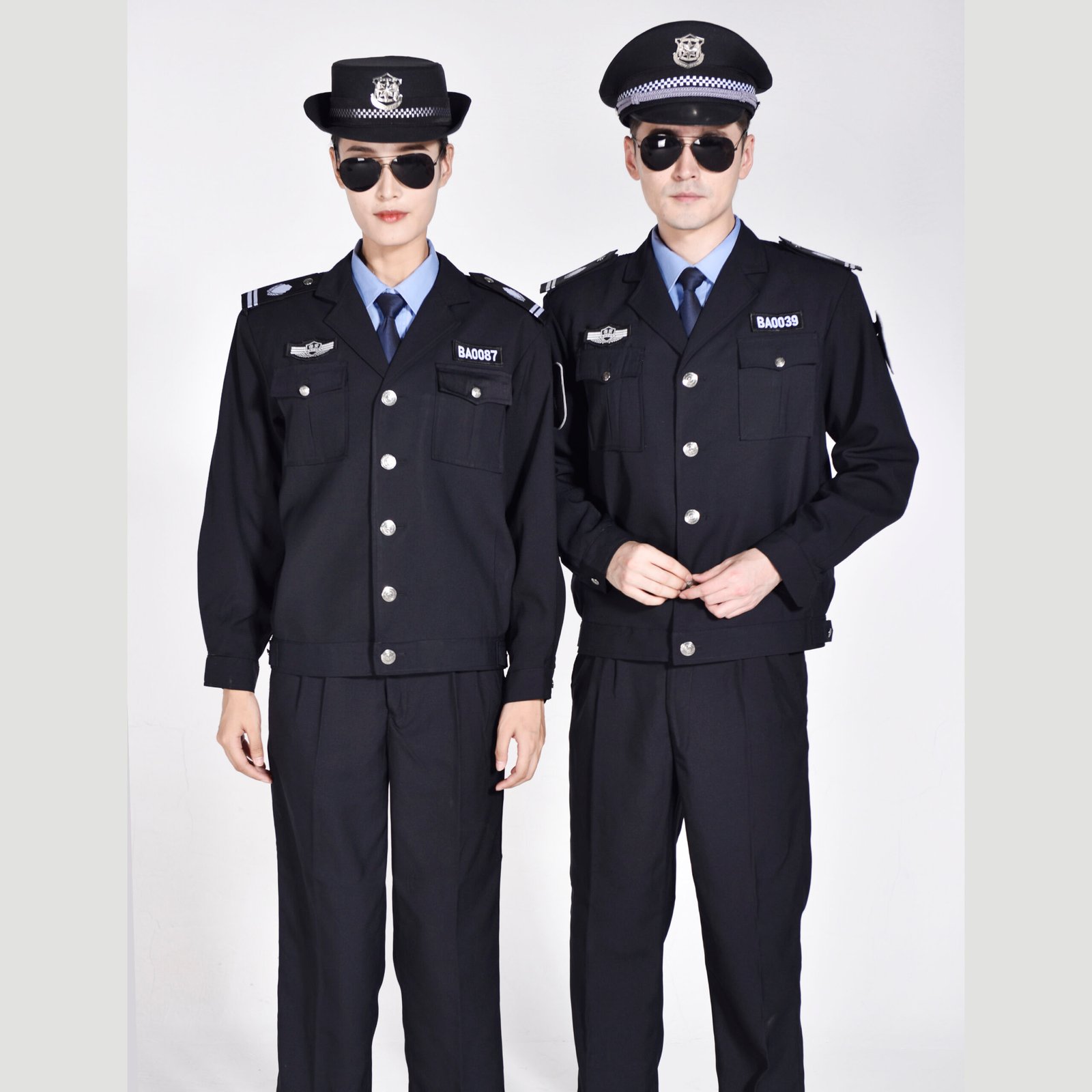
Apparel Fabric Swatch Approval
Validate fabric, color, hand feel, trims, and decoration before development, with projects from 100 pieces per style and color, subject to feasibility. Reference image: Patrol Jacket — HT045-529 Old‑style jacket‑style gabardine fabric security uniform garment reference.
Get a Quote
Outerwear Fabric Qualification For Outdoor Apparel
Veelianpro reviews intended use, material evidence, construction, and samples for custom outdoor outerwear projects from 100 pieces per style and color, subject to feasibility.
Get a Quote
Apparel Sample Fit Evaluation For Plus Sizes
Validate base fit, grading, material behavior, and production approvals for custom bulk garments, starting from 100 pieces per style and color, subject to project feasibility. Reference image: Slim Fit Work Pants — Action Trousers stretch slim garment reference.
Get a Quote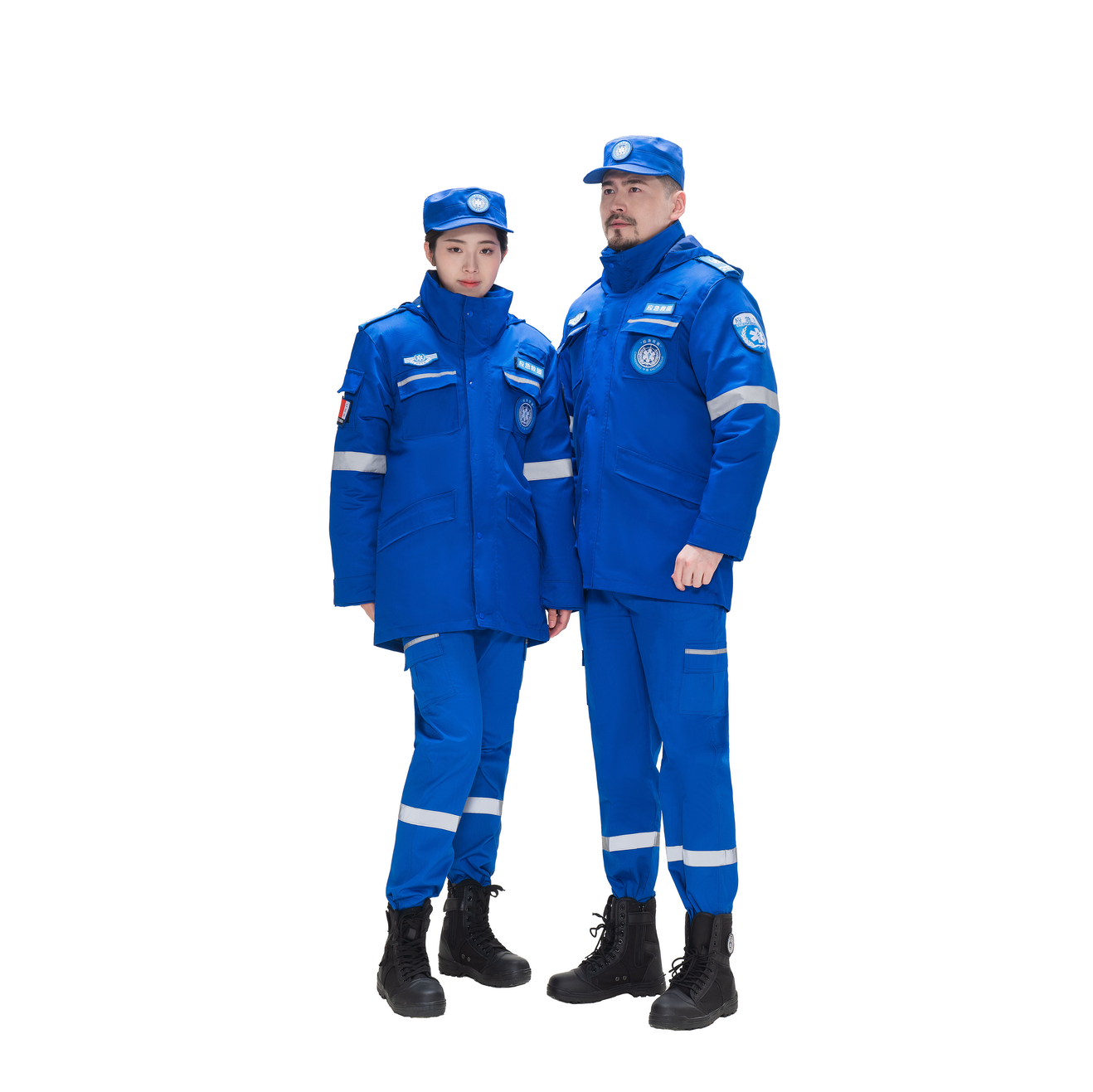
Private Label Swimwear Sample Fit
Plan a private-label swimwear fit-sample project from 100 pieces per style and color, subject to fabric, construction, and certification requirements.
Get a Quote
How To Measure For Team Jerseys
Learn how to measure for team jerseys with a player roster, reference-garment checks, and fit approval for made-to-order development from 100 pieces per style and color, subject to feasibility. Reference image: UV Protection Polo — Men’s Cooling Stretch Jersey Polo garment reference.
Get a QuoteFrom Brief to Approved Production Sample
Veelianpro turns a workwear concept into a defined production program through feasibility review, material and trim selection, pattern development, sampling, quotation, production, inspection, and shipment. Share the requirements behind your range so our Wuhan team can align construction, customization, MOQ, and documentation with the intended job setting and buyer expectations.
Define Requirements
Share your tech pack, sketch, sample, or product idea with garment type, work setting, fabric, size range, colors, branding, quantity, destination, and timeline.
Review Feasibility
Veelianpro reviews construction, materials, trims, protection requirements, MOQ, and production details, then identifies practical options before sampling begins for your program.
Approve Sample
Develop patterns, source fabrics and trims, create samples, and validate fit, branding, functional details, and size grading against your approved brief.
Confirm Production
Receive a project quotation, confirm the order, then Veelianpro manages cutting, sewing, reinforcement, quality checks, packing, shipment, and reorder support.
Workwear Buying Guide for Custom Industrial Apparel
A practical framework for matching garments to job demands, evaluating supplier capability, specifying customization, avoiding costly sourcing mistakes, and building a quote-ready workwear program.
1. Workwear Buying Guide: Purpose and Scope
Workwear is task-led industrial and service apparel. Fit, fabric, pocket layout, closures, reinforcement, and weather layers should be specified for the job rather than selected as casualwear details. Repeated kneeling, climbing, lifting, driving, heat, rain, machinery proximity, and other exposures change the brief; fabric weight alone does not resolve poor mobility or an unsuitable seam layout.
Start with the work setting, body movement, and climate, then choose the garment system: work shirt, trousers, vest, outerwear, or full-body coverage. Translate the use case into fabric and trim requirements, size range, color, pockets, reinforcement, branding, any applicable protection standard, and measurable acceptance criteria. A bright color is not evidence of certified visibility performance.
Veelianpro can develop a custom program from a tech pack, sketch, sample, or product idea, including fabric and trim sourcing, pattern development, sampling, grading, construction, decoration, packing, and export coordination. The stated starting MOQ is 100 pieces per style and color, subject to fabric, certification, and construction requirements. Any protective claim requires the applicable standard and matching test or certificate evidence.
Sampling is the control point between an attractive concept and a repeatable purchase. Check reach, squat and kneel movement, pocket access, trim placement, branding, measurements, and agreed construction before bulk approval. Keep the quote scope equally specific—quantity, destination, timeline, packaging, inspection expectations, and any tested protection requirement—so options are compared on the same specification rather than a vague style name.
2. Workwear Buying Guide: Map Job Demands
Start the workwear buying guide with the shift, not the garment. Record where people work, how they move, what contacts the fabric, and whether heat, rain, wind, traffic, or machinery changes the brief.
| Role | Primary Conditions | Brief Priorities |
|---|---|---|
| Industrial crew | Abrasion, lifting, kneeling | Reinforcement and movement |
| Warehouse team | Indoor shifts, docks, vehicles | Mobility, layers, required visibility |
| Field service | Driving, weather, tools | Weather coverage and access |
| Service team | Customer contact, repeated wear | Presentation, fit, branding |
Build a Shift Exposure Map
Separate indoor tasks from outdoor, dock, vehicle, and intermittent-weather work. Note heat buildup, wet exposure, abrasion points, and whether layers must be removed without disrupting the uniform.
List movements by frequency: kneeling, climbing, lifting, reaching, squatting, and driving. Use the resulting exposure map to identify what must be confirmed in the sample and quote.
- Exposure: heat, rain, wind, dust, oils, or rough edges
- Movement: kneeling, climbing, lifting, driving, or reaching
- Wear points: knees, seat, pockets, cuffs, and shoulders
Define Required Protection First
Site PPE rules and hazard controls set non-negotiable requirements before color, pocket layout, or decoration is selected. A bright fabric is not evidence of a required visibility classification, and a protective design target is not a tested claim.
Put the applicable standard, required test evidence, coverage area, and wearer role in the brief. Include any site rules affecting closures, loose elements, footwear, gloves, or layering.
Segment Roles Before Sampling
Industrial crews may need abrasion-focused construction and task-specific reinforcement; warehouse teams may prioritize mobility, temperature changes, and visibility around vehicle routes. Field service teams need a practical balance of weather coverage, tool access, and driving comfort.
Customer-facing service teams usually need a cleaner presentation, reliable sizing, and brand-consistent decoration. Keep these roles as separate wear scenarios rather than forcing one garment specification across every team.
3. Types of Workwear for Each Role
A useful uniform range assigns each silhouette to a work pattern rather than treating every role alike. Select coverage, reach, storage, and weather adaptability together so logos and colors remain consistent across the issued system.
| Garment | Best Work Pattern | Main Trade-Off |
|---|---|---|
| Work shirt and trousers | Daily service or active trade work | Separate pieces give flexibility; coverage is segmented |
| Bib overalls | Messy, storage-heavy tasks | More torso storage; less upper-body coverage |
| Coveralls | Full-body work coverage | Continuous coverage; fit and closure access matter |
| Vest or jacket | Variable weather and site movement | Vest favors reach; jacket favors protection |
Shirts And Work Trousers
Work shirts, polos, and tees suit service, hospitality, light industrial, and layered field roles; trousers or cargo pants suit climbing, kneeling, and tool-carrying work. A shirt gives easy upper-body movement, while trouser pocket placement must not interfere with bending or seated driving.
Specify secure chest-pocket closures where items must stay put, and choose cargo, utility, or simpler pockets by task. These are the core logo-bearing pieces in a branded range, with shared colors and labels across daily uniforms.
Bib Overalls And Coveralls
Bib overalls add torso storage and leave the shoulders less enclosed, making them useful for messy trade work needing frequent reach. Coveralls provide continuous shoulder-to-leg coverage, but closure access and fit must allow quick movement and practical changing.
For either style, review bib pockets, side-entry access, front zippers or snaps, and closures that remain usable with the task. Offer them as role-specific extensions of the same branded trouser and shirt palette.
Jackets, Vests And Hi-Vis
Softshell, fleece, padded, rain jackets, and vests build weather options around indoor-to-outdoor shifts. Vests preserve arm movement but protect less of the body; jackets add coverage, so cuff, hem, hood, zipper, and pocket choices matter.
Hi-vis outer layers belong where the buyer’s required standard and documented scope call for them; bright color alone is not a performance claim. Keep footwear, gloves, eye protection, and other PPE as adjacent procurement categories.
Layered Range Planning
A coordinated system starts with a shirt and trouser base, then adds a vest or jacket by weather and exposure. This reduces duplicate branding while allowing each wearer to regulate coverage and mobility through the shift.
Use compatible colors, decoration locations, and closure hardware across layers so the range reads as one program. Veelianpro can develop these garment families from a tech pack, sketch, sample, or product idea.
4. Workwear Buying Guide: Fabric Choices
Fabric choice sets the baseline for abrasion, heat management, movement, and wash routine; fabric weight alone does not determine suitability. Specify the task, climate, laundering method, and expected wear zones before approving a development sample.
| Material option | Practical strengths | Limitations | Recommended use |
|---|---|---|---|
| Cotton twill | A familiar woven option to evaluate for comfort, opacity, and care in sampling | Drying expectations should be confirmed for the specified composition and care routine | General service uniforms |
| Canvas or duck | A heavier-looking woven option to compare against the required movement and comfort | Approve hand feel and wearer comfort on the development sample | Rough handling and outdoor tasks |
| Denim | A structured twill option to assess for the intended silhouette and movement | Confirm movement and fit in the approved sample | Utility trousers and casual workwear |
| Ripstop construction | A grid construction that should be evaluated against the project’s tear and wear requirements | Grid alone does not prove abrasion performance | Active outdoor roles |
| Polyester-cotton blend | A blend option to compare for care routine, hand feel, and wearer comfort | Specify the exact composition and approve the hand feel in sampling | Frequent-laundered uniforms |
| Stretch-panel approach | Mobility at selected zones | Panels require placement review | Kneeling, climbing, and driving roles |
Read Fabric Construction

Use fabric construction names as a starting point for development, not as proof of performance. Request the proposed composition, weight, construction, color standard, and care recommendation, then assess hand feel, opacity, movement, and wash behavior on the sample.
For twill, canvas, duck, denim, or ripstop proposals, ask how the nominated fabric will be used in the pattern and where reinforcement is planned. If tear, abrasion, weather, or protective performance is required, include the applicable test requirement and evidence scope in the RFQ.
Balance Fiber And Movement
State the exact fiber composition for every proposed main fabric and panel. For stretch-panel designs, identify the panel fabric, locations, seams, and intended movement issue, then assess the finished sample for fit and recovery after the buyer’s proposed care routine.
Hypothetical development example: a cargo trouser could use a polyester-cotton main fabric with stretch panels at the gusset and behind the knees. This is a development direction, not a tested Veelianpro specification or a performance claim.
Match Fabric To Work
Choose the fabric together with the garment pattern and reinforcement plan. A heavy fabric can still restrict climbing or kneeling if mobility zones and ease are not engineered into the sample.
For protective applications, material selection does not establish a protective rating. Provide the applicable standard and required test or certificate scope when requesting a quote.
5. Customization and Finishing Options
Customization works best when it is treated as part of the garment specification, not a final artwork request. Define the wearer role, logo locations, decoration method, visibility layout, size run, labels, and packing before approving a sample.
| Method | Best For | Key Trade-Off |
|---|---|---|
| Embroidery | Compact logos | Dense stitching adds bulk |
| Screen printing | Simple broad graphics | Artwork is less suited to fine tonal detail |
| Heat transfer | Detailed multicolor logos | Approve application and wash requirements |
Choose Decoration by Artwork
Embroidery gives a dimensional mark for shirts, jackets, and caps, but dense artwork can stiffen lighter fabric. Screen printing suits broad, simple graphics; heat transfer can reproduce detailed multicolor artwork, subject to the approved application and wash requirements.
Request artwork at production-ready quality and identify each placement. A left-chest logo that looks balanced on a medium may need scaled placement rules for the smallest and largest sizes.
Set Functional Garment Details
Pocket layouts should follow the tools, phones, documents, or access cards actually carried. Confirm pocket opening, closure, and location against movement and equipment interaction rather than copying a catalog style.
Color blocking can separate departments or hide soil on high-contact panels. Reflective tape placement must follow the site’s required visibility specification where protection is required; decorative reflective trim is not evidence of a certified high-visibility garment.
- Chest, cargo, ruler, and concealed pockets
- Knee reinforcement and gusset options
- Reflective tape placement by approved site requirement
Control Program Consistency
A complete size run needs a grading brief, wearer-fit sample, and clear measurement tolerances agreed during development. Keep logo coordinates, thread or print colors, label copy, and packing instructions in the approved tech pack for repeat orders.
Veelianpro can develop woven labels, care labels, patches, custom packaging, and private-label details alongside garment production. Its starting MOQ is 100 pieces per style and color, subject to fabric, certification, and construction requirements.
6. Construction Details That Drive Service Life
Service life is often decided where fabric changes direction or carries load: seams, pocket corners, knees, closures, and adjustment points. Specify these details against the wearer’s motions, then make the approved sample the reference for production inspection.
| Detail | Common Failure | Specification Remedy |
|---|---|---|
| Pocket corners | Pocket blowout | Reinforce named corners and define intended contents |
| Knee area | Abrasion or restricted kneeling | Use aligned knee panels and test bent posture |
| Closures | Wear or snagging | Specify closure type, placement, and puller exposure |
| Waist and reach | Pulled seams or restricted motion | Set fit allowance and gusset requirements on sample |
Seams And Stress Points

A side seam can split when repeated bending loads it across the hip, while belt loops and pocket corners can pull loose under concentrated load. Specify the seam type, stitch density target where applicable, and bartacks or reinforcement at named stress points in the tech pack.
Triple stitching and gussets are useful only where their bulk and placement suit the job. A crotch gusset can improve reach and squatting allowance; poorly positioned reinforcement can instead chafe or restrict movement.
- Name bartack locations on the pattern
- Define reinforcement panels by pattern piece
- Check seam allowance consistency on samples
Pockets, Knees, And Closures
Pocket blowouts usually begin at unsupported corners or an attachment that cannot carry the intended contents. Define pocket dimensions, opening direction, attachment seams, tool-loop placement, and the expected carried items rather than approving a pocket solely by appearance.
Knee panels should follow kneeling motion and remain aligned when the wearer bends. Select zipper, snap, or button closures for the environment; exposed hardware and loose pullers can snag, while frequent closure use accelerates wear at the fastening base.
- Test pockets with representative tools
- Bend and kneel in the sample
- Operate every closure repeatedly
Fit And Sample Inspection

A waistband that rolls, a collar that gaps, or cuffs that catch on equipment can turn an otherwise durable garment into an unused one. Record fit allowances for reaching, sitting, climbing, and layering, plus cuff and collar adjustment details, on the approved sample.
Inspect production against that approved sample and defined acceptance points: seam appearance, reinforcement position, pocket security, closure operation, measurements, decoration placement, and loose-thread control. Changes in fabric or construction should be reviewed before bulk production.
- Keep the approved sample identified
- Use a written inspection checklist
- Escalate construction substitutions before cutting
7. Choosing a Workwear Manufacturer
A capable manufacturer converts a work setting into documented garment requirements, then shows how those requirements travel through development and production. Evaluate the handoffs, not just a product catalog or a finished sample.
| Evaluation Area | RFQ Evidence | Decision Risk |
|---|---|---|
| Fabric and trims | Approved specifications and sourcing details | Substituted inputs |
| Sizing | Base size and grading process | Inconsistent fit |
| Sampling | Approval stages and revision record | Uncontrolled production changes |
| Packing | Carton marks and pack method | Receiving errors |
Match Range To The Brief
Ask whether the manufacturer can develop the relevant family: trousers, coveralls, jackets, vests, or uniforms. Protective families require the exact requested standard and evidence scope, not a generic safety label.
Veelianpro states that it develops industrial, safety, hospitality, and service apparel from a tech pack, sketch, sample, or product idea.
Trace Inputs And Specifications
An RFQ should identify fabric composition and weight, trim specifications, color references, reflective-tape placement, pocket layout, reinforcement, and closure choices. Require material and trim approvals to be tied to the approved sample.
Confirm how the factory interprets missing measurements, tolerances, and construction notes before sampling begins.
Test Development Handoffs
Ask for the size-grading approach, sample stages, decoration artwork process, and checkpoints for cutting, sewing, finishing, and packing. Approve decoration on the intended fabric and garment panel, not only on a separate swatch.
Illustrative procurement scenario — Safety distributor: a buyer submits a coverall tech pack with logo locations, graded size range, required standard, and carton marks. The proposed feasibility review identifies missing evidence, construction details, and quote dependencies; acceptance requires those points to be documented before quotation and sampling proceed.
Read The Quote Completely
A complete quote distinguishes the garment specification, approved decoration, packing method, quantity by style and color, destination, and any certification or test requirement. It also records exclusions and approval dependencies.
Veelianpro’s starting MOQ is 100 pieces per style and color, subject to fabric, certification, and construction requirements. Request a Workwear Quote with the target quantity and timeline.
8. Workwear Buying Guide: Avoid Common Mistakes
Small omissions during product development become expensive once a uniform program is graded, decorated, packed, and issued. Use this workwear buying guide to turn visual preferences into role-specific specifications before approval.
Do Not Buy the Look
A sharp silhouette or heavy-looking cloth does not show how a garment handles kneeling, heat, abrasion, or repeated reaching. Map each role’s tasks and exposure first, then specify fabric, pocket layout, reinforcement, and protection needs.
Separate Roles and Layers
One fabric across warehouse, outdoor, and mobility-heavy roles can create overheating, restricted movement, or premature wear. Build compatible base, mid, and outer layers, and review reach, squat, climb, and seated-driving movement in the intended size range.
Review Logos and Visibility
Copying a logo position without checking garment sizes can place artwork across a pocket, zipper, seam, or curved panel. Approve placement on each relevant size and confirm decoration dimensions, method, and clearance.
Bright yellow or orange alone is not proof of high-visibility compliance. Where a required standard applies, provide the exact standard and documentation requirement rather than treating color as evidence.
Test Samples and Quote Scope
A clean first fitting can hide shrinkage, twisting, decoration failure, pocket stress, or discomfort after use. Run wash-and-wear checks that reflect the intended care routine before bulk approval.
Compare quotes line by line: fabric and trims, pattern work, decoration, packaging, testing or certification scope, inspection, and export coordination. At Veelianpro, MOQ starts at 100 pieces per style and color, subject to fabric, certification, and construction requirements.
9. Launch a Custom Workwear Program
Begin with a role audit, then turn tasks, hazards, branding, and replenishment needs into one controlled specification. Veelianpro can develop from a tech pack, sketch, sample, or product idea; its stated starting MOQ is 100 pieces per style and color, subject to requirements.
How Should We Evaluate Samples?
Evaluate the prototype against the approved specification, not a mood board. Check pocket access, reinforcement placement, closures, and decoration position.
Check measurement points, workmanship, and wash instructions. Record changes on a dated approval sheet before authorizing bulk production release.
How Do We Test Fit?
Fit-test graded sizes on wearers representing intended workforce and working motions. Test reach, squat, kneel, climb, seated driving, layering, and pocket clearance.
Approve the size chart only after revisions are incorporated. Keep the final measurement specification as controlled production data.
How Should We Select Fabric?
Select fabric from the role brief before approving color or trims. Compare composition, weight, hand, movement, wash routine, abrasion exposure, and weather.
Confirm documented protection early. A design target is not proof of performance without evidence and certification scope.
What Defines Visibility Requirements?
Set visibility requirements from the site standard and task assessment before artwork approval. Specify garment color, reflective tape placement, contrast panels, and logo area.
Record the exact required standard. Bright color or reflective trim alone does not establish certification or compliance status.
How Do We Compare Quotes?
Compare quotations line by line: fabric and trim scope, pattern work, sample status, decoration, packing, and inspection. Reconcile shipping terms and exclusions.
A lower total can omit a needed process. Compare like-for-like specifications before choosing a partner for bulk release.
How Should We Plan Reorders?
Plan replenishment when approving the first order. Retain the final tech pack, artwork files, size chart, fabric and trim references, packaging details, and approval records.
Reorder against that controlled version. Identify color, branding, or specification changes separately before reconfirming quantities internally.
10. Workwear Pricing and Cost Drivers
A custom workwear quote changes first with the garment platform: a polo, cargo trouser, lined jacket, and protective-design coverall require different pattern parts, operations, materials, and checks. Fabric composition and construction, closures, pocket systems, reinforcement, decoration, color treatment, size grading, packing, and freight scope should therefore appear as line-level specifications rather than one unexplained unit figure.
Veelianpro starts at 100 pieces per style and color, subject to fabric, certification, and construction requirements. A worked example: moving a cargo trouser from basic pockets to reinforced knees, added bartacks, and a second logo location adds materials and sewing operations; it is a specification change, not a universal price uplift.
| Cost Driver | Effect on Cost | Quote Must Specify |
|---|---|---|
| Garment category and fabric | More components, layers, or specialized fabric sourcing can change material use and operations. | Style, fabric composition and weight, color, and required performance documentation. |
| Trims and reinforcement | Zippers, reflective tape, tool pockets, gussets, bartacks, triple stitching, and reinforced knees add inputs and sewing time. | Trim type and placement; reinforcement map; stitch and pocket details. |
| Branding and color complexity | Each decoration method, location, and color treatment affects setup, materials, and handling. | Artwork, method, dimensions, locations, colors, labels, and packaging. |
| Sizing, samples, and quantity | Broad size runs, sampling, and smaller order allocation can change planning and material requirements. | Size breakdown, approved sample requirements, quantity per style and color, and revision scope. |
| Shipping terms | Carton configuration, destination, and agreed shipping terms determine the logistics portion. | Packing standard, carton marks, destination, shipping method, and Incoterm. |
Workwear Fabrics Selected for the Job




Custom Workwear Manufacturer Processes for Branding and Durability



Functional Trims and Brand Accessories


Documentation to Review for Custom Workwear


Workwear Buying Guide FAQs for Custom Programs
Practical answers for defining fit, materials, protective features, branding, sampling, MOQ, and your Veelianpro production brief.
How does this workwear buying guide help define a custom range?
What information should I prepare before requesting a workwear quote?
How should I choose materials and construction for different work conditions?
What fit and sizing details should a company include in its workwear buying guide?
Which protective features can Veelianpro develop for industrial workwear?
Can Veelianpro add branding and private-label details to custom workwear?
What is the MOQ for a Veelianpro custom workwear program?
How does sampling work before production approval?
Ready to Turn Your Workwear Buying Guide Into Production?
Send your garment, work setting, fabric, sizing, branding, quantity, destination, timeline, and applicable standards for a qualified Veelianpro review.