
Custom Coverall Fit and Closure Guide for Workwear Programs
As an OEM workwear manufacturer, Veelianpro helps brands define movement, sizing, closures, and sampling for OEM, ODM, private-label, and wholesale programs from 100 pieces per style and color, subject to project requirements.
Coverall fit and closure guide: specify movement-ready construction
Translate work conditions into measurable fit, retention, and closure requirements for OEM, ODM, private-label, and wholesale coverall development.
Movement-Ready Fit
Define chest, seat, crotch, sleeve, and leg ease for bending, squatting, crawling, reaching, and layered workwear use.
Protected Front Closure
Select zipper or alternative closure details, then specify storm flaps or sealing treatments when the work environment requires added coverage.
Integrated Hood Fit
Shape hood dimensions and seams for secure head movement while confirming compatibility with required respiratory or head protection.
Secure Cuffs And Ankles
Specify adjustable cuffs, ankle coverage, and retention details that keep sleeves and legs positioned over gloves or boots.
Fabric And Seam Balance
Match fabric flexibility, durability, seam construction, and layering allowance to the intended work setting and wear duration.
Sample-Ready Measurements
Document size points, movement allowances, closure construction, and protection requirements before requesting a Veelianpro coverall sample.
Workwear Built for Fit, Closure, and Conditions
Develop industrial and service apparel around task demands, closure preferences, material choices, and brand requirements—from initial pattern work through production.

Work Shirts
Develop button-front or snap-front work shirts with long- and short-sleeve patterns, utility pockets, reinforced stress points, and custom labels. Fabric weight, composition, collar construction, cuff design, color blocking, and decoration can be specified for industrial or service use.
Request a Workwear Quote
T-Shirts & Polos
Build crew-neck tees, collared polos, and layered uniform tops for daily teams. Buyers can define knit construction, sleeve length, color, contrast panels, chest placement for embroidery or print, woven labels, and size grading to suit their program.
Request a Workwear Quote
Work Jackets & Outerwear
Specify softshell, fleece, padded, rain, and work jacket developments with the appropriate front closure, collar, hood, pocket layout, and lining. Reinforced areas, weather-focused construction, reflective tape placement, branding, and custom packaging can be incorporated into the approved design.
Request a Workwear Quote
Work Vests & Bodywarmers
Create utility vests and insulated bodywarmers for layering, visibility programs, or tool-carrying needs. Pocket configuration, front zipper or snap closure, collar height, padding, lining, contrast panels, logo treatment, and labeling are developed around the intended work setting.
Request a Workwear Quote
Work Pants & Shorts
Produce work trousers, cargo pants, and shorts with practical pocket systems, reinforced knees, bartacks, triple stitching, gussets, and closure details. Fabric selection, rise, leg shape, waistband construction, color, size range, and branding are set during development.
Request a Workwear Quote
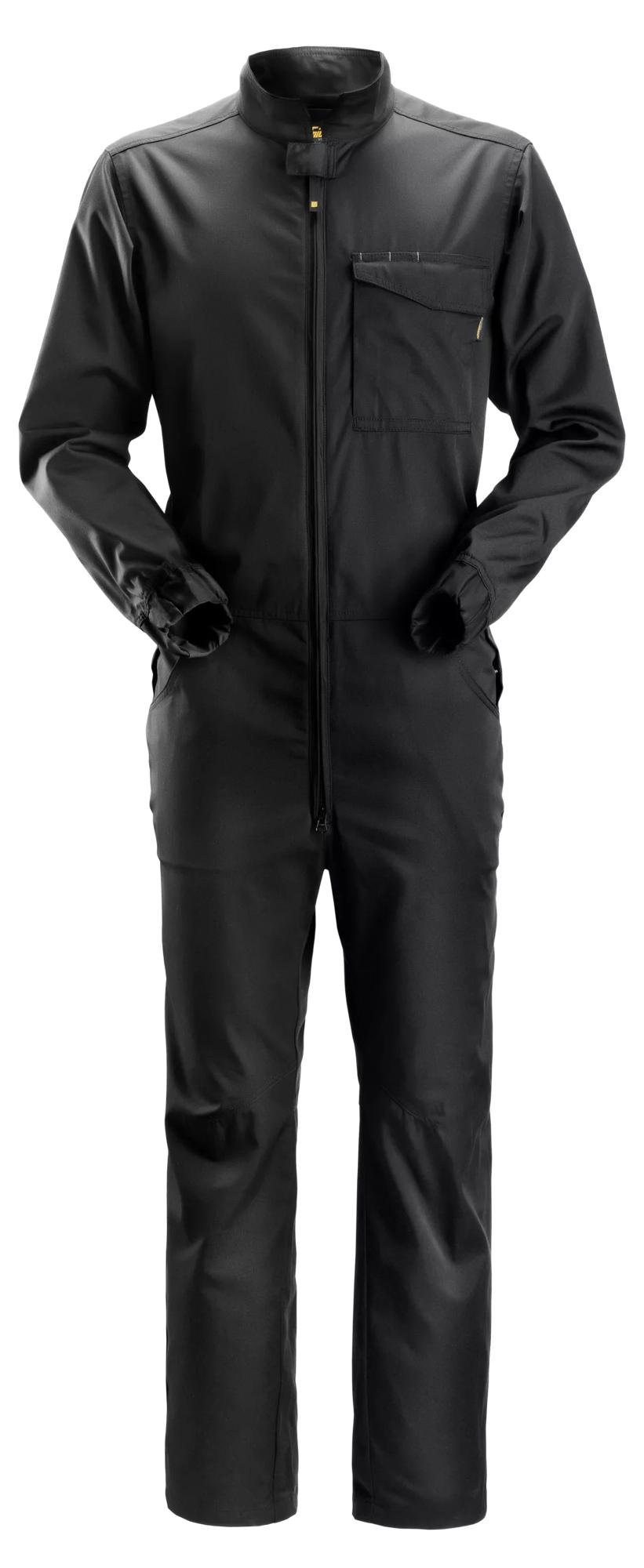
Coveralls & Bib Overalls
Develop one-piece coveralls, bib overalls, and two-piece alternatives around movement, access, and layering requirements. Front zipper, snap, or button closures, adjustable straps, pocket placement, reinforced zones, elastic details, size grading, and decoration are specified before sampling.
Request a Workwear Quote
Workwear Sets
Coordinate matching shirts, jackets, trousers, and coveralls as consistent workwear sets. Shared fabrics, colors, trims, closure systems, logo placement, labels, and packaging help brands and uniform buyers maintain a unified program across roles and seasons.
Request a Workwear Quote
High-Visibility Workwear
Develop high-visibility garment families including vests, jackets, trousers, and coveralls with planned reflective tape placement and contrast areas. Applicable standards and required test documentation must be defined by the buyer; ratings are not assumed from a design concept.
Request a Workwear Quote
Flame-Resistant & Arc-Rated Wear
Develop FR and arc-rated garment families with the required work setting, fabric, construction, and applicable standards identified at project review. Any flame-resistant or arc-performance claim requires SKU-specific test evidence and certification scope before it is presented as verified.
Request a Workwear Quote
Chemical-Protective Clothing
Develop chemical-protective clothing concepts around the intended exposure, garment format, closure strategy, seam requirements, and layering needs. Buyers should provide the chemical type, applicable standard, and required documentation; protective performance is not assigned without supporting evidence.
Request a Workwear Quote
Cold-Storage Workwear
Create cold-storage jackets, trousers, coveralls, and layering pieces with padding, lining, closure configuration, collar coverage, and pocket access suited to the work routine. Required temperature conditions and any protective claim need buyer-defined specifications and supporting evidence.
Request a Workwear Quote
Welding Workwear
Build welding apparel concepts with coverage, closure type, pocket placement, reinforced areas, and movement requirements considered during pattern and sample development. Fabric selection and any claimed protective performance must be tied to the buyer’s applicable standard and documented test scope.
Request a Workwear Quote
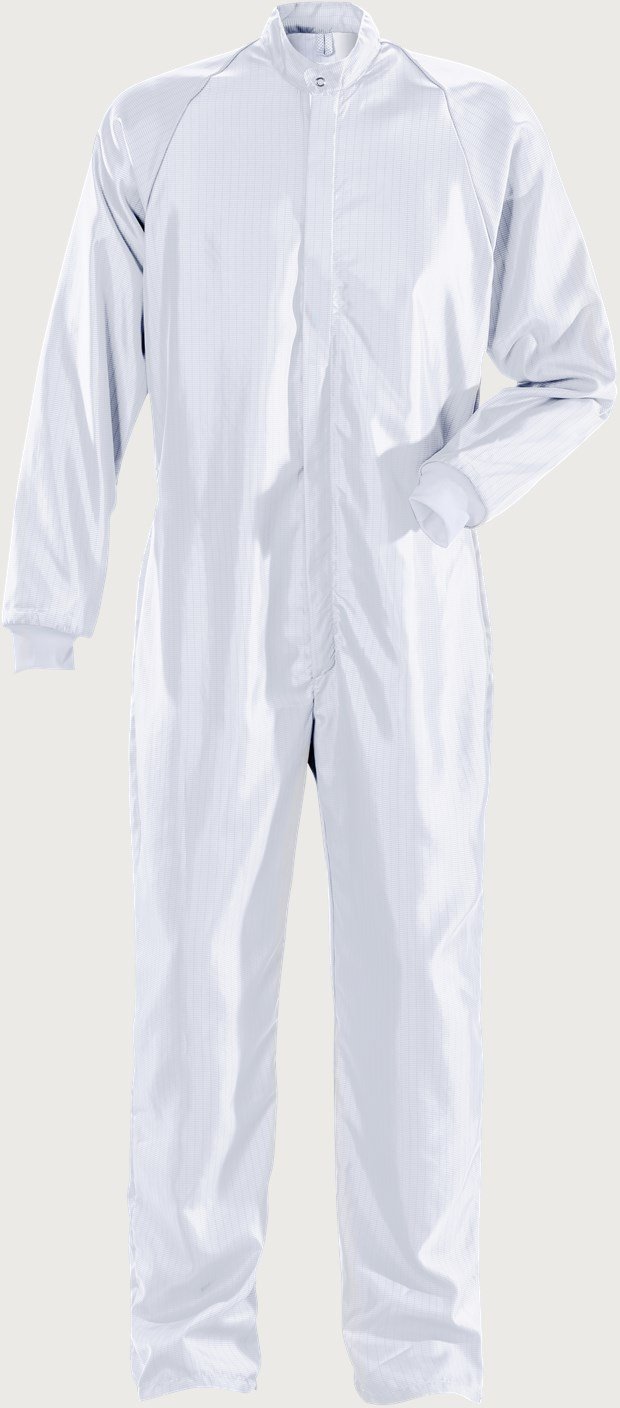
Medical & Cleanroom Wear
Develop medical scrubs, cleanroom garments, and ESD-related apparel with role-specific silhouettes, closures, pocket layouts, color programs, labels, and size grading. Cleanroom or ESD performance requirements must be defined with the applicable standard and verified documentation.
Request a Workwear Quote
Chef & Hospitality Uniforms
Produce chef coats, kitchen uniforms, hospitality shirts, polos, trousers, aprons, and service layers with practical closures, pocket needs, color coordination, and branding. Pattern development supports front-of-house presentation and back-of-house working requirements within one uniform program.
Request a Workwear Quote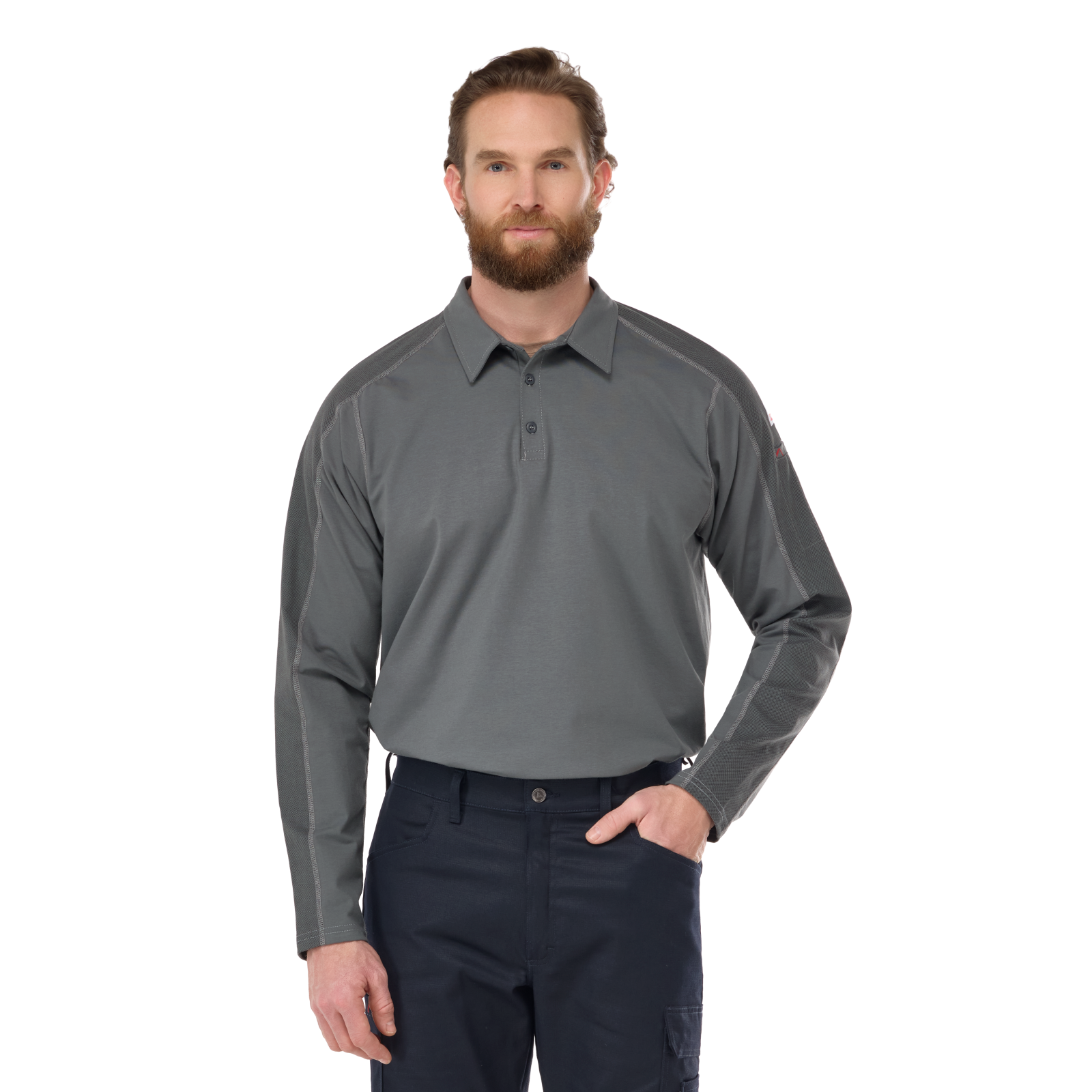
Industry Uniforms
Create uniform programs for industrial teams, logistics, maintenance, service crews, and other operational roles. Garment combinations, fabric choices, pocket systems, reinforcement, closure formats, size grading, decoration, labels, and packaging are aligned to the buyer’s deployment needs.
Request a Workwear Quote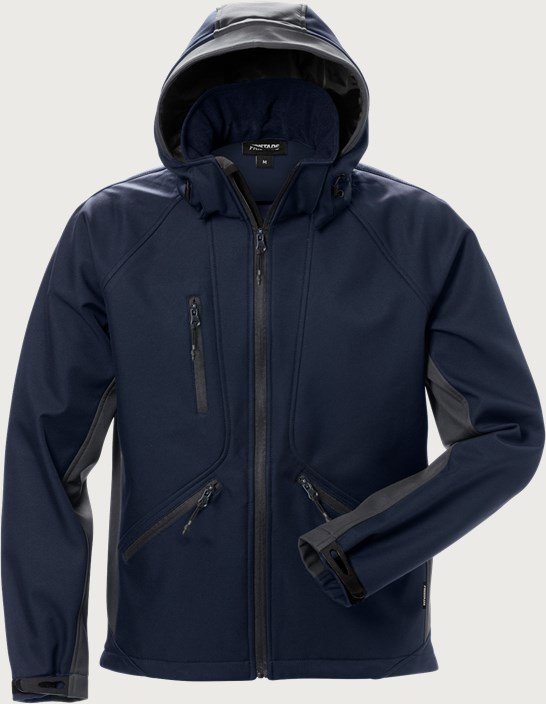
Base Layers & Accessories
Complete apparel programs with base-layer pieces and supporting accessories such as patches, woven labels, care labels, and custom packaging. Coordinate materials, colors, logo treatments, and identification details with the primary garments for a consistent private-label or wholesale presentation.
Request a Workwear QuoteFrom Coverall Fit and Closure Guide to Sample
Turn your tech pack, sketch, sample, or product idea into a practical coverall development brief for OEM, ODM, private-label, or wholesale production.
Share Your Requirements
Send your coverall concept, work setting, size range, movement needs, closure preferences, branding details, target quantity, destination, and timeline for review.
Review Construction Options
Veelianpro evaluates fit blocks, movement ease, fabric, trims, pockets, cuffs, hood shape, zipper protection, reinforcement, and required protection documentation.
Develop And Sample
Our team supports pattern development, grading, fabric and trim sourcing, cutting, sewing, decoration, and sample refinement against your approved specifications.
Confirm Production Planning
After sample approval, we prepare quotation and production details, with MOQ starting at 100 pieces per style and color subject to requirements.
The Complete Coverall Fit and Closure Guide for OEM Buyers
A practical framework for defining measurements, movement ease, closure protection, and sampling requirements—plus supplier-selection criteria and avoidable fit, specification, MOQ, and costing mistakes.
1. What Is a Coverall Fit and Closure Guide?
A coverall fit and closure guide is the sourcing specification that turns a work setting into a garment pattern, size range, and operating details that can be sampled. It links how the wearer is measured, what is worn underneath, and the movements required during a shift to the front opening and the points that keep sleeves and legs positioned.
The core fit record covers height, chest, waist, inseam, sleeve length, seat, intended layers, and job movements. Measurements alone do not establish usable ease: reaching overhead, bending, squatting, climbing, or crawling can change the required room through the back, seat, crotch, sleeves, and legs. Record the measurement method and intended base or mid-layers so the sample is assessed against real wear conditions rather than an empty garment form.
Closure specification has two parts: the opening type and its coverage. A front zipper, snaps, or another approved opening changes donning speed, ventilation access, trim selection, and areas subject to repeated handling; a flap, placket, or other coverage detail can change bulk, access, and wear at the opening. Specify cuff adjustment, glove interface, ankle opening, boot overlap, and adjustment method alongside the closure, then identify any exposure condition and required supporting test or certification documentation separately from the design target.
2. Why Fit and Closure Specifications Matter
A coverall is a one-piece garment: reaching across the body can affect the shoulders, back, rise, sleeves, and front opening at once. A chest, waist, and inseam size alone does not define seat room, sleeve length, intended layers, or the movements needed to reach, crouch, or climb.
Treat overhead reach, bending, squatting, crawling, and climbing as sample-review actions, not as general comfort expectations. Record the intended layers and test the sample with the relevant base layer, gloves, and boots. If the garment binds, pulls at the seat or crotch, twists at the leg, or strains the front opening, mark the location and revise the pattern or construction before approval.
Closure details are part of the fit brief. Specify the front-opening type, cuff adjustment over gloves, ankle opening or retention over boots, and any flap or guard required by the design. A flap adds physical coverage but does not establish a barrier or protective rating. Any requested protective claim must remain tied to the exact material, construction, and documented test scope.
3. Coverall Fit and Closure Guide: Fit Planning
Fit begins with the layers and movements the wearer will actually use, not a generic garment label. In this coverall fit and closure guide, set the fit block before selecting closure placement or protective details.
| Fit Approach | Best Use | Brief Input |
|---|---|---|
| Unlined close fit | Agile indoor or moderate-layer work | Base layers and reach tasks |
| Layered fit | Cold or variable conditions | Layer thickness and torso movement |
| Short, regular, tall planning | Distinct wearer height groups | Height and inseam data |
Collect Wearer Measurements
Record height, chest, waist, inseam, sleeve length, and seat using one measurement method. Note usual base layers, mid-layers, and whether the program serves a mixed wearer population.
Standard grading suits a defined size population and repeatable job. Request a custom review when body data, layer volume, or task demands fall outside the approved block.
Allow Reach And Squat Ease
A close unlined silhouette can reduce loose fabric, while a layered build needs volume through the torso and arms. Check overhead reach, bending, squatting, and crawling in the sample.
Ease belongs where the task flexes the garment; excess width everywhere can snag or shift. Record the test movements in the tech pack rather than relying on a general comfort instruction.
Plan Inseam And Boot Overlap

Inseam and hem opening determine whether the leg stays positioned over the intended boot during walking, kneeling, and climbing. Specify the work boot type and whether ankle adjustment is required.
Short, regular, and tall length planning is useful when wearer height clusters justify separate grading. Otherwise, request an inseam review against the selected size range.
Protect Seat And Crotch Mobility
Seat shape and crotch depth control comfort when workers crouch, step up, or sit in vehicles. A restrictive crotch can pull the front closure and stress seams during repeated movement.
Describe the primary posture, equipment interface, and expected layers. These inputs tell the pattern team whether a standard block needs mobility changes before sampling.
Retain Hood Cuffs And Ankles
Hood shape must permit head turns without obscuring vision or pulling the neckline. Cuffs and ankles should stay aligned with gloves and boots while allowing practical donning.
Specify the glove style, boot shaft, headwear, and exposure direction. Confirm retention settings during the approved sample review, alongside closure operation.
4. Coverall Fit and Closure Guide: Materials
Material choice changes both the space a wearer needs and how a front closure behaves through a shift. In a coverall fit and closure guide, specify composition, construction, intended layers, climate, abrasion exposure, and the moisture-handling expectation before pattern approval.
| Material Or Build | Specification Questions | Likely Use Conditions | Fit And Closure Implication |
|---|---|---|---|
| Non-stretch woven | Composition, construction, abrasion zones? | Physical industrial tasks | Build movement ease; check zipper strain during crouching. |
| Stretch construction | Stretch direction and recovery evidence? | Frequent climbing or reaching | Validate recovery and closure alignment in wear trials. |
| Lined or insulated build | Lining type, layer volume, care evidence? | Cold or unheated settings | Use a separate fit block; test front opening over layers. |
| Warm-work comfort target | What moisture expectation is documented? | Warm or active work settings | Review comfort, intended layers, and any requested ventilation details in the sample. |
Match Construction To Movement
A non-stretch woven needs deliberate ease at the back, seat, knees, and reach zones; a stretch construction can change where that ease is needed. Abrasion-prone work also calls for the proposed reinforcement locations, not a vague durability request.
- State composition and fabric construction.
- Describe crouching, climbing, and overhead reach.
- Identify abrasion zones and reinforcement needs.
Plan For Climate And Layers
Warm, active work can favor a lighter feel and stated moisture-handling requirements, while cold-service coveralls may need a lining or layered system. Lining adds internal volume, so the insulated sample must be fitted separately from an unlined style.
- Record base and mid-layer assumptions.
- Specify ventilation or moisture expectations.
- Confirm glove and boot interfaces when layered.
Verify Care Behavior
Fabric hand, dimensional change, color retention, and lining behavior after care are product-specific evidence items. Request the proposed fabric specification, care method, and sample evidence before locking the size chart or zipper length.
- Confirm care-label instructions.
- Review after-care sample measurements.
- Recheck zipper operation after care.
5. Coverall Fit and Closure Guide: Options
Closure components work as a system: the opening affects donning and ventilation, while coverage, cuffs, ankles, and pockets determine whether the system stays practical during a shift. Specify intended exposure first; a storm flap or sealing treatment is a design requirement, not proof of protective performance.
| Option | Best Briefing Context | Specify With It |
|---|---|---|
| Front zipper | Frequent donning and removal | Length, pull, zipper protection |
| Snaps or buttons | Service uniforms where appearance or repairability is a priority | Spacing, overlap, glove operation |
| Storm flap | Exposure needs zipper coverage | Fastening, direction, coverage depth |
| Sealing treatment | Documented protection requirement | Exact method and evidence scope |
Choose The Opening
A front zipper gives fast full-body entry and is usually easiest to operate during routine industrial or service work. Record zipper length, pull style, and whether the opening must be operable while gloved.
Snaps or buttons can suit lower-exposure uniform programs where repairability or appearance matters. They leave different gaps and operating steps, so do not substitute them after sample approval.
Match Coverage To Exposure
A storm flap covers the zipper line; specify its fastening method and coverage direction. Where the brief calls for tape, adhesive sealing, or another treatment, name the exact treatment and required supporting documentation. Do not present the treatment as a barrier or protective claim without evidence for the finished garment.
Review a shaped hood, adjustable cuff, and ankle opening with the intended gloves and boots. Check head turning, cuff retention over or under gloves, and boot overlap without snagging.
Record Connected Details
Pockets can obstruct a closure or become unusable beneath harnesses and gloves. Place them around the actual task, then identify knee, seat, or pocket-edge reinforcement where repeated abrasion is expected.
Worked specification example—not a Veelianpro product promise: front zipper; snap-secured storm flap; shaped hood; adjustable cuffs worn over gloves; ankle opening sized for specified boots; chest pocket clear of closure; reinforced knee panels. Veelianpro can review these decisions from a tech pack, sketch, sample, or product idea.
6. Construction Details That Preserve Function
Construction choices determine whether the approved fit survives real movement and repeated closure use. Review the sewn garment, not only the pattern: seam routing, stress reinforcement, trim security, and closure alignment work together.
Seams And Movement Zones
Keep major seams away from the most abrasive or high-flex contact points where the work setting allows. Shape the crotch and seat for squatting, climbing, and crawling; a tight crotch seam can split before the fabric itself fails.
Inspect the sample while the wearer reaches overhead, kneels, and sits. Look for seam strain, twisting legs, puckering, or a seat seam pulled off-center, then revise the pattern or seam placement before approval.
Front Closure Assembly
A zipper should run flat from neckline to opening end, without waviness, trapped fabric, or uneven tape exposure. Test repeated opening and closing while standing, seated, and bent forward; snagging often signals poor zipper setting or misaligned front edges.
Where a flap is specified, confirm that it covers the closure consistently through the full opening and that snaps or other fasteners meet cleanly. A flap that drifts, gaps, or curls needs pattern, placement, or attachment correction.
Retention, Reinforcement, And Evidence
Check cuffs and ankle openings over the intended gloves and boots, including the selected adjustment method. Reinforced knees, bartacks, triple stitching, reflective tape, labels, and patches should be positioned so they do not restrict flex points or detach at edges.
Request test evidence or protection documentation only for the exact fabric, finished garment, and intended use. A material document alone does not confirm the performance of a differently constructed or decorated coverall.
7. Selecting a Coverall Development Partner
A capable development partner turns a wear-use brief into controlled pattern, trim, and sample decisions. For coveralls, that control matters because a closure, fit block, or decoration change can alter how the garment is worn and approved.
| Selection Area | Useful Evidence | Approval Outcome |
|---|---|---|
| Pattern and grading | Fit block and measurement record | Controlled size range |
| Fabric and trims | Approved swatches and component list | Repeatable sourcing basis |
| Sample refinement | Marked sample and revision log | Production-ready specification |
Review The Starting Brief
Veelianpro can review a tech pack, sketch, existing sample, or product idea alongside the work setting, size range, movement needs, closure preference, branding, quantity, destination, and timeline. This makes missing pattern, fabric, trim, pocket, cuff, hood, reinforcement, and protection-documentation requirements visible before sampling.
Assess Development Control
Ask who owns pattern development and size grading, and how approved measurements, construction notes, and trim selections are carried from sample to production. Veelianpro supports fabric and trim sourcing, cutting, sewing, reinforcement, decoration, finishing, quality checks, packing, and export coordination within one development flow.
Lock The Approval Record
The approved sample should be matched to a controlled record covering measurements, stitching, closure operation, cuff and ankle details, trim placement, decoration artwork, and any required test or certificate scope. A design target must remain separate from a tested protective-performance claim until exact evidence is available.
Confirm Commercial Fit
Veelianpro’s stated starting MOQ is 100 pieces per style and color, subject to fabric, certification, and construction requirements. Confirm feasibility after the sample and specification scope are clear, since a new fabric, closure system, grade set, or decoration method can change the production scope.
8. Common Coverall Briefing Mistakes
A brief can look complete while still leaving decisions that change wearability or construction. Resolve those decisions before sampling so the approved coverall represents the intended worker, task, closure coverage, and branded layout.
Measure With Planned Layers
Measurements taken over light clothing can understate the space needed for routine base layers, mid-layers, belts, or gloves.
State the planned worn layers and measurement method with chest, waist, inseam, sleeve length, and seat data before grading.
Name The Working Motions
A standing fit check will not reveal restriction during overhead reach, kneeling, crouching, climbing, or crawling. The consequence may be strain at the seat, crotch, sleeves, or knees.
List the actual motions and have the sample wearer perform them with the intended layers. Record where ease, gussets, reinforcement, or adjustment is required.
Define Closure Coverage
Calling for a front zipper alone leaves the coverage around that opening undecided. A flap, fastening method, zipper guard, and neck-to-hem opening length affect access and the finished construction.
Specify the closure type and every coverage detail for the work setting. If a protective claim is required, provide the applicable standard and supporting evidence for review.
Review Decoration And Changes
Artwork can interfere with reflective areas, pockets, seams, closures, or labels when decoration is approved separately from the garment layout.
Approve a complete preproduction sample including measurements, stitching, trim placement, closure operation, branding, and packaging. After approval, log any fabric, trim, pattern, or artwork change and recheck its effect before production.
9. From Requirement to Approved Sample
A usable sample starts with a brief that connects the work setting to body movement and closure use. Veelianpro can review the brief, develop the sample, refine approved details, then prepare quotation and production planning.
Submit The Brief
Send the work setting, size range, layering, reaching or crouching needs, closure preference, branding, quantity, destination, and required timeline. Include the applicable protection standard and supporting test or certificate requirements when protection is requested.
Review The Fit Block
Review the fit block before sampling: measurement method, grading, movement ease, pocket position, hood shape, cuffs, ankle opening, and closure coverage. A zipper, snaps, or a storm flap must be specified as a construction decision, not left to a product photo.
Confirm Artwork And Packing
Approve logo artwork, placement, label content, patches, reflective tape layout, and packaging instructions alongside the garment specification. Decoration must not obscure a closure, required label, seam, or designated reflective area.
Wear Check The Sample
Run wear checks in the intended base layers and work motions, including reaching, bending, squatting, and crawling where relevant. Record any pull at the crotch, hood restriction, cuff interference, ankle lift, or difficult closure operation for refinement.
Lock The Approval Record
The approved preproduction sample should confirm measurements, stitching, closure operation, hood, cuffs, ankles, trims, and decoration. Keep the signed sample comments, approved artwork, measurement sheet, and revision record together before production planning. Confirm production feasibility against the final fabric, construction, certification, and quantity requirements.
10. Quote Scope and Cost Drivers
A coverall quotation changes when the approved specification changes: a lined build, a front opening with a flap or guard, additional trims, or a broader graded size range each adds materials or operations.
Request pricing against one controlled brief: quantity by color, fabric composition and weight target, lining requirement, size range, front closure and flap details, reinforcement, decoration artwork, packaging, destination, and required documentation. This lets the quote separate development work from repeatable production operations and confirm whether the stated MOQ can apply to the final scope.
Worked scope example—not a commercial promise: a buyer may request one unlined coverall style in two colors, with a front zipper, storm flap, bartacks at stated stress points, woven labels, graded sizes, and export packing. Testing or protection documentation must name the applicable standard and exact evidence required; a design request alone is not a documented performance claim.
| Cost Driver | What Changes Cost | Quote Must Specify |
|---|---|---|
| Quantity and color split | Material purchasing, cutting efficiency, and setup are affected by pieces per style and color. | Total pieces, units per color, and reorder expectation. |
| Fabric and lining | Composition, weight target, weather layer, and sourcing availability change material scope. | Fabric target, lining need, color reference, and intended work setting. |
| Closures and trims | Zipper type, storm flap, snaps, cuff adjustment, reflective placement, and pocket hardware add components and sewing steps. | Front-opening construction, trim list, placement artwork, and functional requirements. |
| Pattern, grading, and reinforcement | New fit blocks, size grading, gussets, reinforced knees, bartacks, and triple stitching require development or added operations. | Base measurements, complete size range, movement needs, and reinforcement map. |
| Decoration, packing, documentation, destination | Embroidery, printing, labels, custom packaging, requested test documents, and export coordination change scope. | Artwork files, label copy, packing method, destination, timeline, and applicable standard. |

Workwear Fabrics Selected for the Job




Custom Workwear Manufacturer Processes for Branding and Durability



Functional Trims and Brand Accessories


Documentation to Review for Custom Workwear


coverall fit and closure guide: buyer questions answered
Practical answers for specifying movement, sizing, closures, and protection requirements for OEM, ODM, and private-label coveralls.
How should the coverall fit and closure guide address sizing and layering?
How much crotch and seat room does the coverall fit and closure guide recommend for active work?
Which zipper and storm-flap options belong in a coverall fit and closure guide?
How should the coverall fit and closure guide define hood fit?
What cuffs and ankle details should a coverall fit and closure guide include?
How do fabric and seam choices affect coverall fit and closure decisions?
What evidence is needed before making protective coverall claims?
What should I include when requesting a custom coverall sample?
Ready to use your coverall fit and closure guide?
Send Veelianpro your garment type, work setting, fabric, sizes, branding, quantity, destination, timeline, and applicable standards.