
Custom Workwear Tops for Branded Uniform Programs
Veelianpro develops custom workwear tops for OEM, ODM and private-label programmes. Start with the wearer, fit, construction, branding and packing brief, then review a sample against agreed measurements and appearance. MOQ starts from 100 pieces per style and colour, subject to fabric and requirement confirmation. Safety suitability requires documentation for the exact model.
Custom Workwear Tops Reference Directions
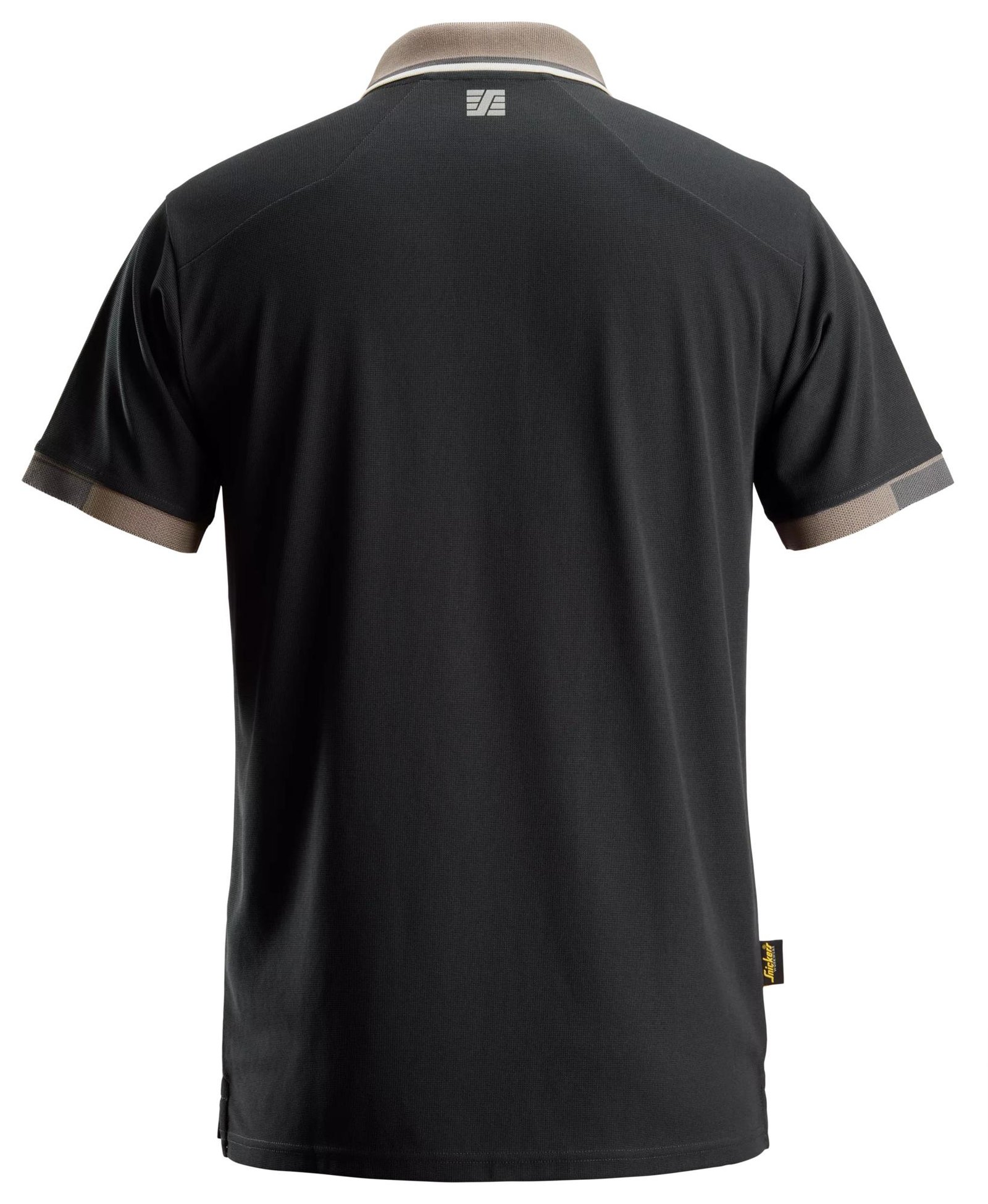


Explore Custom Workwear Tops Styles
Browse workwear styles by garment category and share the details you want developed for your team.





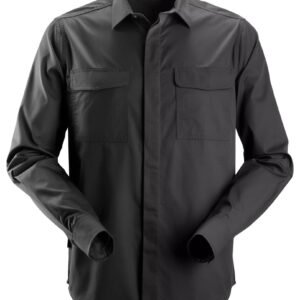

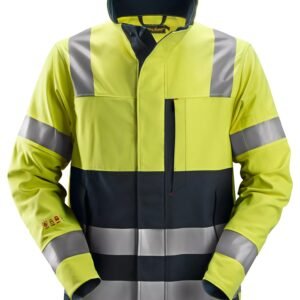
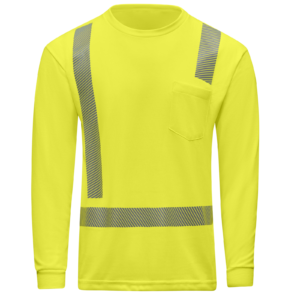
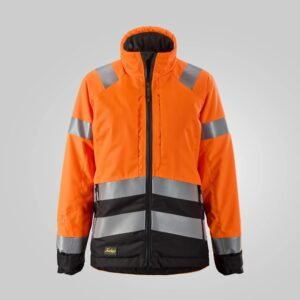
Custom Workwear Tops Built for Brand-Ready Programs
Develop shirts, polos, jackets and vests with practical specifications, consistent branding and sourcing support for uniform ranges.
OEM Development
Share a tech pack, sketch, sample or concept to develop custom workwear tops around your intended use, fabric and fit.
Coordinated Uniform Ranges
Align shirts, polos, jackets and vests across colors, sizing and details for a more consistent workforce or customer-facing uniform program.
Branding That Belongs
Plan logo placement with embroidery, printing, patches, woven labels, care labels and custom packaging suited to your brand presentation.
Construction Planning
Discuss pocket layouts, reinforcement, bartacks, triple stitching, gussets and wash routine before sampling, based on the garment’s intended work setting.
Export-Ready Coordination
From sampling and quality checks through packing and shipment coordination, keep production conversations focused on quantities, destinations and delivery timelines.
Custom Workwear Tops by Category
Develop practical branded tops for industrial, safety, hospitality, and service programs, from everyday layers to weather-focused outerwear.

Work Shirts
Custom work shirts can be developed in short- or long-sleeve formats with chosen fabrics, collar styles, front closures, chest pockets, cuff details, and reinforcement where the work setting requires it. Add embroidery, printed logos, woven labels, or custom care labels for uniform and private-label programs.
Get a Quote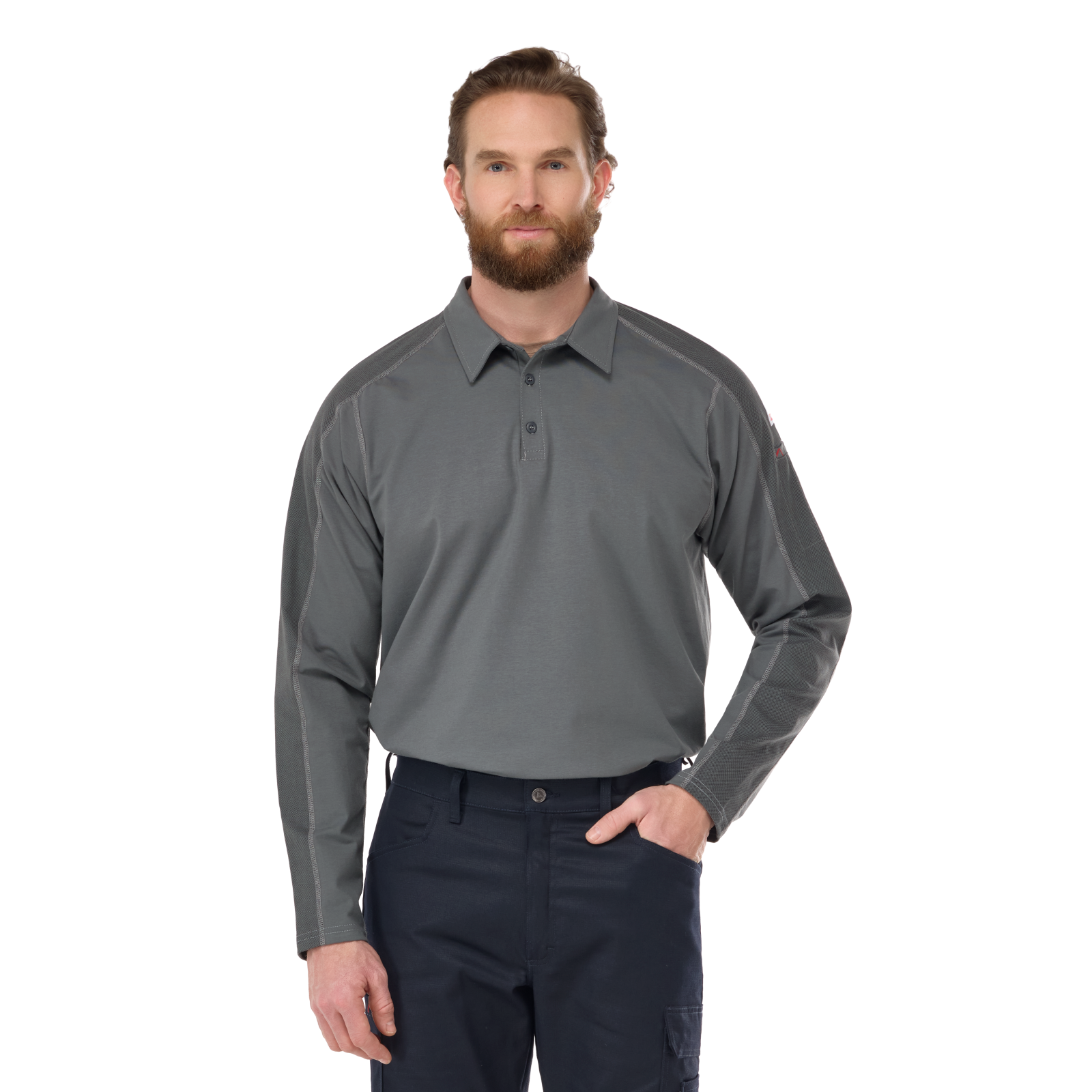
Work T-Shirts and Polos
Work T-shirts and polos suit staff uniforms, promotional workwear, and layered daily-use ranges. Specify knit fabric composition, weight, neckline or collar construction, sleeve finish, color blocking, and logo application. Size grading, branded labels, and retail-ready packaging can be included in development.
Get a Quote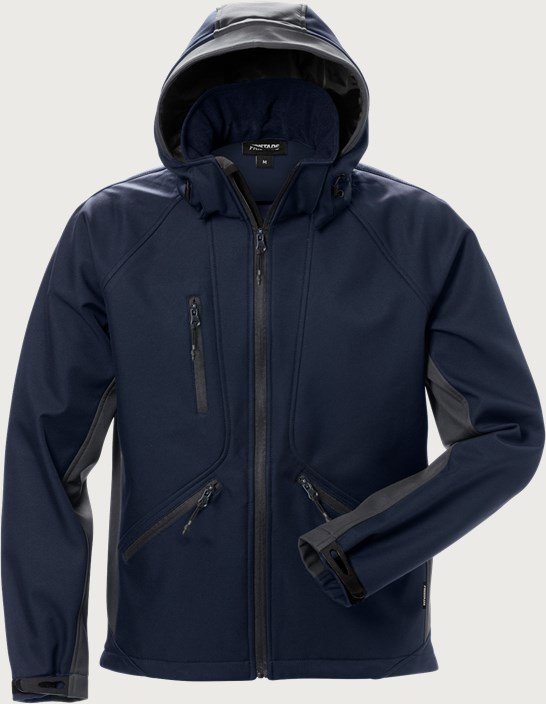
Custom Work Jackets and Outerwear
Develop softshell, fleece, padded, or rain jacket concepts around the intended weather exposure and job role. Discuss shell fabric, lining or insulation, closure type, pocket layout, hood details, reinforced zones, reflective tape placement, and decoration before sampling. Protective performance claims require SKU-specific test evidence.
Get a Quote
Work Vests
Work vests can be configured as utility, safety, or lightweight layering garments. Define pocket systems, front fastening, mesh or solid-panel construction, reflective tape placement, contrast panels, and logo locations to suit site teams, logistics crews, service staff, or distributor ranges.
Get a Quote
Bodywarmers and Gilets
Bodywarmers and gilets provide core warmth while keeping arms unrestricted for active roles. Develop fleece, padded, or softshell versions with selected insulation or lining, stand collars, front zippers, pockets, hem adjustments, and brand decoration. Suitable for uniform layering and private-label outerwear collections.
Get a QuoteMaterials for Custom Workwear Tops




Custom Workwear Tops: Decoration and Construction Processes



Trims and Branding Accessories for Custom Workwear Tops


About Veelianpro Custom Workwear Tops
Veelianpro is a Wuhan, Hubei-based custom workwear manufacturer in China; its company profile states that its workwear operation began in 2012. We support OEM, ODM, private-label, and wholesale buyers with work shirts, polos, jackets, and vests shaped around their brand and jobsite needs.
Each project can begin with a tech pack, sketch, reference sample, or early product idea. From fabric and trim sourcing through pattern development, sampling, size grading, construction, decoration, quality checks, packing, and export coordination, Veelianpro helps buyers move from concept to production with practical procurement support.
What sets our approach apart is development flexibility. Buyers can discuss fabric weight, fit, pocket layouts, logo placement, reinforcement details, size ranges, and wash routines before production. For protective designs, we align the development discussion with the applicable standards and required documentation rather than making unsupported performance claims.

Custom Workwear Tops for a Coordinated Uniform Range
Tech Packs to Production
Send a tech pack, sketch, reference sample, or product idea for custom workwear tops. Veelianpro helps translate it into workable patterns, construction details, branding positions, and sampling requirements before production planning begins.
- Review garment type, work setting, and target quantity
- Define pockets, plackets, seams, and reinforcement points
- Plan embroidery, print, patches, labels, and packaging
- Confirm sample details before bulk approval

Fabric and Trim Sourcing
Choose materials and components around comfort, durability, appearance, and care needs. Fabric weight, composition, color, weather protection targets, reflective tape placement, zippers, buttons, and other trims can be discussed for each work shirt, polo, jacket, or vest.
- Compare fabric weight, composition, and finish options
- Coordinate colors across a uniform range
- Select trims suited to daily wear and wash routines
- Specify applicable standards when protection is required

Fit and Size Grading
A consistent fit helps buyers build custom workwear tops that teams will wear comfortably. Veelianpro can support pattern development, size grading, and sample review for the requested size range, while aligning proportions across shirts, polos, outerwear, and vests.
- Develop patterns from approved measurements or samples
- Grade sizes for the intended wearer range
- Review mobility, layering, and functional placement
- Keep fit logic consistent across coordinated styles

Quality Planned Upfront
Quality planning begins before cutting, with agreed construction, material, decoration, finishing, packing, and inspection details. Veelianpro coordinates cutting, sewing, reinforcement, quality checks, and export preparation so custom workwear tops are produced against the approved order requirements.
- Document approved fabric, trims, and construction details
- Plan bartacks, triple stitching, or gussets where specified
- Check decoration, finishing, labeling, and packing
- Align inspection and shipment requirements before production

Custom Workwear Tops: Compare Supply Routes
Choose full garment development or an off-the-shelf top with added decoration. Starting MOQ is subject to fabric, certification and construction requirements.
← Swipe left or right to view →
Custom Workwear Tops Production Process
A practical manufacturing flow for branded shirts, polos, jackets and vests, with project details confirmed before bulk production.
Review Project Feasibility
Share your tech pack, sketch or product idea with fabric, branding, size range, quantity, destination and any required protective-standard documentation.
Source Materials and Trims
Confirm fabric composition and weight, colors, pocket systems, reinforcement details, reflective tape placement, labels, packaging and chosen logo application method.
Develop and Approve Samples
Create patterns, grade sizes and produce samples for review, allowing fit, construction, logo placement and wash-routine requirements to be finalized before production.
Cut Sew and Decorate
After approval, production moves through cutting, sewing, reinforcement, decoration and finishing according to the confirmed custom workwear tops specification.
Inspect Pack and Export
Completed garments undergo quality checks, then are packed to agreed requirements and prepared for export coordination, shipment planning and future reorder support.
How to Work With Veelianpro on Custom Workwear Tops
Move from a product brief to bulk production with clear approvals at each stage.
Share Your Product Brief
Send a tech pack, sketch, sample, or product idea with garment type, work setting, quantity, destination, and required delivery timeline.
Select Materials and Details
Confirm fabric weight and composition, fit, size grading, colors, logo placement, pockets, reinforcement, trims, and intended wash routine before sampling.
Review Samples and Quotation
Assess the developed sample and construction details, then confirm the final specification, pricing, MOQ, production schedule, and applicable compliance documentation requirements.
Approve Bulk Production
After order confirmation, Veelianpro coordinates cutting, sewing, decoration, finishing, quality checks, packing, export arrangements, and support for future uniform range reorders.
Documentation to Review for Custom Workwear Tops


Custom Workwear Tops: Illustrative Procurement Scenarios
Illustrative scenario: A safety distributor needs a hi-vis polo program for mixed field roles. Veelianpro reviews the required standard, fabric, reflective layout, colorway and logo placement before sampling. Acceptance criteria: approved sample measurements, decoration placement and SKU-specific test documentation where protection is required.
Illustrative scenario: A uniform buyer needs coordinated polos, work shirts and lightweight outer layers for customer-facing technicians. The development team aligns fabric options, pocket configuration, size grading, embroidery or print method and packaging across the range. Acceptance criteria: consistent branding, role-appropriate construction and approved size-set samples before bulk production.
Illustrative scenario: A workwear brand is launching private-label custom workwear tops from a sketch and brand guide. Veelianpro develops patterns, sources fabric and trims, refines the sample, and prepares labels and packaging. MOQ starts from 100 pieces per style and color, subject to project requirements. Acceptance criteria: approved fit, materials, construction and branding details.
Custom Workwear Tops FAQ
Practical answers about garment specification, sample checks and sourcing decisions.
What types of custom workwear tops should a buyer consider for a crew programme?
How should a buyer choose a decoration method for a workwear top?
Which garment details should be agreed before a custom work top sample is made?
Can a logo be added to different workwear top styles?
How can a business create a consistent look across different work roles?
What workwear top categories are commonly considered alongside uniforms?
What should a buyer check before treating a branded top as safety apparel?
Which workwear shirt styles may be useful reference points during product development?
The Complete Guide to Custom Workwear Tops
Use this procurement framework to match garment types, fabrics, construction and logo decoration to working conditions, assess supplier readiness, avoid preventable specification errors, and prepare a clearer custom workwear tops quote request.
1. What Are Custom Workwear Tops?
Custom workwear tops are upper-body garments specified around a wearer’s role, work setting, movement, presentation, and uniform consistency—not simply a shirt with a logo added. They can include work shirts, polos, tees, sweatshirts, fleeces, softshells, jackets, and safety-oriented layers for industrial, trade, service, hospitality, and customer-facing teams. Selecting a blank style means choosing an existing garment and applying artwork. Developing a custom specification goes further: the buyer defines the intended work setting, fabric and trim direction, color blocking, pocket system, fit and size range, reinforcement or weather needs, logo method, labels, and packaging so the finished top supports a repeatable program. The first sourcing question is therefore: what must the garment do beyond display the logo? It may need to permit active work, layer for changing conditions, carry tools or identification, maintain a consistent appearance, or meet a protection target supported by the required test and certificate. Veelianpro develops custom workwear tops from a tech pack, sketch, sample, or product idea and can coordinate fabric and trim sourcing, pattern development, sampling, production, decoration, packing, and export coordination.
2. Build a Top Specification Around the Job
Divide the uniform program by activity before selecting a common top. A warehouse picker, an outdoor service technician and a customer-facing supervisor may need the same visual identity but different sleeve lengths, pocket access and layering space. Starting with one fashionable silhouette can hide those differences until the garments are worn. For each role, record reaching and bending movements, items carried, indoor or outdoor exposure, washing arrangements and any equipment worn over the top. Translate those observations into testable features: a hem that stays in place during overhead reach, a pocket accessible beneath an outer layer, or a logo position clear of a harness strap. These are sample-review targets, not universal garment specifications. Then define what should stay consistent across the collection: approved brand colors, logo artwork, label hierarchy and the size-label system. Allow the construction to vary where the task requires it. A coordinated range can use a woven shirt for one role and a knit polo for another while keeping the same recognizable brand presentation.
3. Types of Custom Workwear Tops
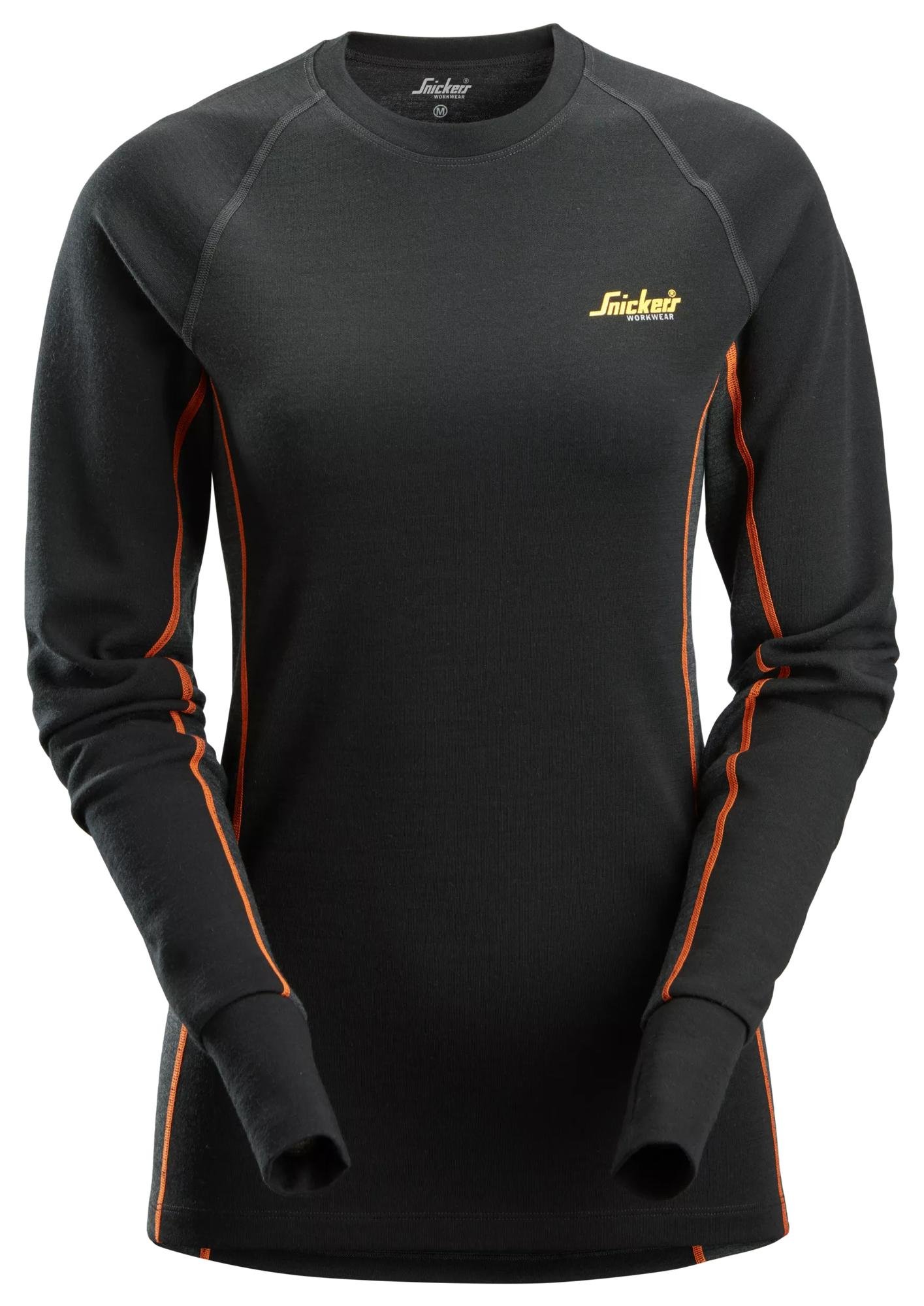
Choosing the right top starts with the wearer’s task and how the garment will be layered, not logo placement alone. A service uniform, active crew base layer, and trade shirt need different balances of mobility, warmth, and presentation.
| Top Type | Best Fit | Layering Role | Presentation |
|---|---|---|---|
| Polo | Service staff | Light standalone layer | Smart-casual |
| T-shirt | Active crews | Base layer | Casual |
| Industrial work shirt | Trades and technicians | Standalone or overshirt | Structured |
| Sweatshirt or hoodie | Cool-shift teams | Mid-layer | Casual |
| Fleece | Outdoor or variable temperatures | Warm mid-layer | Practical |
Polos For Service Teams
Polos give service, reception, and mobile sales teams a collared appearance without the formality of a woven shirt. Short sleeves suit warm interiors; long sleeves add coverage but can feel less flexible during sustained physical work.
T-Shirts For Active Crews
T-shirts are straightforward base layers for active crews, installers, and promotional field teams. They work under overshirts, fleeces, or jackets. Their casual presentation is less suitable where staff regularly meet clients in formal settings.
Industrial Work Shirts
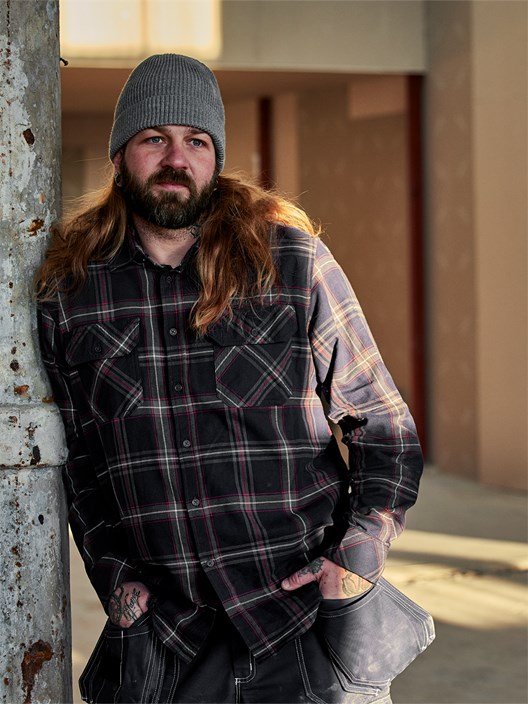
Button-front industrial work shirts suit trades, technicians, and operators who need a more structured uniform and may use chest-pocket systems. Short sleeves favor warm, hands-on tasks; long sleeves provide more coverage where the job specification calls for it.
Sweatshirts And Hoodies
Sweatshirts and hoodies add warmth over a tee or polo for warehouse, delivery, and outdoor teams. A hood is useful off-task but may conflict with helmet, hooded outerwear, or site rules. Choose these as mid-layers, not as a substitute for weather protection.
Fleeces And Lightweight Layers
Fleece provides an easy warmth layer for cool shifts and can be removed as activity rises. Lightweight layers help teams manage changing temperatures without bulky outerwear. Confirm the intended outer layer before placing decoration so branding remains visible in the full uniform system.
4. Materials for Custom Workwear Tops
Material choice determines how a top feels during a shift, how it responds to repeated laundering, and which decoration process is practical. Confirm fiber content, construction, finish, color, and intended use on the approved specification before sampling.
| Material or Construction | General Fit | Key Trade-Offs | Decoration Check |
|---|---|---|---|
| Cotton knit | Active or customer-facing tops | Soft feel versus care and abrasion considerations | Test print or embroidery on sample |
| Polyester knit | Regularly laundered team tops | Shape retention versus hand feel and heat response | Confirm method with fabric |
| Cotton-poly blend | Mixed service and light-industrial use | Balanced properties vary by blend and construction | Approve strike-off or sample |
| Woven fabric | Structured work shirts | Less stretch versus a neater profile | Check backing, placement, and puckering |
Cotton for Next-To-Skin Comfort

Cotton is often selected where a softer hand and breathable feel matter. It can suit tees, polos, and service tops, but abrasion exposure, shrinkage control, and logo placement should be assessed on the actual sample.
Polyester for Shape Retention
Polyester is a practical candidate when quicker drying, color retention, and shape retention are priorities. Its feel and heat response can differ by construction, so decoration artwork and process should be confirmed against the chosen fabric.
Cotton-Poly Blends Balance Priorities
A cotton-poly blend can balance cotton’s familiar feel with polyester’s easier-care characteristics. The blend ratio alone does not establish durability or comfort; knit, finish, garment pattern, laundering routine, and work exposure also affect the result.
Knit, Woven, and Finishes
Knits generally offer more stretch and are common for tees and polos, while woven fabrics can give work shirts a more structured appearance. Easy-care, moisture-management, stain-release, or protective treatments must be specified and documented for the final garment rather than assumed from the base fabric.
5. Logo Placement, Decoration and Brand Details
Customization begins with the garment map, not the logo file. On custom workwear tops, pockets, plackets, zips, seams, reflective tape, and stretch panels can limit a clean decoration area or alter how artwork reads when worn.
| Method | Artwork Detail | Placement Consideration | Visual Effect |
|---|---|---|---|
| Embroidery | Best for simplified artwork | Avoid bulky seams and pocket edges | Raised stitched mark |
| Screen printing | Suitable for larger graphics | Use broad, flatter panels | Flat graphic coverage |
| Heat transfer | Useful for detailed color artwork | Check panel shape and texture | Crisp applied graphic |
Plan Logo Placement
A left chest mark suits many polos, tees, and work shirts; back artwork offers a larger field for crew identification. Keep decoration clear of pocket openings, chest seams, zip paths, and high-stretch zones so the design is not split or distorted.
- Left chest: compact identity mark
- Upper back: larger team or service wording
- Sleeve: secondary brand element
Embroidery And Print Methods
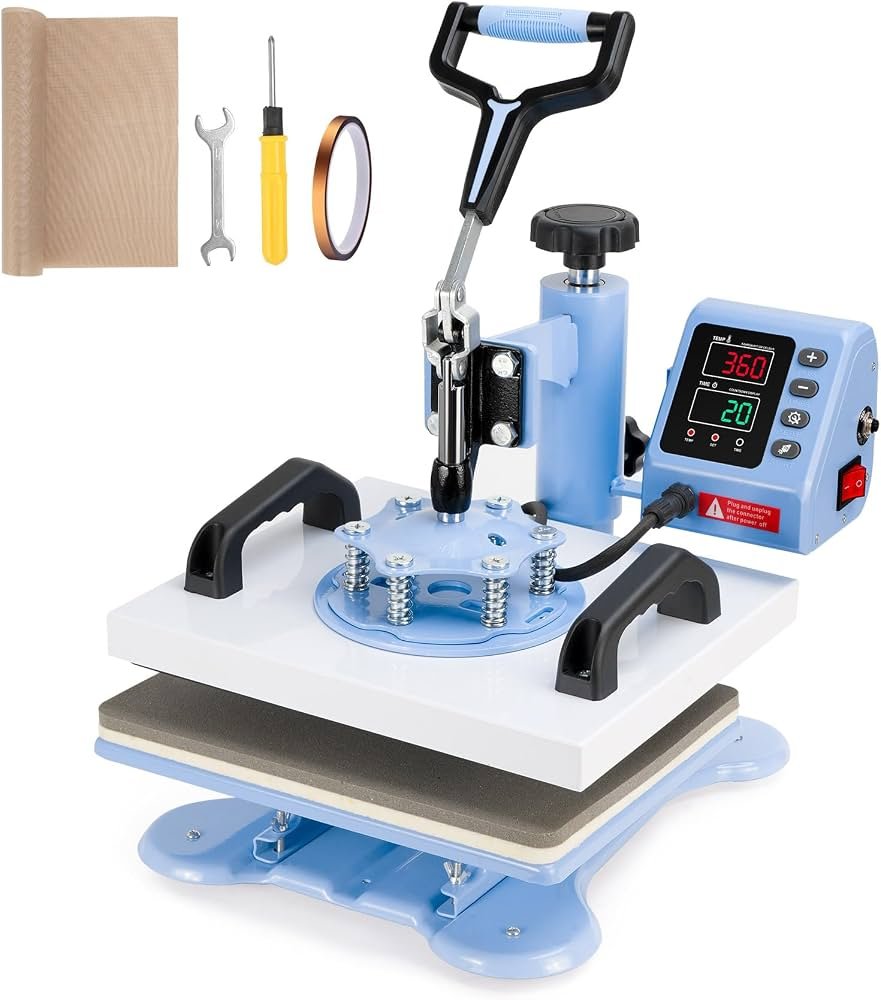
Embroidery gives a raised, stitched appearance that suits simplified logos on stable chest, sleeve, or collar-adjacent panels. Screen printing or heat transfer can better reproduce fine lines, gradients, or larger graphic areas; assess the chosen method against the garment texture and intended wear context during sampling.
Coordinate Colors And Trims
Color blocking can separate departments or make a logo stand out, while contrast piping, collar details, and cuff trims can carry brand colors without enlarging the decoration. Confirm that trim placement does not compete with visibility features or the approved logo area.
Prepare Production Artwork
Provide editable artwork where available, the required logo colors, intended placement, approximate artwork size, and a garment view marked with each location. Illustrative procurement scenario — Safety distributor: the buyer assigns a small chest logo to shirts with pocket seams and moves the larger identity graphic to the upper back after reviewing the garment layout.
6. Construction Details That Matter
Construction choices determine whether a top stays comfortable, functional, and presentable through its intended work routine. Put each construction feature into the tech pack with its location, material, and acceptance expectation rather than relying on a reference image alone.
Seams And Reinforcement

Shoulder, armhole, and pocket corners concentrate pulling forces during reaching and carrying. Specify reinforcement only where the task requires it, such as bartacks or triple stitching; confirm placement on the sample.
Collars And Plackets
A soft collar can curl or lose shape when its components are poorly matched to the fabric. Define collar construction, placket length, button type, and logo clear space so decoration does not distort near the opening.
Cuffs And Hems
Cuffs and hems affect coverage while bending, lifting, and reaching overhead. Specify sleeve finish, hem depth, side vents, or rib treatment where appropriate, then check movement in the development sample.
Pockets And Utility Details
A pocket that sits beneath a harness, tool belt, or logo area can become unusable. Map pocket dimensions, divisions, flap or closure, and placement to the job motion; test loaded pockets before approval.
Closures And Access
Buttons, zippers, snaps, and hook-and-loop closures create different access and maintenance trade-offs. Name the closure type, pull orientation, and reinforcement zones in the specification instead of assuming a standard construction.
Fit And Size Planning

Inconsistent fit across colors or replenishment orders disrupts a uniform program. Provide the size range, grading direction, wearer roles, and measurement tolerances for review; evaluate representative sizes before bulk production.
7. Choosing a Custom Workwear Manufacturer
A capable manufacturer turns a wearable concept into a repeatable specification. Compare how each party records decisions, controls approved references, and resolves variation before bulk production—not only how the first sample looks.
Build A Usable Specification
A sketch alone cannot govern a work top. Define style, fabric composition and weight, color reference, pocket layout, seam or reinforcement details, trim, branding locations, size range, destination, and any protection standard required. We can begin from a tech pack, sketch, sample, or product idea, then support fabric and trim sourcing, pattern development, size grading, and sampling.
Review The Sample Properly
A sample lets the buyer check silhouette, mobility, fabric hand, pocket access, stitching, logo position, and whether the decoration matches the artwork. It cannot substantiate an unprovided protective rating or certification. Record every approved change in a dated specification: measurements and tolerances, approved fabric and trim references, construction notes, artwork version, label copy, packing method, and sample approval status.
Lock Artwork And Production References
Approve the final artwork file, scale, placement, thread or print colors, and decoration method before bulk cutting. Keep a sealed or clearly identified approved sample as the visual reference for consistency. Confirm how size ratios are split across the run; a correct total quantity can still leave a uniform program short of its most-used sizes.
Request A Complete Quote
A usable quote ties the garment specification to quantity by style and color, size breakdown, decoration, labels, packaging, destination, and requested timeline. It should also identify what is included and what remains conditional. Provide the applicable standard and required test or certificate where protection is requested; do not treat a design target as documented performance.
8. Common Custom Workwear Tops Mistakes
Most avoidable workwear failures begin before cutting: a visual preference is mistaken for a job requirement, or an approval omits production-critical detail. Treat each decision as a linked garment, decoration, use, and quotation specification.
Choosing Appearance Over Work
A sharp color and silhouette do not reveal whether the top suits movement, weather, abrasion, or layering. The result can be a uniform that looks consistent but is poorly adopted in service. Define the task first: wearer activity, exposure, required pockets, and layer plan. Then select the appropriate work shirt, polo, tee, fleece, or jacket construction.
Forcing Decoration Onto Fabric
Dense embroidery can distort lightweight fabric, while unsuitable print placement may cross a pocket, seam, zipper, or high-flex area. Artwork can become hard to read or uncomfortable in use. Provide the decoration method, artwork size, position, and garment panel before sampling. Confirm whether embroidery, screen printing, heat transfer, patches, or labels suit that location.
Ignoring Job-Task Differences
One top specification rarely serves warehouse picking, field maintenance, hospitality, and customer-facing work equally. Heat, mobility, storage needs, and presentation change the useful features. Group wearers by task and specify role-specific variants where needed. Protective requirements must include the applicable standard and required test or certificate.
Submitting Incomplete Artwork
A low-resolution logo or unspecified color treatment leaves interpretation during proofing and decoration setup. Small details may disappear, or the approved layout may not match the intended brand use. Send editable artwork where available, plus placement dimensions, color references, and any required background treatment. Review the artwork against the selected garment color and panel.
Skipping Wash-And-Wear Evaluation
A sample can look acceptable before repeated wear, movement, and laundering reveal shrinkage concerns, decoration stress, or inconvenient pocket access. Desk review alone misses those use conditions. Evaluate a sample in the intended role, including movement, layering, and the planned care routine. Record any changes to fit, placement, fabric, or construction before production approval.
Approving An Unclear Quote
A quote without confirmed fabric, construction, decoration, sizes, packing, quantity, destination, and timing can leave important assumptions unresolved. Later changes may require a revised specification and quotation. Use a line-by-line approval record.
9. Launching a Custom Workwear Tops Program
A launch file turns a workwear concept into a repeatable purchasing record. Assign one owner for role requirements, commercial approvals, artwork control, and receiving decisions before a style reaches sampling.
Map Roles Into A Garment Brief
Separate field, customer-facing, and supervisory roles before choosing a shared top. Record the style, intended work setting, material target, pocket needs, decoration method, and any protection requirement with its applicable standard. Give every approved combination a style code and revision date. That record prevents a distributor from reordering an earlier collar, pocket layout, or logo position by mistake.
Lock Artwork, Colours, And Sizes
Supply editable logo artwork where available, plus the approved artwork version, decoration locations, dimensions, thread or print colour references, and placement measurements from garment landmarks. Create one colour-and-size breakdown for each style. Keep the approved colour reference, size chart version, and ratio file with the purchase record.
- Garment style and material
- Body and contrast colours
- Front, sleeve, and back decoration
- Quantities by size and colour
Approve The Sample Before Production
Check the sample against the brief in a structured review: fit, measurements, construction details, trim, decoration legibility, labels, and packaging. Photograph approved views and log every accepted change or exception. Production authorization should identify the final sample or revision, approved quantity breakdown, packing instructions, destination, and required delivery timing. Do not treat email comments as a substitute for one final controlled approval.
Request A Quote With Complete Inputs
Veelianpro can begin from a tech pack, sketch, sample, or product idea, then support sourcing, pattern development, sampling, production, inspection, packing, and export coordination. Send a single quote-request file so feasibility questions concern the product, not missing inputs.
- Top style and intended work setting
- Material, colours, and decoration locations
- Quantity and size ratio by colour
- Labels, packaging, destination, and required timing
- Applicable protection standard and documentation requirement
Inspect And Preserve Reorder Records
At receiving, compare cartons, size ratios, garment appearance, decoration placement, labels, and packaging against the approved sample and authorization. Record discrepancies by style code, colour, size, carton, and photo. Retain the approved brief, artwork, sample photos, inspection record, and final packing specification together. This becomes the controlled reference for internal teams, distributors, and later replenishment orders.
10. Custom Workwear Tops Cost Drivers
A custom workwear top quote changes first with the garment platform: a tee, polo, work shirt, fleece, or jacket uses different fabric construction, pattern pieces, and sewing operations. Fabric composition and weight, plus requested performance or certification requirements, must be defined before comparable quotations are possible.
At Veelianpro, the starting MOQ is 100 pieces per style and color, subject to fabric, certification, and construction requirements. A hypothetical 300-piece program split across three colorways is not the same production request as 300 pieces in one colorway; identify the per-color allocation and full size curve early.
| Cost Driver | What Changes Cost | Quote Must Specify |
|---|---|---|
| Garment and fabric | Style complexity, fabric composition, weight, and any required documented protection scope affect material use and operations. | Top type, fabric target, intended work setting, and applicable standard or test requirement. |
| Trims and function | Pockets, collars, closures, reinforcement, reflective tape, gussets, bartacks, and triple stitching add components and labor. | Trim list, pocket layout, reinforcement locations, tape placement, and approved construction details. |
| Decoration and colorways | Embroidery, screen printing, heat transfer, patches, labels, and packaging vary by artwork, placement, coverage, and colors. | Artwork files, method, dimensions, locations, color references, and number of garment colorways. |
| Quantity and size mix | The order quantity, pieces per style/color, and spread across sizes shape material planning and cutting efficiency. | Total units, quantity by style and color, complete size breakdown, and destination. |
| Development and packing | Pattern work, samples, revisions, woven or care labels, custom packaging, and export-ready packing expand scope. | Tech pack or sketch, sample requirements, revision process, label content, carton marking, and packing standard. |

Start Your Custom Workwear Tops Quote
Send your tech pack, sketch, sample, or product requirements for feasibility review and a practical quotation. Contact info@veelianpro.com or WhatsApp +86 139 8615 2456 for project discussions.