OEM Workwear Manufacturer for Custom Industrial Uniforms
Veelianpro supports OEM, ODM and private-label workwear development from pattern and sampling through fabric, trims, decoration and packing. Start with a clear garment brief, then check fit, construction, branding placement and finish on the sample before bulk approval. MOQ starts from 100 per style and colour, subject to fabric and requirements.
OEM Workwear Reference Directions

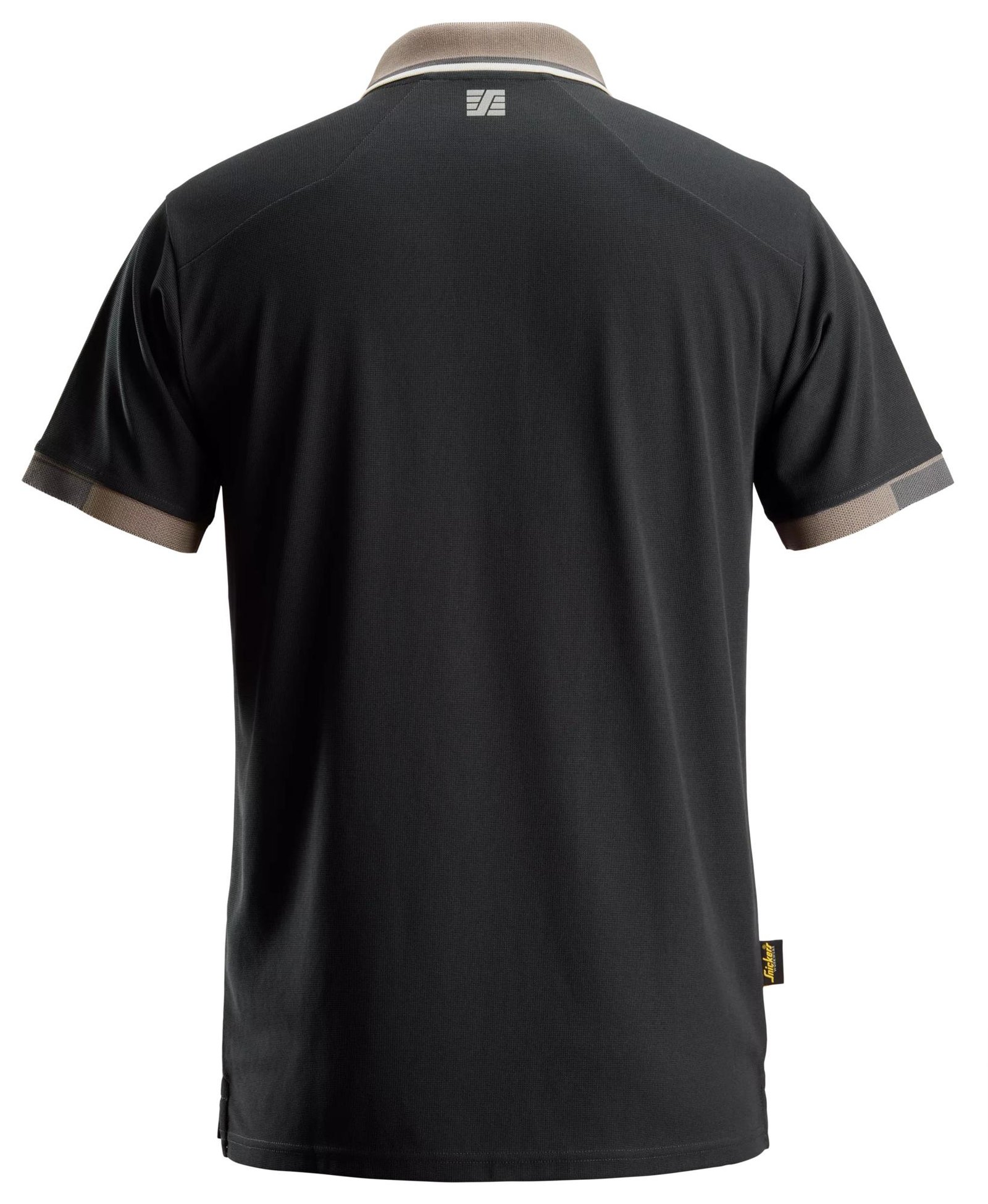


Explore OEM Workwear Styles
Browse workwear styles by garment category and share the details you want developed for your team.




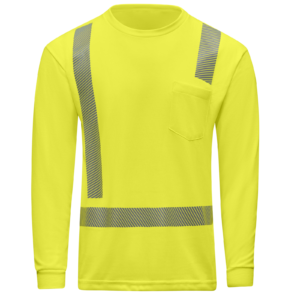
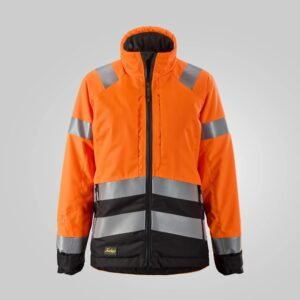

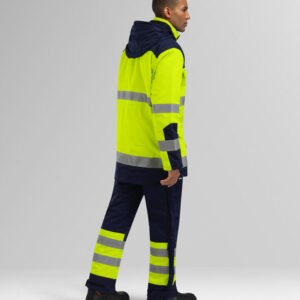

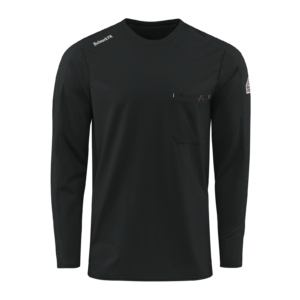
OEM Workwear Manufacturer for Practical Development
Build production-ready uniforms from your brief, with material, construction and private-label decisions aligned before sample approval.
Tech-Pack-Led Development
Start with a tech pack, sketch, sample, or product idea, then refine fit, functions, and construction details with our development team.
100-Piece Starting MOQ
Launch focused programs from a 100-piece starting MOQ per style and color, subject to fabric, certification, and construction requirements.
Fabric and Trim Sourcing
Specify fabric composition, weight, weather needs, closures, labels, and accessories while we coordinate practical sourcing options for your program.
Built-In Reinforcement Options
Discuss reinforced knees, bartacks, triple stitching, gussets, pocket systems, and reflective tape placement before approving the production sample.
Private-Label Ready
Apply embroidery, prints, patches, woven labels, care labels, and custom packaging to create a workwear range ready for your brand.
Workwear Categories We Develop
Custom industrial, safety and service apparel developed around your construction, material, branding and end-use requirements.

Custom Workwear Tops
Develop work shirts, polos and tees with fabric sourcing, collar and placket details, pocket layouts, reinforced seams and brand decoration. Suitable for industrial crews, field service teams and uniform programs requiring coordinated colors, size grading and private-label presentation.
Get a Quote
Bottoms
Produce work trousers, cargo pants and shorts with utility pockets, reinforced knees, bartacks, gussets and durable seam construction where required by the brief. Fabric composition, weight, fit, waistband details, color and labels can be developed for trade, warehouse or service use.
Get a Quote
Coveralls and Sets
Create bib overalls, coveralls and two-piece work suits with specified closures, pocket systems, reinforcement points and sizing. Projects can incorporate weather-protective materials, reflective tape placement and branding details; protective performance claims require the applicable SKU-specific testing and documentation.
Get a Quote
Specialist Workwear
Develop high-visibility, flame-resistant and arc-focused designs, along with chemical-protective, cold-storage, welding, cleanroom and ESD garment families. We align fabric, construction and trim choices with your target application; any required standard or rating must be defined and verified for the finished SKU.
Get a Quote
Industry Uniforms
Build uniforms for medical, chef, hospitality and service teams, including scrubs, kitchen apparel, front-of-house garments and coordinated staff clothing. Specify the required silhouette, fabric feel, color program, pocket function, branding method and packaging for your operating environment.
Get a Quote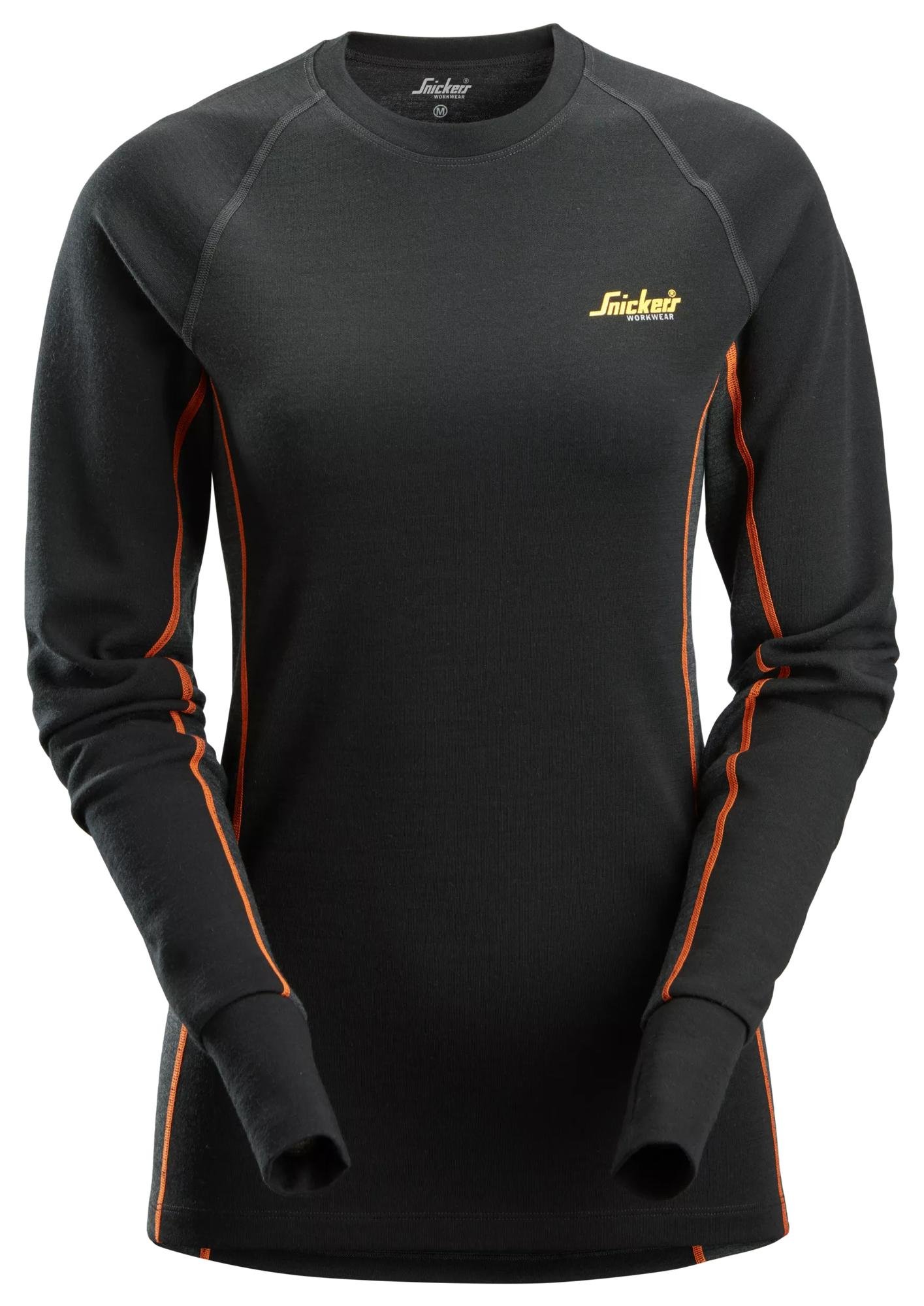
Base Layers
Develop base-layer pieces for layering systems, with fabric composition, weight, stretch, fit and seam placement selected for the intended use. These can support industrial, cold-weather or service uniform programs without assigning unverified temperature or protective performance ratings.
Get a Quote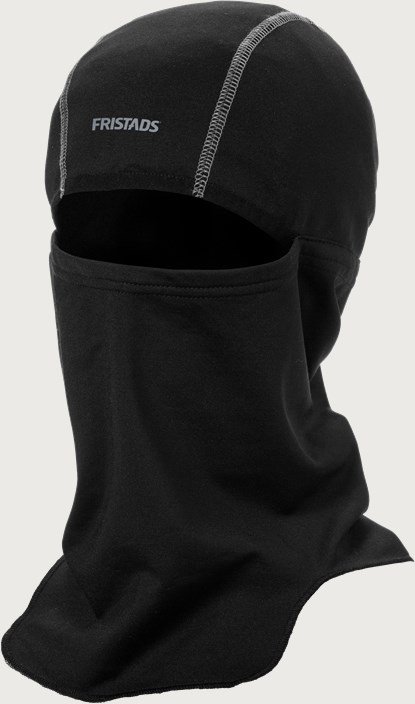
Headwear and Neckwear
Complete a coordinated uniform range with headwear and neckwear developed around your color, logo and garment program. Discuss cap or head-covering styles, neckwear format, material selection, labels, patches, embroidery and packaging to match the rest of the collection.
Get a QuoteSupported Workwear Materials



OEM Workwear Manufacturer Decoration and Construction Processes


OEM Workwear Manufacturer Trims and Accessories


About Veelianpro, Your OEM Workwear Manufacturer
Veelianpro is a Wuhan-based custom workwear manufacturer built to help brands, distributors, and sourcing teams turn product ideas into production-ready industrial, safety, hospitality, and service apparel. Our mission is practical: make it easier to develop garments around the real demands of the work environment, brand, and buyer.
From a tech pack, sketch, sample, or early concept, our team supports fabric and trim sourcing, pattern development, sampling, size grading, cutting, sewing, decoration, quality checks, packing, and export coordination. We work through construction choices such as reinforcement, pocket layouts, weather protection, and private-label details before sample approval.
What differentiates our approach is hands-on development, a 100-piece starting MOQ per style and color, and clear alignment on materials, construction, branding, and approval requirements.
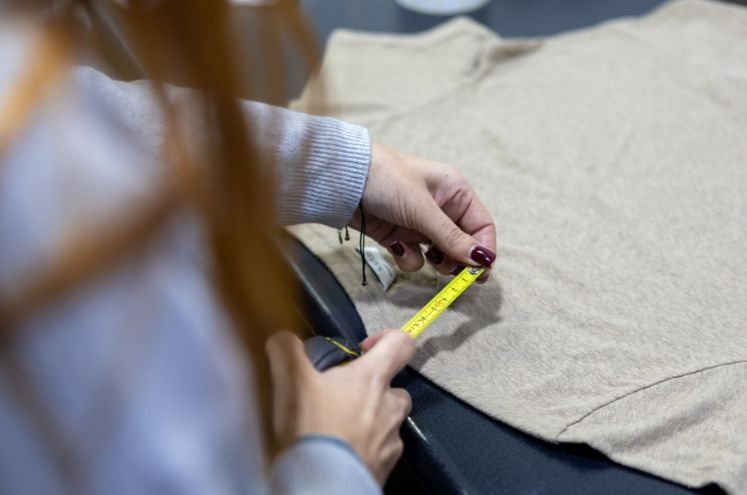
OEM Workwear Manufacturer Capabilities for Demanding Programs
Tech Packs to Patterns
Bring a tech pack, sketch, approved sample, or product concept to Veelianpro. Our OEM workwear manufacturer team reviews garment purpose, fit, size range, pocket layout, branding, and construction details before pattern development and sampling begin.
- Review garment use, fit, and size requirements
- Develop patterns from buyer-supplied references
- Confirm pocket, panel, and branding placement
- Refine details before bulk production

Fabric and Trim Decisions
Select fabric weight, composition, color, and trims around the intended work environment and your product target. Discuss zippers, fasteners, labels, reflective details, linings, and packaging early so the sample reflects the planned workwear program.
- Compare fabric options for intended use
- Source trims and private-label components
- Plan labels, patches, and decoration methods
- Specify color, size, and packaging requirements

Construction That Fits the Job
Build practical durability into the approved design through the right construction choices. Buyers can specify reinforcement areas, bartacks, triple stitching, gussets, knee panels, pocket systems, weather-protection details, and other features appropriate to the garment’s intended application.
- Specify reinforcement for high-wear zones
- Add bartacks, gussets, or triple stitching
- Define pocket systems and utility details
- Keep performance targets tied to evidence

Samples Through Export Packing
Use sample approval to align materials, fit, workmanship, and branding before production. Veelianpro supports cutting, sewing, finishing, quality checks, custom packing, and export coordination, with a starting MOQ of 100 pieces per style and color subject to project requirements.
- Approve samples before order confirmation
- Coordinate production and quality checks
- Prepare custom labels and export-ready packing
- Start from 100 pieces per style and color

OEM Workwear Manufacturer vs. Off-the-Shelf Decoration
Compare custom development with adding branding to existing garments. Starting MOQ is subject to fabric, certification and construction requirements.
← Swipe left or right to view →
OEM Workwear Manufacturer Production Process
A practical path from feasibility review and sample approval to controlled production, packing, and shipment coordination.
Review Your Product Brief
Share a tech pack, sketch, sample, or idea with garment type, work setting, quantities, destination, timeline, and any applicable protection requirements.
Source Materials and Develop
Confirm fabric composition, weight, trims, fit, pocket layout, reinforcements, reflective details, branding, and pattern requirements before preparing a workable production specification.
Approve the Pre-Production Sample
Review the sample for fit, construction, color, decoration, labels, and packaging details. Final approved models guide bulk production; reference photos remain developmental references.
Cut and Sew Bulk
After order confirmation, production moves through size grading, cutting, sewing, reinforcement, finishing, and decoration according to the approved sample and order specifications.
Inspect Pack and Coordinate
Completed garments undergo quality checks, then receive agreed labels and packaging. Veelianpro coordinates export-ready packing and shipment details for your confirmed destination.
Work With an OEM Workwear Manufacturer
Move from concept to repeatable production with clear specifications, sample approval, and practical order coordination.
Send Your Product Brief
Share a tech pack, sketch, reference sample, or product idea, along with garment type, use environment, branding, quantity, destination, and timeline.
Define Materials and Construction
Align fabric composition and weight, fit, size range, colors, trims, pocket layout, reinforcements, decoration, and any required protection standard or documentation.
Review Sample and Quotation
Assess the developed sample and confirmed specifications, then review pricing, MOQ, lead time, packing, and order terms before approving the production plan.
Confirm Bulk Production
After approval, Veelianpro coordinates cutting, sewing, finishing, quality checks, packing, and export preparation for your approved workwear program and order requirements.
Plan Your Reorder
Keep approved specifications and branding details on file to support repeat orders, style updates, color extensions, and ongoing sourcing conversations as demand develops.
Documentation to Review for OEM Workwear


OEM Workwear Manufacturer Scenarios for Specification Review
Illustrative scenario: A safety distributor needs a private-label hi-vis vest range. The development brief defines fluorescent fabric, reflective tape layout, size grading, woven labels, and packaging. Sample acceptance focuses on measurements, tape placement, label accuracy, and agreed construction before bulk approval.
Illustrative scenario: A workwear brand brings a cargo trouser sketch for an industrial collection. Pattern development translates it into a production specification with pocket configuration, reinforced knees, bartacks, fabric options, and branding. The sample review is intended to confirm fit, mobility, pocket access, and construction details.
Illustrative scenario: An enterprise uniform sourcing team is planning service jackets and polos across multiple sizes. The project aligns fabric, color, logo decoration, care labels, and packing requirements. Pre-production approval is intended to verify color, sizing, logo placement, garment finish, and the agreed quality-check criteria.
OEM Workwear Manufacturer FAQ
Practical answers about garment specification, sample checks and sourcing decisions.
Can Veelianpro develop OEM workwear from our own design?
When should we choose OEM, ODM or private-label workwear support?
What should we include in a custom workwear development brief?
How should we choose fabric and trims for custom workwear?
What should we check on a workwear sample before approving bulk production?
Can we add logos, labels and custom packing to workwear?
What is Veelianpro’s MOQ for OEM workwear?
How can we avoid problems when developing a new workwear style?
The Complete Guide to OEM Workwear Manufacturing
Use this decision framework to define workwear specifications, compare OEM production models, assess sampling and quality controls, understand cost drivers, and avoid approval mistakes before selecting a manufacturing partner.
1. What Is an OEM Workwear Manufacturer?
An OEM workwear manufacturer turns a buyer-controlled garment specification into repeatable bulk apparel: a coverall, cargo trouser, service polo, rain jacket, or uniform set built to the agreed construction and brand presentation. The buyer may supply a complete tech pack, measurements, artwork, size chart, and reference garment; the critical distinction is that the buyer owns the product brief and approves the production standard. Private label primarily adds the buyer’s labels, packaging, and identity to a product program, while OEM follows the buyer’s specified design. ODM is appropriate when the buyer has a use case or visual direction but needs development support for fit, fabric, pockets, trims, and finishing; CMT is narrower, covering cut, make, and trim against buyer-supplied materials and specifications. For an OEM workwear project, Veelianpro can work from a tech pack, sketch, sample, or product idea and support sourcing, pattern development, sampling, grading, sewing, decoration, packing, and export coordination. Confirm the garment scope, fabric and trim requirements, branding files, sample acceptance criteria, and bulk-ready specification before ordering; MOQ is conditional on the style, fabric, certification needs, and construction requirements.
2. Turn Work Tasks Into a Garment Specification
Start with the wearer’s tasks, then translate each task into a garment decision. A maintenance technician who kneels beside equipment may need accessible thigh pockets and room through the knee; a service representative may prioritize an unobstructed chest logo and a collar that sits neatly beneath a jacket. These requirements can share a brand color without sharing the same pattern. Make a simple task-to-feature matrix before requesting samples. List the movement, what the wearer carries, the contact surface and the proposed detail. For a pocket, identify the object it must hold and how it is reached while wearing the other equipment. For a layering piece, evaluate reach and closure access over the intended base layer. The sample then tests a specific decision rather than a general impression of quality. Keep requirements separate from design solutions. “Access a radio while wearing a harness” is a requirement; a chest pocket is only one possible solution. A short wearer trial can reveal that a different placement works better before the pocket pattern and branding positions are finalized.
3. Workwear Categories and Their Specification Priorities
A workable product range starts by separating garments that protect, carry tools, manage weather, or present a service team. Veelianpro develops the verified categories below from a tech pack, sketch, sample, or product idea; protective claims require the applicable standard and supporting evidence.
| Category | Primary Use Question | Key Specification Decision |
|---|---|---|
| Coveralls and suits | Is full-body coverage needed? | Closure and mobility details |
| Shirts and trousers | What tools or movements matter? | Pocket and reinforcement layout |
| Outerwear and vests | What layering or exposure applies? | Weather and reflective details |
| Service uniforms | What presentation or control applies? | Collection consistency |
Coveralls And Work Suits
Coveralls, bib overalls, and two-piece work suits reduce exposed gaps but make access, movement, and closure choice central to the specification. Resolve entry closure, sleeve and leg adjustments, pocket map, reinforced-knee need, gusset, and logo locations. For welding, chemical, flame-resistant, or arc-rated projects, define the exact required standard, test evidence, and certificate scope before development.
Shirts, Trousers, And Shorts
Work shirts, polos, tees, trousers, cargo pants, and shorts allow buyers to build separate upper and lower layers for changing duties and climates. Specify the intended work setting, fit and size range, pocket purpose, waistband and belt-loop details, tool-carrying needs, and whether bartacks or triple stitching belong at stress points.
Outerwear And Vests
Softshell, fleece, padded, and rain jackets address layering and weather exposure, while utility and safety vests keep tools or visibility details accessible. Confirm layering compatibility, hood and cuff configuration, pocket closure, weather-protection target, reflective tape placement, and decoration method. A visibility or weather design target is not a tested performance claim without the relevant documentation.
Service And Coordinated Uniforms
Medical scrubs, chef clothing, hospitality uniforms, cleanroom and ESD garments are listed specialist families, alongside industrial and safety apparel. For a coordinated collection, lock shared colors, size grading, label hierarchy, logo placement, and packaging across styles.
4. Fabric and Trim Selection
Materials determine whether a garment feels like a basic uniform, a hard-wearing industrial layer, or weather-oriented outerwear. Veelianpro can source fabrics and trims around the use setting, but every protection target must be documented separately from the design brief.
| Material Or Input | Practical Trade-Off | Suitable Use Condition | Specification To Record |
|---|---|---|---|
| Cotton-polyester woven blend | Balances natural hand with easier-care synthetic content | General industrial or service uniforms | Composition, weave, weight, finish |
| Ripstop woven fabric | Grid structure changes appearance and fabric behavior | Garments exposed to snagging or active movement | Fiber content, ripstop construction, color |
| Stretch panel or stretch fabric | Improves movement but changes fit and recovery requirements | Knees, seat, back, or articulated zones | Placement, composition, stretch direction |
| Lining or padding | Adds layer management but increases bulk | Cold-weather jackets or service outerwear | Lining type, coverage, attachment method |
| Reflective tape and reinforcements | Adds function and visual contrast; placement matters | Specified visibility layouts or high-wear zones | Tape position, patch material, dimensions |
Fiber, Structure, And Weight
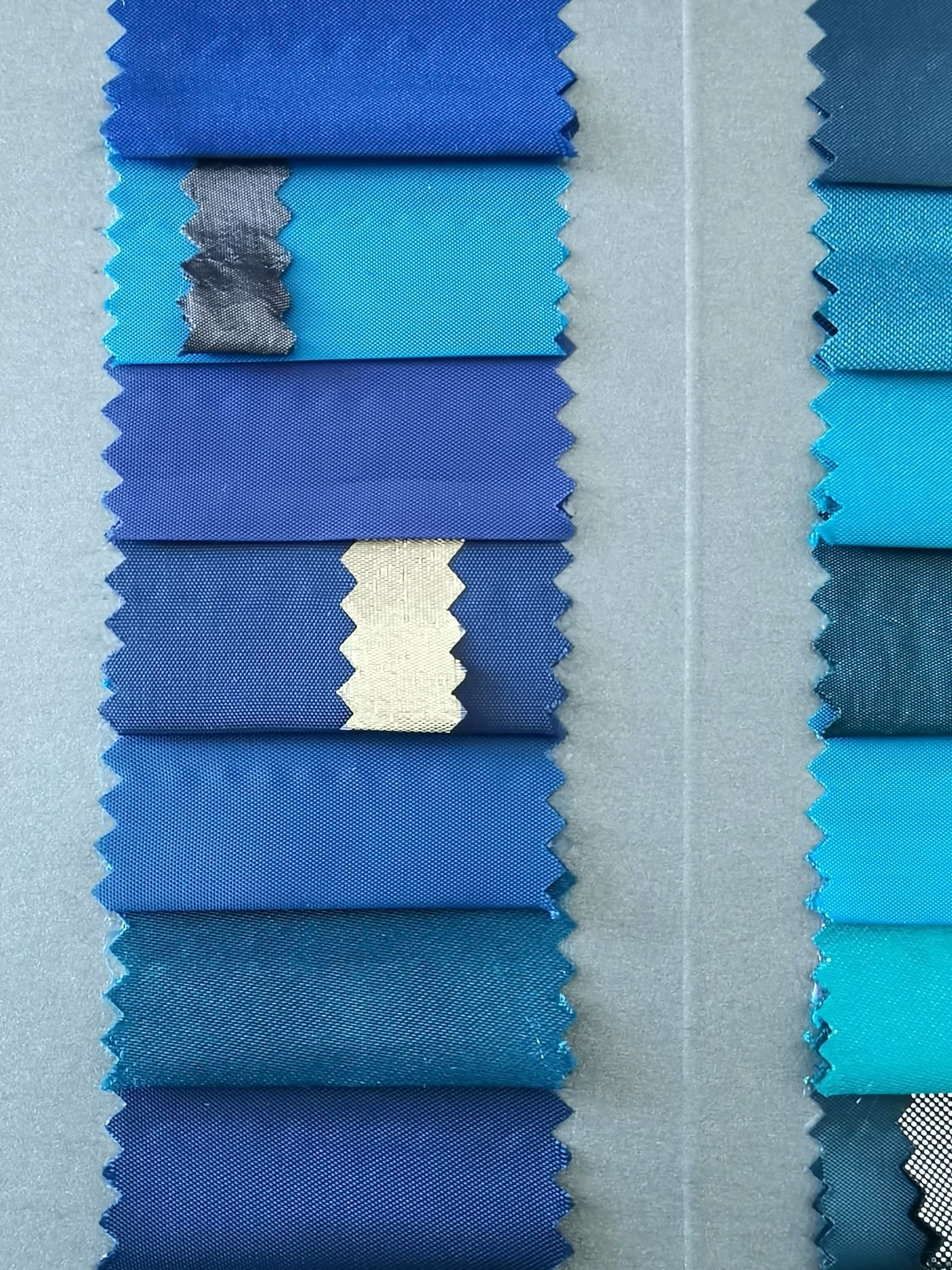
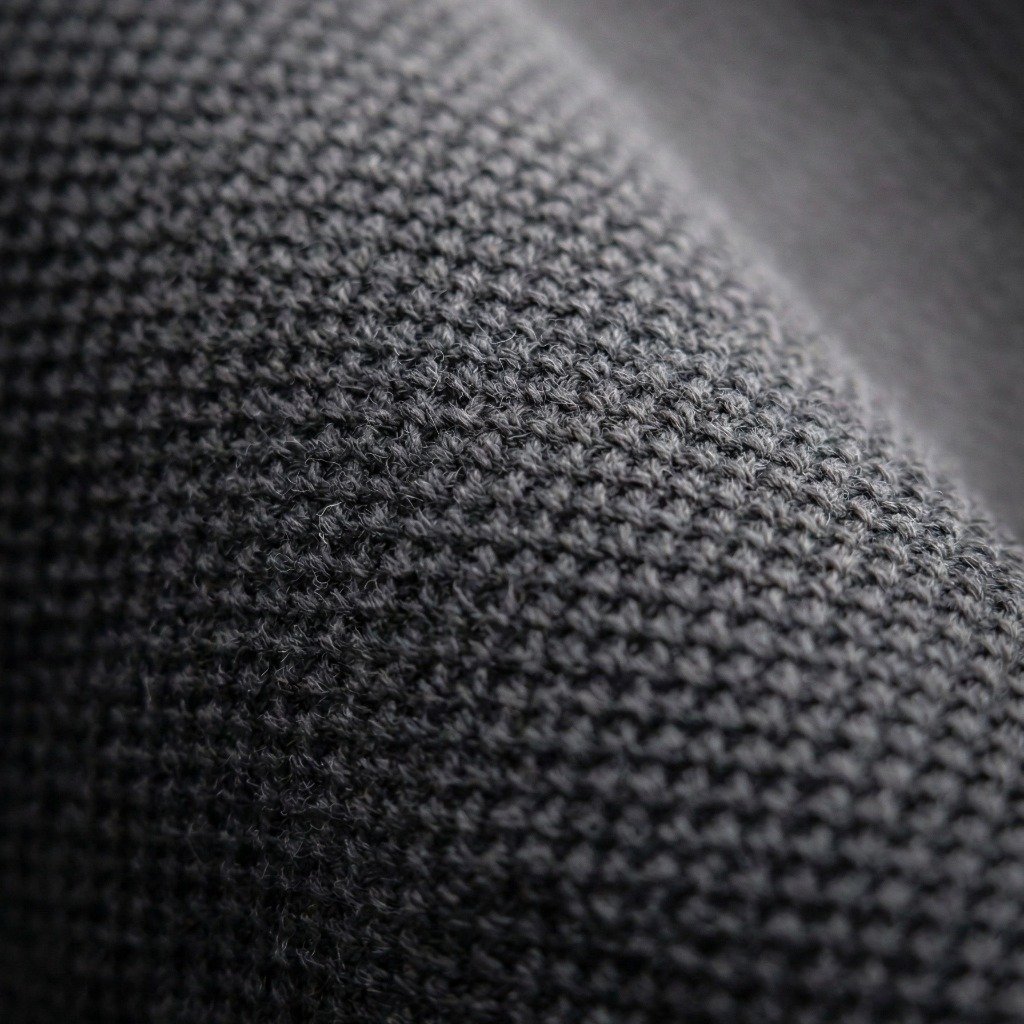
Cotton-rich, polyester-rich, and blended fabrics change hand feel, drying behavior, and laundering expectations. Woven twill, canvas, ripstop, and knitted constructions also behave differently under abrasion, movement, and repeated wear. Record composition, construction, fabric weight when selected, color, and finish in the tech pack. Avoid treating a generic fabric name as proof of a protective or durability result.
Mobility And Weather Layers
Stretch content, gusset-compatible shell fabrics, and lining choices affect how a worker moves and manages changing conditions. A lined jacket adds warmth and structure, while an unlined shell can suit layering and easier packing. Specify where stretch is needed and whether lining is full, partial, removable, or absent. Weather protection is a design requirement until the relevant material and test scope are confirmed.
Trims That Carry The Load
Zippers, snaps, hook-and-loop closures, reflective tape, knee panels, and reinforcement patches are functional inputs, not late-stage decorations. Their placement can affect pocket access, heat buildup, laundering, visibility layout, and repairability. Name the closure type, tape placement, reinforcement material, and stitch or bartack locations. For high-visibility, flame-resistant, arc-rated, chemical-protective, or ESD products, provide the applicable standard and required evidence before development.
5. Customization and Private-Label Options
Customization turns a base garment into a repeatable branded program only when every visible choice becomes a controlled specification. At Veelianpro, a tech pack, sketch, sample, or product idea can be developed through fabric and trim sourcing, pattern work, sampling, labels, decoration, packing, and export coordination.
| Application | Specification Focus | Sample Review Focus |
|---|---|---|
| Embroidery | Artwork, thread colors, size, placement | Stitch area and position |
| Screen Print | Artwork, colors, print area, placement | Graphic scale and panel alignment |
| Heat Transfer | Artwork, transfer size, placement | Edge placement and visual alignment |
| Woven Label | Label artwork, fold, size, seam location | Legibility and attachment location |
Fit, Sizes, And Color Blocking

Fit requires a base measurement chart, grading rules, size range, tolerance expectations, and placement references for contrast panels. A sample should be checked on the intended wearer profile; color blocking also needs panel boundaries, color references, and seam locations recorded. A coordinated range should reuse approved color references and fit logic across shirts, trousers, outerwear, and vests where appropriate. This avoids a collection that appears related in artwork but inconsistent in wear.
- Base measurements and grading rules
- Color references for each panel
- Size label format and placement
Pockets And Functional Trims
Pocket layouts change both the pattern and sewing sequence. Specify pocket dimensions, opening direction, closures, tool loops, pen divisions, reinforcement areas, zipper type, button or snap finish, and any reflective tape placement in the tech pack. The development sample should confirm reach, access, bulk, and interaction with branded panels. A reference garment alone is not enough when its pocket construction or trim source differs.
- Pocket location and finished dimensions
- Closure and trim specification
- Reinforcement and bartack locations
Logo Application Specifications
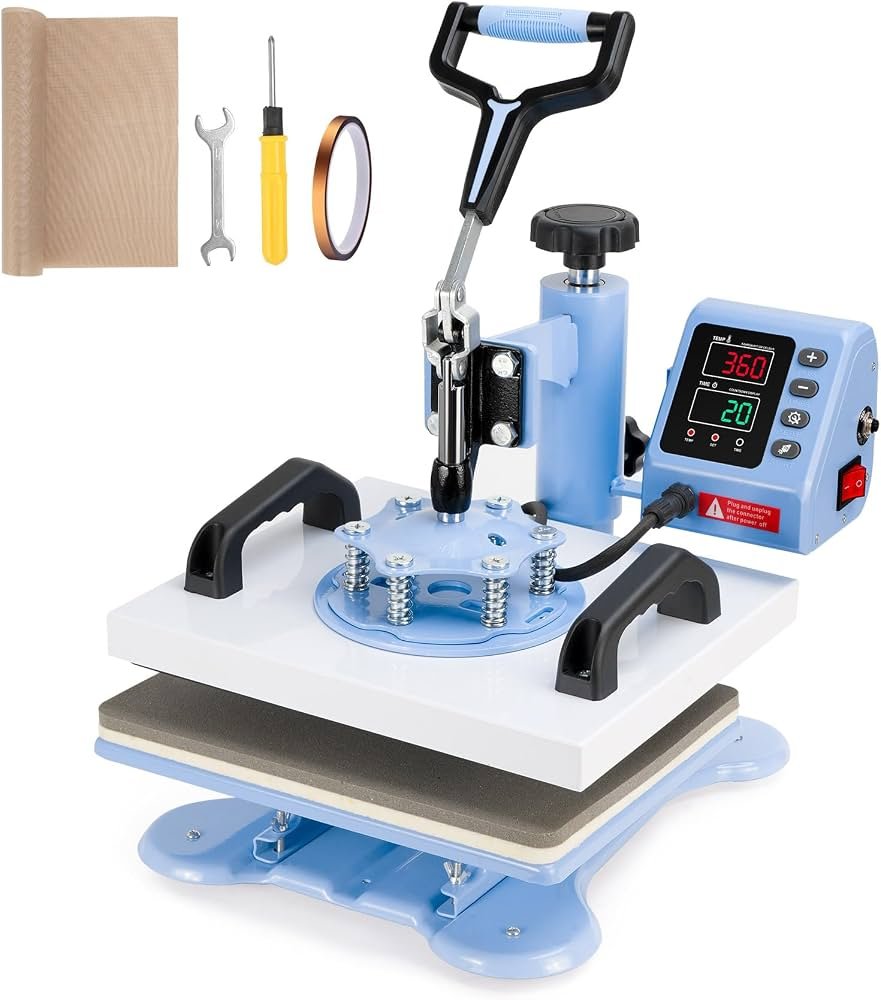
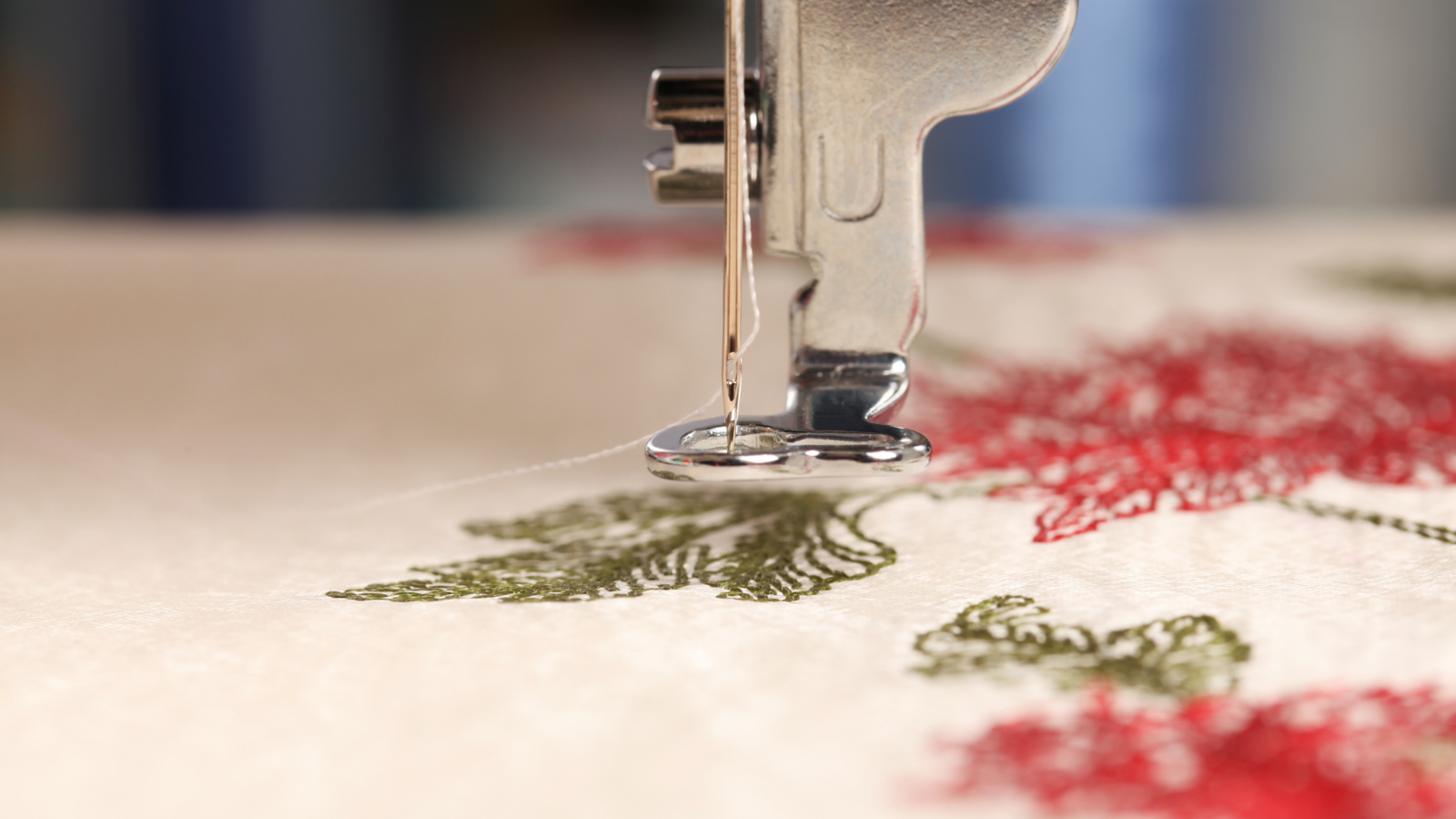
Logo artwork needs an approved file, application method, size, position, color treatment, and placement measurement from a stable garment point. Screen print, heat transfer, embroidery, patches, and woven labels each require their own artwork and placement callout.
Labels, Packing, And Approval
Private-label details extend beyond the chest logo: woven labels, care labels, size labels, hang tags, barcode stickers, polybags, cartons, and carton marks should be listed separately. The sample review should verify every buyer-facing item as well as the garment.
6. Construction Details That Determine Workwear Quality
Workwear quality is often decided at the pocket corner, zipper end, cuff edge, and lining join—not by the garment’s appearance on a hanger. Define how each load-bearing or moving detail is built before the sample is approved.
| Detail | Likely Failure | Specification Remedy |
|---|---|---|
| Cargo pocket | Pull-out at corners | Show attachment seam and bartack positions |
| Front zipper | Trim mismatch or waviness | Name zipper type, length, placement, and end finish |
| Size grading | Inconsistent fit | Set measurement points and permitted tolerances |
Seams And Stress Points

A side seam and a pocket opening face different loads, so they should not receive an undifferentiated stitching instruction. Specify seam type, stitch count where required, reinforcement locations, and whether bartacks are required at pocket corners, fly ends, belt loops, or tool loops. Pocket pull-out commonly begins when the attachment seam ends at the load point. Mark the exact reinforcement position on the tech pack and inspect it on the sample.
- Identify each bartack location on the artwork
- Specify reinforcement for tool and cargo pockets
- Show seam allowances on construction drawings
Pockets, Closures, And Edges
A pocket is a functional assembly: its opening, bag, attachment seam, and any flap or fastening must work together. State pocket dimensions, placement from fixed garment points, compartment divisions, and closure direction to avoid unusable or mismatched details. Name the zipper, button, snap, hook-and-loop, or drawcord specification rather than approving a generic substitute. Edge binding, hem turns, cuff finish, and zipper-end finishing should appear in the sample comments.
Fit, Lining, And Care Alignment
Inconsistent fit usually comes from unclear measurement points or grading instructions, not just cutting variation. Provide a size chart with measurement method, tolerance, and a clear reference size for approval. For lined jackets, identify lining coverage, attachment points, and access openings for decoration. Care-label instructions must match the approved fabric, trims, decoration, and intended garment care process.
7. Choosing an OEM Workwear Manufacturer
Choose a manufacturer by matching documented development capability to the garment’s end use, not by comparing broad product lists. A useful evaluation moves from category fit and specification control to sample evidence, inspection criteria, and a quote that can be ordered again.
| Selection Stage | Evidence To Request | Decision It Supports |
|---|---|---|
| Category fit | Relevant garment-development review | Construction and end-use alignment |
| Sampling | Approved sample and specification record | Bulk-production authorization |
| Reorder planning | Retained approved references | Consistent replenishment discussions |
Match Category And Production Model
Ask for relevant development examples for the proposed family: coveralls, cargo trousers, jackets, vests, or service uniforms. For protective designs, request confirmation of the exact standard, test, or certificate scope required; a product concept is not a documented protective claim. OEM follows your finished specification; ODM helps develop an incomplete concept; CMT is appropriate when buyer-supplied materials and specifications are ready. Veelianpro can begin from a tech pack, sketch, sample, or product idea.
Control Inputs Before Sampling
Provide fabric composition and weight, trim list, size range, color references, pocket map, reinforcement locations, artwork, labels, and packaging requirements. Request a sourcing confirmation that identifies what is specified, proposed, or still subject to approval. Illustrative procurement scenario: a safety distributor submits a vest layout but no reflective-tape requirement. The sample brief should flag that missing performance input before any visibility claim appears in product copy.
- Confirm sample size and measurement chart
- Approve decoration placement and artwork files
- Record approved fabric and trim references
Plan Approval And Replenishment
Set sample acceptance criteria for fit, measurements, stitching, bartacks, branding, packing, and any buyer-required documentation. Agree how inspection findings are recorded and how approved references are retained for repeat orders. Request a quote that separates garment construction, material and trim choices, decoration, packaging, quantity, destination, and timeline.
8. Common Sourcing Mistakes and How to Avoid Them
OEM workwear errors usually begin when an approval is treated as a visual preference instead of a controlled production specification. Lock the details that affect fit, use, branding, bulk consistency, and any protection claim before purchase-order release.
Copying a Reference Garment
A reference coverall can show a useful silhouette but cannot define every measurement, fabric, seam, or pocket dimension. Copying it by appearance leaves room for different interpretations in sampling and bulk. Add a measured spec sheet to the tech pack: points of measure, tolerances, fabric composition and weight, trim list, stitch and reinforcement locations, plus annotated photos of the reference.
Approving Appearance Over Use
A garment can look correct on a hanger while restricting reach, exposing the back when bending, or placing a tool pocket where it cannot be used. These failures emerge only through task-based wear checks. Put movement tests and loaded-pocket tests on the sample checklist. State the wearer task, required contents of each pocket, closure operation, knee position, and any layering condition.
Leaving Branding And Sizing Open
An unclear logo file, placement, thread color, or label artwork creates avoidable revisions. A single size sample also does not establish a sellable size curve or grade rules. Attach production-ready artwork, placement dimensions, decoration method, label text, and packaging files. Add the size chart, grading rules, quantity by size, and destination-market labeling requirements to the purchase-order scope.
Confusing Sample Approval With Compliance
A sample is not a complete bulk standard unless its approved fabric, trims, measurements, workmanship, labels, packing, and inspection criteria are recorded. Likewise, reflective tape or a flame-resistant fabric request does not itself prove a garment meets a named standard. Issue a sealed approval record and purchase-order attachment identifying the approved version and change-control process. For protective products, specify the applicable standard and required test or certificate scope; do not print or market an unsupported claim.
9. Launching an OEM Workwear Order
A launch becomes controllable when each approval locks one version of the garment before the next decision begins. Veelianpro can start from a tech pack, sketch, sample, or product idea, then move the confirmed specification through sampling, production, inspection, and export coordination.
Define End Use And Brief
Identify the job setting, garment type, wearer tasks, size range, color plan, branding, destination, and target quantity. For protective workwear, provide the applicable standard and required test or certificate; a design request is not a documented performance claim.
Submit The Product Reference
Send the tech pack or reference garment with measurement points, pocket layout, artwork, label copy, and construction notes. Veelianpro reviews feasibility before development; consolidate revisions into one marked file so the approved specification has a clear version.
Approve Materials And Sample
Confirm fabric composition and weight, trims, reinforcement, reflective tape placement, decoration method, and packaging before the development sample is released. Review the sample for fit, mobility, stitch execution, pocket access, branding placement, and care-label information, then record every correction for the next version.
Release Bulk And Inspection
Approve the final sample, graded size chart, artwork, packing instructions, and inspection scope before bulk cutting. Inspection can then check agreed workmanship, measurements, labels, decoration, and packing against that approved reference; delivery handoff follows confirmed shipment and export details.
Confirm Commercial Feasibility
Final MOQ, timing, and order feasibility depend on the confirmed style, materials, customization, size mix, and overall project scope, so place them in the quotation rather than treating them as universal terms.
10. What Changes the Cost of an OEM Workwear Order
A workwear quote changes when the garment’s construction, inputs, and delivery scope change—not simply when a buyer selects a product category. At Veelianpro, the starting MOQ is 100 pieces per style and color, subject to fabric, certification, and construction requirements; final commercial terms belong in the project quotation.
A clear brief lets fabric sourcing, pattern work, sampling, decoration, packing, inspection, and export coordination be scoped together. Protective designs need an applicable standard plus required test or certificate documentation; a requested feature is not a documented performance claim.
Hypothetical worked example: two 100-piece cargo-trouser requests can require different quote inputs when one uses a standard pocket layout and stock-style packing, while the other adds graded sizes, reinforced knees, bartacks, woven labels, embroidered logos, and individual retail packaging. This illustrates scope change only, not a price or delivery promise.
| Cost Driver | What Changes the Quote | Quote Must Specify |
|---|---|---|
| Garment construction | Coverall versus trouser; pocket system, gussets, reinforced knees, bartacks, or triple stitching | Style, tech pack or sketch, construction details, and intended work setting |
| Fabric and trims | Composition, weight, color, weather-protection inputs, zippers, reflective tape, and other trims | Fabric target, trim list, color reference, and any required standard or documentation |
| Branding and packaging | Embroidery, screen printing, heat transfer, patches, woven or care labels, and custom packaging | Artwork files, placement, decoration method, label content, and packing format |
| Development and sizing | Pattern development, samples, fit changes, size grading, and size breakdown | Sample objective, measurement chart, approved fit, size range, and quantities by size |
| Order and logistics scope | Quantity, inspection requirements, export packing, destination, and shipment coordination | Pieces per style and color, inspection criteria, carton requirements, destination, and requested timeline |
Start Your OEM Workwear Manufacturer Quote
Send your tech pack or garment idea, quantity, destination, and timeline to begin a practical quote review with Veelianpro.