OEM Workwear Manufacturer for Custom Industrial Uniforms
Veelianpro supports OEM, ODM and private-label workwear development from pattern and sampling through fabric, trims, decoration and packing. Start with a clear garment brief, then check fit, construction, branding placement and finish on the sample before bulk approval. MOQ starts from 100 per style and colour, subject to fabric and requirements.
OEM Workwear Reference Directions

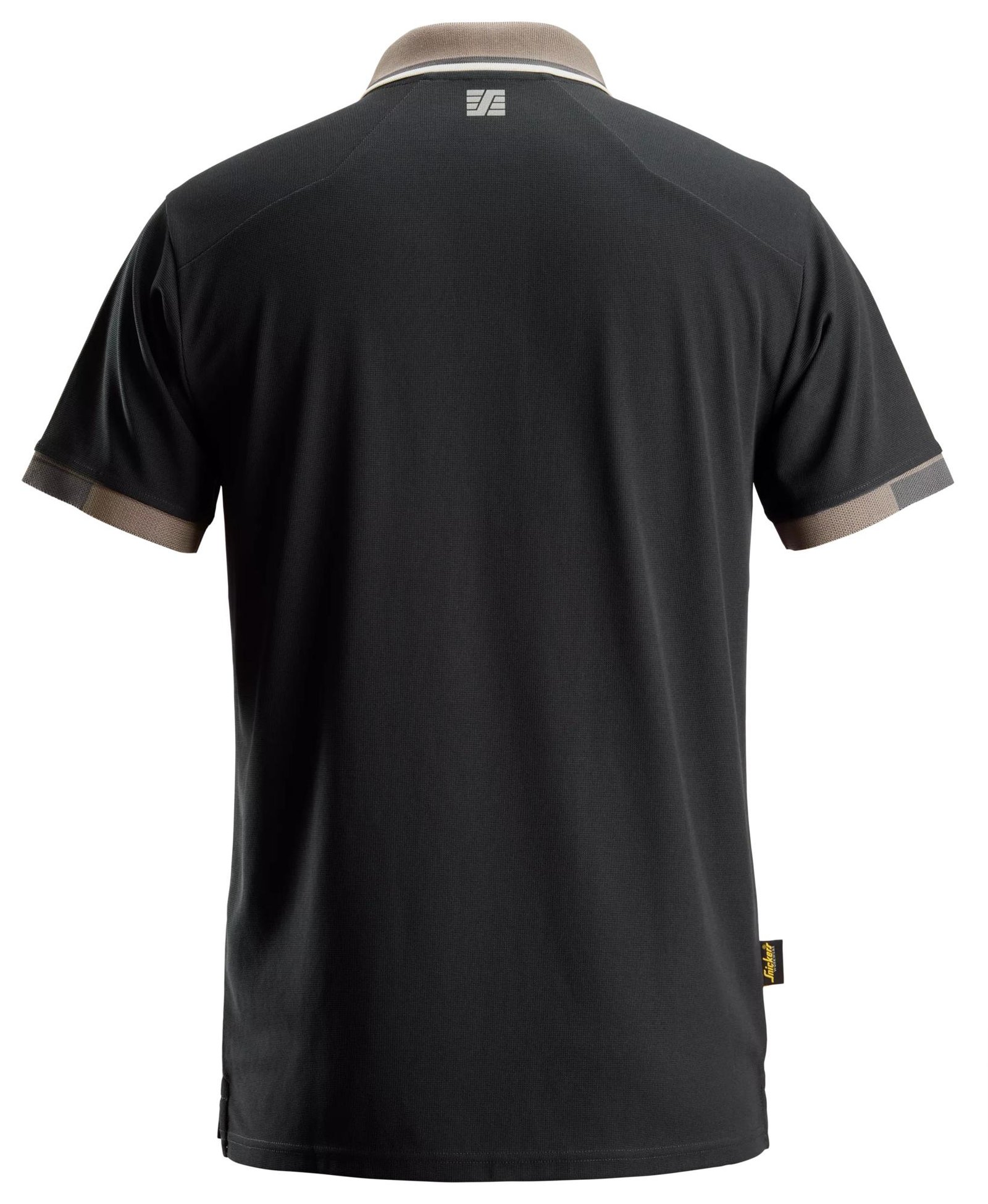


Explore OEM Workwear Styles
Browse workwear styles by garment category and share the details you want developed for your team.
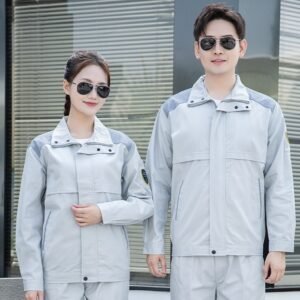

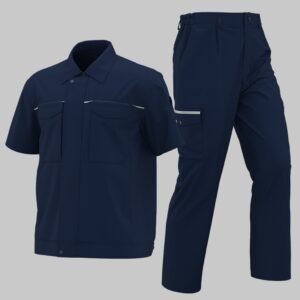
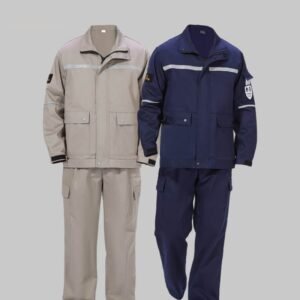


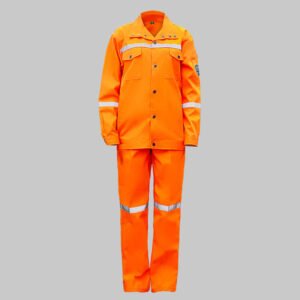

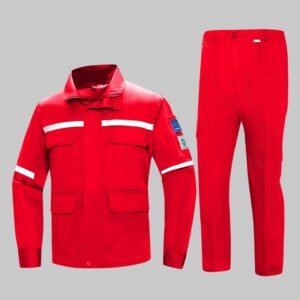
OEM Workwear Manufacturer for Practical Development
Build production-ready uniforms from your brief, with material, construction and private-label decisions aligned before sample approval.
Tech-Pack-Led Development
Start with a tech pack, sketch, sample, or product idea, then refine fit, functions, and construction details with our development team.
100-Piece Starting MOQ
Launch focused programs from a 100-piece starting MOQ per style and color, subject to fabric, certification, and construction requirements.
Fabric and Trim Sourcing
Specify fabric composition, weight, weather needs, closures, labels, and accessories while we coordinate practical sourcing options for your program.
Built-In Reinforcement Options
Discuss reinforced knees, bartacks, triple stitching, gussets, pocket systems, and reflective tape placement before approving the production sample.
Private-Label Ready
Apply embroidery, prints, patches, woven labels, care labels, and custom packaging to create a workwear range ready for your brand.
Workwear Categories We Develop
Explore reference product families, then define fabrics, construction, fit, branding, and intended work conditions before sample approval.

Custom Workwear Tops
Explore custom workwear tops options for your team’s materials, fit, branding and sampling brief.
Get a Quote
Bottoms
Explore bottoms options for your team’s materials, fit, branding and sampling brief.
Get a Quote
Coveralls and Sets
Explore coveralls and sets options for your team’s materials, fit, branding and sampling brief.
Get a Quote
Specialist Workwear
Explore specialist workwear options for your team’s materials, fit, branding and sampling brief.
Get a Quote
Industry Uniforms
Explore industry uniforms options for your team’s materials, fit, branding and sampling brief.
Get a Quote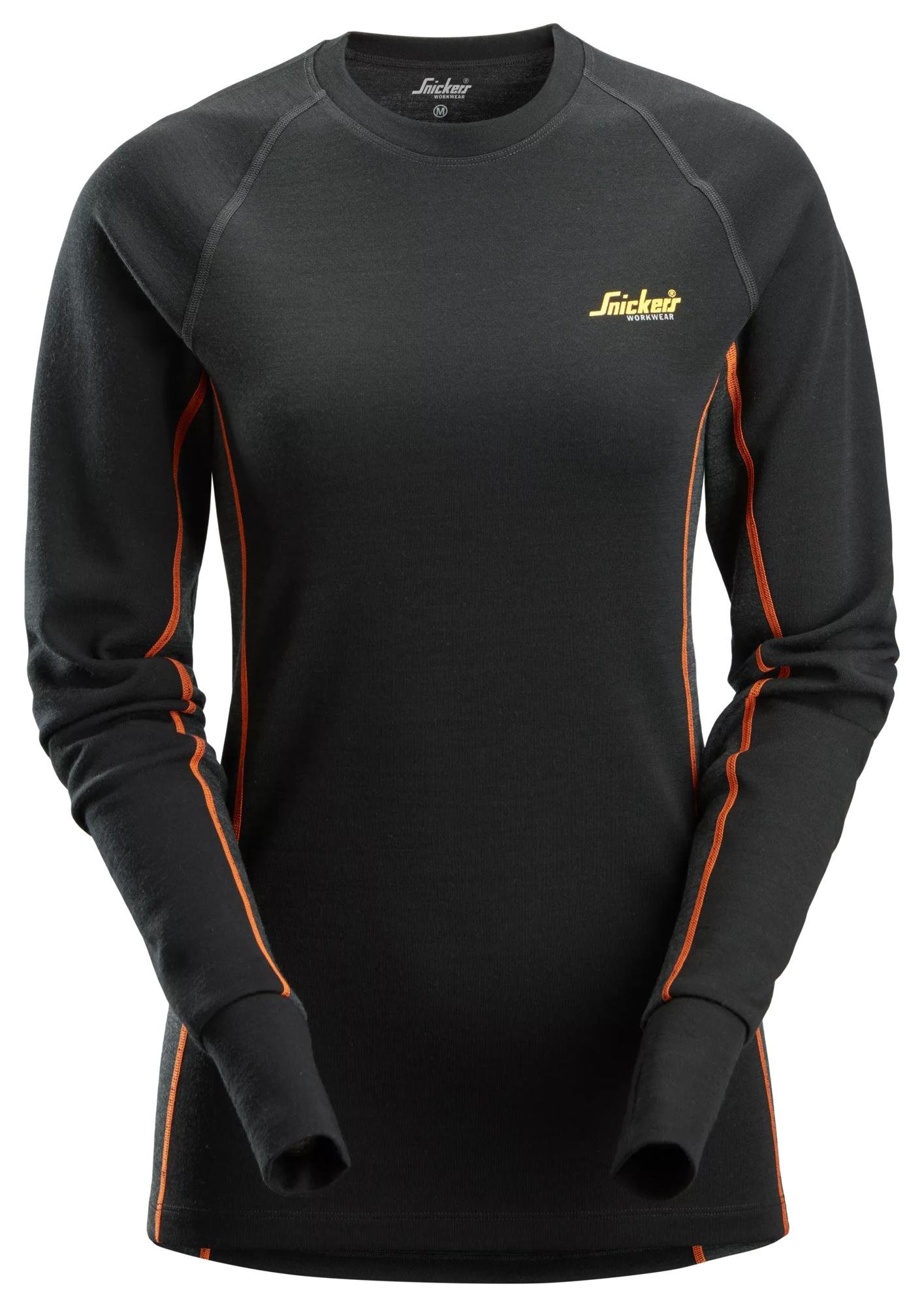
Base Layers
Explore base layers options for your team’s materials, fit, branding and sampling brief.
Get a Quote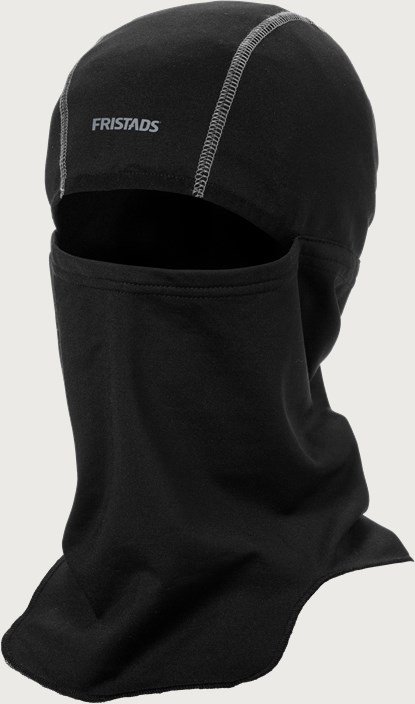
Headwear and Neckwear
Explore headwear and neckwear options for your team’s materials, fit, branding and sampling brief.
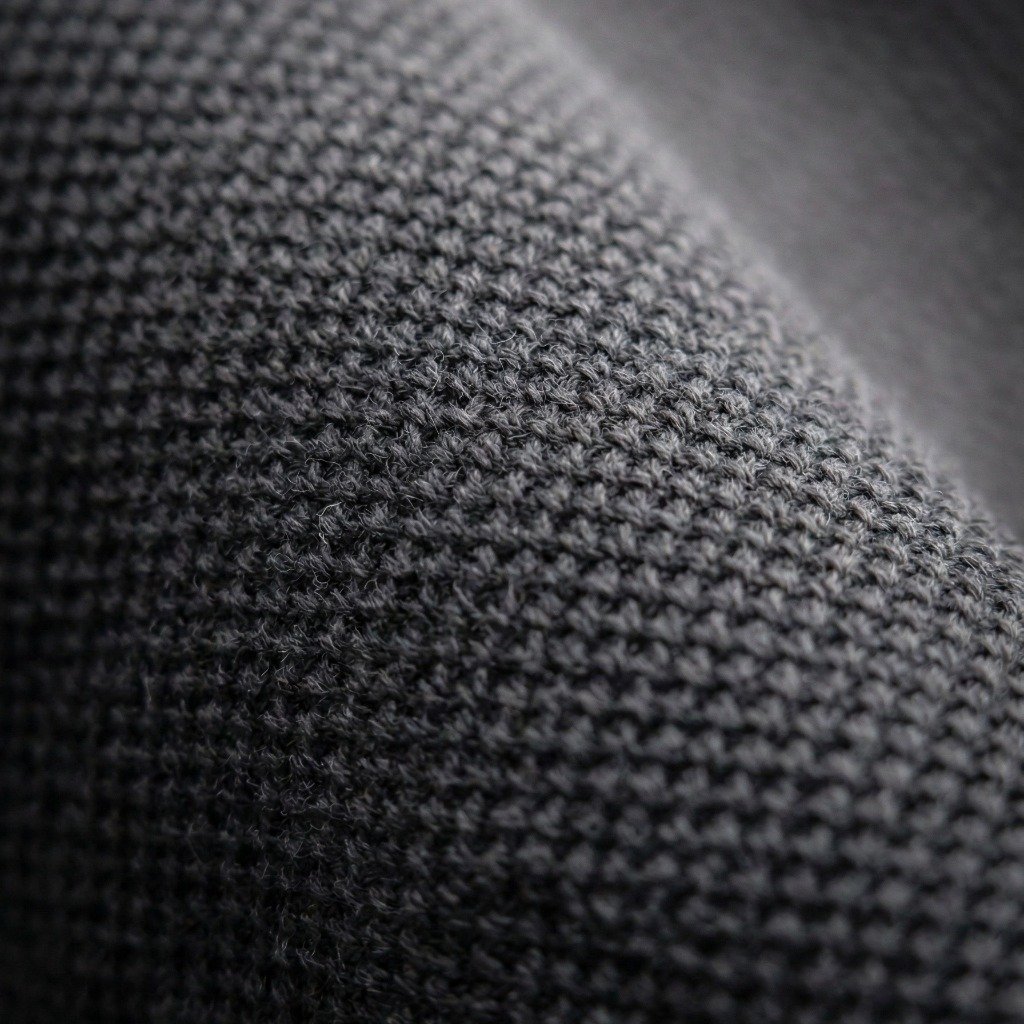
Get a QuoteSupported Workwear Materials



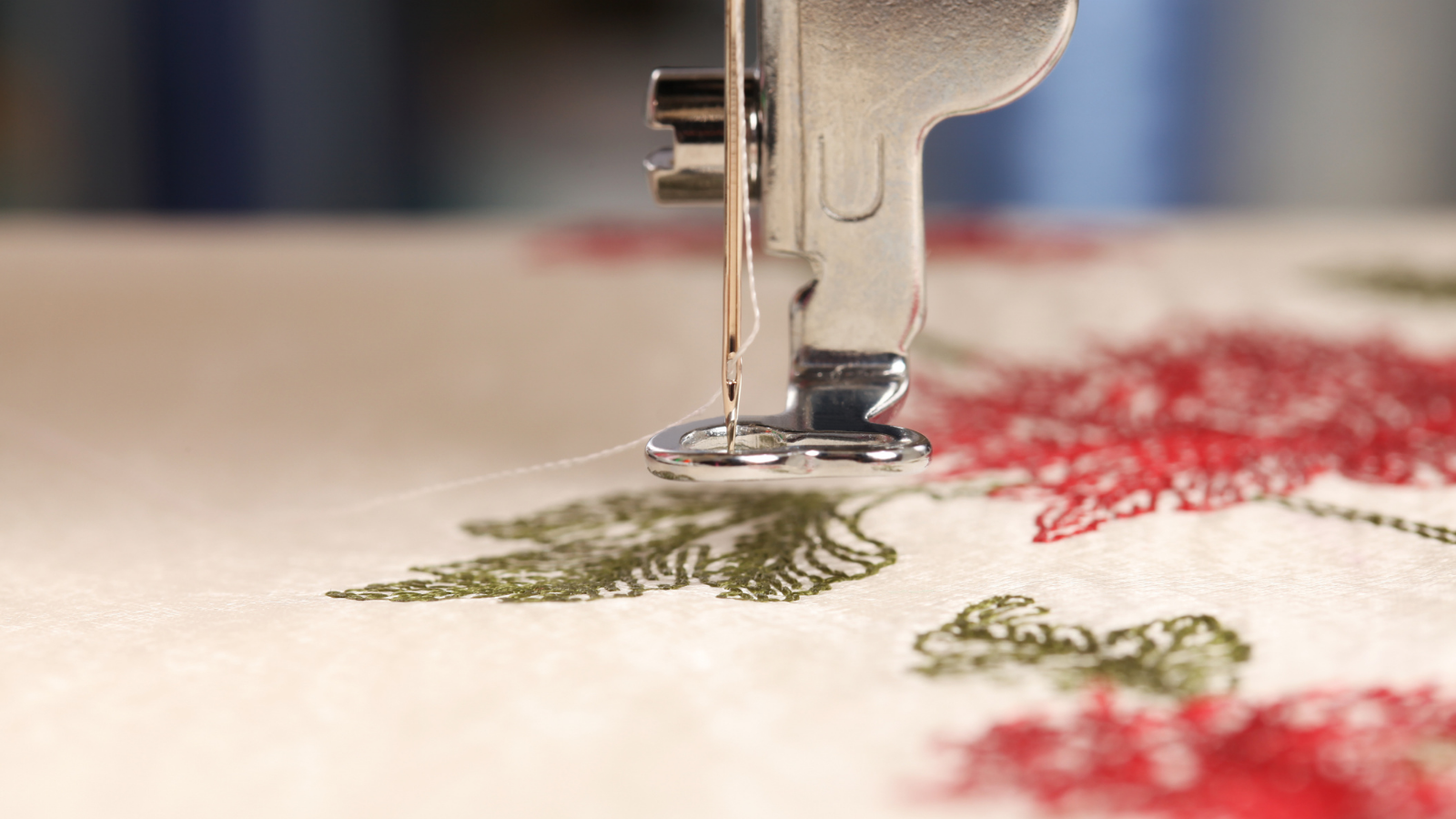
OEM Workwear Manufacturer Decoration and Construction Processes


OEM Workwear Manufacturer Trims and Accessories


About Veelianpro, Your OEM Workwear Manufacturer
Veelianpro is a Wuhan-based custom workwear manufacturer built to help brands, distributors, and sourcing teams turn product ideas into production-ready industrial, safety, hospitality, and service apparel. Our mission is practical: make it easier to develop garments around the real demands of the work environment, brand, and buyer.
From a tech pack, sketch, sample, or early concept, our team supports fabric and trim sourcing, pattern development, sampling, size grading, cutting, sewing, decoration, quality checks, packing, and export coordination. We work through construction choices such as reinforcement, pocket layouts, weather protection, and private-label details before sample approval.
What differentiates our approach is hands-on development, a 100-piece starting MOQ per style and color, and clear alignment on materials, construction, branding, and approval requirements.
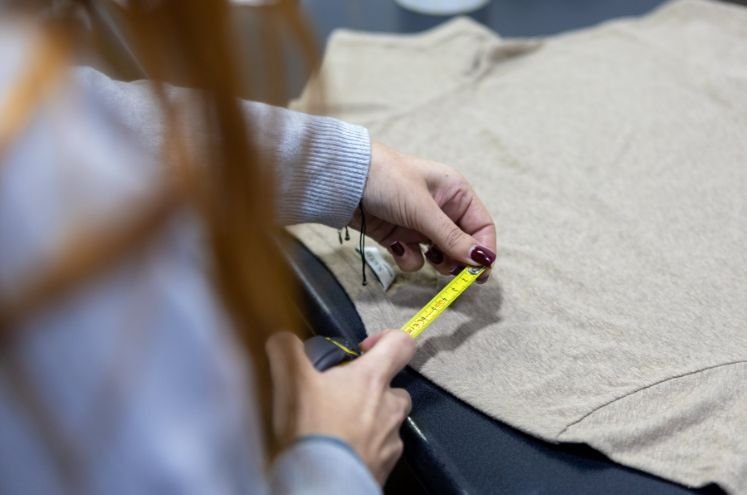
OEM Workwear Manufacturer Capabilities for Demanding Programs
Tech Packs to Patterns
Bring a tech pack, sketch, approved sample, or product concept to Veelianpro. Our OEM workwear manufacturer team reviews garment purpose, fit, size range, pocket layout, branding, and construction details before pattern development and sampling begin.
- Review garment use, fit, and size requirements
- Develop patterns from buyer-supplied references
- Confirm pocket, panel, and branding placement
- Refine details before bulk production

Fabric and Trim Decisions
Select fabric weight, composition, color, and trims around the intended work environment and your product target. Discuss zippers, fasteners, labels, reflective details, linings, and packaging early so the sample reflects the planned workwear program.
- Compare fabric options for intended use
- Source trims and private-label components
- Plan labels, patches, and decoration methods
- Specify color, size, and packaging requirements

Construction That Fits the Job
Build practical durability into the approved design through the right construction choices. Buyers can specify reinforcement areas, bartacks, triple stitching, gussets, knee panels, pocket systems, weather-protection details, and other features appropriate to the garment’s intended application.
- Specify reinforcement for high-wear zones
- Add bartacks, gussets, or triple stitching
- Define pocket systems and utility details
- Keep performance targets tied to evidence

Samples Through Export Packing
Use sample approval to align materials, fit, workmanship, and branding before production. Veelianpro supports cutting, sewing, finishing, quality checks, custom packing, and export coordination, with a starting MOQ of 100 pieces per style and color subject to project requirements.
- Approve samples before order confirmation
- Coordinate production and quality checks
- Prepare custom labels and export-ready packing
- Start from 100 pieces per style and color

Plan a Clear OEM Workwear Brief
Use these decisions to make sample review and quotation more precise. Final availability and terms are confirmed for each order.
← Swipe left or right to view →
OEM Workwear Manufacturer Production Process
A practical path from feasibility review and sample approval to controlled production, packing, and shipment coordination.
Review Your Product Brief
Share a tech pack, sketch, sample, or idea with garment type, work setting, quantities, destination, timeline, and any applicable protection requirements.
Source Materials and Develop
Confirm fabric composition, weight, trims, fit, pocket layout, reinforcements, reflective details, branding, and pattern requirements before preparing a workable production specification.
Approve the Pre-Production Sample
Review the sample for fit, construction, color, decoration, labels, and packaging details. Final approved models guide bulk production; reference photos remain developmental references.
Cut and Sew Bulk
After order confirmation, production moves through size grading, cutting, sewing, reinforcement, finishing, and decoration according to the approved sample and order specifications.
Inspect Pack and Coordinate
Completed garments undergo quality checks, then receive agreed labels and packaging. Veelianpro coordinates export-ready packing and shipment details for your confirmed destination.
Work With an OEM Workwear Manufacturer
Move from concept to repeatable production with clear specifications, sample approval, and practical order coordination.
Send Your Product Brief
Share a tech pack, sketch, reference sample, or product idea, along with garment type, use environment, branding, quantity, destination, and timeline.
Define Materials and Construction
Align fabric composition and weight, fit, size range, colors, trims, pocket layout, reinforcements, decoration, and any required protection standard or documentation.
Review Sample and Quotation
Assess the developed sample and confirmed specifications, then review pricing, MOQ, lead time, packing, and order terms before approving the production plan.
Confirm Bulk Production
After approval, Veelianpro coordinates cutting, sewing, finishing, quality checks, packing, and export preparation for your approved workwear program and order requirements.
Plan Your Reorder
Keep approved specifications and branding details on file to support repeat orders, style updates, color extensions, and ongoing sourcing conversations as demand develops.
Documentation to Review for OEM Workwear


What Buyers Should Verify for OEM Workwear
Use the first sample to check fit, movement, pocket access, fabric hand feel and logo placement against one written approval list.
Keep the approved pattern, material references, trims and construction notes together so repeat orders can be checked against the same standard.
Confirm inspection points, packing method and destination documents in the purchase specification before production begins.
OEM Workwear Manufacturer FAQ
Practical answers about garment specification, sample checks and sourcing decisions.
Can Veelianpro develop OEM workwear from our own design?
When should we choose OEM, ODM or private-label workwear support?
What should we include in a custom workwear development brief?
How should we choose fabric and trims for custom workwear?
What should we check on a workwear sample before approving bulk production?
Can we add logos, labels and custom packing to workwear?
What is Veelianpro’s MOQ for OEM workwear?
How can we avoid problems when developing a new workwear style?
The Complete OEM workwear manufacturer Buyer’s Guide
Use this practical framework to compare supplier capabilities, fabrics, customization, quality controls, MOQ and pricing—so you can select a reliable partner and avoid costly sourcing mistakes.
1. What Is an OEM workwear manufacturer?
Veelianpro supports OEM, ODM and private-label workwear development from pattern and sampling through fabric, trims, decoration and packing. Start with a clear garment brief, then check fit, construction, branding placement and finish on the sample before bulk approval. MOQ starts from 100 per style and colour, subject to fabric and requirements.
2. Decisions to Confirm Before Sampling
Make the garment brief specific to the intended team and working environment. Use these decisions to set measurable sample approval points.
- Choose whether the project needs OEM execution from an existing specification or ODM support to develop the garment direction.
- Define the garment type, intended job use, fit, size range and functional details before pattern work begins.
- Decide which fabric, trims and decoration methods should be sampled and approved for the intended application.
- Prepare a clear artwork, label and packing brief for private-label presentation.
- Set the order quantity by style and colour, noting that MOQ starts from 100 and depends on fabric and requirements.
- Approve a physical sample against measurements, construction, placement and finish before bulk production.
- Confirm whether any requested protective or compliance feature requires separate exact-model documentation.
- Compare development communication and sampling support, not only the initial garment concept.
3. Types of OEM Workwear Manufacturer Programs
An OEM workwear manufacturer can support five distinct catalog programs. Choose by end-user risk, wear environment, branding needs, and the documentation required before a performance claim enters product copy.
Industrial Protective Workwear

Industrial programs serve construction, welding, and plant teams with coveralls, trousers, and jackets. Specify hazards, reinforcement, and required test scope before quoting.
Corporate And Service Uniforms

Service programs outfit hospitality, healthcare, and facility staff with polos, shirts, aprons, and scrubs. Prioritize fit grading, color control, laundering, and logo placement.
High-Visibility Apparel

High-visibility ranges target road, warehouse, and site crews with vests and reflective jackets. Confirm the applicable standard and certification evidence; visibility is not a design-only claim.
Outdoor Utility Garments
Outdoor collections include softshells, rain jackets, fleeces, and cargo pants for field teams. Source weather protection, abrasion zones, pocket access, and layering compatibility.
Branded Trade Collections
Wholesale collections give distributors and private labels coordinated core styles for resale. Build colorways, size ranges, labeling, packaging, and reorder continuity around a focused SKU plan.
4. OEM Workwear Manufacturer Fabric and Material Choices
Fabric selection starts with the job hazard, climate, garment silhouette, and laundering plan. An OEM workwear manufacturer should approve performance targets before sampling.
| Material | Best Use | Key Check |
|---|---|---|
| Cotton | Hot-weather shirts | Shrinkage |
| Poly-cotton | Daily uniforms | Colorfastness |
| Stretch woven | Mobility trousers | Recovery |
| Ripstop | Field wear | Tear resistance |
| Canvas | Utility pants | Abrasion |
| Fleece | Cold layers | Pilling |
| Hi-vis | Visibility garments | Certified scope |
Weight And Wear
180–240 GSM cotton suits breathable shirts, while 250–320 GSM canvas supports hard-wearing trousers. Specify shrinkage and colorfastness after the intended wash cycle.
Safety Claims Need Evidence
EN or ANSI visibility, flame resistance, arc protection, and chemical resistance require the exact fabric and documented certification scope. Design intent is not a protection claim.
5. Customization Options From an OEM Workwear Manufacturer
A 100-piece style-and-color starting MOQ can support a distinct range when silhouette, grading, Pantone colors, contrast panels, reflective tape, branding, and packaging are specified before sampling.
| Method | Best For | Placement | Cost |
|---|---|---|---|
| Embroidery | Simple durable logos | Chest, sleeve | Higher setup |
| Screen print | Bold multi-color art | Back, chest | Lower at volume |
| Heat transfer | Detailed small runs | Chest, sleeve | Moderate |
| Patch | Brand badges | Chest, arm | Added sewing |
Build The Garment Identity
One approved tech pack should define fit, size grade, color blocking, tape placement, woven and care labels, plus individual or bulk packaging.
Match Decoration To The Logo
Three decoration choices change cost, placement, and durability; confirm the intended fabric and wash method with the supplier.
Approve Production Evidence
Two files reduce revisions: vector artwork and a placement sheet. Approve a labeled pre-production sample before bulk cutting.
6. Construction Details That Define Workwear Quality
At 8–12 stitches per inch, seam consistency often separates durable uniforms from early failures. An OEM workwear manufacturer should document construction details before sampling, because they shape safety, service life, returns, and private-label value.
Seams, Stress Points, And Pockets
Triple-stitched or felled seams resist abrasion better than basic single-needle joins in high-load areas. Specify bartacks at pocket corners, reinforced knees, crotch gussets, and pocket depth so tools stay secure without restricting movement.
Hardware, Waistbands, And Visibility
YKK or equivalent zippers, correctly sized snaps, and stable waistband construction reduce breakage and fit complaints. Reflective tape needs agreed placement, stitch method, and wash-performance evidence; never treat a design detail as a certified visibility claim.
Fit Control And Wash Testing
One approved size chart with grading tolerances keeps repeat orders consistent across sizes. Three-to-five wash cycles can reveal shrinkage, torque, color loss, tape lifting, or hardware failure before a collection reaches wearers.
7. How to Choose an OEM Workwear Manufacturer
100-piece starting MOQs can suit pilot programs, but construction and certification needs may change the threshold. Evaluate an OEM workwear manufacturer against your exact category, destination, and launch date.
Verify Technical Capability
2 samples should confirm pattern accuracy, grading, pocket layout, reinforcement, and branding before approval. Ask for a tech-pack review, size chart, and pre-production sample photos.
Check Materials And Compliance
1 fabric specification should state composition, weight, color standard, and finishing. Request mill data, test reports, and certification scope; never treat a design target as a documented protective claim.
Test Factory Execution
3 checkpoints—sample, inline inspection, and final inspection—should be defined in writing. Ask about capacity, realistic lead time, export documents, inspection records, and one accountable communication contact.
8. Common OEM Workwear Sourcing Mistakes
Eight recurring mistakes appear before bulk approval. An OEM workwear manufacturer can prevent expensive rework when buyers document decisions, validate evidence, and forecast replenishment early.
Price Before Specification
Three quotes can look comparable while fabric weight, seam reinforcement, and packaging differ. Lock a line-by-line specification and evaluate total landed cost, not unit price alone.
Unverified Fit And Color
One approved size chart does not prove wearer fit across a full range. Fit samples on representative users, approve graded measurements, and sign off lab dips or Pantone swatches under the intended light.
Claims, Branding, And Reorders
100 pieces may meet MOQ but cannot justify an undocumented protective claim or complex decoration. Confirm required standards, test scope, artwork limits, placement, and a repeat-order fabric plan before production.
9. Steps to Launch a Private-Label Workwear Range
A first range usually starts with two to four core styles for one defined job. Map wear conditions, sizes, price target, and required protection before asking an OEM workwear manufacturer to sample.
Plan The Assortment
Two to four SKUs keep first-round development manageable. Lock target users, colorways, size range, and quantity by style before costing.
Build Production Specifications
One tech pack per style should define measurements, fabric, GSM, seams, pockets, trims, Pantone colors, labels, and decoration. Protective claims require the applicable standard and test scope.
Approve Before Bulk
Three approvals matter: prototype appearance, graded fit, and wash performance. Confirm the final sample, packing, pilot quantity, delivery destination, and replenishment trigger before bulk cutting.
10. OEM Workwear Manufacturer Pricing and Lead Times
100 pieces per style and color is Veelianpro’s stated starting MOQ, subject to fabric, certification, and construction. Fabric weight, reinforcements, trims, decoration, packaging, sampling, testing, and Incoterms can all change cost and timing.
2 confirmed inputs prevent misleading quotations: a complete tech pack and delivery destination. An OEM workwear manufacturer needs fabric, colors, size range, branding, quantity, required standard or test evidence, and shipping terms before issuing a detailed quote.
| Order quantity | Unit-price direction | Development/setup | Typical production lead time |
|---|---|---|---|
| 100–299 | Highest | Sampling and setup spread across fewer units | 30–45 days after approval |
| 300–999 | Lower | Setup cost is better absorbed | 25–40 days after approval |
| 1,000+ | Lowest relative | Confirm capacity, testing, and shipment plan | 25–45 days after approval |
Start Your OEM Workwear Manufacturer Quote
Send your tech pack or garment idea, quantity, destination, and timeline to begin a practical quote review with Veelianpro.