
Custom Workwear Development, From Brief to Bulk
Veelianpro supports B2B custom workwear development from pattern and sampling through fabric, trim, decoration and packing support. Start with the garment’s intended use, fit, functional details and branding plan, then review samples against the approved brief. MOQ starts from 100 pieces per style and color, subject to fabric and requirements.
Custom Workwear Development Reference Directions


Explore Custom Workwear Development Styles
Browse workwear styles by garment category and share the details you want developed for your team.



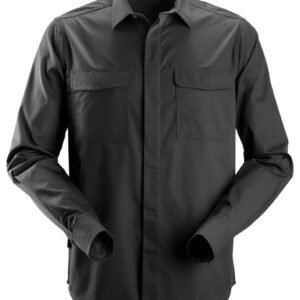

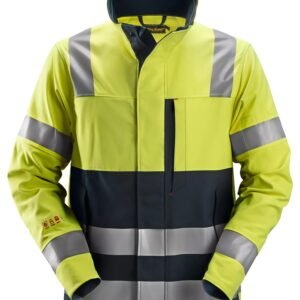
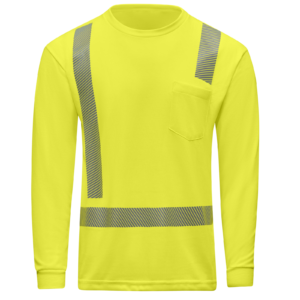
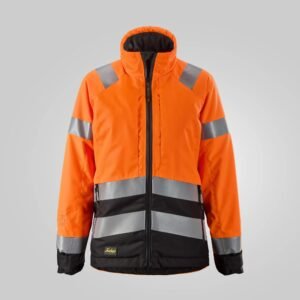

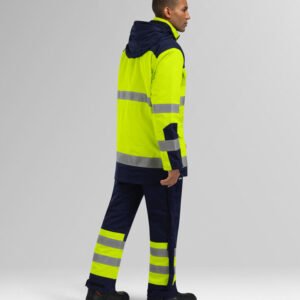

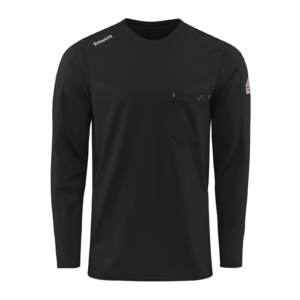
Custom Workwear Development Advantages at Every Stage
Turn product requirements into production-ready workwear with coordinated development, approval, quality review, and export preparation.
Patterns and Grading
Develop patterns and size grading around your fit brief, garment category, target users, and construction requirements before sampling.
Fabric and Trim Sourcing
Compare suitable fabric weights, compositions, closures, tapes, and trims to align durability, comfort, appearance, and target cost.
Reinforced Construction
Plan pocket systems, bartacks, reinforced knees, triple stitching, gussets, and weather details for the intended work setting.
Branding Built In
Integrate embroidery, screen printing, transfers, patches, woven labels, care labels, and custom packaging into your private-label specification.
Sample Approval Path
Review samples before bulk production, refine construction or branding details, and confirm the approved specification for your order.
Export-Ready Packing
Coordinate quality checks, packing requirements, and export preparation; protective claims require your applicable standard and model-specific test evidence.
Workwear Development, Detail by Detail
From first brief to bulk-ready packing, each service helps buyers align construction, sourcing, branding, approval, and delivery requirements.
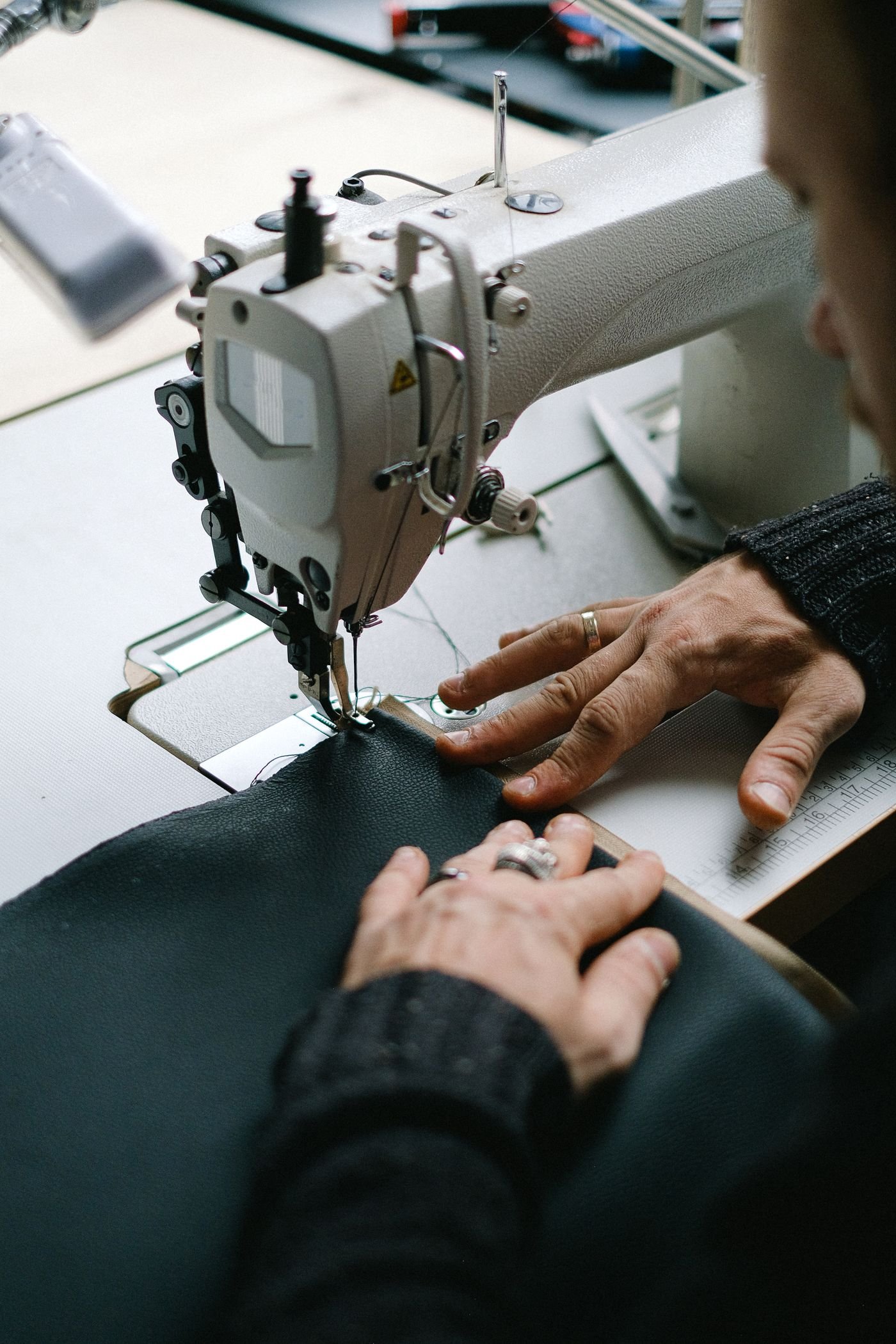
OEM Workwear Manufacturing
Explore oem workwear manufacturing options for your team’s materials, fit, branding and sampling brief.
Get a Quote
ODM Workwear Development
Explore odm workwear development options for your team’s materials, fit, branding and sampling brief.
Get a Quote
Private Label Workwear
Explore private label workwear options for your team’s materials, fit, branding and sampling brief.
Get a Quote
Custom Embroidery
Explore custom embroidery options for your team’s materials, fit, branding and sampling brief.
Get a Quote
Screen Printing
Explore screen printing options for your team’s materials, fit, branding and sampling brief.
Get a Quote
Heat Transfer Printing
Explore heat transfer printing options for your team’s materials, fit, branding and sampling brief.
Get a Quote
Reflective Trim and Branding
Explore reflective trim and branding options for your team’s materials, fit, branding and sampling brief.
Get a Quote
Custom Fabric Sourcing
Explore custom fabric sourcing options for your team’s materials, fit, branding and sampling brief.
Get a Quote
Pattern and Size Grading
Explore pattern and size grading options for your team’s materials, fit, branding and sampling brief.
Get a Quote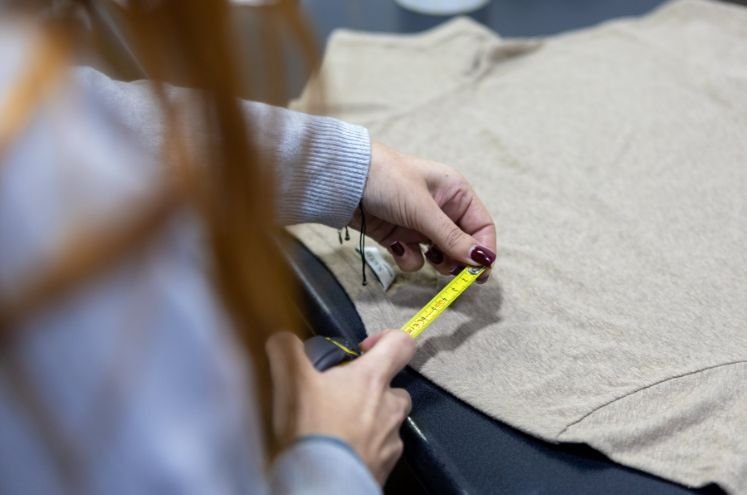
Sample Development
Explore sample development options for your team’s materials, fit, branding and sampling brief.
Get a Quote
Bulk Production Process
Explore bulk production process options for your team’s materials, fit, branding and sampling brief.
Get a Quote
Packaging and Labeling
Explore packaging and labeling options for your team’s materials, fit, branding and sampling brief.
Get a QuoteSupported Workwear Materials



Custom Workwear Development Decoration and Construction Processes


Custom Workwear Development Trims and Accessories


Why Veelianpro for Custom Workwear Development
Veelianpro is a Wuhan-based workwear manufacturer whose company-supplied profile traces its workwear operation to 2012. We help brands, distributors, and sourcing teams turn a tech pack, sketch, reference sample, or early product idea into production-ready custom workwear with a clear path from development brief to approved bulk order.
Our team coordinates pattern development and grading, fabric and trim sourcing, sampling, construction details, reinforcement, and decoration. Buyers can define practical requirements such as pocket layouts, bartacks, triple stitching, gussets, reflective tape placement, labels, embroidery, printing, patches, and custom packaging before production begins.
What sets Veelianpro apart is hands-on execution across the full brief-to-bulk workflow: feasibility review, sample refinement, production, quality checks, packing, and export coordination. The company reports a team of more than 300 skilled workers; confirm current capacity and project-specific requirements during quotation. MOQ starts from 100 pieces per style and color, subject to fabric, certification, and construction needs.
Custom Workwear Development Expertise, From Pattern to Protection Planning
Patterns That Fit the Job
Turn a tech pack, sketch, reference sample, or product idea into production-ready patterns and graded sizes. Veelianpro helps define fit, movement, pocket placement, and size-range needs before sampling, so your custom workwear development program starts with a clearer build specification.
- Base patterns developed from your brief or sample
- Size grading planned for your target market
- Pocket positions and movement zones reviewed early
- Sample feedback incorporated before bulk approval

Fabric and Trim Selection
Specify fabric weight, composition, color, weather needs, and trim choices with the intended work setting in mind. We can support sourcing for fabrics, zippers, buttons, elastic, and labels, then align selected components with your sample, cost target, and production requirements.
- Fabric composition and weight matched to use
- Trims sourced around function and appearance
- Color, labeling, and care details coordinated
- MOQ starts from 100 pieces per style and color, subject to requirements

Reinforcement and Branding Details
Build durability and brand recognition into the garment construction, not as an afterthought. Discuss gussets, bartacks, triple stitching, reinforced knees, and reflective-tape placement alongside embroidery, prints, patches, woven labels, care labels, and custom packaging before production begins.
- Gussets and reinforcement areas specified by use case
- Bartacks and triple stitching considered for stress points
- Reflective-tape placement reviewed in the design stage
- Branding and packaging prepared for private-label programs

Protection Requirements Planned Carefully
For safety-focused custom workwear development, share the work environment, applicable standard, required test, and certificate scope at the outset. Protective design targets can be developed into the brief, but any flame, arc, high-visibility, chemical, or weather-performance claim requires model-specific verified documentation.
- Work setting and hazard context captured in the brief
- Applicable standards identified by the buyer
- Testing and certification scope reviewed before claims
- Quotes separate requested targets from documented performance

Plan a Clear Custom Workwear Development Brief
Use these decisions to make sample review and quotation more precise. Final availability and terms are confirmed for each order.
← Swipe left or right to view →
The Custom Workwear Development Process
A practical production path for OEM, ODM and private-label workwear programs, from initial feasibility review through export-ready packing.
Review Your Inquiry
Share the garment type, work setting, quantities, destination, timeline, fabrics, branding and any required protective standards for an initial feasibility review.
Develop Specifications
Provide a tech pack, sketch, reference sample or product idea. Veelianpro helps refine construction details, sizing, pockets, reinforcements and decoration requirements.
Select Materials And Trims
Confirm suitable fabric weight, composition, colors, reflective elements, closures, labels and other trims before patterns, pricing and sampling move forward.
Create Patterns And Samples
Patterns and size grading are developed, then a sample is prepared for review. Protective performance targets require model-specific tests and documented certification scope.
Confirm Quote And Order
After sample feedback, finalize specifications, quantities, packaging and production details. Receive an individual quotation and confirm the order before bulk manufacturing begins.
Produce Inspect And Ship
Bulk orders proceed through cutting, sewing, finishing, quality checks, packing and export coordination. MOQ starts from 100 pieces per style and color, subject to requirements.
Start Your Custom Workwear Development Project
Share your requirements, approve a production-ready sample and quotation, then move confidently into bulk manufacturing and delivery.
Submit Your Requirements
Specify garment type, work setting, fabric, sizes, colors, branding, quantity, destination, timeline, and any applicable protective standard or required test documentation.
Review Feasibility Together
We assess construction, materials, trims, decoration, MOQ, and production requirements, then clarify practical options before pattern development and sample planning begin.
Approve Sample and Quote
Review the developed sample, size grading, customization details, and quotation. Confirm final specifications, pricing, and order details before authorizing bulk production.
Produce and Inspect Orders
Your approved style moves through cutting, sewing, reinforcement, decoration, finishing, quality checks, and packing, with production aligned to the confirmed specification.
Arrange Shipment and Reorders
After inspection and packing, we coordinate export delivery details for your destination and support repeat orders when your workwear program is ready to scale.
Documentation to Review for Custom Workwear Development


What Buyers Should Verify for Custom Workwear Development
Use the first sample to check fit, movement, pocket access, fabric hand feel and logo placement against one written approval list.
Keep the approved pattern, material references, trims and construction notes together so repeat orders can be checked against the same standard.
Confirm inspection points, packing method and destination documents in the purchase specification before production begins.
Custom Workwear Development FAQ
Practical answers about garment specification, sample checks and sourcing decisions.
Which workwear categories should the development brief cover?
How should logo decoration be planned for the garment?
Which garment construction details should be confirmed before sampling?
How can custom workwear support a consistent team appearance?
How should the intended work setting influence garment choices?
How should fit and size needs be considered during development?
What should be checked when approving logo placement?
How is custom workwear development different from decorating ready-made garments?
The Complete Buyer’s Guide to custom workwear development
Use this practical framework to define requirements, compare fabrics and customization methods, evaluate capable suppliers, control costs, and avoid sourcing mistakes when developing dependable industrial and service workwear at scale.
1. What Is Custom Workwear Development?
Veelianpro supports B2B custom workwear development from pattern and sampling through fabric, trim, decoration and packing support. Start with the garment’s intended use, fit, functional details and branding plan, then review samples against the approved brief. MOQ starts from 100 pieces per style and color, subject to fabric and requirements.
2. Decisions to Confirm Before Sampling
Make the garment brief specific to the intended team and working environment. Use these decisions to set measurable sample approval points.
- Choose the garment type around the wearer’s actual tasks and environment.
- Confirm fit approach, size range and movement needs before pattern approval.
- Define fabric direction and performance priorities without assuming unverified specifications.
- Select functional details such as pockets, closures, reinforcement areas and trim.
- Decide logo method, placement, scale and artwork requirements.
- Review decoration, construction, fit and overall appearance on samples.
- Set the order quantity by style and color; MOQ starts from 100, subject to fabric and requirements.
3. Types of Custom Workwear Development
Six development routes start with the work setting, not a catalog silhouette. Separate PPE-adjacent, construction, service, corporate, logistics, and weather programs before setting materials or trims.
Industrial And Construction

100-piece programs commonly prioritize abrasion zones, pocket access, bartacks, and knee reinforcement.
EN or ANSI claims require the exact applicable test evidence; treat a requested protective feature as a design target until documented.
Service And Corporate Uniforms

3-piece uniform ranges often pair polos, trousers, and layers for hospitality or field teams.
Pantone color control, size grading, logo placement, and wash durability usually matter more than heavy-duty reinforcement.
Logistics And Weather Outerwear

2-layer and insulated options suit drivers, warehouse staff, and outdoor crews with changing exposure.
300 gsm fleece, softshell, rain shells, reflective tape placement, and zipper coverage should follow the actual temperature, rain, and visibility needs.
4. Materials for Custom Workwear Development
Fiber blend, GSM, and fabric structure should be specified together: a 240 GSM twill behaves differently from a 240 GSM knit. Match comfort, breathability, shrinkage, color retention, and exposure before approving samples.
| Fabric | Best Use | Key Trade-Off |
|---|---|---|
| Cotton | Hot, low-abrasion work | More shrinkage |
| Poly-cotton | Daily uniforms | Less natural feel |
| Stretch | Active roles | Recovery testing |
| Canvas | Rugged work | Heavier feel |
| Ripstop | Tear-prone tasks | Texture varies |
| Fleece | Cold conditions | Limited rain protection |
| Waterproof | Wet exposure | Breathability varies |
Blend And Weight
65/35 polyester-cotton is a practical balance for wash durability and color retention; 100% cotton favors natural comfort. Specify GSM after defining the job’s heat, abrasion, and laundering demands.
Structure And Stretch
Canvas and ripstop are woven choices for abrasion-prone tasks, while fleece provides insulating warmth. Stretch panels can improve mobility, but recovery and seam durability need sample testing.
Exposure Checks
Waterproof fabrics require the intended rain exposure and care method; do not assume a coating suits every environment. Confirm shrinkage, shade consistency, and performance after representative washing.
5. Customization and Decoration Options
Decoration should be specified before sampling, alongside wash method and placement. For scalable custom workwear development, choose methods that protect branding without restricting pockets, seams, or protective details.
| Method | Durability | Visual Impact | Placement | Best Use |
|---|---|---|---|---|
| Embroidery | High | Textured | Stable panels | Logos |
| Screen Print | Medium | Bold | Flat panels | Large graphics |
| Heat Transfer | Medium | Detailed | Smooth areas | Multicolor logos |
| Reflective Tape | Variable | High visibility | Specified zones | Identification |
Logo Application Choices
Embroidery suits durable chest logos but can stiffen lightweight shells. Screen printing gives bold coverage on flat panels; heat transfer suits detailed multicolor marks.
Identity And Safety Details
Woven labels, patches, contrast panels, trims, and color blocking create repeatable range identity. Reflective tape needs approved placement and must not be presented as a safety claim without evidence.
Production Checks
100-piece style-and-color MOQ makes artwork approval and color matching important. Confirm Pantone references, wash testing, label position, and decoration tolerances on the pre-production sample.
6. Construction Details That Determine Quality
Reliable workwear is specified at the seam, not judged only by fabric weight. Put stitch type, stress reinforcement, hardware, measurements, and wash-test criteria into the tech pack before approving a sample.
Seams And Stress Points
8–10 stitches per inch is a common starting point for woven workwear; specify the seam type by location. Request bartacks at pocket corners, fly ends, belt loops, and tool-pocket entrances, plus reinforcement at knees and crotch seams.
Pockets And Hardware
2 layers at pocket openings can reduce wear where hands and tools repeatedly pull. State pocket dimensions, attachment seams, zipper brand or performance requirement, and snap pull-off expectation in the sample comments.
Fit And Wash Review
±1 cm tolerance on key finished measurements is a practical tech-pack control, adjusted for garment size and construction. Measure before and after the agreed wash method, then record shrinkage, twisting, seam puckering, hardware function, and wearer access while moving.
7. Choosing a Custom Workwear Development Manufacturer
A capable custom workwear development manufacturer proves repeatable execution, not just a catalog. Evaluate the supplier against your product category, order scale, compliance needs, and delivery destination before approving development.
Category And MOQ Fit
100-piece MOQs can suit pilot ranges, but fabric, certification, and color choices may raise minimums.
3 relevant production examples should show comparable garments, pocket layouts, and size ranges.
Development And Materials
1 approved pattern and graded size chart should precede bulk cutting.
2 samples—fit and pre-production—should document fabric, trims, construction, test scope, and approval changes.
Control And Delivery Evidence
4 documents matter: factory audit, inspection procedure, capacity plan, and export packing specification.
1 named contact should confirm timelines, defect handling, shipment terms, and relevant test certificates in writing.
8. Common Custom Workwear Buying Mistakes
Three checkpoints prevent most avoidable purchasing losses in custom workwear development. Lock performance, fit, approval, compliance, timing, and reorder requirements before a purchase order.
Fabric And Decoration Fit
180–300 GSM fabric chosen only on price can wear out early or fail its intended setting.
Four fabric fields—fiber, weight, finish, and end use—should be specified; confirm decoration compatibility before sampling.
Sizing And Sample Approval
One ungraded size chart causes returns and inconsistent team fit across locations.
Three fit inputs—body measurements, grading rules, and a signed pre-production sample—should match the tech pack.
Timing, Proof, And Reorders
Six-to-eight-week production windows and unverified certificates can delay tenders or create unsupported claims.
Three controls—shipment milestones, standard-specific evidence, and reserved fabric specifications—protect replenishment planning.
9. Steps to Launch a Workwear Range
A practical launch has eight decision gates, from jobsite research to delivery booking. For custom workwear development, freeze each approval before releasing the next cost-driving step.
Brief The Job
Week 1: define wearers, hazards, climate, pocket needs, target quantity, destination, and launch date. Turn findings into a product brief with measurable requirements.
Build The Specification
Version 1: issue a tech pack covering construction, artwork, measurements, size chart, fabric, trims, and Pantone colors. Approve fabric swatches and color lab dips before sampling.
Test And Release
Sample 1: review fit, movement, seam strength, branding, and wash results with actual wearers. Approve revisions, then sign a pre-production sample before cutting; reserve inspection and shipment time.
10. Custom Workwear Pricing and Cost Drivers
100 pieces per style and color is Veelianpro’s stated starting MOQ, subject to fabric, certification and construction requirements. Fabric weight, performance finishes, pattern complexity, reinforcements, trims, decoration, sampling and packaging all change the quoted unit cost.
3 inputs—approved specification, destination and delivery date—also determine freight, duties responsibility and production scheduling. Final pricing should follow the approved sample, artwork, size range, packing plan and order requirements; protective claims require separately verified test and certificate scope.
| Quantity tier | Indicative unit-price direction | Typical lead-time effect |
|---|---|---|
| 100–299 pieces | Highest | Sampling and setup weigh more per unit |
| 300–999 pieces | Lower | More efficient material and line planning |
| 1,000+ pieces | Lowest potential | May need staged fabric procurement |
Start Your Custom Workwear Development Today
Send your specifications, artwork, quantity, destination, and timeline for a feasibility review and tailored workwear quote. Email info@veelianpro.com or WhatsApp +86 139 8615 2456.