Sample Development for Workwear: From Concept to Production Review
Turn a tech pack, reference garment, or concept into a reviewable prototype through sample development for uniforms, coveralls, safety vests, and service apparel.
Featured Workwear Styles for Sample Development


What Makes Our Sample Development Process Buyer-Ready
From tech-pack interpretation to production-ready details, Veelianpro helps buyers review materials, fit, branding, and construction before bulk production.
Tech-Pack Interpretation
Translate sketches, measurements, reference garments, and product ideas into clear workwear patterns and sampling requirements.
Fabric And Trim Sourcing
Define fabric composition, weight, colors, hardware, reflective details, labels, and other trims around your intended garment use.
Fit And Size Accuracy
Develop patterns, review proportions, and support size grading so buyers can assess fit across the required size range.
Branding Execution
Apply embroidery, screen printing, heat transfers, patches, woven labels, care labels, and packaging to your private-label requirements.
Production-Ready Construction
Review pockets, reinforced knees, bartacks, stitching, gussets, finishing, and quality details before confirming OEM, ODM, or wholesale production.
Related Workwear Capabilities and Product Development Pages
Explore garment categories and development services for custom sourcing, sampling, production, branding and documented performance requirements.
Work Shirts
Continue to custom work shirts when you need durable button-downs, utility shirts or uniform shirts developed from a tech pack, sketch or sample. Veelianpro supports fabric sourcing, pocket details, reinforcement, branding, size grading and production for wholesale or private-label programs.
Request a Workwear Quote
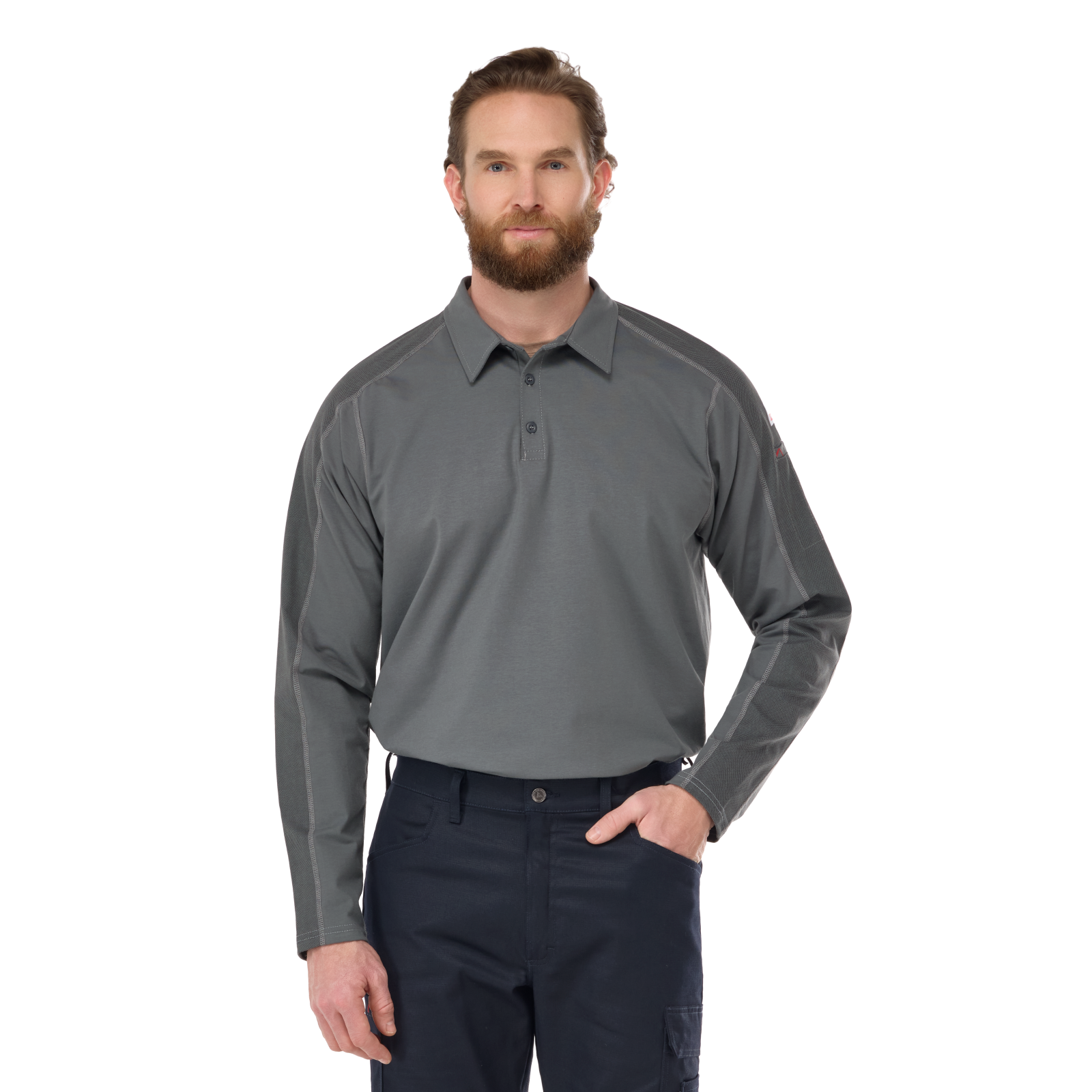
T-Shirts & Polos
Choose custom T-shirts and polo shirts for branded teamwear, service uniforms or lightweight work layers. Discuss fabric composition, weight, collar construction, color, decoration and size range before sampling and production, with MOQ starting at 100 pieces per style and color subject to project requirements.
Request a Workwear Quote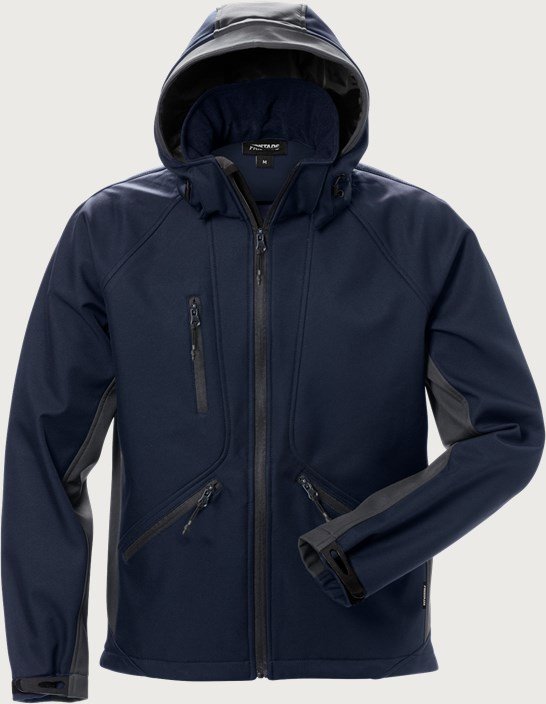
Work Jackets & Outerwear
Continue to custom work jackets and outerwear for softshell, fleece, padded or rainwear development. Veelianpro can review insulation, weather protection, closures, pockets, reflective details, fabric selection and branding requirements before pattern development, sampling, quotation and production.
Request a Workwear Quote
Work Vests & Bodywarmers
Choose custom work vests and bodywarmers for utility layers, visibility programs or insulated workwear. Specify pocket systems, fabric, lining, padding, reflective tape placement, color and branding method so the construction can be evaluated during sampling and feasibility review.
Request a Workwear Quote
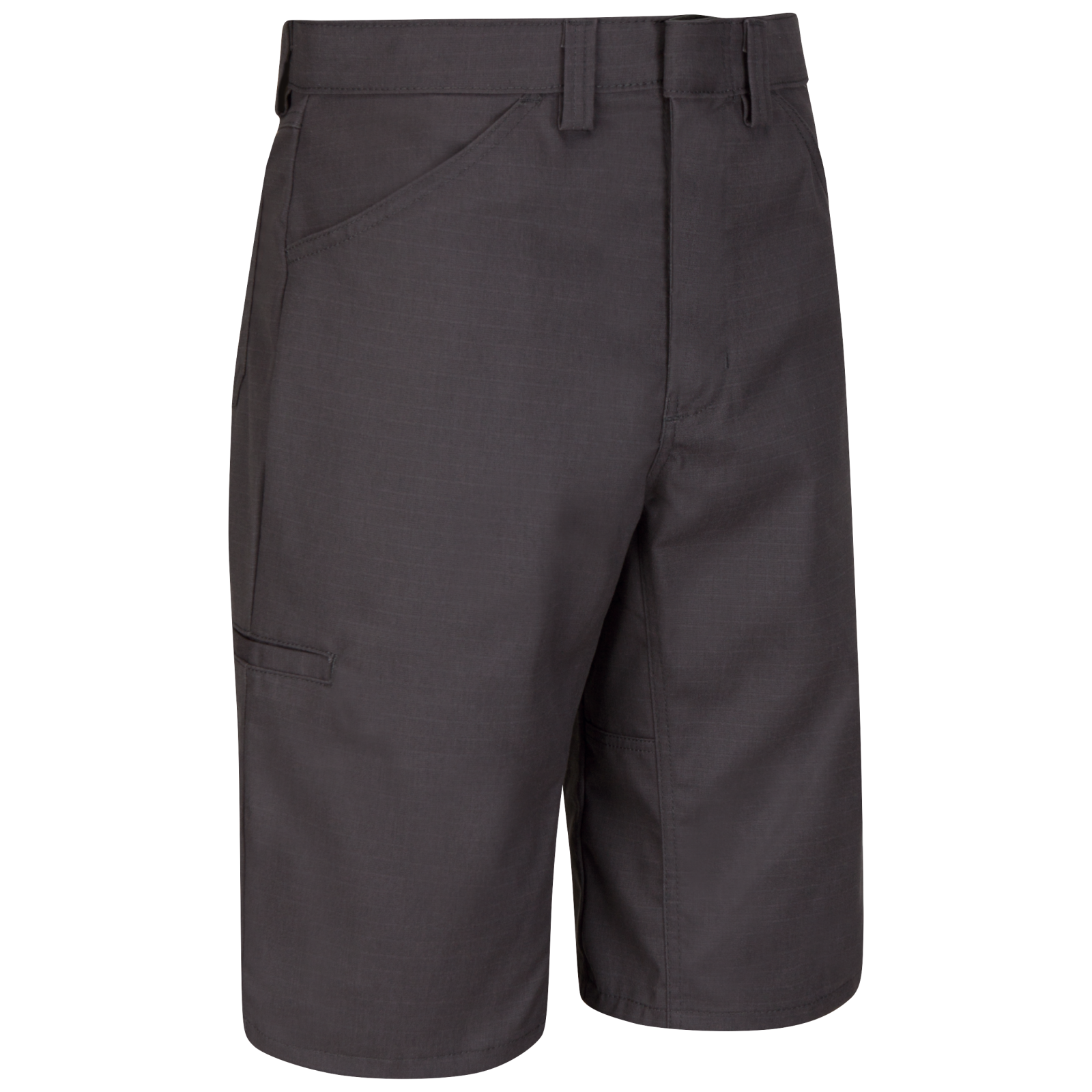
Work Pants & Shorts
Continue to custom work pants when you need trousers, cargo pants or shorts for industrial, service or uniform programs. Discuss fabric durability, pocket layout, reinforced knees, bartacks, triple stitching, gussets, fit, size grading and branding before production.
Request a Workwear Quote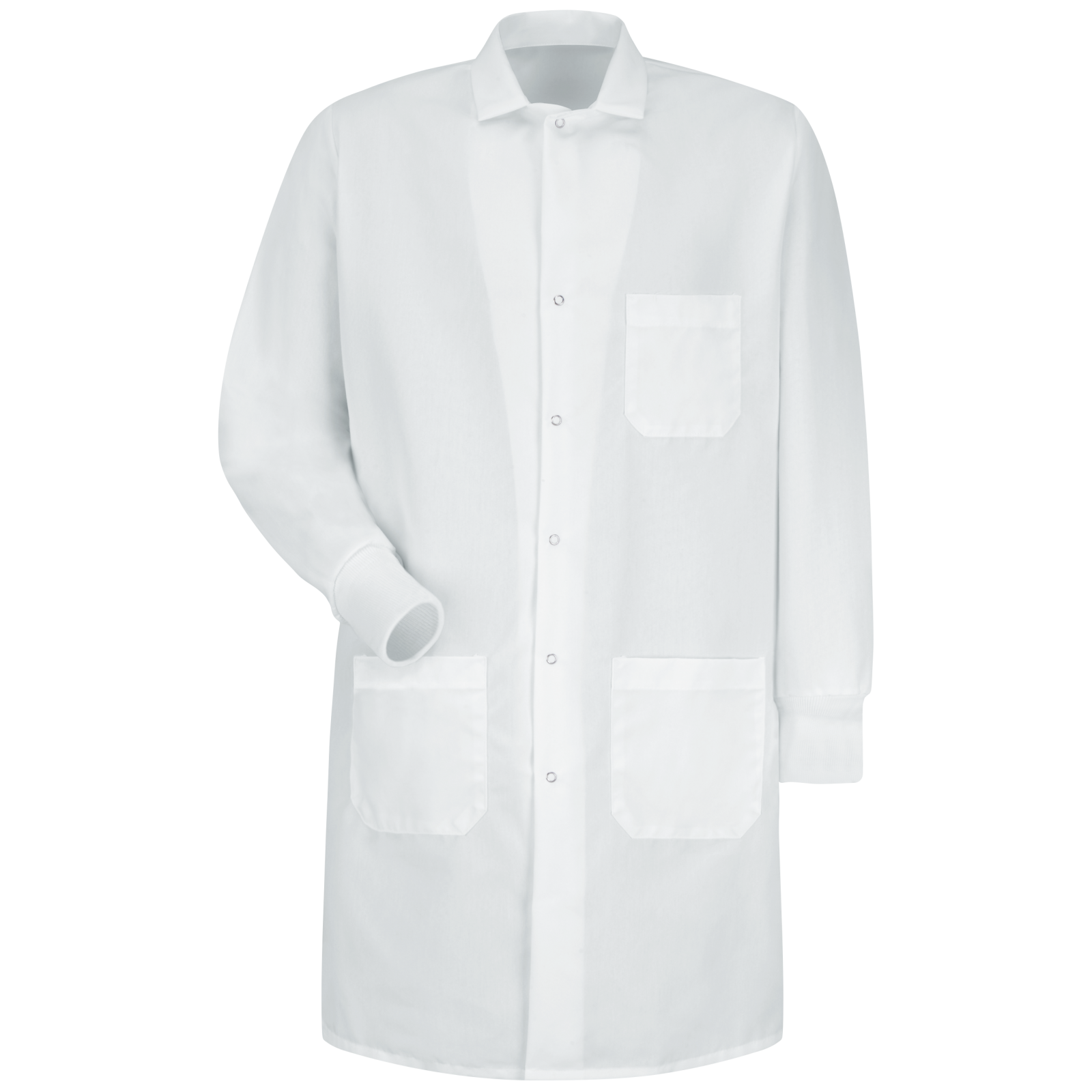
Coveralls & Bib Overalls
Choose custom work coveralls and bib overalls for one-piece protection, workshop uniforms or coordinated trade apparel. Veelianpro supports pattern development, fabric and trim sourcing, closures, reinforcement, size grading, decoration and production based on the intended work setting and specifications.
Request a Workwear Quote
Workwear Sets
Continue to custom workwear sets when you need coordinated shirts and pants, jackets and trousers, or complete two-piece uniforms. Align fabrics, colors, trims, grading, branding and packaging across the set, then proceed through sampling, quotation, production and quality checks.
Request a Workwear Quote
High-Visibility Workwear
Choose high-visibility workwear for garments requiring planned reflective tape placement, fluorescent colors and job-specific construction. Provide the applicable standard, test requirements and intended work setting; any performance rating or certification must be confirmed through SKU-specific evidence before being claimed.
Request a Workwear Quote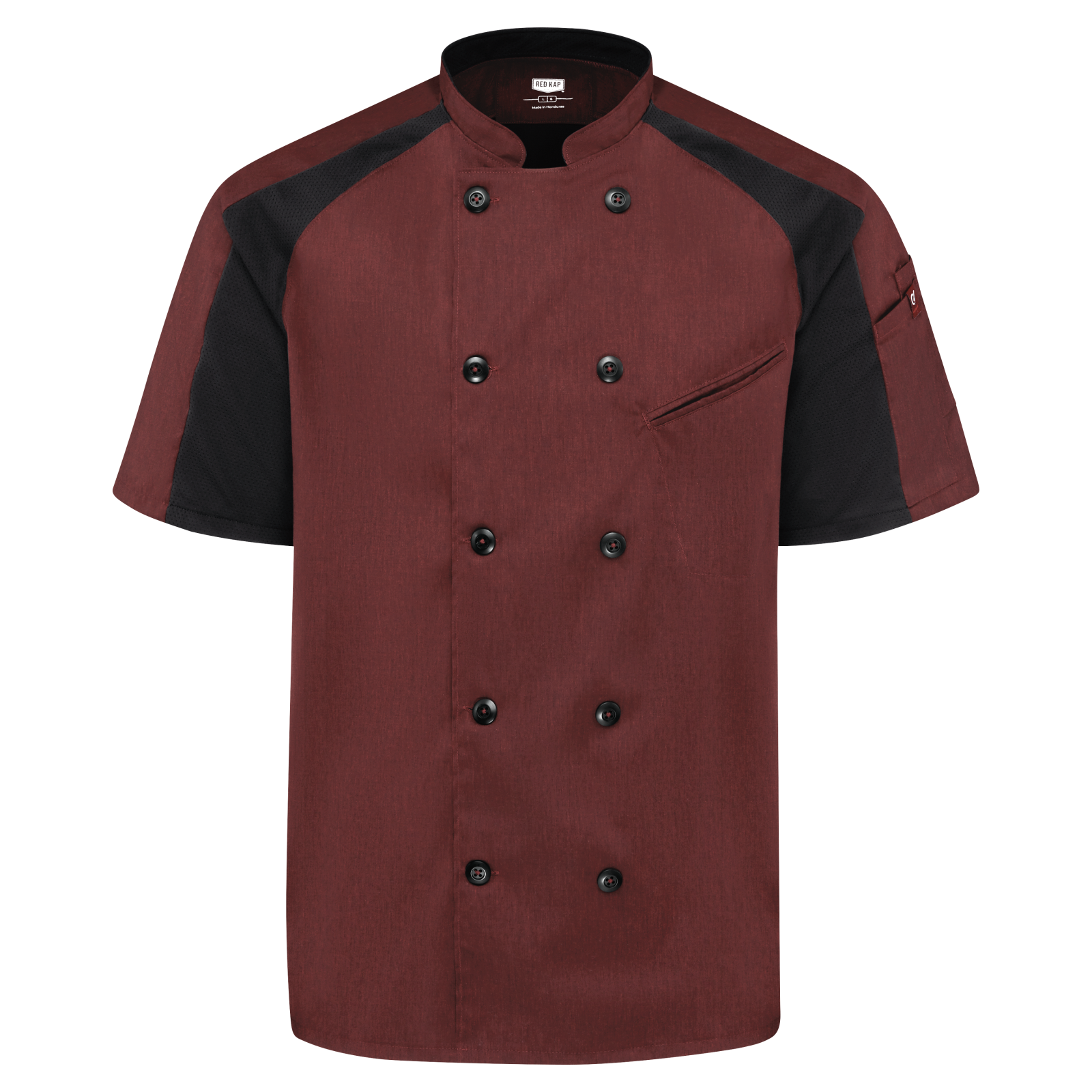
Flame-Resistant & Arc-Rated Wear
Continue to FR and arc-rated workwear development when protection from flame or electrical arc hazards is part of the brief. Supply the required standard, hazard assessment and certification scope; Veelianpro can review fabric, construction, sampling and documentation without assigning unsupported ratings.
Request a Workwear Quote
Chemical-Protective Clothing
Choose chemical-protective clothing when the application involves specified chemicals, splash, permeation or other exposure risks. Identify the chemical type, concentration, use conditions and applicable standard so fabric selection, construction and required testing can be assessed for the intended garment.
Request a Workwear Quote
Cold-Storage Workwear
Continue to cold-storage workwear for insulated jackets, trousers, vests or coordinated apparel used in low-temperature environments. Specify temperature range, work duration, mobility needs, layering, insulation and moisture requirements; any temperature claim must be supported by product-specific evidence.
Request a Workwear Quote
Welding Workwear
Choose welding workwear for garments requiring construction suited to sparks, heat, abrasion or workshop movement. Discuss fabric composition, coverage, closures, reinforcement and relevant protection standards, with testing and certification determined by the exact design, material and intended use.
Request a Workwear Quote
Medical & Cleanroom Wear
Continue to medical and cleanroom workwear for scrubs, coats, protective garments or controlled-environment apparel. Define hygiene, ESD, contamination-control, laundering, fabric and fit requirements, then review pattern development, sampling, decoration restrictions and any required test evidence.
Request a Workwear Quote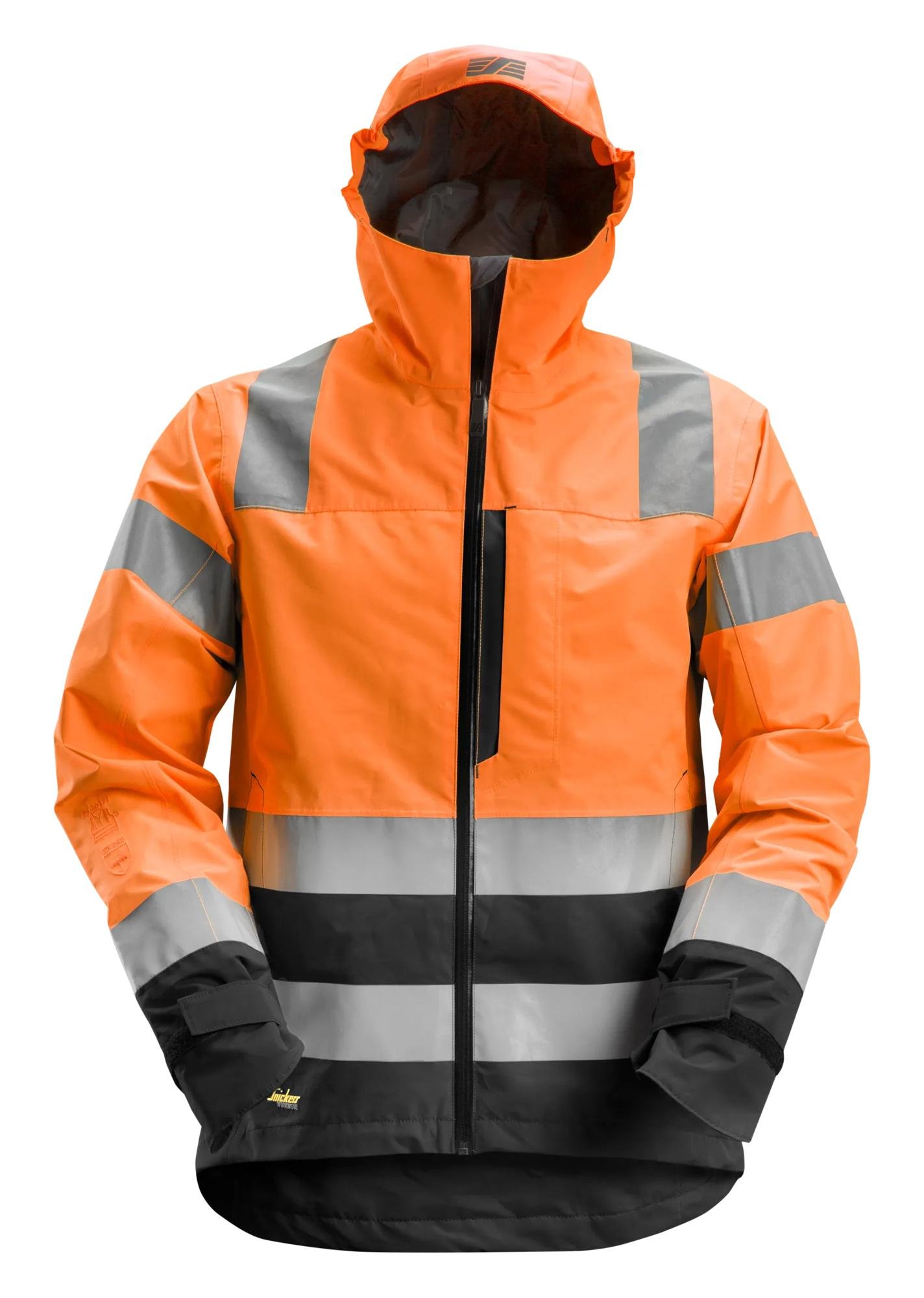
Chef & Hospitality Uniforms
Choose chef and hospitality uniforms for kitchens, hotels, restaurants and service teams. Develop chef coats, aprons, shirts, trousers or coordinated uniforms around fabric comfort, laundering, color, closures, branding, size range and packaging requirements for private-label or wholesale production.
Request a Workwear Quote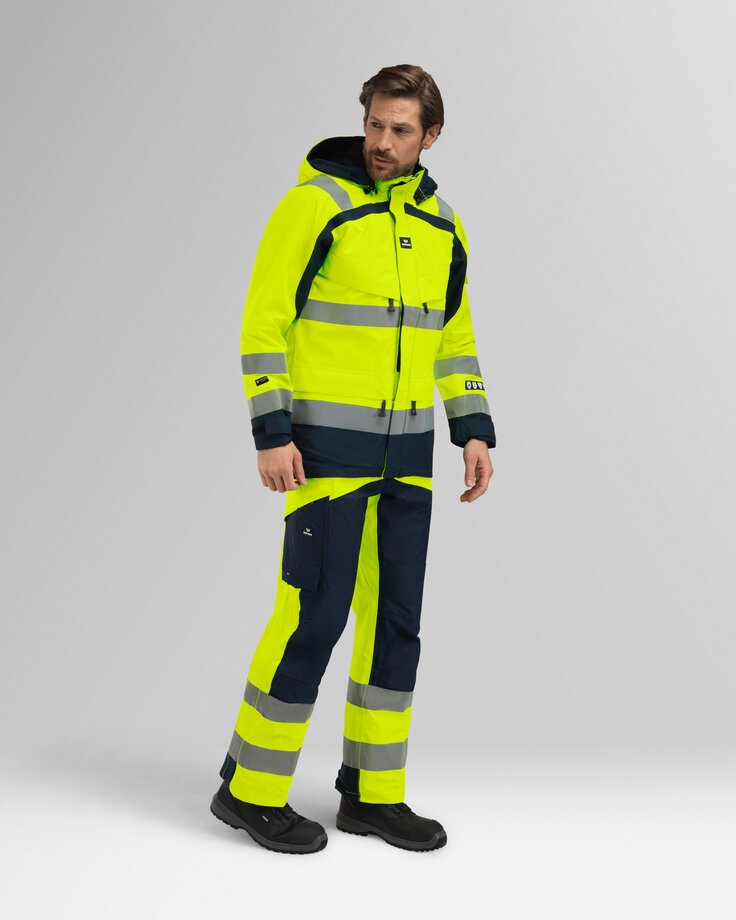
Industry Uniforms
Continue to custom industry uniforms when your organization needs a coordinated apparel program across industrial, safety, service or trade roles. Veelianpro can align garment families, fabrics, colors, branding, grading, packaging and reorder requirements through a structured development and production process.
Request a Workwear Quote
Base Layers & Accessories
Choose custom workwear base layers and accessories when the program also requires undershirts, thermal layers, caps, aprons or related branded items. Confirm the intended use, fabric, sizing, decoration, quantity and packaging so sourcing and production can be evaluated alongside the main garment range.
Request a Workwear QuoteVeelianpro’s Workwear Sample Development Experience
Hubei Veelianpro Workwear Co., Ltd. is a Wuhan-based manufacturer whose workwear operation began in 2012, according to the company profile. We help workwear brands, safety distributors, uniform buyers and sourcing teams turn garment ideas, tech packs, sketches or reference samples into production-ready development projects.
Our capabilities cover OEM, ODM, private-label and wholesale programs, including fabric and trim sourcing, pattern development, sampling, grading, cutting, sewing, reinforcement, decoration, quality checks and export coordination. MOQ starts at 100 pieces per style and color, subject to fabric, certification and construction requirements.
The company profile also describes a team of more than 300 skilled workers; this is company-supplied information and should be confirmed before prominent public use. What sets Veelianpro apart is a practical development focus: buyers can review materials, fit, construction, branding and required evidence before approving bulk workwear production.

Key Sample Development Controls for Workwear Fit and Construction
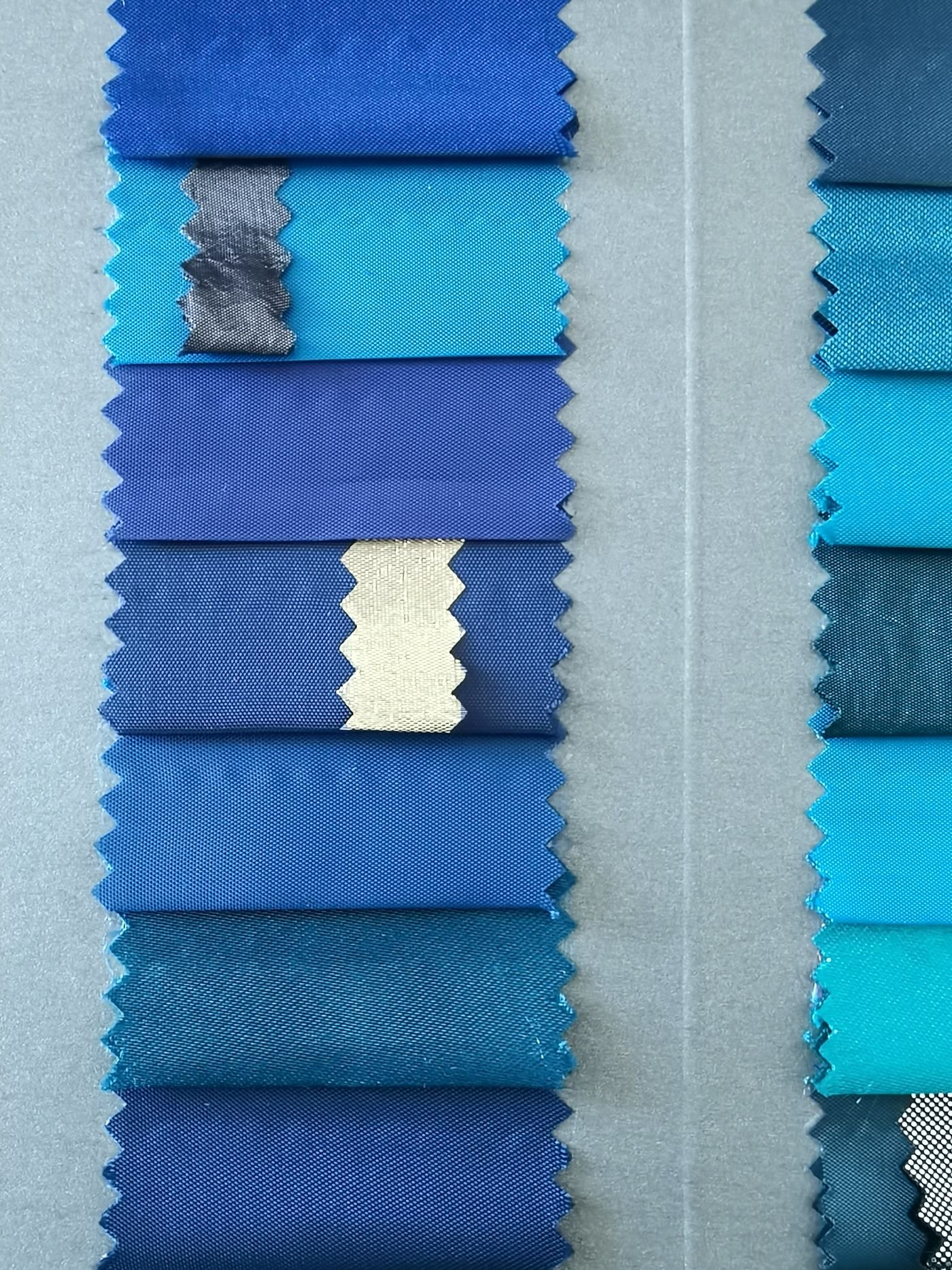
Define Fabric Before Cutting
Sample development starts with a clear material brief. Confirm fiber composition, fabric weight, stretch, hand feel, color and finish before cutting so the prototype reflects the intended production garment and supports a realistic review of comfort, durability and appearance.
- Specify composition, weight and fabric finish
- Confirm color standard and approval method
- Review stretch, breathability and hand feel
- Match trims and lining to the target garment
Build Patterns for Production
A workwear sample should show how the garment will be constructed at scale. Veelianpro can develop patterns from a tech pack, reference garment or product idea, then refine measurements, grading and seam details for the intended size range.
- Check key measurements against the tech pack
- Review grading across the planned size range
- Confirm ease for the work activity
- Identify seam, gusset and panel requirements

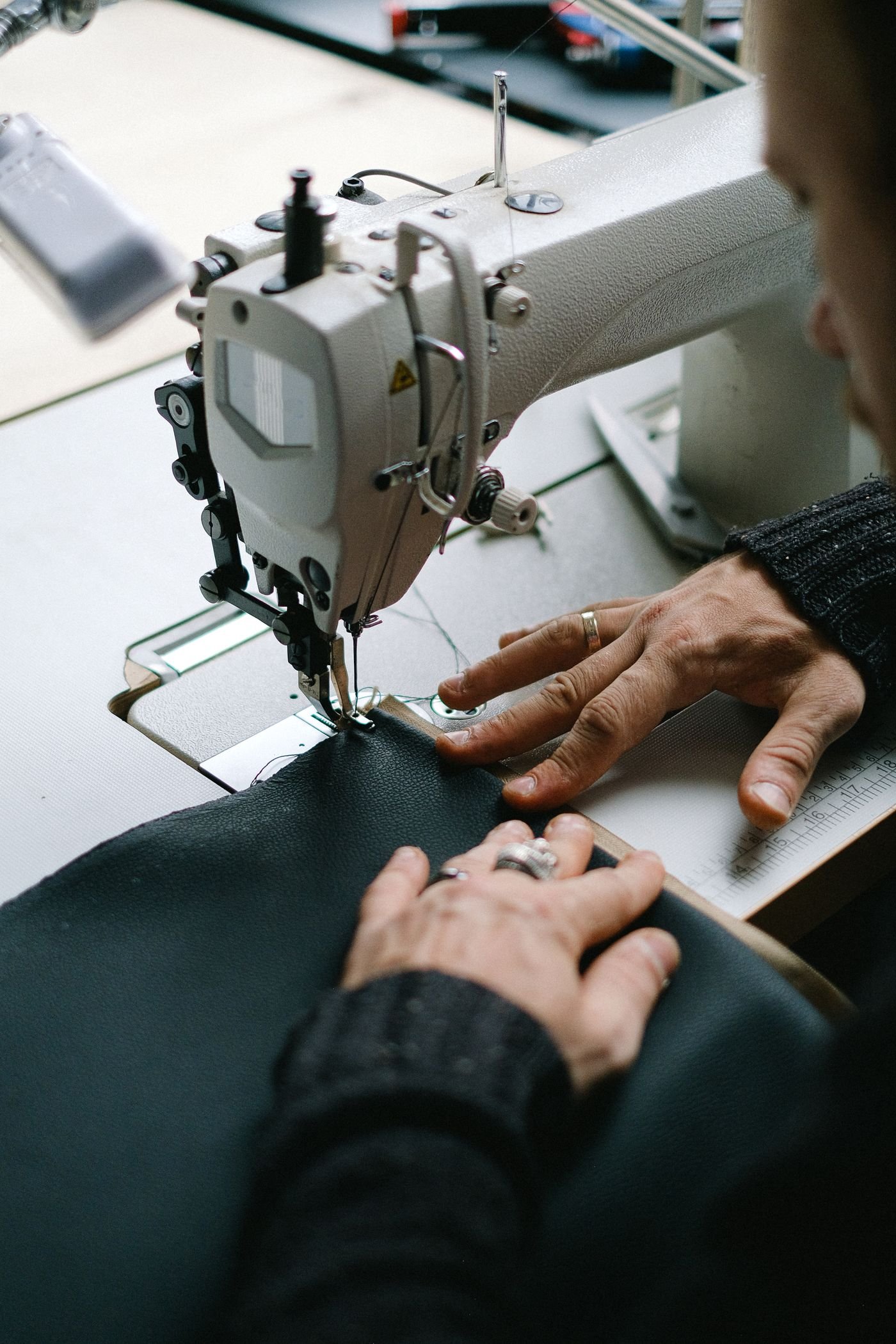
Test Functional Construction
Practical details determine whether a prototype works on the job. Review pocket access, pocket capacity, reinforced knees, bartacks, triple stitching, closures and movement zones against the wearer’s tasks before approving the sample for production planning.
- Check pocket position, depth and security
- Review reinforcement locations and stitch density
- Assess movement through knees, seat and shoulders
- Confirm closures, gussets and hardware choices
Verify Branding and Visibility
Branding and visibility details must be positioned consistently before bulk production. Confirm logo size, decoration method, label placement and reflective-tape layout on the sample, while treating any protective rating as a claim requiring SKU-specific test evidence and certification scope.
- Approve embroidery, print, patch or transfer details
- Check woven labels and care-label information
- Review reflective-tape width, placement and continuity
- Provide required standards and test documentation

Sample Development vs. Catalog Garment Sourcing
Compare control, flexibility and production readiness before choosing a workwear sourcing path.
← Swipe left or right to view →
Our Sample Development Process: From Brief to Approved Prototype
Veelianpro coordinates workwear sample development from initial feasibility through production handoff, with practical controls for materials, fit, construction, branding, grading, and required protection testing.
Share Your Development Brief
Share your tech pack, sketch, reference garment, or product idea, with intended use, target quantity, destination, timeline, and required protection standards.
Confirm Materials and Feasibility
We clarify construction, measurements, size range, fabric weight, composition, colors, trims, branding, and feasibility before confirming the sampling route and quotation.
Build the First Prototype
Fabric and trim sourcing feeds pattern development, size grading, cutting, sewing, reinforcement, decoration, and construction review for a representative workwear prototype.
Review Fit and Revise
You review fit, measurements, pocket systems, reinforcements, branding placement, and comfort; we record revisions and produce updated samples when the project requires them.
Approve the Production Handoff
After approval, the agreed specifications become the production handoff, including graded patterns, construction details, inspection points, and SKU-specific protection testing requirements.
How to Start Workwear Sample Development
Move from concept to reviewable prototype with a clear brief, defined specifications, and an approval path for OEM, ODM, and private-label production.
Share Your Workwear Brief
Send a tech pack, sketch, reference garment, or product idea with work setting, destination, target quantity, and timeline for initial feasibility review.
Define Materials and Details
Confirm fabric composition and weight, sizes, colors, trims, construction, reinforcement, reflective placement, and branding methods for the intended workwear sample.
Confirm Scope and Quote
Review MOQ from 100 pieces per style and color, subject to requirements, plus sampling scope, target pricing, timeline, and production conditions.
Review and Approve the Sample
Assess fit, measurements, materials, trims, branding, and construction; request revisions where needed, then approve the sample plan before bulk OEM, ODM, or private-label production.
Verified Workwear Sample Development Outcomes
Verified customer quote and measurable sample-development outcome pending approved buyer evidence. Add a documented result covering prototype accuracy, fit, construction revisions, branding execution, or production readiness before publishing.
Verified customer quote and measurable sample-development outcome pending approved buyer evidence. Include the buyer’s approved wording, specific revision or approval result, and any documented delivery or production milestone.
Verified customer quote and measurable sample-development outcome pending approved buyer evidence. Confirm the customer identity, project scope, measurable result, and permission to publish before using this testimonial.
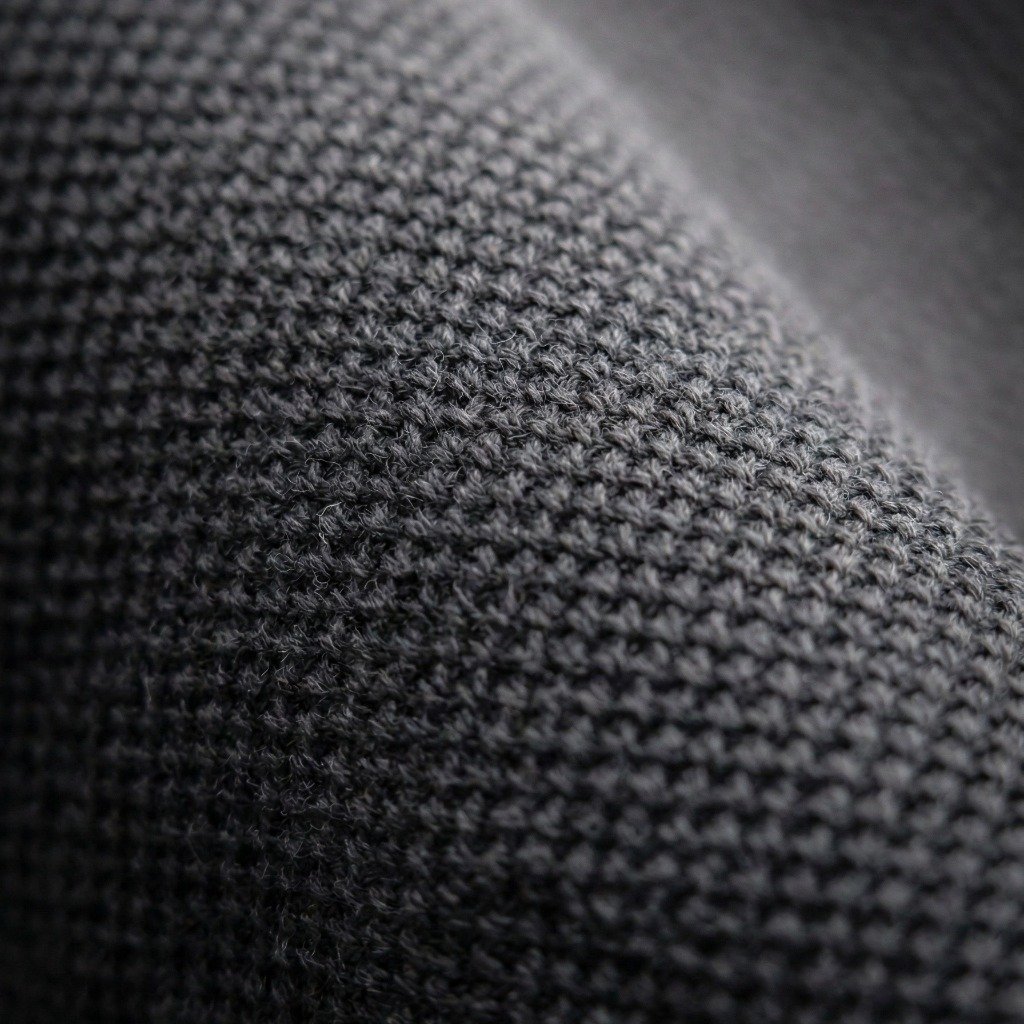
Workwear Fabrics Selected for the Job



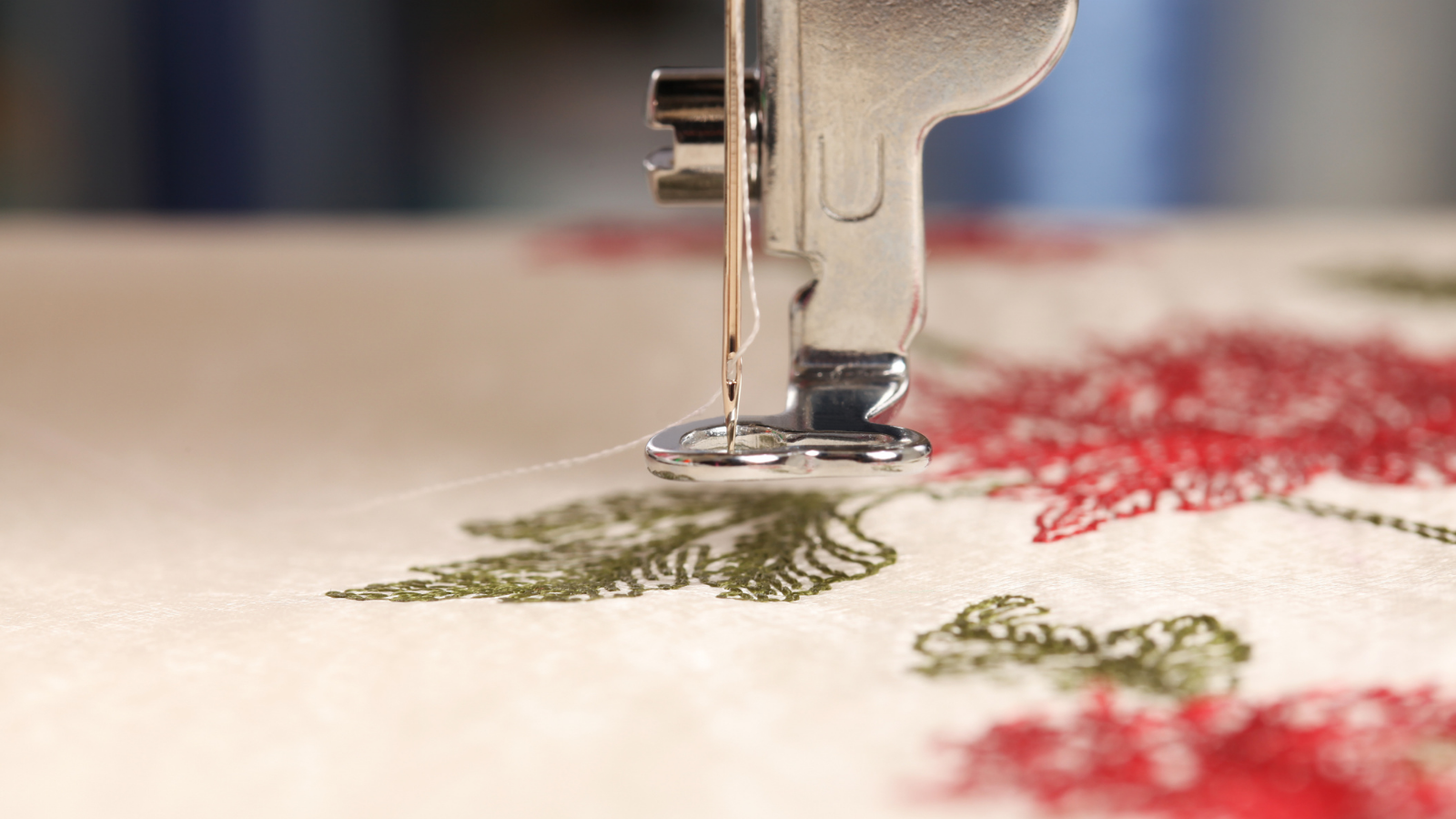
Custom Workwear Manufacturer Processes for Branding and Durability


Functional Trims and Brand Accessories


Documentation to Review for Custom Workwear


Sample Development FAQ for OEM and Private-Label Workwear Buyers
Get practical answers about prototypes, materials, fit, branding, approvals, MOQ and production readiness with Veelianpro.
What is sample development for workwear?
Can Veelianpro start sample development from a tech pack or reference garment?
How are fabric, color, size and fit defined during sample development?
What should I provide before starting a sample development project?
How does sample development handle branding, embroidery, patches and labels?
How are sample revisions and approval handled before production?
What is the MOQ for Veelianpro sample development and bulk workwear orders?
How long does sample development take, and what does it cost?
Can sample development confirm a garment’s safety certification or performance rating?
The Complete Buyer’s Guide to sample development
Use this decision framework to define workwear samples, compare supplier capabilities and specifications, evaluate Veelianpro for OEM or private-label projects, and avoid costly fit, material, branding, revision, and production-readiness mistakes.
1. What Is Sample Development?
2012 is the stated starting year for Veelianpro’s workwear operation. Sample development is the controlled process of converting a workwear concept, tech pack, sketch, or reference garment into a reviewable prototype through fabric selection, pattern development, cutting, sewing, and finishing. 100 pieces per style and color is Veelianpro’s stated starting MOQ, subject to fabric, certification, and construction requirements; sampling happens before that OEM, ODM, or private-label commitment. A development sample proves the design direction and exposes revisions, while a bulk-production sample confirms the approved specifications using production-intended materials, trims, branding, and construction.
2. The Evolution of Sample Development
Three stages define modern sample development: manual prototypes establish shape and construction, technical packs capture measurements and materials, and digital pattern tools can make revisions easier to document. One controlled specification set can record fabric composition, GSM, color references, graded measurements, pocket placement, trims, seam details, branding and tolerances. That improves communication across design, sourcing and production because each revision can be dated, compared and approved instead of being carried informally through repeated physical samples. Veelianpro’s stated starting MOQ is 100 pieces per style and color, subject to fabric, certification and construction requirements.
3. Types of Sample Development
Six sample types answer different production questions: concept samples test the idea, while fit, grading, pre-production, branding, and approval samples progressively reduce execution risk.
Concept Or Prototype Samples
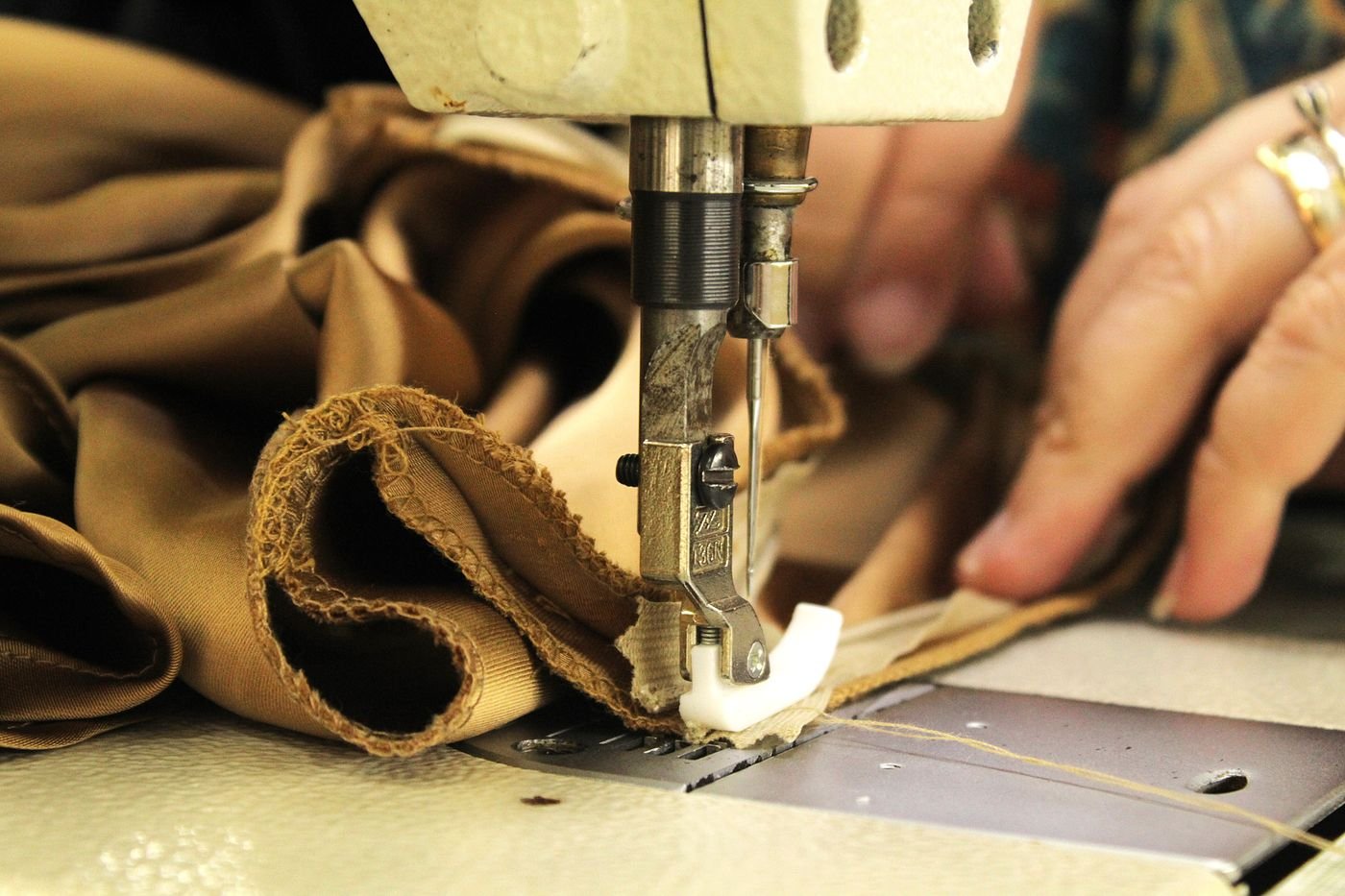
A first prototype translates a tech pack, sketch, reference garment, or product idea into a reviewable workwear form. Request it when pocket layout, protective construction, gussets, or overall silhouette remain unconfirmed.
Fit Samples

One fit sample tests comfort, mobility, and measurement accuracy on a selected base size before grading. Request it for shirts, trousers, coveralls, jackets, uniforms, and any style involving layered or active work. Provide a measurement chart and intended wearer profile.
Size-Set Or Grading Samples

A size set checks how the approved base pattern scales across the planned range. Request it when selling to mixed workforces or when fit consistency matters across industrial, hospitality, or service uniforms. Provide the full size range and tolerances.
Pre-Production Samples
A pre-production sample represents the agreed construction before bulk cutting and sewing. Request it after fit and grading decisions, with final fabric, trims, labels, decoration, packaging, and approved specifications available.
Branded And Approval Samples
A branded sample verifies private-label execution, including embroidery, heat transfer, patches, woven labels, care labels, and custom packaging. Request it when brand owners, distributors, or end customers must approve the finished presentation.
4. Materials and Fabrics for Sample Development
100-piece MOQ projects still require a precise fabric brief before sampling.
Define The Fabric Brief
Describe the intended fabric target in measurable terms, such as fiber composition, yarn or knit structure, weave, and target weight where known. Add finish requirements such as water repellency, mechanical stretch, brushed backing, or easy care. Pantone or a physical color standard is more reliable than a screen image; final suitability and availability remain subject to project review.
Compare Common Fabric Choices
Three common bases illustrate the main trade-offs; actual suitability depends on garment use, testing, and confirmed Veelianpro sourcing.
| Fabric | Typical Use | Comfort / Durability | Cost Consideration |
|---|---|---|---|
| 65/35 poly-cotton twill | Shirts, trousers, uniforms | Balanced comfort and abrasion resistance | Usually moderate |
| 100% polyester ripstop | Vests, outerwear, utility garments | Lightweight, quick-drying, tear-resistant | Moderate; finishes add cost |
| Cotton-rich canvas | Heavy-duty trousers, jackets | Comfortable, robust, less quick-drying | Higher fabric weight and freight |
Validate Performance And Supply
OEKO-TEX, GOTS, WRAP, or other credentials should be requested only when relevant evidence and scope are available. Flame, arc, chemical, high-visibility, or weather claims require application-specific testing and documentation. Two approved swatches can still differ in shade or hand feel if availability changes.
5. Customization and Decoration in Sample Development
Color, trims, and branding should be frozen during sample development because small placement or material changes can alter fit, cost, and production repeatability.
Color And Trim Selection
Pantone references, fabric swatches, thread colors, zipper finishes, buttons, and reflective tape placement should appear in the tech pack. State color tolerances and approve physical trims because screen previews cannot confirm shade, texture, or hardware scale.
- Specify trim material, finish, size, and supplier reference.
- Mark reflective tape width, spacing, and placement on the pattern.
Embroidery And Printed Branding
Vector artwork, dimensions, placement coordinates, thread or ink colors, and backing requirements control decoration accuracy. Embroidery suits durable logos on polos, jackets, and uniforms; screen printing suits larger simple graphics, while heat transfer supports detailed or variable artwork.
- Provide AI, EPS, or high-resolution artwork with color references.
- Approve logo size and placement on the actual garment sample.
| Technique | Best Use | Durability Check |
|---|---|---|
| Embroidery | Small durable logos | Backing and puckering |
| Screen print | Large simple graphics | Ink adhesion and cracking |
| Heat transfer | Detailed variable marks | Edge lift and wash resistance |
Labels And Private-Label Packaging
Woven labels, care labels, and patches require exact dimensions, fold type, backing, sewing position, and artwork files. Private-label packaging should specify hangtags, polybags, carton marks, barcode data, and packing quantities before the sample is approved.
- Confirm label fiber content and care-language requirements.
- Provide packaging artwork, carton dimensions, and destination marks.
6. Key Construction Quality Elements
Before approving a sample development piece, measure it against the tech pack and test movement in the intended work setting.
Measure Fit And Mobility
A tolerance sheet should define chest, waist, inseam, sleeve, rise, and garment length measurements.
- Mark measurements outside the approved tolerance.
- Check pocket access while wearing gloves.
- Confirm closures, hems, lining, and labels sit correctly.
Inspect Construction Details
Seam allowances, stitch density, needle tension, and topstitch spacing should remain consistent across panels.
- Pull-test closures and high-stress points.
- Check loose threads, skipped stitches, puckering, and raw edges.
- Confirm pocket openings remain usable during movement.
Classify Risks Before Approval
A crooked pocket or repeated measurement error suggests a pattern or specification gap; loose threads and uneven stitches indicate workmanship.
- Pattern issue: shape, balance, or mobility fails.
- Workmanship issue: stitching or finishing is inconsistent.
- Specification gap: tolerance, label, or trim requirement is undefined.
- Production risk: repeatability or stress performance is uncertain.
7. How to Choose a Sample Development Manufacturer
A capable sample development partner should convert a tech pack, reference garment, or workable concept into a measurable prototype.
Development Inputs And Revisions
Three starting points are practical: a complete tech pack, a reference garment, or a concept with sketches and measurements. Confirm who owns pattern changes, how comments are recorded, and whether each revision receives a dated approval sample.
Materials, Trims, And Branding
Fabric composition, weight, color standard, hardware, reflective tape, labels, and decoration should be listed before sampling. Confirm whether the partner can source alternatives and provide swatches, trim cards, or test documentation when protection claims matter.
Quality And Production Handoff
A production-ready sample should match approved measurements, construction details, branding, and material references. Request a measurement chart, inspection method, tolerance policy, pre-production sample process, and evidence that bulk operators receive the final specification.
MOQ, Capacity, And Evidence
Veelianpro states a starting MOQ of 100 pieces per style and color, subject to fabric, certification, and construction requirements. Ask for a project-specific quotation covering sample fees, bulk pricing, payment terms, capacity, and realistic lead times.
8. Common Sample Development Mistakes Buyers Make
One unclear specification can create multiple avoidable sample revisions, especially across fabric, fit, trims, and branding.
Define Specifications and Measurements
One vague sketch without fabric composition, weight, pocket dimensions, or reinforcement details leaves too much open to interpretation. Use a tech pack or annotated reference and ask: Can this sample be quoted and reproduced accurately?
Control Fabric, Color, and Grading
One late fabric change can alter drape, shrinkage, color, and sewing behavior. Lock the fabric target before approval, then test a physical swatch; this resolves: Does the sample represent the intended production material? One screen color is not a reliable approval standard, and one size is not a graded range.
Specify Branding and Construction
One logo position is insufficient for production. Document artwork, dimensions, decoration method, thread or ink colors, label type, placement, packaging, and tolerances; this answers: Exactly what branded garment should the factory deliver? One appearance-only review can miss bartacks, seam strength, pocket function, closures, and reflective-tape placement.
Document Revisions and Approval Limits
One undocumented comment can reappear in the next sample. Number each revision, mark changed measurements and materials, and obtain written approval; this answers: Which version is production-ready? One approved sample does not prove every production condition, size, color, or batch.
9. Steps to Launch Your Workwear Brand
2012 marks Veelianpro’s stated workwear operating start, and each launch should begin with a defined brief.
Prepare The Development Brief
One kickoff package should include the garment type, work setting, sketch or reference garment, tech pack, fabric target, color or Pantone reference, size range, branding method, quantity, destination, and timeline.
Confirm The Specification
Before cutting, Veelianpro and the buyer should confirm measurements, fit intent, fabric composition and weight, pocket layout, trims, reflective tape placement, reinforcement, labels, packaging, MOQ, and quotation assumptions.
Review And Record Changes
Each sample review should use dated photos, measurement comments, and numbered change requests covering fit, construction, materials, color, decoration, and usability. State whether every comment is mandatory or advisory.
Approve For Bulk Production
After revisions, request a pre-production confirmation sample when fit, materials, branding, and construction must be verified before cutting the order. Approval should identify the final version, size set, tolerances, and any accepted deviations.
10. Sample Development Pricing and Cost Factors
Sample development pricing remains quotation-dependent because pattern complexity, material sourcing, trims, decoration, prototype labor, revisions, testing, and shipping may be included differently. Confirm whether fabric and trim sourcing, embroidery or heat-transfer setup, testing, freight, and revision rounds are itemized or bundled, and request a project-specific schedule for the required sample stages.
| Project or Quantity Tier | Indicative Cost Categories | Lead-Time Considerations | Buyer Confirmation |
|---|---|---|---|
| Concept or tech-pack review | Pattern interpretation, sourcing research, feasibility labor | Depends on specification completeness | Confirm review scope and revision allowance |
| One prototype | Fabric, trims, prototype labor, decoration setup, shipping | Quote-dependent; confirm material availability | Confirm sample inclusions and freight |
| 2–3 revision rounds | Additional labor, replacement materials, fit or construction changes | Each revision can extend schedule | Confirm per-round charges and approval gates |
| 100+ pieces bulk order | Production unit cost, grading, testing, packing, export coordination | Quantity and certification requirements affect timing | Confirm conditional MOQ, tests, and included services |
11. Sample Development FAQ for Workwear Buyers
Sample development turns a workwear concept into a reviewable garment for checking construction, fit, materials, and branding before production. Veelianpro can begin from a tech pack, sketch, reference garment, or product idea, then develop patterns and source fabrics and trims. Provide the garment type, fabric composition and weight, size range, color, fit, branding method, pocket details, reinforcements, reflective-tape placement, destination, target quantity, timeline, and any required protection standard or certificate. Veelianpro’s stated starting MOQ is 100 pieces per style and color, subject to fabric, certification, and construction requirements.
Buyer Evidence Pending Approval
Send your tech pack, concept, or reference garment for feasibility review and discuss MOQ, materials, branding, and production requirements. Contact info@veelianpro.com or WhatsApp +86 139 8615 2456.