
Packaging and Labeling for Private-Label Workwear
Coordinate packaging, labeling, branded trims, product information, and protective packing with a custom workwear manufacturer from sampling through export.
Workwear References for Packaging and Labeling Development
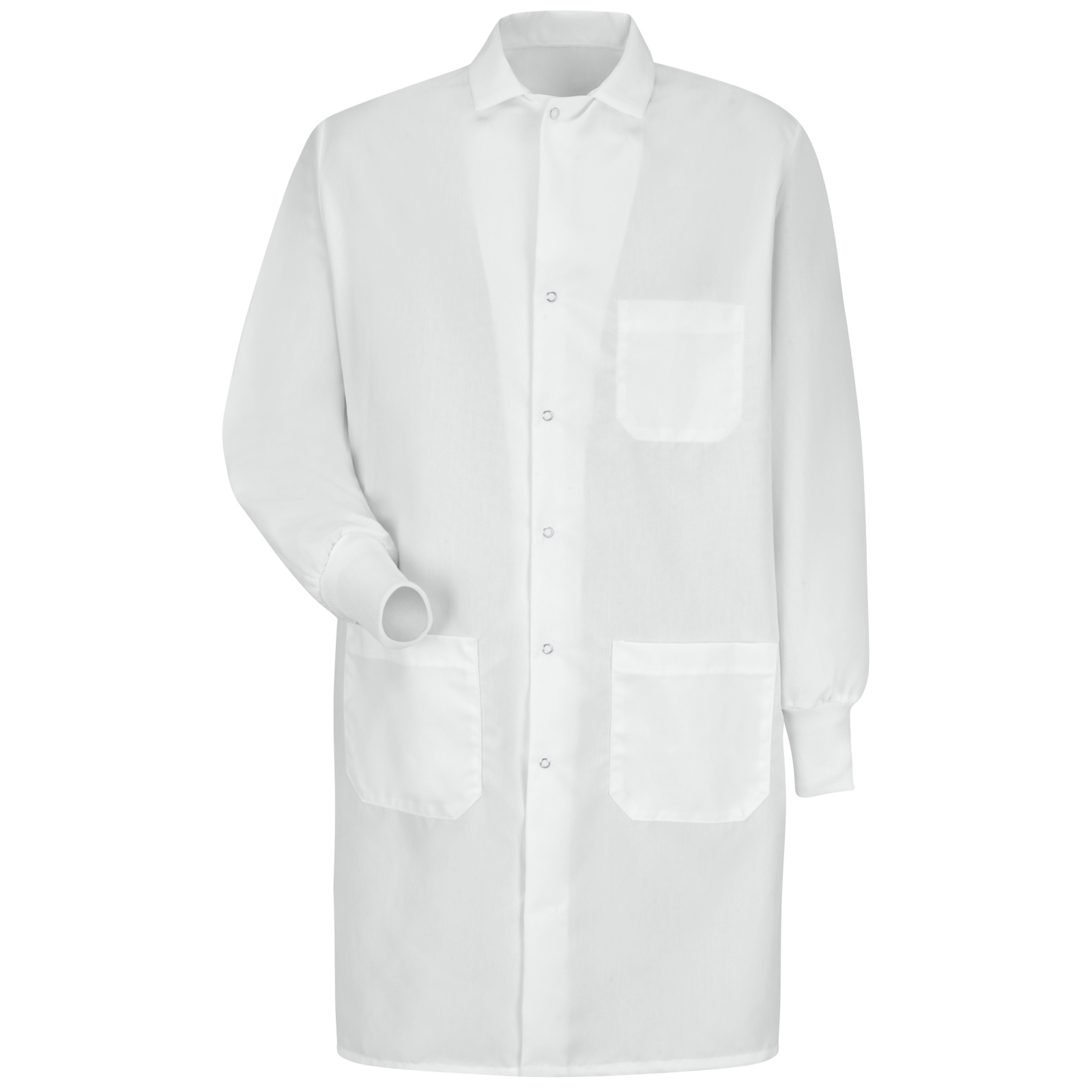


Packaging and Labeling Support for Private-Label Workwear
Coordinate private-label presentation, product information, handling details, and garment trims within one practical development and production workflow.
Brand Consistency Across Touchpoints
Align packaging and labeling with woven labels, care labels, hangtags, patches, and other private-label brand elements.
Clear Product Identification
Prepare garment, size, color, style, and order references to support recognition across cartons, packaging, warehouses, and distribution channels.
Care Information Ready
Coordinate care labels and product information with your garment construction, fabric choices, target market, and buyer-approved requirements.
Efficient Quantity Handling
Plan packing details, size breakdowns, carton references, and quantity information to make receiving, storage, and wholesale fulfillment easier.
Transport Protection
Review practical packaging formats for workwear protection during export handling, storage, and delivery, based on product and shipment requirements.
Trim And Production Coordination
Confirm artwork, label placement, packaging details, and production specifications during sampling before cutting, sewing, finishing, and inspection.
Workwear Manufacturing and Private-Label Services
Custom industrial, safety and service apparel development for branded programs, wholesale ranges and uniform procurement.
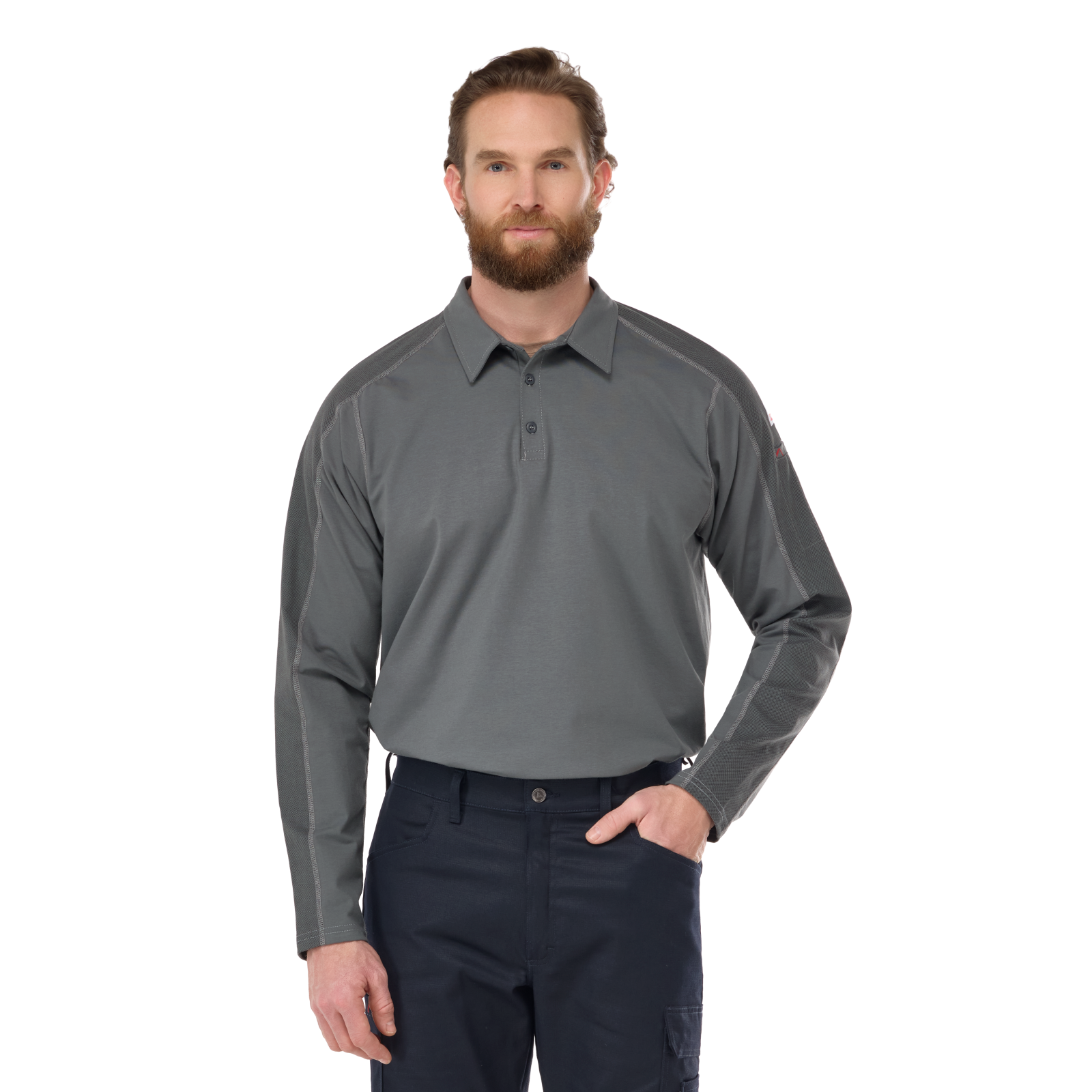
Work Shirts
Develop work shirts in long- or short-sleeve formats with selected fabrics, collar and cuff details, chest pockets, closures and branding. Suitable for industrial crews, field service teams and coordinated uniform ranges requiring consistent sizing and color control.
Request a Workwear Quote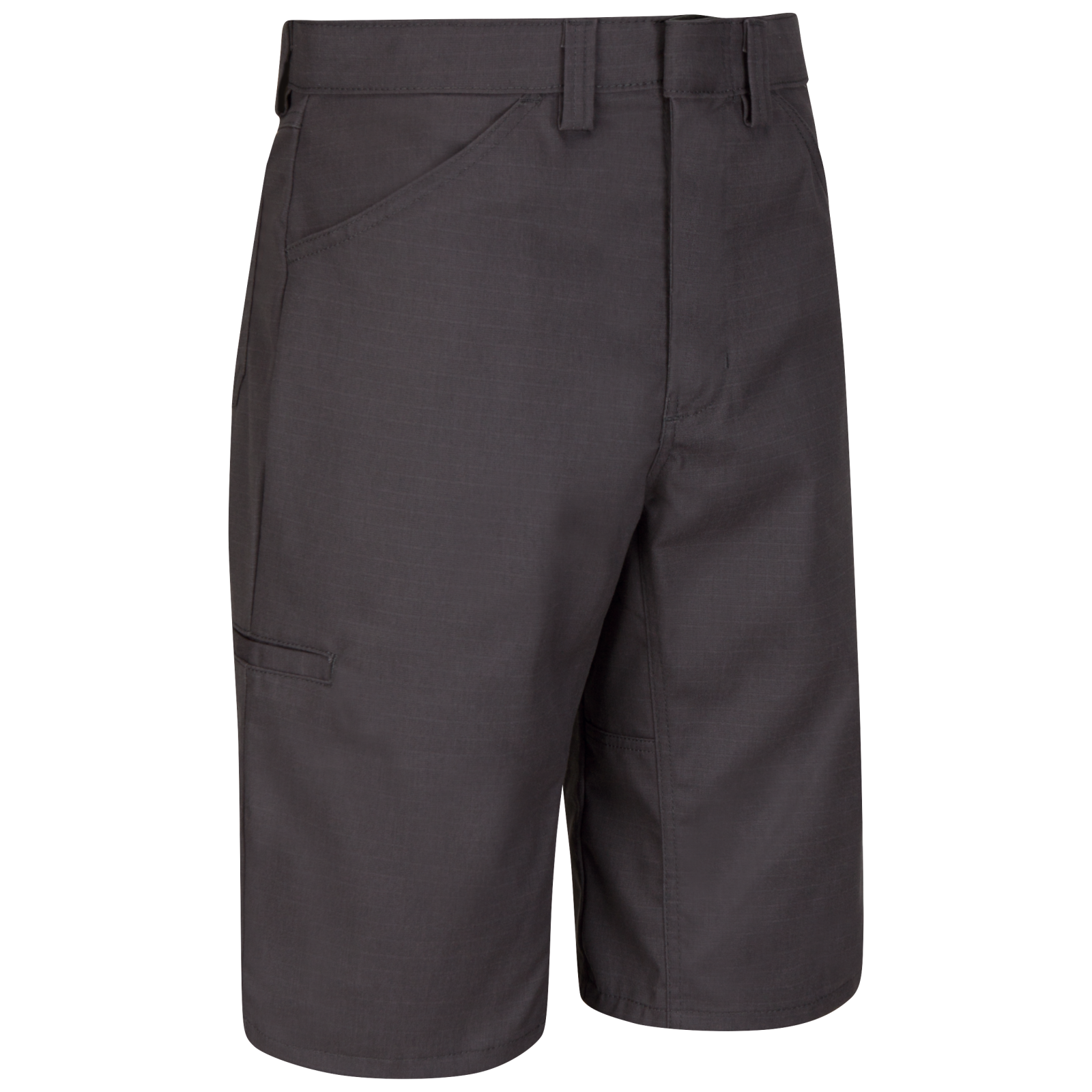
T-Shirts & Polos
Produce crew-neck and V-neck tees, polos and layered uniform tops with chosen fabric composition, weight, collar construction, plackets and logo application. These styles support service teams, promotional uniforms and everyday workwear collections.
Request a Workwear Quote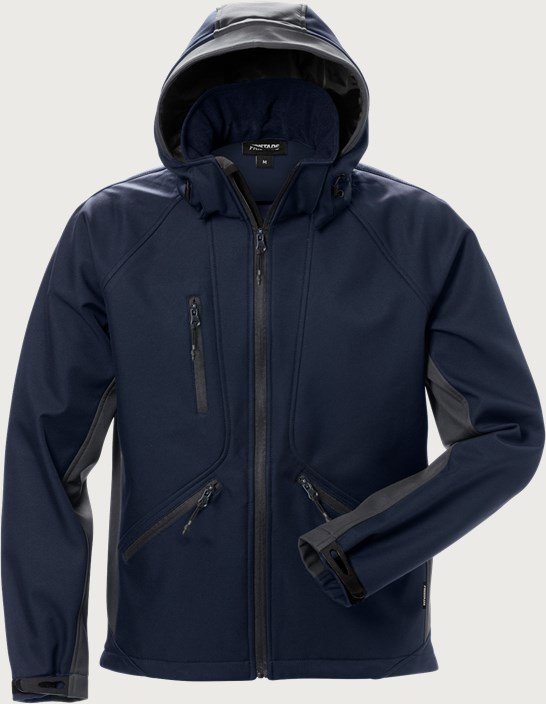
Work Jackets & Outerwear
Build softshell, fleece, padded and rain jacket programs around the required weather exposure and job setting. Development can include pocket layouts, closures, reinforced zones, hood details, lining choices, reflective placement and private-label trims.
Request a Workwear Quote
Work Vests & Bodywarmers
Create utility vests, safety vest styles and insulated bodywarmers with practical pocket systems, front closures and branded labeling. Construction and fabric choices can be developed for site staff, warehouse teams, field crews and service uniforms.
Request a Workwear Quote
Work Pants & Shorts
Manufacture work trousers, cargo pants and shorts with buyer-defined fits, pocket configurations, waistband details and reinforced areas. Options such as bartacks, triple stitching, gussets and knee reinforcement can be specified during product development.
Request a Workwear Quote
Coveralls & Bib Overalls
Develop one-piece coveralls, bib overalls and related industrial garments with the required entry system, pocket layout, adjustment details and reinforcement. Fabric, trims, branding and size grading are coordinated around the intended working environment.
Request a Workwear Quote
Workwear Sets
Coordinate matching shirt-and-trouser, jacket-and-pant or two-piece suit programs for a unified workforce appearance. Components can share specified fabrics, colors, trims, decoration methods and size ranges while retaining job-specific pocket and construction details.
Request a Workwear Quote
High-Visibility Workwear
Develop high-visibility garments with buyer-specified base color, reflective tape layout, garment format and work setting. Any requested standard, visibility class or documented performance claim must be reviewed against the exact SKU, materials and available test evidence.
Request a Workwear Quote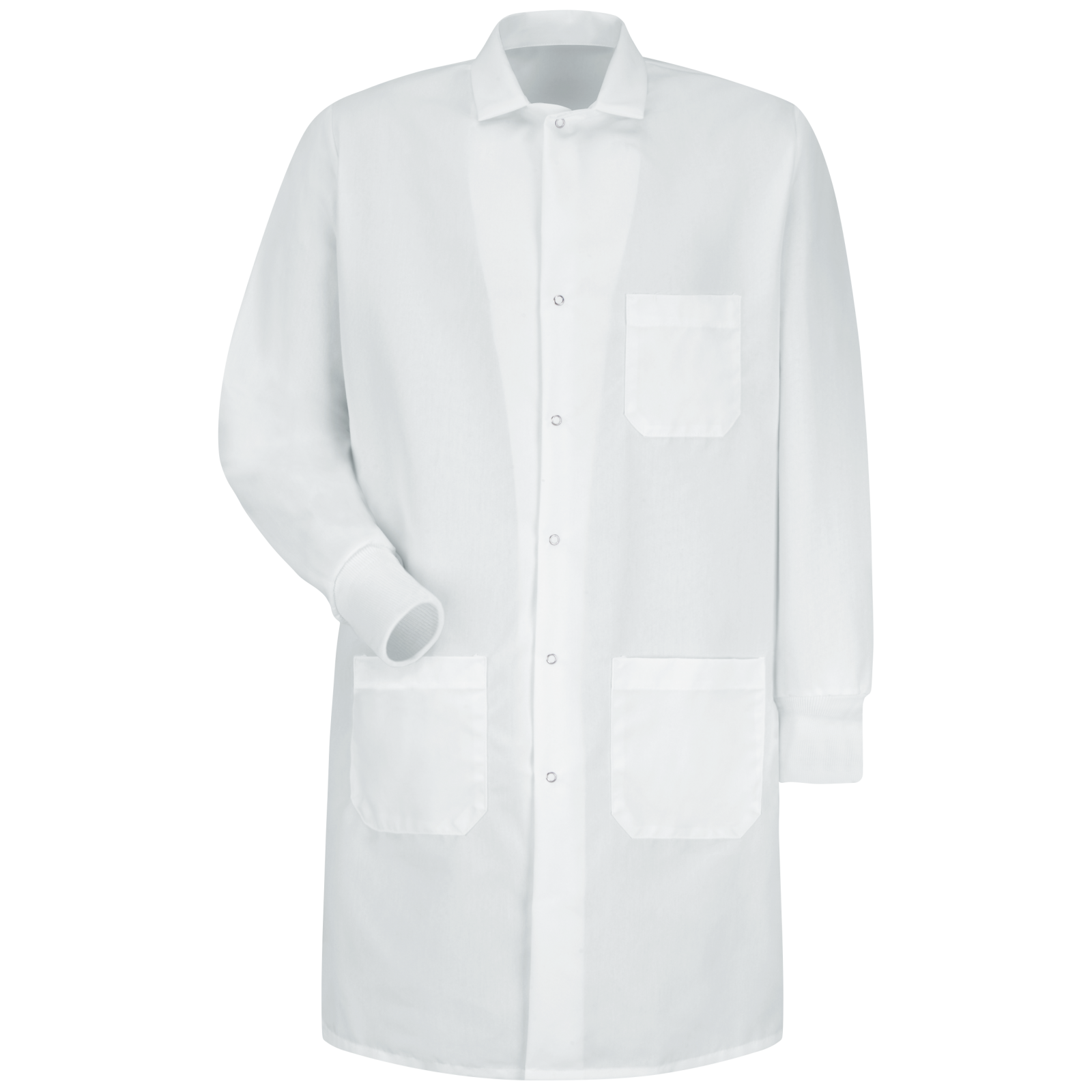
Flame-Resistant & Arc-Rated Wear
Support development of flame-resistant and arc-rated garment families, including shirts, pants, coveralls and outer layers. Buyers should define the applicable standard and required documentation; protective ratings are not assigned without SKU-specific testing and certification scope.
Request a Workwear Quote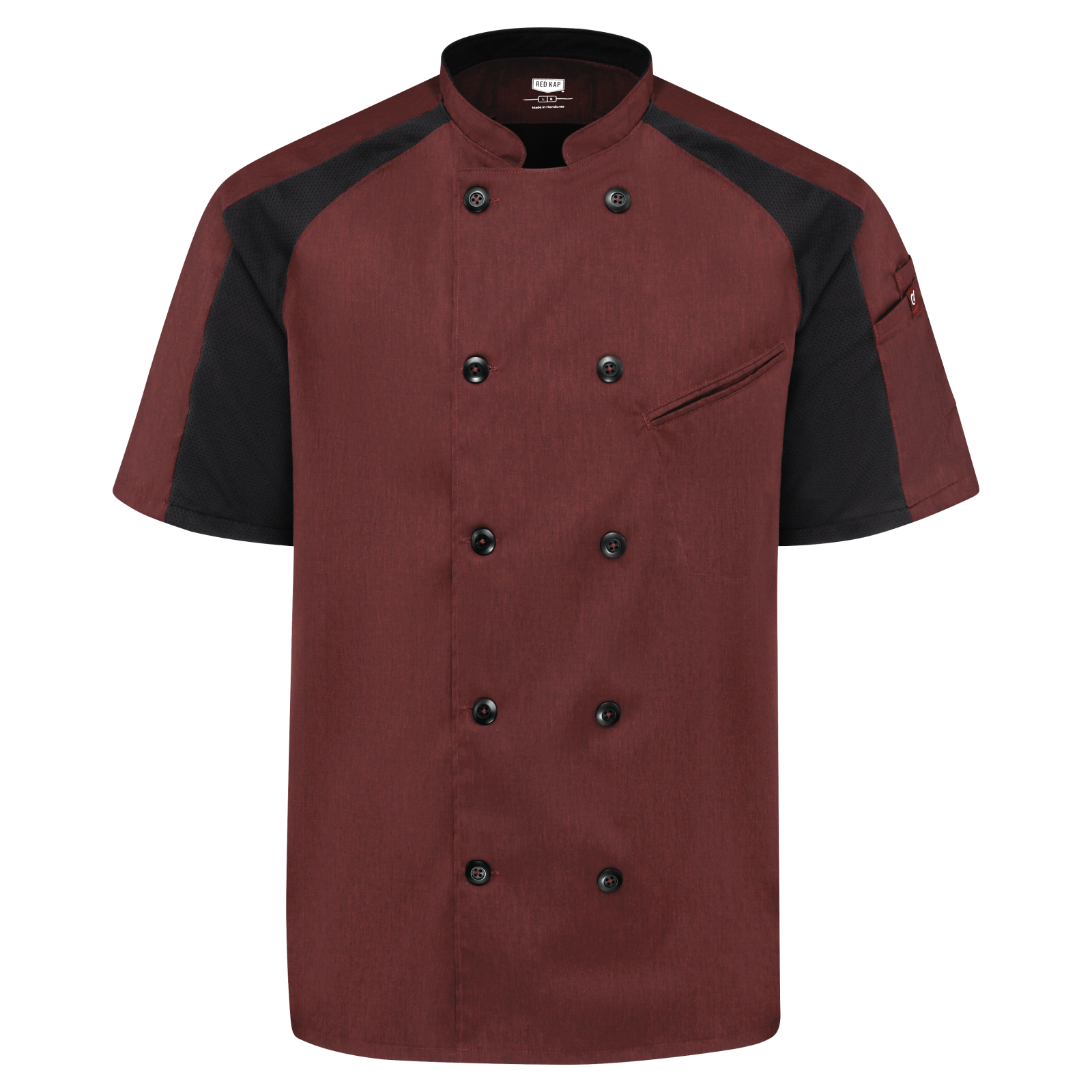
Chemical-Protective Clothing
Develop chemical-protective clothing concepts according to the intended exposure, garment design and required standard. Material selection, seam construction, closures and protective documentation require project-specific review; no chemical resistance claim is made without relevant test evidence.
Request a Workwear Quote
Cold-Storage Workwear
Create insulated jackets, trousers, coveralls and layering components for cold-storage operations. Specify insulation approach, outer fabric, lining, closures, cuffs, pocket access and mobility requirements so the garment can be developed for the actual workplace conditions.
Request a Workwear Quote
Welding Workwear
Manufacture welding workwear with construction details selected for the task, including coverage, reinforced zones, closures and pocket placement. Fabric and performance requirements must be defined for the intended hazard; protection claims depend on applicable SKU-specific evidence.
Request a Workwear Quote
Medical & Cleanroom Wear
Produce medical scrubs, cleanroom garments and ESD-oriented clothing as separate development families with appropriate style, closure, pocket and size requirements. Cleanroom or electrostatic-control performance must be tied to the specified materials, construction and documented testing.
Request a Workwear Quote
Chef & Hospitality Uniforms
Develop chef coats, cook shirts, aprons, service shirts, trousers and hospitality uniforms for kitchen and front-of-house programs. Buyers can specify colorways, closures, pocket details, fit, logo decoration, labels and coordinated collection components.
Request a Workwear Quote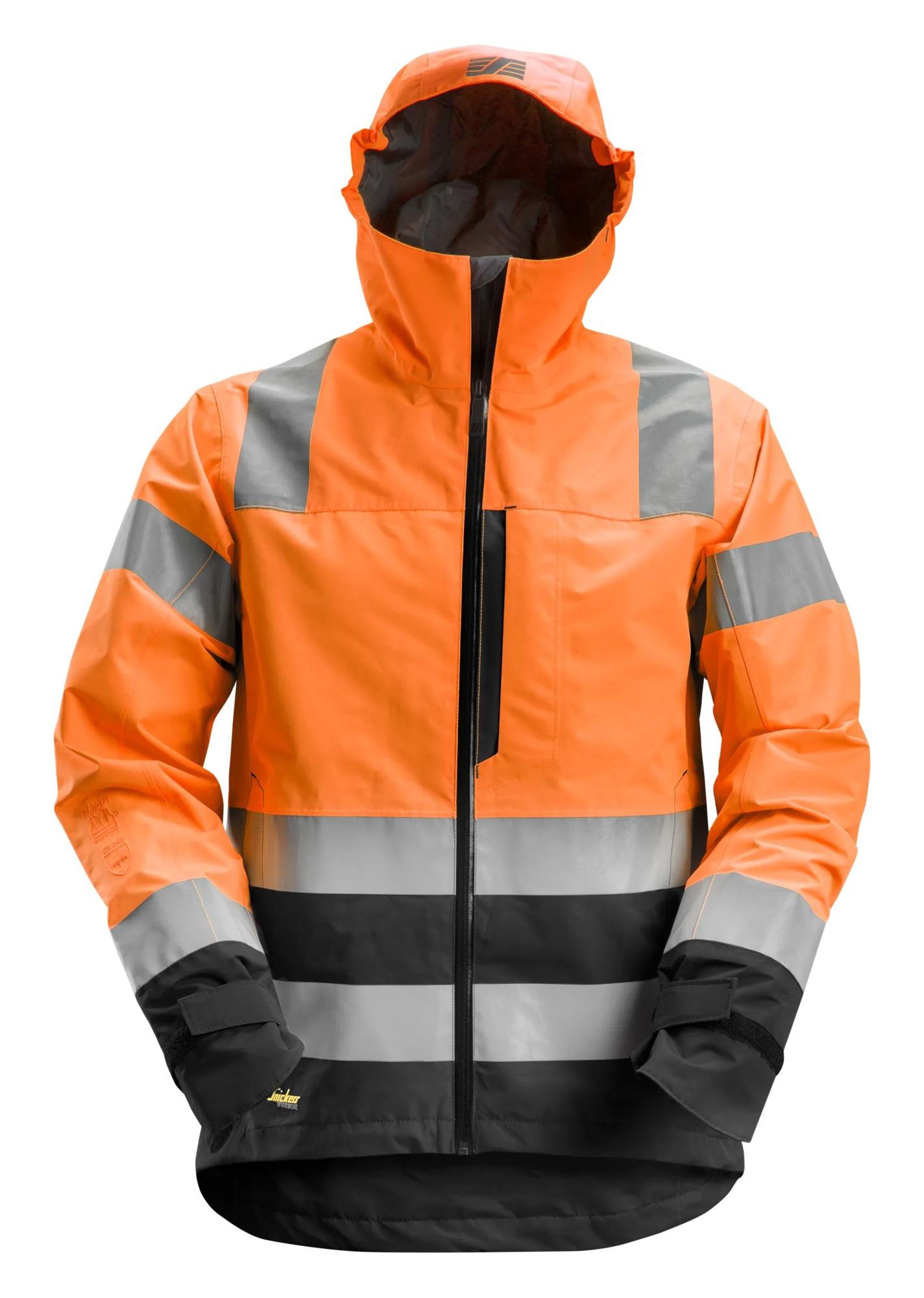
Industry Uniforms
Build industry-specific uniform programs for manufacturing, logistics, construction, maintenance, security and service teams. Start from a tech pack, sketch, sample or product idea, then align fabric, garment construction, branding, size grading and packing with the application.
Request a Workwear Quote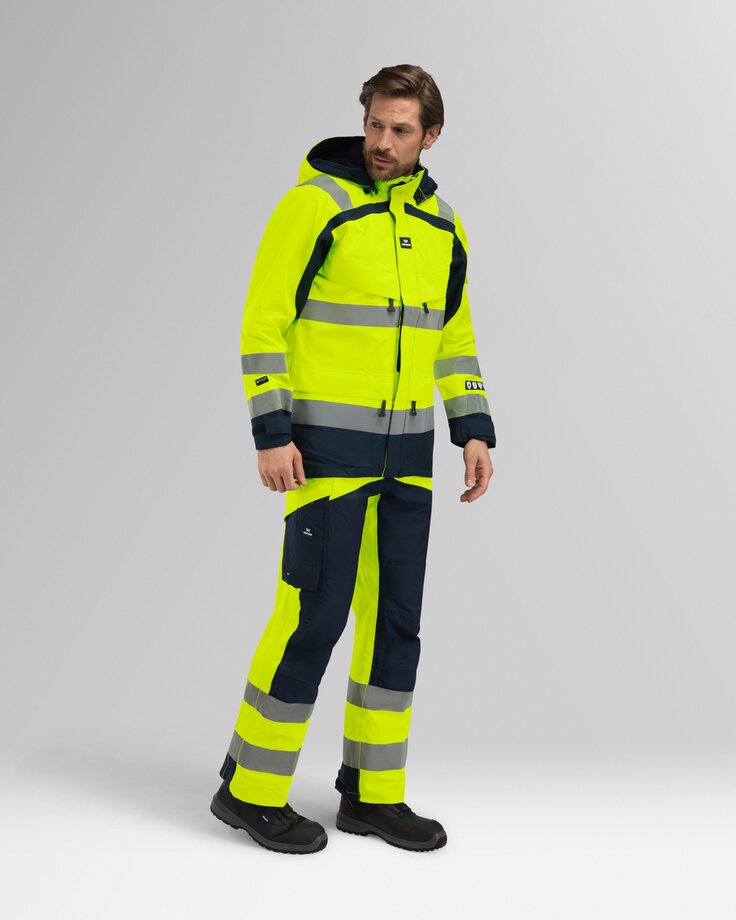
Base Layers & Accessories
Add functional base layers and workwear accessories to a broader uniform program, including selected underlayers, caps, aprons, patches, woven labels, care labels and custom packaging. Components are developed around garment compatibility, branding requirements and intended use.
Request a Workwear QuoteOur Packaging and Labeling Experience
Hubei Veelianpro Workwear Co., Ltd. is a Wuhan-based manufacturer whose company profile states that its workwear operation began in 2012. We support industrial, safety, hospitality and service brands with OEM, ODM, private-label and wholesale production, helping buyers develop garments and presentation details around their market, brand and distribution requirements.
Our packaging and labeling workflow can include trim sourcing, pattern development, sampling, size grading, cutting, sewing, decoration, finishing, quality checks, packing and export coordination. Buyers can review woven labels, care labels, patches, hangtags, custom packaging and other brand elements alongside garment construction, helping align product recognition with practical handling and storage needs.
Veelianpro works from a tech pack, sketch, sample or product idea and develops the details with the buyer before production. MOQ starts at 100 pieces per style and color, subject to fabric, certification and construction requirements. Labeling and packaging specifications should be confirmed for the destination market, while any required performance claims remain subject to SKU-specific testing and documentation.

Packaging and Labeling Details That Shape the Final Presentation
Build Labels Into the Tech Pack
Review label placement, dimensions, materials, artwork, and attachment methods alongside the garment design. Veelianpro can coordinate woven labels, care labels, patches, hangtags, and other branding details while sampling, so the finished workwear reflects your brand and supports practical wear and care information.
- Define label locations for collars, waistbands, pockets, sleeves, or outer packaging
- Confirm artwork, dimensions, colors, materials, and attachment methods
- Coordinate size, fiber-content, care, origin, and brand information as applicable
- Approve trims during sampling before production quantities are confirmed

Match Packaging to Distribution
Packaging should protect garments during handling and storage while making styles, sizes, colors, and private-label branding easy to identify. Veelianpro can review folding, individual polybags, cartons, inserts, and custom packaging requirements according to your distribution model, destination, and presentation priorities.
- Select practical packaging formats for wholesale, retail, or uniform distribution
- Plan carton markings and pack quantities for easier receiving and inventory handling
- Coordinate custom packaging artwork with labels, hangtags, and garment branding
- Review protection needs for transport, storage, and export coordination

Check Market-Specific Information
Packaging and labeling requirements can vary by product category and sales market. Share your destination, garment type, intended use, and required information early so Veelianpro can review the specification with your team. Any legal, safety, or certification claim should be confirmed against applicable evidence.
- Provide the target market and distribution channel before finalizing information panels
- Identify required identity, responsibility, quantity, care, fiber, or origin details
- Separate design targets from tested performance and certification claims
- Confirm applicable standards, tests, and documentation for protective workwear

Packaging and Labeling: Compare Workwear Supply Options
Compare Veelianpro’s custom development route with off-the-shelf decorated garment sourcing for branding, fit, materials, and packing requirements. Starting MOQ is subject to fabric, certification and construction requirements.
← Swipe left or right to view →
Packaging and Labeling Production Workflow
From artwork review to export coordination, Veelianpro aligns workwear labels, packaging details, finishing checks, and quantity verification with your approved production plan.
Brief & Artwork Review
Share your tech pack, sketches, logo files, target market, garment details, quantity, destination, and timeline so Veelianpro can confirm feasibility.
Set Labeling Specifications
Define woven labels, care labels, hangtags, size marks, folding, polybags, cartons, inserts, branding placement, required product information, and market-specific checks before sampling.
Sample & Approve
Review label artwork, packaging samples, trim placement, garment finishing, and presentation details; provide consolidated approval notes before production standards are released.
Finish & Inspect
Complete garment decoration and finishing, then check label application, folding, packaging condition, carton markings, workmanship, and agreed quantity records before dispatch.
Export Coordination
Coordinate packing lists, shipment details, destination requirements, and export handoff, with documentation aligned to the approved workwear packaging and labeling plan.
How to Order Packaging and Labeling
Send your garment, branding, packaging and labeling brief so Veelianpro can review feasibility, prepare samples, and align market-specific information before production.
Confirm Workwear Requirements
Share the garment type, intended market, size range, colors, target quantity, destination, timeline, and any applicable product or labeling requirements.
Define Labels and Packaging
Specify brand labels, care labels, hangtags, folding, bags, cartons, inserts, artwork, and packaging protection needed for storage, transport, and distribution.
Review Artwork and Samples
Review packaging and labeling artwork, placement, presentation, and sample execution before confirming construction, decoration, and production feasibility.
Confirm Quote and Produce
Confirm the quotation, including MOQ from 100 pieces per style and color subject to requirements, schedule, quality checks, packing, shipment, and reorder support.
Packaging and Labeling Scenarios for Workwear Buyers
Illustrative scenario: A safety distributor developing hi-vis vests defines individual polybags, carton markings, size stickers, care labels, and logo patches during sample review. Acceptance criteria cover legible information, correct size identification, and artwork approval before bulk packing begins.
Illustrative scenario: A uniform buyer launching hospitality polos separates garment branding from export packing requirements. The development brief maps woven labels, care labels, hang tags, and carton packing lists to each SKU. Acceptance criteria require approved placement, readable copy, and quantities matching the final order.
Illustrative scenario: A workwear brand preparing cargo pants finds that its draft label, folding, and hang-tag files do not yet map consistently to each size and color. The proposed solution is to align label content, size grading references, folding method, polybag options, and custom hang-tag artwork with one product specification. Intended acceptance criteria are an approved sample and packaging proof showing the correct style-color-size data, label placement, fold, and artwork version before production.
Workwear Fabrics Selected for the Job




Custom Workwear Manufacturer Processes for Branding and Durability



Functional Trims and Brand Accessories


Documentation to Review for Custom Workwear


Packaging and Labeling FAQ for Workwear Buyers
Practical answers for planning private-label presentation, product information, artwork, sampling, and production with Veelianpro.
How can packaging protect private-label workwear during transport and storage?
How should packaging and labeling support workwear brand presentation and product recognition?
What information should appear on workwear labels, packaging, hangtags, or separate product tags?
Which U.S. packaging and labeling requirements may apply to a workwear product before sale?
Can packaging and labeling be reviewed during OEM or ODM sampling?
What artwork files are needed for custom packaging and labeling?
What is the MOQ for packaging and labeling with custom workwear?
How long does packaging and labeling take for an OEM workwear order?
Complete Guide to Packaging and Labeling
A practical framework for specifying apparel packaging, label information, supplier controls, and approval stages—while avoiding artwork, handling, compliance, and quote-scope mistakes before production.
1. What Is Packaging and Labeling?
Packaging is the physical enclosure or wrapper for a finished work shirt, coverall, or jacket. It can separate folded garments during handling and help protect them from dust, scuffing, and other routine handling exposure. Labeling is the information carrier attached to the garment or its package.
For custom industrial and service apparel, primary packaging surrounds one folded garment; secondary packaging groups individual units by style, size run, wearer allocation, or purchase order; shipping packs such as master cartons protect grouped goods through warehouse handling and export transit. Each layer answers a different buyer question: what must be protected, what must be counted together, and what must arrive identifiable at destination.
Labels do not replace those protective layers. A sewn-in care or size label stays with the garment, a hangtag can present brand and product information, a barcode can support scanning, and a carton label can identify the order, carton contents, or handling route. Required content depends on the product and destination market. For covered U.S. household consumer commodities, the Fair Packaging and Labeling Act requires commodity identity, the name and place of business of the manufacturer, packer, or distributor, and net quantity; buyers should confirm whether it applies to their specific product and market before approving artwork. [FTC FPLA](https://www.ftc.gov/legal-library/browse/rules/fair-packaging-labeling-act-regulations-under-section-4-fair-packaging-labeling-act)
2. How Apparel Packaging Requirements Evolved
A work jacket can reach the warehouse with its fabric and construction intact yet still arrive as an unidentifiable, mixed-size unit if the individual pack, carton marks, and sewn-in or attached labels were never specified together. Packaging and labeling should therefore be defined during development alongside the garment, trim, branding, size range, and destination.
An integrated workflow maps what protects folded garments in handling, what supports retail or distributor presentation, and what lets receiving teams identify style, color, size, order, and pack quantity before artwork is released. Check each item through a proof and pack-out review.
Regulatory research is a planning step, not legal approval. The FTC states that the Fair Packaging and Labeling Act covers specified household consumer commodities and requires commodity identity, responsible-business details, and net quantity. Whether those rules apply to a particular apparel program requires product- and market-specific assessment. [FTC FPLA](https://www.ftc.gov/legal-library/browse/rules/fair-packaging-labeling-act-regulations-under-section-4-fair-packaging-labeling-act) Buyers should obtain appropriate review of destination rules, language, fiber content, care, origin, warning, and environmental claims before authorizing production.
3. Types of Packaging and Labeling
Packaging layers perform different jobs, from keeping one folded garment clean to making a mixed shipment traceable at receipt. Specify each layer separately so presentation choices do not carry transport or compliance duties they cannot fulfill.
Individual Polybags Or Sleeves
A clear polybag or sleeve separates one garment from dust, scuffing, and color transfer. It suits individually packed work shirts, trousers, or jackets for wholesale handling.
It does not prevent crushing in transit or replace a carton count and shipment mark.
Folded-Garment Presentation
A defined fold, insert, and visible front panel make retail-ready uniforms easier to identify and replenish. This is useful when distributors need consistent shelf or sample-room presentation.
A neat fold does not confirm the correct size, garment construction, or protective performance.
Inner Cartons
Inner cartons group a manageable quantity of the same approved pack-out before it enters a larger case. They help wholesalers split orders across branches or stock locations.
They should not be treated as the sole protection for rough export handling.
Master Cartons
Master cartons consolidate inner packs for warehouse movement, loading, and receiving. Buyers commonly use carton identifiers to reconcile style, color, size assortment, and quantity.
A master carton does not make an unclear assortment label usable or correct an inaccurate packing list.
Pallet And Shipment Marks
Pallet labels and shipment marks identify handling units after cartons leave the factory. They are most useful for multi-carton orders moving through forwarders and destination warehouses.
They do not substitute for destination-specific documentation or carrier booking requirements.
Garment-Attached Labels
Woven labels, care labels, patches, and hangtags connect brand, size, care information, and approved product details to the garment itself. They matter when the individual piece may be separated from its package.
They do not prove a safety claim; requested standards need matching test evidence and certification scope.
4. Packaging and Labeling Materials
Material choice separates presentation from transit protection. For workwear, the pack-out must keep garments identifiable and orderly through warehouse handling while leaving brand, care, size, and traceability information readable.
| Material | Primary Function | Handling Condition | Information Capacity | Appearance And Limitation |
|---|---|---|---|---|
| Corrugated carton | Transit and stacking | Warehouse and export movement | Low; exterior labels | Industrial; needs separate garment labeling |
| Paperboard carton | Individual presentation | Controlled retail or dispatch handling | Moderate; printed panels | Clean presentation; less suited to heavy transit loads |
| Protective film or bag | Folded-garment isolation | Inner pack handling | Low; adhesive label can add data | Transparent or opaque; requires carton protection |
| Tissue or insert | Fold retention and presentation | Inside individual pack | Low to moderate | Refined appearance; not a protective shipping layer |
| Woven or printed fabric label | Garment identity and care data | Wear and laundering context | Woven: low; printed: higher | Woven favors branding; printed copy needs legibility review |
| Hangtag or adhesive label | Retail or logistics identification | Before sale or during distribution | Moderate to high | Removable; placement must not obscure key data |
Shipping And Presentation Layers
Corrugated cartons protect bundled garments during warehouse and export handling; paperboard cartons suit lighter presentation packs. Select carton dimensions around the folded garment and pack quantity, not an assumed universal size.
- Corrugated carton: outer shipment layer
- Paperboard carton: individual presentation pack
- Tissue or insert: fold support and presentation
Labels And Marks
Woven labels carry a durable brand identifier at a seam, while printed fabric labels can hold care, fiber, size, or origin copy. Confirm the required wording and destination-market rules before artwork approval.
- Paper hangtag: retail-facing product details
- Adhesive label: carton or polybag identification
- Ink or transfer mark: direct garment identification
Films Bags And Inserts
Protective films or bags isolate a folded garment from dirt and moisture exposure during handling, but they do not replace a shipping carton. Specify closure, garment count, barcode position, and whether inserts must stay visible after folding.
5. Custom Packaging and Label Finishes
Custom finishes should make a uniform program easier to identify, issue, replenish, and receive. Separate the buyer’s visual system from operational and required copy before artwork is released, so one change does not create mixed stock.
| Element | Primary Purpose | Approval Detail |
|---|---|---|
| Logo or color system | Visual recognition | Artwork, placement, contrast |
| Size, color, SKU, barcode | Picking and replenishment | Exact style-color-size data |
| Care, fiber content, carton marks | Operational or required information | Buyer-approved copy and destination requirements |
Visual Brand Elements
Place the logo where it remains visible after the selected fold and does not compete with the size label or barcode. Keep approved logo artwork, spot or process color references, and placement dimensions in the pack-out specification.
A branded polybag, header card, woven label, patch, or insert can carry the visual system. Use contrast that remains readable against the garment color and packaging substrate.
Operational Identification
Size, color, style, and SKU fields serve warehouse and replenishment work, not decoration. Put them in a consistent scan-facing position and use a controlled naming convention across garment labels, bags, and cartons.
Barcode data should be supplied or approved by the buyer. A proof must show the human-readable code, symbol placement, and the exact style-color-size combination it represents.
Copy And Carton Marks
Care and fiber-content copy must come from the buyer’s approved source and destination-market requirements; it should never be inferred from a development brief. Keep mandatory or operational copy separate from promotional claims.
Folding instructions define presentation and help prevent inconsistent pack-out. Carton marks can identify purchase order, destination, style, color, size assortment, carton number, and handling details where the buyer specifies them.
Proof Control
Approve a versioned artwork proof before production, then link every label, insert, bag print, and carton mark to that version. Revision dates and file names prevent an earlier logo or obsolete SKU from returning on a reorder.
Request a combined proof set when several components share the same garment data. It exposes mismatched color names, size codes, and style references before materials are committed.
6. Packaging Quality and Pack-Out Controls
A garment can be correctly made yet arrive unpresentable when folding, separation, or carton loading breaks down. Pack-out controls turn approved packaging and labeling into repeatable handling instructions for each style, color, and size run.
Folding And Inner Protection
A consistent fold keeps polos, trousers, jackets, and coveralls recognizable when a carton is opened. The approved fold should identify where branded labels, reflective tape, and creased areas must remain visible or protected.
Dust or incidental moisture during normal handling can mark garments before delivery. Use the agreed inner bag or protective layer, then confirm that packing staff do not trap loose thread, debris, or moisture inside it.
Size Color And Count Control

Mixed sizes or colors create warehouse receiving disputes even when the total piece count is correct. Pack each variant as a distinct unit, with the outer identification matching the garment label and packing list.
Count errors commonly arise when bundles are moved between finishing and carton packing without a final reconciliation. A practical remedy is a carton-level count check against the size-color breakdown before sealing.
Label Readability And Attachment
A woven label, care label, patch, or hangtag must be attached at the approved location and remain readable after folding. Artwork revisions, wrong label rolls, and inconsistent attachment positions are common causes of unusable stock.
Inspect a sample from the packed run for correct copy, orientation, color-size identity, and attachment. If destination-market content is required, approve the final artwork and applicable requirements before production rather than treating a label as decoration.
Carton And Release Checks
Cartons should suit the planned transport and storage handling, while avoiding overpacking that distorts folded garments. Weak closures, excessive void space, and unclear carton marks can cause damage or receiving delays.
Before release, check the sealed carton mark, style, color, size breakdown, quantity, and visible carton condition against the packing list. Record exceptions before shipment so replacement labels, recounts, or repacking can be resolved at the source.
7. Choosing a Packaging and Labeling Partner
A capable apparel partner turns one pack-out specification into matched garment labels, individual bags, carton marks, and shipment records. Evaluate the handoffs, version control, proofing route, and quote scope before approving a sample.
| Selection Check | What To Review | Quote Question |
|---|---|---|
| Data coordination | SKU, size, color, label fields | Who verifies final data? |
| Artwork control | Revision code and approval record | How are superseded files blocked? |
| Pack-out evidence | Proof, sample, packing list | Which items are included? |
Test The Specification Handoff
Submit a pack-out sheet alongside the tech pack. It should identify style and color, size range, label copy, branding method, folding method, bag requirement, carton marking, destination, and any protective-claim documentation needed.
Veelianpro can support woven labels, care labels, patches, custom packaging, packing, and export coordination. Confirm in the quotation which artwork files, languages, barcode data, carton dimensions, and packing-list fields are required.
- Style-color-size SKU mapping
- Label placement and copy
- Carton marks and destination data
Compare Proof And Documentation
A proof checks information before production; a physical pre-production sample checks how the approved components appear on the garment and in the pack-out. Ask who releases each version and how obsolete artwork is withdrawn.
Clarify Commercial Scope
A quote should separate garment work from labels, packaging components, sampling, packing, inspection, and export coordination. Veelianpro’s stated starting MOQ is 100 pieces per style and color, subject to fabric, certification, and construction requirements; confirm whether the chosen pack-out changes feasibility.
Illustrative procurement scenario: a safety distributor submits one approved label-data sheet but two carton-mark versions for separate destinations. The buyer asks for a version register, proof approval point, and destination-specific packing-list format before order confirmation.
8. Packaging and Labeling Mistakes to Avoid
Packaging and labeling fail differently: one can damage garments in transit, while the other can disrupt picking, retail presentation, or market entry. Treat each as a controlled part of the workwear specification.
Combining Two Approvals
A polybag, hanger, carton, care label, and woven brand label do not serve the same job. Approving one composite visual can hide a missing pack-out or traceability requirement.
Corrective action: release separate approvals for packaging structure, label copy, artwork, and carton marks.
Skipping Field Checks
Artwork can look correct on screen yet fail when folded, bagged, scanned, or viewed under warehouse lighting. Small text may sit beneath a fold or barcode crease.
Corrective action: check a physical pre-production sample in its intended garment fold and shipping configuration.
Using The Wrong Layer
A carton mark cannot replace garment-level size identification when units are separated for picking. Conversely, a retail label should not carry handling instructions intended for warehouse staff.
Corrective action: map each data element to the garment, individual pack, inner pack, or master carton before artwork begins.
Missing Identification Codes
Absent size, color, style, or carton identifiers force manual opening and raise mixed-SKU risk. This is especially disruptive for distributor orders with multiple colors and size runs.
Corrective action: reconcile identifiers against the confirmed purchase order and packing list before production release.
Sacrificing Readability
Dense copy, low contrast, or type hidden by a seam makes care and origin information difficult to use. Decorative artwork should not compete with mandatory or operational information.
Corrective action: test the final printed label at normal handling distance, after its intended attachment method is applied.
Ignoring Ratios And Markets
Pack ratios that do not match ordered size quantities create shortages in one size and surplus in another. A label rule valid in one destination may not apply in another.
Corrective action: provide the destination, channel, size breakdown, and carton ratio with the quote request; confirm applicable requirements for that market before copy is finalized.
9. Launching an Apparel Pack-Out Program
A pack-out program converts approved garment specifications into repeatable unit packing, carton identification, and export records. Start before artwork: destination rules and warehouse receiving needs can change label copy, language, and carton marks.
Collect Garment And Destination Data
Create one master sheet for every style, color, size range, SKU, fiber-content or care-copy requirement, and destination.
Record the required protection standard separately from retail presentation. For protective garments, keep requested standards and supporting evidence within the product file; do not print unverified performance claims.
Choose Pack Format And Copy Owner
Specify the unit bag, fold method, hanger or insert, quantity per inner pack, and master-carton arrangement. These are separate decisions from the garment’s woven label and care label.
Name one buyer-side owner for label copy, translations, symbols, brand assets, and legal review. Veelianpro can coordinate custom packaging, woven labels, care labels, and packing after the approved specifications are supplied.
Proof Artwork And Physical Samples
Build artwork from the master sheet, using controlled filenames and a visible revision number. Check SKU readability, color references, label placement, and carton-mark layout before release.
Review a physical pack-out sample with the actual garment where practical. Pre-production sign-off should freeze the approved label version, packing method, and carton-mark format.
Inspect Packing And Release Documents
During packing inspection, reconcile garment, label, bag, size sticker, and carton mark against the approved pack-out file. Photograph exceptions and resolve them before shipment release.
Prepare the packing list and shipping marks from the final count, not an earlier forecast. Retain approved artwork and inspection records for reorders.
| Worked Example Field | Example Value | Control Point |
|---|---|---|
| Style | WV-CT01 | Matches approved style sheet |
| Color and size | Navy / L | Matches unit label and SKU |
| SKU and label version | WV-CT01-NV-L / Care V3 | Same on artwork approval |
| Carton mark | PO-1042 / Carton 1 of 8 | Matches packing list |
10. Packaging and Labeling Cost Drivers
Packaging cost changes with the protection and presentation specified for each finished garment: individual bags, paper inserts, cartons, and export pack-out are separate choices rather than one generic line item. A label can be woven, printed, heat-applied, or supplied as a hangtag, and each format needs approved artwork and placement.
Request a quote that separates garment production, packaging components, labeling, packing labor, samples or proofs, and export coordination. Identify freight, destination duties, testing, and market-compliance review separately when applicable, and confirm whether the selected pack-out affects order feasibility.
| Cost Driver | What Changes Cost | Quote Must Specify |
|---|---|---|
| Packaging material | Bag, paper insert, carton specification, and protective packing level | Material, dimensions, quantity, and whether it is individual, inner-pack, or master-carton packaging |
| Print colors and finish | Color count, artwork coverage, and any finish requested on packaging or tags | Final artwork, color references, print method, and proof approval requirement |
| Label format and attachment | Woven label, care label, patch, hangtag, or heat transfer; sewn, applied, or packed loose | Label material, dimensions, content, placement, attachment method, and per-style variation |
| Variable data and order complexity | Size, color, SKU, barcode, destination, language, or assortment changes increase sorting and proofing needs | Data file owner, version control, barcode requirements, language copy, and pack ratio by SKU |
| Samples and proofs | Physical samples or pre-production proofs add an approval stage before bulk pack-out | Whether digital proof, physical sample, revisions, and approval timing are included or quoted separately |
Request Your Packaging and Labeling Workwear Quote
Send your garment brief, artwork, packaging requirements, quantity, destination, and timeline for a practical feasibility review and quotation.