
Screen Printing for Durable Custom Workwear Branding
Bring clear, consistent screen printing to branded workwear programs starting at 100 pieces per style and color, subject to project requirements.
Featured Workwear Styles for Screen Printing Development


Screen Printing Features Buyers Can Specify
Define artwork, color, placement, fabric suitability and approval checks for consistent branded workwear production.
Clear Artwork Planning
Review artwork scale, line detail and garment contrast to establish a practical screen printing specification before sampling.
Planned Color Coverage
Specify print colors and coverage requirements early so screen setup, ink selection and garment appearance align with your design.
Flexible Garment Placement
Plan branding locations across shirts, polos, jackets, vests, pants and coveralls according to garment construction and use.
Fabric-Suitable Decoration
Evaluate fabric composition, weight, surface and finish before selecting inks and screen printing settings for the intended garment.
Repeatable Production Control
Approve samples against artwork, colors, placement and construction details to support consistent results across your OEM or private-label order.
Custom Workwear Manufacturing Capabilities
Develop industrial, safety, service and uniform apparel from your brief, with material sourcing, pattern development, sampling, production and private-label finishing.
Work Shirts
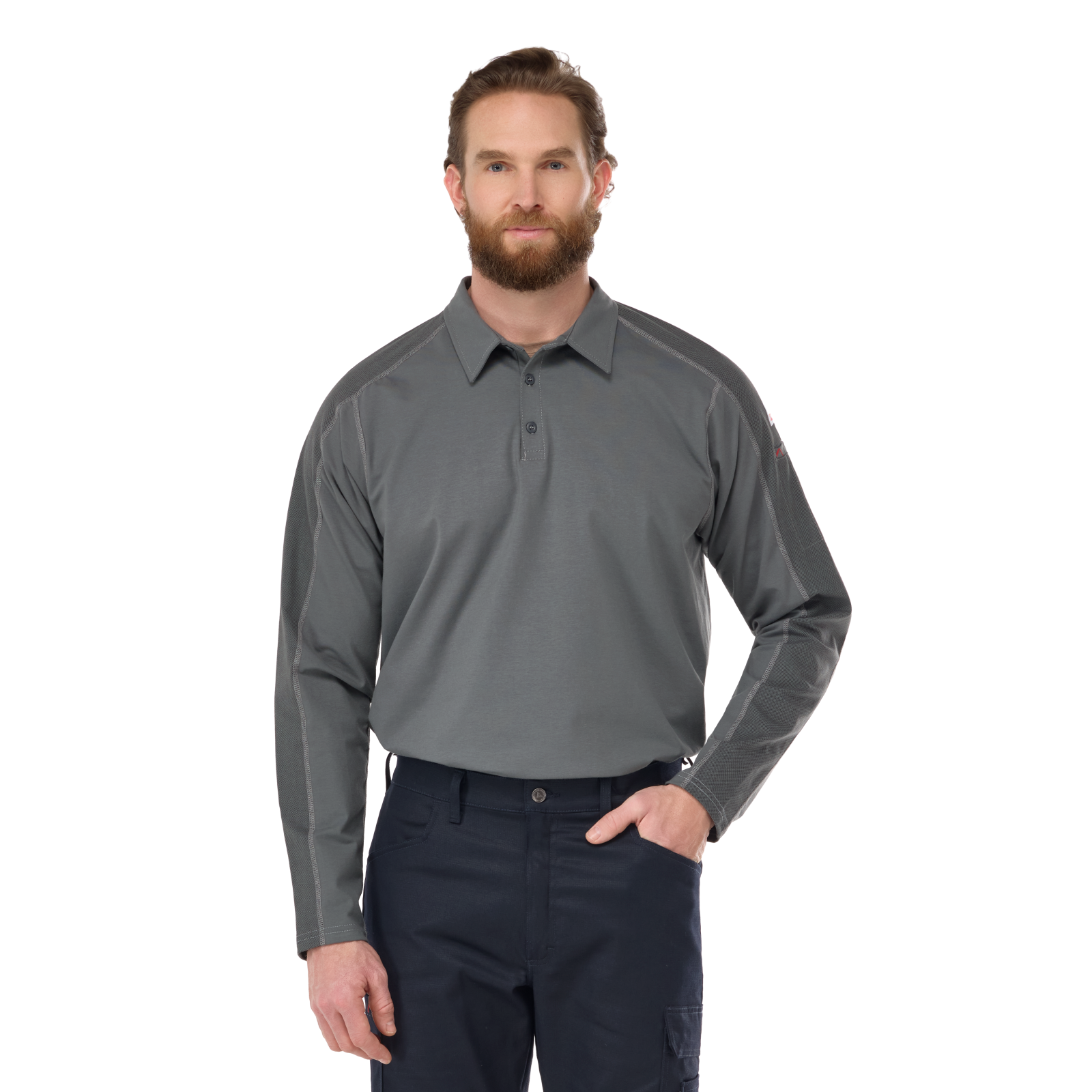
Develop long-sleeve, short-sleeve and utility work shirts for industrial crews, service teams and uniform programs. Specify fabric composition and weight, collar and cuff details, pocket layouts, reinforced stress points, closure type, color blocking, woven labels, embroidery or screen-printed branding.
Request a Workwear Quote
T-Shirts & Polos
Produce crew-neck, V-neck and performance T-shirts alongside knit polos with selected collar, placket and sleeve treatments. Buyers can align fabric choice, color, sizing, logo application and care labels to promotional uniforms, trade teams, hospitality staff or everyday jobsite wear.
Request a Workwear Quote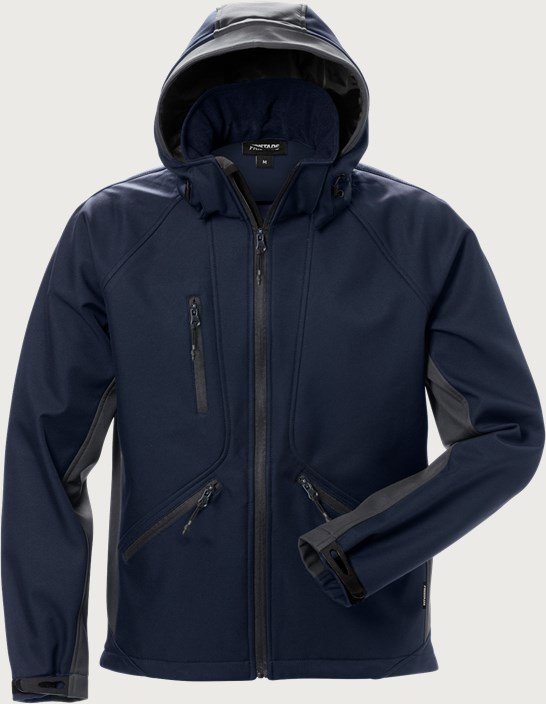
Work Jackets & Outerwear
Build softshell, fleece, padded and rain jacket programs around the required work environment. Development can address shell fabric, lining, insulation, weather-protection features, pocket configuration, reinforcement, reflective-trim placement and private-label details before sampling and production.
Request a Workwear Quote
Work Vests & Bodywarmers
Create utility vests, insulated bodywarmers and layerable work vests with front closures, pocket systems and branding positions suited to mobile crews. Fabric, padding, lining, trim, color and decoration can be selected for service uniforms, warehouse teams, outdoor work or distributor collections.
Request a Workwear Quote
Work Pants & Shorts
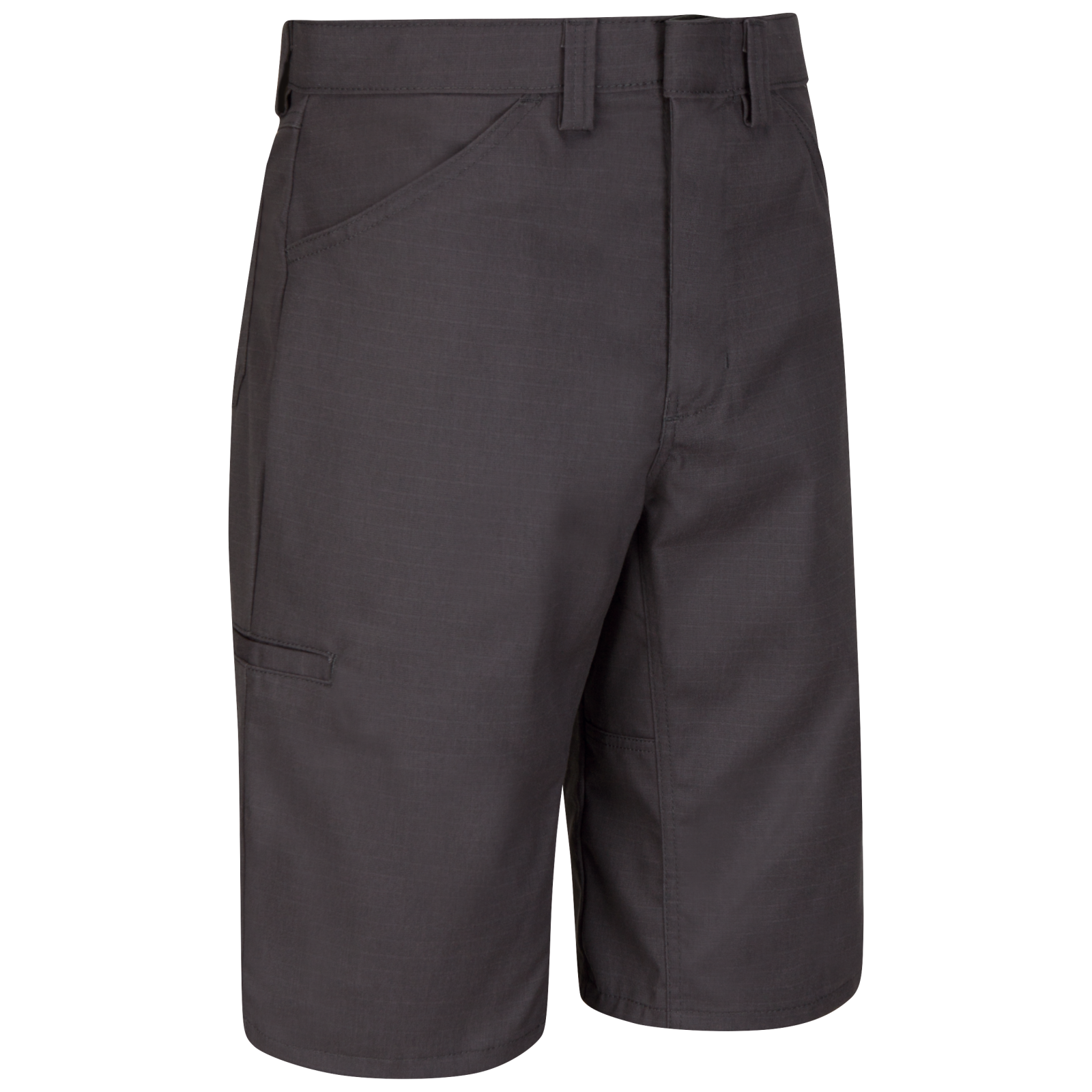
Manufacture straight-leg work pants, cargo pants and work shorts with practical pocket arrangements and job-specific reinforcement. Discuss fabric, waistband construction, size grading, knee reinforcement, gussets, bartacks, triple stitching, color and label specifications for industrial or service applications.
Request a Workwear Quote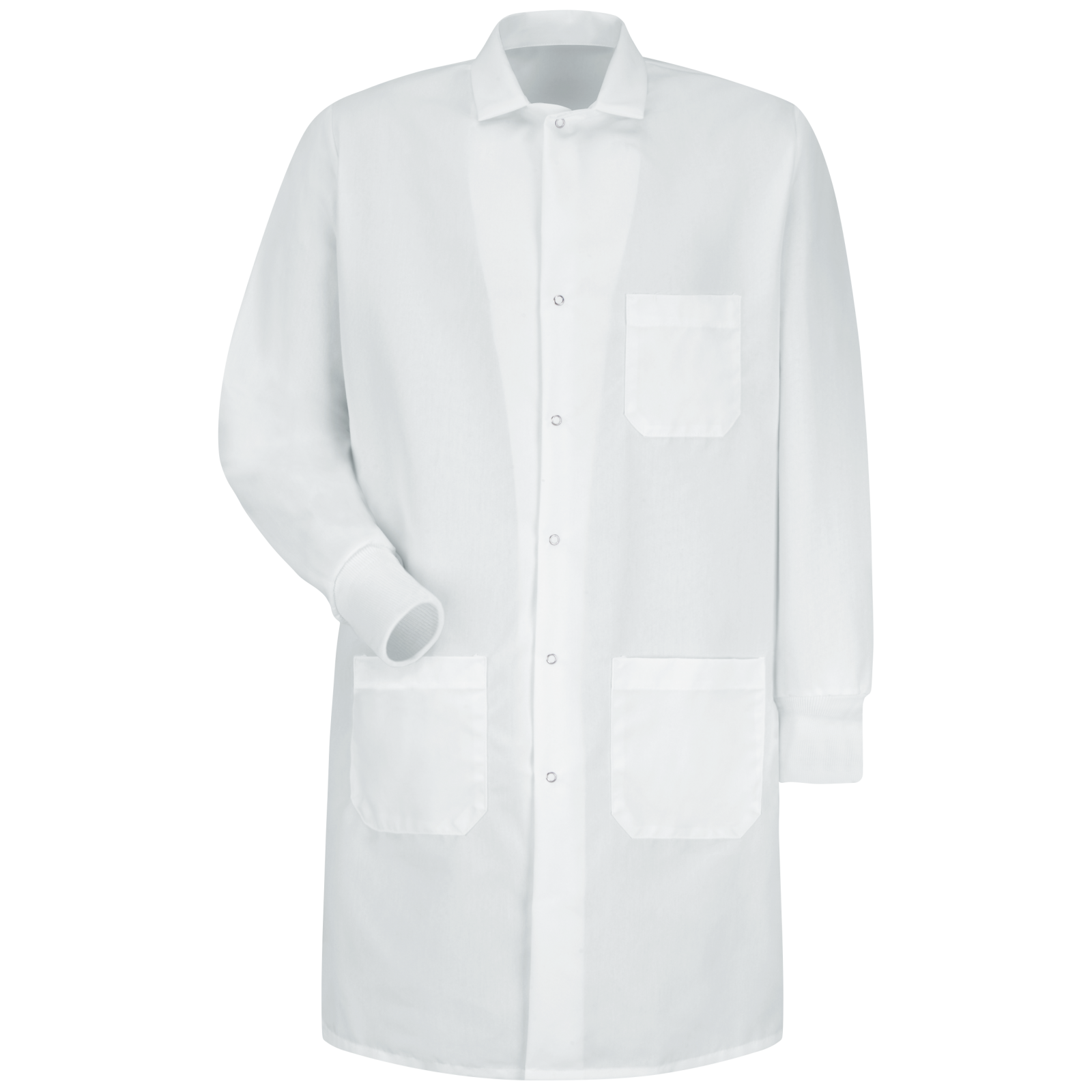
Coveralls & Bib Overalls
Develop one-piece coveralls, bib overalls and related workwear formats for demanding industrial routines. Construction can include front closures, adjustable bib features, tool and utility pockets, reinforced areas, reflective details, fabric selection and decoration aligned with the intended work setting.
Request a Workwear Quote
Workwear Sets
Coordinate matching shirt-and-trouser, jacket-and-pant or multi-piece uniform sets under one program. Shared fabric colors, trim, fit blocks, branding placements, size grading and packaging can be planned together for enterprise uniforms, distributor ranges and private-label workwear collections.
Request a Workwear Quote
High-Visibility Workwear
Develop high-visibility garment families including vests, jackets, trousers, coveralls and coordinated sets. Specify base fabric, contrasting panels, reflective tape layout, pockets and branding zones; any required visibility standard or certification must be defined and supported by SKU-specific test evidence.
Request a Workwear Quote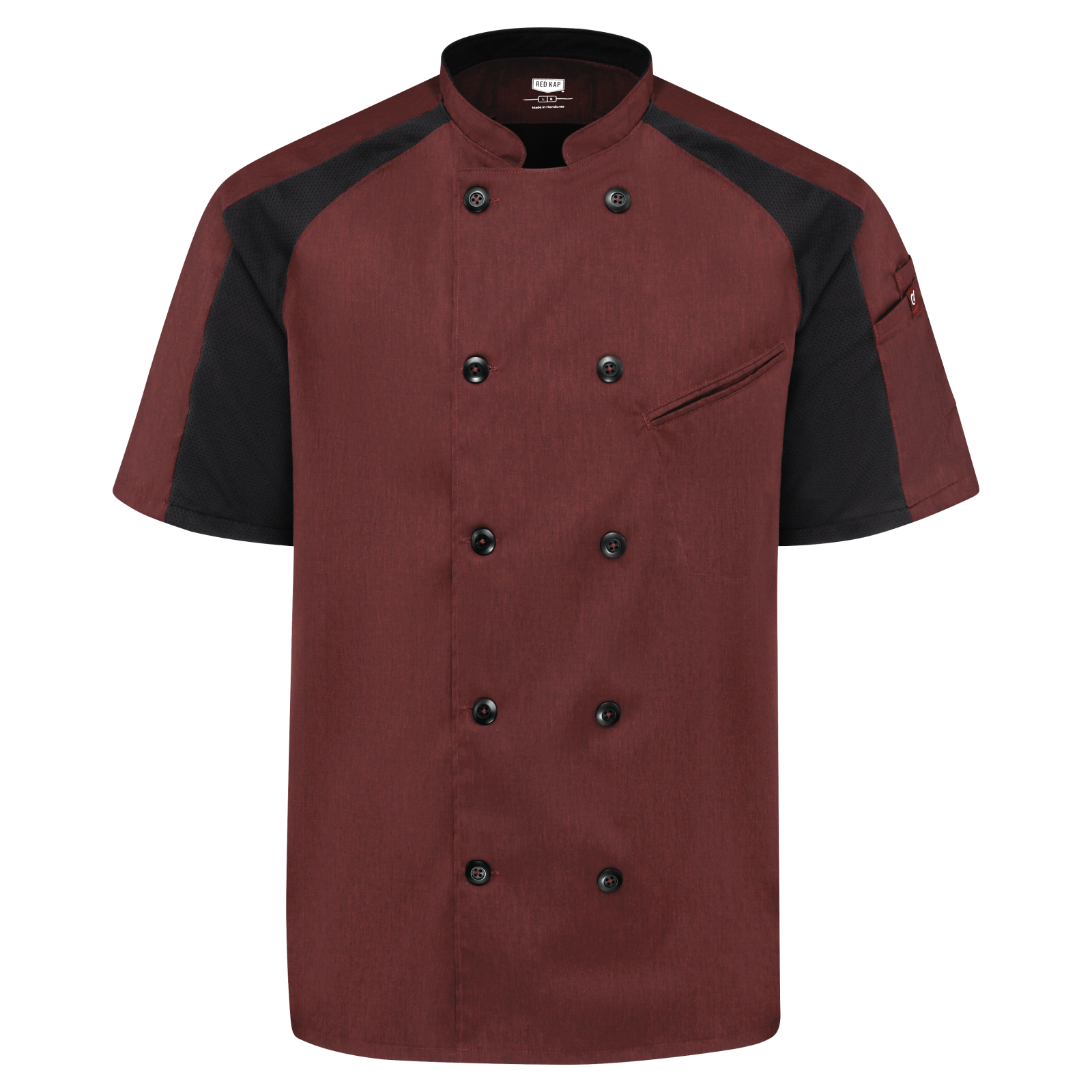
Flame-Resistant & Arc-Rated Wear
Create flame-resistant and arc-rated garment development programs for buyers with defined protection requirements. Possible formats include shirts, trousers, coveralls, jackets and layers; final fabric, construction, labels and performance claims depend on the applicable standard, test evidence and certification scope.
Request a Workwear Quote
Chemical-Protective Clothing
Plan chemical-protective clothing around the wearer’s work environment, garment format and requested barrier performance. Coveralls, coats, trousers and related pieces can be developed with selected materials, closures, seams and labeling, while chemical resistance claims require exact documented testing for the finished SKU.
Request a Workwear Quote
Cold-Storage Workwear
Develop insulated outerwear and layering pieces for cold-storage operations, including jackets, bodywarmers, trousers, coveralls and accessories. Select shell fabric, lining, insulation, closures, cuffs, pocket construction and branding details according to the intended environment; temperature-performance claims need supporting evidence.
Request a Workwear Quote
Welding Workwear
Produce welding workwear such as protective jackets, trousers, coveralls, shirts and coordinated suits with material and reinforcement choices tailored to the job. Buyers can define pocket placement, closure approach, stress-point construction, sizing and branding; any protective rating requires applicable test documentation.
Request a Workwear Quote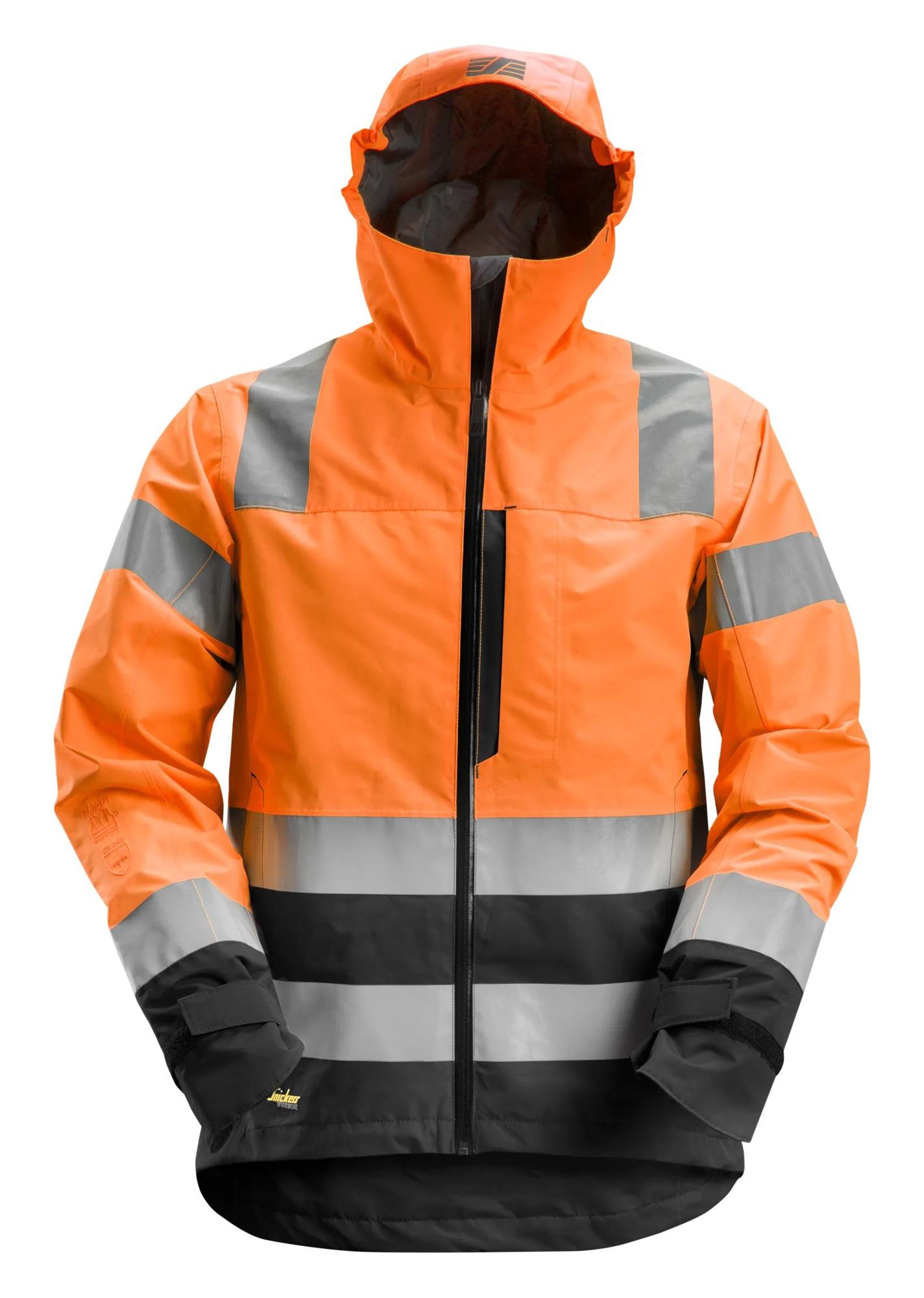
Medical & Cleanroom Wear
Support medical uniforms, cleanroom garments and ESD-oriented product development, including scrubs, coats, coveralls and related apparel. Define fabric, closure, pocket, fit, color and labeling needs for the use case; cleanroom, ESD or other performance claims require SKU-specific evidence.
Request a Workwear Quote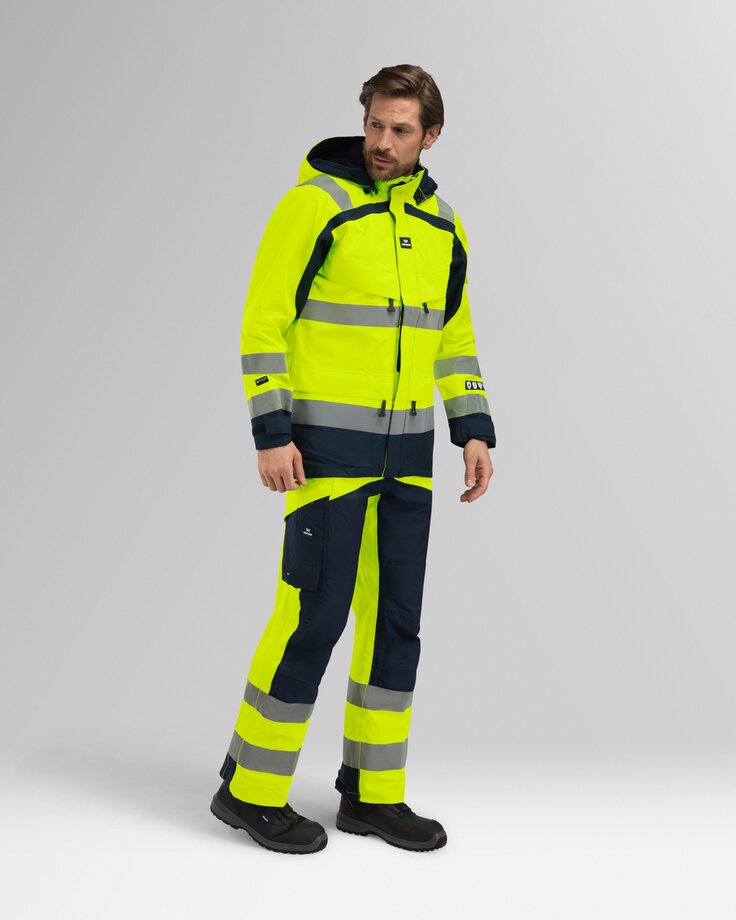
Chef & Hospitality Uniforms
Develop chef coats, kitchen trousers, aprons, service shirts, polos and front-of-house uniforms for hospitality programs. Details may include fabric choice, ventilation-oriented construction, pocket placement, closure style, color coding, embroidery, labels and coordinated presentation across staff roles.
Request a Workwear Quote
Industry Uniforms
Build uniform programs for industrial, logistics, service, hospitality and enterprise teams using shirts, polos, trousers, jackets, vests, coveralls and sets. Standardize colors, size ranges, job-role distinctions, logo treatment, labels and packaging while adapting garment construction to the working environment.
Request a Workwear Quote
Base Layers & Accessories
Complete workwear programs with base layers and practical accessories such as thermal pieces, caps, aprons, belts, and packaging components. Coordinate material, color, labeling, and decoration with the primary garment range; develop accessory specifications for the selected product and use case.
Request a Workwear QuoteVeelianpro’s Screen Printing Workwear Experience
Based in Wuhan, Hubei, Veelianpro has developed custom workwear programs since 2012. The company supports industrial, safety, hospitality and service brands with OEM, ODM, private-label and wholesale production, helping buyers turn a tech pack, sketch, sample or product idea into practical branded garments.
Screen printing is one part of a broader development and manufacturing workflow covering fabric and trim sourcing, pattern development, sampling, size grading, cutting, sewing, reinforcement, finishing, quality checks, packing and export coordination. The team can review artwork, garment surfaces, print placement and production requirements for shirts, polos, jackets, vests, pants, coveralls and workwear sets.
Veelianpro’s company profile describes a team of more than 300 skilled workers and a starting MOQ of 100 pieces per style and color, subject to fabric, construction and project requirements. Buyers can align screen printing with fit, materials, branding and private-label details, then confirm the final specification through sampling and approval before production.

Key Screen Printing Quality Factors for Workwear
Match Fabric to the Print
Screen printing results begin with the garment surface. Veelianpro reviews fabric composition, weight, texture, color and finish before recommending artwork coverage, ink approach and placement for shirts, polos, jackets, vests, pants or coveralls.
- Review fabric composition and surface texture
- Confirm artwork placement against seams and pockets
- Consider stretch, coating and garment color
- Approve the intended hand feel and coverage

Plan Artwork and Color Separations
Artwork preparation affects screen setup, registration and production consistency. Buyers should provide vector artwork, color references, print locations and size requirements so the team can assess separations, fine details, overlays and the practical limits of the chosen garment.
- Supply editable artwork and brand color references
- Define print locations and finished dimensions
- Confirm the number of ink colors
- Check fine lines, small text and gradients

Select Mesh, Ink and Finish
Mesh selection and ink formulation should support the artwork, fabric and required finish. Veelianpro can review opacity, color coverage, flexibility, texture and curing considerations as part of sampling and decoration planning for OEM or private-label workwear.
- Align mesh choice with detail and ink deposit
- Select ink for fabric behavior and desired finish
- Review opacity on dark or colored garments
- Confirm curing requirements before bulk production

Control Registration Through Approval
Multi-color screen printing requires controlled alignment between print layers and consistent positioning across production. Veelianpro uses approval samples to confirm artwork scale, color appearance, registration, placement and finish before the workwear order moves into full production.
- Approve a decorated sample before bulk cutting or sewing
- Check layer alignment and print edge definition
- Verify placement across sizes and garment panels
- Document approved artwork, colors and tolerances

Screen Printing for Custom Workwear vs. Off-the-Shelf Decoration
Compare made-to-spec workwear development with decorating available garments for your program. Starting MOQ is subject to fabric, certification and construction requirements.
← Swipe left or right to view →
Screen Printing Production Process: Artwork to Shipment
Veelianpro coordinates screen printing from artwork review through export preparation for OEM, ODM, private-label and wholesale workwear programs. Buyers confirm garment fabric, print locations, artwork colors, quantities and approval standards before sampling. MOQ starts at 100 pieces per style and color, subject to fabric, construction, decoration and project requirements.
Review Artwork and Garments
We review artwork, garment surfaces, fabric composition, print locations, color count and intended use to confirm a practical screen printing approach.
Prepare Screens and Inks
The team separates approved artwork by color, prepares screens, confirms ink choices and aligns print specifications with the selected workwear construction.
Test Print and Approve
Veelianpro produces a sample or test print to assess color coverage, placement, registration and finish before production approval and bulk scheduling.
Print, Cure and Inspect
Approved garments move through screen printing, curing and quality checks, with attention to print consistency, alignment, garment handling and workmanship.
Pack and Coordinate Shipment
Finished workwear is folded, packed and prepared for export coordination according to the confirmed order details, destination, labeling and packaging requirements.
How to Order Screen Printing for a Workwear Program
From garment brief to approved decoration, Veelianpro aligns artwork, materials, sampling, and production details for OEM, ODM, and private-label workwear.
Share Your Garment Brief
Specify the workwear style, fabric, color, size range, branding method, target quantity, destination, timeline, and intended use so feasibility can be assessed.
Prepare Artwork and Placement
Provide editable artwork, print colors or references, logo dimensions, placement drawings, and any fabric or trim constraints for screen printing review.
Approve the Sample
Review print coverage, color appearance, registration, hand feel, placement, and wash or use requirements before approving the decorated sample for production.
Confirm Quote and Production
Confirm the quotation, project-specific MOQ starting at 100 pieces per style and color, approved sample, packaging, inspection expectations, and delivery plan before production scheduling.
Screen Printing for Workwear Programs
Illustrative scenario: A safety distributor needs a high-visibility vest program with a logo positioned clear of reflective tape. The development brief maps artwork placement and color separation before sampling; acceptance criteria include approved logo position, legibility, and compatibility with the selected garment construction.
Illustrative scenario: A uniform buyer is developing branded polos for a service team and needs consistent artwork across sizes. The proposed screen printing workflow reviews production-ready artwork, print location, garment color, and sample approval; acceptance criteria focus on approved color appearance, placement, and print quality.
Illustrative scenario: A workwear brand is launching a cargo-pant and work-shirt capsule from 100 pieces per style and color, subject to project requirements. The team aligns the logo design with fabric choice and pocket layout before sampling; acceptance criteria cover approved artwork, construction details, labels, and packing requirements.
Workwear Fabrics Selected for the Job




Custom Workwear Manufacturer Processes for Branding and Durability



Functional Trims and Brand Accessories


Documentation to Review for Custom Workwear


Screen Printing FAQ for OEM and Private-Label Buyers
Practical guidance on fabrics, artwork, sampling, production quantities, and decoration planning for custom workwear programs.
What fabrics work best for screen printing on workwear?
How many colors can screen printing use on a workwear garment?
What is the maximum screen printing design size and placement?
How durable is screen printing after repeated workwear washing?
Can screen printing be combined with embroidery, patches, or other decoration?
What is the MOQ for screen printing workwear?
How long does screen printing production take?
What artwork files are needed for screen printing sampling?
The Complete Guide to Screen Printing
A practical framework for choosing screen printing for industrial and service apparel, comparing production options, assessing suppliers, avoiding artwork and quality failures, and preparing a quote-ready sourcing brief.
1. What Is Screen Printing?
For this guide, screen printing is a requested decoration route for applying approved artwork to a specified garment. It should be treated as part of the garment specification, rather than as a last-minute logo add-on. The print result depends on the actual artwork, garment color and fabric, intended location, order quantity, and the production method confirmed for the project.
A useful brief identifies the garment style, artwork revision, logo dimensions, print locations, color callouts, quantity by colorway, and destination. It should also show pockets, plackets, seams, reflective trim, or other components that could affect the usable print area. This gives the supplier a basis to assess feasibility before sampling.
Screen printing can suit repeat uniform marks when the buyer can hold artwork and placement consistent across the program. If the artwork changes often, contains fragile small details, or must appear across several different garment constructions, request a project-specific review and sample plan. Veelianpro can begin from a tech pack, sketch, sample, or product idea; provide the garment type, print location, artwork, quantity, and destination so decoration can be reviewed alongside fabric and construction.
2. How to Plan Screen Printing for Workwear
Plan the garment and decoration together. A left-chest mark on a polo, a full-back identifier on a jacket, and a sleeve logo on a coverall each use different available areas and may interact differently with pockets, seams, closures, trim, and size grading.
Start with an artwork-control sheet. Name the approved file and revision, list each color callout, state the intended dimensions, and provide a front, back, and side placement diagram where needed. Identify whether the artwork must be identical across every size or whether a size-based placement rule is acceptable. These details prevent a quote from being based on a generic mockup.
Then request feasibility review before approving a sample. Ask the supplier to confirm the proposed garment, workable print locations, sample route, artwork requirements, and any limits that arise from the selected fabric or construction. If a different production method is proposed, ask for the reason and record the change in the approval file. This is more useful than choosing a method based only on a broad claim about run size or equipment.
3. Types of Screen Printing
Screen-printing proposals should be compared by the approved garment and artwork scope, not by method names alone. Use the supplier review to confirm which route is proposed for the actual fabric, colorway, design, and quantity.
| Planning Route | Buyer Input | Approval Focus | Quote Question |
|---|---|---|---|
| Sample review route | Final artwork and placement map | Garment, colors, dimensions, and placement | What sample or proof will be approved? |
| Repeat-order route | Locked artwork revision and quantity forecast | Consistency against the approved sample | Will the repeat order use the same approved specification? |
| Special-process request | Exact fabric, colorway, and desired appearance | Approved sample appearance and feel | Is this process available for the selected garment? |
| Special-effect request | Artwork, intended effect, and use conditions | Sample appearance and flexibility | Can the requested effect be sampled and approved? |
Sampling and Repeat Orders
Use sampling to confirm the exact garment, artwork revision, logo scale, and placement before bulk approval. For a repeat order, state whether the same garment specification, colorway, artwork, and packing requirements must be retained.
Provide a color callout for every intended logo color and ask the supplier to identify the production files or setup required for the proposed route. Do not assume that a visual mockup alone is sufficient for production approval.
Ink-System Selection
Ask the supplier to propose an ink system only after reviewing the actual garment fabric, color, artwork, and intended use. The quotation or sample record should name the proposed route if it is material to appearance, wash approval, or repeat ordering.
For dark garments, fine details, large printed areas, or a specific feel target, make the sample acceptance criteria explicit. Evaluate the approved sample instead of assuming that a named ink category will deliver the same result on every fabric or colorway.
Fabric-Specific Requests

If the brief requests a special print effect or a particular hand feel, submit the exact fabric and colorway for feasibility review. Record whether the requested effect is available for that garment and require sample approval before including it in a bulk specification.
Do not carry a result from one fabric, color, or supplier sample into a different garment program without reconfirmation.
Specialty Effects
A requested special effect should be described as a design target, not as a confirmed product feature. Supply the artwork, requested appearance, garment, and intended use, then ask whether a sample can be made for approval.
Do not treat decorative reflectivity, texture, or a visual effect as protective performance. If the buyer requires a certified visibility or other protective property, provide the applicable standard and require SKU-specific evidence within the certification scope.
4. Screen Printing Inputs and Technical Options
Review garment color, fiber blend, artwork, and intended finishing route together before committing the decoration plan. Veelianpro can review these inputs alongside the work setting when developing the selected workwear style.
| Input Or Option | Print Outcome | Suitable Apparel Use | Planning Limitation |
|---|---|---|---|
| Light garment | Sample artwork on the selected shade | Service polos and tees | Confirm fabric surface and desired appearance |
| Dark-color garment | Ask the supplier to propose a coverage approach | Dark work shirts and jackets | Approve a representative sample before bulk production |
| Fine-detail stencil | Review the smallest lines and spaces | Compact chest logos | Confirm reproducibility at final size |
| Large solid artwork | Review coverage and hand-feel target | Back graphics or team identification | Define sample acceptance criteria |
| Multi-color separation | Confirm the proposed color-separation plan | Branded uniform programs | Submit locked color callouts |
Garment Substrate And Color
Fabric composition and surface texture belong in the inquiry because the proposed decoration route must be reviewed on the selected garment. For a dark garment or bright artwork, ask the supplier to state the proposed approach in the sample scope and approve a representative sample before bulk production.
Ink-System Compatibility
Specify whether the print is a bold logo, fine linework, or a large solid panel. Ink choice must be evaluated against the garment fabric, color, intended wear, and required appearance; do not assume one system suits every construction.
Mesh And Stencil Detail
Submit artwork at final intended dimensions and ask the supplier to review small text, thin lines, open gaps, and large solid areas before sampling. If any feature cannot be approved for the selected garment, revise the artwork or print plan and record the approved revision in writing.
Color Separation And Registration
For multi-color artwork, ask the supplier to document the proposed color-separation and alignment plan for the final garment and quantity. Simplify artwork only after confirming which colors and details are essential to the brand.
Curing Conditions
Confirm the production route during sampling, especially where the artwork crosses stretch areas, seams, pockets, or layered garment components. The approved sample should define the appearance and handling checks required for bulk acceptance.
5. Screen Printing Customization and Finishing
A print location is a functional garment decision, not merely a logo choice. Screen printing plans should account for wearer visibility, seams and pockets, movement zones, and the washing conditions expected in service or industrial use.
| Decoration Plan | Production Consideration | Best Procurement Input |
|---|---|---|
| Single chest logo | One location; confirm scale around pocket or placket | Print size and exact placement |
| Chest and back logo | Separate placements and setup | Location diagram for each view |
| Light artwork on dark fabric | Ask whether a coverage approach is proposed | Garment color and wash conditions |
Placement, Scale, And Function
Chest marks suit identification at conversational distance; back prints offer a larger field for fleet, site, or team recognition. Keep artwork clear of plackets, pocket openings, reflective tape, seams, and areas that flex heavily.
Specify each location and maximum print dimensions on the tech pack: left chest, full back, sleeve, or trouser leg. Multiple locations require separate positioning and production setup.
Color Layers And Underbases
List every logo color, print location, and required color reference in the specification. Ask the supplier to confirm the proposed production scope for the final artwork, since changes in color count, artwork detail, garment color, or locations can change the quotation and approval route.
For dark garments or artwork with small gaps and tight detail, require a representative sample. Confirm the intended garment color and the project-specific acceptance checks before approving the color plan.
Artwork And Finish Choices
Provide editable vector artwork where available, with colors identified by an agreed reference. Include final print dimensions, garment color, locations, and any requested special effect. The supplier should confirm which requests are available for the selected garment before they are included in the quote.
Illustrative planning example, not a Veelianpro specification: a two-color chest logo should list two approved color callouts, while a four-color back design should list four. The quotation should state how the final artwork and locations affect the proposed decoration scope.
6. Print Quality and Acceptance Checks
A print can match approved artwork yet fail acceptance through soft edges, shifted layers, uneven opacity, or unstable ink. Approval should tie the design file to a named garment, print location, and observable inspection criteria.
Artwork And Edge Definition
Compare the sample against the approved color-separated artwork at normal viewing distance and close range. Fine text, line breaks, knockouts, and logo contours should meet the agreed legibility standard.
If fine details fill in or edges look soft on the sample, simplify fragile details or ask the supplier to revise the proposed decoration plan before bulk approval.
Registration And Placement
Multi-color layers must meet cleanly; halos, gaps, and shifted outlines indicate registration error. Check left-chest, back, sleeve, or leg placement against the approved measurement reference and garment size.
Record the placement point, orientation, and allowed visual standard on the sample approval. This prevents a correctly printed logo from appearing inconsistently positioned across a workwear order.
Appearance And Inspection
Evaluate the approved sample on the selected garment color for even appearance, clear edges, and the agreed placement. If the result does not meet the visual standard, revise the artwork or proposed decoration route before bulk approval.
Agree a practical, project-specific inspection or handling check on the approved sample before production. If the bulk result differs from that approved sample after the agreed check, stop acceptance and review the documented garment, artwork, and production specification.
- Approved artwork version and color separation
- Garment style, color, and size range
- Print locations and placement references
- Agreed sample test and inspection standard
7. Choosing a Screen Printing Manufacturer
The right printer must understand the garment before approving the artwork. For workwear programs, print placement, fabric choice, pocket layouts, reinforcement, and packing requirements all affect whether the decorated product can be produced consistently.
| Request Item | Why It Matters | Confirm In Writing |
|---|---|---|
| Garment specification | Protects functional design | Fabric, pockets, reinforcements |
| Print specification | Controls visual execution | Colors, size, placement |
| Packing scope | Supports distribution handling | Labels, packaging, carton requirements |
Match The Garment Range
Choose a manufacturer that can develop the relevant base garment as well as apply screen printing. A chest logo on a work shirt, a back print on a coverall, and markings near reflective tape each need placement review against seams, pockets, and functional components.
Veelianpro supports work shirts, polos, tees, trousers, jackets, vests, coveralls, and two-piece work suits, with fabric, trim, pattern, and decoration discussions before production.
Review Artwork And Sampling
Ask how production-ready artwork is checked: color-separated files, ink colors, print dimensions, placement references, and small-detail limitations should be resolved before screens are prepared. Request a sample route that identifies the approved garment, artwork revision, colors, and placement.
Compare the approved sample to the order specification, not to an unmarked visual mockup. Confirm whether logos will print over pockets, seams, or reflective tape before bulk cutting.
- Color-separated artwork files
- Garment-specific placement diagram
- Approved sample and revision record
Define Quote And Communication
A usable quote distinguishes garment construction, fabric, decoration, labels, packaging, sampling, inspection, and export coordination. Veelianpro begins from a tech pack, sketch, sample, or product idea and supports custom packaging alongside labels and other decoration options.
For MOQ, request confirmation for the exact style, colorway, fabric, construction, and any certification requirement. Veelianpro states a starting MOQ of 100 pieces per style and color, subject to those conditions; it is not a universal minimum for every program.
8. Screen Printing Mistakes to Avoid
Screen printing problems usually begin before ink reaches the garment: an artwork decision, substrate detail, or quote assumption is left unresolved. Lock those inputs during feasibility review so the sample and production brief describe the same job.
| Quote Item | Confirm Before Comparison | Production Consequence |
|---|---|---|
| Artwork | Color separations and final size | Different screen setup scope |
| Garment | Fabric composition and color | Different coverage or compatibility |
| Service scope | Sample, packing, inspection, export coordination | Different included work |
Choose Method After Artwork Review
Is screen printing right for intricate artwork? Not automatically: separated spot colors and fine details need a printability review before method selection. Send final-size vector art or a high-resolution file, intended quantity, and garment style so Veelianpro can assess the decoration route.
Match Ink To Garment
Will the logo look the same on every garment color? No; dark, light, and mixed fabric compositions can change coverage and appearance. Specify fabric composition, garment color, and work setting, then approve a representative sample rather than relying on artwork alone.
Define Placement Tolerances
How precise is logo placement? It must be defined on the tech pack, measured from stable garment reference points such as center front or pocket edge. State the print size, location, and acceptable tolerance; otherwise panels, pockets, and size grading can shift the visual position.
Count Colors Before Quoting
Is every ink color included at the same quoted scope? Not necessarily. Color count can affect the supplier’s proposed setup and quotation, so provide final color-separated artwork and identify any required color standard before quotation.
Approve Production-Ready Art
Can a low-resolution logo be treated as production-ready? Request supplier review before approving it. Where available, provide editable vector artwork, confirmed dimensions, color callouts, and a proof that shows the proposed artwork at final garment scale.
Compare Like-For-Like Quotes
Why do screen printing quotes differ? One quote may include sampling, garment sourcing, labels, packing, inspection, or export coordination while another omits them. Compare an identical specification sheet and confirm inclusions in writing. Confirm the applicable MOQ in the project quotation rather than repeating a general starting point.
9. Launching a Screen Printing Order
A reliable launch begins with the garment’s job, not the logo file. Lock the intended wear conditions and construction direction before screens, artwork separations, or production approvals are prepared.
Define Garment And Use
Specify the style—such as work tee, polo, vest, jacket, or coverall—plus fabric direction, color, size range, and the workplace conditions it must suit. Protection requests require the applicable standard and required test or certificate; a design request is not a documented performance claim.
Veelianpro develops from a tech pack, sketch, sample, or product idea. Include the expected quantity by style and color so feasibility and the applicable MOQ can be confirmed for the actual program.
Prepare Artwork And Print Map
Provide editable vector artwork where available, then identify each ink color and every print location: left chest, back, sleeve, or leg. Separate color information prevents a multicolor logo from being interpreted as one screen or one ink operation.
Confirm the print method against the garment fabric, artwork detail, coverage, and intended use before sampling. Include placement dimensions or a marked garment diagram so the proof can be checked against a defined reference.
Approve Production And Delivery
Review a sample or artwork proof for logo scale, placement, color breakdown, garment color, labels, and packaging before production approval. Record any approved revisions in the final specification rather than relying on an earlier email image.
A quote-ready inquiry includes style, quantities by size and color, artwork, print locations and colors, required use conditions, destination, target timing, packing requirements, and any private-label details. Illustrative procurement scenario: a safety distributor supplies a size-color matrix and sleeve-logo map for a work-shirt launch, allowing the quotation to match the actual assortment.
10. Screen Printing Cost Drivers
A screen-printing quote should be based on the final artwork, number of print locations, exact garment, colorway, quantity, and approval scope. A left-chest logo and a full-back graphic are different requested decoration scopes, even when they use the same garment; ask the supplier to show how each is priced.
Request one comparable scope covering the exact workwear style, fabric composition and weight, colorway, artwork files, size breakdown, packing method, destination, and whether sampling, inspection, export coordination, or special labels are included. Do not compare a stock-garment decoration quote with a made-to-spec garment quote as though the included work is identical.
| Cost Driver | What Changes Cost | Quote Must Specify |
|---|---|---|
| Screens and setup | Artwork color count and print locations can change the supplier’s proposed setup, sample scope, and quotation. | Color-separated artwork; number of colors; front, back, sleeve, or pocket locations. |
| Artwork and coverage | Fine detail, large solid areas, and any proposed coverage approach require feasibility review before quotation. | Print dimensions, placement, Pantone references if needed, coverage area, and production-ready vector or high-resolution artwork. |
| Garment and ink system | Fabric composition, garment shade, and intended appearance must be reviewed together in the proposed decoration plan. | Exact garment style, fabric, color, print feel target, and intended work setting. |
| Quantity and sampling | Setup is spread across the run; samples add a separate approval stage before bulk production. | Total units by style and color, size ratio, sample requirement, and approved artwork revision. |
| Finishing and delivery scope | Labels, folding, polybags, cartons, inspection requirements, and export coordination change the delivered scope. | Packaging specification, private-label components, inspection standard, destination, and Incoterm. |
Request a Screen Printing Workwear Quote
Send your garment details, artwork, quantity, destination, and timeline for a feasibility review, sample discussion, and tailored quotation.