
Custom Work Shirts for OEM, ODM & Private Label
Develop custom work shirts with Veelianpro for industrial, safety, service and private-label programs from 100 pieces per style and color.
Featured Products for Custom Work Shirt Development

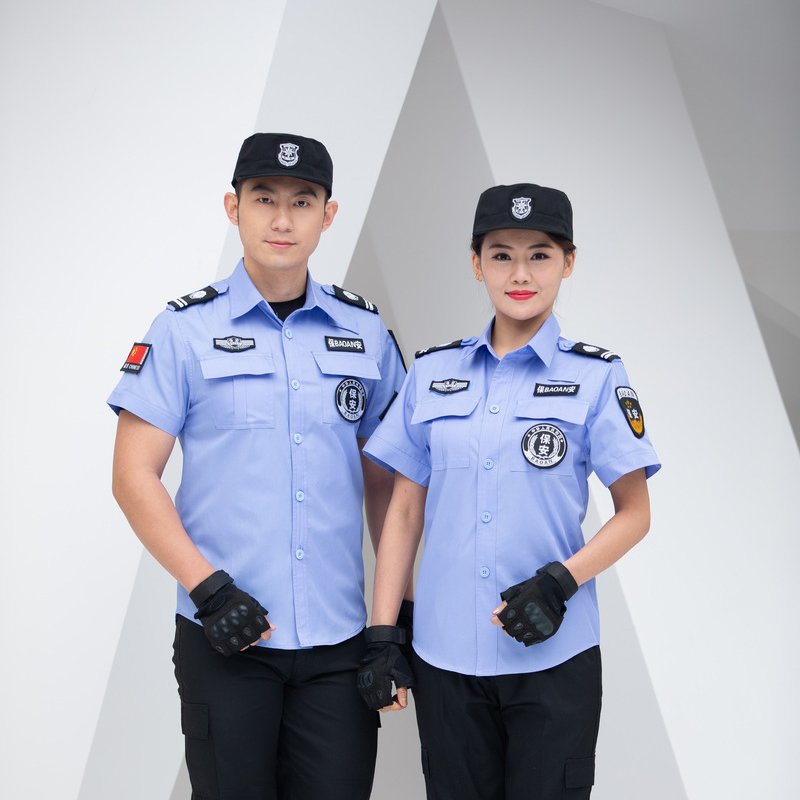
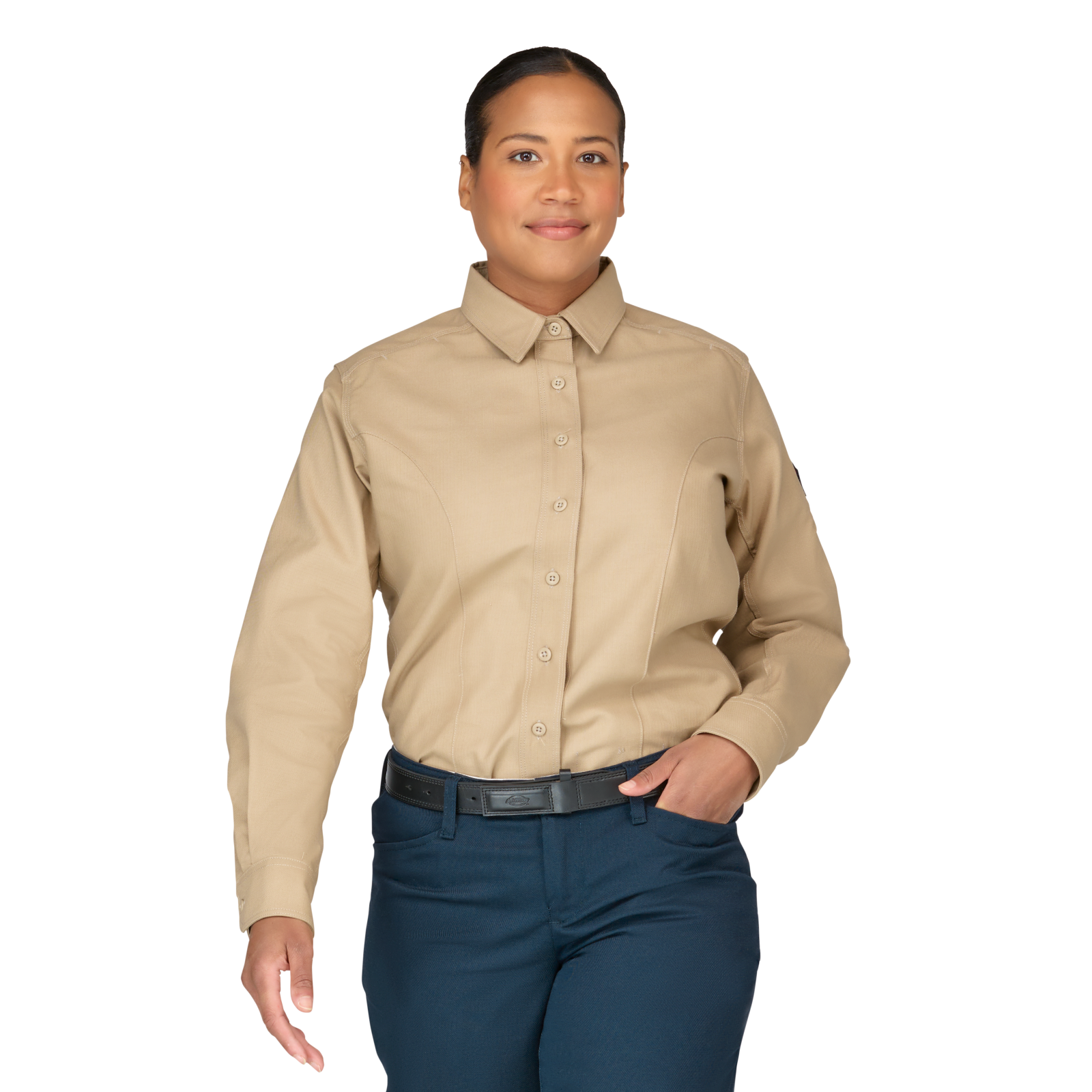
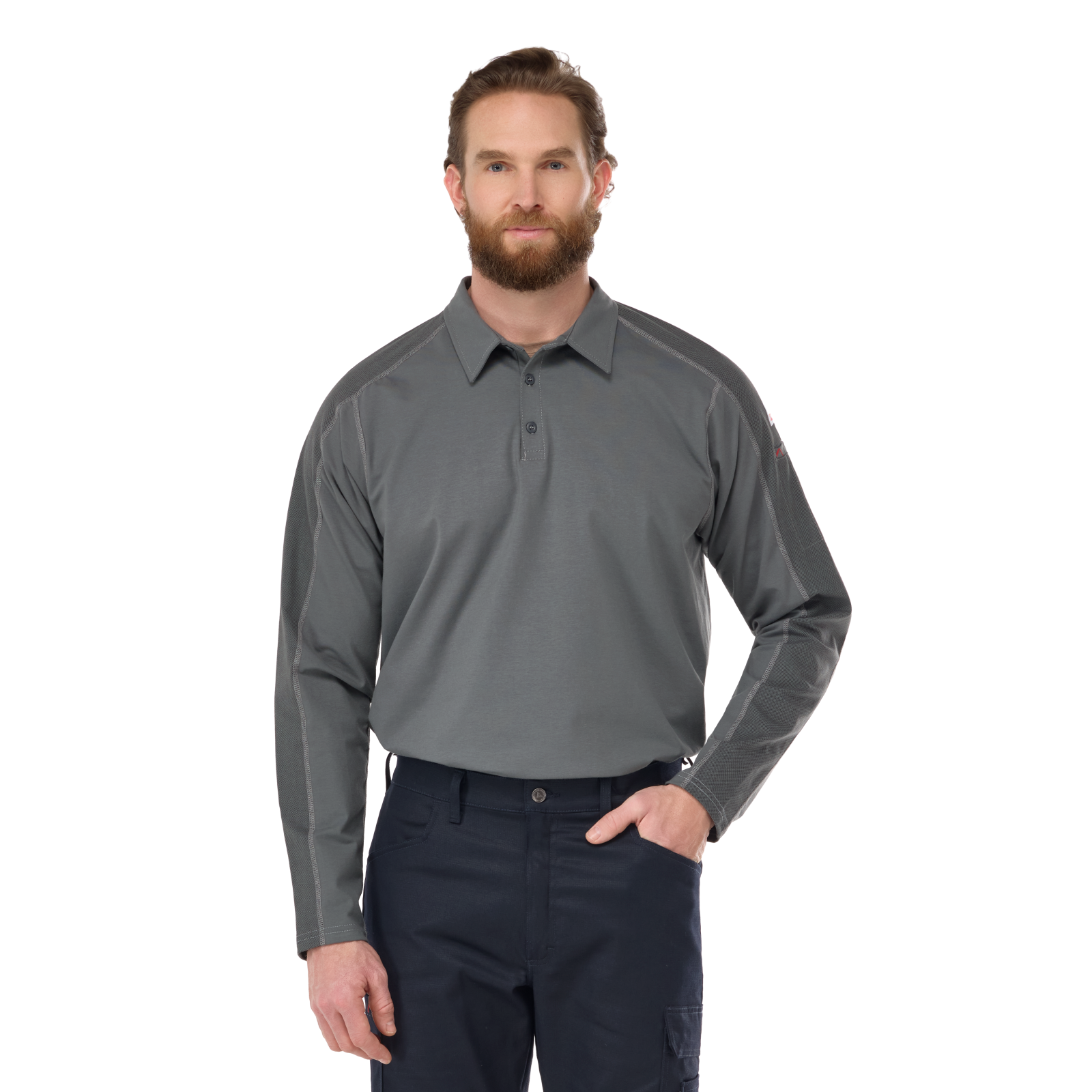
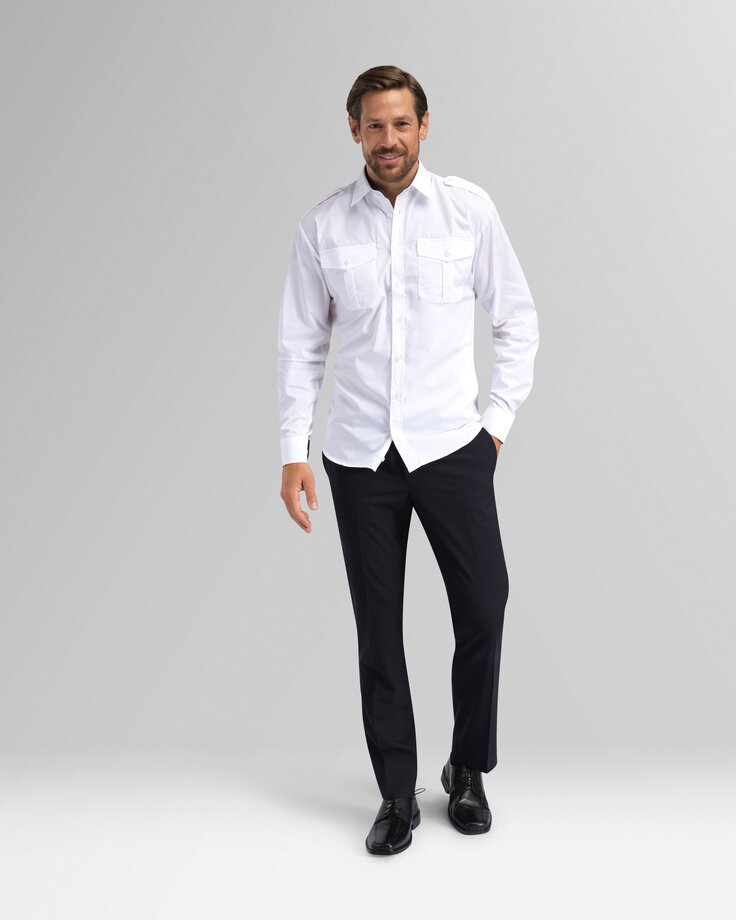
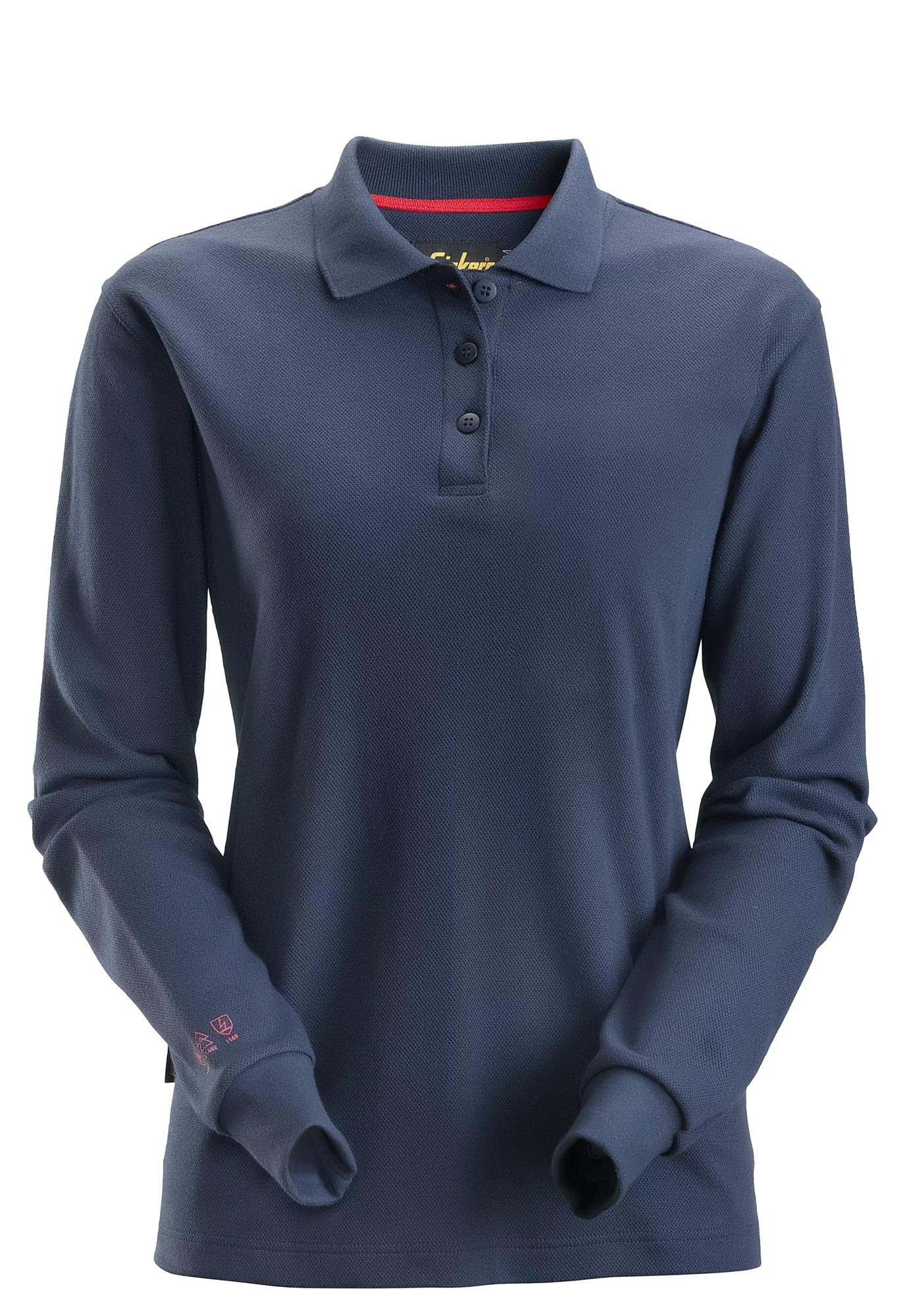



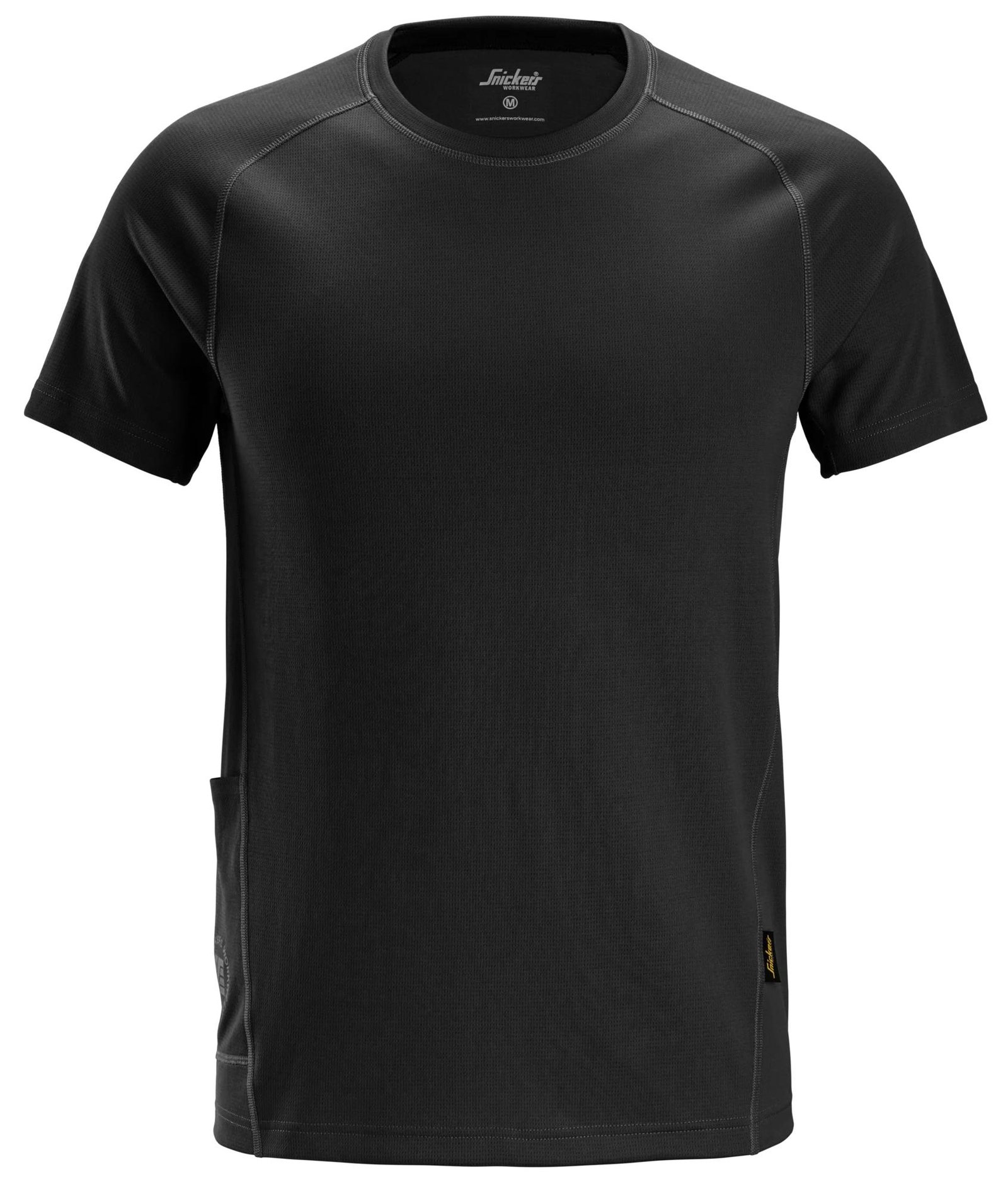


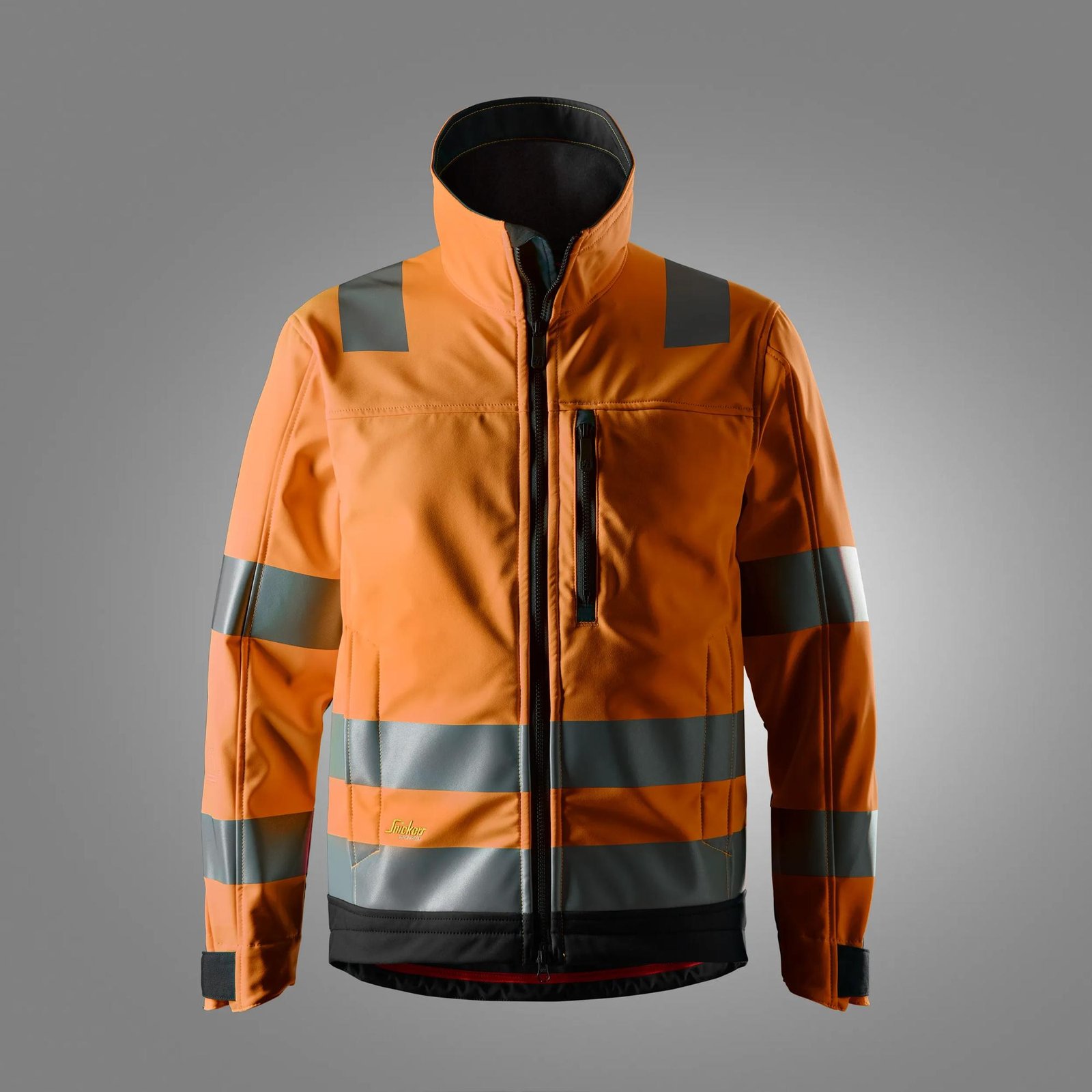
Related Product Catalogue and Quotation






Why Buyers Choose Our Custom Work Shirts
Veelianpro supports practical work shirt development for brands, distributors, wholesalers, and enterprise sourcing teams from concept through export coordination.
OEM, ODM, Private Label
Develop custom work shirts from your tech pack, sketch, sample, or product idea with flexible OEM, ODM, and private-label support.
Starting at 100 Pieces
Plan production from 100 pieces per style and color, subject to fabric, certification, construction, and other project requirements.
Development Support
Coordinate fabric sourcing, pattern development, sampling, size grading, cutting, sewing, reinforcement, finishing, and quality checks in one workflow.
Branding and Trim Options
Specify embroidery, screen printing, heat transfer, patches, woven labels, care labels, buttons, pockets, and custom packaging.
Built Around Work Roles
Develop shirts for industrial, safety, hospitality, service, and uniform programs with materials, fits, and construction matched to use.
Export Coordination
Move from approved sample and quotation to production, inspection, packing, shipment, and reorder support with a dedicated manufacturing partner.
Custom Work Shirt Styles
OEM and private-label work shirts developed for industrial crews, service teams, and uniform programs, with fabric, construction, branding, and fit options matched to the application.

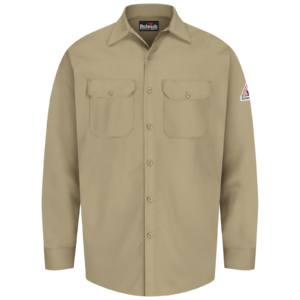
Long Sleeve Work Shirt
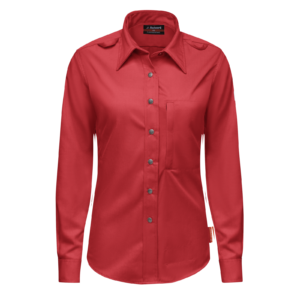
Long sleeve work shirts can be developed with woven cotton or blended fabrics, button or snap fronts, chest pockets, cuffs, and reinforced stress points. Suitable for industrial, maintenance, field-service, and uniform programs requiring arm coverage and a consistent branded appearance.
Get a Quote
Short Sleeve Work Shirt
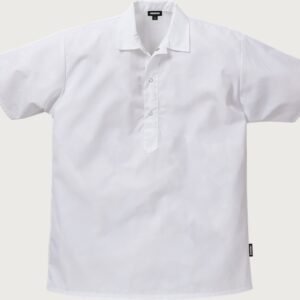
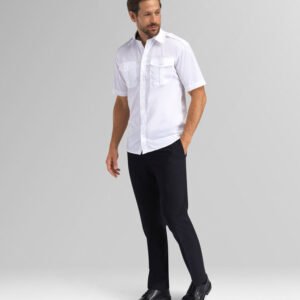
Short sleeve work shirts support warm-weather uniforms and active service roles. Specify woven fabric composition, collar style, front closure, chest-pocket layout, color blocking, labels, and logo decoration. Development can be aligned to retail workwear collections, distributor assortments, or company uniform requirements.
Get a Quote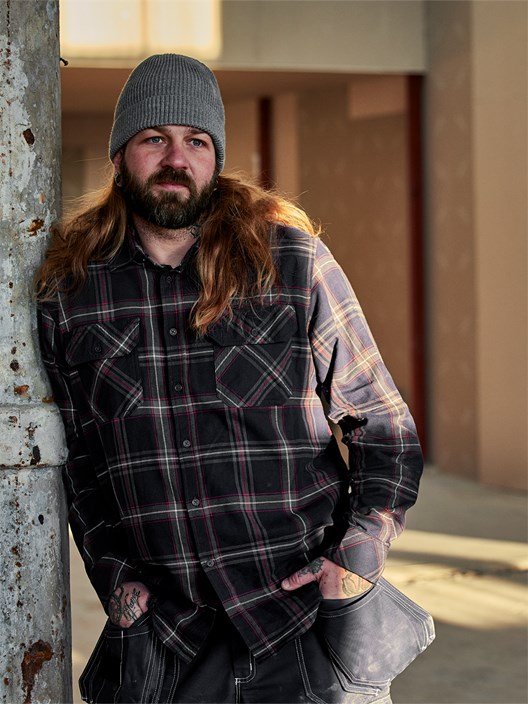
Flannel Shirt
Flannel work shirts can be developed in brushed cotton or cotton-blend fabrics for cooler work settings and casual workwear ranges. Options include plaid colorways, lined or unlined construction, chest pockets, reinforced seams, woven labels, embroidery, and private-label packaging.
Get a Quote
Denim Work Shirt
Denim work shirts combine a durable workwear appearance with customizable washes, shades, pocket details, closures, and branding. Fabric selection, stitching details, bartacks, size grading, labels, and decoration can be developed for tradeswear, heritage-inspired workwear, and uniform collections.
Get a Quote
Oxford Work Shirt
Oxford work shirts provide a cleaner uniform option for hospitality, service, office-to-field, and corporate teams. Buyers can define cotton or blended Oxford fabric, collar construction, placket style, sleeve length, pocket placement, color, embroidery, labels, and coordinated size ranges.
Get a Quote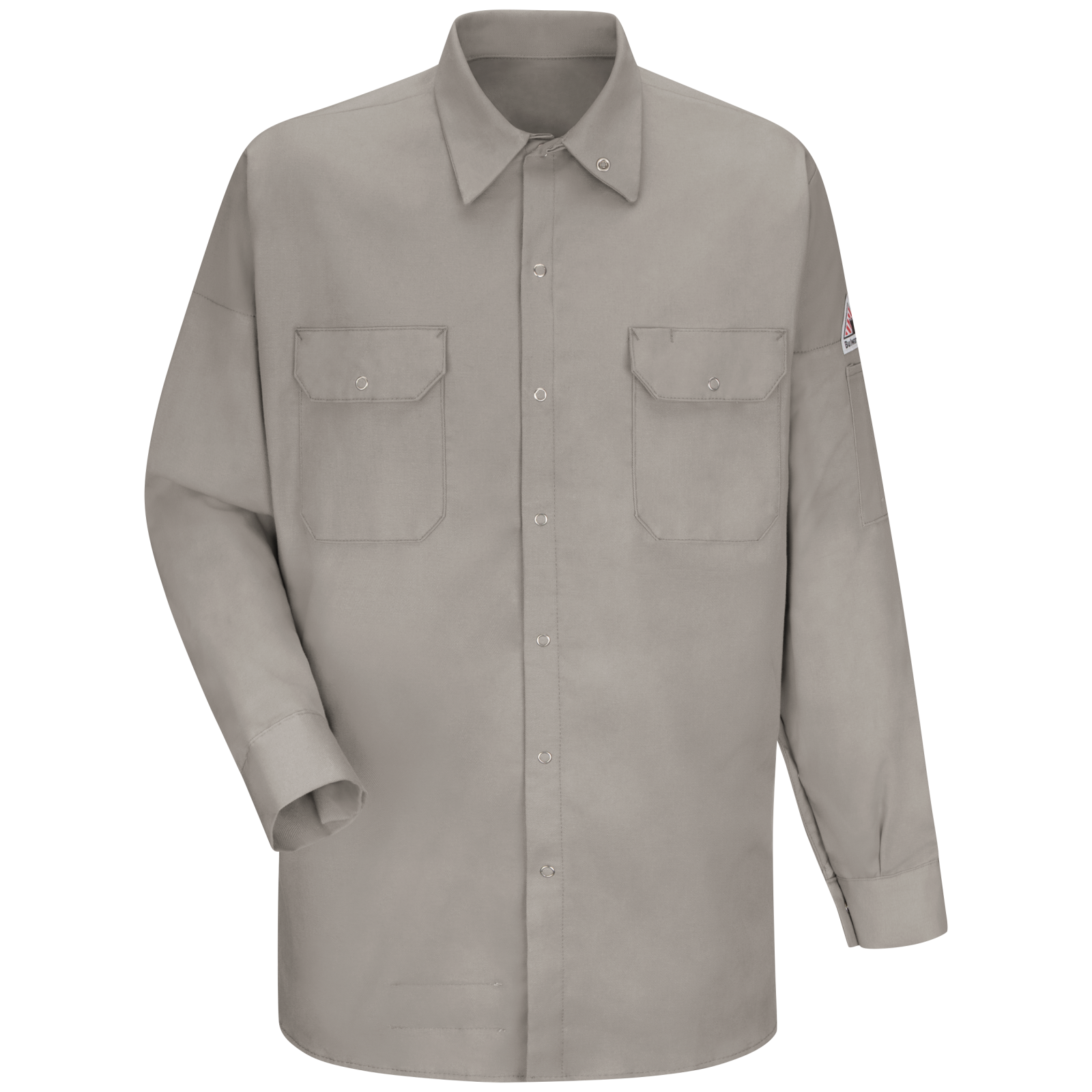
Flame Resistant
Flame-resistant work shirt programs can be developed around buyer-specified fabrics, construction, and applicable standards. Features may include long sleeves, secure closures, pockets, reinforced stitching, and branding. Final protective performance or certification claims require SKU-specific test evidence and documented scope.
Get a Quote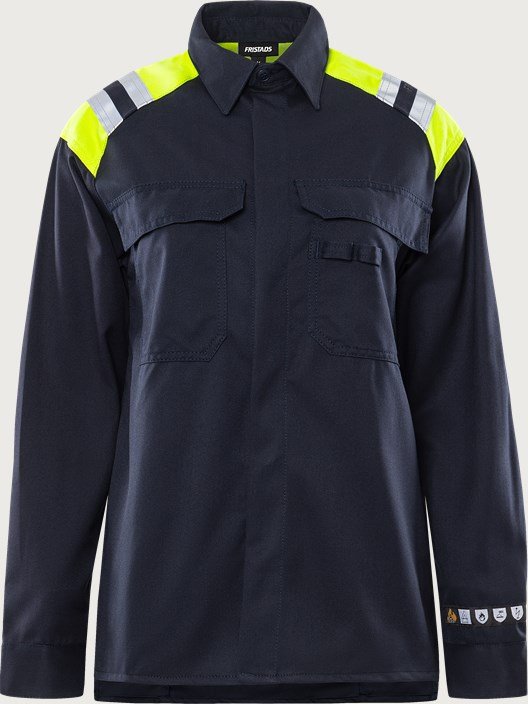
Arc Flash Shirt
Arc flash shirt development begins with the required application, fabric system, design details, and buyer-provided performance standard. Veelianpro can support patterns, sampling, trim sourcing, closures, labels, and production; arc ratings or compliance statements depend on documented testing for the finished SKU.
Get a Quote
Hi-Vis Shirt
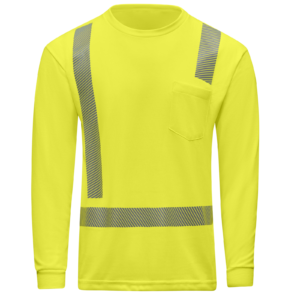
Hi-vis work shirts can be developed with selected base fabrics, color panels, reflective tape placement, pocket configurations, and logo methods for visibility-focused uniform programs. The required standard and certification scope should be supplied during development; no visibility classification is assumed without supporting evidence.
Get a Quote
Metal-Free Shirt
Metal-free shirts are developed for workplaces where metal components may be restricted. Buyers can specify non-metal closures and trims, pocket layouts, fabric choices, branding, and fit. Suitability for a particular controlled environment depends on the buyer’s stated requirements and product validation.
Get a Quote
Chemical Resistant Shirt
Chemical-resistant shirt projects require a defined exposure scenario, material requirement, construction approach, and applicable test standard. Development may include fabric sourcing, closures, seam considerations, pattern work, sampling, and labeling. Any chemical-protection claim must be supported by finished-product test evidence and certification scope.
Get a QuoteFabric Options for Custom Work Shirts




Custom Work Shirts Branding and Production Processes



Custom Work Shirts: Trims and Accessories


About Veelianpro: Custom Work Shirts Manufacturing
Veelianpro’s workwear operation began in Wuhan, Hubei, in 2012, with a mission to help brands and sourcing teams turn practical garment ideas into dependable workwear programs. From custom work shirts and polos to jackets, vests, pants, coveralls and coordinated sets, the company supports OEM, ODM, private-label and wholesale production.
The manufacturing scope covers fabric and trim sourcing, pattern development, sampling, size grading, cutting, sewing, reinforcement, decoration, finishing, quality checks, packing and export coordination. Buyers can start with a tech pack, sketch, sample or product idea, then refine fit, construction, branding and packaging with a team built for repeat production.
Veelianpro serves emerging uniform brands, safety distributors, wholesalers, traders and established workwear labels. Its company-supplied profile describes a team of more than 300 skilled workers and programs starting from 100 pieces per style and color, subject to fabric, certification and construction requirements. Workforce and operating figures should be confirmed for each project.

Core Capabilities Behind Custom Work Shirts
From Idea to Tech Pack
Veelianpro turns a sketch, sample, tech pack or product idea into a production-ready plan for custom work shirts. The team reviews construction, fabric, sizing, branding and intended work conditions before sampling, helping buyers identify practical requirements early.
- Tech-pack and feasibility review
- Pattern development and size grading
- Fabric and trim sourcing support
- Sample coordination before quotation

Built for Working Conditions
Custom work shirts can be developed around the demands of industrial, safety, hospitality or service teams. Buyers can specify fabric weight, composition, pocket layouts, reinforced areas, stitching details, weather protection and other construction priorities for the target environment.
- Pocket systems and utility details
- Reinforced seams, bartacks and stitching
- Fit, size range and color planning
- Construction matched to work setting

Branding and Quality Control
Veelianpro supports decoration and finishing decisions that make a uniform program consistent across styles and quantities. Embroidery, screen printing, heat transfer, patches, woven labels, care labels and custom packaging can be reviewed alongside inspection and export preparation.
- Logo placement and decoration review
- Private-label labels and packaging
- In-process and final quality checks
- Packing and export coordination

Veelianpro Custom Shirts vs. Decorating Stock Shirts
Choose the route by what needs to change. Compare both quotes against the same wearer brief, laundry conditions and destination.
← Swipe left or right to view →
Custom Work Shirts: From Brief to Shipment
A practical development and production path for OEM, ODM and private-label buyers, from first specification through approved samples, quality checks and export coordination.
Share Your Requirements
Share your tech pack, sketch, sample or product idea, intended work setting, quantities, sizes, colors and timeline. MOQ starts at 100 pieces per style and color, subject to requirements.
Review and Source
We review construction, fabric, trims, branding, protection targets and testing needs, then source suitable materials and prepare patterns, measurements and a quotation for approval.
Develop the Sample
We develop samples, adjust fit and details, confirm size grading and decoration placement, and finalize the approved specification before production begins.
Cut, Sew and Decorate
Approved orders move through fabric inspection, cutting, sewing, reinforcement and decoration, including labels, embroidery, heat transfer, patches or packaging as specified.
Inspect and Ship
We complete quality checks, packing and export coordination, while any high-visibility, FR, arc-rated or other protection claim remains subject to required SKU-specific testing and documentation.
How to Order Custom Work Shirts
From concept to shipment, Veelianpro helps buyers develop custom work shirts through structured review, sampling, quotation, production control and reorder support.
Submit Your Requirements
Send a tech pack, sketch, sample or product idea with target fabric, size range, colors, branding, quantity, destination and timeline.
Review Feasibility Together
Veelianpro reviews construction, sourcing, MOQ and protection requirements, then confirms practical development routes before fabric, trims and pattern work begin.
Approve the Sample
Select fabric and trims, refine fit and branding, then review a development sample before quotation and production approval for bulk manufacturing.
Confirm Production Details
Approve the quotation, size grading, labels, packaging and schedule; Veelianpro then coordinates cutting, sewing, quality checks, inspection and shipment for your order.
Plan Your Reorder
Use production records and approved specifications to support consistent reorders as your custom work shirts program grows across future orders efficiently.
Custom Work Shirts Certifications and Compliance Documentation


How Buyers Resolve Sample and Order Issues
Our technicians liked the original shirt standing up, but it came untucked when they reached into overhead panels. We fitted it with their usual belt and marked where the hem moved. We tried a longer back on the next sample, kept the front tidy and agreed a separate sleeve measurement. The wearer test became part of the approval sheet.
The logo looked sharp on paper, but the first embroidered sample puckered around the pocket after laundry. We reviewed a proof on the actual Oxford fabric, changed the backing and shifted the logo clear of the pocket seam. We approved the decoration after the wash check rather than relying on the artwork file.
The maintenance team asked for covered fasteners. Our supplier quotes used different wording, so we sent a close-up of the front opening and a list of the parts we wanted covered. At sample review we opened the placket and checked each item. The spec was clear enough for both purchasing and receiving to use.
Customer Evidence for Custom Work Shirts
Practical answers on development, fabrics, branding, sampling, MOQ and production planning with Veelianpro.
What are custom work shirts, and can Veelianpro develop them from an idea?
Which custom work shirt styles suit different job roles and environments?
What fabrics are available for seasonal custom work shirts?
How should custom work shirts fit, and can you support complete size ranges?
Which branding methods and logo placements work best for custom work shirts?
Can Veelianpro create private-label custom work shirts with samples?
What is the MOQ and expected lead time for custom work shirts?
How do payment, shipping and IP protection work for a custom work shirt order?
The Complete Guide to Custom Work Shirts
Compare shirt styles, fabrics, collars, closures and decoration methods. Use the guide to turn a uniform idea into a clear specification, a meaningful sample review and a comparable quotation.
1. What Are Custom Work Shirts?
Custom work shirts are role-specific garments developed under a buyer’s brand for the tasks, appearance, and replenishment needs of a workforce. In an OEM/ODM program, the starting point may be a button-front industrial shirt, utility shirt, polo, or work T-shirt, then the buyer defines fabric, fit, colors, pockets, closures, branding, labels, and packing.
A retail-ready branded shirt is usually a standalone product designed to present one style to an end customer. A coordinated uniform program instead connects several roles: a durable field shirt for technicians, a clean polo or button-front option for service staff, and a customer-facing variant that keeps the same color and brand identifiers.
Before development begins, decide who will wear each style, what movements and tools the job requires, and whether short- and long-sleeve versions must work together. Also establish the size range, logo method and placement, intended destination, target quantity, and any required standard or documented test evidence; a design target is not a verified protective claim.
For private-label sourcing, Veelianpro can begin from a tech pack, sketch, sample, or product idea and support development through fabric and trim selection, pattern work, sampling, production, and export coordination.
2. How Work Shirts Evolved for Modern Teams
Work shirts began as task-oriented garments: a practical layer with a collar, front closure, and pockets suited to repeat wear on the job. Their value still comes from utility, but a modern uniform program asks the same shirt to support movement, care routines, role recognition, and a consistent public-facing appearance.
That shift is why one organization may develop related shirts rather than force every employee into one pattern. Field crews may need a utility-led shirt with functional pocket placement and a more durable hand, while technicians, counter staff, supervisors, and hospitality teams may use cleaner button-front, polo, or work-T-shirt silhouettes in coordinated colors. Sleeve options, fit blocks, and logo placement can remain aligned even when the job requirements differ.
Easier-care fabric choices and repeatable decoration have made that coordination more practical at scale. A private-label brief should therefore define the work setting first, then map each role to its shirt style, fabric direction, trim package, branding method, and size range. Veelianpro can develop from a tech pack, sketch, sample, or product idea; protection-related performance language should be specified only when the required standard and supporting test or certificate scope are supplied.
3. Types of Custom Work Shirts
Category choice sets the shirt’s silhouette, utility, and perceived formality before fabric or decoration is selected. A private-label range can pair field-ready custom work shirts with cleaner customer-facing options under one visual system.
| Category | Best-Fit Roles | Key Development Choice |
|---|---|---|
| Industrial button-front | Technicians and maintenance | Short or long sleeve; chest pockets |
| Utility shirt | Field and trade crews | Pocket layout and functional silhouette |
| Poplin or twill service | Route and support teams | Lighter poplin or structured twill |
| Polo or work T-shirt | Active service teams | Collar formality versus minimal construction |
| Customer-facing button-up | Sales and reception | Clean placket and fit profile |
Industrial And Utility Shirts
Industrial button-front shirts favor a straight, tuckable silhouette for technicians, maintenance crews, and shop roles. Short sleeves reduce bulk in warm work areas; long sleeves suit layering or broader coverage needs.
Utility versions add function through two chest pockets, a pencil division, or a pocket flap. Confirm what must be carried, because unused pocket features can make a service uniform look unnecessarily technical.
Service Shirts And Polos
Poplin service shirts create a lighter, neater appearance for route teams, retail crews, and hospitality support. Twill presents a more structured look for supervisors or teams needing a traditional button-front uniform.
Polos bridge casual and professional roles, while work T-shirts suit active tasks, event crews, and use as a base layer. Both minimize front hardware, leaving a simpler logo field.
Customer-Facing Button-Ups
Customer-facing button-ups prioritize collar shape, clean plackets, and a tailored or relaxed fit over cargo-style utility. They work where staff move between appointments, reception, sales floors, and site visits.
Develop separate fit blocks or graded size ranges when the program serves varied wearers. A back yoke, sleeve length, and chest-pocket choice should support movement without changing the intended polished profile.
4. Fabrics and Inputs for Custom Work Shirts
Fabric selection determines whether a work shirt reads as crisp, casual, or utility-focused before any logo is applied. Specify fiber content and weave together, because a fabric name alone does not define hand feel, laundering expectations, or suitability for abrasion exposure.
| Material Or Construction | Practical Trade-Off | Appropriate Shirt Use |
|---|---|---|
| Woven cotton | Natural hand; care expectations depend on finish | Service and everyday uniform shirts |
| Polyester | Easy-care appearance; different hand than cotton | High-rotation uniform programs |
| Cotton-poly blend | Balances fiber characteristics | Mixed field and customer-facing teams |
| Poplin | Smooth, crisp face; less utility-textured | Polished button-up work shirts |
| Twill | Diagonal texture and substantial appearance | Industrial or professional uniform shirts |
| Ripstop | Grid construction; utility-oriented look | Field and task-focused shirts |
Fiber And Weave Choices

Woven cotton typically gives a natural hand and familiar appearance, while polyester shifts the shirt toward easier routine care. Cotton-poly blends balance those characteristics for programs needing a consistent uniform presentation.
Poplin has a smoother, cleaner face for service or customer-facing shirts. Twill shows a diagonal texture and a more substantial visual character; ripstop’s grid structure suits utility-oriented designs where snag and abrasion exposure are a consideration.
Sleeves, Color, And Laundering
Short sleeves suit warm indoor or outdoor assignments and create a more casual profile. Long sleeves provide a different coverage and layering option, so programs can coordinate both lengths around the same collar, pocket, and branding system.
Approve the actual color standard and compare fabric lots before production, especially when shirts will be reordered or paired with trousers. Wash instructions should follow the selected fabric, dye, decoration, and trim rather than a generic care statement.
Sampling The Intended Use
A sample should be assessed after decoration and planned laundering, not only on the cutting table. Review hand feel, color appearance, collar behavior, and pocket-area distortion with the intended logo method before confirming bulk materials.
For a Veelianpro OEM or private-label inquiry, provide the intended work setting, fabric preference, sleeve mix, target color, and wash routine. This keeps the material discussion tied to the product brief rather than an assumed performance claim.
5. Custom Work Shirts: Branding and Finishing
Decoration should be specified alongside the shirt fabric, logo file, placement, and laundering plan. A small woven chest mark, a broad back graphic, and a private-label neck treatment place different demands on the garment and production workflow.
| Method | Best Artwork Fit | Planning Consideration |
|---|---|---|
| Embroidery | Compact logos and text | Confirm stitch detail, fabric stability, and placement around pockets. |
| Screen printing | Broad, simpler graphics | Review ink colors, fabric surface, and expected laundering. |
| Heat-applied graphics | Detailed or multicolor artwork | Approve artwork scale and the fabric-compatible application approach. |
| Woven labels | Brand identifiers | Define label size, fold, position, and attachment method. |
Chest Placement
Left-chest embroidery suits compact marks with clear shapes; screen print or heat-applied graphics can suit flatter artwork. Confirm whether a pocket, placket, or seam intersects the proposed location before sampling.
Sleeve And Collar Placement
Sleeve marks are useful for a secondary logo, division identifier, or small graphic, but curved construction limits available artwork space. Collar decoration is best kept minimal because seams and folding affect visibility.
Back Placement
The back offers the largest uninterrupted branding area for team names, service information, or bold graphics. Screen printing and heat-applied graphics should be reviewed against fabric texture, color contrast, and the intended wash process.
Labels And Packing
Woven labels, printed neck labels, care labels, hangtags, and custom packaging turn a blank shirt into a private-label program. Supply artwork, label copy, fiber and care requirements, folding method, and carton marking needs for feasibility review.
6. Construction Details That Shape Quality
Construction turns a shirt sketch into a repeatable uniform component. Details at stress points, access points, and visible edges affect how a garment moves, presents after laundering, and holds its intended shape across a production run.
| Detail | Specify | Operational Effect |
|---|---|---|
| Chest pocket | Shape, divisions, placement, corner bartacks | Tool access and resistance to pulling |
| Back yoke | Yoke seam, pleat or gusset | Upper-back movement and silhouette |
| Hem | Straight or curved shape, finish, vents | Coverage, tuck-in behavior, layering |
Collar And Front Closure
Specify a one-piece or two-piece collar, collar stand, interfacing choice, and whether collar stays are required. These decisions control neckline shape and the balance between a crisp customer-facing look and a softer field-shirt feel.
Define the placket width, button type, button spacing, and closure direction. A concealed placket may look cleaner, while a standard button placket is simpler to inspect and replace.
Pockets And Reinforcement
Pocket shape should follow the task: a divided chest pocket can organize slim tools, while a plain patch pocket suits documents or small personal items. State pocket dimensions, flap or closure requirements, and exact placement from fixed garment reference points.
Request reinforcement where pocket corners, pen divisions, or tool openings receive repeated pull. Bartacks must be mapped by location and count rather than described only as reinforced.
Seams, Yokes, And Sleeves

A back yoke distributes the upper-back join and can support movement when paired with a specified pleat or gusset. Sleeve length, cuff construction, and sleeve placket details should match the wearer’s reach and the desired finished appearance.
Name seam types by location: for example, specify whether side seams, armholes, and shoulder seams require the same construction. This prevents a sample from looking correct while using different seam treatments in production.
Hem And Label Specifications
Specify a straight or curved hem, finished hem depth, side vents if used, and any longer back coverage. These choices affect tuck-in behavior, coverage during bending, and how the shirt layers.
Identify main-label position, size-label format, care-label content, and attachment method. A complete tech pack records these points with drawings, measurements, materials, stitch notes, and approved artwork, reducing interpretation differences between samples and bulk production.
7. Choosing a Custom Work Shirt Manufacturer
A capable OEM/ODM partner turns a shirt concept into controlled specifications, not vague product promises. Evaluate the development record, handoff discipline, and documentation behind each decision before comparing quotations.
Verify Category Development
Ask for evidence of work-shirt development relevant to your target: industrial button-front styles, utility pockets, polos, or service uniforms. Category experience should show up in useful questions about movement, pockets, collar construction, sleeve choice, and decoration zones.
Veelianpro’s supplied profile describes support from tech pack, sketch, sample, or product idea through pattern development, sourcing, sampling, sewing, finishing, and export coordination. Confirm current suitability for the requested fabric, construction, and any protection-related requirement during feasibility review.
Control Samples And Artwork

A sample is the decision gate for fit, materials, trims, and workmanship; artwork approval alone cannot confirm those variables. Provide editable logo files, placement dimensions, colors, decoration method, and a written reference for labels and packaging.
Request a size-set review before bulk cutting when fit consistency matters across the range. Record approved measurements, fabric and trim references, stitch or reinforcement locations, and packing configuration in the final production specification.
Compare Quote Scope
A complete quote identifies what is included rather than hiding development and packing decisions inside a unit figure.
Ask how inspection is documented, which packaging options are available, and what buyer approvals are required before production. Protective claims require the applicable standard plus matching test and certificate evidence; a product-family reference is not proof.
| Quote Element | What To Confirm | Why It Matters |
|---|---|---|
| Materials and trims | Composition, source, color references | Prevents substitutions |
| Sampling and size set | Approval points and records | Locks fit before bulk cutting |
| Packing and inspection | Pack method, checks, acceptance records | Makes delivery requirements auditable |
8. Common Custom Work Shirt Mistakes
Development errors usually begin when a shirt is specified as a visual item rather than a work tool. Resolve use conditions, wearer coverage, and quote scope before artwork approval or sampling.
| Quote Element | Confirm Before Comparing | Why It Matters |
|---|---|---|
| Garment specification | Fabric, construction, colors, size range | Prevents unlike products |
| Branding | Method, placement, artwork readiness | Avoids decoration changes |
| Order scope | Labels, packaging, inspection, shipment terms | Reveals omitted work |
Choosing Fabric By Appearance
A smooth swatch can look suitable while its composition, weight, care behavior, and construction do not suit the shift. Specify the work setting and laundering expectation alongside the desired hand feel.
Illustrative example: a field-shirt program may need a different fabric direction than a front-desk uniform, even in the same brand color.
Forcing One Role Into One Shirt
Technicians, drivers, supervisors, and customer-facing staff can share a visual identity without sharing identical sleeve, pocket, or collar requirements. A single universal style often creates avoidable compromises.
Build coordinated role variants around common colors, branding, and core fit rules. Document which features are mandatory by role before pattern development.
Ignoring Pocket And Closure Use
Pockets and closures affect daily access, snag exposure, and the way a shirt sits during movement. A chest pocket, pencil division, button front, or alternative closure should follow the actual task, not a catalog image.
Ask wearers what they carry, reach for, and lean against. Convert those observations into placement and closure notes in the tech pack.
Separating Artwork From Construction
Fine artwork, small text, and dense color detail may not reproduce equally through embroidery, screen printing, heat transfer, patches, or woven labels. Placement can also conflict with pocket edges, seams, or reinforcement.
Approve decoration method, artwork scale, and placement on the intended shirt construction. Include the full size range and fit variants so coverage is not limited to one sample body.
Comparing Incomplete Quotes
A low comparison quote may omit fabric details, trims, decoration, labels, packaging, sampling, inspection, or export coordination. It cannot show the real program cost until the scope matches.
Request a line-by-line scope tied to one specification.
9. Launching a Private-Label Shirt Program
A private-label shirt program moves cleanly when each approval freezes a different set of decisions. Start with the wearer’s role and reference style, then convert the approved sample into production-ready specifications before issuing a purchase order.
Build The Role Brief
Define field, office, and customer-facing use separately. A technician shirt may need utility pockets and robust closures, while a client-facing button-up may prioritize a cleaner collar and presentation.
Keep one brand system across variants: approved logo files, core colors, label language, and fit approach. Record sleeve options, size range, intended work setting, and any requested protection standard as a requirement for review—not a performance claim.
- Role-specific reference images
- Color and logo hierarchy
- Required pockets and closures
- Target quantity and destination
Approve Materials And Artwork
Lock fabric composition, construction, color, trim, decoration method, and placement before sampling. Artwork should include the production file, dimensions, thread or print colors, and exact locations so a chest logo is not interpreted differently across styles.
Veelianpro can begin from a tech pack, sketch, sample, or product idea and support fabric and trim sourcing, pattern development, and sampling.
Review Sample To Handoff
Evaluate the sample on representative wearers and inspect collar shape, pocket access, button alignment, seams, labels, and decoration. Mark changes directly against the specification; verbal approvals leave too much room for revision.
Before production, confirm the final size grading, approved color standard, sample revision, packing requirements, quantity split, destination, and purchase-order details. The pre-production confirmation becomes the shared reference for cutting, sewing, inspection, and packing.
10. Custom Work Shirts Pricing and Cost Drivers
A comparable OEM/ODM work-shirt quote starts with the build, not a headline unit price. Fabric composition and weight, sleeve format, seam and reinforcement requirements, pocket geometry, closures, and trim choices all change material use and sewing operations.
Decoration adds cost through method, artwork preparation, number of placements, stitch or print coverage, and whether the artwork changes by colorway. Our starting MOQ is 100 pieces per style and color, but MOQ remains conditional on the final fabric, certification, construction, and supplier feasibility review.
| Cost Driver | What Changes Cost | Quote Must Specify |
|---|---|---|
| Fabric and construction | Fabric selection, cutting yield, pockets, bartacks, triple stitching, gussets, collars, and closures affect materials and labor. | Composition, weight, weave, sleeve type, pocket map, seam construction, and required reinforcements. |
| Decoration | Embroidery, screen printing, heat transfer, patches, and multiple logo locations require different setup and application work. | Method, artwork file, placement, dimensions, colors, coverage, and quantity per design. |
| Sizes and colorways | More sizes or color variants can complicate grading, material allocation, and production planning. | Full size range, size ratio, each colorway, contrast panels, and whether logos vary. |
| Labels and packaging | Private-label woven labels, care labels, hangtags, folding instructions, polybags, and cartons add components and handling. | Label artwork and position, packaging components, pack ratio, carton marking, and destination requirements. |
| Sampling and order quantity | Pattern development, sample revisions, and production quantity shape the quote structure; smaller or split runs may change sourcing efficiency. | Tech pack or sketch, sample approval route, total quantity, quantity by style/color/size, and destination. |


Ready to Develop Custom Work Shirts for Your Brand?
Send your garment type, work setting, fabric, sizes, colors, branding method, quantity, destination, and timeline for a tailored quote.