Warehouse and Logistics Workwear Manufacturer for Custom Programs
Veelianpro develops OEM, ODM, and private-label warehouse and logistics workwear programs from 100 pieces per style and color, subject to project requirements.
Featured Products for Warehouse and Logistics Programs


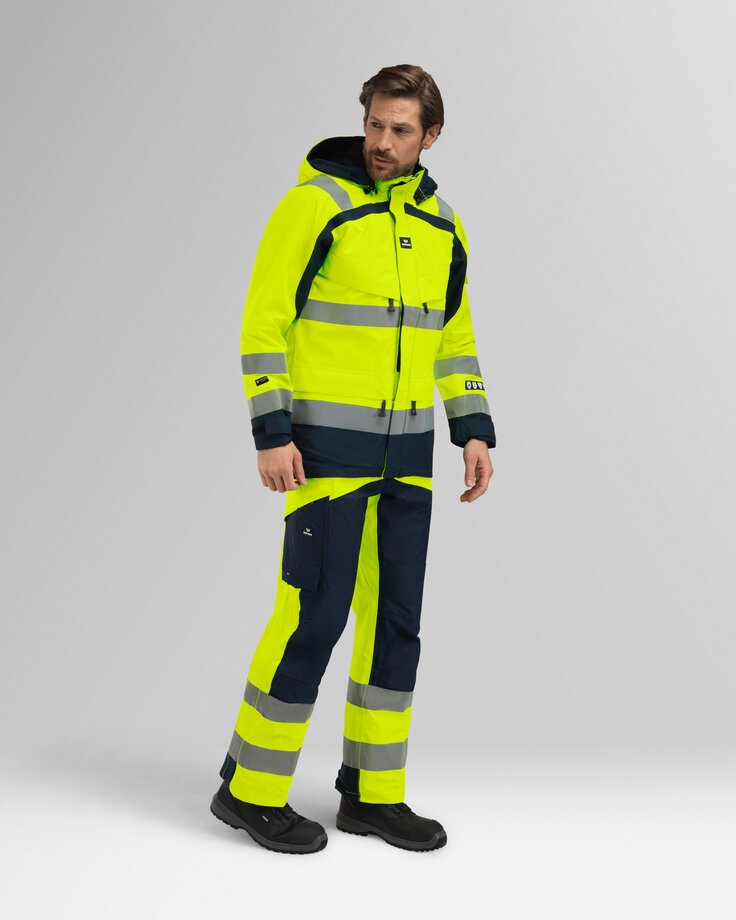


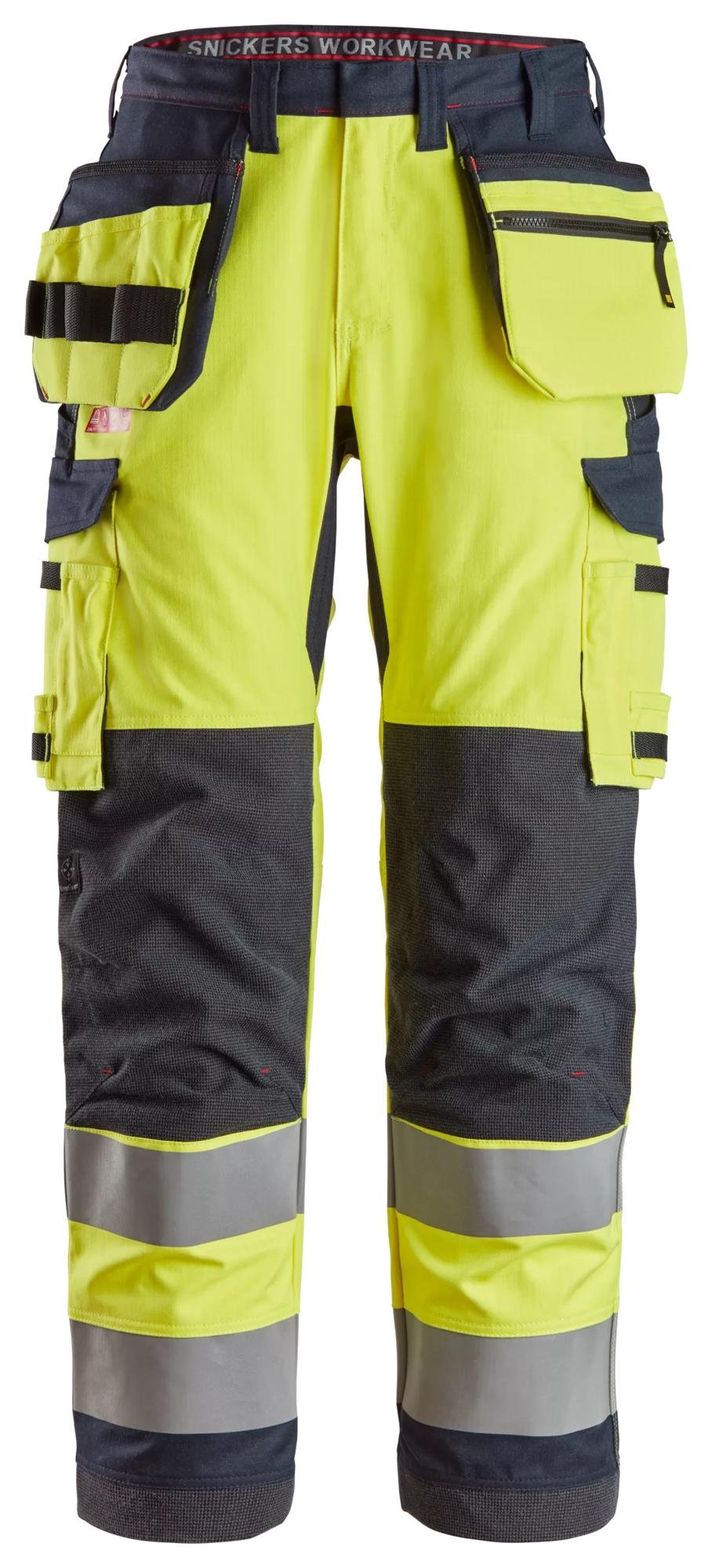

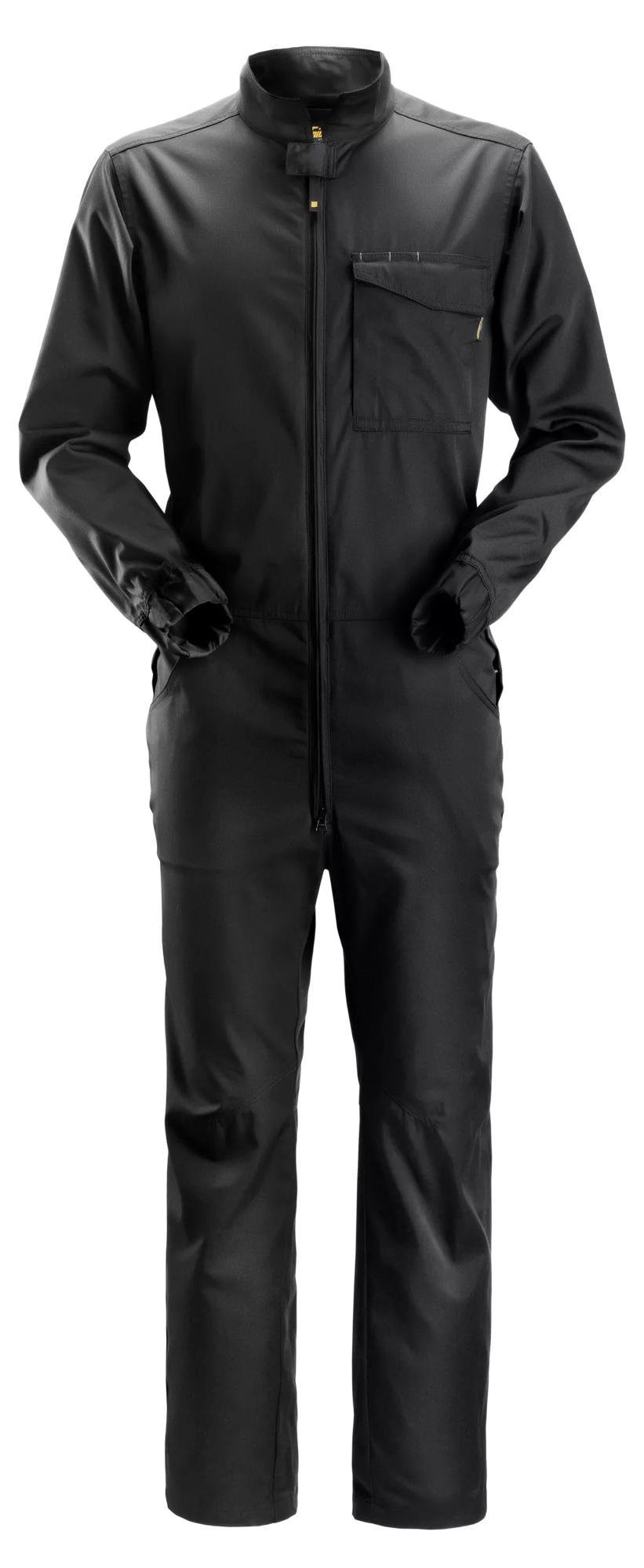

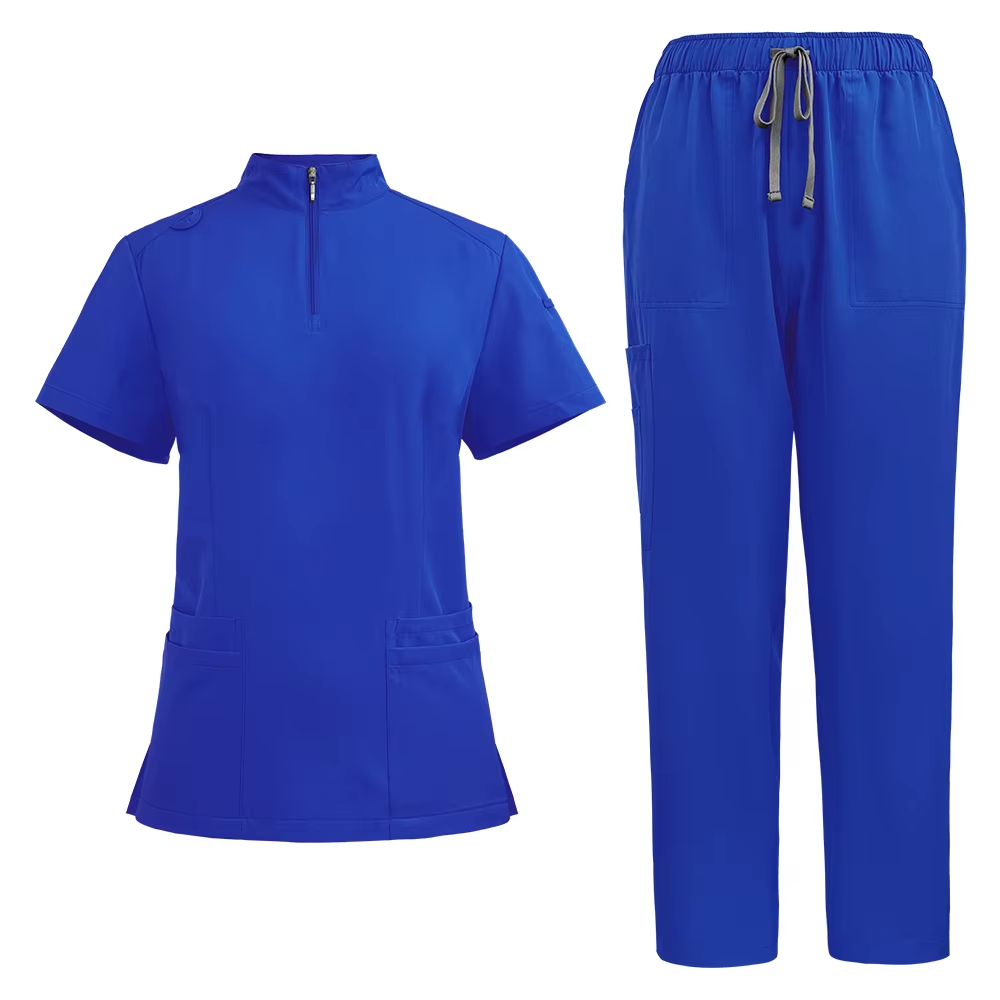
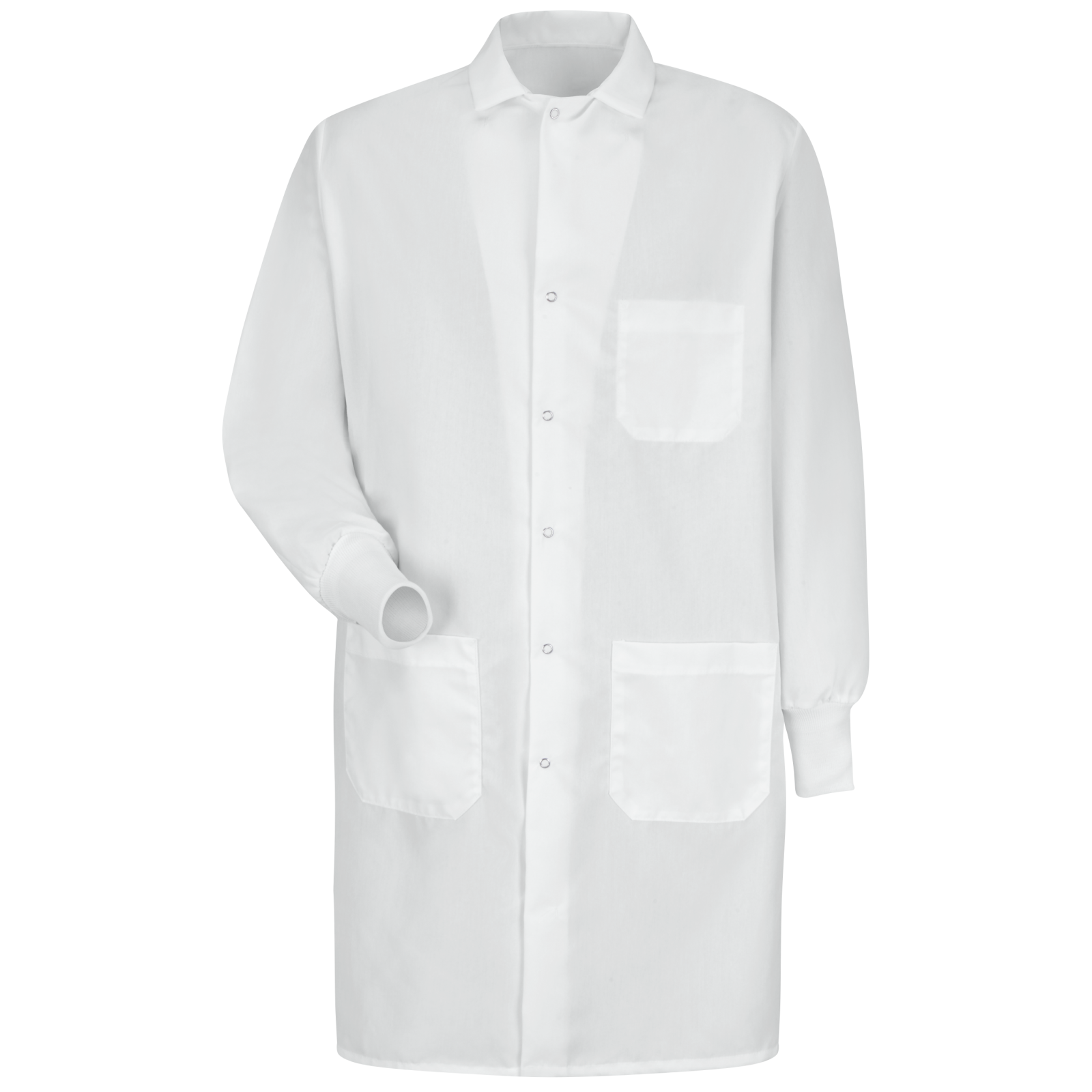

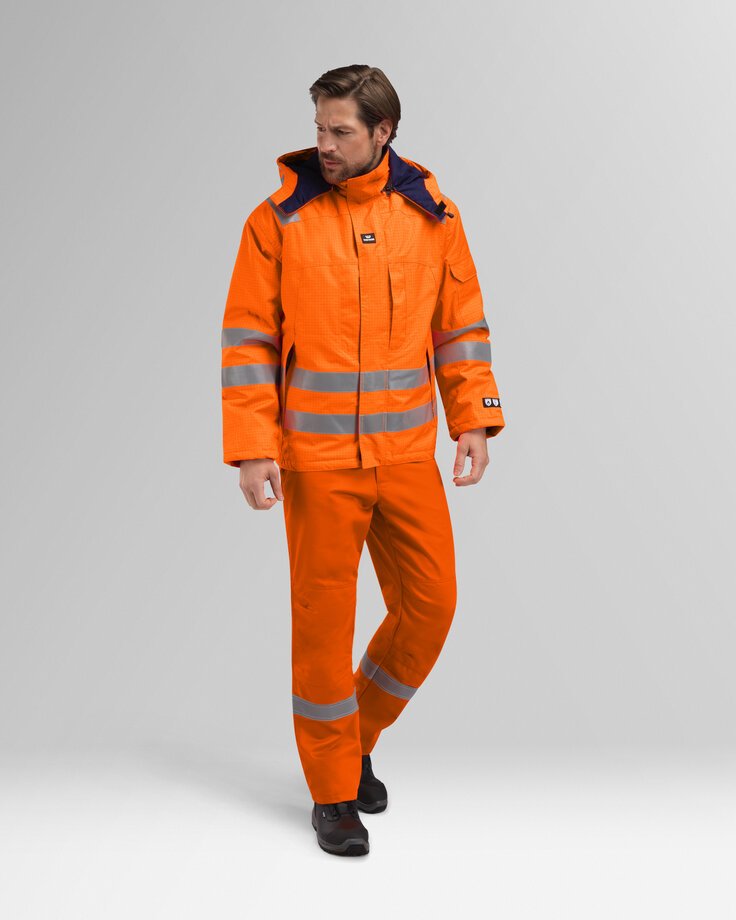

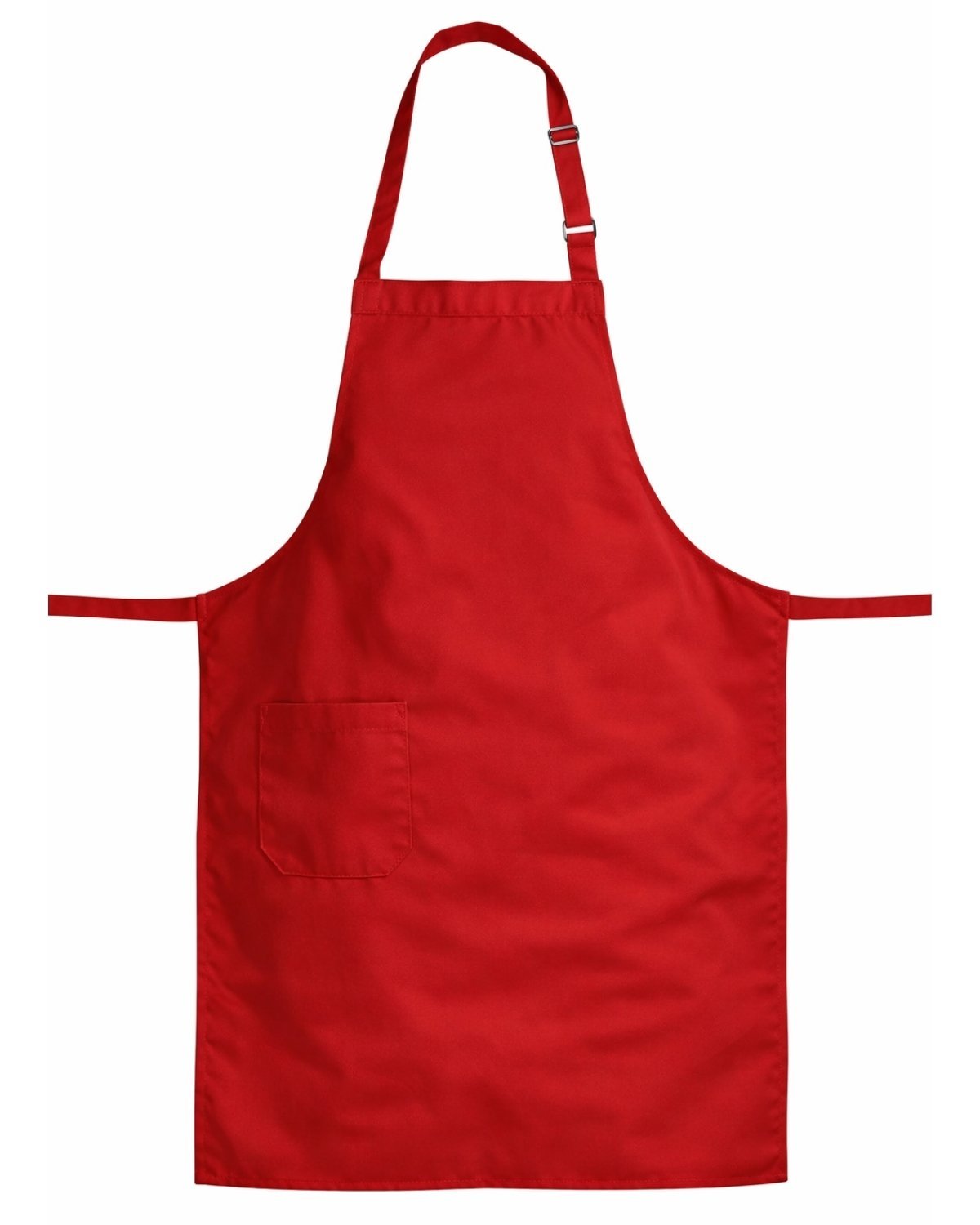
Warehouse and Logistics Workwear Catalogue & Quotations





Why Choose a Warehouse and Logistics Workwear Manufacturer
Develop role-appropriate uniforms with construction, storage, branding, and repeat-order details aligned to your operational requirements.
Role-Based Design
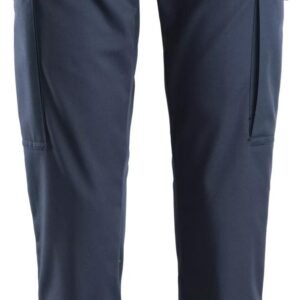
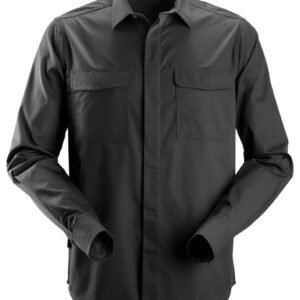
Develop shirts, trousers, vests, jackets, and coveralls around job tasks, layering needs, movement patterns, and a consistent workforce presentation.
Reinforced Construction
Choose fabric weight, bartacks, triple stitching, reinforced knees, and gussets to suit abrasion, repetitive movement, and planned laundering routines.
Practical Storage
Specify pocket placement and closures for scanners, tools, ID cards, and documents, keeping essentials accessible through active warehouse shifts.
Branding Control
Coordinate colors, embroidery, printing, patches, woven labels, care labels, and custom packaging for OEM, private-label, or distributor programs.
Sampling Before Production
Review fabric, fit, trims, construction, and branding through development and sampling before confirming bulk production from 100 pieces per style and color.
Reorder-Ready Specifications
Document approved materials, size grading, colors, and decoration details to support consistent replenishment planning as your workforce program grows.
Workwear Programs for Every Logistics Role
Develop practical uniform programs for warehouse, delivery, yard, maintenance, and specialist operations with coordinated customization from sampling through production.

Logistics Vest
Explore logistics vest options for your team’s materials, fit, branding and sampling brief.
Get a Quote
Warehouse Jacket
Explore warehouse jacket options for your team’s materials, fit, branding and sampling brief.
Get a Quote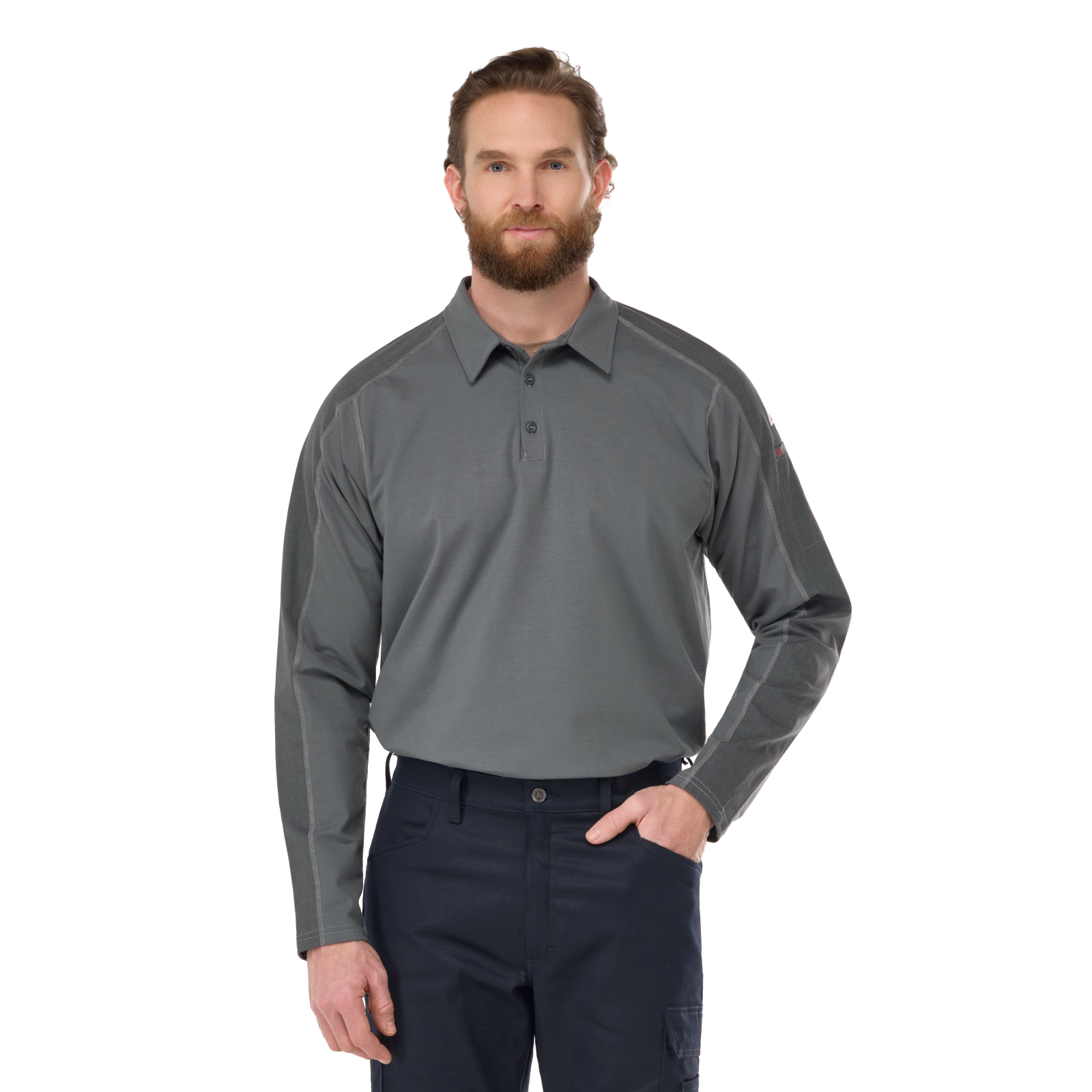
Delivery Uniform
Explore delivery uniform options for your team’s materials, fit, branding and sampling brief.
Get a QuoteMaterials for Warehouse and Logistics Workwear



Branding Options for Custom Logistics Workwear
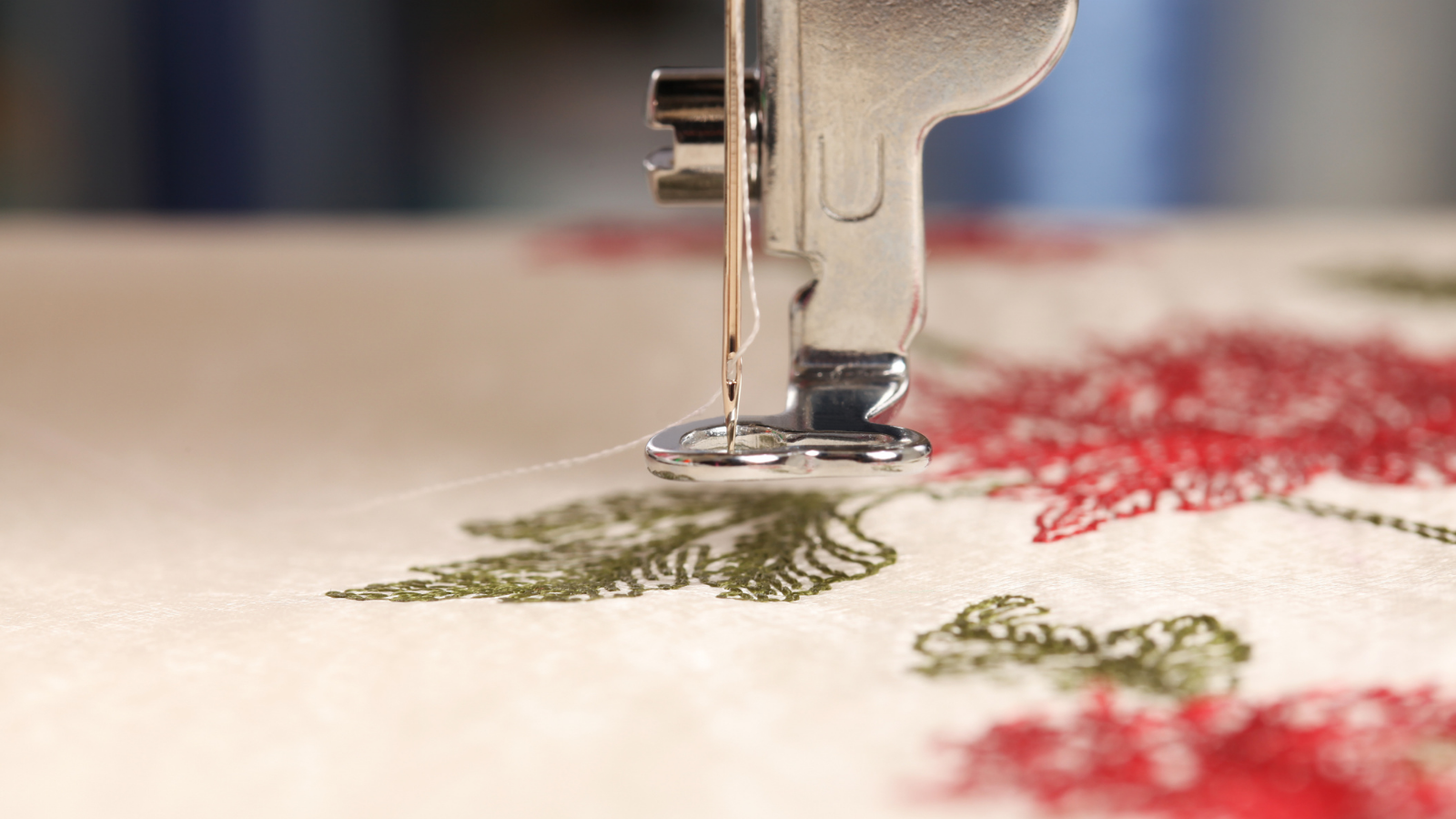


Functional Trims for Logistics Workwear


About Veelianpro
Veelianpro is a Wuhan, Hubei-based warehouse and logistics workwear manufacturer supporting brands, distributors, and sourcing teams with custom industrial and service apparel. Our company profile states that our workwear operation began in 2012, with a practical mission: turn buyer requirements into dependable, branded garments for real working environments.
From a tech pack, sketch, sample, or early product idea, we support fabric and trim sourcing, pattern development, sampling, size grading, cutting, sewing, decoration, quality checks, packing, and export coordination. OEM, ODM, private-label, and wholesale programs can start from 100 pieces per style and color, subject to fabric, construction, and certification requirements.
What sets Veelianpro apart is specification-led development. Buyers can define fabric, fit, pocket systems, reinforcement, branding, and layering needs before production, whether developing polos, trousers, jackets, vests, coveralls, or coordinated workwear sets. For protective designs, requested standards and performance claims must be confirmed through SKU-specific test evidence and documentation.
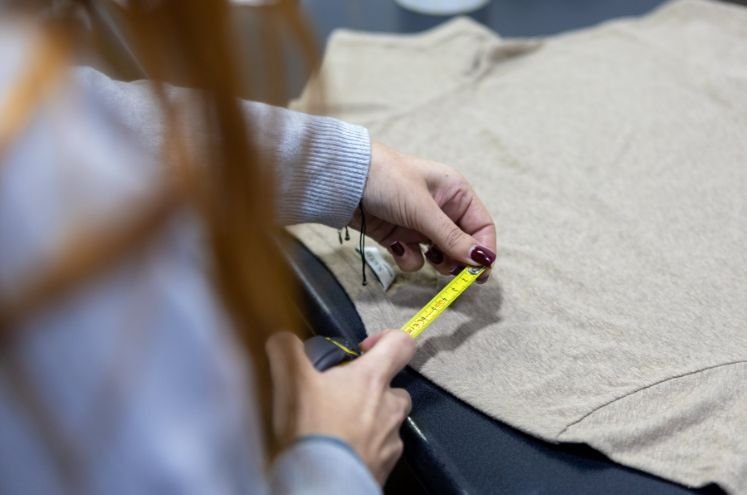
Custom Workwear Development Capabilities
Tech Packs Into Practical Garments
As a warehouse and logistics workwear manufacturer, Veelianpro turns tech packs, sketches, samples, or product ideas into production-ready specifications for shirts, polos, jackets, vests, pants, coveralls, and coordinated work sets.
- Review intended work setting, size range, color, branding, quantity, destination, and timeline
- Develop patterns and size grading around the approved garment brief
- Define pockets, closures, reinforcement zones, and mobility details before production
- Support OEM, ODM, private-label, and wholesale programs

Fabric and Trim Selection
Select fabric weight, composition, trims, and weather-layering options around daily movement, wash routines, and the roles on your team. Buyers can align main materials and components with their approved sample and intended work environment.
- Discuss breathable, durable, or layered material directions for the job
- Specify pocket systems for scanners, tools, and everyday essentials
- Choose trims, reflective tape placement, labels, patches, and packaging
- Provide applicable standards and required test documentation for protective requests

Reinforcement Where Work Demands
Construction details can be planned for high-contact tasks such as picking, packing, loading, driving, and maintenance. Veelianpro can develop reinforcement and fit details around the specified garment design rather than treating every role as the same.
- Consider reinforced knees, bartacks, triple stitching, and gussets
- Match pocket placement and access to the wearer’s job tasks
- Coordinate tops, trousers, outerwear, and vests across role-based uniform programs
- Confirm any protective-performance target through SKU-specific evidence and certification scope
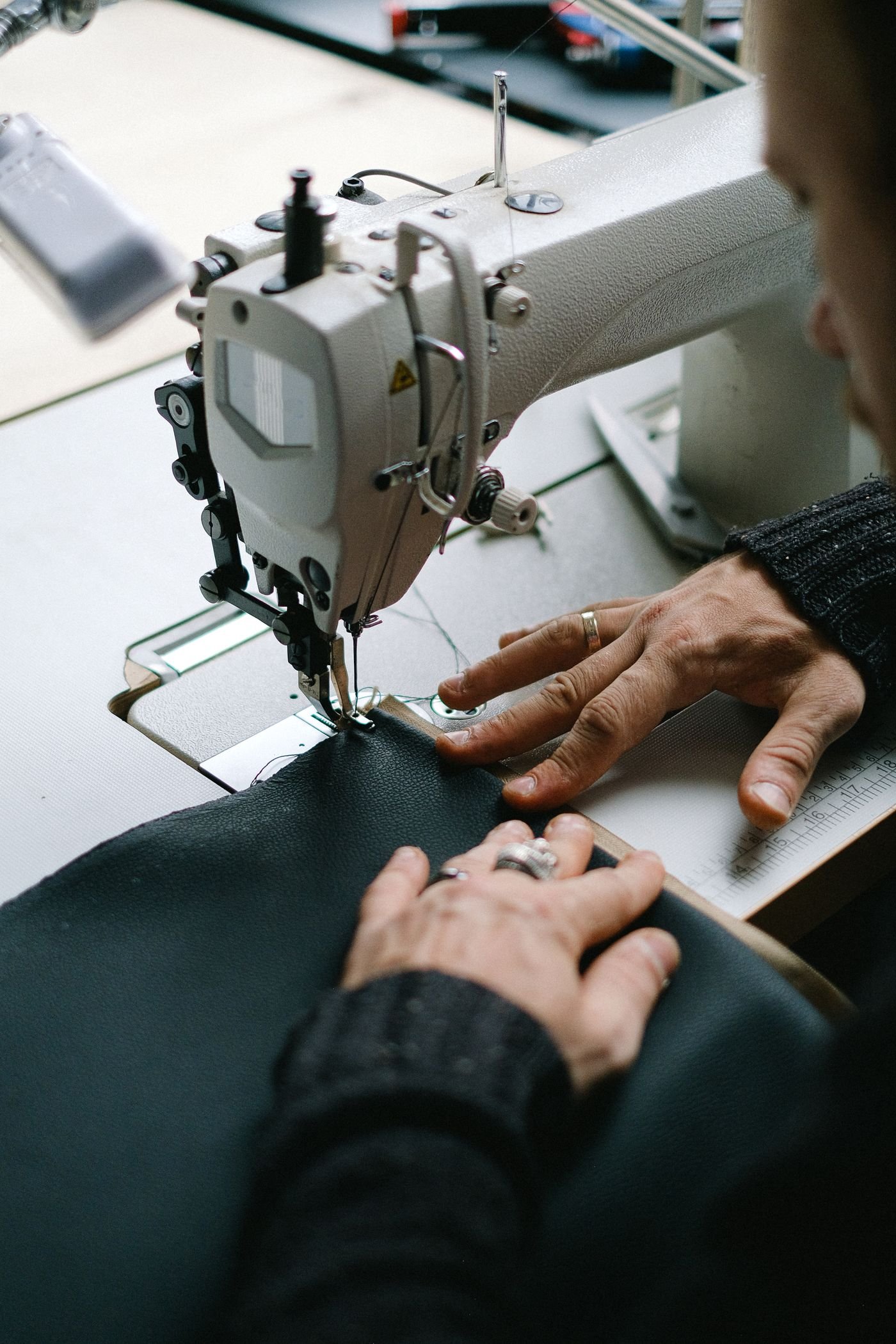
Samples Through Quality Checks
Move from an approved development sample to controlled bulk production with fabric sourcing, cutting, sewing, finishing, quality checks, packing, and export coordination. MOQ starts at 100 pieces per style and color, subject to project requirements.
- Approve material, construction, fit, branding, and labeling before bulk production
- Use sampling to refine practical details before order confirmation
- Plan inspection and packing requirements for your destination
- Prepare complete inquiry details to receive a focused quotation

Custom Development Compared With Stock Workwear
Veelianpro develops specification-led OEM, ODM, and private-label workwear, while stock workwear is generally purchased from fixed assortments.
← Swipe left or right to view →
From Specification to Export Coordination
Veelianpro coordinates each practical stage, from feasibility review and sampling through controlled production, inspection, packing and export preparation.
Review Your Brief
Share garment roles, work setting, fabric preferences, size range, branding, quantities, destination, timeline, and any required protection standard for feasibility review.
Source Materials and Trims
We align suitable fabrics, reflective details, pockets, reinforcements, closures, labels, and decoration methods with the approved workwear specification and project requirements.
Develop Patterns and Samples
Our team develops patterns, grading, and samples from your tech pack, sketch, reference garment, or product idea before production details are finalized.
Confirm Quote and Order
After sample and specification approval, confirm the quotation, order details, production requirements, packing needs, and project-specific payment and delivery arrangements.
Produce and Inspect Garments
Cutting, sewing, reinforcement, decoration, finishing, and quality checks are coordinated against the approved specifications before garments move to final packing.
Pack and Coordinate Export
We prepare approved garments for packing and coordinate export requirements, helping buyers organize shipment details for their destination and replenishment planning.
How Custom Logistics Workwear Programs Start
Move from an initial concept to a repeatable custom workwear program with clear specifications, sample approval, production coordination and reorder support.
Share Your Requirements
Send a tech pack, sketch, reference sample or product idea, along with garment type, work setting, quantity, destination and required delivery timeline.
Define Materials and Details
Confirm fabric, fit, size range, pockets, reinforcements, branding, trims and any applicable performance requirements before development begins for your warehouse or logistics roles.
Review Samples and Quotation
Evaluate the sample against your approved specifications, then confirm construction, decoration, packing, pricing and project terms before placing the production order.
Launch Production and Reorders
Veelianpro coordinates cutting, sewing, quality checks, packing and export preparation, then supports future replenishment orders using your confirmed workwear specifications.
Certification and Compliance Documentation


Buyer Feedback
Verified customer feedback will be added after written approval. This card is reserved for a buyer’s measurable sourcing outcome, such as sampling revisions, reorder consistency, or delivery performance.
Verified customer feedback will be added after written approval. This card is reserved for a buyer’s measurable sourcing outcome, such as fit approval, branding consistency, or order quantity delivered.
Verified customer feedback will be added after written approval. This card is reserved for a buyer’s measurable sourcing outcome, such as program rollout support, repeat-order consistency, or production communication.
Warehouse and Logistics Workwear FAQ
Practical answers on MOQ, development, compliance documentation, production and export coordination for custom workwear programs.
What is the MOQ from a warehouse and logistics workwear manufacturer?
Can a warehouse and logistics workwear manufacturer make samples before bulk production?
How do I specify workwear for warehouse operators, drivers, and supervisors?
Can a warehouse and logistics workwear manufacturer provide high-visibility, FR, or other protective garments?
What details should I include when requesting a warehouse workwear quote?
How long does custom warehouse and logistics workwear production take?
How are payment terms and shipment handled for custom orders?
How does Veelianpro handle private-label designs and branding details?
Buyer’s Guide to Warehouse and Logistics Workwear
Use this decision framework to specify role-ready garments, compare supplier capabilities, control customization and repeat-order risk, and avoid costly mistakes in safety, fit, fabric, sampling, pricing, and production planning.
1. What Is a Warehouse and Logistics Workwear Manufacturer?
Veelianpro is a Wuhan-based custom workwear manufacturer whose stated process can begin with a buyer’s tech pack, sketch, sample, or product idea. A warehouse and logistics workwear manufacturer coordinates development, sampling, production, branding, packing, and repeat-order specifications for an operational uniform program.
Three commercial models define the brief: OEM produces to the buyer’s established specification; ODM adapts a manufacturer-led design; private label applies the buyer’s brand identity to the agreed product. The purchase order should lock approved materials, measurements, trims, decoration placement, packing, and revision control so replenishment matches the initial program.
100 pieces per style and color is Veelianpro’s page reference point for warehouse and logistics workwear, but MOQ remains conditional on fabric, certification, and construction. Send the garment type, work setting, fabric, size range, colors, branding, quantity, destination, timeline, and any required standard to assess feasibility and quote.
2. How Logistics Workwear Evolved
2010s logistics uniform programs increasingly moved beyond a basic shirt-and-trouser issue toward role-specific systems: durable warehouse garments, driver-facing polos, and identifiable yard layers. Supplier examples distinguish warehouse, driver, maintenance, and supervisory needs while preserving a unified appearance across sites (https://mfgmerch.com/industries/logistics-and-warehousing).
3 operating pressures accelerated that shift: unrestricted movement for picking and loading, weather or temperature layering, and fit options for a varied workforce. Current logistics suppliers also describe inclusive fit adaptations and centrally standardized PPE across large site networks (https://www.directcorporate.co.uk/industries/transport-logistics).
100 pieces per style and color is Veelianpro’s stated starting MOQ, subject to fabric, certification, and construction requirements. A warehouse and logistics workwear manufacturer should turn the role matrix into controlled specifications for fabric, fit, colors, branding, and reorders; visibility and any protective requirement must follow the facility risk assessment and documented standard or test scope.
3. Warehouse and Logistics Workwear Manufacturer Garment Types
At Veelianpro, a warehouse and logistics workwear manufacturer program can begin at 100 pieces per style and color, subject to construction requirements. Build one color, logo, and sizing system across role-specific garments.
Operative Tops And Trousers

Two-piece uniforms pair polos or work shirts with cargo trousers for picking and packing. Keep scanner pockets and movement needs in the tech pack.
100-piece style planning lets teams align colors across ambient warehouse roles. Confirm size grading before sampling.
Hi-Vis Outerwear

360-degree trim placement should follow the applicable required standard and work-zone assessment. Use vests or jackets for loading, yard, and forklift tasks.
100-piece orders can retain one logo treatment across visible layers. Do not present reflective details as certified protection without evidence.
Driver Layers

Two-layer driver outfits commonly combine a polo with a weather layer for delivery and unloading. Prioritize seated mobility and accessible pockets.
100-piece color matching keeps drivers aligned with warehouse teams. Specify rain or wind performance only when documented.
Coveralls And Maintenance Wear
One-piece coveralls suit maintenance tasks where clothing coverage and tool access matter. Define closures, reinforcement, and pocket layout before sampling.
100-piece development can use matching labels and patches across separate role garments. Confirm any protective claim through the required test scope.
Cold-Storage Layers
Three-layer systems separate base, insulating, and outer layers for changing cold-zone exposure. Match the layer plan to actual work duration and temperature.
100-piece programs should preserve branding without creating unsafe bulk. Request documented thermal performance when a rating is required.
Supervisor Apparel
One shared palette can connect supervisor polos or jackets with floor uniforms. Choose cleaner silhouettes for walkthroughs, meetings, and warehouse visits.
100-piece MOQ planning supports coordinated role variants under one private-label program. Keep branding position and size labels consistent for replenishment.
4. Warehouse and Logistics Workwear Manufacturer Fabrics
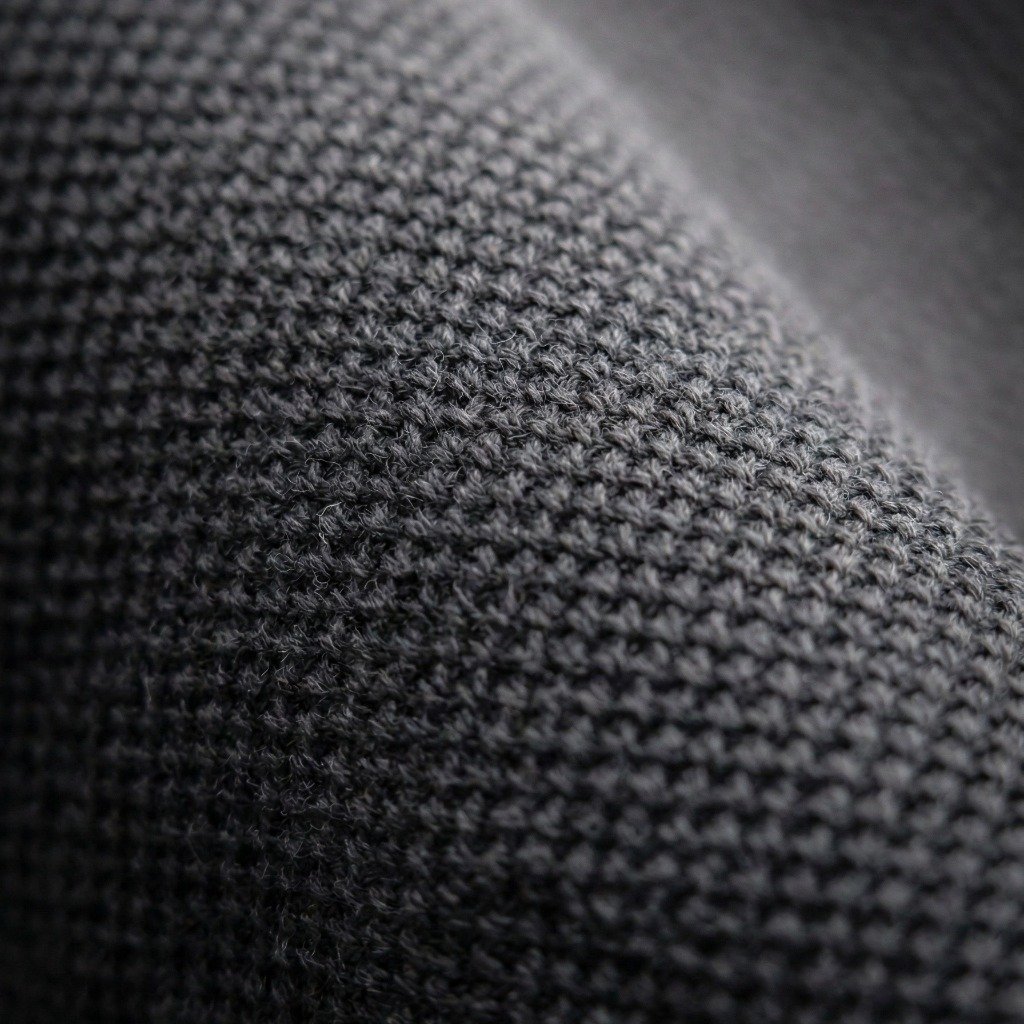
180–250 gsm fabrics suit active ambient warehouse shifts, while layered systems cover cool docks and outdoor loading. A warehouse and logistics workwear manufacturer should match material to abrasion, heat, movement, and laundering exposure.
| Fabric | Weight | Strengths | Trade-Offs | Best Use |
|---|---|---|---|---|
| Cotton-rich twill | 200–280 gsm | Breathable, comfortable | Slower drying | Indoor picking |
| Poly-cotton | 200–280 gsm | Durable, washable | Less airy | General logistics |
| Ripstop weave | 210–300 gsm | Tear resistance | Firmer hand | Loading tasks |
| Stretch panels | 250–320 gsm | Mobility | Abrasion-sensitive | Kneeling, driving |
| Fleece | 280–340 gsm | Warmth | Bulky | Cool storage |
| Weather-resistant shell | 120–200 gsm | Wind, light-rain barrier | Lower breathability | Yard work |
Compare Core Fabrics
65/35 polyester-cotton balances breathability, abrasion resistance, and repeat washing for pickers and drivers. Cotton-rich blends feel cooler but dry more slowly and may show wear sooner.
Add Mobility And Layers
2-way or 4-way stretch panels improve crouching and reaching when placed at the crotch, back yoke, or knees; they can reduce durability if used across high-abrasion zones.
280–340 gsm fleece provides insulating mid-layer warmth for cool areas, while weather-resistant shells suit wind or light rain; neither replaces a verified protective requirement.
Approve Through Wear Testing
100-piece MOQ programs should test sample garments through real shifts, wash cycles, and temperature zones before finalizing specifications. Applicable safety standards, test evidence, and certification scope must govern any protective claim.
5. Customization and Decoration Options
Veelianpro can develop color-blocked logistics garments with logo placement, labels, reflective detailing, and custom packing from a buyer’s specification. Decoration should be selected alongside fabric, expected wash exposure, order size, and any required safety layout.
| Method | Best Use | Wash Consideration | Relative Cost |
|---|---|---|---|
| Embroidery | Simple chest logos | Strong when thread and backing suit fabric | Higher |
| Screen Print | Large, bold artwork | Test ink adhesion and cracking | Lower at volume |
| Heat Transfer | Detailed multicolor logos | Test peel resistance after washing | Mid-range |
Branding Placement And Color
Two-color blocking can distinguish departments while retaining a unified uniform range. Confirm logo dimensions and locations on chest, sleeve, back, and pockets before sampling.
Pantone references help align shell, contrast panels, thread, and print colors. Keep branding clear of reflective tape and any visibility zones required by the buyer’s applicable standard.
- Left-chest logo
- Sleeve or back identifier
- Department color panels
Decoration Selection
Embroidery suits simple logos on polos, fleece, and stable woven fabrics, while screen print can cover larger artwork economically at higher quantities. Heat transfer suits multicolor detail but requires wash testing on the chosen fabric.
100-piece starting MOQs may be workable per style and color, subject to fabric, construction, and certification requirements. Approve a decorated sample before bulk production.
Labels And Packing
Three label types—woven brand, care, and size—should be finalized with fiber content, care instructions, origin details, and size grading. Labels must remain legible through the agreed laundering conditions.
Custom polybags, barcode stickers, carton marks, and folding instructions should match the buyer’s receiving process. Reflective placement remains a design target until the applicable safety standard and evidence are confirmed.
6. Construction Details That Survive Shifts
Two high-friction zones—knees and pocket mouths—often reveal whether a sample suits picking, bending, and repeated laundering. A warehouse and logistics workwear manufacturer should document construction on the tech pack, not leave it to visual approval.
Seams And Reinforcement
Three-needle seams or reinforced seam allowances suit load-bearing areas; specify bartacks at pocket corners, fly ends, belt loops, and stress points. Add double-layer knees and pocket facings where cartons, floors, or tools cause abrasion.
Mobility And Safe Access
Four-way or mechanical stretch belongs at movement zones, such as the crotch gusset, back yoke, or knees, rather than everywhere. Confirm zipper, snap, or hook-and-loop closures stay secure without creating snag risks; place scanner and tool pockets within reachable, non-obstructive zones.
Sample And Wash Approval
One pre-production sample should confirm stitch density, reflective-trim placement, pocket access, and size-grade measurements across the range. After five wash-and-dry cycles, recheck seam puckering, shrinkage, color change, trim adhesion, closure function, and whether graded sizes retain the approved fit.
7. Choosing a Warehouse and Logistics Workwear Manufacturer
At a 100-piece starting MOQ per style and color, a warehouse and logistics workwear manufacturer should turn operating needs into a controlled, repeatable specification before quoting.
Specification And Samples
One tech pack locks fabric, pockets, reinforcement, artwork, size chart, colors, and destination.
One approved pre-production sample should record measurements, trims, construction, and wash expectations.
Controls And Certificates
One QC plan should define inspection points, defect handling, packing checks, and final approval.
Current ISO, WRAP, BSCI, or OEKO-TEX documents require scope, validity, and relevance checks; none proves a garment’s protective performance. https://www.heliotropesafety.com/warehouse-uniforms
RFQ And Reorders
One RFQ states style, roles, fabric, sizing, colors, logo method, quantity, destination, timeline, and applicable standard.
One reorder file preserves the approved sample, measurement chart, color reference, labels, packing, and shipment documents.
- Confirm material and trim traceability.
- Request production-status communication points.
- Match export documents to destination requirements.
8. Common Warehouse Workwear Buying Mistakes
A 100-piece starting MOQ does not justify a generic specification. Most preventable failures emerge before sampling, when roles, fit, wash performance, and replenishment rules are left undefined.
Role Segmentation
Two roles can have conflicting needs: pickers need mobility; drivers need weather layers. One garment for all reduces usability; issue role matrices and sample each task.
High-visibility or protective details need site-specific compliance review. Provide the applicable standard and documented test scope before approval.
Cost And Movement
Lowest unit price can shift cost into tears, replacements, and lost shift comfort. Compare fabric, construction, wash expectations, and defect tolerance—not price alone.
One movement trial should cover reaching, crouching, lifting, and scanner access. Correct tightness and pocket placement in the sample.
Layers Before Decoration
Three zones—ambient, cool, and cold—often demand a layer system. Ignoring it produces overheating or inadequate insulation; map zone exposure and issue compatible layers.
Decoration chosen before fabric can crack, bleed, or impede stretch. Approve the logo method only after fabric and wash-test decisions.
Sizing And Reorders
Size ranges without wearer trials exclude bodies and raise exchanges. Set graded measurements, fit samples, and agreed tolerance limits.
One reorder brief should lock fabric, Pantone, trims, logo files, and size grading. Without it, later lots drift and stockouts interrupt onboarding.
9. Launching a Warehouse Workwear Brand
A six-step launch reduces late changes between concept, sampling, and replenishment. Veelianpro can develop a private-label program from a tech pack, sketch, sample, or product idea, with production feasibility confirmed before quotation.
Define Roles And Specifications
Step 1: Map each role—picker, driver, yard worker, supervisor—to movement, pocket, visibility, and layering needs. Gate progress only after the buyer supplies destination, size range, colors, quantity, timeline, and any applicable protection standard.
Build And Approve Samples
Steps 2–4: Convert the chosen garment into a tech pack covering fabric, measurements, seams, reinforcements, trims, logo placement, and Pantone references. Select materials and branding, then approve fit and production samples before bulk cutting; a design target is not a verified protective claim.
Lock Quality And Reorders
Steps 5–6: Set inspection points, measurement tolerances, label content, carton packing, and size-ratio rules before order confirmation. Retain approved samples and specifications for consistent reorders.
100 pieces per style and color is the stated starting point, subject to fabric, certification, construction, color count, and decoration. Complex garments, special fabrics, or multiple logo methods may require a different MOQ, confirmed in the quotation.
10. Warehouse Workwear Pricing and Cost Drivers
100 pieces per style and color is Veelianpro’s stated starting MOQ, subject to fabric, certification, and construction requirements. A warehouse and logistics workwear manufacturer should quote from the approved specification, not a generic product photo.
3 variables usually change unit cost most: order quantity, fabric or protective-material requirement, and garment complexity. Reinforced knees, bartacks, triple stitching, gussets, reflective tape, custom pockets, trims, decoration, labels, packaging, samples, and Incoterms should remain separate quote inputs.
1 comparable quote needs garment type, quantity by color and size, fabric composition and weight, branding method and artwork, construction details, packaging, destination, requested delivery date, and any applicable standard or test requirement.
| Illustrative quantity tier | Relative unit-cost direction | Quote-dependent cost drivers | Lead-time planning factor |
|---|---|---|---|
| 100–299 pieces | Highest | Sample setup, fabric MOQ, pattern and decoration setup | Approve fabric, size set, artwork, and sample before production |
| 300–999 pieces | Lower per unit | Color count, trim sourcing, reinforcement, labels, and packaging | Allow time for material confirmation and production scheduling |
| 1,000+ pieces | Typically lowest per unit | Order mix, decoration coverage, inspection level, and shipping terms | Plan replenishment quantities and destination consolidation |
Start Your Custom Logistics Workwear Project
Send your garment type, work setting, fabric, branding, quantity, destination and timeline for a project-specific quotation from Veelianpro.