
Cold-Storage Workwear References for Product Development
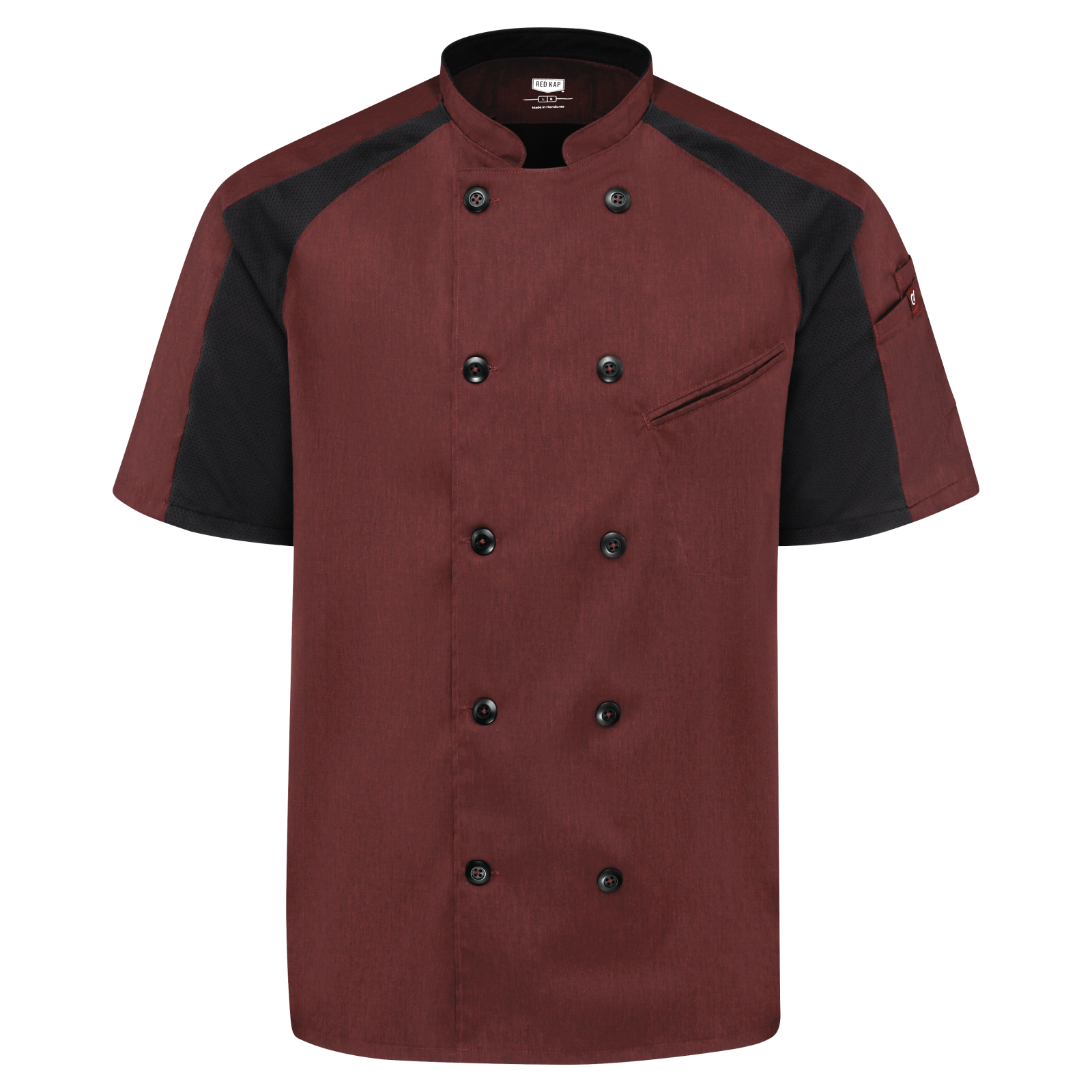
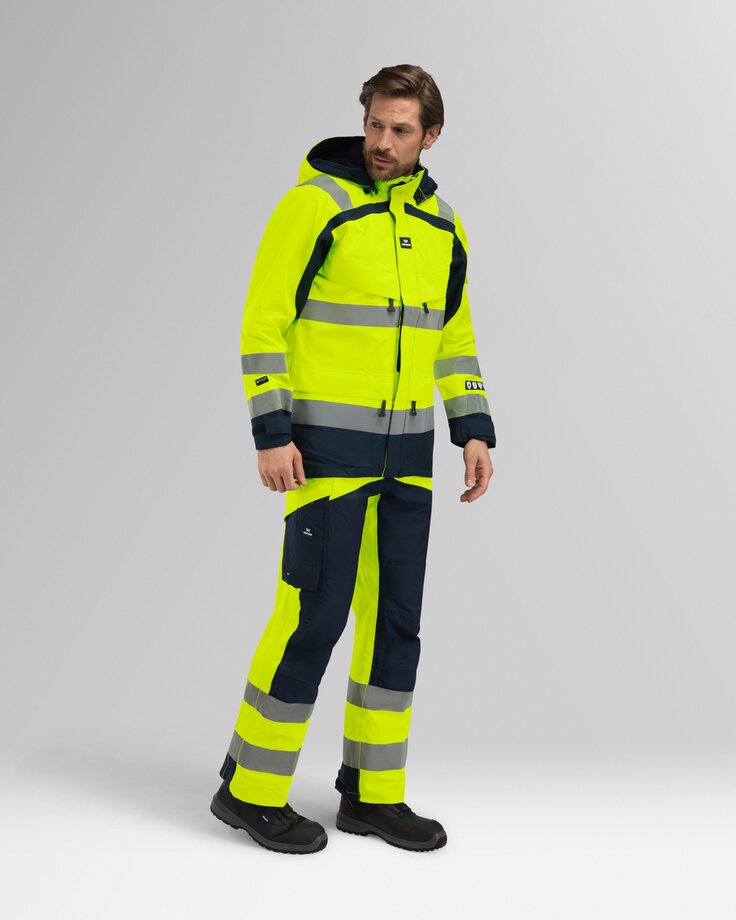


Related Cold-Storage Workwear Catalogue and Quotation


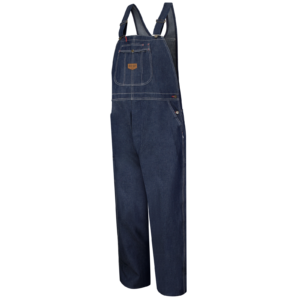
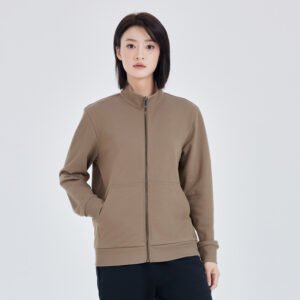


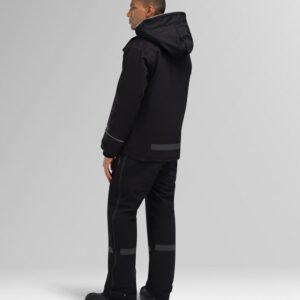
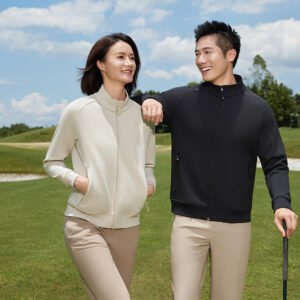
Why Choose Veelianpro for Cold-Storage Uniform Development
Veelianpro helps buyers configure practical cold-storage uniform systems around layering, warehouse movement, branding, sizing, and repeat production requirements, with specifications reviewed before sampling, quotation, and manufacturing.
Configurable Layering Systems
Build coordinated shirts, fleece, insulated jackets, vests, pants, or coveralls around your facility’s chilled, cold-storage, and freezer-zone requirements.
Practical Warehouse Construction
Specify fabric weight, fit, pocket layouts, reinforced stress points, reflective trims, and fastening details for practical warehouse movement and daily handling.
Private-Label Branding
Add embroidered logos, heat transfers, patches, woven labels, care labels, and custom packaging for private-label presentation across your uniform program.
Consistent Size Programs
Develop men’s and women’s size runs with documented measurements and approved samples, helping future bulk reorders maintain a consistent team appearance.
End-to-End OEM Support
From tech pack or product idea to sampling, grading, sourcing, production, inspection, packing, and export coordination, Veelianpro supports OEM, ODM, and wholesale programs.
Flexible Starting Quantities
Start at 100 pieces per style and color, subject to fabric, construction, certification, and project requirements confirmed during quotation.
Custom Uniforms for Cold-Storage Operations
Develop cold-chain workwear programs around job roles, layering needs, garment construction, branding, and your required protective documentation.

Cold Storage Workwear
Cold storage uniforms can combine insulated jackets, vests, trousers, coveralls, and two-piece sets for teams moving between chilled areas and loading zones. Develop fabric, insulation, closures, pocket layouts, reinforced wear points, sizing, labels, and decoration around the intended work routine.
Get a Quote
Freezer Warehouse Workwear
For freezer warehouse crews, develop layered uniforms for picking, replenishment, inventory handling, and dock transfers. Specify jacket and trouser construction, adjustable closures, utility pockets, reinforcement, reflective trim placement, and private-label details. Any temperature or protection rating requires project-specific test evidence.
Get a Quote
Refrigerated Transport Workwear
Refrigerated transport workwear supports drivers and loading teams working across vehicles, docks, and temperature-controlled delivery points. Build coordinated jackets, vests, pants, polos, or coveralls with practical pocket systems, weather-protection design targets, branded labels, patches, and packaging for your distribution program.
Get a Quote
Ice Cream Plant Workwear
Ice cream plant uniforms can be developed for production, packing, sanitation, warehouse, and dispatch roles. Select garment families such as work shirts, jackets, pants, coveralls, or vests, then define fabric and trim sourcing, closure preferences, color coding, size grading, logo application, and care-label requirements.
Get a Quote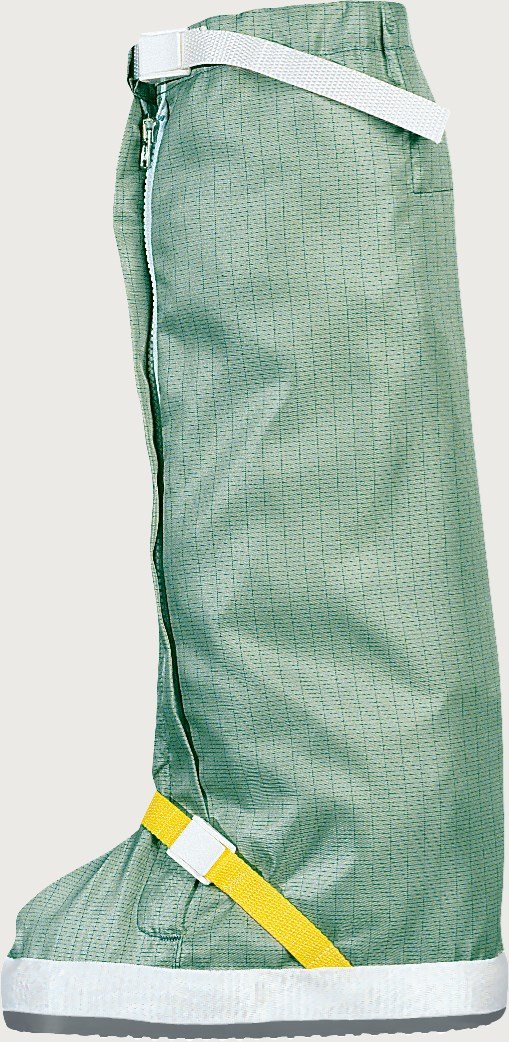
Sub-Zero Environment Workwear
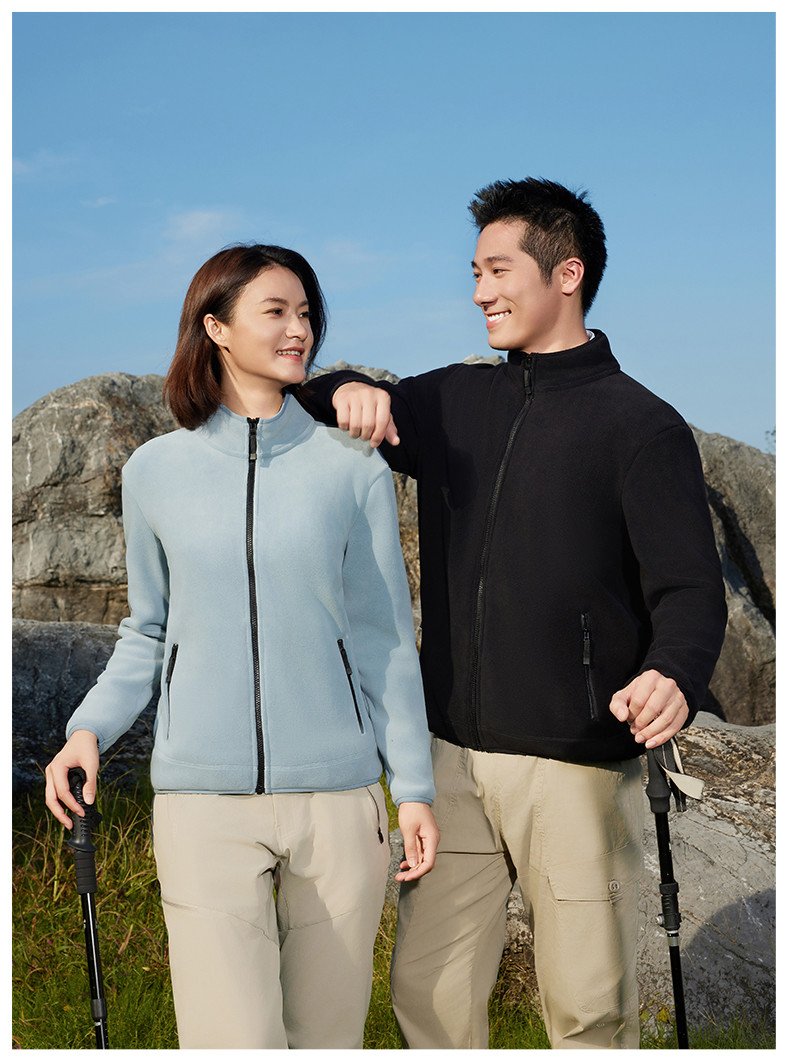
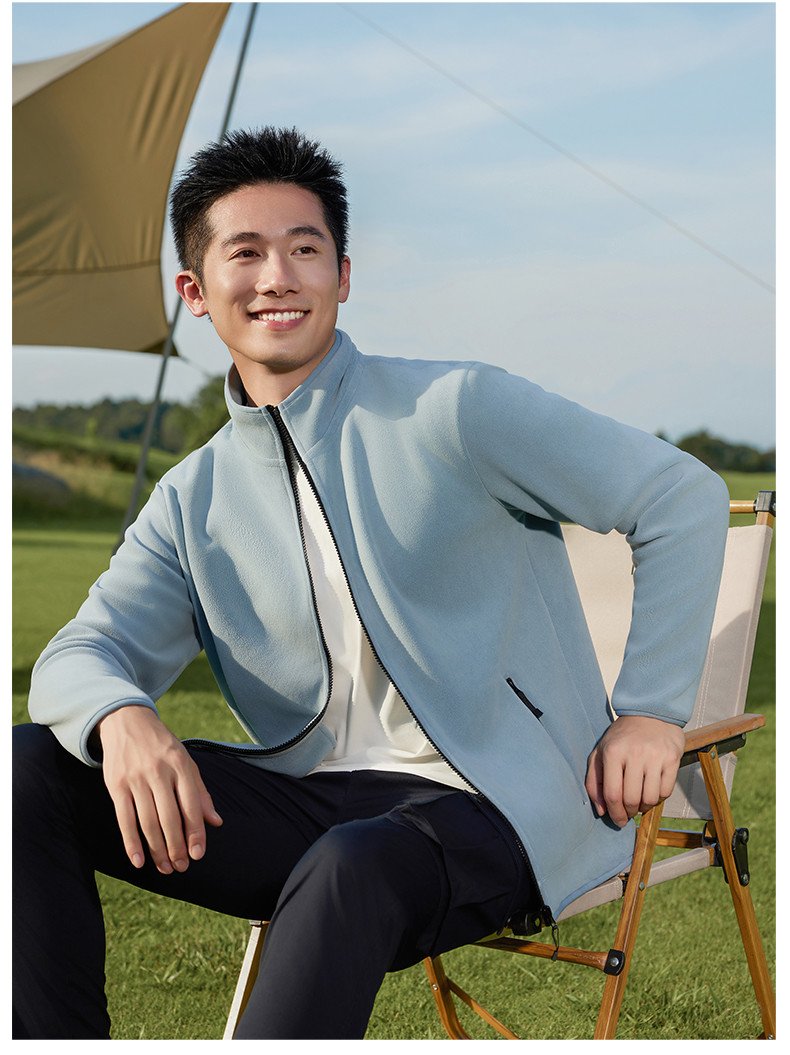
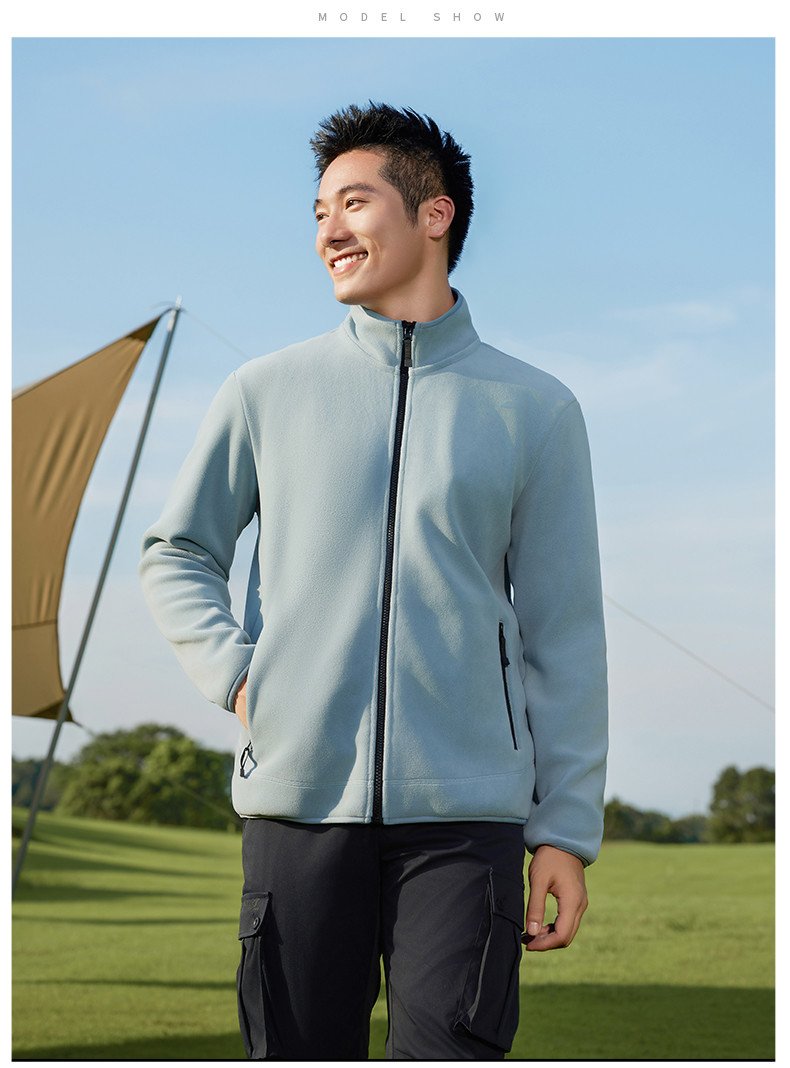
Sub-zero environment workwear programs can include insulated outer layers, fleece mid-layers, work trousers, coveralls, and high-visibility development options where required. Veelianpro supports pattern development, sampling, cutting, sewing, finishing, and quality checks; specify the applicable standard when documented performance is needed.
Get a QuoteMaterials for Custom Uniforms for Cold Storage Teams




Decoration and Production Processes for Cold-Storage Workwear



Configurable Trims and Branding Details


About Veelianpro: Custom Uniforms for Cold Storage Teams
Veelianpro is a Wuhan-based custom workwear manufacturer and industrial uniform manufacturer in China. Its workwear operation began in 2012, according to the company profile, and it helps workwear brands, safety distributors and enterprise buyers develop practical industrial and service apparel programs.
The company supports OEM workwear manufacturing, ODM, private-label workwear and wholesale production from a buyer concept, sketch, sample or tech pack. Its team can coordinate fabric and trim sourcing, pattern development, sampling, grading, cutting, sewing, reinforcement, branding, quality checks, packing and export preparation. Low-MOQ programs start at 100 pieces per style and color, subject to project requirements.
The company profile states a team of more than 300 skilled workers; this operating figure should be verified before prominent public use. Veelianpro’s difference is a development-led approach: buyers can define layering needs, fabric weight, pocket systems, reflective details, labels, packaging and reorder requirements while keeping protection claims tied to SKU-specific testing and documentation.

Veelianpro’s Custom Workwear Development Capabilities
Review the Technical Direction
Veelianpro starts with your tech pack, sketch, sample, or product idea. Our team reviews intended work zones, layering needs, garment construction, branding, size range, target quantity, destination, and timeline before recommending a practical development route for your cold-storage uniform program.
- Tech-pack, sketch, sample, or concept review
- Fabric weight, composition, fit, and layering discussion
- Pocket systems, reinforcements, trims, and branding planning
- Feasibility review before sampling and quotation

Develop Patterns and Samples
Pattern development turns the approved direction into a workable garment. Veelianpro supports pattern adjustment, size grading, and sampling so buyers can review proportions, movement, pocket placement, closure details, and construction before confirming bulk production for custom uniforms for cold storage teams.
- Pattern development from approved design information
- Size grading for the agreed size range
- Sample review for fit, movement, and function
- Revision support before order confirmation

Source Materials and Build Garments
We coordinate fabric and trim sourcing, then move approved specifications through cutting, sewing, reinforcement, and decoration. Construction choices may include bartacks, triple stitching, reinforced knees, gussets, reflective tape placement, embroidery, heat transfer, patches, woven labels, and care labels.
- Fabric and trim sourcing against project requirements
- Cutting, sewing, reinforcement, and finishing coordination
- Logo decoration and private-label detail execution
- Construction aligned with the approved specification

Inspect, Pack, and Coordinate Export
Before shipment, Veelianpro organizes quality checks, packing, labeling, and export coordination against the confirmed order details. For repeat programs, buyers can provide the original specifications and reorder requirements so sizing, colors, branding, packaging, and documentation remain aligned.
- Quality checks against approved samples and specifications
- Custom packaging, labels, and packing instructions
- Export coordination for the confirmed destination
- Reorder support based on documented program details

Custom Uniforms for Cold Storage Teams: Compare Routes
Compare a developed uniform program with a defined off-the-shelf garment-and-decoration route for freezer, chiller, dock, and warehouse roles.
← Swipe left or right to view →
Custom Uniforms for Cold Storage Teams: Our Production Process
Veelianpro turns a cold-storage uniform concept into a controlled OEM, ODM, private-label, or wholesale program—from feasibility review and material selection to sampling, quotation, production, inspection, shipment, and reorders. MOQ starts at 100 pieces per style and color, subject to fabric, certification, construction, and project requirements.
Submit Your Requirements
Share your garment type, work setting, temperature zones, fabric preferences, size range, colors, branding, quantity, destination, timeline, and any required standards or test documentation.
Review Feasibility
Veelianpro reviews the tech pack, sketch, sample, or product idea, then confirms construction feasibility, sourcing options, MOQ conditions, and details needing clarification before development begins.
Select Materials Details
Select fabric weight and composition, insulation or layering direction, trims, pockets, reflective placement, labels, and packaging, with fit and branding decisions recorded for sampling.
Develop And Sample
Pattern development, size grading, cutting, sewing, reinforcement, and decoration turn the approved direction into samples for fit review and practical adjustment before quotation.
Confirm The Quotation
After sample feedback, Veelianpro issues a project quotation covering confirmed specifications, quantity, MOQ, branding, packing, timeline, and applicable documentation requirements for order approval.
Produce And Reorder
Approved orders move through production, inspection, packing, export coordination, shipment, and reorder support, with repeat specifications retained to help maintain consistent future batches.
How to Start Custom Uniforms for Cold Storage Teams
From an initial garment idea or tech pack to approved samples and repeat production, Veelianpro helps buyers define practical requirements at each stage.
Submit Your Brief
Share your garment type, temperature zones, fabric goals, size range, colors, branding, target quantity, destination, timeline, and any applicable protection standards.
Confirm Materials and Branding
Veelianpro reviews fabric weight, fit, pocket systems, trims, labels, decoration, packaging, and construction details, then confirms feasibility against your requirements.
Review Samples and Quote
Review sample fit, workmanship, sizing, branding placement, and quotation details before confirming revisions, production quantities, delivery expectations, and repeat-order requirements.
Approve Production and Reorders
Approve the final specification so Veelianpro can coordinate production, inspection, packing, export, delivery, and maintain documented specifications for consistent future reorders.
Certifications for Custom Uniforms for Cold Storage Teams


Custom Uniforms for Cold Storage Teams: Illustrative Scenarios
Illustrative scenario: A uniform buyer needs separate freezer, chiller, and loading-dock layers. Veelianpro would develop a role-based jacket, pant, or coverall brief, then review insulation, pocket access, mobility, sizing over layers, and logo placement against the buyer’s acceptance criteria before sampling.
Illustrative scenario: A safety distributor needs a private-label cold-storage range with consistent role identification and a documented approval path. The proposed development would align fabric and trim sourcing, reinforcement points, reflective placement where required, labels, and packaging; intended acceptance criteria would include approved specifications, sample-confirmed placement, and SKU-specific evidence for any requested protective claim.
Illustrative scenario: An enterprise sourcing team requires a branded cold-storage kit for picking and equipment-operation roles. Veelianpro would convert the garment matrix into patterns and samples, checking fit with intended layers, movement at task points, decoration placement, and color consistency before confirming bulk-production details.
Custom Uniforms for Cold Storage Teams: Buyer FAQ
Veelianpro helps workwear brands, distributors, wholesalers and enterprise sourcing teams develop cold-storage uniform programs around practical layers, fit, branding and reorder requirements. Share your garment concept, work environment, target quantity, destination and timeline so our Wuhan-based team can review feasibility and prepare a project-specific quotation.
What is the minimum order for custom uniforms for cold storage teams?
How much does a sample cost for custom uniforms for cold storage teams?
How long does it take to develop and produce cold-storage team uniforms?
Can Veelianpro add logos and private-label details to custom uniforms for cold storage teams?
Are custom uniforms for cold storage teams available in different sizes and fits?
How should custom uniforms for cold storage teams be layered across chilled and freezer zones?
What payment terms and shipping support does Veelianpro provide?
Can I protect my designs and brand assets when ordering custom uniforms for cold storage teams?
Custom Uniforms for Cold Storage Teams: Buyer’s Guide
A practical framework for selecting role-specific layers, customization, construction, supplier scope, and cost drivers—while avoiding sizing, specification, and order-planning mistakes in cold-storage uniform programs.
1. What Are Custom Uniforms for Cold Storage Teams?
A cold-storage uniform program is a coordinated set of branded workwear selected by role and work zone: freezer, chiller, loading dock, and short-duration cold exposure. It can combine compatible layers with clear employee identification, rather than treating one insulated garment as a complete solution for every task.
Standard workwear may be adequate for general warehouse activity yet become impractical when a wearer repeatedly enters cold areas, operates equipment, picks orders, or handles goods. The outer layer, underlayers, closure layout, pocket access, and fit must work together so insulation does not unnecessarily restrict reach, bending, or seated movement.
The key buying decision is a role-by-role matrix, not a single uniform specification. Freezer and chiller assignments may need different layer configurations from dock crews moving between cold and ambient areas; busy traffic zones may also require visibility features, while all roles need durable logo, name, or department identification placed where it remains usable on the selected garment.
Veelianpro develops cold-storage apparel programs from a tech pack, sketch, sample, or product idea, with options to discuss fabrics, weather protection, reinforced areas, reflective tape placement, and branding before sampling. Protection or temperature performance should be specified only when the buyer provides the required standard and supporting test or certificate scope.
2. Types of Custom Uniforms for Cold Storage Teams
A cold-room uniform should follow the job, not a single site-wide template. These planning examples separate sustained exposure, movement-intensive work, vehicle operation, and frequent temperature transitions; they are not Veelianpro specifications.
| Role | Exposure Pattern | Planning Configuration | Key Check |
|---|---|---|---|
| Freezer picker | Sustained, active | Insulated outerwear plus task layers | Reach and glove dexterity |
| Refrigerated storage | Active, moderate cold | Layered jacket or fleece option | Avoid excess bulk |
| Loading dock | Changing zones | Weather-protective outer layer | Traffic visibility needs |
| Forklift operator | Sustained, seated | Mobility-focused insulated jacket | Seated fit |
| Intermittent entry | Short, repeated entries | Quick-on outer layer | Transition speed |
Freezer Picking
Picking combines long exposure with reaching, walking, and repeated handling. Plan an insulated jacket and trousers or bib overall with layers that do not bind at shoulders or knees.
Confirm glove, headwear, and footwear compatibility during sample review; the complete kit must still allow scanning and pallet handling.
Refrigerated Storage
Refrigerated-storage teams may generate more body heat through replenishment and stock rotation. A lighter layered configuration can reduce bulk while preserving a removable outer option for longer dwell time.
Specify the normal zone, task pace, and shift pattern instead of copying a freezer kit.
Loading Docks
Dock work shifts between cold rooms, vehicles, and ambient areas. A weather-protective outer layer and clearly planned high-visibility placement may suit traffic-facing duties where required by the site.
Choose a kit that can be opened or removed between zones without disrupting identification.
Forklift And Intermittent Entry
Forklift operators spend more time seated, so mobility at the hips and a non-bulky torso matter. Intermittent-entry staff usually need fast on-off layers rather than the heaviest configuration.
Treat both as separate wearer groups when grading sizes and approving samples.
3. Materials for Custom Uniforms for Cold Storage Teams
Material selection should follow the cold zone, task intensity, contact surfaces, and wash routine—not a single ‘warmest’ specification. Veelianpro can source shell, insulation, lining, trim, and branding components around an approved tech pack; protective performance claims require the applicable test evidence.
| Material or Component | Best-Fit Use | Trade-Off To Review | Cleaning Consideration |
|---|---|---|---|
| Woven outer shell | Evaluate for pallet, rack, and dock contact | Compare movement needs with surface construction | Confirm wash process and trim compatibility |
| Softshell-style outer | Evaluate during mobile picking and equipment tasks | Compare surface construction against project priorities | Check surface care requirements |
| Insulated layer | Evaluate for planned cold exposure and task pace | Compare layer bulk during sample review | Confirm laundering method |
| Smooth lining layer | Evaluate for repeated donning and layered wear | Confirm its role in the garment system | Review snag resistance and wash durability |
| Glove and boot interface | Check wrist and hem fit with the complete kit | Check overlap and movement during wear trials | Assess with site-approved accessories |
Shell Fabrics And Insulation
For pallet handling, racking contact, or dock exposure, include surface durability and movement needs in the brief rather than presuming that one fabric type fits every role. Shell construction and insulation are development choices to compare in a complete layered sample before approval.
Linings And Moisture Control
Review lining behavior during repeated donning, reach, and lift tasks with the intended base garments. Use a layer plan that can be adjusted between cold rooms and active loading areas rather than treating one jacket as every role’s solution.
A readable industry guide identifies long exposure, low temperatures, and moisture or condensation as cold-store risk-assessment factors ([SMI cold-store guidance](https://www.smigroupuk.com/insights/essential-cold-store-workwear-jackets-gloves-and-boots)).
Glove And Footwear Interfaces
Specify cuff shape, sleeve opening, and trouser hem alongside the gloves and footwear already approved for the site. A bulky cuff can interfere with grip, while a trouser hem that catches on a boot can complicate movement and cleaning; verify the full kit in a wear trial.
4. Customization and Identification Options
Identification works best when it is planned around seams, insulation panels, pocket openings, and the wearer’s normal viewing angle. Veelianpro can develop logos, labels, and color direction alongside the garment specification for custom uniforms for cold storage teams.
| Option | Best Use | Cold-Work Consideration |
|---|---|---|
| Embroidery | Small logo or emblem | Check panel thickness and stitch placement. |
| Screen Printing | Broad, simple artwork | Confirm suitability for the selected outer fabric. |
| Heat Transfer | Detailed identification | Confirm adhesion and feel on the finished garment. |
| Patch Or Woven Label | Brand marker or role label | Keep clear of seams, pockets, and closures. |
Place Logos Around Working Features
A left chest logo suits many jacket and vest layouts, but it must not cross a zipper, pocket flap, reflective-tape zone, or insulated seam. Back-yoke and sleeve placements can remain readable when the front is busy with closures or equipment.
Send vector artwork, required logo size, and placement drawings with the tech pack. Final placement should be approved on the selected garment pattern, not on a flat logo proof alone.
Choose The Decoration Method
Veelianpro offers embroidery, screen printing, heat transfer, patches, woven labels, care labels, and custom packaging. Compare embroidery, print, and heat-transfer samples on the selected construction, then approve the option whose placement, hand feel, and appearance meet the brief.
Decoration compatibility with a specific shell fabric, insulation construction, and wash requirement needs review during sampling. Do not treat a chosen method as a tested performance claim until its application is confirmed.
Names, Colors, And Visibility
Employee names can help issue control, while color blocking can separate freezer, chiller, dock, or visitor roles without changing the core pattern. Confirm individual-name format and variable-data workflow before production.
Visibility-oriented outer-layer color and reflective-tape placement should be specified by the site’s work zones and required standard. A high-visibility design target is not a compliance claim without the applicable evidence.
5. Construction Details That Matter in Cold Work
Cold work exposes small construction faults quickly: a closure that catches, a cuff that rides up, or a pocket blocked by an outer layer interrupts repetitive handling. Specify these interfaces around the actual picking, driving, and loading motions before approving a sample.
Seams And Closures

High-stress seams at shoulders, armholes, side seams, and crotches should match the garment’s movement pattern. Veelianpro can discuss triple stitching, bartacks, gussets, and reinforcement during development; select them where repeated reach or abrasion justifies the added construction.
A zipper, snap, or flap must be workable with the gloves used on site. Exposed pullers can snag, while a short or poorly positioned front opening makes temperature transitions and equipment access unnecessarily difficult.
Cuffs, Collars, Hoods, And Pockets
Cuffs and collars are contact points, not trim details. A loose cuff can leave a gap during overhead reach; an overly tight cuff restricts a gloved hand, so approve it while wearing the intended base and mid-layers.
Pocket placement must remain reachable when the jacket is closed and layers overlap. Check that a hood does not obstruct peripheral view or conflict with required headwear, and define whether it is fixed, removable, or omitted for the role.
Reinforcement And Layering Allowance
Knees, seat areas, elbows, pocket corners, and tool-contact zones commonly need attention when workers kneel, climb, or handle cartons. Reinforcement should follow observed wear points; adding panels everywhere can increase bulk and reduce flexibility.
Fit should allow the planned layer combination without excess volume that catches on racking or controls. Sample reviews should include reach, bend, seated driving, and repeated pick motions, because a garment that fits standing still may bind across the back or lift at the waist.
6. Choosing a Cold-Storage Uniform Manufacturer
Manufacturer selection starts with a program fit, not a jacket catalog. Compare how each factory translates freezer, chiller, dock, and intermittent-exposure roles into documented garment specifications, approvals, and an order-ready scope.
| Review Point | Request | Approval Result |
|---|---|---|
| Role fit | Role-by-role garment matrix | No blanket specification |
| Artwork | Placement and sample record | Repeatable decoration |
| Quality | Measurements and inspection criteria | Defined acceptance basis |
| Quote | Complete specification and quantity | Comparable commercial scope |
Match Range To Roles
Ask for a role matrix linking each job to outerwear, mid-layers, trousers, and visibility needs. A single insulated style may not fit both active picking and seated equipment operation.
Veelianpro can discuss development within its cold-storage, work-trouser, softshell, fleece, padded, rain, high-visibility, and safety garment families. Confirm the proposed construction and any protection claim for the exact style.
Control Artwork And Samples
Send vector artwork, placement dimensions, color references, and label text with the tech pack. Approve embroidery, screen print, heat transfer, patches, woven labels, care labels, and packaging against the actual sample—not a digital mockup alone.
We can source fabric and trims, develop patterns, make samples, grade sizes, and coordinate decoration. Record approved measurements, logo position, stitch or transfer method, and revision date.
Plan Fit And Quality Evidence

Fit samples over the intended layers and test reach, crouching, lifting, and seated tasks. Request a full size set, measurement tolerances, pre-production approval, inspection criteria, and relevant test or certificate documents when protection is specified.
Do not treat a product family as proof of a rating. The applicable standard, test evidence, and certificate scope must match the supplied garment.
Define The Quote Scope
A usable quote names fabric and trim selections, construction, decoration, size breakdown, packing, destination, and timeline. Veelianpro’s starting MOQ is 100 pieces per style and color, subject to fabric, certification, and construction requirements; confirm the applicable MOQ in the quotation.
7. Common Cold-Storage Uniform Buying Mistakes
Cold-room teams rarely perform one uniform task. A buying brief that treats freezer, chiller, dock, picking, and equipment work as identical can produce a kit that is difficult to wear or identify in the actual workflow.
Using One Kit For Every Role
A single heavy kit often ignores exposure time and task intensity. It can leave intermittent cold-zone staff overdressed while freezer pickers lack the layer combination their role requires; remedy this with a role-by-role kit matrix.
Choosing Warmth Over Movement
Bulky insulation, restrictive sleeves, or poorly placed pockets can hinder reaching, scanning, lifting, and seated equipment operation. Review movement in a representative garment sample, including the work positions each role repeats.
Ignoring Layer Fit
Sizing an outer layer over a thin shirt instead of the intended base and mid-layers can create tight shoulders or excess bulk. Define the complete wear system and grade sizes around that system before confirming size runs.
Decorating Before Selecting Garments
Logo size, placement, and method can conflict with pocket openings, seams, insulation construction, or visibility panels. Choose the garment and usable decoration zones first, then approve embroidery, print, patch, labels, and packaging.
Omitting Visibility Requirements
Warehouse aisles, loading docks, and vehicle routes may call for visible outer-layer treatment, while freezer-only duties may have different needs. Map each role’s traffic environment and specify reflective tape placement or high-visibility requirements where applicable.
Approving Without Representative Samples
Artwork proofs cannot reveal bulk, reach, layer compatibility, or trim placement. Request samples that represent the selected fabric, construction, branding, and intended layering, then record revisions before production approval.
8. Launching Custom Uniforms for Cold Storage Teams
Launch the program from the work map, not from a single jacket choice. Custom uniforms for cold storage teams become comparable only when every role, zone, layer, decoration method, size range, quantity, and destination is defined.
Map Roles And Zones
Separate freezer picking, chiller handling, loading-dock work, and intermittent entry. Record exposure pattern, movement, traffic visibility needs, and whether workers operate equipment.
Worked example—hypothetical role matrix: 24 freezer pickers receive insulated outerwear; 12 dock staff receive weather-protection outerwear; 8 chiller staff receive fleece layers.
| Role | Zone | Kit Focus |
|---|---|---|
| Freezer picker | Freezer | Insulated outerwear |
| Dock staff | Loading dock | Weather-protection outerwear |
| Chiller staff | Chiller | Fleece layer |
Define The Complete Kit
Specify each garment as a coordinated kit: outer layer, mid-layer, trousers or coveralls, and required identification. Decide pocket layout, reinforcement, reflective tape placement, and logo locations before sampling.
Treat gloves and footwear as separate procurement lines unless they are included in the agreed scope. Confirm compatibility with the clothing layers and site requirements.
Collect Sizes And Artwork
Use a size breakdown that reflects worn layers, not ordinary office-uniform sizing. Supply final logo files, placement dimensions, color references, employee naming rules, and packaging requirements.
A quote is comparable only after fabric and trim selections, construction details, decoration, quantities by size and color, destination, and requested protection documentation are locked.
Sample, Approve, Replenish
Review the sample in the intended work setting for reach, closure access, pocket use, and decoration placement. Convert approved changes into a production-ready tech pack before order confirmation.
Veelianpro can develop from a tech pack, sketch, sample, or product idea. Plan named-item data and replenishment sizing separately from the initial run.
9. Pricing and Cost Drivers
A cold-storage uniform quote changes first with the garment system: a padded jacket alone is not the same scope as a coordinated jacket, trouser, vest, or coverall program with role-specific details. Insulation, weather-protection choices, reinforcement, pocket configuration, and trim should be listed as line-item specifications rather than folded into a general description.
For an apples-to-apples comparison, send each bidder the same tech pack, size breakdown, logo artwork, destination, packing requirement, and requested documentation. Confirm whether sampling, export coordination, and protection-related testing are included or separately quoted.
| Cost Driver | What Changes Cost | Quote Must Specify |
|---|---|---|
| Garment configuration | Jacket, vest, trousers, coveralls, layer count, pockets, reinforced areas, and closure choices | Style code, construction details, size range, and quantity by style and color |
| Materials and insulation | Fabric composition, weight, insulation selection, lining, weather protection, and required protection evidence | Approved material specification, color, performance target, and any applicable standard or test scope |
| Branding and personalization | Embroidery, screen printing, heat transfer, patches, woven labels, individual names, and placement count | Artwork file, decoration method, locations, dimensions, colors, and name list |
| Sampling and approvals | Pattern development, pre-production sample, revised sample, grading, and approval iterations | Sample type, revision allowance, approval deadline, and whether sample charges credit toward production |
| Packing and logistics | Custom packaging, labeling, carton requirements, export coordination, freight mode, and destination | Packing configuration, Incoterm if used, delivery address, and included versus excluded freight and duties |
10. Building a Reliable Uniform Program
A reliable cold-storage uniform program begins with a role matrix: freezer, chiller, dock, picking, and equipment roles may need different layer combinations, visibility treatments, pocket layouts, and mobility details. Treat each garment as part of a coordinated kit, then validate samples in the actual work sequence before approving production.
Veelianpro can develop the program from a tech pack, sketch, sample, or product idea, with fabric, trim, pattern, sizing, construction, decoration, packing, and export coordination discussed together. Final specifications and scope remain conditional on the selected garment, decoration, quantities, certification needs, and approved artwork.
Request a Workwear Quote with a role-by-role proposal that identifies work zones, exposure pattern, size range, branding locations, target quantity, destination, and timeline. This turns thermal layering, visibility, movement, identification, and replenishment into one reviewable sourcing decision rather than separate garment purchases.
- FAQ—Layers: Use a role-specific base, mid, and outer-layer plan; avoid assigning one insulation level to every zone.
- FAQ—Visibility: Add hi-vis outer-layer details where vehicle, dock, or warehouse traffic makes visibility a defined requirement.
- FAQ—Mobility: Review reach, bending, lifting, and seated-equipment movements in the sample before finalizing pockets or reinforcement.
- FAQ—Sizing: Grade the size range around worn layers; a fit sample should be tried over the intended underlayers.
- FAQ—Branding: Place embroidery, print, patches, woven labels, or care labels where decoration suits the chosen garment construction.
- FAQ—Order timing: Begin with artwork, quantities, fabrics, and approval requirements early; final timing follows the confirmed quotation and sample path.
Request a Custom Uniforms for Cold Storage Teams Quote
Send your garment brief with specifications, branding, quantity, destination, applicable standards, and timeline for OEM-ready development with Veelianpro.