
Sub-Zero Environment Workwear Manufacturer for OEM Programs
Veelianpro is your sub-zero environment workwear manufacturer for cold-storage, freezer, and exposed outdoor programs, with OEM, ODM, and private-label support from 100 pieces per style and color.
Featured Workwear Styles for Custom Development



Related Product Catalogue and Quotation






Cold-Weather Workwear Development Advantages
Veelianpro combines specification-led development, flexible materials, private-label execution, and coordinated production for demanding cold-weather workwear programs.
Specification-Led Development
As a sub-zero environment workwear manufacturer, Veelianpro starts with your tech pack, sketch, sample, or product idea.
Flexible Insulation And Shells
Compare insulation type and weight, shell fabrics, weather protection, reflective details, and mobility requirements for cold storage or exposed work.
Private-Label Execution
Develop branded garments with custom colors, labels, decoration, packaging, and consistent specifications for workwear brands, distributors, and uniform programs.
Sampling And Size Grading
Review development samples, refine fit, grade sizes, and confirm construction details before approving production quantities from 100 pieces per style and color.
Durable Construction Details
Specify reinforced knees, bartacks, triple stitching, gussets, pocket systems, cuffs, and seam treatments according to the intended working environment.
Coordinated Production Support
Veelianpro supports sourcing, cutting, sewing, quality checks, packing, export coordination, and reorder planning through one practical OEM or ODM workflow.
Industrial Workwear Categories for Sub-Zero Programs
Develop shirts, outerwear, layered systems and specialist uniforms around the work setting, construction requirements, branding and project-specific protection needs.

Work Shirts
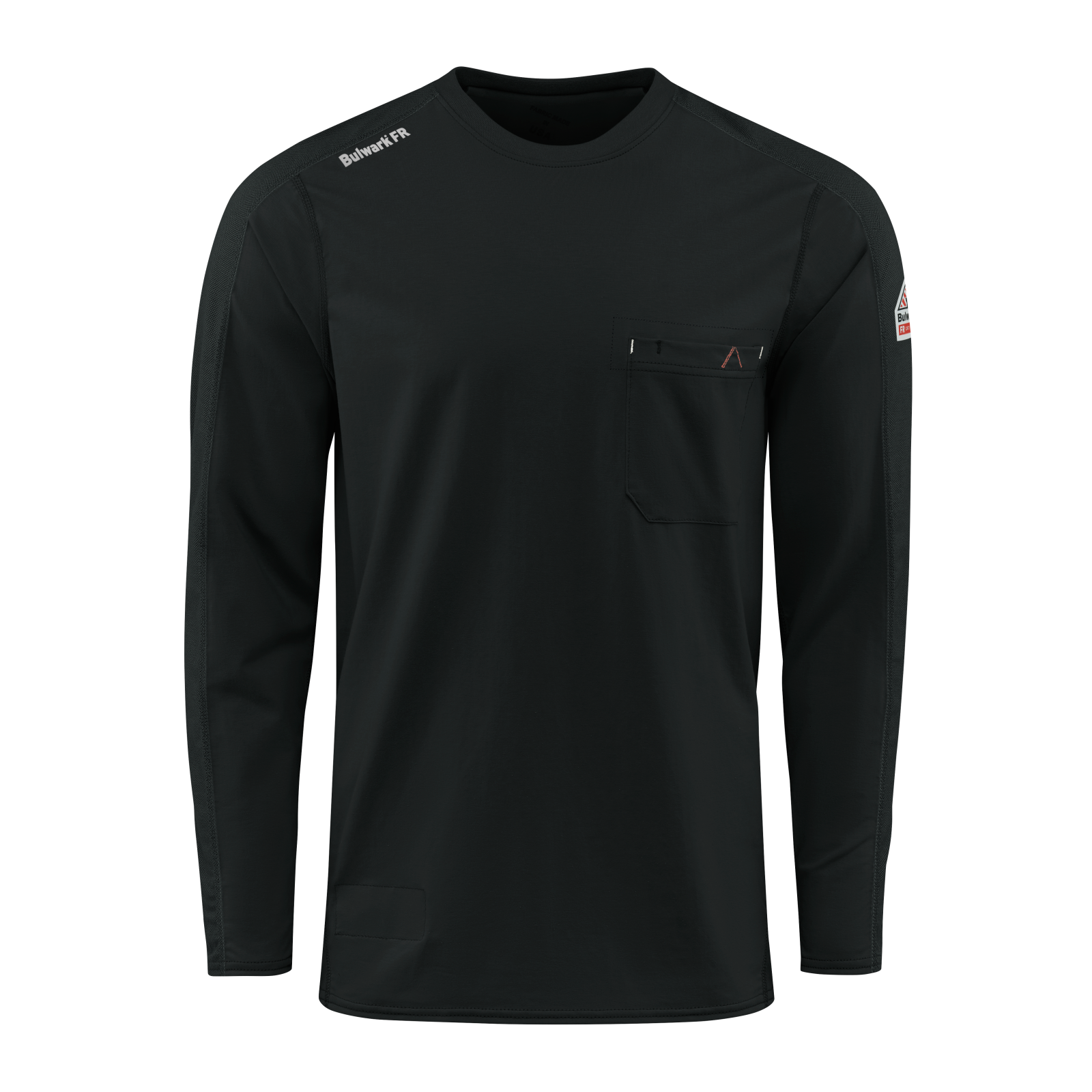
Work shirts can be developed as long-sleeve utility shirts for layered cold-weather uniforms, with selected fabric weight, chest-pocket layouts, reinforced stress points, button or snap closures, and embroidered, printed or labeled branding for industrial teams.
Request a Workwear Quote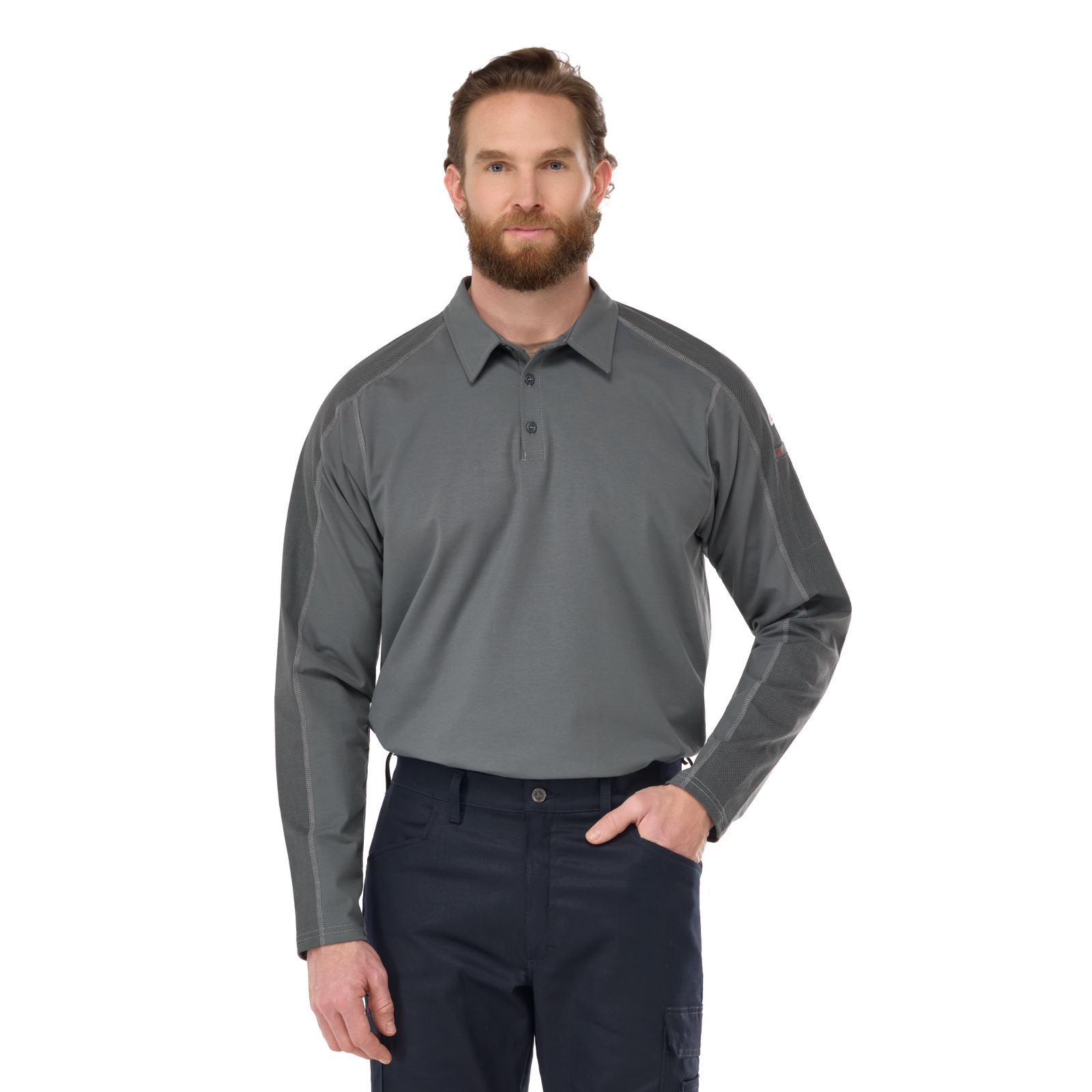
T-Shirts & Polos
T-shirts and polos provide lighter layers for indoor facilities, transit between work zones, and service teams. Specify knit composition, sleeve length, collar construction, color blocking, size grading, logos, care labels, and packaging for private-label or uniform programs.
Request a Workwear Quote
Work Jackets & Outerwear
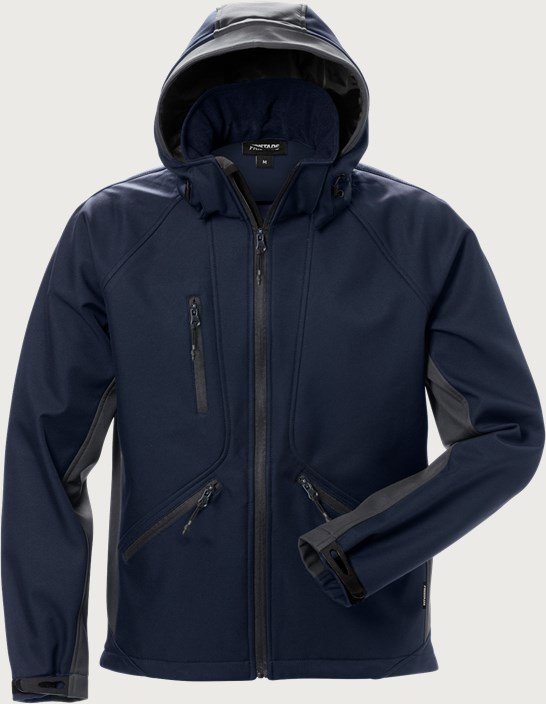
Work jackets and outerwear include softshell, fleece, padded, and rain jacket developments. Projects can define weather-oriented fabric choices, closure systems, pocket configurations, reinforced areas, reflective tape placement, hood details, insulation approach, and decoration before sampling.
Request a Workwear Quote
Work Vests & Bodywarmers
Work vests and bodywarmers add core coverage while maintaining arm mobility for warehouse, logistics, maintenance, and outdoor crews. Develop padded, utility, or safety vest styles with pocket systems, closures, lining choices, reflective details, labels, and coordinated program colors.
Request a Workwear Quote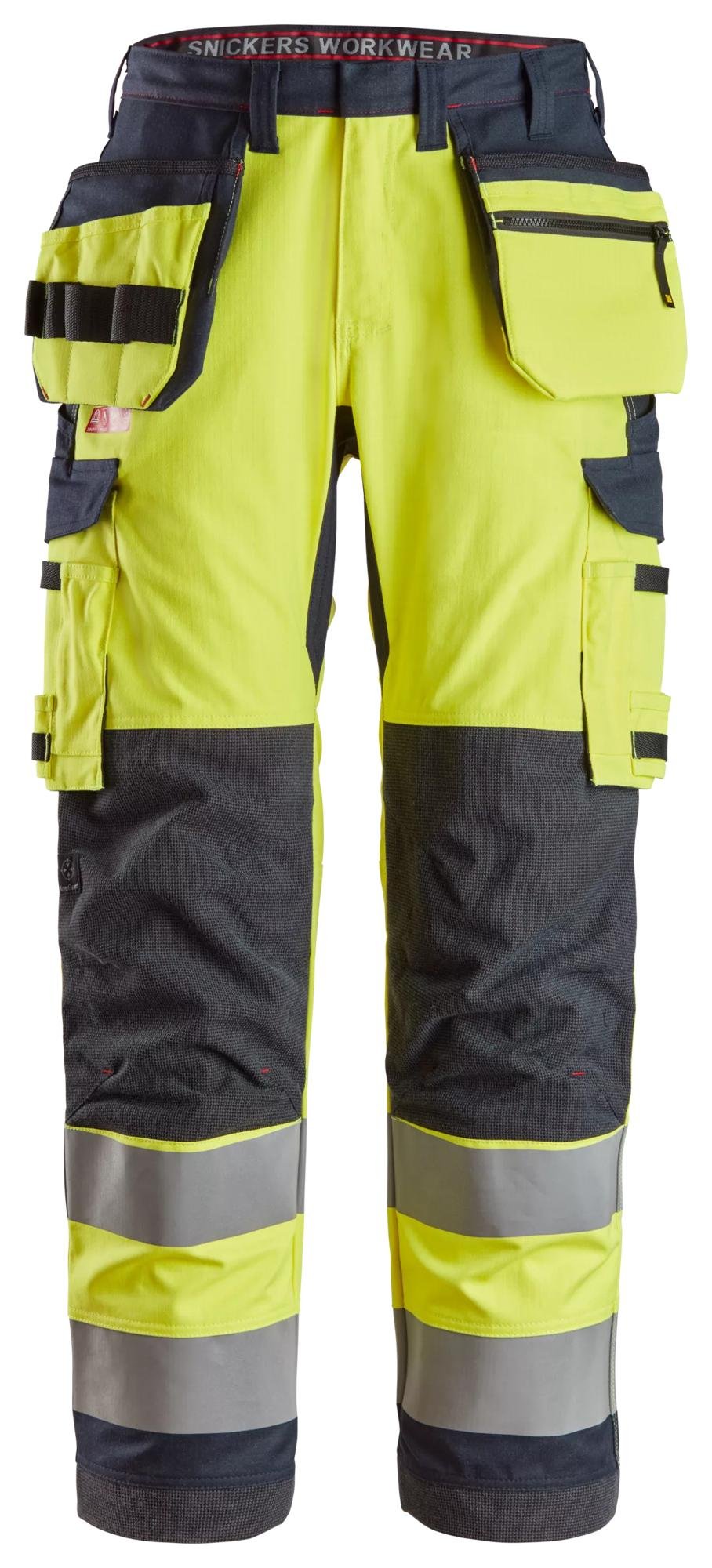
Work Pants & Shorts
Work pants and shorts cover utility trousers, cargo pants, and warm-weather shorts within the same uniform range. Buyers can specify fabric, fit, waistband construction, pocket layout, reinforcement, bartacks, triple stitching, gussets, knee details, branding, and graded size ranges.
Request a Workwear Quote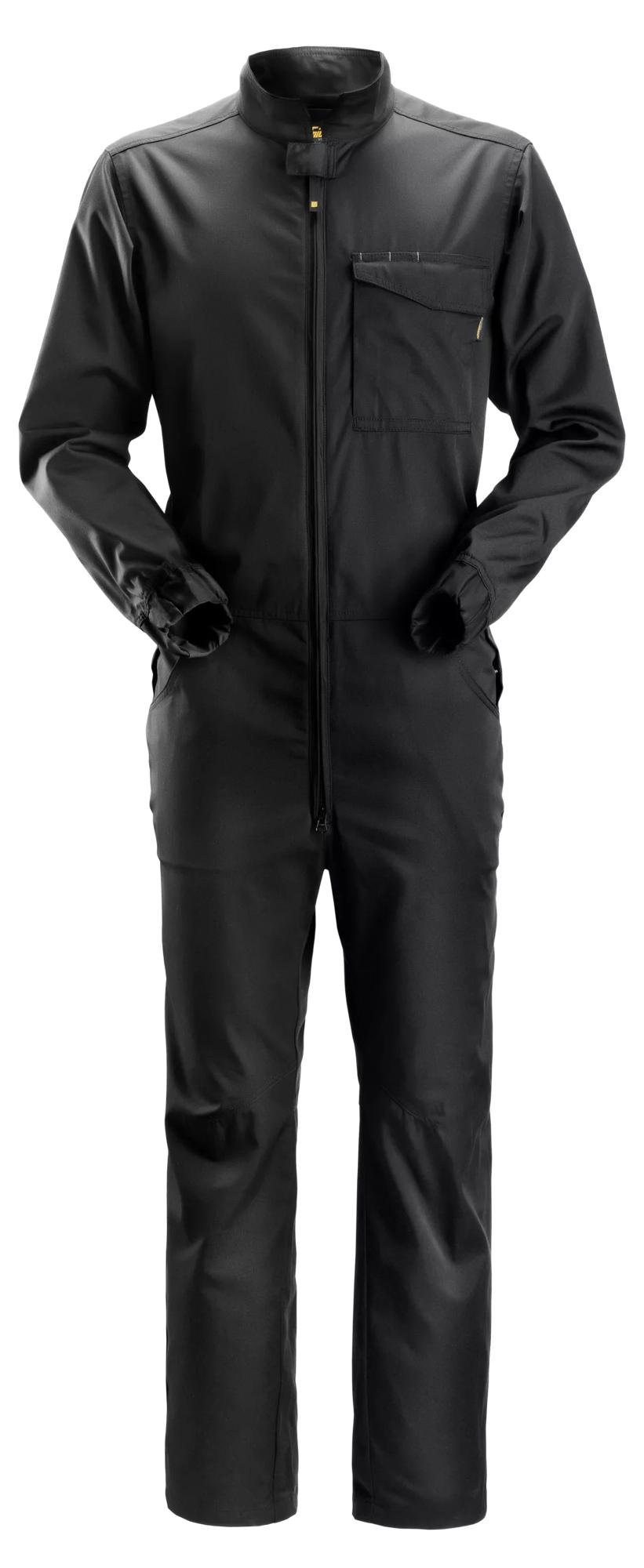
Coveralls & Bib Overalls
Coveralls and bib overalls suit tasks requiring continuous coverage or durable layered protection. Development can include front closures, adjustable straps, tool pockets, reinforced knees, elastic or gusset details, reflective placement, custom labels, and construction matched to the intended work setting.
Request a Workwear Quote
Workwear Sets
Workwear sets pair coordinated jackets, shirts, trousers, or bib styles for consistent team issue. Colors, fabrics, trims, logo applications, and fit blocks can be aligned across the set, with sampling used to review the complete garment system before production.
Request a Workwear Quote
High-Visibility Workwear
High-visibility workwear includes vests, jackets, trousers, coveralls, and coordinated sets with planned reflective tape placement and visibility-focused color design. Where a required standard applies, the garment specification and certification scope must be established with SKU-specific test evidence.
Request a Workwear Quote
Flame-Resistant & Arc-Rated Wear
Flame-resistant and arc-rated garment families can be developed for shirts, trousers, coveralls, jackets, and layered workwear programs. Fabric selection, closures, seam construction, pocket design, and branding should be reviewed against the buyer’s required standard and documented protection scope.
Request a Workwear Quote
Chemical-Protective Clothing
Chemical-protective clothing can be scoped around the intended exposure, garment coverage, closure design, seams, hoods, cuffs, and compatible layers. Chemical type, applicable standard, and required testing or certification must be defined before any protective performance is represented.
Request a Workwear Quote
Cold-Storage Workwear
Cold-storage workwear is developed for refrigerated and sub-zero work areas, including padded jackets, bib overalls, trousers, vests, and layered components. Buyers can discuss insulation approach, outer fabric, lining, closures, cuffs, pocket access, mobility, and workplace conditions during sampling.
Request a Workwear Quote
Welding Workwear
Welding workwear includes jackets, trousers, coveralls, and protective garment concepts built around durable construction, coverage, reinforced stress areas, and practical pocket placement. Material and protection requirements should be specified for the welding process and any applicable documented standard.
Request a Workwear Quote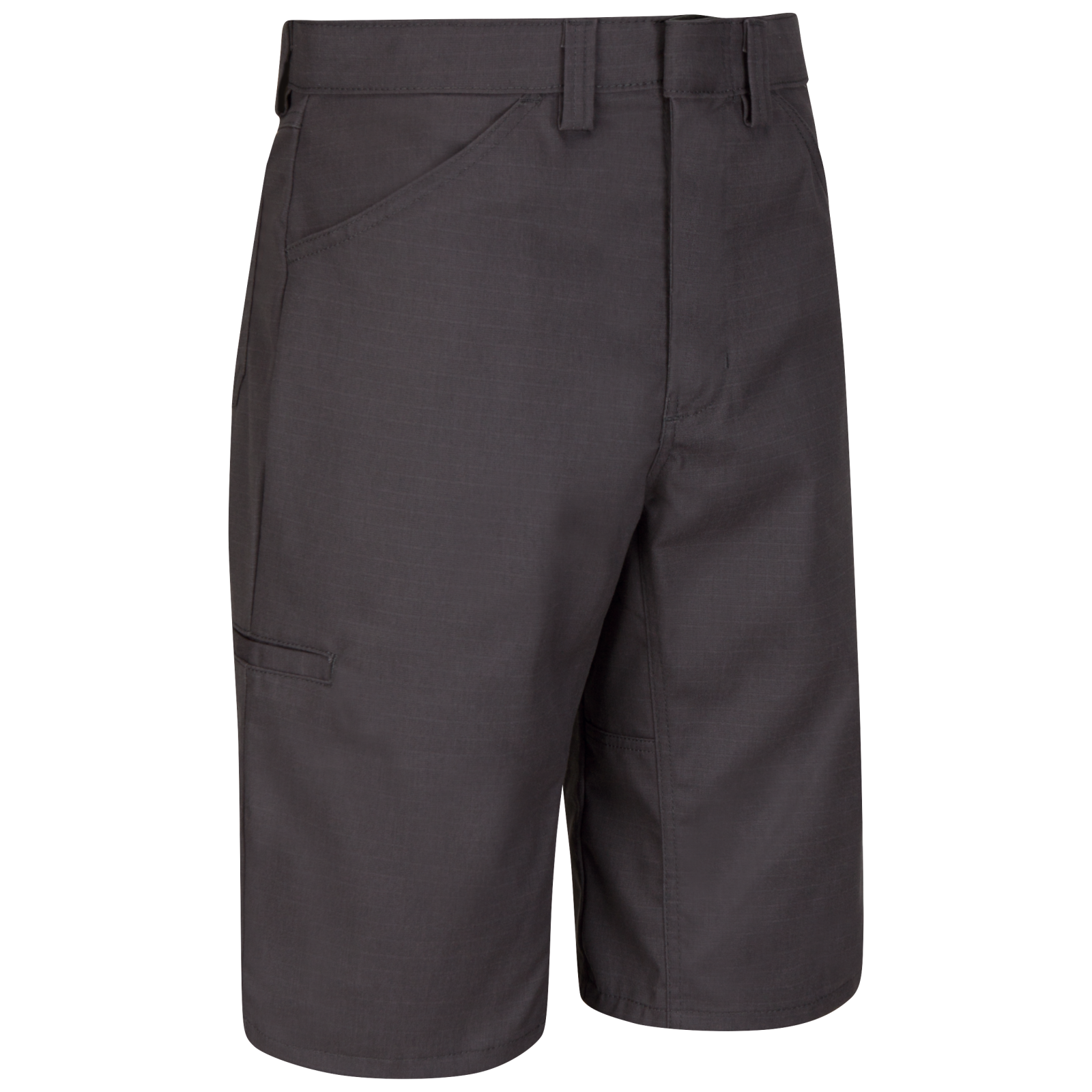
Medical & Cleanroom Wear
Medical and cleanroom wear includes scrubs and controlled-environment garment families for healthcare, laboratory, and technical settings. Development may cover tunics, trousers, coats, coveralls, closures, pocket configuration, fabric selection, color coding, labels, and sizing for institutional issue.
Request a Workwear Quote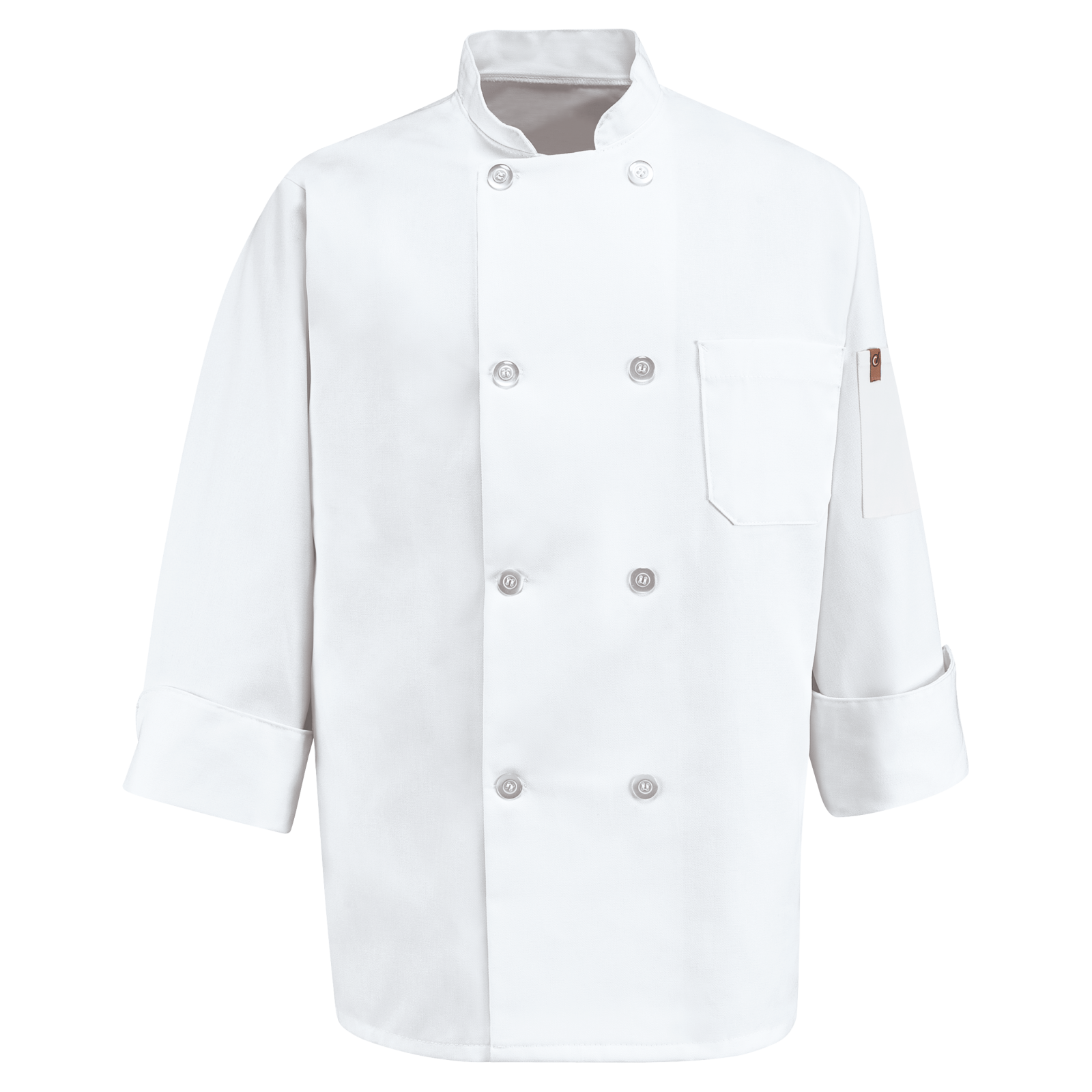
Chef & Hospitality Uniforms
Chef and hospitality uniforms cover chef coats, kitchen shirts, service polos, aprons, trousers, and front-of-house apparel. Define fabric, color, closure style, pocket needs, logo application, size range, and coordinated presentation for restaurants, hotels, catering, and service teams.
Request a Workwear Quote
Industry Uniforms
Industry uniforms bring shirts, polos, trousers, jackets, vests, coveralls, and outerwear into a consistent program for manufacturing, logistics, maintenance, construction, and service operations. OEM, ODM, private-label, and wholesale projects can begin from a tech pack, sketch, sample, or product idea.
Request a Workwear Quote
Base Layers & Accessories
For cold-weather programs, layering components and supporting items should be specified for compatibility with the outer garments. Confirm the product scope, fabric composition, fit, color, labeling, packaging, and any required development work before treating base layers or accessories as part of the quotation.
Request a Workwear QuoteMaterials for Cold-Weather Workwear Programs




Supported Workwear Construction and Decoration Processes



Cold-Weather Workwear Trims and Accessories


About Veelianpro’s Cold-Weather Workwear Manufacturing
Veelianpro is a Wuhan-based workwear manufacturer whose company profile states that its operation began in 2012. We support workwear brands, safety distributors, uniform buyers, wholesalers and enterprise sourcing teams with OEM, ODM, private-label and wholesale production across industrial, safety and service apparel.
As a sub-zero environment workwear manufacturer, Veelianpro develops garments from a buyer’s tech pack, sketch, sample or product idea. Our workflow can include fabric and trim sourcing, pattern development, sampling, grading, cutting, sewing, reinforcement, decoration, quality checks, packing and export coordination. Company-supplied operating information describes a team of more than 300 skilled workers; buyers should confirm current capacity and project-specific details during inquiry.
What sets our approach apart is practical specification control. Buyers can discuss insulation, shell fabrics, fit, pocket systems, reflective placement, branding and construction details before production, with a starting MOQ of 100 pieces per style and color subject to fabric, certification and construction requirements. Performance ratings and certifications remain SKU-specific and require supporting test evidence.

Core Capabilities from a Sub-Zero Environment Workwear Manufacturer
Select Insulation and Shells
Veelianpro helps buyers define insulation weight, shell fabric, lining, and weather-protection details for freezer, cold-storage, damp, or exposed outdoor programs. Material choices are reviewed against the intended work environment, mobility needs, target cost, and required performance documentation before sampling begins.
- Adjust insulation weight for climate and activity level
- Review shell, lining, and trim composition
- Plan wind, moisture, and draft protection
- Confirm required tests or certificates by SKU

Develop Patterns and Fit
Starting from a tech pack, sketch, sample, or product idea, our team develops practical patterns for jackets, coveralls, bib overalls, vests, trousers, and layered workwear. Sampling and size grading help buyers review mobility, layering allowance, coverage, and consistency across a complete workforce range.
- Build patterns from buyer specifications
- Review fit for movement and cold-weather layers
- Support size grading for recurring programs
- Sample before quotation and production confirmation

Engineer Durable Protection
Sub-zero garments need more than insulation. Veelianpro can discuss reinforced knees, bartacks, triple stitching, gussets, durable pocket systems, storm details, cuffs, reflective tape placement, and abrasion-conscious construction to suit the work setting while keeping the design practical for production and maintenance.
- Specify reinforcement at high-stress areas
- Configure pockets, closures, cuffs, and gussets
- Plan reflective details for visibility requirements
- Separate design targets from verified performance claims

Execute Private-Label Details
Veelianpro supports OEM, ODM, private-label, and wholesale programs with coordinated branding and finishing. Buyers can develop colors, labels, decoration, packaging, and garment details for a consistent cold-weather range, with production starting from 100 pieces per style and color subject to project requirements.
- Add embroidery, printing, patches, or heat transfers
- Develop woven labels, care labels, and packaging
- Coordinate colors and branding across garment categories
- Request a specification-based quote from 100 pieces

Choose a Sub-Zero Environment Workwear Manufacturer Built for Your Program
Compare custom OEM development with purchasing stocked garments and adding decoration. The appropriate route depends on the degree of control needed over the garment specification, fit, and branding.
← Swipe left or right to view →
Sub-Zero Environment Workwear Manufacturer Production Process
Veelianpro guides each OEM, ODM, and private-label project from technical review through sampling, production, shipment, and reorder support.
Review Your Requirements
Share your tech pack, sketch, sample, or product idea with Veelianpro. We review the work setting, temperature needs, garment category, quantities, branding, and timeline.
Develop the Specification
We confirm shell, insulation, lining, trims, reflective details, and branding requirements, then develop patterns, size grading, and construction details for your approved specification.
Sample and Refine
We make samples for fit and function review, refine pockets, reinforcements, closures, cuffs, and decoration, and document changes before production approval.
Produce with Control
After approval, cutting and sewing follow the confirmed specification, with reinforcement, decoration, finishing, and in-process checks supporting consistent production across your order.
Inspect and Ship
Final quality checks cover measurements, workmanship, branding, packing, and order details before export coordination, shipment, and reorder support for future workwear programs.
How to Start with a Sub-Zero Environment Workwear Manufacturer
Move from an initial concept to reliable bulk production through a practical development, sampling, quotation, inspection, and reorder process tailored to your requirements.
Submit Your Requirements
Share your tech pack, sketch, sample, or product idea, including work environment, garment type, materials, sizing, branding, quantity, destination, and timeline.
Review Project Feasibility
Veelianpro reviews construction, insulation, shell fabric, trims, visibility details, protection requirements, and production conditions before recommending a workable development approach.
Approve Samples and Quotation
Develop patterns, source fabrics and trims, create samples, confirm fit and specifications, then receive a quotation based on your approved project details.
Confirm Production and Reorders
After order confirmation, Veelianpro coordinates bulk cutting, sewing, reinforcement, quality inspection, packing, shipment, and future reorders against the approved specifications.
Compliance Documentation from a Sub-Zero Environment Workwear Manufacturer


Sub-Zero Environment Workwear Manufacturer Scenarios
Illustrative scenario: A safety distributor needs a private-label coverall range for freezer programs but has no controlled specification for fit, closures, or branding. The proposed solution is to develop and sample the insulation approach, outer shell, closures, knee reinforcement, reflective placement, and size grading. Intended acceptance criteria are approved fit, construction, branding, and any required SKU-specific test documentation.
Illustrative scenario: A uniform buyer needs one program for crews moving between cold-storage zones and loading areas, but the required garment interactions are not yet defined. The proposed solution is a coordinated jacket, bib, and layering concept with sampled mobility details at knees and elbows. Intended acceptance criteria are garment interaction, pocket access, wash requirements, and approved logo application.
Illustrative scenario: A workwear brand has a sketch for a cold-work outerwear capsule but needs it converted into a production specification. The proposed solution is to translate the concept into patterns, material and trim options, branded labels, and a pre-production sample. Intended acceptance criteria are confirmed measurements, construction details, color, packaging, and production-ready specifications.
FAQ for Sub-Zero Environment Workwear Manufacturer Buyers
Practical answers for teams planning custom cold-weather workwear programs with Veelianpro.
What does a sub-zero environment workwear manufacturer develop?
How should I choose insulation for sub-zero workwear?
What shell construction should a sub-zero environment workwear manufacturer recommend?
Should I choose insulated jackets, coveralls, bib overalls or trousers?
Can a sub-zero environment workwear manufacturer customize private-label details?
What sizing information should I provide for a custom cold-weather program?
What MOQ, sampling and production process does Veelianpro offer?
How can I protect my design and request a quote for sub-zero workwear?
Sub-zero environment workwear manufacturer: a buyer’s guide
Use this decision framework to specify cold-work garments, evaluate OEM and private-label options, compare construction and cost drivers, and avoid sampling, mobility, visibility, and quote-scope mistakes.
1. What Is a Sub-Zero Environment Workwear Manufacturer?
A sub-zero environment workwear manufacturer develops industrial and service garments as a coordinated program for cold-storage teams and outdoor crews, rather than choosing a garment solely by its appearance. The brief may cover jackets, bib overalls, coveralls, fleece layers, padded outerwear, or rainwear, but the appropriate format depends on exposure duration, wind or moisture, physical activity, and tasks performed around vehicles, equipment, or stock.
For B2B buyers, the central decision is how those conditions translate into a repeatable branded program. A stationary picker in a freezer, a driver moving between dock and yard, and a maintenance crew working overhead can require different fit allowances, closure access, pocket layouts, visibility details, and reinforcement priorities even when all work in the cold. Where a protective claim is required, the requested standard and test or certificate scope must be defined separately from the design target.
Veelianpro supports OEM, ODM, private-label, and wholesale development from a tech pack, sketch, sample, or product idea. The development discussion can cover material and trim sourcing, fit and size grading, pocket systems, reinforced knees, bartacks, triple stitching, reflective tape placement, branding, and a pre-production sample before bulk production.
2. Planning a Sub-Zero Workwear System
A freezer loader, a dock worker, and an outdoor driver can face different conditions within one shift. Plan the program by temperature zone, wind, moisture, visibility needs, and task movement instead of treating “sub-zero” as one uniform condition.
Exposure changes the garment brief. A controlled cold-storage aisle may call for a different layering and access approach than a windy or wet transfer area. Visibility requirements should also be evaluated separately from the cold-work design brief and documented only when the applicable standard and supporting evidence are defined.
Modular choices—such as a jacket with bib overalls, a fleece layer, or a weather shell—can be evaluated where teams move between work locations. This is not a universal garment specification: define each role, zone transition, exposure period, movement demand, and required protection documentation before developing a sample with Veelianpro.
3. Sub-Zero Environment Workwear Manufacturer Product Formats
Format selection starts with how long crews remain in cold zones and how often they cross a dock, vehicle, or heated workspace. A sub-zero environment workwear manufacturer should develop compatible pieces around those transitions, not treat every role as a one-piece uniform.
| Format | Best Procurement Use | Operational Trade-Off |
|---|---|---|
| Jacket or parka | Mobile freezer or exposed outdoor crews | Coverage versus mobility |
| Bib overall | Separate upper and lower layering | Two-piece coordination |
| Coverall | Continuous cold-zone coverage | Slower entry and exit |
| Hood and mid-layer | Configurable temperature transitions | Compatibility must be sampled |
Jackets, Parkas, And Coats
Jackets suit mobile pickers, drivers, and outdoor crews that need waist-level access to tools or controls. A longer parka or coat adds thigh coverage for lower-activity tasks, but can impede frequent climbing or tight-aisle movement.
Specify whether the outer layer must fit over fleece or other mid-layers; sleeve and hem overlap should be reviewed on the sample.
Bib Overalls And Coveralls
Bib overalls protect the torso and legs while leaving the upper body easier to vent or remove when workers move indoors. They pair naturally with a separate jacket, allowing damaged or heavily soiled components to be replaced independently.
Coveralls provide continuous coverage for prolonged cold-room tasks, but their one-piece entry and exit is slower. Confirm closure access, restroom practicality, and whether the coverall must layer over base garments.
Hoods And Layering Pieces
A hood should be specified as integrated or detachable according to the garment system and headwear policy. It must work with the jacket collar and intended underlayers without creating bulk at the neck.
Fleece, padded vests, and lighter outer layers let teams adjust across temperature zones. Keep size grading consistent across the system so pieces can be combined without restricting reach.
4. Materials and Technical Options for Sub-Zero Workwear
Cold-work specifications start with exposure: freezer dwell time, wind, moisture, handling tasks, and transitions between zones. Veelianpro can develop shell, insulation, lining, trim, and pocket configurations from the buyer’s required use case before sampling.
| Category | Functional Consideration | Trade-Off | Suitable Work Condition |
|---|---|---|---|
| Outer shell | Required shell construction for anticipated abrasion, wind, or moisture exposure | Confirm hand feel and movement during sample review | Outdoor loading or cold-storage handling |
| Insulation and lining | Dwell time and movement level | Confirm bulk and movement during sample review | Longer low-activity freezer tasks |
| Closures and pockets | Gloved access and protected storage | Extra protection can slow access | Scanner, tool, or document carrying |
| Cuffs and openings | Glove use, sleeve overlap, and access needs | Details should be reviewed during sample use | Tasks involving gloves, tools, or repeated access |
Compare Shell And Insulation
Select the outer shell, insulation, and lining as separate specification choices, then review them together on the sample with the planned layers and work motions. The approved brief should state the proposed fabric composition, weight, finish, lining, and insulation construction rather than relying on broad terms such as “heavy duty” or “warm.”
Treat water-repellent or wind-resistant finishes as proposed material features, not as universal requirements or garment-performance claims. Where a buyer requires a stated protective or weather-performance claim, request the applicable test documentation and certification scope for the exact proposed garment.
Specify Closures And Storage
Specify a front closure that the buyer intends workers to operate with their usual gloves and that suits the garment format, whether jacket, bib overall, or coverall. Define pocket access and closure needs for scanners, tools, or paperwork.
Cuff and sleeve details should be sampled with the gloves, equipment, and layers used on site. Define pocket count, placement, closure type, and access while wearing layered clothing.
Hypothetical Zone Specification
Example only: a distribution program may use a lighter insulated layer for brief dock-to-freezer transfers and a more insulated shell-and-lining configuration for longer freezer tasks. This is a design brief, not a temperature rating or performance promise.
Record each zone’s temperature, time spent inside, activity level, wind or condensation exposure, and required underlayers. Submit that matrix with the tech pack so material choices can be reviewed during sampling.
5. Customization With a Sub-Zero Environment Workwear Manufacturer
A cold-work concept becomes a manufacturable program when the specification connects the job, layering plan, materials, fit, trims, and identity. Veelianpro can develop OEM, ODM, and private-label configurations from a tech pack, sketch, sample, or product idea.
Fit And Movement

Specify the base layers, expected reach, kneeling, climbing, and driving before pattern development. Articulated areas, gussets, adjustable cuffs, and sizing grades should support the intended movement without treating a loose fit as the only solution.
Visibility And Color Blocking
Use color blocking to separate brand identity, dirt-prone zones, and required visibility areas. State the applicable visibility standard and exact tape placement where protection is required; a visual design target is not a documented performance claim.
Hardware And Pocket Layout
Closures and pockets should follow the tools, gloves, and access points used on shift. Define zipper or snap preference, pocket dimensions, flap direction, hood compatibility, and reinforcement locations together so trims do not conflict with insulation or movement.
Labels And Brand Identification
Private-label details can include embroidery, screen printing, heat transfer, patches, woven labels, care labels, and custom packaging. Provide logo artwork, position, color references, label text, and packaging instructions early, especially when decoration shares space with reflective elements.
Sample Review Before Production
Consolidate the approved fabric, trim, fit, color, branding, size range, destination, and protection requirements before sampling. Review the sample against the brief for mobility, pocket access, decoration placement, construction, and labeling; record revisions in one controlled specification before order confirmation.
6. Construction Details That Affect Cold-Work Use
Openings and movement zones deserve the same sample review as the insulation package. Specify construction by task exposure: freezer picking, dock work, vehicle use, and outdoor maintenance place different demands on seams, closures, and pockets.
Closures And Storm Protection
Review the front closure while bending, reaching, and wearing the intended layers. Specify the closure construction, flap direction, fastening type, and collar-to-hem overlap required by the buyer’s brief.
For wet or wind-exposed work, define any required seam treatment and identify seams that will remain untreated. Do not describe a garment as weatherproof unless the applicable construction and supporting test evidence are supplied.
- Front closure and storm-flap overlap
- Collar, chin, cuff, and hem opening control
- Required seam-treatment locations
Mobility Zones And Reinforcement

Insulation can bind at elbows, knees, seat panels, and shoulders when the pattern has no allowance for a working posture. Articulated panels, gussets, or targeted stretch zones can improve reach, kneeling, and climbing, but must be evaluated with the selected outer shell and insulation.
Reinforcement belongs where abrasion occurs, rather than across the entire garment. Overbuilt panels can add bulk and restrict movement; specify their placement from actual task observation.
Pockets And Adjustable Openings
Pocket placement should be evaluated for access with the gloves, tools, and body positions used on shift. Review whether each pocket needs a closure, protection from the work environment, or access while seated or wearing other required equipment.
Specify pocket purpose, closure, drainage need, and whether it must be reachable while wearing a harness or seated. Adjustable cuffs, hems, and hood openings should be sized around the gloves, headwear, and layers used on shift.
Turn Failures Into Specifications
Common complaints such as zipper icing, drafts at wrists, torn knees, or restricted overhead reach should become sample checkpoints, not vague requests for stronger construction. Record the worker action, exposure point, and proposed remedy in the tech pack.
Veelianpro can discuss reinforcement, bartacks, triple stitching, gussets, pocket systems, and weather-protection details during development. Confirm the final construction in the approved sample; a design target is not a tested protection claim.
7. Choosing a Sub-Zero Environment Workwear Manufacturer
A capable sub-zero environment workwear manufacturer turns a job-specific brief into a buildable garment program, not a generic insulated style. Evaluate development discipline before comparing quotations, especially where branded fit, trim, and protective requirements intersect.
Build A Usable Application Brief
State whether crews work in cold storage, outdoors, wet transfer areas, or between temperature zones. Identify garment format, layering plan, movement demands, size range, colors, logos, destination, quantity, timeline, and any applicable standard or required test evidence.
Protection targets must remain design targets until documented testing supports a claim. This avoids approving a coverall or jacket configuration that cannot be represented accurately in your market.
- Exposure and temperature-zone description
- Required mobility and pocket access
- High-visibility or weather-detail requirements
- Branding locations and artwork files
Check Development And Sampling
Veelianpro supports OEM, ODM, and private-label development from a tech pack, sketch, sample, or product idea. Its process can include fabric and trim sourcing, pattern development, size grading, sampling, cutting, sewing, reinforcement, finishing, and packing.
Ask to review fit, closure operation, pocket placement, reinforcement, reflective tape placement, decoration, labels, and packaging on the sample. Record revisions against an approved specification before production.
Compare Quote Scope
A complete quote identifies the proposed fabric composition and weight, insulation and lining choices, trims, decoration method, packaging, sample treatment, inspection scope, and export coordination. It should separate confirmed inclusions from choices still awaiting approval.
Veelianpro’s starting MOQ is 100 pieces per style and color, subject to fabric, certification, and construction requirements. Final lead time, payment terms, test documentation, and commercial conditions belong in the individual quotation.
8. Common Sub-Zero Workwear Sourcing Mistakes
Cold-work briefs fail when they describe a temperature but not the work performed inside it. Define exposure, movement, visibility, carried items, and transition points before selecting insulation, format, and trims.
Temperature Is Not the Whole Exposure
A freezer temperature alone does not describe wind, condensation, rain, or repeated door transitions. A brief that omits those conditions cannot establish the appropriate shell, lining, or weather-detail requirements.
Add duration, moisture source, wind exposure, and indoor-to-outdoor movements to the brief; then review outer shell, lining, and weather-protection requirements together.
One Format For Every Task
A single coverall or jacket format may restrict drivers, pickers, maintenance crews, and loading teams differently. It also complicates layering when staff move between zones.
Assign formats by task and movement: for example, evaluate jackets, bib overalls, coveralls, or two-piece suits against the actual shift workflow.
Mobility And Visibility Left Vague
Bulk at knees and elbows can interfere with climbing, kneeling, and reaching. Visibility additions without a defined application can place tape or colors where they do not support the intended work setting.
Mark kneeling, overhead reach, vehicle proximity, and required visibility zones on the tech pack. Request a sample review while performing those motions, wearing the expected layers.
Closures And Pockets Unspecified
Generic zipper, flap, cuff, and pocket choices may be awkward with gloves or expose carried tools during active work. Small trim decisions affect daily usability as much as insulation selection.
Specify closure type, storm-flap need, glove-use handling, pocket contents, access position, and whether pockets require secure closure before sampling.
Samples Approved Off-Task
A clean sample inspection can miss binding at joints, pocket interference, or closure difficulty during real tasks. Approval should test the configuration, not only stitching and branding.
Use a task-based checklist during sample review, then record corrections in the revised tech pack before production approval.
- Walk, reach, kneel, and lift
- Operate closures while gloved
- Access each pocket with work tools
- Check garment interaction with required layers
9. Launching a Private-Label Cold-Work Program
A private-label cold-work launch moves fastest when the job exposure is defined before fabric or logo choices. Veelianpro can develop from a tech pack, sketch, sample, or product idea, then carry the approved specification through sampling and production.
Define Work And Exposure
List the workforce, cold-storage or outdoor setting, wet or windy exposure, movement tasks, temperature zones, and any required protection standard. A design target is not a tested performance claim; provide the applicable standard and required evidence when protection is requested.
Choose The Product System
Select the working format first: jacket, padded coat, bib overall, coverall, vest, or a coordinated layering system. Map pocket access, knee mobility, hood use, and visibility needs to the task so one garment is not asked to serve incompatible roles.
Brief Components And Identity
Turn the concept into a component brief covering fabric composition and weight, lining, closures, pocket system, reinforcement, reflective tape placement, and weather protection. Attach artwork and placement rules for embroidery, printing, patches, woven labels, care labels, and packaging.
Evaluate Sample And Handoff
Check the sample against fit, size grading, range of motion, trim function, artwork placement, and the agreed material and construction details. Record revisions in one controlled specification, then confirm the quotation scope, destination, quantity, timeline, packing, and inspection expectations before production handoff.
Illustrative Procurement Scenario
Illustrative procurement scenario — Safety distributor: the buyer separates freezer crews from loading-dock crews, chooses different product formats, and submits one brief with branding and fit requirements. The proposed solution is to use the sample review to consolidate revisions before the final quote. Intended acceptance criteria are approved fit, construction, branding placement, and a complete quotation scope.
10. Sub-Zero Workwear Pricing and Cost Drivers
A cold-work quote changes most when the garment system changes: a padded jacket, bib overall, coverall, or layered set uses different pattern pieces, closures, insulation coverage, and assembly time. Shell, lining, insulation, pocket layout, reinforcement, and weather-protection choices should therefore be specified as a single configuration rather than priced as a generic “cold jacket.”
A complete Veelianpro quote should identify the approved garment format, fabric composition and weight, insulation and lining, size range, color, trim and decoration method, packing, quantity, destination, and requested protection standard or test documentation. Confirm commercial conditions after the selected fabric, certification requirements, and construction are defined.
| Cost Driver | What Changes Cost | Quote Must Specify |
|---|---|---|
| Garment format | A jacket, bib overall, coverall, or two-piece system changes material consumption, pattern complexity, and sewing operations. | Style, layering plan, size range, and closure layout |
| Shell and thermal package | Shell composition and weight, lining, insulation selection, and weather-protection details affect sourcing and construction. | Approved fabric and trim specifications; required performance evidence, if any |
| Reinforcement and visibility | Reinforced knees, gussets, bartacks, triple stitching, reflective tape placement, and pocket systems add materials and labor. | Exact placement, dimensions, tape type, and artwork |
| Branding and development | Embroidery, screen printing, heat transfer, patches, woven labels, care labels, custom packaging, pattern work, and samples each have separate setup or development inputs. | Decoration files, label copy, packaging standard, sample approval route |
| Order quantity | Quantity affects material purchasing and production planning; it does not replace a defined specification. | Pieces per style and color, delivery destination, and requested timeline |

Request a Quote from a Sub-Zero Environment Workwear Manufacturer
Send your garment, environment, materials, sizes, branding, quantity, destination, standards, and timeline for a specification-based Veelianpro quote.