
Ice Cream Plant Workwear Manufacturer for Custom OEM Programs
Veelianpro is a Wuhan, Hubei custom workwear manufacturer in China supporting OEM workwear manufacturing, ODM, private label workwear and wholesale programs from 100 pieces per style and color, subject to project requirements.
Featured Products for ice cream plant workwear manufacturer Development


Related Product Catalogue and Quotation






Why Choose an Ice Cream Plant Workwear Manufacturer?
Develop practical food-production garments around hygiene procedures, wearer comfort, durable construction, changing workforce quantities and custom OEM requirements.
Hygiene-Oriented Coverage
Develop jackets, trousers, coats and related layers around coverage, low-linting fabric choices, secure closures and plant-specific contamination-control procedures.
Comfortable Plant Movement
Refine fit, sizing, sleeve movement and fabric weight so production teams can work comfortably through long shifts and repeated garment changes.
Durable Construction
Specify reinforced stress points, bartacks, practical pocket systems and durable stitching to support frequent wear, washing and replenishment cycles.
Flexible Quantities
Plan size ranges and seasonal quantities with MOQ from 100 pieces per style and color, subject to fabric, certification and construction requirements.
Custom OEM Development
Move from tech pack, sketch, sample or product idea through sourcing, sampling, branding, quality checks and export coordination with Veelianpro.
Workwear for Ice Cream Production Plants
Custom garments for processing, cold storage, maintenance, sanitation, loading, and visitor-facing food-service teams.

Work Shirts
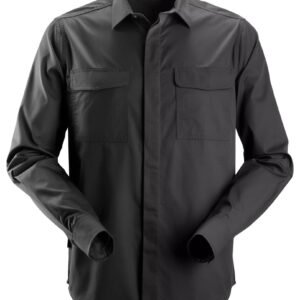
Button-front work shirts for production and maintenance crews, developed with buyer-selected fabrics, sleeve lengths, pocket layouts, closures, and logo decoration. Reinforced seams or utility details can be specified for plant tasks while keeping the garment aligned with the required uniform appearance.
Request a Workwear Quote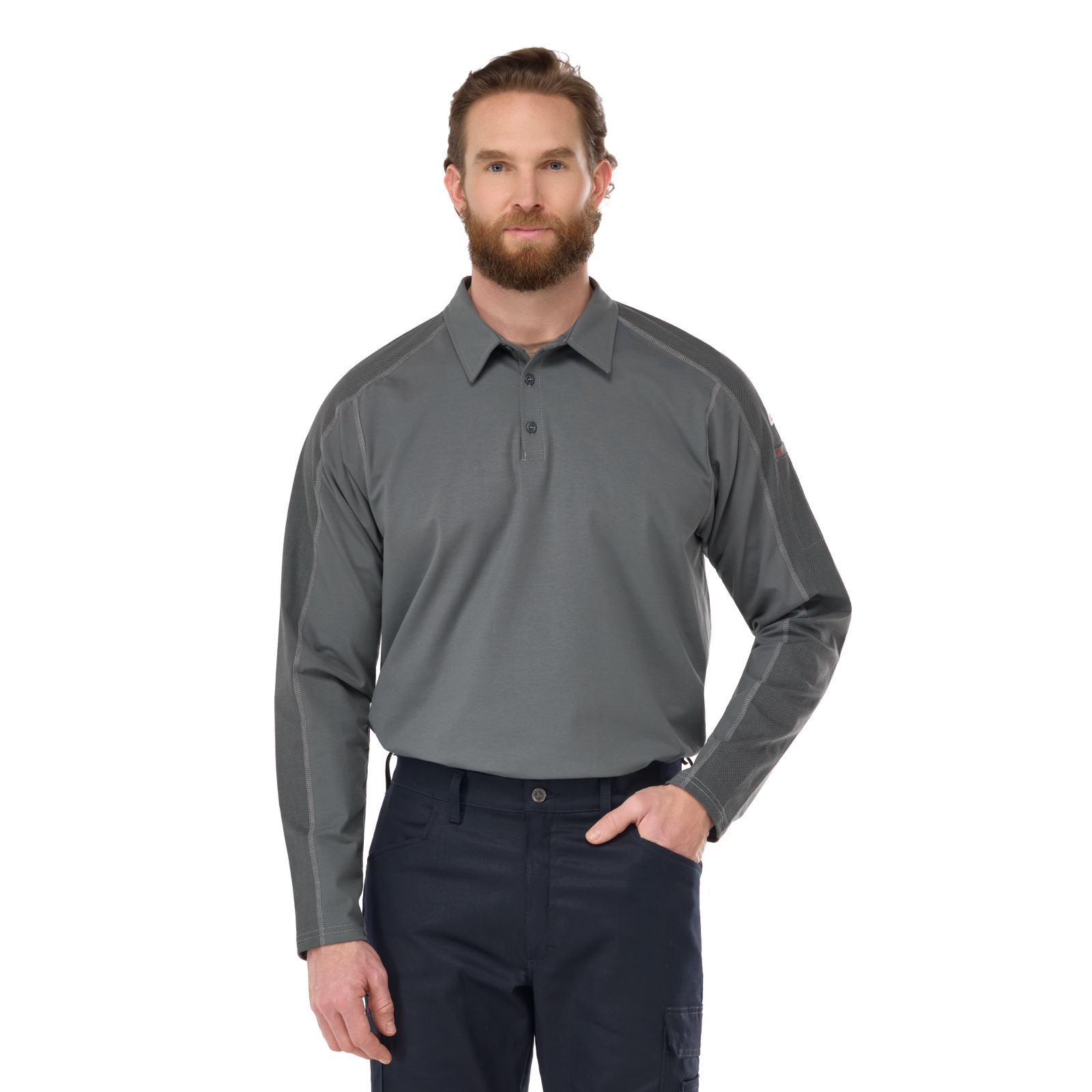
T-Shirts & Polos
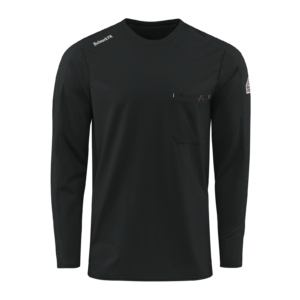
Crew-neck tees and collared polos suit lightweight layers, staff uniforms, and service-facing roles around an ice cream facility. Buyers can define fabric composition, color, fit, size grading, printed or embroidered branding, labels, and packing requirements during development.
Request a Workwear Quote
Work Jackets & Outerwear
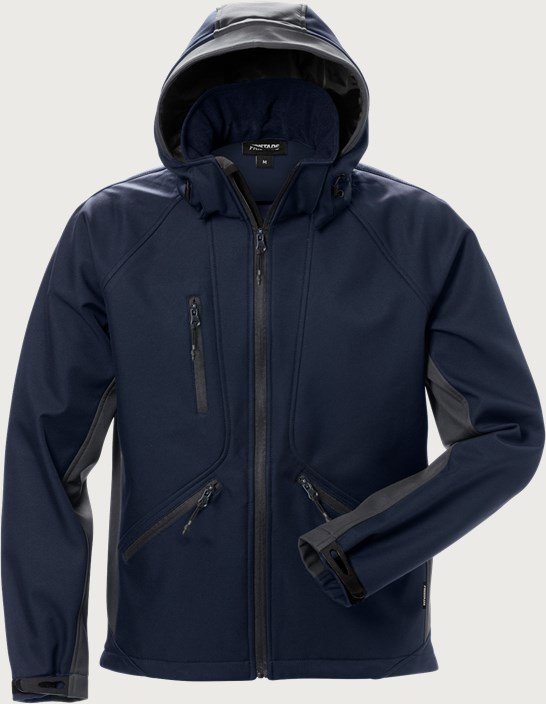
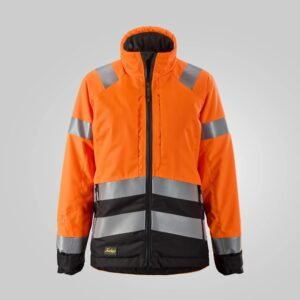
Softshell, fleece, padded, and rain jacket programs provide outer-layer choices for cold docks, outdoor loading areas, and changing conditions. Development can include fabric selection, lining, hood and pocket configurations, weather-oriented details, reflective placement, and branded trims.
Request a Workwear Quote
Work Vests & Bodywarmers
Utility vests and insulated bodywarmers add practical storage or core warmth without restricting arm movement. Specify insulation approach, pocket systems, closures, contrast panels, logo method, labels, and color matching for warehouse, dispatch, maintenance, or supervisory uniforms.
Request a Workwear Quote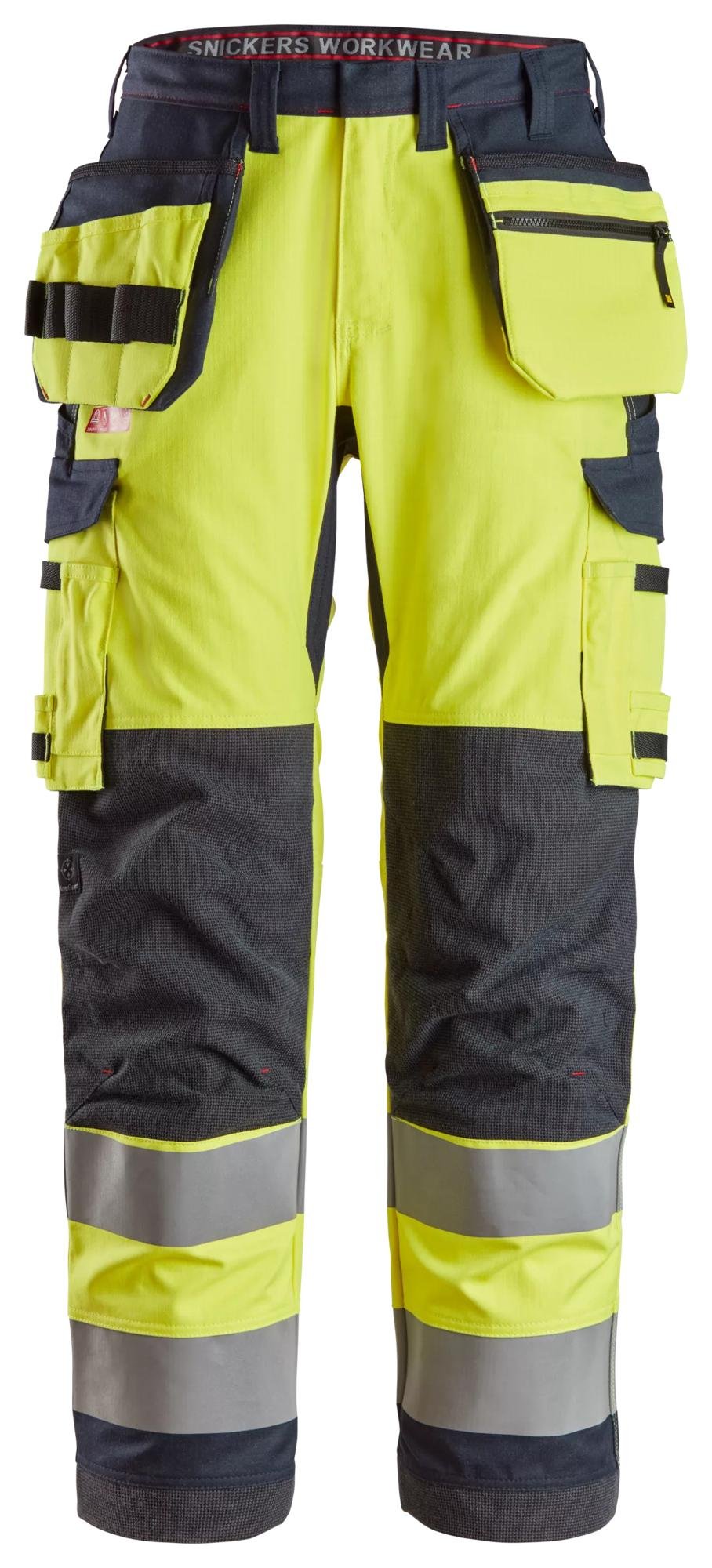
Work Pants & Shorts
Work trousers, cargo pants, and shorts can be developed for operational roles with selected fabrics, waistband construction, pocket configurations, reinforced knees, gussets, bartacks, and triple stitching. Shorts are appropriate only where the buyer’s site rules and work setting permit them.
Request a Workwear Quote
Coveralls & Bib Overalls
Coveralls, bib overalls, and two-piece work suits offer fuller coverage for maintenance, sanitation, handling, and plant-support teams. Projects may include zipper or snap closures, pocket placement, reinforcement, reflective details, size grading, branded labels, and custom packaging.
Request a Workwear Quote
Workwear Sets
Coordinated shirt-and-trouser, jacket-and-pant, or polo-and-cargo programs create a consistent uniform system across departments. Colors, fabrics, trims, decoration, and labeling can be matched across garments, with samples used to confirm the construction before bulk production.
Request a Workwear Quote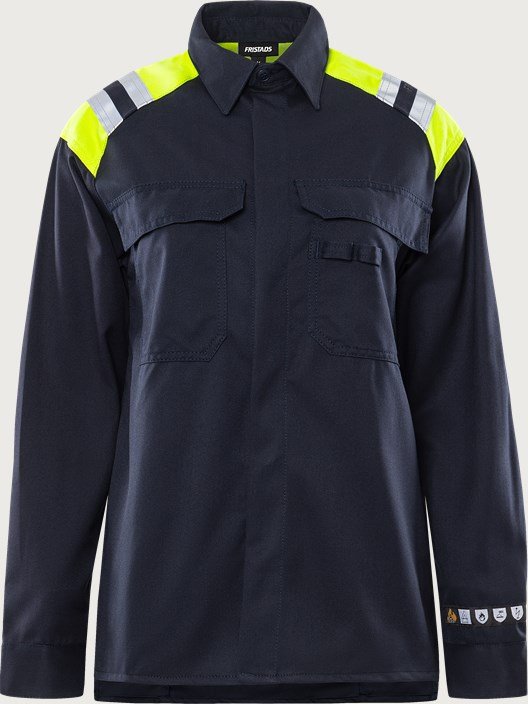
High-Visibility Workwear
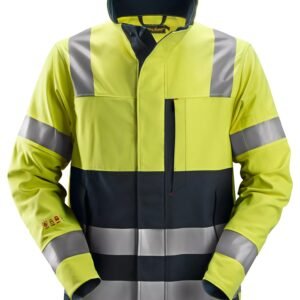
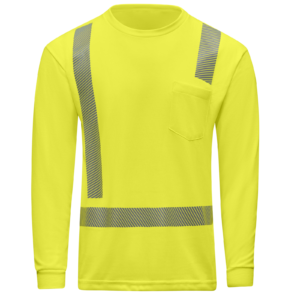
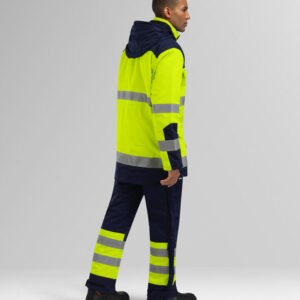
High-visibility garments can be developed as vests, jackets, trousers, coveralls, or coordinated sets for vehicle routes, loading zones, and outdoor work. Reflective tape placement and garment design are customizable; any required visibility standard needs SKU-specific test evidence and certification scope.
Request a Workwear Quote
Flame-Resistant & Arc-Rated Wear
Flame-resistant and arc-rated product families are available for development where plant electrical or maintenance risk assessments call for protective apparel. Fabric, construction, layering, and branding can be discussed, but ratings or compliance claims require exact test documentation for the finished SKU.
Request a Workwear Quote
Chemical-Protective Clothing
Chemical-protective clothing can be developed for buyer-defined cleaning, sanitation, maintenance, or handling applications. The required chemical exposure, protective standard, material system, garment design, and certification evidence must be established before any performance claim is made.
Request a Workwear Quote
Cold-Storage Workwear
Cold-storage workwear includes insulated jackets, padded outerwear, bib overalls, and layering pieces for freezer rooms and cold-chain handling. Buyers can define insulation, shell fabric, closures, pocket layouts, mobility features, and branding; temperature performance requires documented, SKU-specific evidence.
Request a Workwear Quote
Welding Workwear
Welding wear is developed around the buyer’s specified work conditions, fabric needs, coverage, reinforcement, and closure preferences. Jackets, trousers, coveralls, and protective layers can be sampled with practical pocket and fit details; protection claims require applicable test evidence.
Request a Workwear Quote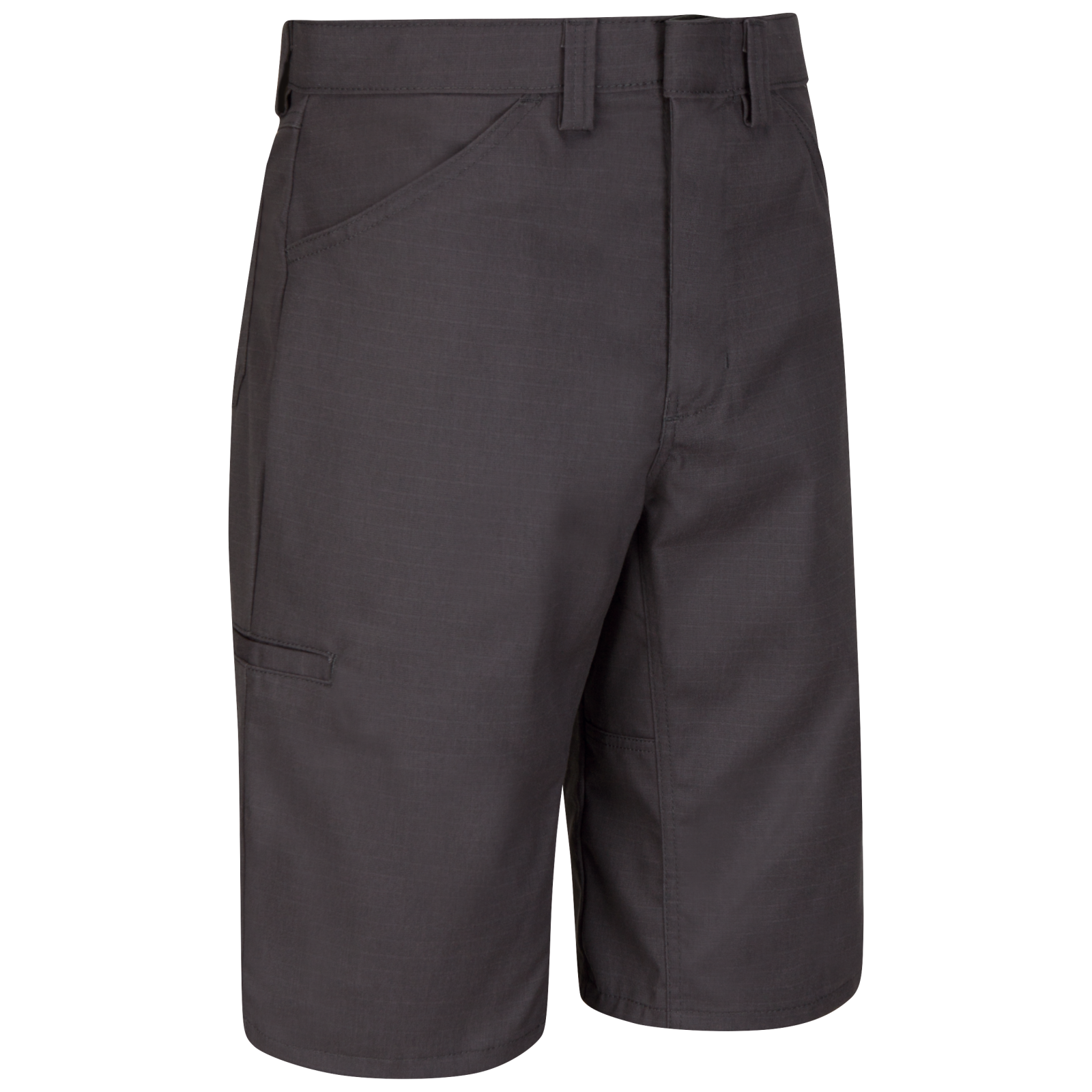
Medical & Cleanroom Wear
Medical scrubs, cleanroom garments, and ESD clothing support buyer-led programs for hygiene-sensitive or controlled environments. Specify garment type, fabric, closure style, color coding, size range, labels, and required standards. Cleanliness, ESD, or barrier claims depend on documented finished-product testing.
Request a Workwear Quote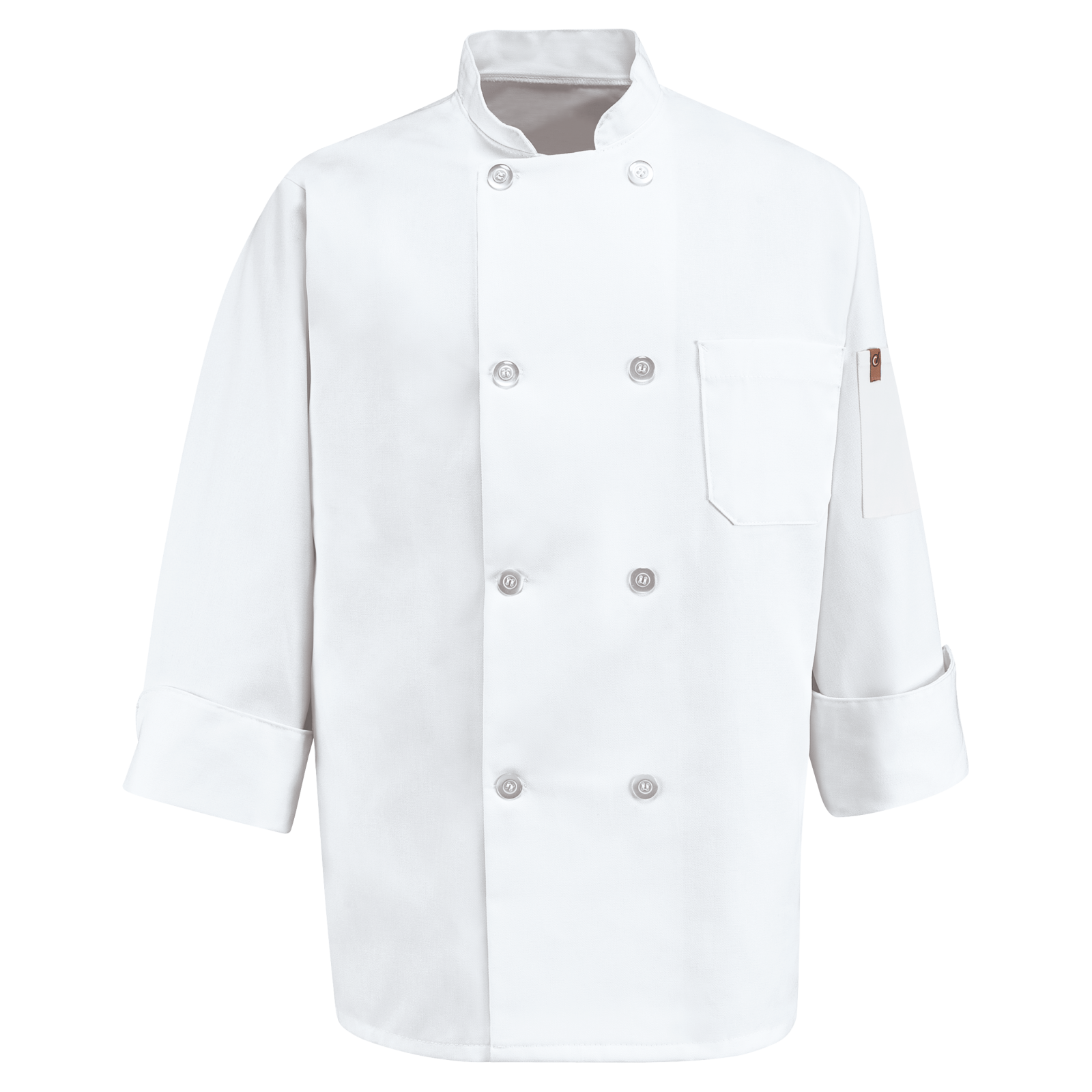
Chef & Hospitality Uniforms
Chef coats, kitchen uniforms, service shirts, aprons, polos, and hospitality attire can connect plant kitchens, tasting rooms, visitor centers, or food-service teams with a consistent appearance. Customization covers fabrics, closures, pocket details, color blocking, embroidery, labels, and packaging.
Request a Workwear Quote
Industry Uniforms
Industry uniform programs combine core garments for production, warehouse, technical, delivery, administration, and customer-facing teams. Veelianpro develops shirts, polos, pants, jackets, vests, coveralls, and sets from tech packs, sketches, samples, or product ideas, with OEM, ODM, private-label, and wholesale support.
Request a Workwear Quote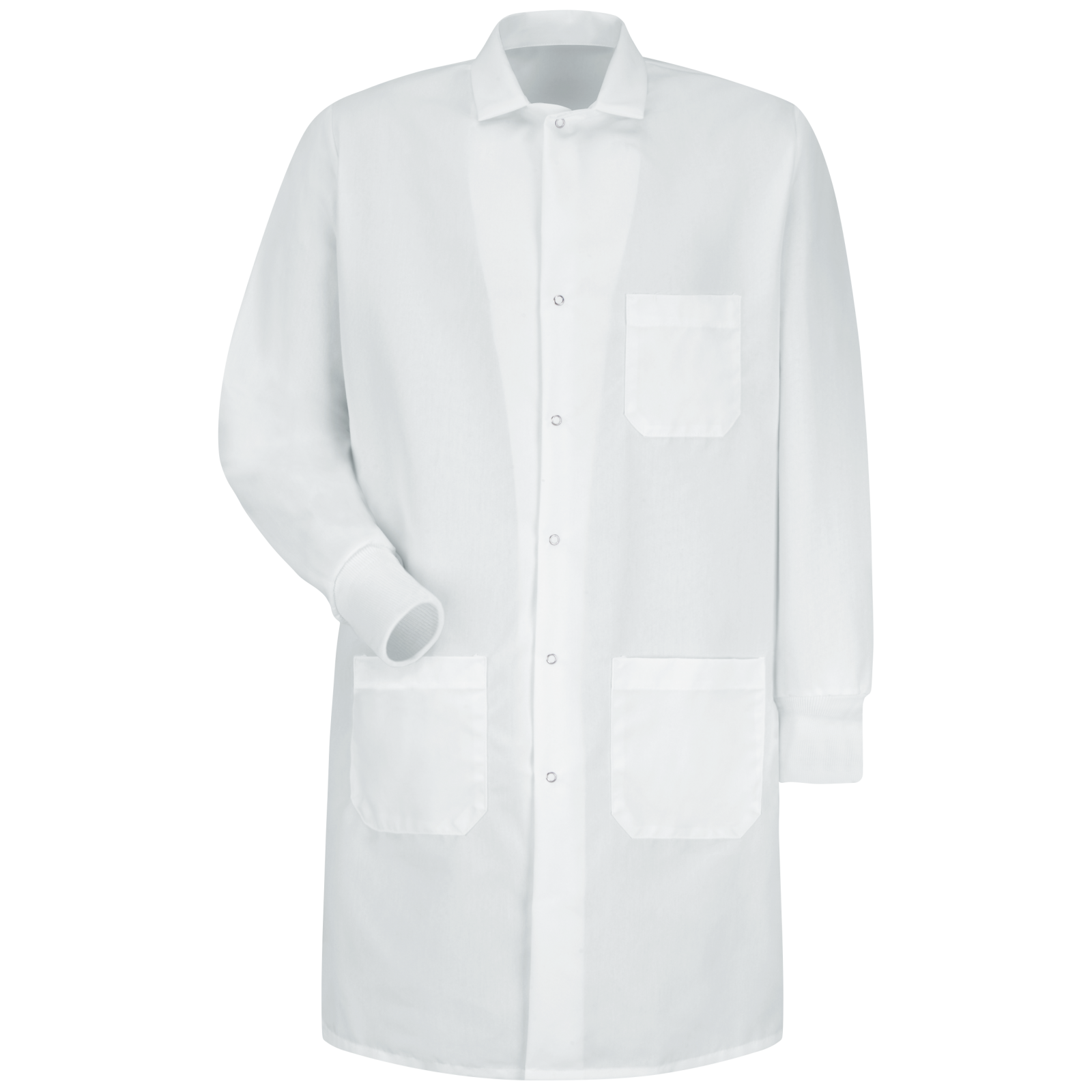
Base Layers & Accessories
Accessory requirements can be coordinated with the core garment brief, including color, labeling, logo application, and packing where applicable. The buyer should select accessory types according to site hygiene, safety, and operational requirements, then confirm the production scope in the quotation.
Request a Workwear QuoteMaterials for Ice Cream Plant Workwear Manufacturer Programs




Ice Cream Plant Workwear Manufacturer Production Processes



Functional Accessories from an Ice Cream Plant Workwear Manufacturer


Ice Cream Plant Workwear Manufacturer Support
Based in Wuhan, Hubei, Veelianpro’s workwear operation began in 2012, according to the company profile. As an ice cream plant workwear manufacturer, we help workwear brands, distributors and enterprise sourcing teams develop practical garments for food-production environments, starting with a tech pack, sketch, sample or product idea.
Our team supports fabric and trim sourcing, pattern development, sampling, size grading, cutting, sewing, reinforcement, decoration, finishing, quality checks, packing and export coordination. OEM, ODM, private-label and wholesale programs can start from 100 pieces per style and color, subject to fabric, construction, certification and project requirements.
What sets Veelianpro apart is an integrated development approach: buyers can review fit, fabric composition, pocket design, closures, branding and production details before placing an order. Company-supplied information describes a team of more than 300 skilled workers; buyers should confirm current capacity, specifications and any required food-safety documentation during project review.

Core Capabilities from an Ice Cream Plant Workwear Manufacturer
Tech-Pack Review and Feasibility
Veelianpro starts with your tech pack, sketch, sample or product idea. Our team reviews garment purpose, production setting, target quantities and construction details, then identifies practical options for fabric, trims, sizing, branding and sampling before quotation.
- Review sketches, samples and technical specifications
- Assess fabric, trim and construction requirements
- Clarify quantities, colors, sizes and delivery targets
- Separate design targets from documented protection claims

Materials, Patterns and Fit
Fabric and trim sourcing can be aligned with the intended plant environment, cleaning routine, comfort needs and brand position. Veelianpro develops patterns, samples and size grading for shirts, jackets, trousers, coveralls, vests and coordinated workwear sets.
- Source fabrics and trims for project requirements
- Develop patterns from approved design direction
- Build samples for fit and construction review
- Grade sizes across the requested range

Construction for Plant Routines
Production details are developed around movement, repeated wear and the work setting. Buyers can review pocket placement, reinforced knees, bartacks, triple stitching, gussets, closures and weather features, while any food-safety or protective requirement remains subject to applicable evidence.
- Specify pocket systems and secure storage details
- Review reinforcement at high-wear areas
- Develop stitching, gussets and closure details
- Confirm required tests before making performance claims
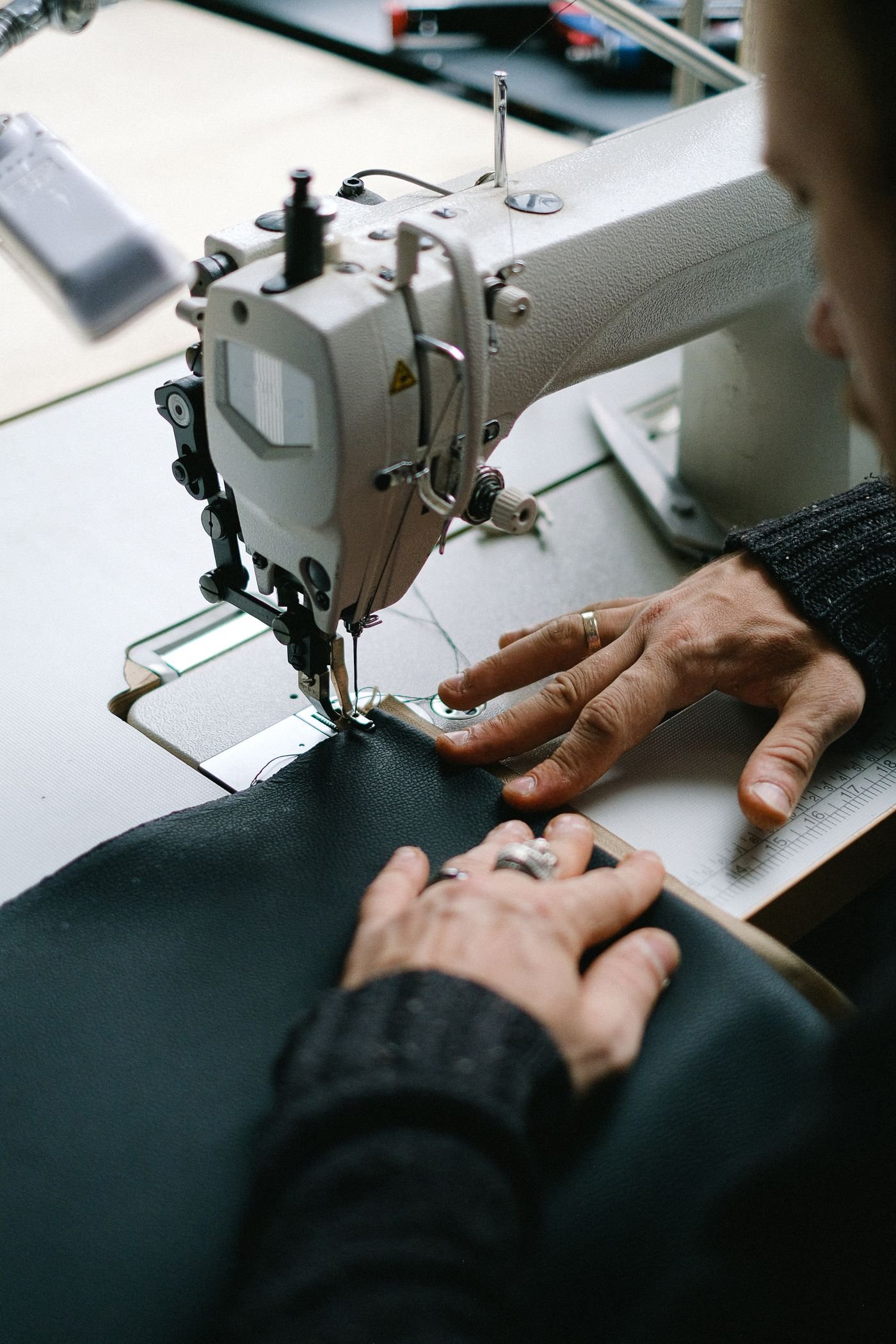
Branding, Inspection and Packing
From embroidery and heat transfer to woven labels, care labels and custom packaging, Veelianpro coordinates the finishing details that support a consistent private-label program. Quality checks, packing and export coordination follow the approved sample and order requirements.
- Apply approved logos and decoration methods
- Add woven labels, care labels and packaging
- Check workmanship against approved specifications
- Prepare packed orders for export coordination

Ice Cream Plant Workwear Manufacturer vs. Stock-Garment Sourcing With Decoration
Compare a custom, production-zone-led program with the defined alternative of buying distributor-held stock garments and adding decoration. Veelianpro’s starting MOQ is 100 pieces per style and color, subject to fabric, certification, and construction requirements.
← Swipe left or right to view →
Our Ice Cream Plant Workwear Manufacturer Process
Veelianpro guides each custom program from feasibility review to export coordination. Buyers approve materials, fit, construction, branding and samples at defined stages, while MOQ, certification needs, production timing and inspection requirements remain tied to the specific project and documented quotation.
Review Requirements
Share your garment type, work area, fabric goals, size range, colors, branding, quantity, destination and timeline for feasibility review.
Select Materials
Veelianpro evaluates fabric weight, composition, trims, closures, pocket design, stain-management needs and protection requirements against your production environment.
Develop Samples
Our team develops patterns, grades sizes and prepares samples for fit, movement, coverage, construction and branding approval before bulk production.
Cut And Sew
After approval, materials are cut and assembled with specified seams, reinforcements, bartacks, closures, labels and decoration according to the tech pack.
Inspect And Ship
Finished garments undergo quality checks, packing and export coordination, with inspection criteria, documentation and shipment details confirmed in your order.
How to Start with an Ice Cream Plant Workwear Manufacturer
Move from product idea to dependable supply with a clear review, sampling, production and reorder process tailored to your ice cream plant requirements.
Share Your Requirements
Share your garment type, tech pack or product idea, fabric preferences, sizing, colors, branding method, target quantity, destination and timeline.
Review Feasibility Together
We review construction, sourcing, sampling, protection requirements and production feasibility, then clarify standards or test evidence needed for the requested ice cream plant workwear.
Approve Samples And Terms
Approve the sample and quotation covering materials, measurements, decoration, packaging, MOQ from 100 pieces per style and color when suitable, lead time and terms.
Confirm Production And Reorders
Veelianpro coordinates cutting, sewing, quality checks, packing and shipment, with reorder support as your workforce, sizes or seasonal production volumes change.
Compliance Documentation for an Ice Cream Plant Workwear Manufacturer


Ice Cream Plant Workwear Manufacturer Scenarios
Illustrative scenario: A uniform buyer finds that one garment brief does not suit both blending and packing roles and freezer-area roles. Veelianpro proposes separate coverall or two-piece specifications with agreed closures, cuff treatment, pocket policy, fabric options, and samples. The intended acceptance criteria are the plant’s documented hygiene procedure, approved fit, and the signed garment specification.
Illustrative scenario: A safety distributor needs a private-label program but lacks a documented allocation for seasonal production staffing. Veelianpro proposes a brief covering the size range, color coding, branding method, garment allocation, and target quantity, followed by patterns and samples. The intended acceptance criteria are approved fit, construction, labeling, and the agreed bulk specification.
Illustrative scenario: An enterprise sourcing team needs to distinguish cold-process and warehouse garments from standard plant uniforms. Veelianpro proposes role-by-role jacket, vest, trouser, or coverall briefs and material and trim options. The intended acceptance criteria are the approved role matrix, sample construction, and SKU-specific test evidence for any requested protective-performance claim.
Ice Cream Plant Workwear Manufacturer FAQ
Practical answers for sourcing hygienic, customizable workwear for ice cream production plants.
What can an ice cream plant workwear manufacturer develop for our production team?
What is the MOQ for an ice cream plant workwear manufacturer?
How long does an ice cream plant workwear manufacturer need to complete an order?
What does sampling cost when working with an ice cream plant workwear manufacturer?
Can an ice cream plant workwear manufacturer support laundering and seasonal quantity changes?
How should we select garments from an ice cream plant workwear manufacturer?
What payment and shipping terms does Veelianpro offer for custom workwear?
How does an ice cream plant workwear manufacturer protect our designs and branding?
Ice Cream Plant Workwear Manufacturer: A Practical Sourcing Guide
Use this decision framework to specify hygienic, washable, zone-appropriate workwear, compare manufacturers on documented garment details, and avoid sample, sizing, customization, and quote-scope mistakes before bulk ordering.
1. What Is an Ice Cream Plant Workwear Manufacturer?
An ice cream plant workwear manufacturer develops apparel for people working in mix preparation, filling, packing, cold storage, sanitation, and related plant areas; it does not supply pasteurizers, freezers, or other processing equipment. Its job is to turn each zone’s coverage, movement, cleaning, and identification requirements into a documented garment specification.
At Veelianpro, that scope can begin with a tech pack, sketch, sample, or product idea and extend through fabric and trim sourcing, pattern development, size grading, sampling, cutting, sewing, finishing, quality checks, packing, and export coordination. A buyer can define shirts, trousers, coveralls, two-piece suits, vests, or outer layers; then approve pocket systems, closures, reinforcement, color, labels, logo method, and size allocation for permanent and seasonal teams before bulk production.
This is not a generic industrial-uniform brief. The buyer should document the actual residues, laundering process, cold-area assignments, and controlled-zone rules that affect fabric, construction, and garment configuration. Protection, hygiene, and performance claims must remain tied to the plant’s stated requirement and supporting test or certificate scope; they cannot be inferred from a garment design.
Veelianpro’s starting MOQ is 100 pieces per style and color, subject to fabric, certification, and construction requirements. The most useful inquiry names the plant zones, garment type, intended fabric, size range, branding, quantity, destination, timeline, and any applicable hygiene or protective requirement.
2. Why Ice Cream Plant Workwear Needs Its Own Specification
An ice cream line can create different garment requirements before a case reaches the warehouse. One published manufacturer process describes blend preparation, pasteurization, freezing, filling, hardening, and freezer-warehouse work; each plant’s layout and operating conditions differ (https://www.benjerry.com/about-us/how-we-make-ice-cream).
The buyer should document expected residues, laundering and change procedures, visible-soil expectations, closure and pocket policy, and the coverage required in each controlled area. Decorative features or loose accessories should be reviewed against the site’s foreign-object-control rules rather than accepted as standard uniform details.
A single uniform specification can fail at zone boundaries. Production operators, packing teams, cold-area or warehouse movers, maintenance personnel, and visitors may need different combinations of coverage, layering, visibility, identification, or disposable additions. The plant’s own hygiene program, hazard assessment, visitor rules, and applicable required standards determine the final garment design and whether a protective claim needs test evidence and documented certification scope.
3. Ice Cream Plant Workwear Manufacturer Product Types
Garment type should follow the production zone, not a single plant-wide uniform rule. Veelianpro can develop coordinated workwear from a tech pack, sketch, sample, or product idea, including garment sets and branded finishing.
| Configuration | Exposure-Gap Control | Changing Convenience | Typical Role Fit |
|---|---|---|---|
| Coverall | Continuous waist coverage | One garment to change | Controlled production roles |
| Jacket and trousers | Waist interface needs review | Separate pieces simplify changing | Packing, production, support roles |
One-Piece Coveralls
Coveralls create continuous torso-to-leg coverage and reduce the waist exposure gap created when a jacket rides up. They suit roles where a single enclosed garment is preferred.
Confirm front-closure type, cuff treatment, and the movement needed for bending, reaching, and frequent changing before sampling.
Jacket-And-Trouser Sets
A short jacket with separate trousers gives operators easier changing and allows damaged or heavily soiled pieces to be replaced independently. The trade-off is the jacket-trouser interface, which should be assessed for reaching and overhead work.
This configuration fits production, packing, and support roles where mobility and layered adjustment matter.
Hoods And Head Coverings
A separate hood or head-covering option addresses the plant’s hair-containment and zone-entry requirements without forcing every role into the same silhouette. Specify how its edge meets the collar and whether it is worn beneath or over the main garment.
Avoid loose ties or unnecessary attachments where the site’s hygiene procedure restricts them.
Cold-Area Outer Layers
Cold-storage, freezer-adjacent, and loading roles may need an outer layer over the base uniform, while warmer process areas may not. A jacket or padded layer should leave room for the underlying garment and preserve reach at the shoulders.
Define the actual zone and wear duration; no temperature or protective rating should appear without applicable test evidence.
Visitor And Support Garments
Visitor, maintenance-support, and short-stay personnel often need a clearly allocated garment separate from regular operator uniforms. Select a configuration that can be put on and removed quickly while matching the entry rules for that zone.
Size allocation should account for variable seasonal staffing and the required size range.
4. Materials and Technical Options for Ice Cream Plants
Base fabric selection should begin with the plant’s wash routine, soil exposure, and role-by-role temperature conditions. A single garment specification rarely suits mixing, packing, and freezer-adjacent work equally well.
| Option | Repeated Cleaning Or Wet/Cold Behavior | Likely Zone Use | Trade-Off |
|---|---|---|---|
| Polyester-cotton woven | Buyer-selected woven option; confirm suitability for the intended care process | Mixing, packing, general production | Composition must match care process |
| Cotton-rich woven | Buyer-selected woven option; confirm suitability for the intended care process | Lower-cold production roles | Drying and upkeep need review |
| Padded outer layer | Layering option for buyer-defined cold-area assignments | Freezer-adjacent or cold storage | Not needed in warm zones |
| Outer-fabric or finish option | Requires buyer review against the task and care process | Washdown-adjacent tasks | Finish needs laundering review |
Washable Base Fabrics

Woven polyester-cotton and cotton-rich fabrics are development options that buyers can compare for general production uniforms. The plant should assess each proposed fabric against its own cleaning process, drying routine, wearer requirements, and approved care instructions before confirming a specification.
Choose color and fabric appearance with visible food soil in mind. Final fabric composition and care requirements should follow plant procedures.
Cold-Area Layering
Cold-area workers may need a separate jacket, padded layer, or insulated configuration over the base uniform. Keep this specification distinct from warmer production zones so bulk and mobility are not imposed where they are unnecessary.
Any claimed temperature protection requires the plant’s documented requirement and applicable evidence; it cannot be assumed from a padded appearance alone.
Liquid And Closure Details
For wet tasks, the buyer may request outer-fabric or finish options for evaluation against the intended care process and movement requirements. A treatment is a design choice, not a hygiene or protection claim by itself.
Specify closure style, trim profile, pocket layout, and any site restrictions in the approved tech pack. Confirm their suitability during sample review rather than treating a construction detail as proof of hygiene or protective performance.
5. Customization and Finishing for Controlled Zones
Customization should make zone assignment and garment control easier without undermining the approved coverage, closure, or hygiene function. Veelianpro can develop colors, branding, labels, trims, and packing from the buyer’s tech pack, sample, or brief.
Color Zoning By Role
Color blocking can distinguish processing, packing, warehouse, and visitor groups at a glance. Keep the mapping simple enough for supervisors and laundry sorting.
Worked example only: white for processing, navy for warehouse, and a contrasting visitor coat. This is a buyer-defined brief, not a standard Veelianpro offering.
Logo Placement And Decoration
A small chest logo or identification patch preserves a clean visual hierarchy better than large, multi-location decoration. Confirm the method, placement, dimensions, and backing during sample approval.
Embroidery, screen printing, heat transfer, patches, woven labels, care labels, and custom packaging can be specified where they do not interfere with the garment’s intended function.
Closures, Pockets, And Accessories
Closure choice affects how easily the garment is put on, removed, and kept closed through a shift. Record the approved zipper, snap, or other closure configuration in the tech pack.
Unnecessary loose accessories, exposed pockets, or decorative parts can complicate control in production areas. Retain only pockets and attachments needed for the role.
Head Covering Coordination
A hooded garment, separate hood, cap, or hair covering must be coordinated with the plant’s own hygiene procedure and the wearer’s task. Avoid assuming a head-covering style supplies a particular protective rating.
Specify overlap, fastening, color, and whether the head covering is supplied separately or packed as a set.
Size Labels And Allocation

Specify readable size labels and any role or wearer allocation markings, including their placement and attachment method, especially where seasonal staffing changes affect issue planning.
Provide the size range, quantity by size, zone allocation, destination, and timeline with the inquiry. Confirm the final production feasibility for the selected fabric, certification, and construction requirements in the quotation.
6. Construction Details That Affect Daily Wear
Small construction choices should be documented because they affect the sample review scope for closure operation, movement, and the intended care process. Put each choice on the tech pack, then inspect it on a worn sample rather than approving from a flat drawing.
Seams And Reinforcement

Specify reinforcement only at identified stress points, such as pocket openings or crotch seams, and record the seam construction in the tech pack. The plant should review proposed seam placement against its cleaning procedure and task movements.
Check the sample after reaching, squatting, and stepping up. Record any seam opening, uncomfortable bulk, or exposed edge observed during the buyer’s evaluation for correction before bulk approval.
Cuffs, Hems, And Interfaces
Specify sleeve cuffs and trouser hems for review against the plant’s changing, care, and footwear routine. Evaluate the proposed finish on the sample during the movements and changing sequence used at the site.
For hooded styles, inspect the collar-to-hood join while turning the head and bending forward. Record any discomfort, restricted movement, or unintended opening observed during the buyer’s sample evaluation.
Closures And Pocket Control
Choose closure configuration according to the plant’s documented splash, handling, glove-use, and hygiene requirements. On the sample, operate the closure repeatedly using the intended glove routine and record any cleaning or access concern for resolution.
Pocket design is a zone decision. Where site rules restrict loose contents or catch points, document the restriction; where a pocket is needed, document its location, closure, and permitted contents.
Fit And Mobility Checks
Approve fit using the actual movement sequence: arms raised, forward reach, crouch, ladder step, and jacket removal. Review the sample in the intended layer combination and record any coverage, shoulder, or changing concern observed by the buyer.
Record the approved size range, grading, garment measurements, and tolerance requirements in the sample comments. These records provide the agreed inspection reference beyond a general approval.
7. Choosing an Ice Cream Plant Workwear Manufacturer
A capable ice cream plant workwear manufacturer turns each production zone into a controlled specification, not a generic uniform order. Evaluate the documents, sample discipline, allocation planning, and quote boundaries before comparing offers.
| Evaluation Area | What To Confirm | Approval Record |
|---|---|---|
| Zone translation | Role-specific garment details | Specification sheet |
| Sample control | Fit, trims, construction, branding | Approved sample |
| Commercial scope | Quantity, packing, inspection, shipment | Quotation |
Map Zones to Specifications
Separate blending, packing, cold storage, warehouse, and visitor roles before selecting garments. The specification should record coverage, closure layout, pocket restrictions, color, branding, and any plant-required performance evidence.
A supplier should identify where one style can serve several roles and where a separate cold-area configuration is needed. Do not treat a design target as a certified protective claim.
- Zone and wearer role
- Garment configuration and components
- Required standard or test evidence
Review Inputs and Samples
A tech pack, sketch, reference garment, or product idea gives the manufacturer a starting point, but unresolved details must become documented approvals. At Veelianpro, we support pattern development, fabric and trim sourcing, sampling, size grading, construction, decoration, and packing.
Approve fabric, fit, closures, logo location, labels, and sewing details on the sample before bulk confirmation. A reference garment is a fit and construction input, not automatic permission to copy protected branding.
Set Allocation and Quote Scope
Size curves and seasonal allocations should distinguish permanent staff from fluctuating production headcount. Submit the size range, quantities by style and color, destination, and timeline with the inquiry.
Confirm final MOQ, lead time, certification scope, and available capacity in the quotation.
8. Common Ice Cream Workwear Sourcing Mistakes
A plant can turn a sound uniform concept into an operational problem by treating every role, wash cycle, and approval as identical. The remedy is to document zone-specific decisions before the bulk specification is released.
Using One Design Everywhere
A freezer operator, blending worker, and packing-line employee may face different exposure, coverage, and movement needs. Assign garment configurations by zone and task instead of forcing one style across the facility.
Ignoring Wash And Soil
Food-soil visibility and repeated laundering affect fabric, color, closure, and replacement planning. Describe expected residues and wash conditions in the brief so the sample can be assessed for cleanability and appearance after the plant’s intended care process.
Adding Loose Features
Unneeded external pockets, dangling trims, and loose accessories create avoidable control points in production areas. Keep only functional components, and review closures, pocket access, and attachment methods against the plant’s hygiene procedure.
Approving Decoration Too Early
A logo can interfere with a pocket, seam, reflective placement, or area-specific identification when approved from artwork alone. Mark its size and position on the technical drawing and confirm it on the pre-production sample.
Skipping Size Allocation
Ordering a simple size run without headcount and role allocation can leave critical shifts short of usable garments. Provide the size breakdown, fit requirements, seasonal staffing assumptions, and reserve policy with the order brief.
Illustrative procurement scenario: a buyer separates permanent and seasonal allocations before approving the size run, then checks the plan against each zone’s garment style.
Choosing A Machinery Listing
Ice cream processing equipment and apparel production are separate supply scopes; a machinery listing does not demonstrate pattern development, garment sampling, grading, sewing, or decoration control. Evaluate an ice cream plant workwear manufacturer on its ability to translate your garment brief into a documented sample and production specification.
9. From Brief to Bulk Order: Launch Steps
A bulk order moves cleanly when each approval is traceable to a production-zone need. Veelianpro can begin from a tech pack, sketch, sample, or product idea, then align the final record before production.
Map Zones And Roles
List blending, filling, packing, freezer, warehouse, and visitor roles separately. For each, define required coverage, color separation, closure preference, hygiene restrictions, and whether a separate cold-area layer is needed.
Attach the destination, target quantity, timeline, and any applicable required standard or test documentation. A protection target must remain a design target until supported by the exact evidence.
Freeze The Garment Specification
Convert each role brief into a style sheet covering garment type, fabric composition and weight, pocket layout, reinforcement, closures, trims, labels, and packing. Confirm branding method and exact artwork files before sampling.
Approve colors against a physical or agreed color reference, including which logo location belongs to each garment. Record logo dimensions rather than relying on an email image.
Plan Sizes And Sample Approval
Build the allocation from current roles plus known seasonal headcount; do not let a generic size curve replace local workforce data. Worked example only: 60 workers needing two sets each require 120 garments, allocated after confirmed size counts.
Approve the pre-production sample for fit, closures, fabric selection, sewing, logo location and dimensions, and overall comfort. Test the sample in the intended movement and layer combination before signing off.
- Example worksheet: 18 S, 24 M, 12 L, 6 XL workers
- Example two-set issue: 36 S, 48 M, 24 L, 12 XL garments
Hand Off A Controlled Order
Issue one revision-controlled approval pack: signed specification, approved sample reference, artwork, color reference, size allocation, labels, packaging instructions, and inspection points. Mark superseded files clearly so the factory does not build from an earlier sketch.
Request a Workwear Quote with the complete handoff package and confirm final feasibility in the quotation.
10. Ice Cream Plant Workwear Manufacturer Cost Drivers
A coverall with a hood, controlled-zone closure details, and role-specific cold-area layers is not quoted like a basic shirt-and-trouser set. A comparable RFQ separates each garment family and identifies which options apply by production zone, so cost changes can be traced to a defined specification rather than assumed.
Include the destination, required standard, and evidence scope where protection is requested. A design request is not a documented protective-performance claim, and final feasibility belongs in the quotation.
Use the same size breakdown, decoration artwork, packaging instruction, and sample status in every RFQ. That prevents a lower quote from quietly excluding labels, allocation, inspection points, or the components needed for the approved design.
| Cost Driver | What Changes Cost | Quote Must Specify |
|---|---|---|
| Garment configuration | Coverall versus jacket-and-trouser set; hood, pocket layout, reinforced areas, and separate cold-area layers change material and sewing operations. | Style by zone, coverage requirement, pocket restrictions, reinforcement locations, and whether cold-area garments are separate. |
| Fabric and insulation | Composition, weight, weather protection, insulation, and any requested test or certificate scope affect sourcing and construction. | Fabric target, cleaning exposure, temperature conditions, applicable standard, and exact test or certificate evidence required. |
| Closures and trims | Zippers, snaps, cuffs, reflective tape, labels, and other trims affect component selection and assembly. | Closure type and placement, cuff finish, trim specification, color, and approved label or care-label content. |
| Branding and packing | Embroidery, screen printing, heat transfer, patches, woven labels, custom packaging, and size allocation add preparation or handling. | Artwork, method, location, dimensions, pack ratio, individual allocation, carton marks, and destination. |
| Sampling and quantity mix | Pattern development, sample revisions, total quantity, and the distribution across sizes, styles, and colors determine the production plan. | Tech pack or reference sample, revision count, quantity by style/color/size, target timeline, and shipment requirements. |
Request Your Ice Cream Plant Workwear Manufacturer Quote
Send your tech pack or project brief for feasibility review, sampling, custom development, and a tailored quotation from Veelianpro.