
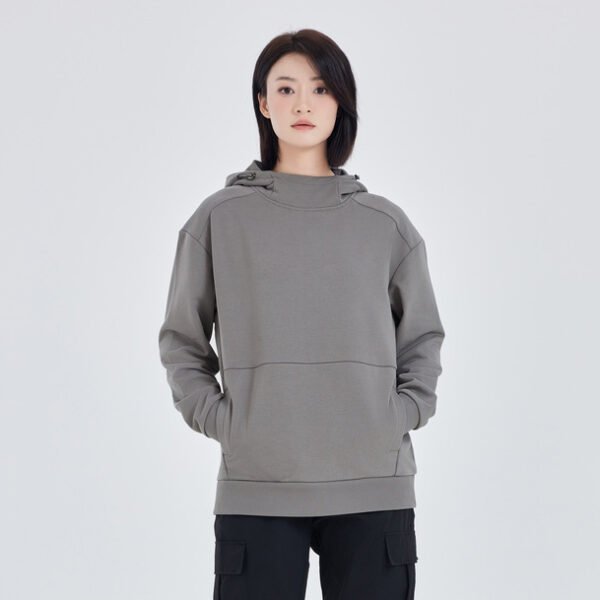





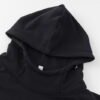

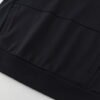
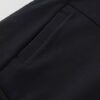


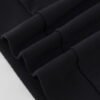
Develop a practical pullover hoodie for cold-store teams needing a branded layer between active tasks, with a relaxed work fit, stable hood profile, and specifications tailored to the uniform system.
Develop Cold-Weather Workwear with Veelianpro
This custom pullover cold-store workwear hoodie can be developed as a mid-layer or light outer layer. Choose the warmth target, fabric hand feel, hood, pockets, cuffs, colors, and branding before sampling. MOQ starts from 100 pieces per style and color, subject to requirements.
Define the Workwear Brief
Built around a clean hooded sweatshirt silhouette, this development direction suits warehouse, dispatch, retail, and cold-room support teams. The pullover front offers a clear decoration area, while a relaxed fit can accommodate movement and layering. Consider a full-zip alternative where faster on-off use or easier temperature adjustment is important.
Define whether the hooded sweatshirt is a mid-layer, light outer layer, or crossover piece. This decision guides fabric selection, body ease, hem coverage, and the garment’s relationship with required outerwear.
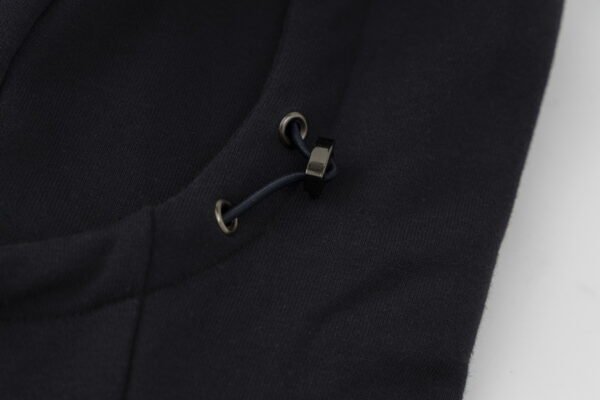
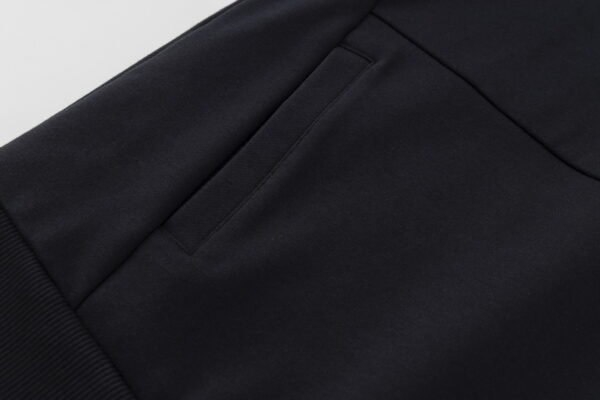
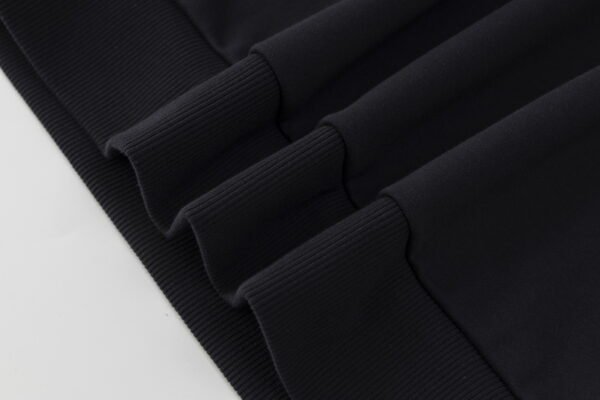
Specify hood depth, neckline finish, cuff and hem construction, and pocket configuration around daily movement. Choose corded or cord-free details according to site rules, wearer preference, and task needs.
Choose a knit construction that balances targeted warmth, comfort, breathability, durability, and care requirements. Review hand feel, inner finish, color direction, and trim compatibility through swatches and the development sample.
Confirm the fit block, size grading, colorways, logo method, label content, and packing requirements before bulk production. Approve measurements, logo placement, and decoration results on the pre-production sample.
Fabric, Fit and Construction Options
Select knit construction for the intended layering role, activity level, laundering routine, and hand feel. Options can include smooth-face fleece, brushed-back knit, or suitable performance-oriented blends. Veelianpro can source fabric and trims to target softness, breathability, shape retention, easy care, and practical abrasion resistance, then confirm the approved specification during development.
The reference direction supports a long-sleeve pullover with an attached hood and versatile body shape. Develop hood depth, neckline overlap, drawcord or cord-free finish, cuff and hem tension, and optional kangaroo or side-entry pockets around work tasks. Reinforced stress areas, coverstitch details, and decoration-safe logo zones can be included in the approved style.
From Brief to Approved Sample
Start with a development brief covering the work environment, layering plan, fit block, size range, colorways, branding, labels, and packing. A sample can review hood stability, sleeve length, pocket access, fabric comfort, and decoration results. Define any cold-protection or other performance target and testing plan for the exact approved garment before bulk production.
- Development Brief Confirm work role, layering plan, fit, colors, trims and branding.
- Material Review Review fabric options against hand feel, warmth, mobility, care and durability.
- Sample Approval Approve prototype, grading, logo placement and construction details.
- Bulk Readiness Finalize labels, packing, measurements and any required testing plan.
What to Send for a Useful Quote
Work Environment Share activity level, layering plan and laundering routine.
Fit Requirements Provide size range, wearer profile and preferred fit direction.
Branding Details Send artwork, placement, label content and packing requirements.
Cold-Weather Workwear Procurement FAQs
Should cold-store teams use this as a mid-layer?
Use it as a flexible mid-layer unless approved fabric, construction, and tested thermal targets support outer-layer duty. Confirm cold-room temperature, exposure duration, activity level, and companion layers. Review hem coverage and hood bulk so it remains comfortable beneath required outerwear.
Is a pullover or full-zip better for shift changes?
Choose a full-zip style when workers need rapid on-off changes, or a pullover for a clean front and fewer closure components. During sampling, confirm zip length, guard, puller, pocket access, and layering clearance. Assess whether the closure and hood work with task-specific PPE.
Which hood, pocket, cuff, and hem details suit daily work?
Specify a stable hood, pocket type, cuff finish, and hem finish around actual movements. Check reach, bending, scanner use, and glove access on the sample. Select drawcords, closures, and reinforcement only where compatible with site safety rules and the wearer’s routine.
What fit block and size grading does your team need?
Set the fit block from wearer measurements and movement needs, then approve graded sizes with a representative fitting sample. Confirm unisex or gender-specific blocks, intended layers, sleeve and body lengths, and tolerance expectations. Include the size chart, measurement points, and fit comments in the final production specification.
Which logo method and placement should the sample include?
Select embroidery, print, or both after reviewing artwork detail, fabric surface, wash care, and wearer comfort. Mark exact locations and dimensions on the tech pack. Approve strike-offs or decoration samples before bulk production, especially when seams, pockets, or hood layers affect placement.
What fabric feel, weight, and care priorities are needed?
Define hand feel, weight, stretch, inner finish, and laundering routine before fabric selection. Balance warmth with mobility and moisture management for the intended layer. Request swatches and a sewn sample, then confirm shrinkage, pilling, color retention, and comfort targets through agreed testing.
Discuss Your Cold-Weather Workwear Program
Send artwork, size breakdown, color plan, fabric preferences, layering role, decoration details, label requirements, packing needs, quantity, and destination for a tailored quotation.


Reviews
There are no reviews yet.