
Custom Workwear Manufacturer for Industrial, Safety and Service Programs
Veelianpro develops private label workwear for industrial, safety, hospitality and service brands, with OEM and ODM support from 100 pieces per style and color, subject to project requirements.
Featured Workwear Styles for Industry Programs


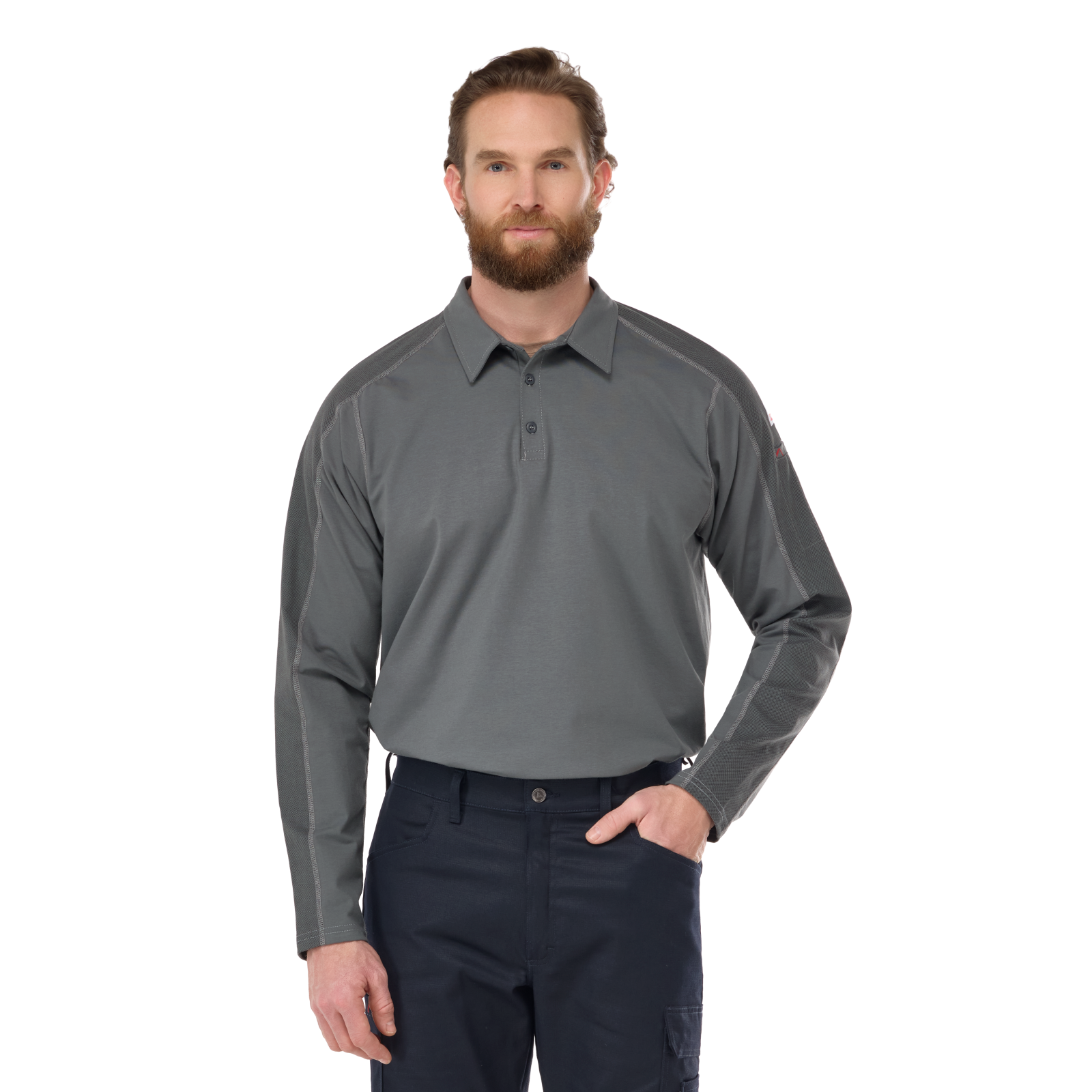
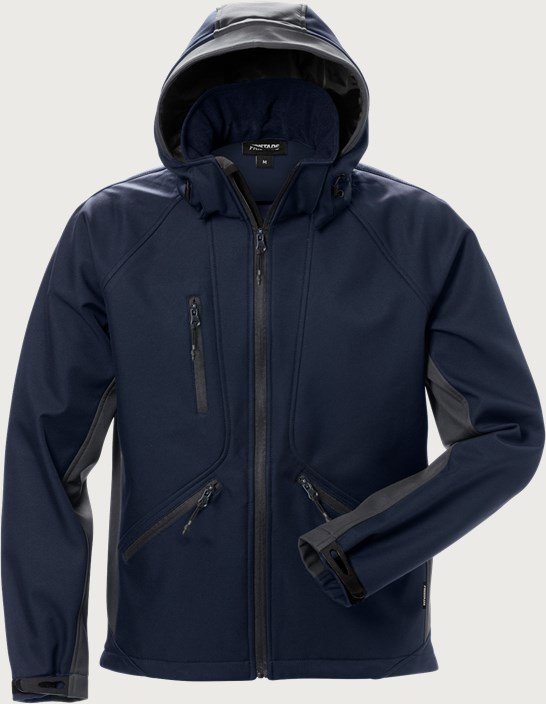

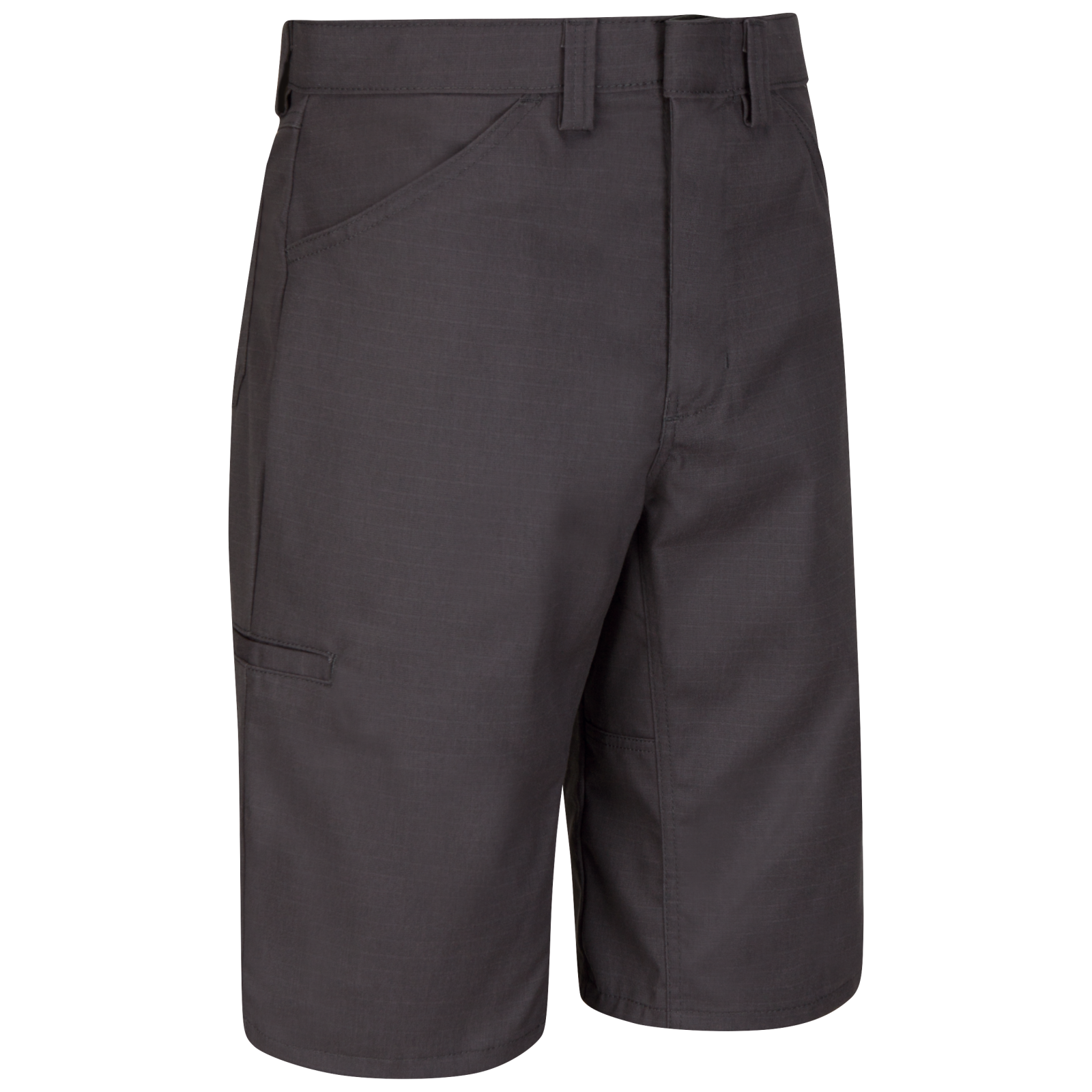
Related Product Catalogue and Quotation




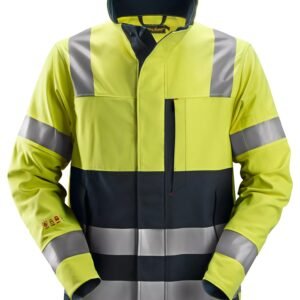
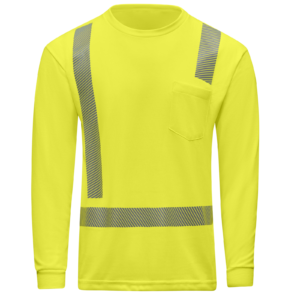
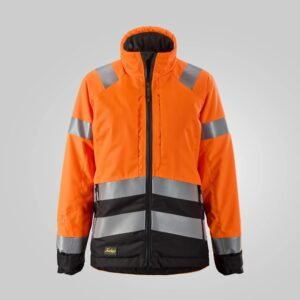

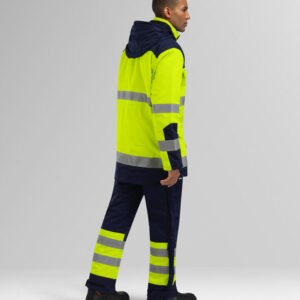

Industrial Uniform Manufacturer for Custom Workwear Programs
Veelianpro adapts workwear by industry to your tech pack, job environment, branding requirements, and production plan.
Flexible OEM Programs
Develop shirts, jackets, pants, vests, coveralls, and sets through OEM, ODM, private-label, or wholesale production.
Conditional 100-Piece MOQ
Start at 100 pieces per style and color, subject to fabric, certification, construction, and project requirements.
Sampling Before Production
Validate fit, materials, pocket layouts, branding, and functional details through pattern development and samples before production approval.
Construction Matched to Work
Specify fabric weight, reinforcement, bartacks, triple stitching, gussets, reflective placement, and weather protection for intended work environments.
Branding and Sourcing Support
Coordinate fabrics, trims, embroidery, transfers, labels, packaging, quality checks, and export details from Veelianpro’s Wuhan production team.
Workwear Programs for Demanding Industries
Custom-developed uniforms for industrial, safety, service, and operational teams, built around job conditions, garment construction, branding, and sourcing requirements.
Construction Uniform Programs
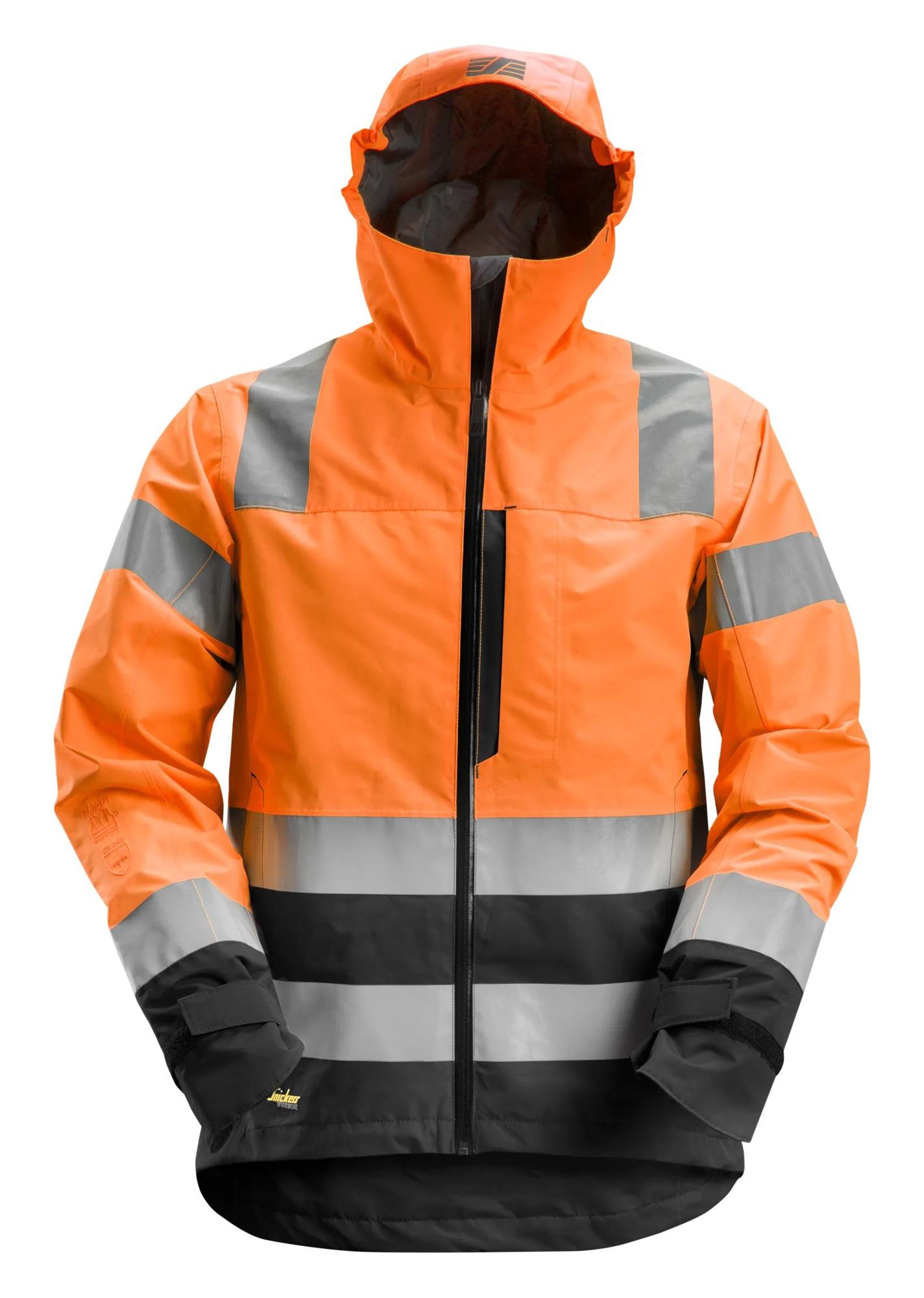
Construction programs can combine work shirts, cargo trousers, utility vests, jackets, and coveralls with durable pocket layouts, reinforced knees, bartacks, triple stitching, and reflective trim placement. Develop colors, logo applications, size ranges, and weather-protection details around the site workforce.
Get a Quote
Manufacturing Uniform Programs
For factory and production teams, develop polos, shirts, trousers, coveralls, and two-piece suits suited to daily movement and departmental identification. Fabric composition, pocket configuration, closure type, reinforcement points, labels, and decoration can be specified during sampling.
Get a Quote
Oil and Gas Uniform Programs
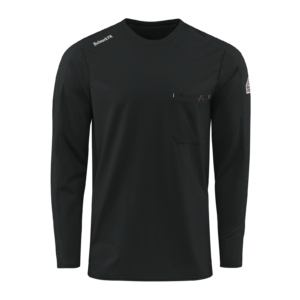
Oil and gas uniform development can include coveralls, work shirts, trousers, outerwear, and visibility-focused layers. Specify the work environment, required protective standard, fabric, trim, branding, and construction details early; any flame-resistant or arc-related performance requires SKU-specific testing and documentation.
Get a Quote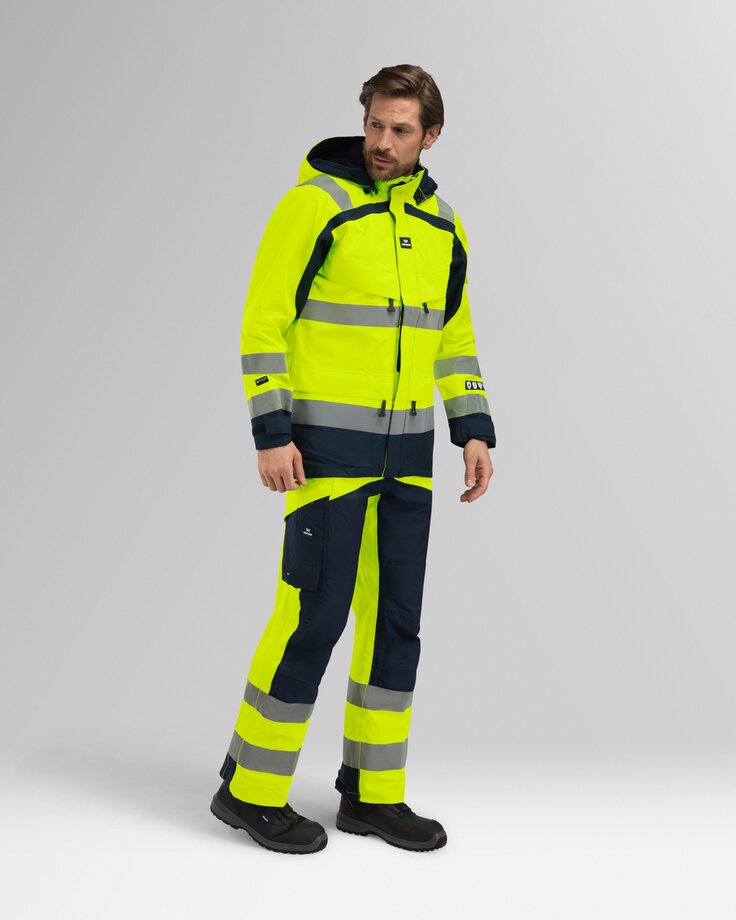
Electrical Utilities Uniform Programs
Electrical utility programs can be developed around field shirts, trousers, coveralls, jackets, and high-visibility layers for crews working outdoors or around infrastructure. Buyers can define weather protection, pocket access, reflective tape placement, reinforcement, and required protective documentation before sampling.
Get a Quote
Welding Uniform Programs
Welding wear development focuses on garments such as jackets, coveralls, trousers, aprons, and work shirts with construction choices appropriate to the intended task. Discuss fabric selection, closures, reinforcement, pocket positioning, and any required protective standard before quotation and sample approval.
Get a Quote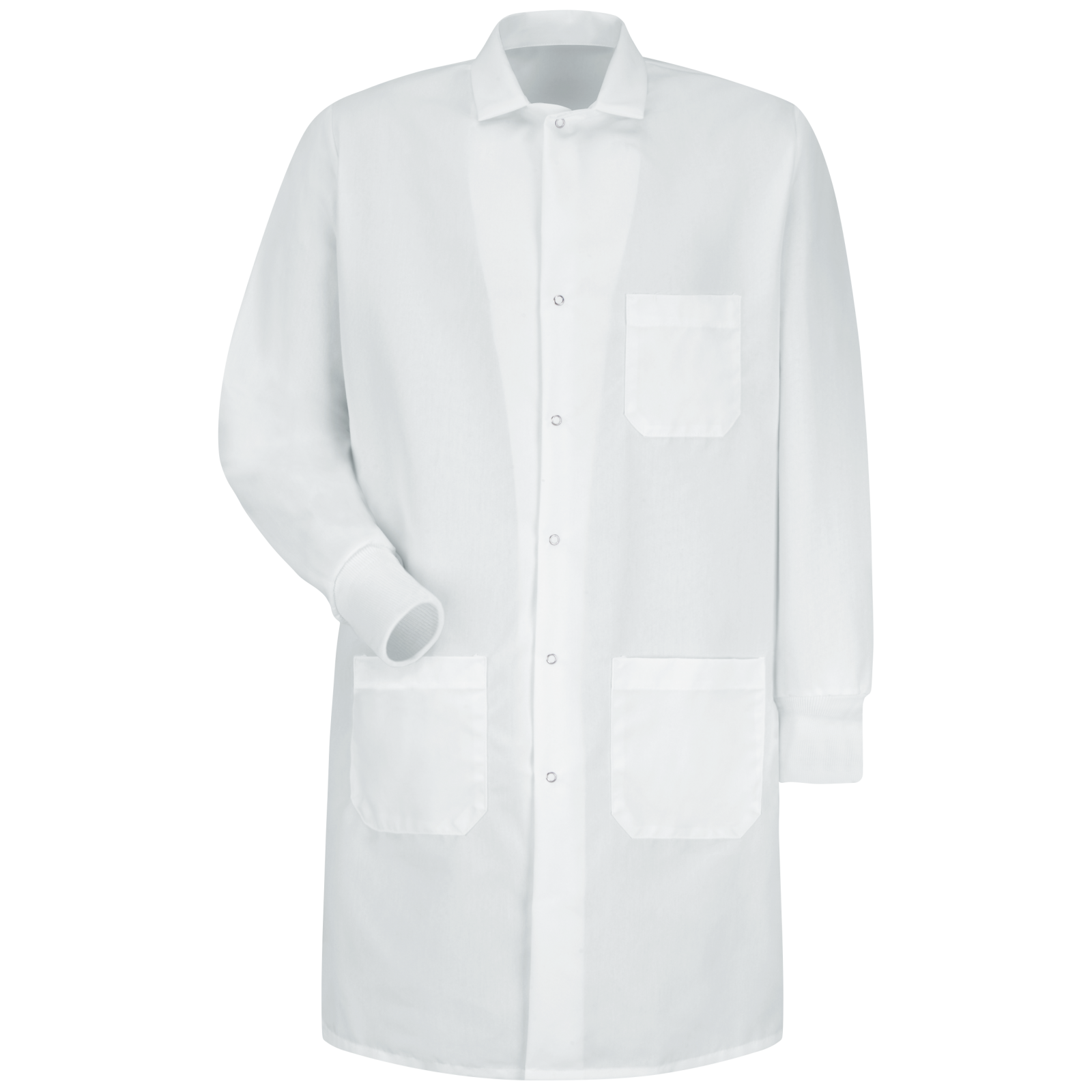
Healthcare Uniform Programs
Healthcare uniforms include medical scrubs, tunics, trousers, lab-style coats, and coordinated staff sets for clinical and care environments. Programs can specify fabric composition, color coding, practical pocket arrangements, size grading, embroidered identities, woven labels, and packaging for organized distribution.
Get a Quote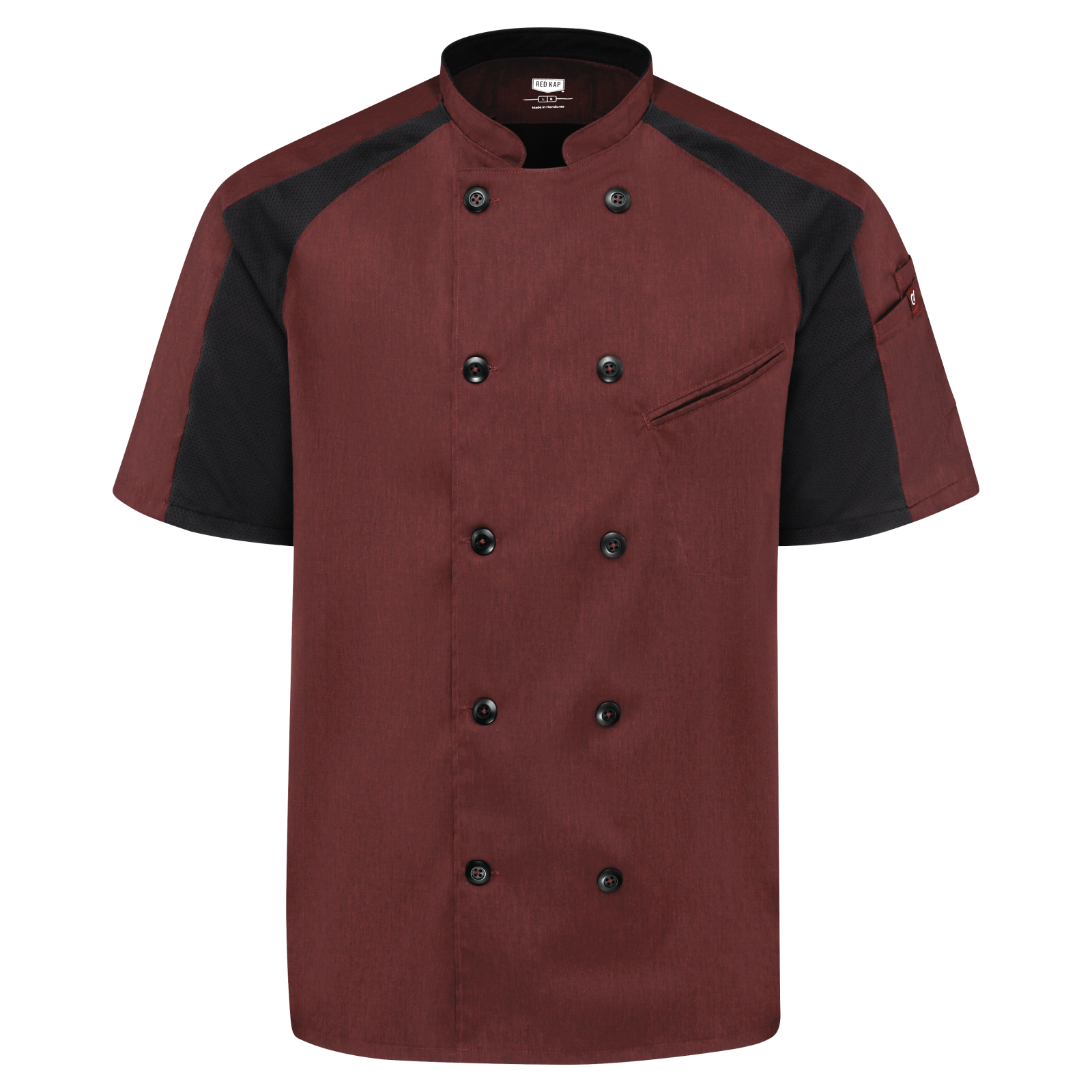
Food Processing Uniform Programs
Food-processing uniforms can include coats, shirts, trousers, coveralls, caps, and coordinated work sets designed around the facility’s operational requirements. Define garment color, closure preferences, pocket policy, fabric needs, size range, identification labels, and any hygiene-related specifications for development.
Get a Quote
Cold Storage Uniform Programs
Cold-storage apparel programs may include insulated jackets, padded trousers, bib overalls, vests, and layered workwear systems. Select the intended work setting, mobility needs, closure and pocket design, branding, and insulation target; temperature performance must not be claimed without supporting evidence.
Get a Quote
Logistics Uniform Programs
Logistics teams can use polos, work shirts, cargo pants, vests, jackets, and warehouse-ready outerwear for receiving, picking, delivery, and supervisory roles. Color blocks, pocket utility, reflective detailing, logo decoration, size assortments, and durable construction can be tailored by role.
Get a Quote
Mining Uniform Programs
Mining uniform programs can cover work shirts, trousers, coveralls, jackets, vests, and layered outerwear for demanding field conditions. Build the specification around movement, abrasion-prone areas, pocket access, visibility details, climate, branding, and any applicable site standard or documentation requirement.
Get a Quote
Agriculture Uniform Programs
Agriculture uniforms can include lightweight shirts, polos, trousers, coveralls, jackets, and seasonal outerwear for farm, processing, and field teams. Buyers can adapt fabric choices, ventilation preferences, pocket layouts, sun and weather considerations, color coding, and logo application to the operation.
Get a Quote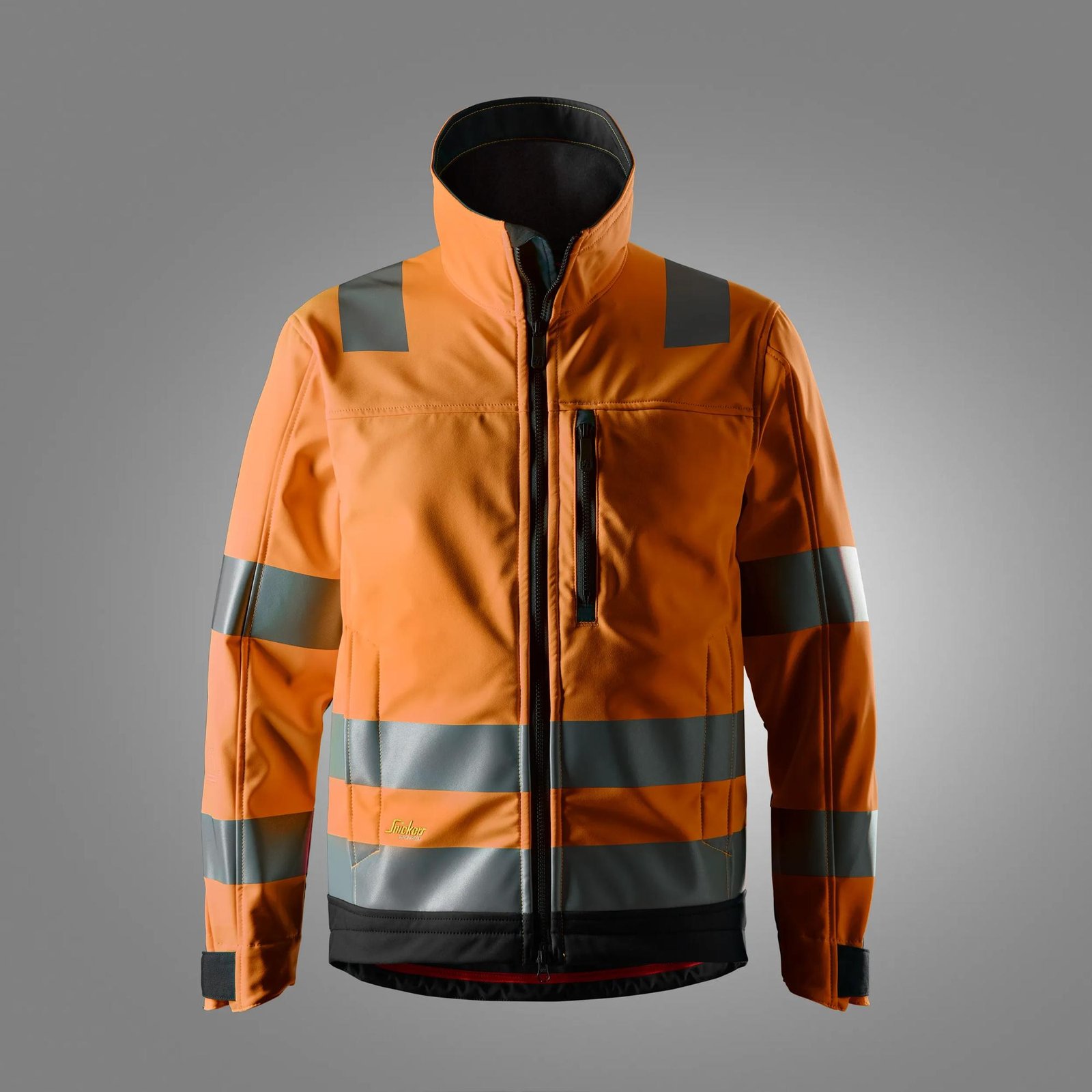
Aviation Uniform Programs
Aviation uniform development supports ground crew, maintenance, cargo, service, and support roles with shirts, polos, trousers, jackets, vests, and coveralls. Coordinate department colors, practical storage, reflective accents where specified, embroidered insignia, name patches, and consistent sizing across locations.
Get a Quote
Marine Uniform Programs
Marine workwear can be developed as coveralls, work shirts, trousers, jackets, rain layers, and utility vests for port, vessel, and service operations. Define exposure conditions, desired weather protection, pocket placement, closures, reinforcement, visibility details, and branding before production.
Get a Quote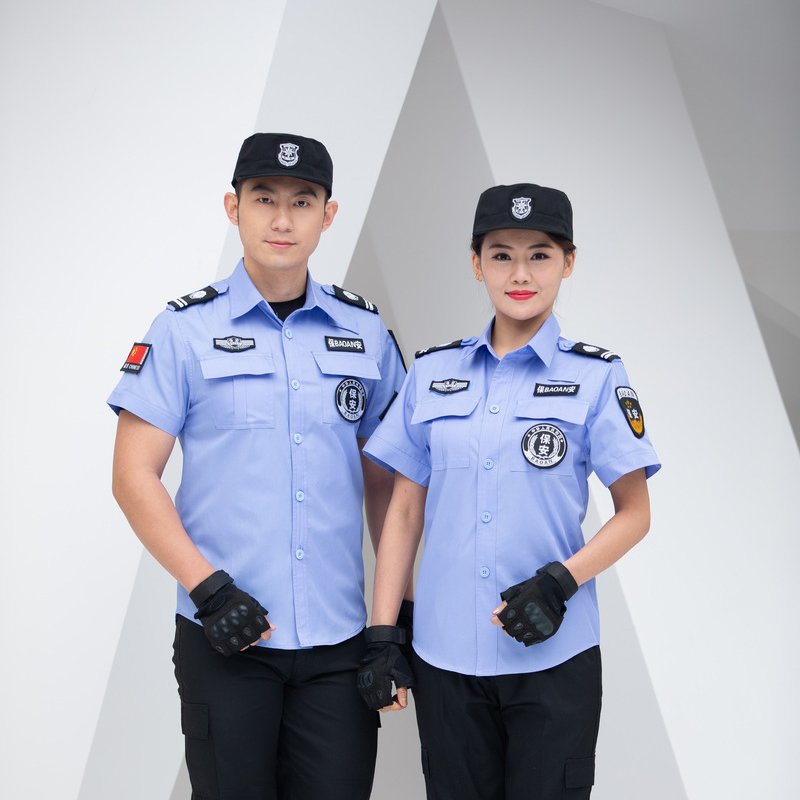
Security Uniform Programs
Security programs include shirts, polos, trousers, jackets, vests, and coordinated uniform sets for guarding, patrol, reception, and event teams. Specify a professional color scheme, badge or patch placement, radio and utility pockets, rank identifiers, embroidery, and seasonal garment combinations.
Get a Quote
Hospitality Uniform Programs
Hospitality uniforms cover chef clothing, front-of-house shirts, polos, aprons, trousers, jackets, housekeeping pieces, and service-team sets. Fabric, color palette, fit direction, role-specific pockets, embroidery, woven labels, and presentation packaging can be aligned with the property or brand.
Get a Quote
Tactical Uniform Programs
Tactical uniform programs can include field shirts, trousers, jackets, utility vests, coveralls, and coordinated sets with task-driven pocket systems and reinforcement. Develop colors, fabric choices, closure details, knee construction, patches, labels, and size grading for the intended non-certified application.
Get a QuoteMaterial Options for Custom Workwear Programs




Custom Workwear Development, Branding and Manufacturing



Functional Trims and Accessories for Workwear Programs


About Veelianpro: Workwear by Industry
Hubei Veelianpro Workwear Co., Ltd. is a Wuhan-based manufacturer serving industrial, safety, hospitality and service brands. The company profile states that its workwear operation began in 2012, with a mission to help buyers develop practical, brand-ready garments through OEM, ODM, private-label and wholesale programs.
From tech-pack review and fabric sourcing through pattern development, sampling, grading, cutting, sewing, reinforcement, decoration, inspection and export coordination, Veelianpro supports the full product journey. Company-supplied figures state a team of more than 300 skilled workers; this operating figure should be verified before prominent public use. MOQ starts at 100 pieces per style and color, subject to project requirements.

Core Capabilities Behind Reliable Workwear by Industry Programs
Review the Product Direction
Veelianpro begins with your tech pack, sketch, sample or product idea. The team reviews garment purpose, job demands, fabric expectations, fit, branding and target quantity before confirming a practical development route for your workwear by industry program.
- Tech-pack, sketch, sample and concept review
- Garment purpose, fit and construction discussion
- Fabric, trim, branding and quantity assessment
- Feasibility review before sampling or quotation

Develop and Grade Each Pattern
Pattern development translates your requirements into production-ready garment shapes. Veelianpro can refine pocket placement, reinforced knees, gussets, mobility zones and closure details, then support size grading so teams can evaluate fit across the intended workforce.
- Pattern development for shirts, pants, jackets and coveralls
- Functional details mapped to each work setting
- Size grading for the approved size range
- Fit and construction checks during sampling

Source Materials and Build Strength
Fabric and trim choices are matched to the garment’s intended environment, comfort needs and design target. Sampling can assess weight, composition, visibility details, reinforcement, stitching and decoration before production decisions are finalized for industrial, safety or service apparel.
- Fabric weight and composition selection
- Trim, reflective tape and closure coordination
- Bartacks, triple stitching and reinforcement planning
- Embroidery, patches, labels and heat-transfer options

Control Quality Through Export
After cutting and sewing, Veelianpro supports finishing, quality checks, packing and export coordination. Buyers can align inspection points, presentation requirements and shipment details with the approved sample, helping create a repeatable private-label or wholesale workwear supply program.
- Cutting, sewing, finishing and in-process checks
- Inspection against approved samples and requirements
- Custom packaging and care-label coordination
- Packing and export coordination for the order

Compare Custom Workwear With Stock-Garment Sourcing
Compare custom development with off-the-shelf garments decorated after purchase. Starting MOQ is subject to fabric, certification and construction requirements.
← Swipe left or right to view →
Our Workwear by Industry Production Process
Veelianpro develops workwear by industry from your tech pack, sketch, sample, or product idea. We review feasibility, source fabrics and trims, create samples, and coordinate production, inspection, packing, shipment, and reorder support. MOQ starts at 100 pieces per style and color, subject to fabric, certification, construction, and project requirements.
Review Requirements
Share your garment type, work setting, fabric, sizing, colors, branding, quantity, destination, timeline, and applicable performance standards for feasibility review.
Develop and Source
We refine patterns, select fabrics and trims, plan functional details, and prepare decoration requirements around each industry’s fit, mobility, durability, and branding needs.
Sample for Approval
Our team produces development samples, checks construction and appearance, and adjusts measurements, pocket systems, reinforcements, branding placement, and finishing before production.
Cut and Sew
Approved specifications move into fabric cutting, size grading, sewing, bartacks, reinforcement, reflective tape placement, and other required construction operations.
Decorate and Inspect
We apply embroidery, printing, patches, labels, or packaging, then perform quality checks against approved samples, measurements, workmanship, materials, and order requirements.
Pack and Reorder
Finished garments are packed for export coordination and shipment, with production records supporting consistent future replenishment and reorder planning for your workwear program.
How to Start a Custom Workwear Program
Move from an initial concept to approved, production-ready workwear by industry with a clear development and manufacturing process.
Share Your Requirements
Send a tech pack, sketch, sample, or product idea with garment type, work setting, target quantity, branding, destination, and timeline.
Confirm Materials and Details
Review fabric composition, weight, trims, fit, size range, pockets, reinforcement, reflective placement, weather protection, and decoration options with our development team.
Approve the Sample
Evaluate construction, measurements, comfort, mobility, appearance, and branding on the sample before confirming the quotation, specifications, and production approval.
Launch Bulk Production
After approval, Veelianpro coordinates cutting, sewing, quality checks, packing, and export shipment, with inspection aligned to your agreed project requirements.
Workwear by Industry: Certificates and Standards Evidence


Illustrative Workwear Procurement Scenarios
A safety distributor developing construction apparel starts with a jacket-and-trouser concept for mixed outdoor crews. Veelianpro reviews pocket placement, reinforcement areas, size grading and reflective layout, then prepares samples for fit and construction approval. Any required visibility standard and test documentation are defined before bulk production.
An enterprise uniform buyer needs separate garments for warehouse staff, drivers and supervisors while maintaining a consistent brand presentation. The program is developed around role-specific fabric choices, mobility features, color coding and logo application. Acceptance review covers measurements, decoration placement, care requirements and each department’s approved specification.
A hospitality wholesaler plans a private-label chef and servicewear range with coordinated shirts, aprons and trousers. Veelianpro converts the assortment direction into patterns, fabric and trim options, branding details and sample revisions. The buyer evaluates appearance after care, sizing consistency, pocket function and packaging before confirming a production-ready range.
Workwear by Industry FAQ
Practical answers for buyers planning custom OEM, ODM, private-label, or wholesale workwear programs with Veelianpro.
What is the MOQ for workwear by industry programs?
How long does custom workwear by industry production take?
Does Veelianpro charge for workwear by industry samples?
What payment terms are available for workwear by industry orders?
Can Veelianpro ship workwear by industry orders internationally?
How does Veelianpro protect my workwear by industry designs?
Can workwear by industry programs include inclusive sizing and role-specific fits?
Can Veelianpro make protective workwear by industry with certified standards?
What details should I include when requesting workwear by industry?
Buyer’s Guide to Industry Workwear
Use a role-and-hazard decision framework to select workwear by industry, compare garment and fabric options, assess custom manufacturing scope, and avoid specification, fit, and quote mistakes before placing a bulk order.
1. What Is Workwear by Industry?
A warehouse picker, roadside crew member, hotel steward, and welding operator may all wear branded apparel, but they do not need the same garment specification. Workwear by industry is a role-and-environment system: it combines task movement, weather or indoor conditions, visibility and identification needs, pocket access, laundering expectations, and any documented protection requirement.
General uniforms create a consistent appearance for low-hazard roles; polos, shirts, trousers, and hospitality pieces commonly serve this purpose. Role-specific workwear adds job utility such as cargo storage, reinforced knee areas, gussets, weather layers, or department color coding. Protective clothing is a separate decision: select it only against the actual hazard, applicable standard, and required test or certificate—not because a garment resembles a safety style.
For a mixed workforce, map each site by department and job task, then group roles with the same exposure and appearance needs into a shared specification. Keep shared branding consistent while allowing different garment families where the work changes; a delivery team may need jackets and cargo trousers, while customer-facing staff may need polos and cleaner-profile pants.
Veelianpro can develop these role-based programs from a tech pack, sketch, sample, or product idea, covering fabric and trim sourcing through packing and export coordination. Its starting MOQ is 100 pieces per style and color, subject to fabric, certification, and construction requirements; include the destination, size range, branding method, timeline, and any protection documentation in the quote request.
2. How Workwear by Industry Has Evolved
Construction, industrial and logistics crews increasingly need garments selected around movement, weather exposure, visibility and abrasion, while healthcare and food-related teams prioritize task-appropriate hygiene, coverage and easy-care routines. This is why a single shirt-and-trouser issue can leave different roles under-served: the same site may need cargo trousers for maintenance, high-visibility outer layers for yard work and cleaner, role-specific uniforms for visitor-facing staff.
The practical shift is from a universal uniform to a role matrix that separates job task, work zone and wearer needs. External market reporting identifies construction, biological/healthcare and food and beverage as distinct workwear applications, reflecting different operating conditions rather than interchangeable garment categories (https://www.researchandmarkets.com/report/workwear).
Fit has become part of functional specification, not a cosmetic afterthought. Buyers should define graded size coverage, women’s, men’s or unisex fit requirements, and long-shift comfort factors such as mobility, breathability and pocket access before sampling; color blocking, logo placement and department identifiers can then make roles easier to recognize without confusing protective requirements with unverified performance claims.
3. Types of Workwear by Industry
Workwear by industry begins with the task, not the label on the garment. Map each role’s movement, weather, contamination and visibility needs, then match protective specifications to the employer’s documented hazard assessment.
Construction And Infrastructure
Work shirts or polos, cargo trousers, weather layers and utility vests cover many site roles.
Prioritize pocket access, knee reinforcement, mobility and garment visibility where the assessed work zone requires it.
Manufacturing And Maintenance
Two-piece suits, coveralls and shop shirts suit production, repair and plant maintenance.
Select closures, pockets and reinforcement around machine interaction, abrasion and required task movement; do not assume protective ratings from the sector.
Logistics And Delivery
Polos or tees, trousers, softshells and high-visibility outer layers are common for warehouse and route teams.
Layering, breathable comfort and identification matter when staff move between vehicles, docks and changing weather.
Healthcare And Care Services
Scrubs, tunics and coordinated trousers support care teams needing easy movement and repeatable laundering.
Specify fit ranges, color coding and pocket layout by role; infection-control requirements belong to the employer’s protocol.
Food-Related Operations
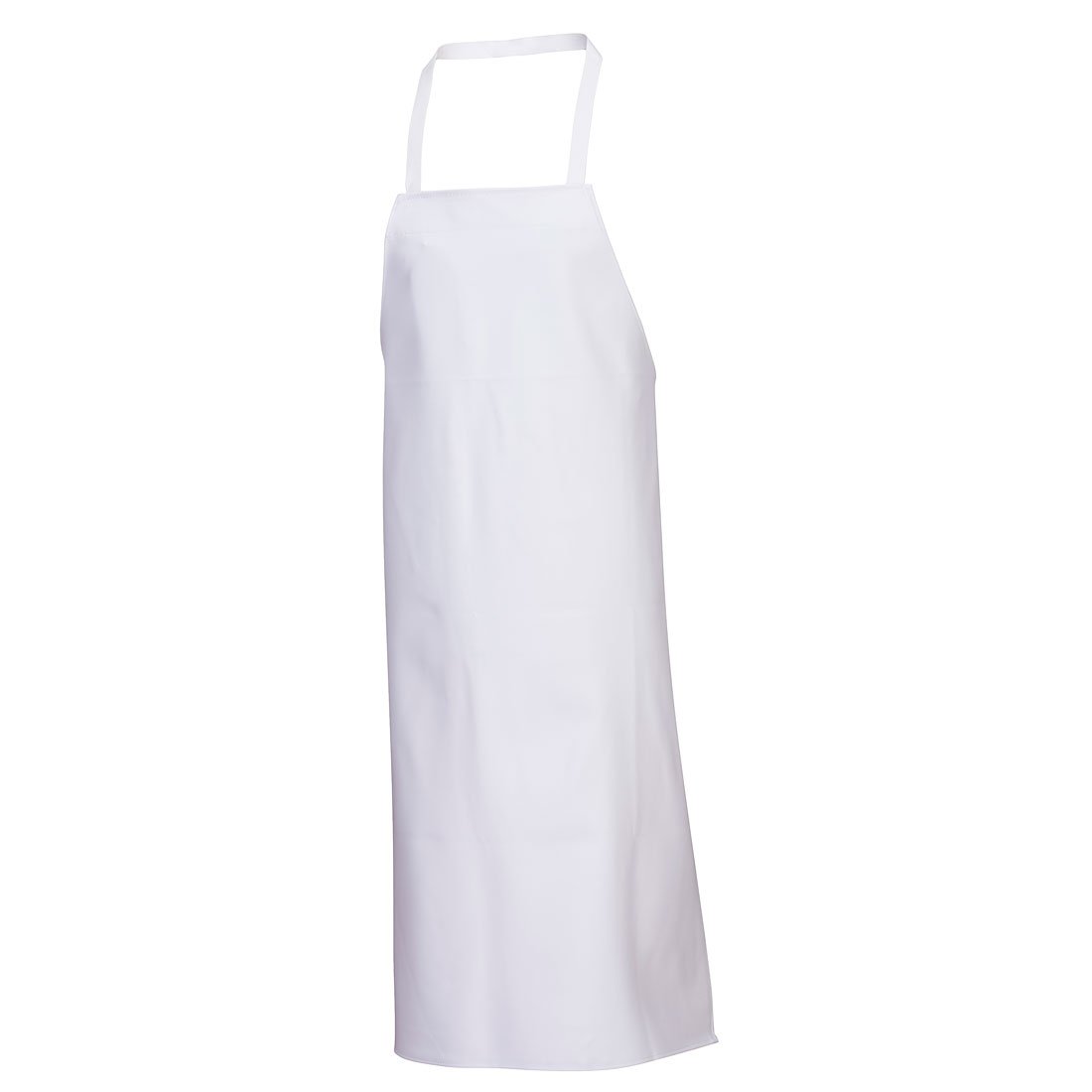
Chef jackets, aprons, work shirts and trousers separate kitchen, service and processing roles.
Prioritize practical closures, clean presentation and laundering needs, while defining any hygiene or protective requirement for the actual process.
Hospitality And Field Service
Polos, shirts, chinos or cargo trousers and light jackets create a recognizable service uniform.
Choose branding placement, comfort and weather layers around customer-facing duties, travel and hands-on service work.
4. Materials and Technical Options
Material selection starts with the shift, surface exposure, wash routine, and required appearance. For workwear by industry, comfort matters only when it remains appropriate to the task and any documented protection requirement.
| Option | Best-Fit Conditions | Practical Trade-Off |
|---|---|---|
| Cotton-rich fabric | Comfort-focused indoor and service roles | Breathability versus moisture and abrasion needs |
| Polyester blend | Frequent laundering and color consistency | Different hand feel from cotton-rich options |
| Stretch panels or mechanical stretch | Active roles requiring reach and crouching | Placement must suit reinforcement and pockets |
| Weather layers | Outdoor or variable-temperature work | Choose the layer for the setting, not appearance alone |
Cotton-Rich Fabric

Cotton-rich fabric is a development option for hospitality, service, and indoor industrial programs. Specify the composition, fabric weight, color, intended care routine, and expected abrasion exposure in the brief.
Compare approved sample options under the intended wear and laundering conditions before selecting a fabric for bulk production.
Polyester Blend Options
Polyester-blend fabric is a development option for logistics, service, and general industrial uniforms. The tech pack should state the requested composition, fabric weight, color, intended care routine, and appearance target.
Review sample garments after the agreed care process before approving the blend, because composition choices should be validated for the specific program rather than assumed from the fiber name.
Mobility And Weather Layers
Mechanical stretch and stretch panels are development choices that should be sampled with the proposed pocket layout and reinforcement details. Ask wearers to assess reach, crouching, climbing, and pocket access against the role’s intended movements.
Softshell, fleece, padded, and rain-jacket styles are distinct outer-layer options. Select and evaluate the proposed layer system for the actual work setting rather than treating one jacket style as universal.
Protection And Hygiene Choices
Flame-resistant, arc-rated, chemical-protective, cleanroom, ESD, and hygiene-oriented garments must begin with the stated hazard and applicable standard. A product-development target is not a tested performance claim.
Provide the required test or certificate scope during inquiry so fabric, trims, decoration, and construction can be reviewed together.
5. Customization for Workwear by Industry
Customization should make roles recognizable without obstructing work. Lock visual choices and functional details into the same approved specification before sampling, because each affects wear, care, and repeat-order consistency.
| Customization | Operational Effect | Brief Detail |
|---|---|---|
| Color blocking | Department recognition | Approved colors by role |
| Pocket configuration | Tool access and movement | Contents and placement |
| Closures | Use and garment care | Zip, snaps, or buttons |
| Fit range | Comfort and issue coverage | Size chart and grading |
Place Logos With Purpose
Chest, sleeve, back-yoke, and leg placements solve different viewing distances. Keep artwork away from pockets, closures, abrasion zones, and any required protective elements.
Embroidery, screen printing, heat transfer, patches, woven labels, care labels, and custom packaging can support a private-label program. Select the method against artwork detail, garment surface, and laundering plan.
Build A Role Matrix
A role matrix connects each job to color blocking, identification, pockets, closure type, and fit options. For example, dispatch, maintenance, and front-of-house teams may need different identification while retaining one brand palette.
Name identification helps issue control, but should be specified as removable or permanent before production. Record placement, thread or print artwork, and approved color references in the artwork package.
Separate Branding From Protection
Reflective trim is a design element; decorative tape is not evidence of a visibility rating. Protective requirements need the applicable standard, requested test evidence, and certification scope in the brief.
Plan size grading and fit ranges by role rather than assuming one unisex block serves every wearer. Confirm garment measurements during sampling before bulk approval.
6. Construction Details That Affect Service Life
Service life often fails first at the places where the wearer pulls, bends, carries tools, or repeatedly opens a garment. Review those details on a pre-production sample under realistic movement and load.
Stress Seams And Pockets
Seat, crotch, knee, underarm, and pocket corners take concentrated load; inadequate reinforcement can split seams or tear a tool pocket away from the shell.
Inspect stitching continuity, seam allowance, and bartacks at pocket openings. Load the sample with role-typical items, squat, climb, and reach before approving placement or reinforcement.
Closures, Waistbands, And Cuffs
A zipper, snap, hook-and-loop tab, waistband, or cuff is a functional interface, not decoration. Exposed pullers may snag, while a restrictive waistband or loose cuff can make routine tasks uncomfortable or unsafe.
Open and close closures while gloved, seated, and standing. Check that cuff adjustment stays secure, waistband movement is comfortable, and closure choice suits the intended task.
Mobility And Attached Trim
Gussets, articulated areas, and well-positioned panels can reduce pull across the back, knees, and seat. Poor shaping causes riding up and restricted reaching, even when the size label appears correct.
Flex reflective tape, patches, labels, and badge attachments through repeated bends on the sample. Confirm edges remain attached and identification stays readable after the care method specified for the program.
7. Choosing a Workwear Manufacturer
A manufacturer choice becomes visible before cutting begins: it is the ability to translate a role, hazard context, and brand brief into controlled garment specifications. At Veelianpro, we develop custom industrial and service apparel from a tech pack, sketch, sample, or product idea.
Development Inputs And Sourcing
Ask how the factory records fabric composition, weight, color, trims, pocket layout, reinforcement, and decoration against each role. A vague material name or unapproved trim substitute can change wear, appearance, and repeat-order consistency.
We support fabric and trim sourcing, pattern development, size grading, and construction planning. Submit the intended work setting, size range, color, branding method, quantity, destination, and any required protection standard or test evidence.
Samples, Sizes, And Artwork

A pre-production sample should confirm fit, mobility, pocket access, label placement, and logo scale before bulk cutting. Artwork needs a controlled file, placement measurement, decoration method, and approved color reference.
Check how size grading is handled across the requested range and whether the sample reflects the approved pattern. Protective design targets must remain distinct from tested, documented performance claims.
Inspection, Packing, And Quote Scope
Quality checkpoints should cover cutting, sewing, reinforcement, decoration, finishing, and final packing against the approved sample. Define folding, individual bags, labels, carton marks, assortments, and destination requirements before production.
A usable quote separates garment specification, fabric and trims, decoration, packaging, sampling, and export coordination. Confirm minimums and final commercial terms in the individual quotation, because fabric, certification, and construction requirements affect feasibility.
8. Common Workwear Procurement Mistakes
Most procurement failures begin before a pattern is made: the brief reduces different jobs to one garment. Treat role, conditions, fit, decoration, testing, and quote scope as connected decisions.
Treating Every Role Alike
A loader, welder, and front-desk employee do not need the same pocket layout or coverage. Map tasks by role, then assign separate garment specifications and quantities.
Choosing Fabric Too Early
Fabric chosen before heat, rain, abrasion, and laundering conditions are defined can undermine wearability. Document the work setting and care routine first, then compare suitable compositions and constructions.
Ignoring Fit Groups
A single unvalidated size run creates restricted movement, poor appearance, and avoidable exchanges. Confirm size charts, grading needs, and whether men’s, women’s, or unisex fits serve each group.
Confusing Branding And Protection
Reflective-looking decoration or a branded color does not establish a protective claim. Keep logo placement separate from required protective specifications, tests, and certificate scope.
Approving Untested Samples
A static sample can hide shrinkage, seam stress, pocket access, and mobility problems. Launder the sample under intended care conditions and trial task movements before bulk approval.
Requesting Incomplete Quotes
Missing quantities, destination, branding method, size range, and timeline produces quotes that cannot be compared. Provide those details plus fabric, construction, and applicable protection requirements in one brief.
9. Launching a Role-Based Workwear Program
A role-based program starts with who performs each task, where it happens, and what garment functions differ. Build one controlled worksheet before artwork or sampling so departments do not become incompatible mini-orders.
| Role | Garment Line | Sizes S/M/L/XL | Pieces |
|---|---|---|---|
| Warehouse | Cargo trousers | 4/10/8/2 | 24 |
| Field service | Work shirts | 2/7/5/2 | 16 |
| Reception | Polos | 1/5/3/1 | 10 |
Map Roles And Conditions
Group employees by task exposure, movement, weather, customer visibility, and hygiene needs—not only by department name. Separate general uniforms from any protective design target requiring documented testing.
The buyer owns the role list and quantities. The designer translates approved functions into garment families, while the sourcing team checks fabric, trims, construction, and feasibility.
- Role and work setting
- Garment family and color code
- Required branding locations
- Applicable protection standard, if any
Freeze Specifications And Artwork
Issue one specification sheet per garment family covering fabric target, pocket layout, reinforcement, reflective placement where required, labels, packaging, and logo files. Record artwork size, position, color reference, and decoration method.
Veelianpro can develop from a tech pack, sketch, sample, or product idea. The buyer approves the specification; the designer resolves visual details; sourcing confirms materials and trims before sampling.
Approve Pilot And Replenishment
Collect employee sizes using a controlled size chart, then review samples against the approved sheet. Pilot approval should record fit comments, artwork sign-off, packaging details, destination, and the final size breakdown before bulk confirmation.
Hypothetical worksheet example: the table shows 24 warehouse garments, 16 field-service garments, and 10 reception garments, for 50 illustrative garments in total. This demonstrates how to organize a size breakdown; it is not a production, price, lead-time, or MOQ promise.
10. Pricing Workwear by Industry and Quote Scope
A cargo trouser with reinforced knees, multiple pockets, and role-specific branding does not carry the same material, labor, or trim scope as a basic polo. The usable comparison is therefore a like-for-like quote that fixes garment construction, fabric composition, colors, decoration, packing, and inspection requirements.
Sampling, mixed size ratios, and protective-performance documentation should be quoted as defined work rather than assumed inclusions. Confirm minimum quantity, production timing, and final commercial terms in the individual quotation.
| Cost Driver | What Changes Cost | Quote Must Specify |
|---|---|---|
| Garment type and construction | Coveralls, jackets, cargo trousers, reinforcement, bartacks, triple stitching, gussets, and pocket systems add operations and components. | Style, construction details, pocket layout, reinforcement locations, and quantity per style. |
| Fabric and functional inputs | Composition, weight, weather protection, reflective tape, and any requested protective specification change sourcing and validation needs. | Fabric composition and weight, color, functional components, and applicable standard or certificate requirement. |
| Customization and colorways | Embroidery, screen printing, heat transfer, patches, labels, and added colors affect setup, placement, and handling. | Artwork, dimensions, placement, decoration method, label content, and colors by garment. |
| Sizing, packing, and order complexity | Broad grading, mixed size distribution, custom packaging, samples, and multi-role assortments increase coordination. | Size chart, size breakdown, packaging format, sample requirement, destination, and delivery target. |
11. Workwear by Industry FAQs
These FAQs resolve the specification decisions that most often delay a workwear-by-industry quote. Match each answer to the actual role, site conditions, and any documented protective requirement.
Which Industries Can Be Covered?
Industrial, safety, hospitality, service, medical, food-service, and cleanroom programs can be developed. Start with the role and exposure, not a broad industry label.
General Or Protective Workwear?
Choose general uniforms for identification and routine durability. Specify protective garments only when the applicable hazard, required standard, and required test or certificate are defined.
Which Features Matter Most?
Prioritize pockets, knee reinforcement, bartacks, mobility, weather protection, visibility placement, or hygiene-focused construction according to tasks. Avoid combining features that obstruct equipment or conflict with site rules.
How Should Fabric Be Chosen?
Select composition and fabric weight around shift temperature, abrasion, movement, laundering, and required protection. Confirm the construction and any protective claim with the intended fabric before bulk approval.
What Fit And Branding Work?
Use size grading and men’s, women’s, or unisex fit options where the wearer group requires them. Finalize logo method, placement, color coding, labels, and packaging by role before sampling.
How Should Orders Be Specified?
Order by role or site when duties, colors, or features differ; consolidate identical styles where possible. Provide garment type, quantity, size range, fabric, branding, destination, timeline, and protection documentation, then confirm feasibility and minimum quantity in the quotation.
The Complete Guide to Industry-Specific Workwear
Send your tech pack or project brief for sampling, material review, private-label development, and a tailored production quotation.