Custom Workwear Manufacturer for Industrial, Safety and Service Programs
Veelianpro develops private label workwear for industrial, safety, hospitality and service brands, with OEM and ODM support from 100 pieces per style and color, subject to project requirements.
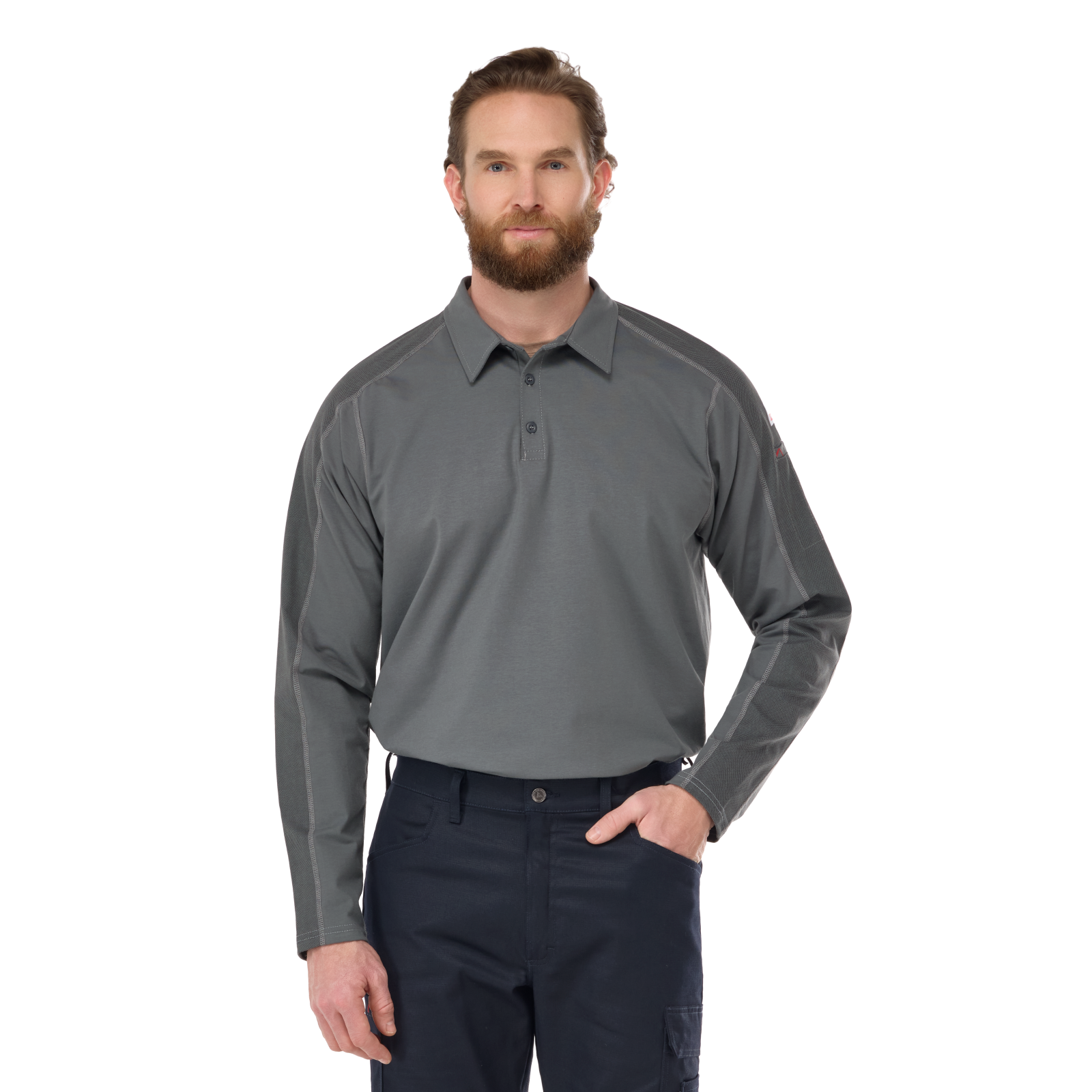
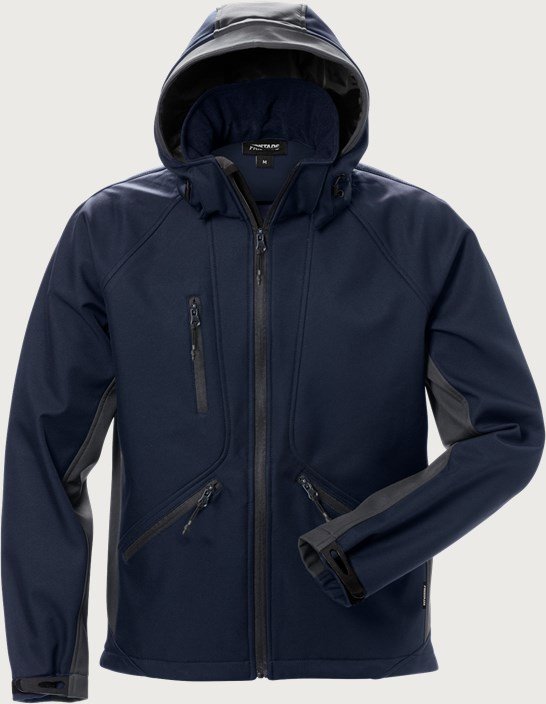
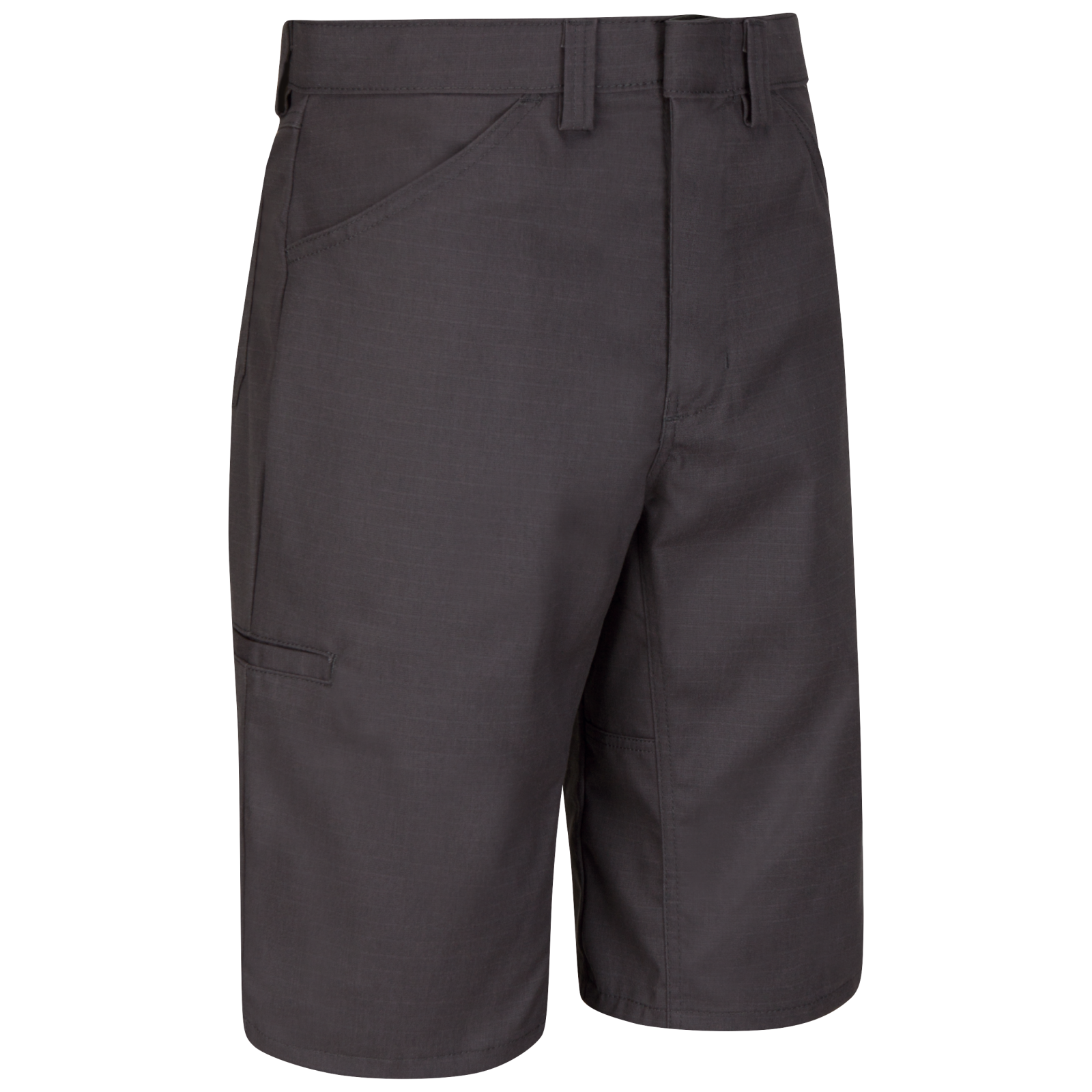
Featured Workwear Styles for Industry Programs



Related Product Catalogue and Quotation
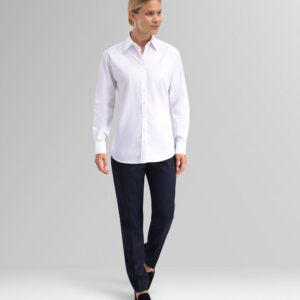
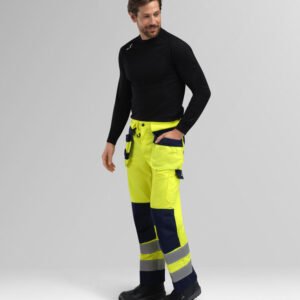


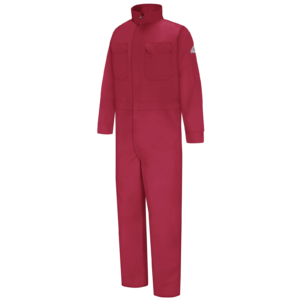
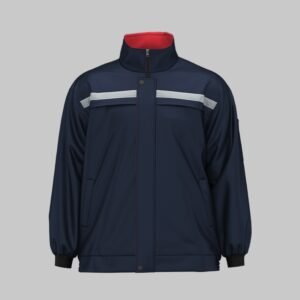

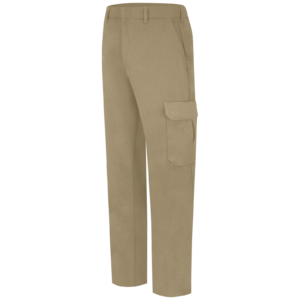
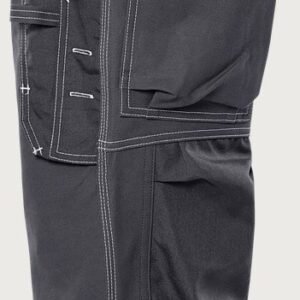

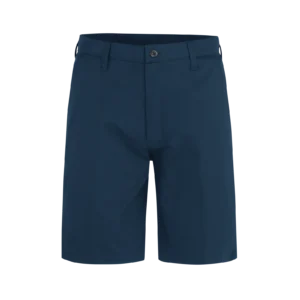
Industrial Uniform Manufacturer for Custom Workwear Programs
Veelianpro adapts workwear by industry to your tech pack, job environment, branding requirements, and production plan.
Flexible OEM Programs
Develop shirts, jackets, pants, vests, coveralls, and sets through OEM, ODM, private-label, or wholesale production.
Conditional 100-Piece MOQ
Start at 100 pieces per style and color, subject to fabric, certification, construction, and project requirements.
Sampling Before Production
Validate fit, materials, pocket layouts, branding, and functional details through pattern development and samples before production approval.
Construction Matched to Work
Specify fabric weight, reinforcement, bartacks, triple stitching, gussets, reflective placement, and weather protection for intended work environments.
Branding and Sourcing Support
Coordinate fabrics, trims, embroidery, transfers, labels, packaging, quality checks, and export details from Veelianpro’s Wuhan production team.
Industry-Specific Workwear Programs
Develop practical uniforms for demanding professional environments, with coordinated materials, construction details, branding and production support tailored to each team’s workflow.
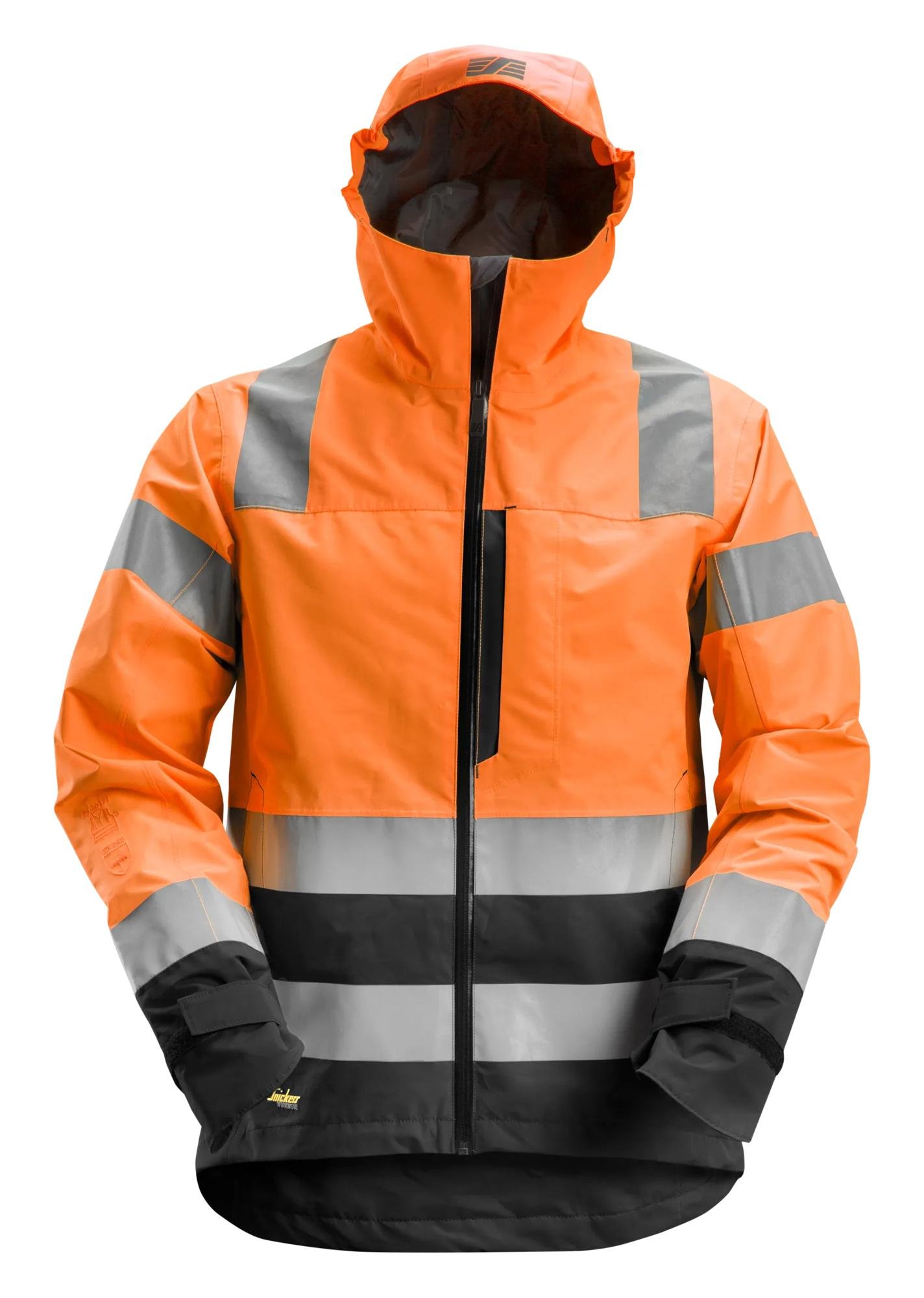
Construction Uniform Programs
Explore construction uniform programs options for your team’s materials, fit, branding and sampling brief.
Get a Quote
Manufacturing Uniform Programs
Explore manufacturing uniform programs options for your team’s materials, fit, branding and sampling brief.
Get a Quote
Oil and Gas Uniform Programs
Explore oil and gas uniform programs options for your team’s materials, fit, branding and sampling brief.
Get a Quote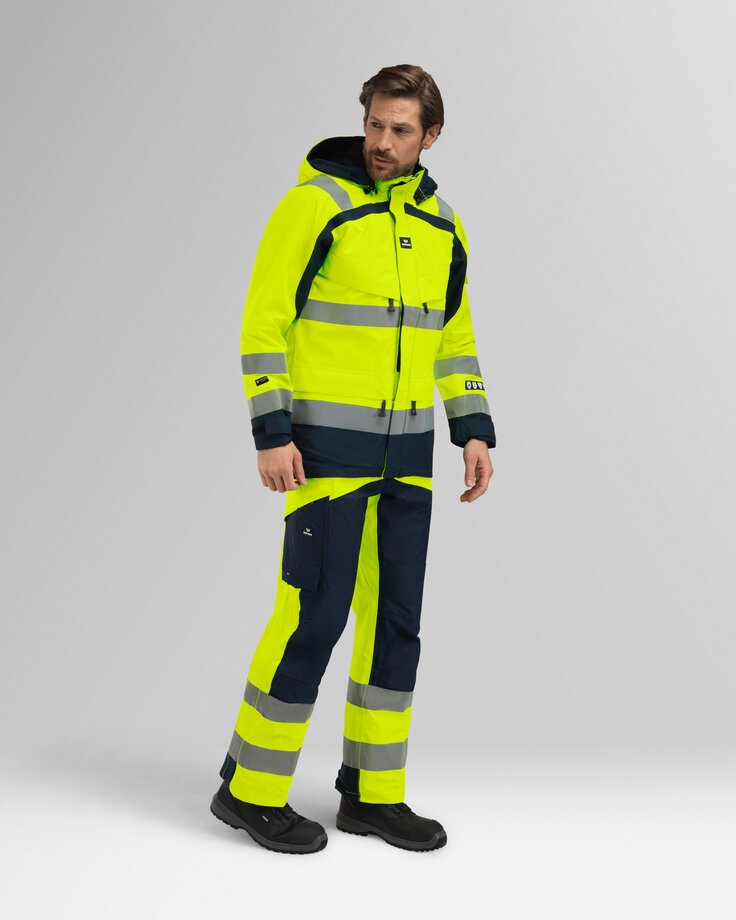
Electrical Utilities Uniform Programs
Explore electrical utilities uniform programs options for your team’s materials, fit, branding and sampling brief.
Get a Quote
Welding Uniform Programs
Explore welding uniform programs options for your team’s materials, fit, branding and sampling brief.
Get a Quote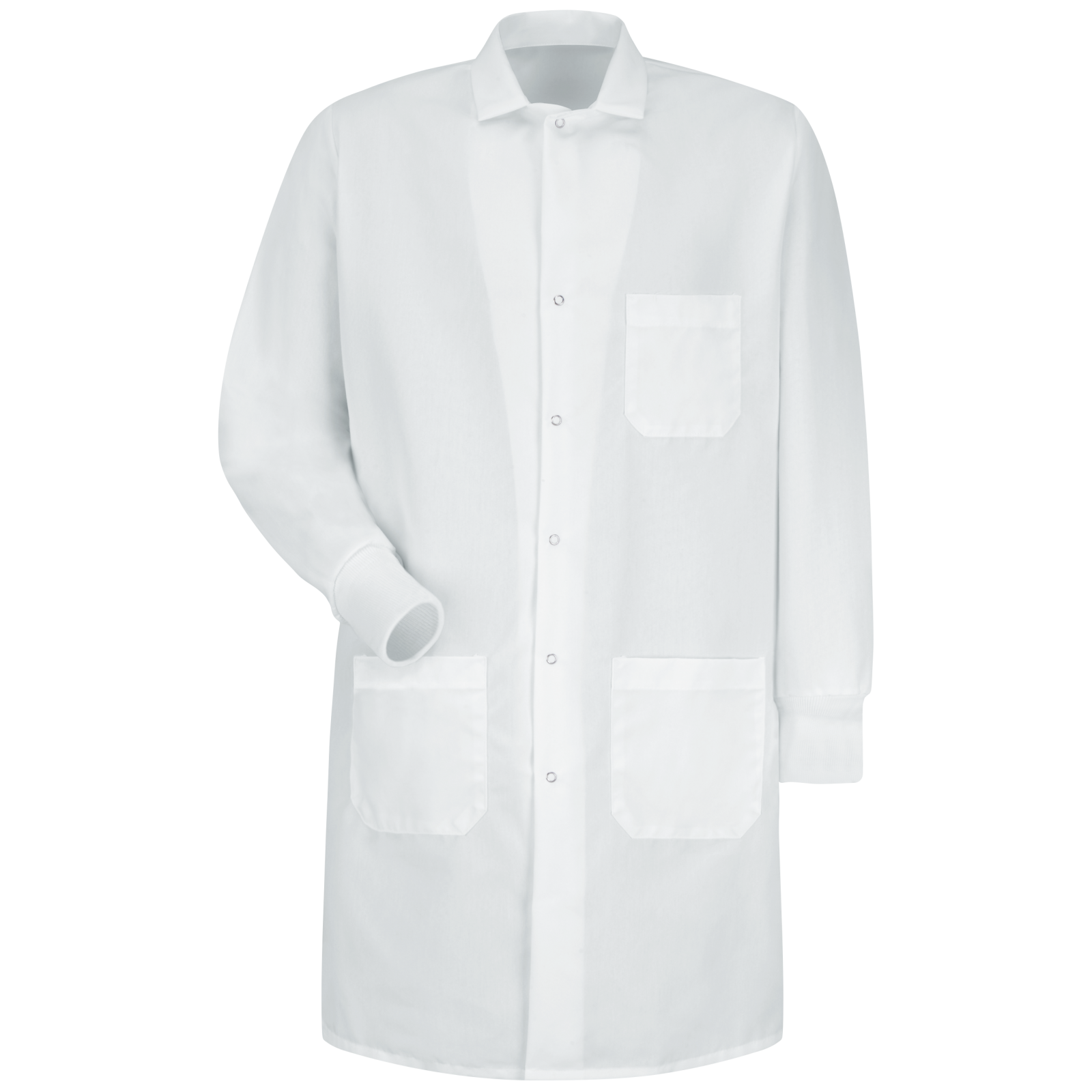
Healthcare Uniform Programs
Explore healthcare uniform programs options for your team’s materials, fit, branding and sampling brief.
Get a Quote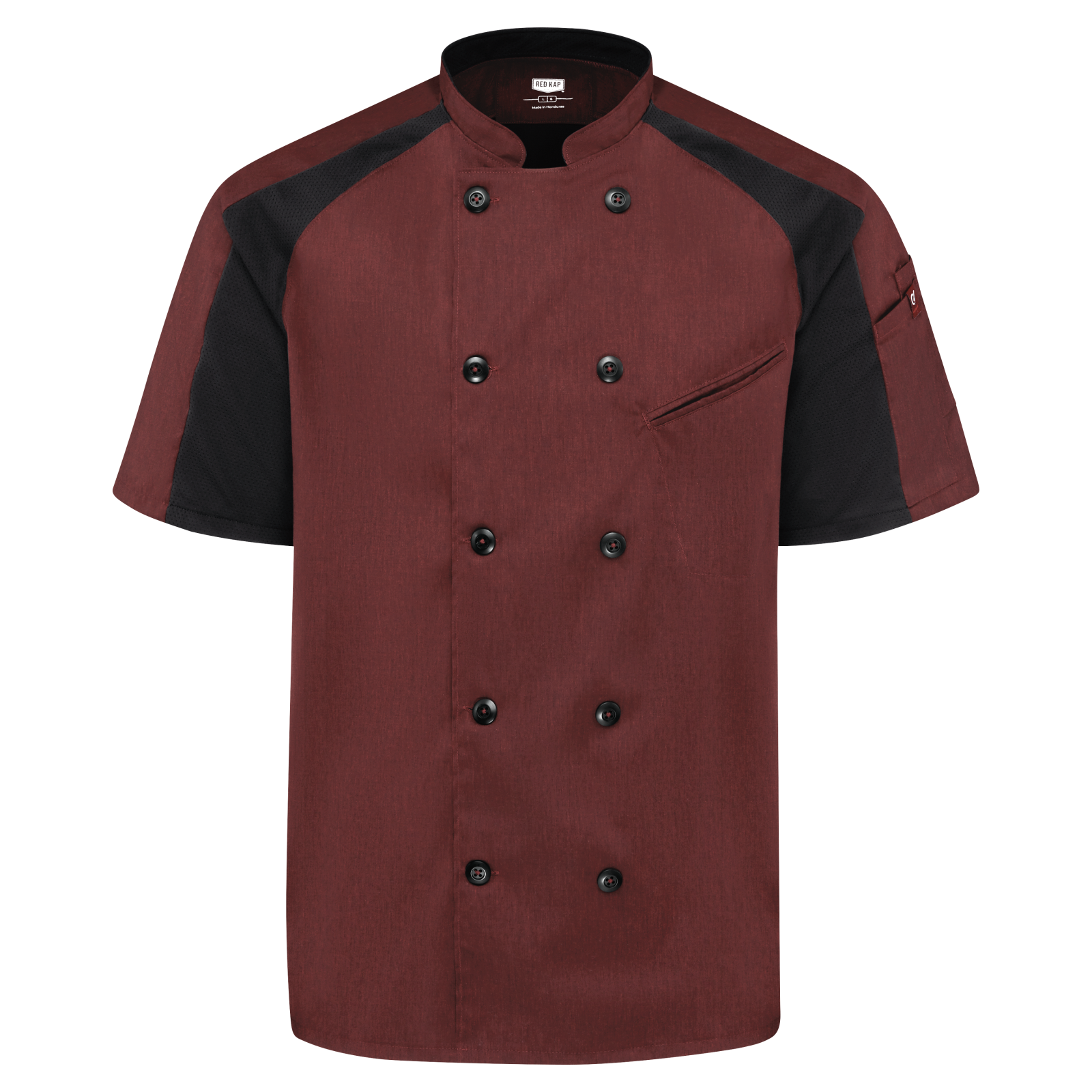
Food Processing Uniform Programs
Explore food processing uniform programs options for your team’s materials, fit, branding and sampling brief.
Get a Quote
Cold Storage Uniform Programs
Explore cold storage uniform programs options for your team’s materials, fit, branding and sampling brief.
Get a Quote
Logistics Uniform Programs
Explore logistics uniform programs options for your team’s materials, fit, branding and sampling brief.
Get a Quote
Mining Uniform Programs
Explore mining uniform programs options for your team’s materials, fit, branding and sampling brief.
Get a Quote
Agriculture Uniform Programs
Explore agriculture uniform programs options for your team’s materials, fit, branding and sampling brief.
Get a Quote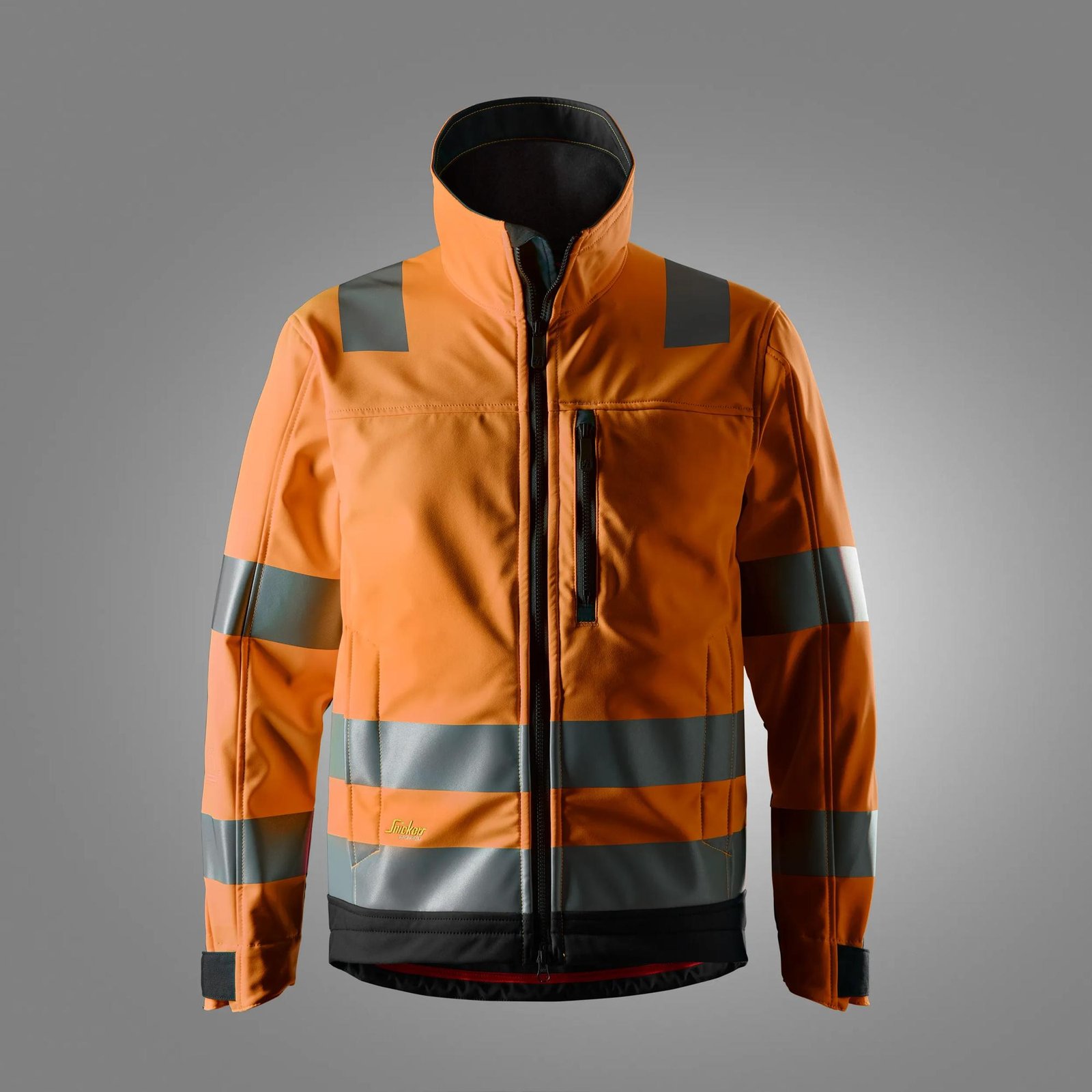
Aviation Uniform Programs
Explore aviation uniform programs options for your team’s materials, fit, branding and sampling brief.
Get a Quote
Marine Uniform Programs
Explore marine uniform programs options for your team’s materials, fit, branding and sampling brief.
Get a Quote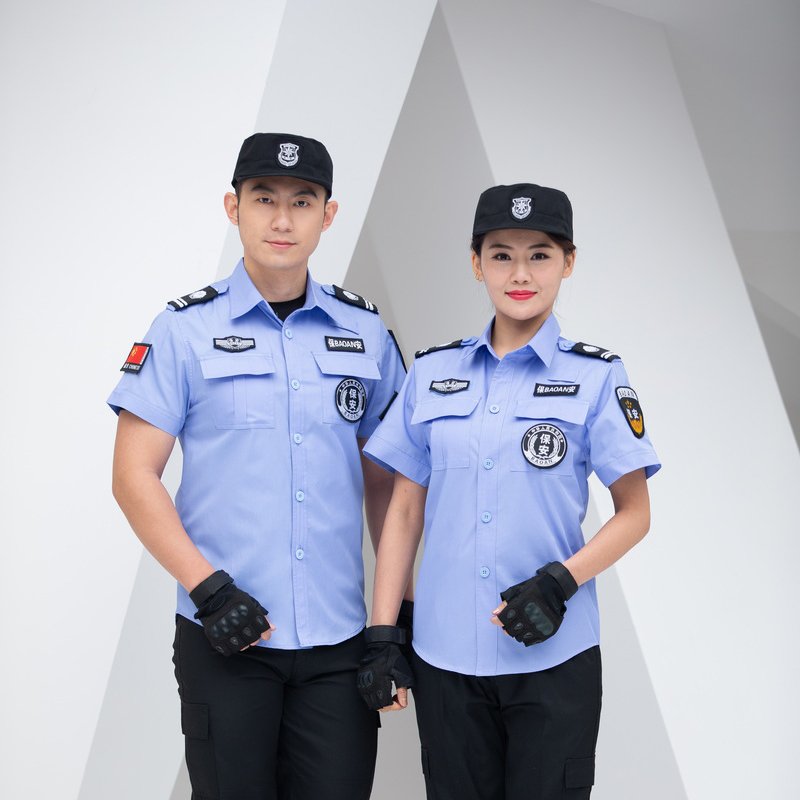
Security Uniform Programs
Explore security uniform programs options for your team’s materials, fit, branding and sampling brief.
Get a Quote
Hospitality Uniform Programs
Explore hospitality uniform programs options for your team’s materials, fit, branding and sampling brief.
Get a Quote
Tactical Uniform Programs
Explore tactical uniform programs options for your team’s materials, fit, branding and sampling brief.
Get a QuoteMaterial Options for Custom Workwear Programs



Custom Workwear Development, Branding and Manufacturing


Functional Trims and Accessories for Workwear Programs


About Veelianpro: Workwear by Industry
Hubei Veelianpro Workwear Co., Ltd. is a Wuhan-based manufacturer serving industrial, safety, hospitality and service brands. The company profile states that its workwear operation began in 2012, with a mission to help buyers develop practical, brand-ready garments through OEM, ODM, private-label and wholesale programs.
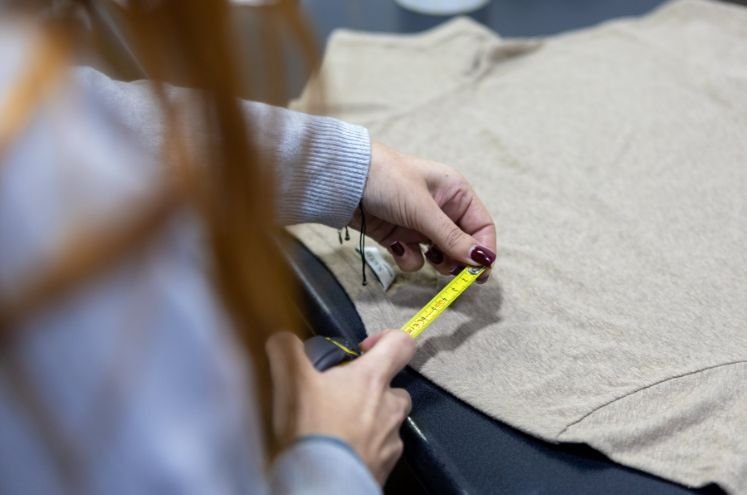
From tech-pack review and fabric sourcing through pattern development, sampling, grading, cutting, sewing, reinforcement, decoration, inspection and export coordination, Veelianpro supports the full product journey. Company-supplied figures state a team of more than 300 skilled workers; this operating figure should be verified before prominent public use. MOQ starts at 100 pieces per style and color, subject to project requirements.
Core Capabilities Behind Reliable Workwear by Industry Programs
Review the Product Direction
Veelianpro begins with your tech pack, sketch, sample or product idea. The team reviews garment purpose, job demands, fabric expectations, fit, branding and target quantity before confirming a practical development route for your workwear by industry program.
- Tech-pack, sketch, sample and concept review
- Garment purpose, fit and construction discussion
- Fabric, trim, branding and quantity assessment
- Feasibility review before sampling or quotation

Develop and Grade Each Pattern
Pattern development translates your requirements into production-ready garment shapes. Veelianpro can refine pocket placement, reinforced knees, gussets, mobility zones and closure details, then support size grading so teams can evaluate fit across the intended workforce.
- Pattern development for shirts, pants, jackets and coveralls
- Functional details mapped to each work setting
- Size grading for the approved size range
- Fit and construction checks during sampling

Source Materials and Build Strength
Fabric and trim choices are matched to the garment’s intended environment, comfort needs and design target. Sampling can assess weight, composition, visibility details, reinforcement, stitching and decoration before production decisions are finalized for industrial, safety or service apparel.
- Fabric weight and composition selection
- Trim, reflective tape and closure coordination
- Bartacks, triple stitching and reinforcement planning
- Embroidery, patches, labels and heat-transfer options

Control Quality Through Export
After cutting and sewing, Veelianpro supports finishing, quality checks, packing and export coordination. Buyers can align inspection points, presentation requirements and shipment details with the approved sample, helping create a repeatable private-label or wholesale workwear supply program.
- Cutting, sewing, finishing and in-process checks
- Inspection against approved samples and requirements
- Custom packaging and care-label coordination
- Packing and export coordination for the order

Why Choose Veelianpro for Workwear by Industry
Veelianpro aligns industry requirements with practical development, conditional 100-piece MOQs, coordinated sourcing, documented evidence, inspection, and ongoing reorder support.
← Swipe left or right to view →
Our Workwear by Industry Production Process
Veelianpro develops workwear by industry from your tech pack, sketch, sample, or product idea. We review feasibility, source fabrics and trims, create samples, and coordinate production, inspection, packing, shipment, and reorder support. MOQ starts at 100 pieces per style and color, subject to fabric, certification, construction, and project requirements.
Review Requirements
Share your garment type, work setting, fabric, sizing, colors, branding, quantity, destination, timeline, and applicable performance standards for feasibility review.
Develop and Source
We refine patterns, select fabrics and trims, plan functional details, and prepare decoration requirements around each industry’s fit, mobility, durability, and branding needs.
Sample for Approval
Our team produces development samples, checks construction and appearance, and adjusts measurements, pocket systems, reinforcements, branding placement, and finishing before production.
Cut and Sew
Approved specifications move into fabric cutting, size grading, sewing, bartacks, reinforcement, reflective tape placement, and other required construction operations.
Decorate and Inspect
We apply embroidery, printing, patches, labels, or packaging, then perform quality checks against approved samples, measurements, workmanship, materials, and order requirements.
Pack and Reorder
Finished garments are packed for export coordination and shipment, with production records supporting consistent future replenishment and reorder planning for your workwear program.
How to Start a Custom Workwear Program
Move from an initial concept to approved, production-ready workwear by industry with a clear development and manufacturing process.
Share Your Requirements
Send a tech pack, sketch, sample, or product idea with garment type, work setting, target quantity, branding, destination, and timeline.
Confirm Materials and Details
Review fabric composition, weight, trims, fit, size range, pockets, reinforcement, reflective placement, weather protection, and decoration options with our development team.
Approve the Sample
Evaluate construction, measurements, comfort, mobility, appearance, and branding on the sample before confirming the quotation, specifications, and production approval.
Launch Bulk Production
After approval, Veelianpro coordinates cutting, sewing, quality checks, packing, and export shipment, with inspection aligned to your agreed project requirements.
Workwear by Industry: Certificates and Standards Evidence


Workwear by Industry: Customer Results and Case Evidence
Verified customer testimonials or documented case results were not supplied. Buyers can submit a garment brief, target quantity and industry requirements for a sample-development review.
No verified customer quote or measurable production outcome was provided. Fit, materials, construction, branding and required test documentation should be confirmed during sampling.
Approved customer results were not available in the supplied source material. Request a project review to define specifications, MOQ, sample requirements and evidence before production approval.
Workwear by Industry FAQ
Practical answers for buyers planning custom OEM, ODM, private-label, or wholesale workwear programs with Veelianpro.
What is the MOQ for workwear by industry programs?
How long does custom workwear by industry production take?
Does Veelianpro charge for workwear by industry samples?
What payment terms are available for workwear by industry orders?
Can Veelianpro ship workwear by industry orders internationally?
How does Veelianpro protect my workwear by industry designs?
Can workwear by industry programs include inclusive sizing and role-specific fits?
Can Veelianpro make protective workwear by industry with certified standards?
What details should I include when requesting workwear by industry?
The Complete Guide to workwear by industry
Use this decision framework to match garments, fabrics, protection, fit, branding, and supplier capabilities to each work environment while avoiding costly sampling, compliance, sizing, and production mistakes.
1. What Is Workwear by Industry?
’s workwear operation in Wuhan. Workwear by industry means apparel engineered around a sector’s hazards, tasks, climate, hygiene controls, customer-facing standards, and job roles—not simply a shared color or logo. A 100-piece starting MOQ per style and color, subject to fabric, certification, and construction requirements, supports tailored programs for brands, distributors, and enterprise teams. Everyday uniforms prioritize identity, comfort, fit, and repeat laundering; protective workwear must additionally address documented risks such as visibility, flame, arc, chemical exposure, contamination, or cold, with claims tied to exact test evidence and certification scope. Seven checks should precede a quote: industry, job function, environment, risk, wear duration, laundering process, and branding requirements.
2. The Evolution of Workwear by Industry
’s workwear operation, but the category began with simpler occupational clothing: durable shirts, trousers and coveralls built mainly for coverage and wear resistance. Modern workwear by industry has moved toward task-specific systems that combine protection with stretch, ventilation, visibility, weather control and easier movement. Five forces now shape commercial ranges: tighter safety expectations, technical fabrics, broader workforce sizing needs, sustainability scrutiny and the expansion of healthcare, hospitality, logistics and other service roles. com/report/workwear). 100 pieces per style and color is Veelianpro’s stated starting MOQ, subject to fabric, certification and construction requirements.
3. Types of Workwear by Industry
Six work environments cover most workwear by industry programs, but each requires different protection, movement, laundering, and presentation decisions.
Construction And Outdoor Trades
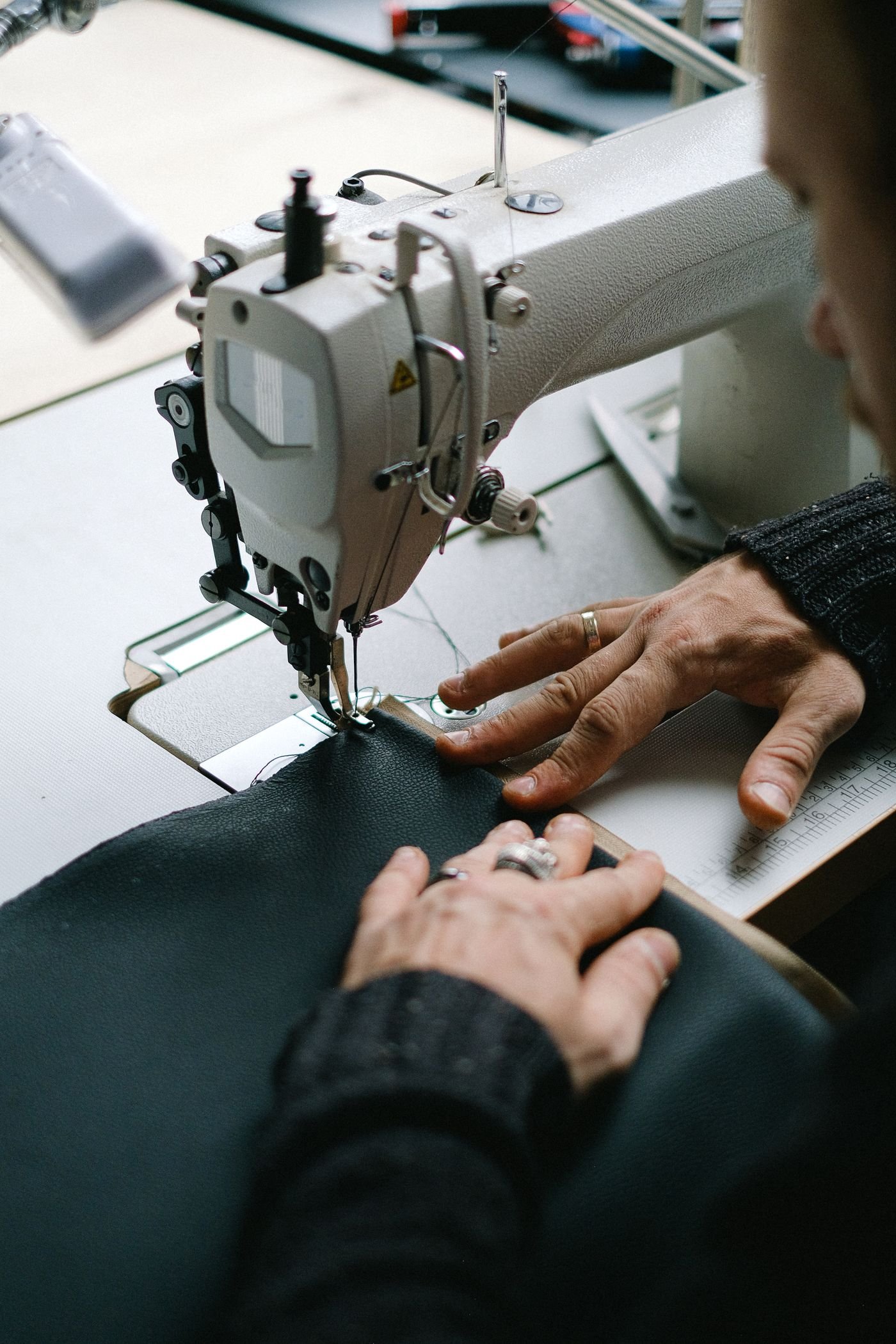
Construction crews typically need work shirts, cargo trousers, softshells, rain jackets, vests, or coveralls for abrasion, weather, visibility, and tool-carrying demands. Articulated knees, gussets, secure pockets, and compatible layers support movement.
Manufacturing And Industrial Operations

Factory roles commonly use shirts, trousers, coveralls, vests, and jackets with bartacks, reinforced seams, controlled closures, and task-specific pocket layouts. Hazards may include abrasion, heat, sparks, chemicals, or static. Fit must allow repetitive movement without loose elements near machinery.
Logistics And Utilities
Drivers, warehouse teams, maintenance crews, and utility workers often combine polos, cargo trousers, hi-vis vests, softshells, and weatherproof jackets. Visibility, kneeling comfort, phone storage, and temperature changes shape the specification.
Healthcare And Care Services
Healthcare and care teams typically need scrubs, polos, tunics, trousers, fleece, or washable jackets designed for long shifts, frequent laundering, and unrestricted movement. Pocket placement, stretch, color control, and easy identification matter.
Hospitality And Food Service
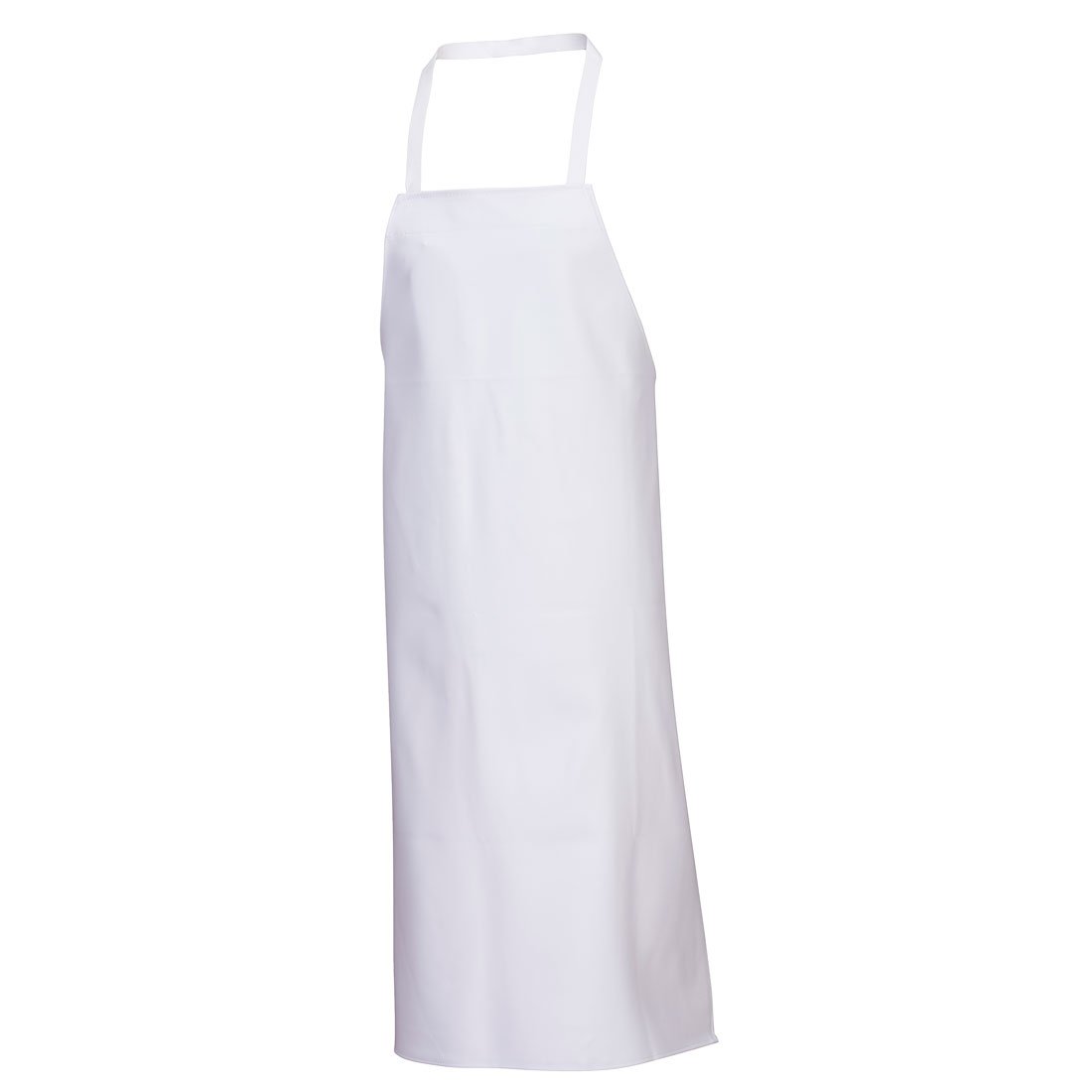
Chefs, servers, housekeeping teams, and front-of-house staff may require chef clothing, aprons, polos, shirts, trousers, or lightweight jackets. Heat, spills, hygiene routines, appearance, and repeated washing influence construction and trim choices.
Corporate And Facility Teams
Reception, cleaning, security, and facilities teams often combine polos, button shirts, trousers, fleece, softshells, vests, or jackets according to customer contact and site exposure. Mobility, storage, weather protection, and a polished silhouette must coexist. Coordinate logo scale, color matching, name labels, and department-specific layers across locations.
4. Materials and Fabrics for Workwear by Industry
Fabric selection starts with the job’s heat, abrasion, moisture, laundering, and hazard profile.
| Fabric | Approx. GSM | Performance | Suitable Industries | Trade-Off |
|---|---|---|---|---|
| Cotton | 150–300 | Breathable, comfortable, slower drying | Hospitality, service | Can shrink; holds moisture |
| Polyester | 140–240 | Fast drying, abrasion resistant | Logistics, industrial | Lower heat comfort |
| Cotton blend | 180–280 | Balanced comfort and durability | Manufacturing, uniforms | Performance depends on ratio |
| Stretch fabric | 180–300 | Mobility and fit recovery | Construction, maintenance | Elastane needs wash control |
| Ripstop | 220–320 | Tear resistance, durable weave | Utilities, outdoor work | May feel stiffer |
| Softshell or waterproof | 250–400 | Wind or rain protection | Outdoor, logistics | Breathability and coating life vary |
| Protective textile | Requirement-specific | Hazard-focused performance | Welding, chemical, cleanroom | Requires documented testing |
Match Weight To Climate
150–220 GSM cotton suits breathable shirts, while 180–240 GSM polyester dries faster and resists abrasion. Cotton blends balance comfort and recovery for industrial, logistics, and hospitality uniforms.
Build Weather Layers
280–350 GSM softshell blocks wind while retaining flexibility for outdoor teams. Waterproof layers need specified membrane performance, seam sealing, and breathability rather than a generic water-resistant label.
Reserve Specialist Textiles
Flame-resistant, arc-rated, chemical-protective, cold-storage, welding, cleanroom, and ESD textiles must be selected against the work hazard and required standard. Never infer certification from fiber type alone.
5. Customization and Decoration Options
100 pieces per style and color is Veelianpro’s stated starting MOQ, subject to fabric, certification, and construction requirements.
| Method | Best Use | Durability And Setup | Compatibility |
|---|---|---|---|
| Embroidery | Simple logos, names | High durability; digitizing setup | Polos, shirts, jackets |
| Screen or transfer print | Large or detailed graphics | Artwork and screen or film setup | Tees, polos, lightweight panels |
| Reflective decoration | Visibility markings | Placement and testing controls | Vests, jackets, trousers |
| Woven labels or heat-seal badges | Private-label identity | Label or mold setup; attachment review | Most garments with suitable panels |
Match Method To Garment
Embroidery suits polos, jackets, and heavier shirts with simple to medium logos; screen or transfer printing handles larger graphics and finer color detail. Reflective decoration requires planned placement and garment compatibility, especially on visibility-focused designs.
Build Consistent Brand Details
Three or more departments may need one coordinated identity across work shirts, trousers, vests, jackets, and coveralls. Veelianpro can discuss woven labels, heat-seal badges, private-label trims, care labels, packaging, and color matching against an approved standard such as Pantone. Name personalization should use a controlled font, position, and spelling file.
Approve Samples Before Production
One approved sample should verify logo scale, placement, color, trim attachment, badge adhesion, and interaction with pockets, seams, and reinforcement. For complex programs, sample each key garment family and department rather than approving one style for all roles.
6. Key Construction Quality Elements
A production-ready garment is judged by construction behavior, not composition alone.
Seams And Reinforcement
1,000-cycle movement checks should expose seam slippage, skipped stitches, and weak bartacks at pockets, belt loops, crotch seams, and knees. Check gussets, articulated panels, triple stitching, and reinforcement patches under realistic loads.
Functional Hardware And Ventilation
Two-way or coil zippers should run smoothly after repeated opening, while closures must remain secure without snagging. Inspect pocket depth, flap coverage, cuff adjustment, reflective trim attachment, and zipper tape strength.
Color And Wash Performance
Five-wash testing should compare shrinkage, seam distortion, colorfastness, reflective-trim adhesion, and decoration durability against the approved sample. Record measurement changes by size rather than relying on appearance alone.
Fit Grading And Movement
At least three body-size trials should test reach, kneeling, bending, and seated comfort across gender-specific and inclusive blocks. Check sleeve, rise, inseam, and chest grading for consistent increments. Set written measurement tolerances for every critical point, then compare pre-production samples with the approved size set.
7. How to Choose a Workwear Manufacturer
Four checks separate a suitable workwear by industry supplier from a generic garment vendor: relevant experience, documented specifications, controlled sampling, and repeatable delivery.
Capability And Specification Review
2012 marks Veelianpro’s stated workwear operating start, with OEM, ODM, private-label, and wholesale support for industrial, safety, hospitality, and service apparel. Ask which product families and comparable constructions the team can produce at your required capacity. Provide the tech pack, fabric composition and weight, color standard, size range, pocket system, reinforcements, branding, destination, and timeline.
Evidence And Sampling
Request fabric swatches, a pre-production sample, a graded size set, and applicable test reports before approval. Any ANSI, EN, NFPA, arc-rated, chemical, or temperature claim must match exact evidence and certification scope.
Controls, Logistics, And Reorders
Use a written quality plan covering inline checks, final inspection, defect handling, labels, carton marks, packing, and shipment documents. Confirm one communication owner, approval gates, lead-time assumptions, payment terms, export responsibilities, and available capacity during peak periods. Before committing, ask: – Which standards and test documents apply? – Who approves size sets and final samples?
8. Common Workwear Buying Mistakes
Eight avoidable errors repeatedly weaken workwear by industry programs: buyers optimize appearance, price, or fabric labels before defining hazards, roles, laundering, fit, and evidence.
Start With Hazards
1 priority is hazard mapping, not color selection. Match visibility, heat, chemicals, abrasion, contamination, and movement demands to the role.
- What do all workers wear? Core garments should share branding, while protection follows each role.
- Can one type cover every role? No; hazards, movement, and exposure differ by job.
- How do I choose by industry? Start with tasks, hazards, climate, laundering, and required evidence.
Fit And Laundering
2 fit blocks are rarely enough for every body and task. Build a size strategy with role-specific measurements, gender-inclusive options where needed, and movement checks.
- What sizing is inclusive? Offer graded measurements, extended sizes, and fit samples across representative bodies.
- What fabrics are required? Choose composition and weight for the hazard, climate, mobility, and care process.
Test Before Ordering
3 sample checks should cover fit, pocket access, reinforcement, closures, reflective-tape placement, branding adhesion, and comfort during actual tasks. Wear trials expose problems that a flat inspection misses, including chafing, restricted reach, heat buildup, and logo failure.
- What should samples validate? Fit, mobility, construction, laundering, decoration durability, and documented protection.
Compare Total Value
100 pieces per style and color is Veelianpro’s stated starting MOQ, subject to fabric, certification, and construction requirements. Confirm the conditional MOQ, lead time, inspection scope, and reorder terms in the quotation.
9. Steps to Launch Your Workwear Brand
2012 marks Veelianpro’s stated start in custom workwear production.
Define Segments And Range
3 buyer groups—wholesalers, distributors, and enterprise sourcing teams—may need different opening ranges. Map industries, roles, climates, hazards, gender and inclusive sizing, then define core garments, seasonal layers, and replacement priorities.
Approve The Technical Package
100 pieces per style and color is Veelianpro’s stated starting MOQ, subject to fabric, certification, and construction requirements. Provide the tech pack, sketch, sample, or product idea with fabric composition and weight, trims, pocket systems, reinforcements, branding, destination, and timeline.
Test, Produce, And Reorder
1 field-test cycle should cover movement, laundering, abrasion points, visibility, comfort, and task-specific restrictions; protective claims require the applicable standard and exact test evidence. Record revisions against the approved sample and signed specification. 300+ skilled workers are company-supplied figures requiring verification before prominent use.
10. Workwear Pricing and Cost Considerations
100 pieces per style and color is Veelianpro’s stated starting MOQ, subject to fabric, certification, and construction requirements. Project-dependent cost rises with garment complexity, GSM and fiber composition, protective finishes, trims, reinforcement, decoration, custom labels, sampling, testing, packaging, freight, and payment or export terms. 2–4 weeks is a planning allowance for sampling in many apparel projects, while production timing depends on fabric availability, testing scope, order quantity, and revisions.
| Quantity Tier | Indicative Cost Components | Expected Lead-Time Considerations | Assumptions |
|---|---|---|---|
| 100–299 pieces | Higher sampling, setup, labels, trims, testing, and freight allocation per unit | Project-dependent; approvals and material sourcing may extend timing | One style/color; quote required; protective claims need exact test scope |
| 300–999 pieces | Balanced garment, fabric/GSM, decoration, packaging, and freight costs | Project-dependent; bulk fabric and trim planning begins after approval | Approved tech pack or sample; quantities by size confirmed |
| 1,000–4,999 pieces | Lower setup allocation; fabric, construction, branding, and compliance still drive cost | Project-dependent; production slot and inspection plan required | Stable specifications; testing and certification budget included where applicable |
| 5,000+ or repeat order | Reorder volume can reduce setup and sourcing allocation; freight remains route-dependent | Potentially shorter reorders if materials and specifications remain unchanged | No unapproved substitutions; compare landed cost, durability, and replacement rate |
The Complete Guide to Industry-Specific Workwear
Send your tech pack or project brief for sampling, material review, private-label development, and a tailored production quotation.