
Custom Mining Workwear Manufacturer — OEM Development
Develop custom uniforms for mining teams with Veelianpro OEM, ODM, and private-label support from 100 pieces per style and color.
Mining Workwear Product References
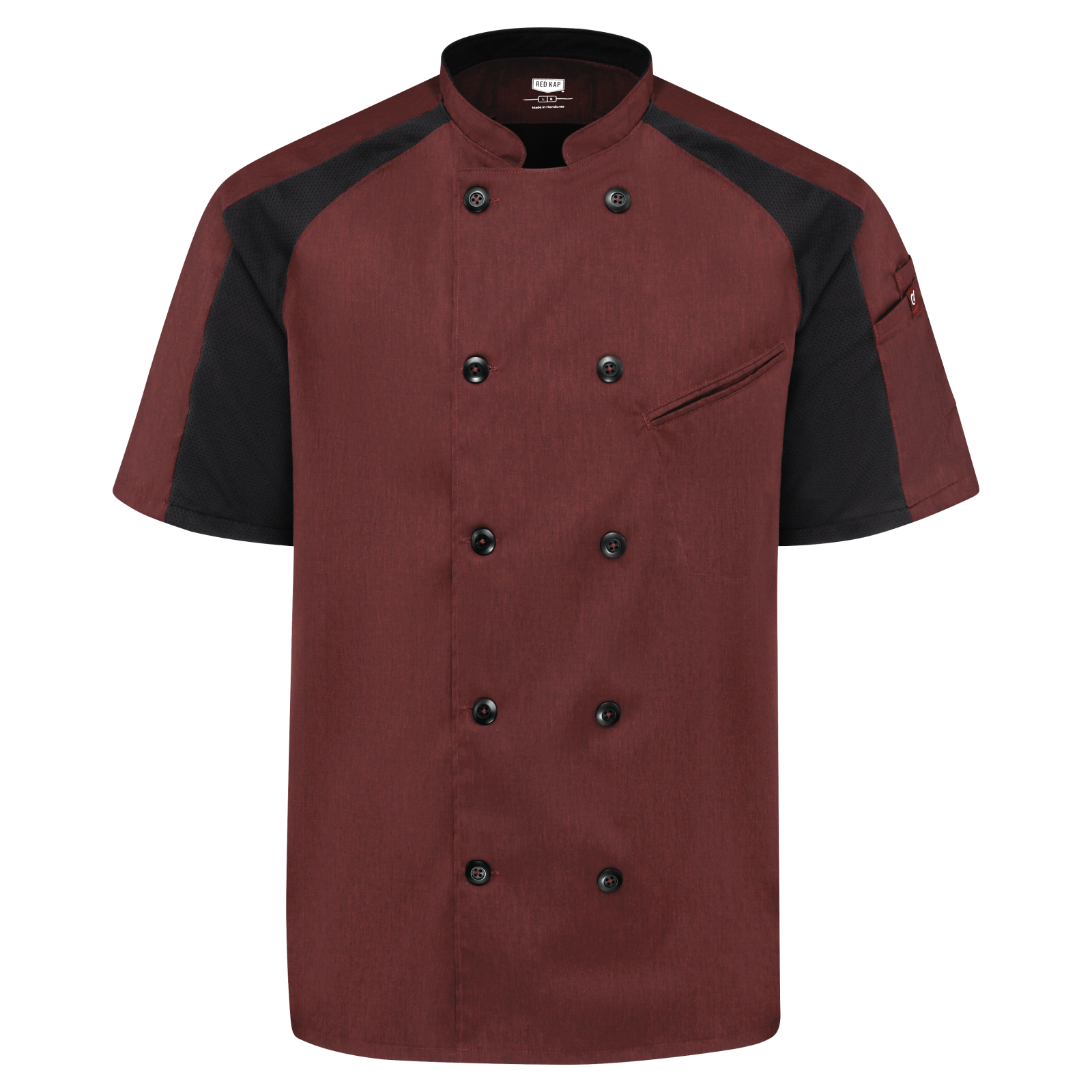


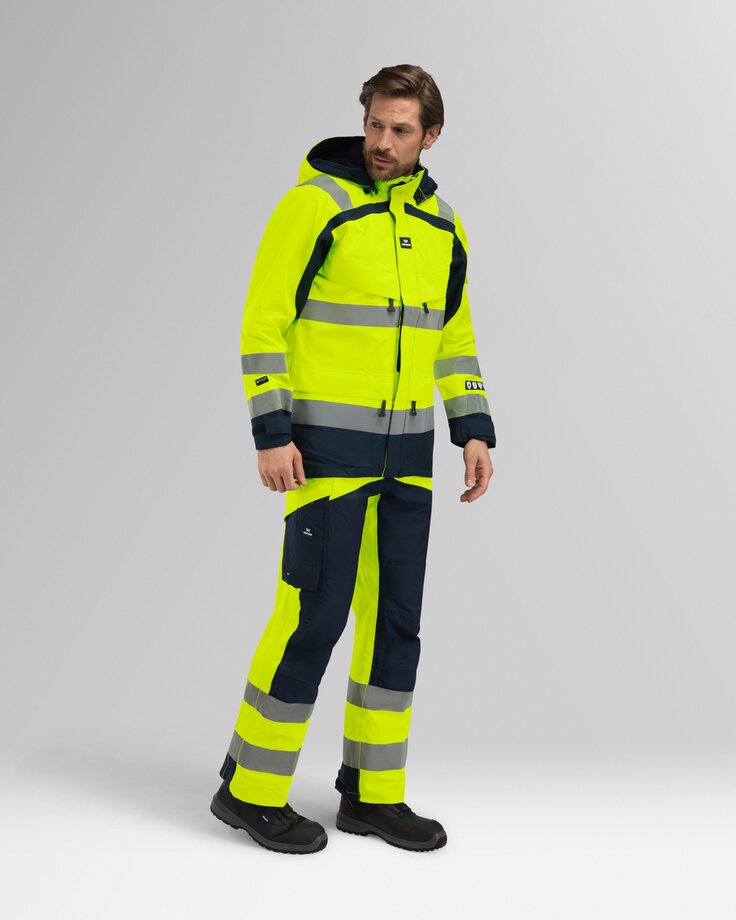
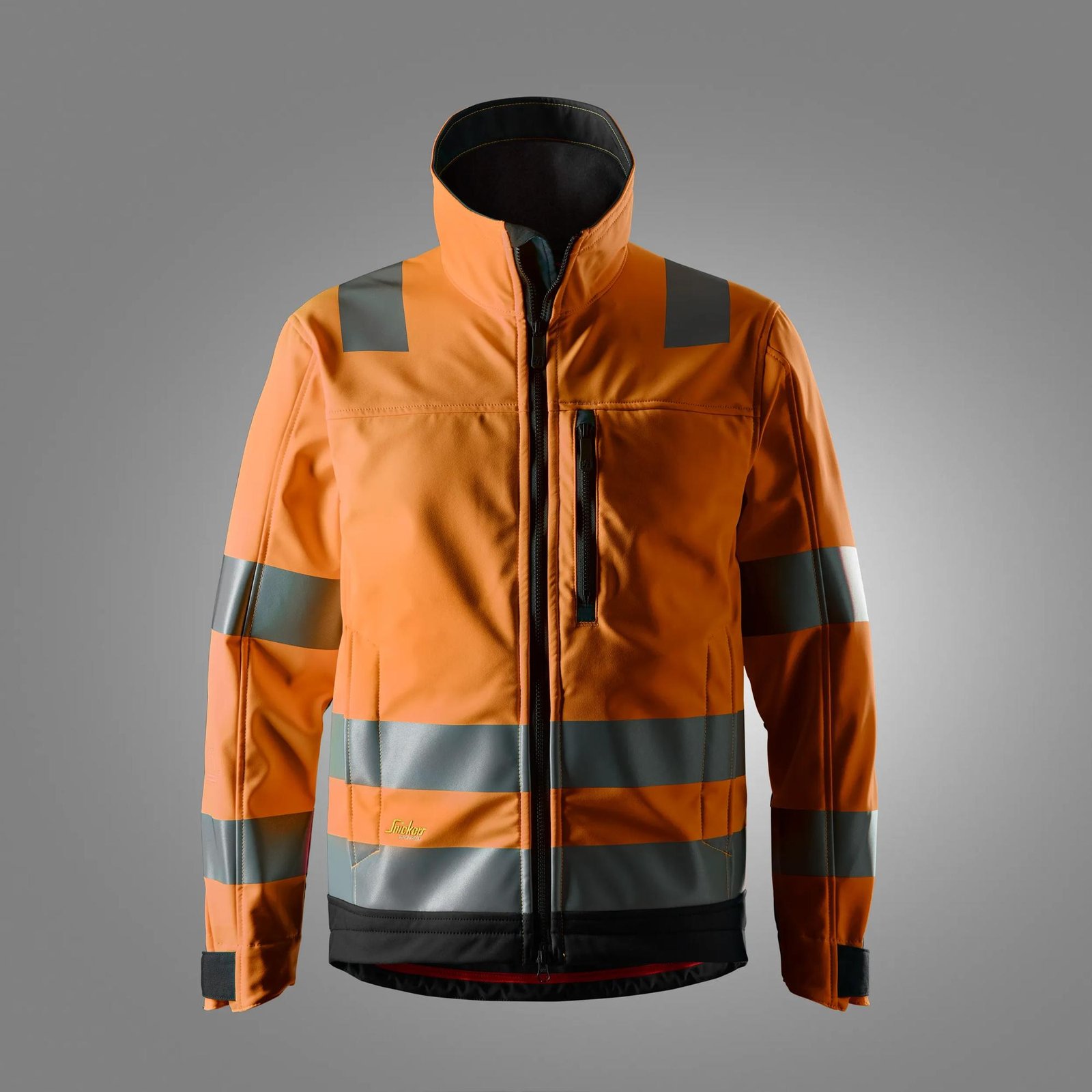
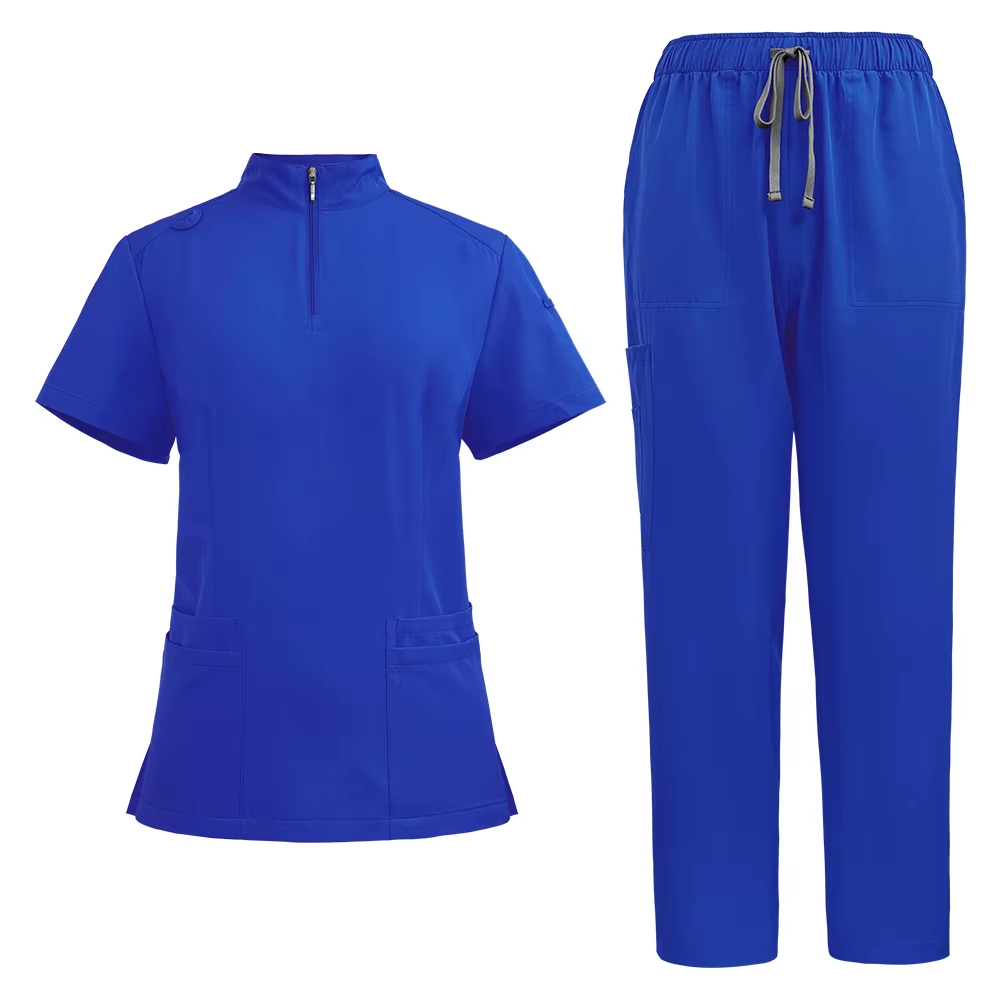

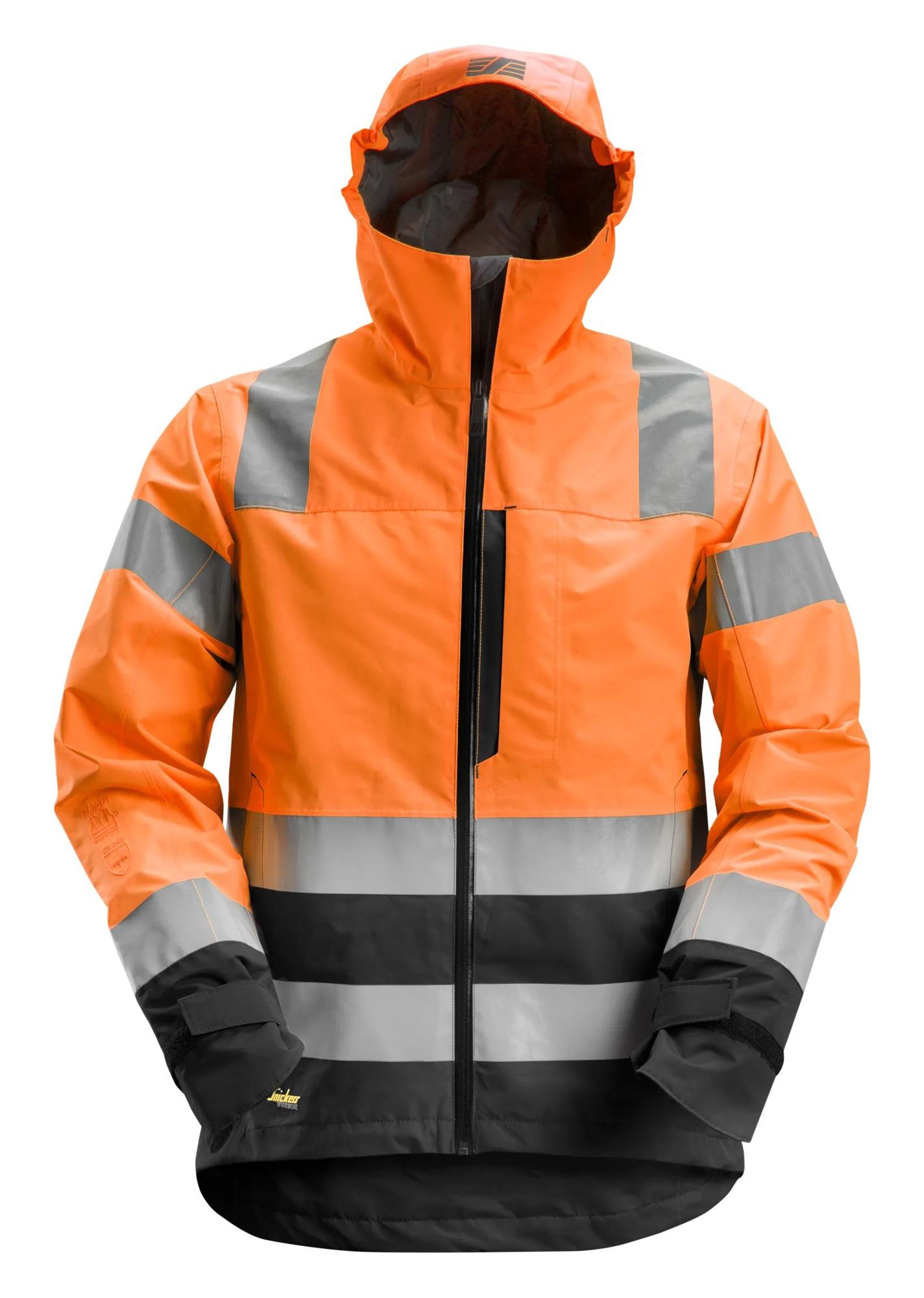
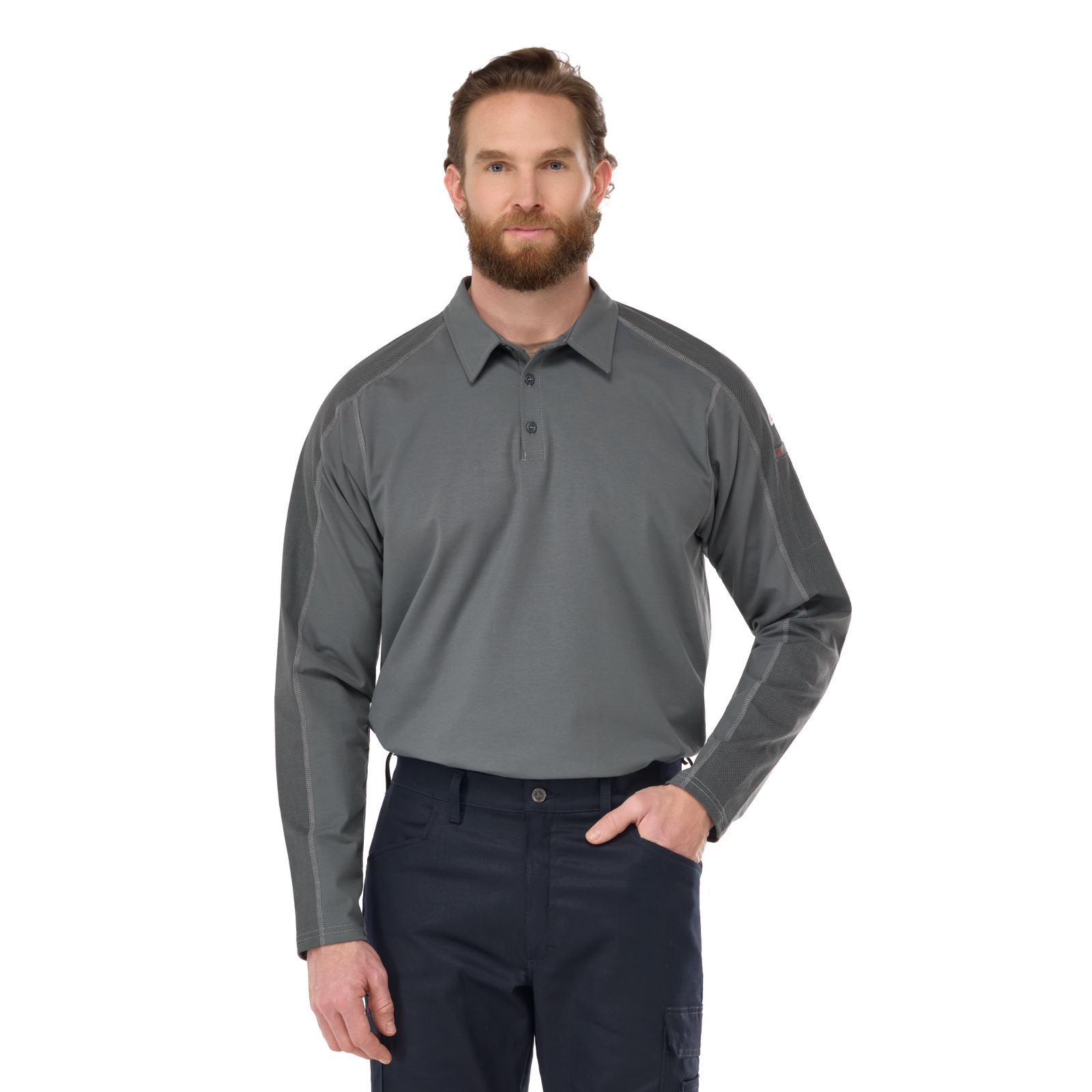


Related Mining Workwear Catalogue and Quotation

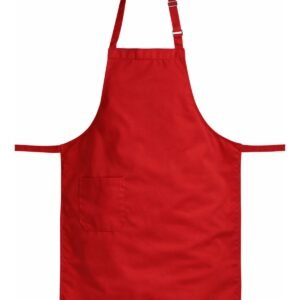

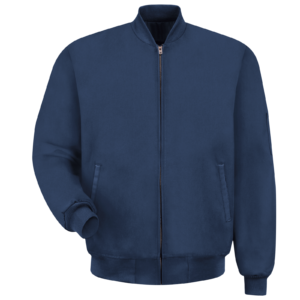
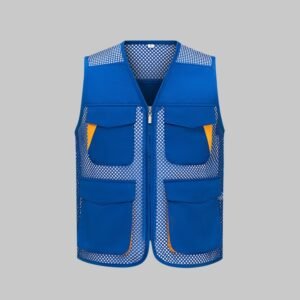

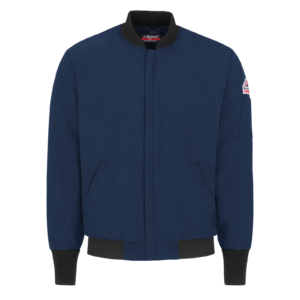


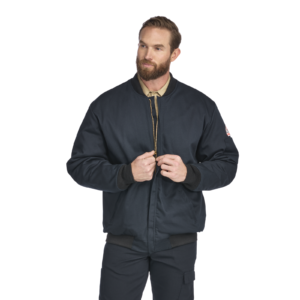

Why Choose Veelianpro for Mining Workwear?
Veelianpro develops coordinated mining workwear ranges from your tech pack, sketch, sample, or product idea. Our Wuhan team supports OEM, ODM, private-label, and wholesale programs, with MOQ starting at 100 pieces per style and color, subject to fabric, certification, construction, and project requirements.
Coordinated Range Development
Build shirts, jackets, vests, pants, coveralls, and sets around consistent colors, fit, branding, and role-specific requirements.
Flexible OEM Programs
Use OEM, ODM, private-label, or wholesale production support for emerging brands, distributors, traders, and enterprise sourcing teams.
Deep Customization Options
Specify fabrics, sizing, pockets, reinforcements, reflective tape placement, trims, decoration methods, labels, and packaging details.
Samples Before Production
Review development samples to assess appearance, fit, materials, branding, and construction before confirming the production specification.
Production Coordination
Move from sourcing and pattern development through grading, cutting, sewing, quality checks, packing, export coordination, and reorder support.
Custom Workwear for Mining Operations
Develop industrial uniforms for underground, surface, coal, quarry and tunneling teams with project-specific construction, fabric and branding details.

Underground Mining Workwear
For underground-crew development, the range can include work shirts, cargo trousers, coveralls, and layered jackets. The brief can define fabric selection, reinforced knees, bartacks, pocket layouts, reflective-tape placement, and company identification for the intended work setting.
Get a Quote
Surface Mining Workwear
Uniform programs for open-pit and surface operations can include polos, shirts, utility vests, cargo pants, softshell jackets and weather layers. Specify exposure conditions, color requirements, pocket systems, reinforcement areas, decoration method and size range during development.
Get a Quote
Coal Mine Workwear
Coal mining ranges may include coveralls, two-piece work suits, work shirts, trousers, jackets and high-visibility garment families. Fabric, trims, seam construction, reflective details and branding are selected against the buyer’s intended work setting and documented protection requirements.
Get a Quote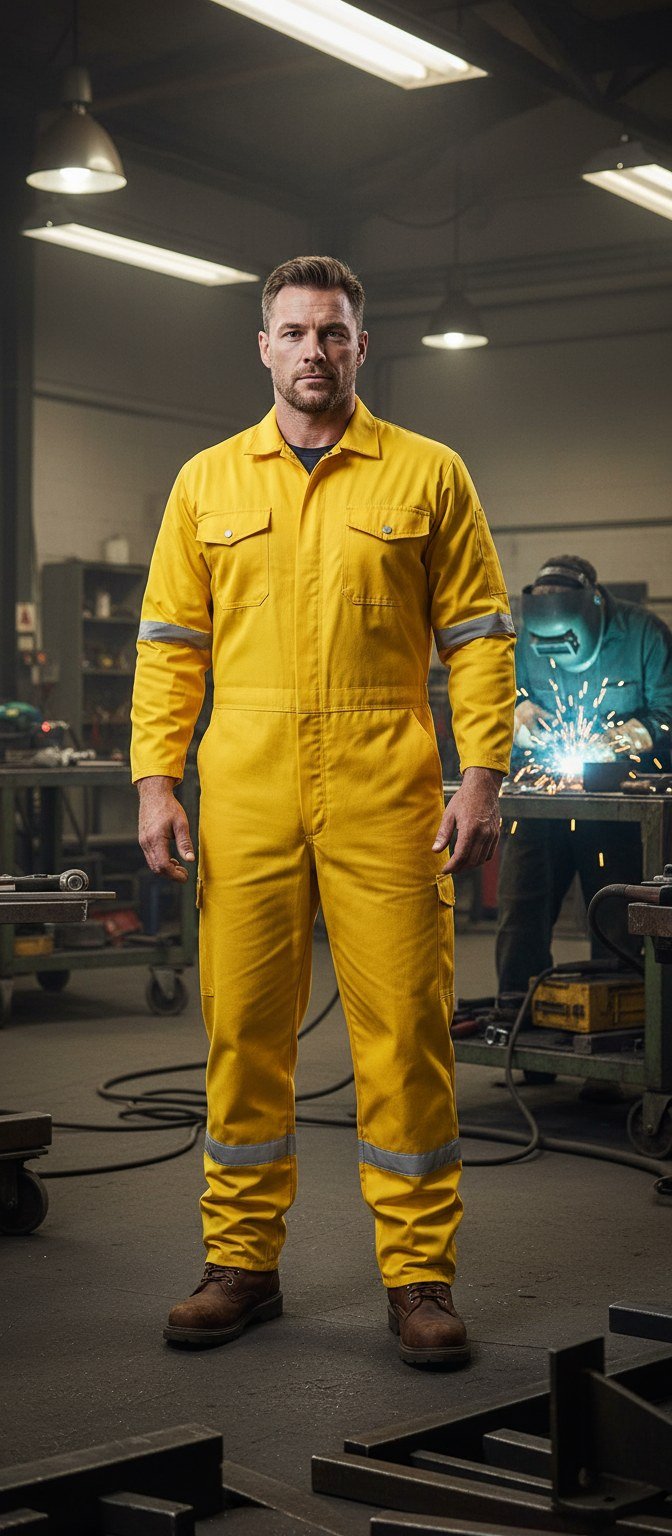
Quarry Workwear
For quarry crews, develop shirts, polos, utility vests, cargo pants, shorts, jackets, and coveralls for the intended outdoor work setting. Options can include specified reinforcement areas, pocket layouts, triple stitching, gussets, logo decoration, custom labels, and packaging.
Get a Quote
Tunneling Workwear
Tunneling uniform development covers coveralls, work suits, jackets, vests, shirts and cargo trousers for confined, demanding sites. Buyers can define fabric composition, weather protection needs, mobility features, reinforcement, reflective tape positioning, sizing and private-label finishing before sampling.
Get a QuoteMaterials for Custom Uniforms for Mining Teams




Custom Uniforms for Mining Teams: Branding and Garment Decoration Processes



Functional Trims for Custom Uniforms for Mining Teams


About Veelianpro: Custom Uniforms for Mining Teams
Hubei Veelianpro Workwear Co., Ltd. is a Wuhan-based manufacturer serving industrial, safety and service apparel brands. The company profile states that its workwear operation began in 2012, with a mission centered on practical garment development, dependable production and responsive support for OEM, ODM, private-label and wholesale programs.
Veelianpro develops custom uniforms for mining teams from a tech pack, sketch, sample or product idea. Its scope includes fabric and trim sourcing, pattern development, sampling, grading, cutting, sewing, reinforcement, decoration, finishing, quality checks, packing and export coordination across shirts, jackets, vests, pants, coveralls and coordinated workwear sets.
What distinguishes Veelianpro is a development-led approach: buyers can define fit, pocket systems, reinforcement, reflective tape placement, branding and packaging before production, with starting quantities from 100 pieces per style and color subject to project requirements. The profile also cites more than 300 skilled workers; this company-supplied figure should be verified before prominent public use. Protective ratings and certifications require SKU-specific test evidence.

Capabilities for Custom Uniforms for Mining Teams
From Idea to Tech Pack
Veelianpro converts your sketch, sample, tech pack or product idea into a workable mining uniform specification. The team can clarify garment categories, intended work settings, branding requirements and construction priorities before pattern development, sampling and quotation.
- Review sketches, samples and existing specifications
- Define garment roles across shirts, pants, vests and coveralls
- Confirm fabric, color, size range and target quantity
- Separate design targets from documented protection claims

Pattern and Fit Development
Pattern development supports coordinated fit across different mining-team garments and worker roles. Veelianpro can review measurements, grading requirements and practical movement needs so buyers can assess proportion, comfort and construction through samples before approving production.
- Develop or revise patterns from approved references
- Plan size grading and buyer-specific measurement charts
- Review mobility around shoulders, knees, waist and seat
- Adjust pockets, gussets and closures for intended use

Fabric, Trims and Reinforcement
Material and construction choices are matched to the project brief, expected work environment and target cost. Buyers can discuss fabric weight, composition, reflective tape placement and stress-point reinforcement, including bartacks, triple stitching and reinforced knees where appropriate.
- Source fabrics, reflective materials and functional trims
- Specify abrasion-focused construction details for review
- Coordinate pocket systems, closures and weather features
- Confirm required standards and test evidence for protection claims

Branding, Sampling and Quality Checks
Veelianpro supports decoration and sample review before bulk production, helping buyers verify appearance, placement, fit and workmanship. Embroidery, screen printing, heat transfer, patches, woven labels, care labels and custom packaging can be evaluated against the approved specification.
- Review logo size, placement and decoration method
- Produce samples for fit, material and construction checks
- Coordinate cutting, sewing, finishing, inspection and packing
- Support repeat orders using the confirmed uniform specification

Custom Uniforms for Mining Teams: Development or Off-the-Shelf Decoration?
Compare a purpose-built mining uniform program with purchasing stocked garments and adding decoration. Starting MOQ is subject to fabric, certification and construction requirements.
← Swipe left or right to view →
Custom uniforms for mining teams: Our Production Process
Veelianpro takes custom uniforms for mining teams from an initial brief to coordinated production support. Our Wuhan-based team can review fabric, fit, visibility details, construction, branding, quantity, and documentation needs before sampling. MOQ starts at 100 pieces per style and color, subject to fabric, certification, and construction requirements.
Review the Project Brief
Share your garment type, work setting, fabric targets, size range, colors, branding, quantity, destination, timeline, and any required protection standard for feasibility review.
Develop Patterns and Samples
Veelianpro develops patterns, sources fabrics and trims, confirms construction details, then prepares samples to evaluate fit, appearance, materials, pockets, reinforcement, and branding placement.
Approve Production Specifications
After approval, production moves through graded sizing, cutting, sewing, bartacks, reinforcement, reflective-tape placement, decoration, finishing, and private-label details aligned with the approved specification.
Inspect and Prepare Orders
Quality checks review workmanship, measurements, decoration, labeling, packing, and requested documentation; performance claims remain subject to SKU-specific testing and certification evidence.
Ship and Support Reorders
Veelianpro coordinates export shipment and reorder support, helping buyers maintain a consistent mining uniform program as quantities, roles, destinations, or seasonal requirements evolve.
How to Develop Custom Uniforms for Mining Teams
Follow a practical path from initial requirements to approved samples, controlled production, inspection, and repeat orders with Veelianpro.
Share Your Requirements
Send a tech pack, sketch, sample, or product idea with roles, work setting, fabrics, colors, sizes, branding, quantity, destination, and timeline.
Review Feasibility and Quote
Veelianpro reviews construction, materials, trims, decoration, protection requirements, and production conditions, then prepares a project-specific quotation for your mining uniform program.
Approve Materials and Samples
Confirm fabric composition, weight, colors, pocket systems, reflective tape placement, fit, branding, and sample details before approving the final specification.
Confirm Production Details
Finalize quantities, size grading, labels, packaging, quality checks, delivery requirements, and any SKU-specific testing or certification scope before production begins.
Inspect and Reorder
Review finished goods against the approved specification, coordinate shipment, and keep validated details available for efficient repeat orders as your program grows.
Compliance Documentation for Custom Uniforms for Mining Teams


Custom Uniforms for Mining Teams: Procurement Scenarios
Illustrative scenario: A safety distributor develops a surface-crew program by reviewing high-visibility garment options, reflective placement, and logo locations against the buyer’s site requirements. Acceptance criteria: approved construction, decoration placement, size allocation, and any required SKU-specific compliance documentation.
Illustrative scenario: An enterprise uniform buyer groups underground and outdoor assignments into shirts, trousers, coveralls, jackets, and weather layers. The development work refines pocket layouts, reinforced areas, fabric choices, and grading. Acceptance criteria: approved samples, role-based size breakdowns, and a documented garment matrix.
Illustrative scenario: A workwear brand prepares a private-label mining collection from sketches and a target brief. Veelianpro supports pattern development, fabric and trim sourcing, sampling, labels, and packaging. Acceptance criteria: signed-off fit, branding files, construction details, colorway quantities, and an order meeting the project MOQ.
FAQ: Custom uniforms for mining teams
Practical answers for buyers planning an OEM, ODM, private-label, or wholesale mining workwear program with Veelianpro.
Can Veelianpro develop custom uniforms for mining teams as a coordinated range?
What is the MOQ for custom uniforms for mining teams?
What materials and construction details suit custom uniforms for mining teams?
How do I specify visibility and protective performance for mining workwear?
Can custom uniforms for mining teams include custom sizing, pockets, trims, and branding?
Can I approve samples before placing a custom mining uniform order?
What payment and shipping support is available for custom uniforms for mining teams?
What information should I include when requesting a mining uniform quotation?
Custom Uniforms for Mining Teams: A Sourcing Guide
A practical framework for selecting job-appropriate garments, reviewing customization and construction, comparing supplier capabilities, avoiding costly specification errors, and building a clear quote-ready brief for a mining uniform program.
1. What Are Custom Uniforms for Mining Teams?
A mining uniform program is a coordinated set of industrial garments assigned around the work being done, the conditions at a particular site, and the organization’s identification system. It may combine work shirts, trousers, coveralls, outer layers, or vests with practical pocket layouts, reinforced areas, weather-protection choices, and visible role or company identification.
A logo added to a stock garment is a decoration decision; a planned program is an issuing system. The program defines which garments belong to underground, surface, maintenance, transport, or supervisory roles; how color, labels, patches, or decoration distinguish them; and how size coverage and replacement can be managed without confusing one role’s requirements with another’s.
The right brief begins with the tasks and internal safety rules, not a universal mining-uniform template. At Veelianpro, buyers can develop from a tech pack, sketch, sample, or product idea, discussing fabric composition and weight, pocket systems, reinforced knees, bartacks, triple stitching, gussets, reflective-tape placement, weather protection, and branding before production. When protective performance is required, specify the applicable standard and the needed test or certificate; a design target is not a documented protection claim.
For procurement, the central question is practical: which apparel elements make issuing, recognition, and everyday work easier for this crew while preserving the site’s internal requirements? That question keeps branding, fit, construction, and role allocation connected instead of treating every mine or job as identical.
2. Why Custom Uniforms for Mining Teams Vary
A single mining uniform configuration rarely serves every work area well. Underground crews may need garment layouts that accommodate restricted movement, low-light visibility policies, and tools carried close to the body, while surface teams may prioritize exposure to weather, dust, and vehicle traffic. Processing, haulage, maintenance, and supervisory roles each introduce different movement patterns, pocket needs, and identification requirements.
The starting point is the job map, not the logo. Buyers should separate teams by work zone, shift pattern, expected weather, machinery interaction, and required protective standard; then specify the garment type, fabric, and construction target for each role. A maintenance coverall with practical access points is a different development brief from a transport jacket or a processing-team shirt-and-trouser set.
A uniform program becomes more structured as crews, locations, and issue control grow. Color blocking, reflective-tape placement, role labels, patches, and logo locations should support the site’s visibility policy without obscuring required areas. Any requested protective performance must be tied to the applicable standard and documented test scope. Veelianpro can develop role-specific workwear from a tech pack, sketch, sample, or product idea; confirm project feasibility against the selected fabric, certification, and construction requirements.
3. Types of Custom Uniforms for Mining Teams
Mining teams rarely need one garment for every area. Build a coordinated range that separates routine site wear, weather exposure, visibility needs, and task-specific carrying requirements while keeping issuing and replenishment straightforward.
| Garment Type | Best Assignment | Functional Difference |
|---|---|---|
| Coverall | Dirty hands-on work | Continuous outer layer |
| Shirt and trousers | Routine site roles | Flexible separate pieces |
| Outer layer | Cold or wet exposure | Added weather layer |
| High-visibility vest | Traffic-facing areas | Visible layer over base wear |
Coveralls And Two-Piece Suits
Coveralls create a continuous outer layer for dirty, hands-on work and simplify issuing as one garment. Two-piece work suits let workers remove the jacket when conditions change and replace worn trousers separately.
Assign these to maintenance, processing, or field crews according to movement, contamination, and site PPE rules. Specify any protective performance only when the required standard and supporting test documentation are defined.
Work Shirts And Trousers
Work shirts, polos, tees, cargo pants, and work trousers suit crews needing lighter daily layers or a uniform system with seasonal flexibility. Cargo-pocket layout should follow the tools actually carried; excess pockets can snag or add bulk.
Use shirts and trousers for supervisors, surface teams, stores, or other roles where a coverall is unnecessary. Reinforced knees, gussets, bartacks, and triple stitching can be discussed for high-wear assignments.
Jackets And Outer Layers
Softshell, fleece, padded, and rain jackets answer different exposure problems rather than serving as interchangeable outerwear. Layer selection should follow wind, rain, cold, and the wearer’s activity level in each work area.
Issue outer layers by shift, season, and location, with sizing checked over the base uniform. Confirm weather-protection targets during development instead of assuming a listed jacket family carries a particular rating.
High-Visibility Layers
Safety vests and high-visibility garment configurations make a visible layer easy to add over regular workwear. Reflective tape placement must leave room for identification while matching the buyer’s applicable site policy and required standard.
Allocate these to traffic interfaces, surface operations, visitors, or roles requiring an additional visible layer. Do not describe a style as certified until its exact certification scope is confirmed.
Role-Specific Accessories
Accessories can clarify function without creating an entirely separate uniform range. Utility vests, custom patches, and labels can distinguish trained roles, departments, or issue groups when the designation system is provided by the buyer.
Avoid treating garment accessories as substitutes for required protective equipment. Keep labels, patches, and branding away from reflective or otherwise designated safety areas in the approved artwork proof.
4. Materials and Technical Options
Material selection starts with the task zone, not a stock fabric name. Veelianpro can source fabric and trims around the buyer’s required composition, weight, construction, weather exposure, and documented protection requirement for custom uniforms for mining teams.
| Material Or Option | Best Fit | Procurement Check |
|---|---|---|
| Fabric composition and weight | Assigned work zone and climate | Buyer to specify; confirm sourced proposal |
| Durable construction | Abrasion-prone tasks | Review construction in sample |
| Reinforced knees, bartacks, gussets | Repeated kneeling or stress points | Mark locations in tech pack |
| Reflective tape or protective fabric | Site policy or regulated hazard | Provide required standard and evidence scope |
Specify Fabric by Work Zone
Underground, surface, maintenance, and supervisory crews may need different garment builds. State the work setting, heat or weather exposure, abrasion points, and laundering plan so fabric sourcing matches the actual assignment.
Do not treat a design target as a performance claim. If flame resistance, arc rating, chemical protection, or visibility compliance is required, provide the applicable standard and required test or certificate scope with the inquiry.
- Composition and fabric weight
- Woven or knit construction
- Required protection documentation
- Color and reflective-area policy
Balance Comfort and Service Life
Fabric selection should be evaluated against the work setting and the buyer’s stated priorities, rather than relying on broad labels in a quote. Compare proposed constructions in the sample review against the intended assignment and laundering plan.
Ask for the proposed fabric construction before sampling, then assess the sample against movement, pocket loading, wash handling, and the site’s issue cycle.
Build Reinforcement Into High-Wear Areas

Knees, seat panels, pocket openings, and stress points deserve early design attention because they receive concentrated wear. Veelianpro can develop reinforced knees, bartacks, triple stitching, and gussets as specified in the tech pack or sample brief.
Define the placement and purpose of every reinforcement. Adding layers everywhere can reduce flexibility and add bulk without improving the failure point that matters.
5. Customization and Identification Options
A mine uniform is easier to issue and recognize when identification is planned with the garment pattern, pockets, seams, and designated visibility areas—not added after the sample is approved. Veelianpro can develop branding, labels, patches, and packaging from the approved artwork and placement brief.
| Decoration option | Best planning use | Placement check |
|---|---|---|
| Embroidery | Compact logo or name | Avoid bulky seams and pocket edges |
| Screen printing | Broad, simple artwork | Confirm fabric and clear panel |
| Heat transfer | Detailed graphic or identifier | Confirm adhesion area and garment surface |
| Patch | Role or changeable identifier | Set attachment position away from designated visibility areas |
Map Logo Placement First
Place a chest logo only after checking pocket openings, plackets, radio loops, and seam lines. Back artwork needs a clear panel that does not conflict with the visibility layout specified for the program.
Yes, company logos can be added to safety apparel, but the approved proof should show the artwork boundary against every designated fluorescent and reflective area. Protective claims remain separate from decoration approval.
- Provide vector artwork and color references.
- Mark left-chest, sleeve, and back positions.
- Approve placement on the actual garment size range.
Choose The Decoration Method
Embroidery gives a raised stitched mark suited to compact logos; screen printing and heat transfer suit artwork that needs a flatter surface. Select the method from artwork detail, garment fabric, placement, and the intended wear environment rather than logo appearance alone.
Assign Names And Roles
Names, job titles, shift identifiers, and department patches make issuing and on-site recognition more systematic. Keep the naming convention consistent across shirts, outerwear, coveralls, and replacement orders.
Role colors or patches should supplement—not obscure—the approved visibility design. Confirm whether identifiers are permanent decoration or changeable patches before sampling.
- Employee name
- Role or department
- Shift or work-area code
Use Color Blocking Deliberately
Color blocking can separate sleeves, lower-body soil zones, or team groups, but it changes where logos and reflective tape can sit. Review front, back, and side views together so pocket construction, reinforcement panels, and decoration remain readable.
6. Construction Details That Affect Wear
Construction choices show up quickly in a wear sample: seam opening, pocket sag, closure snagging, and restricted reach are all observable before bulk approval. Review the garment while moving, bending, carrying tools, and wearing the intended layers.
Seams And Stress Points
Inspect crotch, inseam, pocket corners, knee panels, and cuff joins for clean stitch lines, secure ends, and reinforcement where the pattern changes direction. Specify bartacks, triple stitching, gussets, or reinforced knees only where the task and approved sample justify them.
A weak remedy is adding reinforcement everywhere; it can add bulk where mobility matters. Have the wearer squat, climb, kneel, and reach overhead to reveal pulling or seam distortion.
Pockets And Closures
Match pocket volume and position to the equipment actually carried. Overloaded chest or cargo pockets can pull the garment out of position, while loose items need a closure that remains usable with work gloves.
Open and close every zipper, snap, hook-and-loop tab, and flap repeatedly on the sample. Avoid a closure location that presses into the body when bending or conflicts with harnesses and belts.
Fit, Ventilation, And Mobility

Check adjustable cuffs, waist fittings, and hem details over the base layers expected on site. Adjustments should hold their setting without creating a snag point or constricting circulation.
Ventilation panels and mobility gussets need a placement review, not an assumed benefit. Confirm they do not bind during climbing, kneeling, vehicle entry, or overhead work.
Reflective And Decoration Zones
Lay out reflective components, logos, name patches, and labels together on the approval sample. Decoration that crosses a reflective or functional zone can conflict with the approved placement plan and complicate later replacement.
Mark protected zones on the artwork proof and tech pack before production. If a required visibility configuration or protective claim applies, provide the exact standard and evidence requirements for feasibility review.
7. Choosing a Mining Uniform Manufacturer
A capable manufacturer turns a site brief into controlled garment specifications, not a catalogue substitution. Evaluate how the factory documents decisions before comparing a quote, especially where protection or visibility requirements apply.
| Evaluation Area | Evidence To Request | Why It Matters |
|---|---|---|
| Customization | Artwork and placement proof | Protects logo and tape layout |
| Sampling | Approved physical sample | Verifies fit and construction |
| Replenishment | Retained specification record | Supports consistent later orders |
Match The Product Scope
Ask whether the range covers the crew’s required shirts, trousers, coveralls, jackets, vests, or two-piece suits, and whether role-specific configurations can share a consistent identity.
At Veelianpro, development can begin from a tech pack, sketch, sample, or product idea, with fabric and trim sourcing, pattern development, cutting, sewing, finishing, packing, and export coordination.
Approve A Physical Sample
A digital artwork proof confirms placement; it cannot confirm pocket access, movement, seam construction, or the interaction between decoration and reflective tape. Approve a sample against the agreed fabric, trims, measurements, branding, and construction notes.
For protective designs, provide the applicable standard and required test or certificate at inquiry. A design target must remain distinct from a tested, documented performance claim.
Plan Sizes And Inspection
Request a size-run plan before production: role groups, size quantities, fit reference, and any grading exceptions. This prevents a correct prototype from becoming an impractical crew allocation.
Agree how workmanship checks, measurement tolerances, labeling, packing breakdown, and inspection findings will be communicated. Veelianpro supports size grading and quality checks; acceptance criteria should be written into the order documents.
Compare Quote And Reorders
Compare scope rather than a unit figure. The quotation should identify garment construction, fabric and trim choices, decoration method and locations, size breakdown, packaging, destination, and any requested testing or documentation.
Discuss how approved specifications, artwork, labels, and size data will be retained for replenishment. Confirm reorder terms and timing in the individual quotation rather than treating them as universal promises.
8. Common Mining Uniform Buying Mistakes
Mining crews often lose time at approval because role requirements, artwork, and commercial scope were treated as later details. A usable brief turns each of these decisions into a reviewable garment specification before production starts.
One Configuration For Every Role
A single coverall or two-piece specification can overlook differences between underground, surface, maintenance, and supervisory work. Map each role to its required garment type, pocket access, reinforcement, weather layer, and any protection requirement supported by the applicable documentation.
Artwork Without Placement Review
Approving a logo file alone does not confirm its scale, method, or position on the garment. Review a placement proof against pockets, seams, reflective tape, and closure areas, then approve the decoration method—such as embroidery, screen printing, heat transfer, or patch—by location.
Incomplete Sizes And Movement Details
A size run based on estimates can leave wearers without a practical fit, while omitted pocket and movement needs can make a garment inconvenient in use. Collect individual sizes, inseam needs, and role-specific tool or device access before sampling.
Illustrative procurement scenario: A uniform buyer finds that one shared specification does not address maintenance staff who kneel and carry tools or site visitors who need a simpler issue garment. The proposed solution separates those configurations and adds specified knee reinforcement and utility-pocket access only to the maintenance brief before proof approval. Intended acceptance criteria: an approved role matrix, a placement proof, and samples that match the agreed pocket and reinforcement notes.
Ambiguous Colors And Quote Scope
A color name such as navy or orange is not a production reference, and a low quote can omit items assumed by the buyer. Provide an approved color reference and request a line-by-line quotation that identifies what is included.
- Fabric and trim specification
- Decoration locations and quantities
- Labels, packaging, inspection, and export coordination
9. Launching Custom Uniforms for Mining Teams
A launch runs more reliably when the site brief becomes a garment matrix before artwork or quantities are finalized. Separate roles, work areas, and issuing needs so custom uniforms for mining teams remain traceable from approval to handover.
Build The Site-Role Brief
List each role, work setting, garment type, required pockets, reinforcement, weather needs, and any protection requirement. Attach the applicable standard and evidence requirement where protection is requested.
Turn that brief into a matrix: one row per role and garment configuration. This prevents a supervisor jacket, maintenance trouser, and underground coverall from being quoted as an undefined single uniform.
Prepare Artwork And Sizing
Provide production-ready logo files and identify the decoration method, placement, color, and maximum artwork area for each garment. Keep branding clear of any designated reflective or visibility areas in the approved design.
Collect individual size allocations by role, rather than ordering a broad size ratio. Flag uncommon sizes and confirm whether garments are issued as sets, separates, or replacement stock.
Approve The Order Package
Approve the sample or decoration proof against the matrix, including fabric and trims, pocket layout, labels, artwork position, and size grading. A proof is the point to correct a mismatch before production sign-off.
Consolidate quantities by exact style, color, and size, then confirm project feasibility against the selected fabric, certification, and construction requirements.
Plan Issuing And Reorders
Worked example — a hypothetical 60-person crew orders 20 supervisor shirts, 25 maintenance two-piece sets, and 15 operator coveralls. Within each role, quantities are split by confirmed sizes, not an assumed size curve; this is not Veelianpro order data or an MOQ promise.
Issue against a role-and-size list, recording garment configuration and recipient. Keep the approved matrix, artwork proof, and final size breakdown for consistent replenishment.
- Role-to-garment matrix
- Approved artwork and placement proof
- Final style-color-size quantity sheet
- Recipient issue register
10. Pricing and Cost Drivers
A mining-uniform quote changes first with the garment platform: a polo, cargo trouser, jacket, coverall, vest, or two-piece suit uses different materials, components, and operations. Protective design targets require the applicable standard, test requirement, or certificate scope to be confirmed; a requested feature is not a documented performance claim.
At Veelianpro, the starting MOQ is 100 pieces per style and color, subject to the confirmed fabric, certification, and construction requirements. Send the intended work setting, garment mix, fabric and trim choices, size breakdown, branding artwork, packaging needs, destination, quantity, and timeline so the quotation covers the complete order scope.
| Cost Driver | What Changes Cost | Quote Must Specify |
|---|---|---|
| Garment type and technical inputs | Coveralls, jackets, vests, trousers, and two-piece suits require different fabric, trims, and assembly steps. | Garment configuration; fabric composition and weight; required protection documentation. |
| Construction details | Reinforced knees, gussets, bartacks, triple stitching, pocket systems, and weather-protection details add materials and labor. | Pocket layout, reinforcement locations, closure types, and approved construction notes. |
| Decoration and color | Embroidery, screen printing, heat transfer, patches, labels, and multiple colors vary by method, artwork, placement, and quantity. | Decoration method, artwork files, colors, locations, and dimensions. |
| Sizing and packing | A broad size distribution, individual identification, custom care labels, and custom packaging affect order handling. | Size ratio, name or role identification, labels, folding, bagging, and carton instructions. |
| Quantity and order scope | Quantity is evaluated with the confirmed style, color, fabric, construction, and customization scope. | Pieces per style and color, reorder needs, destination, and requested delivery timeline. |


Guide to Custom Mining Workwear
Send your tech pack, sketch, sample, quantity, destination, timeline, and applicable standards for a tailored Veelianpro review.