
Surface Mining Workwear Manufacturer for OEM-Ready Crew Programs
Veelianpro is a Wuhan-based custom workwear manufacturer in China supporting OEM, ODM and private-label programs from 100 pieces per style and color, subject to project requirements.
Featured Garments for Surface Mining Workwear Programs










Related Product Catalogue and Quotation




Why Choose Veelianpro as a Surface Mining Workwear Manufacturer
Build specification-led mining uniforms with practical customization, sampling, branding and repeat-order support for surface crews and sourcing teams.
Custom Workwear Specifications
Develop garments around fabric weight, composition, pocket layouts, reinforcement and reflective placement for each work zone.
100-Piece Project MOQ
Begin OEM, ODM or private-label development from 100 pieces per style and color, subject to fabric, certification and construction requirements.
Fabric And Trim Sourcing
Review suitable fabrics, reflective materials, zippers, buttons, labels and other trims before approving your production specification.
Sampling Before Production
Refine patterns, fit, sizing, construction and branding through sample development before confirming bulk manufacturing.
Branding Built In
Add embroidery, screen printing, heat transfers, patches, woven labels, care labels and custom packaging to your uniform program.
Repeat-Order Control
As a surface mining workwear manufacturer, Veelianpro helps maintain approved specifications, sizing, colors and branding across repeat orders.
Workwear Built for Mine-Site Crews
Custom industrial apparel for surface mining operations, from daily crew layers to specialist protective garment development.

Work Shirts
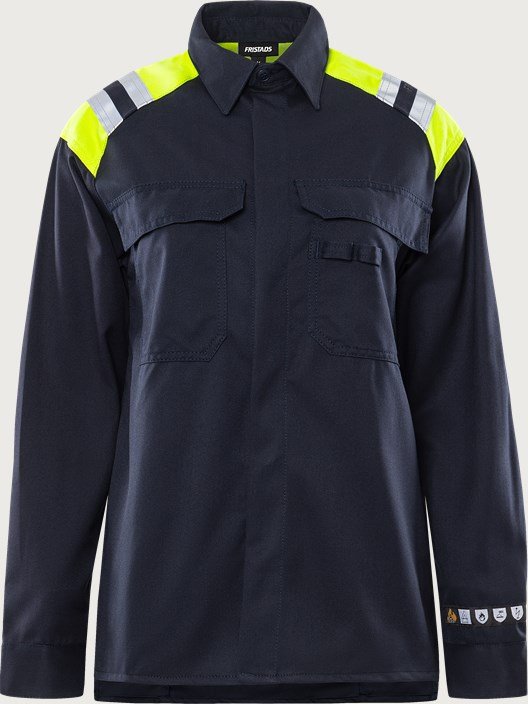
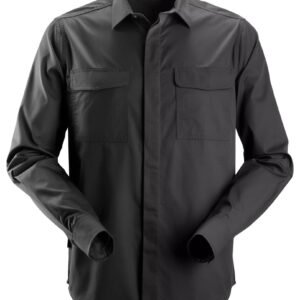
Work shirts for supervisors, operators and maintenance crews, developed in long- or short-sleeve formats with specified fabric composition, pocket layouts, closures and branding. Reinforced seams, bartacks and reflective trim placement can be built into the approved design.
Request a Workwear Quote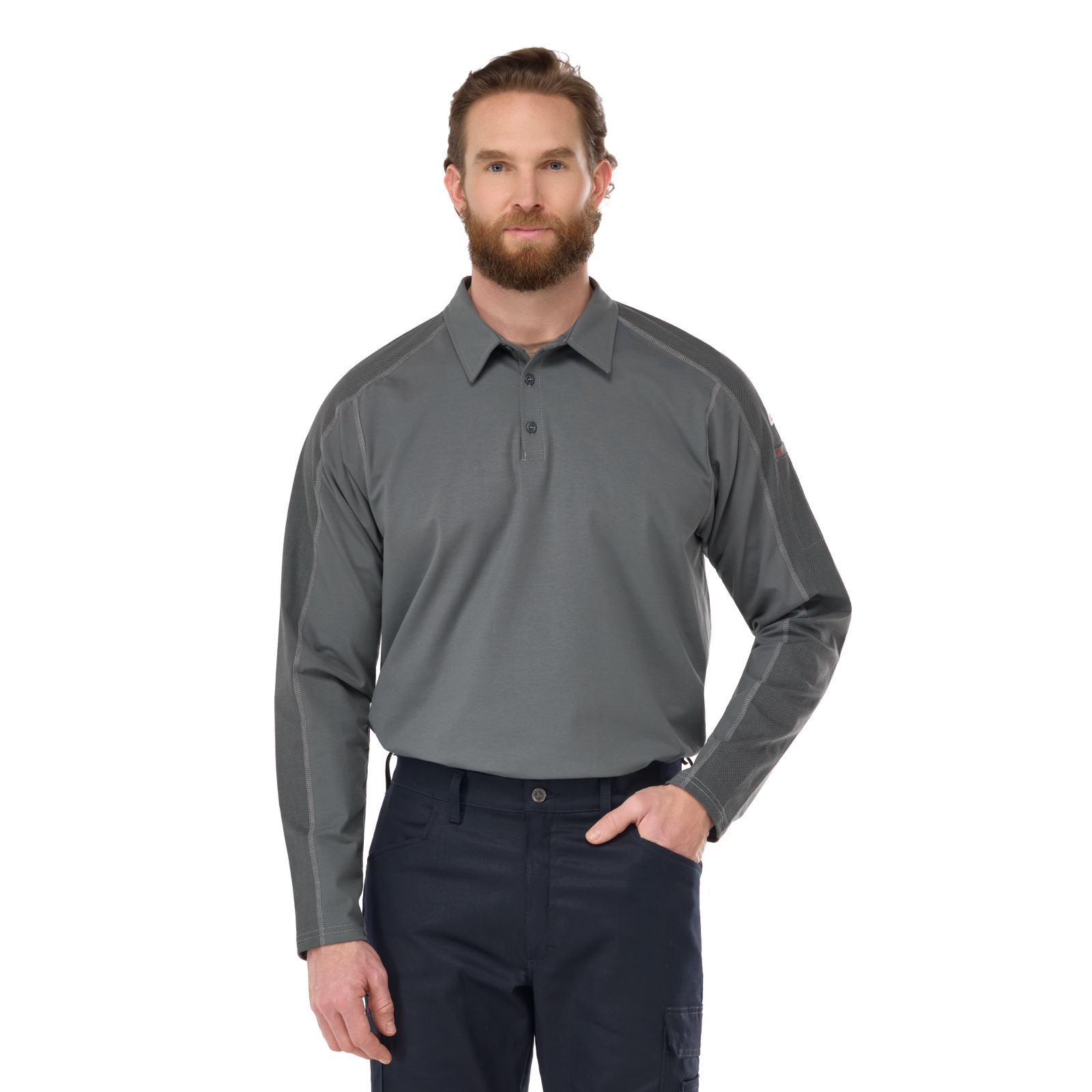
T-Shirts & Polos
T-shirts and polos provide lighter uniform layers for site offices, transport teams and warmer work areas. Specify knit construction, color blocking, collar style, sleeve details, logo application and size grading to align with the wider crew uniform program.
Request a Workwear Quote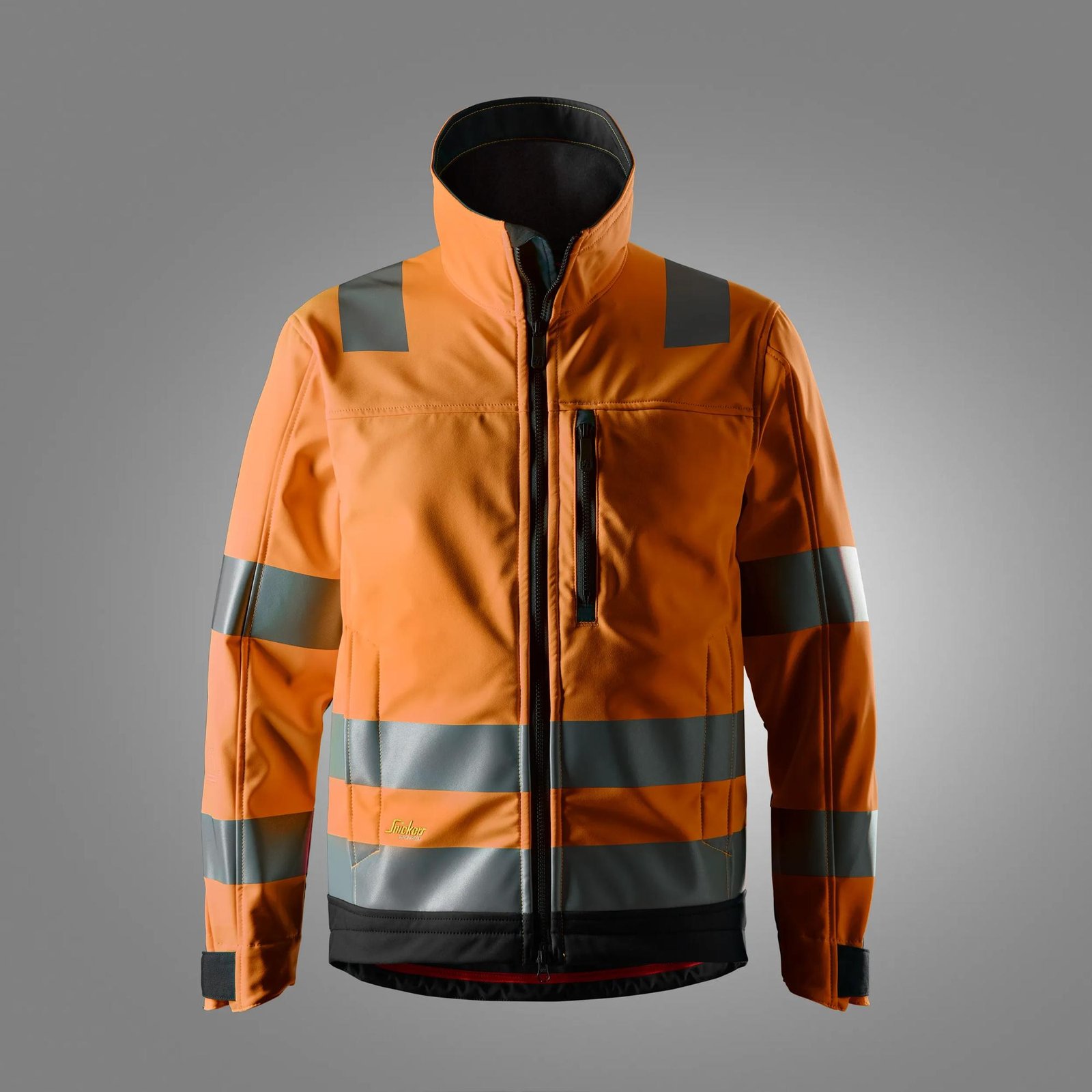
Work Jackets & Outerwear
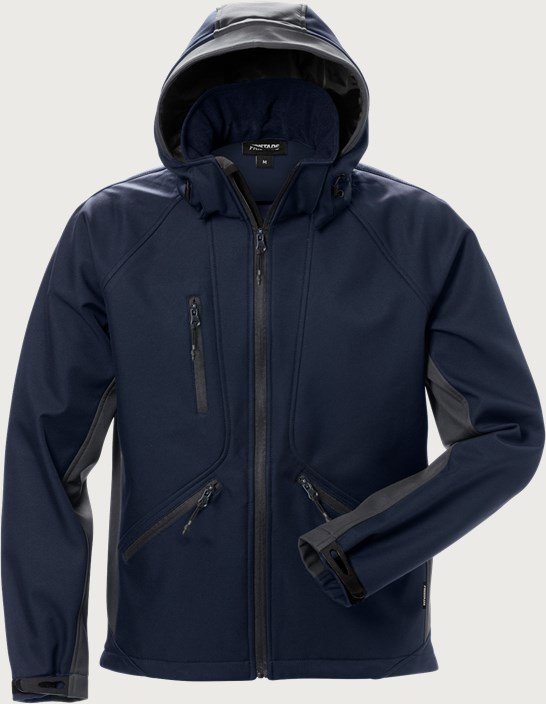
Outerwear development covers softshell, fleece, padded and rain jackets for changing mine-site weather. Buyers can define shell and lining choices, weather-protection features, pocket systems, hood construction, reinforcement areas, reflective details and private-label finishing.
Request a Workwear Quote
Work Vests & Bodywarmers
Vests and bodywarmers add adaptable warmth or utility without restricting arm movement. Designs can include fleece, padded or softshell constructions, zipped or snap closures, chest and utility pockets, contrast panels, reflective placement and custom labels for layered crew uniforms.
Request a Workwear Quote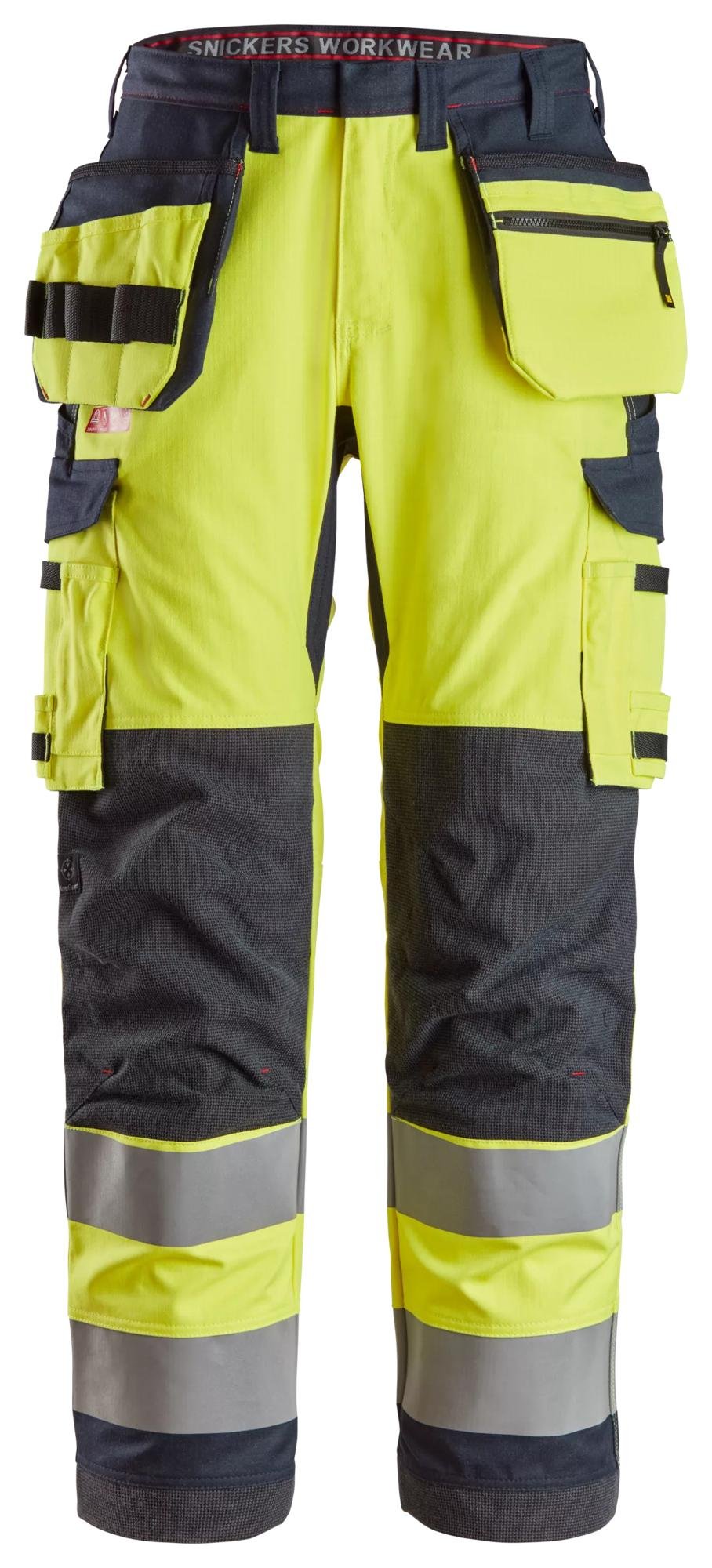
Work Pants & Shorts
Work pants and shorts can be developed with cargo pockets, tool-storage arrangements, reinforced knees, gussets, bartacks and triple stitching where specified. Fabric selection, waistband construction, inseam range, color and branding are tailored to the intended task and climate.
Request a Workwear Quote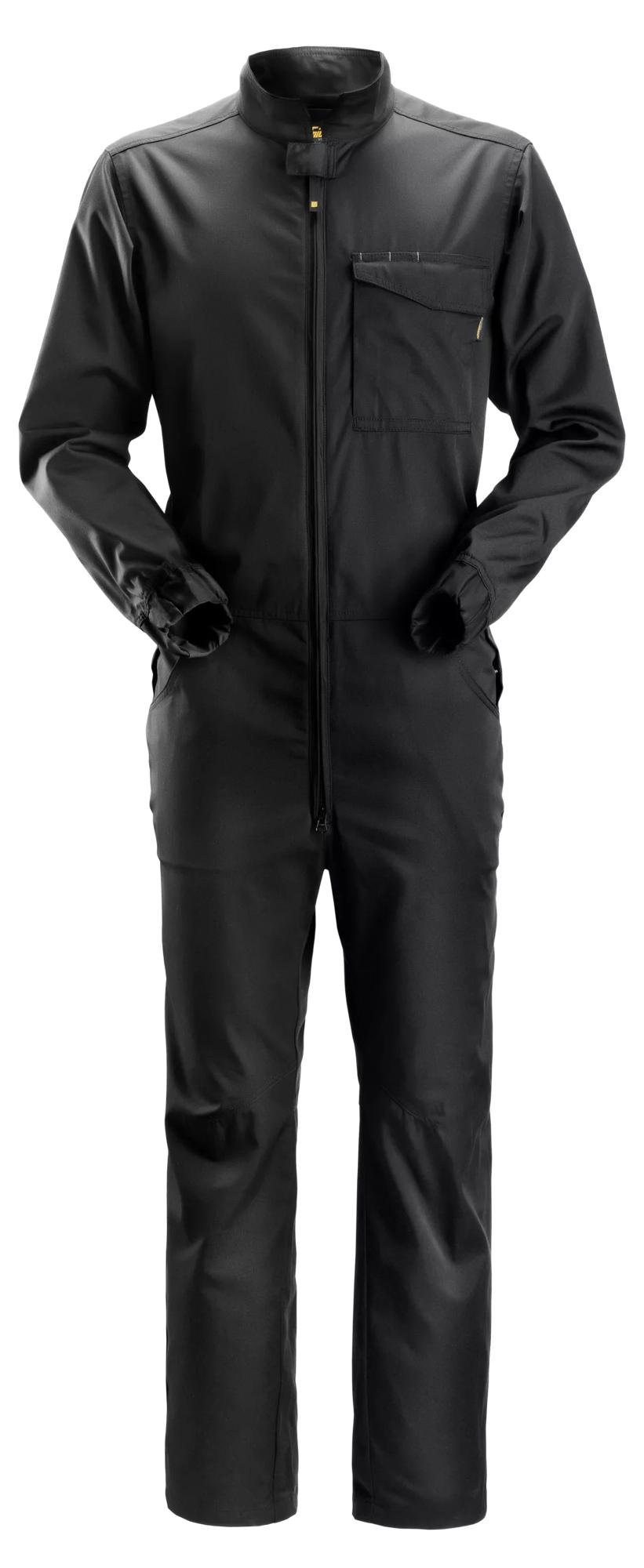
Coveralls & Bib Overalls
Coveralls, bib overalls and two-piece work suits support coordinated protection and practical storage for maintenance, field and workshop roles. Development may include pocket configurations, adjustable straps, reinforced stress points, closures, reflective details and sizing for work-layer compatibility.
Request a Workwear Quote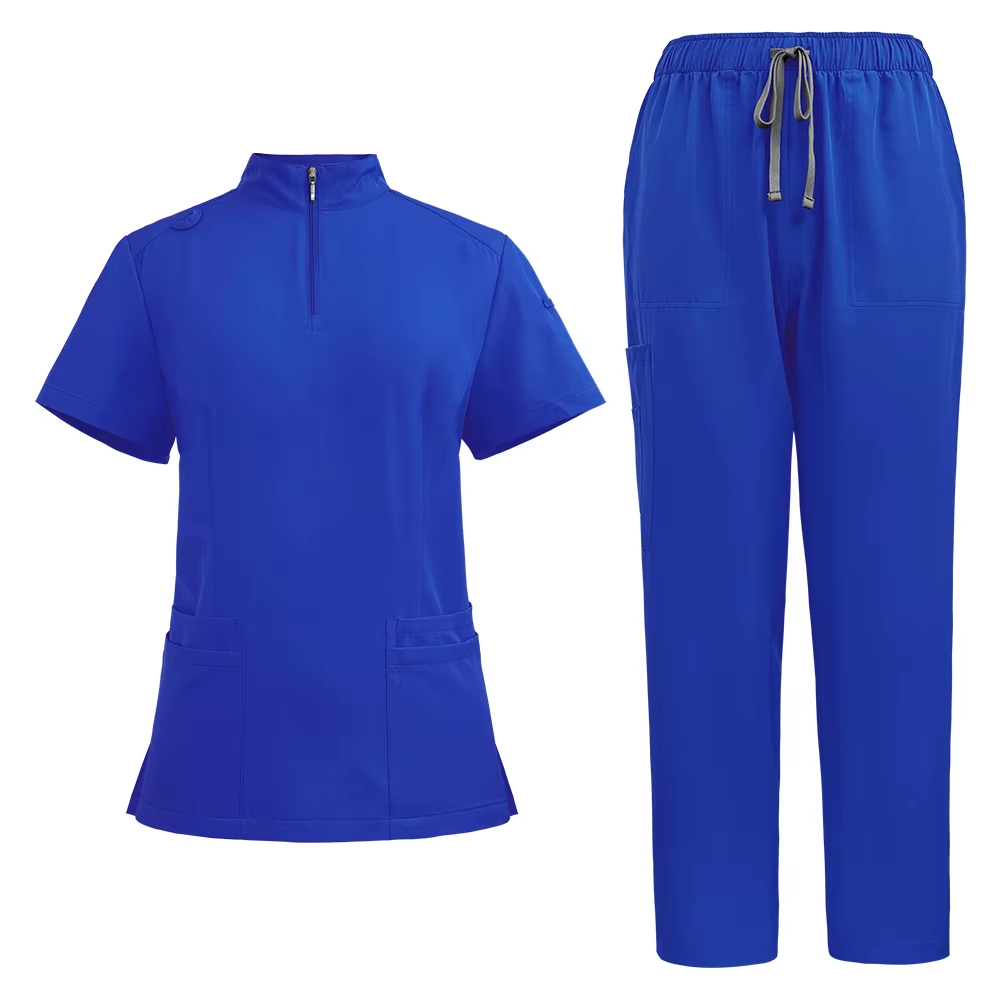
Workwear Sets
Matched workwear sets create a consistent crew appearance across shirts, jackets and pants. Select coordinated fabrics and colors, then define role-specific pockets, reinforcement, decoration and labels while maintaining shared sizing, fit and branding requirements across the program.
Request a Workwear Quote
High-Visibility Workwear
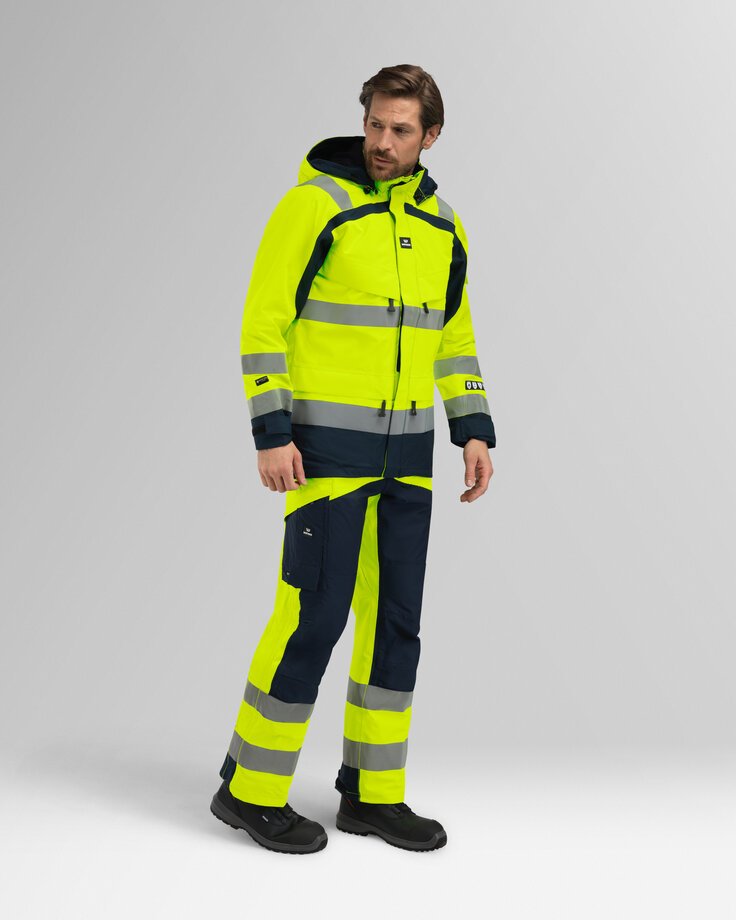
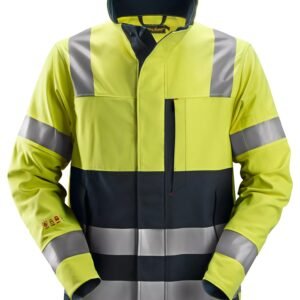
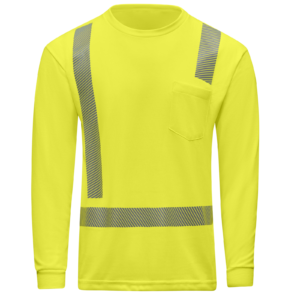
High-visibility garments can be developed as shirts, vests, jackets, trousers, coveralls or coordinated sets with specified reflective tape layouts and contrast panels. Required standards, test scope and certificate requirements must be provided before any performance claim is made.
Request a Workwear Quote
Flame-Resistant & Arc-Rated Wear
Flame-resistant and arc-rated garment development begins with the required standard, test documentation and protection scope. Veelianpro can discuss suitable garment families, construction, closures, reinforcement and branding, but ratings are only represented when supported by SKU-specific evidence.
Request a Workwear Quote
Chemical-Protective Clothing
Chemical-protective clothing is developed around the stated exposure scenario, required standard and documented performance target. Garment format, material system, seam construction, closures and coverage areas should be defined during feasibility review; no chemical resistance claim is assumed without evidence.
Request a Workwear Quote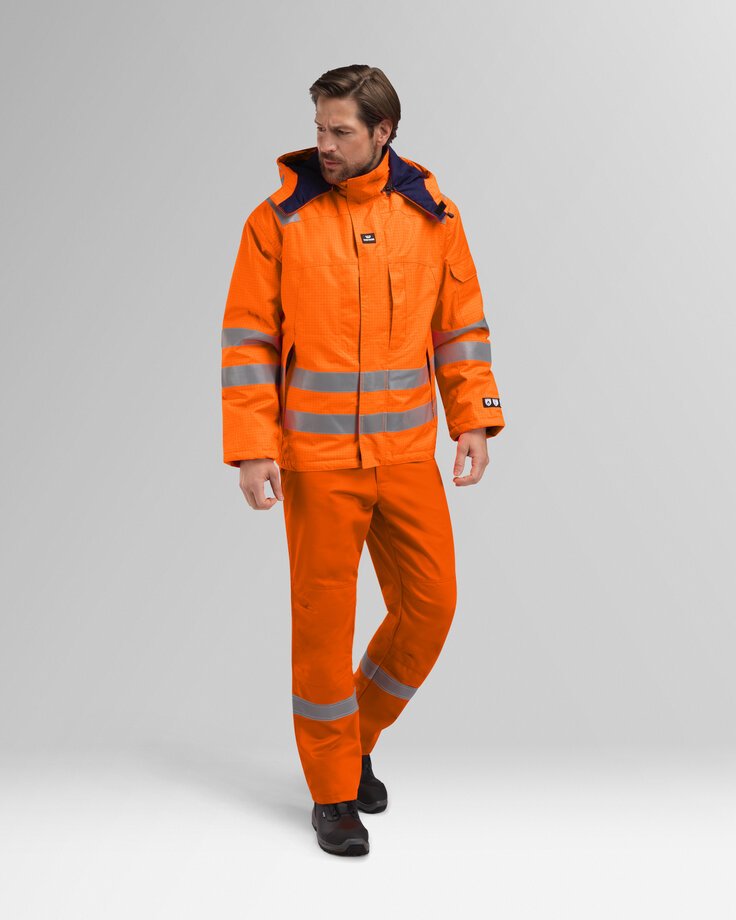
Cold-Storage Workwear
Cold-storage workwear includes insulated jackets, pants, bib overalls and layered systems for low-temperature operations. Specify the working environment, desired mobility, insulation and lining approach, hood and closure details, pocket needs and any required documented protection criteria.
Request a Workwear Quote
Welding Workwear
Welding workwear can include jackets, trousers, coveralls, aprons and related protective layers designed around the welding task and required standard. Buyers may specify durable construction, reinforced areas, closure preferences, pocket placement and branding; protective claims require applicable test evidence.
Request a Workwear Quote
Medical & Cleanroom Wear
Medical and cleanroom garment families include scrubs, coats and controlled-environment apparel developed to the required use case. Fabric, closures, pocket configuration, color coding, size range and labeling can be customized, while cleanliness, ESD or barrier claims require defined evidence.
Request a Workwear Quote
Chef & Hospitality Uniforms
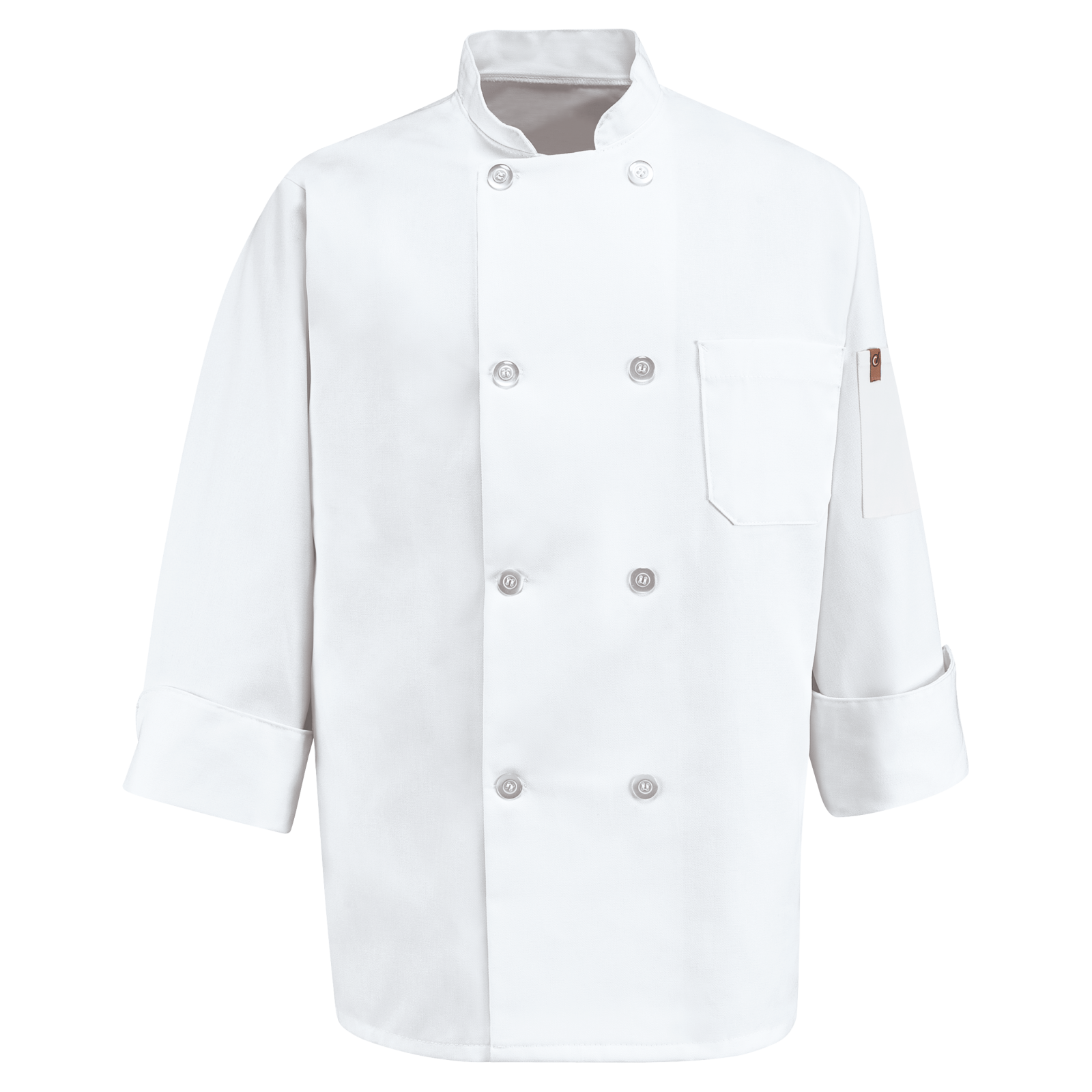
Chef and hospitality uniforms cover chef coats, kitchen shirts, aprons, service polos, trousers and front-of-house apparel. Develop coordinated colorways, fabric preferences, practical pocket details, closure styles, embroidery or patches, woven labels and custom packaging for each role.
Request a Workwear Quote
Industry Uniforms
Industry uniforms combine practical garments for industrial, logistics, service and site teams, including shirts, polos, pants, jackets, vests and coveralls. Programs can be differentiated by department colors, role-specific construction, branding method, sizing and destination-market packing requirements.
Request a Workwear Quote
Base Layers & Accessories
Base layers and accessories complete a crew apparel program with items such as thermal layers, caps, neckwear, belts and related branded components. Define fabric and construction according to the intended environment, then coordinate colors, labeling, decoration and packaging with the main uniform range.
Request a Workwear QuoteMaterials for a Surface Mining Workwear Manufacturer Program




Surface Mining Workwear Manufacturer Decoration Processes



Surface Mining Workwear Manufacturer Trims and Accessories


About Veelianpro, an OEM Workwear Manufacturer in Wuhan
Hubei Veelianpro Workwear Co., Ltd. is a Wuhan-based custom workwear manufacturer whose company profile states the operation began in 2012. Its mission is to help workwear brands, safety distributors, uniform buyers and enterprise sourcing teams turn practical garment requirements into dependable industrial, safety and service apparel through OEM, ODM, private-label and wholesale programs.
The company profile reports a team of more than 300 skilled workers. Veelianpro supports the process from fabric and trim sourcing, pattern development and sampling through grading, cutting, sewing, reinforcement, decoration, quality checks and export coordination. MOQ starts at 100 pieces per style and color, subject to fabric, certification and construction requirements, while protection claims remain tied to SKU-specific evidence.

Core Capabilities of a Surface Mining Workwear Manufacturer
Review the Technical Brief
Veelianpro starts with your tech pack, sketch, sample or product idea. Our team reviews garment purpose, work zones, fabric direction, branding, sizing and quantity so the development plan reflects your surface mining crew and procurement requirements.
- Tech-pack, sketch and sample review
- Fabric, trim and color coordination
- Garment construction and branding planning
- MOQ from 100 pieces per style and color, subject to requirements

Develop Patterns for Consistent Fit
Pattern development and size grading translate the approved concept into production-ready specifications. Veelianpro can refine fit, pocket placement, movement allowance and department sizing, helping buyers establish repeatable garments for crews, private-label ranges and future reorders.
- Production pattern development
- Size grading across the approved range
- Movement and storage considerations
- Repeatable specifications for reorder control

Build for High-Wear Operations
Surface mining garments can be developed around abrasion, dust, equipment interaction and long shifts. Specify reinforced knees, elbows and pocket areas, bartacks, gussets, triple stitching, reflective layouts and weather protection according to the identified task and work environment.
- Reinforced high-wear zones
- Bartacks, gussets and triple-stitch options
- Reflective tape placement by work area
- Construction matched to the requested use case

Sample, Inspect and Coordinate
Before bulk production, Veelianpro supports sampling, approval updates, quality checks, packing and export coordination. Buyers can confirm fit, construction, decoration, labels and packaging, then align the shipment with destination, timeline and repeat-order documentation.
- Pre-production sample development
- Inspection against approved specifications
- Embroidery, printing, labels and packaging
- Packing and export coordination for B2B orders

Surface Mining Workwear Manufacturer: Compare Supply Routes
Compare custom surface-mining workwear development with a defined off-the-shelf route: purchasing an existing garment, then adding decoration. Veelianpro’s stated starting MOQ is 100 pieces per style and color, subject to fabric, certification, and construction requirements.
← Swipe left or right to view →
Surface Mining Workwear Manufacturer Production Process
As a surface mining workwear manufacturer, Veelianpro builds each program from your tech pack, sketch, sample or product idea. OEM, ODM, private-label and wholesale projects can start at 100 pieces per style and color, subject to fabric, construction, certification and project requirements confirmed before quotation.
Review Your Requirements
Share your garment type, work setting, fabric goals, size range, colors, branding, quantity, destination, timeline and any required standards for feasibility review.
Develop and Sample
Veelianpro confirms construction details, sources suitable fabrics and trims, develops patterns, and prepares samples so fit, visibility layouts, reinforcement and branding can be reviewed.
Cut and Build
After approval, graded patterns move through cutting, sewing, reinforcement, decoration and finishing, with pocket systems, bartacks, labels and packaging matched to your specification.
Check Quality Details
Quality checks verify workmanship, measurements, materials, decoration and order details; protection claims remain tied to the selected garment’s documented test evidence and certification scope.
Ship and Support Reorders
Veelianpro coordinates packing and export shipment, records approved specifications for repeat orders, and supports reorder discussions as your surface mining workwear program expands.
How to Work With a Surface Mining Workwear Manufacturer
Veelianpro turns your surface mining workwear concept into a production-ready program through specification review, sampling, quotation, and controlled manufacturing. OEM, ODM, private-label, and wholesale projects can start from 100 pieces per style and color, subject to fabric, certification, construction, and project requirements.
Share Your Workwear Brief
Send a tech pack, sketch, sample, or concept with garment types, work zones, quantities, branding, destination, and target timeline for review.
Confirm the Specification
We review fabrics, fit, sizing, reinforcement, reflective layouts, trims, protection requirements, and documentation needs before developing a practical production specification.
Approve the Sample
Veelianpro develops patterns, samples, size grading, and branding details; you assess construction, comfort, appearance, and required revisions before quotation and approval.
Confirm and Produce
After order confirmation, we coordinate materials, bulk cutting, sewing, decoration, quality checks, packing, inspection, and export shipping against the approved specifications.
Certification Requirements and Product Documentation


Surface Mining Workwear Manufacturer Scenarios
Illustrative scenario: A safety distributor develops a high-visibility shirt and cargo-trouser program for mobile-equipment crews. Veelianpro reviews color, reflective-tape placement, pocket layout, size grading, and reinforced wear areas. Acceptance criteria: buyer-approved sample, measurements, and required visibility documentation.
Illustrative scenario: An enterprise sourcing team separates garments for haul-road crews and maintenance personnel instead of using one sitewide specification. Veelianpro develops role-specific coveralls, shirts, trousers, and weather layers. Acceptance criteria: approved fabric, construction details, branding placement, and SKU-specific protective evidence where required.
Illustrative scenario: A private-label workwear brand prepares a pilot surface-mining collection from a sketch and reference sample. Veelianpro converts requirements into patterns, samples, labels, and export packing details. Acceptance criteria: approved fit range, reinforcement points, decoration method, and a feasible MOQ from 100 pieces per style and color.
Surface Mining Workwear Manufacturer FAQ
Direct answers for buyers planning custom surface mining uniforms, private-label programs and repeat crew orders.
What MOQ does a surface mining workwear manufacturer require?
Can a surface mining workwear manufacturer develop garments for specific work zones?
Which garments can a surface mining workwear manufacturer produce?
How does sampling work, and is the sampling cost included?
Can I use private-label branding for a surface mining workwear manufacturer program?
How are sizing and repeat orders controlled for mining crews?
How should reflective layouts and protection requirements be specified?
What payment, shipping and lead-time details should I confirm before ordering?
Surface Mining Workwear Manufacturer: A Complete Buyer’s Guide
Use a practical framework to specify surface-mining garments by work zone, visibility, durability, fit, and branding needs—while comparing manufacturer capabilities, preventing costly specification gaps, and building a quote-ready sourcing brief.
1. What a Surface Mining Workwear Manufacturer Does
A surface-mining workwear manufacturer turns a site program into repeatable garment specifications for work shirts, cargo trousers, coveralls, jackets, and weather layers. Start with the work zone and role: haul roads and loading areas may need a defined visibility specification, while drilling, dust-control, changing-weather, and equipment-maintenance tasks can require different functions within the same crew.
A uniform appearance and basic utility do not establish protective suitability. The buyer should identify the exposure, destination-site requirement, movement, storage, wear points, and required documentation for each applicable style. A reflective layout or protective claim must be supported by the selected fabric system, complete garment construction, labels, and applicable product-specific evidence; surface-mine programs should be specified by task rather than treated as one universal clothing requirement.
For sourcing, Veelianpro develops custom industrial and service apparel from a tech pack, sketch, sample, or product idea, coordinating fabric and trim sourcing, pattern development, sampling, size grading, sewing, reinforcement, decoration, packing, and export coordination. The company profile states a starting MOQ of 100 pieces per style and color, subject to fabric, certification, and construction requirements. Provide the work setting, garment mix, visibility or protection requirement, branding, size range, quantity, destination, and timeline when requesting a Workwear Quote.
2. Map Requirements by Role and Work Zone
A haul-road spotter, a shovel operator, and a field-maintenance technician may work on the same site yet need different garment systems. Mobile-equipment proximity can shape visibility requirements, while crawling, climbing, dust, rain, wind, heat, and carried tools affect reinforcement, layers, mobility, and pocket layout.
Translate those conditions into a role-and-zone matrix before selecting garments. A practical program may use work shirts and trousers for routine field work, weather layers for exposed shifts, and role-specific coveralls or storage configurations where the task warrants them. A cargo-pocket arrangement useful for inspection tools may be obstructive or unnecessary in another role; gussets, reinforced knees, bartacks, and triple stitching should follow observed wear patterns and movement needs rather than be added indiscriminately.
Protective performance is a separate specification track. The task assessment, destination-site rules, identified exposure, garment design, and required documentation determine whether high-visibility, flame-resistant, arc-rated, chemical-protective, or other performance is needed. An FR or high-visibility label alone does not establish suitability for every crew. For a custom program, provide the work zones, job tasks, required standard or evidence, garment mix, and branding brief so Veelianpro can develop the specification without turning an unverified design target into a protection claim.
3. Surface Mining Workwear Manufacturer Product Types
A surface crew rarely needs one garment for every job. Build a coordinated range around exposure, mobility, storage needs, and layer changes, then keep colors, identification, and sizing consistent across the program.
| Garment Format | Best Use | Main Trade-Off |
|---|---|---|
| Shirt and cargo trousers | General surface crews | Flexible layering versus separated items |
| Coveralls | Dirty maintenance tasks | Continuous coverage versus heat management |
| Hi-vis outerwear | Mobile-equipment zones | Visibility layer versus added bulk |
| Rain or insulated layer | Changing weather | Weather comfort versus mobility |
Shirts And Cargo Trousers
Work shirts suit operators and supervisors who need ventilation and easy layer changes. Cargo trousers add tool and document storage, but overloaded pockets can restrict climbing and vehicle seating.
Use matching shirts and trousers as the base issue for general pit, haul-road, and dispatch roles; specify pocket positions around actual carried items.
Coveralls For Dirty Tasks
Coveralls create a continuous outer layer for dusty, greasy, or short-duration maintenance tasks. They simplify dressing but can be less convenient for heat management and rest-break changes.
Assign them to maintenance crews or task-specific issue, with the same crew color and identification system as separate garments.
High Visibility Outerwear
Hi-vis vests and jackets make an outer identification layer for workers near mobile equipment or low-light travelways. A vest preserves arm movement; a jacket adds weather coverage but changes the layering plan.
Reflective tape placement and any required standard must be defined for the finished garment and documented scope, not assumed from color alone.
Weather And Maintenance Layers
Rain, softshell, fleece, and padded jackets let crews adjust to wind, precipitation, and temperature shifts. Bulkier insulation improves warmth but can reduce reach and fit under other protective layers.
For electrical, welding, chemical, or other maintenance exposure, develop a separate role garment only against the applicable hazard specification and evidence requirement.
4. Materials and Technical Options for Surface Work
Surface workwear materials should follow the crew’s exposure map: abrasive rock and equipment contact, heat and dust, rain and wind, or mobile-equipment travelways. A fabric choice sets the design direction; it does not by itself prove a complete garment meets a required protective standard.
| Option | Practical Benefit | Limitation | Suitable Work Condition |
|---|---|---|---|
| Reinforced contact areas | Targets wear at specified high-contact points | Needs a mapped exposure area | Maintenance and equipment-contact tasks |
| Layered weather garments | Lets crews adapt across changing conditions | Layers must work together | Wind, rain, and temperature shifts |
| Hi-vis color and reflective layout | Supports visibility design around equipment | Requires site-specific specification | Haul roads and low-light travelways |
| Documented protective material system | Can be developed to a stated requirement | Material alone proves no rating | Tasks with defined protective requirements |
Match Fabric To Abrasion

For drill, maintenance, and loading crews, specify where abrasion occurs before choosing the base fabric: knees, seat, elbows, pocket edges, or tool-contact panels. Veelianpro can develop reinforced knees, pocket systems, bartacks, triple stitching, and gussets around that map.
Do not treat a heavier-feeling fabric as automatic durability. Ask to review the intended composition, construction, reinforcement placement, and sample after the actual tasks and laundering plan are defined.
Build Weather And Heat Layers
Separate work shirts, trousers, softshells, fleece, padded jackets, and rain jackets let crews adjust to changing surface conditions without making one garment serve every season. Breathability is a wearability decision, while weather protection depends on the selected material system and finished garment design.
State whether outer layers must accommodate high-visibility panels, radio access, or branding. Confirm overlap, closure, and pocket access in the sample rather than assuming separate layers work together.
Specify Visibility And Protective Evidence
Choose visibility color and reflective-tape placement for the travelways, equipment interaction, and site rule—not as a decorative trim choice. Submit the applicable standard and required test or certificate when requesting high-visibility, flame-resistant, arc-rated, chemical-protective, ESD, or other task-specific garments.
Material names and tape layouts are not compliance evidence. Any final claim must match the selected fabric system, complete construction, labels, and product-specific documentation.
5. Customization for Crew Identification and Reorders
Crew identification works only when logos, color blocking, reflective elements, labels, and garment panels are specified as one system. Veelianpro can develop these details from a tech pack, sketch, sample, or product idea before sampling and bulk production.
| Specification Element | Initial Order Record | Reorder Control |
|---|---|---|
| Size grading | Base size and graded size range | Approved measurement chart revision |
| Care information | Fiber, care, and required warning text | Locked label artwork and placement |
| Packaging | Fold, bag, carton, and assortment instructions | Carton marks and ratio by size |
Plan Logos Around Garment Panels
Place chest, sleeve, back, or pocket branding on the approved pattern, not on a generic artwork sheet. Embroidery, screen printing, heat transfer, patches, and woven labels each need a defined location, dimensions, artwork version, and panel material.
Decoration must not be assumed compatible with a protective design. Where a protective performance or reflective layout is required, define the applicable standard, test evidence, and approved decoration method for the complete garment specification.
Separate Crews Without Confusion
Department identification can use garment color blocks, role patches, back prints, or label codes; choose one primary cue that remains readable in the working environment. Record placement on front, back, and side views so a loader operator, maintenance crew, and visitor program do not drift between orders.
Reflective tape should be mapped with pockets, seams, zippers, and logo zones before the pattern is finalized. A late logo move can force a panel redesign or compromise the intended visibility layout.
Control Reorder Specifications
A repeat-order file should lock the style code, approved sample, fabric and trim references, color, decoration artwork, grading rule, care-label text, packing method, and destination marks. Use the same controlled record to identify approved substitutions, artwork revisions, and any requirements that need to be reconfirmed before a reorder.
Illustrative procurement scenario, not a client result: A distributor finds that regional replenishment orders are using inconsistent crew-role files. The proposed solution is one controlled specification sheet and change log for each role. Intended acceptance criteria are matching style codes, approved measurement charts, current artwork versions, and written confirmation of any approved change before quantities are released.
6. Construction Details for Surface-Mine Wear Points
Abrasion seldom defeats a garment at one dramatic point; it opens seams, wears pocket edges, and weakens repeatedly flexed panels. A surface mining workwear manufacturer should turn those observed wear locations into construction instructions that can be checked on the development sample.
| Construction Choice | Failure It Addresses | Sample Check |
|---|---|---|
| Bartacks at stress points | Pocket-corner or seam opening | Confirm each marked location |
| Knee reinforcement panel | Abrasion during kneeling | Squat and kneel trial |
| Specified pocket closure | Snagging or lost contents | Operate while wearing gloves |
Seams And Stress Points

A pocket corner, crotch junction, and side-seam opening concentrate pulling force when crews climb, squat, or carry tools. Specify bartacks at identified stress points and consider triple stitching where the construction and fabric allow it.
Inspect the sample inside out: stitch continuity, seam allowance capture, and the start and finish of reinforcement matter as much as the visible seam. Ask for changes where a seam crosses a high-flex or abrasion contact area.
- Mark bartack locations on the tech pack
- Check crotch and pocket junctions
- Review seams after movement trials
Reinforcement And Movement
Knees and elbows wear quickly when workers kneel beside equipment or brace against abrasive surfaces. Reinforcement panels can add protection at those zones, but their shape and seam placement must still permit bending.
For cargo trousers, have the wearer squat, step up, and kneel in the sample. A panel that pulls behind the knee, or a poorly placed gusset, can restrict movement before production begins.
Pockets And Closures
Useful storage becomes a snag risk when pockets project into equipment contact zones or closures cannot be operated with work gloves. Define what must be carried, where it is accessed, and whether a flap, zipper, or other closure suits that task.
Place frequently used storage within reach without forcing the wearer to twist or unfasten a layer. Check that pocket openings, closure pulls, and flap edges remain usable after the garment is worn and loaded.
7. Choosing a Surface Mining Workwear Manufacturer
A capable surface mining workwear manufacturer turns the site map into distinct garment specifications, rather than offering one generic uniform. Evaluate the manufacturer’s development controls before judging a catalog image or a protective claim.
| Quote Item | Evidence To Include | Conditional Item |
|---|---|---|
| Base garment | Style, size range, fabric, construction | Final fabric availability |
| Branding | Method, artwork reference, label and packaging | Artwork approval |
| Protective claim | Required standard and requested documentation | Finished-garment test scope |
Map Roles And Work Zones
Start with role, work zone, weather exposure, mobile-equipment proximity, movement demands, and storage needs. Haul-road crews, maintenance personnel, and supervisors may require different garment combinations.
Send this matrix with the inquiry so each design target is traceable to a task. Protective requirements must identify the applicable standard and requested evidence.
- Role and work-zone matrix
- Garment and layer requirements
- Destination and required standard
- Target quantity and timeline
Inspect Specification And Samples
Review the tech pack for fabric composition and weight, pocket layout, reinforcement locations, stitching, reflective-tape placement, labels, and grading. A sample should confirm how those details work together, not merely approve color.
Ask whether the approved sample, measurement chart, trim references, and decoration artwork become controlled reorder references. Veelianpro can develop from a tech pack, sketch, sample, or product idea.
Control Reorders And Claims
Private-label programs need a named style code, approved size chart, color and logo references, care-label content, packing instructions, and revision control. These records prevent a reorder from becoming a fresh interpretation of an earlier style.
Request product-specific test or certificate documentation only where a claim is required. Visibility, flame-resistant, arc-rated, weather, or chemical-protection claims remain conditional on the selected fabric system, finished garment, and documentation scope.
8. Surface-Mining Workwear Specification Mistakes
A specification fails when it describes a garment but not the work zone, task, or reorder control. Resolve these gaps before sampling so the approved style remains practical across crews and future purchase orders.
One Garment For Every Task
A single coverall or shirt-trouser set can leave weather-exposed operators, maintenance teams, and mobile-equipment crews with unsuitable layers or storage. Define garment formats by role and exposure, then specify where a shared base style is acceptable.
For protection requests, attach the destination-specific standard, hazard assessment, and required product documentation to each applicable style. A protective label alone does not establish universal protection.
Unclear Visibility Instructions
‘Hi-vis’ is not a usable production instruction: it leaves color blocking and reflective tape placement open to interpretation. Record the required garment color, tape layout, logo exclusion areas, and the work zones where visibility is needed.
Approve the layout on the sample, including front, back, and side views. Any compliance claim must match documented requirements for the selected complete garment.
Fabric Before Conditions
Choosing fabric before mapping dust, heat, rain, abrasion, and movement can produce an uncomfortable or short-lived uniform. Start with the operating conditions, shift activities, and layering needs; then compare composition, weight, and finish options.
List the intended garment family beside each condition so fabric decisions remain traceable during sampling.
Missing Reinforcement And Records
Knees, elbows, pocket edges, and high-stress seams wear differently from the garment body. Mark the actual abrasion points and specify reinforcement panels, bartacks, triple stitching, or gussets only where the task warrants them.
Incomplete size data and undocumented approvals create drift on reorders. Keep the approved measurement chart, grading, fabric and trim references, artwork, placement, labels, packaging, and sample comments in one repeat-order record.
9. Launching a Custom Surface-Mining Workwear Program
Launch with a role-by-role brief, then freeze the approved sample and production record before placing bulk quantities. A surface mining workwear manufacturer can develop from a tech pack, sketch, sample, or product idea when the work setting and required evidence are defined.
Map Roles And Work Zones
List each role, work zone, garment format, visibility layout, storage need, and weather layer. Separate haul-road crews, maintenance personnel, supervisors, and visitors when their task conditions or identification differ.
- Job role and shift pattern
- Garment type and color blocking
- Required standard and documentation
- Destination and planned delivery date
Build The Technical Brief
Turn the map into one controlled specification per style: fabric and trim choices, size range, pocket layout, reinforcement, reflective-tape placement, branding, labels, packing, and care instructions. For protective claims, include the applicable standard and required test or certificate rather than treating a design target as proof.
Review Samples And Sizing

Approve a prototype only after checking fit in working movements, pocket access, seam and reinforcement placement, artwork position, label text, and color consistency. Record every correction in the approved sample comments and final tech pack.
Worked example, not a Veelianpro result: a 48-person crew may receive 48 work shirts, 48 cargo trousers, and 12 weather jackets for exposed roles. A size rollout could be S 4, M 14, L 18, XL 9, and 2XL 3; verify it against actual wearer data.
Sign Off And Preserve Records
Confirm the production sample, artwork files, packing marks, inspection points, quantity by size, and shipment details in writing before bulk production. Final commercial conditions should be confirmed in the individual quotation against the approved specification.
Keep the approved tech pack, size breakdown, color references, decoration files, and change log under a style code. That record makes replenishment and controlled updates easier without reopening settled details.
10. Surface Mining Workwear Manufacturer Cost Drivers
A coverall, two-piece suit, or separate shirt-and-trouser program has a different material consumption, pattern, sewing, and trim requirement, so it must be quoted as a defined garment system. Protective performance requests also change sourcing and development scope; a design target is not a documented performance claim without the required test evidence and certification scope.
For a comparable Veelianpro quote, provide the garment format and work setting, fabric composition and weight, colors, size range and grading, reinforcement map, reflective-tape layout, pocket and closure details, branding method, labels, packaging, quantity by style and color, destination, timeline, and any applicable standard or required documentation. Veelianpro starts at 100 pieces per style and color, subject to fabric, certification, and construction requirements.
| Cost Driver | Likely Quote Impact | Quote Must Specify |
|---|---|---|
| Garment format and material system | Changes pattern pieces, fabric use, lining or weather-layer components, and cutting complexity. | Coverall, jacket, shirt, trousers, or two-piece suit; fabric composition, weight, color, and required performance documentation. |
| Reinforcement and reflective layout | Adds material, operations, and quality checks where knees, pockets, seams, or visibility zones require detail. | Reinforcement locations and material; tape type, width, placement drawing, and whether placement must meet a stated requirement. |
| Trims, decoration, and identification | Zippers, closures, pockets, embroidery, printing, patches, labels, and packaging each require defined inputs. | Trim specifications; logo artwork and dimensions; label content; care-label language; individual or bulk packing. |
| Quantity and size mix | Affects material allocation, grading, cutting, and packing planning. | Units by style, color, and size; initial order versus reorder; destination. |
| Sample and development scope | Pattern development, revisions, and approval samples add work before bulk production. | Tech pack, sketch, or reference sample; revision count; approval criteria; required test or certificate evidence. |
Request Your Surface Mining Workwear Manufacturer Quote
Send garment details, work setting, sizing, branding, quantity, destination, timeline and applicable standards for a tailored quote.