
Custom Agriculture Workwear from a Wuhan OEM Manufacturer
Veelianpro is a custom workwear manufacturer in China supporting OEM, ODM, private-label and wholesale agriculture uniform programs from 100 pieces per style and color, subject to project requirements.
Featured Agriculture Workwear Development

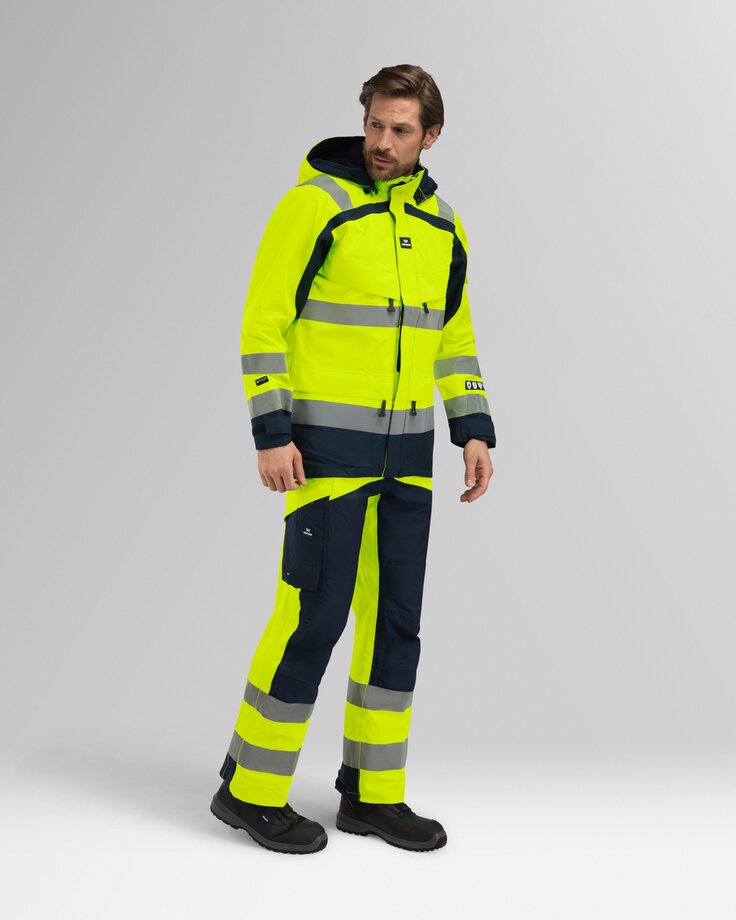


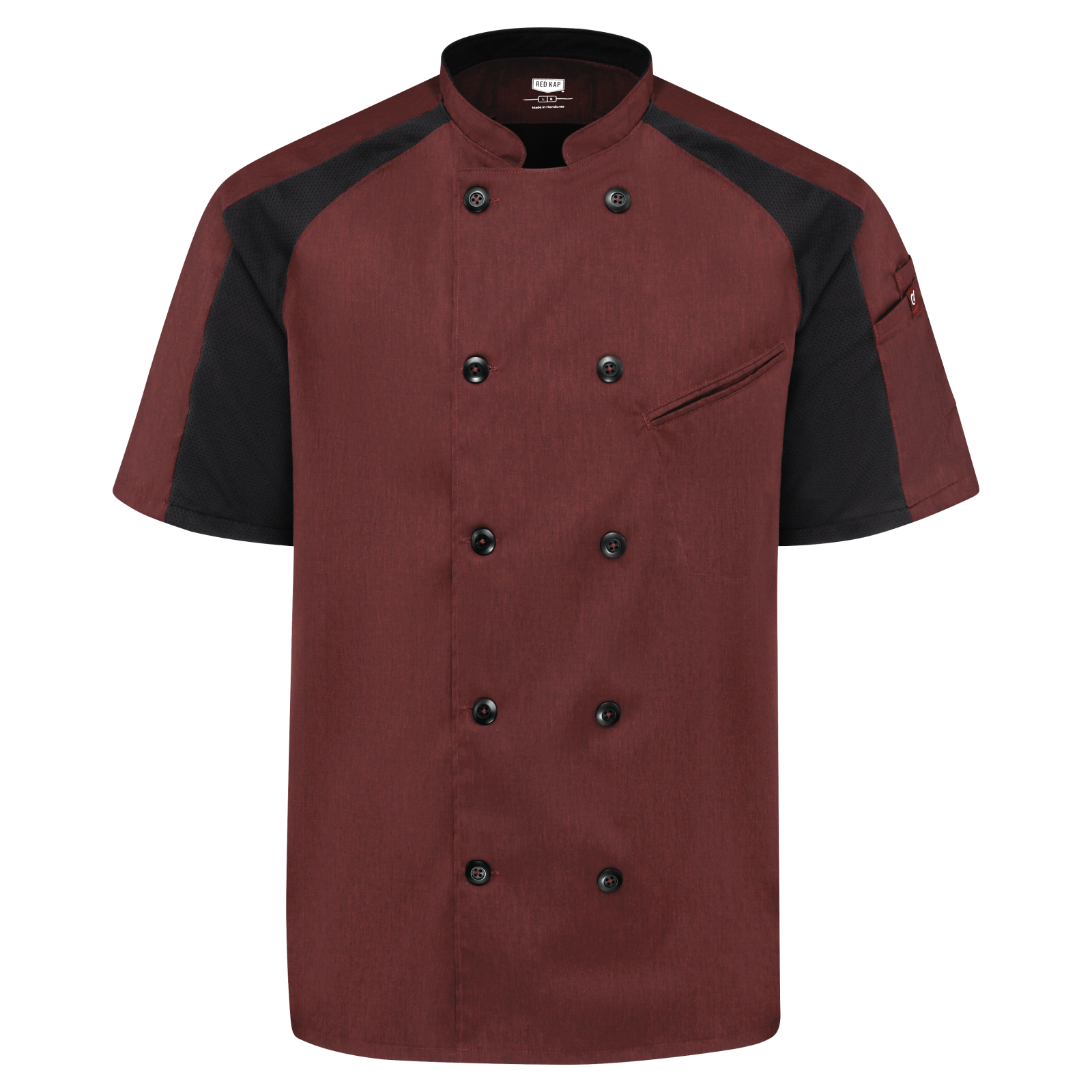


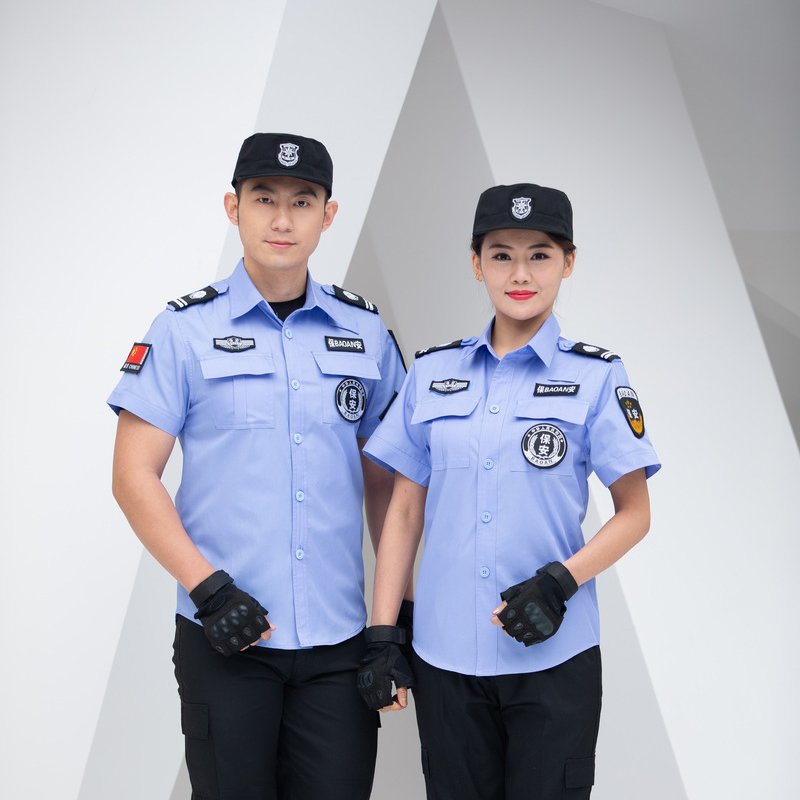
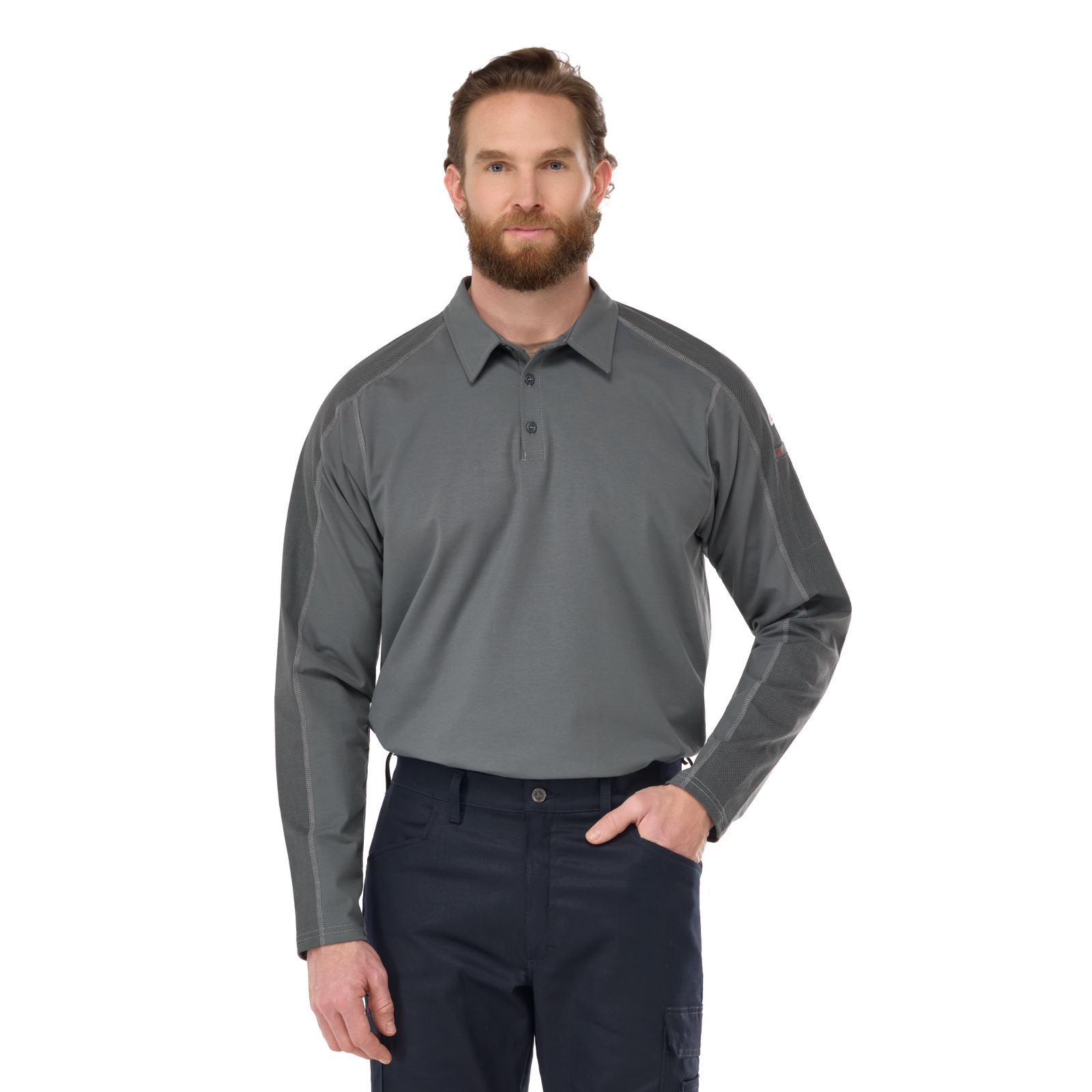
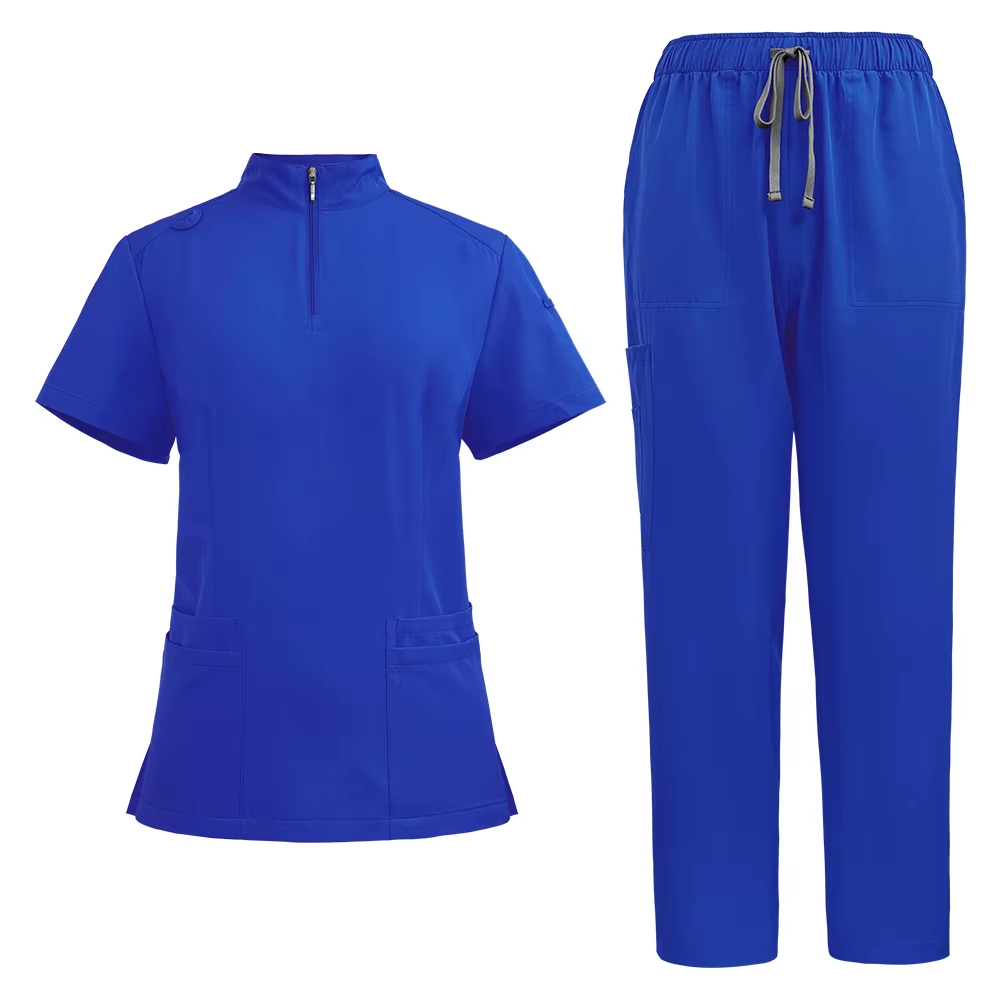
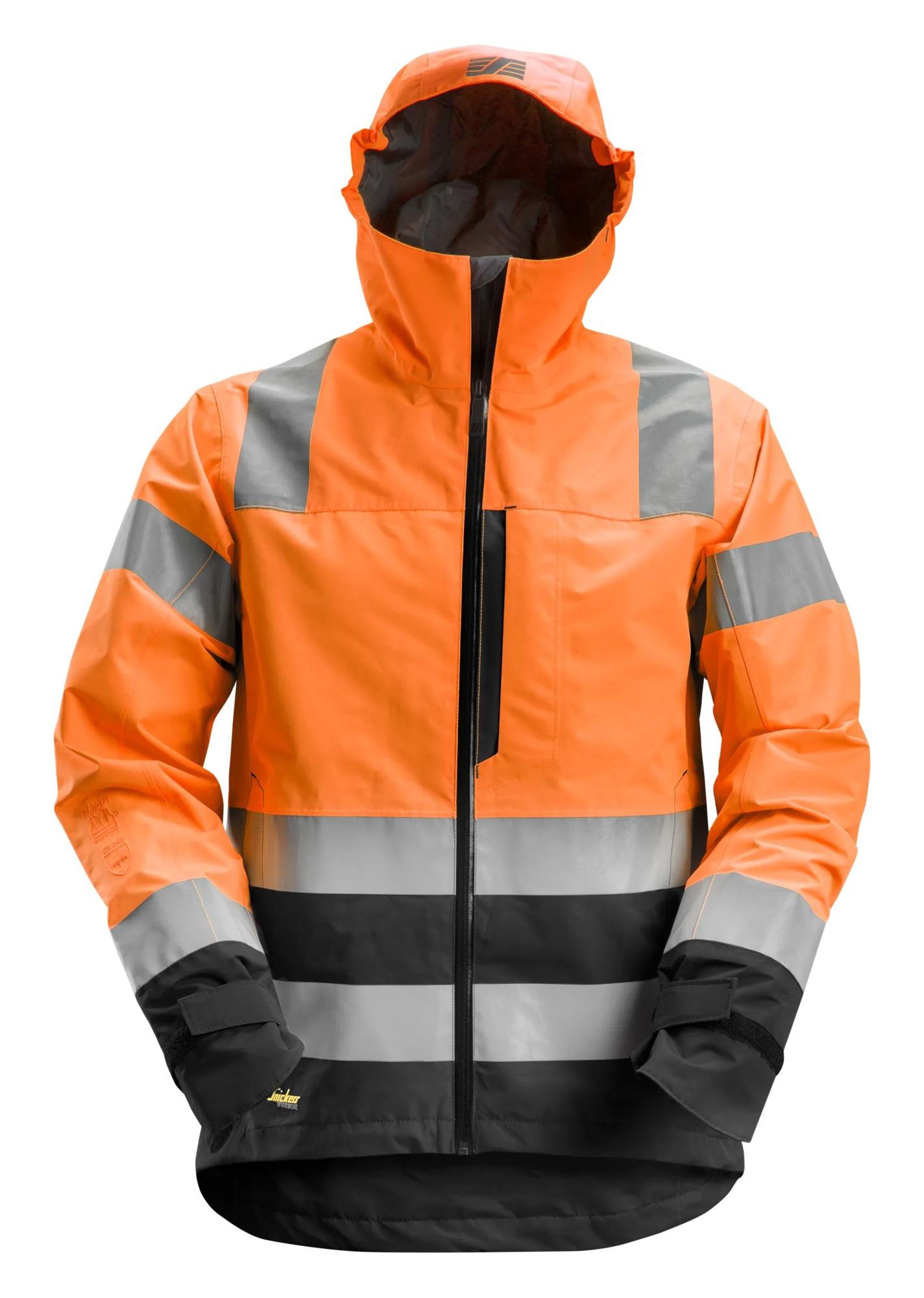

Related Product Catalogue and Quotation


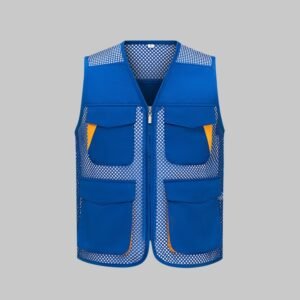

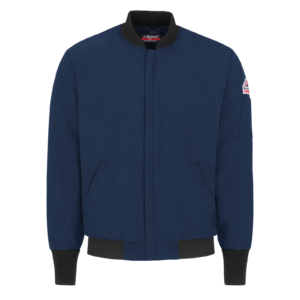
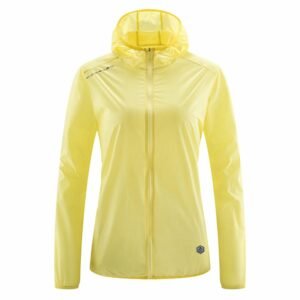


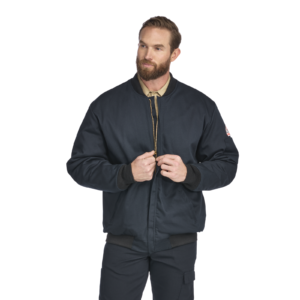

Why Choose Veelianpro for Agriculture Workwear?
Build role-specific agricultural workwear through a practical OEM, ODM, private-label, and wholesale development process.
End-to-End Development
Develop custom uniforms for agriculture teams from a tech pack, sketch, sample, or product idea through feasibility review and sampling.
Conditional 100-Piece MOQ
Start at 100 pieces per style and color, subject to fabric, certification, construction, and project requirements confirmed during quotation.
Role-Specific Garments
Adapt shirts, jackets, vests, pants, coveralls, and sets for field, livestock, greenhouse, packing, and seasonal workforce needs.
Complete Branding Support
Coordinate embroidery, screen printing, heat transfer, patches, woven labels, care labels, and custom packaging for consistent brand presentation.
Export-Ready Coordination
Manage sourcing, pattern development, grading, production, inspection, packing, and export coordination through one practical workwear partner.
Uniforms for Agriculture Teams
Custom workwear programs for field, farm and livestock operations, developed around practical movement, weather exposure and site-specific branding.

Farming Workwear
Farming workwear covers durable shirts, polos, trousers, cargo pants, coveralls and layered jackets for planting, harvesting, maintenance and equipment crews. Develop pocket layouts, reinforced stress areas, fabric choices, weather-protection details and embroidered, printed or labeled identity for the conditions your team faces.
Get a Quote
Livestock Workwear
Livestock workwear is developed for daily handling, feeding, cleaning and facility duties, with practical coveralls, work shirts, trousers, vests and outer layers. Specify mobility features, pocket systems, reinforcement, washable fabric selections, color coding and private-label trims to suit your operation’s routines.
Get a QuoteMaterials for Agriculture Workwear Programs




Decoration and Private-Label Options



Functional Details for Agriculture Workwear


Veelianpro: Wuhan, Hubei Workwear Manufacturer
Based in Wuhan, Hubei, Veelianpro Workwear is a custom workwear manufacturer in China whose workwear operation began in 2012, according to the company profile. It supports workwear brands, safety distributors, wholesalers and enterprise sourcing teams developing dependable garments for agricultural and service environments through clear specifications and practical production support.
Veelianpro supports OEM, ODM, private-label and wholesale programs from an MOQ starting at 100 pieces per style and color, subject to fabric, construction and project requirements. As an OEM workwear manufacturer, it can support private label workwear through fabric sourcing, pattern development, sampling, grading, cutting, sewing, reinforcement, decoration, quality checks, packing and export coordination.
The company profile describes a team of more than 300 skilled workers; this is a company-supplied operating figure that buyers should verify during qualification. Product development can cover custom safety workwear, high-visibility, FR and arc-rated, chemical-protective, cold-storage, welding, medical, chef and hospitality families, but any protective rating or certification remains subject to SKU-specific testing and documented evidence.

Core Capabilities for Custom Uniforms for Agriculture Teams
Interpret Your Product Brief
Veelianpro begins with your tech pack, sketch, sample, or product idea and converts the requirement into a practical development plan. For custom uniforms for agriculture teams, we review garment purpose, movement, climate exposure, branding, quantities, and timeline before sampling begins.
- Tech-pack and sketch interpretation
- Garment construction and feature review
- Role-specific fit and function planning
- OEM, ODM, and private-label support

Develop Fit Across Sizes
Our development process covers pattern creation, sample revisions, and size grading for coordinated agriculture workwear ranges. Confirm the intended size range, fit preference, garment layers, and movement requirements so shirts, trousers, jackets, vests, or coveralls remain practical across different team roles.
- Pattern development and sample fitting
- Size grading for approved ranges
- Fit review for active work
- Coordinated garments across a collection

Source Fabrics And Trims
Veelianpro can support fabric and trim selection around the intended work setting. Discuss composition, weight, hand feel, breathability, weather protection, visibility details, pocket systems, and care expectations so material choices match field, livestock, greenhouse, packing, or seasonal operations.
- Fabric and trim sourcing support
- Pocket, tape, and closure planning
- Material choices matched to work conditions
- Performance claims reviewed against evidence

Build, Brand, And Inspect
Approved designs move through cutting, sewing, reinforcement, decoration, finishing, quality checks, packing, and export coordination. We can develop details such as bartacks, reinforced knees, triple stitching, gussets, embroidery, heat transfers, woven labels, care labels, and custom packaging for consistent team presentation.
- Reinforcement and durability details
- Logo and label application options
- Inspection before packing and shipment
- Export-ready packing coordination

Custom Uniforms for Agriculture Teams: Development vs. Off-the-Shelf Decoration
Compare a purpose-built agriculture program with stocked garments customized after purchase. Starting MOQ is subject to fabric, certification and construction requirements.
← Swipe left or right to view →
Custom uniforms for agriculture teams: production process
Veelianpro develops custom uniforms for agriculture teams from a buyer’s tech pack, sketch, sample, or product idea. Our Wuhan, Hubei operation supports OEM, ODM, private-label, and wholesale programs, with MOQ starting at 100 pieces per style and color, subject to fabric, certification, construction, and project requirements.
Brief and Feasibility
Share garment types, agricultural roles, work conditions, fabric goals, size range, colors, branding, quantity, destination, timeline, and required performance evidence for review.
Materials and Pattern Work
Veelianpro evaluates fabric and trim options, develops patterns, confirms pocket systems, reinforcement, fit, reflective details, weather protection, and branding placement.
Sample and Approve
We create samples for fit, construction, decoration, and function review, then refine specifications and size grading before quotation and order confirmation.
Cut, Sew and Brand
Approved garments move through fabric cutting, sewing, bartacks, reinforcement, decoration, finishing, and custom labeling according to the confirmed production specifications.
Inspect, Ship and Reorder
Veelianpro completes quality checks, packing, and export coordination, then supports shipment follow-up and future reorders against the approved garment and branding details.
How to Order Custom uniforms for agriculture teams
Veelianpro develops custom uniforms for agriculture teams from your tech pack, sketch, sample, or product idea, with MOQ starting at 100 pieces per style and color, subject to project requirements.
Submit Your Requirements
Share garment types, work settings, fabrics, sizes, colors, branding, quantities, destination, timeline, and any required protection standards or test documentation.
Select Fabrics And Trims
Review fabric composition, weight, trims, pocket systems, reinforcement, reflective details, weather protection, and decoration options for each agricultural role.
Approve The Sample
Veelianpro develops patterns, grades sizes, and produces samples so you can evaluate fit, movement, construction, branding placement, and practical adjustments.
Confirm Your Quotation
Receive a project quotation covering specifications, MOQ, sampling, production requirements, inspection expectations, packing, shipment details, and agreed commercial terms.
Start Bulk Production
After order confirmation, Veelianpro manages cutting, sewing, reinforcement, decoration, finishing, quality checks, packing, export coordination, and reorder support.
How to Order Custom Agriculture Workwear


Custom Uniforms for Agriculture Teams: Planning Scenarios
Illustrative scenario: A farm operations buyer needs coordinated field shirts, work pants, and outer layers because crews move between early-morning outdoor work and active daytime tasks. The proposed solution is a role-based specification covering fabric options, pocket layouts, logo locations, and seasonal layers. The buyer’s intended acceptance criteria are approved sample fit, workable pocket access, correct logo placement, and documented garment assignments before bulk approval.
Illustrative scenario: A greenhouse and packing-program buyer needs separate garments because active growing areas and customer-facing packing work have different movement and presentation needs. The proposed solution is separate styles with shared color and branding rules, size grading, and pre-production samples. The buyer’s intended acceptance criteria are role-appropriate fit, approved identification placement, consistent color references, and sample review against the documented workflow requirements.
Illustrative scenario: A safety distributor needs a private-label agriculture range for varied crew assignments but has not yet separated development features from any requested protective claim. The proposed solution is to define pattern development, material and trim sourcing, reinforcement details, decoration, and packaging by style. The buyer’s intended acceptance criteria are approved samples, a traceable specification for each SKU, and exact test evidence and certification scope before any protective performance is stated.
FAQ: Custom Uniforms for Agriculture Teams
Practical answers on garment selection, sampling, production, branding, compliance and ordering from Veelianpro.
What is the MOQ for custom uniforms for agriculture teams?
Which garments suit different agricultural work roles?
How can we brand custom uniforms for agriculture teams?
How long does agricultural uniform production take?
What does sampling cost for custom agriculture uniforms?
What payment and shipping options are available?
Can Veelianpro protect our uniform designs and private-label information?
What protection documentation is needed for agricultural workwear?
Custom Uniforms for Agriculture Teams: A Procurement Guide
A practical framework for selecting role-based agriculture workwear, defining supplier quote scope, coordinating customization, and avoiding specification mistakes across field, greenhouse, barn, packing, and seasonal operations.
1. What Are Custom Uniforms for Agriculture Teams?
A field shirt, work trouser, outer layer, vest, or coverall becomes an agriculture uniform program when the pieces are specified to work together across changing duties. Rather than issuing one generic outfit, the program aligns coverage, movement, recognizable identification, and a consistent presentation for field, greenhouse, barn, packing, and landscaping teams.
The purchasing question is not simply which garment looks appropriate. It is which coordinated garment mix lets each role move, carry tools, work around soil and dust, add layers when conditions change, and remain visibly connected to the same operation through color, logo treatment, labels, or patches. A packing crew may need a different silhouette and identification arrangement from an outdoor crew, while both can share the same brand standards.
Veelianpro develops and produces custom workwear from a tech pack, sketch, sample, or product idea, including options such as work shirts, trousers, jackets, safety vests, bib overalls, coveralls, and two-piece work suits. Fabric, trims, pocket systems, reinforcement, decoration, packing, and size grading should be defined as one program specification; protective performance claims require the applicable standard and supporting test or certificate scope.
Garment supply is separate from a managed uniform service. Cleaning, repair, replacement scheduling, pickup and delivery, wearer allocation, and RFID or other tracking are operational services that must be separately sourced and contracted when required; they are not implied by ordering custom garments.
2. Build Programs Around Roles and Conditions
A single uniform style rarely suits every agricultural task. Build the garment mix from each role’s location, exposure, movement pattern, and shift timing so core identification can remain consistent while coverage changes where work changes.
| Role | Typical Conditions | Program Direction |
|---|---|---|
| Field crews | Soil, dust, changing weather, active movement | Core shirt and work trousers; task-specific outer layer |
| Greenhouse workers | Warm, humid spaces and frequent reaching | Light core garments with unrestricted movement |
| Barn or dairy teams | Moisture, soil contact, hands-on tasks | Core garments plus coverall or bib option |
| Packing personnel | Indoor handling and presentation needs | Coordinated shirt-and-trouser set |
| Supervisors | Transitions between work zones | Branded core with optional jacket |
Map Exposure Before Styles
Field crews may encounter sun, wind, soil, dust, kneeling, and repetitive reaching; shirts, work trousers, and weather layers should be specified against those actual exposures.
Greenhouse and packing work can involve different heat, humidity, cleanliness, and movement demands. Barn or dairy teams may need a separate change strategy where contact with moisture and soil is routine.
Separate Core And Task Layers
Use one recognizable core—such as a branded work shirt or polo—then add role-specific trousers, coveralls, vests, fleece, rain jackets, or bib overalls only where the task warrants them.
Supervisors moving between office, field, and loading areas often need a flexible layer system rather than the same full-coverage garment used for hands-on crews.
Illustrative Role Assignment
Illustrative procurement scenario: one grower assigns logo work shirts and trousers to field crews, adds outer layers for early starts, uses lighter core pieces for greenhouse staff, and specifies coveralls for barn tasks.
Packing personnel receive a separate, clean-looking shirt-and-trouser combination, while supervisors use the shared branded core with an optional jacket. This is a planning example, not a performance claim or customer result.
3. Types of Custom Uniforms for Agriculture Teams
Agriculture programs work best as coordinated garment systems, not one uniform for every task. Select core pieces for movement and tool access, then add coverage or visibility only where the work setting requires it.
| Garment Type | Best Fit | Main Trade-Off |
|---|---|---|
| Work shirt | Active field or packing crews | Less full-body coverage |
| Cargo work pants | Daily tools and movement | Extra pockets add bulk |
| Coverall or bib | Dirty repair or barn work | Less convenient to change |
| Outer layer | Cold or wet conditions | Must integrate with core branding |
| Visibility layer | Tasks with specified visibility needs | Requires defined compliance scope |
Work Shirts For Active Crews
Button-front work shirts, polos, and tees suit field, greenhouse, and packing roles that need easy movement and frequent temperature adjustment.
A shirt keeps identity visible while leaving access to belt-mounted tools and trouser pockets unobstructed. Specify the intended setting before choosing sleeve length and pocket layout.
Work Pants For Daily Mobility
Work trousers, cargo pants, and shorts provide the everyday lower-body base for crews moving between rows, equipment, and loading areas.
Cargo pockets can organize small tools, but oversized pocket systems add bulk and can snag. Match pocket placement to actual carried items rather than selecting every option.
Coveralls And Bib Styles
Coveralls give continuous torso-to-leg coverage for dirty barn, repair, and machinery tasks; bib overalls preserve a layered-shirt option underneath.
Use them alongside shirts rather than as a replacement when crews shift between cleaner customer-facing work and high-soil tasks. Confirm changing-room practicality and access needs before standardizing.
Outer And Visibility Layers
Softshell, fleece, padded, and rain jackets let teams add weather protection without replacing the core uniform. Choose the layer by the expected exposure, not its appearance.
Where visibility is required, define the applicable standard, placement requirement, and documentation scope before requesting reflective tape. A bright vest or tape layout is not automatically a certified high-visibility garment.
Utility Vests and Program Presentation
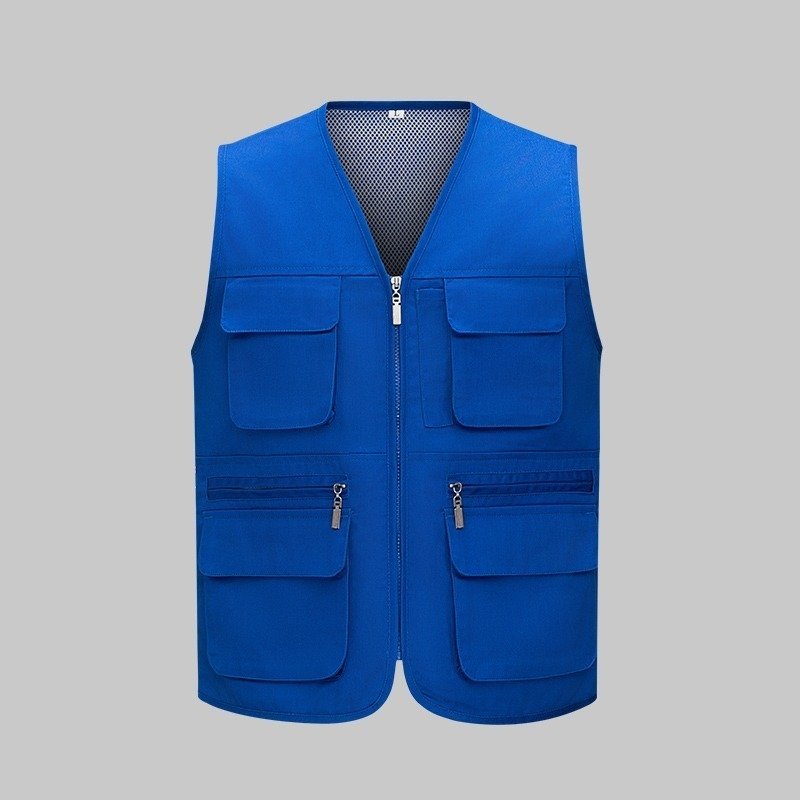
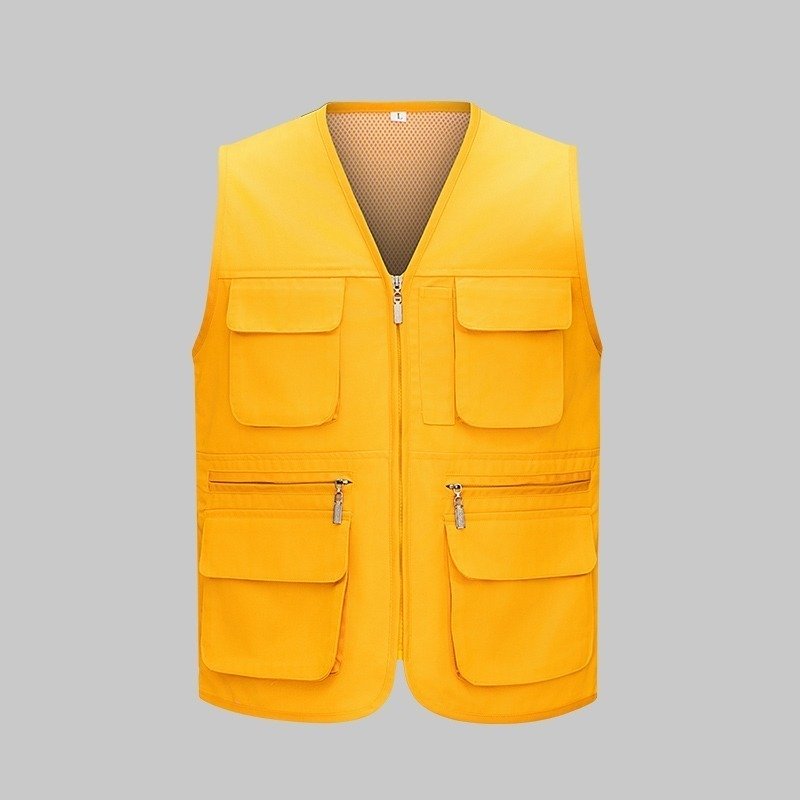
Utility vests can supplement a recognizable program where workers wear different primary garments or need role-specific carrying capacity.
Keep logo scale, color references, and identification placement consistent across the garments in scope. Veelianpro supports embroidery, screen printing, heat transfer, patches, woven labels, care labels, and custom packaging as development options.
4. Materials for Custom Uniforms for Agriculture Teams
Material selection begins with the job environment, not a generic fabric label. Specify fiber balance, weave or knit construction, proposed weight, finish, expected wash routine, and where abrasion or airflow matters before sampling.
| Sourcing Category | Suitable Conditions | Benefits | Trade-Offs | Tech-Pack Question |
|---|---|---|---|---|
| Cotton-rich | Warm, lower-abrasion assignments | Buyer preference for hand feel, confirmed by sample review | May need different drying and care expectations | What construction, weight, and wash routine are proposed? |
| Polyester-rich | Frequent washing or damp-work cycles | Buyer preference for care and appearance, confirmed by sample review | Hand feel and airflow depend on construction | What finish and breathability target are documented? |
| Workwear blend | Mixed field and packing duties | Option for comparing fiber combinations during development | Results vary by ratio and weave | Which zones need abrasion resistance or airflow? |
Read Fiber Balance First

Cotton-rich, polyester-rich, and blended fabrics are development directions rather than performance specifications. Compare hand feel, proposed construction, care instructions, appearance, and suitability for the intended work setting through approved sample review.
Fiber ratio alone does not establish performance. Record the selected composition, construction, finish, garment pattern, and care method in the approved specification, and do not make a performance claim unless it is supported by the applicable documentation.
Match Construction To Exposure

Choose the proposed construction only after defining the garment’s contact points, movement demands, layering plan, and care routine. Review the actual sample for the intended task instead of treating a fabric category or weight as proof of abrasion, comfort, or weather performance.
Ask for proposed finish and wash expectations in writing. Do not describe soil release, water resistance, UV protection, or protective performance unless the chosen material has documented evidence for that claim.
Put Material Decisions On Tech Packs
A useful tech pack records the proposed composition, construction, color, weight, finish, and care method for each garment. It should also identify high-wear zones so reinforcement decisions can be reviewed with the material choice.
Veelianpro can discuss fabric and trim sourcing during development. Confirm the final fabric specification against the approved sample before production.
5. Customization and Identification Options
Identification works best when it is planned as one program across shirts, trousers, coveralls, vests, and outerwear. Set a shared artwork file, placement map, color references, and label copy before variants are developed.
| Option | Best Use | Approval Focus |
|---|---|---|
| Embroidery | Logo or name detail | Stitch scale and seam clearance |
| Screen Printing | Broad, simple artwork | Ink area and fabric compatibility |
| Heat Transfer | Detailed multicolor artwork | Edge finish and laundering review |
| Woven Labels | Brand or size identification | Label position and content |
Build A Placement System
A left-chest logo can provide a consistent placement convention across polos, work shirts, jackets, and coveralls, while a larger back mark can be specified where the buyer wants one. Keep pockets, seams, closures, and any future tape placement clear when choosing the decoration zone.
- Front logo placement
- Back business identifier
- Sleeve or shoulder role marker
Match Decoration To Garment
Veelianpro supports embroidery, screen printing, heat transfer, patches, woven labels, care labels, and custom packaging. Select the method against fabric, artwork detail, placement, expected laundering, and the mix of garment categories in the order.
Separate Proofing From Sampling
An artwork proof confirms logo scale, colors, text, placement, and role identifiers before production artwork is released. A physical sample is a separate checkpoint for how the chosen decoration sits on the actual fabric and construction.
Control Program Variations
Color blocking and trim can distinguish field, packing, maintenance, or supervisor roles without changing the master logo. Use one approved artwork package and a garment-by-garment decoration matrix so labels and identifiers remain aligned through reorders.
6. Construction Details That Affect Service Life
Stress points are useful review priorities when specifying agriculture workwear. Identify where force, abrasion, snagging, repeated opening, and body movement may occur before the sample is approved.
| Construction Point | Likely Failure | Specification Remedy |
|---|---|---|
| Crotch and inseam | Seam strain during bending | Gusset or reinforced seam plan |
| Cargo pocket | Snagging or poor access | Placement and closure defined by task |
| Cuff and collar | Snagging or inconsistent fit | Finished dimensions and closure specified |
| Size grading | Unreliable replacement fit | Approved chart and tolerances retained |
Seams And Reinforcement Zones
Crotches, inseams, pocket corners, knee areas, shoulder joins, and placket bases should be reviewed against the movements and contact points of the assigned role. Specify seam placement away from high-rub zones where practical, then call out reinforcement only where the approved construction plan requires it.
For roles involving repeated squatting, climbing, or reaching, assess movement allowance during sample review. Define bartacks, reinforced knees, gussets, or triple stitching as construction choices in the approved specification, not as unverified performance claims.
- Map high-wear zones by role and movement
- Approve reinforcement locations on the sample
- Check inside seams for puckering and skipped stitches
Pockets And Closures
A pocket that catches on equipment or blocks a kneeling position is less useful than a smaller, correctly placed one. Specify pocket opening direction, closure type, drainage needs, and the items each pocket must carry.
Closures should match the work routine: frequent access favors simple operation, while exposed areas may need more secure retention. Inspect zipper, button, snap, hook-and-loop, and flap choices as components of the approved sample rather than assuming interchangeability.
- Locate cargo pockets clear of knee bend
- State required closure and pull-tab details
- Check pocket edge reinforcement and flap coverage
Mobility, Cuffs, And Size Control

Restrictive sleeves, tight shoulders, and shallow rises can pull seams apart even when stitching is sound. Use articulated panels or gussets where the role demands repeated reaching, bending, climbing, or squatting, and test those movements in the sample.
Cuffs and collars need a defined finished shape and closure method because loose ends can snag while overly tight openings limit layering. Lock the graded size chart, measurement tolerances, component list, and approved sample before bulk production so replacement pieces remain consistent.
- Test reach, squat, step-up, and bend movements
- Record finished cuff and collar details
- Measure pre-production samples against the approved size chart
7. Choosing Veelianpro for Agriculture Programs
A capable manufacturer turns an agriculture brief into controlled garment specifications, rather than treating a logo and color as the whole order. Evaluate how role requirements, approved samples, and production changes will be documented before confirming a program.
Translate Roles Into Specifications
Send the work setting and garment role with each style: field shirt, packing-area polo, coverall, vest, or weather layer. Include fabric composition and weight targets, pocket layout, reinforcement points, branding method, size range, destination, and any applicable protection standard.
Veelianpro develops from a tech pack, sketch, sample, or product idea and can support fabric and trim sourcing, pattern development, sampling, grading, and decoration. Its 100-piece starting MOQ per style and color is subject to fabric, certification, and construction requirements.
- Assign each style to a named work role
- Identify required standards and test evidence
- Separate design targets from documented performance claims
Make The Quote Traceable
A usable quote identifies the agreed fabric and trim choices, construction details, decoration, labels, packing, inspection scope, and export coordination. This prevents a later substitution from being mistaken for the approved specification.
Ask which items remain quote-dependent, including production timing and optional services. For protective garments, require the exact standard, test evidence, and certification scope before using a performance claim.
Control Samples And Changes
Review a sample against the approved measurement chart, grading rules, pocket placement, tape placement where specified, seams, bartacks, labels, and packaging instructions. Record acceptance comments in one revision log before production.
Define who may approve fabric, trim, artwork, size, packing, or quantity changes, and how those changes affect quotation and timing. Confirm inspection expectations and carton marking requirements before order confirmation.
- Approve a sealed sample or documented reference
- Use one version-controlled specification
- State carton labels and assortment rules
8. Common Agriculture Uniform Sourcing Mistakes
Agriculture programs fail when a convenient garment list replaces a job-by-job specification. The resulting gaps show up during movement, weather changes, decoration wear, fitting, and quote reconciliation—after samples or production have already moved forward.
Avoid One-Style Programs
A field picker, greenhouse worker, packing employee, and equipment operator do not necessarily need the same coverage, pocket layout, or layer. One universal style often compromises mobility or leaves a role without useful storage.
Build a role matrix before sampling: core garment, optional weather layer, visibility requirement, and branding location. Develop shirts, trousers, coveralls, vests, or jackets as coordinated options rather than forcing one item across every task.
Specify Climate And Branding
Climate is often added after color and logo placement are approved. That reverses the decision order: heat, dust, rain exposure, cold starts, and seasonality affect fabric and layer choices before decoration is finalized.
Test the selected logo method on the actual fabric, color, and placement through the sample process. Confirm that seams, pockets, reflective tape placement, and transfers or embroidery do not interfere with movement or access.
Close Size Accessory And Quote Gaps
A size list without measurement rules creates avoidable exchanges, while an apparel-only scope can omit headwear, gloves, or footwear procurement handled elsewhere. Define size grading, wearer measurement method, accessory ownership, and replacement responsibility.
Compare quotations line by line, not by unit price alone. At Veelianpro, the starting MOQ is 100 pieces per style and color, subject to fabric, certification, and construction requirements; align sampling, fabric, trims, decoration, packing, inspection, and export coordination before approval.
9. Launch Custom Uniforms for Agriculture Teams
Turn the role audit into an order-ready specification before artwork or quantities are locked. Map each role’s movement, soil or moisture exposure, temperature changes, visibility needs, and laundering routine, then assign garments by task rather than issuing one style to every worker.
| Role | Core Garment | Conditional Layer | Specification Focus |
|---|---|---|---|
| Field crew | Work shirt and trousers | Rain jacket or safety vest | Mobility, pockets, reinforcement |
| Greenhouse staff | Work shirt and trousers | Light outer layer | Moisture and movement |
| Packing staff | Polo or work shirt | Utility vest | Identification and pocket layout |
Build the Garment Matrix
List field, greenhouse, barn, packing, and supervisory roles separately. For each, define the core garment, seasonal layer, pocket needs, reinforcement, and any protection requirement that must be supported by the applicable test documentation.
- Record work zone and exposure
- Assign core and seasonal garments
- Flag documented protection requirements
Prepare Artwork And Size Data
Supply vector logo files, placement drawings, color references, label copy, and packaging instructions. Submit a size breakdown by role and garment, including the measurement standard to be used for size grading.
Worked example, not a production commitment: sample 12 wearers across three roles—six field workers, three packing staff, and three supervisors—using each person’s requested garment and size.
Approve Samples Before Production
Review the sample against the specification pack: fabric and trims, pocket layout, branding placement, seams, reinforcements, fit, labels, and packing. Record corrections in one approval sheet so the pre-production sample becomes the production reference.
Veelianpro can begin from a tech pack, sketch, sample, or product idea and supports sampling through inspection, packing, and export coordination. Its starting MOQ is 100 pieces per style and color, subject to fabric, certification, and construction requirements.
Plan Delivery And Replenishment
Set the ship-to destination, carton marking, receiving contact, and delivery sequence before order confirmation. Separate launch quantities from replenishment rules: approved style code, color, artwork version, size range, reorder trigger, and any seasonal additions.
For a quote, provide garment type, work setting, fabric direction, size range, branding method, quantity, destination, timeline, and required standard or certificate where protection is requested.
10. Pricing and Quote Scope for Agriculture Uniforms
A quote for agriculture uniforms becomes comparable only when the garment specification travels with the price. A field shirt, reinforced work trouser, weather layer, or coverall can differ materially in fabric composition and weight, pocket layout, reinforcement, trims, colorways, and decoration method.
Separate sampling, packaging, and delivery terms from the unit-garment scope. Sampling may involve pattern development, grading, fabric approval, and decoration placement; packaging should identify folding, labels, polybags, cartons, and any private-label components.
Veelianpro starts at 100 pieces per style and color, subject to fabric, certification, and construction requirements. Delivery timing, final MOQ, payment terms, and freight responsibility are conditional and must be confirmed in the applicable quote.
| Quote line item | What the quote must specify | Why it affects comparability |
|---|---|---|
| Garment construction | Style, fabric composition and weight, pocket system, reinforcements, stitching, gussets, weather features, and trims | Prevents a basic garment from being compared with a more complex agriculture workwear specification. |
| Colors and identification | Colorways, logo artwork, placement, and decoration method; include labels and patches where required | Each colorway and branding treatment can change material use, setup, and production handling. |
| Sizing and sampling | Size range, grading, fit sample, pre-production sample, and approval checkpoints | Clarifies whether development work and sample garments are included or quoted separately. |
| Packing and delivery | Individual packing, cartons, export packing, destination, Incoterm, and freight scope | Shows whether logistics and private-label presentation are inside the quote or outside it. |
| Order volume and conditions | Pieces per style and color, requested timeline, required protection standard, and certificate scope where applicable | Lets buyers compare the same order assumptions without treating an unconfirmed condition as a promise. |

Request custom uniforms for agriculture teams
Send your tech pack or garment brief with roles, fabrics, sizes, colors, branding, quantity, destination, standards, and timeline.