
Custom Farming Workwear Manufacturer in China
Veelianpro is a Wuhan-based OEM, ODM and private-label workwear manufacturer supporting custom agriculture uniform programs from 100 pieces per style and color, subject to project requirements.
Featured Garments for Custom Farming Workwear Programs







Related Product Catalogue and Quotation





Why Choose Veelianpro as Your Farming Workwear Manufacturer
As a farming workwear manufacturer, Veelianpro supports agriculture-ready customization, practical construction planning, flexible order quantities, branding, and coordinated production support.
Agriculture-Ready Development
Develop agriculture-ready garments from your tech pack, sketch, sample, or product idea, with fit, pockets, trims, and branding discussed upfront.
Practical Construction Planning
Specify fabric weight, composition, reinforcement, stitching, gussets, reflective placement, and weather-protection details according to your intended farm work setting.
Flexible Starting Quantities
Start at 100 pieces per style and color, subject to fabric, construction, certification, and project requirements for your branded workwear program.
Coordinated Production Support
Coordinate fabric and trim sourcing, pattern development, sampling, grading, cutting, sewing, decoration, quality checks, packing, and export support through one team.
Private-Label Branding Options
Choose embroidery, screen printing, heat transfer, patches, woven labels, care labels, and custom packaging for consistent private-label presentation.
Agricultural Workwear Categories
Custom garment development for field crews, livestock operations, equipment teams, and agricultural service uniforms.

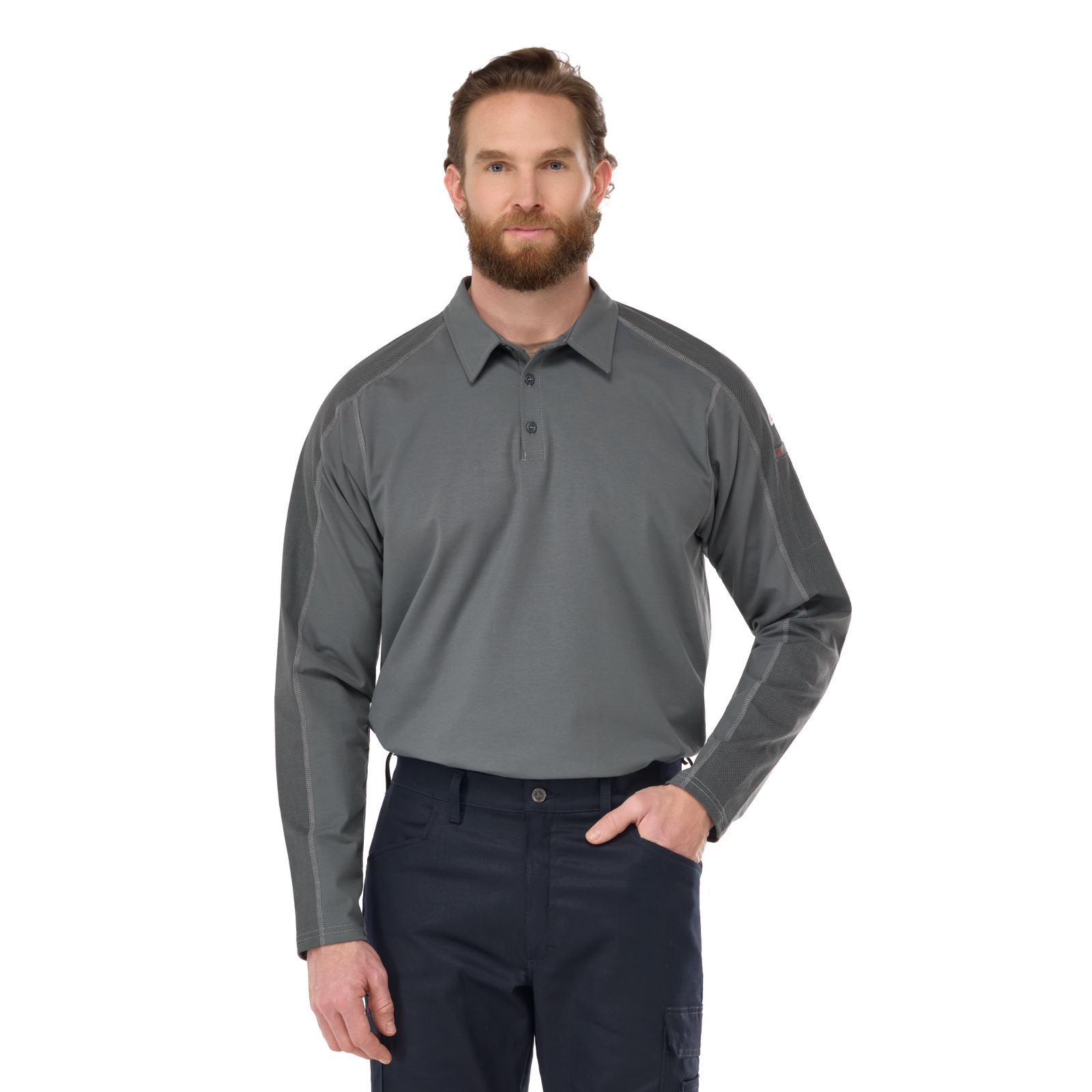
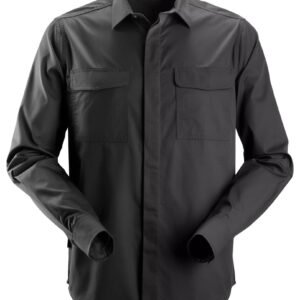
Work Shirts
Work shirts developed for field and equipment crews, including long-sleeve and short-sleeve styles. Fabric composition, weight, pocket layout, reinforced stress points, closures, colors, woven labels, and decoration can be specified for the intended work setting.
Request a Workwear Quote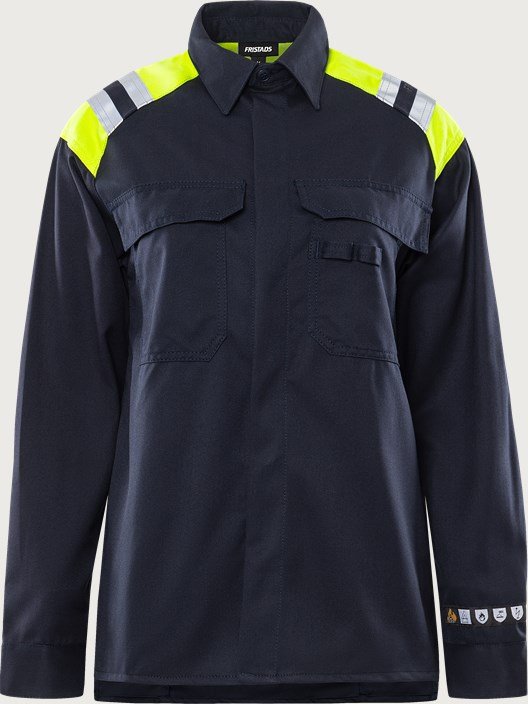
T-Shirts & Polos
T-shirts and polos for farm staff, agricultural retail teams, and service personnel. Buyers can develop crew-neck or collared styles with selected fabric composition, color blocking, size grading, embroidery, screen printing, heat transfer, labels, and branded packaging.
Request a Workwear Quote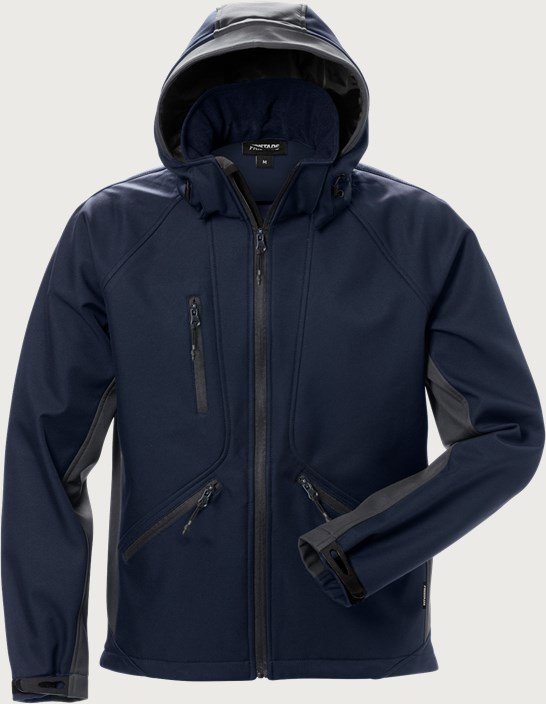
Work Jackets & Outerwear
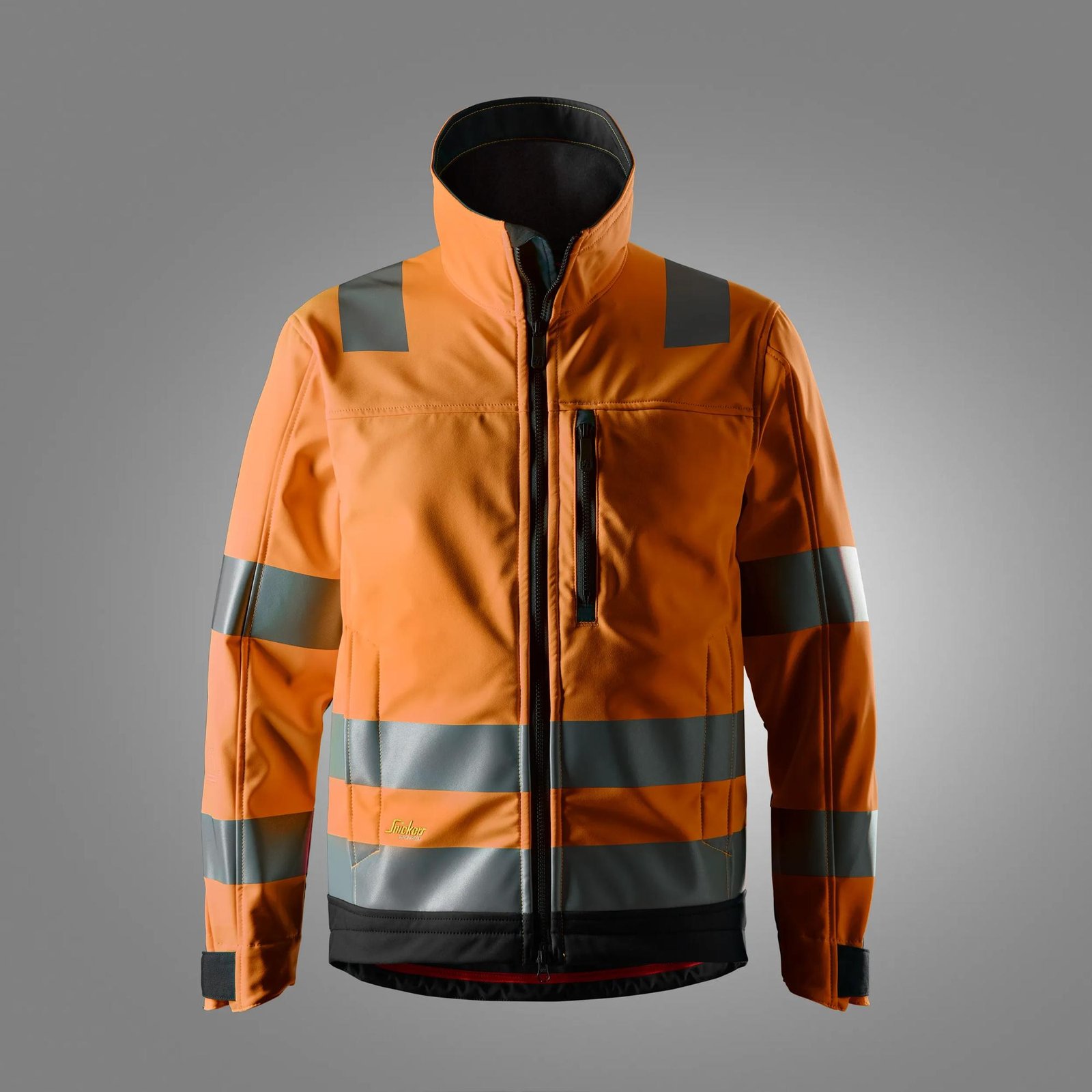
Outerwear includes softshell, fleece, padded, and rain-jacket development for changing outdoor conditions. Discuss weather-protection targets, pocket systems, closures, hood details, reinforcement, reflective trim placement, branding, and construction requirements before sampling.
Request a Workwear Quote
Work Vests & Bodywarmers
Work vests and bodywarmers can be developed as utility, insulated, softshell, or safety-focused layers. Pocket configuration, lining, closure type, padding, trim, logo application, colors, and garment labeling can be adapted to field duties or distribution programs.
Request a Workwear Quote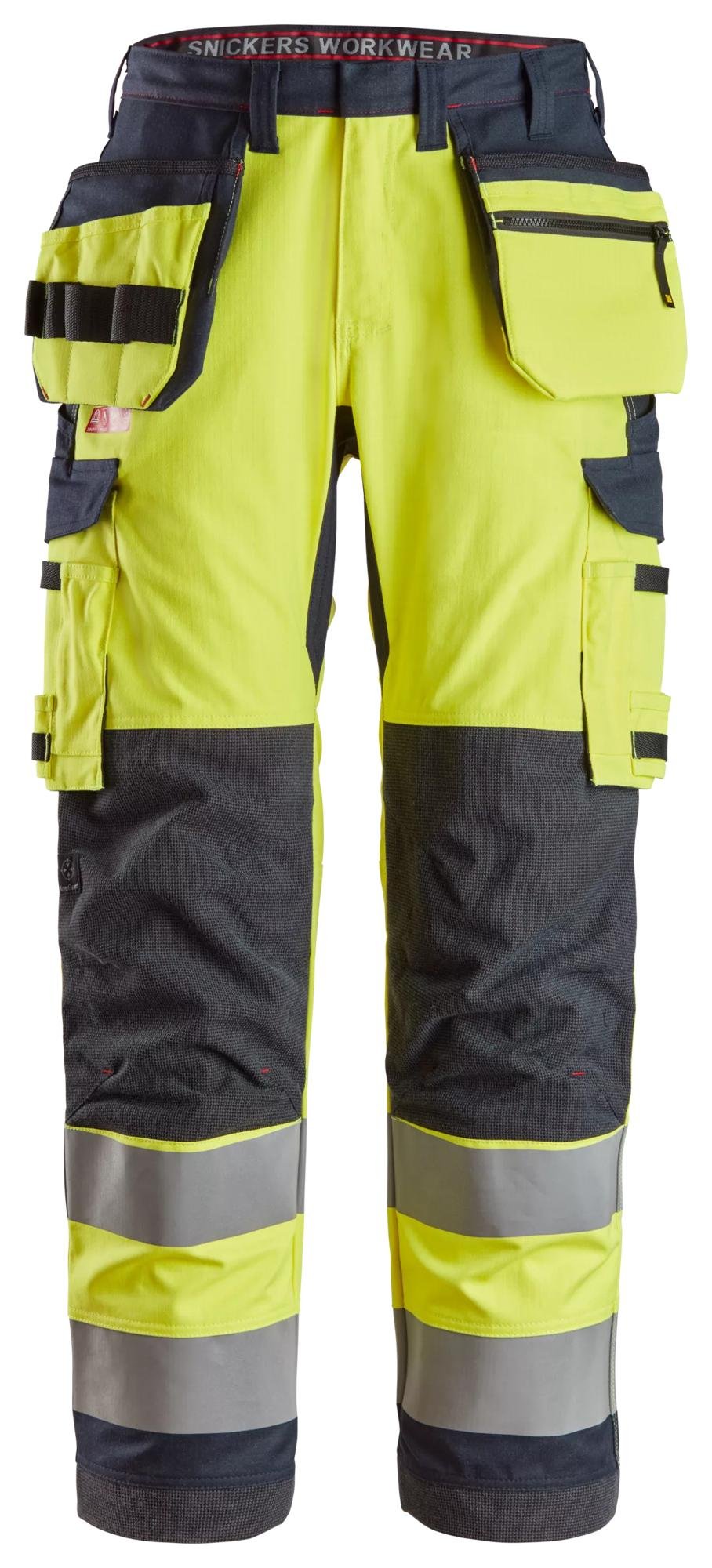
Work Pants & Shorts
Work pants and shorts include straight-leg work trousers, cargo styles, and seasonal shorts. Development can cover fabric selection, waistband construction, utility pockets, reinforced knees, gussets, bartacks, triple stitching, size grading, labels, and branded details.
Request a Workwear Quote
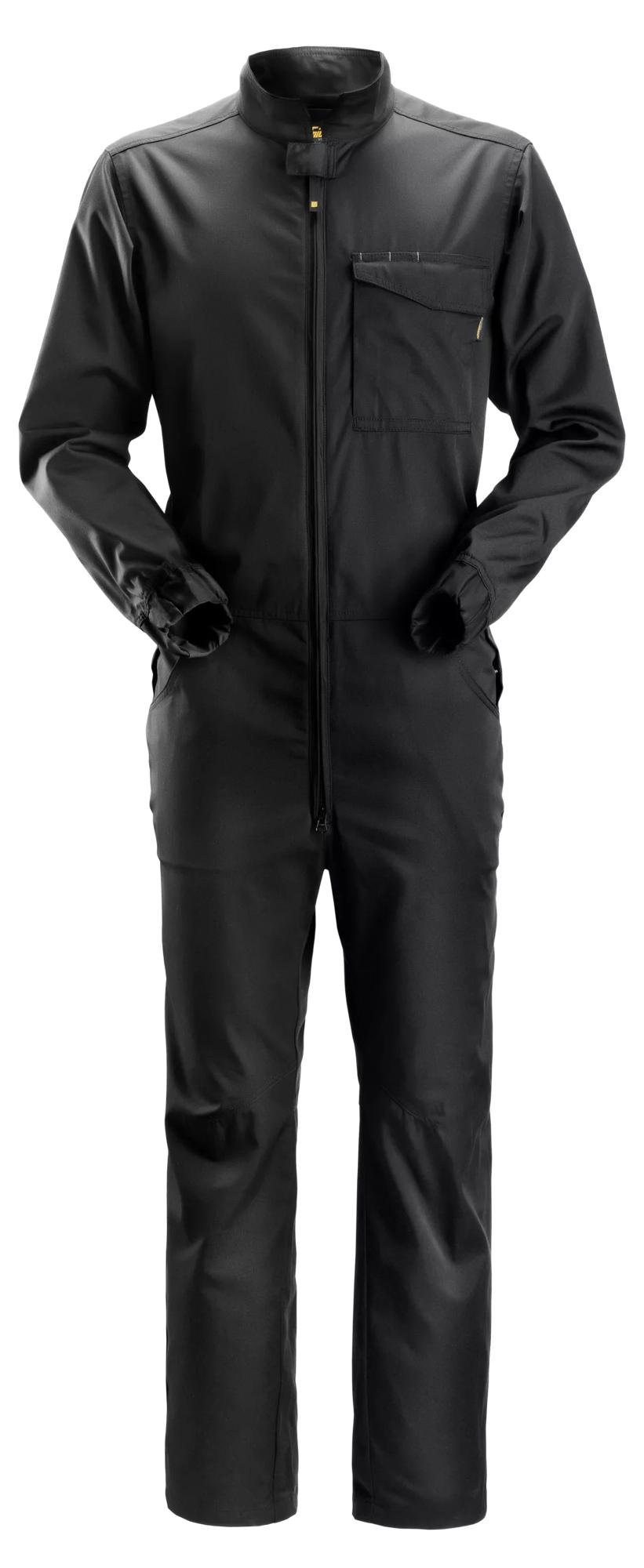
Coveralls & Bib Overalls
Coveralls and bib overalls are suited to machinery maintenance, livestock operations, and dirty-work tasks. Specify entry style, pocket access, knee reinforcement, seam construction, adjustable features, fabric, sizing, decoration, and any required protective-performance documentation.
Request a Workwear Quote
Workwear Sets
Coordinated workwear sets combine compatible shirts, jackets, trousers, vests, or coveralls for agricultural teams. Colors, fabric families, trim, fit blocks, branding methods, labels, and packaging can be aligned across the program through sampling and production.
Request a Workwear Quote
High-Visibility Workwear
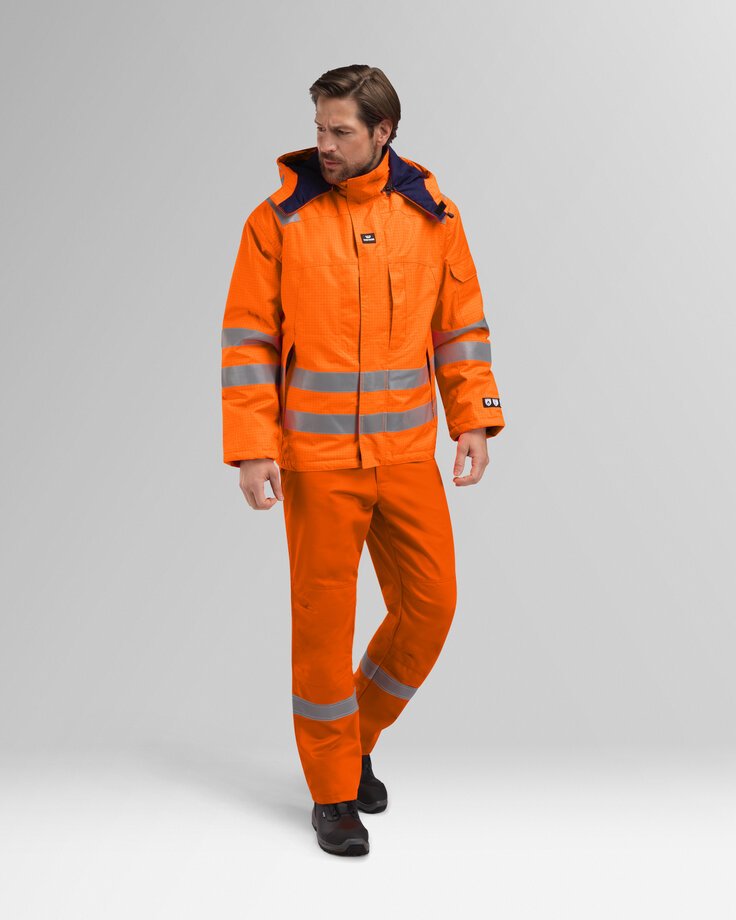
High-visibility garment families include vests, jackets, trousers, and coordinated styles for roadside, yard, and equipment-area visibility needs. Reflective tape placement, base fabric, contrast panels, and branding can be developed; required standards need SKU-specific testing and certification evidence.
Request a Workwear Quote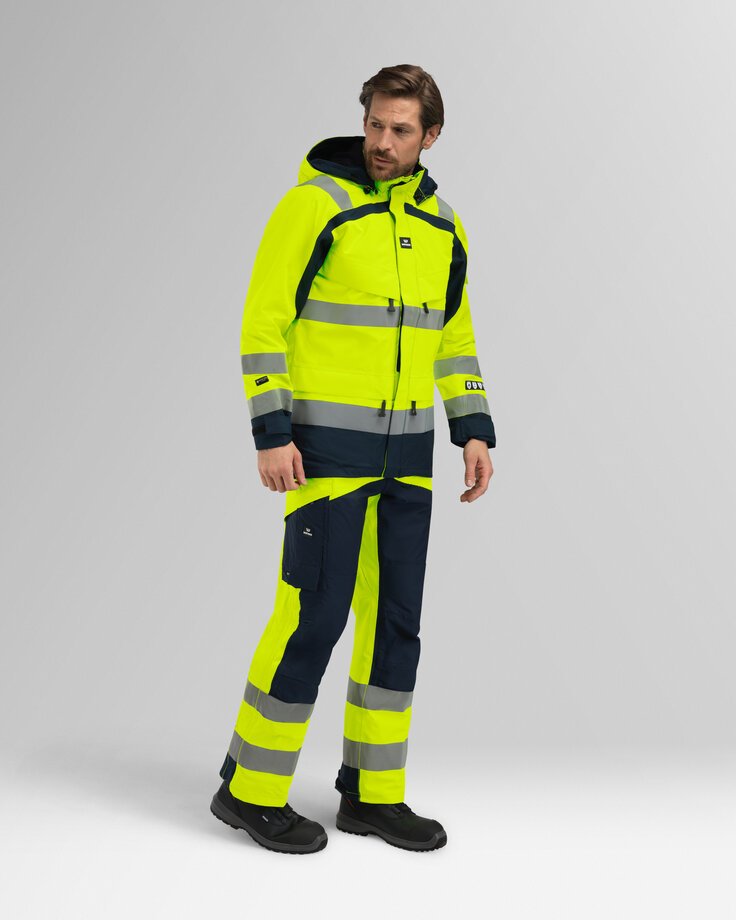
Flame-Resistant & Arc-Rated Wear
Flame-resistant and arc-rated garment development may include shirts, pants, coveralls, and outer layers for applicable agricultural maintenance or utility tasks. Fabric and construction can be discussed for the target standard; no rating should be claimed without exact test evidence and certification scope.
Request a Workwear Quote
Chemical-Protective Clothing
Chemical-protective clothing is developed around the buyer’s stated work environment, chemical exposure requirements, garment format, closures, and material needs. Provide the applicable standard and required testing or certificate so the requested design target can be evaluated accurately.
Request a Workwear Quote
Cold-Storage Workwear
Cold-storage workwear can include insulated jackets, trousers, bib styles, and layered outerwear for chilled agricultural handling environments. Padding, lining, closures, cuffs, hoods, pocket access, sizing, and branding are developed to suit the intended operation; temperature ratings require supporting evidence.
Request a Workwear Quote
Welding Workwear
Welding workwear includes protective garment families such as jackets, trousers, coveralls, and work shirts developed around construction, reinforcement, fit, and specified material requirements. Buyers should provide applicable standards and documentation needs before any protective-performance claim is used.
Request a Workwear Quote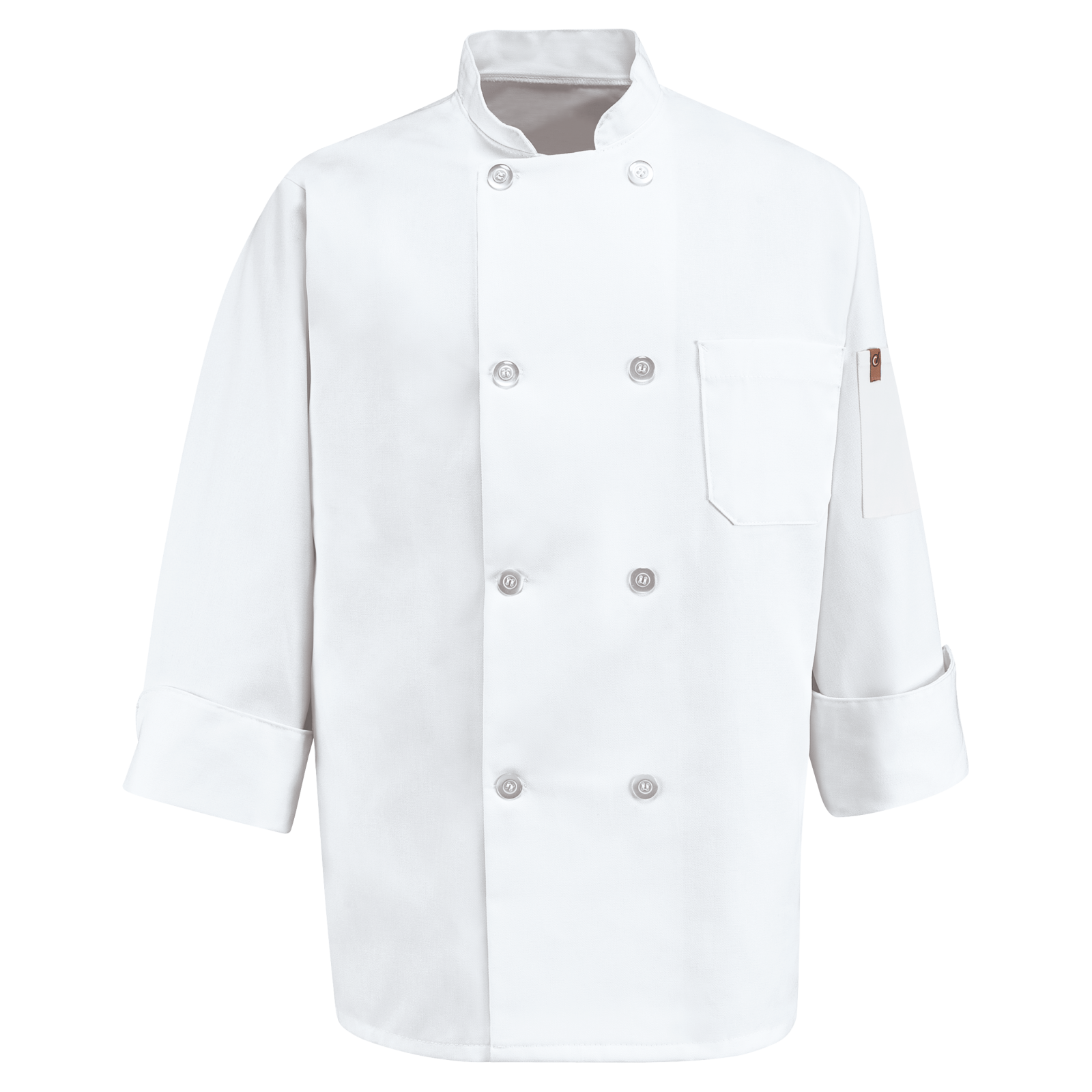
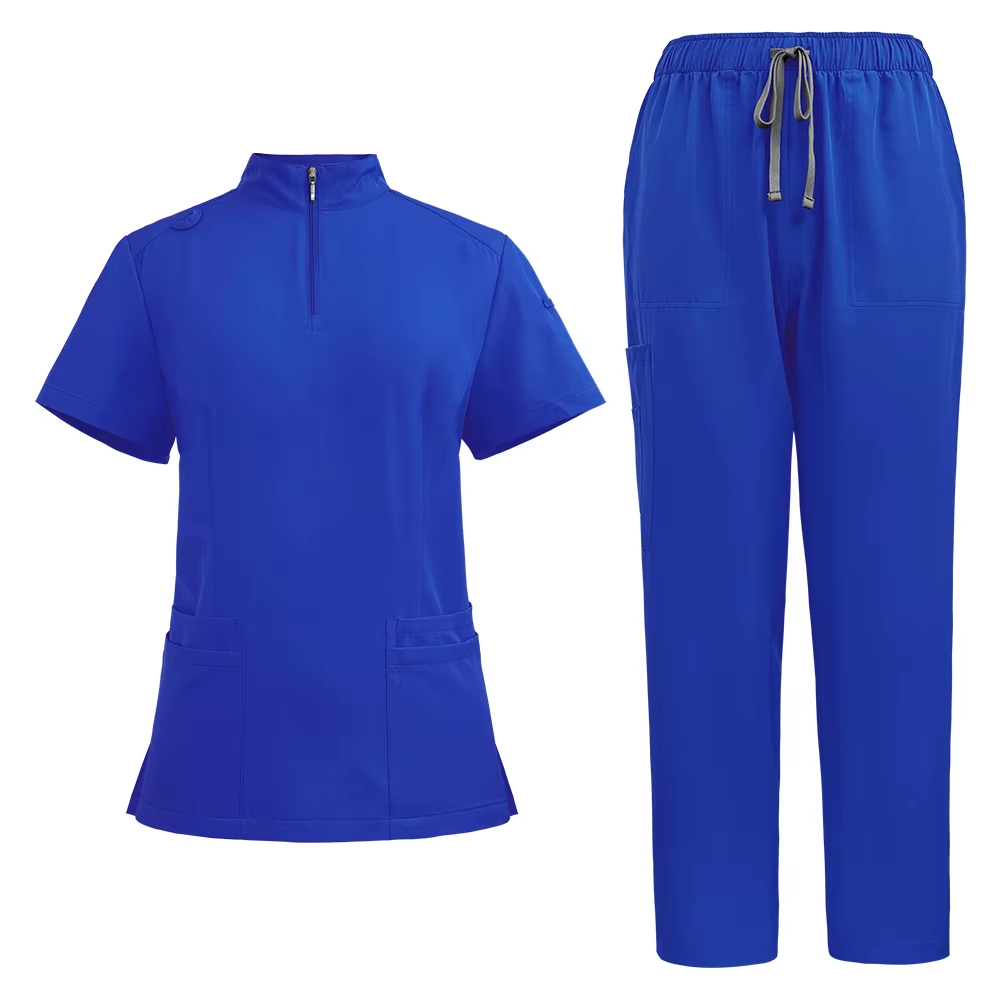
Medical & Cleanroom Wear
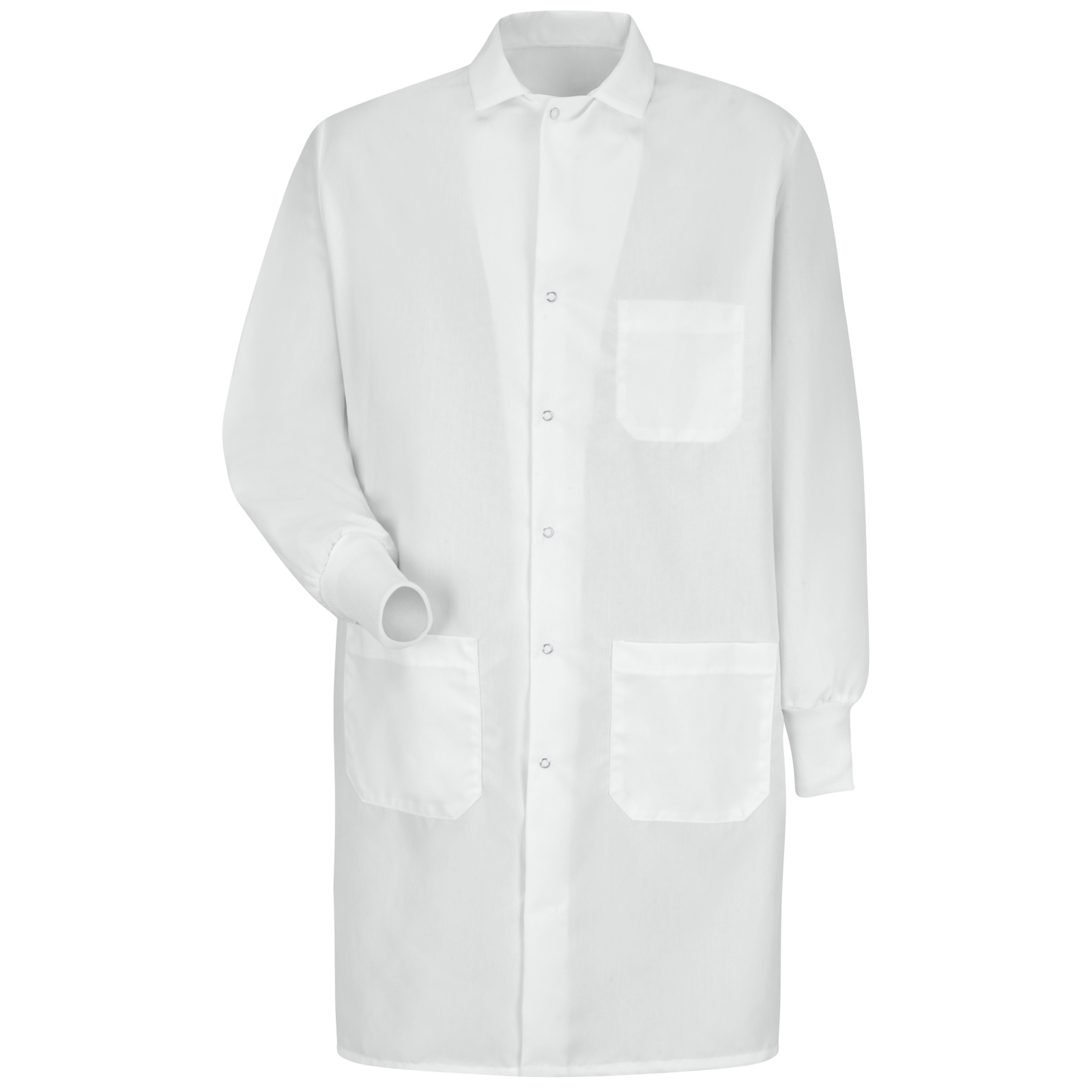
Medical and cleanroom wear includes scrubs, coats, coveralls, and ESD-oriented garment families for agricultural laboratories, food-related operations, or controlled environments. Fabric, closures, color coding, size grading, labels, and required standards can be defined during product development.
Request a Workwear Quote
Chef & Hospitality Uniforms
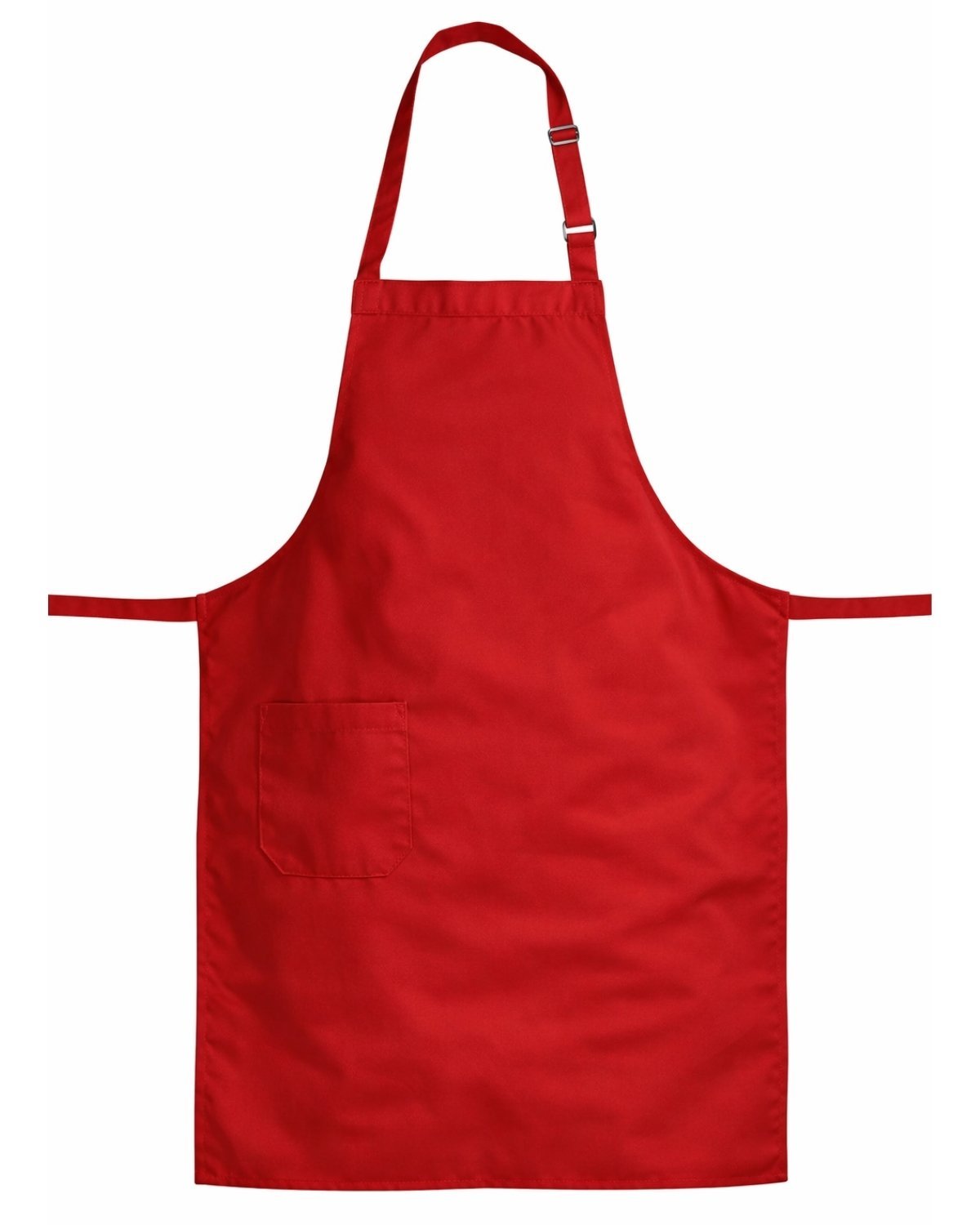
Chef and hospitality uniforms cover coats, shirts, aprons, trousers, polos, and front-of-house styles for farm restaurants, visitor centers, and food-service teams. Select fabric, fit, pocket details, colors, embroidery, labels, and packaging for a consistent branded uniform program.
Request a Workwear Quote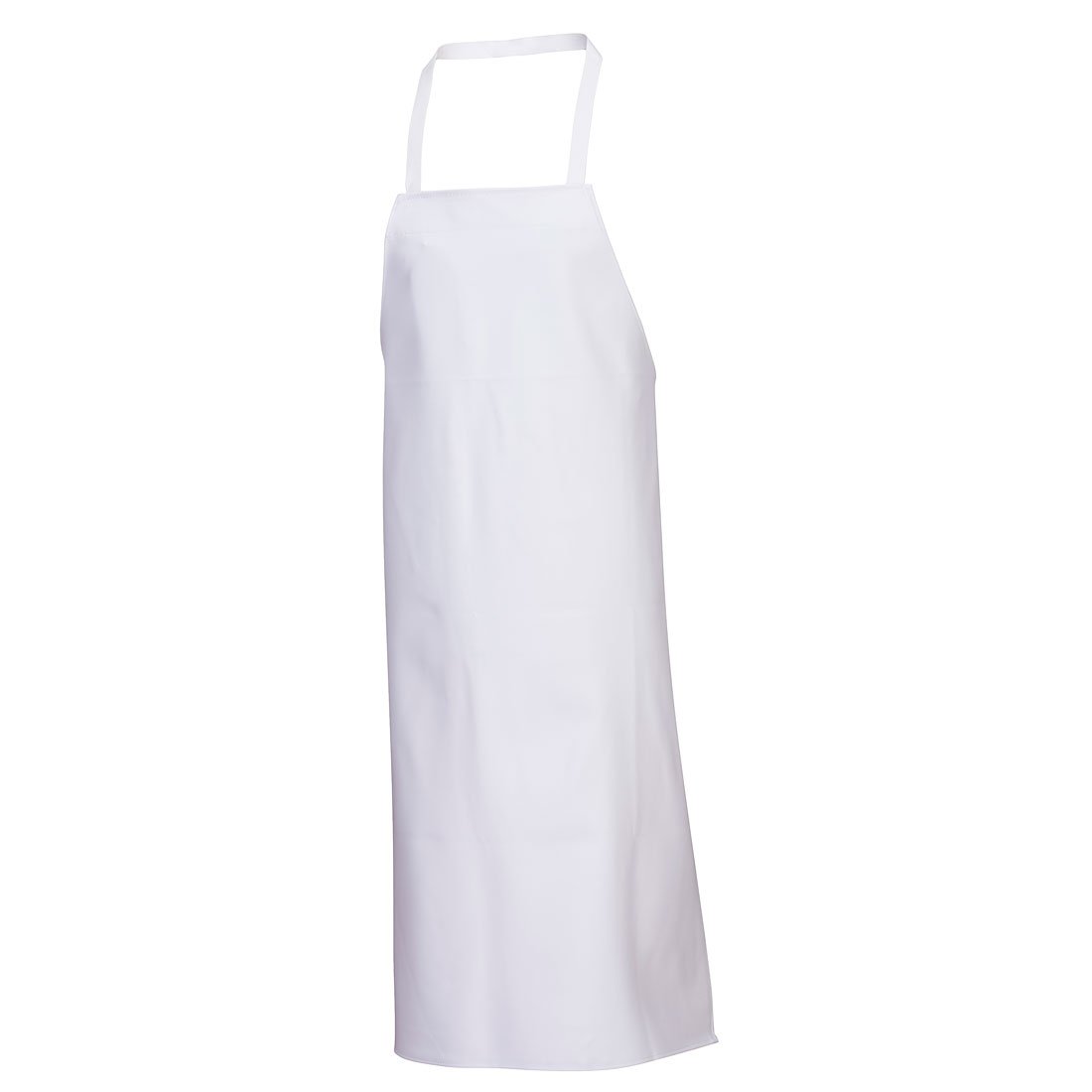
Industry Uniforms
Industry uniforms support agricultural service, equipment, logistics, processing, and maintenance teams with shirts, polos, pants, jackets, vests, coveralls, and coordinated sets. Product development can align role-specific pockets, reinforcement, color identification, decoration, sizing, and packaging requirements.
Request a Workwear Quote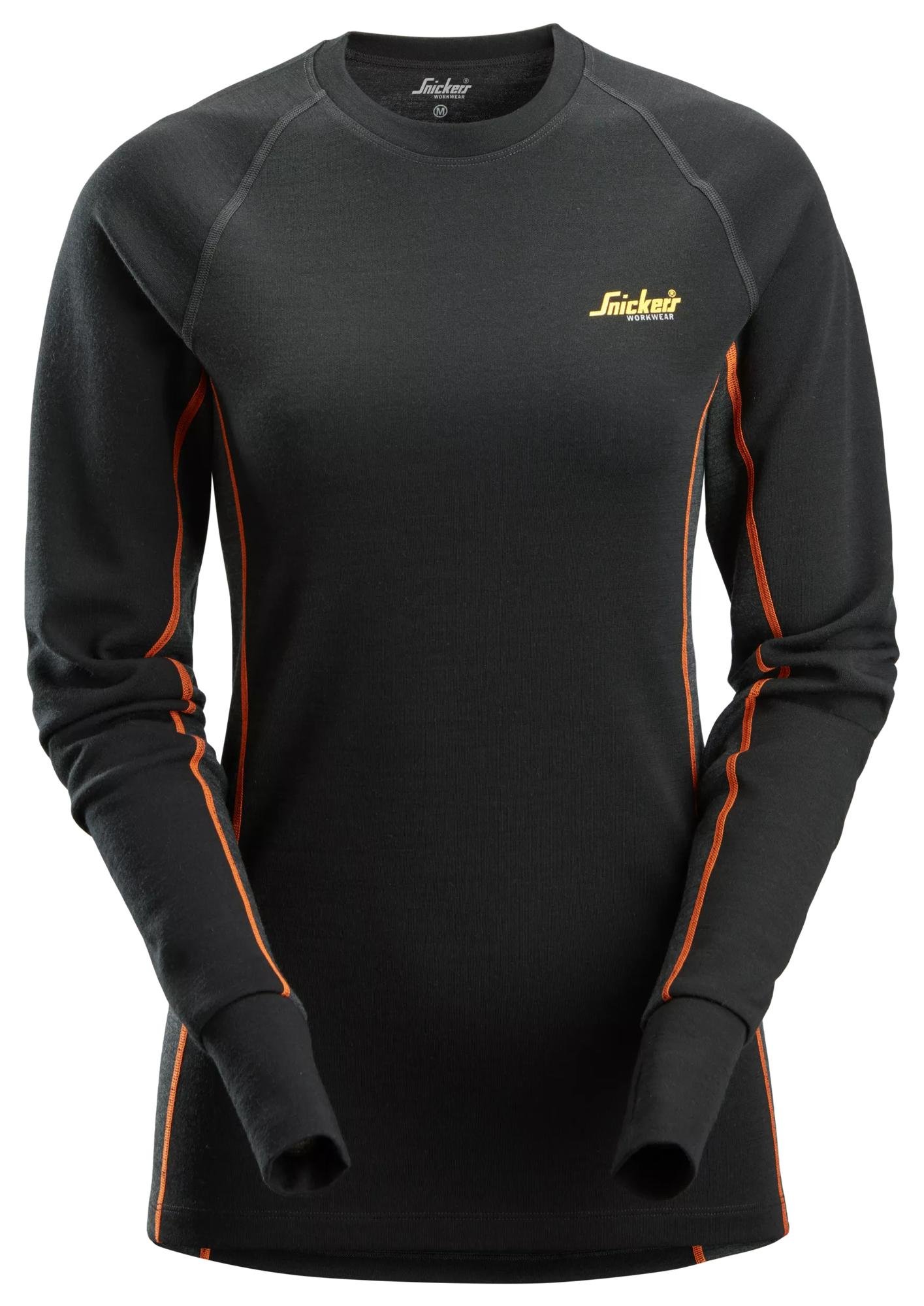
Base Layers & Accessories
Base layers and accessories can complement core uniforms with selected underlayers, caps, aprons, and other branded workwear additions. Specify intended use, fabric preferences, color, sizing, logo method, labels, and packaging so the components fit the wider apparel program.
Request a Workwear QuoteMaterials for Durable Farming Workwear




Farming Workwear Manufacturing and Decoration Processes



Functional Accessories from a Farming Workwear Manufacturer


About Veelianpro, Your Farming Workwear Manufacturer
Hubei Veelianpro Workwear Co., Ltd. began its workwear operation in 2012, according to the company profile. From Wuhan, Hubei, we support brands and sourcing teams developing practical farming workwear for demanding outdoor and agricultural environments, starting with a clear garment concept, sketch, sample or technical pack.
As a farming workwear manufacturer, Veelianpro provides OEM, ODM, private-label and wholesale production. Our capabilities cover fabric and trim sourcing, pattern development, sampling, grading, cutting, sewing, reinforcement, decoration, finishing, quality checks, packing and export coordination. The stated minimum starts at 100 pieces per style and color, subject to project requirements.
What sets Veelianpro apart is a development-led approach: buyers can align fit, fabric, pocket systems, reinforcement, weather protection, visibility details and branding before production. The company profile states a team of more than 300 skilled workers; this figure, like the stated 2012 start, should be verified before prominent public use. Protective ratings require SKU-specific test evidence.

Core Capabilities of a Farming Workwear Manufacturer
From Concept to Tech Pack
Veelianpro turns your sketch, sample, tech pack or product idea into a workable agriculture garment program. Our team reviews the intended tasks, fabric direction, fit expectations and branding requirements before pattern development and sampling begin.
- Review garment purpose, work setting and target users
- Develop patterns for shirts, jackets, pants, coveralls and sets
- Source fabrics, trims, labels and decoration options
- Align construction details with your target quantity and timeline

Fit, Movement and Reinforcement
Farming garments must support bending, kneeling, lifting and repeated outdoor movement. Veelianpro can develop size grading and construction details around your range, while options such as gussets, reinforced knees, bartacks and triple stitching are reviewed for the specific design.
- Grade patterns across your approved size range
- Plan practical fits for your target wearer profile
- Review pocket systems, gussets and movement allowance
- Add reinforcement details where the work demands them

Sampling and Production Control
Before bulk production, Veelianpro coordinates sample review, revisions and quotation around the approved specification. Cutting, sewing, finishing, quality checks, packing and export coordination then follow the confirmed order requirements, with performance claims kept subject to applicable test evidence.
- Evaluate samples for fit, materials and workmanship
- Confirm branding through embroidery, transfers, patches or labels
- Inspect construction and finishing against approved requirements
- Support repeat orders with documented project details

Farming Workwear Manufacturer vs. Off-the-Shelf Decoration
Compare a custom farm-uniform program with purchasing ready-made garments and adding decoration. Starting MOQ is subject to fabric, certification and construction requirements.
← Swipe left or right to view →
Our Farming Workwear Manufacturer Process
Veelianpro develops agriculture workwear from your brief through export coordination, with OEM, ODM and private-label support. MOQ starts at 100 pieces per style and color, subject to fabric, certification and construction requirements.
Review Your Requirements
Share your garment type, work setting, fabric preferences, size range, colors, branding, quantity, destination and timeline so our team can review feasibility.
Source Materials And Trims
We evaluate fabric weight, composition, weather needs, pocket systems, reflective elements, reinforcements, labels and other trims against your farming workwear brief.
Develop Patterns And Samples
Our team converts your tech pack, sketch, sample or product idea into patterns, graded sizes and samples for fit, mobility and construction review.
Confirm Production Details
After sample feedback, we finalize specifications, decoration, packaging, target quantity and any required testing or certification evidence before confirming the quotation and order.
Cut Sew And Reinforce
Production covers fabric cutting, sewing, bartacks, triple stitching, gussets, pocket construction and other approved details for consistent agricultural workwear assembly.
Inspect Pack And Export
We complete quality checks, approved branding and packing, then coordinate shipment details and export support for your farming workwear program.
How a Farming Workwear Manufacturer Builds Your Program
Move from an agriculture workwear concept to approved production through a practical process covering feasibility, samples, quotation, inspection, and shipment.
Submit Your Workwear Concept
Share a tech pack, sketch, sample, or product idea with garment type, farming conditions, fabrics, branding, quantities, destination, and timeline.
Confirm Feasibility and Specifications
Veelianpro reviews construction, fabric, fit, protection targets, and production requirements, then clarifies standards or test evidence needed for any performance claims.
Approve Samples and Quotation
Review developed patterns, size grading, trims, decoration, and samples; then approve the quotation, MOQ, colorways, and production details for your collection.
Authorize Production and Shipment
After approval, Veelianpro coordinates cutting, sewing, reinforcement, quality checks, packing, inspection, and export shipment, with reorder support for approved programs.
Certifications and Compliance Evidence


Farming Workwear Manufacturer Scenarios
Illustrative scenario: A safety distributor needs a coordinated field range for muddy, variable-weather work. Veelianpro develops work shirts, cargo trousers, rain jackets and vests from the buyer’s brief, refining pocket placement and reinforcement details through samples. Acceptance focuses on fit, movement, construction, branding and approved materials.
Illustrative scenario: A uniform buyer needs to replace mixed crew apparel that does not suit field, machinery, and indoor roles consistently. Veelianpro converts the buyer’s garment brief into patterns, size grading, and decoration layouts, then submits samples. Acceptance criteria are the agreed role-specific garment mix, size range, logo placement, and approved outer-layer construction.
Illustrative scenario: A workwear brand needs a private-label agriculture capsule but must first confirm whether its sketch can meet the planned quantity and construction. Veelianpro reviews the sketch, proposes fabric and trim options, and builds a sample for approval before production. Acceptance criteria are the approved material direction, fit, branding placement, construction details, and a quantity that meets the applicable MOQ conditions.
Custom Farming Workwear FAQ
Clear answers for brands, distributors and sourcing teams planning a custom agriculture workwear program with Veelianpro.
What MOQ does a farming workwear manufacturer require for a custom order?
How long does a farming workwear manufacturer need for sampling and production?
What are the sampling costs for custom farming workwear?
What payment terms does Veelianpro offer for farming workwear orders?
Can a farming workwear manufacturer arrange shipping and export coordination?
How can we protect our designs, labels and farming workwear specifications?
What materials and construction details suit farming workwear for seasonal use?
Can Veelianpro provide certified farming workwear for chemical, visibility or other hazards?
Farming Workwear Manufacturer: A Practical Sourcing Guide
Use this decision framework to define farm-ready garment programs, compare technical options, evaluate supplier fit, avoid costly specification errors, and request a quote with clear sample, customization, and delivery requirements.
1. What Is a Farming Workwear Manufacturer?
A farming workwear manufacturer turns an agricultural work brief into a coordinated garment range: work shirts, trousers or cargo pants, coveralls, vests, and weather layers sized, branded, and packed for a crew or resale channel. The starting point is not a generic farm uniform; it is the task mix—field labor, machinery operation, livestock handling, packing, or visitor-facing duties—and the conditions each role encounters.
The manufacturer’s job is to translate those inputs into producible decisions: fabric composition and weight, fit and size grading, pocket layout, reinforcement locations, weather-layer strategy, trim, decoration, and packaging. Veelianpro can develop from a tech pack, sketch, sample, or product idea, then support sourcing, pattern development, sampling, cutting, sewing, finishing, quality checks, and export coordination. A direct purchase program supplies garments for the buyer to distribute, issue, or sell under a private label.
That differs from a managed uniform-rental program, which may combine garment supply with recurring pickup, laundering, repairs, and delivery; Veelianpro’s stated offer is custom garment manufacturing, not rental management. The core sourcing question is therefore practical: can the field tasks, weather exposure, movement needs, crew roles, brand presentation, and destination requirements be converted into a clear specification and approved range? For protective designs, provide the applicable standard and required test or certificate scope before quotation; a design target is not a documented performance claim.
2. Why Farming Workwear Requirements Vary
Agricultural roles can differ by terrain, soil contact, movement, indoor transitions, and seasonal exposure. Start with the actual task sequence rather than a generic farm-uniform label. A trouser intended for crop walking may need different pocket access, mobility allowance, and outer-layer compatibility from one intended for a packing station.
Machinery operation changes the brief again. Buyers should define seated movement, required reach, access to controls, and the planned layers before selecting shirts, trousers, coveralls, or jackets. Loose components and pocket placement should be reviewed during sampling for the intended task. Protection language must remain a design target unless the buyer supplies the applicable standard, test evidence, and certificate scope.
Packing areas and indoor transitions may call for a different garment mix from outdoor work. Define which roles need shirts, trousers, coveralls, mid-layers, or outer layers, then specify fabric composition and weight, pocket systems, reinforcement, sizing, and branding before sampling. At Veelianpro, those choices can be discussed as part of product development.
3. Farming Workwear Manufacturer Product Range
A farming workwear manufacturer should build a coordinated range, not a single all-purpose outfit. Veelianpro can develop shirts, trousers, coveralls, mid-layers, outerwear, and rainwear around the crew’s task sequence and climate.
Work Shirts
Work shirts suit daily field checks, handling, and customer-facing farm roles where a collar or branded chest treatment matters. Long sleeves add coverage, but buyers should confirm cuff, pocket, and fit choices do not hinder repetitive reaching.
Work Trousers
Work trousers and cargo pants are the core lower-body layer for walking uneven ground, crouching, and carrying tools. Specify pocket layout, knee reinforcement, and gusset needs by task; excessive pocket volume can snag or add bulk.
Coveralls
Coveralls provide one-piece coverage for dirty maintenance work, animal areas, or machinery support. Entry design, size grading, and room for underlayers matter because an overly close fit can restrict bending and climbing.
Fleece And Mid-Layers
Fleece and padded mid-layers can be developed as part of a layered range between a shirt and an outer shell. Define the intended layering allowance first, then assess the sample with the planned outer layer to confirm usable movement and garment volume.
Outerwear
Softshell and padded jackets suit cool, changeable shifts and transitions between field, vehicle, and shed. Their final fabric and weather features must be specified for the use case rather than assumed from the jacket category.
Rainwear
Rain jackets and rain suits are a separate wet-weather layer for exposed tasks. Confirm the needed coverage, closures, and compatibility with the garments beneath; no waterproof or protective performance should appear in product copy without supporting evidence.
4. Farming Workwear Manufacturer Material Options
Material selection starts with the task cycle and the buyer’s stated conditions of use. Define composition, weave, fabric weight, stretch content, lining, finish, and the intended layer sequence, then confirm those choices on the approved sample. Do not infer comfort, weather, or protective performance from a fabric name alone.
| Material Or Construction | Practical Trade-Off | Suitable Use | Validation Point |
|---|---|---|---|
| Woven shell fabric | Durability versus breathability depends on composition, weave, and weight. | Field trousers, shirts, bibs, coveralls. | Confirm composition, weave, weight, and sample wear. |
| Stretch-panel construction | May change movement allowance; panel seams need deliberate placement and sample review. | Crouching, climbing, machinery tasks. | Check stretch content, recovery, and seam durability. |
| Insulated or lined layer | Layer construction can change garment volume and should be reviewed with the planned underlayers. | Cold starts and low-activity tasks. | Approve layering fit and movement. |
| Weather outer layer | Weather-layer construction requires an exposure brief and documented validation for any performance claim. | Wet field work and changing weather. | Define exposure; verify documented claims. |
Shell Fabrics
Woven shells suit shirts, trousers, bibs, and coveralls where abrasion and pocket load matter. Composition and weave affect hand feel, drying behavior, and durability.
Request the proposed composition and fabric weight for each style. Compare swatches after laundering and field-use sampling, especially at knees and seat areas.
Stretch Panels
Stretch panels may be considered where the buyer needs additional movement allowance for reaching, crouching, climbing, or machinery tasks. Their proposed location should be reviewed as part of the complete pattern, not added as a generic feature.
Define stretch content and panel placement in the tech pack. Evaluate recovery after repeated bending and inspect seam construction where panel fabric joins the shell during sample review.
Insulation And Linings
Insulation and lining choices should be specified separately from the outer shell because they change garment construction and volume. Plan a layered range only after defining the wearer’s task cycle and intended conditions.
Specify lining construction separately from the outer shell. Approve movement and garment volume with the intended base layer beneath it.
Weather Layers
Rain layers should be briefed separately from base and mid-layers so the buyer can define the intended exposure, layering order, closures, and coverage. A single garment should not be assumed to meet every weather or comfort requirement.
State the intended rain exposure and whether the layer is worn over uniforms. Any waterproof or protective performance claim requires the applicable test evidence and certification scope.
5. Customization and Range Coordination
A farming workwear manufacturer should coordinate visual identity with task-specific function. At Veelianpro, colors, branding, labels, trims, pocket systems, and graded sizing can be defined during product development, then locked through an approved sample.
| Coordination Item | Buyer Input | Approval Check |
|---|---|---|
| Color and fabric | Requested color and fabric direction | Confirm on sample |
| Branding and labels | Artwork and placement file | Confirm method and position |
| Size grading | Size range and quantity ratio | Confirm graded fit |
| Role assortment | Garments by work task | Confirm shared visual system |
Branding And Labels
Provide vector artwork, logo colors, and a placement file showing the garment panel, dimensions, and orientation. Veelianpro supports embroidery, screen printing, heat transfer, patches, woven labels, care labels, and custom packaging.
Approve the decoration against the actual fabric and garment color; artwork methods not listed here require editorial review before specification.
- Front chest or sleeve logo placement
- Woven brand and care labels
- Patch or transfer application
Functional Pocket Briefs
Pocket layouts should follow what each role carries, rather than applying one cargo layout across the crew. Specify pocket location, closure preference, access while bending, and whether reinforced knees, bartacks, triple stitching, or gussets belong in the same style.
- Field crew: utility pocket requirements
- Equipment operators: unobstructed access
- Supervisors: cleaner pocket layout
Range And Fit Approval

Build a coordinated assortment around roles: shirts or polos for lighter duties, trousers or bib overalls for field tasks, and jackets or rain layers where the buyer’s exposure brief calls for them. Submit the size range and expected size ratio with the order brief so grading can be planned before sampling.
Review fit, pocket access, branding placement, labels, and construction on the approval sample before bulk confirmation. Confirm quantity by style and color early, since fabric, certification, and construction requirements can affect production feasibility.
6. Construction Details That Affect Wear
A sample reveals construction choices that a line sheet cannot: where force enters a garment, how it moves with the wearer, and whether adjustments still work over base and mid-layers. Inspect these details during task-based wear trials, not only on a hanger.
Seams And Stress Points

Crotch seams, inseams, seat seams, underarms, and pocket corners should be included in task-based sample inspection when crews climb, squat, or mount equipment. Ask to inspect seam consistency and whether bartacks or triple stitching are specified where the pattern concentrates force.
Define the reinforcement area, stitch detail, and pocket-corner securing method in the tech pack. Confirm their placement on the approved sample before bulk cutting.
Reinforcement And Pockets
Knee panels and reinforced pockets suit tasks involving kneeling, tools, and frequent contact with rough surfaces. The useful question is not simply whether reinforcement exists, but whether its location matches the wearer’s movement and carried items.
A pocket can sag or tear when its attachment is lighter than the expected load. Specify pocket dimensions, opening direction, attachment stitching, and whether tools must stay accessible while seated on machinery.
Closures And Adjustments
Zippers, buttons, snaps, and hook-and-loop closures should be checked with gloved hands and after mud exposure in the intended work setting. A closure that is difficult to operate can lead workers to leave a garment partly open or unsecured.
Adjustable cuffs and hems help control snagging and weather entry, but excessive loose ends can catch on equipment. Confirm the adjustment range over the gloves and boots specified for the uniform program.
Movement And Layering
Gussets, articulated knees, and shaped sleeves can reduce pull across the back, knees, and shoulders during lifting or reaching. Test the sample while bending, driving, and reaching overhead rather than relying on a standing fit check.
A close-fitting outer layer may restrict a fleece or base layer beneath it; an oversized one can interfere with work. Approve fit using the actual layers planned for the relevant season and role.
7. Choosing a Farming Workwear Manufacturer
A capable farming workwear manufacturer turns field conditions into a repeatable specification, sample, and packing plan. Compare suppliers on how well they resolve range coordination and production details, not on a broad catalog alone.
| Selection Area | Evidence To Request | Why It Matters |
|---|---|---|
| Range fit | Role-by-role garment plan | Avoids unsuitable all-purpose styles |
| Sample control | Approved sample and specification record | Aligns bulk production with approval |
| Quote scope | Included and conditional items | Makes supplier offers comparable |
Match The Range To Tasks
Separate field labor, machinery operation, livestock work, and packing-area roles before selecting shirts, trousers, coveralls, vests, or outer layers. A coordinated range prevents one garment from being forced across incompatible weather and movement demands.
- Map each role to garment category
- Separate wet-weather and indoor layers
- Confirm size range and color plan
Turn Needs Into Specifications
A useful brief identifies fabric composition and weight, pocket layout, knee reinforcement, seam construction, closure type, branding location, and size grading. Protective language needs an applicable standard plus required test or certificate; a design request is not a documented performance claim.
- Work setting and exposure
- Garment drawings or tech pack
- Branding and label requirements
- Destination and target quantity
Approve Samples And Controls
Review a sample while moving, bending, loading pockets, and layering it with intended garments. Record approved materials, trims, measurements, decoration placement, workmanship points, packing method, and inspection criteria so bulk production has a single reference.
Evaluate Production Fit
At Veelianpro, we support OEM, ODM, private-label, and wholesale workwear from a tech pack, sketch, sample, or product idea. Our process can include sourcing, pattern development, sampling, grading, sewing, reinforcement, decoration, finishing, quality checks, packing, and export coordination.
Request A Comparable Quote
Ask every supplier to state what is included and what remains conditional, especially fabric, trims, decoration, labels, packaging, inspection, and export coordination. Request quantity confirmation by style and color after the fabric, certification, and construction requirements are defined.
8. Farming Workwear Manufacturer Sourcing Mistakes
Farm crews move between fieldwork, machinery, loading areas, and sheltered spaces, so a low headline price can conceal a poor garment program. Prevent rework by treating task mix, wear conditions, sizing, samples, and quote scope as linked specifications.
Using One Garment Everywhere
A single trouser or coverall is often specified to simplify buying. It can leave workers overdressed for active fieldwork or under-equipped for wet tasks.
Split the range by task: work shirts and trousers for routine labor, outerwear for exposure, and coveralls where full-body coverage is required.
Confusing Weather Protection With Comfort
A jacket or rain-layer brief can conflict with active-work movement and layering requirements when those needs are not defined together. The result may be a garment that does not suit the planned task sequence.
Define the exposure period, activity level, layering plan, and required mobility before selecting a jacket or rain layer; review pocket access and reach in the sample.
Ignoring The Layering Plan
Outerwear is sometimes selected without identifying what sits beneath it. The result is a bulky combination or a gap between cool-start and warm-day needs.
Specify a coordinated base shirt, mid-layer, and outer layer by season and role. Check each combination during sampling, not as separate garments.
Approving Incomplete Samples
A visually correct sample may omit final fabric, trims, decoration placement, reinforcement, or grading. Bulk production then reflects unresolved details rather than the buyer’s intended specification.
Record every approved component against the tech pack, including labels, pockets, bartacks, and packing. Use the approval sample as the controlled production reference.
Comparing Unequal Quotes
Quotes can look comparable while covering different fabrics, branding, packing, sampling, or export coordination. A unit-price comparison is not meaningful until the inclusions and conditional items match.
Request a line-by-line scope for the same style, quantity, color count, size ratio, and destination. Confirm production feasibility only after the fabric, certification, and construction requirements are defined.
9. From Brief to Approved Bulk Order
A bulk order becomes controllable when each garment decision is tied to a real farm role and recorded before pricing. Veelianpro can begin from a tech pack, sketch, sample, or product idea, then move through sampling and approval.
| Hypothetical role | Crew count | Garment focus |
|---|---|---|
| Field | 14 | Work shirts and reinforced trousers |
| Machinery | 8 | Work shirts and coveralls |
| Packing | 8 | Polos and work trousers |
Map Roles And Tasks
Separate field, machinery, and packing work before choosing a common range. Note weather exposure, bending, climbing, cab time, soil contact, and whether workers move indoors.
A single trouser or jacket specification may not suit every role. Identify required garment types and any role-specific pocket, reinforcement, visibility, or weather-protection needs.
- Role and task description
- Garment type and color
- Required protection standard, if applicable
- Destination and target quantity
Build The Technical Pack
Lock the fabric composition and weight, trim list, pocket layout, stitching, reinforcement, branding method, size range, and label copy. Where protective performance is requested, include the applicable standard and required test or certificate.
Confirm fabric and trims against the approved sample, not a verbal description. Changes after sample approval should be recorded as revisions before bulk authorization.
Approve Sizes And Packing
Review the sample for fit, movement, pocket access, decoration placement, and construction details under the intended use. Submit a size breakdown by style, color, and role rather than only a total garment count.
Specify carton marks, folding, individual bags, labels, and assortment rules before final quotation. Confirm whether each style-color quantity is feasible once fabric, certification, and construction requirements are finalized.
Worked Crew Allocation
Worked example only: a hypothetical 30-person crew could allocate separate garment sets by task, then calculate each style-color total from the approved size breakdown. This is neither a Veelianpro recommendation nor a customer outcome.
Final quote sign-off should match the approved specification, quantity, packing, destination, and timeline; payment terms belong in the individual quotation.
10. Farming Workwear Cost Drivers and Quote Scope
A farming-workwear quote changes most when the garment moves from a basic field shirt or trouser to a coordinated, reinforced layer for wet, abrasive, or variable-weather tasks. Pattern complexity, fabric and lining selection, pocket layout, reinforced knees, bartacks, triple stitching, trims, and decoration coverage all need to match across quotations.
At Veelianpro, the starting MOQ is 100 pieces per style and color, subject to fabric, certification, and construction requirements. A comparable quote also needs the same size breakdown, sample scope, packing specification, destination, and shipping terms; otherwise the apparent unit-cost difference may reflect different inclusions rather than the same garment.
| Cost Driver | What Changes Cost | Quote Must Specify |
|---|---|---|
| Pattern and construction | Cargo pockets, gussets, bib styling, reinforced knees, bartacks, and triple stitching add components and sewing operations. | Garment type, pocket map, reinforcement locations, stitching details, and approved tech pack or sketch. |
| Fabric and weather layers | Composition, weight, lining, and weather-protection requirements affect material selection and garment build. | Main fabric, lining or insulation, color, target work setting, and any required documented performance standard. |
| Branding and trims | Embroidery, screen printing, heat transfer, patches, labels, reflective tape, and custom packaging vary by method and coverage. | Artwork, placement, dimensions, colors, label content, trim specification, and packaging format. |
| Quantity and size mix | Production quantities and a spread across styles, colors, and sizes affect material planning and cutting efficiency. | Quantity per style and color, complete size ratio, reorder expectation, and whether sizes share one construction. |
| Sampling and shipment | Pattern development, sample revisions, inspection scope, packing, and export coordination are separate quote inclusions. | Sample stages, approval standard, inspection request, carton details, destination, Incoterms, and freight responsibility. |
Start Your Custom Farming Workwear Manufacturer Project
Send your garment type, work setting, fabric, sizes, colors, branding method, target quantity, destination and timeline for a tailored quotation.