
Custom Hi Vis Clothing for OEM, ODM and Private Labels
Develop custom hi vis clothing with Veelianpro from 100 pieces per style and color, with sampling, branding and production support.
Featured Products for custom hi vis clothing Development






Related Product Catalogue and Quotation




Custom Hi Vis Clothing Advantages
Build a branded high-visibility workwear line with coordinated development, sourcing, sampling and production support for B2B programs.
OEM and ODM Support
Develop custom hi-vis garments from your tech pack, sketch, sample or product idea with practical pattern and construction guidance.
Private-Label Development
Create a consistent brand range with custom labels, care labels, packaging, decoration and coordinated garment details across your program.
100-Piece Starting MOQ
Plan smaller initial launches from 100 pieces per style and color, subject to fabric, certification and construction requirements.
Fabric and Trim Sourcing
Review fabric weights, compositions, reflective tape placement, weather protection options and trims for intended work environments.
Sampling Before Production
Coordinate prototypes and sample reviews to refine fit, sizing, branding, pocket systems and reinforcement details before bulk production.
Coordinated Production Support
Manage cutting, sewing, reinforcement, decoration, quality checks, packing and export coordination through one Wuhan-based manufacturing partner.
Hi-Vis Garment Categories for Workwear Programs
Develop custom high-visibility apparel for industrial, roadside, logistics, service and uniform programs, from initial construction choices through branded production.

Hi-Vis Long Sleeve T-Shirt
Long-sleeve hi-vis T-shirts provide extended arm coverage for outdoor, warehouse and transport teams. Develop fabric weight and composition, color blocking, reflective tape placement, cuffs, neck finish, size grading and decoration to suit the intended uniform program.
Get a Quote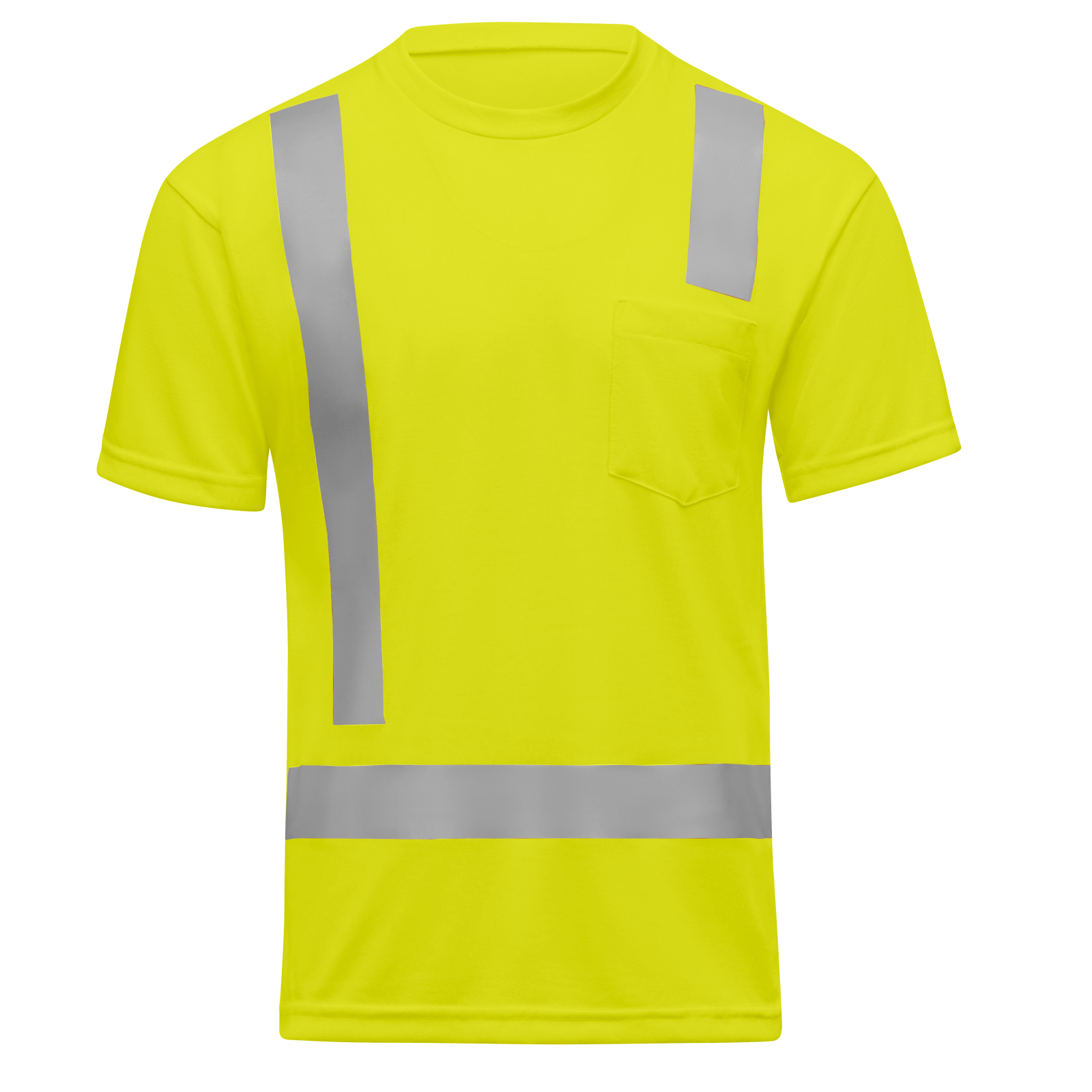
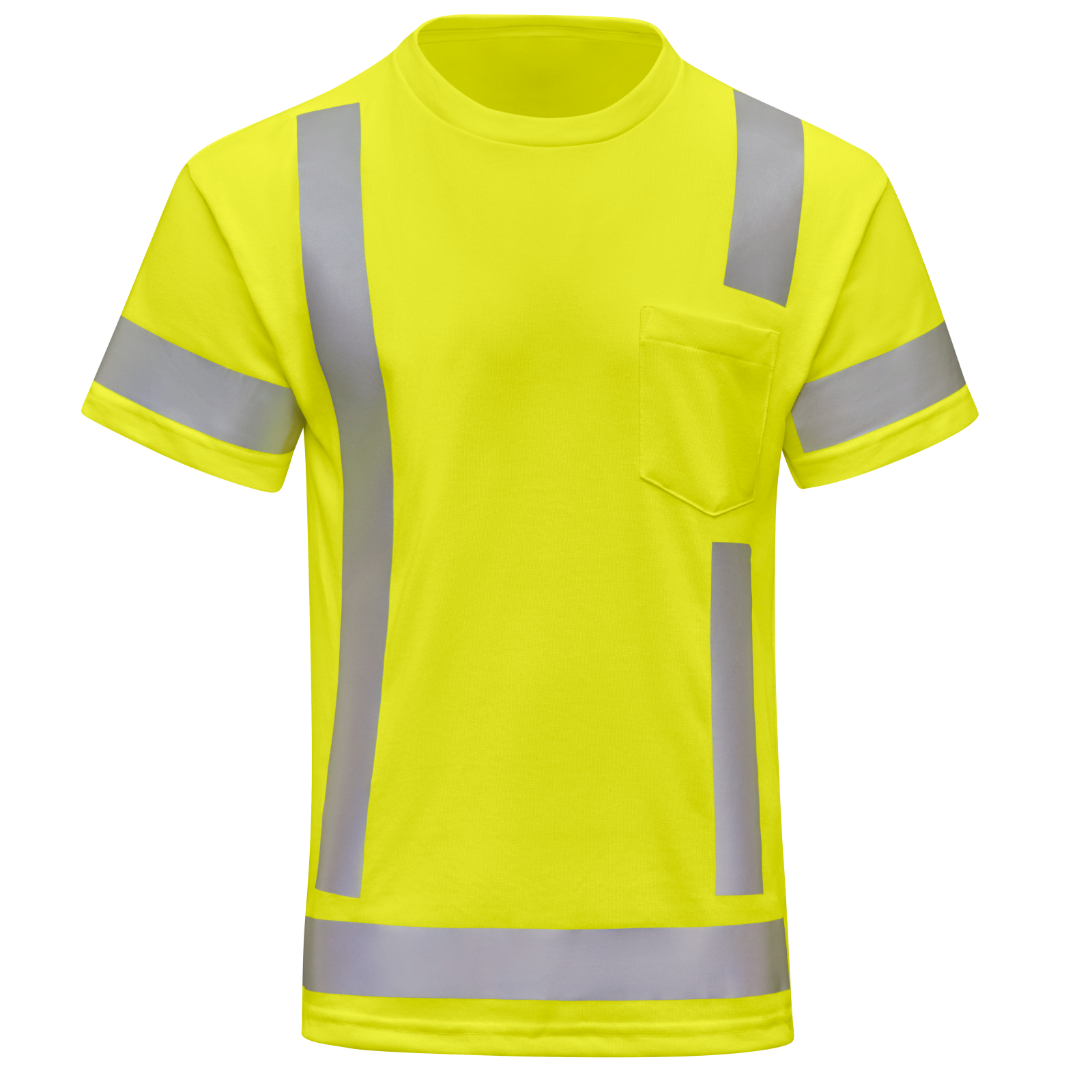
Hi-Vis Short Sleeve T-Shirt
Short-sleeve hi-vis T-shirts suit warm-weather field, logistics, and service uniform programs. Specify fabric composition and weight, crew-neck construction, reflective trim placement, contrast panels, branded chest or back decoration, labeling, and packing for a private-label or wholesale range.
Get a Quote
Hi-Vis Polo
Hi-vis polos combine a more structured uniform appearance with visibility-focused color and trim choices. Customize collar construction, placket, sleeve finish, fabric selection, reflective tape placement, logo application and size range for supervisors, service crews and customer-facing operations.
Get a Quote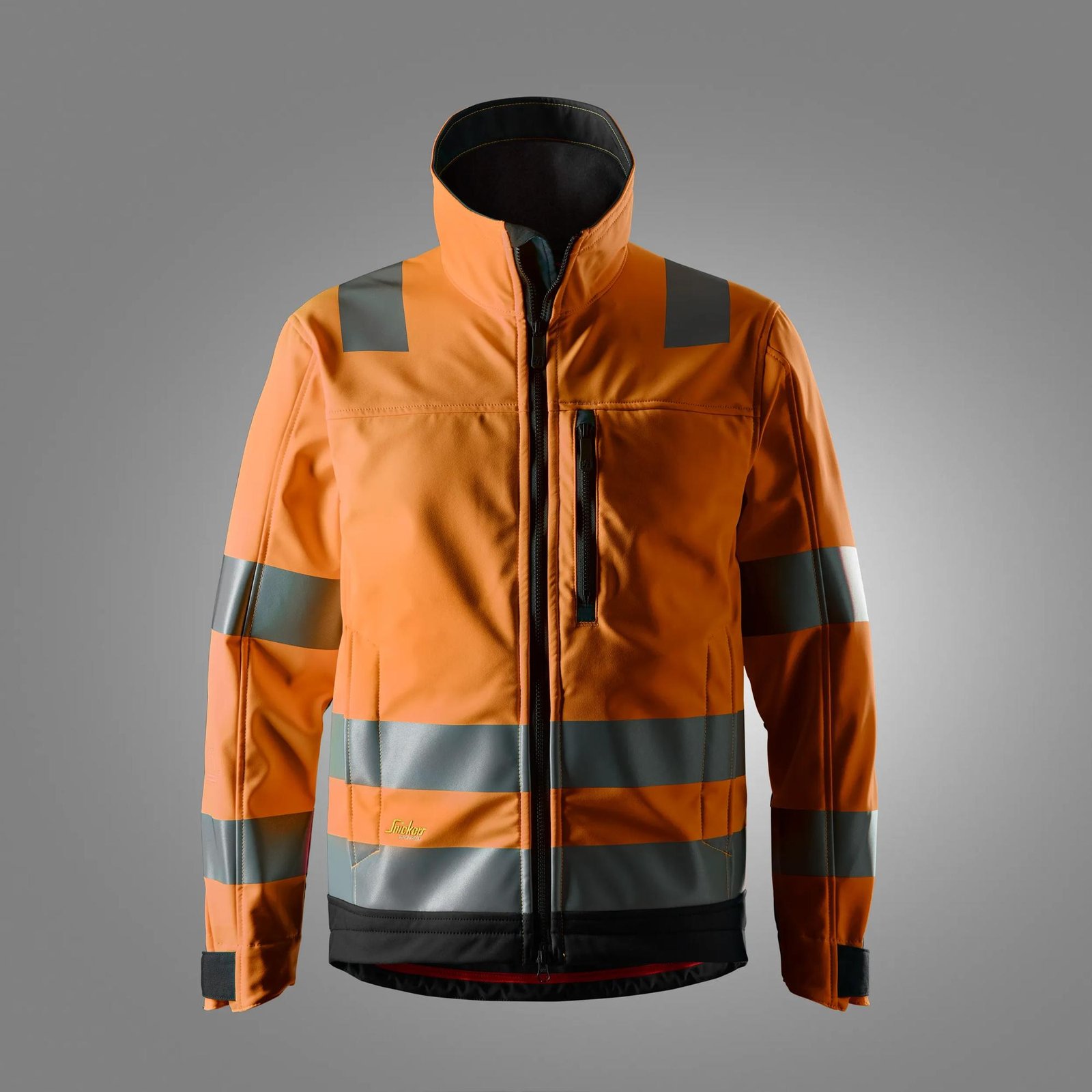
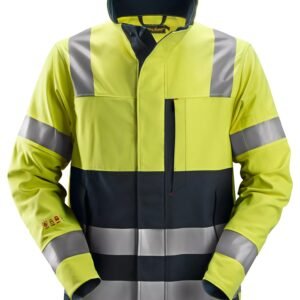
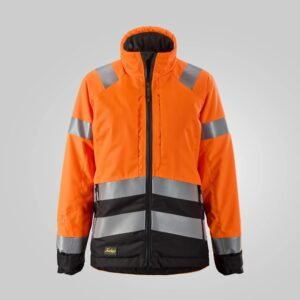
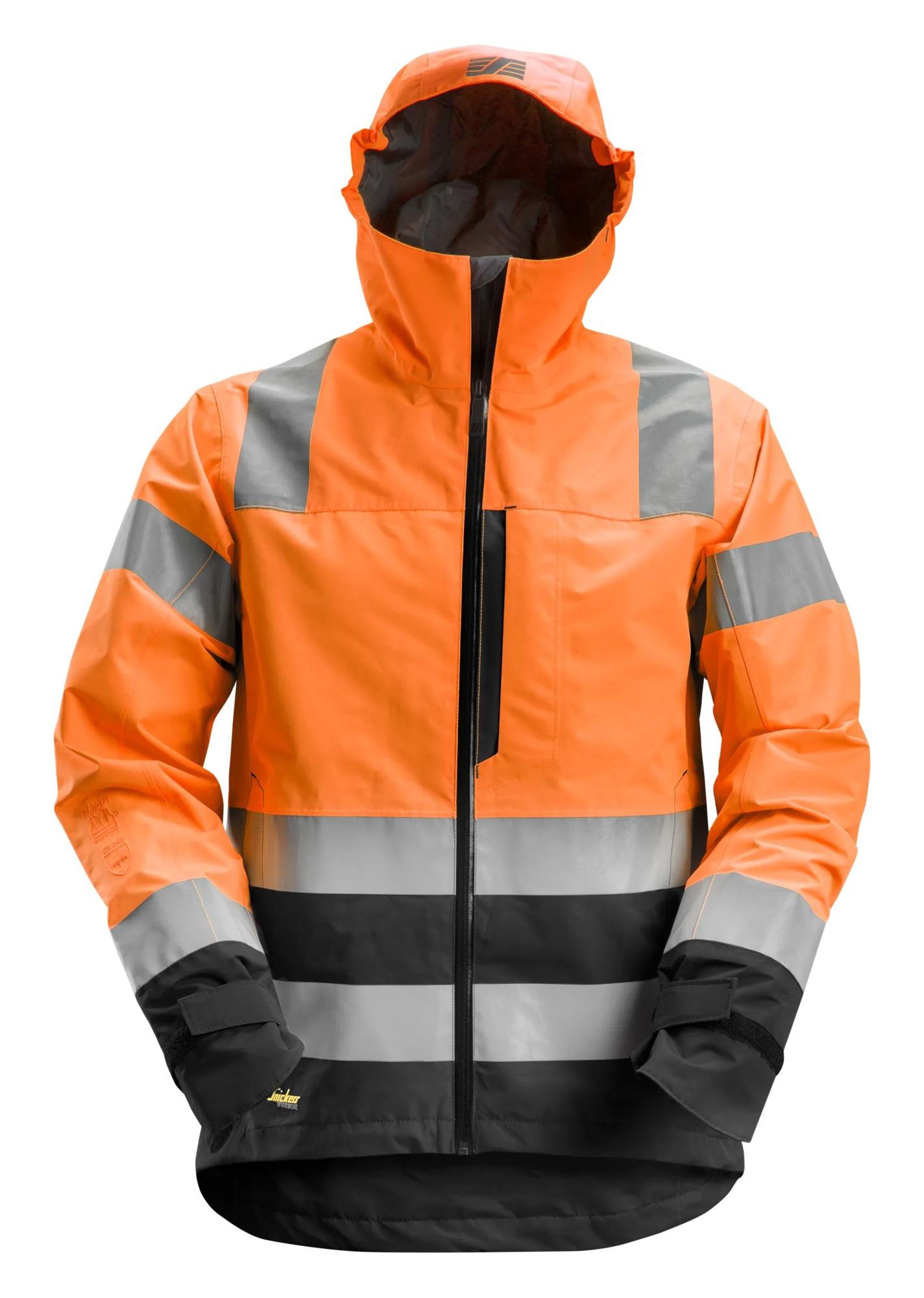
Hi-Vis Jacket
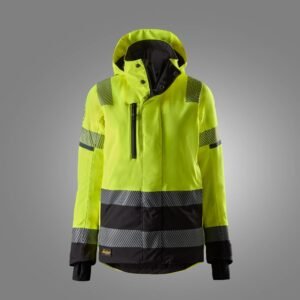
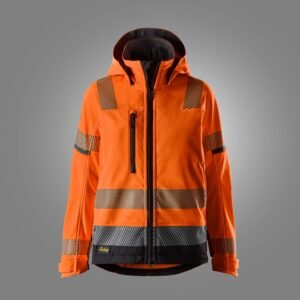
Hi-vis jackets can be developed as softshell, fleece, padded or rain-jacket styles for changing work conditions. Define weather-protection targets, lining, pocket configuration, reinforcement areas, closures, reflective placement, hood options and branding before sampling. Any protective performance claim requires SKU-specific evidence.
Get a Quote
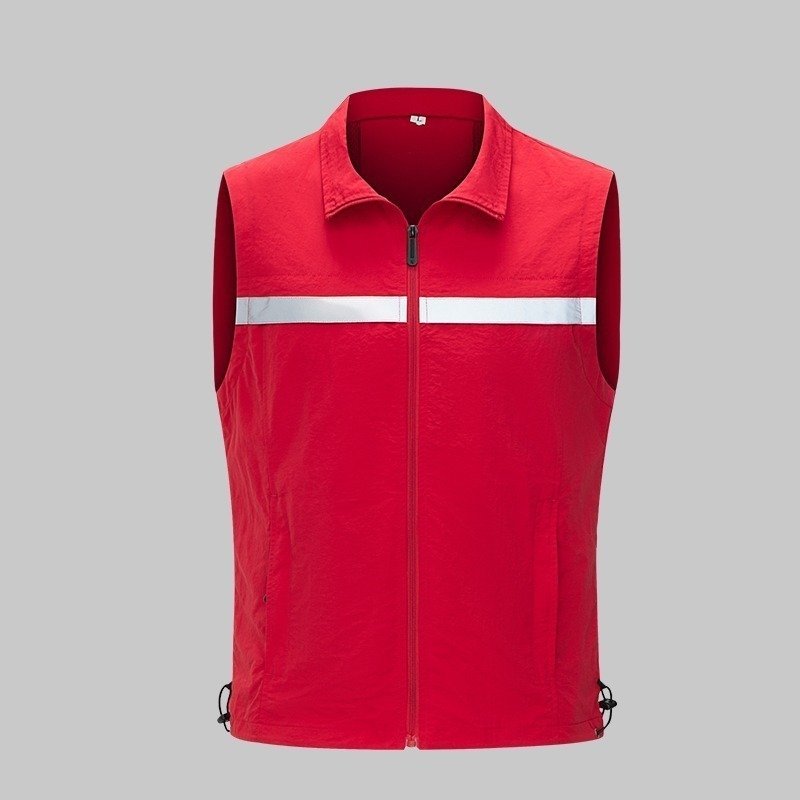
Hi-Vis Vest
Hi-vis vests offer a lightweight outer layer for site visitors, logistics teams, event crews and layered workwear programs. Choose vest silhouette, closure type, pocket layout, mesh or solid fabric direction, contrast binding, reflective tape placement, printed markings and labels according to the application.
Get a Quote
Class 1
Develop lower-exposure program designs only when the buyer supplies the applicable standard and garment requirements. Plan the base material, contrast layout, reflective components, sizing, and decoration around the intended use; do not assign a class or compliance status without SKU-specific testing and documentation.
Get a QuoteMaterials for Custom Hi Vis Clothing




Custom Hi Vis Clothing Decoration Processes



Accessories for Custom Hi Vis Clothing


About Veelianpro Custom Hi Vis Clothing
Hubei Veelianpro Workwear Co., Ltd. is a Wuhan-based workwear manufacturer whose company profile states that its operation began in 2012. The business was built to help workwear brands, safety distributors, uniform buyers and sourcing teams develop dependable apparel for industrial, safety, hospitality and service applications.
Veelianpro supports OEM, ODM, private-label and wholesale production, beginning with a buyer’s tech pack, sketch, sample or product idea. Its development scope covers fabric and trim sourcing, pattern development, sampling, grading, cutting, sewing, reinforcement, decoration, quality checks, packing and export coordination. Custom hi vis clothing can be developed around specified materials, fit, reflective trim placement, branding and production requirements.
What differentiates Veelianpro is the connection between product development and production execution. Buyers can review construction details such as pocket systems, reinforced knees, bartacks, triple stitching, gussets and weather protection before sampling, while the team separates design targets from tested performance claims. The stated starting MOQ is 100 pieces per style and color, subject to fabric, certification and construction requirements; protection ratings require SKU-specific evidence.

Core Capabilities for Custom Hi Vis Clothing
Review the Product Brief
Veelianpro starts with your tech pack, sketch, sample, or product idea. Our team reviews garment purpose, visibility requirements, fabric direction, branding, target quantity, destination, and timeline before confirming a practical development path for your workwear program.
- Tech-pack and sketch review
- Fabric, trim, and color discussion
- Visibility requirements and test scope review
- OEM, ODM, and private-label feasibility

Build the Pattern and Fit
Pattern development turns your product concept into a manufacturable garment. Veelianpro can develop measurements, pocket layouts, sleeve shapes, reinforcement zones, and fit details, then apply size grading so the approved design works consistently across your required size range.
- Pattern development from approved references
- Size grading for production ranges
- Fit review through sampling
- Pocket, panel, and access-point planning

Source Materials and Construct
We coordinate fabric and trim sourcing before cutting and sewing begin. Depending on the brief, buyers can discuss fabric weight and composition, reflective tape placement, weather protection, bartacks, triple stitching, gussets, reinforced knees, and other construction details.
- Fabric and trim sourcing support
- Reflective tape placement planning
- Reinforcement and durability details
- Cutting, sewing, and finishing coordination

Apply Branding and Check Quality
Custom hi-vis clothing can be finished with branding and private-label details suited to the program. Veelianpro supports embroidery, screen printing, heat transfer, patches, woven labels, care labels, custom packaging, quality checks, packing, and export coordination.
- Logo and name placement planning
- Labels, patches, and care details
- Pre-shipment quality inspection
- Packing and export coordination

Custom Hi Vis Clothing vs. Stock-Garment Sourcing With Decoration
Choose a development route that matches your garment, branding, and program requirements. Starting MOQ is subject to fabric, certification and construction requirements.
← Swipe left or right to view →
Our Custom Hi Vis Clothing Production Process
Veelianpro develops custom hi vis clothing from your garment brief, tech pack, sample, or product idea. With MOQ starting at 100 pieces per style and color, subject to fabric, certification, and construction requirements, our Wuhan team coordinates materials, sampling, production, inspection, packing, and export preparation for B2B workwear programs.
Review Your Project
Share your garment type, work setting, target quantity, destination, timeline, artwork, and any required visibility standard so Veelianpro can assess the project.
Confirm Materials And Design
Review fabric weight, composition, colors, reflective trim placement, pocket systems, reinforcement details, branding methods, and construction requirements with our development team.
Develop And Approve Sample
Approve a sample developed from your tech pack or product idea, then confirm fit, size grading, decoration placement, and revisions before bulk production.
Produce To Specification
After approval, production moves through fabric preparation, cutting, sewing, bartacks, reinforcement, decoration, finishing, and in-process quality checks aligned with the agreed specification.
Inspect Pack And Export
Veelianpro completes final inspection, packing, export coordination, and shipment preparation, while keeping approved specifications available to support consistent reorders and future programs.
How to Start Custom Hi Vis Clothing
From your first concept to reorder support, Veelianpro coordinates practical development, sampling, and production for OEM, ODM, private-label, and wholesale workwear programs.
Submit Your Project Brief
Send your tech pack, sketch, sample, or concept with garment type, work setting, target quantity, destination, timeline, and branding requirements.
Review Project Feasibility
Review feasibility with Veelianpro, including fabric, reflective trims, construction, sizing, decoration, applicable standards, and certification evidence required for the intended garment.
Select Materials and Details
Select materials and trims, then refine patterns, branding placements, labels, packaging, and reinforcement details for your OEM, ODM, or private-label program.
Approve and Start Production
Approve the sample, quotation, and conditional MOQ before production; Veelianpro then coordinates cutting, sewing, quality checks, packing, export, and reorder support.
Documented Results from Custom Hi-Vis Workwear Programs


Custom Hi Vis Clothing Development Scenarios
Safety distributor scenario: A distributor needs a branded vest and jacket program for mixed work sites. The development brief defines the base-color direction, reflective tape layout, logo placement, size range, and required standard. The proposed solution is a coordinated specification and sample; acceptance depends on approved construction and SKU-specific test documentation where protection is required.
Uniform buyer scenario: A buyer is replacing separate warm-weather shirts and wet-weather outerwear with a coordinated custom hi vis clothing range. Pattern development aligns pocket access, branding zones, and sizing across garments. The intended approval criteria are fit, decoration quality, reflective layout, fabric choice, and documented requirements for the selected style.
Workwear brand scenario: A growing label brings a sketch for a high-visibility coverall and needs a production-ready program. Veelianpro develops the pattern, sources fabric and trims, prepares a sample, and reviews reinforcement and label details. The project moves forward only after the buyer approves construction, grading, branding, quantity, and any applicable certification scope.
Custom Hi Vis Clothing FAQ for OEM Buyers
Clear answers on specifications, sampling, customization, MOQ, production and documentation for branded high-visibility workwear programs.
What custom hi vis clothing can Veelianpro develop?
Are your custom hi vis clothing products ANSI or other classification compliant?
Which colors and sizes are available for custom hi vis clothing?
Which custom hi vis clothing styles suit different work environments?
Can Veelianpro customize materials, fit, trims and branding?
Can I review a sample before ordering custom hi vis clothing?
What is the MOQ for custom hi vis clothing?
How do lead time, payment and shipping work for an OEM order?
Custom Hi Vis Clothing: A Buyer’s Guide
Build a job-ready custom hi vis clothing program by comparing garment formats, technical options, decoration choices, quality checkpoints, supplier criteria, approval steps, and cost drivers while avoiding specification and production mistakes.
1. What Is Custom Hi Vis Clothing?
Custom hi vis clothing is a custom garment program that combines a high-visibility design direction with organization identification. The program may include vests, work shirts, jackets, rain-layer styles, trousers, bib overalls, coveralls, or coordinated two-piece suits for industrial and service teams.
Plan the garment around the work setting before adding artwork. Traffic exposure, moving equipment, indoor warehouse work, weather, layering, and the need to distinguish crews or contractors affect the garment format, color arrangement, tape layout, and usable logo area. A logo identifies the wearer or organization; it is not evidence of protective performance.
A quote-ready brief names the job setting, garment type, fabric or weather-related design target, decoration method and placement, size breakdown, destination, target quantity, and required delivery timing. If a visibility, flame-resistant, arc-rated, chemical-protective, or other requirement applies, provide the applicable standard and required test or certificate scope. Veelianpro can develop custom workwear from a tech pack, sketch, sample, or product idea, with a starting MOQ of 100 pieces per style and color, subject to fabric, certification, and construction requirements.
2. Planning a Coordinated Hi-Vis Clothing Program
A vest may address a simple identification need, while a broader crew program may require shirts, outer layers, or task-specific garments. Start by mapping the work areas, shifts, indoor or outdoor conditions, layering needs, and the teams that must be identified.
Use that map to assign each garment a role: a vest or shirt for a base uniform, and fleece, softshell, padded, or rain-jacket styles where the buyer’s program calls for additional layers. Plan tape placement, compatible sizing, pocket access, and logo areas across the selected garments before sampling.
Team identification matters where employees work beside contractors, visitors, or multiple service teams. Veelianpro can develop garments around logo placement, names, patches, labels, and role-specific pocket or reinforcement requirements. Where protection is requested, the applicable standard and required test or certificate must be defined before production. A useful brief is a crew matrix covering work setting, shifts, seasonal layers, roles, size range, branding method, quantity, destination, and timeline—not only a garment color.
3. Types of Custom Hi Vis Clothing
A coherent custom hi vis clothing range assigns each garment to an exposure and task, rather than issuing one style to every worker. Build around how crews move, layer, carry tools, and work beside vehicles or equipment.
| Format | Best-Fit Work Condition | Assortment Role |
|---|---|---|
| Vest | Mixed crews and changing base uniforms | Add-on visibility layer |
| Tee or polo | Heat and active service work | Warm-weather core |
| Jacket or rainwear | Cold layering or wet exposure | Weather outer layer |
| Trousers, bibs, coveralls | Equipment-heavy or full-coverage roles | Task-specific extension |
Vests For Mixed Crews
Utility and safety vests add visible outer coverage over existing uniforms, making them practical for visitors, temporary labor, and mixed contractors. Pocket layout should follow the tools, radios, or documents the role actually carries.
- Best for quick over-layering
- Useful for visitor identification
- Specify closure and pocket needs
Tees, Polos, And Long Sleeves
Tees suit hot, active work where a lighter base layer is needed. Polos give supervisors, service teams, and customer-facing crews a more uniform presentation; long sleeves add coverage when the task or environment calls for it.
- Tees for heat and movement
- Polos for service-facing teams
- Long sleeves for added coverage
Jackets And Rainwear
Softshell, fleece, padded, and rain jackets serve different layering and weather roles, so they should not be specified as substitutes. Rainwear focuses on wet exposure, while insulation and shell choices should be aligned to the intended layering system.
- Use shells for layered systems
- Separate rain exposure from insulation
- Confirm hood and closure requirements
Trousers, Bibs, And Coveralls
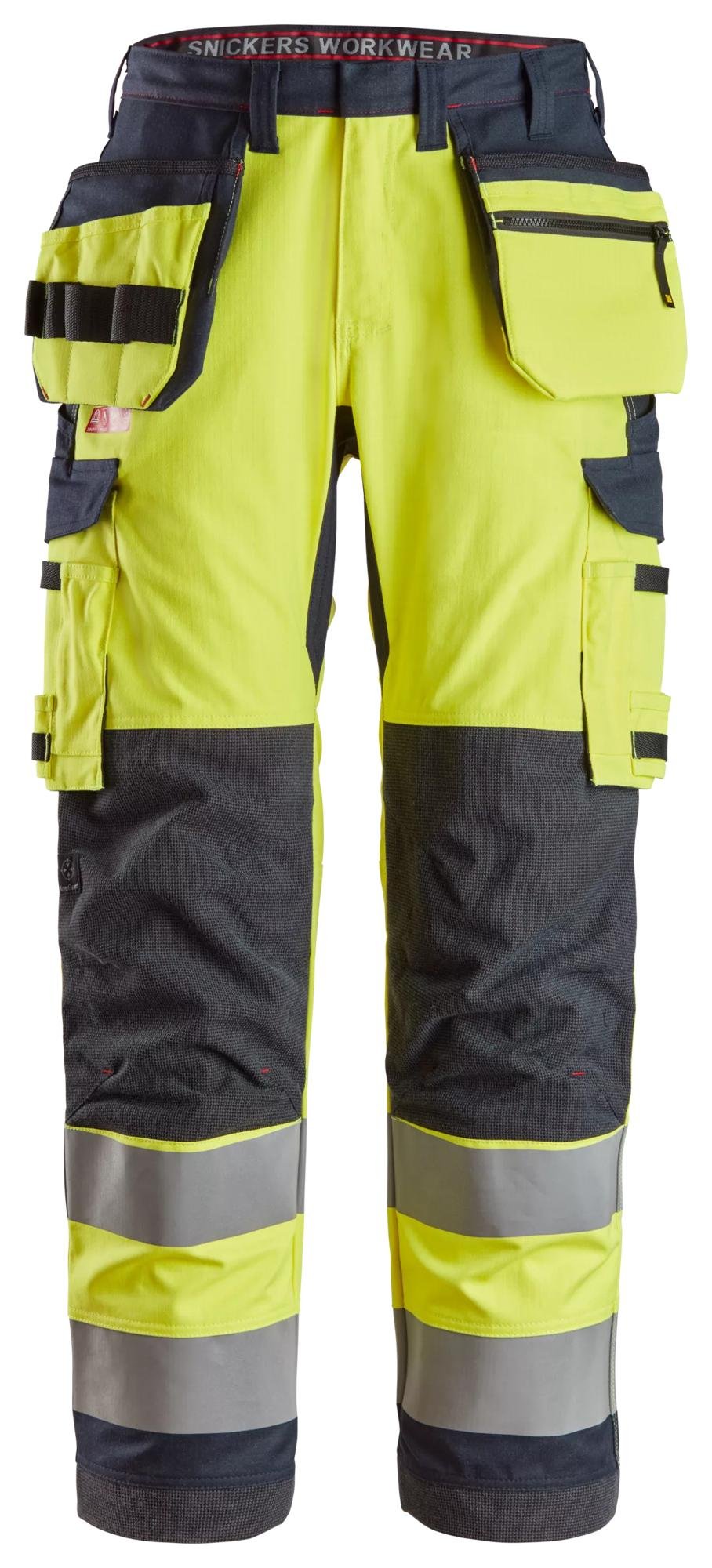
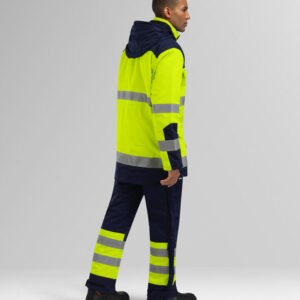
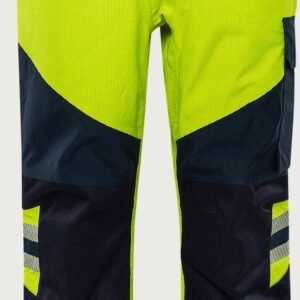
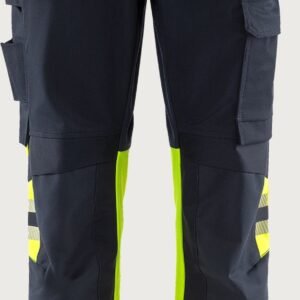
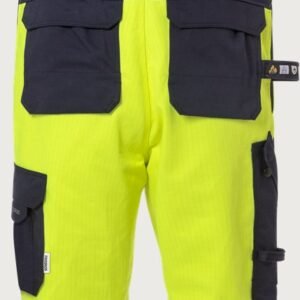
Hi-vis trousers or bib overalls extend visibility below the waist for equipment-heavy or dirty work, where a top-only program may be insufficient for the uniform plan. Coveralls create a one-piece option for roles needing full-body garment coverage and fewer exposed layers.
- Trousers support two-piece uniforms
- Bibs suit tool-intensive roles
- Coveralls simplify full-body outfitting
4. Custom Hi Vis Clothing Materials and Options
Ground-fabric color direction, reflective trim, and garment construction should be specified together. Define the work setting, climate, layering plan, and required documentation before approving custom hi vis clothing.
| Option | Practical Trade-Off | Intended Conditions | Evidence Required |
|---|---|---|---|
| High-visibility ground-color direction | Color direction, hand feel, and fabric specification | Buyer-defined work setting | Composition, weight, color specification |
| Reflective tape | Coverage versus logo and pocket space | Buyer-defined placement plan | Tape specification and placement drawing |
| Fabric and panel construction | Construction choice versus layering plan | Buyer-defined garment program | Fabric and construction specification |
| Rain or insulated layers | Layer construction versus program complexity | Buyer-defined outer-layer requirement | Layer construction and performance scope |
| FR or arc-rated design | Protection claim requires controlled evidence | Hazard-assessed work | Applicable standard, test, certificate scope |
Ground-Fabric Color Direction
Choose the ground-fabric color direction around the garment format and wear conditions, then confirm composition, weight, and color in the approved specification. Color alone is not a documented visibility claim.
Reflective Trim Placement
Reflective tape placement must remain visible after pockets, closures, logos, and layered garments are considered. Specify tape type, width, placement map, and the required performance documentation with the tech pack.
Breathability And Weather Layers
Use lightweight, fleece, padded, and rain-layer constructions as distinct development options. Define the expected shift conditions, layering sequence, garment measurements, and required documentation before choosing a shell or insulation construction.
Flame-Resistant Requests
Flame-resistant or arc-rated development requires the applicable standard, exact fabric specification, and test or certificate scope before any protective claim is used. A product-family request is not evidence of a certified finished garment.
5. Customization and Logo Finishing Options
Branding on custom hi vis clothing has to share limited clear space with reflective tape, pockets, closures, seams, and movement zones. Select the decoration route from the artwork, garment fabric, intended placement, and any applicable protection requirement—not from logo appearance alone.
| Method | Artwork Fit | Garment Or Placement Consideration | Approval Risk |
|---|---|---|---|
| Screen printing | Bold marks and limited colors | Needs a suitable flat print area | Fine detail or tape overlap may soften readability |
| Heat transfer | Detailed or multicolor graphics | Confirm adhesion and panel location for the chosen fabric | Edges, seams, and flex zones need review |
| Embroidery | Simple logos and text | Adds stitched bulk; assess pocket and tape clearance | Small details can lose definition |
Choose the Decoration Method
Screen printing suits bold, limited-color artwork on suitable flat panels. Heat transfer can reproduce finer color detail, while embroidery gives raised stitched definition for simpler marks; each option needs review against the garment construction and intended use.
Plan Names And Placement
Employee names, job roles, unit identifiers, and large back marks should be specified separately from the master logo. A left chest mark may compete with a pocket or zipper, while a back graphic can cross tape, a yoke seam, or a flex point.
Map every mark on front, back, and sleeve views. Keep decoration clear of reflective areas unless the design and required performance documentation specifically support that arrangement.
- Define logo dimensions by placement
- List name format and variable data
- Identify pocket, seam, and tape exclusions
Prepare Artwork And Approvals
Provide editable vector artwork where available, along with brand colors, required dimensions, and placement views. A digital mockup can expose overlap with tape or pockets; a pre-production sample reveals how the mark sits over seams and moves when worn.
Approve the garment color, reflective layout, logo scale, spelling, identifiers, and finishing method together. A visual approval is not evidence of a protective rating or certification.
6. Construction Details That Affect Wear
Construction choices determine whether a hi-vis garment moves cleanly through a shift or becomes awkward to wear and use. Review these details on the development sample, before logo artwork and bulk production are approved.
Seams And Reinforcement

Seat, crotch, knee, pocket-edge, and shoulder seams receive different stresses. Specify where bartacks, triple stitching, gussets, or reinforced knees are needed; then inspect seam alignment, loose thread ends, and whether the reinforcement restricts movement.
Closures And Pocket Access
A zipper, snap, or hook-and-loop closure must remain usable with the gloves and layers worn on site. Check that chest and cargo pockets open without blocking a harness, jacket hem, reflective trim, or the worker’s normal reach.
Reflective Trim And Logos
Reflective tape placement needs clear paths across the garment panels; decoration should not cover it or create a stiff band at a bend. Review large heat-transfer areas across elbows, shoulder flex points, and waist folds on the approved sample before production.
- Compare artwork placement on a worn sample, not only a flat mockup.
- Open closures and pockets after decoration inspection.
- Confirm logo clearance from tape, seams, and reinforcement panels.
Fit, Labels, And Layering

Fit approval should reflect the base layers or outer layers the crew will actually wear. Confirm sleeve reach, torso length, collar comfort, label readability, care instructions, size marking, and whether decoration conflicts with an inside label or exterior feature.
7. Choosing a Custom Hi Vis Clothing Manufacturer
A capable manufacturer turns a visibility brief into a controlled garment specification, rather than selecting a fluorescent base and adding a logo. Compare development discipline, production scope, and the completeness of the quotation before judging an offer.
| Evaluation Area | Evidence To Request | Decision Risk |
|---|---|---|
| Range fit | Garment and construction brief | Wrong format for the task |
| Artwork workflow | Placement approval and decoration method | Unclear branding outcome |
| Size control | Size chart and quantity breakdown | Unusable crew allocation |
| Quote scope | Inclusions, exclusions, and milestones | Unexpected order changes |
Match The Product Range
Start with the actual crew format: vest, shirt, rain jacket, trousers, bib overall, coverall, or layered suit. Confirm that pockets, weather protection, reinforcement, and reflective tape layout suit the intended work setting.
We develop workwear from a tech pack, sketch, sample, or product idea, including fabric and trim sourcing, pattern development, cutting, sewing, finishing, packing, and export coordination.
Lock The Written Specification
A usable brief identifies fabric composition and weight, base color, reflective tape placement, pocket system, size range, decoration method, labels, and packaging. Where protection is required, provide the applicable standard and required test or certificate; a design target is not a documented performance claim.
Confirm the approved artwork against its placement, dimensions, colors, and decoration method before production.
Approve Samples And Sizing
Use the sample to review construction, logo position, tape layout, labels, and hand feel; use a size-run sheet to confirm the crew allocation. Define measurable acceptance points for workmanship, trims, decoration, labeling, and packing before order confirmation.
Confirm MOQ feasibility, final lead time, payment terms, and sample conditions in the individual quotation.
Compare Quote Completeness
A low unit figure is not comparable when it omits development, decoration, labels, packaging, inspection, or export coordination. Ask each manufacturer to state inclusions, exclusions, approval milestones, and the revision basis in writing.
8. Common Custom Hi Vis Clothing Mistakes
Small omissions in a custom hi vis clothing brief become costly once patterns, decoration, and production are underway. Prevent them by defining the work setting and approval boundaries before selecting a format or comparing quotations.
Start With Job Conditions
A vest chosen before reviewing traffic exposure, weather, tasks, and worn layers may restrict movement or duplicate another garment. A bright color alone does not establish that a protective requirement has been met.
Document the work setting, applicable standard, and required test or certificate before development. Treat a high-visibility appearance as a design direction unless the finished garment’s exact compliance scope is confirmed.
Protect Functional Garment Areas
A large chest logo can interfere with reflective tape placement, pockets, zipper access, or a clear identification panel. Decoration can also behave differently across shell fabrics, fleece, and rainwear.
Mark the proposed logo size and position on the garment drawing, front and back. Review decoration method, tape layout, and garment function together before a sample is approved.
Approve Sizes And Artwork
Ordering only common sizes leaves some crew members without a workable fit, while unreviewed artwork can produce unreadable small text or an unintended color treatment. Both errors create avoidable replacement work.
Request a full size curve by style and include name personalization separately. Approve the production artwork and placement proof, not merely the original logo file.
Plan Layers And Equal Quotes
A summer shirt program may leave the buyer without a planned outer-layer option when rain or cold conditions are part of the work setting. A lower quote can also omit sampling, decoration, labels, packing, or export coordination.
Compare each quotation against one specification sheet: fabric and construction, decoration positions, size curve, packaging, sample status, and shipment scope.
9. Launching a Crew Workwear Program
A crew program works when each garment is assigned to an actual task, exposure, and wearer—not selected as a single generic uniform. Start with a controlled specification, then approve the same details that will govern replenishment.
| Role | Garment Plan | Hypothetical Quantity | Size-Matrix Check |
|---|---|---|---|
| Warehouse picker | Hi-vis shirt | 12 | Allocate by confirmed wearer sizes |
| Yard operator | Shirt plus rain jacket | 8 each | Matrix separately by garment |
| Supervisor | Polo plus vest | 5 each | Confirm fit and logo placement |
Map Roles And Environments
List each role beside traffic exposure, weather, movement, tools, and any required protection. Separate vehicle marshals, warehouse pickers, roadside crews, and customer-facing service staff when their conditions differ.
- Role and work location
- Seasonal exposure
- Required standard or test evidence
- Pocket and mobility needs
Choose Families And Artwork
Match roles to vests, shirts, polos, rain jackets, trousers, bib overalls, coveralls, or layered outerwear. If protection is required, provide the applicable standard and required test or certificate before product development.
Supply production-ready artwork and a placement sheet showing logo dimensions, colors, and positions relative to reflective tape. Confirm the decoration method, labels, and packaging in the same approval record.
Build The Order Matrix
Worked example—hypothetical worksheet: 12 warehouse pickers receive shirts; 8 yard operators receive one shirt and one rain jacket each; and 5 supervisors receive one polo and one vest each. That equals 20 shirts (12 + 8), 8 rain jackets, 5 polos, and 5 vests, or 38 garments in total. The buyer then allocates each style by size, color, decoration, and destination before requesting a quote.
Approve And Replenish
Send garment type, work setting, fabric target, size matrix, quantity, branding, destination, and timeline with the quote request.
Review mockups or samples against written acceptance criteria: approved placement, measurements, construction, labels, packing, and any required documentation. Retain the final tech pack, artwork, and size matrix so replenishment uses the approved version.
10. Custom Hi Vis Clothing Cost Drivers
A hi-vis vest, a lined rain jacket, and a reinforced coverall do not have the same material, cutting, sewing, or finishing requirements. A usable quote separates the base garment from protection-related development requirements and customization so buyers can compare like with like.
Provide the full size breakdown, logo files, decoration placements, packing request, destination, and any required standard or test documentation before approving a sample or quotation.
| Cost Driver | What Changes Cost | Quote Must Specify |
|---|---|---|
| Garment format and construction | Vests, shirts, jackets, trousers, and coveralls use different fabric quantities, components, pocket systems, reinforcements, and sewing operations. | Style, work setting, weather exposure, pockets, reinforced knees, gussets, bartacks, and stitching requirements. |
| Materials and visibility features | Fabric composition and weight, reflective tape placement, lining, weather protection, and any requested protective specification affect sourcing and construction. | Fabric target, color, tape layout, required standard, and exact test or certificate scope where protection is required. |
| Decoration and personalization | Screen printing, heat transfer, embroidery, patches, labels, artwork detail, color count, placement count, and individual names change setup and application work. | Production-ready artwork, method preference, dimensions, locations, color references, and name or ID list. |
| Order mix and presentation | Quantity by style and color, size distribution, custom packaging, sampling, and export freight scope change unit and program costs. | Units per SKU, size ratio, packaging format, sample requirement, destination, Incoterm or freight scope, and requested delivery timeline. |

Request a Custom Hi Vis Clothing Quote
Send garment details, work setting, materials, sizes, branding, quantity, destination, and timeline for a tailored Veelianpro quotation.