
Mining Workwear Manufacturer in China for Custom OEM & Private Label
Veelianpro is a Wuhan-based custom workwear manufacturer in China, developing OEM, ODM, private-label, and wholesale mining uniforms from 100 pieces per style and color, subject to project requirements.
Featured Garments for Mining Workwear Development






Related Mining Workwear Catalogue and Quotation






Mining Workwear Manufacturer Advantages
Veelianpro supports practical, specification-led workwear programs from first concept through sampling, production, inspection, packing, and export coordination.
Custom Program Development
Develop mining workwear from your tech pack, sketch, sample, or product idea with construction guidance for operational requirements.
Fit and Pattern Support
Refine patterns, size grading, movement, pockets, reinforced areas, and women’s fit for safer, more comfortable workforce uniforms.
Fabric and Trim Sourcing
Coordinate fabric weights, compositions, reflective layouts, closures, bartacks, stitching, weather protection, and other project-specific garment details.
Private-Label Branding
Apply embroidery, screen printing, heat transfers, patches, woven labels, care labels, custom colors, and packaging for your brand program.
Sampling Before Bulk Production
Review samples and refine materials, fit, construction, branding, and specifications before confirming bulk production from 100 pieces per style and color.
Mining Workwear We Develop
Custom industrial apparel for surface and underground mining programs, developed around work conditions, garment construction and branding requirements.

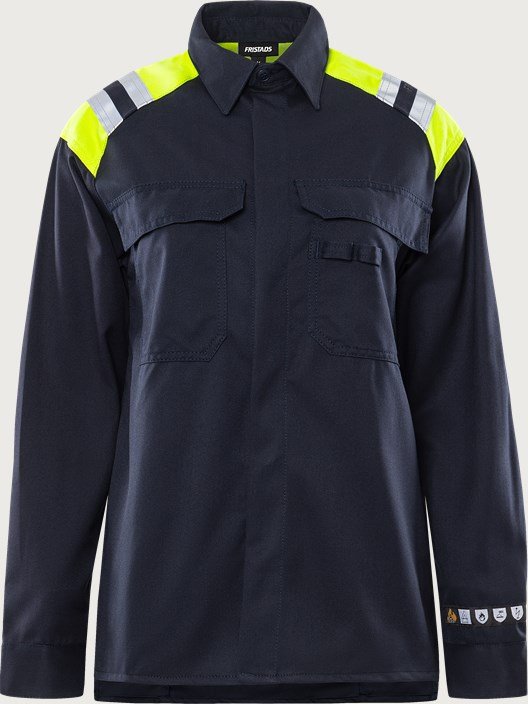
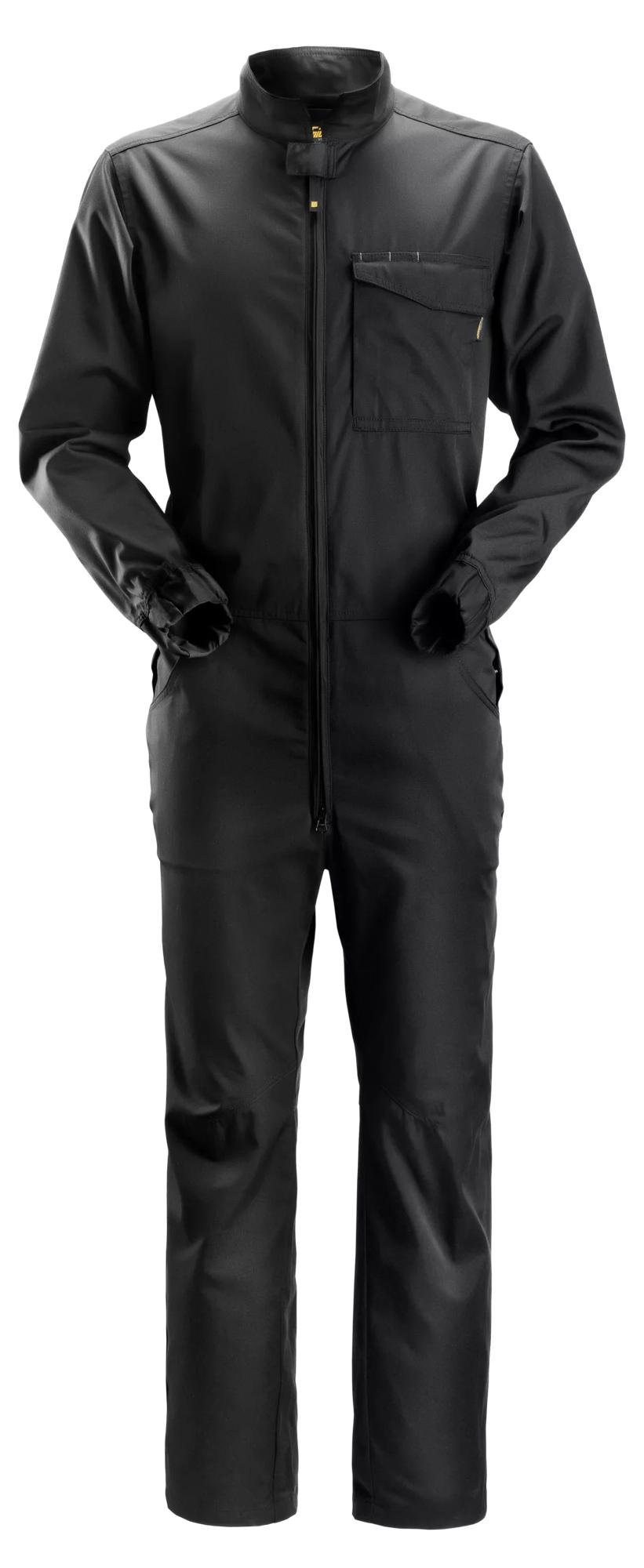
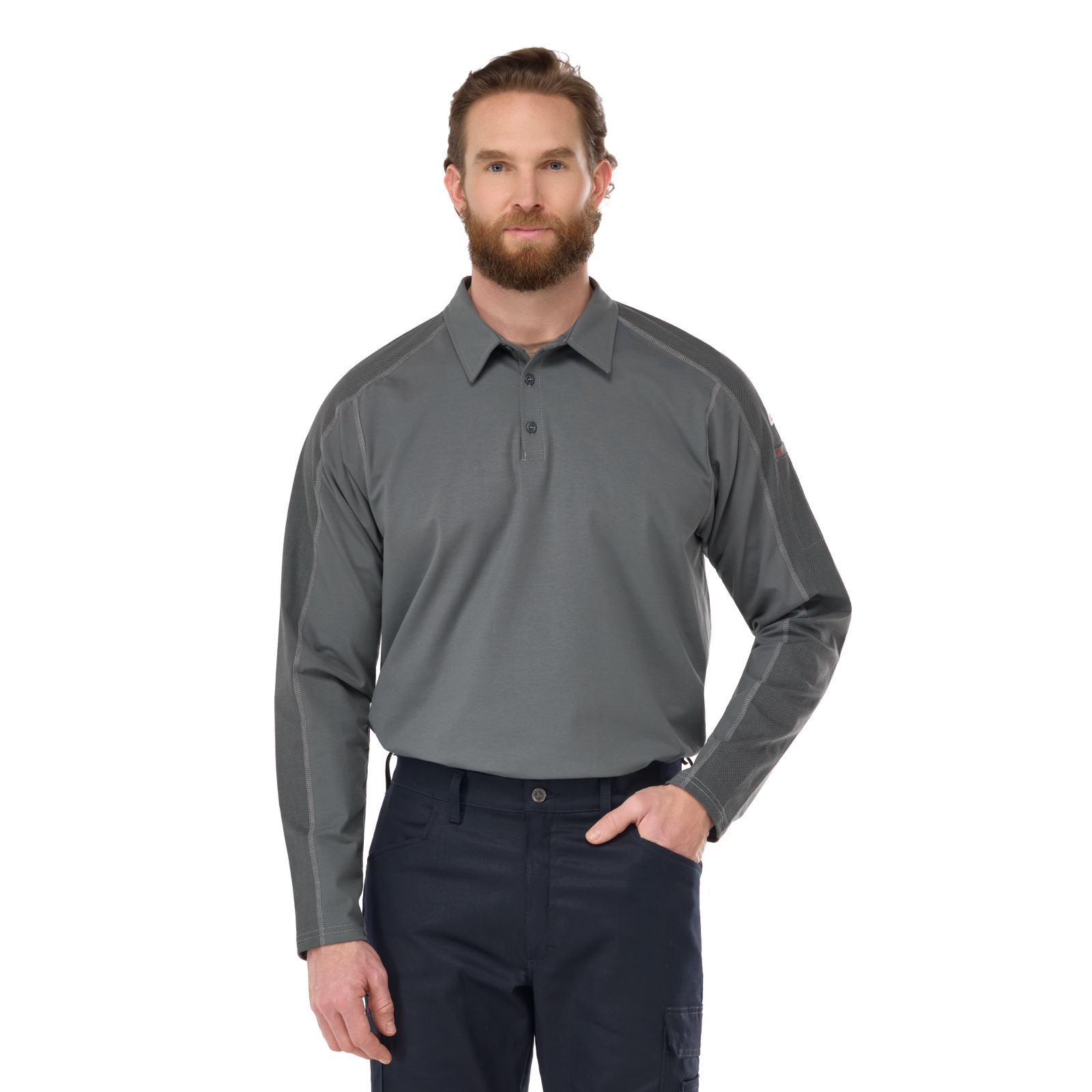
Mining FR Wear
Mining workwear development may include coveralls, shirts, trousers, jackets, and two-piece sets where the buyer provides the required protective standard, test scope, and documentation needs. Fabric selection, reinforcement, pocket layout, reflective trim placement, labels, and decoration can then be developed to the approved garment brief; no protective claim applies until supported by the applicable evidence.
Get a Quote
Underground Cold Weather Gear
For roles with a buyer-defined cold, wet, or variable-climate requirement, development options may include insulated jackets, padded trousers, fleece layers, and outerwear. Construction can be specified with closures, adjustable cuffs, reinforcement in identified wear areas, utility pockets, and size grading that accounts for planned layers and movement.
Get a Quote
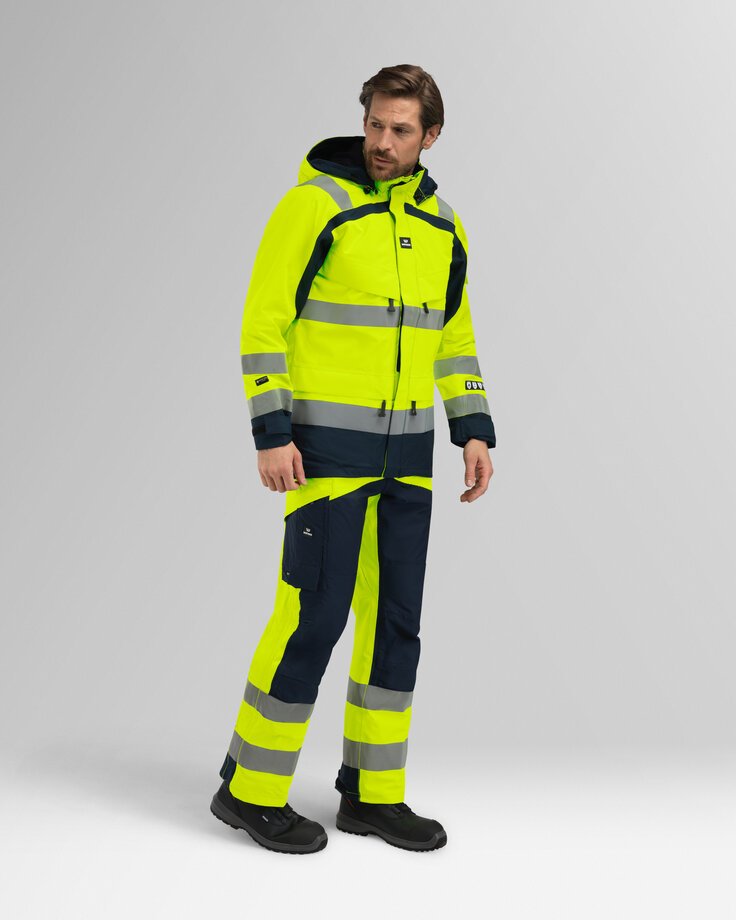
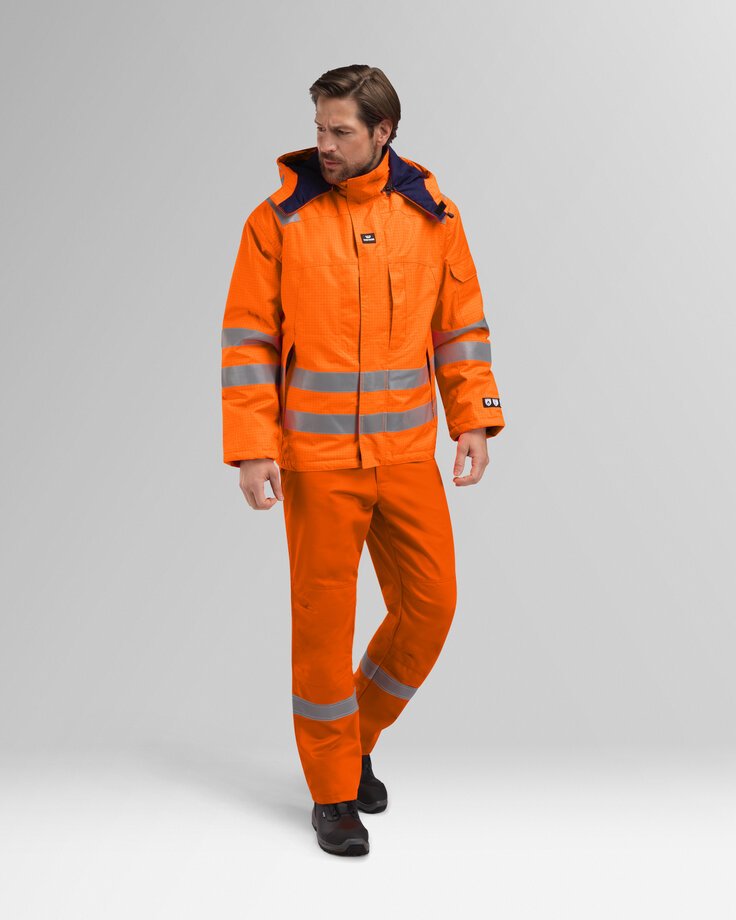
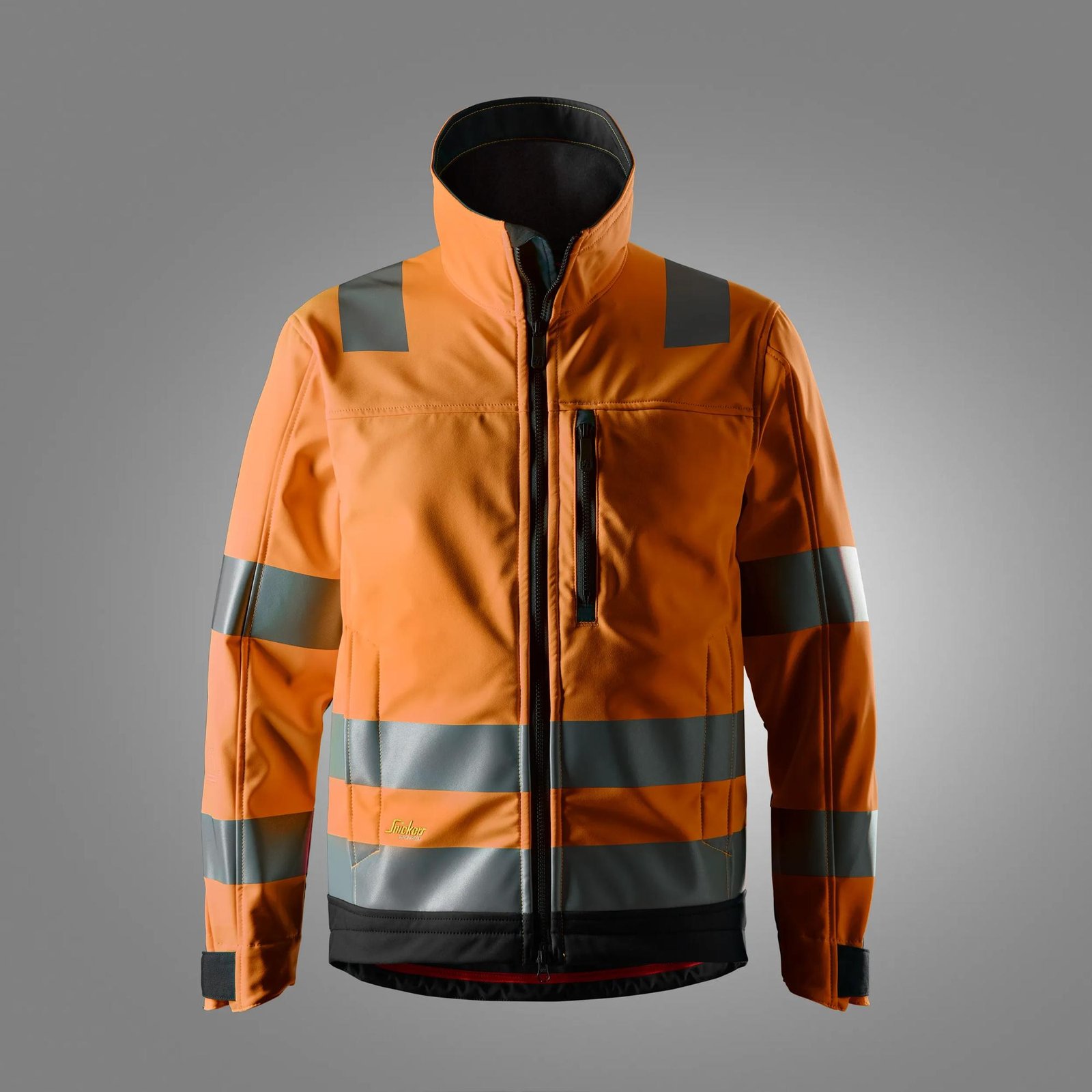
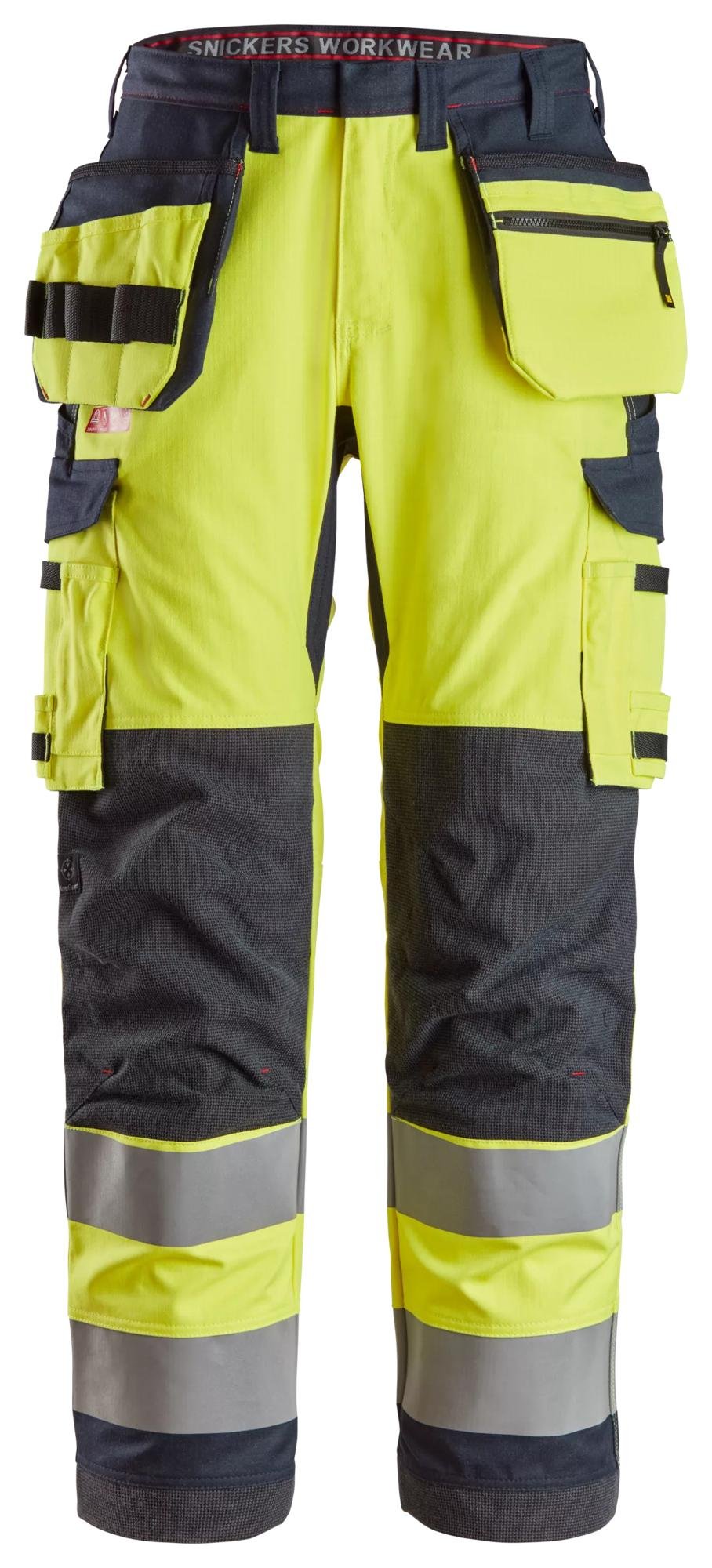
Mining Hi-Vis Wear
High-visibility mining garments can be developed as vests, shirts, polos, jackets, trousers, coveralls and coordinated sets. Define color blocking, reflective tape placement, fabric weight, pocket configuration and branding method during sampling. Any visibility standard or certification requirement must be supported by SKU-specific testing documentation.
Get a QuoteMaterials for Mining Workwear Development




Mining Workwear Manufacturer: Decoration and Production Processes



Mining Workwear Manufacturer Trims and Accessories


About Veelianpro, a Custom Workwear Manufacturer in China
Based in Wuhan, Hubei, Veelianpro began its workwear operation in 2012, according to the company profile. The mission is practical: help workwear brands, safety distributors, wholesalers and enterprise buyers turn garment ideas into dependable products through OEM, ODM, private-label and wholesale manufacturing.
Our team supports the full development path, from tech packs, sketches and product concepts through fabric and trim sourcing, pattern development, sampling, grading, cutting, sewing, reinforcement, decoration, quality checks, packing and export coordination. The range covers shirts, jackets, vests, pants, coveralls and coordinated sets, with specialist development available for high-visibility, FR, arc-rated, chemical, cold-storage, welding, medical and hospitality programs.
Veelianpro is built for buyers who need clear communication and controlled customization. MOQ starts at 100 pieces per style and color, subject to fabric, certification and construction requirements. Protection claims remain project-specific: applicable standards, testing and certification scope should be confirmed for each SKU before production.

Custom Mining Workwear Development Capabilities
Tech-Pack and Design Review
Veelianpro starts with your tech pack, sketch, sample, or product idea. Our team reviews garment purpose, construction, branding, and production feasibility for mining workwear, then identifies open decisions before pattern development, sourcing, sampling, and quotation.
- Review garment type, work setting, and intended use
- Confirm pocket layouts, closures, reinforcements, and branding
- Assess fabric, trim, color, and size requirements
- Align specifications with target quantity and timeline

Pattern and Size Development
Pattern development translates operational requirements into practical garment shapes for shirts, jackets, trousers, vests, coveralls, and coordinated sets. Size grading can be planned around your approved size range, fit objectives, and worker profile, including women’s sizing where the program requires dedicated pattern work.
- Develop patterns from approved references or specifications
- Plan size grading for the required range
- Review mobility, ease, and excess-material concerns
- Refine fit through sample feedback

Materials, Trims, and Reinforcement
As a mining workwear manufacturer, Veelianpro helps coordinate fabric and trim choices around the garment brief. Buyers can discuss fabric composition and weight, reflective tape placement, pocket systems, bartacks, triple stitching, reinforced knees, gussets, closures, and weather-protection details.
- Source fabrics and trims for the approved design target
- Configure reflective details and practical pocket systems
- Add reinforcement points based on garment use
- Separate requested performance from documented test claims

Sampling, Decoration, and Quality Control
Before bulk production, Veelianpro can develop samples to review materials, fit, construction, and branding. Approved garments move through cutting, sewing, decoration, finishing, quality checks, packing, and export coordination, with inspection priorities aligned to the confirmed order specifications.
- Validate fit, construction, materials, and decoration in samples
- Apply embroidery, patches, labels, transfers, or screen printing
- Check workmanship against approved specifications
- Coordinate packing and shipment details for export orders

Mining Workwear Manufacturer vs. Off-the-Shelf Decoration
Compare a custom development route with buying stocked garments and adding decoration. Starting MOQ is subject to fabric, certification and construction requirements.
← Swipe left or right to view →
Our Mining Workwear Manufacturer Production Process
Veelianpro coordinates each production stage, from feasibility review and sampling to inspected shipment and dependable reorder support.
Review Your Requirements
Share your garment type, work setting, target quantity, destination, timeline, sizing, branding needs, and applicable protection standards for feasibility review.
Develop Materials and Patterns
Select fabrics, trims, reflective details, closures, pockets, and reinforcement options while Veelianpro develops patterns and grades sizes for your program.
Create and Refine Samples
Review prototype garments for fit, movement, construction, branding, and women’s sizing where required, then confirm revisions before bulk quotation and approval.
Produce and Inspect
Approved orders move through cutting, sewing, reinforcement, decoration, finishing, packing, and quality checks against the confirmed specifications and approved sample.
Ship and Support Reorders
Veelianpro coordinates export shipment and provides reorder support, with future production guided by retained specifications, approved details, and updated project requirements.
How to Work With a Mining Workwear Manufacturer
Move from an initial garment brief to approved samples, production, inspection, and shipment with clear requirements at every stage.
Submit Your Garment Brief
Submit your garment brief, tech pack, sketch, or product idea with intended setting, materials, sizing, branding, quantity, destination, and timeline.
Confirm Project Requirements
Confirm requirements with our team, including fabric weight, fit, pocket systems, reinforcement, reflective placement, protective targets, applicable standards, and certification evidence.
Review Samples and Pricing
Review the sample and quotation, refine pattern, construction, decoration, and packaging, then confirm the conditional MOQ starting at 100 pieces per style and color.
Approve Production and Shipment
Approve production details, complete order confirmation, and coordinate inspection, packing, export documentation, shipment, and reorder support through your dedicated workwear program.
Mining Workwear Manufacturer Certifications and Compliance

Mining Workwear Manufacturer Procurement Scenarios
Illustrative scenario: A safety distributor needs an underground coverall brief that prevents visibility placement and pocket access from being decided after sampling. The proposed solution is to submit the required fabric, visibility layout, size range, branding, applicable standard, and construction notes before pattern development. Intended acceptance criteria are approved measurements, agreed construction, a reviewed sample, and the required documentation.
Illustrative scenario: An enterprise uniform buyer finds that one generic uniform brief does not address surface, processing, and maintenance roles. The proposed solution is a coordinated program with role-specific pocket placement, reflective-layout instructions, and planned layers. Intended acceptance criteria are approved role specifications and samples, plus verified documentation wherever a protective requirement is requested.
Illustrative scenario: A workwear brand has sketches for cargo trousers, shirts, and outerwear but needs one controlled private-label specification before ordering. The proposed solution is to review pattern development, fabric sourcing, size grading, labels, and packaging against the tech pack before production. Intended acceptance criteria are signed-off samples, approved artwork, and an agreed written specification.
Mining Workwear Manufacturer FAQ
Clear answers on customization, protection, sampling, and production for OEM, ODM, private-label, and wholesale mining workwear programs.
What is the MOQ for a mining workwear manufacturer order?
How long does a mining workwear manufacturer order take?
Does a mining workwear manufacturer charge for samples?
Can a mining workwear manufacturer develop certified protective garments?
Can a mining workwear manufacturer create women’s mining workwear?
What details should I send to a mining workwear manufacturer for a quote?
Can a mining workwear manufacturer protect my designs and private-label details?
What payment and shipping arrangements are available for mining workwear orders?
Mining workwear manufacturer sourcing guide
A practical framework for specifying site-suitable mining workwear, comparing manufacturer capabilities, avoiding costly approval errors, and preparing a complete quotation brief for custom industrial uniform programs.
1. What Is a Mining Workwear Manufacturer?
A mining workwear manufacturer converts a site- and role-specific brief into garments: it develops patterns, sources fabrics and trims, makes samples, grades sizes, cuts and sews production, applies branding, inspects, packs, and supports repeat orders. This differs from buying a finished stock garment and adding decoration, because the custom route allows the garment specification to be reviewed before bulk production.
The brief should identify the work area, task, climate, movement demands, visibility needs, contamination concerns, size range, and any applicable protection requirement. Hazard requirements must come from the buyer’s own risk assessment and applicable rules. A supplier should not infer a protective requirement from the job title or garment appearance.
At Veelianpro, that brief can move through fabric and trim selection, pattern development, sampling, quotation, production, inspection, shipment, and reorder support; the starting MOQ is 100 pieces per style and color, subject to fabric, certification, and construction requirements. Workwear can be configured for coverage, visibility, durability, and role fit, but it cannot by itself eliminate operational hazards or substantiate flame, arc, chemical, or weather performance without the exact applicable test evidence and certification scope.
2. How Mining Workwear Requirements Evolved
A coverall used around mobile equipment, a shirt for an outdoor crew, and clothing for processing work do not face the same conditions. Operating area, task movement, visibility needs, exposure concerns, and climate change the garment brief; treating them as one generic uniform can leave key details undefined.
The practical shift for buyers is from selecting a garment category to building role-based configurations. A surface team may need a different layering approach and reflective-tape layout from an underground or plant-based role, while pocket access, knee reinforcement, gussets, and weather protection should follow the actual job rather than a catalog label.
That is why a mining workwear manufacturer needs a documented brief before sampling: worker role, work setting, fabric and trim requirements, size range, colors, branding, destination, and any applicable protection standard with the required test or certificate. Veelianpro can develop coordinated shirts, trousers, outerwear, vests, coveralls, and work suits from a tech pack, sketch, sample, or product idea; protective performance remains a design target until supported by the exact test evidence and certification scope.
Coordinated planning also prevents incompatible choices across a program. Define which garments are worn together, where reflective details belong, how branding is applied, and which construction details must remain consistent across reorderable styles before production approval.
3. Mining Workwear Manufacturer Product Configurations
Mining sites need role-specific garment systems, not one universal uniform. Veelianpro can develop shirts, trousers, coveralls, vests, jackets, and two-piece suits from a buyer’s approved construction and protective specification.
| Operating Context | Practical Garment System | Primary Configuration Focus |
|---|---|---|
| Underground | Coverall or two-piece suit | Mobility, snag control, visibility placement |
| Open-pit or quarry | Layered shirt, trouser, vest, jacket | Weather changes and mobile-plant visibility |
| Processing plant | Task-specific workwear system | Exposure-defined construction and documentation |
| Maintenance | Work shirt and reinforced trousers | Reach, kneeling, pockets, repair access |
| Visitor or supervisor | Vest, polo, or jacket layer | Identification and site-required visibility |
Underground Crew Systems
Underground crews commonly need close-fitting layers that avoid snagging while allowing climbing, crouching, and equipment access.
Specify coveralls or a work shirt-and-trouser set, pocket layout, knee reinforcement, and visibility placement around the actual task and site rules.
- Coveralls or two-piece work suits
- Mobility gussets and reinforced knees
- Site-approved reflective tape placement
Open-Pit And Quarry Wear
Open-pit and quarry roles move between vehicles, exposed work faces, and changing weather. A layered combination of work shirt, cargo trouser, vest, and weather jacket lets buyers assign garments by shift and climate.
Visibility color blocking and reflective details must match the applicable site requirement, especially around mobile plant.
- Long- or short-sleeve base shirt
- Cargo trouser with usable pockets
- Softshell, rain, or padded outer layer
Processing Plant Roles
Processing-plant garments should be configured around the identified dust, splash, heat, or chemical exposure rather than assumed protection. Select the garment family, closure design, layering, and documentation scope against the buyer’s hazard assessment.
Do not describe a style as chemical-protective, flame-resistant, or arc-rated without the required test evidence and certification scope.
Maintenance And Supervision
Maintenance teams need reach, kneeling room, tool access, and durable stress areas; supervisors and visitors often need a simpler identifiable outer layer. Vests, polos, work shirts, and jackets can carry role colors or branding without making unsupported protective claims.
Final protective requirements remain the buyer’s responsibility under applicable site and regulatory requirements.
- Maintenance trousers with selected pocket system
- Supervisor polo or work shirt
- Visitor vest over site-approved clothing
4. Materials and Technical Options for Mining Workwear
Mining garments need a material specification tied to the work area, exposure, climate, and wearer movement—not a generic ‘heavy-duty’ fabric request. Veelianpro can discuss composition, layers, trims, reinforcements, and protection targets from the buyer’s tech pack, sample, or brief.
| Technical Option | Selection Criterion | Suitable Use Condition | Trade-Off | Information To Request |
|---|---|---|---|---|
| Base fabric | Composition and construction | General site uniforms | Comfort versus abrasion focus | Fabric reference and laundering needs |
| Flame- or arc-protection development request | Applicable standard and evidence scope | Documented exposure requirement | Claims require exact documentation | Standard, test evidence, certificate scope |
| Hi-vis and reflective detailing | Color and placement rules | Low-visibility work areas | Branding can affect visible areas | Site layout and logo artwork |
| Reinforcements and closures | Wear points and access needs | Kneeling or tool-intensive roles | Added components affect mobility | Task map and closure preference |
| Weather-oriented layers | Climate and movement needs | Wet, cold, or changing conditions | Layering changes bulk and breathability | Climate brief and layer plan |
Base Fabric And Layering

Compare fiber composition and fabric construction against abrasion, heat, moisture, and cleaning demands. For cold, wet, or variable sites, specify whether the garment needs a breathable layer, weather-oriented outer layer, insulation, or a modular jacket system.
Request the intended task, climate, laundering approach, preferred hand feel, and any approved fabric reference. These details prevent a softshell, fleece, padded jacket, or rain jacket from being selected solely by appearance.
Protection And Visibility Components
A request for flame-resistant or arc-rated garments begins with the exact applicable standard, required test evidence, and certificate scope; a design target is not a documented protective claim. High-visibility fabric and reflective tape likewise require a buyer-supplied layout that reflects the wearer’s role, garment panels, and site rules.
Ask for reflective tape location, any mandated width, contrast-color requirements, and logo placement. Branding should not interrupt buyer-defined visibility zones without approval.
Wear Zones And Closures
Knees, seat panels, pocket edges, and high-contact areas may need reinforcement selected for the task and mobility requirement. Closure choices—zippers, snaps, hook-and-loop, or covered fronts—should account for glove use, dust exposure, access needs, and serviceability.
Share pocket contents, kneeling frequency, harness or tool-belt interaction, and preferred closure reference. Veelianpro can incorporate these inputs during pattern development and sampling.
5. Customizing Mining Workwear for Roles and Sites
A site uniform works best when each role receives a deliberate garment combination, rather than a logo applied across one generic style. Veelianpro can develop from a tech pack, sketch, sample, or product idea, aligning colors, fit, trims, and identification before sampling.
| Role Area | Garment Combination | Customization Focus |
|---|---|---|
| Mobile Equipment | Shirt or polo with work trousers | Pocket access and identification |
| Maintenance | Coverall or two-piece suit | Mobility features and logo clearance |
| Night Operations | Layered jacket or vest system | Approved reflective layout and role marking |
Functional Site Configuration
Surface, underground, and processing teams may need different shirt, trouser, vest, jacket, coverall, or two-piece combinations. Map color blocking and reflective tape placement to the site’s approved visibility requirements; changing a tape layout after sample approval can require a revised approval review.
Place tool pockets where their contents will not restrict bending, climbing, or seated equipment operation. Reinforced knees, gussets, bartacks, and weather layers should be specified by role and shift conditions, while any protective claim remains subject to the required test evidence.
Branding And Identification
Logo placement needs clearance from reflective areas, seams, pocket openings, and high-wear contact zones. Embroidery, screen printing, heat transfer, patches, woven labels, care labels, and custom packaging can be planned with Veelianpro, but each method changes surface feel, durability exposure, and artwork approval needs.
Separate company branding from operational identification. Department colors, name patches, role markings, or size labels should use a controlled artwork and placement sheet so repeat orders match the approved sample.
Sizing And Shift Comfort

A usable size run starts with the wearer population and the layers worn beneath the garment. Confirm grading, inseam needs, and whether cold, wet, hot, dusty, or night-shift conditions require a different outer layer or sleeve format.
Example: a night-shift issue set can pair an approved reflective layout with role-specific identification, while day-shift garments retain the same brand placement. This is a specification example, not a performance claim.
6. Construction Details That Affect Service Life
Construction failures usually begin where load, abrasion, movement, or repeated laundering concentrates stress. Prototype approval should examine the garment inside and out, because a visually neat sample can still conceal weak seam allowances, unfinished edges, or obstructed pocket access.
| Area | Common Failure Cause | Prototype Remedy |
|---|---|---|
| Crotch and inseam | Movement concentrates seam load | Adjust panel shape; specify reinforcement |
| Pocket corners | Loaded tools pull attachment points | Add defined bartacks or reinforcement |
| Zippers and flaps | Bulk or misalignment impedes closure | Test operation after agreed care process |
Seams And Stress Points

Choose seam construction by panel load, not appearance. Seat, crotch, inseam, pocket corners, cuff joins, and knee attachments deserve close inspection; bartacks, triple stitching, or other reinforcement can be specified where the design requires it.
Skipped stitches, seam puckering, short seam allowances, and loose thread tails can become early failure points. Mark each location on the tech pack and require the approved sample to show the intended reinforcement.
- Check crotch and inseam stitching under extension
- Inspect bartack placement at pocket corners
- Compare inside seam finishing with the approved sample
Pockets, Closures, And Panels
Pocket openings must remain usable with gloves and should not snag on adjacent equipment. Specify pocket depth, flap or zipper closure, drainage needs, and attachment points before sampling; a closure that binds after laundering needs revision before production.
Place reinforced panels where abrasion is expected, while avoiding bulky overlaps at kneeling and bending zones. Confirm that reflective tape, labels, and patches do not bridge moving seams or interfere with closure travel.
Fit, Laundering, And Approval
Mobility is tested in movement, not on a hanger. Have representative wearers squat, climb, reach, sit, and access every pocket in the prototype, then record binding, exposed gaps, and seam strain as correction points.
Approve a retained reference sample after the agreed care process is reviewed. Pre-production inspection should verify measurements, trims, reinforcement locations, branding placement, packing, and any required test or certificate documentation.
- Test range of motion in intended layers
- Verify closure operation after care testing
- Sign off measurement points and tolerances
7. Choosing a Mining Workwear Manufacturer
A capable mining workwear manufacturer turns a site hazard brief into a controlled garment specification, rather than treating a logo and colorway as the whole order. Evaluate the evidence trail from material selection through replenishment.
| Evaluation Point | Buyer Question | Veelianpro Evidence | Confirm Before Order |
|---|---|---|---|
| Hazard brief | Can the specification match the site? | Fabric and construction discussion | Required standard and test scope |
| Material identification | Can materials be identified consistently? | Fabric and trim sourcing support | Lot records and documents |
| Production release | Will bulk match approval? | Sampling and quality checks | Inspection plan and acceptance criteria |
| Program continuity | Can future orders match? | Packing, export, reorder support | Packing marks and reorder process |
Start With The Hazard Brief
Ask: can the team translate the work area, exposure, climate, visibility needs, role movements, and applicable standard into fabric, construction, and trim decisions? Protective performance is a documented requirement, not a design assumption.
Veelianpro can review tech packs, sketches, samples, or product ideas and discuss fabric composition and weight, reinforcement, reflective tape placement, weather protection, and pocket systems. Confirm the exact protective standard, test evidence, and certificate scope for any requested claim.
Control Samples And Sizing
Ask for a pre-production sample that proves pattern, size grading, pocket placement, branding, and decoration before bulk approval. Fit should be checked in the intended layers and working postures, not only laid flat.
Veelianpro supports pattern development, sampling, size grading, embroidery, screen printing, heat transfer, patches, labels, and custom packaging. Sample timing, approval gates, and retained reference-sample practice require confirmation in the quotation.
Verify Production And Reorders
Ask what inspection points, material identification, packing marks, shipment documents, and reorder records will be supplied. These controls help prevent a later color, trim, or sizing change from silently altering an approved program.
Illustrative procurement scenario: a safety distributor approves one role-based coverall sample, records its fabric and trim choices, then uses that approved specification for replenishment inquiries. Veelianpro offers quality checks, packing, export coordination, and reorder support; document scope and replenishment arrangements need order-level confirmation.
8. Common Mining Workwear Buying Mistakes
Most costly mining workwear errors begin before a pattern is approved: the brief treats a diverse site as one job, or evaluates a garment only under showroom conditions. A usable specification records the task, exposure, movement, care cycle, branding, and quote inclusions together.
| Quote Check | Quote A | Quote B | Quote C |
|---|---|---|---|
| Pattern and sample | Included or listed | Included or listed | Included or listed |
| Branding method | Named and located | Named and located | Named and located |
| Inspection and packing | Defined | Defined | Defined |
Using One Specification For Every Role
A haul-truck operator, maintenance technician, and processing-plant worker can need different pocket access, mobility, visibility placement, and weather layers. One universal style can leave teams with unused features or missing functional details.
Build role-specific variants around shared colors and branding, then control them through one size and trim matrix.
Approving Appearance Without Wear Trials
A clean sample can conceal pocket interference, restricted reach, knee wear, or tape placement that is obscured by equipment. These failures surface after issue, when corrections disrupt replenishment.
Wear-test the sample during representative movements and equipment use; record alterations on the approved sample and tech pack.
Leaving Care Assumptions Unspecified
Fabric, decoration, reflective tape, and labels are exposed to the selected laundering process, not merely to the initial approval review. Undefined washing, drying, stain treatment, and replacement assumptions make service-life comparisons unreliable.
State the intended care process in the brief and assess the finished sample after the relevant trial cycle.
Comparing Unequal Quotations
A low quotation may exclude pattern development, sampling, fabric sourcing, decoration, reinforcement, packing, inspection, or export coordination. Comparing only unit price disguises scope differences.
Use an inclusion matrix before award. Veelianpro can begin custom production at 100 pieces per style and color, subject to fabric, certification, and construction requirements.
9. Launching a Mining Workwear Program
A mining workwear program becomes controllable when each decision is recorded before the purchase order. Start with the site, worker roles, hazards, and garment configuration; then convert that brief into an approved production record.
Build The Technical Brief
Define each role and operating area, then specify garment type, fabric composition and weight, pocket layout, reinforcement, reflective tape placement, weather needs, branding, and applicable protection documentation.
Accurate quote inputs include size range, color, decoration method, quantity by size and color, destination, required standard or test scope, and target ordering date. Veelianpro starts at 100 pieces per style and color, subject to fabric, certification, and construction requirements.
- Site and role matrix
- Tech pack, sketch, or sample
- Artwork files and placement notes
- Destination and requested timeline
Approve Samples By Role
Review samples against the written specification, not memory. Check mobility in working postures, pocket access, sizing, seam and reinforcement placement, trim function, decoration accuracy, labeling, and any required evidence for protection claims.
Illustrative approval exercise: a buyer issues one coded sample set to underground maintenance, surface haulage, and plant-processing reviewers. Each reviewer records fit, task interference, visibility layout, and proposed changes on the same approval sheet; procurement consolidates only accepted changes before final sign-off.
Control Production And Reorders
Attach the approved sample record, final artwork proof, graded size chart, packing instructions, and inspection expectations to the purchase order. During production, inspect against those controlled references rather than approving unrecorded substitutions.
At receipt, count cartons and sizes, check labels, branding, visible workmanship, and packing against the order. Retain the approved specification and receipt findings to plan replenishment by role, style, color, and consumption pattern.
10. Mining Workwear Manufacturer Cost Drivers
A mining workwear quote changes first with the garment build: a basic shirt differs materially from a coverall or layered jacket with multiple pockets, knee reinforcement, gussets, bartacks, reflective tape, weather features, and several decoration locations. Protective performance is not a line-item assumption; the required standard, exact fabric or trim, and test or certificate scope must be defined before pricing.
Veelianpro’s starting MOQ is 100 pieces per style and color, subject to fabric, certification, and construction requirements. Sampling, grading across the required size assortment, packing format, export destination, and approved artwork should be fixed in the quotation so a later change does not obscure the cost comparison.
| Cost driver | What changes cost | Quote must specify |
|---|---|---|
| Garment design and construction | Coverall versus separates; pocket count; reinforced knees; gussets; bartacks; triple stitching | Style drawings or tech pack, construction details, role and work setting |
| Materials, trims, and protection | Fabric composition and weight, closures, reflective tape, weather features, and any protection documentation scope | Approved material and trim specification; applicable standard and required test or certificate |
| Branding and size program | Embroidery, screen print, heat transfer, patches, labels, placement count, size range, and grading | Artwork files, decoration locations, color references, size chart, and size breakdown |
| Sampling and approval | Pattern development, prototype revisions, fit review, and pre-production approval requirements | Sample quantity, approval criteria, revision limits, and who gives final sign-off |
| Quantity, packing, and destination | Pieces per style and color, custom packaging, carton marking, export coordination, and destination requirements | Order quantity, packing instructions, destination, timeline, and starting MOQ of 100 pieces per style and color |
Request a Mining Workwear Manufacturer Quote
Send your tech pack or product brief to Veelianpro for sampling, specification review, and a tailored OEM, ODM, or private-label quotation.