
Custom Work Pants from an OEM Workwear Manufacturer
Develop custom work pants for industrial, safety, and service brands from 100 pieces per style and color, with fit, fabric, trims, and branding support.
Featured Workwear for Custom Pants Development







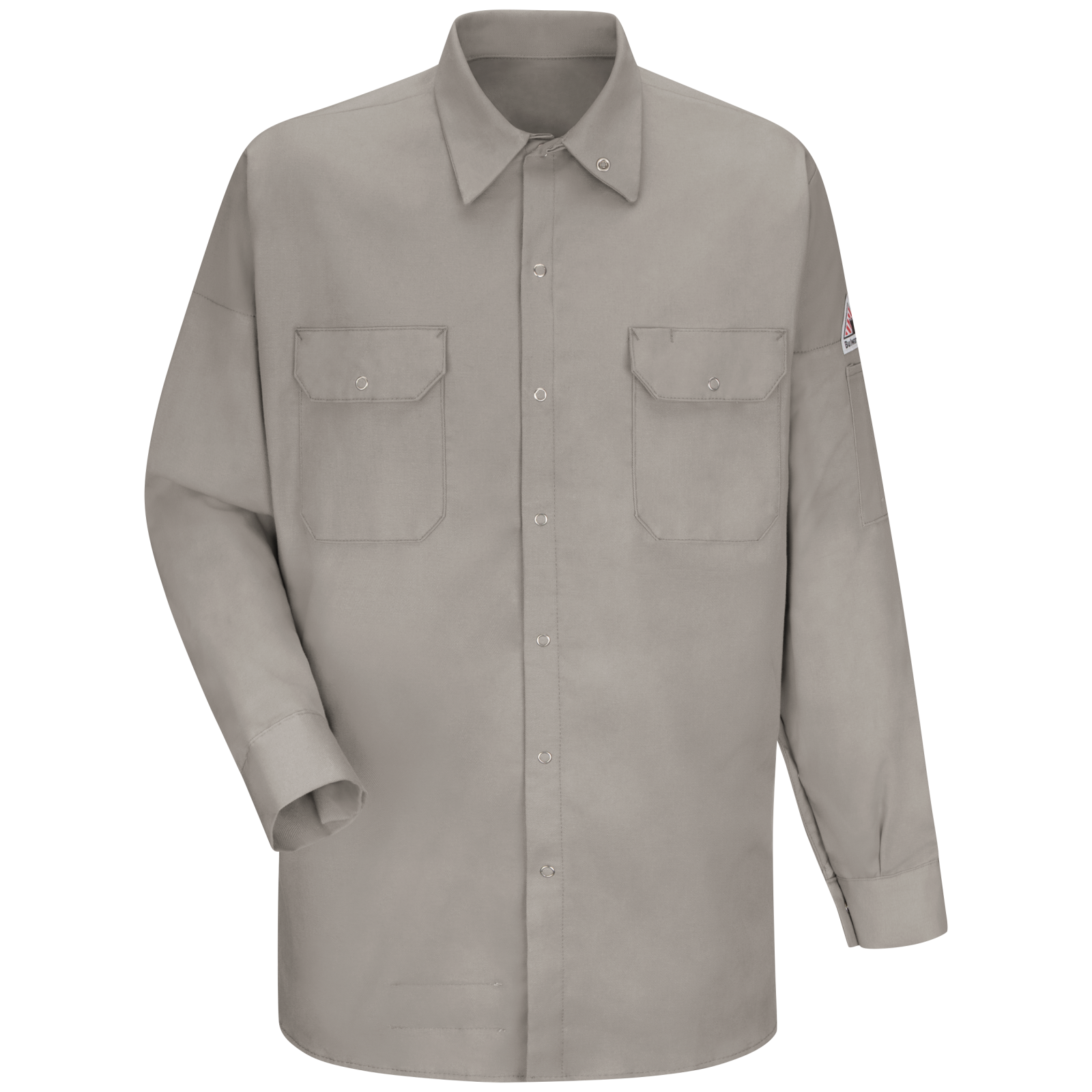

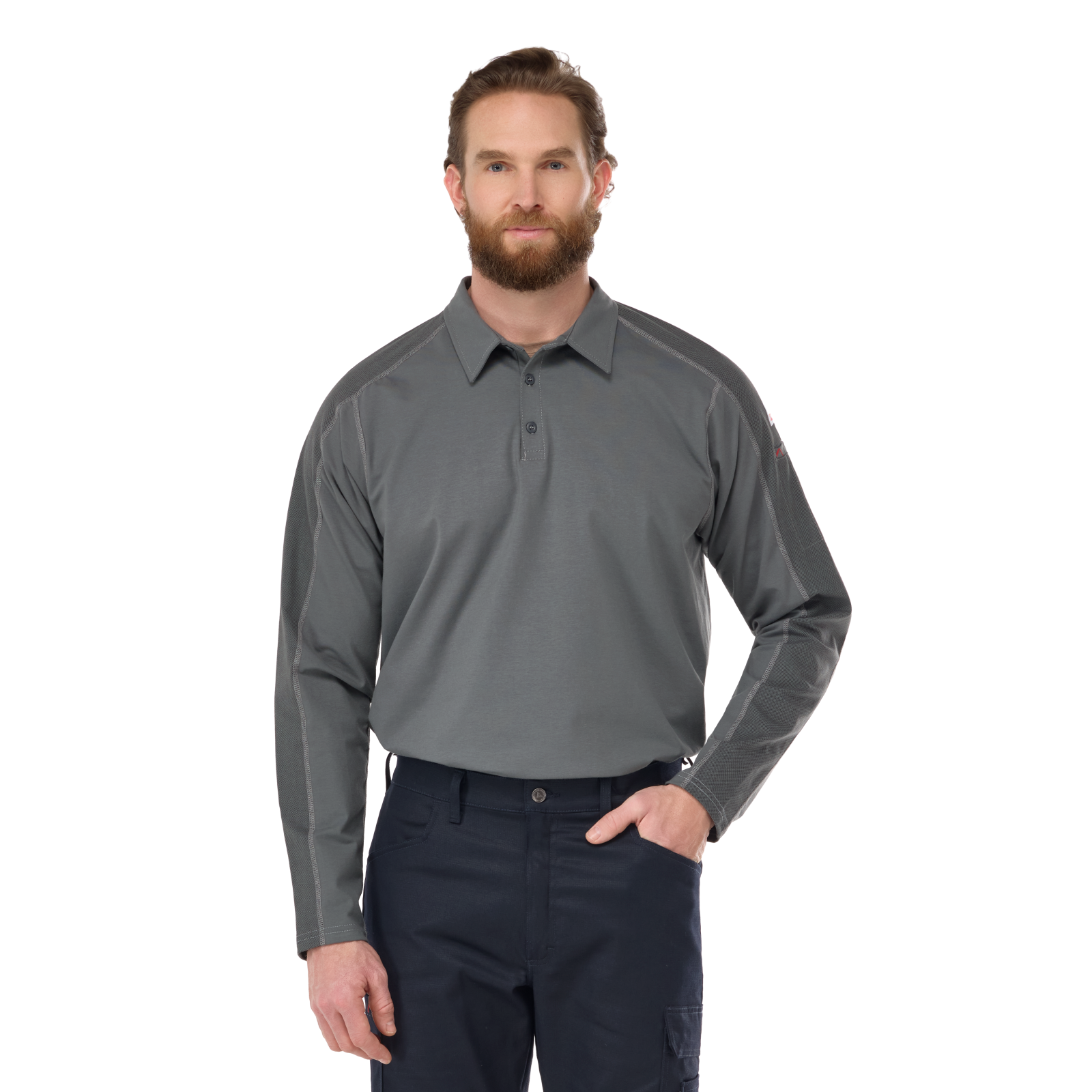
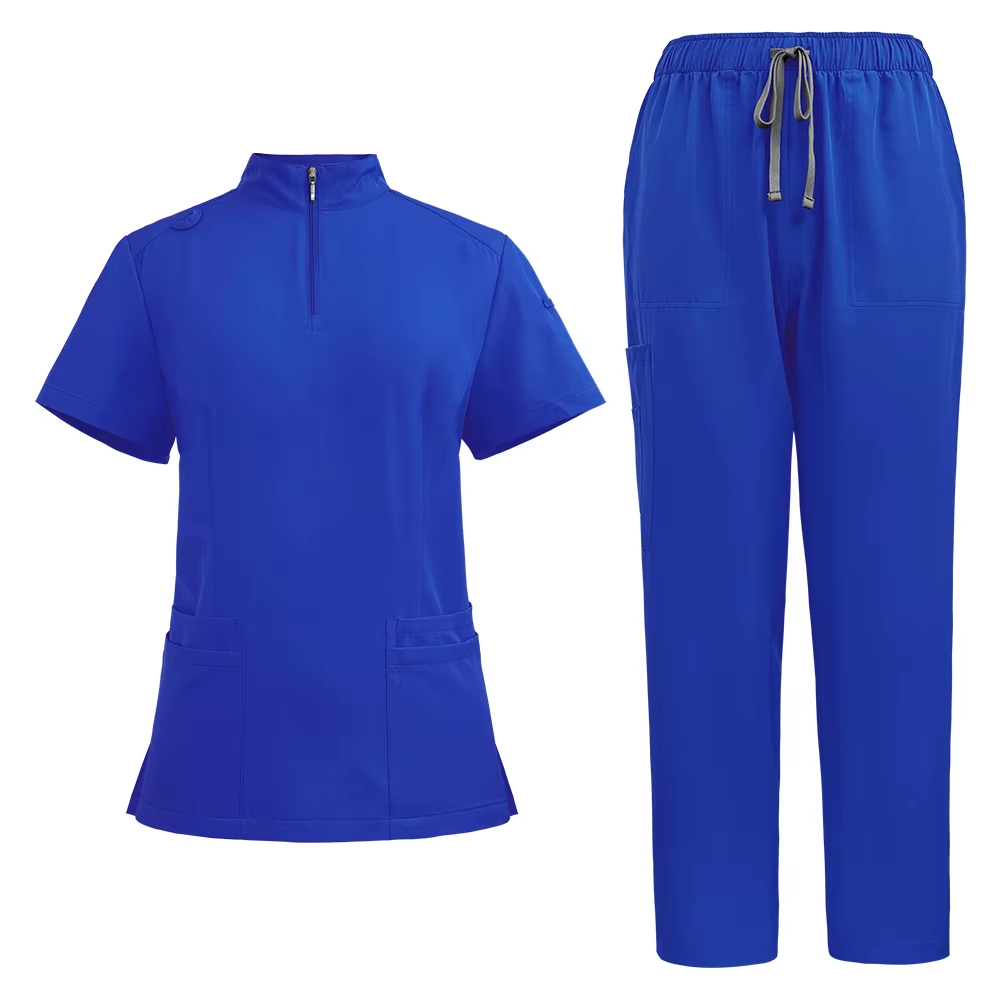
Custom Work Pants Catalogue and Quotation






Why Buyers Choose Veelianpro for Custom Work Pants
Veelianpro develops custom work pants around your tech pack, materials, fit, construction and branding requirements, with OEM, ODM and private-label support from a conditional 100-piece starting point through sampling, production, quality checks and export coordination.
OEM and Private Label
Develop branded work pants from your tech pack, sketch, sample or product idea for wholesale and uniform programs.
100-Piece Entry Point
Start from 100 pieces per style and color, subject to fabric, certification, construction and project requirements.
Task-Focused Construction
Specify pocket layouts, reinforced knees, bartacks, triple stitching, gussets, hardware and other details for intended work settings.
Sampling Before Production
Review fit, materials, trims, grading and branding through sampling before confirming your custom work pants production order.
Branding and Export Support
Coordinate embroidery, heat transfer, labels, packaging, quality checks and shipment details for consistent branded workwear delivery.
Custom Work Pants We Develop
From everyday uniforms to specialist protective designs, we develop work pants around the required construction, fabric, branding, and application details.

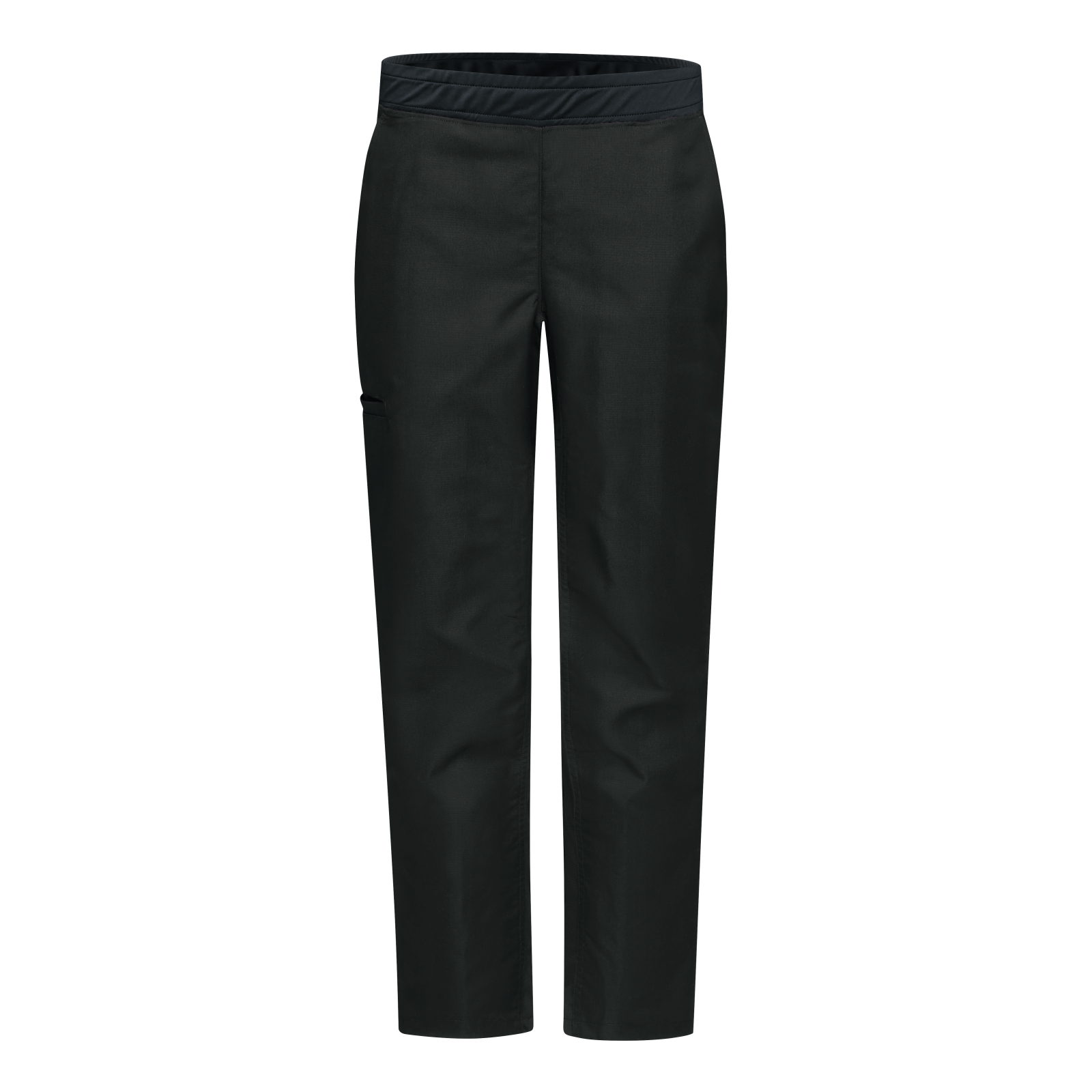
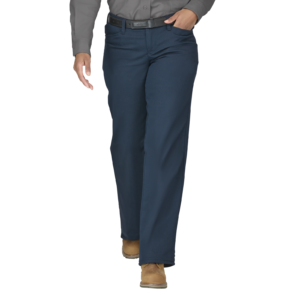
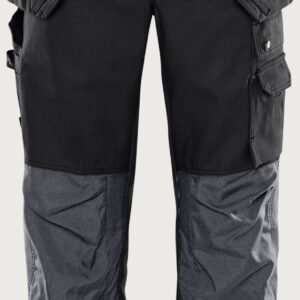
Work Pants
Custom work pants for industrial, service, and uniform programs, including straight-leg, utility, and reinforced designs. Specify fabric composition and weight, pocket layout, waistband construction, knee reinforcement, bartacks, triple stitching, size grading, labels, and decoration before sampling.
Get a Quote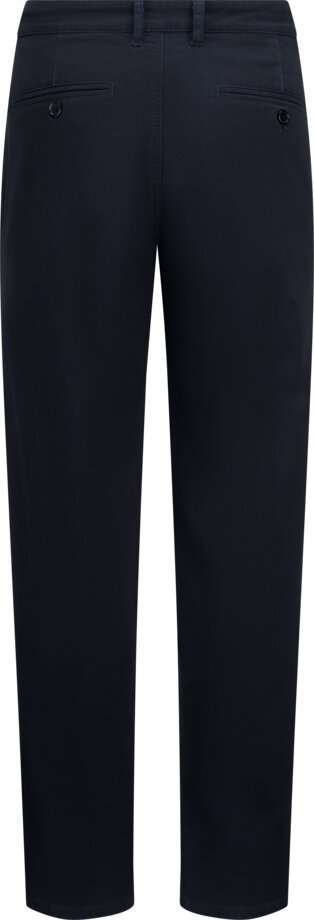
Chinos
Chino-style work pants combine a cleaner uniform appearance with practical daily-wear construction. Develop cotton-rich or blended fabric options, tailored pocket configurations, belt loops, closures, color matching, size ranges, woven labels, and packaging for hospitality, service, and corporate uniform programs.
Get a Quote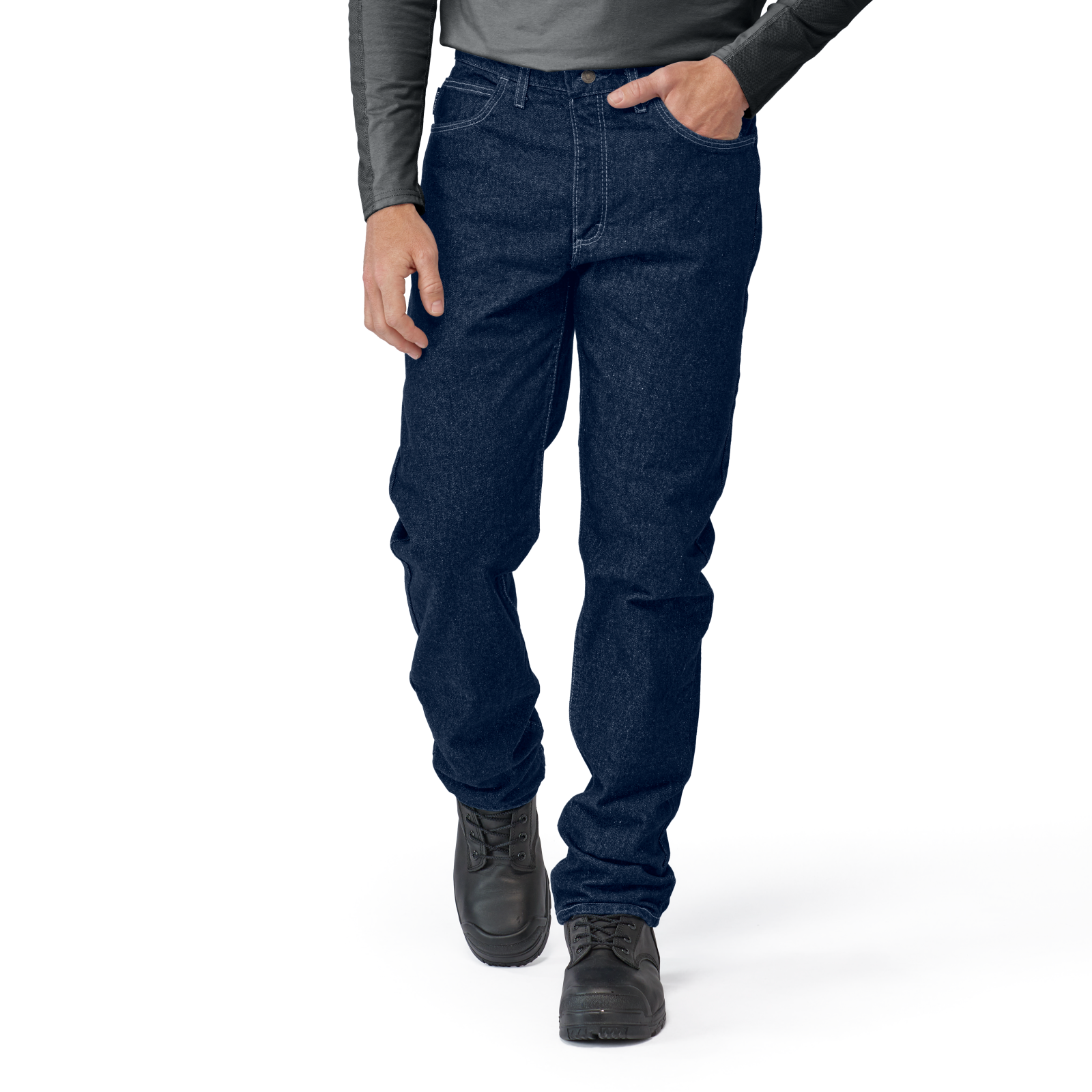
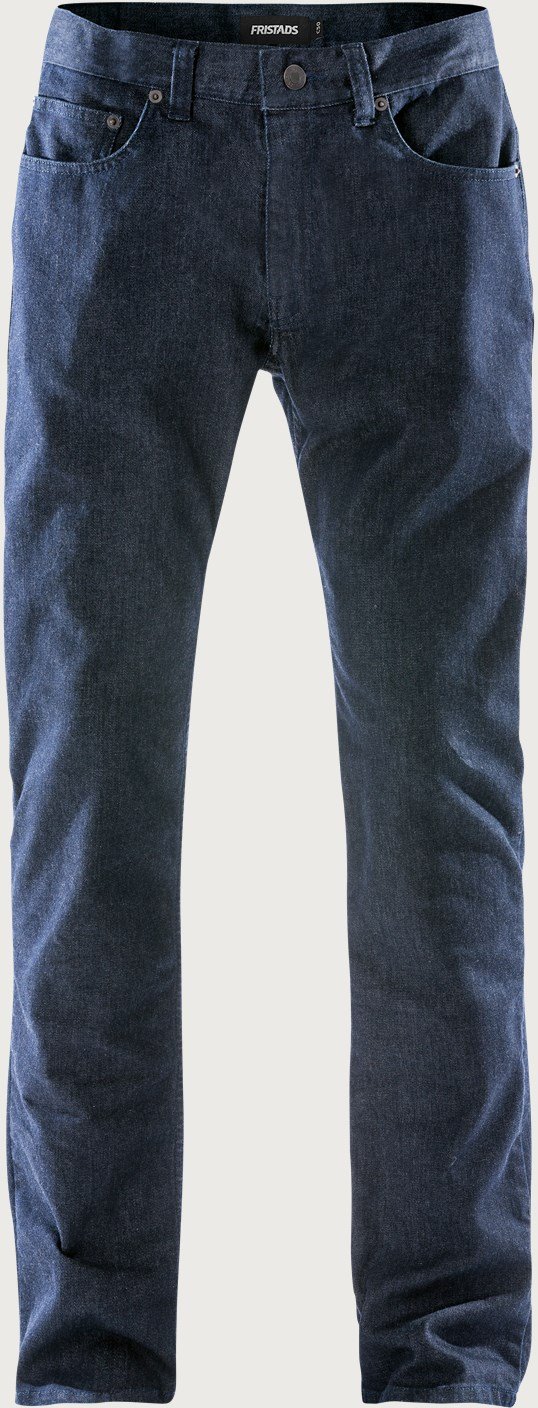
Denim Work Pants
Denim work pants can be developed in selected denim weights, washes, and stretch compositions for utility-focused collections. Construction discussions can cover reinforced stress points, tool pockets, contrast stitching, rivet details, fit, branding labels, and the intended work setting.
Get a Quote
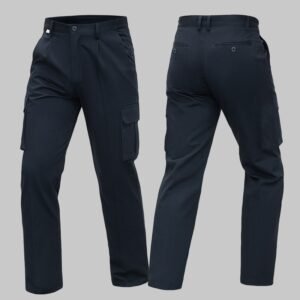
Cargo Pants
Cargo pants are built around storage and movement requirements. Configure thigh, side, rear, and tool pockets; flap or zip closures; gusseted areas; reinforced knees; adjustable hems; and fabric choices suited to industrial, logistics, maintenance, or field-service uniforms.
Get a Quote
Relaxed Fit
Relaxed-fit work pants provide added room through the seat and leg for active roles and layered clothing. Development can include elasticated waistband sections, pleats, articulated knees, cargo storage, durable seam construction, and sizing tailored to the target wearer profile.
Get a Quote
Slim Fit Work Pants
Slim-fit work pants bring a closer contemporary silhouette to service and trade uniforms without treating fit as a fixed stock specification. Select the rise, leg taper, stretch level, pocket treatment, closures, colors, and branded trim during pattern development and sampling.
Get a Quote
Stretch Work Pants
Stretch work pants use selected stretch-woven, mechanical-stretch, or blended fabric constructions to support mobility. Development details may include stretch panels, gussets, articulated knees, reinforced zones, pocket placement, fit grading, and trim choices for the intended work routine.
Get a Quote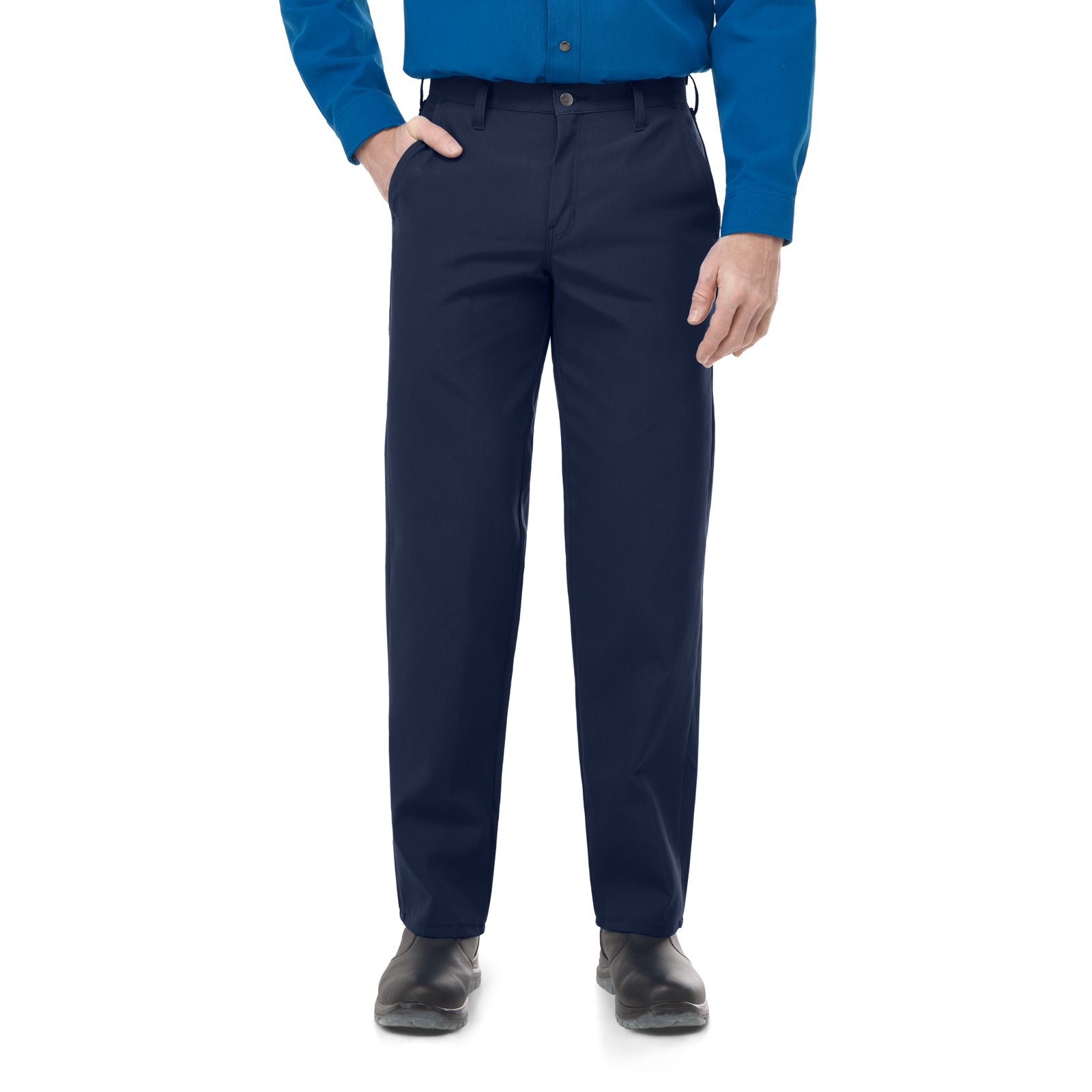
FR Pants
FR pants are developed for programs that require flame-resistant garment design targets. Fabric selection, construction, trims, labeling, and required standard documentation must be defined for the specific SKU; performance claims require applicable test evidence and certification scope.
Get a Quote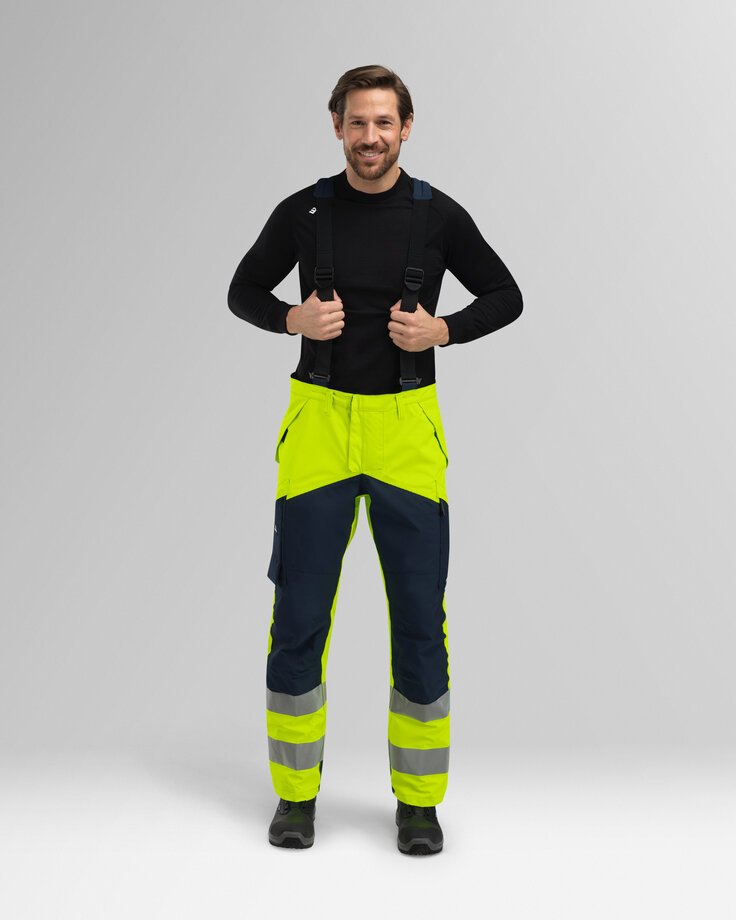
Arc Flash Pants
Arc flash pants can be developed when buyers provide the required standard, protection level, and documentation expectations. We can review suitable material and construction requirements during development, but no arc-rating claim should be made without SKU-specific tested and documented evidence.
Get a Quote
Chemical Resistant Pants
Chemical-resistant pants are project-specific protective garment developments, shaped by the stated chemical exposure, application, construction, and required testing scope. Buyers should define the hazard and applicable standard so fabric systems, seam treatment, closures, and documentation needs can be assessed properly.
Get a Quote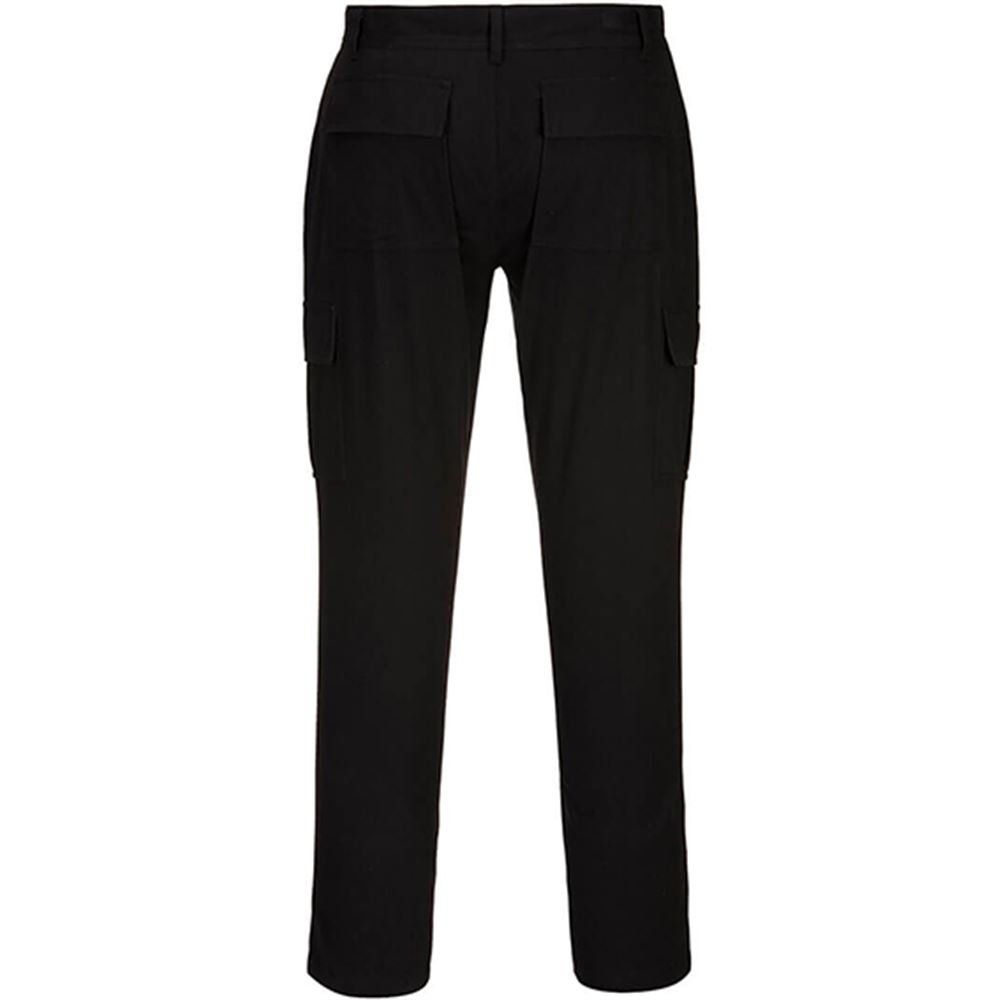
Cut Resistant Pants
Cut-resistant pants require a defined exposure area, work task, target standard, and test requirement before material selection. Development may address reinforcement placement, panel construction, fit, and compatible trims, while any cut-protection claim remains dependent on exact tested garment evidence.
Get a Quote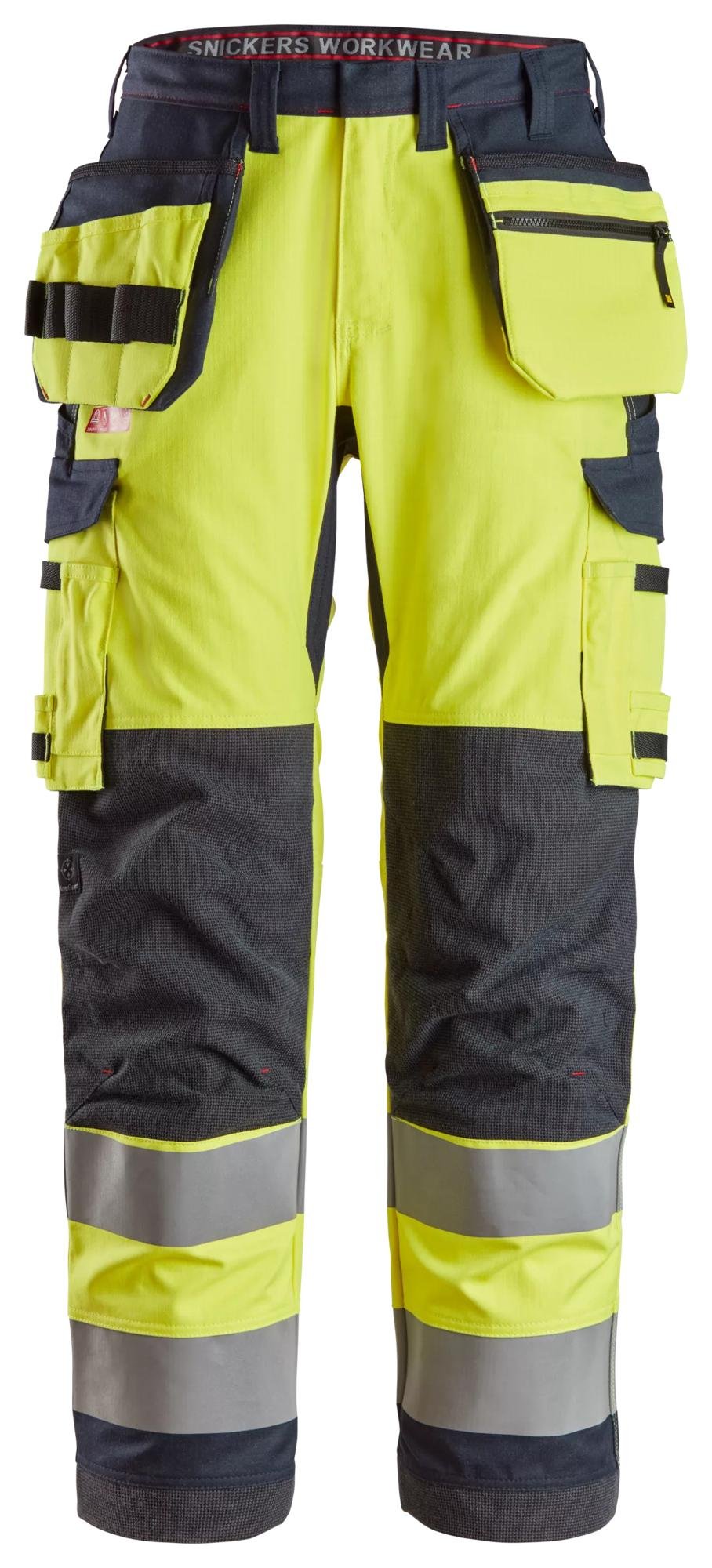
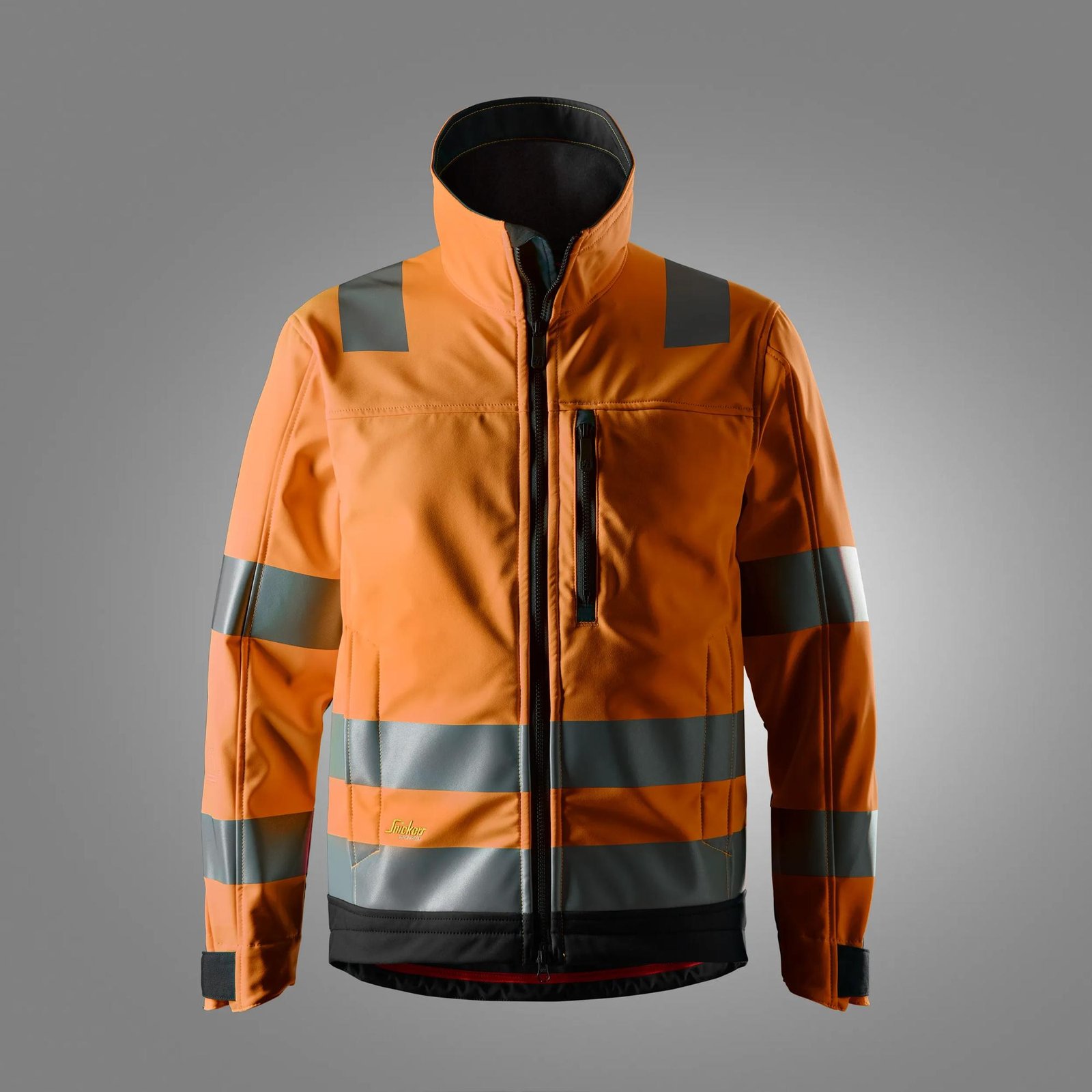
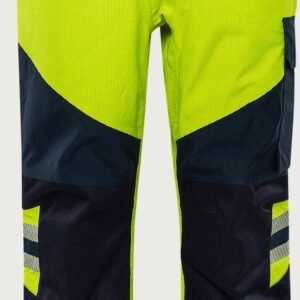
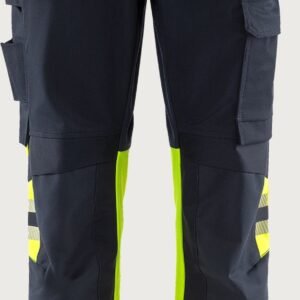
Hi-Vis Pants
Hi-vis pants can be developed with specified base colors, contrast panels, reflective tape layout, pocket access, and durability requirements. Buyers should provide the applicable visibility standard and certification requirement, since compliant performance depends on the exact finished SKU and documented testing.
Get a Quote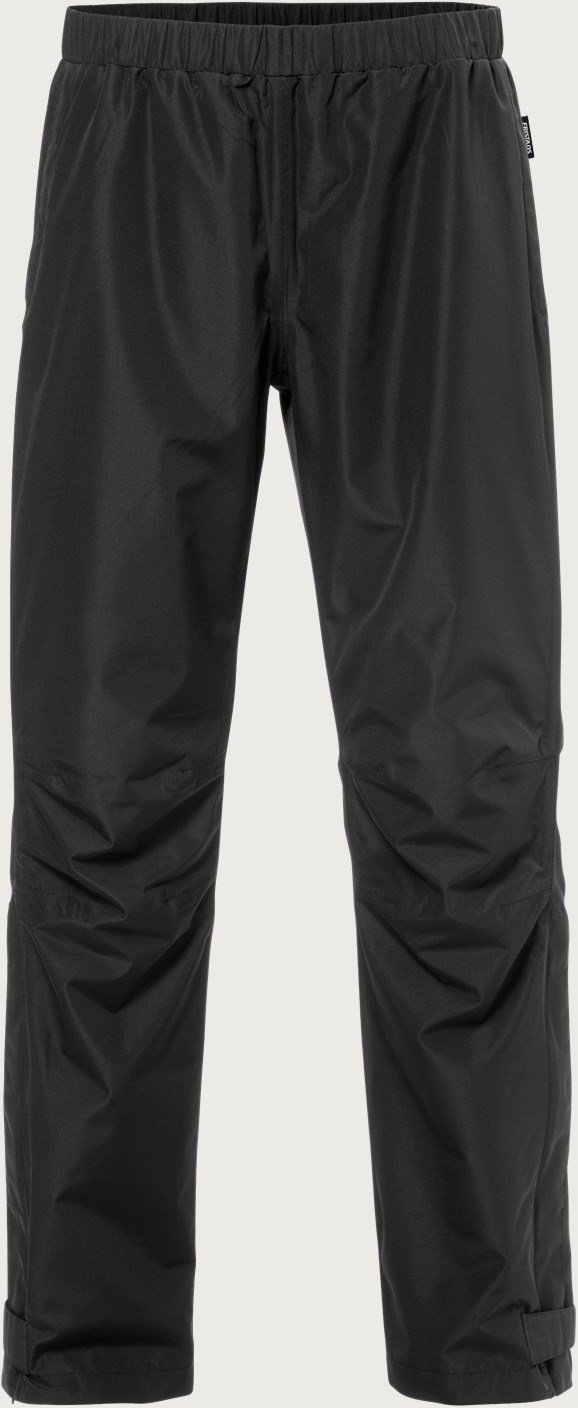
Rain Pants
Rain pants are developed around the needed weather-protection design, including shell fabric, seam construction, waistband, leg openings, pocket treatment, and layering allowance. Waterproof or breathable performance claims require the relevant material and finished-garment evidence for the specified style.
Get a Quote
Insulated Pants
Insulated work pants support cold-environment uniform concepts through selected shell, lining, insulation, closure, and hem designs. Development can account for mobility, layering, reinforced areas, and branding; any temperature-suitability claim requires defined use conditions and appropriate documented evidence.
Get a Quote
Softshell Pants
Softshell pants use selected woven softshell constructions for workwear collections requiring a flexible, structured outer layer. Specify stretch, lining, pocket systems, articulated panels, reinforced zones, color blocking, and branding details according to the intended industrial or service application.
Get a Quote
Hiking
Hiking-style work pants translate outdoor-inspired utility into field and service apparel. Develop lightweight or durable fabric choices, articulated knees, gussets, secure pockets, adjustable hems, stretch zones, and fit profiles for teams working across changing sites and active daily tasks.
Get a Quote
Welding Pants
Welding pants can be developed around the buyer’s stated exposure, garment construction, coverage, and required standard. Material selection, closures, pocket placement, reinforcement, and trim choices should be reviewed against the intended task; protective performance requires tested, SKU-specific documentation.
Get a Quote
Metal-Free Pants
Metal-free pants are developed for workplaces where non-metal component requirements apply. Specify the required closures, fastening alternatives, pocket construction, reinforcement approach, labels, and any detector-related criteria so compatible fabrics and trims can be considered during sampling.
Get a Quote
Anti-Static Pants
Anti-static pants are developed only against a clearly defined application, standard, and documentation requirement. Fabric composition, conductive properties, seam construction, trims, and labeling must be specified for the intended SKU; anti-static claims require applicable test evidence and certification scope.
Get a QuoteMaterials for Durable, Comfortable Custom Work Pants




Custom Work Pants Decoration and Construction Processes



Custom Work Pants Trims and Accessories


About Veelianpro: Custom Work Pants
Hubei Veelianpro Workwear Co., Ltd. is a Wuhan-based workwear manufacturer whose company profile states that its operation began in 2012. The team supports industrial, safety, hospitality and service apparel buyers with OEM, ODM, private-label and wholesale development, including custom work pants designed around each buyer’s market and use case.
Veelianpro develops garments from a tech pack, sketch, sample or initial product idea. Its stated capabilities cover fabric and trim sourcing, pattern development, sampling, size grading, cutting, sewing, reinforcement, decoration, finishing, quality checks, packing and export coordination. Buyers can review pocket systems, fit, branding, construction details and material choices before production.
The company profile describes a team of more than 300 skilled workers, subject to verification, and programs beginning at 100 pieces per style and color, subject to fabric, certification and construction requirements. That combination gives workwear brands, distributors and enterprise sourcing teams a structured path from custom work pants concept to sampling, production and reorder support.

Core Capabilities for Custom Work Pants Development
Tech-Pack and Pattern Development
Veelianpro reviews your tech pack, sketch, sample or product idea before development. Our team can refine construction details, source suitable fabrics and trims, build patterns, grade sizes and prepare a practical specification for custom work pants aligned with your brand and intended work setting.
- Review sketches, samples and technical requirements
- Develop patterns and grade size ranges
- Discuss fabric weight, composition and stretch
- Coordinate trims, labels and packaging details

Task-Specific Pocket Engineering
Pocket layout should reflect the tools and movement required on the job. We can discuss cargo pockets, tool compartments, closures, gussets, pocket dimensions and placement for industrial, service, utility or field applications, helping buyers balance access, security, comfort and a consistent branded appearance.
- Plan pocket sizes around job-specific tools
- Evaluate closures, gussets and reinforcement points
- Coordinate pocket placement with movement and fit
- Develop branding and private-label details

Reinforced Construction and Sampling
Before production, buyers can review how construction choices affect durability and comfort. Development may include reinforced knees, bartacks, triple stitching, waistband details and selected weather-protection features, followed by sampling, fit review, quality checks and adjustments before confirming the production order.
- Review samples for fit, materials and trims
- Assess reinforced knees and stress-point stitching
- Check branding, workmanship and finishing details
- Confirm production requirements from 100 pieces per style and color, subject to project needs
Custom Work Pants vs. Off-the-Shelf Decoration
Choose development flexibility or a stock-garment decoration route based on your specification, quantity, and branding needs. Starting MOQ is subject to fabric, certification and construction requirements.
← Swipe left or right to view →
Our Custom Work Pants Production Process
Veelianpro coordinates custom work pants development from inquiry through reorder support. Based in Wuhan, Hubei, we offer OEM, ODM, private-label and wholesale production, with MOQ starting at 100 pieces per style and color, subject to fabric, certification and construction requirements.
Share Your Requirements
Send a tech pack, sketch, sample, or product idea with fabric preferences, fit targets, size range, colors, branding, quantity, destination, and timeline.
Review Feasibility and Materials
Veelianpro reviews construction, fabric, trims, pocket systems, reinforcement, branding methods, and any requested protection standard before confirming a practical development direction.
Develop Patterns and Samples
Our team develops the pattern, grades sizes, sources approved materials, and prepares a sample for checking fit, measurements, workmanship, and branding placement.
Approve and Confirm Production
After sample comments are resolved, confirm specifications, quantity, colors, packaging, commercial terms, and production details for your custom work pants program.
Cut, Sew, and Reinforce
Veelianpro proceeds with cutting, sewing, bartacks, reinforced knees, gussets, triple stitching, decoration, finishing, and in-line checks according to the approved specification.
Inspect, Pack, and Reorder
Completed garments receive quality checks, packing, and export coordination before shipment, followed by reorder support when your team or workwear range needs replenishment.
How to Develop Custom Work Pants With Us
From your first workwear idea to shipment, Veelianpro guides custom work pants development through practical review, sampling, production, inspection, and export coordination.
Submit Your Workwear Brief
Share a tech pack, sketch, sample, or product idea with garment type, work setting, fabric preferences, sizing, branding, quantity, destination, and timeline.
Review Materials and Feasibility
We assess construction requirements, pocket layout, trims, fabric options, branding methods, and any requested protection standard or test evidence before recommending a practical development route.
Approve Samples and Quotation
Review sample fit, measurements, color, materials, pocket details, reinforcements, labels, and decoration, then confirm the quotation and project specifications together.
Confirm Your Production Order
After approval, we confirm quantities, size breakdown, colorways, packaging, payment terms, and production requirements before cutting and sewing begin formally.
Coordinate Inspection and Shipment
Veelianpro completes quality checks, packing, export coordination, and shipment arrangements, while keeping your team aligned on timing and reorder support.
Custom Work Pants Certifications and Compliance


Custom Work Pants Development Scenarios
Illustrative scenario: A safety distributor needs custom work pants for field crews with a consistent pocket system and logo placement. Veelianpro reviews the intended work setting, fabric options, reinforcement details, size range, and decoration method before sampling. Acceptance criteria: approved fit, pocket access, branding visibility, and documented construction details.
Illustrative scenario: A uniform buyer is replacing basic service trousers with a more functional private-label program. The development process compares twill, stretch, or ripstop options; refines the waistband, cargo pockets, and color standard; then prepares a sample for review. Acceptance criteria: practical movement, consistent sizing, clean brand presentation, and an order plan from 100 pieces per style and color, subject to requirements.
Illustrative scenario: A workwear brand brings a sketch for custom work pants aimed at industrial teams. Veelianpro converts the concept into pattern, material, trim, reinforcement, labeling, and packaging specifications, then develops a sample. Acceptance criteria: approved measurements, selected fabric and hardware, agreed branding placement, and any required SKU-specific test evidence for requested protective performance.
Custom Work Pants FAQ for B2B Buyers
Practical answers on development, sampling, fit, branding, compliance and production for OEM, ODM, private-label and wholesale programs.
What is the MOQ for custom work pants?
Can you develop custom work pants with task-specific pockets and trims?
Which materials are available for custom work pants?
Can custom work pants be made in different fits, sizes and inseams?
What branding and private-label options are available for custom work pants?
Can I review a sample before ordering custom work pants?
What lead time should I expect for custom work pants?
How are payment, shipping and compliance handled for custom work pants?
Custom Work Pants: A Practical Buyer’s Guide
Use this framework to match job demands, fabric, pocket layouts, branding, and supplier capabilities while avoiding specification, sampling, and quote-comparison mistakes.
1. What Are Custom Work Pants?
Custom work pants are work trousers specified around a job role, a workforce size range, visible brand standards, and a repeatable ordering record. They are not simply casual pants with a logo added; the usable product definition can include fabric composition and weight, fit and grading, pocket layout, reinforcement choices, trims, color, labels, and packing requirements.
Blank-garment decoration is suitable when a buyer needs a familiar ready-made pant quickly and the main variable is the logo treatment. A purpose-built specification is more appropriate when a workwear brand needs a distinct product, a distributor needs a defined program for resale, or a uniform team must align function and appearance across roles.
For enterprise sourcing, the specification becomes the reference point for samples, approvals, replenishment, and change control. Veelianpro can begin with a tech pack, sketch, sample, or product idea, then discuss the garment details needed for a quote; protective performance should remain a design target unless supported by the applicable test evidence and certification scope.
| Buying model | What is being customized | Best fit |
|---|---|---|
| Decorated blank | Logo and selected decoration | Short-run team identity needs |
| Purpose-built pant | Fabric, fit, pockets, trims, colors, labels, and branding | Brands, distributors, uniform programs, and repeat orders |
2. Custom Work Pants by Job Environment
A work-pant brief starts with observation: where workers kneel, climb, carry tools, meet customers, and how garments are washed. The same silhouette can fail when its pocket layout, reinforcement, appearance, or visibility treatment does not match the shift.
| Work setting | Primary demand | Brief details to capture |
|---|---|---|
| Industrial and trades | Abrasion and tool access | Kneeling zones, tools, movement, visibility needs |
| Maintenance and field service | Mobility and organized carry | Vehicle entry, device storage, customer visits |
| Logistics | Movement and low-light awareness | Walking distance, loading tasks, visibility placement |
| Hospitality and healthcare | Appearance and laundering | Care routine, pocket needs, role presentation |
| Customer-facing service | Professional consistency | Color, fit range, branding location |
Industrial And Trade Crews
Tradespeople often kneel, crouch, and contact rough surfaces, making abrasion zones and knee reinforcement part of the brief. Record the tools carried during a task so pockets support access without creating snagging or bulk.
- List kneeling and ground-contact tasks
- Map each carried tool to a pocket
- Specify required visibility placement by role
Mobile And Warehouse Roles
Maintenance, field service, and logistics roles need unrestricted movement while walking, climbing, loading, or entering vehicles. Separate roles that need tool capacity from picker or driver roles where a cleaner profile reduces interference.
- Note vehicle-entry frequency
- Identify scanner, phone, and tool carry
- Flag low-light work areas
Service And Care Teams
Hospitality, healthcare, and customer-facing teams usually prioritize a neat, consistent appearance and repeat-laundering practicality. Define whether staff need secure personal-item storage, easy movement, or a more tailored visual standard before choosing colors and finishing.
- Document laundering process
- Set presentation and color expectations
- Separate clinical, kitchen, and front-of-house roles
3. Types of Custom Work Pants
Silhouette determines how a work pant carries tools, layers under outerwear, and presents a team uniform. Choose the role-specific layout first; fabric, protection requirements, and branding are specified separately.
| Type | Pocket Approach | Best Fit |
|---|---|---|
| Utility or cargo | Thigh and tool storage | Tool-carrying crews |
| Work chino | Low-profile essentials | Customer-facing teams |
| Bib-compatible trouser | Accessible under layers | Coordinated workwear systems |
| Painter or service style | Task-specific or simplified | Trades or mobile service teams |
Utility And Cargo Pants
Cargo and utility pants place storage on the thigh or leg for crews that need frequent access to small tools, gloves, or devices. A structured cargo pocket can reduce trips to a tool bag.
Extra compartments add bulk, snag potential, and visual weight when loaded. Confirm which items belong in each pocket and whether closures are needed before approving the pattern.
- Side cargo pockets for frequently used items
- Tool or ruler pockets for trade-specific carry
- Rear pockets for personal items
Work Chinos
Work chinos use a cleaner, flatter front and restrained pocket layout for service, hospitality, and customer-facing teams. Their lower-profile silhouette leaves clearer areas for consistent uniform styling.
They suit roles where hand tools are carried elsewhere rather than on the garment. Specify the required fit and size range during development so a polished appearance does not restrict movement.
Bib-Compatible Trousers
Bib-compatible work trousers are selected to work beneath bib overalls or with coordinated outer layers, so waistband height, belt-loop placement, and front-pocket access require review. Avoid pocket placements that become inaccessible under the intended bib.
This is a pattern-interface decision, not a protective-performance claim. Share the outer garment design when requesting samples.
Painter And Service Styles
Painter-style options prioritize accessible utility pockets for task tools, while service trousers keep the profile simpler for mobile teams, drivers, and facilities staff. Seasonal variants can be developed where the requested design calls for different weather protection or layering compatibility.
Choose added storage only when it supports a repeated task; unused pockets increase bulk without improving the uniform.
4. Custom Work Pants Materials and Options
Fabric selection changes how a work pant handles abrasion, movement, laundering, and daily presentation. Veelianpro can source fabric and trims around the required composition, weight, finish, and construction; confirm the final specification in the approved sample.
| Fabric family | Durability focus | Mobility | Drying and appearance | Care consideration |
|---|---|---|---|---|
| Cotton-rich twill | Buyer-selected base fabric for the proposed construction | Confirm through the approved fabric and sample review | Appearance and hand should be approved against the selected fabric specification | Confirm shrinkage and care instructions |
| Polyester-cotton blend | Buyer-selected blend option for the proposed uniform program | Confirm through the approved fabric and sample review | Final appearance and care behavior depend on the specified blend, construction, and care process | Confirm blend ratio and wash method |
| Canvas or duck-style | Construction and weight to be defined for the proposed use | Confirm flexibility through the selected fabric and sample review | Structured appearance | Confirm weight, softness, and break-in expectations |
| Stretch blend | Programs requesting a specified stretch construction | Specify fiber content, construction, and required sample evaluation | Depends on base fabric and fiber content | Confirm recovery and care requirements |
Choose The Base Fabric

Start with the buyer’s required composition, weight, color, care process, and desired appearance. Cotton-rich twill and polyester-cotton blends are development options, but the final fiber ratio, construction, and care instructions must be specified and approved rather than assumed.
Match Construction To Use
Canvas or duck-style and stretch-blend fabrics are different development options that require approval against the intended task, garment pattern, and care process. Reinforcement locations at knees, pockets, and other identified stress points should be specified separately rather than inferred from the fabric name.
Specify Finishes Carefully
Water-repellent, soil-release, or other performance finishes should be written into the fabric specification only when approved for the program. A finish target is not a documented protective claim; request the applicable evidence when a standard, wash-life, or performance threshold is required.
5. Customization and Brand Finishing
Brand finishing should be planned around the pant’s working zones, not added after the pocket layout is fixed. Veelianpro can develop embroidery, screen printing, heat transfer, patches, woven labels, care labels, and custom packaging for the proposed program.
| Finishing Element | Best Review Point | Common Constraint |
|---|---|---|
| Embroidery | Stitch detail and backing | Fine artwork or textured surfaces |
| Screen Print | Ink coverage and placement | Seams and uneven pocket areas |
| Heat Transfer | Edge clarity and adhesion | Fabric surface and flex zones |
| Woven And Size Labels | Label hierarchy and position | Required size and care information |
Place Logos Around Working Zones
A logo placed across a cargo-pocket flap, side seam, or heavily flexed knee can become broken, obscured, or uncomfortable in use. Confirm the finished logo dimensions against the actual pattern piece, pocket opening, seam allowance, and intended viewing distance.
Front thigh panels, back yokes, and waistband-adjacent areas can be considered when their available flat area is verified on the selected style. A smaller mark may stay clearer than a large design forced across construction details.
Match Decoration To The Surface
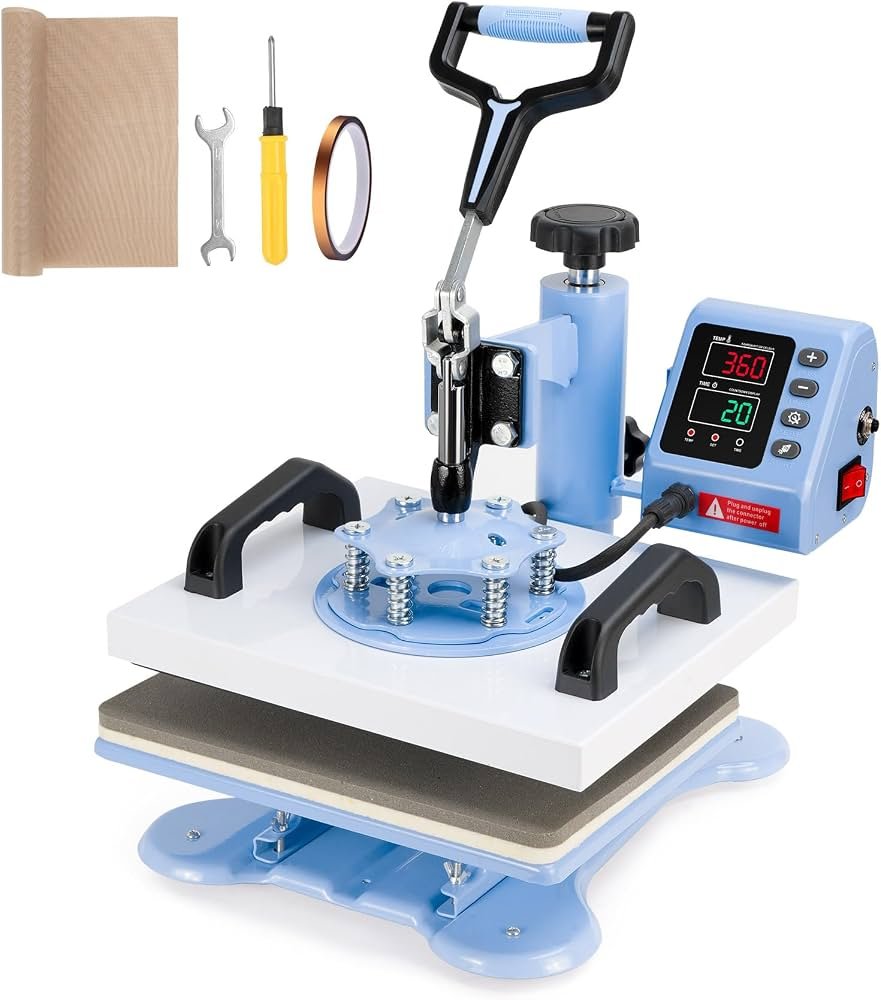
Embroidery gives a dimensional finish but may be less suitable for fine detail, very small lettering, or highly textured fabric. Screen printing or heat transfer can suit artwork that needs flatter detail, provided the chosen fabric, wear zone, and application are reviewed together.
No method is universally best. Submit vector artwork where available and approve color, scale, placement, and decoration method before bulk production.
Build A Recognizable Pant System
Color blocking and contrast trims can distinguish roles or collections without relying on a large logo. Keep contrast panels clear of abrasion-prone zones and ensure they work with reflective-tape placement where that option is part of the approved design.
Waistband details, woven brand labels, size labels, and care labels should follow the buyer’s label hierarchy. Confirm required size range and labeling language before sampling.
Approve Before Bulk Production
Artwork approval should show the final artwork file, placement reference, dimensions, colors, and the exact garment colorway. A pre-production sample is the practical checkpoint for legibility, seam clearance, hand feel, and label position before production is released.
For custom work pants, include packaging requirements only when they are defined for the program, such as folding method, individual bags, barcode labels, or custom outer packaging.
6. Construction Details That Matter
A work pant can use the right fabric yet fail early at its stress points. Review construction on the approved sample before bulk production, because seams, closures, pockets, and measurements determine daily usability.
| Construction Area | Likely Failure | Sample Check |
|---|---|---|
| Pocket corners | Torn edges | Load and pull test |
| Crotch seams | Seam opening | Squat and kneel test |
| Waistband and loops | Belt-loop tearing | Wear with work belt |
Seams And Reinforcement

Inspect the inseam, rise, crotch, and pocket openings for an appropriate seam configuration and even stitch formation. Seam opening often starts where a worker squats, climbs, or carries tools.
Specify bartacks at identified stress points when the design requires them, such as pocket corners and belt-loop ends. Ask for a revised sample if reinforcement placement interferes with access or creates a stiff pressure point.
Waistband And Fly Build
Check that the waistband lies flat, belt loops are securely attached, and the fly closes smoothly through repeated use. Weak loop attachment can tear under a loaded belt, while a distorted waistband affects comfort and fit.
Confirm the closure type and placement on the sample, then test sitting, bending, and kneeling. Restricted motion calls for pattern or construction adjustment before size grading proceeds.
Pockets And Hem Finish
Load each pocket with representative everyday items during sample review. Pocket bags or edges that pull, twist, or gape need attachment, shape, or placement correction before approval.
Inspect hem stitching and finished inseam consistency across the size set. An uneven hem or inconsistent measurement produces a visibly mismatched team uniform even when the style is otherwise correct.
Sample Inspection Sequence
First compare finished measurements with the approved spec; then examine seams, reinforcements, waistband, fly, pockets, and hems. Next, wear-test the sample through the movements expected in the target job environment.
Record each finding with its location, severity, and requested remedy. Veelianpro can incorporate agreed construction changes into the production specification after sample review.
- Measure key points against the approved size chart
- Check stitch continuity at high-stress locations
- Operate fly and pockets repeatedly
- Test bending, kneeling, and tool access
7. Selecting a Custom Work Pants Manufacturer
A capable manufacturer converts an operating need into a controlled specification, then keeps the approved version available for repeat orders. Compare the handoffs—not just the finished sample—before placing a private-label or uniform program.
| Selection Check | Evidence To Request | Why It Protects Reorders |
|---|---|---|
| Specification control | Approved tech pack and revision record | Prevents construction drift |
| Artwork handling | Placement, size, and decoration file approval | Keeps brand presentation consistent |
| Quality checkpoints | Sample and production inspection criteria | Makes acceptance measurable |
| Packaging | Label, care label, carton, and packing instructions | Supports distribution handling |
Start With A Buildable Specification
Provide the intended work setting, fabric composition and weight target, pocket map, reinforcement details, size range, colors, artwork, quantity, destination, and timeline. Protective claims require the applicable standard plus the required test or certificate.
Veelianpro can develop from a tech pack, sketch, sample, or product idea and supports fabric and trim sourcing, pattern development, grading, sampling, cutting, sewing, finishing, and export coordination.
Control Samples And Size Runs

Approve a sample against a written checkpoint list: measurements by size, pocket placement, trim selection, logo position, seam construction, labeling, and packaging. A photo alone cannot confirm grading consistency across the full size run.
Ask how approved materials and artwork files are identified for a reorder. Fabric and trim traceability should be requested where documentation is available; do not treat an unverified material description as proof of performance.
Compare The Quotation Record
A usable quote separates garment construction, decoration, labels, packaging, sampling, and freight coordination so procurement can see what changes the total. It should also name the revision or sample approval that controls production.
Veelianpro’s starting MOQ is 100 pieces per style and color, subject to fabric, certification, and construction requirements. Confirm final MOQ and commercial terms in the individual quotation.
8. Mistakes When Buying Custom Work Pants
Most avoidable work-pant failures begin before production: the specification reflects a catalog image rather than the crew’s movement, tools, and shift conditions. Correcting these gaps after sample approval can force a new pattern, decoration layout, or quote review.
Specify Tasks Before Fabric
Fabric selection should follow task mapping, including abrasion points, weather exposure, laundering, kneeling, and required protection—not precede it. A fabric chosen only for appearance can make the finished pant unsuitable for daily use.
List the job setting and required performance evidence in the inquiry. If protective performance is needed, provide the applicable standard and required test or certificate; a design target is not a documented claim.
Validate Pockets And Fit
Copying a pocket layout without observing tool use often creates inaccessible or unused storage. Map which tools, devices, and personal items each role carries, then review pocket opening, placement, closure, and interference while bending or seated.
A single fit assumption can exclude mixed teams. Confirm the size range, grading, rise, and inseam needs on samples rather than treating a nominal size label as sufficient.
Approve The Complete Sample
Artwork approval needs a garment-placement review, not only an approved logo file. Check scale, location, visibility around pockets and seams, and the selected decoration method on the actual pant panel.
Treat samples as construction checks: assess stitching, bartacks, reinforced areas, pocket function, fit, labels, and packing as well as color. Compare quotations line by line so fabric, trims, decoration, sampling, inspection, packing, and export coordination are not omitted.
9. Launching a Custom Work Pants Program
A workable launch starts by mapping each wearer role to movement, tools, climate, and visibility needs. Convert those decisions into one controlled brief before approving custom work pants for production.
What Starts The Product Brief?
List roles, work setting, fabric target, pocket layout, knee reinforcement, colors, and decoration method. Attach a sketch or tech pack; Veelianpro can begin from either.
What Files Should We Provide?
Supply logo artwork, placement dimensions, size range, care-label text, packaging requirements, destination, and applicable protection standard. A protection target is not a tested claim without the required evidence.
How Should Samples Be Approved?
Approve the prototype against the specification sheet: measurements, pocket access, stitching, trim, color, and logo clarity. Record corrections in one dated revision, then approve a size set if fit variation matters.
How Do We Plan Mixed Sizes?
Hypothetical worked example: a 240-piece order could allocate 120 navy pants to service staff and 120 charcoal pants to maintenance, then log each size quantity and left-thigh logo placement separately. This is an organization example, not a production promise; final MOQ remains subject to the quotation requirements.
What Belongs On The Purchase Order?
Include the approved revision, style, fabric, color, size breakdown, decoration artwork, packing, inspection requirements, destination, final MOQ, and commercial terms.
How Do We Protect Reorders?
Keep the approved sample reference, pattern revision, fabric and trim choices, logo files, size ratio, packing instructions, and inspection notes together. Reorder against that record rather than an informal photo or email description.
10. Custom Work Pants Cost Drivers
A custom work pants quote changes when the garment specification changes: fabric composition and weight, pattern pieces, utility pockets, reinforcement, trims, decoration, colorways, labeling, packing, quantity, sampling, and shipping terms all affect its scope. Compare inclusions line by line so a lower figure is not missing samples, branding locations, packaging, inspection, or the agreed shipment term.
Worked example: a basic trouser in one color with standard pockets and a woven label is a different quote scope from a cargo style with articulated pattern work, multiple pockets, reinforced knees, bartacks, reflective tape placement, two logo locations, and individual packaging. Confirm the final MOQ, pricing basis, and commercial terms in the quotation.
| Cost Driver | What Changes Cost | Quote Must Specify |
|---|---|---|
| Fabric and color | Composition, weight, finish, sourcing, and each colorway | Fabric target, approved color reference, quantity by color |
| Pattern and construction | Cargo pockets, gussets, reinforced knees, triple stitching, bartacks, and trims | Pocket map, reinforcement locations, closure and trim details |
| Brand finishing | Embroidery, screen printing, heat transfer, patches, labels, and packaging vary by method and placement | Artwork, method, size, locations, label files, packing format |
| Sampling and quantity | Pattern development, sample revisions, size grading, and production quantity change the order scope | Sample requirements, size range, units per style and color |
| Freight and commercial terms | Destination, packing volume, shipment method, and agreed delivery term alter landed-cost planning | Destination, shipment term, export documents, and included inspection |


The Complete Buyer’s Guide to Custom Work Pants
Send your work setting, specifications, branding, quantity, destination, standards, and timeline for a tailored Veelianpro quote.