
Chinos Manufacturer for OEM, ODM & Private Label
Veelianpro develops custom chinos for workwear brands and uniform buyers from 100 pieces per style and color, subject to project requirements.
Featured Workwear Styles for Chino Program Development
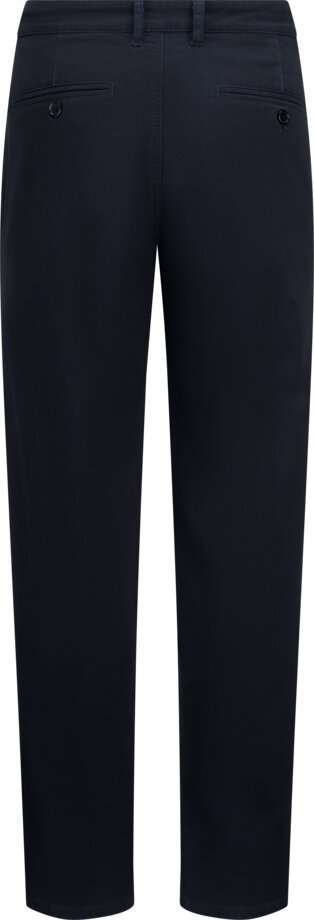


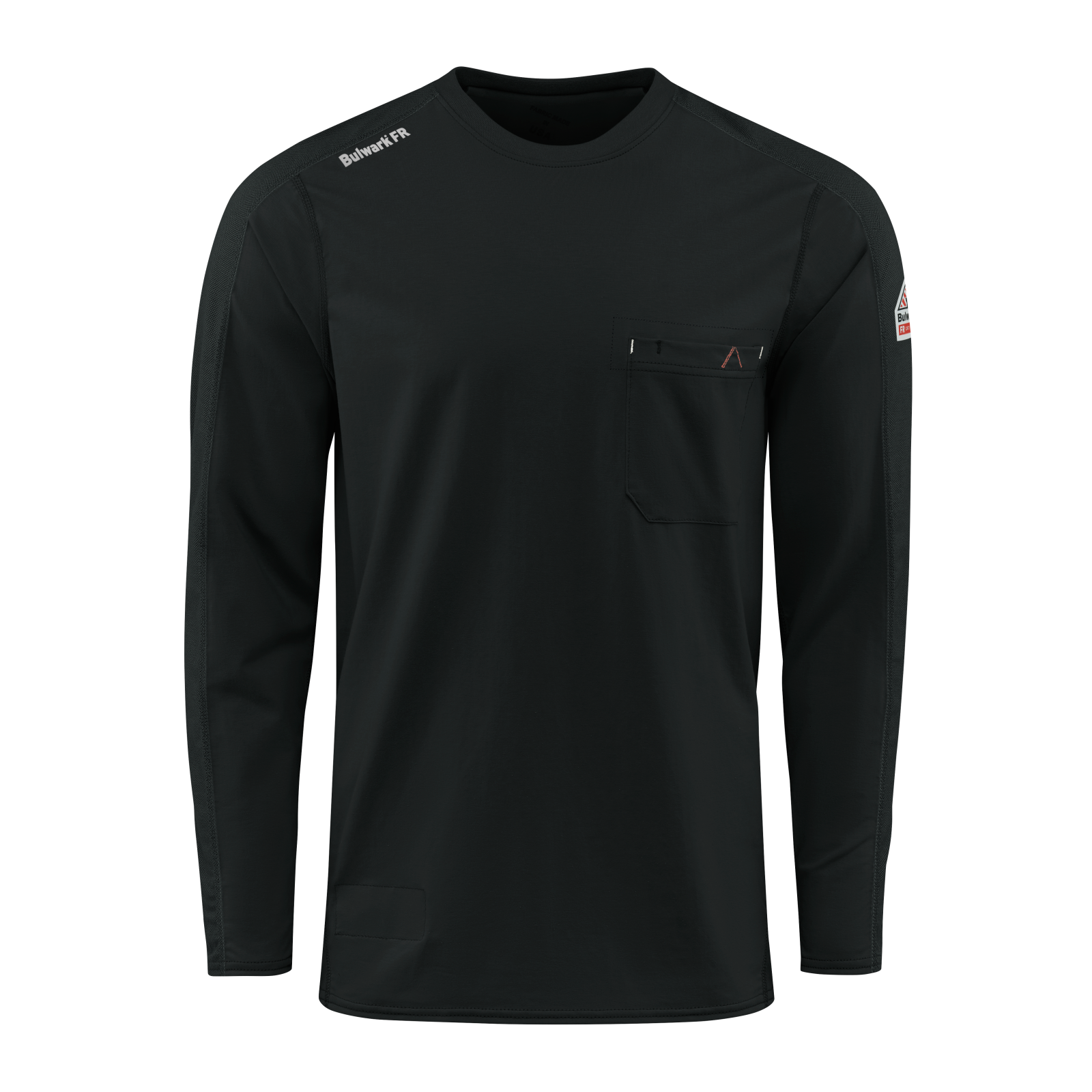

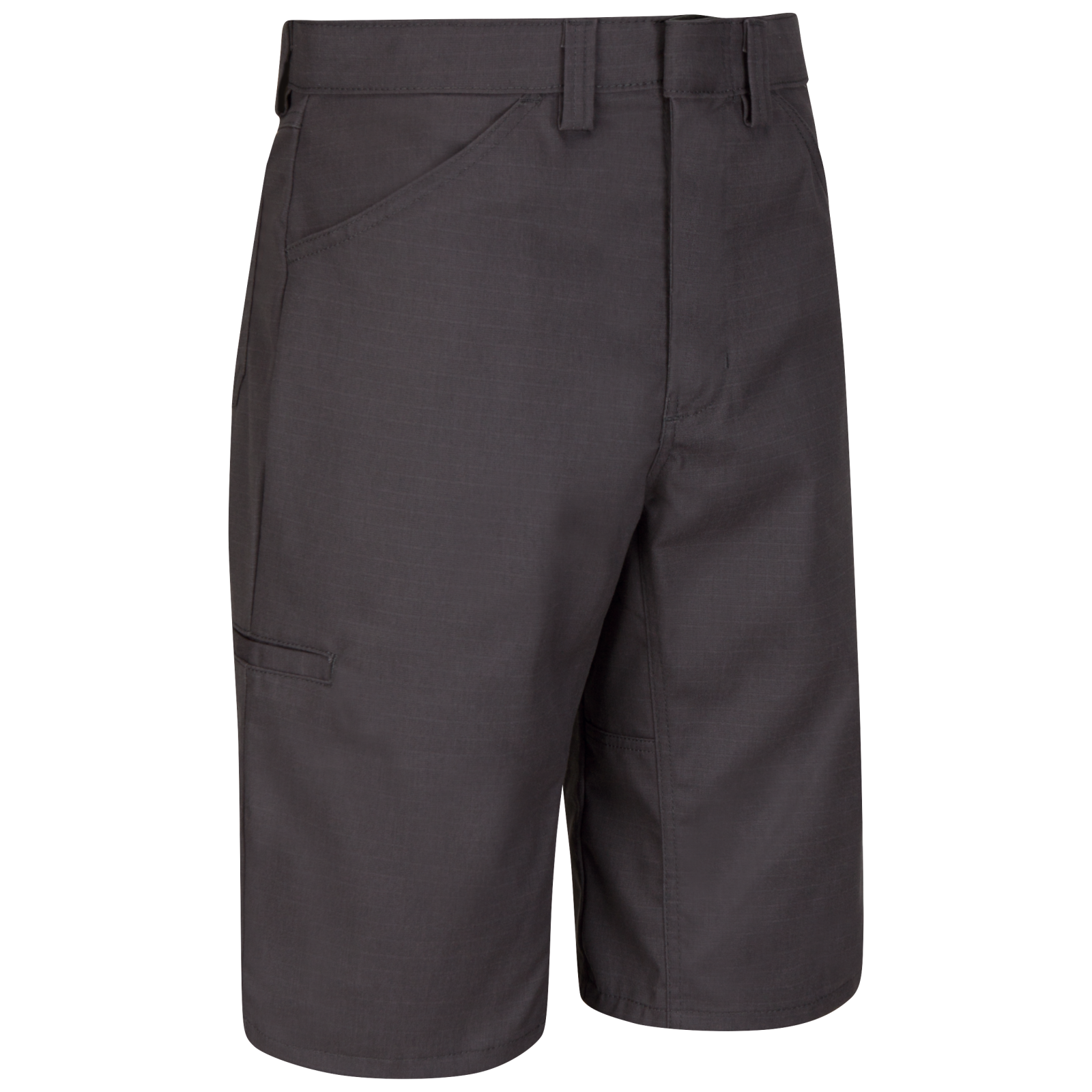
Related Product Catalogue and Quotation






Why Choose Veelianpro as Your Chinos Manufacturer
Practical OEM, ODM and private-label support for buyers who need controlled fit development, sourcing coordination and repeatable chino production.
Fit-Led Product Development
Develop chinos from your tech pack, sketch, sample or product idea, with fit, pocket and construction details reviewed before sampling.
Flexible Program Entry
Choose OEM, ODM, private-label or wholesale support, with MOQ starting at 100 pieces per style and color, subject to project requirements.
Coordinated Material Sourcing
Build everyday trousers around selected twill composition, weight, stretch, finish and care needs, confirmed through approved swatches and specifications.
Branding and Trim Support
Coordinate fabric, trims, patterns, grading, branding and packaging through one practical development and production workflow for your chino program.
Controlled Production Workflow
Maintain production control with cutting, sewing, reinforcement, decoration, quality checks, packing and export coordination aligned to approved standards.
Custom Workwear Categories
Developed for industrial, safety, service and uniform programs, with OEM, ODM, private-label and wholesale production from 100 pieces per style and color.

Work Shirts
Work shirts developed in long- or short-sleeve formats for industrial crews, service teams and branded uniform programs. Specify fabric composition, collar and cuff construction, pocket layout, closures, reinforcement points, size grading, labels and decoration methods for the intended working environment.
Request a Workwear Quote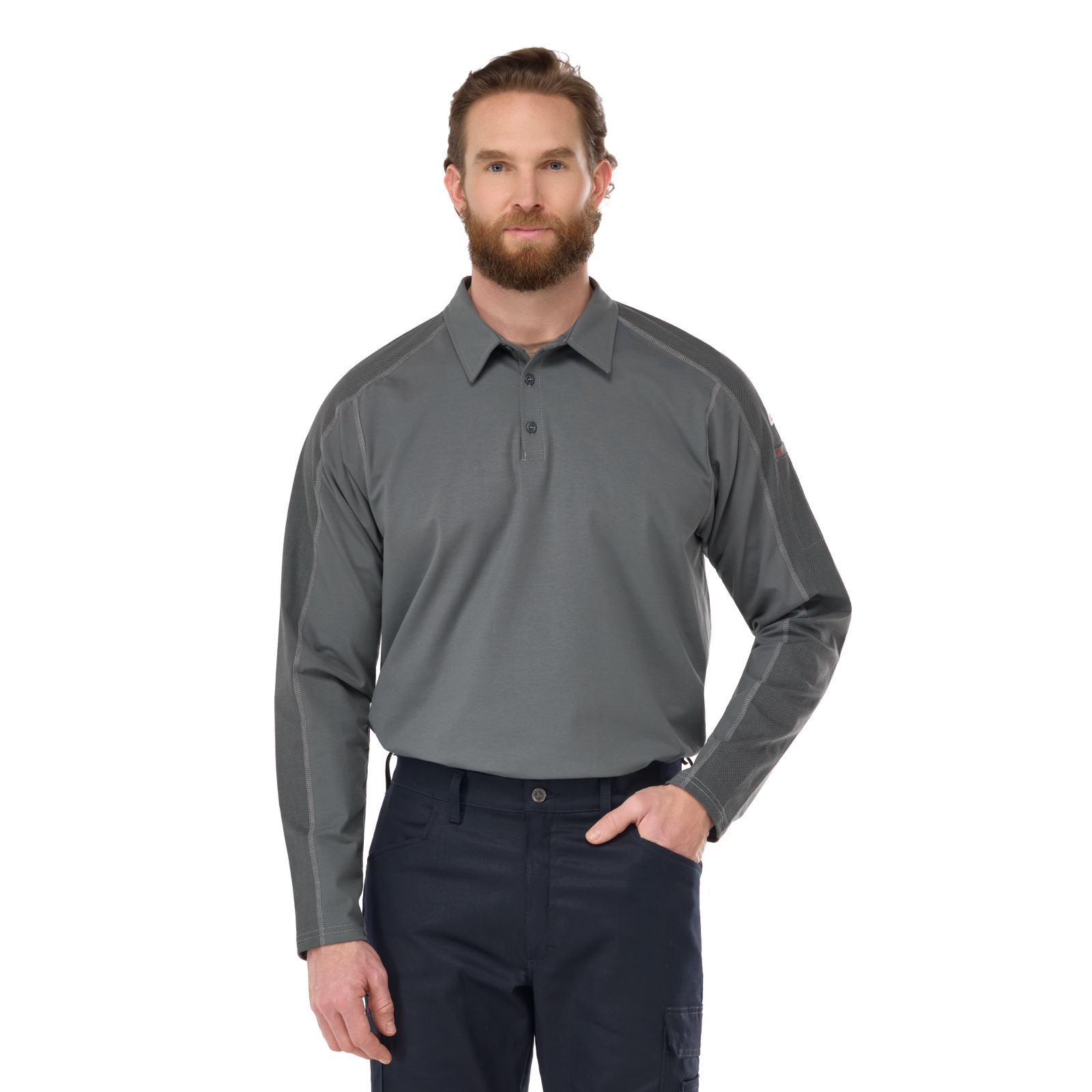
T-Shirts & Polos
T-shirts and polos for staff uniforms, promotional workwear and service teams. Development can include fabric selection, neckline or collar construction, plackets, sleeve finish, color blocking, logo placement, woven labels, care labels and coordinated packaging.
Request a Workwear Quote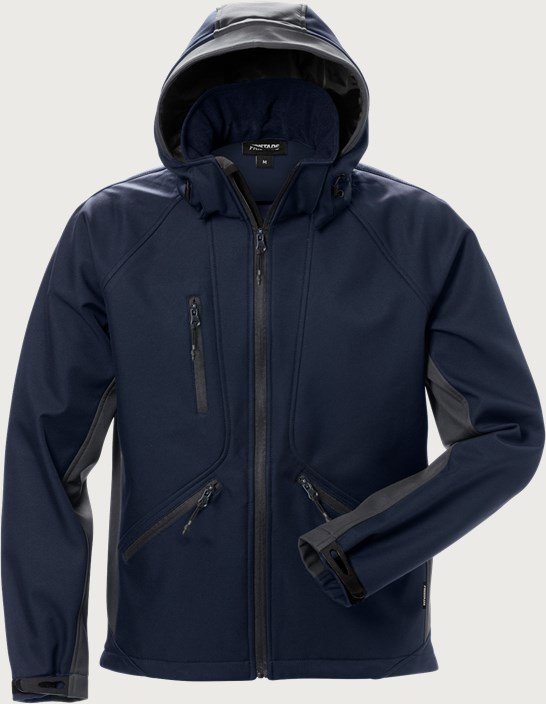
Work Jackets & Outerwear
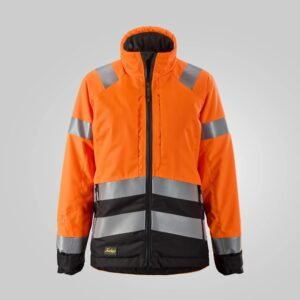
Outerwear programs include softshell, fleece, padded and rain jacket families for changing work conditions. Buyers can define shell and lining choices, weather-protection features, pocket systems, hood details, closure types, reinforcement, reflective trim placement and brand decoration.
Request a Workwear Quote
Work Vests & Bodywarmers
Utility vests and bodywarmers can be developed with lightweight, insulated or multi-pocket constructions. Configure pocket access, front closures, lining, collar height, trim, reflective elements, logo application, labels and colorways to suit field, warehouse or service use.
Request a Workwear Quote
Work Pants & Shorts
Work pants, cargo pants and shorts can be built around the required pocket configuration and movement needs. Development details include fabric choice, waistband construction, gussets, reinforced knees, bartacks, triple stitching, leg shape, size grading and branding.
Request a Workwear Quote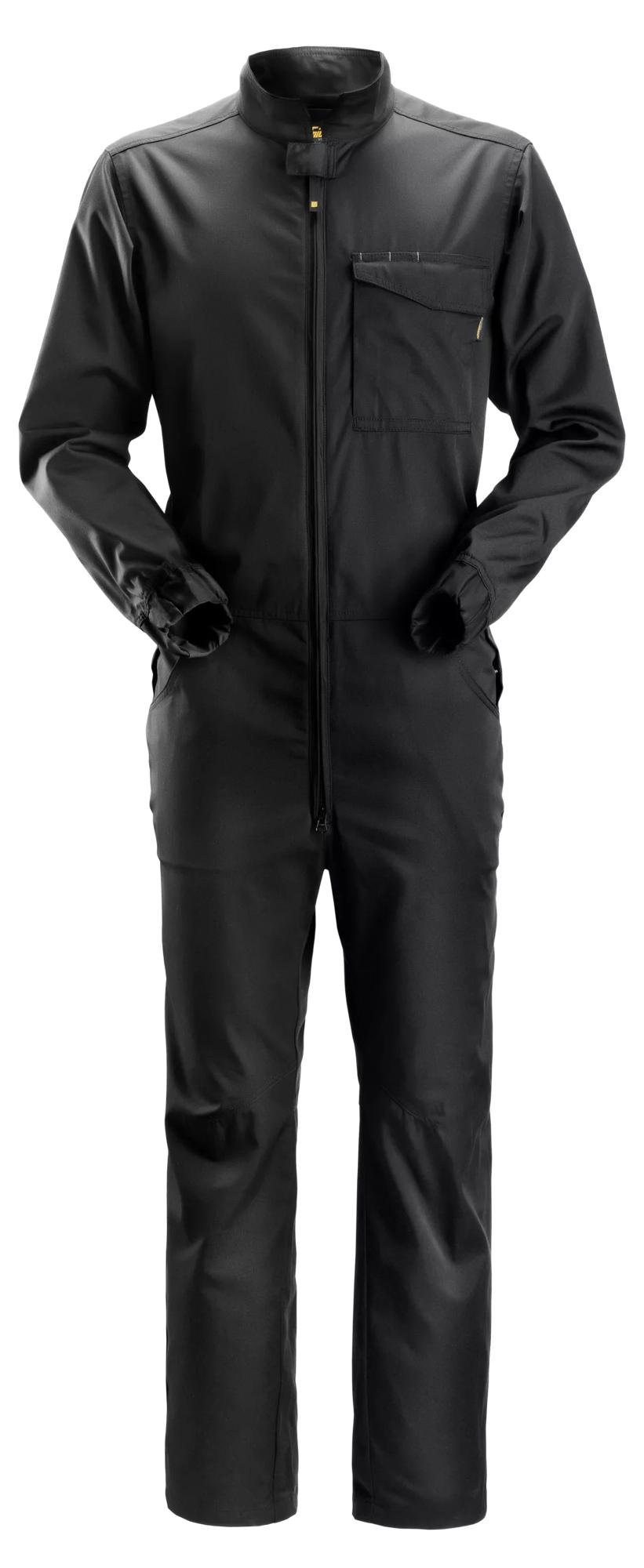
Coveralls & Bib Overalls
One-piece coveralls, bib overalls and two-piece alternatives for operational teams requiring broad garment coverage. Specify entry closures, bib or strap construction, utility pockets, knee reinforcement, elasticated areas, reflective placement, fabric selection and decoration before sampling.
Request a Workwear Quote
Workwear Sets
Coordinated workwear sets pair compatible tops and bottoms for consistent team presentation. Programs may combine shirts, jackets, vests, trousers or bib styles with shared colors, trims, pocket logic, labels and branded packaging across the full uniform range.
Request a Workwear Quote
High-Visibility Workwear
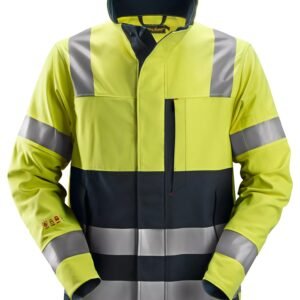
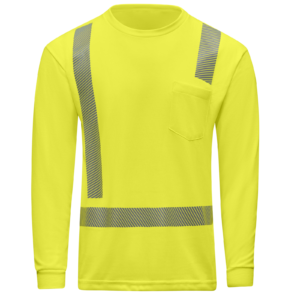
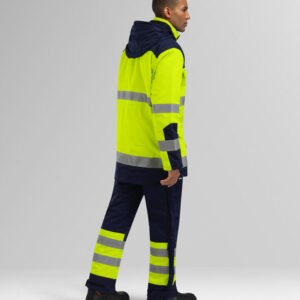
High-visibility garment families include vests, jackets, shirts, trousers, coveralls and coordinated sets. Reflective tape layout, base fabric, contrast panels and garment construction can be developed to the buyer’s specification; any required standard needs SKU-specific testing and documentation.
Request a Workwear Quote
Flame-Resistant & Arc-Rated Wear
Flame-resistant and arc-rated garment development can cover shirts, trousers, coveralls, jackets and layered systems. Discuss fabric, construction, closures, pocket details and labeling alongside the applicable standard; protective ratings must be supported by exact test evidence and certification scope.
Request a Workwear Quote
Chemical-Protective Clothing
Chemical-protective clothing programs are developed around the intended exposure scenario, garment coverage and required compliance pathway. Construction, closures, seams, hood or cuff details and material selection require project review; chemical resistance claims need applicable test documentation.
Request a Workwear Quote
Cold-Storage Workwear
Cold-storage workwear includes insulated jackets, trousers, bib overalls, coveralls and layering pieces for low-temperature operations. Specify insulation approach, shell and lining materials, closures, pocket access, cuffs, hoods, reinforcement and the operational temperature requirements for development review.
Request a Workwear Quote
Welding Workwear
Welding wear can be developed as jackets, trousers, coveralls, aprons and related protective garment families. Buyers may define fabric, closure protection, pocket placement, seam construction, reinforcement and branding; any flame or heat performance claim requires relevant documented testing.
Request a Workwear Quote
Medical & Cleanroom Wear
Medical and cleanroom wear includes scrubs, coats, tunics, trousers and ESD-oriented garment families. Select suitable fabric, color coding, pocket arrangement, fastening details, size range, labels and packaging based on the workplace protocol; controlled-environment or ESD claims require applicable evidence.
Request a Workwear Quote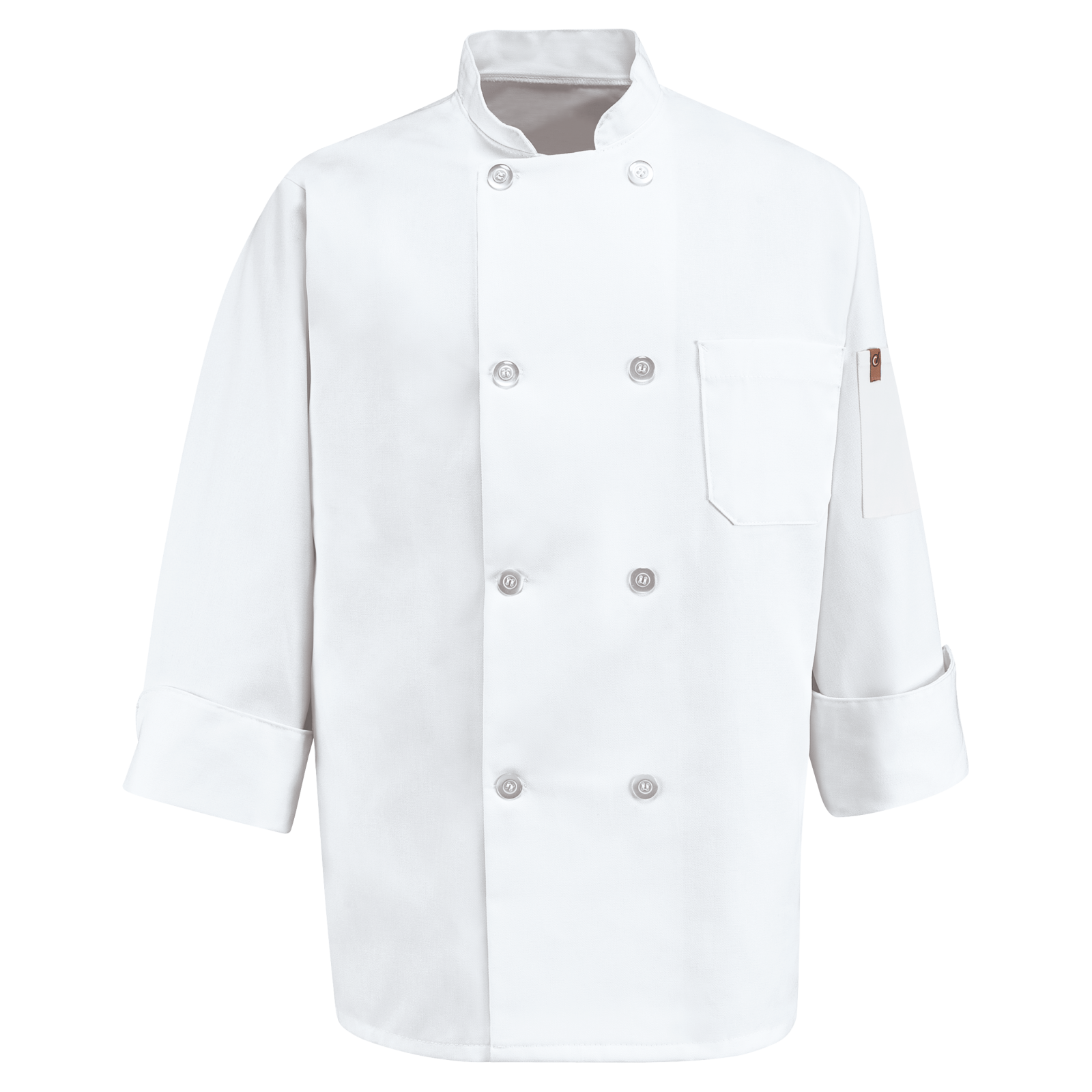
Chef & Hospitality Uniforms
Chef and hospitality uniforms cover chef coats, aprons, shirts, polos, trousers and front-of-house apparel. Configure fabric, color, collar style, closures, pocket placement, apron details, logo decoration, care labels and presentation packaging for restaurants, hotels and service operators.
Request a Workwear Quote
Industry Uniforms
Industry uniforms bring together practical garments for manufacturing, logistics, construction, facilities, utilities and service teams. Build a consistent program from shirts, polos, trousers, jackets, vests and coveralls, with role-based colors, functional pockets, reinforcement and company identification.
Request a Workwear Quote
Base Layers & Accessories
Base layers and accessories support complete uniform programs with undershirts, thermal layers, caps, aprons, belts and related branded items. Materials, fit, color matching, labels, decoration and packaging can be coordinated with the main garment collection and intended work setting.
Request a Workwear QuoteFabric Options from a Chinos Manufacturer




Chinos Manufacturer Decoration and Garment Processes



Veelianpro Custom Workwear Manufacturing Capabilities


About Veelianpro, Your Chinos Manufacturer
Veelianpro is a Wuhan-based workwear manufacturer serving brands, distributors, wholesalers and enterprise sourcing teams. Our company profile states that workwear operations began in 2012, with a mission to turn practical garment ideas into dependable industrial, safety and service apparel through clear communication and disciplined production planning.
As a chinos manufacturer, we support OEM, ODM, private-label and wholesale programs from an approved tech pack, sketch, sample or product idea. Our team can coordinate fabric and trim sourcing, pattern development, sampling, size grading, cutting, sewing, reinforcement, decoration, finishing, quality checks, packing and export coordination. MOQ starts at 100 pieces per style and color, subject to project requirements.
What sets Veelianpro apart is a development-to-export workflow built around buyer specifications. Fit, fabric behavior, pocket construction, branding, stitching and finishing are reviewed before production, while any requested performance rating or certification remains subject to SKU-specific test evidence. Company-supplied figures for workforce scale should be verified before prominent public use.

How Veelianpro Develops Your Custom Chino Program
Review the Technical Brief
Veelianpro begins with your tech pack, sketch, sample, measurements or product idea. As a chinos manufacturer, the team reviews construction, target use, fabric direction, size range and branding requirements before recommending a practical sampling and quotation route.
- Tech-pack and reference review
- Workwear, uniform and service applications
- Construction and measurement checkpoints
- OEM, ODM and private-label planning

Develop Fit and Pattern
Pattern development turns your intended chino silhouette into measurable production standards. Veelianpro can refine waistband, rise, seat, thigh, leg shape, pocket placement and grading through sample comments, helping buyers establish a repeatable fit across sizes and colors.
- Regular, tapered or relaxed proportions
- Waistband, rise and pocket engineering
- Size grading based on approved measurements
- Fit sample and pre-production review

Source Fabric and Trims
Material choices affect comfort, appearance, durability and cost. Veelianpro helps compare suitable twills, stretch directions, weights, colors and finishes, then coordinates buttons, closures, labels, care labels, packaging and other trims against the approved chino specification.
- Cotton and stretch twill evaluation
- Color, weight and composition review
- Custom labels, buttons and packaging
- Trim matching against the tech pack

Control Sampling and Bulk
After development, Veelianpro coordinates cutting, sewing, reinforcement, decoration, finishing, inspection, packing and export preparation. Quality checks follow the approved sample and specification, supporting consistent construction for wholesale, private-label and repeat workwear programs.
- Sample approval before bulk production
- Cutting, sewing and reinforcement control
- Brand decoration and finishing checks
- Packing and export coordination

Custom Chino Development vs. Stock-Chino Decoration
Compare a custom workwear program with sourcing stocked chinos and adding decoration. Starting MOQ is subject to fabric, certification and construction requirements.
← Swipe left or right to view →
How Our Chinos Manufacturer Builds Your Program
Compliance evidence depends on the approved chino specification and requested market requirements. Protective ratings, material standards and social audits should be supported by applicable test reports, current records and defined certification scope. Ask our team to confirm whether evidence is available for the specific SKU, fabric, production site and order.
Review Your Brief
Send a tech pack, sketch, sample or product idea. We review fit, fabric, branding, quantity, destination and requirements, including the 100-piece starting MOQ.
Develop Materials
We source suitable twill, stretch fabrics, trims and branding components, then confirm composition, weight, color, care expectations and construction details for your program.
Build And Approve
Our team develops patterns, grading and fit samples, refining waist, rise, pockets, leg shape, closures and measurements against your approved technical references.
Produce Your Chinos
After sample approval, we manage fabric preparation, cutting, sewing, reinforcement, decoration, finishing and production coordination according to the confirmed specification.
Inspect And Ship
Quality checks verify workmanship, measurements, branding and packing before export coordination. Approved standards and documented project requirements guide repeat orders and future reorders.
How to Work With Your Chinos Manufacturer Team
Move from product idea to approved production with clear specifications, practical sampling and coordinated shipment support from Veelianpro, your chinos manufacturer.
Share Your Product Brief
Send a tech pack, sketch, reference sample or product idea with garment type, intended use, measurements, fabric direction and branding priorities.
Confirm Program Details
Review fabric composition, weight, stretch, colors, size range, labels, packaging, target quantity, destination and timeline so our team can assess feasibility.
Review Samples and Quote
Evaluate fit, measurements, construction, trims and decoration on samples, then compare the quotation, MOQ and production assumptions before approval in writing.
Approve Production and Shipment
Approve the final sample and specifications, then Veelianpro coordinates cutting, sewing, quality checks, packing and export shipment for your confirmed chino program.
Customer Feedback Pending Verification


How Buyers May Work With a Chinos Manufacturer
Illustrative scenario: A workwear brand buyer needs a chino that keeps a clean appearance while carrying small work items. The buyer submits a tech pack covering target fabric, rise, pocket layout, measurements, and branding; the proposed development route is a sample review focused on waistband construction and pocket access. Acceptance criteria are a documented approved sample, signed measurement chart, and agreed grading requirements before bulk production.
Illustrative scenario: A safety distributor needs durable chino-style trousers for a service-uniform program. The development review aligns fabric options, reinforcement locations, color, size range and label artwork. Acceptance is based on the approved sample, agreed construction details and final inspection criteria.
Illustrative scenario: An enterprise sourcing team needs a private-label chino plan across multiple sizes without leaving packaging or delivery assumptions open. The team provides quantity by style and color, destination, timeline, size breakdown, and packaging requirements; the proposed route is feasibility review followed by pattern and sample development where appropriate. Acceptance criteria are a finalized specification, a quotation that states included scope, and confirmation of the applicable minimum for the final fabric, certification, and construction requirements.
FAQ for Your Chinos Manufacturer Program
Practical answers about MOQ, fit development, materials, branding, production, and export coordination with Veelianpro.
What MOQ does a chinos manufacturer require for custom orders?
Can a chinos manufacturer develop samples from my tech pack?
How much do chino samples cost and how long do they take?
Which fabrics can I choose from a chinos manufacturer?
Which fits can Veelianpro develop as a chinos manufacturer?
Can a chinos manufacturer add private-label branding and custom details?
What payment terms and shipping support does a chinos manufacturer provide?
What documentation should I provide before requesting a chino quotation?
How does Veelianpro protect my chino design and production information?
Chinos Manufacturer Guide for Custom Workwear Programs
A practical framework for comparing chino specifications, development scope, quality controls, quote inclusions, and supplier fit—so workwear and uniform buyers can avoid preventable sampling, costing, and production mistakes.
1. Defining a Custom Chino Program
A custom chino program turns a buyer’s approved fit, materials, construction, and branding requirements into a repeatable trouser specification. Veelianpro can take a tech pack, sketch, sample, or product idea through development and production. Confirm the applicable minimum after the style, fabric, colorways, trims, construction requirements, and total order scope are finalized.
A work-oriented chino brief should define fit and rise, waistband build, belt-loop arrangement, closure, front and rear pocket configuration, fabric composition and weight, and any wash or finishing target. These details give the sample review a shared reference and make later reorders easier to compare with the approved product.
Private-label scope also changes the product definition: labels, care labels, patches, embroidery, screen printing, heat transfer, and custom packaging must be identified before sampling or quotation. A quote that omits the decoration method, placement, artwork status, and packing requirements cannot be fairly compared with one that includes them.
For comparable chino quotes, issue the same complete specification to every candidate: size range and grading, colorways, target quantity by size and color, fabric and trim requirements, construction details, branding, destination, and timeline. That common baseline shows whether a price difference comes from material, workmanship, development, packaging, or an excluded item rather than from the same trouser.
2. Chino Types for Workwear Programs
Chinos are not one fixed workwear format. The silhouette, pocket layout, stretch requirement, and finish should follow the wearer’s tasks, public-facing role, and need for carried tools rather than a generic trouser brief.
Classic Flat-Front Chino
A flat-front chino suits office-facing teams, hospitality supervisors, and service roles where a clean waistband and straight pocket entry matter. Keep pocket contents light; added utility features can disrupt the tailored appearance.
Specify rise, leg shape, and front-pocket opening in the tech pack. A tapered fit looks neater, while a straighter leg generally gives more movement and easier size accommodation.
Stretch Work Chino
A stretch work chino is a development direction for roles involving frequent bending, stepping, or driving. Define the fabric composition, stretch direction, and recovery requirement before sampling rather than treating “stretch” as a complete specification.
Conventional front and back pockets retain a clean profile. Where tools or repeated abrasion are part of the brief, identify the requested reinforcement locations separately from the fabric choice.
Utility Chino
A utility chino adds practical storage through specified cargo, phone, ruler, or tool-pocket arrangements. It fits maintenance and mobile service work, where access can outweigh a minimal silhouette.
Pocket placement affects comfort when seated and the garment’s visual balance. Use a pocket-content brief to prevent oversized compartments that snag or create bulk.
Uniform Chino
A uniform chino prioritizes a consistent, presentable appearance across a size range and repeat orders. Standardized pocket layouts simplify the visual program for reception, retail, and service teams.
Limit external details when a coordinated uniform look is more valuable than personal storage. Confirm the intended footwear and shirt tuck-in approach when setting leg and waistband proportions.
Seasonal Service Variants
Seasonal or service-oriented variants may change fabric selection, color, fit allowance, or weather-focused details for the working environment. These choices should be treated as a separate specification, not assumed from the word chino.
For a practical comparison, list activity level, carried items, and presentation standard beside each variant. Veelianpro can discuss these development inputs from a tech pack, sketch, sample, or product idea.
3. Selecting Fabrics for Work Chinos
Fabric determines whether a chino reads as polished service apparel or withstands a harder work setting. Specify the composition, weave, color standard, and wash expectation before sampling; a chino manufacturer cannot reliably infer them from a reference photo alone.
| Material Category | Practical Properties | Suitable Program Use | Selection Cautions |
|---|---|---|---|
| Cotton twill | Specify composition, weave, weight, color standard, and required finish | Hospitality and service chinos | Confirm wash behavior and shade standard |
| Cotton-stretch blend | Specify cotton content, stretch fiber, stretch direction, and finish | Active service and fitted programs | Specify stretch fiber and direction |
| Polyester-cotton blend | Specify blend ratio, weight, color standard, and finish | Uniform and repeat-issue programs | Approve hand feel and color before bulk |
| Polyester-cotton stretch | Specify blend ratio, stretch fiber, stretch direction, and finish | Mobility-focused work chinos | Confirm recovery expectation and wash test |
Compare Core Fabric Routes

Use the fabric route to record the composition, weave, weight, color standard, finish, and any stretch requirement. Cotton-led, polyester-cotton, and stretch constructions should be quoted against the same approved fabric brief rather than compared by a generic material name.
Choose Stretch Deliberately
Do not use “stretch” as a complete fabric instruction. Identify the stretch fiber, stretch direction, required recovery criterion, and the intended wearer activity before sampling.
- Cotton-stretch: familiar hand with added movement
- Polyester-cotton stretch: practical uniform-oriented blend
- Confirm stretch direction on the approved swatch
Set Weight And Twill Direction
Record fabric weight and twill direction in the approved fabric brief, together with the swatch used for sample review. Retain that approved swatch as the bulk reference so later substitutions can be evaluated against the same material target.
Control Color And Wash Change
Request a lab dip or other agreed color reference before fabric commitment. Where laundering is relevant, define the wash method, post-wash measurement checks, and approved fabric reference so shade, hand feel, and dimensional-change expectations are documented.
4. Customization Scope
Private-label chinos become a different product when the fit, pocket system, closure, and identification package are specified together. Veelianpro can develop from a tech pack, sketch, sample, or product idea; include every approved option in the quote scope.
| Customization Area | Uniform Priority | Quote-Scope Detail |
|---|---|---|
| Fit and grading | Consistent wearer allocation | Base size, range, grading rules |
| Pockets and loops | Tool and belt access | Layout, dimensions, reinforcement |
| Labels and logos | Clear identification | Artwork, material, placement |
| Packaging | Distribution readiness | Fold method, inserts, outer packing |
Fit Block And Grading

Rise, leg shape, and seat ease define the fit block; a size chart alone does not show how those measurements relate. Supply the target size range and grading rules so the sample can be evaluated across the intended program.
Changing the block or graded range after sampling can require pattern revision and another fit review. Identify whether the chino is for active service wear, a standard uniform, or a fashion-led silhouette before development.
Waistband And Closure
A waistband can use a button, hook-and-bar, zipper fly, elastic elements, or adjustable features, depending on the intended uniform use. State the closure material, finish, placement, and any trim-color requirement rather than approving from a general reference image.
Belt-loop count and placement affect compatibility with the wearer’s belt system. These components should be locked before bulk production because they alter pattern pieces and sewing operations.
Pockets And Reinforcement
Pocket layout should follow what staff carry: front entry pockets, rear welt or patch pockets, and utility compartments solve different access needs. Specify pocket dimensions, closure method, bartacks, and whether a reinforced area is required.
A fashion pocket detail may add visual interest without improving field use. For service uniforms, prioritize durable access and clear placement over decorative additions.
Branding And Presentation
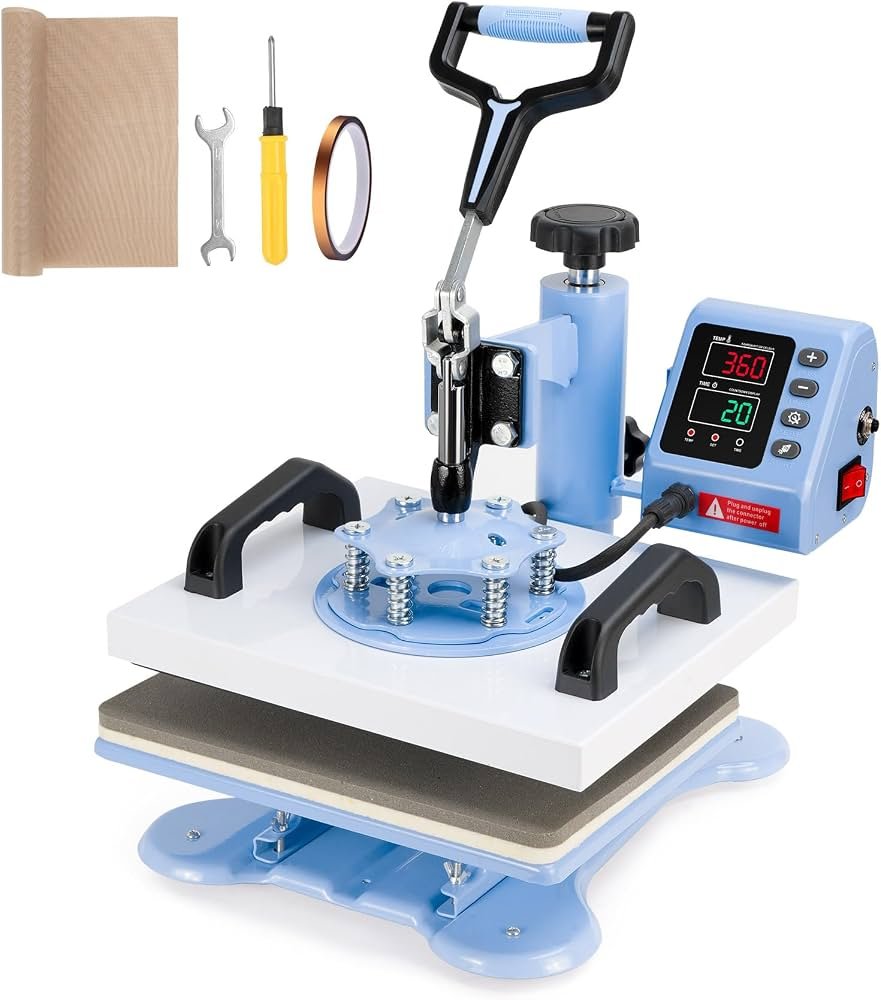
Woven labels, care labels, patches, embroidery, screen printing, heat transfer, and custom packaging can be included in a chino program. Provide production-ready artwork, dimensions, colors, placement, label material, and packaging configuration with the RFQ.
Uniform identification usually favors legible logos or role patches at controlled locations. Fashion embellishment—contrast trims, oversized branding, or decorative patches—needs separate approval because it can increase materials and operations.
5. Construction Details That Affect Wear
A chino can look clean on a hanger yet fail first at the waistband, pocket corners, fly, or inseam. Construction choices determine whether fit and function remain consistent through an industrial or servicewear program.
| Checkpoint | Failure To Catch | Sample Reference |
|---|---|---|
| Waistband and fly | Twist, pull, or closure misalignment | Flat appearance and worn fit |
| Stress points | Opening seams at high-load joins | Specified reinforcement locations |
| Hem and measurements | Uneven length or size drift | Measurement chart and approved sample |
Waistband And Fly Control
A twisting waistband or rippling fly usually starts with uneven assembly, mismatched closure placement, or insufficient stabilization. On the approved sample, check that the waistband sits level, the fly closes smoothly, and the button, hook, or zipper aligns without pulling.
- Confirm closure type and placement on the tech pack
- Check waistband shape while worn and laid flat
- Record approved front-rise and waist measurements
Seams And Stress Points

Pocket openings, inseams, crotch joins, and belt-loop ends take repeated load. Loose seam ends or poorly secured intersections can open under movement; specify where reinforcement such as bartacks, triple stitching, or gussets is required, then compare those locations against the approved sample.
Pockets And Rise Balance
A pocket that bags, gapes, or pulls can make otherwise sound chinos impractical. Pocket shape, attachment, opening placement, and the relationship between rise, seat, and crotch must be assessed on a wearer, not only from flat measurements.
- Wear-check reach and tool access
- Compare pocket opening and depth to sample
- Assess crouching and walking comfort
Hem And Measurement Repeatability
Uneven hems and drifting measurements create visible inconsistency across sizes and units. Use a signed measurement chart with defined points of measure, tolerances agreed for the project, and an approved sample as the physical reference for bulk checks.
6. Choosing a Manufacturing Partner
A capable chinos manufacturer is a match for a defined program, not simply a low unit price. Shortlist against the same specification so development scope, sample discipline, and bulk readiness can be compared fairly.
| Shortlist Check | Comparable Evidence | Decision Use |
|---|---|---|
| Product fit | Relevant chino construction review | Avoid category mismatch |
| Sample control | Approved specifications and checkpoints | Limit bulk variation |
| Quote scope | Same RFQ inputs | Compare like for like |
Match The Product Category
Check experience with work trousers and the requested construction: fit, rise, waistband, pocket layout, reinforcement, fabric, wash, and trims. Protective or performance targets require their own documented development scope.
Test The Tech-Pack Review
A useful review identifies missing measurements, grading rules, artwork placement, and construction decisions before a quote. Veelianpro can begin from a tech pack, sketch, sample, or product idea, then support pattern development and sampling.
Send One Comparable RFQ
Every candidate should receive identical inputs; otherwise differing assumptions make quotes misleading. Use a single RFQ version and record any supplier assumptions or exclusions beside each quotation.
- Fabric composition and weight
- Size range and colorways
- Target quantity and destination
- Trims, labels, packaging, required approvals
Approve The Sample Path
Define the sample version, revision route, approval owner, and what must be checked before bulk: measurements, fit, pocket balance, waistband function, wash appearance, and labeling. A sample is the reference, not a substitute for written production specifications.
Confirm Evidence And Capacity
Ask how inspection findings are recorded, who communicates changes, and whether the requested production window can be confirmed for the finished specification. Confirm the applicable minimum against the final style-color plan, fabric, certification, and construction requirements.
7. Common Chino Sourcing Mistakes
Chino programs usually lose time when an approval is treated as a visual preference instead of a production specification. Lock the commercial and physical details before bulk, because each unresolved variable can affect cost, consistency, or delivery handling.
Comparing Incomplete Quotes
A lower unit quote may omit fabric composition, washing, labels, packing, or export coordination. It cannot be compared fairly with a fully scoped quote.
Issue one RFQ with the same tech pack, quantity, colorways, decoration, packaging, destination, and delivery terms to every factory.
Approving Appearance Only
A sample can look right on a hanger while rise, waist, inseam, leg opening, and pocket placement remain unapproved. Bulk grading can then repeat an incorrect fit.
Approve a measurement chart with tolerances alongside the sealed sample, including the measurement method and size range.
Ignoring Wash And Shrinkage
Where laundering is relevant, a photo approval alone does not define the post-wash acceptance standard.
Specify the intended wash or finish, request a washed sample if appropriate to the program, and record the approved shade reference and measurement-check method.
Changing Trims Late
A late change to buttons, zippers, labels, or patches can affect sourcing, placement, and packing work already approved. It may also require a revised sample.
Freeze trim specifications before bulk confirmation; document material, color, artwork, position, and attachment method.
Misreading Style MOQ
The stated starting minimum applies per style and color and remains conditional on the final fabric, certification, and construction requirements. Do not treat it as a combined total across unrelated colors or specifications.
List each style-color allocation in the inquiry and confirm which elements require separate minimums before planning a capsule.
Leaving Packing Undefined
Undefined folding, polybags, carton marks, and shipment terms create avoidable handoff questions after garments pass inspection. Destination requirements may change the packing scope.
State individual packing, labels, carton information, destination, and required delivery terms in the quotation request.
8. From Tech Pack to Bulk Approval
A chino program becomes repeatable when each approval converts intent into a controlled reference. Veelianpro can begin from a tech pack, sketch, sample, or product idea, then carry approved details through sampling, production, inspection, packing, and export coordination.
| Comment Type | Record Format | Approval Evidence |
|---|---|---|
| Measurement | Size, point, target, variance | Revised measurement check |
| Construction | Location and required change | Approved sample detail |
| Visual | Reference and observable difference | Color or stitch confirmation |
Review The Brief And References
Submit the intended work setting, fit reference, size range, colorways, quantity, destination, and artwork with the brief.
Identify which reference features are visual only and which are functional, such as pocket access, reinforced knees, or a gusset.
- Tech pack or marked reference sample
- Target fabric composition and weight
- Branding and packaging requirements
Lock Specifications And Materials
Confirm the size chart, rise, waistband, fly, pocket pattern, stitch construction, labels, and packaging before sampling.
Fabric and trim choices should be recorded by composition, weight, color standard, and supplier-approved substitute rules; protection claims require the applicable standard and evidence.
Record Sample Comments Precisely
Fit comments should locate the size, measurement point, construction point, and visual concern instead of saying that the sample feels wrong.
Worked example: size 34 outseam is 1 cm short; add one bartack at the right pocket opening; align the back-pocket topstitch shade to the approved reference.
Approve Revisions And Preproduction
Close every sample comment as accepted, revised, or not applicable, then approve the revision reference before bulk cutting.
At preproduction alignment, match the approved sample to the production size breakdown, fabric lot, trims, decoration artwork, folding method, and carton marks.
Inspect And Handover
Bulk inspection criteria should cover measurements, waistband and fly operation, seam security, pocket attachment, shade consistency, decoration placement, labels, and packing.
Handover should retain the approved sample record, final specification, inspection findings, packing list, and shipment documents for a controlled reorder.
9. What Drives Chino Costs
A custom chino quote changes when the specification adds setup, sourcing, handling, or verification work beyond the base garment. Confirm the applicable minimum only after the style-color plan, fabric, certification needs, and construction requirements are defined.
Keep quote comparisons on one approved specification: fabric composition and availability, colorways, size breakdown, wash, pocket layout, trims, branding, packing, inspection scope, and destination. Example only: consolidating two near-identical colorways into one may reduce duplicated color-specific sourcing and setup, but should not override a required uniform color standard.
| Cost Driver | What Changes Cost | How to Control Cost Without Reducing Required Function |
|---|---|---|
| Order quantity and colorways | Development and production work are spread across the ordered units; each style-color combination needs its own planning and materials review. | Combine volumes only where fabric, color, and approved specification are genuinely identical; confirm MOQ against the final style-color plan. |
| Fabric and finishing | Composition, availability, special sourcing, wash, and finishing steps can change material and processing scope. | Specify the required work setting first, then compare available fabrics and finish options against that requirement rather than selecting by appearance alone. |
| Fit, pockets, and construction | New patterns, size grading, pocket systems, reinforced areas, bartacks, gussets, and stitching details add development or sewing operations. | Freeze the approved fit and retain only details that solve a documented wear, storage, or mobility need. |
| Trims, branding, and packing | Custom labels, patches, embroidery, screen printing, heat transfer, care labels, and packaging add materials and handling. | Use one consolidated artwork and label plan; reserve premium packaging for channels that require it. |
| Inspection and destination requirements | Additional inspection scope, packing marks, export coordination, and destination-specific documentation affect quote inclusions. | State destination, acceptance checks, and required documents in the RFQ so the quotation covers the correct scope. |
10. FAQ and Next Steps
Final comparisons should resolve the commercial details that change a chino program: allocation by color, approval evidence, wash behavior, private-label scope, and quote inclusions. Veelianpro can review these requirements from a complete specification package.
What MOQ Applies?
Veelianpro’s starting MOQ is 100 pieces per style and color, subject to fabric, certification, and construction requirements. Confirm whether sizes may be mixed within that allocation and whether each colorway uses the same fabric and trim program.
Is Sample Approval Required?
Bulk production should follow approval of the development sample against the tech pack. Record approved measurements, fabric, color standard, pocket layout, labels, and any revisions so the bulk reference is unambiguous.
How Are Shrinkage And Washes Checked?
Ask for the proposed fabric composition, weight, finish, and wash method before approving the sample. Where laundering is relevant, compare post-wash measurements and appearance against agreed tolerances; do not present a wash target as a documented performance claim unless supporting test evidence is supplied.
How Is Fit Controlled?
Control begins with a graded measurement chart and approved base size. Specify rise, waistband construction, pocket dimensions, closure, and fit intent; inspect these points during sampling and production quality checks.
What Private-Label Items Are in Scope?
Available discussion items include woven and care labels, patches, embroidery, screen printing, heat transfer, and custom packaging. State artwork, placement, materials, pack method, and approval files so each item is quoted in scope.
What Makes An RFQ Comparable?
Send the same tech pack or sketch, fabric brief, size range and breakdown, colors, branding files, quantity, destination, and required timeline to every candidate. Include wash and construction requirements, then request a Workwear Quote with the complete specification package for a conditional feasibility review.

Work With a Chinos Manufacturer on Your Next Program
Send your tech pack or product idea for review of quantity, materials, branding, destination, timeline, and production feasibility.