
Rain Pants Manufacturer for Custom Workwear OEM
Veelianpro is a rain pants manufacturer offering OEM, ODM and private-label development from 100 pieces per style and color, subject to project requirements.
Featured Products for Rain Pants Development

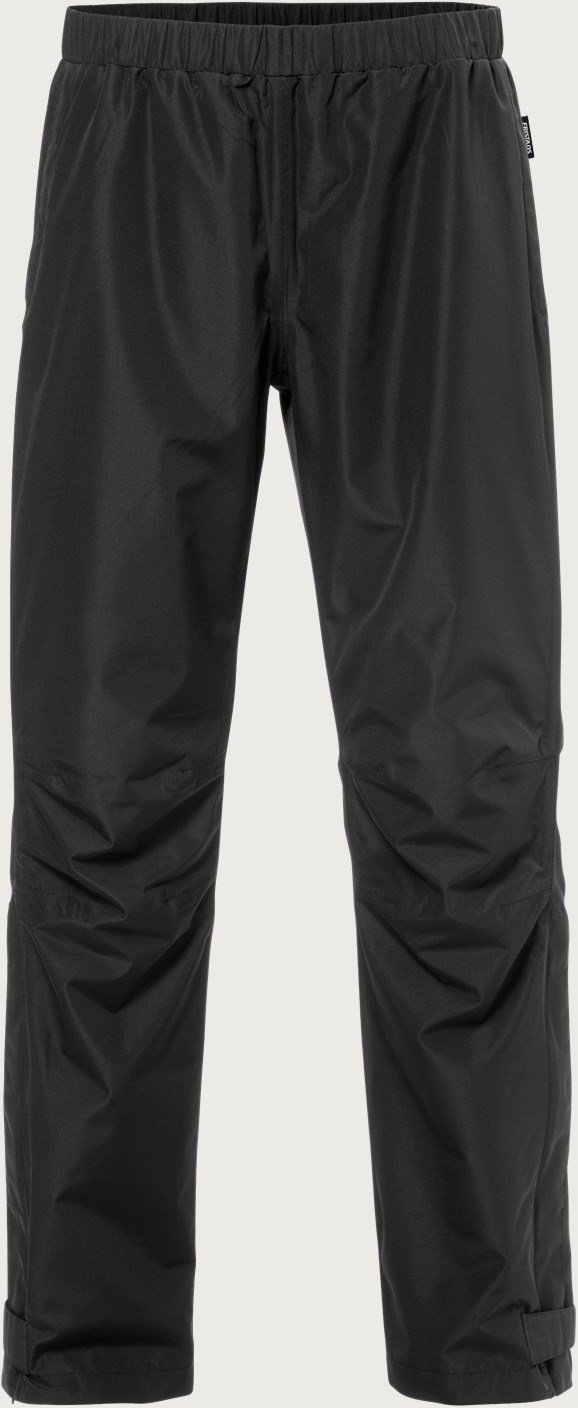
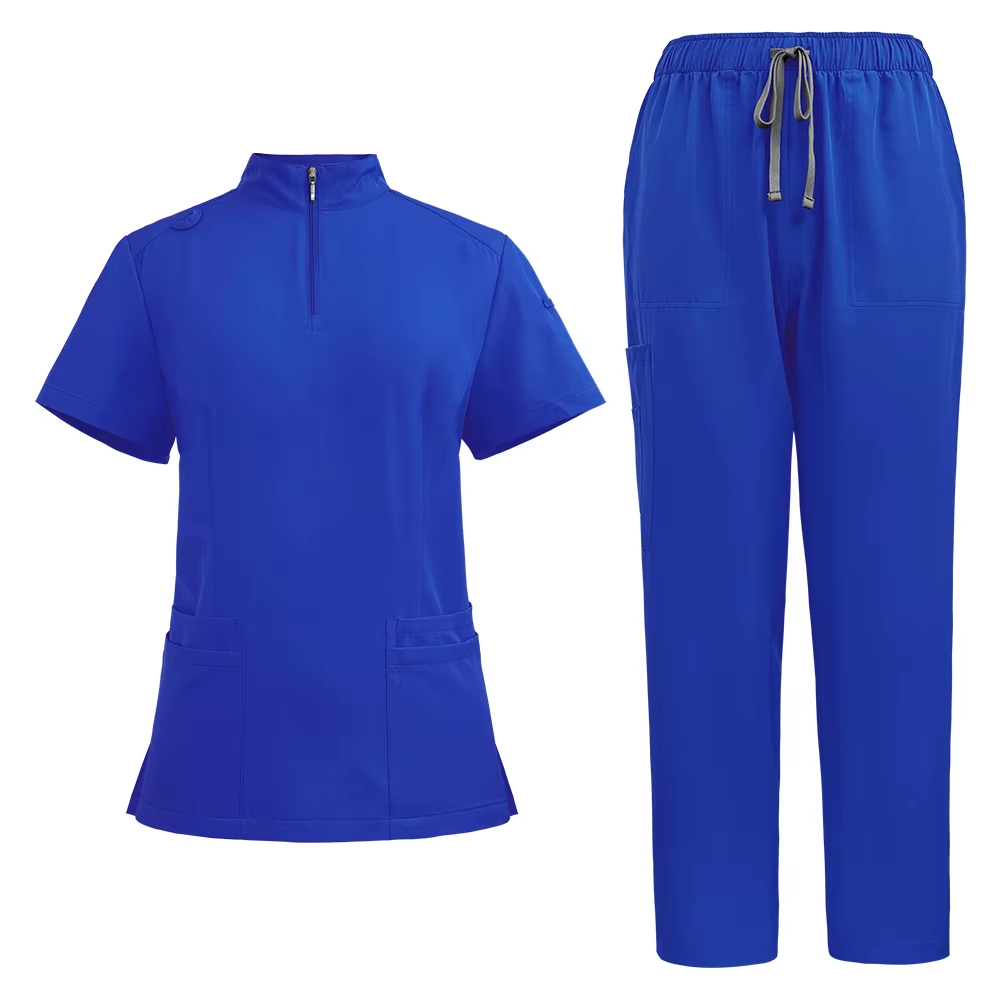


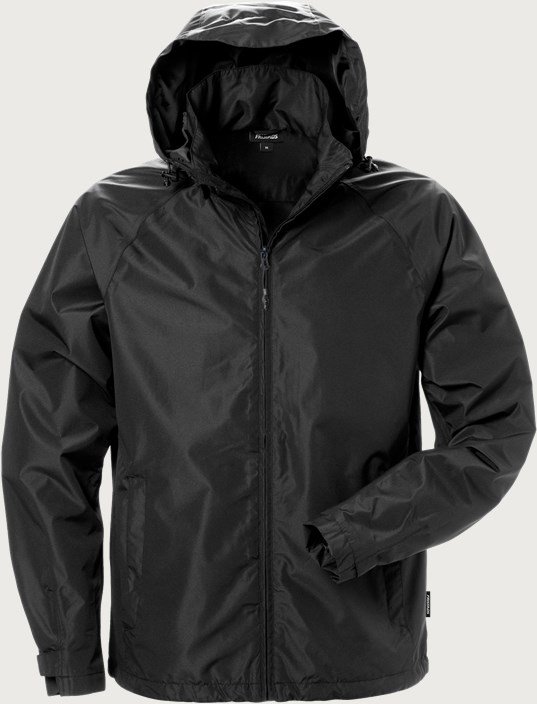


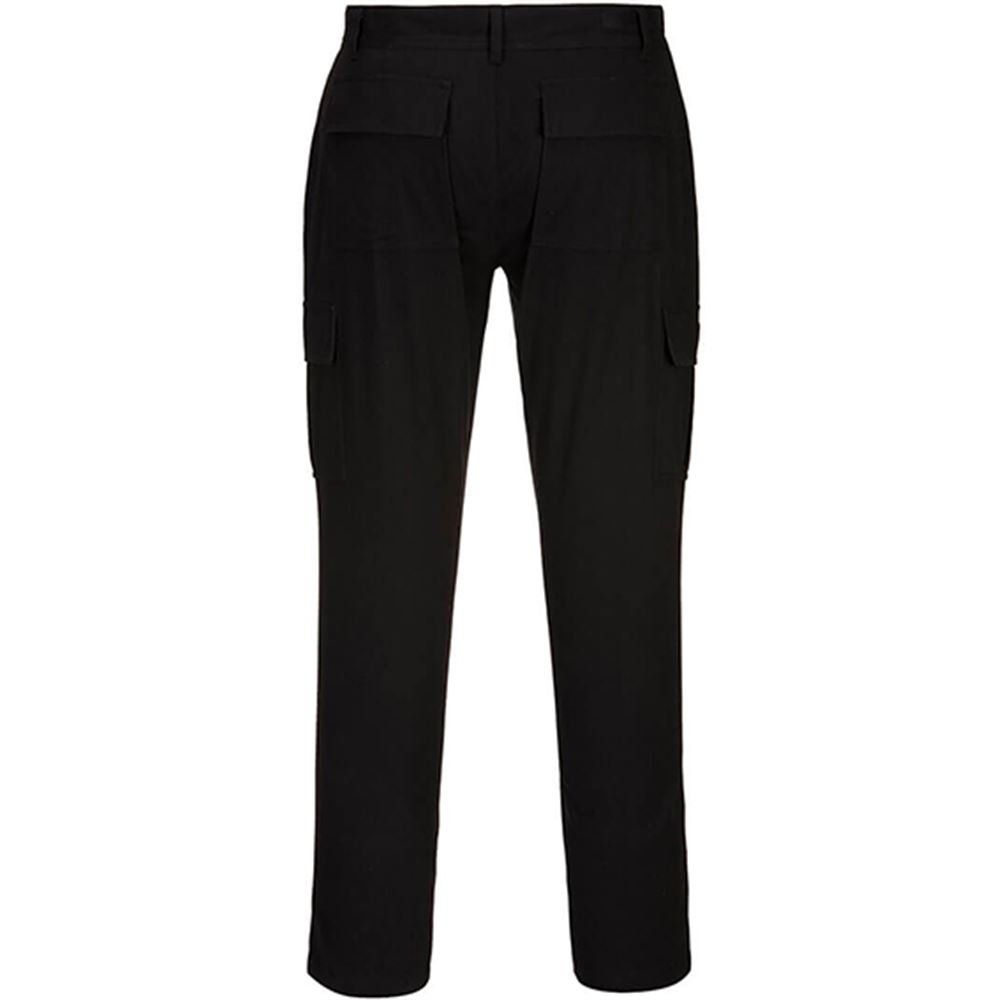


Related Rain Pants Catalogue and Quotation




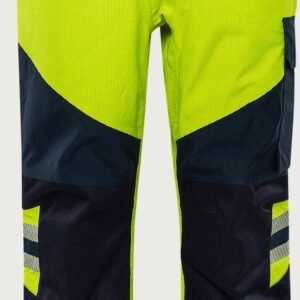
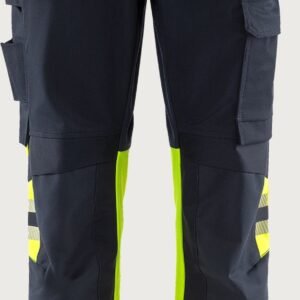

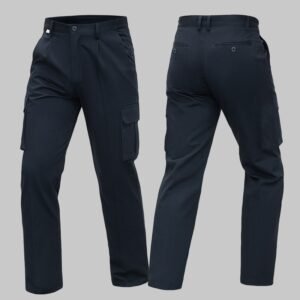
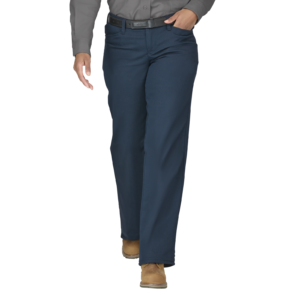
Why Choose Our Rain Pants Manufacturer
Practical development support for custom rain pants programs, from material selection and sampling through production and quality review.
OEM And ODM Development
Develop custom rain pants from your tech pack, sketch, sample, or product idea with OEM, ODM, and private-label support.
Material And Trim Sourcing
Review waterproof materials, trims, waist construction, pockets, closures, reflective details, and branding options for your intended work setting.
Fit And Sample Review
Confirm fit, layering room, inseam options, and mobility through development samples before approving production specifications.
Flexible Starting Quantities
Start at 100 pieces per style and color, subject to fabric, construction, certification, and project requirements.
Controlled Production Support
Coordinate cutting, sewing, reinforcement, finishing, packing, and quality checks with export support from our Wuhan operation.
Workwear Categories for OEM Development
Custom industrial, safety and service apparel developed from your specifications, with sourcing, sampling and production support from Wuhan.
Work Shirts
Develop button-front, snap-front or utility work shirts with chest pockets, pen divisions, reinforced stress points and buyer-specified fabric. Suitable for industrial crews, maintenance teams and service uniforms, with custom sizing, colors, labels and decoration methods planned before production.
Request a Workwear Quote
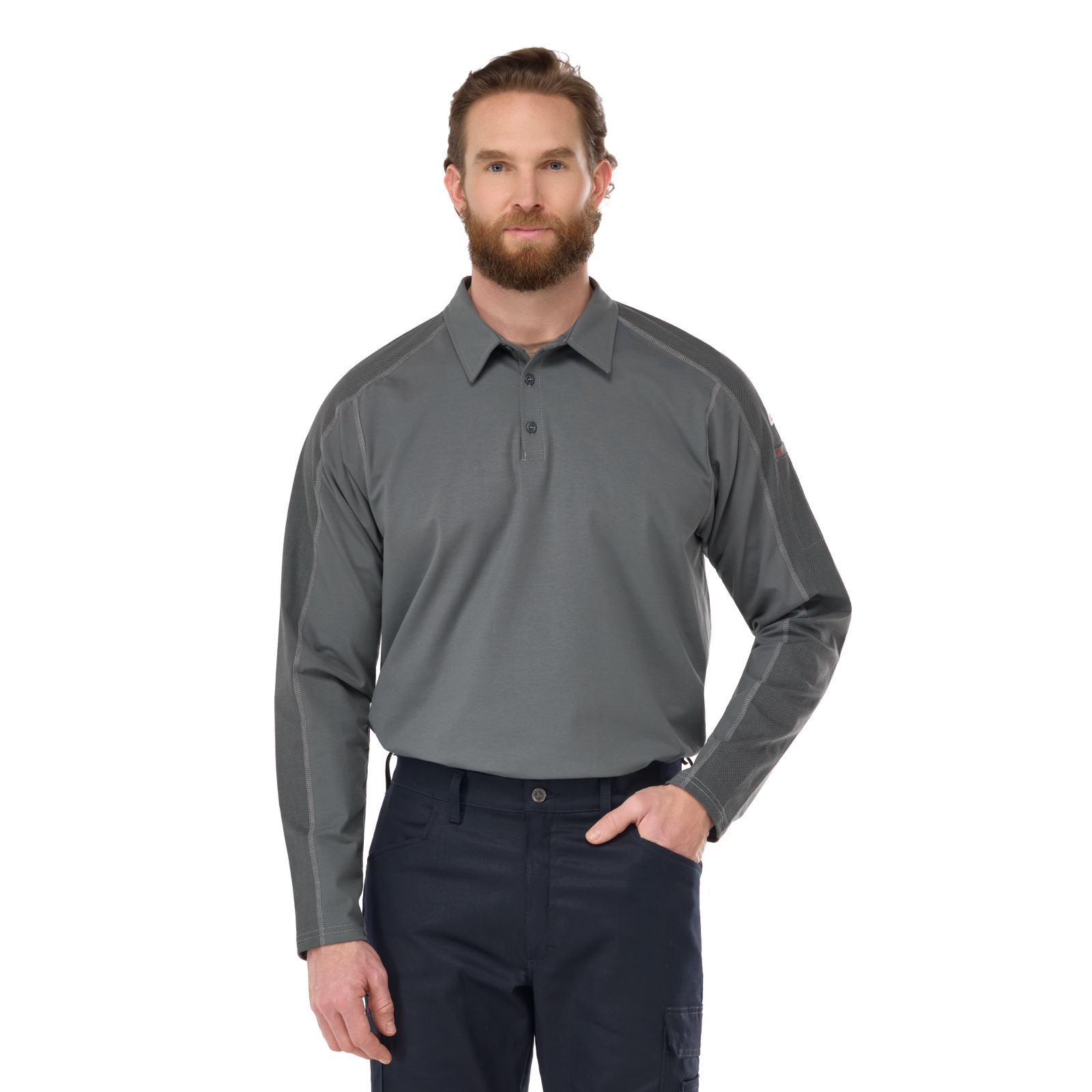
T-Shirts & Polos
Produce crew-neck tees, long-sleeve work shirts and polo programs for uniform or promotional use. Select fabric composition, weight, collar construction, placket details and color blocking around the intended setting, then apply embroidery, printing, patches or private labels as required.
Request a Workwear Quote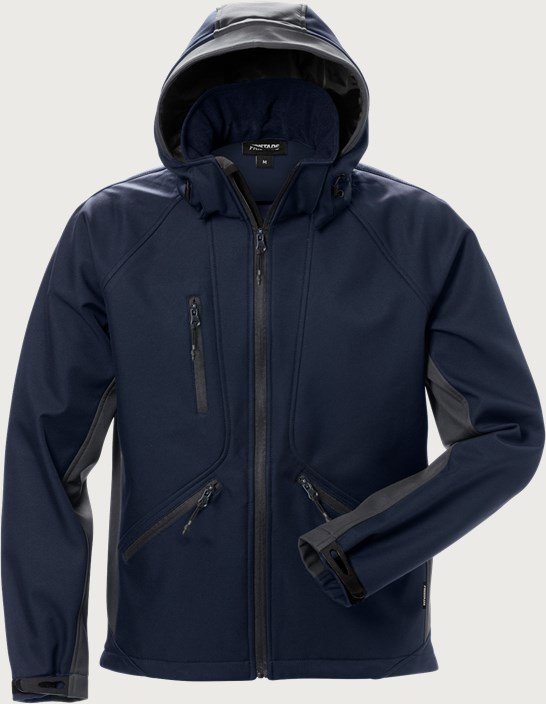
Work Jackets & Outerwear
Build softshell, fleece, padded, rain and work jackets around the required layer system and job environment. Development can cover closures, pocket layouts, hoods, cuffs, weather-focused fabric choices, reinforcement and branded trims without treating a design target as a verified performance claim.
Request a Workwear Quote
Work Vests & Bodywarmers
Create utility vests, insulated bodywarmers and layered work vests with pocket configurations matched to tools, documents or personal equipment. Specify shell and lining materials, insulation approach, closures, contrast panels, labels and decoration for trade, logistics, service or site-uniform programs.
Request a Workwear Quote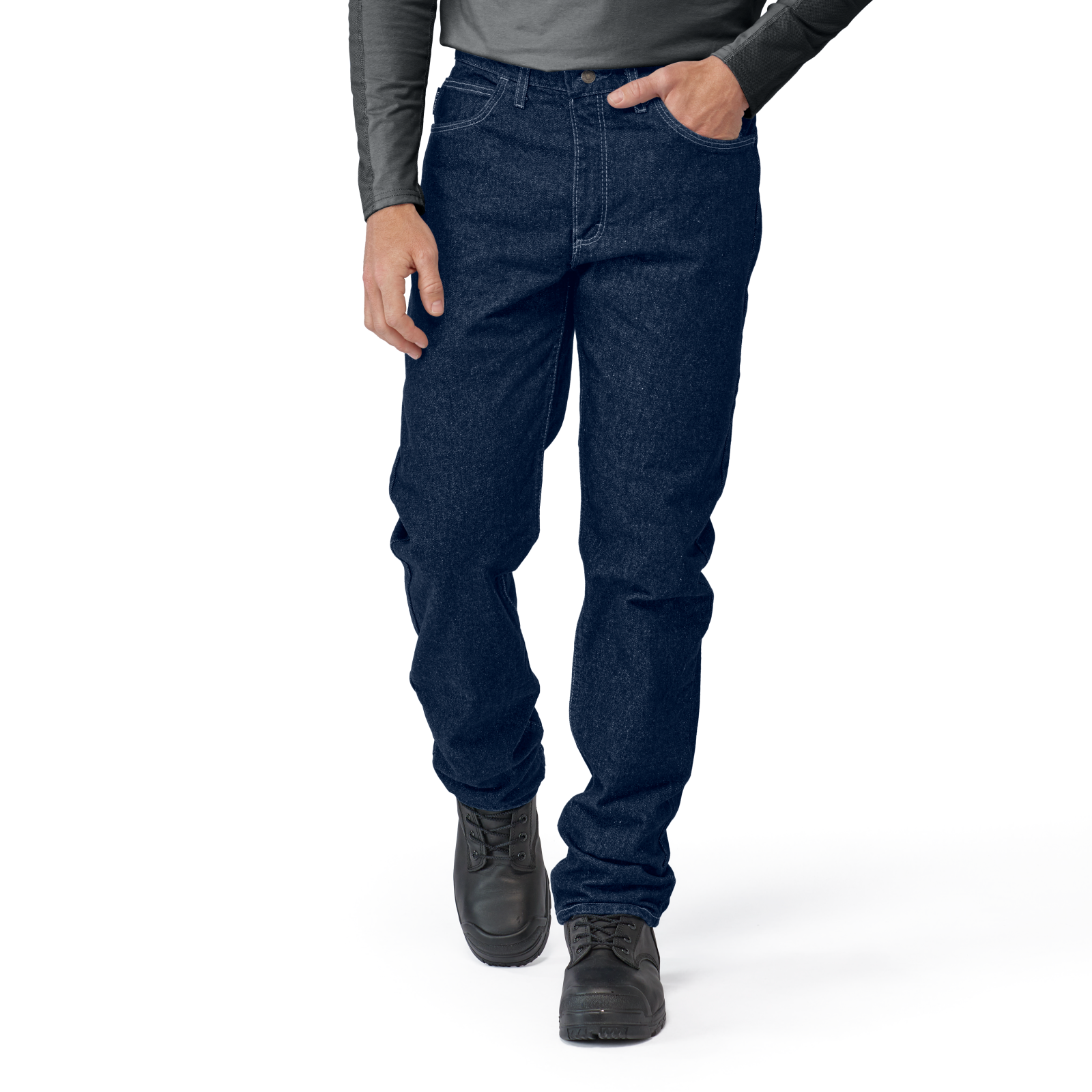
Work Pants & Shorts
Develop work trousers, cargo pants and shorts with utility pockets, reinforced knees, bartacks, triple stitching or gusset construction where the design calls for it. Fabric, rise, fit, size grading, color and branding can be tailored for active industrial and service roles.
Request a Workwear Quote
Coveralls & Bib Overalls
Produce one-piece coveralls, bib overalls and practical workwear silhouettes for maintenance, workshop and industrial teams. Design details may include front closures, adjustable straps, tool pockets, reinforced areas, elastic sections, reflective trim placement and buyer-specific sizing or labels.
Request a Workwear Quote
Workwear Sets
Coordinate matching shirt-and-trouser, jacket-and-pant or other two-piece uniform programs for consistent team presentation. Align fabrics, colors, trims, pocket systems, size ranges and decoration across garments, then review samples before confirming the production specification.
Request a Workwear Quote
High-Visibility Workwear
Develop high-visibility garment families including shirts, vests, jackets, pants and coveralls with color blocking and reflective tape placement based on the intended design. Any ANSI, EN or other visibility claim requires SKU-specific test evidence and certification scope.
Request a Workwear Quote
Flame-Resistant & Arc-Rated Wear
Support development of flame-resistant and arc-focused workwear families, including shirts, pants, coveralls and outer layers. Discuss fabrics, closures, pocket construction and branding early; arc ratings, flame resistance and applicable standards must be supported by exact test documentation.
Request a Workwear Quote
Chemical-Protective Clothing
Develop chemical-protective clothing concepts for specified work environments, including coverall and layered-garment formats. Material selection, seam construction, closures, hoods and cuffs should follow the stated exposure requirement; chemical resistance claims require documented testing for the exact garment configuration.
Request a Workwear Quote
Cold-Storage Workwear
Create insulated jackets, bibs, coveralls and layering pieces for cold-storage operations. Specify insulation concept, shell and lining materials, closures, cuffs, hood details and mobility features around the working environment; temperature ratings are not assigned without supporting evidence.
Request a Workwear Quote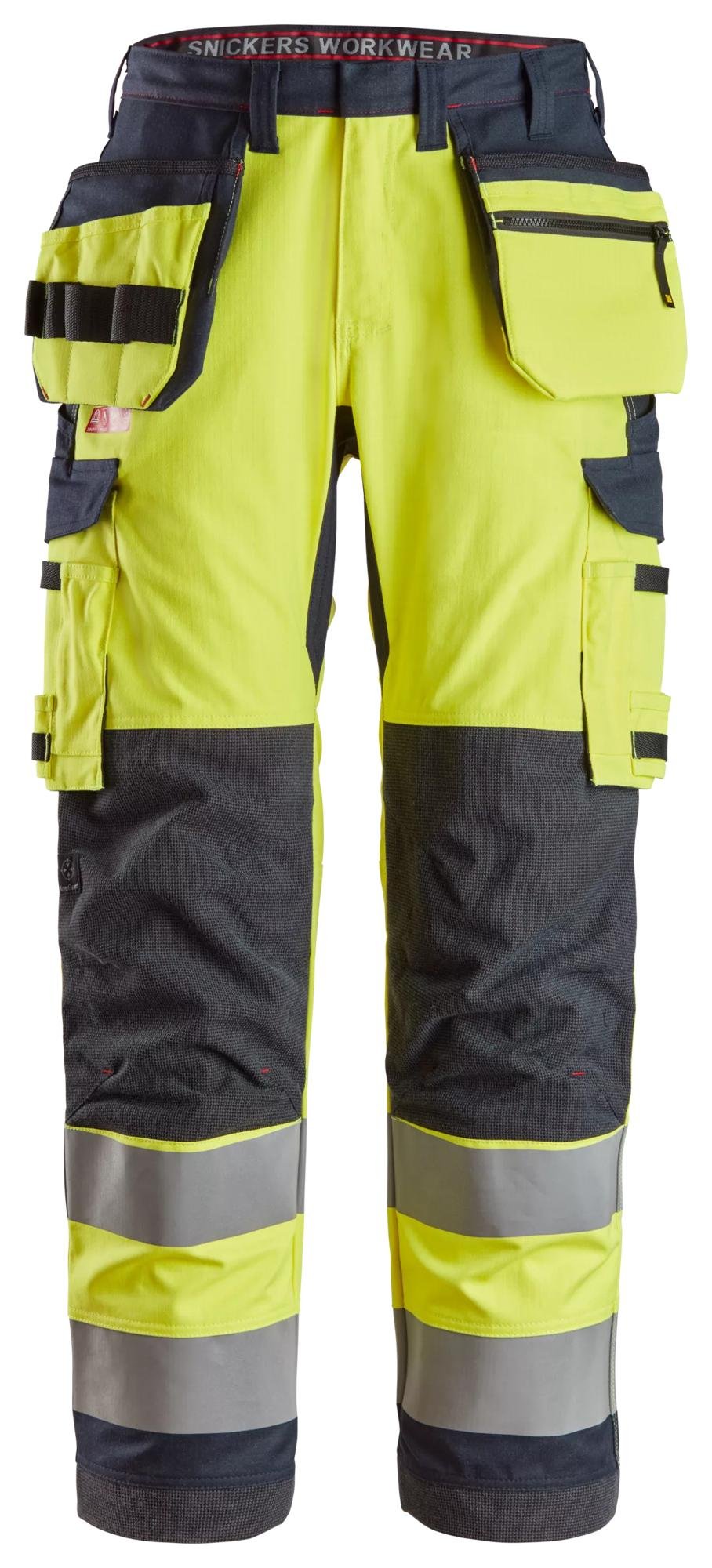
Welding Workwear
Develop welding garments with practical coverage, durable construction and job-specific pocket or closure details. Fabric choice, reinforcements, stitching and fit can be defined during sampling, while any flame, heat or spark-protection performance statement requires applicable test evidence.
Request a Workwear Quote
Medical & Cleanroom Wear
Produce medical scrubs and cleanroom or ESD garment families with development focused on silhouette, fabric selection, closures, pocket needs, color coding and labeling. Cleanroom or ESD performance should be specified only where the exact material and garment have supporting documentation.
Request a Workwear Quote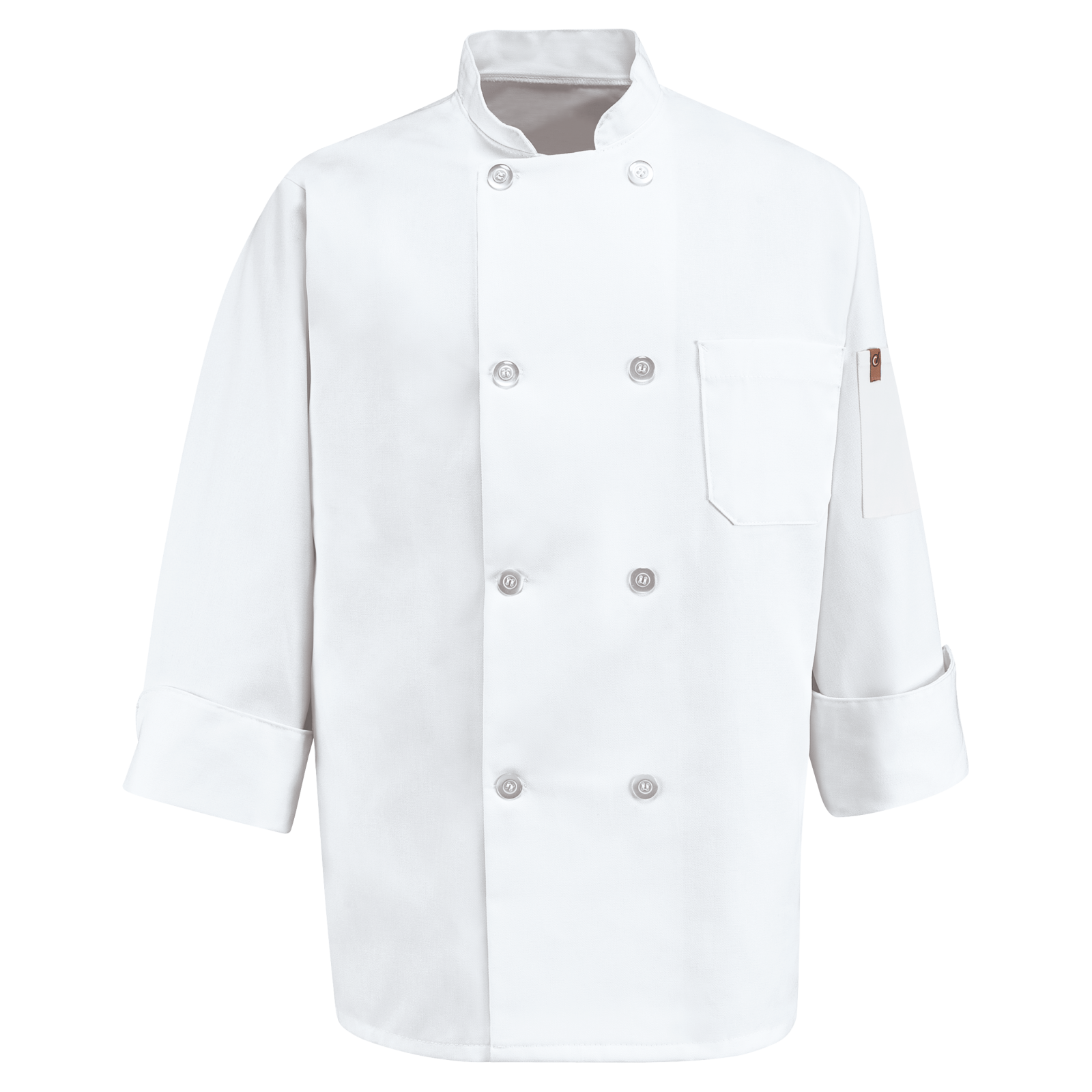
Chef & Hospitality Uniforms
Create chef coats, kitchen trousers, aprons, front-of-house uniforms and hospitality apparel for coordinated service presentation. Specify fabric, collar and closure style, pocket details, color, size range and logos to suit restaurant, hotel, catering or housekeeping programs.
Request a Workwear Quote
Industry Uniforms
Develop uniform programs for industrial, logistics, maintenance, retail and service teams using shirts, polos, jackets, vests, trousers and coveralls. Combine role-specific pocket layouts, durability details, identification elements and coordinated colors into a consistent private-label or wholesale range.
Request a Workwear Quote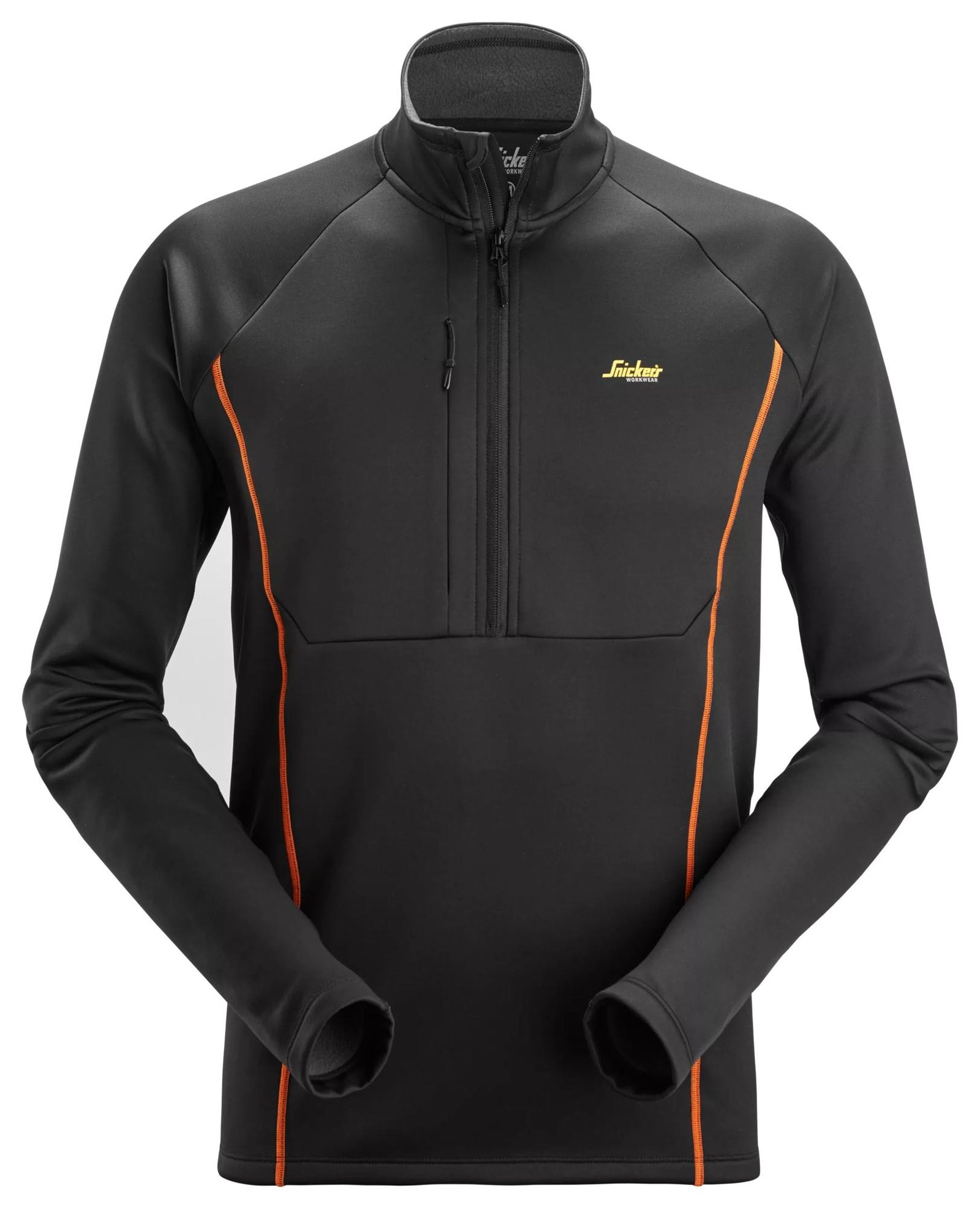
Base Layers & Accessories
Complete a workwear program with base-layer concepts and practical accessories such as caps, aprons, belts, patches, woven labels, care labels and custom packaging. Align material, color, sizing and branding details with the core garment collection before sampling and production.
Request a Workwear QuoteRain Pants Manufacturer: Waterproof Materials We Support




Rain Pants Manufacturing and Decoration Processes



Rain Pants Manufacturer Trims and Functional Accessories


About Veelianpro, Your Rain Pants Manufacturer
Hubei Veelianpro Workwear Co., Ltd. is a Wuhan-based workwear manufacturer serving industrial, safety, hospitality and service brands. The company profile states that its workwear operation began in 2012, with a mission to help buyers turn rain pants concepts, tech packs, samples and sketches into production-ready garments through OEM, ODM, private-label and wholesale programs.
Veelianpro supports fabric and trim sourcing, pattern development, sampling, size grading, cutting, sewing, reinforcement, decoration, finishing, quality checks, packing and export coordination. The company profile also describes a team of more than 300 skilled workers; this is company-supplied information and should be verified before prominent public use. MOQ starts at 100 pieces per style and color, subject to project requirements.

Rain Pants Manufacturer Development Capabilities
Review the Product Brief
Veelianpro begins with your tech pack, sketch, existing sample, or product idea. Our team reviews intended use, fabric goals, fit, branding, target quantity, destination, and timeline before confirming a practical development route for your rain pants program.
- Tech-pack and sketch review
- Workwear, outdoor, agricultural, and service applications
- Fabric, trim, fit, and branding discussion
- Feasibility review before sampling

Build the Right Fit
Pattern development and grading translate your design intent into production-ready rain pants. We can discuss layering room, inseam options, waist construction, mobility, pocket placement, ankle openings, and size ranges suited to the people who will wear the garment.
- Pattern development and size grading
- Fit adjustments for layering and movement
- Custom pocket and waist configurations
- Sample review before bulk production

Engineer Functional Construction
Construction details are selected around the intended work environment and target performance. Depending on the approved specification, the development brief may address weather protection, reinforced knees, bartacks, durable stitching, reflective elements, gussets, and other functional details without assigning unverified ratings.
- Reinforced knees and stress points
- Bartacks and durable stitching options
- Reflective tape placement discussions
- Construction matched to the approved brief

Finish, Inspect, and Ship
After sampling and order confirmation, Veelianpro coordinates decoration, finishing, quality checks, packing, and export preparation. OEM, ODM, private-label, and wholesale programs can start from 100 pieces per style and color, subject to fabric, construction, certification, and project requirements.
- Embroidery, heat transfer, patches, and labels
- Custom care labels and packaging
- Quality inspection before packing
- Export coordination and reorder support

Choose the Right Rain Pants Manufacturer Route
Compare custom workwear development with off-the-shelf rain pants decorated after purchase. Starting MOQ is subject to fabric, certification and construction requirements.
← Swipe left or right to view →
How Our Rain Pants Manufacturer Works
Veelianpro is a Wuhan-based rain pants manufacturer supporting OEM, ODM, private-label and wholesale programs. Starting MOQ is 100 pieces per style and color, subject to fabric, construction, certification and project requirements. We align waterproof materials, fit, trims, branding and inspection scope before confirming timing, pricing and shipment details in your quotation.
Review Your Project Brief
Share your rain pants concept, tech pack, sketch, target use, sizes, colors, quantity and deadline. Veelianpro reviews feasibility and confirms project requirements.
Select Materials and Details
Select fabric weight, composition, waterproof construction, seam treatment, waist design, cuffs, pockets, reflective elements and branding details for the intended work or outdoor application.
Develop Patterns and Samples
Our pattern team develops the fit, layering room, inseam and mobility details, then prepares samples for review, revisions and approval before bulk production begins.
Produce the Approved Style
Approved styles move through fabric inspection, cutting, sewing, reinforcement and decoration, with size grading and construction checks aligned to the confirmed tech pack.
Inspect, Pack and Ship
Veelianpro completes quality checks, packing and export coordination, while your quotation confirms inspection scope, production timing, shipment arrangements and reorder support for the project.
How to Work With Our Rain Pants Manufacturer
Veelianpro guides each rain pants program from product brief through feasibility review, material and trim selection, sampling, quotation, production, and inspection. OEM, ODM, private-label, and wholesale projects can start from 100 pieces per style and color, subject to fabric, construction, certification, and project requirements.
Share Your Product Brief
Send a tech pack, sketch, sample, or product idea with use case, fabric goals, size range, colors, branding, quantity, destination, and timeline.
Confirm Materials and Construction
Veelianpro reviews waterproof fabric options, layering room, waist and ankle details, pockets, seam construction, reflective elements, trims, decoration, and any requested protection evidence.
Approve Samples and Quote
Review pattern development, fit, size grading, sample revisions, branding placement, packaging requirements, and the quotation before confirming specifications for your rain pants program.
Confirm Production and Inspection
After order confirmation, Veelianpro coordinates cutting, sewing, reinforcement, finishing, quality checks, packing, export coordination, and reorder support against the approved specification.
Rain Pants Compliance Frameworks—Verify SKU-Specific Evidence


Rain Pants Manufacturer Development Scenarios
Illustrative procurement scenario: A safety distributor needs over-pants for crews working around boots. The development brief adds boot-access cuff openings, adjustable hems, and room for layering. Acceptance focuses on fit approval, cuff operation, fabric selection, and documented weather-protection requirements.
Illustrative procurement scenario: A uniform buyer needs rain pants that match an existing field-team jacket without creating inconsistent colors, logo placement, or difficult sizing. The proposed solution is a coordinated pants specification covering the approved color reference, pocket layout, waistband, grading, and branding plan. Acceptance criteria are a pre-production sample that confirms mobility, trim placement, size grading, and the documented construction approved for bulk production.
Illustrative procurement scenario: A workwear brand needs a rain-pants concept for active users but has not decided whether reinforcement zones and ventilation details will interfere with pocket access or branding. The proposed solution is to review material options, construction drawings, pocket access, reinforcement placement, and decoration methods before sampling. Acceptance criteria cover the stated end use, fit, approved construction and branding, plus SKU-specific test evidence where a performance claim is required.
Rain Pants Manufacturer FAQ
Practical answers for buyers planning custom rain pants, private-label workwear, and OEM or ODM production with Veelianpro.
Can Veelianpro develop custom rain pants for workwear or outdoor use?
What is the MOQ for a rain pants manufacturer project?
What materials can a rain pants manufacturer use for waterproof construction?
Can a rain pants manufacturer customize fit, sizing, and functional details?
How does Veelianpro handle samples, sample cost, and production timing?
What payment terms and shipping support are available from this rain pants manufacturer?
What evidence is needed before claiming waterproof or protective performance?
Can a rain pants manufacturer protect our private-label design and branding?
How to Choose a Rain Pants Manufacturer
A practical framework for defining rain-pants specifications, comparing supplier capabilities, avoiding costly development mistakes, and building a quote-ready brief for workwear, safety, uniform, wholesale, and enterprise programs.
1. What Is a Rain Pants Manufacturer?
Rain pants are over-pants specified for wet-weather use over work trousers, uniforms, or everyday clothing. For a workwear, safety, outdoor, commuting, or cycling range, the manufacturer converts the intended use into a repeatable garment specification: silhouette, material direction, footwear access, mobility, reinforcement, trims, branding, and packing.
A ready-stock seller supplies an existing style in its available colors and sizes, which can suit immediate replenishment but gives limited control over the product. A trader may coordinate a purchase between buyer and factory; a manufacturing partner participates in development, resolves construction questions, produces samples, and carries the approved specification into bulk production.
Veelianpro works as that manufacturing partner for custom workwear and service-apparel programs. It can begin with a tech pack, sketch, sample, or product idea, then support fabric and trim sourcing, pattern development, sampling, size grading, cutting, sewing, reinforcement, decoration, quality checks, packing, and export coordination. A rain-pants design target is not a tested or certified performance claim unless the required standard, test evidence, and certification scope are defined.
2. Define the End Use Before Specification
A rain-pants brief starts with the wearer’s exposure, not a fabric name. Duration in rain, ambient temperature, exertion, footwear, layers, and hazards determine whether the priority is dependable barrier protection, heat release, mobility, or rapid over-boot dressing.
| Use Brief | Primary Direction | Brief Details To Supply |
|---|---|---|
| Industrial service | Fast over-layer access | Exposure intervals, uniform layers, footwear |
| Site work | Coverage and mobility | Rain duration, boots, kneeling, hazards |
| Commuting | Packable convenience | Trip length, office layering, cuff access |
| Hiking | Heat-management balance | Temperature, exertion, packability |
| Cycling | Pedaling mobility | Riding posture, ventilation, ankle clearance |
Map The Wear Scenario
Industrial service crews often need easy-on over-trouser coverage between vehicles and customer sites; site crews may need room for work boots, kneeling, and task-specific hazard requirements. A protection request must name the applicable standard and evidence required; a design target is not a documented protective claim.
Separate Active And Static Use
Hiking and cycling briefs may prioritize movement and heat-management options, while commuting briefs may prioritize quick donning and compact carry. Ask the buyer to define whether vents or long ankle zips are required for the intended activity, then review those details in the sample with the intended footwear and layers.
Specify Layering And Movement
State the base layer, insulation layer, boot profile, and required movements before pattern development. A cycling brief should also describe pedal position, waistband stability, and the clearance needed at the knee and ankle; these are sample-review requirements rather than assumed performance features.
3. Rain Pants Manufacturer Product Types
Product architecture determines whether rain pants work as emergency shells, shift-long outer layers, or task-specific uniform components. Brief the wearer’s base layer, footwear, movement, and visibility needs before choosing an architecture.
| Architecture | Best Use | Layering And Footwear Trade-Off |
|---|---|---|
| Pull-on over-pants | Rapid wet-weather coverage | Easy over trousers; cuff access must suit boots |
| Packable shell | Carry-as-needed programs | Low bulk; fewer reinforcements |
| Reinforced work pants | Abrasion-prone work | More durability; added bulk |
| Cycling-oriented cut | Commuting or riding | Pedaling mobility; fit must avoid bunching |
Pull-On Over-Pants
Pull-on over-pants are cut to layer over work trousers, making them practical for crews moving between dry and wet tasks. A roomy leg improves layering but can snag or flap if the cut is excessively wide.
Specify cuff opening and closure if wearers must put them on over boots. Simple pull-on designs trade fast deployment for limited ventilation and fewer access options.
Elastic-Waist Pants
Elastic-waist rain pants suit uniform programs that need straightforward sizing and quick wear. Add a drawcord or other adjustment only when waistband security during bending and climbing is required.
They layer easily over light trousers, but the buyer should define pocket access: a sealed shell can cover the pockets beneath. Confirm rise and inseam grading with the size range.
Bib-Compatible Systems
Bib-compatible pants pair with a rain bib or matching upper layer where extra overlap at the waist is useful. This system reduces exposed gaps during crouching but adds bulk and can slow restroom breaks.
Brief whether the pants must connect visually or functionally to the bib, including color, trim, and closure alignment. Do not assume a protective rating from the silhouette alone.
Packable And Reinforced Options
Lightweight packable pants prioritize low carried bulk for intermittent rain and are best treated as over-pants. Reinforced work pants prioritize durability in kneeling, abrasion, and repeated jobsite use, usually with more material and construction detail.
Choose one direction deliberately: reinforcement may reduce packability, while an ultralight shell is not automatically appropriate for abrasive work.
Cycling And Visibility Cuts
Cycling-oriented cuts need room through the pedaling position without fabric binding at the knee; secure waist adjustment and boot-compatible cuffs remain important. High-visibility-compatible designs reserve clear placement for reflective tape and contrast panels where the program requires them.
Both should be developed against the actual activity and applicable standard supplied by the buyer. Visibility trim or a cycling cut alone does not establish certified performance.
4. Materials and Waterproof System Options
A rain pants waterproof system is a stack, not a single fabric choice: face fabric, barrier, lining or backer, and sealed seams must work together. Select the stack around exposure, abrasion, heat buildup, and how often users will carry the garment.
| Construction | Durability Direction | Hand And Packability | Breathability Direction | Suitable Use |
|---|---|---|---|---|
| Polyester shell | Specify fiber content, weave, weight, and finish | Often structured; packability varies | Depends on barrier and lining | General work and service rainwear |
| Nylon shell | Specify fiber content, weave, weight, and finish | Softer hand; packability varies | Depends on barrier and lining | Mobile outdoor or field work |
| Ripstop shell | State the grid construction, fiber content, weight, and finish | Texture varies by fiber and finish | Depends on barrier and lining | Brush-exposed or carry-focused styles |
| PU-coated fabric | Identify the face fabric, coating specification, and intended use | Can be simple and compact | Usually evaluate carefully for heat buildup | Straightforward wet-weather programs |
| Multilayer laminate | Identify each layer, its purpose, and the approved construction | Usually more structured than a bare coating | Potentially stronger direction; verify specification | Longer-wear or higher-comfort targets |
Shell Fabric Trade-Offs

Specify each candidate shell by fiber content, weave or knit construction, finished weight, color, and finish. Treat polyester, nylon, and ripstop as development options, not shorthand for durability, hand feel, abrasion resistance, or tear performance. Approve the actual swatch and sample, and request evidence for any performance statement proposed for the finished garment.
Compare Waterproof Constructions
For a coated or multilayer candidate, name the complete proposed construction in the material brief instead of relying on a marketing label. The buyer should request the supplier’s construction details, care instructions, applicable test method and result, and certification scope before using any rain-protection or breathability claim.
Seams, Linings, And Finishes
For any rain-protection target, identify the proposed seam treatment by zone and record the tape width, placement, application method, and inspection requirement in the approved specification. Identify any lining, backer, or surface finish separately. Do not describe a finish, seam treatment, or complete garment as waterproof, water-resistant, breathable, or otherwise protective unless the exact configuration has the required documented evidence.
- Request the shell composition and construction.
- Define seam-sealing coverage by garment zone.
- Approve the specified finish and its care requirements.
- Require applicable test method, result, and certificate scope before protection claims.
5. Customization for Workwear and Uniform Programs
Customization turns a shell into a workable uniform component. Lock the wearer profile and layering allowance before approving colors, grading, access points, and branding, because each added operation changes both usability and production coordination.
Fit, Grading, And Inseams

Size grading should reflect the work layer worn underneath, not only body measurements. Choose a single inseam, multiple inseams, or a hem-adjustment approach according to the program’s wearers and footwear.
An elastic or adjustable waistband can accommodate layering, while a more structured waistband gives a tidier uniform appearance. Confirm the requested grade rules and size chart during sampling rather than treating them as verified stock specifications.
- Single inseam: simplest SKU control
- Multiple inseams: better fit, more inventory complexity
- Hem adjustment: flexible field issue option
Cuff Access And Pockets
Cuff openings must clear the intended safety boot; wider openings ease donning, while ankle zips add components and seam-management work. Specify whether zips are for access, ventilation, or both.
Pocket count and placement affect storage, reach, and waterproof-system design. State the carried item and wearer posture before selecting hand pockets, cargo pockets, or flap closures.
Reinforcement And Visibility
Knee, seat, and cuff reinforcements should follow actual abrasion zones, not a generic layout. Their placement can alter pattern pieces, sewing operations, and material consumption.
Reflective trim needs an approved placement map that accounts for seams, pockets, and logo areas. A requested trim or protective feature remains a design request until the applicable material and performance documentation are agreed.
Branding And Jacket Coordination
Brand marks need a defined method and location: embroidery, screen printing, heat transfer, patches, woven labels, care labels, and custom packaging are available customization discussions. Artwork, backing, placement, and decoration compatibility should be reviewed against the chosen rainwear construction.
For coordinated rain-jacket sets, align color references, trim locations, logo hierarchy, and size labeling across both garments. Veelianpro can begin custom development from a tech pack, sketch, sample, or product idea.
6. Construction Details to Review Before Approval
Review openings, seam intersections, and high-motion zones in the sample before approval. The construction brief should identify the proposed seam treatment, abrasion zones, and the room needed to climb, crouch, and step over the specified boots.
Seams And Stitch Control
For a rain-protection target, specify which seams are proposed for tape coverage, including rise seams, inseams, side seams, and pocket attachments. Record that requirement in the tech pack and inspect the relevant areas on the sample.
Review seam placement at the knee and inner leg against the wearer’s movements and intended use. Confirm stitch density, thread selection, seam allowance, and proposed tape application on the approved sample rather than relying on a drawing alone.
Mobility At Crotch And Knees
A gusset, shaped rise, pre-shaped knee, or articulated knee panel is a development option when the brief calls for squatting, climbing, or repeated bending. Each option changes pattern pieces and seam locations, so it should be reviewed against the proposed seam-treatment plan.
Confirm the intended layering allowance during fitting. Test movement in the actual footwear and work positions before locking the graded size set.
Waist, Zippers, And Cuffs
Specify the waistband adjustment method and whether belt loops, suspenders, or an inner finish are required for the job. Review attachment points and adjustment operation during sampling.
For a cuff zipper, define the proposed overlap, flap, guard, and seam-treatment details in the construction drawing. Specify the boot model or required clearance, then confirm that the opening operates correctly in the sample.
Pockets Need Water Paths
Define pocket orientation, closure, and the items to be carried before pattern approval. Where the brief requires protected storage, specify the proposed flap, zipper-cover, and seam-treatment details for sample review.
Send the manufacturer a marked sketch showing pocket orientation, closure, and contents. This prevents a pocket layout from being approved without considering access, construction, and the stated rain-protection target.
7. Choosing a Rain Pants Manufacturer
Manufacturer evaluation starts with a reviewable product definition, not a generic waterproof claim. Give Veelianpro the intended work setting, tech pack or marked sample, and approval criteria so feasibility can be assessed against the actual construction.
| Review Area | Buyer Evidence | Approval Output |
|---|---|---|
| Materials | Swatches and component list | Named fabric and trim selection |
| Fit | Size chart and wear trial | Approved pattern and grading |
| Waterproof Build | Construction checklist | Approved seam and opening treatment |
| Packing | Label and carton specification | Final packing instruction |
Prepare The Evidence Pack
Submit a tech pack, sketches or reference sample, size chart, color standard, branding artwork, destination, quantity, and required standard or test documentation. Include approved fabric and trim swatches when color, hand feel, coating, zipper, or tape selection matters.
Define acceptance points before sampling: fit over work layers, cuff access over boots, pocket function, seam treatment, logo placement, and packing count. A design target must remain separate from any tested protection claim.
- Tech pack or annotated reference sample
- Fabric, trim, and color swatches
- Grading and size-range requirements
- Packaging artwork and carton instructions
Review Pattern And Waterproof Construction
Check the sample in the intended movement and layering condition, not only on a hanger. Confirm rise, knee shape, inseam, leg opening, waistband adjustment, and graded measurements across the requested size range.
Inspect seam-sealing coverage, stitch lines, pocket entries, fly or side openings, and cuff closures as one water-management system. Record approved revisions directly on the sample and specification.
Set Quality And Packing Gates
Agree checkpoints for incoming materials, cutting, sewing, finished-garment inspection, and final packing. The checklist should identify visible defects, measurement tolerances, decoration placement, seam-sealing condition, labeling, polybag requirements, and carton marks.
Traceability is practical when the approved fabric, coating or laminate, seam tape, zipper, and reflective trim are named in the order record. This reduces substitution ambiguity during reorder discussions.
Request A Conditional Quote
Ask for a quote that ties fabric and trim selections, construction, decoration, packaging, quantity, destination, and timeline to the approved sample.
Request the applicable MOQ and lead-time estimate only after those variables are confirmed. That keeps commercial assumptions visible rather than treating an early estimate as a production commitment.
8. Common Rain Pants Sourcing Mistakes
Rain-pants failures often begin before a pattern is approved: a good-looking fabric or low headline quote conceals an incomplete specification. Lock the end use, construction, access, branding, and quote scope together before comparing offers.
| Quote Item | Must Match Across Quotes | Why It Matters |
|---|---|---|
| Garment build | Fabric, seams, cuffs, pockets | Prevents unequal protection scope |
| Branding | Method, location, artwork | Avoids vague logo execution |
| Delivery scope | Packing, inspection, export coordination | Shows included responsibilities |
Appearance Is Not Performance
Do not approve a rain-protection target from swatch appearance alone. Specify the fabric composition, complete proposed construction, seam-treatment requirement, intended exposure, and the evidence required for any final performance claim.
Do not use “water-resistant,” “waterproof,” or similar performance wording in product copy until the exact garment configuration has the required supporting evidence and certification scope, where applicable.
Plan Heat And Boot Access
A closed rain shell can retain body heat during active work. State whether the wearer needs ventilation, layering allowance, pocket access, and a waistband adjustment for the actual shift conditions.
Boot-compatible cuffs need a defined opening method and clearance requirement. An ankle zip, gusset, or wider cuff should be assessed with the specified work boot, not a casual shoe.
- Define required footwear for sample review
- Check cuff operation while standing and crouching
- Confirm ventilation does not compromise intended protection
Test The Sample In Motion
A static fitting misses stress at the seat, knees, crotch, and cuff. Test walking, climbing, kneeling, squatting, and putting the pants on over the intended footwear before releasing bulk production.
Illustrative procurement scenario: a uniform buyer approves a clean showroom sample, then finds that workers cannot use the cuff over site boots. A movement-and-boot test would expose the mismatch before order confirmation.
Compare Like For Like
A lower quote may exclude pattern development, selected fabric, seam treatment, trims, decoration, packing, inspection, or export coordination. Give every factory the same specification sheet and ask for exclusions in writing.
Confirm the approved sample, branding artwork, packing specification, destination, order quantity, and applicable MOQ in the quotation.
9. Launching With a Rain Pants Manufacturer
A production-ready rain-pants order begins with a use-specific brief and ends with documented acceptance criteria. Give Veelianpro the garment purpose, target quantity, destination, timeline, branding direction, and any required protection standard or test documentation.
Build the Range Brief
Define whether the style is for industrial outdoor work, service uniforms, commuting, or another use. Record layering allowance, boot access, pocket needs, reinforcement zones, reflective-tape placement, and weather-protection target.
Supply a tech pack, sketch, reference sample, or product idea. Identify approved and prohibited details so pattern development and trim sourcing start from the same brief.
- End use and wearer activities
- Colorways, logo method, and size range
- Fabric composition or material direction
- Required standards and evidence scope
Confirm Materials And Fit
Choose the material direction before approving the pattern: face fabric, waterproof system, lining or mesh, seam treatment, and cuff or zipper configuration. A design target is not a tested performance claim without the applicable evidence.
Confirm measurement points, tolerances, grading rules, inseams, waistband adjustment, and fit over base layers. Review these against the intended footwear and movement before sampling.
Approve Samples And Packing
Review the prototype for silhouette, construction placement, and functional access, then use the pre-production sample to approve the production specification. Mark changes directly against the tech pack rather than approving from memory or photos alone.
Approve labels, care instructions, hangtags, folding method, polybags, cartons, and shipping marks. Lock the quotation scope after fabric, trims, decoration, packaging, and inspection requirements are aligned.
Set The Acceptance Sequence
Set inspection acceptance criteria before production: measurement checks, workmanship points, logo position, color reference, packaging count, and the evidence required for any protection claim. Confirm the applicable MOQ with the final fabric, certification, and construction requirements.
Worked example: changing from an elastic cuff to a boot-access zipper requires an updated cuff pattern, zipper and seam-treatment confirmation, then another sample review before pre-production approval. It changes the approval sequence, not a promised price or delivery outcome.
10. Rain Pants Manufacturer Cost Drivers
A rain-pants quote changes when the rainwear construction is specified as a complete build rather than as a fabric name alone. The proposed face fabric, coating or laminate, lining, seam-treatment scope, reinforcements, closures, and inspection requirements should all be identified in the quote request.
For a comparable quote, provide the same documented specification to every manufacturer: construction drawing, bill of materials, size range, artwork, packaging requirements, quantity by color, destination, and requested sampling and inspection scope. Confirm the applicable MOQ only after the fabric, certification, and construction requirements are defined.
| Cost driver | What changes cost | Quote must specify |
|---|---|---|
| Fabric and waterproof system | Fabric composition and weight, coating or membrane, lining, and whether seam sealing is required. | Approved fabric system, color, performance target, and sealing coverage. |
| Construction and trims | Reinforced knees, gussets, bartacks, triple stitching, pocket configuration, zippers, cuff access, and waistband components add materials and sewing operations. | Construction drawing, trim list, reinforcement locations, and closure specifications. |
| Pattern, sizing, and customization | New pattern development, grading, color blocking, reflective-tape placement, embroidery, screen printing, heat transfer, patches, labels, and custom packaging each create separate work. | Tech pack, size chart, artwork files, branding positions, and packaging dieline or instructions. |
| Sampling and quantity | Sampling validates fit and construction before bulk production; quantity by style and color affects material purchasing and production setup. | Sample stages, revision allowance, order quantity by style and color, and approval method. |
| Quality and export preparation | Inspection scope, measurement checks, packing method, carton marks, and export coordination determine the final handling work. | Acceptance criteria, inspection level, packing configuration, shipping marks, destination, and timeline. |
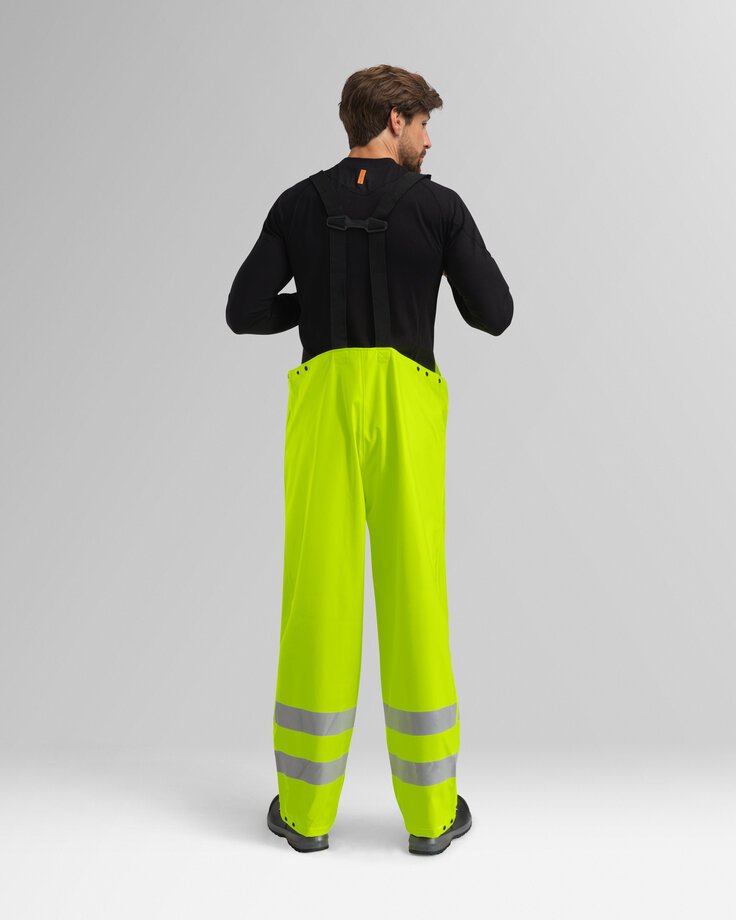
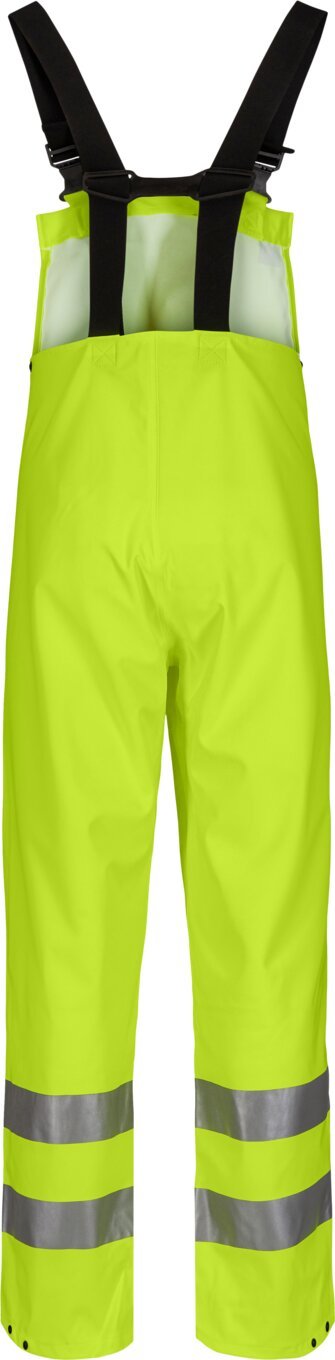

Talk to a Rain Pants Manufacturer About Your Project
Send your tech pack, sketch, or product idea with application, materials, sizes, branding, quantity, destination, and timeline.