
Custom Tactical Clothing from a Wuhan Workwear Manufacturer
Veelianpro develops custom tactical clothing through OEM, ODM, private-label and wholesale programs, starting at 100 pieces per style and color, subject to project requirements.
Featured Tactical and Workwear Styles for Development





Related Product Catalogue and Quotation






Custom Tactical Clothing Advantages
Build a consistent tactical workwear program with flexible development, controlled construction, clear specifications, and coordinated production support.
Flexible OEM Programs
Develop custom tactical clothing through OEM, ODM, private-label, or wholesale production with project-specific fabrics, construction, quantities, and branding.
Sampling Before Production
Review patterns, prototypes, and size grading before approval, helping your team align fit, details, and specifications with the intended uniform program.
Construction Detail Control
Specify pocket layouts, reinforced knees, bartacks, triple stitching, gussets, reflective tape placement, weather protection, and other garment details.
Branding and Packaging
Coordinate embroidery, screen printing, heat transfers, patches, woven labels, care labels, and custom packaging for a consistent private-label presentation.
Clear Procurement Coordination
Share garment type, fabric, sizes, colors, quantity, destination, timeline, and required evidence for a clearer quotation and production plan.
Tactical Workwear and Uniform Categories
Develop field-ready garments with adaptable construction, branding, fabric selection and production support for uniform programs, distributors and private-label workwear brands.

Military Style Cargo Pants
Explore military style cargo pants options for your team’s materials, fit, branding and sampling brief.
Get a Quote
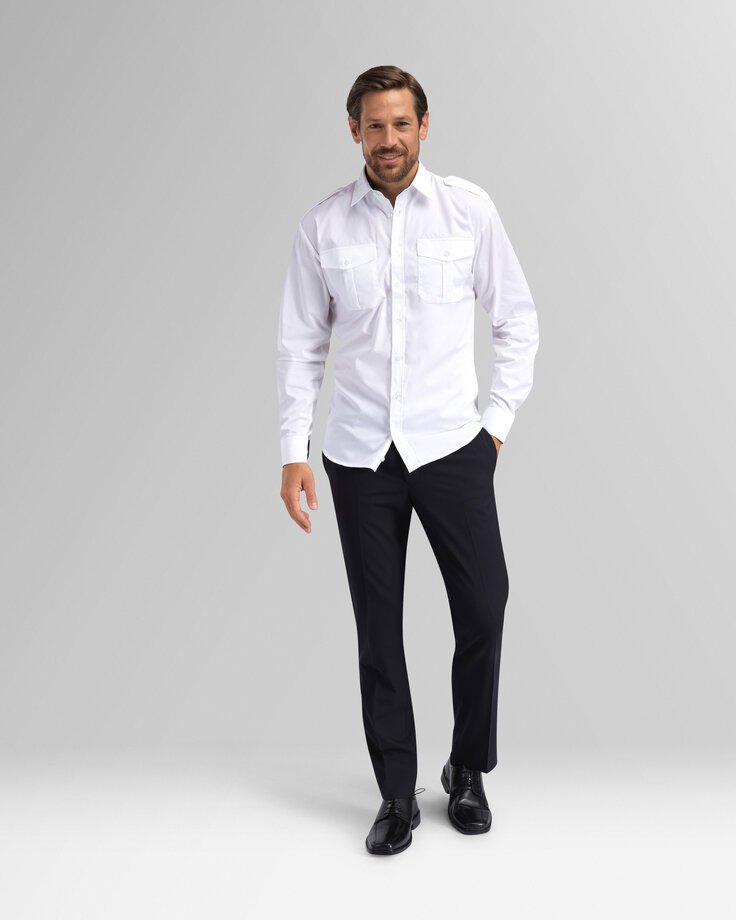
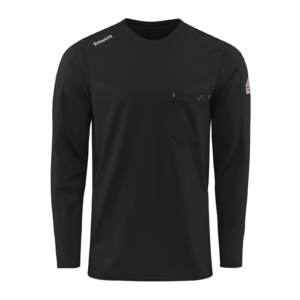
Tactical Shirt
Explore tactical shirt options for your team’s materials, fit, branding and sampling brief.
Get a Quote
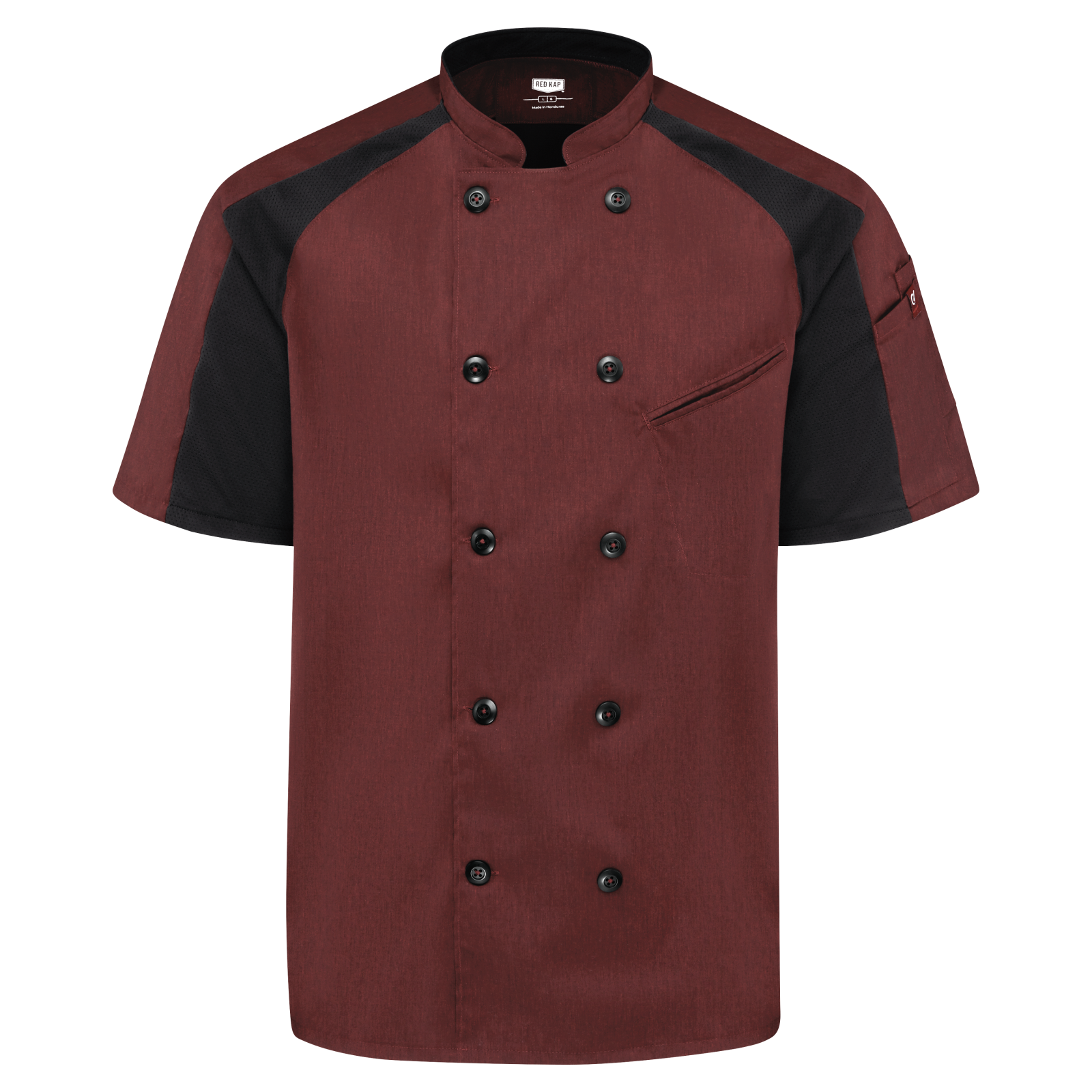
Battle Dress Uniform
Explore battle dress uniform options for your team’s materials, fit, branding and sampling brief.
Get a Quote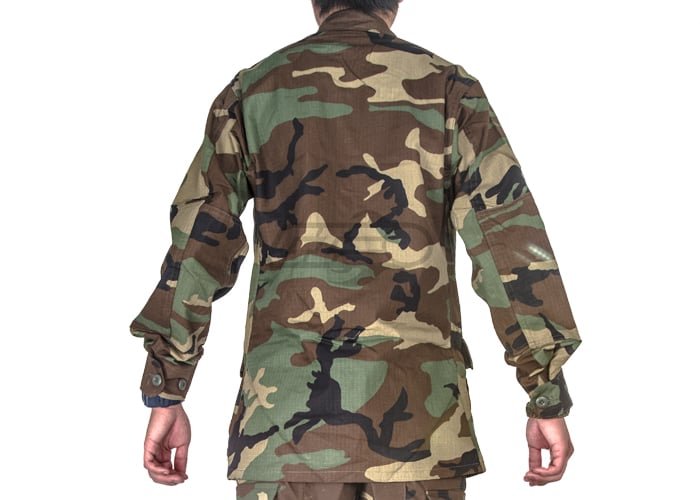
Camouflage Uniform
Explore camouflage uniform options for your team’s materials, fit, branding and sampling brief.
Get a QuoteMaterials for Custom Tactical Clothing



Custom Tactical Clothing Decoration and Production Processes


Custom Tactical Clothing Trims and Accessories


About Veelianpro and Custom Tactical Clothing
Based in Wuhan, Hubei, Veelianpro is a custom workwear manufacturer and industrial uniform manufacturer whose workwear operation began in 2012, according to the company profile. The company serves workwear brands, safety distributors, uniform buyers and enterprise sourcing teams with OEM, ODM, private-label and wholesale development across industrial, safety, hospitality and service categories.
Veelianpro supports OEM, ODM, private-label and wholesale production from 100 pieces per style and color, subject to fabric, certification and construction requirements. Our development process can include fabric and trim sourcing, pattern development, sampling, size grading, cutting, sewing, reinforcement, decoration, quality checks, packing and export coordination.
The company profile describes a team of more than 300 skilled workers; this operating figure should be verified before prominent public use. What sets Veelianpro apart is a buyer-led approach: we review your tech pack, sketch, sample or product idea, then coordinate the details needed for a consistent branded range, including fit, pocket systems, reinforcement, weather protection and labeling.
Core Capabilities for Custom Tactical Clothing
Translate Ideas Into Tech Packs
Veelianpro turns your sketch, sample, tech pack or product idea into a practical development brief for custom tactical clothing. Our team reviews construction, fabric, fit, pocket placement and branding requirements before pattern work and sampling begin.
- Review garment purpose, wearer needs and work setting
- Define fabrics, trims, closures and pocket systems
- Plan branding, labels, packaging and decoration methods
- Clarify size range, quantity, destination and timeline

Develop, Fit and Refine Samples
Pattern development and sampling help buyers evaluate proportion, mobility and construction before production approval. Veelianpro can refine fit, grading and functional details across shirts, polos, jackets, vests, pants, coveralls and coordinated uniform sets.
- Create patterns from approved specifications and references
- Adjust fit, size grading and movement requirements
- Review reinforced knees, gussets, bartacks and stitching
- Confirm revisions through sample feedback before ordering

Build, Brand and Inspect Consistently
Once specifications are approved, Veelianpro coordinates cutting, sewing, reinforcement, decoration, quality checks, packing and export preparation. Custom tactical clothing programs can include embroidery, screen printing, heat transfer, patches, woven labels, care labels and custom packaging.
- Apply approved construction and reinforcement details
- Add logos, patches and private-label components
- Inspect workmanship, measurements and order consistency
- Coordinate packing, shipment preparation and reorder support

Custom Tactical Clothing: Veelianpro vs. Typical Suppliers
Compare development support, conditional MOQ, sampling, branding and production communication for professional workwear programs.
← Swipe left or right to view →
Custom Tactical Clothing Production Process
Veelianpro guides buyers from inquiry and fabric or trim sourcing through sampling, production, quality checks, shipment and reorder support. OEM, ODM, private-label and wholesale projects can start from 100 pieces per style and color, subject to fabric, certification and construction requirements.
Share Your Requirements
Share your garment type, sketch, tech pack or product idea, intended work setting, quantity, destination and timeline so Veelianpro can review feasibility.
Select Materials And Trims
Select fabric weight and composition, pocket systems, trims, reflective elements and branding methods, with certification or test requirements defined for the intended application.
Develop And Approve Samples
Veelianpro develops patterns, grades sizes and produces samples for fit, construction, decoration and approval before production specifications are finalized together.
Cut And Sew Production
After approval, cutting and sewing follow the confirmed specification, including reinforcements, bartacks, triple stitching, gussets and other agreed construction details.
Inspect Quality And Documentation
Quality checks review measurements, workmanship, branding, packing details and applicable documentation; protective performance claims remain subject to SKU-specific testing and certification evidence.
Pack Ship And Reorder
Approved garments are packed and coordinated for export shipment, while reorder support helps buyers maintain consistent specifications, branding and supply planning.
How to Develop Custom Tactical Clothing
From initial concept to shipment, Veelianpro guides your tactical workwear program through feasibility, sampling, quotation, production, inspection, and export coordination.
Submit Your Concept
Send a tech pack, sketch, sample, or product idea with garment type, work setting, fabric preferences, branding, quantity, destination, and timeline.
Review Project Feasibility
Veelianpro reviews construction, materials, sizing, decoration, certification needs, and MOQ conditions, then confirms a practical development route for your custom tactical clothing program.
Approve Your Sample
Develop patterns, source fabrics and trims, create samples, and refine fit, pocket systems, reinforcements, branding placement, and finishing before production approval.
Confirm Your Order
After sample review, Veelianpro issues a project quotation covering specifications, quantity, pricing, lead time, payment terms, and required documentation for confirmation.
Produce And Ship
Production proceeds through cutting, sewing, quality checks, packing, and export coordination, followed by shipment and reorder support aligned with the approved program.
Custom Tactical Clothing Certifications and Compliance Documentation


Illustrative Workwear Program Scenarios — Not Customer Testimonials
Veelianpro gave our team a practical path from an initial garment concept to a branded workwear sample. The ability to review fabric, pocket placement, reinforcement details and decoration before production helped us align the range with our uniform requirements.
We needed consistent styling across shirts, trousers and outerwear for a new private-label program. Veelianpro supported pattern development, sampling and branding discussions in one workflow, making it easier to confirm the details before moving toward our target order.
The 100-piece starting MOQ per style and color made custom tactical clothing worth evaluating for our growing range. Our team could discuss materials, trims, fit and labeling with the factory while keeping the project focused on a realistic B2B launch.
Custom Tactical Clothing FAQ
Clear answers for buyers planning branded tactical workwear, uniforms, and private-label apparel with Veelianpro.
What is the minimum order for custom tactical clothing?
Can Veelianpro develop custom tactical clothing with our logo or private label?
What garments can be included in a custom tactical clothing program?
Can custom tactical clothing be made to our fit, fabric, and construction requirements?
Can we approve a sample before placing a production order?
How long does custom tactical clothing production take?
What payment and shipping options are available for custom tactical clothing orders?
Can Veelianpro provide protection-standard documentation for custom tactical clothing?
The Complete Buyer’s Guide to custom tactical clothing
Use this practical framework to compare custom tactical clothing suppliers, evaluate materials, branding, sampling, and production readiness, while avoiding costly specification, quality, and sourcing mistakes.
1. What Is custom tactical clothing?
100 pieces per style and color is Veelianpro’s stated starting MOQ, subject to fabric, certification, and construction requirements. Custom tactical clothing means a work-oriented garment developed or adapted to a buyer’s specification rather than selected unchanged from a catalog. The specification may cover fit, fabric weight and composition, color, pocket layout, reinforced areas, trims, labels, logos, and packaging.
Four sourcing models should be separated. OEM uses the buyer’s design or tech pack; ODM adapts a manufacturer’s existing concept; private label applies the buyer’s brand system to an approved garment; decorated ready-made apparel changes an existing product mainly through embroidery, patches, heat transfer, woven labels, or similar branding. Sampling and approval should confirm measurements, materials, decoration placement, and construction before bulk production.
One branded uniform program becomes more suitable when a team needs consistent fit, repeatable colors, coordinated shirts, trousers, outerwear, or vests, and controlled branding across locations. Off-the-shelf tactical apparel may be faster for small, urgent purchases, but it usually offers less control over grading, pocket function, identity, packaging, and future replenishment.
2. Evolution and History of Tactical Apparel
19th-century military uniforms established the basic priorities still visible in modern tactical apparel: durable cloth, recognizable colors, protected movement and practical storage. As field conditions became more demanding, designers moved from rigid uniform cuts toward articulated panels, reinforced stress points and layouts that kept essential equipment accessible without restricting mobility.
The 1970s and 1980s accelerated modular thinking through hook-and-loop closures, adjustable pockets and attachment systems that allowed users to configure garments for different missions. Law-enforcement and training organizations adopted these principles because consistent identification, repeatable placement of insignia and reliable wear performance matter across shifts, departments and replacement cycles.
Since 2012, Veelianpro has applied the same buyer logic to custom workwear development for industrial, safety, hospitality and service programs. Buyers can define pocket geometry, reinforcement, branding and fit across shirts, trousers, outerwear, vests or coveralls, then validate the design through sampling before production; the stated starting MOQ is 100 pieces per style and color, subject to fabric, certification and construction requirements. The result should be a coordinated team appearance built around measured mobility, durability and identification—not unsupported military performance claims.
3. Types of custom tactical clothing
Six product groups cover most custom tactical clothing programs, from duty-inspired shirts to coordinated accessories. Veelianpro can develop each from a tech pack, sketch, sample, or product idea, subject to fabric, construction, certification, and MOQ requirements.
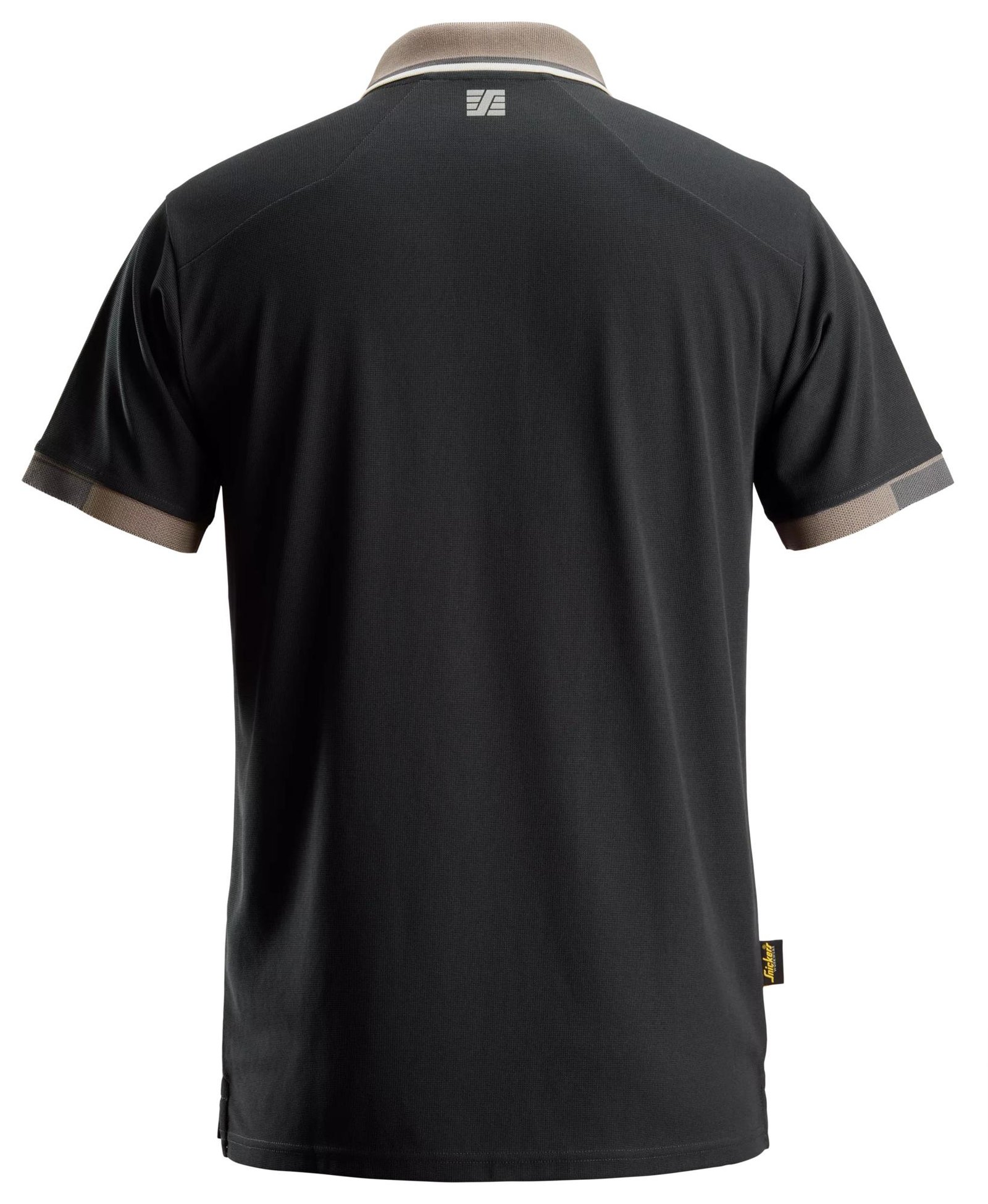
Tactical Shirts And Polos

Shirts and polos suit branded field teams, service uniforms, training apparel, and private-label collections. Buyers can specify collars, plackets, pocket layouts, sleeve treatment, fit blocks, labels, and decoration.
A consistent size range and movement allowance matter when garments must work across desk, vehicle, and active duties. These styles are practical starting points for workwear brands, distributors, and uniform programs.
Trousers And Cargo Pants

Trousers, cargo pants, and shorts serve maintenance crews, logistics teams, security programs, and utility-focused collections. Custom scope includes rise, leg profile, pocket placement, knee construction, bartacks, gussets, closures, and branding.
Fit approval should cover waist grading, seat ease, inseam options, and kneeling mobility. They suit buyers building coordinated uniform systems rather than isolated logo products.
Jackets And Outerwear

Softshell, fleece, padded, and rain jackets support layered uniforms, outdoor service work, and seasonal private-label ranges. Buyers can define hood design, closures, pocket access, lining, reflective tape placement, weather-protection targets, and decoration zones.
Sampling should test layering room and sleeve mobility. These products suit established workwear labels and distributors needing a broader branded collection.
Vests And Overshirts
Utility and safety vests or overshirts provide visible storage and easy uniform identification for warehouse, event, service, and field teams. Customization may cover pocket systems, panel layout, trim, closures, reflective details, color blocking, and labels.
They are efficient additions to uniform programs and private-label capsules, especially when buyers need flexible sizing over base layers.
Headwear And Accessories
Caps, beanies, patches, woven labels, and related accessories extend a collection’s visual identity and support distributor bundles. Buyers should confirm logo size, placement, attachment method, color matching, packaging, and compatibility with the core garments.
These items suit brand launches and reorder programs, but should be developed as coordinated accessories rather than assumed protective equipment.
4. Materials and Fabrics for custom tactical clothing
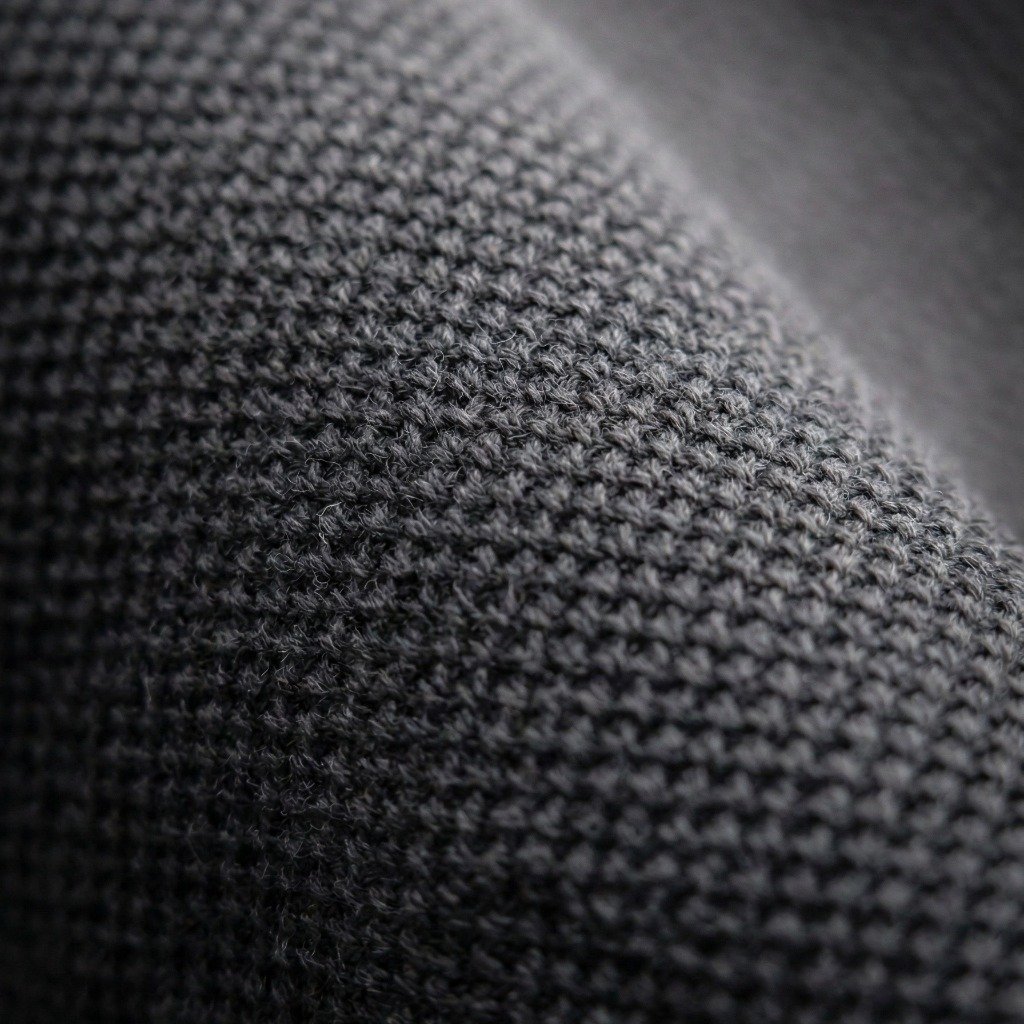
Fabric choice controls comfort, durability, drying speed, and total garment life in custom tactical clothing. Select against duty conditions, climate, laundering, and required movement—not the marketing label alone.
| Fabric | Indicative GSM Range | Performance Characteristics | Recommended Applications |
|---|---|---|---|
| Poly-cotton ripstop | 180–260 | Grid weave; breathable, durable, low stretch | General uniforms, field work |
| Stretch woven blend | 220–280 | Abrasion resistance with improved mobility; moderate drying | Active-duty trousers, articulated panels |
| Polyester softshell | 240–360 | Wind protection, fast drying, limited breathability | Cool, wet-weather outer layers |
Match Fabric To Duty
65/35 poly-cotton ripstop uses a grid weave for balanced abrasion resistance, moderate breathability, and limited stretch. It suits general uniforms and warm-to-mild climates.
180–240 GSM plain-weave polyester dries quickly and holds color, but can feel warmer and less breathable during sustained exertion.
Use Stretch Strategically
220–280 GSM mechanical-stretch blends improve reach without elastane’s laundering sensitivity. Four-way stretch fabrics increase mobility but may sacrifice abrasion resistance at high-stress contact points.
Softshell laminates add wind and light-weather protection; confirm breathability and waterproofing targets for the intended environment.
Compare Practical Options
30–40°C washing and supplier-approved drying commonly preserve fit and coatings; exact care depends on fiber, finish, and decoration. Request composition, GSM, weave, test data, and care instructions before approval.
5. Customization and Decoration Options
A tech pack can define color, fit, pocket layout, closures, reinforcement, reflective details, and branding in one approval reference. Veelianpro develops these elements from a sketch, sample, or product idea before production.
| Method | Appearance | Scale And Setup | Placement Limits |
|---|---|---|---|
| Embroidery | Raised, premium | Digitizing; efficient repeat orders | Avoid bulky seams and thin panels |
| Screen printing | Flat, bold | Screens; best for larger runs | Needs smooth, accessible panels |
| Heat transfer | Detailed, smooth | Artwork setup; flexible quantities | Check heat tolerance and stretch |
| Patch or woven label | Structured, tactile | Artwork and mold or weaving setup | Requires secure attachment area |
Garment Configuration
Pantone references, approved fabric swatches, and lab dips help control color across shirts, trousers, and outerwear. Buyers should confirm fit blocks, size grading, pocket dimensions, zipper or snap closures, gussets, bartacks, and reinforcement zones.
Reflective tape placement, woven labels, care labels, hangtags, and custom packaging should appear on the specification sheet. Veelianpro can review these details during sampling and quote development.
Branding Methods
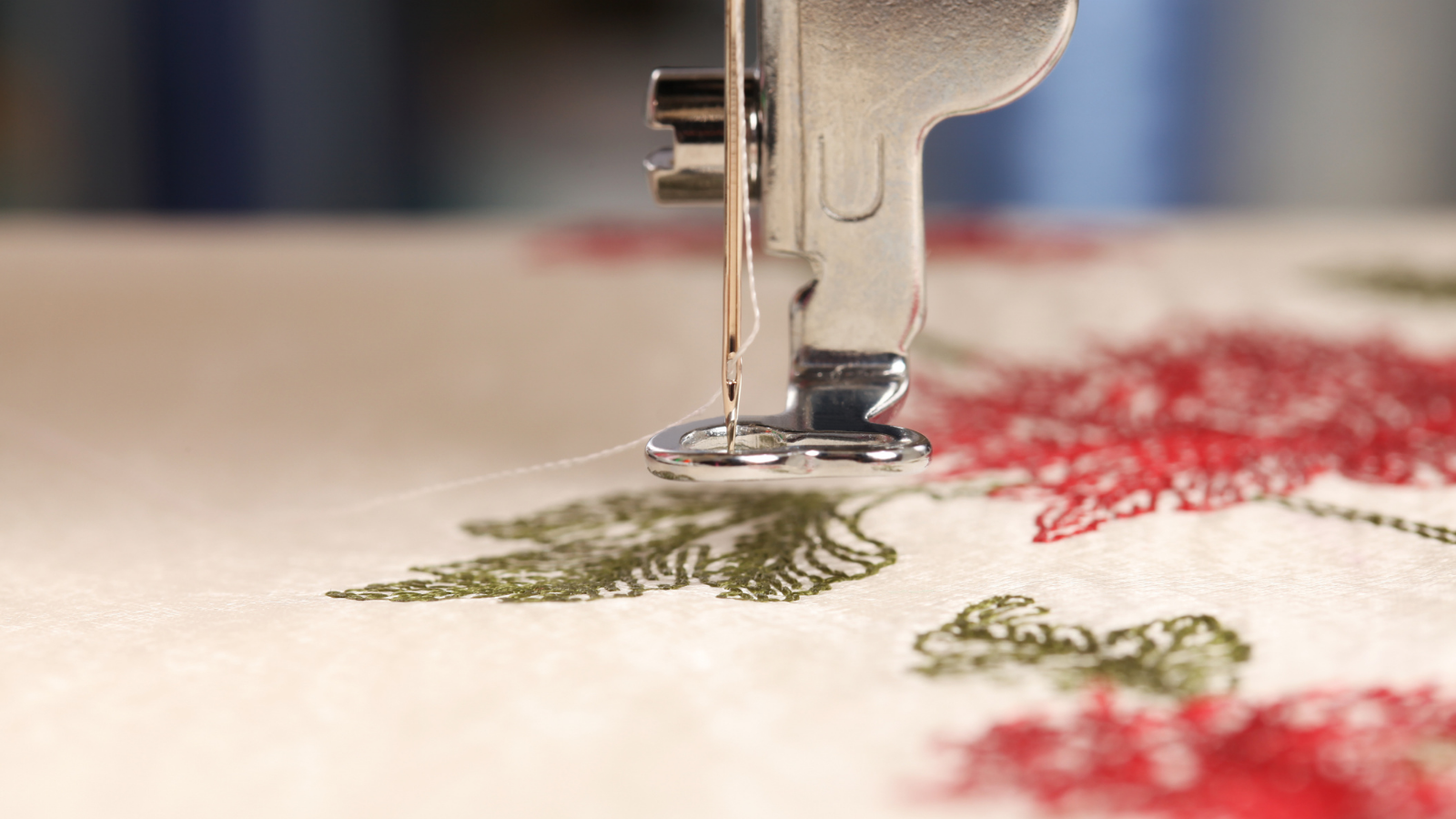
Embroidery suits durable logos on polos, jackets, and caps, while screen printing and heat transfer support larger or more detailed artwork. Patches and woven labels create a structured uniform identity but require approved dimensions, backing, thread, or edge specifications.
Placement limits depend on seam access, fabric stretch, garment panels, and equipment. Approve full-size artwork, thread or ink colors, position measurements, and a physical sample before bulk cutting.
Decoration Comparison
Three practical variables are appearance, durability, and setup cost. Request a decoration sample on the actual fabric, especially for coated, stretch, fleece, or high-visibility garments.
6. Key Construction Quality Elements
A first sample should prove construction, access, fit, and branding before production. Use the approved tech pack to convert visual details into measurable checkpoints for custom tactical clothing.
Inspect Seams And Reinforcement
The first sample should show even stitch density, secure seam allowances, clean thread trimming, and bartacks at pocket corners, belt loops, and other stress points. Check triple stitching or gussets where movement and load demand extra strength.
Record seam defects, skipped stitches, puckering, and reinforcement locations in the sample comments.
Test Hardware And Access
A pre-production sample must confirm zipper smoothness, snap security, hook-and-loop engagement, and pocket access while standing, bending, and wearing intended equipment. Panel alignment should remain symmetrical across fronts, sleeves, pockets, and reflective details.
Wash-test the approved sample when laundering may affect shrinkage, color, closures, or seam appearance.
- Open every pocket with one hand.
- Check hardware alignment and pull strength.
- Measure key points after washing.
Control Fit And Branding
The production quality plan should compare graded sizes against the approved measurement chart, including chest, sleeve, inseam, rise, and pocket position. Inspect logo size, placement, color, stitch coverage, and label alignment against the signed artwork.
Require inspection records for sampling, pre-production approval, and finished goods before shipment.
7. How to Choose a custom tactical clothing Manufacturer
A reliable custom tactical clothing supplier should connect design development with measurable production controls. Compare capability, communication, documentation, and delivery evidence before approving a bulk order.
Confirm Development Capability
OEM, ODM, and private-label support should be explicit, with one contact translating sketches, tech packs, samples, or product ideas into construction decisions.
Veelianpro supports pattern development, fabric and trim sourcing, sampling, grading, branding, and export coordination for workwear programs. Confirm who owns revisions, approvals, and production files.
Test Fit And Materials
A sample should verify fabric composition, weight, color, pocket placement, closures, reinforcement, and decoration before bulk cutting. Request a graded size set when fit consistency matters across teams.
Veelianpro’s stated MOQ starts at 100 pieces per style and color, conditional on fabric, certification, and construction requirements. Confirm lead time, revision limits, and approved-sample status in writing.
Verify Controls And Export Readiness
Inspection records should cover measurements, stitching, shade, branding, packaging, and defect handling; protective claims require the exact test report and certification scope. Do not assume ANSI, EN, NFPA, arc-rated, or chemical protection compliance without evidence.
For Veelianpro, confirm quotation terms, payment schedule, destination documents, packing, shipment responsibilities, and reorder support. Verify every specification and approve the final sample before ordering.
8. Common Mistakes Buyers Make
Eight recurring errors raise total cost: vague specifications, untested materials, uncontrolled sizing, and price-only comparisons. Use documented samples, measurable tolerances, and replenishment planning before approving custom tactical clothing.
Lock The Specification
A complete tech pack should state fabric composition and weight, measurements, tolerances, pocket layout, trims, branding, sizes, colors, and destination standards. Ask Veelianpro to confirm feasibility before sampling.
Veelianpro can start from a sketch, sample, or product idea. Confirm the conditional MOQ of 100 pieces per style and color, especially when fabric, certification, or construction requirements vary.
Test Before Bulk Approval
Wash and wear testing should check shrinkage, shade change, seam slippage, abrasion, and decoration adhesion under the intended care cycle. Protective claims require the exact test scope and certificate, not assumptions.
Decoration limits depend on placement, fabric surface, seam location, and artwork size. Approve embroidery, heat transfer, patches, or printing on the actual garment and verify thread, ink, and label durability.
Control Fit And Cost
A graded size set prevents inconsistent measurements across production lots. Approve a sealed sample with measurement tolerances, then inspect representative sizes rather than checking only one garment.
Replenishment needs should be discussed before the first order; record approved fabric, color reference, trims, and pattern version. Compare suppliers on landed cost, testing, quality control, lead time, and reorder consistency—not unit price alone.
9. Steps to Launch Your custom tactical clothing Brand
A 100-piece launch starts with a defined user, work setting, performance requirement, and commercial assortment. Each decision should be recorded before sampling so a small pilot can scale without rebuilding the product.
Define Use And Assortment
Step 1 identifies users, tasks, climate, hazards, movement needs, and applicable standards. Separate design targets from tested claims, especially for flame-resistant, arc-rated, high-visibility, or chemical-protective garments.
Step 2 selects the initial assortment: for example, one shirt, one trouser, and one jacket, with planned colors, size range, quantity split, and reorder logic. Veelianpro’s starting MOQ is 100 pieces per style and color, subject to fabric, certification, and construction requirements.
Prepare The Supplier Brief
A complete tech pack should specify sketches, measurements, fabric composition and weight, pocket layout, closures, reinforcement, stitching, trims, color references, labels, decoration, packaging, destination, and timeline. Include the required test method or certificate scope where protection is requested.
Send the brief with target quantity and production scenario to Veelianpro for feasibility review and quotation. The manufacturer can support sourcing, pattern development, sampling, grading, branding, and export coordination, but final specifications belong in the approved quotation.
Sample, Test, And Approve
One or more samples should confirm construction, fit, mobility, pocket access, branding placement, color, and trim function before bulk cutting. Field-test representative sizes in the intended work setting; record failures by measurement, component, wearer, and condition.
Use the revision round to close open points, then approve the graded size set, decoration artwork, labels, packaging, and production sample. A 100-piece pilot benefits from a narrow size and color plan; larger rollouts justify broader grading and wear-test coverage.
Produce, Inspect, And Replenish
After approval, confirm order quantities by style and color, payment terms, delivery window, inspection criteria, carton marks, and shipping documents. Veelianpro’s stated flow covers production, inspection, shipment, and reorder support; progressive deposits remain quotation-specific.
Inspection should verify measurements, workmanship, decoration, labels, packaging, and any documented test requirements against the approved sample. Retain the final tech pack and inspection record so replenishment repeats the same fit, materials, branding, and acceptance standard.
10. custom tactical clothing Pricing and Cost
100 pieces is Veelianpro’s stated starting MOQ per style and color, subject to fabric, certification, and construction requirements. Request one comparable quote covering garment type, fabric composition and GSM, trims, decoration, labels, packaging, quantity, shipping terms, and revision limits.
3 cost stages should be separated: development sampling, bulk production, and freight. Confirm whether pattern work, size grading, sample revisions, embroidery or patches, woven labels, custom packaging, inspection, and export coordination are included or billed separately.
2 quotation checkpoints reduce disputes: approve the tech pack and pre-production sample before confirming bulk pricing, then record Incoterm, destination, payment schedule, and any surcharge for low-volume colorways. The planning ranges below are non-binding budgeting variables, not Veelianpro price promises.
| Quantity Tier | Estimated Unit Price | Lead Time | Assumptions |
|---|---|---|---|
| 100–299 pieces | $18–$45 planning range; quote required | 35–50 days after approval | One style/color; standard fabric; basic logo decoration |
| 300–999 pieces | $14–$35 planning range; quote required | 30–45 days after approval | Consolidated fabric and trim purchasing; limited revisions |
| 1,000–2,999 pieces | $11–$28 planning range; quote required | 25–40 days after approval | Stable specification; efficient cutting and sewing allocation |
| 3,000+ pieces | Custom volume quote | 20–35 days after approval | Forecasted demand; negotiated packaging, freight, and payment terms |
Start Your Custom Tactical Clothing Project Today
Share your garment type, work setting, fabric, sizes, colors, branding, quantity, destination, and timeline for a tailored quote.