
Custom Antistatic Workwear Manufacturer for OEM Programs
Veelianpro is an antistatic workwear manufacturer supporting OEM, ODM and private-label development from 100 pieces per style and color, subject to project requirements.
Featured Antistatic Workwear for Custom Development


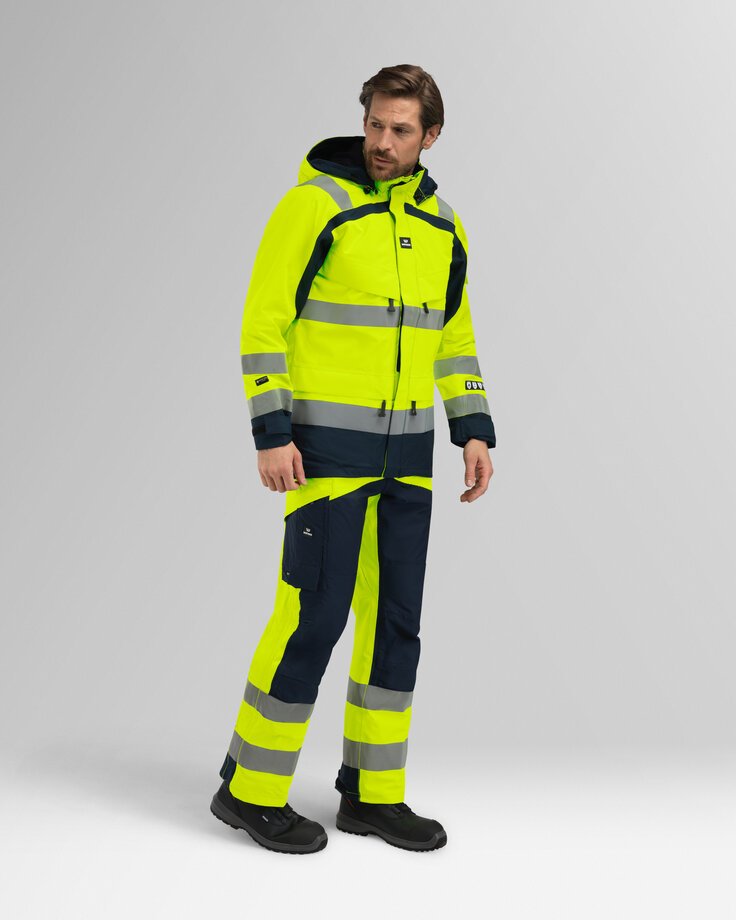
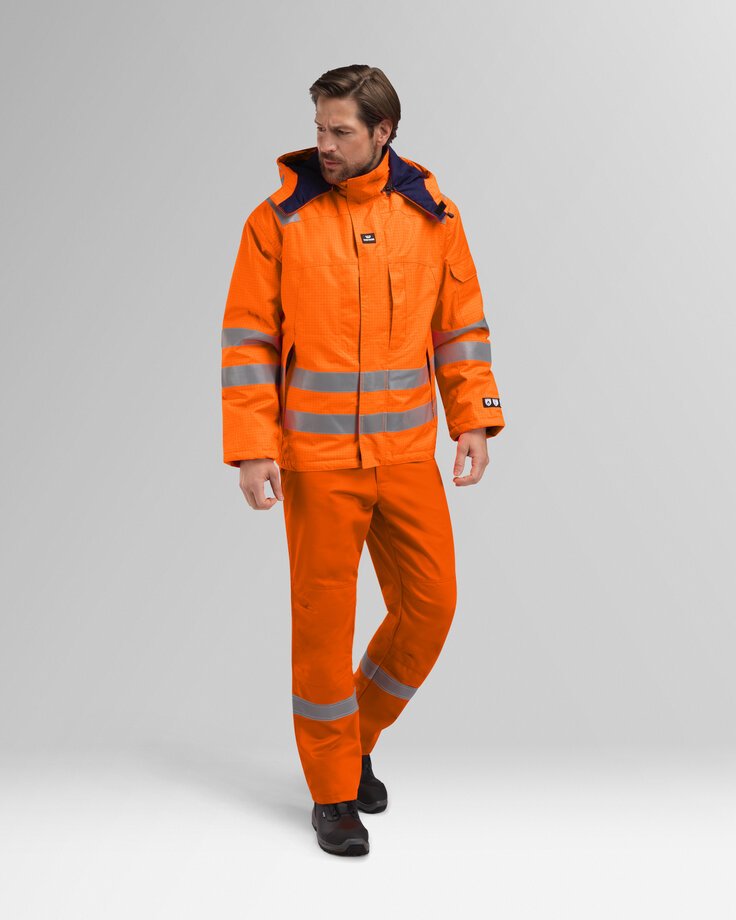

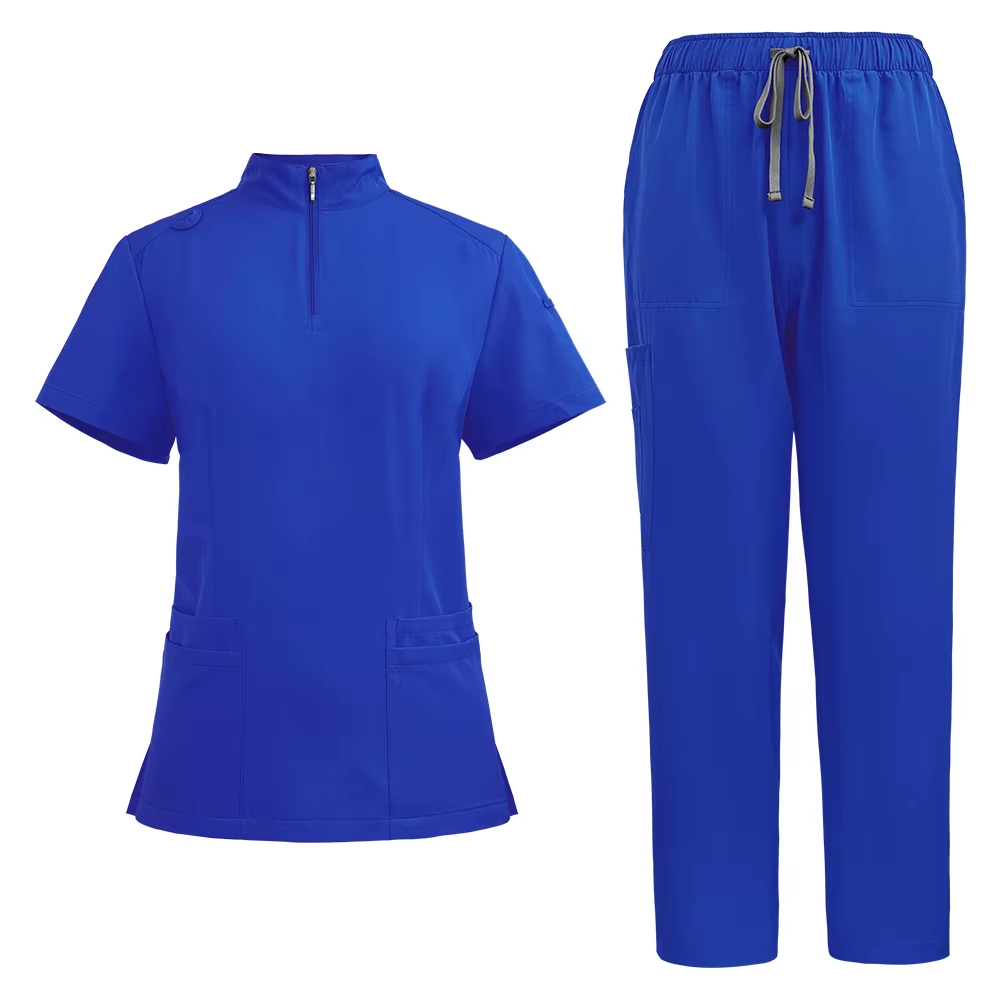


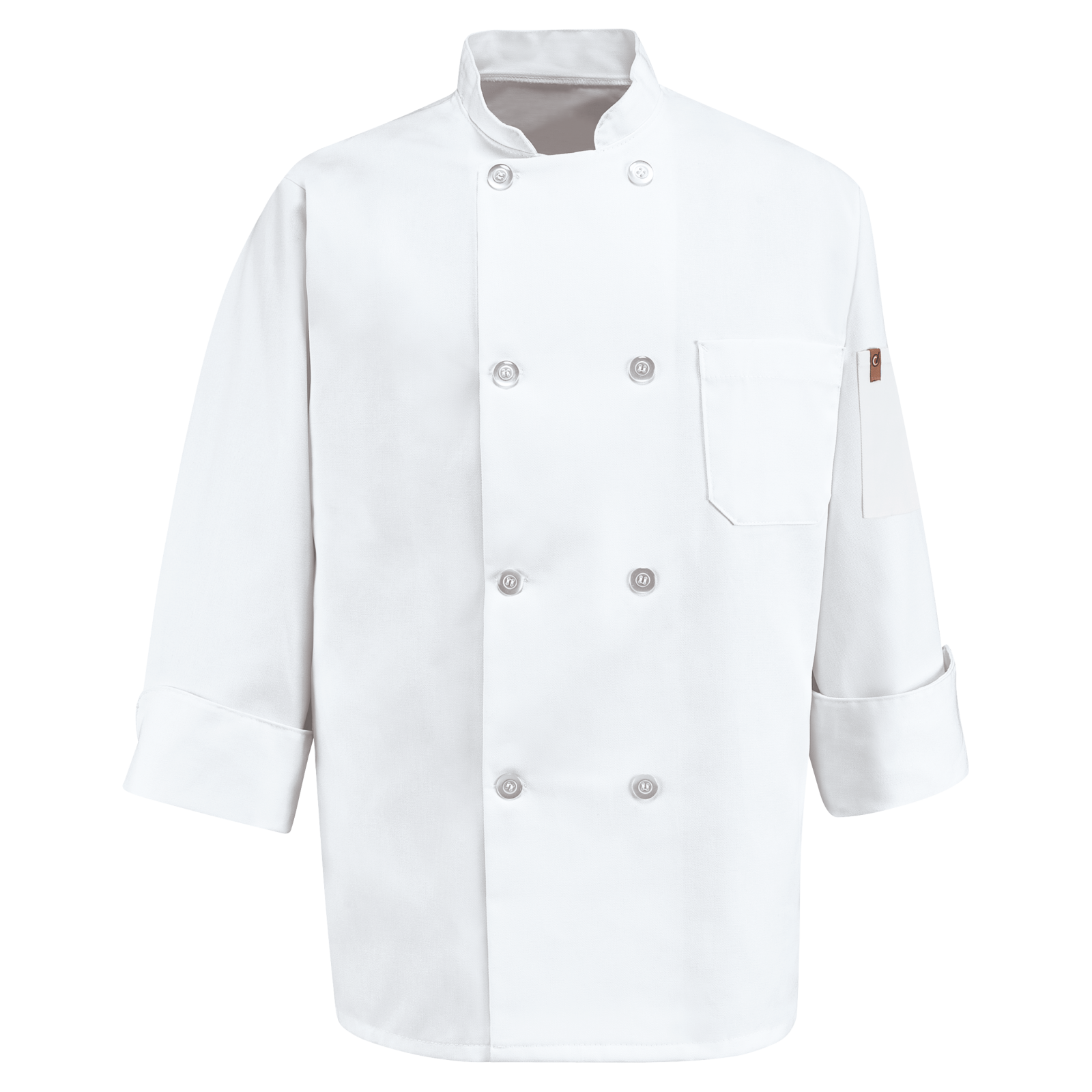


Related Product Catalogue and Quotation



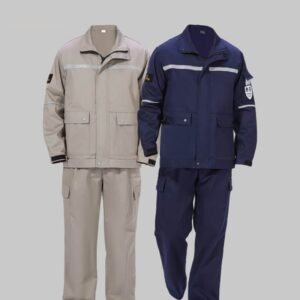
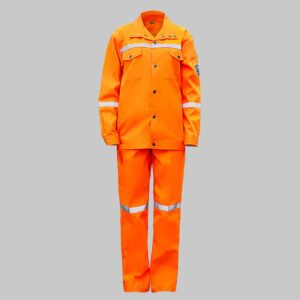


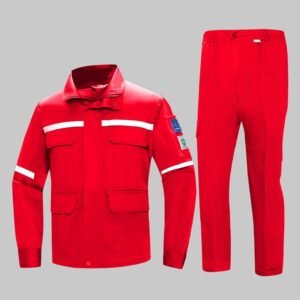

Why Choose Veelianpro as Your Antistatic Workwear Manufacturer
Build antistatic workwear programs around your specifications, brand requirements, target quantity, and documented performance needs.
OEM and Private Label
Veelianpro develops antistatic garments from your tech pack, sketch, sample, or product idea for OEM, ODM, and private-label programs.
MOQ from 100 Pieces
Start at 100 pieces per style and color, subject to fabric, certification, construction, and project requirements.
Development to Sampling
Support includes fabric sourcing, pattern development, size grading, sampling, and practical construction decisions before production approval.
Custom Construction Details
Specify pockets, reinforced knees, bartacks, stitching, reflective placement, weather protection, fit, trims, and branding for your program.
Coordinated Production Control
Cutting, sewing, reinforcement, decoration, quality checks, packing, and export coordination stay aligned with your approved specifications.
Evidence-Based Protection
Define required antistatic, FR, chemical, or arc-related performance by SKU, with testing and certification evidence confirmed before claims.
Custom Antistatic Workwear Development for Controlled Environments
Develop custom garment programs for electronics, laboratories, clean areas, and other static-sensitive operations, with ESD requirements defined by the buyer.

Anti-Static Lab Coat
Anti-static lab coats can be developed for electronics assembly, inspection, laboratory, and controlled-area teams. Specify conductive or static-dissipative fabric requirements, coat length, closure type, cuff construction, pockets, size grading, labels, and approved decoration or packaging details.
Get a Quote
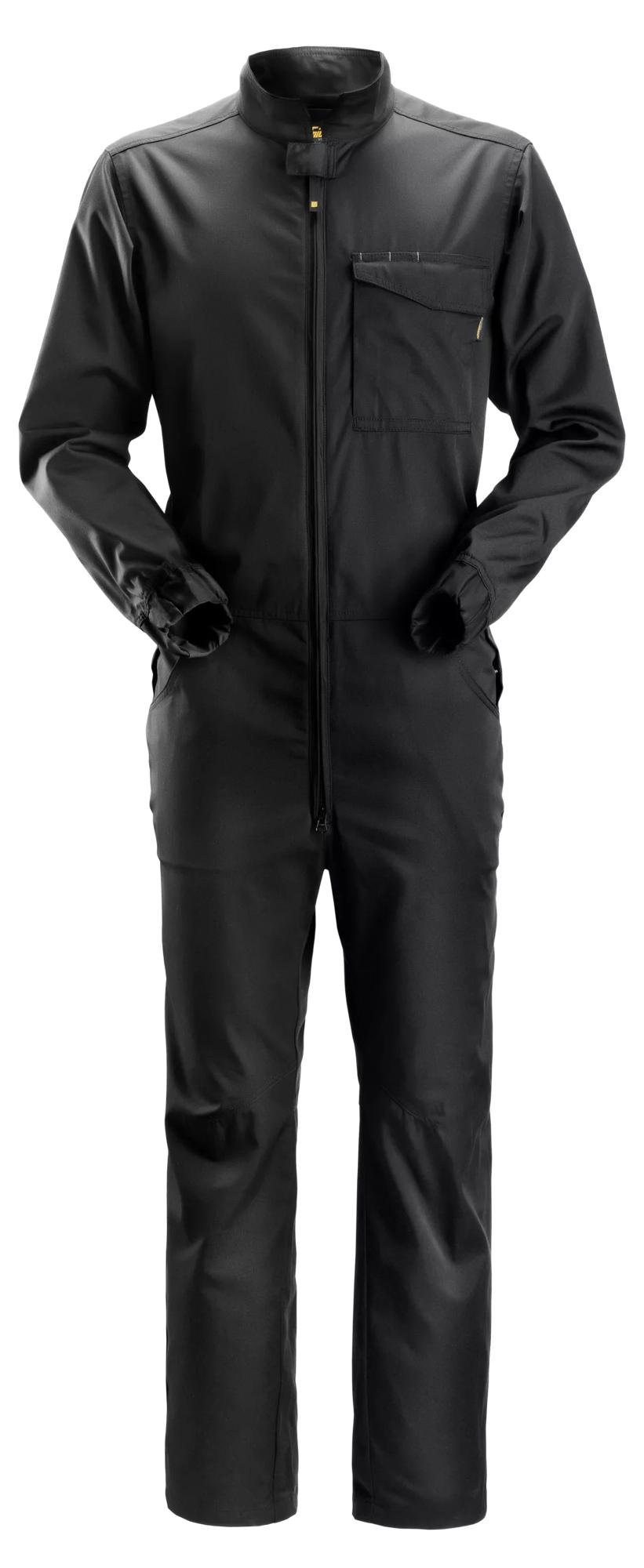
Anti-Static Coverall
Anti-static coveralls provide full-body garment coverage for static-sensitive production and maintenance settings. Development can include hood or collar configurations, front closures, elasticized cuffs and ankles, utility pockets, reinforcement needs, color coding, and branding. Required ESD performance must be defined against the applicable standard and evidence scope.
Get a Quote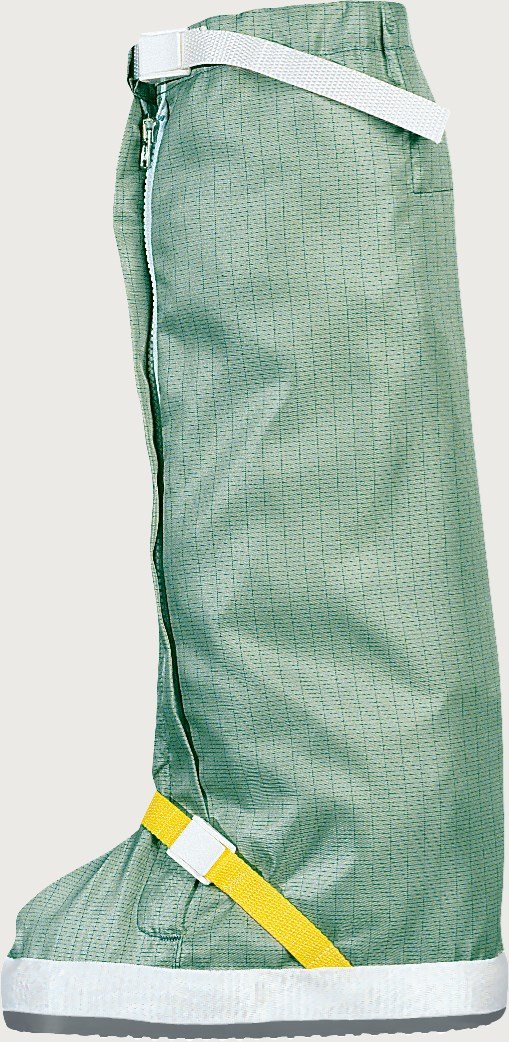
ESD Booties
Footwear covers can be developed for controlled-area use when they are part of the buyer’s specified garment program. Define sole and upper materials, closure style, sizing, color identification, packaging format, and any applicable static-control standard or test requirement before sampling. Do not describe the finished item as ESD-compliant without product-specific evidence.
Get a QuoteAntistatic Workwear for Industrial Uniform Programs




Decoration Processes from an Antistatic Workwear Manufacturer



Decoration and Private-Label Support for Antistatic Workwear


Custom Trims and Finishing for Antistatic Workwear
Hubei Veelianpro Workwear Co., Ltd. is a Wuhan-based antistatic workwear manufacturer serving workwear brands, safety distributors, uniform buyers, wholesalers and enterprise sourcing teams. The company profile states that its workwear operation began in 2012, with a mission to turn buyer specifications, sketches, samples or product ideas into practical custom garments.
Veelianpro supports OEM, ODM, private-label and wholesale programs from fabric and trim sourcing through pattern development, sampling, grading, cutting, sewing, reinforcement, decoration, finishing, quality checks, packing and export coordination. Buyers can develop shirts, jackets, vests, trousers, coveralls and coordinated sets with branding and construction details matched to their program.
What distinguishes the team is a development-led approach for projects that require more than standard catalog sourcing. Fabric composition, garment fit, pocket systems, reinforced areas, reflective details, branding and packaging can be reviewed before production. The starting MOQ is 100 pieces per style and color, subject to fabric, certification and construction requirements; any antistatic or protective performance must be confirmed with SKU-specific testing and documentation.

Core Capabilities of an Antistatic Workwear Manufacturer
Review the Technical Brief
Veelianpro begins with your tech pack, sketch, sample, or product idea. Our team reviews the intended work setting, garment format, fit, fabric, branding, quantity, and required performance evidence before recommending a practical development route for your antistatic workwear program.
- Tech-pack and design feasibility review
- Garment format, fit, and size-range planning
- Fabric, trim, and construction discussion
- Specification review for requested test evidence

Develop Patterns and Samples
Pattern development translates your approved concept into a wearable sample for review. Veelianpro can refine proportions, pocket layouts, reinforced areas, closures, reflective details, and comfort features before grading the pattern and preparing a production-ready specification.
- Pattern development from approved references
- Sampling for fit and construction review
- Size grading for agreed size ranges
- Revision support before production confirmation

Source Fabrics and Trims
Material selection shapes the garment’s comfort, appearance, durability, and intended use. Veelianpro supports fabric and trim sourcing for shirts, trousers, jackets, vests, coveralls, and coordinated sets, while requested antistatic, FR, arc, chemical, or other ratings remain subject to SKU-specific testing.
- Fabric weight and composition comparison
- Trim, closure, tape, and reinforcement sourcing
- Options for branding and private-label details
- Performance claims tied to documented evidence

Control Construction and Quality
After approval, production covers cutting, sewing, reinforcement, decoration, finishing, inspection, packing, and export coordination. Construction details such as bartacks, triple stitching, gussets, pocket systems, and branding placement are checked against the agreed specification before shipment.
- Cutting and sewing to approved patterns
- Reinforcement and detail inspection
- Embroidery, printing, labels, and packaging checks
- Final quality review before dispatch

Choose an Antistatic Workwear Manufacturer Built for Your Specification
Compare custom development with a defined stock-garment-plus-decoration sourcing route. Veelianpro’s starting MOQ is 100 pieces per style and color, subject to fabric, certification, and construction requirements.
← Swipe left or right to view →
Our Antistatic Workwear Manufacturer Process
Confirm applicable standards, test reports and certification scope for each proposed SKU; Veelianpro does not make universal performance or certification claims across every style.
Review Your Requirements
Share your garment type, work setting, fabric needs, size range, color, branding, quantity, destination, timeline and applicable performance standards for feasibility review.
Develop Materials And Patterns
We assess fabrics and trims, refine the tech pack or product idea, develop patterns, confirm construction details and prepare a practical sampling plan.
Sample And Approve
Veelianpro produces development samples for fit, fabric, pocket systems, reinforcement, reflective details, branding and finishing review before order confirmation.
Cut And Sew Production
After approval, our team coordinates fabric preparation, cutting, sewing, bartacks, reinforcement, decoration, finishing and size grading according to the confirmed specifications.
Inspect Pack And Export
Quality checks, packing review and export coordination complete the order, with production records and any applicable test documentation matched to the proposed garment.
Illustrative Antistatic Workwear Project Outcomes
Follow a clear path from hazard requirements and garment concepts to approved samples, controlled production, inspection, and shipment.
Submit Your Requirements
Share your garment type, work setting, antistatic or added protection targets, fabric preferences, size range, branding needs, quantity, destination, and timeline.
Review Feasibility and Pricing
Our team reviews construction, materials, trims, testing requirements, and MOQ conditions, then clarifies feasibility and prepares a project-specific quotation for your program scope.
Approve the Development Sample
Evaluate fit, fabric hand, pocket layout, reinforcement, reflective details, branding, and labeling on the sample before approving revisions and production specifications.
Confirm Your Production Order
Confirm the approved specifications, quantity, colors, size breakdown, packaging, delivery timeline, and commercial terms so production can be scheduled accurately.
Manage Inspection and Shipment
Veelianpro coordinates quality checks, packing, export documentation, and shipment updates, supporting clear handover and reorder planning for your workwear program.
Certifications, Standards and Compliance Evidence


Antistatic Workwear Manufacturer Scenarios for Practical Sourcing
Illustrative procurement scenario: An electronics-assembly uniform buyer needs a coat that fits a documented static-control program but has only a sketch and an incomplete size list. The proposed solution is to turn the brief into a coat specification covering closure, cuffs, permitted pockets, fabric, grading, labels, and packing, then make a sample. The intended acceptance criteria are the buyer’s approved measurements, construction details, artwork placement, and required product-specific static-control evidence.
Illustrative procurement scenario: A safety distributor needs a jacket-and-trouser program for static-sensitive operations but has not separated its weather-protection design request from its static-control documentation requirement. The proposed solution is to specify fabric and trims, branding placement, reinforcement points, colorway, and each requested performance target before sampling. The intended acceptance criteria are an approved sample, the agreed construction and branding details, and documentation matching the distributor’s stated requirement.
Illustrative procurement scenario: A clean-production sourcing team needs branded coveralls across a graded size range and must avoid approving a design before its garment-use requirements are documented. The proposed solution is to convert the brief into patterns, samples, care-label content, and export-packing details while reviewing bulk feasibility from 100 pieces per style and color, subject to fabric, certification, and construction requirements. The intended acceptance criteria are approved measurements, permitted design details, label text, packing format, and any required product-specific evidence.
FAQ for Antistatic Workwear Manufacturer Buyers
Practical answers about MOQ, sampling, customization, compliance evidence, production and shipping for B2B antistatic workwear programs.
What MOQ does an antistatic workwear manufacturer require?
Can an antistatic workwear manufacturer develop custom coveralls and uniform sets?
How does an antistatic workwear manufacturer verify standards and testing?
How long does custom antistatic workwear production take?
Does Veelianpro charge for antistatic workwear samples?
What payment and shipping options are available for custom workwear orders?
Can an antistatic workwear manufacturer protect my brand and product details?
What information should I send to request an antistatic workwear quote?
Antistatic Workwear Manufacturer Guide for Cleanroom and Industrial Buyers
A practical framework for selecting antistatic workwear, defining garment and customization requirements, assessing supplier documentation, and avoiding specification mistakes across industrial, electronics, and clean-production applications.
1. What an Antistatic Workwear Manufacturer Provides
An antistatic workwear manufacturer can develop garments whose fabric, pattern, trims, and finish are selected around a workplace static-control brief. At Veelianpro, this can include custom coveralls, two-piece suits, jackets and trousers, lab coats, or garment concepts developed from a tech pack, sketch, sample, or product brief.
Anti-static and ESD are related but not interchangeable terms. Clothing may be one element of a wider site program that also addresses footwear, grounding, work surfaces, handling procedures, and access rules. A garment for a combustible-risk setting may also need separately documented protective properties. The distinction between anti-static clothing and ESD clothing is explained by Alsico’s overview: https://www.alsico.com/uk/environments/wearer-protection/anti-static-esd
Do not treat an ordinary uniform as antistatic merely because of its fiber content or appearance. Start with the role and workplace conditions, then define the garment format, coverage, fabric and trim constraints, size range, and the exact standard, test evidence, or certificate scope requested. A design target remains a design target until product-specific documentation supports the claim.
2. Define the Workplace Requirement
For electronics handling, clothing is one part of an ESD-control program. The garment brief should fit the facility’s rules for grounding, footwear, work surfaces, sensitive components, and access. A lab coat or two-piece uniform may suit an assembly role, but its closure, cuffs, pockets, and fit should not conflict with local procedures; anti-static and ESD remain application-specific terms (https://www.alsico.com/uk/environments/wearer-protection/anti-static-esd).
For ignition-risk work, ask whether the risk assessment requires static control alongside documented flame resistance, visibility, weather protection, or other protection. An antistatic design request alone does not establish suitability for that setting. Put the required standard, evidence scope, and every combined-performance requirement into the specification before fabric selection.
Laboratories and clean-production areas may prioritize coverage, controlled closures, zone rules, and laundering procedures alongside static management. Define the wearer group, change frequency, wash process, and restricted areas. If performance after a stated care regime matters, request evidence that covers that regime and the finished garment.
An inquiry can begin with a coverall, coat, or coordinated-uniform concept, then develop fabric, trims, branding, and construction around the workplace brief. For any protective claim, provide the applicable standard and required certificate or test scope; the product target must remain distinct from verified performance.
3. Antistatic Workwear Manufacturer Garment Types
Garment format changes how much of the body is covered, how quickly teams change, and where tools or personal items are carried. Select the format around the work area, task movement, and documented static-control requirement—not a generic job title.
| Format | Coverage And Changing | Typical Context | Pocket And Closure Focus |
|---|---|---|---|
| Coverall | Broad coverage; slower to change | Electronics assembly, clean areas | Secure front closure; controlled pocket placement |
| Jacket and trousers | Two-piece flexibility; easy replacement | Industrial service | Waist overlap; task-led trouser pockets |
| Lab coat | Quick outer layer | Laboratories, visitors | Front closure and permitted pockets |
| Shirt or polo | Lightest format | Lower-coverage uniform roles | Minimal carry requirements |
Coveralls For Full Coverage
One-piece coveralls reduce exposed gaps between an upper garment and trousers, making them practical for electronics assembly, clean areas, or industrial tasks requiring consistent head-to-ankle uniformity.
Specify front closure type, cuff and ankle finish, and pocket placement early. External pockets may be useful for tools, but the site’s rules should determine whether they are permitted.
Jacket And Trouser Sets
Separate jackets and trousers make changing, size allocation, and replacement simpler when one component wears out first. They suit industrial service crews who need flexible layering or frequent access to trouser pockets.
Define how the jacket overlaps the waistband during reaching and bending. Match closures, cargo-pocket layout, and reinforcement needs to the actual maintenance task.
Lab Coats And Overshirts
Lab coats provide an easy on-off outer layer for laboratories, visitor use, and controlled work zones. Their open-front convenience can be valuable, but coverage and closure requirements must follow the facility’s documented program.
Shirts and polos work best where a lighter uniform is appropriate; they should not be treated as substitutes for a specified full-garment system.
Role-Specific Uniform Programs
A single program can assign coveralls to clean-area operators, jacket-and-trouser sets to service technicians, and lab coats to laboratory staff. This keeps role identification clear without assuming equal exposure across departments.
Veelianpro can develop the selected style from a tech pack, sketch, sample, or product idea, with branding and labels integrated into the agreed specification.
4. Materials and Technical Options
Material selection starts with the buyer’s static-control requirement, then balances comfort, cleaning routine, abrasion exposure, and the operating environment. Conductive grids, stripes, conductive-fiber blends, and cleanroom-oriented details are development options, not certified garment specifications. A fabric name or fiber blend alone does not establish tested performance; request product-specific documentation for the intended finished garment.
| Material Or Construction | Static-Control Role | Practical Trade-Off | Suitable Application |
|---|---|---|---|
| Conductive grid or stripe fabric | Development option; confirm finished-garment evidence | Pattern may constrain color or visual design | Electronics or controlled production |
| Conductive-fiber blend | Development option; confirm finished-garment evidence | Confirm care and end-use documentation | Industrial uniforms |
| Cleanroom-oriented construction | Development approach for controlled-area garment details | Pocket and closure choices may be restricted | Clean production areas |
| Cotton/polyester blend with static-control construction | Balances wearer comfort and durability | Blend alone is not a performance claim | Service and industrial roles |
Conductive-Fiber Constructions
Conductive fibers may be integrated as a grid, stripe, or dispersed element in fabrics developed for static-control use. The buyer should identify the required finished-garment performance and request evidence for the proposed fabric, style, and care regime. Conductive-grid construction is one approach described in the supplied technical source: https://www.alsico.com/uk/environments/wearer-protection/anti-static-esd
Ask for the fabric construction, color options, care method, and documentation matched to the end use. Visible grids may affect the visual direction, so confirm their acceptability in the approved sample.
Cotton And Polyester Balance
Cotton/polyester blends can combine a familiar hand feel with better shape retention and everyday durability than an all-cotton uniform. The appropriate blend depends on heat, movement, laundering, and the selected static-control construction.
For active roles, assess breathability, weight, fit, and dry time in a wear trial. Do not assume an ordinary polyester uniform provides static control.
Cleanroom And Added Protection
Cleanroom-oriented garments require the fabric, closure, cuffs, pockets, and lint-control expectations to be reviewed as one system. A pocket layout suitable for maintenance work may be unsuitable for a controlled production area.
Static control can be specified alongside flame-resistant, high-visibility, chemical-protective, or weather-protection design targets. Each added protection needs its own confirmed fabric and product documentation.
5. Customization and Finishing Options
Customization begins with the job, not a logo placement. We develop colors, fit ranges, closures, pockets, cuffs, labels, and packing from the garment’s intended use and the buyer’s approved specification.
Color And Fit Planning

Color blocking and size grading should suit the wearer group, site rules, and garment format. Provide the size range, color references, and whether the program needs separate men’s, women’s, or unisex fit blocks before sampling.
Closures, Pockets, And Cuffs
A front closure, pocket layout, and cuff finish change how a garment works at the task level. Tool pockets may help maintenance teams, while a clean production area may require a simpler exterior; specify what workers carry and where components must not interfere.
- Zipper, snap, or button closure preference
- Chest, hip, cargo, or internal pockets
- Elastic, adjustable, or knit cuff requirement
Branding And Trim Placement
Embroidery, screen printing, heat transfer, patches, woven labels, care labels, and custom packaging are available options. Confirm the exact artwork, position, dimensions, and decoration method against the fabric and intended protection requirements; a design target is not a tested performance claim.
Illustrative Procurement Scenario
Illustrative procurement scenario: a safety distributor specifies a two-piece program with a defined color, graded sizes, zip closure, reinforced knees, a chest logo, care label, and individual packing. The buyer submits artwork, destination, target quantity, required standard, and test documentation needs so the sample can resolve placement and construction details before production.
6. Construction Quality That Supports Daily Wear
Construction details determine whether a garment remains comfortable, serviceable, and true to the approved specification after routine use. For antistatic and cleanroom programs, each component must also be reviewed against the intended work environment and any required documentation.
Seams And Reinforcement
Consistent seam allowance, stitch density, and clean thread trimming help trousers, coveralls, and jackets tolerate repeated movement and laundering. Reinforcement belongs at known stress points such as pocket corners, crotch junctions, knee panels, and tool loops—not automatically across every seam.
A common failure is adding bartacks or extra layers without checking bulk and mobility. Mark reinforcement locations on the tech pack and confirm them on the pre-production sample.
Closures, Cuffs, And Pockets
Zip, snap, hook-and-loop, and button choices affect donning, cleaning, glove use, and snag risk. Specify the closure type, puller style, storm flap requirement, cuff adjustment, hem treatment, and whether exposed hardware is acceptable for the task.
Pockets should hold the tools or documents workers actually carry. Define pocket opening, closure, drainage or dust-control needs, and placement so contents do not interfere with bending, seated work, or equipment access.
Fit And Sample Inspection
Sizing consistency starts with an approved measurement chart, grading rules, and sample size. A fit sample should be worn through reaching, crouching, climbing, and seated tasks before bulk approval; a flat measurement alone cannot reveal restricted movement.
Inspect the approved sample against the production specification for construction, components, labels, pocket placement, and decoration. Keep the signed sample and revision record as the reference for inline and final quality checks.
7. Selecting a Development Partner
Choose an antistatic workwear manufacturer by testing whether its development process matches the actual facility, task, and garment system. Electrostatic requirements depend on end use and site rules; a fabric description alone is not a documented performance claim.
Which Garment Fits The Role
Choose coveralls for continuous body coverage, or coordinated jackets and trousers where role-specific layering is needed. For cleanroom or electronics work, define closures, pockets, cuffs, fit range, and the facility’s garment-use rules before sampling.
Can Ordinary Uniforms Work
Do not treat an ordinary uniform as antistatic unless the proposed material, finished-garment configuration, and required performance are specified and documented. Request fabric composition, conductive-element details where applicable, care instructions, and evidence tied to the precise garment configuration offered.
When Combined Protection Matters
Specify combined protection when the work assessment requires it; static control does not automatically establish flame resistance, visibility, chemical protection, or weather protection. State every required protection target in the tech pack so fabric, trim, construction, and documentation can be reviewed together.
What Documentation To Request
Request documentation tied to the exact fabric, style, and protection scope—not a general certificate reference. Provide the applicable facility standard and intended use; Veelianpro can develop from a tech pack, sketch, sample, or product idea without representing an unverified rating.
How To Review System Compatibility
Confirm compatibility with the site’s wider ESD or safety system, including footwear, grounding practices, laundering, and access rules. A wear sample should check mobility, pocket placement, closure operation, size grading, branding placement, and whether modifications alter the approved specification.
How Customization Affects Quotes
Define colors, logo method, labels, packaging, fabric, trims, sizes, destination, and timeline before quotation. Veelianpro’s starting MOQ is 100 pieces per style and color, subject to fabric, certification, and construction requirements; confirm final scope after sampling and inspection checkpoints.
8. Specification Mistakes to Avoid
A garment can be well made yet unsuitable for the actual control plan. These recurring specification errors create rework, inconsistent wearer adoption, or unsupported protection claims before bulk production begins.
Choosing The Wrong Format
A coverall can impede frequent changing, while separate jacket-and-trouser sets may leave an unsuitable interface for the job. Map tasks, changing practice, pocket access, and movement before selecting lab coats, coveralls, or two-piece uniforms.
Corrective action: issue a role-by-role wear brief and test the chosen format during normal motions and changeovers.
Treating Clothing As The System
Anti-static clothing is not a standalone substitute for the facility’s wider ESD or safety controls. The consequence is a garment specification that cannot resolve grounding, handling, footwear, or process-control gaps.
Corrective action: have the site safety or ESD owner define the complete control plan and the required product documentation.
Missing Combined Protection Needs
Static control may be only one requirement where flame exposure, visibility, wet weather, or cleanroom discipline also applies. Adding a feature without defining the full use case can create conflicting material, construction, or documentation needs.
Corrective action: state each hazard, work setting, applicable standard, and required test or certificate in the inquiry.
Leaving Custom Details Open
A logo location, pocket layout, closure, cuff, label, color, or reflective-tape placement described only in conversation can be interpreted differently during pattern development. That ambiguity delays sample approval and makes bulk comparison difficult.
Corrective action: attach marked artwork, placement dimensions, size grading, trim references, and packing instructions to the tech pack.
Approving Without A Representative Sample
A digital layout cannot confirm fit, pocket reach, seam placement, decoration appearance, or how selected fabric and trims work together. Bulk approval without a representative sample can lock in an avoidable mismatch.
Corrective action: approve a sample against the signed specification, then retain it as the production reference.
9. Launching a Custom Workwear Program
A custom program starts by separating the wearer’s task from the garment’s appearance. Give the factory a usable decision record before fabric sourcing or pattern work begins.
Map Roles And Conditions
List each role, work zone, shift conditions, contamination rules, and required electrostatic documentation. Separate daily operators, maintenance staff, visitors, and office-facing roles when their exposure differs.
Worked example: an electronics-floor operator is briefed for a reusable garment intended for an ESD-controlled area, with defined closure, pockets, and size range; a visitor receives a separate, simpler garment requirement. This is an illustrative procurement scenario, not a Veelianpro customer case.
Build The Garment Brief
Start with a tech pack, sketch, sample, or product idea, then define garment type, color, logo method, size grading, quantity, destination, and required timeline.
For protection claims, attach the applicable standard and the exact test or certificate requirement. A design request is not evidence of tested performance.
- Garment format and job role
- Fabric composition and required documentation
- Pocket, cuff, closure, and reinforcement details
- Branding, labels, packing, and size range
Review Materials And Samples
Select fabric and trims alongside the intended work conditions, then review a sample for fit, pocket access, seam placement, branding position, and construction details.
Use the sample review to confirm bartacks, triple stitching, gussets, reinforced knees, reflective-tape placement, or weather features only where the brief requires them.
Lock Specifications And Reorders
Convert approved sample comments into a version-controlled specification: fabric and trim references, pattern revision, measurements, artwork, labels, packing, and inspection points. This prevents a later reorder from reverting to an earlier decision.
Plan replenishment by approved style and color rather than combining unrelated garment specifications. Confirm the MOQ and any fabric, certification, or construction conditions in the quotation for the specific reorder.
10. Quote Scope and Cost Drivers
A custom antistatic workwear quotation changes first with the garment architecture: a coverall, two-piece suit, jacket, trouser, lab coat, or shirt uses different pattern pieces, closures, pockets, and labor. Fabric construction and any requested protective target must be defined separately; a design request is not a documented performance claim.
Veelianpro can quote from a tech pack, sketch, sample, or product idea, then align fabric and trim sourcing, pattern development, sampling, production, inspection, packing, and export coordination. The stated starting MOQ is 100 pieces per style and color, subject to fabric, certification, and construction requirements; final payment, testing, and freight terms belong in the individual quotation.
| Cost Driver | What Changes Cost | Quote Must Specify |
|---|---|---|
| Garment format and construction | Pattern complexity, pocket system, reinforcements, gussets, bartacks, triple stitching, closures, and reflective-tape placement. | Garment type, front and back drawings, pocket layout, reinforcement points, and required features. |
| Fabric and technical scope | Fabric composition, weight, antistatic construction, weather layers, and any requested protective standard or documentation. | End use, fabric preference, applicable standard, required test or certificate, and whether this is a target or verified requirement. |
| Branding and finishing | Embroidery, screen printing, heat transfer, patches, woven labels, care labels, color blocking, and custom packaging. | Artwork files, logo dimensions and placements, label content, color references, and packaging instructions. |
| Sizing and order mix | Size grading, size distribution, colorways, and quantity per style and color affect material allocation and production planning. | Size chart, grade rules, quantity by size and color, destination, and required delivery window. |
| Sampling, logistics, and quote scope | Sample development, inspection requests, packing format, export coordination, and shipment scope can be quoted separately. | Sample quantity, approval method, inspection needs, carton requirements, Incoterm if used, destination, and timeline. |

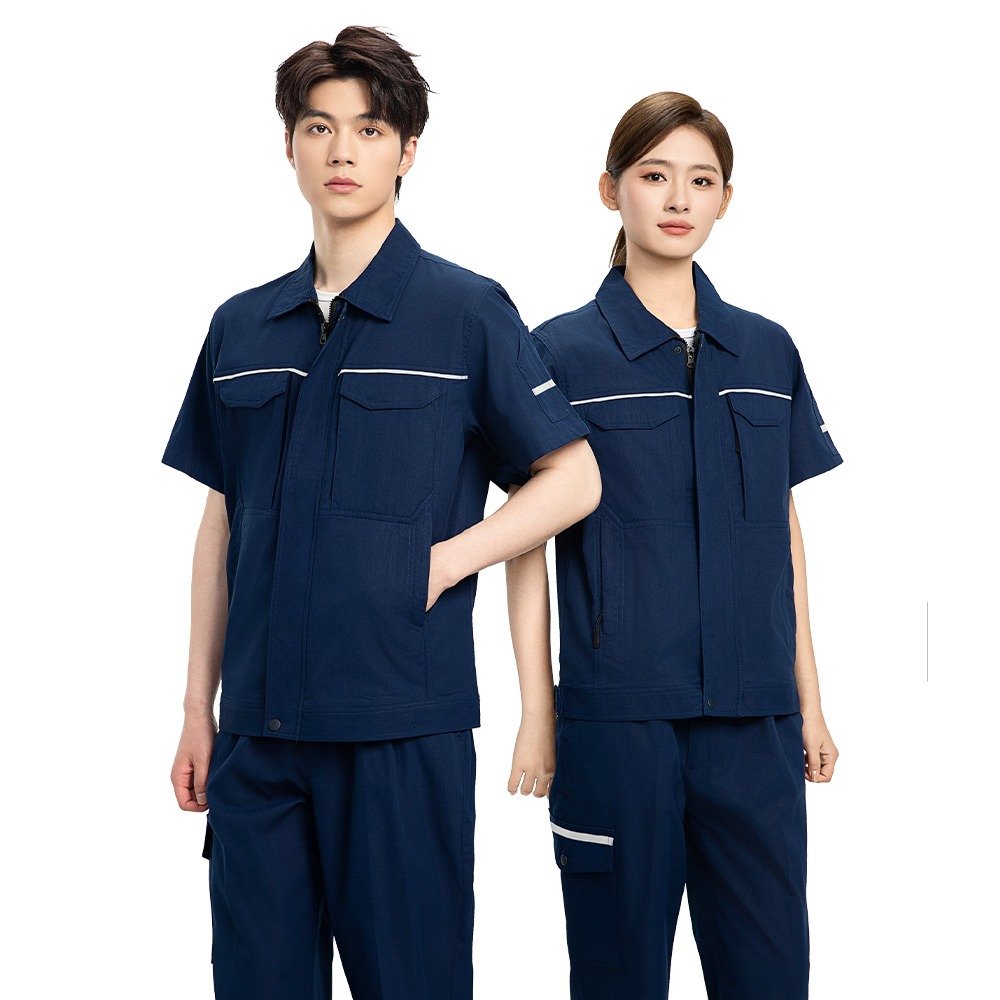

Request Your Antistatic Workwear Manufacturer Quote
Send your tech pack or product brief for tailored sampling, customization, and bulk production planning from Veelianpro.