
ESD Booties Manufacturer for Private-Label Programs
Veelianpro is an ESD booties manufacturer supporting OEM and ODM development, sampling, branding, and project-based MOQs from 100 pieces per style and color.
Featured ESD Bootie Development References


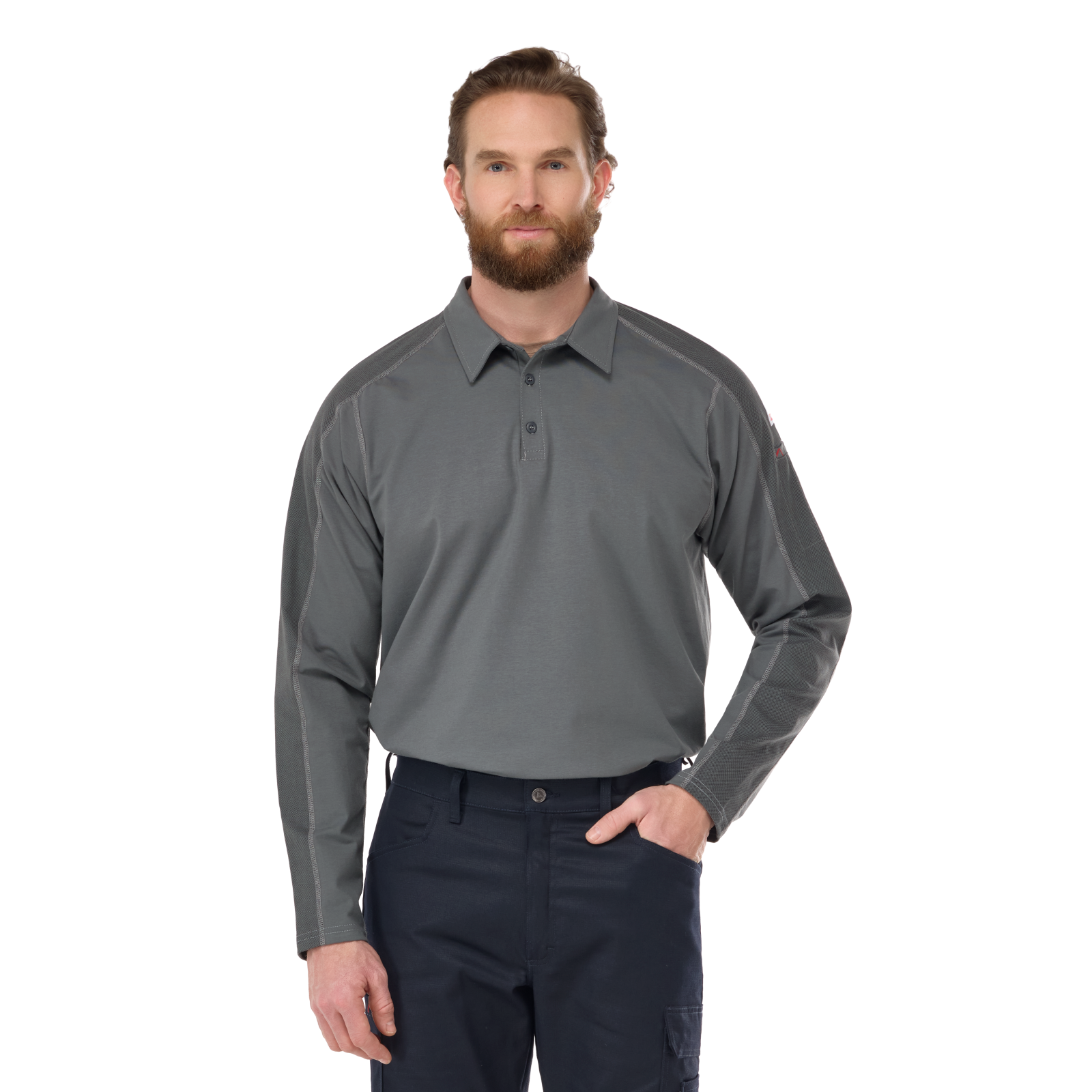
ESD Bootie Catalogue and Quote Request
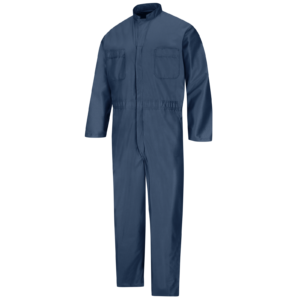



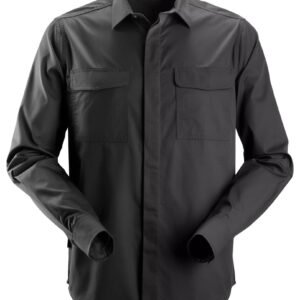

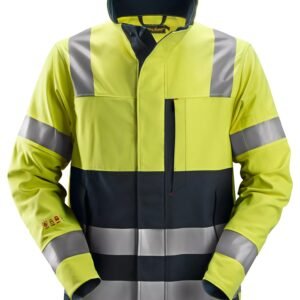


ESD Booties Manufacturer Built Around Your Requirements
Configure private-label cleanroom bootie projects with practical development support from specification through sample review.
Configurable Construction
Discuss upper materials, sole preferences, coverage height, closures, and reinforcement details around your intended controlled-work environment.
Fit and Size Planning
Define your target size range, fit expectations, and bootie or full-boot format before pattern development and sampling.
Sourced Materials and Trims
Coordinate fabric, sole, trim, and closure sourcing with color and cleanability preferences for your private-label program.
Private-Label Details
Add branding through labels, patches, care labels, packaging, or other approved decoration options tailored to your product brief.
Sample Before Production
Review a development sample to confirm construction, fit, materials, and branding details before approving bulk production.
Project-Based Quality Review
Set inspection priorities around the agreed construction and documentation needs; performance claims require SKU-specific test evidence.
Custom Workwear Development
Develop industrial, safety and service garments with material, construction and branding details aligned to your work setting and sourcing brief.

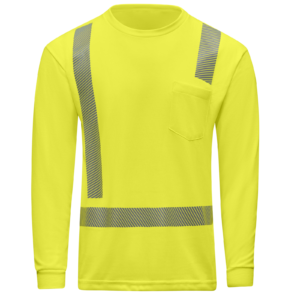
Work Shirts
Work shirts can be developed in short-sleeve or long-sleeve formats with selected fabric composition and weight, closure style, chest pockets, utility details and logo application. Suitable for industrial crews, field service teams and branded uniform programs.
Request a Workwear Quote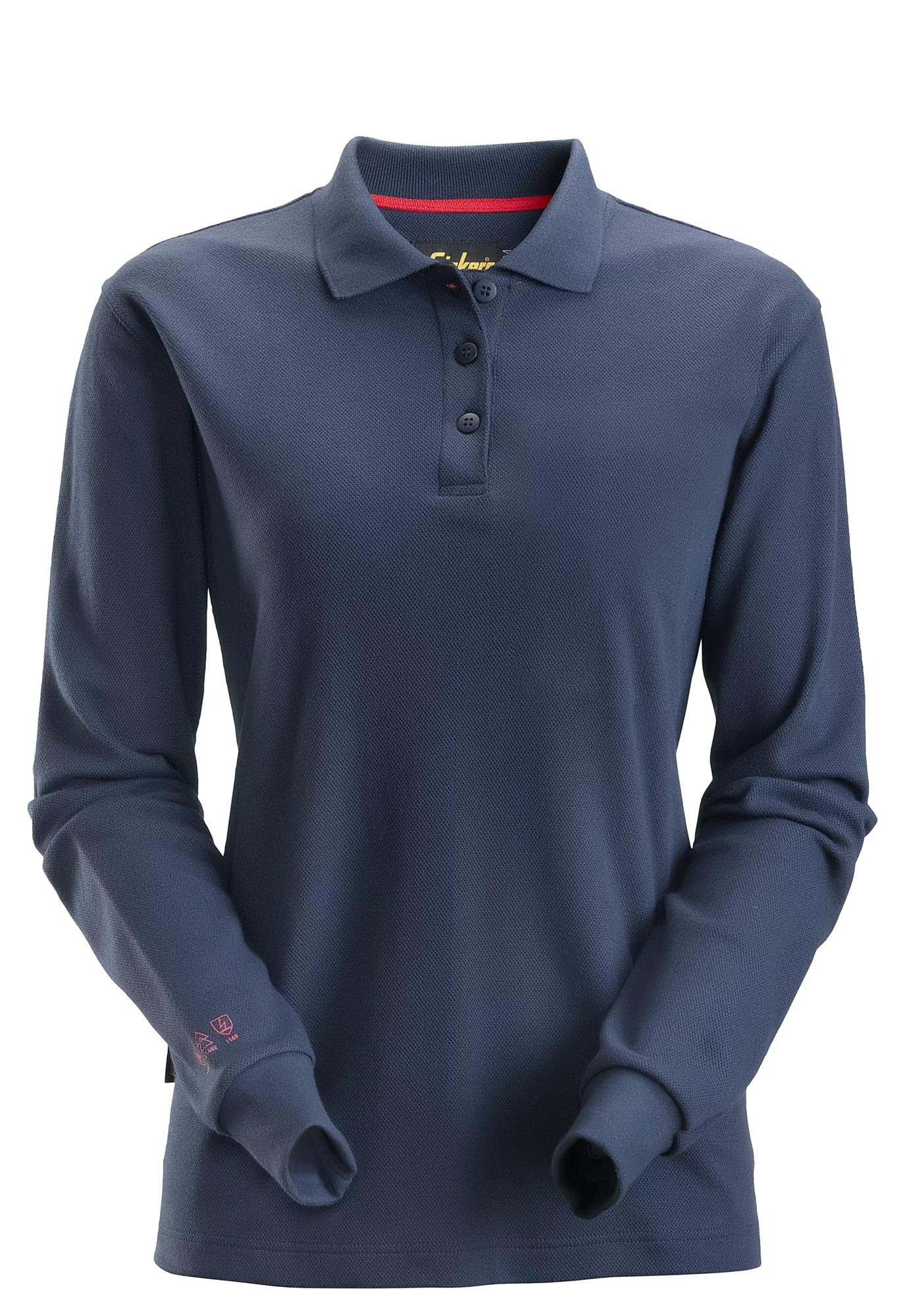
T-Shirts & Polos
T-shirts and polos support everyday uniform programs where comfort, color consistency and brand presentation matter. Specify knit fabric preferences, sleeve and collar construction, size grading, printed or embroidered branding, labels and packing requirements.
Request a Workwear Quote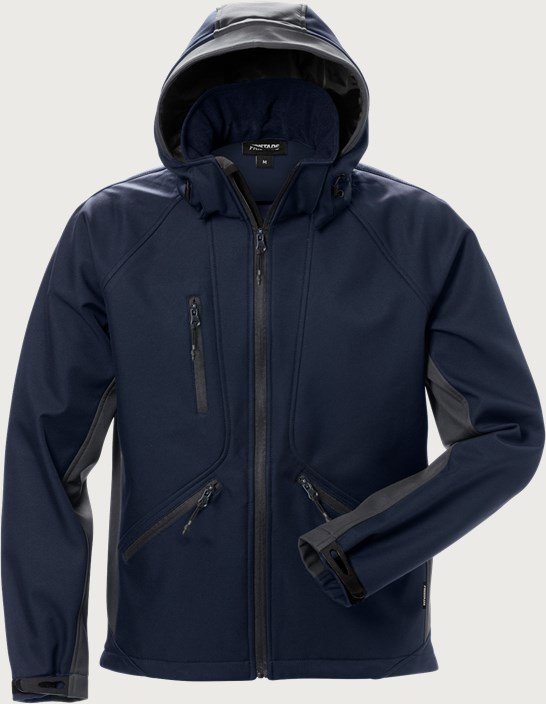
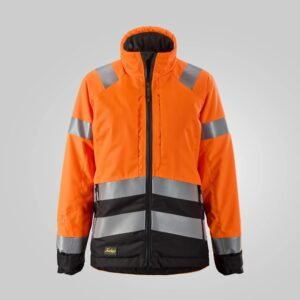
Work Jackets & Outerwear
Work jackets and outerwear include softshell, fleece, padded and rainwear development. Discuss weather exposure, layering needs, pocket layout, closures, hood details, reinforcement points, reflective tape placement and decoration before sampling.
Request a Workwear Quote
Work Vests & Bodywarmers
Vests and bodywarmers can be configured as utility, safety or insulated layers for warehouse, logistics, service and outdoor teams. Development may include pocket systems, front closures, lining choices, reflective details, labels and company branding.
Request a Workwear Quote
Work Pants & Shorts
Work pants and shorts are developed around mobility, storage and jobsite wear. Options can include cargo pockets, reinforced knees, bartacks, triple stitching, gussets, belt loops and fabric choices matched to the intended working environment.
Request a Workwear Quote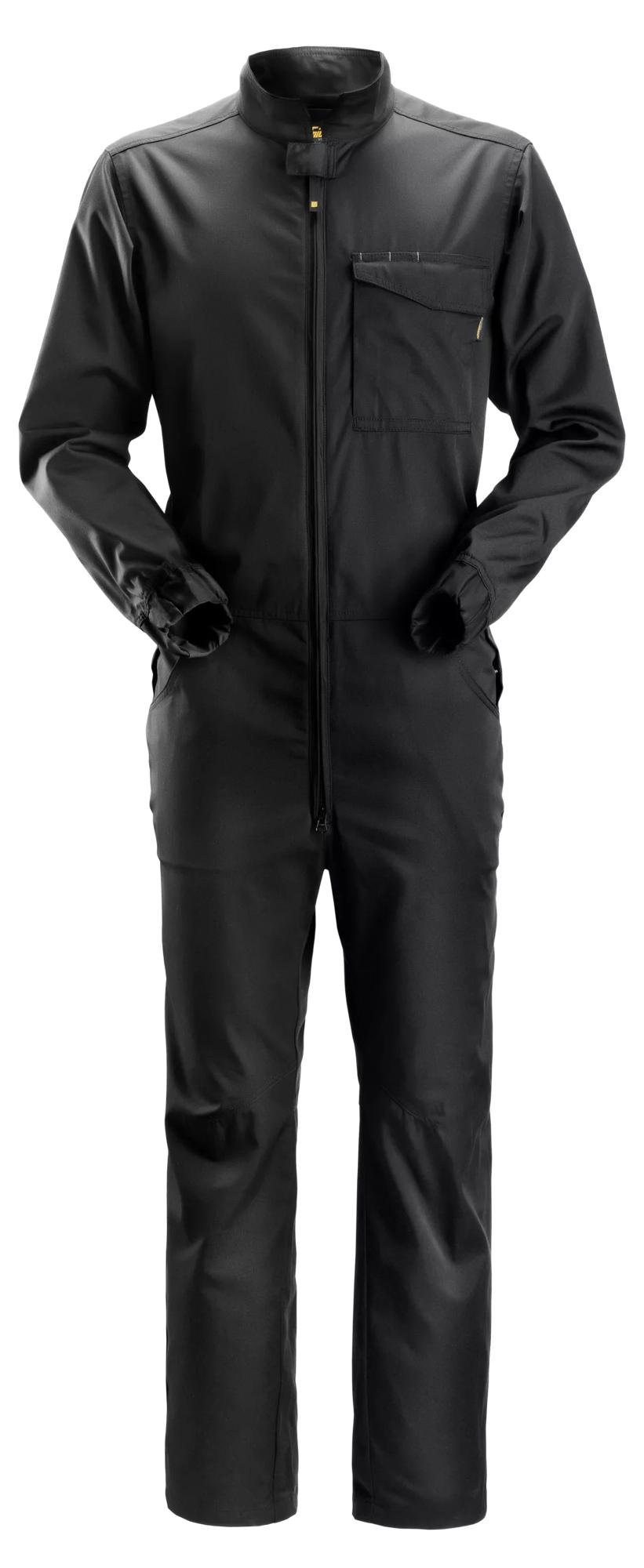
Coveralls & Bib Overalls
Coveralls and bib overalls provide one-piece or bib-style coverage for industrial tasks, maintenance and trade work. Specify closure configuration, pocket placement, reinforcement, adjustable elements, fabric requirements, reflective detailing and branding for the intended application.
Request a Workwear Quote
Workwear Sets
Workwear sets coordinate matching jackets, trousers, shirts or vests into a consistent uniform program. Colors, trims, logo placement, size ranges and packing can be aligned across garments while each piece is developed for its specific role.
Request a Workwear Quote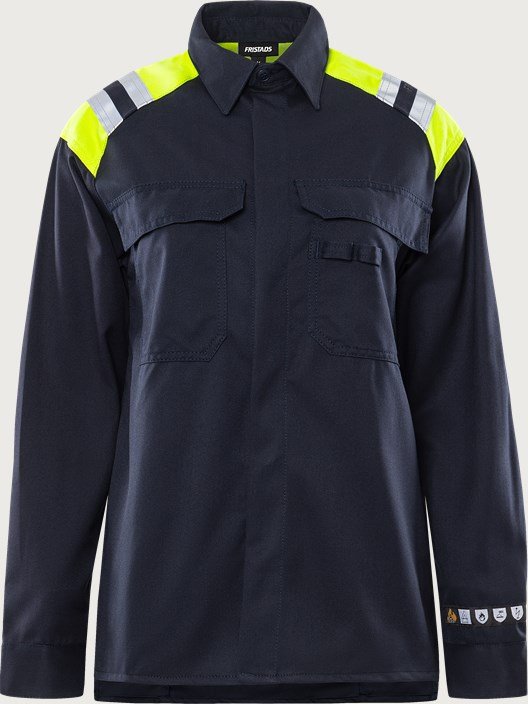
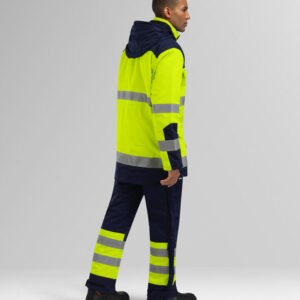
High-Visibility Workwear
High-visibility workwear can be developed as vests, jackets, trousers, coveralls or coordinated sets with planned fluorescent materials and reflective tape placement. Required standards, test scope and certification needs must be defined for the specific product request.
Request a Workwear Quote
Flame-Resistant & Arc-Rated Wear
Flame-resistant and arc-rated garment development may include shirts, trousers, coveralls and outer layers for identified hazard environments. Fabric selection, construction and garment design can be discussed, while any protective rating requires SKU-specific test evidence and certification scope.
Request a Workwear Quote
Chemical-Protective Clothing
Chemical-protective clothing is developed around the stated workplace exposure, garment form and required performance documentation. Buyers should define the chemical type, use conditions, material requirements, seam construction and applicable standard before sampling or quotation.
Request a Workwear Quote
Cold-Storage Workwear
Cold-storage workwear can include padded jackets, insulated trousers, coveralls and layering pieces for temperature-controlled operations. Discuss insulation approach, outer fabric, lining, closure protection, pocket needs and any required temperature-performance documentation for the intended product.
Request a Workwear Quote
Welding Workwear
Welding workwear can be developed as jackets, trousers, coveralls, aprons or coordinated garments with construction details suited to the task. Specify fabric requirements, reinforcement areas, closure preferences, pocket layout and any required protective testing or certification evidence.
Request a Workwear Quote
Medical & Cleanroom Wear
Medical and cleanroom wear includes scrubs, coats and ESD-focused garment families for controlled or care environments. Development can cover fabric, fit, closure, color coding, labels and packing; cleanroom or ESD performance claims require defined testing and documentation.
Request a Workwear Quote
Chef & Hospitality Uniforms
Chef and hospitality uniforms include chef coats, aprons, service shirts, polos, trousers and front-of-house attire. Coordinate practical details such as breathable fabric preferences, pocket placement, closures, color programs, logo decoration and size grading across teams.
Request a Workwear Quote
Industry Uniforms
Industry uniforms are built for the operating context, from facility maintenance and logistics to hospitality, service and industrial crews. Start with the garment mix, work conditions, fabric and trim requirements, branding method, size range and destination market.
Request a Workwear Quote
Base Layers & Accessories
Base layers and accessories complete a uniform program with items such as thermal layers, caps, aprons and related workwear components. Define material, warmth or comfort needs, color, labels, logo treatment and packing so they coordinate with the primary garments.
Request a Workwear QuoteESD Booties Manufacturer Material Options for Cleanroom Projects




ESD Booties Manufacturer Processes



Trims and Branding Details for Custom ESD Booties


Your ESD Booties Manufacturer Partner
Veelianpro is a Wuhan, Hubei workwear manufacturer whose company profile traces its operations to 2012. We help brands, distributors, and sourcing teams turn an ESD bootie brief, sketch, sample, or tech pack into an OEM, ODM, or private-label development project.
As an ESD booties manufacturer, we coordinate fabric and trim sourcing, pattern development, sampling, size grading, cutting, sewing, finishing, quality checks, packing, and export coordination. Start with the intended environment, construction preferences, size range, colors, sole requirements, and branding details so the product can be developed around your purchasing brief.
Our practical approach is built for custom programs, with MOQ starting at 100 pieces per style and color, subject to materials, construction, and required documentation. Where ESD performance or certification is needed, we review the target specification and available test evidence for the proposed SKU before any performance claim is made.

ESD Booties Manufacturer Support, From Review to Production
Technical-Pack Review
As an ESD booties manufacturer, Veelianpro reviews your sketch, sample, or technical pack before development, aligning the intended bootie profile, fit, materials, sole concept, color, branding, quantity, destination, and timeline with a practical production brief.
- Clarify cleanroom or sensitive-work-area use
- Review bootie, full-boot, or protective-toe concepts
- Identify performance requirements needing documented testing
- Confirm MOQ feasibility from 100 pieces per style and color

Fabric and Trim Sourcing
Select materials and components around your approved design target. Veelianpro can support sourcing for upper fabrics, sole materials, closures, binding, labels, and packaging, while keeping proposed ESD-related performance claims separate from verified test documentation.
- Compare fabric weight, composition, and construction
- Specify sole feel, grip, durability, and cleanability needs
- Choose color, trim, and closure details
- Plan woven labels, care labels, patches, or custom packaging

Patterns and Samples
Pattern development and sampling turn the agreed product brief into a reviewable bootie before bulk production. Buyers can assess shape, size grading, construction details, branding placement, and wear-oriented refinements, then approve changes for the production specification.
- Develop patterns from a sketch, sample, or tech pack
- Review size range and fit requirements
- Refine seams, binding, sole attachment, and labeling
- Approve the sample before production confirmation

Controlled Production Follow-Through
After approval, Veelianpro coordinates cutting, sewing, reinforcement, finishing, quality checks, packing, and export preparation for the agreed ESD bootie program. Final production requirements, inspection criteria, and any requested test documentation should be confirmed in the project quotation.
- Align construction checkpoints with the approved sample
- Review workmanship, labeling, and packing details
- Coordinate export-ready packing requirements
- Support reorder discussions with retained project specifications

Compare Custom Development With Off-the-Shelf ESD Bootie Sourcing
Compare a custom-development inquiry with a defined off-the-shelf sourcing route. Veelianpro’s stated workwear MOQ starts at 100 pieces per style and color, subject to fabric, certification, and construction requirements; confirm ESD-bootie feasibility in the quotation.
← Swipe left or right to view →
ESD Booties Manufacturer Process and Quality Control
From project review to export coordination, Veelianpro aligns materials, construction, branding, and inspection steps with your approved specification and validation requirements.
Review Requirements
Share your application, size range, construction preferences, branding, target quantity, destination, and required ESD performance documentation for an initial feasibility review.
Source Materials and Trims
We review suitable fabrics, sole options, closures, labels, and packaging details against your approved design target, budget, and project-specific performance requirements.
Develop and Approve Samples
Pattern development and sampling confirm fit, assembly details, colors, branding placement, and construction before bulk production proceeds. Required performance validation remains project-specific.
Produce Approved Design
After approval, production moves through cutting or assembly, sewing, reinforcement, finishing, and branding according to the confirmed sample and order specifications.
Inspect Pack and Export
Quality checks review agreed workmanship and packing details before export coordination. Final documentation and shipment arrangements follow the requirements confirmed in your quotation.
Start Your ESD Booties OEM Project
Move from an initial concept to production with a clear review process for construction, ESD requirements, branding, sampling, and delivery.
Send Your Project Brief
Share a tech pack, sketch, reference sample, or concept with your application, target quantity, size range, colors, branding, destination, and required timeline.
Confirm Specifications and Materials
Review bootie style, fabric, sole construction, fit, trims, and requested ESD performance. Provide applicable standards and test requirements for documentation review.
Review Sample and Quotation
Assess the development sample, construction details, and private-label elements. We then prepare a project quotation based on approved specifications, quantity, and packing needs.
Approve Production Details
Confirm final specifications, sample feedback, artwork, sizing, and order terms before production begins. MOQ starts at 100 pieces per style and color, subject to requirements.
Inspect and Arrange Shipment
Complete quality checks against the approved order details, confirm packing requirements, and coordinate export shipment for your ESD booties manufacturing order.
ESD Booties Manufacturer Certification and Documentation Review


How Buyers Specify ESD Booties With an ESD Booties Manufacturer
Illustrative scenario: An electronics-workshop buyer needs branded ESD booties for mixed shifts. The development brief defines the required electrical-resistance range, size coverage, upper and outsole preferences, and incoming-inspection records for review before sample approval.
Illustrative scenario: A cleanroom supply distributor requires a bootie program aligned to its facility’s cleanliness and static-control requirements. The proposed sample review focuses on lint-shedding expectations, closure design, sole construction, packaging, and the documentation required for its acceptance process.
Illustrative scenario: A safety-uniform sourcing team needs to determine whether a proposed private-label bootie range can meet its buyer’s site specification before range planning. It submits color, branding, fit, any required protective features, destination details, and requested documentation. The proposed solution is a feasibility review followed by samples; its acceptance criteria are a written match to the approved brief, requested evidence, and representative wearer-fit review before any production decision.
ESD Bootie Buyer FAQ
Practical answers for private-label cleanroom footwear projects, from specification and sampling to production planning.
Can an ESD booties manufacturer start with 100 pairs?
What should I send an ESD booties manufacturer for an OEM quote?
How do I specify ESD performance and testing for custom booties?
Can you make samples before an ESD booties production order?
What sizes and sole options can be developed for cleanroom booties?
Can an ESD booties manufacturer add private-label branding and custom colors?
What lead time, payment, and shipping terms should I expect?
How is my bootie design or tech pack handled during development?
How to Source an ESD Bootie Program
A practical framework for comparing ESD bootie configurations, technical requirements, customization, construction quality, supplier evidence, quote scope, and sourcing mistakes before placing a program order.
1. Define the ESD Bootie Requirement
“ESD bootie” should be treated as a buyer requirement, not as a complete product specification or a verified product claim. State whether the request concerns an enclosed bootie, an over-shoe cover, or another footwear configuration; each option may have different coverage, cleaning, fit, and site-approval implications.
The facility’s static-control program should define the required electrical range, test method, conditioning, floor compatibility, and acceptance records. Do not infer those requirements from a generic ESD label, a material name, or an inaccessible web listing.
For each proposed style, request a product record identifying the configuration, upper, lining, footbed, outsole, closure, toe-protection decision, intended work area, cleaning limits, size range, and color. Require any test report or certificate to identify the exact sample, standard, validity scope, and product configuration. Veelianpro can review the brief during feasibility, sourcing, sampling, and quotation; confirm whether it can support the selected bootie program before approval.
- Configuration: integral bootie or over-shoe cover, with closure and coverage stated.
- Material stack: upper, lining, footbed, outsole, and any conductive elements identified.
- Use scope: cleanroom-adjacent, electronics assembly, or another defined work area.
- Evidence: test report, standard, sample identity, and validity scope matched to the selected style.
2. Matching ESD booties to work areas
Work-area conditions determine whether an ESD bootie should prioritize containment, underfoot grip, washdown tolerance, or impact protection. Treat static control as one required function within a complete footwear brief, not a substitute for hazard assessment.
| Work Area | Primary Priority | Likely Trade-Off |
|---|---|---|
| Controlled dry area | Lint control and cleanability | Less ventilation may improve containment |
| Wet transition route | Water tolerance and traction | More protection can reduce breathability |
| Material-handling zone | Impact assessment and grip | Toe protection can add weight |
Start With Zone Conditions
Dry electronics assembly may favor low-lint, easily cleaned coverage; wet entrances or washdown-adjacent routes shift attention to water resistance and sole traction.
Standing shifts make fit, cushioning approach, and ventilation relevant, but open or highly breathable constructions can conflict with containment or liquid exposure needs.
- Map dry, wet, and transition zones
- Identify lint and cleaning restrictions
- Record hours standing and walking
Balance Protection Trade-Offs
Toe protection addresses impact exposure, while a lighter unprotected design may better suit controlled areas without that hazard. Do not specify a protective toe merely because the product is ESD-capable; define the task hazard separately.
Cleaning frequency affects upper and closure choices. A surface that wipes down readily may be less ventilated, while a more breathable construction may require stricter cleaning or be unsuitable for splash-prone areas.
Turn Observations Into Briefs
Illustrative workflow example: a buyer maps a dry component-assembly room, a short wet corridor, and eight-hour standing shifts. The resulting brief requests the facility’s required coverage, cleaning compatibility, comfort review, traction criteria, and confirmation of whether impact protection is required.
Give Veelianpro the work-area map, cleaning method, wearer tasks, size range, color, branding, quantity, destination, and required ESD or safety documentation. The quotation should state whether the selected bootie program, documentation scope, and applicable MOQ can be supported.
3. ESD Footwear Configurations to Compare
ESD footwear is not one interchangeable product. The selected configuration must match access rules, contamination control, toe-risk exposure, and the facility’s static-control specification; request product-level documentation before treating a style as ESD-qualified.
| Configuration | Best Task Fit | Key Limitation | Buyer Question |
|---|---|---|---|
| Enclosed bootie-style footwear | Use only where the site approves the configuration | Required protective features must be specified | Is full coverage required? |
| Higher-coverage footwear | Use only where the site specification permits it | Additional features must be justified in the brief | Which protective features are mandatory? |
| Low-cut footwear | Site-approved indoor roles | Coverage requirement must be confirmed | Does gowning permit low-cut footwear? |
| Open footwear styles | Only roles where site rules permit open footwear | Site rules and hazard assessment determine use | Are open styles allowed? |
| Over-footwear covers | A site-defined temporary-access arrangement | Confirm whether the site permits this configuration for the task | Is this only a transition-control need? |
Cleanroom Booties
For an enclosed bootie request, define the required coverage, closure, cleaning method, site-access rules, and documentation before selecting a style. Do not assume that a product described as cleanroom footwear meets the facility’s particle-control, electrical, or protective-footwear requirements.
Ask the site to state whether any protective feature is required and which documentation must accompany the selected configuration.
Safety-Focused Boots
For a higher-coverage footwear request, state the work-area rules, required coverage, any protective features, and the exact documentation needed. Do not treat an ESD label or a safety-oriented product name as proof that a selected style meets those requirements.
The buyer should identify which features are mandatory, the applicable specification, and the acceptance record required for the exact configuration.
Low-Cut ESD Shoes
For a low-cut configuration, confirm that the site permits the intended coverage, entry procedure, cleaning process, and wearer use. Record these requirements in the brief rather than inferring them from the silhouette.
Ask whether the selected configuration is compatible with the site’s gowning and cleaning instructions before sample approval.
Clogs And Sandals
For an open footwear configuration, obtain written site approval before including it in the sourcing brief. The approval should identify permitted roles, coverage expectations, cleaning instructions, and any required documentation.
Do not infer permission from a generic product category; facility rules and the buyer’s own hazard assessment control the decision.
ESD Shoe Covers
For an over-footwear cover request, define whether it is intended for a site-approved access process, the footwear it will cover, the required documentation, and the conditions of use. Confirm the configuration with the facility before requesting samples.
A cover should not be treated as a substitute for any separately required footwear specification unless the site confirms that arrangement in writing.
4. Materials and technical options
Material choices should be recorded as part of one finished-product specification, including the upper, lining, foot-contact components, outsole, closure, cleaning method, and any approved replacement parts. Material names alone do not establish that the finished configuration meets a buyer’s ESD requirement.
For any requested electrical claim, require documentation that identifies the finished configuration, test method or standard requested by the buyer, sample identity, and scope of applicability.
| Material Or Construction | Cleanability | Ventilation | Durability Consideration | ESD-System Role |
|---|---|---|---|---|
| Smooth PU or microfiber upper | Confirm compatibility with the site’s cleaning process | Confirm with the selected construction | Define sample inspection points and replacement criteria | Do not infer electrical performance from the upper material |
| Mesh upper | Confirm against the site’s particle-control and cleaning requirements | Confirm with the selected construction | Define the intended-use and inspection criteria | Do not infer electrical performance from the upper material |
| PVC or PU outsole | State the site cleaning process in the brief | Low | Define inspection, cleaning, and replacement criteria | Finished-product electrical documentation required if claimed |
| Cleanroom-suitable textile | Confirm against the site’s written cleaning protocol | Confirm with the selected construction | Cleaning method and particle-control requirements must be defined | Require finished-product documentation if an electrical claim is requested |
Upper And Lining Choices
Specify the requested upper and lining materials, surface finish, closure, cleaning process, and particle-control requirements in the brief. Do not infer a product’s cleanability, particle-control suitability, or electrical performance from a material label, color, or product photograph.
Ask the supplier to identify the materials proposed for the sample and ask the site to confirm whether that construction is acceptable for its cleaning and access process.
Sole And Conductive Path
A sole-material name does not establish an electrical claim for a finished bootie. Record the proposed foot-contact components, insole condition, outsole construction, size range, and the buyer’s required documentation as part of the exact sample specification.
Specify the requested test method or standard, conditioning requirements if applicable, and the configuration covered by the evidence. ESD terminology and resistance claims must be confirmed against documentation for the selected style.
Closure And Replaceable Parts
Elastic collars, hook-and-loop straps, and slip-on openings change donning speed and fit retention. A fastening choice should not create gaps that compromise the required coverage or make cleaning difficult.
If an insole is removable, define its approved replacement and whether testing applies with it installed. This prevents a compliant sample from becoming a different electrical system in daily use.
5. Customization for branded ESD booties
A branded ESD bootie program is defined by the approved base construction before colors or graphics are added. Lock the wearer group, work area, size range, and requested ESD documentation into the sample brief so visual customization does not obscure functional requirements.
Approved Brand Elements
Veelianpro can coordinate private-label development and confirmed workwear branding options including woven labels, care labels, patches, embroidery, screen printing, heat transfer, and custom packaging. For booties, the usable method and placement must be approved against the selected upper and construction.
Specify artwork, label position, color references, packaging copy, barcode needs, and revision control in the tech pack. Decoration that pierces or alters an upper should be reviewed before sampling.
- Woven brand and care labels
- Patch or print placement, subject to construction review
- Custom cartons, polybags, and packing marks
Fit And Color Control

Provide a size run by wearer population, not a single general-size request. A distributor program also needs a replenishment size curve, while a uniform issue may need role-specific allocation and individual pack labeling.
Color, upper construction, and outsole construction are buyer requirements to review during feasibility; they are not confirmed Veelianpro ESD-bootie options. Submit physical color references and the intended cleaning and operating conditions with the request.
Sample Scope And Quotation
A first sample should combine the agreed construction, branding method, labels, and packaging where practical, because separate approvals can create mismatched production references. Record approved placement, artwork version, material callouts, and packing count in the final specification.
Quote scope should separately identify feasibility work, materials, decoration, packaging, inspection requirements, destination, and any requested test documentation. State the supported construction, sample scope, and applicable MOQ before order confirmation.
6. Construction details that affect service life
The approved sample should identify the seam lines, upper-to-sole construction, heel-retention method, sole pattern, removable parts, cleaning instructions, and buyer-defined inspection criteria. Review those details before establishing site replacement and reissue rules.
Do not infer service life or electrical performance from catalog photographs or generic construction terms; require evidence where an electrical claim is requested.
| Construction Detail | Likely Failure | Practical Response |
|---|---|---|
| Bonded sole edge | Lifting or cracking | Remove from use; review cleaning and flex points |
| Heel strap or elastic | Loss of retention | Replace the pair or approved component |
| Tread grooves | Debris or sole wear | Clean as specified; inspect before reissue |
Upper-To-Sole Join
Ask the supplier to describe the upper-to-sole construction used for the proposed sample and record the buyer’s visual inspection points. The approved specification should state how the site will handle visible separation, cracking, or other damage.
Do not use unapproved repairs. The buyer’s site procedure should define whether a damaged pair is removed, replaced, or otherwise handled, and the quotation should identify any approved replacement components.
Heel Hold And Closures
A loose heel can cause the wearer to step out of position, while damaged elastic, straps, or closures make donning inconsistent. Inspect heel retention after repeated fitting trials across the intended size range.
Replace a bootie with torn closure components instead of assuming it still fits correctly. Select closure parts that can be cleaned using the site’s approved method.
Tread And Contact Path
State the site’s required walking-surface criteria, cleaning method, inspection frequency, and handling of visible debris or residue in the purchase brief. Do not infer traction or electrical performance from a tread pattern or sole material.
Check the outsole against the buyer’s receiving and reissue procedure. Escalate unusual wear, damage, or cleaning residue to the site program owner, who can determine whether further assessment is required.
- Inspect toe and heel tread for uneven wear
- Check grooves for trapped debris or residue
- Segregate pairs with sole separation or deep damage
Removable Parts And Cleaning
Removable insoles simplify replacement only when their specification preserves the intended footwear system. A substitute insert, uncontrolled adhesive, or incompatible cleaner can alter fit, hygiene, and electrical behavior.
Define which components may be removed, how they are cleaned, and who authorizes replacements. Include those instructions with the approved sample and receiving inspection record.
7. Qualifying an ESD Bootie Supply Partner
A credible supply partner should identify the selected bootie configuration, its material specification, and the inspection record expected for the order. A marketplace listing or general ESD label does not establish the resistance, safety features, or customization available for an exact configuration.
| Qualification Item | Manufacturer Evidence | Buyer Check |
|---|---|---|
| Product identity | Specification tied to one bootie configuration | Compare sample, materials, and options |
| ESD requirement | Selected-product test or certificate scope | Confirm requirement and documentation |
| Customization | Approved artwork, labels, and packaging details | Lock revisions before production |
| Quote | Materials, quantities, packing, destination, and terms | Compare like-for-like scope |
Confirm Production Role
Ask whether the company develops and controls the bootie, or is quoting a third-party finished product. Request the factory scope, responsible production steps, and the named product configuration before treating a listing as a manufacturing offer.
- Factory or distributor role
- Product-specific specification sheet
- Sample and inspection responsibility
Review The Exact Specification
Match the upper, sole, closure, toe-protection choice, color, size range, and intended work area to one sample reference. Identify each material by composition or grade where available; terms such as PU, PVC, mesh, or conductive sole alone do not define the finished product.
Test Samples And Fit
Evaluate samples on the wearer’s actual socks, floor surface, and shift routine. Check entry, heel retention, seam comfort, sole wear, cleanability, and size grading across the workforce rather than approving only one display size.
Verify Documents And Controls
Certification claims and resistance requirements must be confirmed for the selected product, material combination, and applicable test scope; they cannot be inferred from general ESD terminology. Agree on pre-production approval, in-process checks, final inspection criteria, labeling, and packed-carton details before release.
Make The Quote Comparable
A complete quote ties the approved sample to materials, sizes, branding, packaging, quantity, destination, and commercial terms. It should also state final feasibility, the applicable MOQ, and the scope of requested documentation for the selected bootie program.
8. Common ESD bootie sourcing mistakes
Small omissions in an ESD bootie brief often surface after samples or deployment, when changing the sole, upper, or size run becomes expensive. Correct the requirement at the model level before comparing offers.
Separate Terms From Performance
Do not rely on a generic product label to define your electrical requirement, test method, conditioning, or approved use. State the buyer’s required documented performance and the exact bootie configuration.
Request model-specific information for the proposed upper, sole, insole, and other relevant components rather than accepting a catalog-wide statement. Any claimed performance must be supported by documentation for the selected configuration.
Analyze Toe Protection First
Do not add a protective-toe requirement by habit or omit it based on product naming. The buyer’s site hazard assessment should determine whether a protective feature is required and what evidence must support that requirement.
Record the work-area hazard decision, the required protective specification if any, and the acceptance documentation in the brief before samples are approved.
Include Cleaning And Sizing
Cleaning agents, wet processes, lint-control rules, and drying practice affect upper and sole selection. A material that suits a dry assembly area may create avoidable replacement or hygiene issues elsewhere.
Provide cleaning conditions and a workforce size breakdown before sampling. Confirm the proposed size range, fit approach, color, and replacement-sizing process rather than assuming one unisex run covers every wearer.
Compare Complete Quote Scope
A low unit figure is not comparable when samples, tooling, branding, packing, testing documents, or export coordination are excluded. Missing scope also obscures whether two offers describe the same bootie construction.
Use one line-item comparison with the same model specification and quantity. Place requested documentation, packaging, approval samples, and commercial conditions in the quotation scope.
9. Launching an ESD Bootie Sourcing Program
A workable launch starts with the workplace, not a logo. Define the static-control program, contamination needs, walking surface, toe-protection decision, cleaning method, size curve, and destination before an ESD bootie configuration is reviewed.
Write The Workplace Brief
Send the work-area description alongside the target bootie: coverage style, upper and sole preference, color, required size range, cleaning process, and any site-defined performance or access requirements.
If an electrical or protective claim is required, name the applicable standard and provide the required test or certificate scope. A design target must remain separate from documented product performance.
- Work area and floor condition
- Required ESD documentation scope
- Toe-protection requirement, if any
- Size run, quantity, destination, and timeline
Review Samples And Fit
Review the specification before sampling so the prototype represents the intended upper, sole, closure, labeling, and packaging. Veelianpro’s supplied profile identifies cleanroom and ESD garment families, not verified bootie specifications, so support for the selected construction must be stated in the quotation.
Assess sample fit with representative wearers and record size changes, donning method, seam comfort, sole contact, and cleaning observations. Approve artwork, label text, care information, and carton marks as separate sign-offs.
Plan Production And Receipt
After written sample and artwork approval, lock the approved specification as the inspection reference. Production checks should compare materials, size labels, branding placement, pairing, visible workmanship, and packing against that reference.
Illustrative planning example: allocate a review window for the brief, sample, fit revisions, artwork approval, production inspection, and inbound receiving; set dates only after feasibility and quotation confirmation. Do not schedule production until the quotation states support for the selected construction and its applicable MOQ.
- Retain the approved sample and specification
- Inspect before shipment against approved details
- Check quantities, labels, packaging, and condition on receipt
10. ESD bootie cost drivers and quote scope
A basic ESD bootie and a safety-oriented configuration do not carry the same quote scope: toe protection, sole and upper construction, and requested electrical documentation each change the materials, operations, and approval work required.
Landed cost also depends on sample rounds, the size curve, branding method, packing format, and shipment terms. Request a line-by-line quotation so product, testing or documentation, packing, and freight responsibilities are visible rather than combined into one figure.
- Bootie style, intended work area, required ESD specification, and any toe protection
- Upper and sole materials, size range and quantity by size, color, and branding artwork
- Packaging requirements, destination, Incoterm, sample requirement, and requested documents
- MOQ and feasibility for the selected bootie construction, with Veelianpro’s stated workwear starting point of 100 pieces per style and color noted as conditional on fabric, certification, and construction requirements.
| Cost driver | Likely quote impact | Quote must specify |
|---|---|---|
| Configuration and safety elements | Changes component selection and assembly complexity | Bootie style; toe protection if required; facility-defined traction, liquid-exposure, contamination-control, or ventilation requirements |
| Materials and ESD scope | Changes upper, sole, lining, and verification requirements | Named material construction; required ESD performance target; applicable standard; test or certificate scope |
| Size assortment and branding | More sizes, artwork, labels, or packaging variations add setup and handling | Size breakdown; colorways; logo method; label, patch, and custom-packaging artwork |
| Sampling and documentation | Prototype revisions and requested records add development or administrative work | Sample quantity and approval stages; specification sheet; inspection, test, or certificate requests |
| Shipment terms | Freight, export handling, and destination charges vary by delivery arrangement | Destination; Incoterm; shipping mode; consignee details; whether freight is quoted separately |
Request Your ESD Booties Manufacturer Quote
Send your bootie type, environment, specifications, branding, quantity, destination, and delivery target for a project-based OEM quotation.