
Canoeing Apparel Manufacturer
Veelianpro develops custom canoeing apparel from your specification, sample, and branding brief, with feasibility review from 100 pieces per style and color.
Garment and Development References


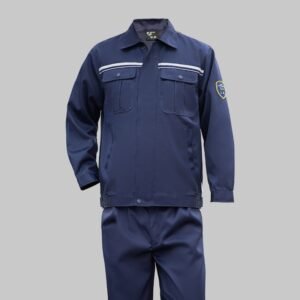
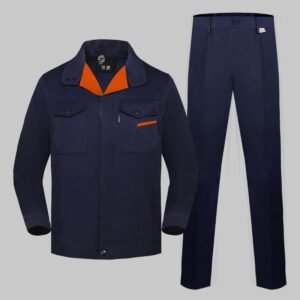
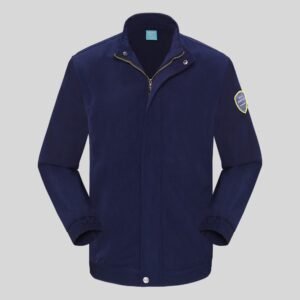
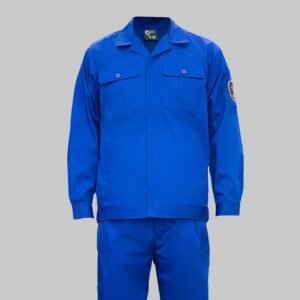
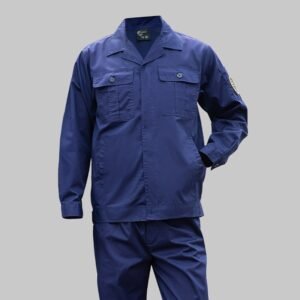
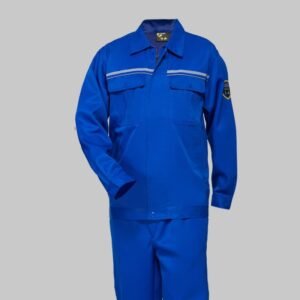
Browse Veelianpro’s Workwear Catalogue
Review current garment references, then send the fit and construction details for your program.





Why Develop Canoeing Apparel With Veelianpro
Build a made-to-order program around documented specifications, physical approvals, and coordinated production details.
Specification-Led Development
Share a tech pack, sketch, sample, or product idea to define paddling fit, garment structure, and project-specific functional details.
Sample Approval Route
Review samples before bulk production to align fit, materials, branding placement, labeling, packaging, and the written production specification.
Fabric and Trim Sourcing
Discuss suitable fabrics, closures, labels, pocket systems, and other trims against your intended use, target market, and documentation needs.
Branding Workflow
Plan embroidery, screen printing, heat transfer, patches, woven labels, care labels, and custom packaging with your approved artwork.
Conditional MOQ Review
Assess feasibility from 100 pieces per style and color after fabric, construction, decoration, and required evidence are defined.
Inspection and Export Coordination
Coordinate quality checks, packing, and export handoff around the approved specification, helping sourcing teams prepare for shipment and reorders.
Canoeing Apparel Manufacturer Development Options
Choose what you want to specify before sample approval.

Paddling Top Programs
We turn the approved tech pack, sketch, or reference sample into a custom canoeing apparel specification, sample route, and quote. Fabric, construction, decoration, labels, and packaging are reviewed before bulk production.
Get a Quote
Club Polo Collections
Veelianpro can review an OEM or private-label polo program from buyer-supplied requirements. Confirm the chosen fabric, placket, branding method, labels, and carton plan through the sample and written approval process.
Get a Quote
Layering Hoodie Development
Our development team helps translate the selected layer into patterns, samples, trims, decoration, and private-label finishing for review. Project feasibility can be assessed from 100 pieces per style and color, subject to requirements.
Get a QuoteMaterial Options for Canoeing Apparel
Explore materials and fabrics
Polyester Interlock

A smooth, stable knit suited to lightweight paddling tops and long-sleeve layers. Specify the desired hand feel, weight, color route, and decoration method for review; any UV, moisture-management, or test claim requires SKU-specific evidence.
Polyester Spandex Jersey

A stretch knit for close-to-body tops or movement-focused layers where recovery and fit need sample confirmation. Define fiber composition, stretch direction, sleeve shape, artwork placement, and intended use so the material route can be evaluated.
Textured Mesh Knit

An open or textured knit option for panels, linings, or lightweight tops where airflow is a design objective. Confirm placement, opacity, seam treatment, color matching, and how the selected logo method will perform on the chosen construction.
Woven Microfiber Shell

A lightweight woven option for wind-layer or splash-layer concepts that need a smooth surface and packable feel. Specify coating expectations, lining needs, closures, and decoration placement for feasibility review; water-resistance claims require documented testing.
Polyester Fleece Knit

A brushed or fleece-backed knit for hoodies, midlayers, and cooler-condition canoeing apparel concepts. Select the desired surface, warmth level, color, pocket construction, and branding method through swatches and samples before approving bulk production.
From Approved Specification to Bulk Production
Explore printing and finishing
Pattern Development
View details
We develop or refine patterns from your tech pack, sketch, sample, and fit comments, then prepare size grading for the approved range. This gives your custom canoeing apparel a repeatable shape before bulk cutting begins.
Sample Construction

A development sample brings together the selected fabric, trims, pocket layout, closures, and branding locations for review. It lets buyers assess seated-paddling movement, sleeve length, fit, and visual details before production approval.
Panel Cutting

After specification approval, fabric is prepared and cut into garment panels according to the confirmed pattern and size breakdown. Clear component handling supports consistent assembly of bodies, sleeves, collars, pockets, and other specified parts.
Garment Sewing
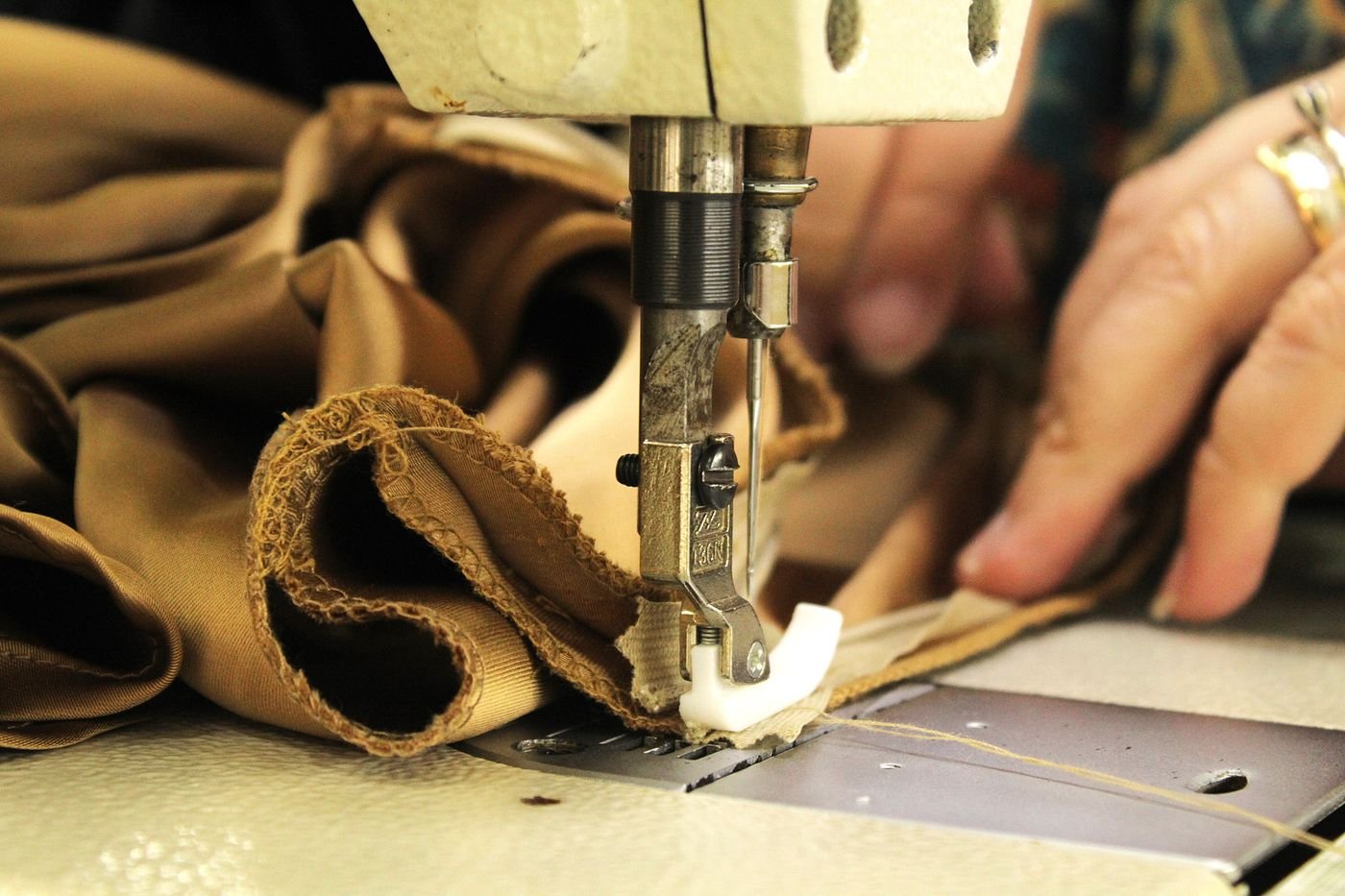
Cut panels move through sewing and assembly according to the approved construction requirements. Buyers can specify practical details for review, including seam treatment, reinforcement locations, gussets, pocket systems, plackets, or zippered closures.
Branding Application
We prepare the agreed decoration and labeling workflow for your artwork, placement, and garment material. Available options to discuss include embroidery, screen printing, heat transfer, patches, woven labels, care labels, and custom packaging.
Finishing Inspection

Finished garments are checked against the approved sample and order requirements before packing. The review can cover workmanship, measurements, color presentation, decoration placement, labels, and packing details, giving teams a clear basis for shipment coordination.
Canoeing Apparel Manufacturer: Trims, Labels & Functional Details
Explore labels, trims and packaging
Closure Options
Specify zipper, placket, snap, or drawcord choices for the garment area where access, layering, or ventilation is needed. We review the selected closure with the fabric, pattern, and intended paddling use before sampling.
Pocket Systems
Set pocket type, placement, closure, and internal organization for tops, vests, jackets, or bottoms. Buyers can use the sample to assess seated reach, storage needs, and how the pocket layout works with the approved fit.
Reinforcement Details
Discuss bartacks, reinforced panels, seam construction, or gusset placement for areas identified in your product brief. These construction options are reviewed against the garment design, material selection, and approved sample requirements.
Woven Labels
Add woven main labels, size labels, or branded patches at approved garment locations for a private-label program. Provide artwork and placement guidance so label appearance, attachment method, and sample positioning can be reviewed together.
Heat Transfer Branding
Use heat transfer artwork for logos, names, or location-specific graphics where the chosen fabric and design support it. Artwork, size, placement, and expected use should be confirmed during sample review before bulk production.
Care Labels Packaging
View details
Specify care-label content, fiber disclosures supplied for review, hangtags, polybags, and custom packaging requirements. These finishing details help uniform distributors and apparel brands align the finished canoeing apparel with their destination-market brief.
Your Canoeing Apparel Manufacturer
Veelianpro is a Wuhan-based custom garment manufacturer serving brands, sourcing teams and uniform distributors with OEM, ODM and private-label development. For canoeing apparel, we work from your tech pack, sketch, reference sample or product idea to build a specification-and-sample route suited to your intended garment and market.
Our scope covers fabric and trim sourcing, pattern development, size grading, sampling, cutting, sewing, reinforcement, decoration, finishing, quality checks, packing and export coordination. Specify the fit and movement needs, sleeve and pocket layout, closures, branding, labels and packaging so the approved sample becomes the production reference.
Projects can be reviewed from 100 pieces per style and color, subject to fabric, construction and evidence requirements. We help turn custom canoeing apparel requirements into a clear quotation and approval path, while any material, UV, recycled or performance documentation is reviewed for the specific SKU and target market.

From Fit Review to Bulk Production
Fit Review for Seated Paddling
We turn your tech pack, sketch, sample, or product idea into a fit brief built around seated movement. Before sampling, we review intended use, reach, sleeve length, body coverage, size range, and the movement priorities that matter to your canoeing apparel program.
- Define the first garment category and wearer profile
- Review body and sleeve measurements for paddling positions
- Set size grading and fit approval points before bulk production

Construction and Trim Choices
A canoeing apparel specification can be developed around the construction details your buyers need to evaluate. We can source fabrics and trims, then build sample-ready instructions for pockets, closures, reinforcement, ventilation placement, and weather-focused design targets without making unverified performance claims.
- Compare fabric composition, weight, hand feel, and care needs
- Specify pocket layout, zippers, plackets, and adjustment details
- Review reinforcement, seam, and ventilation choices in the sample

Branding Built Into the Specification
Make decoration and private-label details part of the development route rather than an afterthought. Veelianpro can coordinate embroidery, screen printing, heat transfer, patches, woven labels, care labels, and custom packaging, with artwork placement and application requirements documented for your chosen garment.
- Match decoration method to fabric, artwork, and placement
- Approve logo scale, placement, label artwork, and care content
- Coordinate branded packaging requirements with the order specification

Written Sample and Pre-Production Approvals
An approved sample gives your sourcing team a practical reference for the production order. We document the agreed pattern, materials, color direction, trims, decoration, labeling, packing, and inspection points before production. Feasibility can be reviewed from 100 pieces per style and color, subject to project requirements.
- Confirm sample changes in a written revision list
- Align bulk materials and trims with approved specifications
- Record packing and reorder reference details for future programs

Canoeing Apparel Manufacturer: Made-to-Order vs. In-Stock Decoration
Compare custom canoeing apparel development with an in-stock blank plus decoration route before requesting a quote.
← Swipe left or right to view →
How Custom Canoeing Apparel Orders Move Forward
Veelianpro moves approved canoeing apparel concepts through specification review, sampling, production, inspection, export coordination, and documented reorder support.
Inquiry and Feasibility Review
Share your garment concept, intended paddling use, target quantity, size range, branding, destination, and any requested documentation. We review whether the proposed development route is workable.
Specification and Material Planning
We turn a tech pack, sketch, sample, or product idea into reviewable details, including fit, movement needs, fabric, trims, closures, pocket layout, labels, and decoration.
Sampling and Quotation
A sample is developed for approval against the agreed specification. We then prepare a quotation based on the selected materials, construction, decoration, packaging, and project requirements.
Order Confirmation and Production
After approvals and order confirmation, we coordinate pattern development, size grading, cutting, sewing, reinforcement, finishing, and branding. Projects may begin from 100 pieces per style and color, subject to feasibility.
Inspection, Shipment, Reorder Support
Quality checks compare finished garments with approved requirements before packing and export coordination. Retained specifications support clearer reorder discussions when the same canoeing apparel program is needed again.
Bring Your Canoeing Apparel Brief to Veelianpro
Move from a paddling-garment brief to a production-ready approval package with a clear, project-specific review route.
Send Your Brief
Share the garment type, paddling setting, target market, measurements, colors, branding, quantity, destination, timeline, and any documentation or performance requirements for review.
Review Feasibility
We review your custom canoeing apparel specification, material and trim options, construction needs, decoration route, and conditional feasibility from 100 pieces per style and color.
Approve Sample Details
Review the sample and written specification for fit, movement, pocket layout, closures, artwork placement, labeling, packaging, size grading, and any project-specific documentation needs.
Confirm Your Order
Confirm the approved specification, quantity, color breakdown, production details, inspection expectations, packing instructions, and export handover requirements before bulk production is scheduled.
Standards and Audit References


Canoeing Apparel Manufacturer Scenarios for Buyer Review
Illustrative scenario
Apparel Buyer
An outdoor brand develops a long-sleeve paddling top for a new collection. The brief requests seated-paddling movement review, sleeve-length confirmation, logo placement, and a private-label package. Approval requires the graded size specification, material selection, decoration sample, and final pre-production details.
Illustrative scenario
Sourcing Manager
A uniform distributor needs canoeing apparel for guided-water operations. The development review focuses on a branded overshirt, pocket layout, closure choice, and size range. Before bulk authorization, the buyer approves the sample, placement artwork, care-label content, packing requirements, and any required market-specific documentation.
Illustrative scenario
Production Planner
A private-label apparel team compares a custom hoodie route with decorated in-stock blanks. It chooses a custom specification to control fit, trim choices, and labeling. The team submits artwork, color references, target quantity, destination, and timeline for feasibility review and sample quotation.
Canoeing Apparel Manufacturer FAQ
Practical answers for brands, sourcing teams, and uniform distributors planning a made-to-order paddling apparel program with Veelianpro.
Should we choose custom canoeing apparel development or decorate in-stock blanks?
What is the MOQ for a custom canoeing apparel order?
What should a canoeing apparel sample cover before bulk production?
How do sample costs and production pricing work?
Which decoration method is right for our logo and artwork?
Can Veelianpro make waterproof, UV, recycled, or organic claims for canoeing apparel?
How are payment terms, shipping, and export coordination handled?
How do you protect our canoeing apparel specification and keep reorders consistent?
Bulk Canoeing Apparel Sourcing Guide
A practical framework for comparing made-to-order development with branded stock blanks, defining garment specifications, reviewing samples, requesting evidence, and avoiding approval mistakes before placing a bulk canoeing apparel order.
1. What Is a Canoeing Apparel Manufacturer?
A canoeing apparel manufacturer develops a bulk garment around a buyer’s intended use, brand presentation, and approval standard rather than simply adding a logo to an existing item. For a paddling top, layer, vest, jacket, or bottoms, the brief can define fit for seated movement, sleeve length, pocket layout, closures, labeling, packaging, fabric and trim requests before a production route is confirmed.
The made-to-order route moves from a tech pack, sketch, reference sample, or product idea into feasibility review, pattern or fit adaptation, material and trim sourcing, sampling, written approvals, and bulk production. It suits brands and uniform distributors that need a distinct garment structure or private-label presentation; at Veelianpro, projects can be reviewed from 100 pieces per style and color, subject to fabric, construction, and evidence requirements.
An in-stock blank plus decoration route is narrower: the base garment’s fit, fabric, and construction are already fixed, while branding is applied afterward. Choose it when speed and a familiar base matter more than changing the garment itself; choose custom development when the approval must cover the full specification, not only artwork placement.
| Decision point | Conditional made-to-order development | In-stock blank plus decoration |
|---|---|---|
| Buyer control | Specification, fit adaptation, trims, labels, and packaging can be submitted for review. | Base garment remains fixed; review centers on decoration and supplied options. |
| Best fit | Differentiated private-label or uniform programs requiring sample approval before bulk production. | Programs prioritizing an established base garment and limited branding changes. |
2. How Canoeing Apparel Buying Has Evolved
A canoeing top is not merely a logo surface: seated reach, torso length, sleeve movement, closure access, pocket placement, and the intended layering system can all change whether a sample is suitable for paddling. That is why a generic blank with decoration and a made-to-order canoeing apparel specification answer different procurement tasks.
Market examples show the distinction clearly. One private-label manufacturer contrasts building to a buyer’s pattern with relabeling a stock blank, while another wholesale program describes branding selected blanks through labels, tags, and decoration; these are useful route examples, not Veelianpro capabilities or guarantees. Review the source details at https://salesmartsports.com/clothing-manufacturer/private-label-apparel-manufacturer and https://www.fullspeed100.com/wholesaleclothing.
For a custom route with Veelianpro, the useful approval record is product-specific: measurement chart and fit intent, fabric and trim selections for review, artwork method and placement, label and packaging copy, color reference, and a signed sample or pre-production standard. Requested recycled, organic, UV, waterproof, or test documentation must be evaluated for the exact SKU and destination market rather than inferred from fabric appearance or a photo. Projects may be reviewed from 100 pieces per style and color, subject to fabric, construction, and evidence requirements; Request a Workwear Quote with the garment brief, quantity, destination, and timeline.
3. Canoeing Apparel Manufacturer Product Paths
A canoeing apparel manufacturer should start with the garment role, not a generic outdoor assortment. Veelianpro can review a custom development brief from 100 pieces per style and color, subject to fabric, construction, and evidence requirements.
Lightweight Paddling Tops
Specify torso length, sleeve shape, neck opening, and artwork zones around a seated paddler’s reach.
Review fabric option, size range, seam placement, and logo method on the sample before bulk approval.
Long-Sleeve Layers
Long sleeves suit programs needing coverage beneath or above other layers without defining an unverified performance claim.
Provide cuff preference, hem behavior when seated, layer allowance, and any documentation request for review.
Polos And Hoodies
Polos require a placket, collar behavior, and decoration placement that remain practical during repeated movement.
For hoodies, identify hood shape, closure choice, pocket layout, and intended layering order; approve the finished sample.
Vests And Jackets
A vest or jacket brief should state whether it is an outer layer, a uniform identifier, or a storage-focused garment.
Specify closure, pocket access while seated, collar, hem, branding, and any project-specific test evidence requested.
Bottoms For Seated Movement
Bottoms need a clear sitting-use brief: rise, waistband, knee articulation, pocket location, and inseam grading all affect approval.
Submit buyer measurements or a reference garment, then review mobility, trim placement, labeling, and packing details.
4. Materials and Options for Canoeing Apparel
Material selection starts with the garment’s paddling use, decoration plan, and target hand feel—not a generic performance label. Veelianpro can review specified fabrics, mesh, and layers against the approved sample and market documentation requirements.
| Option To Specify | Stretch And Airflow | Decoration Consideration | Documentation Request |
|---|---|---|---|
| Polyester | Usually low stretch; construction-dependent airflow | Smooth faces can be reviewed for print methods | Composition and applicable test scope |
| Polyester-Elastane | Stretch depends on blend and knit | Confirm artwork distortion in sample | Composition and stretch-recovery request |
| Nylon-Based Fabric | Hand feel and airflow vary by construction | Approve transfer or patch application | Composition and requested performance evidence |
| Mesh Panels | Airflow depends on placement and openness | Check seam and logo locations | Fiber content and market-specific evidence |
| Fleece Or Insulated Layer | Layering, not an implied temperature rating | Confirm bulk and decoration access | Fill, composition, and thermal-test request if needed |
Choose The Base Fabric

Polyester is a practical option to specify for lightweight tops where print coverage and a smooth surface matter. Polyester-elastane adds movement potential; nylon-based fabric can be proposed where a different hand feel or abrasion profile is needed.
Cotton blends may suit casual shore-side layers, but buyers should assess drying expectations and decoration before selecting them for on-water use.
Match Fabric To Decoration
A smooth polyester face may suit requested heat transfer or screen-print review, while embroidery needs the sample to confirm stability, placement, and backing. Woven labels, care labels, patches, and custom packaging should be specified separately from the base fabric.
Full-coverage graphic work requires artwork, panel layout, and color approval before the production route is confirmed.
- Screen print: artwork and surface review
- Heat transfer: placement and adhesion review
- Embroidery: backing and distortion review
Specify Airflow And Layers
Mesh panels are an option to locate by body zone when airflow is a design priority; their placement must be tested in the sample for comfort and garment structure. Fleece or insulated layers are project-specific options for cooler conditions, not default thermal claims.
Request recycled, organic, UV, waterproof, thermal, or test evidence by SKU, material lot, and destination market before using any related claim.
5. Branding and Customization Choices
Decoration should be engineered into the canoeing garment specification, not added after fit approval. Fabric composition, logo placement, artwork detail, expected laundering, and quantity determine which options should be reviewed in quotation and on the sample.
| Option To Review | Best Decision Input | Sample Check |
|---|---|---|
| Screen print | Artwork colors and fabric surface | Edge clarity and placement |
| Embroidery | Logo detail and garment thickness | Stitch coverage and backing |
| Heat transfer | Stretch area and artwork complexity | Bond appearance after agreed wash review |
| Sublimation | Compatible fabric route and all-over artwork | Color layout before cutting |
| Labels and packaging | Brand copy, legal data, packing plan | Position, readability, and carton sorting |
Prepare Production Artwork

Submit vector artwork when possible, plus color references, placement diagrams, and finished logo dimensions. Mark logos near seams, zippers, pockets, stretch panels, or mesh so feasibility can be checked before sampling.
Specify whether artwork must match an existing range, include individual names, or vary by colorway. Confirm final artwork files, placement tolerances, and approval responsibility in the order record.
- Vector logo and color references
- Placement diagram for each garment view
- Size, colorway, and variable-data list
Match Decoration To Garment
Screen print, embroidery, heat transfer, and sublimation are decoration routes to confirm, not pre-approved treatments. Review each against the selected fabric, surface texture, stretch, placement, artwork detail, and intended wash routine during quotation and sampling.
Specify Labels And Packing
Woven labels, printed neck labels, hangtags, care labels, and custom packaging should be treated as separate approval items. Care content, size marking, origin statements, barcode data, folding method, and carton assortment need buyer-supplied copy or instructions before production.
- Woven or printed brand label
- Care and size label copy
- Hangtag and barcode artwork
- Individual bag and carton instructions
6. Construction Details to Approve
A canoeing apparel sample should be assessed in the seated paddling posture, not only standing. Reach, torso compression, paddle-side rotation, and access to closures can change which construction details are acceptable for bulk approval.
Fit And Size Grading

Check the base size while seated with arms extended as if holding a paddle, then review the full graded size set. Shoulder mobility, back coverage, and front length should be recorded separately from a standing fit.
Hypothetical example: a buyer may request 2 in. more back length than front length in the approved base sample. That is a design measurement for review, not a performance claim.
Sleeves, Cuffs, And Hems
Sleeve length can shift up the forearm during repeated reach, while a hem may ride upward where the body bends at the boat seat. Review cuff adjustment, hem finish, and any stretch or binding choice during the movement test.
Specify whether the cuff uses elastic, a tab, rib, or a plain finish; specify whether the hem is straight, dropped, adjustable, or bound. Availability and suitability require project review.
Closures And Collar Configuration
A collar, hood, placket, or zipper should be tested against neck movement and the garment layers expected beneath it. Confirm zipper direction, puller type, chin finish, hood adjustment, and whether a placket must remain accessible when seated.
These choices express comfort, weather-coverage, and branding intent. They do not establish waterproof, thermal, UV, or protective performance without SKU-specific evidence.
Pockets, Seams, And Mesh
Pocket placement deserves a seated check: hip pockets may be compressed by the seat, while chest or sleeve pockets may be easier to reach. Map each pocket opening, closure, drainage intent, and decoration clearance on the approved sample.
Review seam placement, reinforcement locations, mesh panel position, and trim colors against the tech pack. Record any bartacks, gussets, reflective trim, labels, or cord ends as construction requests for feasibility review.
7. Choosing a Canoeing Apparel Manufacturer
Choose a canoeing apparel manufacturer by the control points that affect the approved garment: the specification, sample, artwork, evidence, and repeat-order record. Veelianpro reviews made-to-order feasibility from 100 pieces per style and color, subject to fabric, construction, and documentation requirements.
| Criterion | Conditional Made-To-Order Development | In-Stock Blank And Decoration |
|---|---|---|
| Fit and structure | Buyer approves pattern or specification route | Existing blank fit and structure selected |
| Materials and trims | Specified for feasibility review | Limited to the chosen blank’s configuration |
| Branding workflow | Coordinate decoration, labels, and packaging | Apply agreed decoration to selected blanks |
| Sample control | Approve garment and branding details together | Approve blank, artwork proof, and placement |
| Evidence requests | Review by SKU, market, and claim | Confirm what supports the selected blank |
| Quantity review | From 100 pieces per style and color, conditionally | Depends on blank and decoration requirements |
| Reorder record | Retain approved technical specification | Retain blank identifier and decoration approval |
Start With A Usable Specification
Provide the garment role, seated-paddling movement needs, buyer measurements, size range, color, pocket layout, closures, and target destination. Identify requested fabric composition, trims, logo locations, care label content, and packaging configuration before quotation.
For recycled, organic, UV, waterproof, or protective statements, request SKU- and market-specific documentation or third-party evidence; a fabric photo or sample does not establish a claim.
- State the intended use and wearer
- Attach artwork and placement dimensions
- List required tests or documents
- Define carton and individual packing
Compare Development Routes Like For Like
A custom route is appropriate when fit, pattern, construction, labels, or packaging require control. An in-stock blank-and-decoration route means selecting an existing blank garment and applying agreed decoration, rather than developing a new garment specification.
Control Samples And Reorders
Use the approved sample and written specification as the production reference: measurement points, material and trim approvals, color reference, decoration proof, label artwork, packing method, and inspection checkpoints. Confirm one named contact, revision dates, and an approval record before bulk release.
For reorders, retain the approved tech pack, size grading, artwork files, decoration method, label and carton details, plus any evidence requested for that SKU. This prevents a reorder inquiry from relying on memory or an unmarked prior garment.
- Approve sample changes in writing
- Record trim and color references
- Save final packing instructions
- Keep purchase-order revision history
8. Canoeing Apparel Sourcing Mistakes
Canoeing apparel errors usually enter the order before cutting: an undefined use case, an untested placement, or an approval record with gaps. A canoeing apparel manufacturer can review a clearer development brief before sampling begins.
Define The Paddling Task
Selecting a hoodie, top, vest, or jacket from a photo before defining seated-paddling use can produce the wrong pocket, closure, or layering approach. State water conditions, user role, movement needs, and decoration route in the brief.
Illustrative scenario: A uniform distributor changed a generic jacket request to a paddling-layer brief after identifying seated reach and access needs. The buyer approved the revised sketch and component list.
Review Artwork On Garment
A logo file alone cannot confirm scale, curvature, seam interference, or whether embroidery, screen print, or heat transfer suits the selected fabric. Approve a placement drawing showing each logo, label, and patch against the garment panels.
Illustrative scenario: A brand buyer moved a sleeve graphic away from a seam after reviewing a placement mockup. The buyer approved the artwork version and location reference together.
Test Fit And Evidence
Flat measurements and imagery do not establish reach comfort, fabric composition, UV protection, recycled content, or other performance claims. Check fit and movement on a sample; request SKU- and market-specific documentation when a claim is required.
Illustrative scenario: A sourcing team replaced a photo-based fabric assumption with a submitted material specification and documentation request. The team approved the sample only after reviewing those project records.
Control Versions And Packing
Mixed artwork, measurement, label, and packing versions cause preventable bulk discrepancies. Issue one dated approval pack containing the final specification, color reference, size grading, care-label text, carton marks, and packing instruction.
At Veelianpro, feasibility can be reviewed from 100 pieces per style and color, subject to fabric, construction, and evidence requirements. Keep the approved sample and its version reference available for reorders.
9. Launching a Custom Canoeing Apparel Program
A controlled launch converts a paddling concept into one approved production reference. For each canoeing apparel manufacturer inquiry, separate the desired garment from any unverified performance claim and record the destination market.
| Launch Checkpoint | Buyer Submission | Required Approval |
|---|---|---|
| Brief | Tech pack or reference, use case, sizes | Garment path and specification |
| Sample | Artwork, materials, trims, labels | Fit, color, construction, decoration |
| Reorder File | Approved sample record and packing data | Revision-controlled repeat specification |
Build The Development Brief
Name the first garment path—paddling top, jacket, vest, or bottoms—and submit a tech pack, sketch, or physical reference. Include seated-movement needs, size range, colorways, target quantity, destination, and required evidence.
- Garment category and intended use
- Measurement chart and graded sizes
- Color, branding, and packaging direction
Review Materials And Trims
Specify fabric composition, weight target, stretch, lining, closure, pocket, label, and reinforcement choices for feasibility review. Request recycled, organic, UV, waterproof, or test documentation only for the defined SKU and market; approve the evidence scope before claims appear.
Approve Artwork And Quote Scope
Send editable logo artwork with placement, dimensions, colors, and the preferred decoration route: screen print, embroidery, heat transfer, patches, or woven labels. The quotation should identify the garment specification, decoration, sample stage, packing, export coordination, and feasibility of a starting 100 pieces per style and color.
- Artwork file and placement map
- Quantity by style and color
- Destination and requested documentation
Lock The Production Reference
Approve the sample against fit, mobility, color, print clarity, labels, trims, care information, and packing method. Before bulk cutting, sign off on the pre-production reference; during inspection, compare workmanship and assortment to that approved reference.
- Retain approved sample and revision record
- Confirm carton assortment and marks
- Archive fabric, trim, artwork, and packing specifications
10. Canoeing Apparel Costs and Quote Scope
A canoeing apparel quote changes most when the garment moves from a simple branded layer to a new fit, pocket system, closure layout, or multi-component construction. Fabric composition, trim sourcing, decoration coverage, labels, packaging, inspection, requested documentation, and shipping terms should be priced against the same approved specification.
Veelianpro reviews made-to-order projects from 100 pieces per style and color, subject to fabric, construction, and evidence requirements. Final pricing follows feasibility review, the approved sample or specification, quantity by color, and the agreed Incoterm—not a generic online price tier.
| Cost Driver | What Changes Cost | Quote Must Specify |
|---|---|---|
| Garment development | New pattern work, size grading, movement-focused fit, pocket layout, closures, and reinforcements add development inputs. | Tech pack or reference, measurement chart, size range, construction points, and sample approval route. |
| Fabric and trims | Composition, sourced fabric, linings, mesh, zippers, drawcords, labels, and other component choices affect material purchasing. | Required fabric and trim options, colors, hand-feel target, and any documentation needed for the destination market. |
| Branding and presentation | Screen printing, embroidery, heat transfer, patches, woven labels, care labels, hangtags, and custom packaging differ by artwork and placement. | Artwork files, method, placement, dimensions, color count, label content, and packing configuration. |
| Quantity and controls | Quantity by style and color, inspection scope, sample stages, and requested tests or records change the project scope. | Units by size and color, inspection requirements, requested third-party evidence, and acceptance criteria. |
| Freight and trade terms | Carton requirements, destination, freight arrangement, insurance, duties, and the chosen shipping term affect the delivered scope. | Destination, carton markings, freight responsibility, requested quote basis, and importer documentation needs. |
Start Your Canoeing Apparel Manufacturer Project
Send your tech pack, sketch, sample, quantity, branding, destination, timeline, and documentation requirements for a project-specific feasibility review and quote.