
Custom Construction Uniform Manufacturing for OEM and Private Label
Develop custom construction uniforms with tailored fabrics, trims, branding, and sampling. MOQ starts at 100 pieces per style and color, subject to project requirements.
Featured Products for Custom Construction Uniform Development

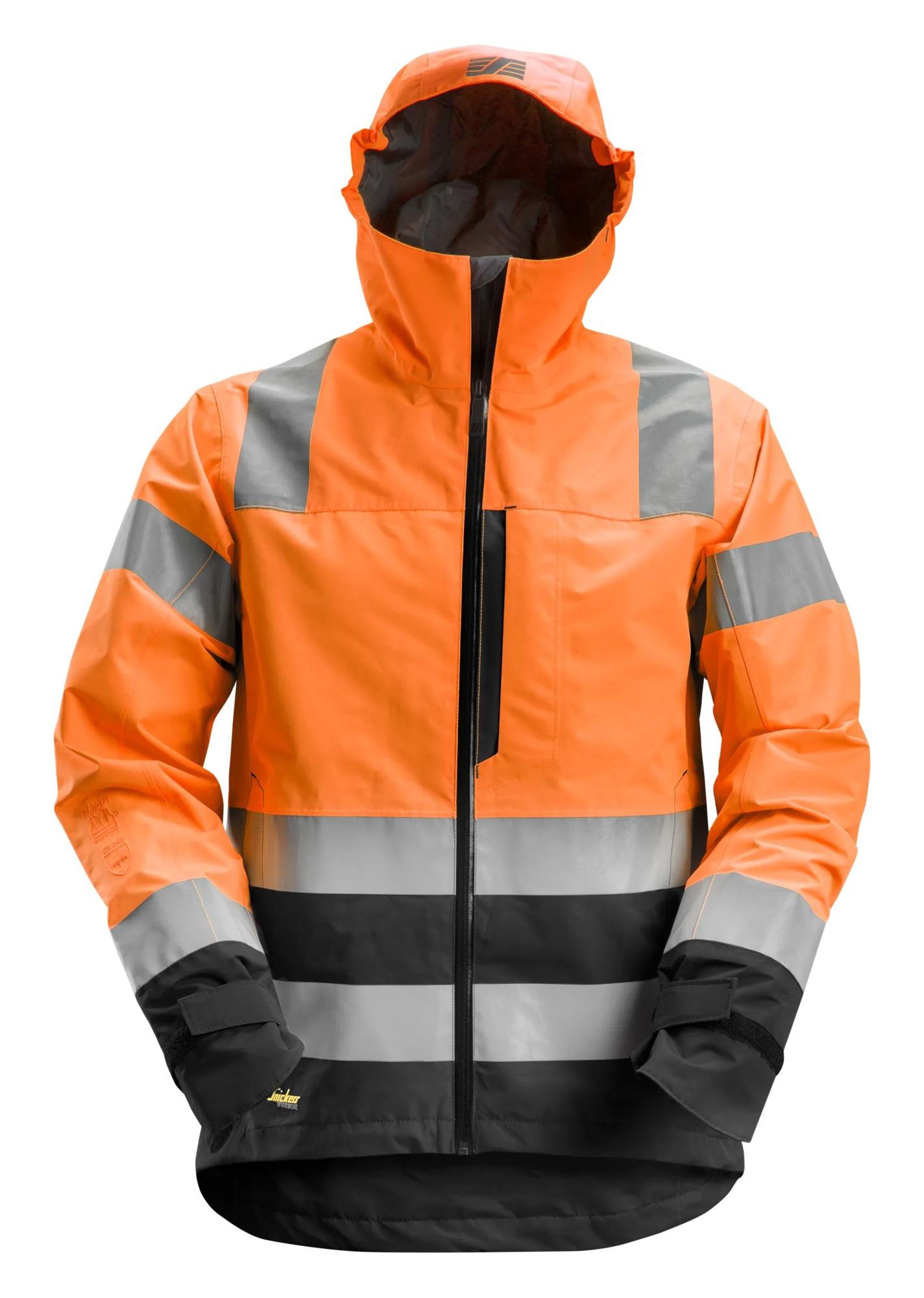





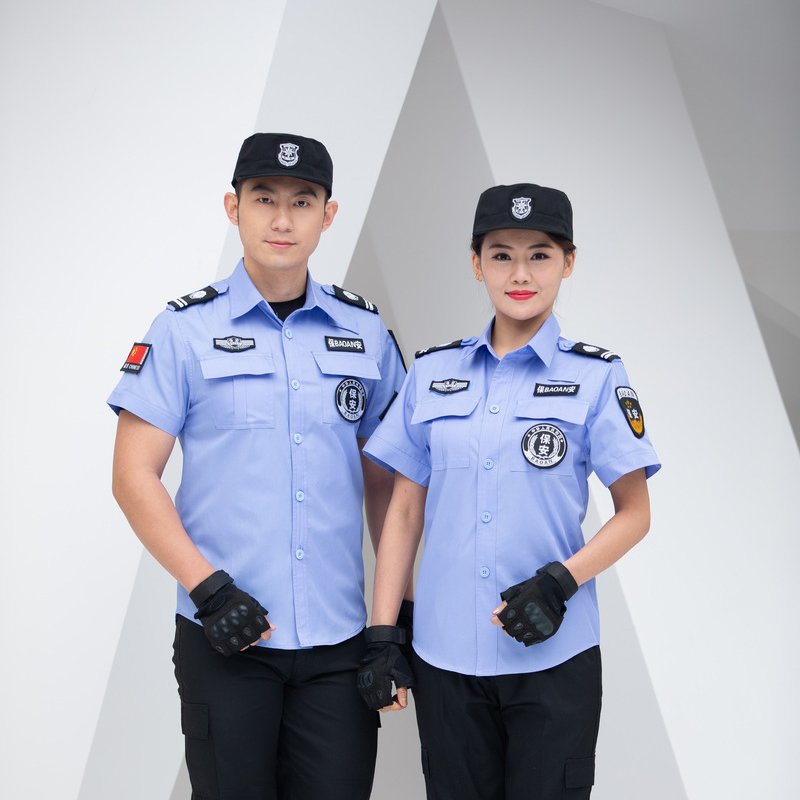

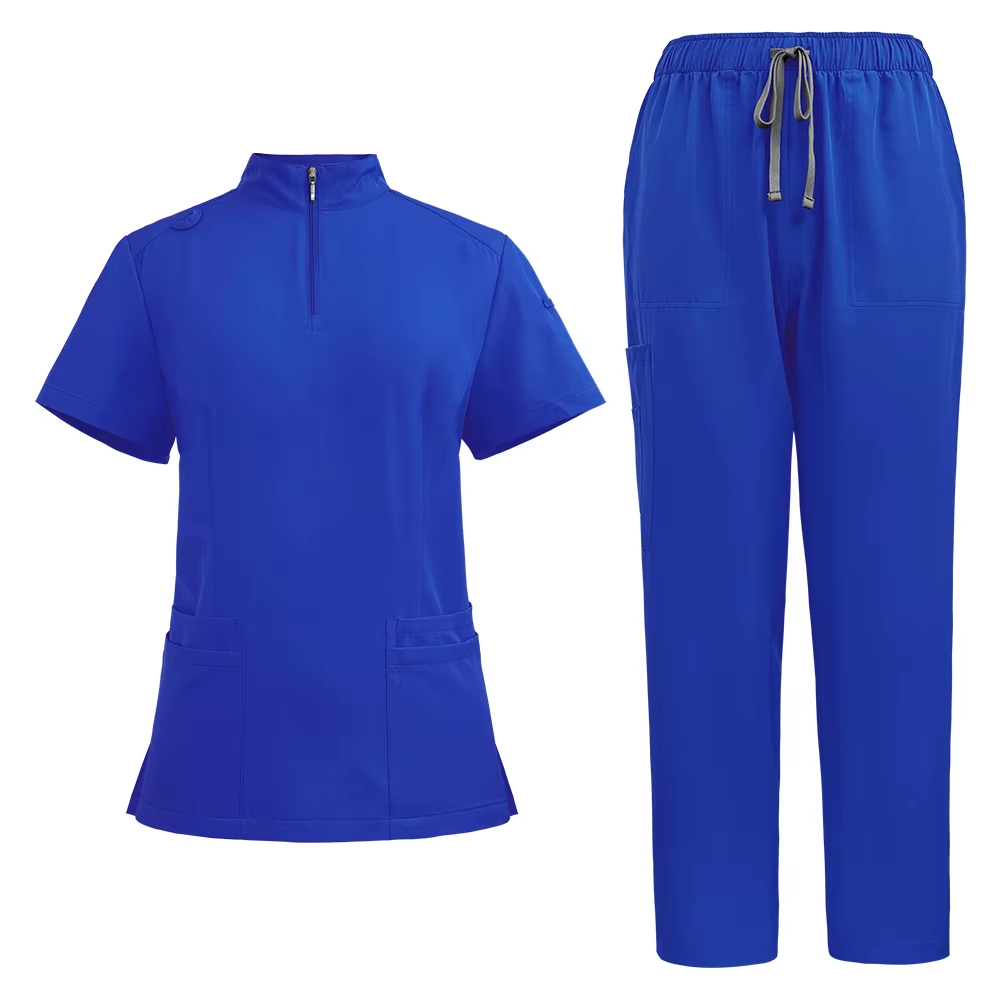

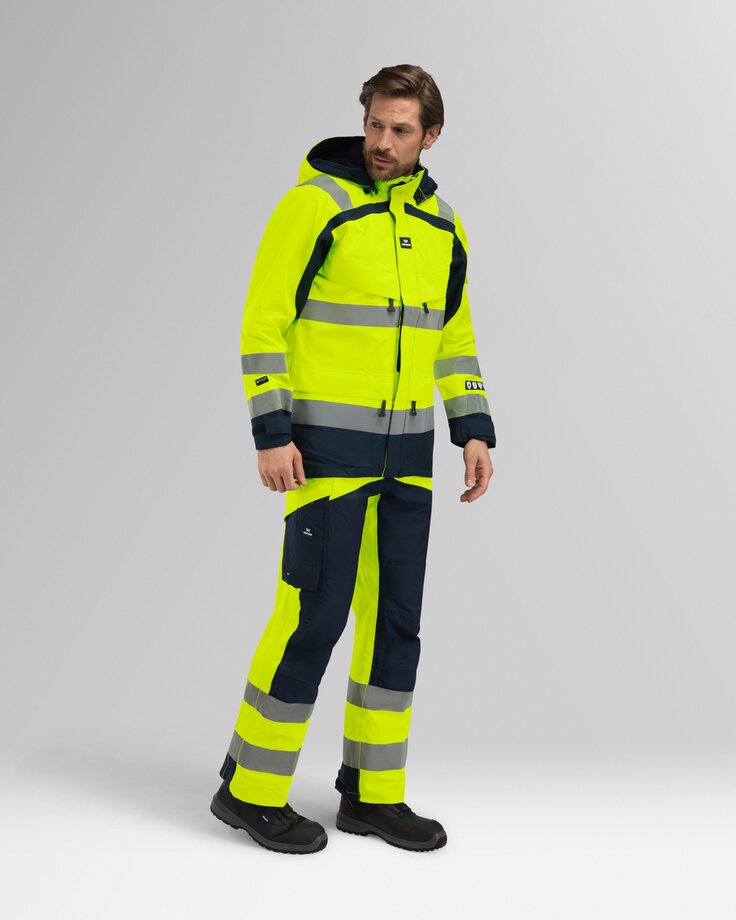


Related Product Catalogue and Quotation






Custom Construction Uniform Advantages for Crew Programs
Develop coordinated jobsite apparel with specification-led OEM, ODM, private-label, and wholesale support from Veelianpro.
OEM Development Flexibility
Develop custom construction uniforms around your tech pack, sample, or concept, with production details reviewed before sampling.
Coordinated Garment Range
Plan shirts, polos, trousers, jackets, vests, coveralls, and work sets as one consistent crew uniform program.
Jobsite-Focused Construction
Discuss fabric, pocket layouts, reinforced knees, bartacks, triple stitching, gussets, and weather protection for the intended work setting.
Branding and Private Labels
Specify embroidery, screen printing, heat transfer, patches, woven labels, care labels, and custom packaging for your uniform identity.
Project-Specific Review
Align fit, size range, colors, branding, quantity, destination, and protection requirements before quotation and production planning.
Accessible Starting MOQ
MOQ starts at 100 pieces per style and color, subject to fabric, certification, and garment construction requirements.
Construction Workwear Development
Custom construction uniforms developed around job conditions, garment construction, branding requirements and project-specific protective standards.
Construction Site Workwear
Develop shirts, cargo pants, coveralls, vests and layered jacket systems for general site crews. Pocket layouts, reinforced knees, bartacks, gussets, triple stitching and logo applications can be specified around everyday construction tasks and site uniform programs.
Get a Quote
Road Construction Workwear
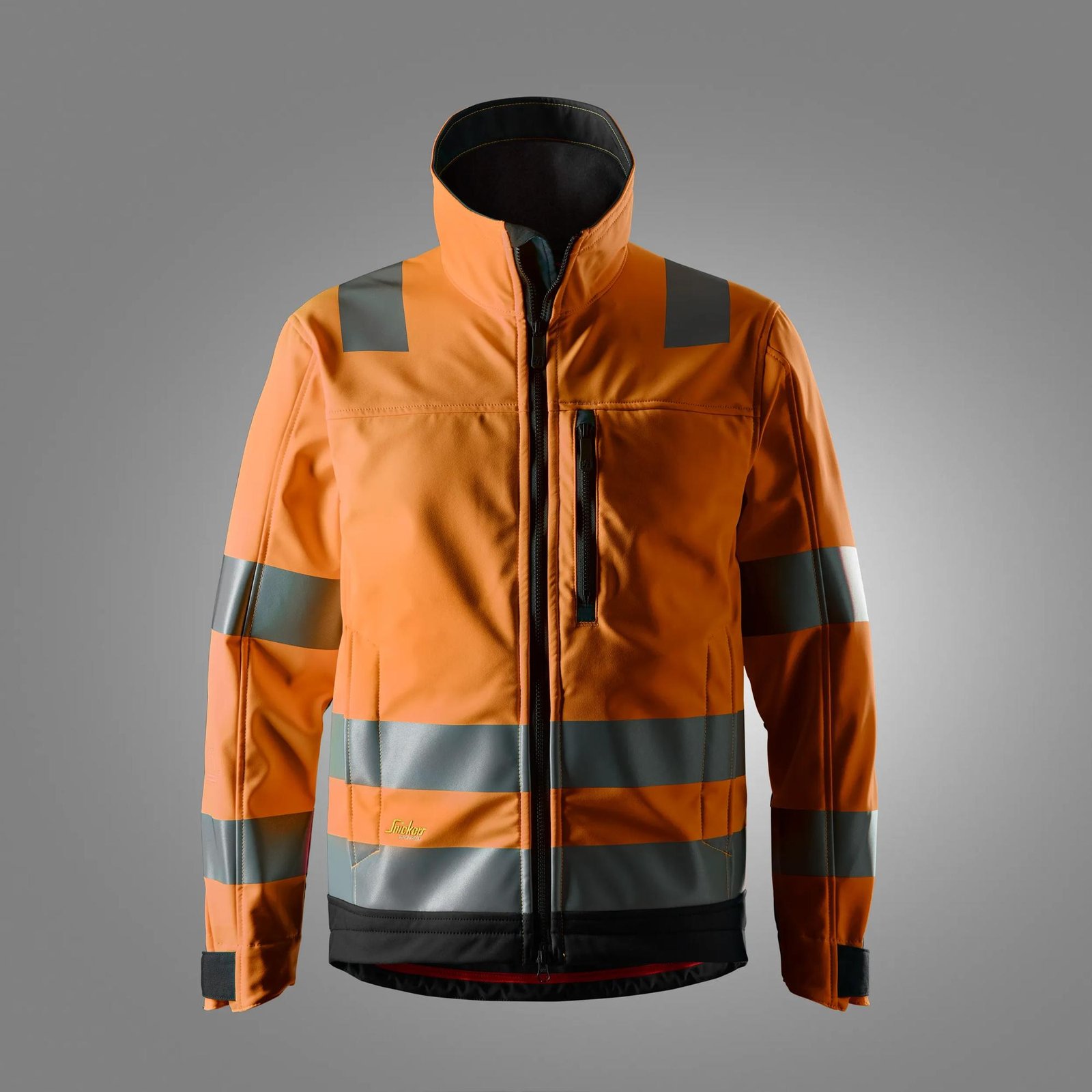
Build roadwork garments and vests with buyer-defined high-visibility color blocking and reflective tape placement. Fabric selection, weather layers, pocket access and branding are developed for paving, maintenance and traffic-adjacent crews; any visibility performance claim requires applicable SKU-specific evidence.
Get a Quote
Scaffolding Workwear
Create durable trousers, work shirts, coveralls and outer layers for scaffold erection and access teams. Designs can incorporate reinforced stress areas, articulated movement, utility pockets, gussets and secure trim choices, with sizing and decoration prepared for contractor or distributor programs.
Get a Quote
Demolition Workwear
Specify hard-wearing workwear for demolition crews, including coveralls, cargo pants, jackets and utility vests. Development can address abrasion-prone panels, reinforced seams, pocket configuration, weather layers and identification details while keeping protective claims separate from tested documentation.
Get a Quote
Concrete Work Workwear
Develop washable, job-ready garments for concrete placing, finishing and formwork teams. Work pants, coveralls, shirts and outerwear can be configured with durable construction, practical pockets, reinforced knees and company identification, based on the buyer’s fabric, color and wear requirements.
Get a Quote
Roofing Workwear
Produce layered workwear for roofing crews, including work shirts, trousers, softshell jackets, rain jackets and utility vests. Buyers can define movement-focused construction, weather-protection targets, pocket systems, reinforced areas and branded labels or patches for their uniform range.
Get a Quote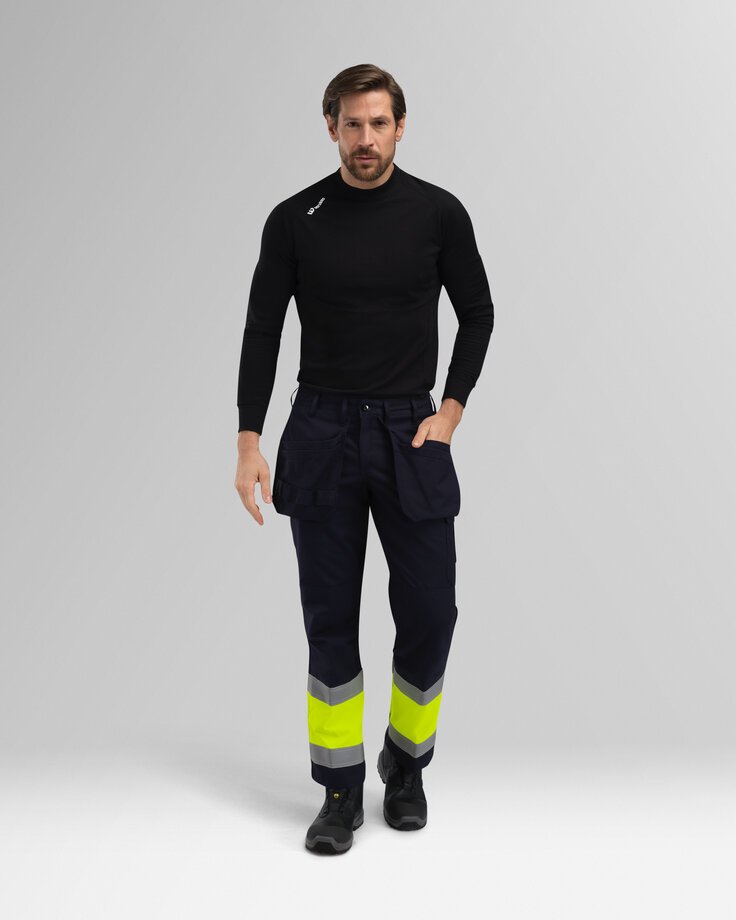
Steel Framing Workwear
Develop shirts, cargo pants, coveralls, jackets and vests for steel-framing teams. Pattern work can accommodate active movement, while reinforced seams, bartacks, utility-pocket placement, trim selection and logo decoration are tailored to the intended work setting and brand specification.
Get a Quote
Masonry Workwear
Create practical uniforms for bricklaying and masonry crews, from work trousers and shirts to coveralls, jackets and coordinated sets. Specify durable fabrics, reinforced knees, tool-pocket layouts, size grading, embroidery, patches, labels and custom packing for project or resale programs.
Get a QuoteCustom Construction Uniform Materials for Jobsite Performance




Custom Construction Uniform Branding & Build Processes



Custom Construction Uniform Trims and Accessories


About Veelianpro Custom Construction Uniforms
Veelianpro is a Wuhan, Hubei workwear manufacturer focused on turning buyer requirements into custom construction uniform programs. Our company profile states that the operation began in 2012, serving industrial, safety, hospitality, and service apparel buyers with practical development support from concept through export coordination.
We support OEM, ODM, private-label, and wholesale projects for shirts, polos, jackets, vests, work pants, coveralls, and coordinated sets. Buyers can begin with a tech pack, sketch, sample, or product idea, then work through fabric and trim sourcing, pattern development, sampling, size grading, cutting, sewing, finishing, and quality checks.
What distinguishes Veelianpro is a sourcing-led, specification-first approach. Discuss pocket layouts, reinforced knees, bartacks, triple stitching, weather protection, reflective placement, and logo decoration before production. MOQ starts at 100 pieces per style and color, subject to fabric, construction, and certification requirements; protective performance claims require SKU-specific test evidence.

Custom Construction Uniform Development, From Brief to Bulk Production
Specification Review That Starts Practical
Bring a tech pack, sketch, reference sample, or product idea. Our team reviews the intended work setting, garment type, fabric direction, pocket layout, reinforcement needs, size range, branding, target quantity, destination, and delivery timeline before development begins.
- Review shirts, pants, jackets, vests, coveralls, and coordinated sets
- Define pocket systems, reinforced knees, bartacks, gussets, and stitching details
- Confirm whether safety or protective requirements need SKU-specific documentation
- Align MOQ from 100 pieces per style and color, subject to project requirements

Patterns and Samples Before Scale
For a custom construction uniform program, pattern development and sampling help turn approved details into a repeatable production standard. We can develop from supplied specifications or work with your team to clarify fit, grading, construction sequence, trims, and decoration placement.
- Develop patterns and size grading for the agreed garment scope
- Evaluate fit, mobility, pocket access, and workwear construction details
- Prepare samples for review before bulk order confirmation
- Refine approved specifications into production-ready requirements

Materials, Trims, and Branding Aligned
Select materials and components around the jobsite use case and brand presentation. Veelianpro supports fabric and trim sourcing, then coordinates logo decoration and label details across custom construction uniform pieces so shirts, outerwear, pants, and vests read as one program.
- Discuss fabric composition, weight, weather exposure, and comfort priorities
- Choose zippers, fasteners, reflective tape placement, and custom trims
- Apply embroidery, screen printing, heat transfer, patches, or woven labels
- Add care labels and custom packaging for private-label programs

Controlled Production Through Packing
After specifications and samples are confirmed, our Wuhan, Hubei manufacturing team coordinates cutting, sewing, finishing, quality checks, packing, and export preparation. Inspection follows the agreed construction and order requirements, helping buyers manage consistent repeatable uniform programs.
- Coordinate cutting, sewing, reinforcement, finishing, and decoration
- Check workmanship against approved specifications and order requirements
- Pack garments to the agreed labeling and shipping plan
- Support OEM, ODM, private-label, wholesale, and reorder discussions

Custom Construction Uniform: Factory Development vs. Off-the-Shelf Decoration
Compare a specification-led uniform program with a defined off-the-shelf route: selecting stocked garments, then adding decoration. Veelianpro’s starting MOQ is 100 pieces per style and color, subject to fabric, certification, and construction requirements.
← Swipe left or right to view →
Custom Construction Uniform Production Process
From feasibility review through export coordination, Veelianpro aligns materials, construction, branding, and protection requirements before production begins.
Review Project Requirements
Share garment types, work setting, fabric preferences, size range, colors, branding, quantity, destination, timeline, and any applicable protection standard or documentation requirement.
Source Materials and Trims
Confirm fabric weight, composition, pocket layout, reinforcements, closures, reflective placement, labels, and packaging options suited to the approved construction uniform program.
Develop Patterns and Samples
We develop patterns, grade sizes, and prepare samples from your tech pack, sketch, reference, or product idea for fit, construction, and branding review.
Confirm Quote and Order
After sample and specification approval, finalize the quotation, production details, order quantities, and project-specific terms before bulk manufacturing is scheduled.
Cut Sew and Decorate
Approved materials move through cutting, sewing, reinforcement, finishing, and selected decoration methods, including embroidery, printing, patches, woven labels, or custom care labels.
Inspect Pack and Export
Completed garments receive quality checks before packing and export coordination. We support shipment preparation and reorder continuity for established uniform programs.
How to Develop a Custom Construction Uniform
Move from an initial brief to production-ready workwear with a practical, specification-led process.
Share Your Project Brief
Send a tech pack, sketch, sample, or product idea with garment types, quantities, destination, timeline, branding, size range, and intended jobsite conditions.
Confirm Materials and Construction
Review fabric composition and weight, fit, pockets, reinforcement, stitching, trims, weather needs, and decoration placement. Provide applicable standards when protective performance is required.
Approve Samples and Quotation
Evaluate the developed sample and confirm specifications before approving the quotation. MOQ starts at 100 pieces per style and color, subject to project requirements.
Launch Production and Reorders
After order confirmation, Veelianpro coordinates cutting, sewing, quality checks, packing, and export preparation, then supports repeat orders using your approved specifications.
Custom Construction Uniform Certificates & Compliance Documentation


Custom Construction Uniform Planning Scenarios
Illustrative scenario: A uniform buyer needs one recognizable program for field crews and supervisors but finds that a single garment set does not suit both roles. The proposed solution is coordinated work shirts, cargo trousers, and optional outer layers with role-specific pocket layouts, size grading, logo placement, and color allocation prepared for sampling. Intended acceptance criteria are written approval of fit, construction details, and branding placement before production is considered.
Illustrative scenario: A safety distributor is planning a private-label construction range and needs to distinguish a high-visibility design option from a documented protective specification. The proposed solution is to align fabric and trim choices, reflective-tape layout, labels, and packaging with the buyer’s brief, then identify the applicable standard and required evidence for each SKU. Intended acceptance criteria are approved sample details and receipt of the exact requested test or certification scope before any protective claim is used.
Illustrative scenario: A workwear brand is planning a small launch across shirts, jackets, and coveralls and needs a feasible style, color, and size breakdown. The proposed solution is to use the tech pack to prepare patterns and samples, then review reinforcement points, decoration method, and size range. Intended acceptance criteria are a written sample and specification review, followed by a quotation that confirms whether the starting MOQ of 100 pieces per style and color applies to the selected fabric, certification, and construction requirements.
Custom Construction Uniform FAQ
Veelianpro develops custom construction uniform programs for OEM, ODM, private-label, and wholesale buyers. The MOQ starts at 100 pieces per style and color, subject to fabric, construction, and certification requirements. Send garment details, quantities, branding, destination, and timeline for a project-specific feasibility review and quotation.
What is the MOQ for a custom construction uniform order?
Can I order shirts, pants, jackets, and vests in one custom construction uniform program?
Can Veelianpro make a sample before custom construction uniform production?
How long does custom workwear production take?
What payment terms are available for a custom construction uniform order?
Can you add logos, crew names, and private-label packaging?
Can you make high-visibility, FR, or other protective construction garments?
How do you handle shipping and our designs or tech packs?
Custom Construction Uniform: A Complete Procurement Guide
Build a role-appropriate construction uniform program with practical garment, material, decoration, quality, and supplier-selection criteria—while avoiding mismatched safety layers, incomplete quote scopes, and inconsistent repeat orders.
1. What Is a Custom Construction Uniform?
A custom construction uniform is a coordinated workwear program built around who does the job, where it is done, and what changes during the shift—not simply a logo placed on a shirt. It can assign identifiable colors and markings while pairing practical base garments with task-appropriate trousers, outer layers, and, where the site requires it, visibility-focused garments.
The program works when its pieces function together. Field crews may need work shirts and cargo trousers for daily movement, while supervisors may need a cleaner client-facing layer. Rain, cold, or wind can call for compatible outerwear rather than an unrelated seasonal purchase.
Visibility must be selected against the site requirement and the intended role, not assumed from a bright fabric color. Likewise, a logo method should suit the garment and artwork: Veelianpro can develop embroidery, screen printing, heat transfer, patches, woven labels, and custom packaging alongside the garment specification.
Sourcing answer: Veelianpro develops custom construction uniform programs from a tech pack, sketch, sample, or product idea, supporting fabric and trim sourcing through packing and export coordination. Its stated starting MOQ is 100 pieces per style and color, but the applicable MOQ must be confirmed for the chosen garment, fabric, certification requirement, and decoration combination before quotation.
2. Build the Program Around Site Conditions
A construction uniform brief starts with where each crew member works, what they handle, and when they meet clients. Map exposure before choosing garments: dust and abrasion, rain or cold, traffic movement, and presentation needs produce different priorities.
| Role Group | Primary Condition | Program Approach |
|---|---|---|
| Earthworks crew | Soil and abrasion | Durable work set with task-led pocket and reinforcement brief |
| Roadside crew | Site visibility rules | Specify applicable requirements and documentation before selection |
| Site supervisor | Client meetings and site rounds | Coordinated shirt or outer layer aligned with field colors |
Separate Roles Before Styles
Installers, equipment operators, finish crews, supervisors, and client-facing staff do not subject garments to the same wear or visibility conditions. A single set can leave one group overdressed, under-layered, or without the pocket layout its tasks require.
Build role groups around actual shifts and tasks, then keep a common color family and approved logo placement across shirts, trousers, outerwear, vests, and coveralls.
- Field crews: movement, tools, soil, abrasion
- Supervisors: site mobility and client identification
- Client-facing staff: clean, coordinated presentation
Plan For Exposure Changes
Outdoor crews may move from cold starts to warmer physical work, while rain and wind change outer-layer needs. Specify the work setting and expected weather exposure so the base garment and optional layers are developed as a usable system.
Ask whether knees, pockets, cuffs, and fronts contact rough surfaces, wet materials, or frequent dirt. Those contact zones help prioritize reinforcement and garment selection before decoration is approved.
Assign Visibility By Site Rules
High-visibility apparel should be assigned where the site assessment, client rule, traffic interface, or employer policy calls for it—not assumed for every construction role. Identify who works near moving vehicles, plant, loading areas, or low-light conditions, then provide the applicable standard and required documentation if protection is requested.
High-visibility, flame-resistant, and arc-rated garments are product-development families at Veelianpro; a requested design is not a tested or certified claim without exact evidence and scope.
3. Types of Custom Construction Uniform
A practical custom construction uniform is a system of layers, not one garment for every task. Assign base pieces by work role, then add weather or visibility layers without losing recognizable branding.
Work Shirts And Contractor Polos
Work shirts suit hands-on crews needing a broad chest or sleeve area for a logo and job title.
Polos present a cleaner option for supervisors and client-facing contractor visits, but are less suited to abrasive tasks.
Work Pants
Cargo or work pants support crews carrying small tools and moving between active tasks. Reinforced knees, pocket layout, and room to layer determine usefulness more than decorative branding space.
Choose a shared color with the upper garment, while allowing role-specific pocket configurations where the program requires them.
Coveralls And Bib Overalls
Coveralls create a continuous work layer for dirty, maintenance-heavy, or task-specific operations. A chest logo may remain visible, while changing-room convenience and the amount of layering underneath should be reviewed during selection.
Bib overalls cover the torso while allowing a separate work shirt beneath. This format can be considered when the program calls for separate upper-body layers.
Outerwear Layers
Softshell, fleece, padded, and rain jackets extend the uniform into changing weather. Select the layer around exposure and mobility, then reserve a clear chest, sleeve, or back area for decoration.
Bulky insulation can limit movement; a lighter shell requires an appropriate mid-layer underneath.
High-Visibility Layers
High-visibility vests or shirts should be assigned only after the buyer confirms the applicable site requirement and needed documented standard. Reflective tape placement must remain visible rather than being obscured by a large logo.
Veelianpro can develop high-visibility garment families; any required rating must be specified and supported by the relevant test or certificate.
4. Materials and Technical Options
Material selection should follow heat, abrasion, rain exposure, movement, laundering, and the intended logo method. A custom construction uniform works best when base fabric, weather layer, and visibility components are specified as one system rather than chosen independently.
| Material Or Component | Practical Property | Suitable Garment Or Use | Purchasing Trade-Off |
|---|---|---|---|
| Cotton | Buyer-selected fiber option | Shirts, tees, light-duty layers | Confirm construction, composition, and care requirements in the approved specification |
| Polyester | Buyer-selected fiber option | Polos, tees, outer layers | Confirm hand feel, construction, and intended wear through the sample review |
| Cotton-Poly Blend | Buyer-defined blend composition option | Daily work shirts and trousers | Exact composition must be approved |
| Stretch Panels | Development option for buyer-designated zones | Trousers and active work jackets | Placement can limit decoration areas |
| Insulation Or Fleece | Layering option for buyer-specified conditions | Padded jackets and fleece | Adds bulk and seasonal inventory complexity |
| Weather Shell Development Option | Outer-layer option for buyer-defined weather exposure | Rain jackets and outer shells | Confirm requested fabric, finish, decoration location, and any documented weather-performance requirement |
| Reflective Tape | Placement feature for buyer-designated garments | Vests and designated garments | Not a certified protection claim without documentation |
Compare Base Materials

Cotton, polyester, and cotton-poly blends are fiber choices that should be specified by composition, construction, garment use, care requirements, and sample approval. Do not infer comfort, drying, durability, or protective performance from fiber name alone; define any required result in the buyer’s brief and obtain supporting evidence where a technical claim is needed.
Material Selection Matrix
Use the table to narrow a development brief before sampling. Final fabric composition, finish, and any protective requirement must be confirmed for the selected style.
Layering And Mobility
Stretch panels can improve reach and bending in trousers or work jackets, but their placement should avoid areas receiving dense embroidery or large prints. Ask for the panel location on the tech pack, not simply a stretch claim.
Shells And Visibility Components
Softshell, padded, fleece, and rain-jacket product families let buyers plan garment layers for changing conditions. Requested fabric, finish, and weather-performance targets must be defined for the selected style; do not describe a finished shell as water-resistant without supporting evidence. Reflective-tape and decoration positions should be planned early so logo placement does not crowd pockets, closures, or the approved tape layout.
5. Custom Construction Uniform Branding Options
A logo method should match the garment surface and the mark itself, not simply the lowest initial decoration cost. For a custom construction uniform program, record the approved artwork, colors, placement, and garment style so replacement pieces can follow the same specification.
| Method | Best Fit | Watch For | Reorder Record |
|---|---|---|---|
| Embroidery | Compact logos on stable fabric | Fine detail and dense stitching | Thread colors and stitch file |
| Screen Printing | Bold, simple artwork on flat panels | Large areas and fabric suitability | Ink colors and print location |
| Transfer Printing | Detailed, multi-color logos | Heat-applied area and surface texture | Artwork version and placement |
| Patches | Badge-style identity marks | Edge position and attachment method | Patch artwork and attachment location |
Match Method To The Mark
Evaluate embroidery, screen printing, heat transfer, and patches on the selected garment sample rather than choosing a method from artwork alone. Review the actual logo size, line detail, color treatment, garment surface, seams, stretch areas, and planned placement before approval.
For each candidate method, approve a sample showing the intended artwork and placement on every garment colorway. Record the approved method and artwork version so later orders use the same decision basis.
Compare Decoration Choices
The garment’s stretch, texture, seams, and pocket layout can limit usable logo areas. Choose a location that stays readable when the wearer bends, layers clothing, or carries equipment.
Control Reorders With Records
Approve artwork at actual placement scale before production, including logo orientation, thread or print colors, and the distance from a collar, pocket, placket, or seam. A proof prevents a detailed mark from being approved only at enlarged screen size.
Keep a placement record by garment style and colorway for new-hire and replacement orders. Decoration is a branding decision; it does not establish high-visibility, flame-resistant, arc-rated, or other protective performance.
6. Construction Details That Affect Service Life
Service life often turns on the details that are easy to miss in a flat sketch: how a pocket is anchored, where a seam is reinforced, and whether trim remains correctly positioned. Put these details into the tech pack and confirm them on the pre-production sample.
| Detail To Inspect | Common Failure | Sampling Remedy |
|---|---|---|
| Pocket anchoring | Pocket pulls or tools are inaccessible | Load-test placement and specify reinforcement |
| Logo area | Fabric puckers or artwork distorts | Approve decoration on the selected fabric |
| Reflective trim | Access or branding is obstructed | Check placement against pockets and closures |
Seams And Stress Points

Crotch seams, pocket corners, sleeve joins, and knee areas take repeated pulling and abrasion. Specify the seam construction for each area and identify where bartacks, triple stitching, gussets, or reinforcement are required.
A seam that opens under movement is usually a construction-specification issue, not something a finished-garment inspection can fully correct. During sampling, flex the relevant areas and check that reinforcement does not create a stiff or chafing edge.
- Mark stress points directly on the technical drawing
- Specify gussets where mobility is needed
- Confirm bartack locations on the sample
Closures And Working Pockets
Choose buttons, zippers, snaps, hook-and-loop closures, and pocket systems around the task, not appearance alone. A cargo pocket can be unusable when its opening, flap, closure, or placement conflicts with belts, harnesses, kneeling, or seated driving.
Load the intended pocket with representative tools or devices during sample review. Record pocket dimensions, closure type, drainage or flap needs, and left- or right-side placement before bulk cutting.
Collars, Cuffs, And Branding
Collars and cuffs should retain a workable shape without restricting movement or catching on gloves. Define cuff closure, adjustability, collar height, and any required reinforcement as pattern details.
Dense embroidery can distort a lightweight or stretch panel. Place the logo on a suitably stable area, approve an artwork proof on the selected fabric, and use a patch, screen print, or heat transfer where that better suits the artwork and garment.
Reflective Trim And Labels
Reflective tape must follow the approved placement drawing without crossing pocket access, closures, or logo zones. If a protective or visibility claim is required, provide the applicable standard and required test or certificate; placement alone is not proof of compliance.
Care labels should identify fiber content, care instructions, size, and any required traceability information agreed for the destination market. Confirm label language, position, and branding during sampling so replacement orders remain consistent.
7. Choose a Custom Construction Uniform Manufacturer
A capable manufacturer turns a garment concept into a controlled repeat-order specification. Evaluate the development record, sample evidence, approval discipline, and what the quotation actually includes—not only the finished sample appearance.
| Buyer Type | Primary Evidence | Repeat-Order Record |
|---|---|---|
| Workwear brand | Pattern, label, and construction approval | Tech pack and approved sample |
| Wholesaler | Size-color assortment and packing detail | Style and size-ratio sheet |
| Safety distributor | Applicable test or certificate scope when required | Documented claim and SKU record |
| Enterprise buyer | Role allocation and approval ownership | Roster, artwork, and order specification |
Match Evidence To Buyer Role
Workwear brands should prioritize pattern control, private-label details, and a complete specification package. Wholesalers need clear style, color, and size records for replenishment.
Safety distributors should separate a design target from documented protective performance. Enterprise teams should prioritize role-based size ratios, approval ownership, packing requirements, and consistent order records.
Review The Development Scope
At Veelianpro, development can begin with a tech pack, sketch, sample, or product idea. We support fabric and trim sourcing, pattern development, sampling, grading, cutting, sewing, reinforcement, decoration, finishing, quality checks, packing, and export coordination.
Confirm which of those steps are included for the selected custom construction uniform before approving the project.
Control Sample And Approvals
Approve a sample against a written build sheet: fabric composition and weight, trim specification, pocket layout, reinforcement locations, logo method, placement, and size chart. A visual artwork proof alone does not confirm stitch density, patch edge finish, or tape placement.
Freeze the approved artwork file and placement dimensions with the sample record. Changes to fabric, decoration, or construction should be reapproved before production.
- Fabric and trim references
- Garment measurement chart
- Artwork and placement proof
- Approved sample comments
Request A Comparable Quote
Ask for one quotation that identifies the garment configuration, fabric and trims, decoration, packing, inspection scope, quantity by size and color, destination, and commercial assumptions.
Keep the final specification, artwork, size ratio, and packing instructions with the purchase order to make replacements and reorders comparable.
8. Common Construction Uniform Sourcing Mistakes
Most uniform failures begin in the brief, not on the sewing line. A custom construction uniform program needs role, fabric, decoration, size, replenishment, and quote records that describe the same approved product.
| Quote Check | Why It Changes Comparison | Record Needed |
|---|---|---|
| Garment construction | Different pockets or reinforcement alter the product | Approved tech pack |
| Decoration | Method and placements alter processing | Artwork proof |
| Order split | Style, color, and size counts affect feasibility | Size-color matrix |
Specify More Than Appearance
A reference photo rarely identifies fabric composition, pocket layout, reinforcement, or weather protection. The result is a look-alike garment that may not suit the task; convert the image into a tech pack or written construction list.
Separate Role-Based Kits
A single shirt-and-trouser kit can be impractical for field crews, supervisors, and client-facing staff. Define shared colors and branding, then assign layers, pocket systems, and garment types by role and site conditions.
Choose Fabric Before Decoration
Embroidery, screen printing, heat transfer, and patches interact differently with garment weight, surface, stretch, and intended wear. Select the fabric and garment first, then approve decoration placement and a sample on that construction.
Lock Size And Color Splits

A total quantity without a size-and-color matrix can meet an order threshold while leaving key workers without usable garments. Submit quantities by style, color, size, and role before quotation, then confirm feasibility for the selected specification.
Preserve Reorder Records
Replacement orders drift when artwork files, logo placement, fabric, trim, grading, and approved sample notes are scattered. Keep one controlled specification record and revision date for every approved style.
Compare Matching Quote Inclusions
Lower totals can omit sampling, decoration, packing, inspections, or export coordination. Compare like-for-like specifications and list every inclusion before approval.
9. Launch a Custom Construction Uniform Program
A controlled launch turns a custom construction uniform from a garment selection into a repeatable issue-and-replenishment system. Freeze role needs, artwork, and approved specifications before production begins.
Map Roles And Garments
List each role, work setting, weather exposure, and any required protection standard. Then assign a base garment and optional layer; do not treat a design target as a tested protection claim.
Worked example: a hypothetical 24-person program assigns work shirts and trousers to 18 field workers, polos to four supervisors, and outerwear to two site visitors (18 + 4 + 2 = 24).
- Record role, task, site condition, and garment
- Separate required protective layers from branding layers
- Confirm applicable standards before material selection
Build The Approval Pack
Send the tech pack, logo artwork, color references, placement dimensions, decoration method, size chart, and quantity breakdown together. Include pocket layout, reinforced-knee option, bartacks, reflective-tape placement, labels, and packing instructions where selected.
Review a physical sample against that pack before releasing production. Check fit in working movement, logo legibility, seam execution, trim function, and any agreed construction details.
- Approve artwork proof and placement
- Approve graded size breakdown
- Approve sample comments in writing
Inspect And Preserve Records
On receipt, inspect cartons and garments against the approved specification: style, color, size quantities, decoration, labels, and visible construction. Isolate discrepancies with photographs and carton identifiers before distributing stock.
Retain a replenishment record containing the final tech pack, artwork file, sample comments, approved fabric and trim references, size curve, and packing configuration. Veelianpro can begin feasibility review from this record, a tech pack, sketch, sample, or product idea.
- Keep one approved reference garment
- Log changes by order version
- Request a Workwear Quote with destination and timeline
10. Custom Construction Uniform Cost Drivers
A custom construction uniform quote changes first with the garment platform: a work shirt and cargo trouser use different fabric, component, cutting, and sewing inputs than a padded jacket, coverall, or weather layer. Reinforced knees, gussets, bartacks, triple stitching, pocket systems, reflective-tape placement, and requested weather-performance details must be costed against the approved specification rather than described generically.
Submit quantities by SKU, color, and size together with destination and timeline. Any public lead-time statement requires editorial review because timing depends on the confirmed specification, sampling, production plan, and logistics route.
| Cost driver | What changes cost | Quote must specify |
|---|---|---|
| Garment and materials | Category, fabric composition and weight, lining, trim, and protective design target change material and labor inputs. | Style, work setting, fabric request, required standard or test documentation. |
| Construction details | Extra pockets, reinforced knees, gussets, bartacks, triple stitching, tape placement, and closures add operations and components. | Approved tech pack or sketch, component list, placement details. |
| Branding and artwork | Embroidery, screen printing, heat transfer, patches, labels, and more decoration locations change setup and application work. | Artwork file, method, dimensions, colors, placement count, and proof approval. |
| Order structure and packing | More colorways, fragmented SKU-size quantities, individual packing, custom labels, and custom packaging alter handling. | Quantity by style, color, and size; label, folding, bagging, and carton requirements. |
| Sampling and logistics | Pattern development, samples, revisions, export packing, and the shipment route are separate quote inputs. | Sample objective, revision scope, destination, shipping preference, and required arrival date. |
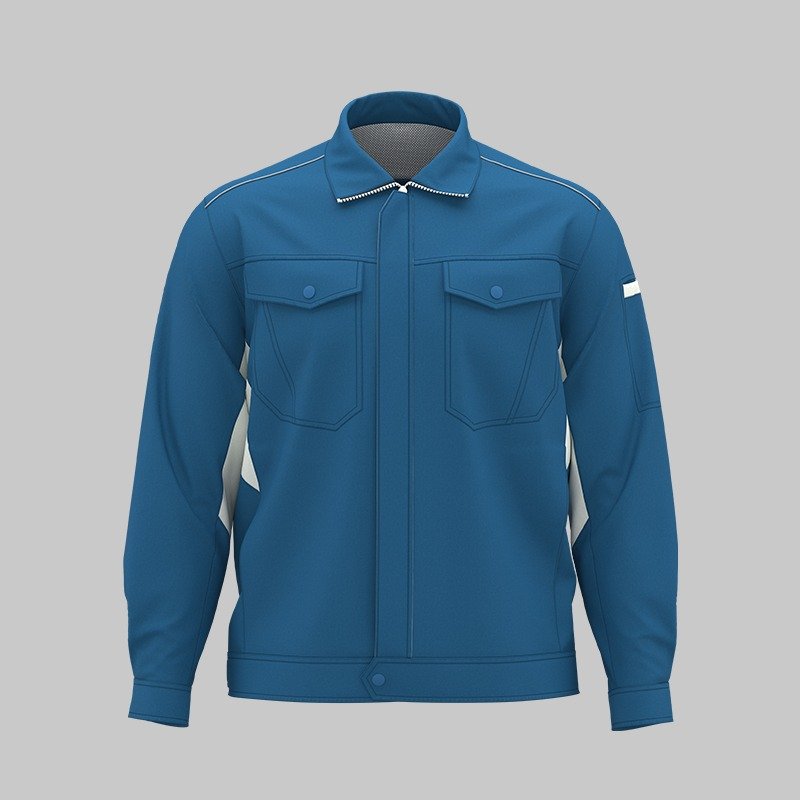

Start Your Custom Construction Uniform Project
Send your garment type, work setting, fabric, branding, quantity, destination, timeline, and any required compliance standard for a practical quote.