Custom Construction Uniform Manufacturing for OEM and Private Label
Develop custom construction uniforms with tailored fabrics, trims, branding, and sampling. MOQ starts at 100 pieces per style and color, subject to project requirements.
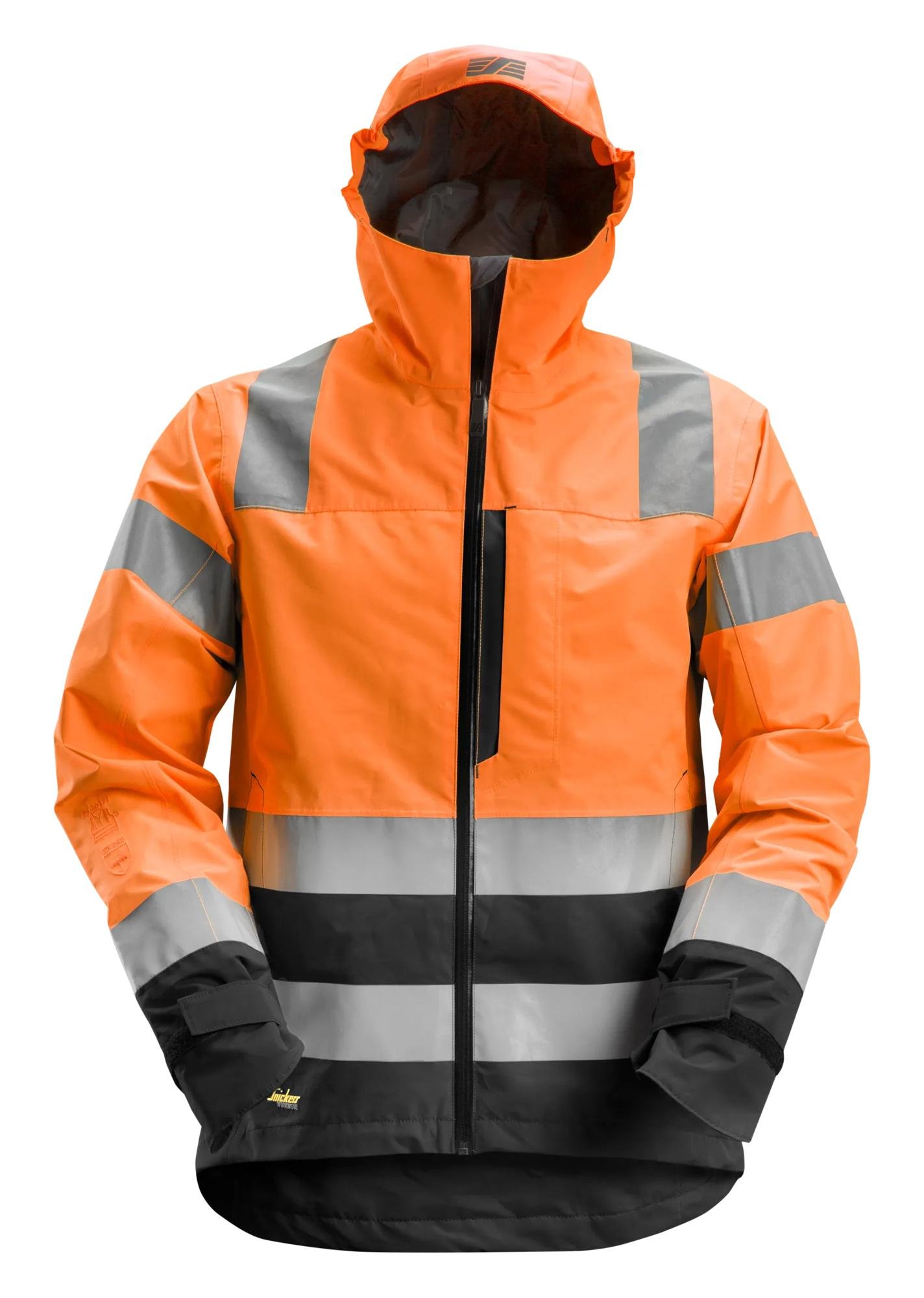
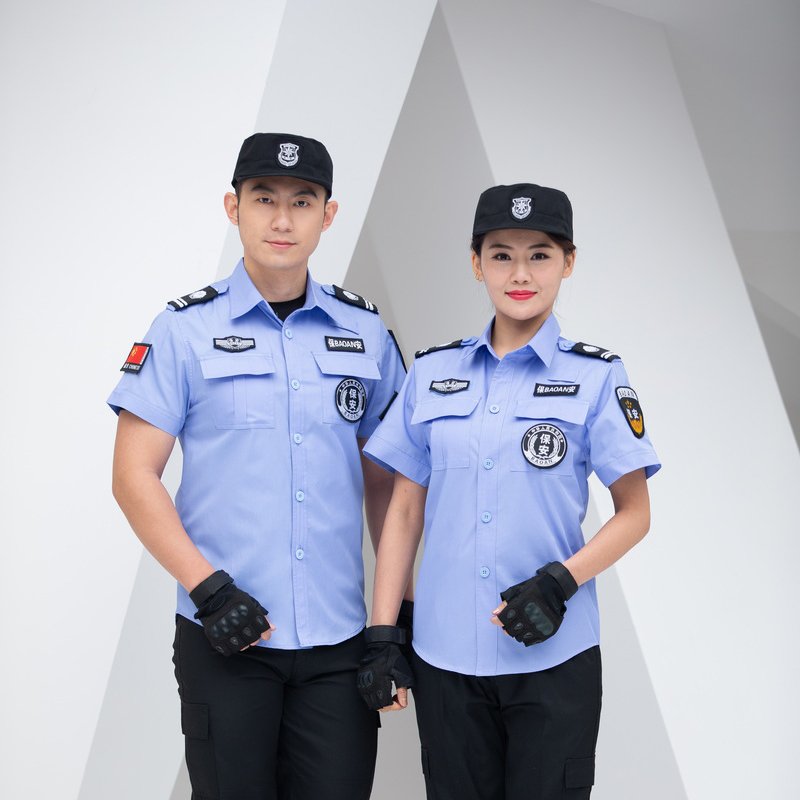
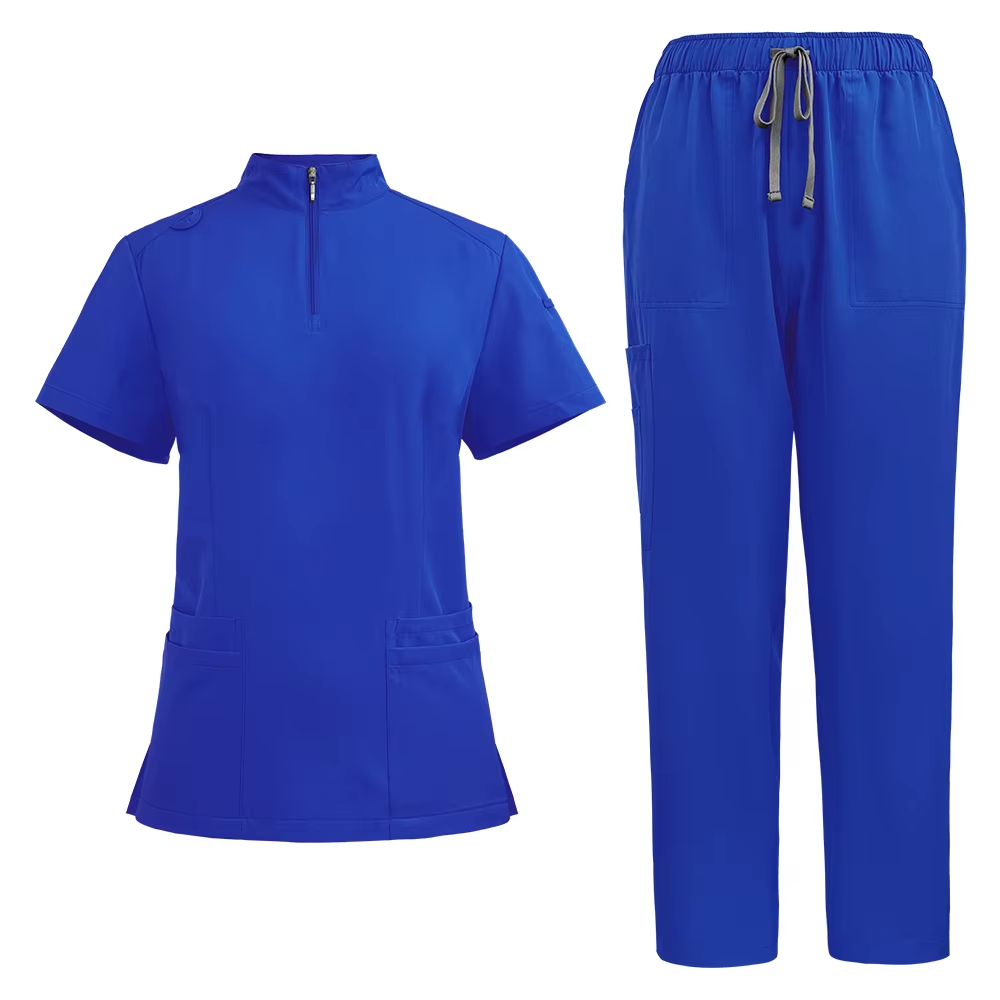
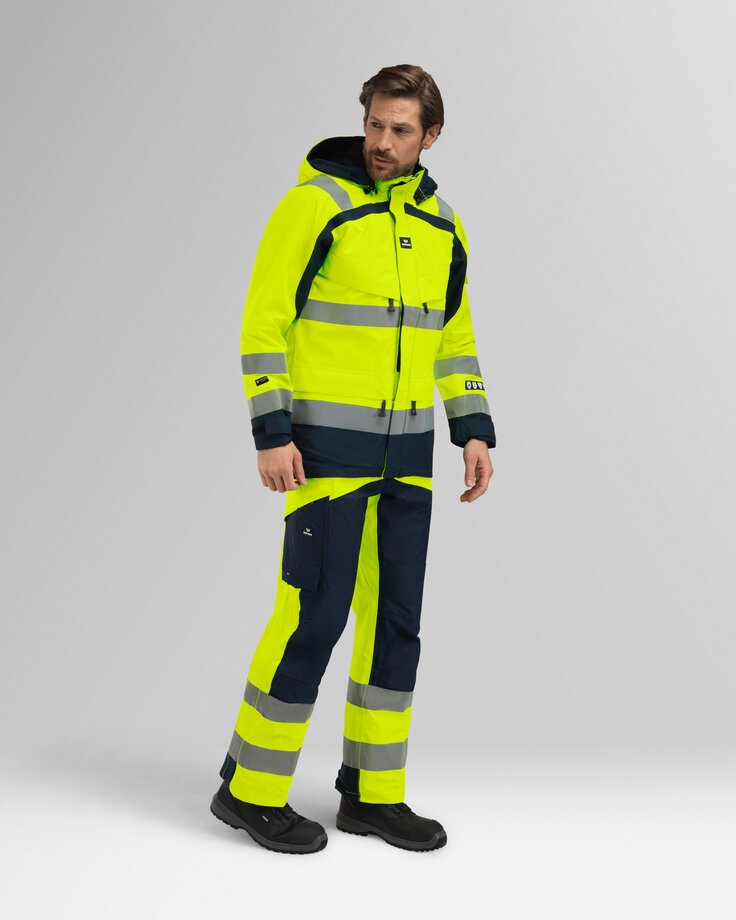
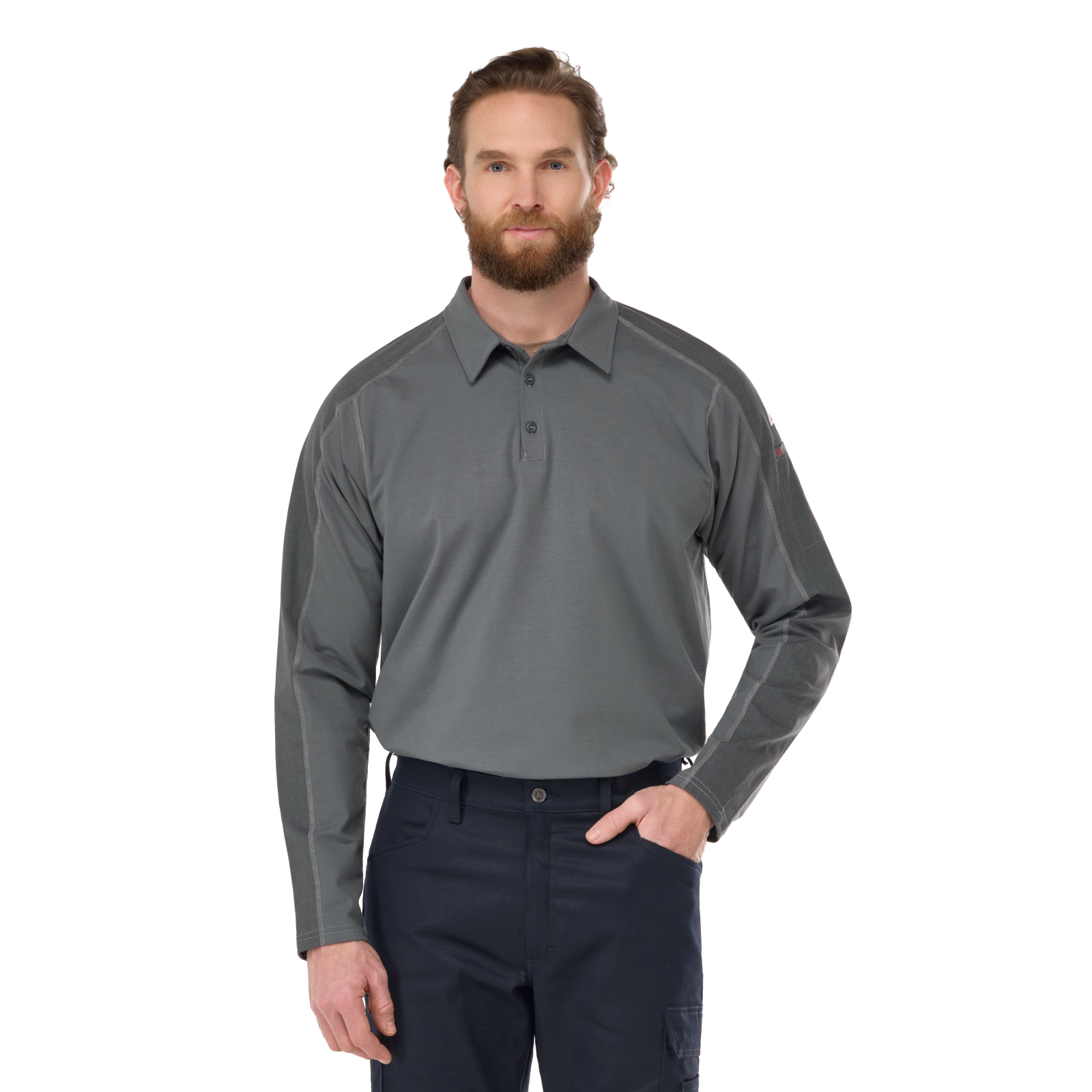
Featured Products for Custom Construction Uniform Development










Related Product Catalogue and Quotation



Custom Construction Uniform Advantages for Crew Programs
Develop coordinated jobsite apparel with specification-led OEM, ODM, private-label, and wholesale support from Veelianpro.
OEM Development Flexibility
Develop custom construction uniforms around your tech pack, sample, or concept, with production details reviewed before sampling.
Coordinated Garment Range
Plan shirts, polos, trousers, jackets, vests, coveralls, and work sets as one consistent crew uniform program.
Jobsite-Focused Construction
Discuss fabric, pocket layouts, reinforced knees, bartacks, triple stitching, gussets, and weather protection for the intended work setting.
Branding and Private Labels
Specify embroidery, screen printing, heat transfer, patches, woven labels, care labels, and custom packaging for your uniform identity.
Project-Specific Review
Align fit, size range, colors, branding, quantity, destination, and protection requirements before quotation and production planning.
Accessible Starting MOQ
MOQ starts at 100 pieces per style and color, subject to fabric, certification, and garment construction requirements.
Construction Workwear We Develop
Custom apparel programs developed around demanding construction tasks, workforce movement, branding needs, and project-specific material and construction requirements.
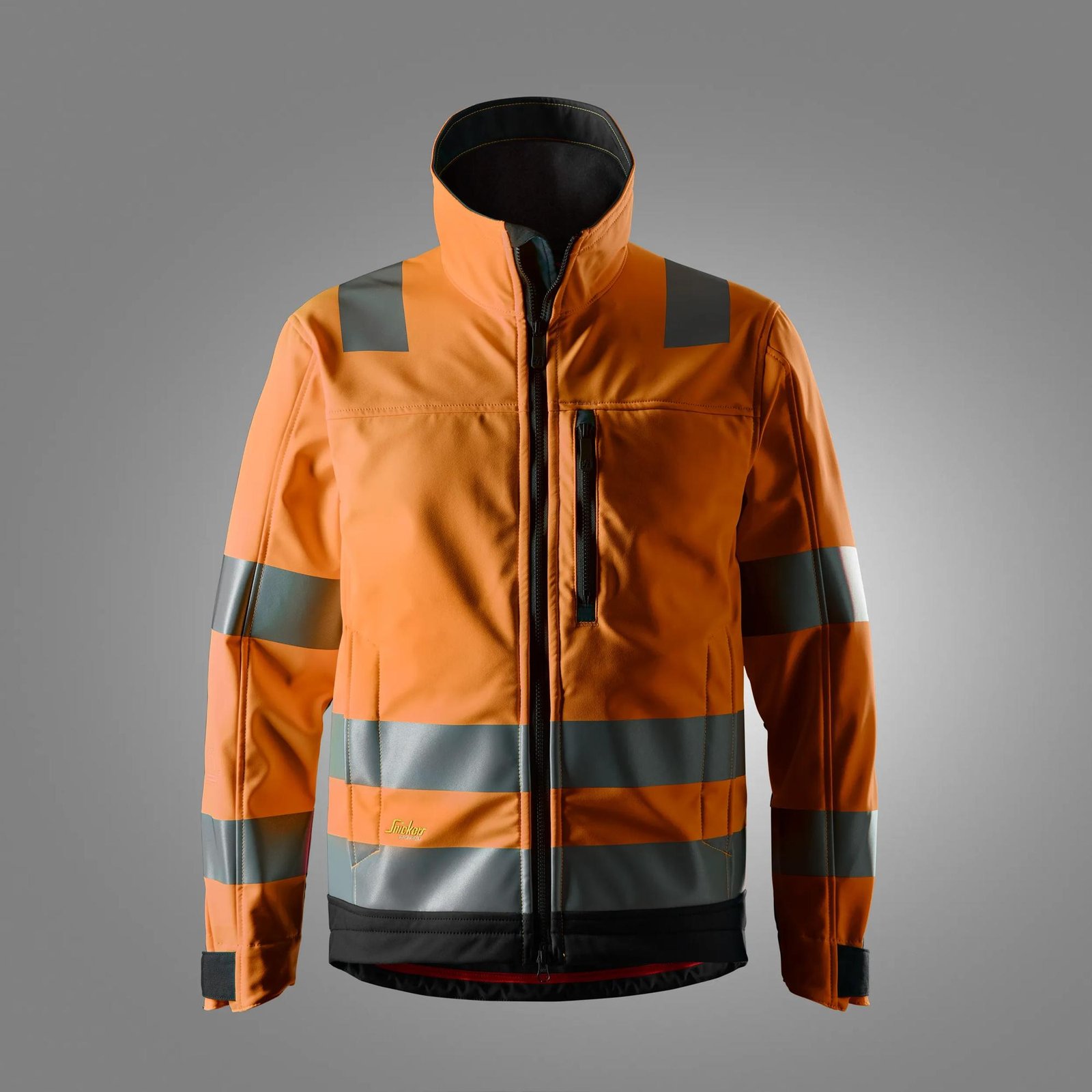
Construction Site Workwear
Explore construction site workwear options for your team’s materials, fit, branding and sampling brief.
Get a Quote
Road Construction Workwear
Explore road construction workwear options for your team’s materials, fit, branding and sampling brief.
Get a Quote
Scaffolding Workwear
Explore scaffolding workwear options for your team’s materials, fit, branding and sampling brief.
Get a Quote
Demolition Workwear
Explore demolition workwear options for your team’s materials, fit, branding and sampling brief.
Get a Quote
Concrete Work Workwear
Explore concrete work workwear options for your team’s materials, fit, branding and sampling brief.
Get a Quote
Roofing Workwear
Explore roofing workwear options for your team’s materials, fit, branding and sampling brief.
Get a Quote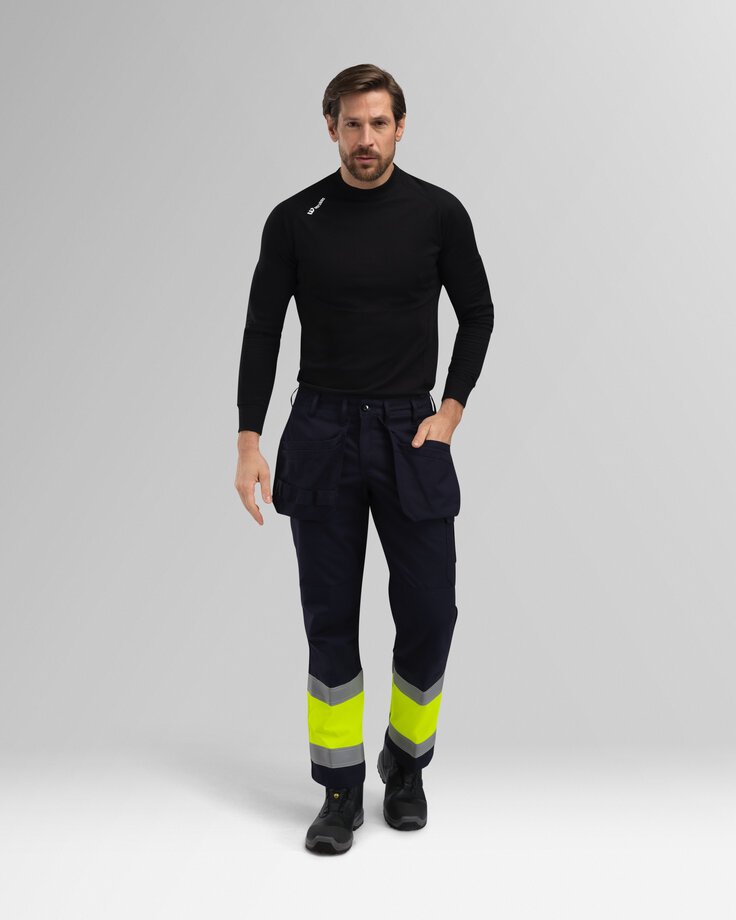
Steel Framing Workwear
Explore steel framing workwear options for your team’s materials, fit, branding and sampling brief.
Get a Quote
Masonry Workwear
Explore masonry workwear options for your team’s materials, fit, branding and sampling brief.
Get a QuoteCustom Construction Uniform Materials for Jobsite Performance

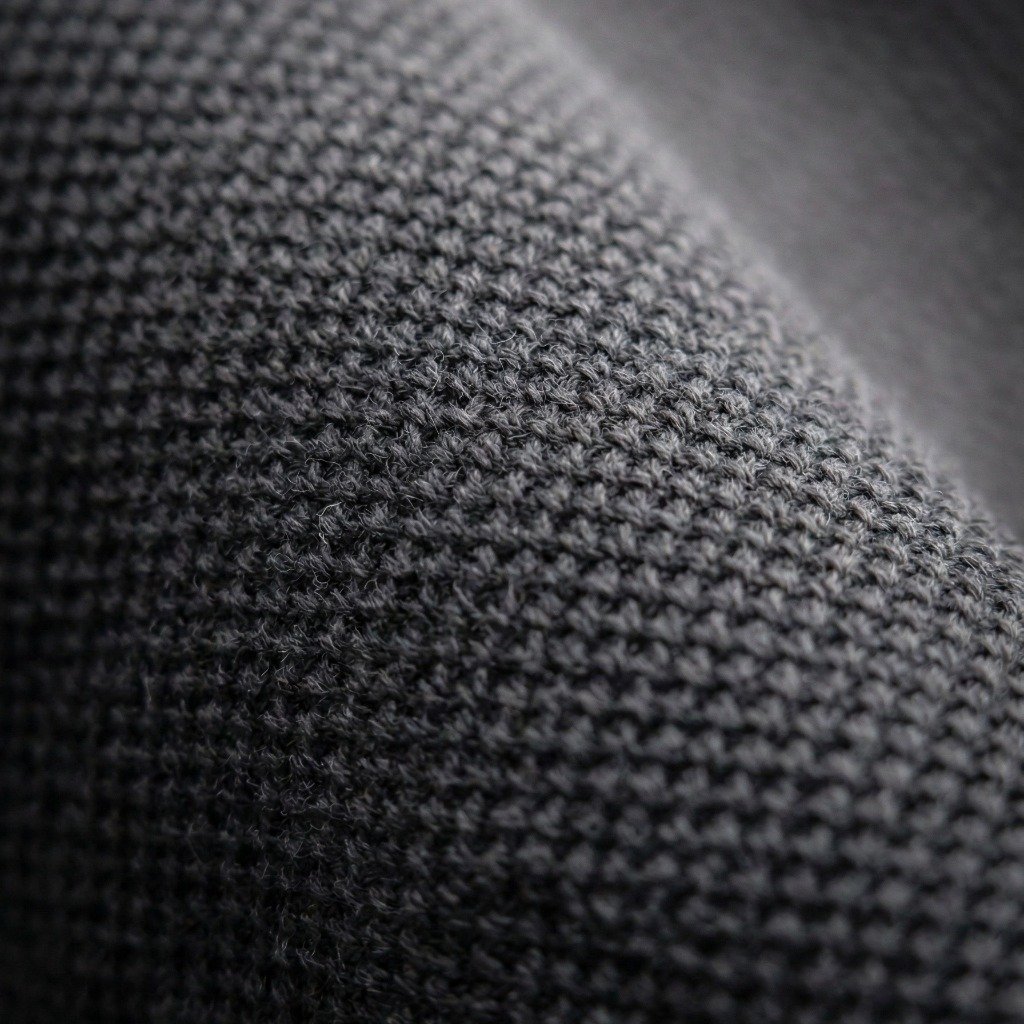


Custom Construction Uniform Branding & Build Processes
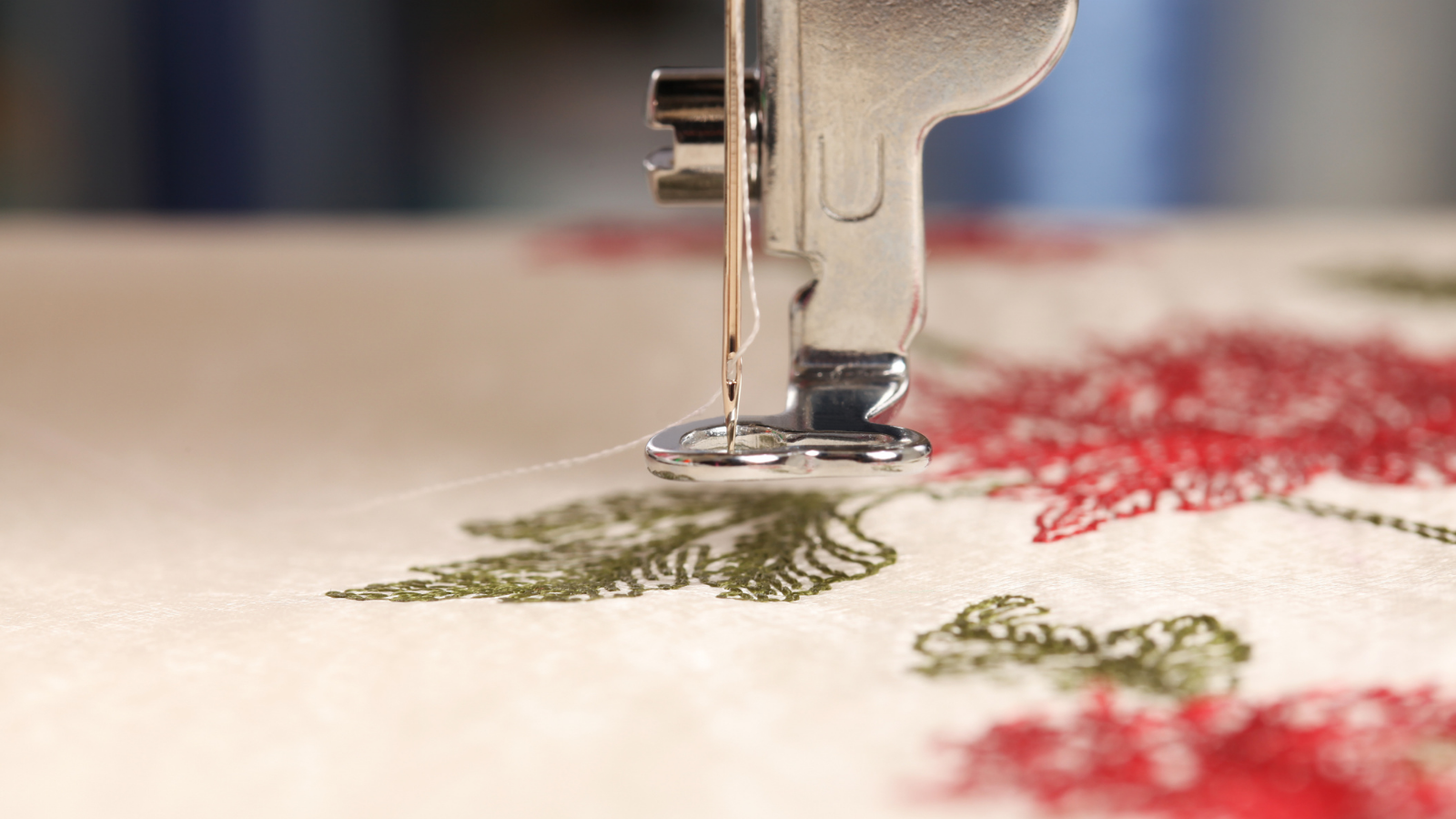


Custom Construction Uniform Trims and Accessories


About Veelianpro Custom Construction Uniforms
Veelianpro is a Wuhan, Hubei workwear manufacturer focused on turning buyer requirements into custom construction uniform programs. Our company profile states that the operation began in 2012, serving industrial, safety, hospitality, and service apparel buyers with practical development support from concept through export coordination.
We support OEM, ODM, private-label, and wholesale projects for shirts, polos, jackets, vests, work pants, coveralls, and coordinated sets. Buyers can begin with a tech pack, sketch, sample, or product idea, then work through fabric and trim sourcing, pattern development, sampling, size grading, cutting, sewing, finishing, and quality checks.
What distinguishes Veelianpro is a sourcing-led, specification-first approach. Discuss pocket layouts, reinforced knees, bartacks, triple stitching, weather protection, reflective placement, and logo decoration before production. MOQ starts at 100 pieces per style and color, subject to fabric, construction, and certification requirements; protective performance claims require SKU-specific test evidence.
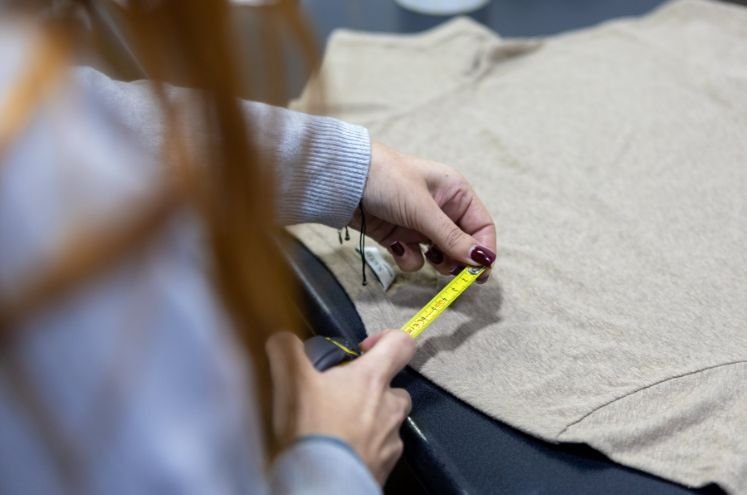
Custom Construction Uniform Development, From Brief to Bulk Production
Specification Review That Starts Practical
Bring a tech pack, sketch, reference sample, or product idea. Our team reviews the intended work setting, garment type, fabric direction, pocket layout, reinforcement needs, size range, branding, target quantity, destination, and delivery timeline before development begins.
- Review shirts, pants, jackets, vests, coveralls, and coordinated sets
- Define pocket systems, reinforced knees, bartacks, gussets, and stitching details
- Confirm whether safety or protective requirements need SKU-specific documentation
- Align MOQ from 100 pieces per style and color, subject to project requirements

Patterns and Samples Before Scale
For a custom construction uniform program, pattern development and sampling help turn approved details into a repeatable production standard. We can develop from supplied specifications or work with your team to clarify fit, grading, construction sequence, trims, and decoration placement.
- Develop patterns and size grading for the agreed garment scope
- Evaluate fit, mobility, pocket access, and workwear construction details
- Prepare samples for review before bulk order confirmation
- Refine approved specifications into production-ready requirements

Materials, Trims, and Branding Aligned
Select materials and components around the jobsite use case and brand presentation. Veelianpro supports fabric and trim sourcing, then coordinates logo decoration and label details across custom construction uniform pieces so shirts, outerwear, pants, and vests read as one program.
- Discuss fabric composition, weight, weather exposure, and comfort priorities
- Choose zippers, fasteners, reflective tape placement, and custom trims
- Apply embroidery, screen printing, heat transfer, patches, or woven labels
- Add care labels and custom packaging for private-label programs

Controlled Production Through Packing
After specifications and samples are confirmed, our Wuhan, Hubei manufacturing team coordinates cutting, sewing, finishing, quality checks, packing, and export preparation. Inspection follows the agreed construction and order requirements, helping buyers manage consistent repeatable uniform programs.
- Coordinate cutting, sewing, reinforcement, finishing, and decoration
- Check workmanship against approved specifications and order requirements
- Pack garments to the agreed labeling and shipping plan
- Support OEM, ODM, private-label, wholesale, and reorder discussions

Why Veelianpro Fits Specification-Led Construction Uniform Sourcing
A project-based manufacturing partner for specification-led workwear programs.
← Swipe left or right to view →
Custom Construction Uniform Production Process
From feasibility review through export coordination, Veelianpro aligns materials, construction, branding, and protection requirements before production begins.
Review Project Requirements
Share garment types, work setting, fabric preferences, size range, colors, branding, quantity, destination, timeline, and any applicable protection standard or documentation requirement.
Source Materials and Trims
Confirm fabric weight, composition, pocket layout, reinforcements, closures, reflective placement, labels, and packaging options suited to the approved construction uniform program.
Develop Patterns and Samples
We develop patterns, grade sizes, and prepare samples from your tech pack, sketch, reference, or product idea for fit, construction, and branding review.
Confirm Quote and Order
After sample and specification approval, finalize the quotation, production details, order quantities, and project-specific terms before bulk manufacturing is scheduled.
Cut Sew and Decorate
Approved materials move through cutting, sewing, reinforcement, finishing, and selected decoration methods, including embroidery, printing, patches, woven labels, or custom care labels.
Inspect Pack and Export
Completed garments receive quality checks before packing and export coordination. We support shipment preparation and reorder continuity for established uniform programs.
How to Develop a Custom Construction Uniform
Move from an initial brief to production-ready workwear with a practical, specification-led process.
Share Your Project Brief
Send a tech pack, sketch, sample, or product idea with garment types, quantities, destination, timeline, branding, size range, and intended jobsite conditions.
Confirm Materials and Construction
Review fabric composition and weight, fit, pockets, reinforcement, stitching, trims, weather needs, and decoration placement. Provide applicable standards when protective performance is required.
Approve Samples and Quotation
Evaluate the developed sample and confirm specifications before approving the quotation. MOQ starts at 100 pieces per style and color, subject to project requirements.
Launch Production and Reorders
After order confirmation, Veelianpro coordinates cutting, sewing, quality checks, packing, and export preparation, then supports repeat orders using your approved specifications.
Custom Construction Uniform Certificates & Compliance Documentation


Customer References
Customer references may be shared when permission and the relevant project scope allow.
Case details are discussed only with approved customer permission and appropriate confidentiality controls.
Contact Veelianpro to discuss whether an approved reference is available for your sourcing requirements.
Custom Construction Uniform FAQ
Veelianpro develops custom construction uniform programs for OEM, ODM, private-label, and wholesale buyers. The MOQ starts at 100 pieces per style and color, subject to fabric, construction, and certification requirements. Send garment details, quantities, branding, destination, and timeline for a project-specific feasibility review and quotation.
What is the MOQ for a custom construction uniform order?
Can I order shirts, pants, jackets, and vests in one custom construction uniform program?
Can Veelianpro make a sample before custom construction uniform production?
How long does custom workwear production take?
What payment terms are available for a custom construction uniform order?
Can you add logos, crew names, and private-label packaging?
Can you make high-visibility, FR, or other protective construction garments?
How do you handle shipping and our designs or tech packs?
The Complete Buyer’s Guide to custom construction uniform
A practical framework for specifying jobsite-ready uniforms, comparing OEM and private-label suppliers, controlling quality and cost, and avoiding sourcing mistakes across fabrics, visibility, branding, fit, sampling, and repeat orders.
1. What Is a custom construction uniform?
100 pieces per style and color is Veelianpro’s stated starting point for a custom construction uniform program, subject to fabric, certification, and construction requirements. It is a coordinated system of garments, colors, branding, and role cues designed for daily jobsite use—not simply a stock shirt carrying a logo.
5 job-brief inputs commonly determine the specification: crew role, trade hazards, climate, site rules, and required appearance for supervisors or client-facing staff. Those inputs affect fabric weight, pocket layout, fit, outerwear layering, visibility placement where required, and identifiers such as names, job titles, or color coding.
2012 is the year Veelianpro says its workwear operation began; its development route can start from a tech pack, sketch, sample, or product idea. Unlike stock-garment decoration, custom development can include pattern work, size grading, sourced fabrics and trims, reinforcement choices, labels, and packaging; any protective performance claim still requires applicable test evidence and certification scope.
2. Evolution of custom construction uniform Programs
1999 marked the first ANSI/ISEA 107 high-visibility apparel standard, formalizing garment classes and retroreflective material criteria for occupational visibility (https://blog.ansi.org/ansi-isea-107-1999-high-visibility-safety-apparel/). This shifted many crew purchases from generic trade clothing toward role- and risk-specific visibility layers.
1970 brought the Occupational Safety and Health Act, and OSHA requires employers to provide protective equipment when hazards make it necessary (https://www.osha.gov/laws-regs/oshact/completeoshact). Modern custom construction uniform programs therefore begin with task hazards, climate, movement, and required documentation—not a logo location.
3 changes now drive B2B specifications: performance blends and stretch panels improve mobility; graded fits improve acceptance across crews; and embroidery, screen print, heat transfer, or patches create repeatable identification. Buyers should approve decoration against the actual fabric and placement, then lock a tech pack, color standard, size matrix, and reorder rules before production.
3. Types of custom construction uniform
Five garment groups cover the usual jobsite rotation: tops, base layers, bottoms, coveralls, visibility layers, and outerwear. A custom construction uniform program should assign each piece by task exposure and season, not issue identical garments to every role.
Shirts, Tees, And Polos

Two work-shirt options—short sleeve and long sleeve—suit labor crews and skilled trades when pockets, durable collars, and tool-friendly movement matter.
One left-chest logo keeps shirts and polos recognizable; reserve polos for supervisors and client-facing personnel needing a cleaner appearance.
Bottoms And Visibility Layers
Two bottom formats solve different needs: cargo pants support daily tool carrying, while coveralls reduce exposed layers for messy or high-contact tasks.
ANSI or EN visibility claims require the applicable standard, test evidence, and certificate scope; place branding where it does not compromise required reflective layouts.
Outerwear And Role Kits
Three outerwear choices—softshell, padded jacket, and rain jacket—let crews add weather protection without replacing the core uniform.
One shared color palette, logo position, and label system can unite labor crews, trades, supervisors, and client-facing staff while allowing role-specific garments. Veelianpro’s stated MOQ starts at 100 pieces per style and color, subject to requirements.
4. Materials for custom construction uniform
Fabric weight should be selected for the task, climate, laundering frequency, and decoration method—not hand feel alone.
| Fabric | Typical GSM | Best Use | Key Tradeoff |
|---|---|---|---|
| Cotton jersey | 160–220 | Breathable tees | Slow drying |
| Polycotton twill | 200–280 | Shirts and pants | Less breathable |
| Polyester knit | 140–180 | Active hot-weather tops | Odor retention |
| Canvas/stretch twill | 240–320 | Rugged trousers | Heavier |
| Insulated shell | 180–300 | Cold or wet work | Bulkier |
Core Fabric Tradeoffs
100% cotton breathes well and accepts screen print, but dries slowly and may shrink unless pre-shrunk. Polycotton balances easier care, faster drying, and dependable embroidery or printing.
100% polyester performance fabric manages moisture and dries quickly, yet can retain odors and needs heat-controlled decoration.
Durability And Mobility
240–320 GSM canvas or twill suits abrasion-prone trousers and overshirts, though added weight reduces airflow. Stretch blends improve kneeling and climbing mobility, but recovery and colorfastness require wash testing.
2-layer weather-resistant shells and insulated layers serve cold or wet exposure; confirm breathability, water resistance, insulation weight, and seam construction before quoting.
Sample Before Production
3 sample checks should confirm fabric composition, actual GSM, shrinkage, pilling, color migration, and logo adhesion after agreed wash cycles. Veelianpro can source fabrics and develop samples; specify the work setting, decoration, and any required test scope.
5. Customization and Logo Decoration Options
Veelianpro can develop branding alongside garment specifications, from a buyer’s logo file or sketch through labels and packaging. Confirm artwork, placement, color references, and decoration approval on the sample before bulk production.
| Method | Visual Effect | Best For | Setup Consideration |
|---|---|---|---|
| Embroidery | Textured, premium | Polos, shirts, jackets | Digitizing and stitch review |
| Screen Printing | Flat, bold color | Tees and cotton blends | Separate colors affect setup |
| Heat Transfer | Fine detail | Smooth fabric panels | Test adhesion on substrate |
| Patch | Dimensional badge | Outerwear and bags | Choose sew-on or heat-applied |
Choose The Decoration Method
Three common methods create different results: embroidery suits compact logos; screen printing suits bold artwork; heat transfer handles detailed color. Third-party construction-apparel sellers also describe embroidery, transfers, and patches; see https://stitchlogo.com/contents/en-us/d175729470_Construction-Uniforms.html.
Build A Consistent Identity
Front chest, sleeve, back yoke, and trouser-pocket placements should be specified on an artwork map. Add employee names or job titles only after confirming variable-data spelling, font, and placement.
Private-label programs can combine woven main labels, care labels, branded zippers or trims, patches, and custom polybags or cartons. For reflective details, provide the required standard and documentation target; a visual stripe is not itself a performance claim.
6. Construction Quality Elements That Matter
Three control points make construction quality measurable: the approved tech pack, the pre-production sample, and written inspection criteria. For a custom construction uniform, each must define tolerances before cutting begins.
Fabric And Color Control
One approved fabric swatch and Pantone reference should govern bulk fabric, lining, and contrast panels. Record composition, weight, shade tolerance, shrinkage limit, and wash method; compare every lot against the signed sample.
- Check shade consistency across garment panels
- Require wash testing before bulk approval
- Retain approved swatches with production records
Seams, Pockets, And Closures
Eight to 10 stitches per inch is a common starting specification, but seam density must suit the fabric and seam type. Specify bartacks at pocket corners, fly ends, belt loops, and other stress points, plus zipper brand, pocket dimensions, collar stability, and cuff construction.
- Define reinforcement locations on the pattern
- Specify zipper, snap, and hook-and-loop requirements
- Confirm pocket opening and depth measurements
Fit And Final Acceptance
One graded size chart should set chest, waist, inseam, sleeve, and length tolerances for every size. Approve a pre-production sample, then inspect measurements, reflective-tape attachment, workmanship, and post-wash appearance against the tech pack before shipment.
- Set measurement tolerances by point of measure
- Inspect reflective tape placement and stitch security
- Document pass-fail criteria before production
7. How to Choose a Uniform Manufacturer
Three checks prevent costly rework: relevant workwear experience, documented development, and repeatable delivery. Compare each supplier against the exact garment, branding, protection, and destination requirements.
Verify Development Scope
Two records reveal development depth: a comparable workwear specification and sample approval history. Ask whether OEM, ODM, and private-label work includes pattern development, grading, fabric sourcing, and controlled revisions.
One approved preproduction sample should match purchase-order measurements, construction, decoration, and labels. Request dated photos and measurement sheets.
Confirm MOQ And Timing
100 pieces per style and color is Veelianpro’s stated starting MOQ, subject to fabric, certification, construction, decoration, and customization. Confirm the final MOQ after requirements are defined.
Three questions matter: current production loading, sample timing, and shipment timing. Obtain a written critical-path schedule.
Audit Quality And Reorders
Four controls support consistent reorders: approved samples, fabric-lot records, inline inspection, and final inspection. Ask which checks occur before cutting, during sewing, before packing, and before shipment.
One named contact should confirm changes in writing. Request inspection reports, defect photos, packing lists, and the approved specification.
8. Common custom construction uniform Buying Mistakes
A custom construction uniform program fails most often before production, when procurement decisions are detached from site tasks. Lock the wear environment, risk controls, branding, fit, and replenishment rules before approving a sample.
Start With Job Demands
First, do not specify a polished look before mapping heat, abrasion, weather, tools, movement, and role-specific visibility needs. Require each buyer team to issue a wear brief and garment matrix before fabric selection.
Second, do not choose fabric on price alone. Compare weight, composition, durability, comfort, and care requirements against the actual shift and climate.
Control Safety And Branding
Third, high-visibility is not merely a fluorescent color. State the applicable standard, garment design, and required test or certificate; do not claim compliance without documented evidence.
Fourth, match logo method to fabric and placement. Approve a decorated strike-off on the final fabric, especially for embroidery, screen print, transfers, patches, or reflective areas.
Approve For Repeat Orders
Fifth, fit trials cannot replace written grading and tolerances. Wear-test representative sizes, record measurement tolerances, and approve the size specification with the sample.
Sixth, reserve decoration time and plan replenishment. Keep approved artwork, color references, bill of materials, and reorder specifications; Veelianpro’s stated starting MOQ is 100 pieces per style and color, subject to requirements.
9. Steps to Launch a Construction Uniform Brand
A 100-piece minimum per style and color makes early specification discipline essential for a custom construction uniform program. Start with job roles, weather exposure, movement demands, visibility needs, and the standards or test evidence required.
Define The Range
Three role groups—site crews, supervisors, and drivers—often need different garment combinations. Build a core assortment of shirts, trousers, outerwear, vests, or coveralls around those conditions.
One program sheet should record size curves, colors, category quantities, and destination. Wholesalers can consolidate mixed sizes and categories while keeping each style-color minimum feasible.
Choose Development Model
OEM suits buyers supplying finished specifications, artwork, and construction details. ODM suits teams adapting an existing base style; private label adds approved woven labels, care labels, and packaging.
Each specification sheet should define fabric, weight, trims, measurements, pocket layout, reinforcement, decoration placement, and Pantone references. Protective performance remains a design target until matching test evidence is documented.
Sample And Lock Standards
One pre-production sample should be field-tested for fit, pocket access, wash appearance, and movement before bulk approval. Record revisions directly against the approved sample and measurement tolerance sheet.
Final approval should lock artwork files, labels, packing ratio, inspection points, and carton marks. A reorder control file should retain the approved bill of materials, size breakdown, decoration specification, and revision date.
10. Custom Construction Uniform Pricing and Cost
100 pieces per style and color is Veelianpro’s stated starting MOQ, subject to fabric, certification, and construction requirements. A specification-based quote should separate garment cost from sampling, artwork setup, packing, freight, duties, and destination terms.
2 logo placements, individual names, reflective tape, reinforced knees, heavier fabric, custom labels, and specialized trims each add material or labor. Request the applicable standard and test scope for any protective target; a design request is not a documented performance claim.
| Quantity tier | Specification complexity | Unit-price direction | Sample/setup considerations | Lead-time drivers |
|---|---|---|---|---|
| 100–299 pieces | Core shirt or trouser; standard trim | Highest relative unit cost | Sample and logo setup spread across fewer units | Fabric availability; approvals |
| 300–999 pieces | Custom fabric weight, labels, one decoration | Lower with volume | Preproduction sample and color approval | Material booking; size breakdown |
| 1,000–2,999 pieces | Reinforcements, multiple placements, custom packing | Further reduced, complexity dependent | Sampling may include fit and wash review | Trim sourcing; decoration capacity |
| 3,000+ pieces | Multi-style program or safety-focused components | Quote by total specification | Confirm packaging and reorder references | Production scheduling; shipping terms |
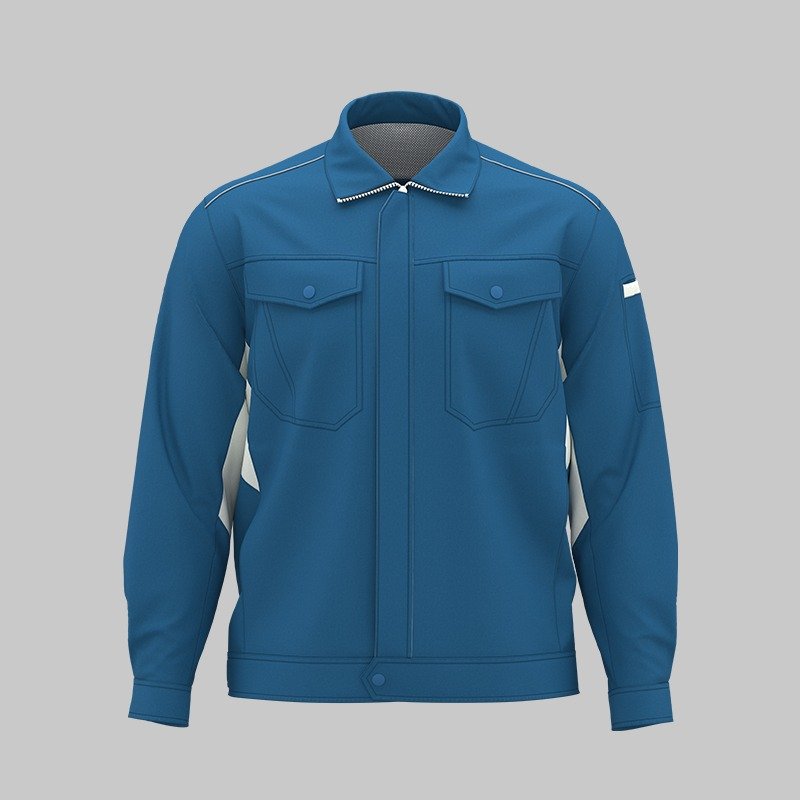

Start Your Custom Construction Uniform Project
Send your garment type, work setting, fabric, branding, quantity, destination, timeline, and any required compliance standard for a practical quote.