
Demolition Workwear Manufacturer for Custom Site Uniforms
Veelianpro supports OEM, ODM and private-label demolition workwear programs from 100 pieces per style and color, subject to project requirements.
Featured Workwear Development References







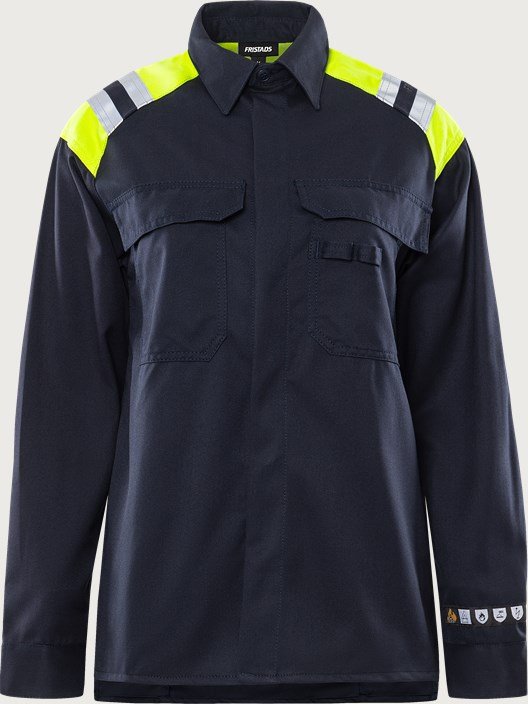
Related Demolition Workwear Styles





Why Choose a Demolition Workwear Manufacturer
Veelianpro develops practical, branded workwear programs around your garment specifications, sampling requirements, quantity targets and intended demolition-site conditions.
Site-Focused Development
Discuss abrasion, dust, movement, layering, weather exposure and required PPE compatibility before finalizing your demolition workwear design.
Custom Construction Details
Specify fabrics, pocket systems, reinforced knees, bartacks, triple stitching, gussets, closures and reflective tape placement for your program.
Samples Before Production
Move from sketches, tech packs or product ideas through pattern development and sampling before approving your branded production order.
Flexible Brand Application
Apply your identity through embroidery, screen printing, heat transfers, patches, woven labels, care labels and custom packaging.
Conditional 100-Piece MOQ
Start from 100 pieces per style and color, subject to fabric, certification, construction and project-specific production requirements.
Coordinated Production Support
Manage sourcing, grading, cutting, sewing, finishing, quality checks, packing and export coordination through one experienced workwear partner.
Workwear Built for Demolition Teams
Custom industrial apparel development for demanding site work, from daily layers and reinforced garments to specialist protective product families.
Work Shirts
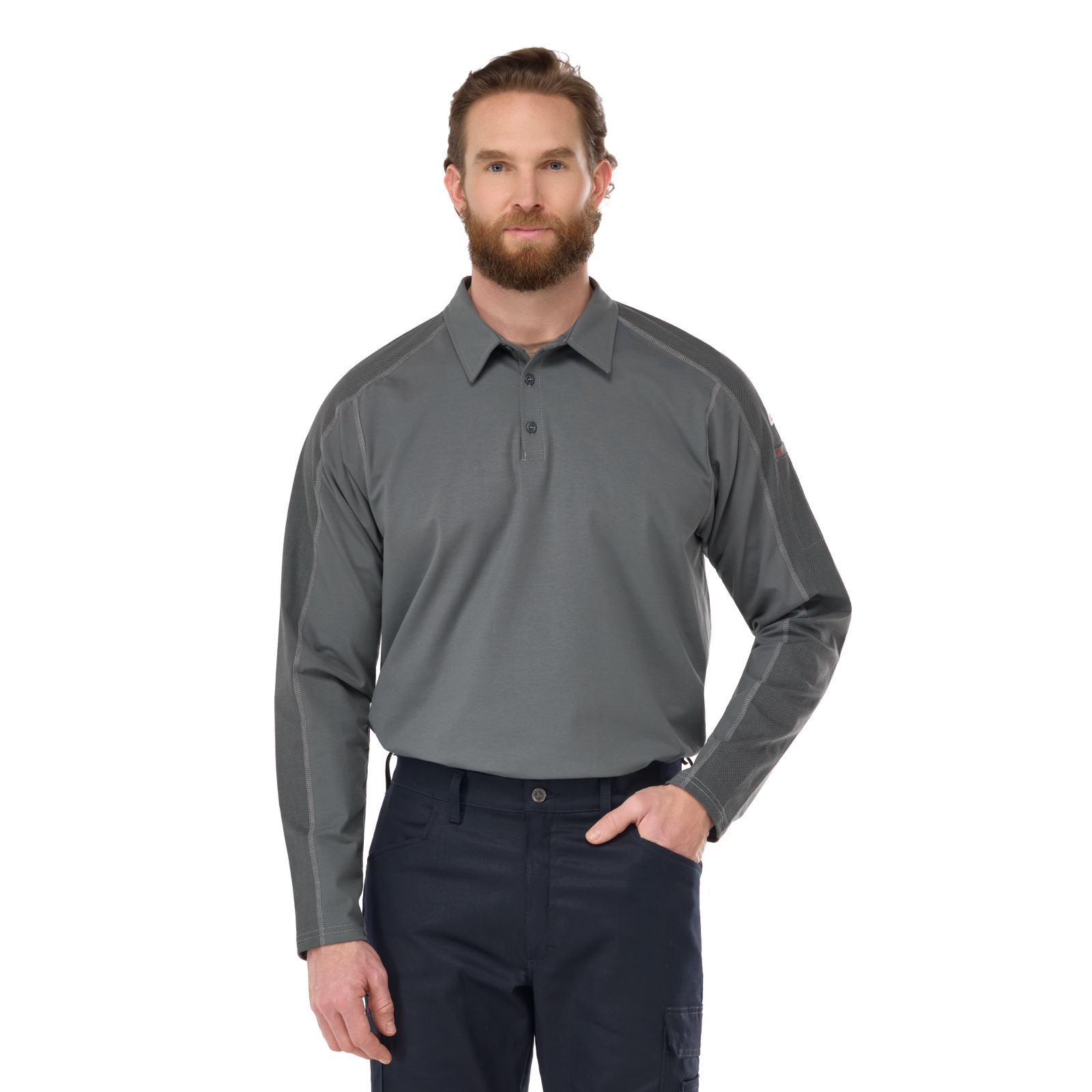
Long-sleeve and short-sleeve work shirts developed for dusty, abrasive job sites. Specify fabric composition, weight, pocket layout, closures, reinforced stress points, color blocking, woven labels or embroidery to suit crew uniforms and private-label collections.
Request a Workwear Quote
T-Shirts & Polos
Crew-neck tees and work polos for everyday site layers, supervisor uniforms and service teams. Develop breathable fabric choices, collar construction, plackets, sleeve finishes and branding through screen printing, heat transfer, embroidery or custom labels.
Request a Workwear Quote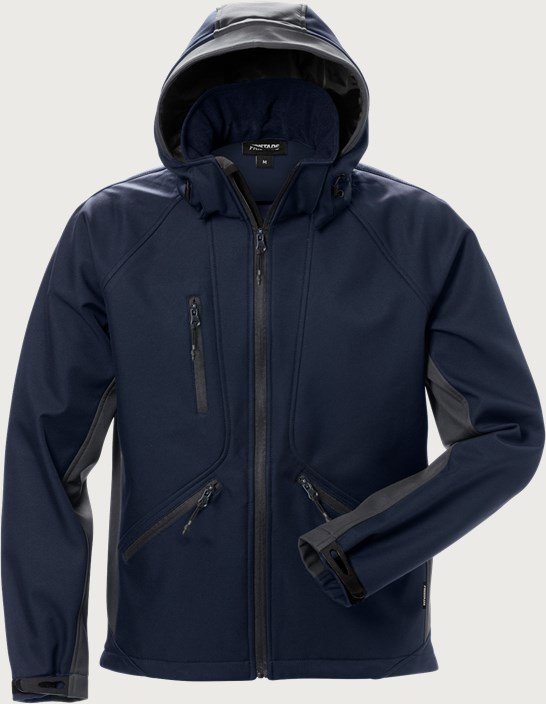
Work Jackets & Outerwear
Softshell, fleece, padded and rain jacket programs for changing outdoor conditions. Product development can cover lining, hood and cuff details, pocket systems, weather-protection construction, reflective tape placement and branded trims based on the intended work setting.
Request a Workwear Quote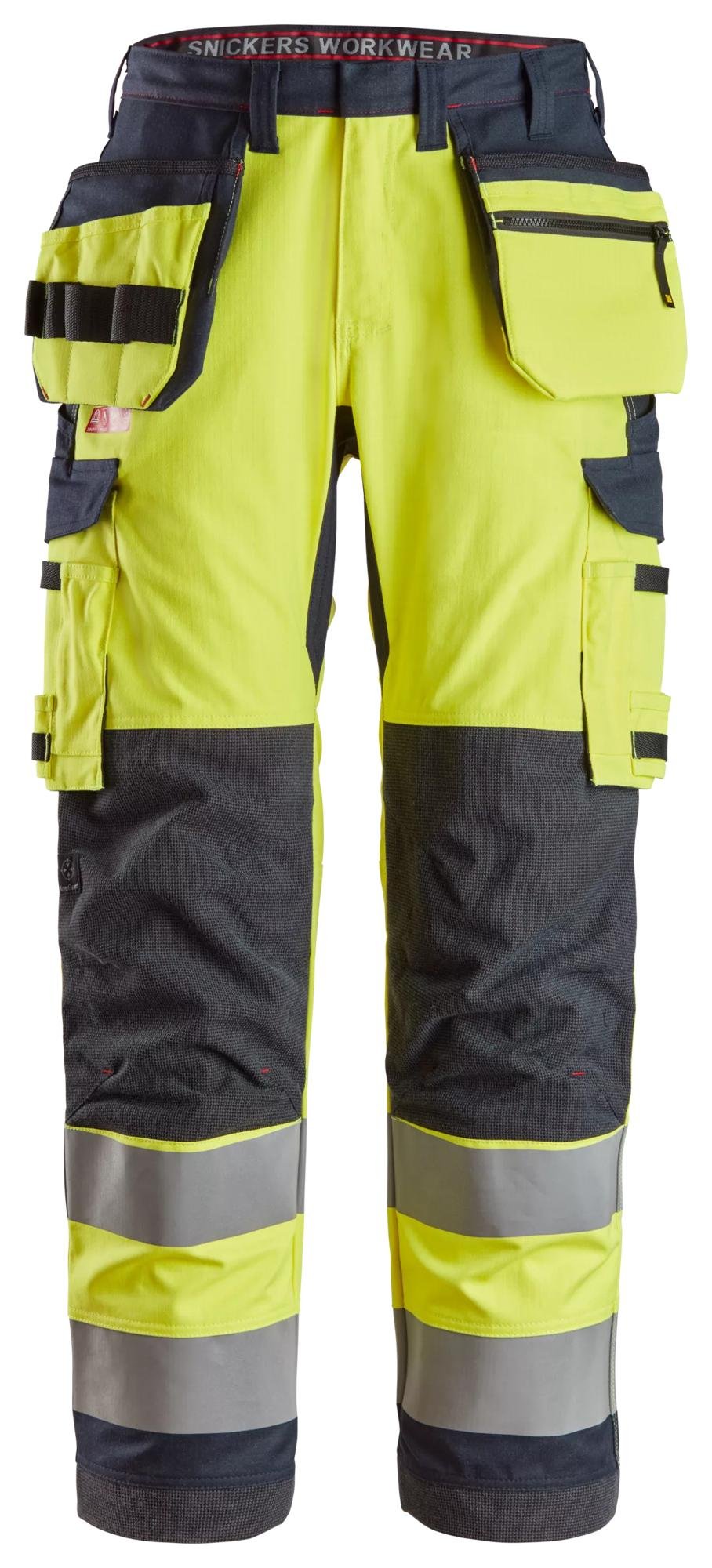
Work Vests & Bodywarmers
Utility vests and insulated bodywarmers provide practical layering without restricting arm movement. Configure pocket arrangements, front closures, quilted insulation, contrast panels, reflective details and decoration methods for site crews, logistics teams or distributor ranges.
Request a Workwear Quote
Work Pants & Shorts
Work trousers, cargo pants and shorts can be developed with utility pockets, reinforced knees, bartacks, triple stitching and gusseted construction. Select fabric, fit, size grading, colors and branding details around mobility, tool carrying and the working environment.
Request a Workwear Quote
Coveralls & Bib Overalls
Coveralls, bib overalls and two-piece work suits for full-coverage industrial uniforms. Development may include front closures, adjustable straps, pocket systems, reinforced panels, elasticated sections, reflective placement and identity labeling according to the required task and garment program.
Request a Workwear Quote
Workwear Sets
Coordinated shirt-and-pant, jacket-and-trouser or multi-piece uniform programs create a consistent crew presentation. Match fabrics, colors, trim, logo applications and sizing across garments while tailoring pocket layouts and reinforcement details to each role.
Request a Workwear Quote
High-Visibility Workwear
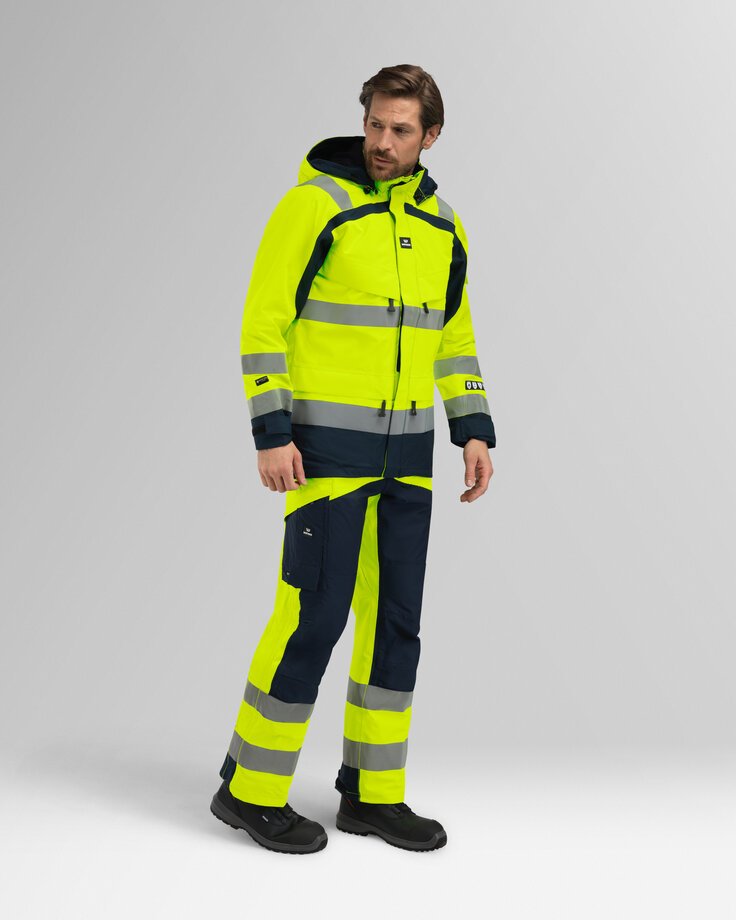
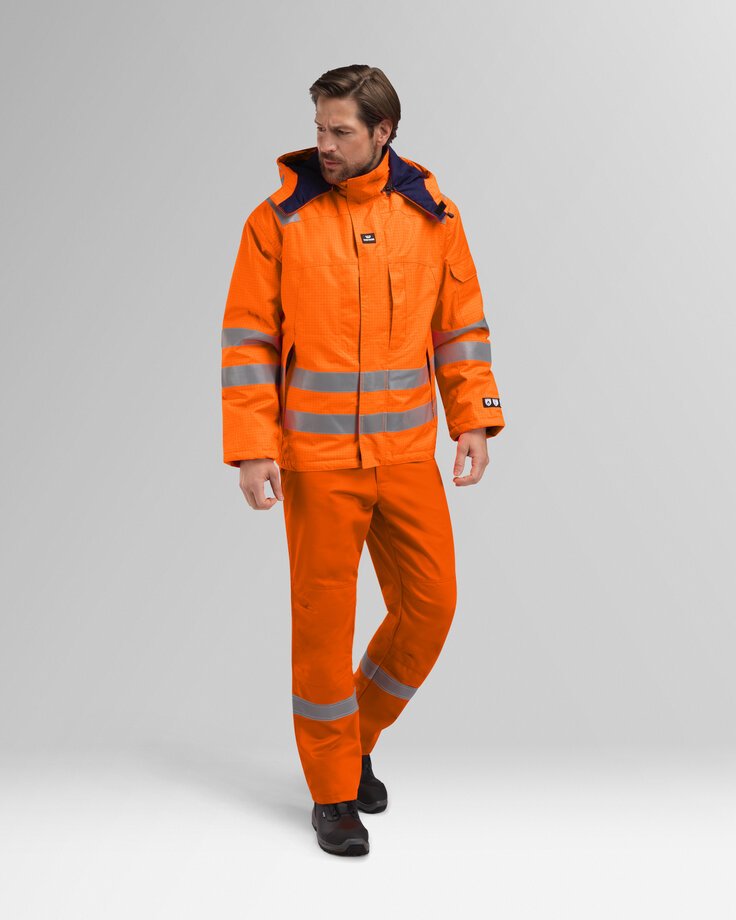
High-visibility garment families include vests, jackets, shirts, trousers and coveralls with planned reflective tape placement and color blocking. Required visibility standards, test methods and certificate scope must be defined before any performance or compliance claim is made.
Request a Workwear Quote
Flame-Resistant & Arc-Rated Wear
FR and arc-rated development programs may include shirts, pants, coveralls and outerwear with specified fabric and construction requirements. Final protective claims depend on SKU-specific test evidence, applicable standards and documented certification scope.
Request a Workwear Quote
Chemical-Protective Clothing
Chemical-protective clothing can be developed around the intended exposure, garment format, closures, seams and material requirements. Buyers should provide the chemical type, applicable standard and required testing; protection claims require exact evidence for the finished SKU.
Request a Workwear Quote
Cold-Storage Workwear
Cold-storage apparel programs can include insulated jackets, bib overalls, trousers and layered components for refrigerated work environments. Define the operating conditions, mobility needs, closure and cuff details, insulation approach and any required performance documentation during development.
Request a Workwear Quote
Welding Workwear
Welding garments are developed with task-specific fabric, coverage, pocket placement and reinforced construction considerations. Jackets, trousers, coveralls and sleeves can be customized for branding and fit; stated protective performance requires the applicable tested and documented product evidence.
Request a Workwear Quote
Medical & Cleanroom Wear
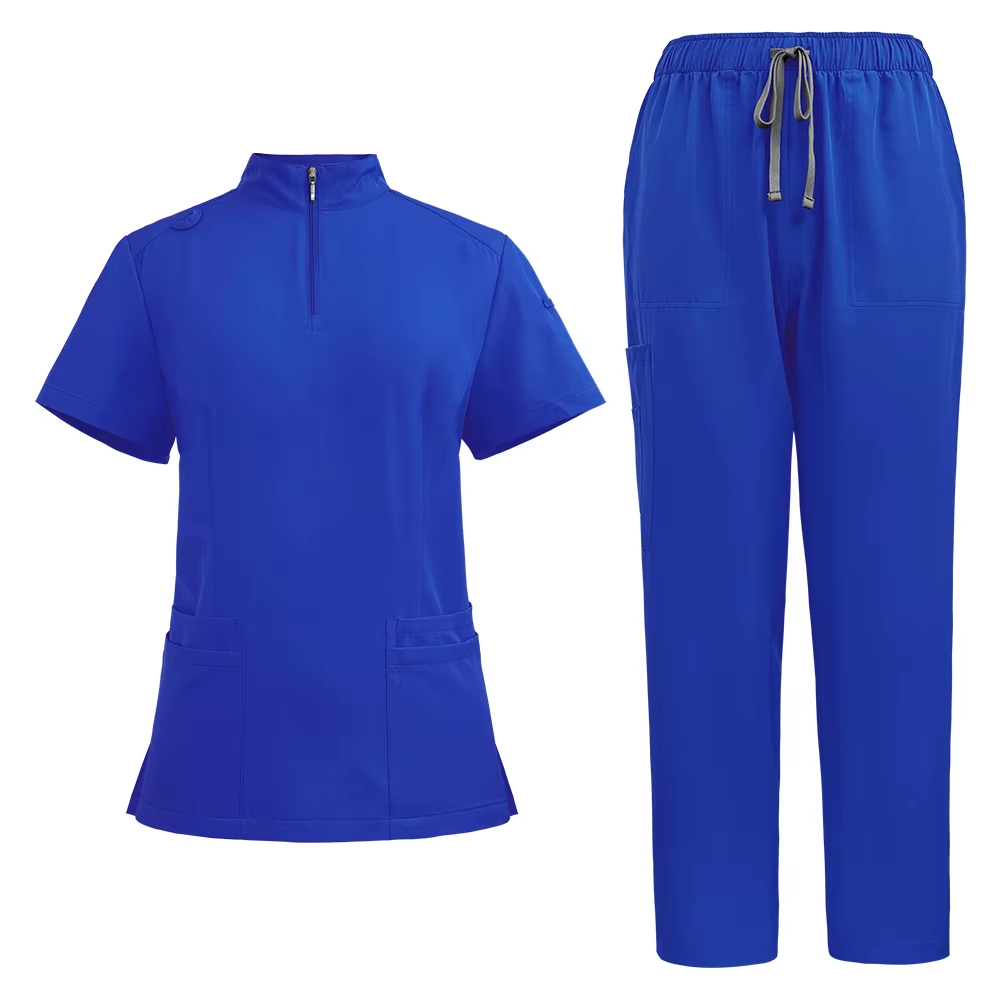
Medical scrubs, cleanroom garments and ESD product families support healthcare, controlled-environment and technical uniform programs. Specify garment type, fabric requirements, closure details, color coding, size range, labeling and the relevant standard or testing requirements where applicable.
Request a Workwear Quote
Chef & Hospitality Uniforms
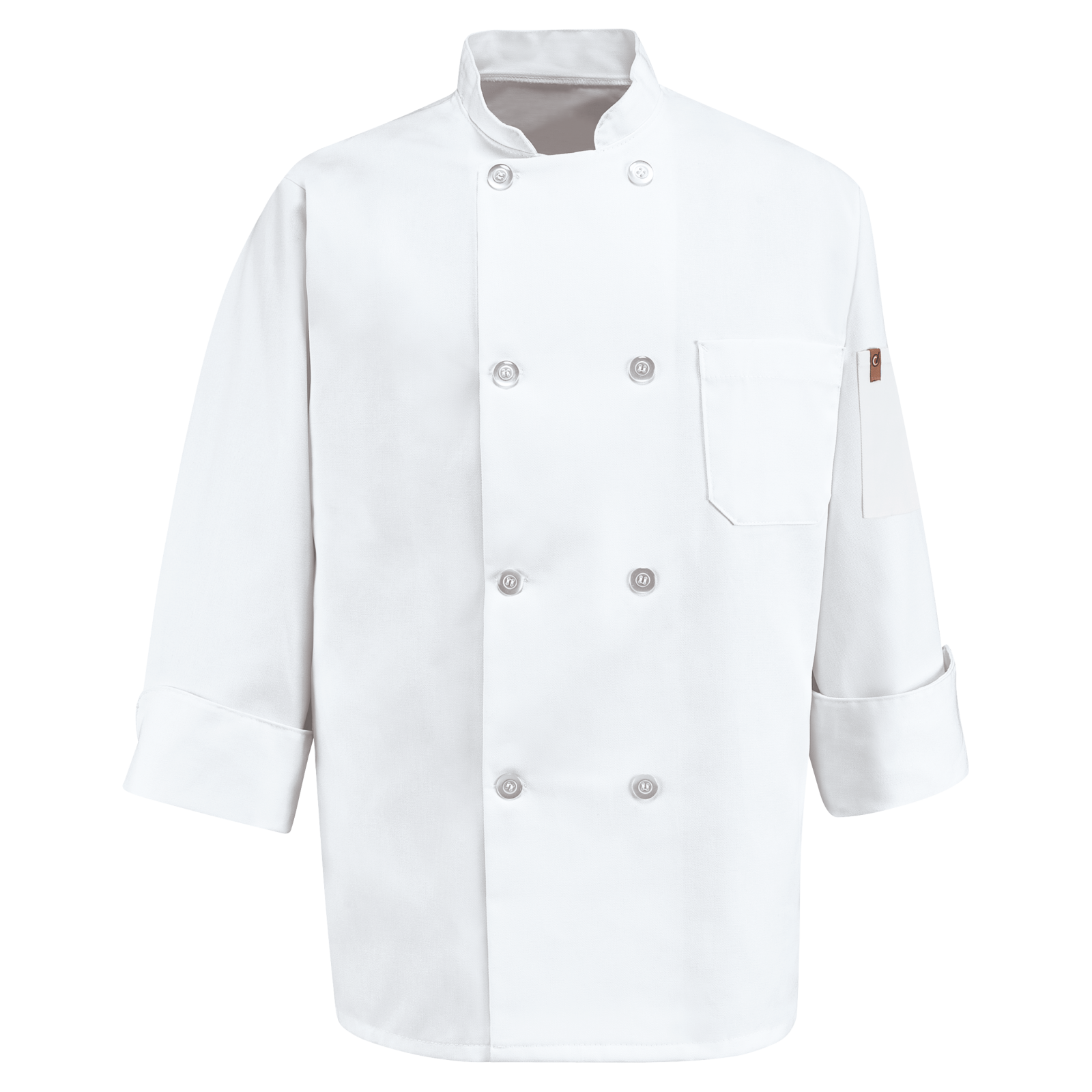
Chef coats, kitchen uniforms and hospitality apparel include jackets, shirts, aprons, trousers and front-of-house styles. Develop practical closures, pocket details, fabric selection, colorways and logo applications for restaurant groups, hotels, caterers and uniform distributors.
Request a Workwear Quote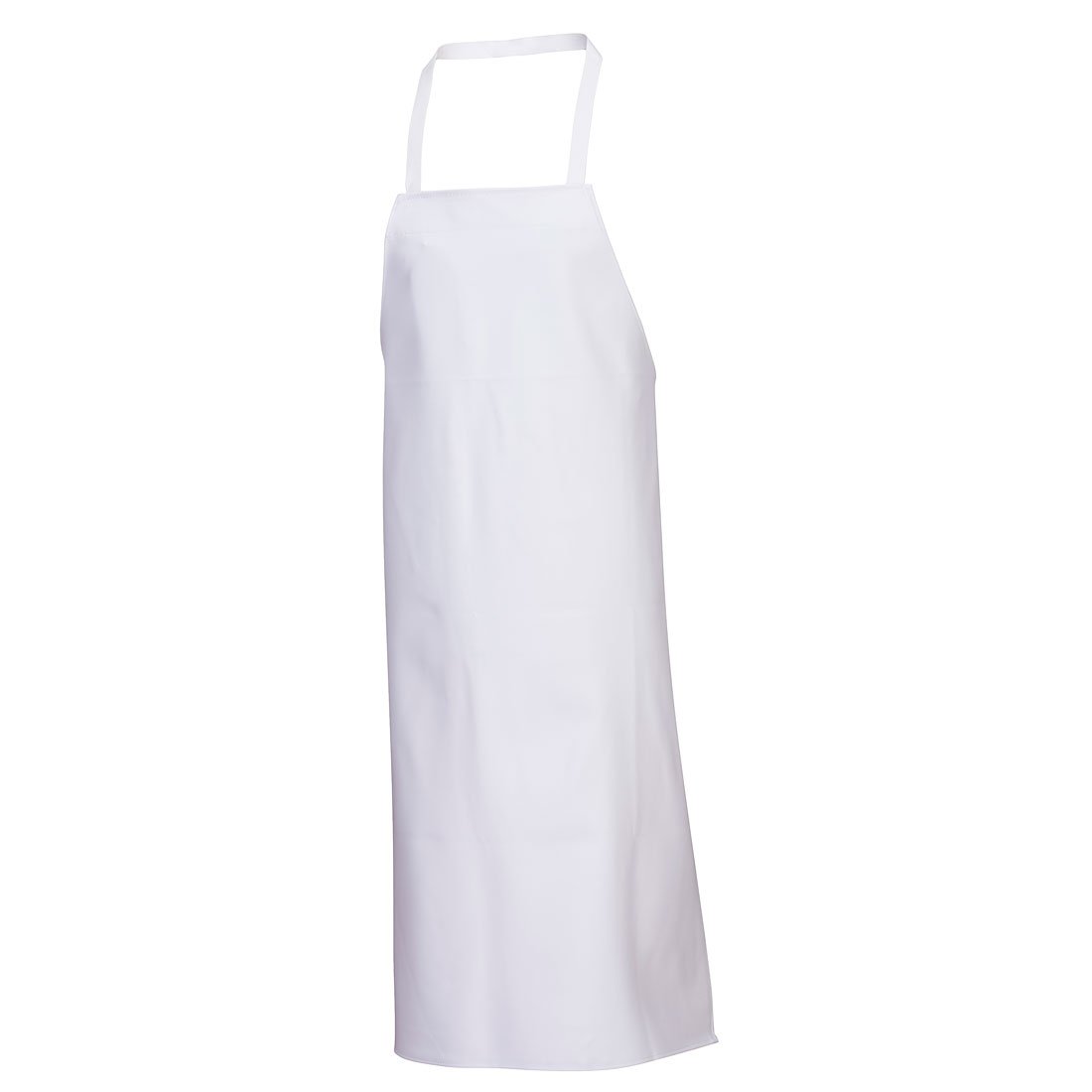
Industry Uniforms
Industry uniform programs combine core garments into role-specific apparel for construction, logistics, maintenance, service and industrial teams. Veelianpro supports fabric sourcing, patterns, sampling, size grading, decoration, packing and export coordination for OEM, ODM and private-label requirements.
Request a Workwear Quote
Base Layers & Accessories
Base layers and work accessories complete layered uniform ranges with items such as thermal tops, underlayers, caps and practical add-ons. Align fabric choices, colors, labeling and logo treatment with the main garment collection and intended work conditions.
Request a Workwear QuoteMaterials for Custom Demolition Workwear




Demolition Workwear Development Process



About Veelianpro: Wuhan Workwear Manufacturer


About Veelianpro, Your Demolition Workwear Manufacturer
Veelianpro is a Wuhan-based demolition workwear manufacturer serving industrial, safety, hospitality, and service brands. The company profile states that its workwear operation began in 2012, with a mission to turn buyer concepts, tech packs, sketches, and samples into practical garments for demanding work environments.
From fabric and trim sourcing through pattern development, sampling, grading, cutting, sewing, reinforcement, decoration, inspection, packing, and export coordination, Veelianpro supports complete OEM, ODM, private-label, and wholesale programs. The profile also identifies a team of more than 300 skilled workers; these company-supplied figures should be verified before prominent public use.
What sets Veelianpro apart is its development-led approach. Buyers can define fabric composition, garment weight, pocket systems, reinforced knees, bartacks, stitching, reflective placement, weather protection, and branding before production. MOQ starts at 100 pieces per style and color, subject to fabric, construction, certification, and project requirements. Any protection rating remains conditional on SKU-specific test evidence.

Core Capabilities of a Demolition Workwear Manufacturer
From Concept to Tech Pack
Veelianpro reviews your sketch, sample, tech pack, or product idea and turns it into a practical development plan for demolition workwear. Buyers can define fabric weight, pocket layout, fit, branding, required protection, target quantity, destination, and timeline before sampling begins.
- Tech-pack and specification review
- Fabric and trim sourcing support
- Pattern development and sample coordination
- OEM, ODM, and private-label planning

Built for Site Movement
Construction and demolition garments can be developed around abrasion, dust, movement, layering, and changing site conditions. Veelianpro can refine fit, size grading, reinforcement, and functional details so shirts, trousers, jackets, vests, coveralls, and coordinated sets support practical workwear programs.
- Reinforced knees and stress points
- Bartacks, gussets, and triple stitching
- Functional pockets, closures, and trims
- Size grading for consistent team fit

Branding, Inspection, and Export
After construction approval, Veelianpro manages decoration, finishing, quality checks, packing, and export coordination for B2B orders. Embroidery, screen printing, heat transfer, patches, woven labels, care labels, and custom packaging can be reviewed against your brand requirements and order plan.
- Brand labels and decoration options
- Pre-production and in-process quality checks
- Packing instructions for private-label orders
- Shipment and export coordination support

Demolition Workwear Manufacturer vs. Off-the-Shelf Decoration
Compare a custom demolition workwear manufacturer program with buying stocked garments and adding decoration. Starting MOQ is subject to fabric, certification and construction requirements.
← Swipe left or right to view →
How to Start a Custom Demolition Workwear Program
Veelianpro guides buyers from feasibility review and specification planning through sampling, production, inspection, shipment and repeat-order support.
Review Your Requirements
Share your tech pack, sketch or product idea, intended demolition setting, fabrics, sizes, colors, branding, quantity, destination and timeline for feasibility review.
Develop the Specification
We refine patterns, grading, pocket layouts, closures, reinforcements, reflective details and branding while sourcing suitable fabrics and trims for your workwear program.
Approve the Sample
Veelianpro develops samples for fit, mobility, construction and visual review, allowing buyers to confirm revisions before approving the branded production version.
Cut and Manufacture
After order confirmation, fabric is cut and garments are sewn, reinforced, decorated and finished according to the approved specifications and agreed project requirements.
Inspect and Reorder
Quality checks, packing and export coordination prepare the shipment, while documented specifications support smoother reorders for eligible programs starting from 100 pieces per style and color.
How to Start with a Demolition Workwear Manufacturer
Move from an initial concept to approved, branded production with a practical development process built around your demolition workwear specifications.
Submit Your Requirements
Send your tech pack, sketch, sample, or product idea with intended work setting, sizes, colors, branding, quantity, destination, and target timeline.
Confirm Materials And Trims
Confirm fabric weight, composition, trims, pockets, reinforcement, reflective placement, closures, and branding methods against demolition-site movement, abrasion, weather, and layering requirements.
Review Samples And Pricing
Review the prototype, size grading, quotation, and any requested test or certification scope before approving construction, quantities, and private-label details.
Approve Production And Shipment
Approve the order, then coordinate production, inspection, packing, export documentation, shipment, and reorder support with your confirmed specifications.
Certifications and Compliance for Demolition Workwear


Demolition Workwear Manufacturer Scenarios
Illustrative scenario: A safety distributor needs cargo trousers for debris-heavy demolition work. Veelianpro develops pocket placement, reinforced knee options and movement-focused construction for sample review. Acceptance focuses on approved fabric, measurements, reinforcement placement and consistent branding before bulk production.
Illustrative scenario: A uniform buyer is planning layered crew apparel for changing site weather. The development process aligns shirts, outerwear and work pants around the intended work setting, color program and logo method. Acceptance requires approved samples, size grading and documented construction details.
Illustrative scenario: A workwear brand needs a private-label demolition collection from a sketch. Veelianpro converts the concept into patterns, fabric and trim options, then refines a sample with the buyer. Acceptance criteria include fit, cargo layout, decoration placement and production-ready specifications.
Demolition Workwear Manufacturer FAQ
Practical answers for brands, distributors and enterprise buyers planning custom demolition and construction workwear programs.
Can a demolition workwear manufacturer produce private-label garments for my brand?
What is the MOQ for custom demolition workwear?
How does a demolition workwear manufacturer handle fit and mobility?
Can Veelianpro make demolition workwear compatible with required PPE?
Does a demolition workwear manufacturer provide samples before bulk production?
What information should I include when requesting a demolition workwear quote?
What are the payment and shipping terms for custom demolition workwear?
How does Veelianpro protect my demolition workwear design and brand details?
Demolition Workwear Manufacturer: A Buyer’s Guide
Use a practical framework to compare demolition-focused garment specifications, customization, sample checks, and supplier fit—while avoiding incomplete reinforcement details, impractical pocket layouts, unclear quote scopes, and unsupported performance assumptions.
1. What Is a Demolition Workwear Manufacturer?
A demolition workwear manufacturer develops and produces the garments a crew wears while clearing structures, handling tools, moving through debris, and working across changing conditions. The role is to turn a brand’s or buyer’s brief into a coordinated apparel range—such as work shirts, cargo trousers, coveralls, vests, and outer layers—with specified fabrics, pocket layouts, reinforcement choices, sizing, and identification.
This is different from managing a demolition site’s safety program. The manufacturer can develop garment features requested in a tech pack, but the employer or project team remains responsible for hazard assessment, PPE selection, training, and verifying any protection requirement against the applicable standard and supporting test documentation.
Footwear is also a separate supply category: workwear should be planned to work alongside the site’s chosen boots without presenting a garment as a substitute for safety footwear. For brands, distributors, and sourcing teams, the central decision is whether shirts, trousers, layers, and crew identification form a practical system for abrasion-prone tasks, unrestricted movement, tool carry, and weather changes; Veelianpro can develop that system from a sketch, sample, or tech pack, with MOQ starting at 100 pieces per style and color, subject to fabric, certification, and construction requirements.
2. Planning Demolition Workwear Requirements
Demolition workwear specifications should account for contact with rough surfaces, climbing, reaching, kneeling, equipment operation, and carried tools. Selection is therefore more specific than choosing a heavy fabric: buyers can define abrasion-prone zones, reinforcement placement, seam construction, mobility features, and pocket layouts for sample review.
Task exposure changes the specification. Interior strip-out may call for a mobile trouser and organized storage; concrete breaking, salvage, or frequent kneeling can shift attention to knee-panel details, pocket-bag construction, bartacks, and closure selection. High-visibility elements should be specified only when the work setting, site rules, and required standard are defined; a design target is not a documented protective claim.
Weather also turns one crew uniform into a layering system. A work shirt or polo may be specified for warmer shifts, while fleece, softshell, padded, or rain outer layers can be considered for changing conditions. Color, logo placement, labels, and size grading can then keep mixed garments visually consistent across the crew.
For custom programs, Veelianpro can develop shirts, trousers, coveralls, vests, and outer layers from a tech pack, sketch, sample, or product idea, with fabric and trim choices reviewed before sampling. Confirm feasibility for the exact fabric, construction, quantity, and documentation requirements before approval.
3. Demolition Workwear Manufacturer Product Types
Demolition crews need garments that separate abrasion-heavy work, changing weather, and visible team identification. A practical range lets buyers match the garment to the task instead of forcing one style across every role.
| Garment Type | Primary Jobsite Role | Key Mobility Trade-Off |
|---|---|---|
| Cargo pants | Kneeling and tool carry | Pocket bulk versus free leg movement |
| Work shirt or tee | Active base layer | Coverage versus heat management |
| Weather jacket | Rain, wind, or cold layer | Protection versus arm reach |
| Coverall | Continuous body coverage | Coverage versus quicker changing |
Cargo Work Pants
Cargo pants can be specified for kneeling, climbing, debris contact, and small-tool carry. Define pocket placement and knee-panel details without adding unnecessary bulk to the leg.
Review hem circumference and length with the intended footwear during sample fitting, and record the approved measurement in the specification.
Work Shirts And Tees
Shirts and tees can be specified as close-to-body layers for dry, active tasks. Buyers can review coverage, fabric selection, logo placement, movement, and site exposure in the sample.
Confirm back length and sleeve length while the wearer bends and reaches. Review the garment with the intended outer layers and relevant PPE during fitting.
Weather Jackets And Layers
Softshell, fleece, padded, and rain jackets are distinct layer categories and should be selected against the stated work setting and requested documentation. Review arm reach and access to trouser pockets in the sample.
Check jacket length while wearers bend at the waist, climb, and crouch. Record the approved length and hem construction rather than assuming one shell length suits every task.
Coveralls And Two-Piece Suits
Coveralls and two-piece suits are alternative formats for a workwear program. Review torso length, rise, crouch allowance, front closure, and dressing sequence on the sample before choosing between them.
For either option, confirm ankle opening, cuff design, and hem measurements with the intended footwear during fitting.
Coordinated Crew Sets
A crew set combines tops, trousers, and outer layers by role, season, and identification need. Specify shared colors, labels, size-chart rules, and branding references so each style can be reviewed against the same program.
Veelianpro can develop coordinated styles from a tech pack, sketch, sample, or product idea. Confirm the applicable quantity conditions for each style and color in the quotation.
4. Materials and Technical Options for Demolition
Demolition garments need mobility where crews climb, crouch, and handle tools, yet abrasion concentrates at knees, pockets, and exposed outer panels. Veelianpro can develop fabric, reinforcement, and layer choices from the buyer’s task brief; approve each choice against its documented specification rather than a generic durability claim.
| Option | Suitable Use | Specification Purpose | Limitation | Approval Evidence |
|---|---|---|---|---|
| Woven main fabric | Trousers, coveralls, overshirts | Structured base for workwear construction | Abrasion level cannot be assumed | Composition, weight, weave, finish |
| Placed stretch panels | Climbing and crouching zones | Defines a designated ease panel at stated movement zones | Needs defined location and seam details | Panel composition and pattern placement |
| Reinforced knee or pocket zones | Kneeling and tool carry | Defines an additional-material zone at stated contact areas | Does not protect all garment surfaces | Reinforcement material and attachment method |
| Softshell, fleece, padded, or rain layer | Variable site weather | Identifies the requested outer-layer category | Performance rating requires evidence | Layer construction and applicable test scope |
Base Fabric And Weave

For trousers, overshirts, coveralls, and jackets, the buyer can specify a woven main fabric by composition, weight, weave, color, and finish before sampling. Confirm those details for the approved color and finish.
If a lighter construction is proposed, define the intended panel locations and any separate reinforcement details in the tech pack. Knit tees or polos should be specified as distinct garment types rather than treated as substitutes for a trouser or coverall construction.
Stretch Where It Works
Stretch is most useful when placed at movement zones such as gussets or articulated areas, instead of treating it as a substitute for rugged face fabric. The tech pack should identify the stretch location, recovery expectation, and seam construction around it.
Example only: a trouser brief may pair a durable main fabric with limited stretch panels for kneeling and climbing. This is a design direction, not a tested performance claim.
Reinforcement And Weather Layers

Reinforced knees, pocket edges, bartacks, and triple stitching address localized wear, while softshell, fleece, padded, or rain-jacket layers address changing conditions. They solve different problems and should be specified separately.
For wet-weather or protective requests, provide the applicable standard and required test or certificate before approval. A product family name alone does not establish a weather or protective rating.
5. Customization and Crew Identification Options
Crew identification should remain legible without turning a high-motion garment into a stiff, high-wear billboard. Veelianpro can develop branding, labels, packaging, pocket systems, reinforced-knee details, and color choices from the approved tech pack or sample.
| Option | Best Use | Procurement Check |
|---|---|---|
| Embroidery | Defined logos on stable areas | Check bulk, backing, and flex impact |
| Screen Printing | Broad, simple graphics | Confirm fabric compatibility and care |
| Heat Transfer | Detailed multicolor artwork | Approve adhesion and placement sample |
| Woven Or Care Labels | Brand and garment information | Confirm content and label position |
Logo Placement And Decoration
The supplied company profile lists embroidery, screen printing, heat transfer, patches, woven labels, and care labels as decoration options. Select a method after confirming the garment fabric, logo detail, placement, and intended care instructions.
Keep decoration off knee panels, pocket openings, gussets, and other abrasion or flex zones. A chest, upper-back, or sleeve location can preserve pocket access; approve final placement on the sample.
Pockets And Color Blocking
Pocket configuration should reflect what the crew actually carries: phones, measuring tools, gloves, or documents require different access and closure decisions. Specify the pocket system before sample approval so branding does not collide with flaps, cargo pockets, or reinforcement panels.
Color blocking can be discussed where the selected style and fabric support it. Confirm color availability, seam layout, and logo contrast in the development review rather than assuming a standard combination.
Sizing And Identification Pack

A crew program inquiry should state the size range, grading request, wearer mix, garment type, and destination. Include name or role identification requirements early if individual labels, patches, or packing separation are needed.
Protective claims or ratings require the applicable standard and exact test or certificate evidence. Confirm the decoration method on the approved garment fabric and sample before describing it as part of the finished specification.
6. Construction Details That Determine Service Life
Construction choices decide where a garment resists repeated load, rather than implying an unsupported wear-life promise. For demolition crews, inspect the route from seam to reinforcement to closure around kneeling, climbing, tool carry, and debris contact.
Seams At Working Edges
Outseams, inseams, crotches, and pocket openings should be reviewed for the expected climbing, squatting, debris-clearing, and carry tasks. A seam strategy can specify triple stitching or bartacks where the pattern identifies concentrated load.
Mark each requested reinforcement location, stitch detail, and bartack location on the tech pack and sample approval sheet.
Reinforcements And Movement Panels
Knee overlays address repeated contact with rubble and hard surfaces; crotch gussets add material where leg movement would otherwise pull directly across a seam. Reinforcement should follow the task, not decorate every panel.
Specify the overlay material, panel shape, seam allowance treatment, and whether knee access is needed. Excessively stiff panels can restrict climbing, so review mobility in the fitted sample.
Pockets That Carry Securely
Cargo pockets, ruler pockets, and internal pocket bags must support their intended contents without snagging or distorting the trouser leg. Pocket corners and attachment points need attention because loaded tools concentrate force there.
Use a sample to check access while kneeling and whether pocket placement conflicts with a harness or tool belt. Internal double-layer pocket bags are a specification option when the carry area needs added material support.
Closures And Stress Points
A front closure, fly, cuff adjustment, and flap should suit debris exposure and the crew’s normal glove use. Closure selection is a component decision: record the required type, placement, and branding separately from any performance claim.
Review bartacks at belt loops, pocket mouths, fly bases, and other junctions where seams end. Veelianpro can discuss bartacks, gussets, reinforced knees, and pocket systems during development, then incorporate approved details into the production specification.
7. Choosing a Demolition Workwear Manufacturer
A capable demolition workwear manufacturer turns a jobsite brief into controlled, repeatable garment specifications. Compare candidates on what they document and approve before bulk production, rather than on broad durability language.
| Evaluation Area | Evidence To Request | Decision Risk |
|---|---|---|
| Specification clarity | Dated tech pack and bill of materials | Uncontrolled substitutions |
| Sample consistency | Annotated approval sample and measurements | Bulk differs from approval |
| Customization feasibility | Artwork, label, patch, and packaging proof | Branding cannot be reproduced |
| Quality checkpoints | Inspection points and defect handling process | Late discovery before shipment |
| Order handoff | Final specification, quantity breakdown, destination | Production uses outdated instructions |
Start With A Complete Specification
Define fabric composition and weight, pocket map, reinforcement zones, seam method, size chart, colors, artwork, labels, packing, destination, and any required protection evidence. A supplier should separate a requested performance target from a tested, documented claim.
Ask whether the construction can be reproduced across trousers, jackets, vests, or coveralls. Veelianpro can begin from a tech pack, sketch, sample, or product idea and supports fabric and trim sourcing, pattern development, sampling, grading, decoration, and packing.
Approve Samples And Sizing
Review a pre-production sample against the approved specification, checking pocket access, knee reinforcement placement, bartacks, stitching, branding position, and measurement tolerances. Record changes directly on the approval file so the production handoff has one controlling version.
Request the full intended size range, graded measurements, and label sequence before confirming quantities. Fit approval on one sample size does not establish consistency across the range.
Compare Quote And Handoff
A usable quote identifies the style, fabric and trim assumptions, decoration method, packing, inspection scope, shipment arrangement, payment terms, and exclusions. Resolve substitutions and artwork ownership before order confirmation, then retain approved sample and specification references for reorder control.
Choose Veelianpro when you need custom garment development from a tech pack, sample, sketch, or idea, with sourcing, grading, production, decoration, inspection, packing, and export coordination. Confirm feasibility and the quantity conditions for the approved style, color, fabric, construction, and any documentation requirements before placing an order.
8. Common Demolition Workwear Buying Mistakes
Demolition orders fail when a specification looks complete on paper but does not reflect task movement, carry needs, or approval conditions. Resolve these gaps before the production sample and quotation are confirmed.
| Quote Element | Check | Why It Matters |
|---|---|---|
| Fabric and trims | Composition, sourcing, reinforcement | Avoids different garment builds |
| Branding | Method and placement | Separates decoration from garment cost |
| Quality and packing | Inspection and packing scope | Clarifies the delivered order scope |
Specify Fabric By Task
Choosing fabric by a generic weight or composition can misalign the garment with kneeling, climbing, debris handling, or changing weather. The consequence is a style that fits the brief but not the work.
Map each garment to its primary task, movement demand, layer role, and exposure, then review the proposed fabric and construction together.
Treat Pockets As Systems
More pockets do not automatically create utility; poorly placed cargo pockets can interfere with movement or leave tools unsecured. Define what each wearer carries, its access point, closure, and whether it conflicts with harnesses or outer layers.
Specify pocket placement on the tech pack rather than approving a visual layout alone.
Test Wear Before Branding
A logo approval does not validate reinforced knees, bartacks, seams, gussets, or size consistency. Branding a style before a wearer trial can make a later construction correction more complicated.
Use one sample set with the same measurement chart for all sizes, and record fit feedback separately from decoration placement. Illustrative procurement scenario: a distributor holds logo artwork until the sample’s pocket access and grading are signed off.
Compare Like-For-Like Quotes
A lower quote may exclude fabric sourcing, trims, pattern work, sampling, decoration, packing, inspection, or export coordination. Compare the written scope line by line, including quantity conditions and any fabric, construction, or documentation dependencies.
Ask each factory to flag exclusions and approval-dependent items before selecting a quote.
9. Launching With a Demolition Workwear Manufacturer
A usable development order turns demolition exposure into an auditable garment specification before bulk production. Veelianpro can begin from a tech pack, sketch, sample, or product idea; the brief should separate design targets from verified protection requirements.
Map Crew Use Cases
List the task, weather layer, carried tools, and movement demands for each role. Separate debris-clearing trousers from supervisor outerwear when their pocket access or reinforcement needs differ.
Worked example: a buyer may specify a cargo pant for crouching and ladder work, then ask the sample wearer to test whether loaded pockets obstruct kneeling or climbing.
- Work setting and likely abrasion zones
- Layering needs by season or shift
- Tool carry and pocket-access needs
Build The Sample Specification
Record fabric composition, construction targets, closures, pocket layout, reinforcement locations, size range, decoration method, and care-label language. If protection is requested, provide the applicable standard and required test or certificate rather than assuming a product family carries that claim.
Ask whether the sample matches the specified composition, whether bartacks and triple stitching appear at intended stress points, and whether zippers, snaps, or hook-and-loop closures operate with work gloves.
- Can wearers reach pockets while bending?
- Does the gusset preserve stride and squat movement?
- Do measurements match the approved grading chart?
- Will branding withstand the stated care method?
Approve Scope And Acceptance
Approve artwork placement and size only after reviewing the actual decoration method on the sample. Confirm size grading, packing, destination, inspection scope, and which documents or tests are required in the quotation.
Set acceptance criteria in writing: approved sample reference, measurement tolerances if specified, fabric and trim identity, workmanship checkpoints, label copy, packaging, care instructions, and quantity conditions for the approved style and color.
- Approved sample and revision record
- Artwork file and placement reference
- Inspection and defect-handling criteria
- Quote inclusions and export coordination scope
10. Demolition Workwear Cost and Quote Scope
A demolition trouser with knee panels, multiple cargo pockets, bartacks, and triple stitching has a different cost structure from a basic work tee or polo because each added material and sewing operation must be defined. Fabric composition and weight, reinforcement placement, outer-layer components, and trims should appear as separate specifications, not as a vague durability description.
Sampling, colorway count, size distribution, branding method, custom packaging, destination, required documentation, and quantity conditions can all alter the final quote scope.
A complete comparison lets buyers see whether two quotations cover the same garment, approval sample, decoration, packing, inspection, and export handoff. An incomplete comparison may look lower simply because a reinforcement panel, label set, size breakdown, or packing requirement has been left unspecified.
| Cost Driver | What Changes Cost | Quote Must Specify |
|---|---|---|
| Garment category and construction | Trousers, coveralls, jackets, vests, and layered systems use different pattern pieces, materials, and sewing operations. | Garment type, pocket layout, reinforcement locations, bartacks, triple stitching, gussets, closures, and required weather-layer features. |
| Fabric, trims, and protection target | Composition, fabric weight, reflective tape, protective-material requirements, and hardware choice affect sourcing and construction. | Approved fabric and trim specification; applicable standard, test, or certificate requirement when protection is requested. |
| Branding and colorways | Embroidery, screen printing, heat transfer, patches, woven labels, care labels, and each additional colorway add defined development or production scope. | Artwork, placement, dimensions, colors, label content, color references, and style-and-color quantities. |
| Sizing, sampling, and packaging | A broad size curve, sample iterations, individual packing, custom packaging, and destination-specific packing alter the order plan. | Size breakdown, sample stage and approval criteria, folding or bagging instructions, carton marks, destination, and export coordination scope. |
| Order quantity | Quantity affects how fabric, trims, cutting, and production are planned; Veelianpro’s starting MOQ is 100 pieces per style and color, subject to requirements. | Quantity by style, color, and size, plus any fabric, certification, or construction conditions affecting MOQ. |
Request a Demolition Workwear Manufacturer Quote
Send your garment specifications, branding details, quantity, destination, and timeline for a tailored OEM or private-label quotation.