
Custom Masonry Workwear Manufacturer in China
Veelianpro is a custom workwear manufacturer in China offering OEM, ODM, private label workwear and wholesale production from 100 pieces per style and color.
Masonry Workwear Development: Featured Garment References







Related Product Catalogue and Quotation





Why Partner With a Masonry Workwear Manufacturer?
Veelianpro helps buyers use a masonry workwear manufacturer for trade-focused development, flexible customization, sampling and coordinated production.
Trade-Specific Development
Develop abrasion-conscious garments for masonry crews, balancing durable construction, practical mobility and comfortable wear across demanding workdays.
Flexible Customization
Customize fabrics, pocket layouts, reinforced zones, reflective trims, labels and decoration to match your private-label or crew program.
100-Piece Entry Point
Start projects from 100 pieces per style and color, subject to fabric, certification and construction requirements confirmed during feasibility review.
Sampling Before Production
Review fit, construction and branding through sampling before quotation approval, helping buyers align specifications with intended work settings.
Coordinated Production Support
Coordinate pattern development, sourcing, cutting, sewing, quality checks, packing and export support through one experienced production partner.
Private-Label Workwear for Masonry Crews
Develop category-specific garments for demanding site work, coordinated uniform programs, and specialist protective applications.
Work Shirts
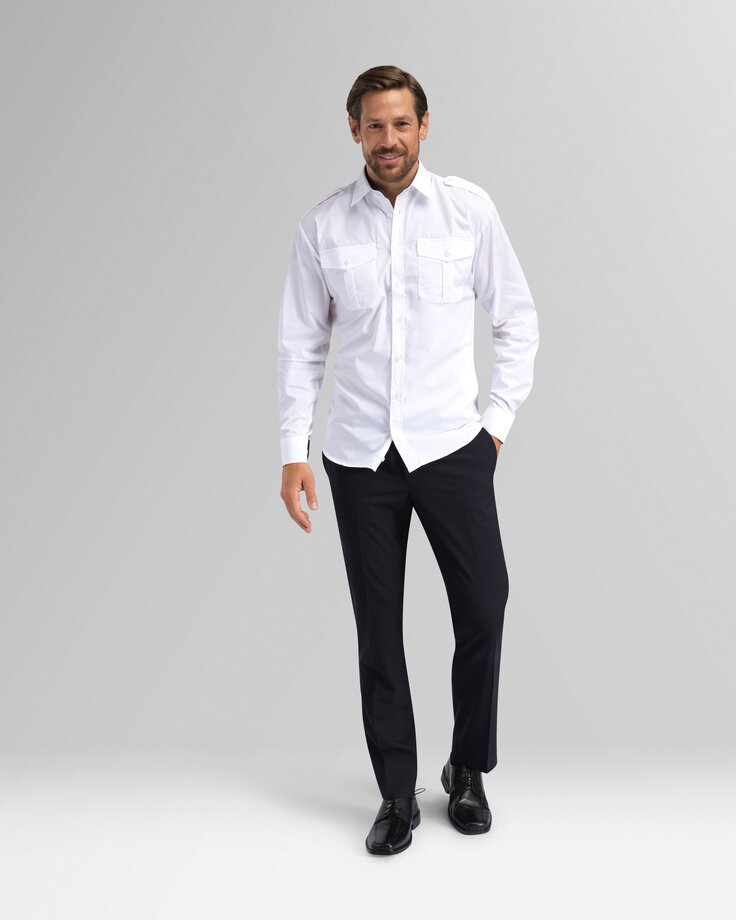
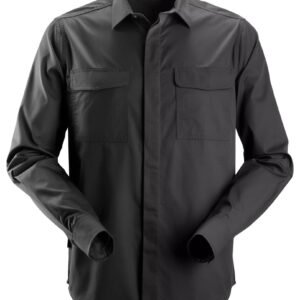
Build durable button-front or snap-front work shirts with practical chest pockets, long- or short-sleeve formats, and fabric selected for the job environment. Develop branded labels, patches, embroidery, or printed identification alongside reinforced stress points where required.
Request a Workwear Quote
T-Shirts & Polos
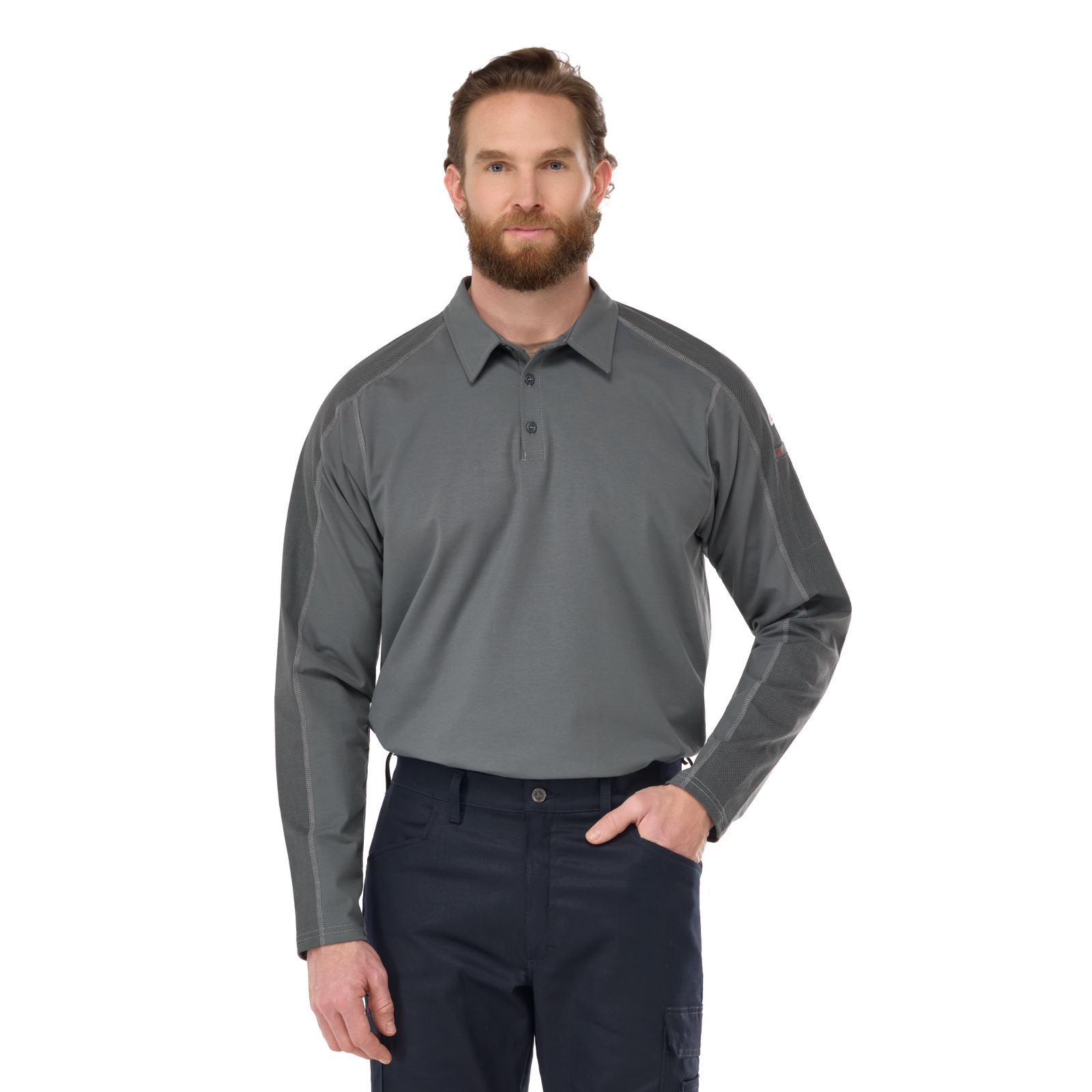
Develop crew-neck tees, pocket tees, and collared polos for crew uniforms, trade counters, or service teams. Fabric composition, weight, color, collar construction, plackets, and decoration methods can be specified to suit daily wear and private-label presentation.
Request a Workwear Quote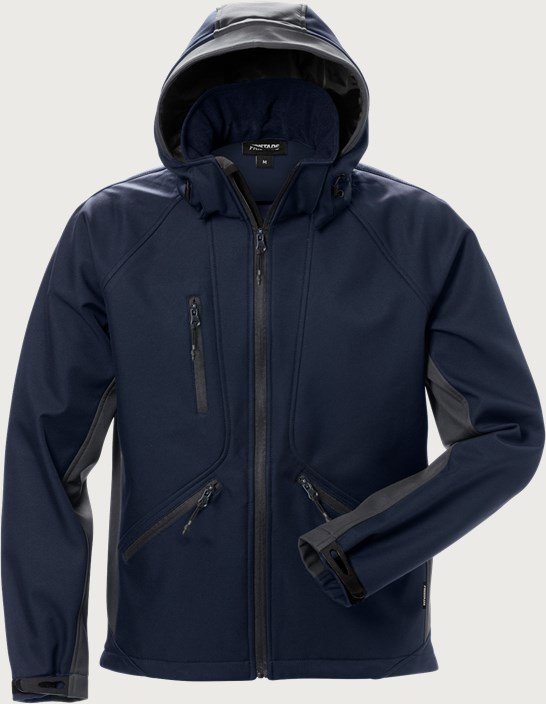
Work Jackets & Outerwear
Specify softshell, fleece, padded, rain, or lined work jackets for changing outdoor conditions. Development can cover hood and cuff details, pocket layout, weather-protection construction, reflective trim placement, insulation choices, and custom branding for masonry and construction collections.
Request a Workwear Quote
Work Vests & Bodywarmers
Create utility vests and insulated bodywarmers that add storage or warmth without restricting arm movement. Pocket configuration, closure type, lining, shell fabric, collar height, reflective details, and logo application can be developed around the intended work setting.
Request a Workwear Quote
Work Pants & Shorts
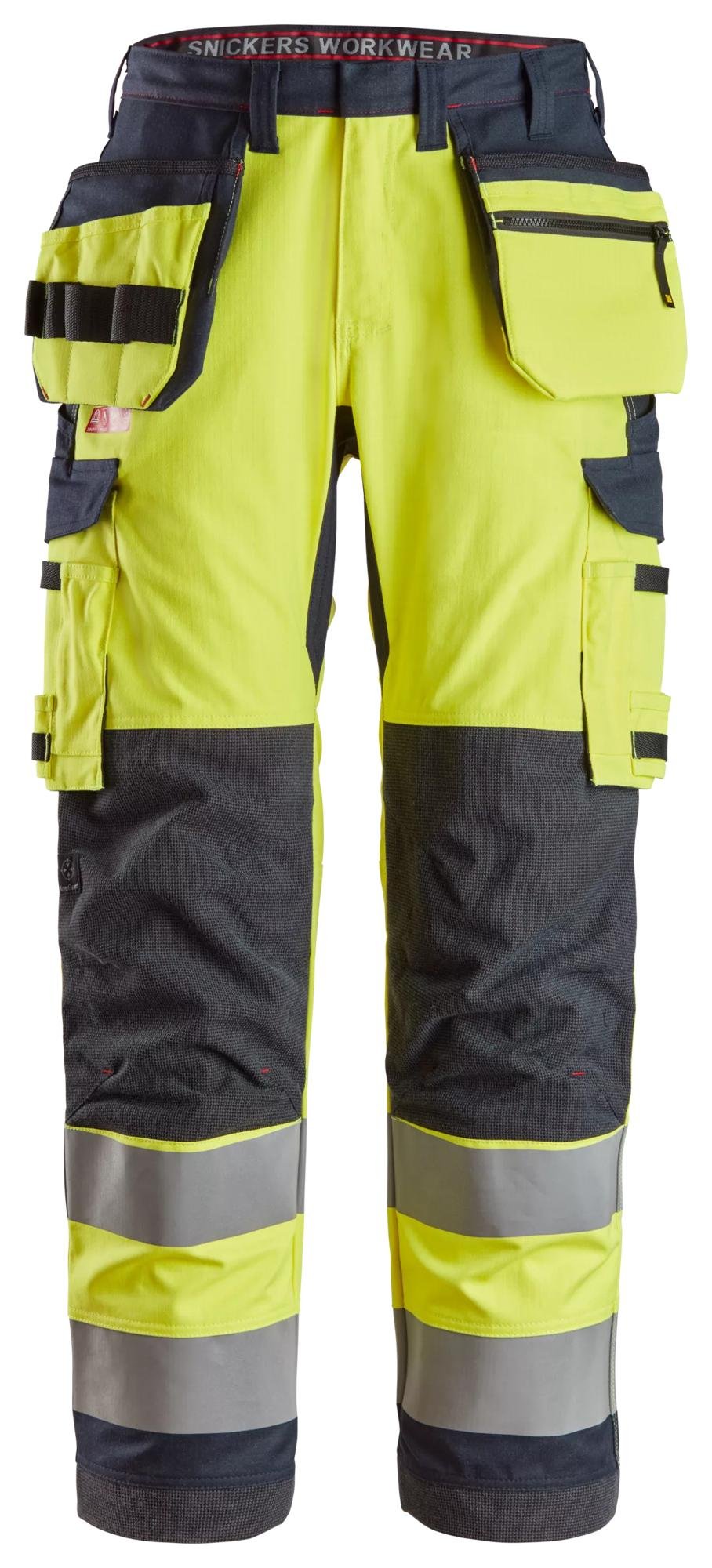
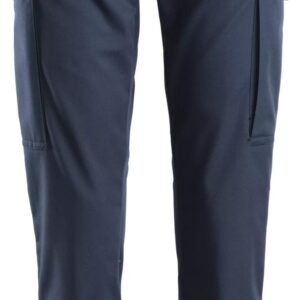
Produce work trousers, cargo pants, and shorts with pocket systems suited to tools and daily site movement. Key development details include fabric choice, reinforced knees, bartacks, triple stitching, gusset construction, size grading, and branded trims or labels.
Request a Workwear Quote
Coveralls & Bib Overalls
Develop full coveralls, bib overalls, and two-piece protective work suits for coverage-focused programs. Specify closures, adjustable straps, pocket placement, reinforced areas, fabric construction, reflective elements, and decoration to match the garment’s intended industrial use.
Request a Workwear Quote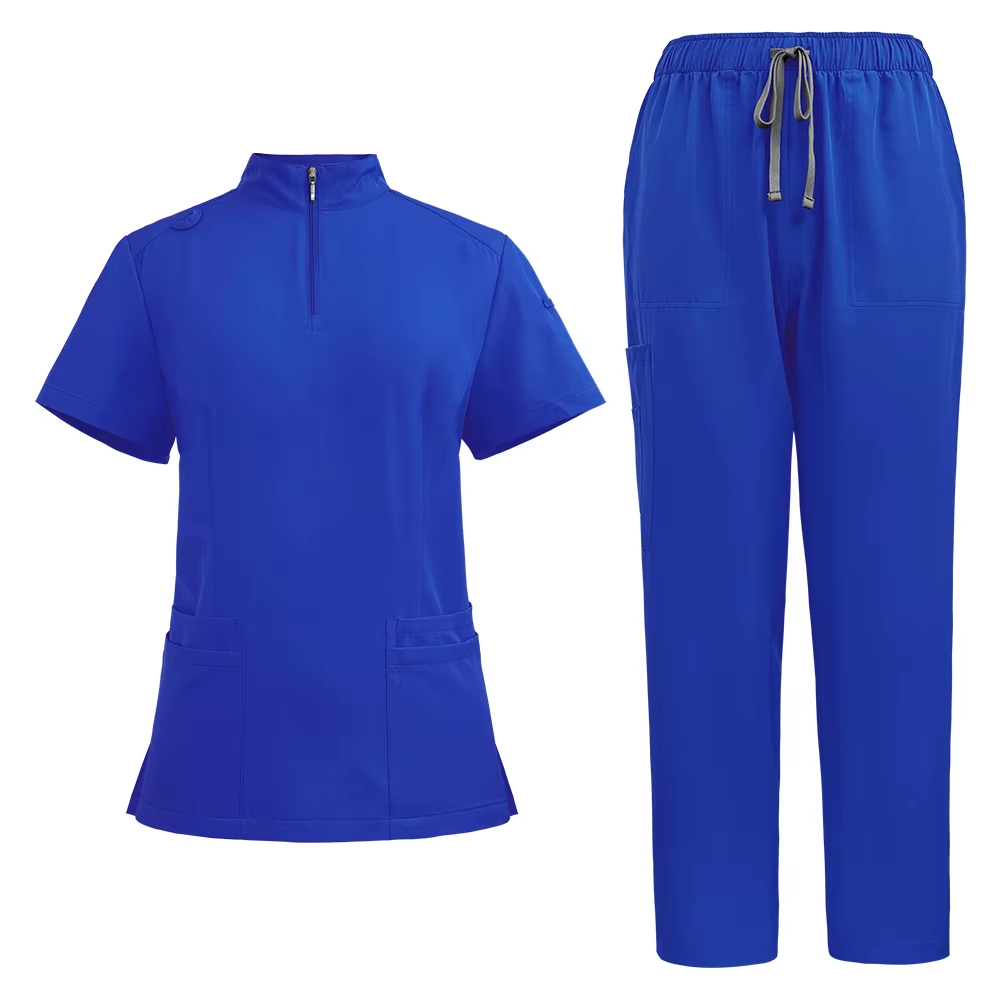
Workwear Sets
Coordinate shirts, jackets, vests, trousers, or coveralls as matched workwear sets. Colors, fabric families, branding treatments, sizing, and functional details can be aligned across garments for contractor uniforms, distributor assortments, and private-label ranges.
Request a Workwear Quote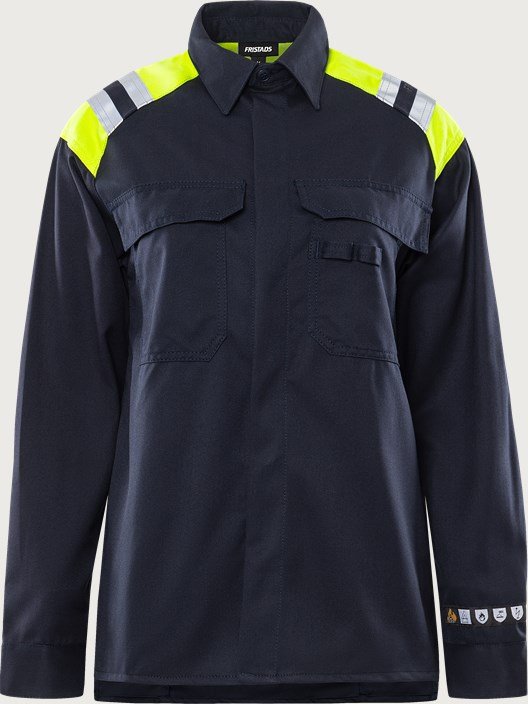
High-Visibility Workwear
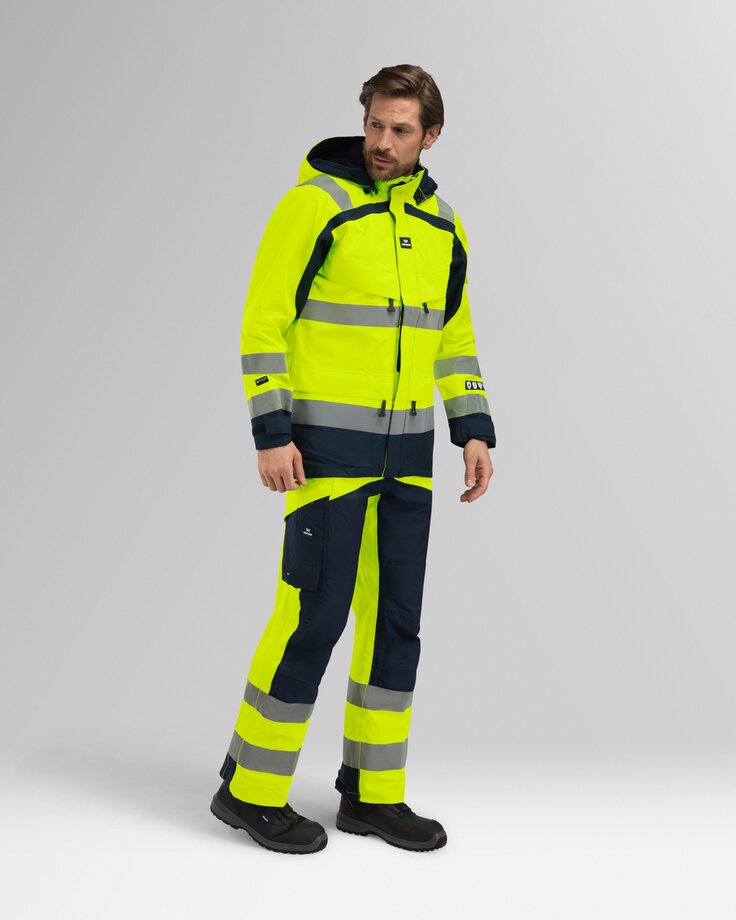
Develop high-visibility shirts, vests, jackets, trousers, or coveralls with project-specific color blocking and reflective tape placement. Any requested visibility standard, material performance, or certification scope must be confirmed against the exact garment design and supporting test evidence.
Request a Workwear Quote
Flame-Resistant & Arc-Rated Wear
Develop flame-resistant and arc-rated garment families, including shirts, trousers, coveralls, jackets, and layered systems. Fabric selection, closures, pocket design, reinforcement, and branding must be reviewed against the applicable standard; ratings require SKU-specific documentation and test evidence.
Request a Workwear Quote
Chemical-Protective Clothing
Source and develop chemical-protective clothing for defined workplace exposure needs, with garment style, seam construction, closures, hoods, cuffs, and material selection reviewed for the application. Chemical resistance claims, use limits, and certification scope require documented evidence for the finished SKU.
Request a Workwear Quote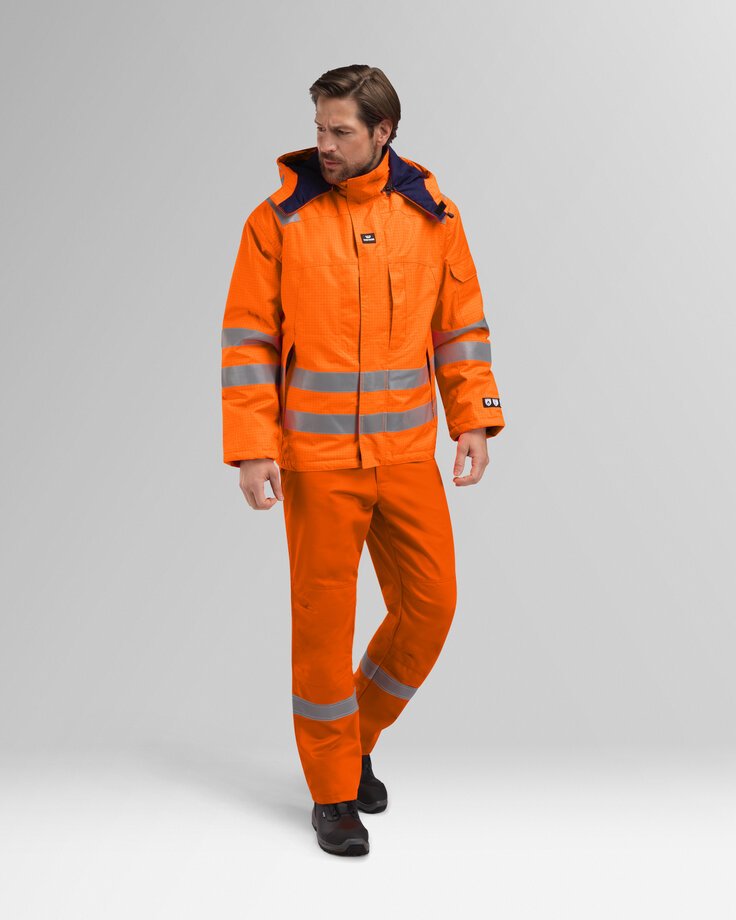
Cold-Storage Workwear
Develop insulated jackets, bibs, coveralls, and layered garments for cold-storage teams and chilled work environments. Insulation, lining, outer shell, closures, cuff finishes, hoods, and pocket access can be customized; temperature performance requires application-specific validation rather than assumed ratings.
Request a Workwear Quote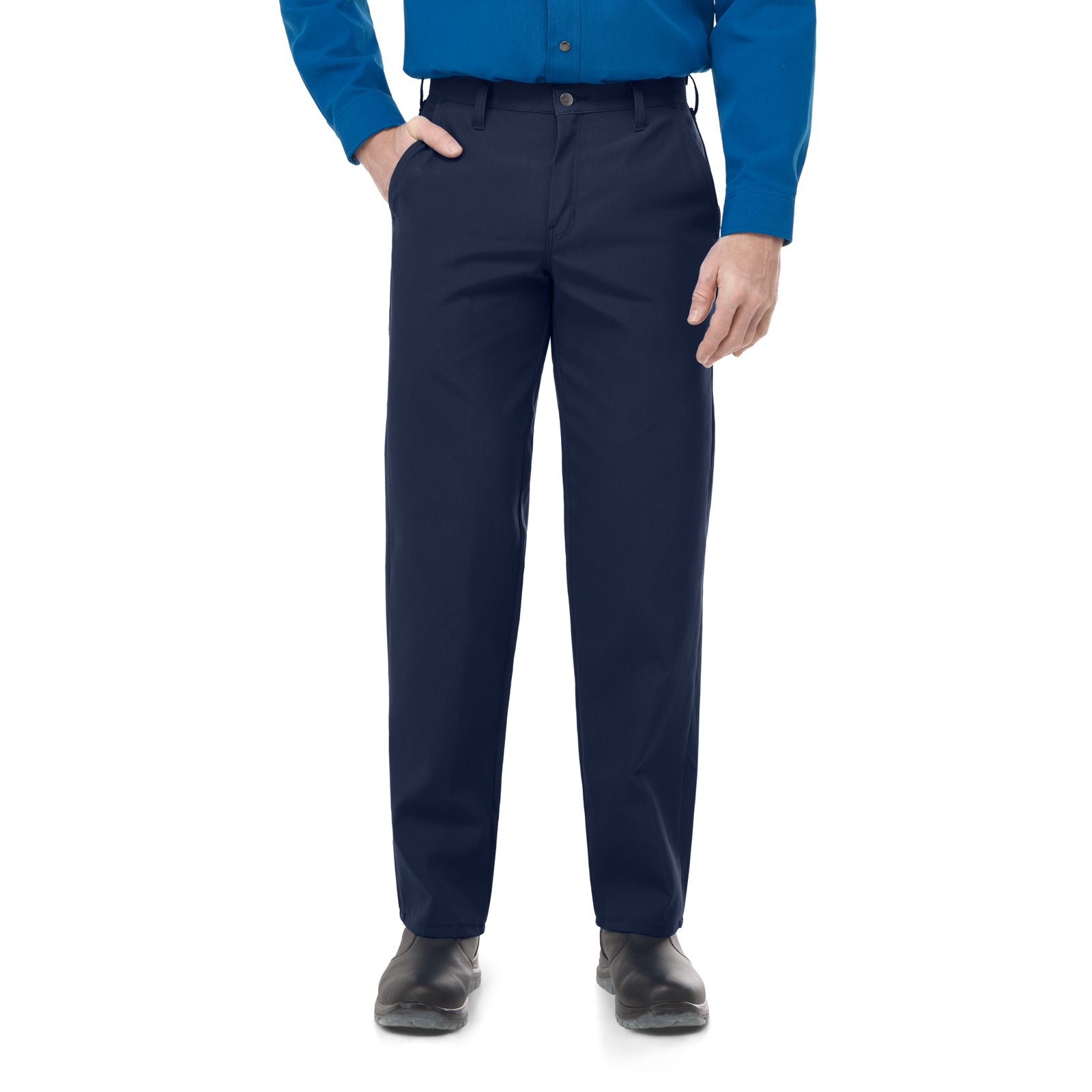
Welding Workwear
Build welding garments such as jackets, shirts, trousers, aprons, coveralls, and protective layers with construction choices suited to welding operations. Discuss fabric, closures, pocket placement, reinforcement, and required standards early; flame or heat-protection claims need exact supporting evidence.
Request a Workwear Quote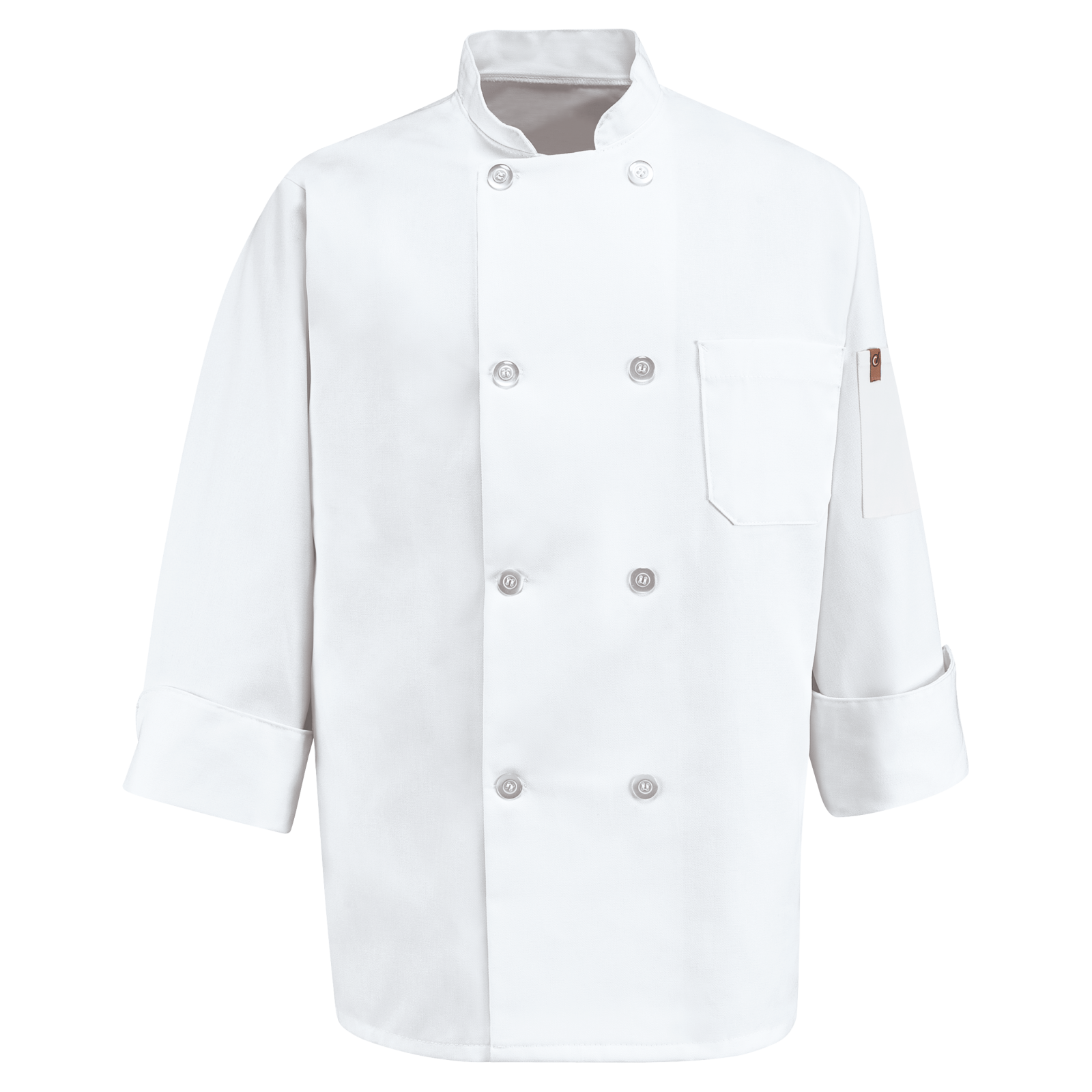
Medical & Cleanroom Wear
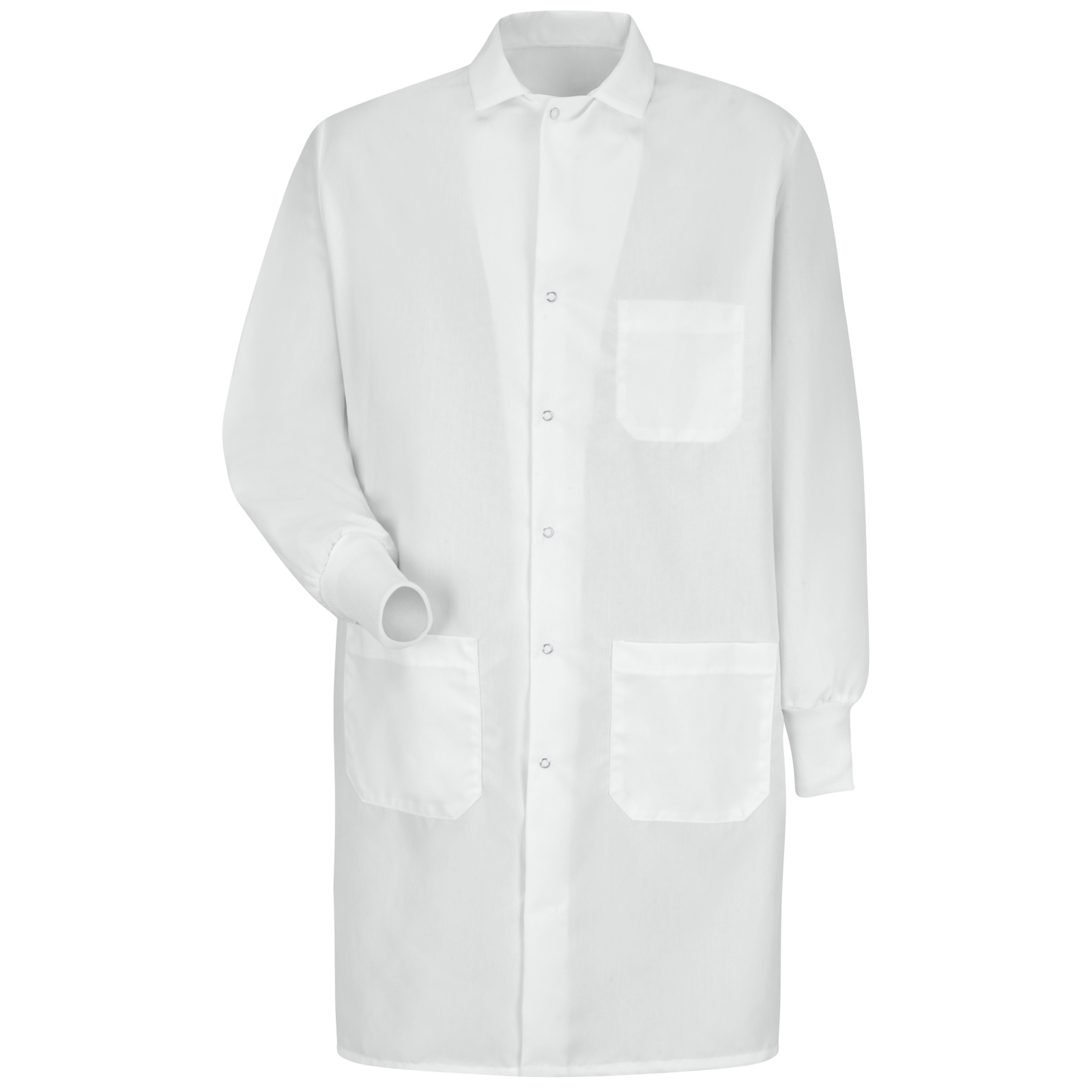
Produce medical scrubs, cleanroom garments, and ESD-oriented apparel with style, fabric, closure, pocket, size-range, and identification requirements defined for the operating environment. Cleanroom classification, ESD performance, or related compliance claims are only made when documented for the specified SKU.
Request a Workwear Quote
Chef & Hospitality Uniforms
Develop chef jackets, cook shirts, aprons, trousers, front-of-house uniforms, and housekeeping apparel for hospitality programs. Choose practical closures, pocket layouts, fabric composition, colors, trims, embroidery, labels, and coordinated looks for kitchens, restaurants, hotels, and service teams.
Request a Workwear Quote
Industry Uniforms
Create industry-specific uniform programs spanning construction, logistics, facility services, manufacturing, hospitality, and field operations. Garment combinations, colors, branding, size grading, and functional construction can be developed from a tech pack, sample, sketch, or product idea.
Request a Workwear Quote
Base Layers & Accessories
Complete a workwear offer with branded labels, care labels, packaging, and coordinated color and logo treatments where included in the approved product brief. Confirm any additional accessory or knee-pad requirement separately before quoting.
Request a Workwear QuoteMaterials for a Masonry Workwear Manufacturer




Masonry Workwear Manufacturer Decoration and Construction Processes



Functional Trims and Accessories for Masonry Crews


Veelianpro: Masonry Workwear Manufacturer
Hubei Veelianpro Workwear Co., Ltd. is a Wuhan-based workwear manufacturer whose company profile states that its operation began in 2012. Built to support industrial, safety and service brands, Veelianpro develops custom garments from a buyer’s tech pack, sketch, sample or product idea, including private-label masonry workwear for emerging and established programs.
As a masonry workwear manufacturer, Veelianpro supports OEM, ODM and wholesale production from 100 pieces per style and color, subject to fabric, certification and construction requirements. Its production scope includes fabric and trim sourcing, pattern development, sampling, size grading, cutting, sewing, reinforcement, decoration, finishing, quality checks, packing and export coordination.
The difference is hands-on development across the full garment lifecycle. Buyers can review abrasion-focused construction, pocket systems, reinforced knees, bartacks, stitching, reflective details, weather protection and branding before production. The company profile also describes a team of more than 300 skilled workers; this workforce figure is company-supplied and should be verified for current public use.

Core Capabilities of a Masonry Workwear Manufacturer
Review the Product Direction
Veelianpro begins with your tech pack, sketch, sample or product idea. As a masonry workwear manufacturer, we review intended use, fit, construction, branding and production requirements before recommending a practical development path for private-label collections or crew programs.
- Tech-pack and sketch review
- Garment construction feasibility checks
- Fit, use-case and branding discussion
- OEM, ODM and private-label planning

Develop Patterns for Movement
Pattern development translates the masonry workwear concept into a wearable production sample. We can refine proportions, pocket placement, mobility zones and size grading around the needs of bricklayers, masons, concrete crews, supervisors and other demanding work environments.
- Pattern development from approved references
- Size grading across the required range
- Pocket systems and mobility adjustments
- Sample revisions based on fit feedback

Source Fabrics and Functional Trims
Material selection affects durability, comfort and job suitability. Veelianpro helps coordinate fabric and trim sourcing based on your target weight, composition, color, weather needs and budget, while keeping performance claims subject to the required test evidence and certification scope.
- Fabric weight and composition review
- Reinforced knees, gussets and bartacks
- Reflective tape and trim placement
- Buttons, zippers, labels and care details

Sample, Brand and Check Quality
Before bulk production, Veelianpro supports sampling, decoration approval, construction review and quality checks. Embroidery, screen printing, heat transfer, patches, woven labels and custom packaging can help a masonry workwear manufacturer deliver consistent branded apparel for crews and distribution programs.
- Pre-production sample confirmation
- Logo and label decoration approval
- Sewing, reinforcement and finishing checks
- Packing and export coordination

Custom Workwear Development vs. Stock-Garment Decoration
Compare custom garment development with a route that selects an existing stock garment and adds decoration. Veelianpro’s stated starting MOQ is 100 pieces per style and color, subject to fabric, certification, and construction requirements.
← Swipe left or right to view →
How Veelianpro, a Masonry Workwear Manufacturer, Builds Your Program
From inquiry to export, Veelianpro coordinates custom masonry workwear development for OEM, ODM and private-label programs starting at 100 pieces per style and color, subject to project requirements.
Review Your Requirements
Share your garment idea, sketch, sample or tech pack, including work setting, target quantity, size range, destination and timeline for feasibility review.
Source and Develop
We source fabrics and trims, confirm composition and weight, then develop patterns, fit details and functional layouts for your masonry crew requirements.
Sample and Produce
After sample approval, Veelianpro grades sizes, cuts panels and sews garments, adding bartacks, reinforced knees, gussets or triple stitching where specified.
Apply Your Branding
We apply approved logos and labels through embroidery, heat transfer, patches or woven labels, then complete finishing, packing and export coordination.
Inspect and Ship
Inspection checks construction, measurements, decoration and packing details before shipment, with project-specific performance documentation reviewed when protective requirements apply.
How to Work With a Masonry Workwear Manufacturer
Move from an initial masonry workwear concept to an approved, branded production order through a clear development and manufacturing process.
Share Your Concept
Send a tech pack, sketch, sample, or product idea with garment type, work setting, target quantity, branding needs, destination, and timeline.
Review Feasibility
Veelianpro reviews construction, fabric, trims, sizing, protection requirements, and MOQ conditions, then identifies practical development routes before materials and sampling begin.
Confirm Materials and Sample
Select fabric composition, weight, pocket systems, reinforcement, reflective placement, and branding details; Veelianpro develops patterns, grades sizes, and prepares samples for approval.
Approve Quote and Produce
After sample feedback, Veelianpro issues a project quotation; approved orders move through production, inspection, packing, export coordination, shipment, and reorder support.
Certifications and Compliance Evidence for a Masonry Workwear Manufacturer


Masonry Workwear Manufacturer Scenarios
Illustrative scenario: A safety distributor needs trousers for crews that kneel, lift, and handle rough materials. Development centers on pocket layout, reinforced knee options, bartacks, and seam construction. Acceptance criteria include approved measurements, fabric, trim, branding placement, and pre-production sample review.
Illustrative scenario: A uniform buyer needs one recognizable masonry program without issuing the same garment to field crews and supervisors. The proposed range pairs task-focused shirts and trousers with role-appropriate outer layers, then confirms logo method, size grading, color standards, and packing requirements. Acceptance criteria are an approved role allocation, measurements, fabric and trim selections, decoration placement, and packing record before bulk production approval.
Illustrative scenario: A workwear brand has a masonry capsule sketch but needs it translated into an order-ready private-label specification. Pattern development and sampling refine mobility, utility-pocket placement, reinforced areas, labels, and packaging. Acceptance criteria cover the approved sample, size range, fabric selection, artwork, target quantity, destination, and any applicable protection documentation.
Masonry Workwear Manufacturer FAQ
Practical answers for buyers planning custom masonry, bricklaying and concrete crew apparel.
Can a masonry workwear manufacturer develop garments for bricklayers and concrete crews?
What is the minimum order quantity for custom masonry workwear?
How long does custom masonry workwear production take?
Does Veelianpro charge for samples and development?
What customization can a masonry workwear manufacturer provide?
What payment terms and shipping support are available?
How does Veelianpro protect my designs and private-label information?
How are certifications and protective performance verified?
Masonry Workwear Manufacturer: A Buyer’s Guide
A practical framework for selecting role-ready masonry apparel, comparing construction and customization options, evaluating suppliers, and avoiding specification, artwork, sizing, and quote-scope mistakes before production.
1. What Is a Masonry Workwear Manufacturer?
Masonry crews need garments built around repetitive kneeling, lifting, carrying, and contact with rough materials—not merely logo-bearing promotional shirts. A masonry workwear manufacturer develops and produces task-appropriate trousers, bib overalls, work shirts, outer layers, vests, and coveralls for bricklaying, concrete, and related construction teams, then coordinates the selected fabrics, pockets, reinforcement details, trims, sizing, branding, finishing, and packing.
The distinction matters in procurement. Promotional apparel primarily carries an identity; field workwear must first suit the wearer’s task, exposure, movement, and required protective specification, with decoration added only where the garment and artwork support it. Veelianpro works from a tech pack, sketch, sample, or product idea and can support fabric and trim sourcing, pattern development, sampling, size grading, sewing, reinforcement, decoration, quality checks, and export coordination.
Typical buyers include workwear brands, safety distributors, uniform buyers, wholesalers, traders, and enterprise sourcing teams planning coordinated programs for crew members, foremen, supervisors, and customer-facing staff. An effective brief identifies the work setting, garment roles, fabric and construction priorities, size range, colors, logo method and placement, quantities, destination, and timeline; where protection is requested, it must also name the applicable standard and required test or certificate. Veelianpro’s starting MOQ is 100 pieces per style and color, subject to fabric, certification, and construction requirements.
2. Why Masonry Workwear Needs Task-Specific Design
Masonry garments should be specified around the movements and contact points in the actual job, including kneeling, lifting, carrying, bending, and tool access. The brief should identify where abrasion occurs, which pockets must remain accessible, and whether the wearer needs a separate outer layer. That turns a broad request for “durable workwear” into sample-checkable construction decisions.
A readable bricklayer-workwear reference identifies knee reinforcement, bib-and-brace coverage during bending, and covered pockets or zips as relevant options for this type of work. Those are options to assess against the approved pattern and use case, not automatic performance claims for every garment. https://www.mascotworkwear.com/en/bricklayer
Separate everyday crew garments from styles requested for a defined protective purpose. Where visibility or other protection is required, the buyer must provide the applicable standard and the required test or certificate scope before a claim appears in product copy or an order. Veelianpro can develop trousers, bib overalls, shirts, jackets, vests, and related details from the buyer’s brief.
3. Masonry Workwear Manufacturer Product Range
A masonry program works best as a coordinated set of garments, not one universal uniform. Veelianpro can develop trousers, bib-and-brace overalls, shirts, jackets, vests, and visibility-oriented layers from a buyer’s approved brief.
| Role | Core Garment | Coordinated Addition |
|---|---|---|
| Masons | Work trousers or bib-and-brace | Work shirt |
| Laborers | Work trousers | Fleece or outer layer |
| Foremen and supervisors | Work shirt or polo | Outer layer |
| Estimators and service staff | Polo or work shirt | Branded outer layer |
Field Crew Foundations
Work trousers are the daily base for masons and laborers; specify the pocket layout, knee reinforcement, seam approach, and mobility features required by the task.
Bib-and-brace overalls add upper-body coverage and help keep the garment in place during bending. Choose them when the crew’s work pattern makes a separate shirt and trouser system impractical.
- Work trousers for kneeling and carrying tasks
- Bib-and-brace overalls for continuous bending
- Work shirts for a coordinated base layer
Layers For Changing Conditions
Work shirts, polos, and tees can cover active crew wear, while fleece, softshell, padded, or rain jackets can be considered as separate layers in the approved range.
Visibility-oriented vests, shirts, or outer layers should be specified only where the project’s site rules require them. A design target is not a documented protective claim; provide the required standard and evidence scope for review.
- Fleece midlayers for additional warmth
- Softshell or rain jackets for outer layers
- Visibility layers where site rules require them
Role-Based Uniform Planning
Keep the same approved color, logo system, and label treatment across the program, then vary the garment by exposure and customer-facing responsibility. Foremen and supervisors may use shirts or outer layers distinct from field crews; estimators and service staff can use polos or shirts suited to visits and meetings.
Start quantities by role, style, color, and size rather than ordering one mixed total. This makes the size matrix, garment allocation, and quote scope easier to review.
4. Materials and Technical Options for Masonry Workwear
Fabric selection should start with the work setting, contact zones, laundering plan, decoration method, and the wearer’s required range of movement. Veelianpro can discuss composition, fabric weight, reinforcement zones, and decoration before sampling. Treat every material choice as a development option until the approved sample and specification define it.
| Material Option | Abrasion-Zone Brief | Mobility Brief | Care and Wear Trial | Artwork Review |
|---|---|---|---|---|
| Cotton-rich base fabric | Identify expected contact zones | Confirm ease and pattern requirements | Set wash and appearance acceptance criteria | Test the selected method on the sample |
| Polyester blend | Identify expected contact zones | Confirm ease and pattern requirements | Set wash and appearance acceptance criteria | Test the selected method on the sample |
| Stretch panels | Define panel location and contact exposure | Mark flex zones on the pattern | Set wash and appearance acceptance criteria | Review artwork location against panel movement |
| Reinforcement fabric | Define reinforcement zones in the tech pack | Confirm effect on movement in the sample | Set wash and appearance acceptance criteria | Review artwork location against panel construction |
| Visibility-oriented material | Define the required standard, if any | Confirm movement and coverage in the sample | State the project requirement and evidence scope | Review artwork only after the required design is defined |
Base Fabric Choices

Compare candidate base fabrics through the buyer’s intended task, laundering approach, hand-feel preference, logo method, and approved sample. Do not describe a fabric as more durable, easier to care for, or color-retentive without evidence for the specified construction.
Specify the intended task, laundering approach, and logo method together. A fabric selected for a shirt should be reviewed independently before it is used for hard-contact trousers.
Mobility And Reinforcement
Stretch panels can add movement at areas that flex during bending, climbing, and lifting, while reinforcement fabric focuses protection on high-contact zones. These choices should be mapped to the garment pattern rather than treated as a whole-garment requirement.
For trousers, discuss reinforced knees, pocket edges, and other expected abrasion points during tech-pack review. Confirm panel color and surface texture before approving embroidery, prints, or patches.
Heat Moisture And Visibility
For warm or exposed work settings, define the intended layer, fabric construction, laundering expectations, and wearer trial criteria before approving a material choice. Avoid moisture-management or drying claims unless evidence covers the specified garment.
Visibility-oriented materials should be selected only against the project requirement; color or reflective trim alone is not a certification claim. Provide the applicable standard and required test or certificate whenever protective visibility performance is requested.
5. Customization for Masonry Crew Identity
A coordinated masonry uniform is easier to identify when its color, logo locations, and role text are planned as one layout. Veelianpro can develop branding through embroidery, screen printing, heat transfer, patches, woven labels, and custom labels on compatible garments.
| Decoration | Best Artwork Consideration | Compatible Placement Review |
|---|---|---|
| Screen printing | Repeat logo or simplified color artwork | Check panel space and construction lines |
| Heat transfer | Detailed or multi-color artwork | Confirm garment compatibility and artwork scale |
| Embroidery | Logo marks and short text | Review stitchable detail and placement access |
Place Logos Around The Job
Chest logos work where a smaller company mark is needed on shirts, polos, jackets, vests, or bibs. Back panels can carry a larger business name or crew identifier when the garment design leaves clear space.
Avoid pocket openings, zippers, reflective tape, seams, and reinforced panels when they would interrupt the artwork. Confirm the exact placement against the selected pattern, not only a flat logo file.
Match Decoration To Artwork
Screen printing can suit repeat logo artwork on compatible garments, while heat-transfer decoration can be considered for compatible multi-color or detailed artwork. Embroidery is a practical option for compatible logo marks on polos, jackets, and other suitable styles.
Approve the method with the garment fabric, artwork colors, and placement together. Small lettering, fine lines, gradients, and color separations should be reviewed before sampling.
Define People And Roles
Employee names, crew names, departments, and labels such as Foreman or Site Supervisor should use one approved spelling list. Assign each personalization to a size and garment record so individual pieces do not become anonymous during packing.
Illustrative layout: a small company logo appears on the left chest, while the upper back carries the crew name and a role label below it. This is a planning example, not a production specification.
6. Construction Details That Affect Service Life
Construction fails first at repeated contact points, not across the whole garment. For masonry crews, the specification should connect each motion and contamination exposure to a seam, panel, pocket, closure, or mobility detail that can be inspected on a sample.
| Wear Point | Common Failure | Specification Remedy |
|---|---|---|
| Knee contact | Abraded panel | Reinforcement aligned to kneeling zone |
| Pocket corner | Split seam | Reinforce stress-terminals |
| Zipper opening | Mortar-clogged closure | Covered closure construction |
| Crotch and seat | Restricted bending or seam strain | Gusset, shaping, and suitable ease |
Seams At Stress Points
Crotch, inseam, seat, pocket corners, and knee joins should be reviewed against the wearer’s bending, lifting, and tool-carrying tasks. Mark the intended reinforcement locations and seam construction in the tech pack, then inspect them on the approved sample.
Bartacks and triple stitching are development options, not a blanket durability claim. Define their placement, stitch construction, and acceptance criteria in the style specification, and verify the actual construction before bulk approval.
- Map bartacks to pocket corners and stress-terminals.
- Inspect seam allowance consistency on the pre-production sample.
- Specify which seams require reinforced construction.
Knees And Mobility
Knee panels wear quickly when masons work against abrasive ground. Specify a reinforcement panel that covers the kneeling contact zone through the intended bend position; a panel that is too short or poorly aligned can shift away from the wear area.
Articulated shaping, gussets, or appropriate ease can reduce restriction during crouching. Assess these together: excessive looseness catches on equipment, while insufficient ease pulls on seams and limits reach.
Pockets Closures And Coverage
Open pockets and exposed zipper teeth can admit mortar or dirt. For garments exposed to these materials, the cited bricklayer guide describes pockets and zips covered by an extra fabric layer as an option to limit entry. Specify the closure and pocket-opening treatment in the tech pack, then inspect access on the sample. https://www.mascotworkwear.com/en/bricklayer
Bib-and-brace coverage can reduce back exposure when a shirt and trousers separate during bending. Treat this as a role- and task-specific option, then check tool-pocket capacity without creating bulky pressure points. https://www.mascotworkwear.com/en/bricklayer
7. Choosing a Masonry Workwear Manufacturer
Choose a manufacturing partner by testing whether the proposed garment system matches masonry tasks, not by comparing a generic catalog. Veelianpro can develop from a tech pack, sketch, sample, or product idea and coordinate sourcing through export preparation.
| Evaluation Area | What To Confirm | Veelianpro Scope |
|---|---|---|
| Product fit | Task-specific garment system | Workwear range and development support |
| Customization | Branding and label requirements | Multiple decoration and packaging options |
| Order control | Approved sample and specifications | Sampling, grading, inspection, export coordination |
Crew Task And Construction Fit

Map trousers, bib overalls, shirts, outer layers, and visibility pieces to kneeling, lifting, weather exposure, and site rules. Ask for proposed fabric composition and weight, pocket layout, reinforced knees, bartacks, triple stitching, gussets, and reflective-tape placement in the specification.
Protective styles require the applicable standard plus required test or certificate before a performance claim enters the order.
- Separate field-crew and supervisor garment needs
- Specify reinforcement locations by task
- Confirm protection evidence before approval
Sample, Sizing, And Artwork
Review a sample against measurements, mobility, pocket access, seam and reinforcement placement, decoration legibility, labels, and packing. Build a size matrix by role and garment; include anticipated replenishment sizes before bulk approval.
Submit final logo files with placement, dimensions, colors, and decoration method. Veelianpro supports embroidery, screen printing, heat transfer, patches, woven labels, care labels, and custom packaging.
Quote And Reorder Continuity
Request a quote that separates fabric and trim choices, pattern and sample work, decoration, labels, packaging, inspection, and export coordination. Record approved specifications, artwork versions, size grading, and packing rules so later orders reference the same production baseline.
Editorial review: confirm current lead time, production capacity, certification availability, and any MOQ changes caused by fabric, certification, or construction.
Quick Sourcing Answer
Veelianpro is a masonry workwear manufacturer option for custom trousers, coveralls, shirts, jackets, vests, and coordinated uniforms developed from a buyer brief. Its starting MOQ is 100 pieces per style and color, conditional on fabric, certification, and construction requirements. Provide task use, fabric, sizes, artwork, quantity, destination, timeline, and protection documentation for review.
8. Common Masonry Workwear Buying Mistakes
A uniform program fails when its brief hides the work rather than describing it. Correct these gaps before sampling so the approved garment, artwork, size run, and quote all refer to the same deliverable.
| Quote Item | Must Match | Why It Matters |
|---|---|---|
| Garment construction | Fabric, reinforcements, pockets | Prevents unequal durability comparisons |
| Branding | Method, locations, artwork colors | Prevents unreadable or omitted decoration |
| Order scope | Sizes, packing, inspection, export coordination | Reveals excluded work and assumptions |
One Garment For Every Role
A bricklayer who kneels, a material handler who lifts, and a supervisor meeting clients do not need identical garment configurations. One generic set can leave field roles short of pockets, reinforcement, mobility, or suitable outer layers.
Build a coordinated range: task trousers or bib overalls for masonry crews, role-appropriate tops, and supervisor layers. Keep shared colors and logo rules while defining each role’s garment allocation.
Appearance Before Movement
A clean-looking trouser can fail quickly if its brief omits kneeling frequency, rough-surface contact, lifting, bending, and tool carrying. The result is a sample that looks approved but does not match the crew’s working posture.
Specify knee reinforcement, gussets, pocket layout, bartacks, and stitching requirements where needed. Ask wearers to review movement and kneeling during sampling before artwork or bulk production is approved.
Unreadable Branding And Claims
Fine artwork, low-contrast colors, or an unsuitable decoration method can make a logo unreadable on the selected garment. Separately, putting an unverified high-visibility, flame-resistant, arc-rated, or chemical-protective claim into the brief creates an unsupported product promise.
Approve artwork at intended placement and scale on the actual fabric. For protective requirements, provide the applicable standard and required test or certificate; keep design targets separate from documented performance.
Incomplete Sizes And Quote Scope
Missing employee sizes, role quantities, or destination details force estimates instead of an order-ready specification. Collect a size matrix, garment-by-role quantities, color, branding locations, and replacement-size policy before requesting a quote.
Compare like for like. Confirm whether each quote includes development, decoration, packing, inspection, and export coordination, and whether it uses the same fabric, construction, artwork, and delivery assumptions.
9. From Brief to Approved Production Order
A production-ready brief turns jobsite use into traceable garment choices before fabric and cutting are committed. Start with who wears each item, where they work, and whether kneeling, weather exposure, visibility rules, or protective requirements apply.
| Fictional crew role | People | Planned garment set | Decoration record |
|---|---|---|---|
| Bricklayers | 18 | Trousers and work shirts | Chest logo |
| Laborers | 8 | Cargo pants and tees | Chest logo |
| Foremen | 4 | Work trousers and polos | Chest logo; role text |
Build The Role Brief
Assign each crew role a garment family and use condition. Bricklayers may need work trousers or bib overalls with specified knee reinforcement; supervisors may use work shirts or polos, while exposed crews may need an outer layer.
Record the required standard and evidence scope whenever protection is requested. A design request is not a tested protective claim.
- Role and task location
- Garment family and color
- Size range and quantity
- Required protection documentation
Lock Decoration And Approval
Submit vector artwork where available, then mark each logo, name, patch, or reflective-tape location on a garment view. Specify the method—embroidery, screen printing, heat transfer, patches, or woven labels—because placement and artwork detail affect feasibility.
Review the sample or documented pre-production details against the tech pack. Approve the quotation only after fabric, trims, construction, decoration, packing, quantities, and any test requirements are within scope.
- Front chest logo location
- Back artwork dimensions
- Sleeve or leg marking
- Individual name requirements
Worked Crew Order Worksheet
Worked example only: the fictional crew table contains 30 people: 18 bricklayers + 8 laborers + 4 foremen = 30. It is an ordering format, not a Veelianpro price, availability, or delivery commitment.
Keep the approved artwork file, size breakdown, color reference, and final specification as the reorder record. Confirm the applicable MOQ and any conditions in the individual quotation.
10. Masonry Workwear Cost Drivers and Quote Scope
A masonry trouser with specified knee panels, bartacks, and multiple branded locations should not be compared with a basic crew tee. The quote must tie each construction choice to a defined garment style, fabric composition and weight, trim package, decoration method, and packing requirement.
For a comparable masonry workwear manufacturer quote, submit the style breakdown, size ratio, colorways, artwork files and placements, personalization list, sample requirement, destination, requested Incoterm, and required protection standard or test documentation where applicable. Confirm the MOQ and its fabric, certification, and construction conditions in the individual quotation.
| Cost Driver | What Changes Cost | Quote Must Specify |
|---|---|---|
| Garment category and construction | Trousers, bib overalls, jackets, and coveralls use different pattern pieces, pocket systems, closures, sewing operations, and reinforcement requirements. | Garment type, tech pack or sketch, pockets, knee reinforcement, bartacks, triple stitching, gussets, and closure details. |
| Fabric, trims, and protection target | Composition, weight, weather protection, reflective tape, and specialty fabric or trim sourcing alter material and production requirements. | Fabric composition and weight, color, trim list, tape placement, and any applicable standard, test, or certificate requirement. |
| Decoration and personalization | Embroidery, screen printing, heat transfer, patches, labels, and individual names require different setup and application work. | Artwork, color count, decoration method, locations, dimensions, name list, and whether every garment is personalized. |
| Quantity, sizes, and packaging | Total pieces, styles, colorways, size distribution, folding, labels, and custom packaging determine purchasing and handling scope. | Quantity by style and color, full size run, care and woven-label details, individual packing, carton marks, and packaging artwork. |
| Sampling and shipment | Pattern development or samples, approval changes, destination, and shipping terms must be scoped separately from bulk garments. | Sample quantity and approval process, delivery destination, requested Incoterm, export documentation needs, and target timeline. |
Start Your Masonry Workwear Manufacturer Program
Send your garment details, work setting, materials, branding, quantity, destination and timeline for a tailored Veelianpro review.