
School Cardigans Manufacturer
Veelianpro supports OEM, ODM, and private-label school cardigans with specification review, sampling, and conditional minimums from 100 pieces per style and color.
Garment and Development References



Browse Veelianpro’s Workwear Catalogue
Review current garment references, then send the fit and construction details for your program.
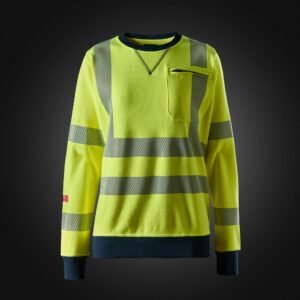


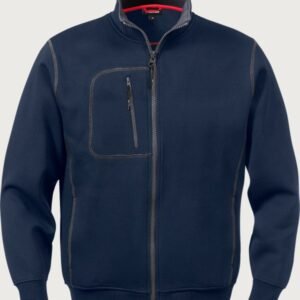

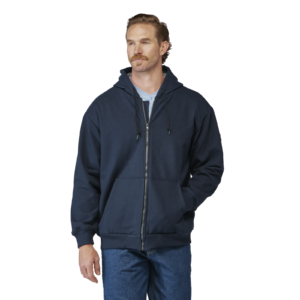


Why Source Custom School Cardigans with Veelianpro
Practical development support for uniform buyers moving from a defined brief to an approval-led bulk specification.
Tech-Pack Review
We review your sketch, tech pack, measurements, color direction, branding details, and intended use before quoting the proposed cardigan program.
Sample-Led Decisions
Samples help buyers check silhouette, materials, color, components, and school identity details before releasing a bulk production specification.
Size-Range Development
Submit your approved measurements and size range for grading review, helping establish a consistent specification for the intended uniform program.
Trim and Label Sourcing
Specify buttons, contrast trims, woven labels, care labels, patches, and packaging for feasibility review within your school cardigan brief.
Approval-Led Production
We align the confirmed sample, materials, construction, decoration, and packing details before production, supporting clearer reorderable specifications for distributors.
School Cardigans Manufacturer Development Options
Choose what you want to specify before sample approval.
New Uniform Program
We review the development brief, source suitable materials and trims for feasibility, and support pattern, sample, size-range, branding, and packing decisions so the bulk specification can be approved before production.
Get a Quote
School Identity Update
Submit the existing reference and requested changes for review. We can develop a distinct custom school cardigan sample and quotation, with each identity application and label detail defined for approval before bulk release.
Get a Quote
Private-Label Collection
Our OEM, ODM, and private-label workflow supports specification-led cardigan development from your sketch, tech pack, sample, or product idea. Minimums may begin from 100 pieces per style and color, subject to feasibility requirements.
Get a QuoteYarn and Fiber Options for School Cardigans
Explore materials and fabrics
Cotton Yarn

A natural-fiber option to review when a familiar hand feel and breathable knit character are priorities. Submit the preferred composition, yarn count, color standard, care expectations, and required documentation for feasibility assessment.
Wool Blend

A wool-blend specification can be considered for a more traditional uniform knit appearance and seasonal hand feel. Define the target blend ratio, softness expectations, care method, color, and any documentation needed before sample development.
Acrylic Yarn

Acrylic yarn is a specification option for buyers evaluating color presentation, knit appearance, and care requirements in custom school cardigans. Confirm the intended hand feel, pilling expectations, color reference, and construction details for review.
Viscose Blend

Viscose-blend yarn may be proposed when the brief calls for a smoother hand or a particular drape and surface appearance. Provide the desired blend, knit structure, care instructions, school colors, and labeling requirements for feasibility review.
Recycled-Content Yarn

Recycled-content yarn can be specified where procurement documentation is part of the school-uniform brief. Identify the requested fiber composition, evidence or chain-of-custody requirements, color standard, hand feel, and care expectations for project review.
School Cardigan Development Process
Explore printing and finishing
Yarn and Trim Review
We review the proposed yarn composition, color direction, knit appearance, buttons, rib trims, labels, and care requirements against the project brief, then confirm which sourcing and construction options are feasible for sampling.
Pattern Development
View details
Approved measurements, silhouette, neckline, button-front layout, and size range are translated into development specifications. This creates a controlled basis for fit evaluation and helps distinguish a custom school cardigan program from an in-stock decoration route.
Sample Making
A sample is made from the agreed development brief so buyers can review fit, color, material feel, trim placement, branding treatment, and overall appearance before bulk specifications and quotation are finalized.
Size Grading
View details
After the base fit is approved, the requested size range is prepared for review using buyer-provided measurement standards. Clear grading approval helps uniform distributors maintain consistency across the school cardigan assortment.
Branding Application
Embroidery, screen printing, heat transfer, patches, woven labels, care labels, and custom packaging can be reviewed as project options. The selected method is confirmed against artwork, placement, material, and sample approval requirements.
Inspection and Packing
Before export coordination, finished garments are checked against the approved production specification and packing instructions. Carton marking, labels, folding, and pack ratios can be defined for the destination and receiving workflow.
Trims, Branding, and Component Options
Explore labels, trims and packaging
Button Selection
Specify button material, color, diameter, finish, and fastening preference for the front placket. This choice helps align appearance, care expectations, and the approved uniform design before a custom school cardigan sample is prepared.
Rib Trim
Define the rib treatment for cuffs, hem, neckline, and placket edge, including contrast-color placement where needed. Buyers use trim details to maintain a consistent school identity across sizes and future reorder specifications.
Knit-In Motifs
Provide artwork and placement guidance for motifs intended to be incorporated into the knit appearance, such as stripes, initials, or school colors. Feasibility should be reviewed against the chosen yarn, structure, and sample route.
Embroidered Patches

Specify approved patch artwork, dimensions, placement, edge finish, and attachment method for a crest or house identifier. Patches offer a separate identity application that can be reviewed alongside the cardigan construction and decoration workflow.
Woven Labels
Submit woven-label artwork, fold style, placement, and required brand information for private-label or uniform-distributor programs. These labels can support a clearly identified reorder specification when their details are approved with the sample.
Care Labels
Provide the required care wording, fiber-content information, country-of-origin requirements, and market-specific label instructions for review. Care labels should be finalized against the approved material and finished cardigan specification rather than assumed in advance.
Custom Packaging
View detailsChoose the packaging format, labeling, size identification, and packing instructions needed for your distribution route. Clear carton and unit-packing requirements help a school cardigans manufacturer prepare a quote and production plan for your order.
Your School Cardigans Manufacturer Partner
Veelianpro is a Wuhan-based custom workwear manufacturer serving industrial, safety, hospitality, and service brands through OEM, ODM, private-label, and wholesale programs. For school-cardigan inquiries, we assess whether the requested made-to-order specification fits our development and sourcing scope before quotation.
For sourcing teams, apparel brands, and uniform distributors, we review your tech pack, sketch, sample, or product idea; coordinate material and trim sourcing; develop patterns, sizing, samples, branding, packing, and export support. Custom school cardigans are assessed as made-to-order projects, with feasibility reviewed from 100 pieces per style and color, subject to fabric, construction, and documentation requirements.
School Cardigans Manufacturer Capabilities
Specification Intake
We turn your approved uniform brief, tech pack, sketch, or sample into a reviewable school-cardigan request. This focuses the conversation on the garment, material, sizing, and identity details needed for feasibility review.
- Submit the intended silhouette, closure, color palette, and size range.
- Identify yarn or fiber preferences, knit appearance, care expectations, and destination market.
- Specify school identity elements, including logos, labels, patches, or packaging needs.
- Share target quantity, timeline, and any required documentation for feasibility review.

Pattern and Size Development
For custom school cardigans, we review the measurement set, fit direction, and grading requirements before sampling. A defined size approach helps buyers compare the sample to the approved brief and supports a repeatable specification for later orders.
- Provide approved measurements, a size chart, or a clearly identified reference garment.
- Confirm wearer group, fit preference, length, sleeve shape, and ease expectations.
- Review button-front, V-neck, pocket, cuff, hem, and placket details together.
- Align color references and placement notes before the sample specification is released.

Sample Approval Control
Sampling gives your team a practical checkpoint for evaluating construction, appearance, branding placement, and fit against the agreed school cardigan brief. We use buyer feedback to refine the approved specification before a bulk quotation and production handover are finalized.
- Assess the sample against approved measurements, color references, and workmanship expectations.
- Confirm proposed decoration or branding methods during project review.
- Record revisions to materials, trims, labels, and packing requirements in writing.
- Approve the final sample route before moving to the production specification.

Bulk Handover Readiness
Once the specification is approved, Veelianpro prepares the project for controlled made-to-order production, quality checks, packing, and export coordination. Orders can be reviewed from 100 pieces per style and color, subject to fabric, construction, and evidence requirements.
- Consolidate the approved style, size grading, colors, branding, and packaging instructions.
- Confirm the production quantity by style and color for quotation review.
- Set inspection points and required documentation according to the order brief.
- Preserve the approved specification to support clearer reorder discussions.
Custom Development vs. In-Stock Decoration
Compare a specification-led, made-to-order cardigan program with an in-stock cardigan purchased for decoration afterward.
← Swipe left or right to view →
School Cardigans Manufacturer Workflow
Move from a defined uniform brief through feasibility, sample approvals, bulk production, inspection, packing, and export coordination with clear controls at each stage.
Brief & Feasibility Review
Share the silhouette, measurements, size range, colors, yarn or fiber preferences, school identity details, quantity, destination, and required documentation. We confirm whether the proposed development route is feasible.
Material & Trim Selection
Review proposed materials, knit appearance, buttons, rib trims, labels, packaging, and branding methods against the approved brief. Project-specific evidence requirements are identified before sampling proceeds.
Sample & Specification Approval
Develop a sample from the agreed inputs for review of fit, grading direction, color, construction, decoration placement, and care-label content. Approved corrections are captured in the production specification.
Quotation & Order Confirmation
Issue a project quotation after the specification is defined. Production can begin from 100 pieces per style and color, subject to fabric, construction, and documentation requirements.
Production & Quality Checks
Coordinate applicable garment production steps, decoration where specified, finishing, and quality checks against the approved production specification before goods move to packing.
Packing & Export Coordination
Confirm packing and marking requirements, complete final order checks, and coordinate export preparation according to the agreed shipment details for a clear handoff.
Work With Veelianpro on Your School Cardigan Project
Move from a uniform brief to an approved, reorderable bulk specification with clear feasibility, sample, and quotation checkpoints.
Send Your Brief
Share a tech pack, sketch, reference sample, or concept with intended wear setting, size range, colors, branding details, quantity, destination, and target timeline.
Review Feasibility
We review the proposed silhouette, yarn or material direction, knit appearance, trims, labels, decoration, measurements, and documentation needs, then clarify items requiring buyer decisions.
Approve Sample Details
Confirm the sample route, measurement set, color references, school identity application, and construction details before approving the basis for a school cardigan quotation and bulk specification.
Release Bulk Specification
After sample and quotation approval, finalize the production specification for made-to-order school cardigans. Projects may start from 100 pieces per style and color, subject to feasibility.
Standards and Audit References


School Cardigans Manufacturer Scenarios for Specification Approval
Illustrative scenario
Apparel Buyer
A uniform distributor needs a button-front cardigan for a school program. The brief changes from a standard color concept to school-approved contrast trim. Before production, the buyer approves the yarn proposal, color reference, size grading, branding placement, and sample.
Illustrative scenario
Sourcing Manager
An apparel brand is developing custom school cardigans under a private label. The team revises the neckline and label package after reviewing the first specification. A revised sample, measurement chart, button selection, care-label content, and decoration artwork require sign-off before bulk quotation.
Illustrative scenario
Production Planner
A school-uniform sourcing team requests a coordinated cardigan across an approved size range. The project adds a school identity detail for feasibility review. Production planning follows approval of the knit appearance, color standard, measurements, trim choice, branding method, and pre-production sample.
School Cardigans Manufacturer FAQ
Practical answers for sourcing teams, uniform brands, and distributors planning a specification-led custom cardigan program.
Can Veelianpro develop a school cardigan to our approved uniform specification?
What is the minimum order for custom school cardigans?
Should we source a custom-developed cardigan or decorate an in-stock garment?
What do you need before making a school cardigan sample?
How are measurements and size grading approved before bulk production?
Can school branding be added to a custom cardigan?
How do quotation, payment, and shipping work for wholesale school cardigans?
What documentation and intellectual-property information should we provide?
School Cardigans Manufacturer Buyer’s Guide
A practical framework for evaluating custom uniform knitwear, comparing made-to-order and in-stock routes, approving specifications and samples, and avoiding costly sourcing gaps before bulk production.
1. What a School Cardigans Manufacturer Does
A supplier supporting custom school-cardigan development turns a uniform brief into a repeatable, approved bulk garment rather than merely adding a crest to a ready-made layer. The development work begins with feasibility review of the intended silhouette, measurements and grading, color direction, yarn or fiber proposal, closure and trim choices, plus the school or private-label details that must appear consistently.
Sourcing answer: Veelianpro can review custom school-cardigan requests from a tech pack, sketch, sample, or product idea through specification review, sampling, private-label details, bulk production, quality checks, packing, and export coordination. Starting quantities may be from 100 pieces per style and color, subject to fabric, construction, and documentation requirements.
A sample is the buyer’s physical check of fit, appearance, construction, branding placement, and agreed details before the bulk specification is released. Made-to-order production can accommodate approved labels, care labels, woven labels, custom packaging, embroidery, screen printing, heat transfer, or patches where feasible; an in-stock-and-decorate route instead starts with an existing garment and limits changes to the available base style, colors, sizing, and decoration workflow.
2. School Cardigans Manufacturer Project Routes
A custom school cardigan is a development project; an in-stock/decorate route is a purchasing shortcut. The right route depends on whether the buyer needs control of the garment itself or only school identification on an already selected base.
| Decision Criterion | Custom-Developed Cardigan | In-Stock And Decorate Route |
|---|---|---|
| Fit control | Buyer-approved measurements and grading | Limited to the selected base garment |
| Garment structure | Specify neckline, placket, knit details, and trims | Existing structure remains |
| School identity | May be integrated into the developed specification | Applied after selecting the base |
| Approvals | Sample, materials, measurements, and construction review | Base garment and decoration approval |
| Reorders | Released against the approved project specification | Reconfirm the same base garment and decoration |
| Feasibility review | Reviews fabric, construction, quantity, and evidence needs | Reviews base availability and decoration suitability |
Custom-Developed Cardigans
Choose custom development when the approved uniform requires its own silhouette, measurement chart, size grading, yarn or knit appearance, color placement, button choice, and identity details. Veelianpro can review a tech pack, sketch, sample, or product idea before sampling.
This route suits a controlled, reorderable specification. Starting quantities are conditional from 100 pieces per style and color, subject to fabric, construction, and evidence requirements.
- Submit measurements and size range
- Define knit, color, buttons, and labels
- Approve a sample before bulk release
In-Stock Decoration Routes
An in-stock cardigan with added embroidery, patch, heat transfer, or label can suit a task where the base garment, fit, and available colors are already accepted. It is not equivalent to commissioning a new school-uniform cardigan.
Confirm the decoration area, artwork format, placement, care impact, and approval sample. Base-garment continuity and color availability must be reviewed for each purchase.
3. School Cardigan Types to Specify
Silhouette determines how a cardigan works over shirts, polos, ties, and seasonal layers. Submit each route for feasibility review with the school’s wearer profile, approved uniform combinations, and measurement brief.
V-Neck Button Front
A V-neck button front leaves room for a collared shirt and tie, making it a practical formal-uniform route. Specify neckline depth, button count, pocket requirement, hem and cuff treatment, and size grading for review.
Crew-Neck Button Front
A crew-neck button front gives a more closed neckline for pupils who wear polos or shirts without ties. Confirm neck opening, layering allowance, front placket appearance, and whether the approved shirt collar must remain visible.
Zip-Front Cardigans
A zip front can simplify on-and-off wear, but the zipper and its finish become visible uniform components. Identify full or partial opening, zipper color, puller style, collar shape, and any guard or pocket requirements for feasibility review.
Sleeveless Vest Cardigans
A sleeveless vest-cardigan preserves torso layering while leaving shirt sleeves exposed, which suits variable classroom temperatures. Provide armhole preference, V-neck or crew-neck choice, desired shirt pairing, and whether a button front is required.
Varsity And Contrast Trim

Varsity-inspired concepts and contrast trims can distinguish houses or programs without changing the core silhouette. Submit artwork, stripe placement, color references, letter or crest method, and approval boundaries; each concept remains subject to construction and documentation review.
4. Materials and Knit Options for Review
Yarn choice changes the cardigan’s hand, care instructions, visual stability, and feasibility review. Submit the intended fiber mix and knit appearance together, since one decision affects both sampling and quotation.
| Material To Specify | Hand And Care Discussion | Quote Review Focus |
|---|---|---|
| Cotton | Natural hand; confirm care plan | Yarn composition and color |
| Acrylic | Uniform-use option to review | Hand, pilling expectations, care |
| Wool | Premium-feel direction to review | Fiber details and care requirements |
| Cotton-acrylic blend | Balance hand and care goals | Blend ratio and sample approval |
| Wool-acrylic blend | Balance wool character and practicality | Blend ratio, knit appearance, care |
Compare Yarn Directions
Cotton can suit a natural hand; acrylic is a practical option to review for uniform programs. Wool and wool-acrylic blends should be evaluated against the required feel, care plan, and market expectations.
Cotton-acrylic blends may balance the requested hand and care approach. Final composition, yarn quality, and color approval belong in the project specification.
Choose Knit Appearance

Jersey gives a smoother knit face, while rib is useful where stretch recovery and edge definition are required. Cable adds raised texture; jacquard and intarsia can carry planned color motifs.
Artwork complexity, color count, and placement should be reviewed before sampling because they affect knit programming and quote feasibility.
Document Optional Claims
Recycled, organic, UV, and test claims require SKU- and market-level evidence. Include the intended claim, destination, and documentation request in the inquiry rather than treating a photo or yarn description as proof.
5. Customization With a School Cardigans Manufacturer
School identity should be frozen as a documented design package before sampling, because knit-in details and added decoration follow different approval paths. Veelianpro can review the requested route for feasibility; it does not confirm availability until the specification is assessed.
Identity Details To Specify
Map every visible element on a front, back, and close-up placement sheet. Identify knit-in stripes, jacquard motifs, embroidery, letter patches, pocket positions, neck and cuff ribs, and the exact button concept.
Mark each element as design intent, required, or optional for review. A school cardigan sample should not be treated as approval of an unlisted yarn, decoration method, or component.
- Artwork file and claimed ownership contact
- Placement reference from garment edges
- Color reference and approval standard
- Button, pocket, and rib selections
Private-Label Pack

Private-label instructions should separate woven brand labels, size labels, care labels, hangtags, polybags, and outer-carton marks. Supply label copy, fiber and care requirements, country-market obligations, barcode format, and packing count for review.
Do not assume a logo implies trademark authorization. The buyer should provide artwork they are authorized to use and retain a dated record of the approved label and packaging files.
Decoration Approval Checkpoints
Approve decoration against the intended garment panel, not only a screen image. For embroidery or patches, confirm artwork scale, thread or patch color direction, placement, and attachment appearance; for jacquard, confirm the repeat and motif reading in the knit.
Use one signed visual reference for color approval, then compare the sample to it under the buyer’s chosen viewing conditions. Changes after sample sign-off should be recorded as a revised specification before quotation or bulk release.
6. Construction Details That Affect Approval
A prototype can look correct on a hanger yet fail at the points students handle daily. Lock buyer-provided measurement points and the approved size range before grading; they provide the reference for fit, balance, and later reorders.
Measure Before Grading
Check body length, chest, sleeve length, shoulder position, neck opening, and pocket location against the approved measurement sheet. A size set should show whether proportions remain intentional across the buyer’s size range.
A common failure is approving one size while assuming every other size follows it correctly. Remedy this with buyer-supplied grade rules or an approved graded size set before production release.
- Mark each measurement point on the spec sheet
- Approve tolerances for each critical point
- Compare prototype and pre-production measurements
Test The Front Closure
Button attachment, buttonhole opening, placket alignment, and rib recovery deserve hands-on checks. Repeated opening can expose loose buttons, distorted buttonholes, or a front edge that waves after handling.
Request a functional check on the sample and record the approved button, placement, and placket appearance. If the closure pulls or the rib does not recover, revise the construction or material choice for review rather than accepting a visual-only sample.
Review Finish And Identity
Inspect seams, pocket placement, label application, color consistency between body and trim, and wash-care information on the pre-production sample. A misplaced label or unmatched trim can undermine an otherwise approved school-uniform program.
Wash-care wording should match the confirmed fiber and finish route; do not copy it from a prior style. Approve the garment, labels, and packaging references together so the reorder specification is traceable.
- Compare body and rib color under agreed viewing conditions
- Confirm pocket symmetry and placement
- Check care-label content against the approved material brief
7. Choosing a School Cardigans Manufacturer
A capable school cardigans manufacturer turns a uniform brief into a controlled specification, rather than pricing an image alone. Select for documented decisions, responsive feasibility feedback, and a repeatable approval record.
| Selection Check | Custom Development | In-Stock Decorate Route |
|---|---|---|
| Brief | Measurements, yarn, knit, trims, branding | Existing garment and decoration artwork |
| Approval | Sample and pre-production record | Garment, placement, and decoration proof |
| Reorder File | Controlled specification and change log | Stock reference and decoration record |
Test The Development Brief
Submit measurements, size range, color references, knit appearance, fiber request, buttons, trim, labels, decoration, destination, and quantity. Ask which elements can be sourced, developed, or require evidence review.
Veelianpro can review projects from 100 pieces per style and color when fabric, construction, and evidence requirements are feasible.
Compare Supplier Controls
Assign one buyer-side owner for comments and one supplier-side owner for revision tracking. The quotation should identify included development, materials, decoration, packing, inspection, and export-coordination assumptions.
Request material traceability documents appropriate to the SKU and market; a fiber claim or recycled-content request needs supporting scope, not a photo.
Use Approval Gates
Approve the sample against measurements, color, hand feel, trim placement, branding, and care-label content before bulk release. Keep the approved specification, sample notes, artwork files, and change log for reorders.
Illustrative scenario — Uniform distributor: convert a V-neck brief into graded measurements; approve the revised sample. Illustrative scenario — Brand sourcing team: replace an unverified fiber claim with a traceability request; approve evidence scope. Illustrative scenario — Schoolwear buyer: change patch placement; approve artwork and pre-production placement.
8. School Cardigans Manufacturer Mistakes
A school cardigan image can communicate silhouette, but it cannot settle yarn, knit structure, measurements, color control, or decoration method. Most avoidable disputes begin when an attractive reference is treated as a production-ready specification.
Turn References Into Specifications
A photo rarely reveals fiber composition, gauge, placket construction, button choice, pocket details, or care-label requirements. Convert each visual reference into a written tech pack or review sheet.
Color approvals also fail when ‘navy’ or a screen image replaces a defined reference. Submit the approved color standard, placement notes, and acceptable variation for feasibility review.
Approve Fit And Branding Together
Omitting a measurement chart and grading rules leaves a school cardigans manufacturer to infer the size range. Approve base measurements, tolerances, and size progression on the sample before bulk release.
Embroidery, patches, heat transfer, and knit-in motifs have different placement and substrate requirements. Identify the proposed decoration workflow early and approve its sample appearance on the selected cardigan construction.
Keep Routes And Claims Clear
Custom development and an in-stock cardigan decorated afterward are separate routes with different approval points. State the route in the inquiry so the quotation, sample plan, and specification match the purchase task.
Do not request recycled, organic, UV, or performance wording from a photograph or generic yarn description. Specify the claim, target market, and required SKU-level documentation for review; release bulk only after sample approval.
9. Launch and Reorder Approval Steps
A school cardigan becomes release-ready only when the commercial quote and physical approvals describe the same garment. Veelianpro begins with feasibility review, then turns the buyer’s approved evidence into a controlled production file.
Brief And Quote Scope
Submit the tech pack or sketch with intended size range, color references, knit appearance, button choice, branding placement, destination, and quantity. Feasibility determines whether production can begin from 100 pieces per style and color, subject to fabric, construction, and evidence requirements.
The quotation should identify what is included: development work, approved decoration route, labels, packing, inspection requirements, and export coordination. Open assumptions should remain visible rather than becoming implied specifications.
- Attach measurement points and grading rules
- Name artwork version and placement
- State packaging and carton requirements
Sample And Measurement Approval
Review the development sample against the measurement chart, fit intent, neckline, placket, rib areas, button attachment, color reference, and approved artwork. Record any deviation as a dated change, not a verbal instruction.
Approve care-content wording, size labels, brand labels, and packaging copy alongside the garment. Requested fiber, recycled, organic, or test documentation requires SKU- and market-specific review.
Pre-Production Release
A pre-production approval confirms the bulk reference after sample corrections are incorporated. The buyer should sign off on the final measurement chart, color standard, artwork file, label layout, packing method, acceptance criteria, and revision number.
Bulk release should follow only when every approval points to one controlled specification. This prevents a sample approved in one color or trim from being treated as approval for an unreviewed substitution.
- Freeze artwork and label files
- Assign one specification revision
- Define defect and measurement acceptance criteria
Reorder File Control
A reorderable specification is a dated, approved record of the exact garment route; an unapproved concept is still a collection of preferences. Retain the final tech pack, measurement chart, color reference, decoration file, label and care copy, packaging standard, sample comments, and approval record.
Before reordering, compare the requested repeat against that file and log every change in yarn, trim, sizing, artwork, destination, or documentation requirement. A changed element may require renewed feasibility review or sampling.
10. School Cardigans Manufacturer Cost Drivers
A school cardigan quote changes when yarn selection, knit structure, and identity details move from a simple brief to a developed specification. Separate these inputs so two quotations describe the same cardigan rather than different assumptions about composition, color handling, buttons, decoration, labels, or packing.
For example, a hypothetical V-neck cardigan with one body color and a sewn-on emblem should be quoted differently from a similar silhouette with contrast tipping, a knit-in crest, and individual private-label packaging. Neither route has a universal price or production period; feasibility review must confirm the selected yarn, construction, and artwork workflow.
Veelianpro can begin review from 100 pieces per style and color, conditional on fabric, construction, and evidence requirements. Submit approved measurements, size range, color references, logo files, destination, sample needs, and any requested SKU- or market-level documentation so sample and bulk quotations remain comparable.
| Cost Driver | What Changes Cost | Quote Must Specify |
|---|---|---|
| Yarn and composition | Fiber choice, blend, sourcing route, and requested documentation affect material selection. | Composition target, hand feel, care requirement, and documentation request. |
| Knit and color design | Rib, gauge, texture, contrast tipping, stripes, and knit-in motifs change development and production handling. | Artwork, color references, placement, and approved knit appearance. |
| Trims and decoration | Buttons, pockets, patches, embroidery, screen printing, heat transfer, labels, and packaging follow different workflows. | Trim samples, logo method, label copy, packaging format, and placement approvals. |
| Samples, quantity, and approvals | Pattern work, size grading, sample iterations, order quantity, and pre-production signoff affect the quote structure. | Measurement chart, size breakdown, sample route, target quantity, destination, and approval checkpoints. |
11. School Cardigan Sourcing FAQs
These sourcing questions separate a made-to-order school cardigan brief from a decorate-after-purchase route. Veelianpro reviews the specification, evidence needs, and feasibility before a quote or sample is released.
Custom Or In-Stock Route
Choose custom development when fit, grading, yarn appearance, color, button layout, or school identity must be controlled in one approved specification. Choose an in-stock-and-decorate route only when its existing garment and available size range already meet the uniform brief.
Submit the intended silhouette, size chart, destination market, and decoration position. Do not assume stock, knit-in branding, or a particular decoration process without feasibility confirmation.
Measurements And Knit Inputs
Provide finished-garment measurements, grade rules, tolerance expectations, size range, and wearer group before sampling. A school cardigans manufacturer can review a buyer tech pack, sketch, sample, or product idea; unresolved fit inputs should remain open points, not production assumptions.
Name the proposed fiber composition, yarn type, knit appearance, color reference, buttons, rib trim, labels, and care requirements for review. Any recycled, organic, UV, or test claim requires SKU- and market-level evidence.
Logo, MOQ, And Reorders
Approve the school logo from production-ready artwork and an agreed method such as embroidery, patch, screen print, heat transfer, or woven label, subject to review. Confirm placement, scale, thread or color references, and approval ownership on the sample.
Veelianpro starts from 100 pieces per style and color, subject to fabric, construction, and evidence requirements. Approve the sample and pre-production reference before bulk release; retain the final tech pack, color reference, trim list, labels, packing details, and revision record for reorders.
Request a Quote for Custom School Cardigans
Send your style, use, fabric, trims, sizing, colors, branding, quantity, destination, timeline, and any required standards or evidence for review.