
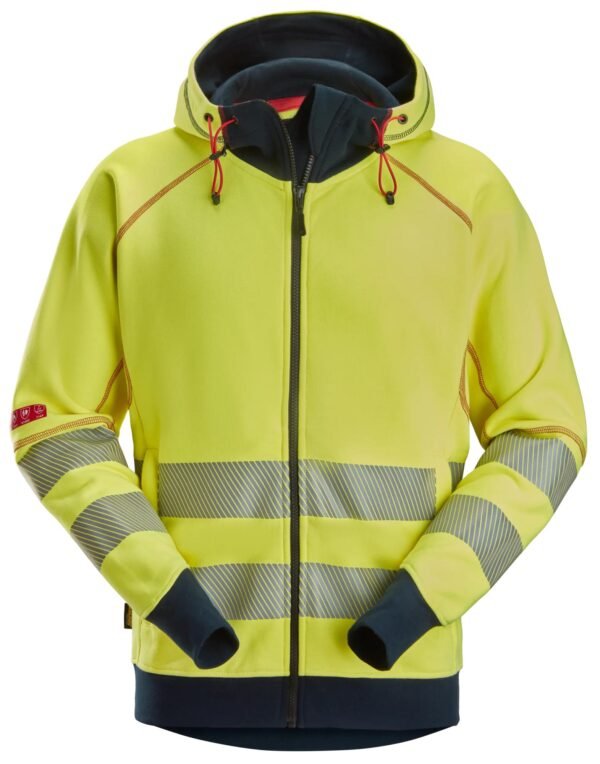
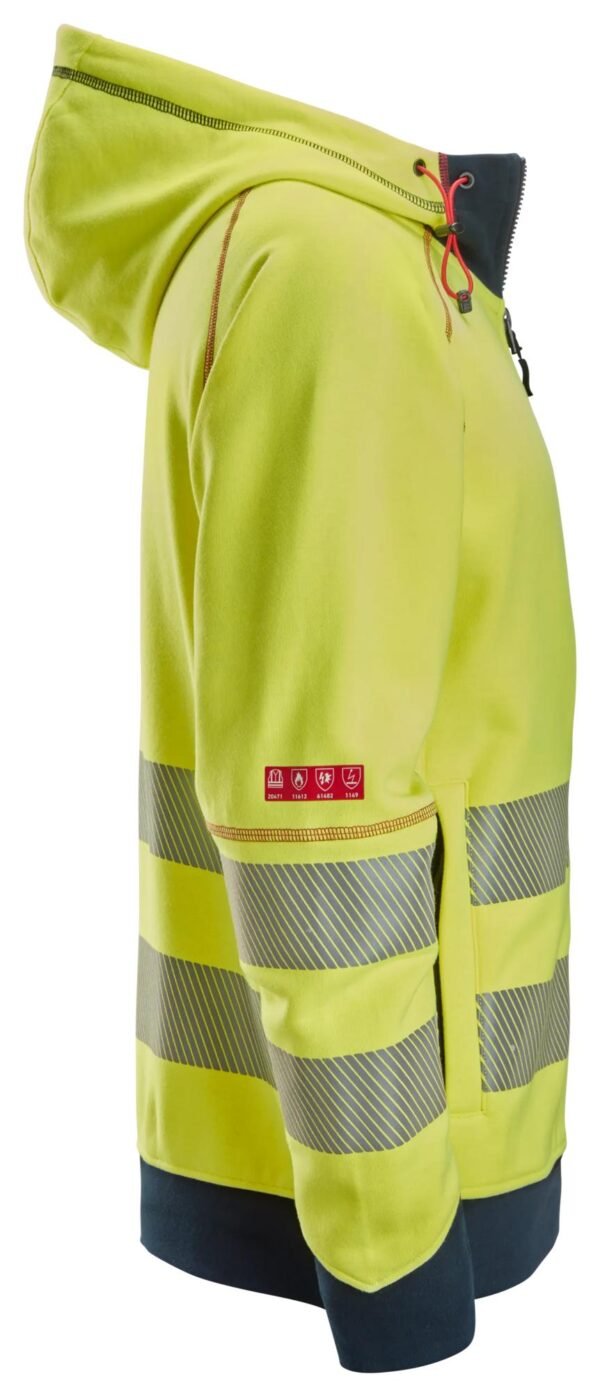

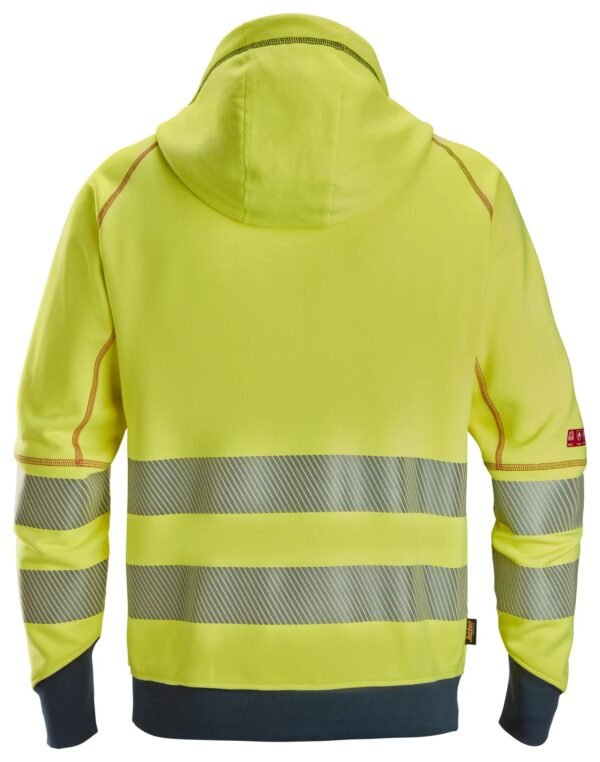
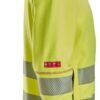

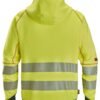
Develop private-label high-visibility full-zip hoodies for crew layering and branding.
Develop Private-Label Workwear Hoodies with Veelianpro
For the Custom High-Visibility Full-Zip Work Hoodie, develop a zip placket and chin guard through OEM/private-label sampling, sourcing, decoration, labels and packing; MOQ starts from 100 pieces per style and color, conditional on requirements.
Define the Workwear Brief
Choose hood, color blocking, trim, pockets, fit, and layering intent.
Define the intended market and required visibility standard before materials and trim placement are approved. Bright body colors, contrast sections, reflective trim, and logo zones can be developed around the brief. The final layout must leave sufficient space for branding while supporting the buyer’s visibility objective. Any claimed standard or protective performance requires testing of the exact approved style.
Select a fixed, adjustable, or detachable hood according to weather exposure, head coverage, helmet compatibility, and storage preference. An adjustable opening and higher neckline can help control coverage, while a detachable construction offers flexibility between shifts. Confirm drawcord policy, hood depth, trim placement, and whether the hood will be worn beneath or over other protective equipment.
Choose the fleece weight target, inner finish, and fit allowance around the wearer’s climate and layering system. A warmer brushed construction can suit standalone use, while a lower-bulk option can support mid-layer wear. Confirm movement demands, outer-shell compatibility, expected shift conditions, and decoration method before finalizing fabric and seam choices for the approved sample.
Plan storage and branding as one garment map. Zip hand pockets can secure small items, internal pockets can protect documents or devices, and open pockets can provide quick access. Define chest, sleeve, and back logo zones early so they do not conflict with pocket openings or reflective trim. Share artwork dimensions, decoration method, and visibility requirements with the initial brief.
Fabric, Fit and Construction Options
Select fleece feel, finish, and weight target.
Specify zipper, guards, cuffs, hem, movement shaping, and logo zones.
From Brief to Approved Sample
Review fit, materials, workmanship, and branding placement before bulk production.
- Brief Review Confirm end use, market, target standard, fit, branding, color direction, reflective layout, labels, packing, and quantities.
- Material Development Source fleece, closures, reflective materials, trims, and decoration-compatible components against the approved development brief.
- Prototype Sampling Review pattern, workmanship, measurements, hand feel, pocket function, logo placement, and overall appearance on the sample.
- Final Approval Freeze the approved style specification and treat any required testing as a buyer-defined requirement for that exact style.
What to Send for a Useful Quote
Design Requirements Provide artwork, color references, reflective layout, hood preference, pocket needs, intended environment, and required market standard.
Order Planning State quantities by color and size, target delivery window, label requirements, packing method, and desired decoration technique.
Compliance Targets Identify the destination market, applicable standard, and protective or visibility targets to be validated for the approved final style.
Private-Label Workwear Hoodies Procurement FAQs
Which visibility standard should the approved style meet?
Set the target market standard before development. The garment can be planned with high-visibility color, reflective trim, hooded full-zip construction, and logo zones around that brief. Required performance is a buyer-defined requirement: the exact approved style should be tested against the relevant standard before release.
Should we choose a fixed, adjustable, or detachable hood?
Choose the hood type around working conditions and coverage needs. A fixed hood suits consistent outdoor work, an adjustable option can refine fit around headwear, and a detachable hood supports changing conditions. Confirm helmet compatibility, neckline height, hood storage, drawcord policy, and reflective placement before approving the sample.
Is a contrast dark lower panel suitable?
A contrast lower panel is a practical development option for crews working around dirt, vehicles, or equipment. It may reduce the visible effect of soiling while retaining a brighter upper body. Confirm color-block boundaries, logo area, reflective layout, intended visibility target, and site-specific garment-color requirements before sampling.
Which reflective trim and logo zones work best?
Map reflective trim and branding together during artwork review. Development options can include body bands, sleeve trim, chest logos, back logos, and contrast panels, subject to the intended visibility target. Supply logo dimensions and decoration method early, then approve placement on a sample before bulk production.
Should this hoodie serve as outerwear or a mid-layer?
Define the primary wear system first. For outer-layer use, prioritize warmth, wind coverage, pocket access, and durable closure choices. For mid-layer use, prioritize lower bulk, smooth layering, and unrestricted movement. Confirm climate, shift activity, outer-shell compatibility, and whether any protective performance is a required tested target.
What pocket configuration fits the crew's work?
Select pockets around carried items and access needs. Open hand pockets suit quick warming and gloves, zip pockets help secure small articles, and internal pockets add protected storage. Confirm pocket size, zipper choice, reinforcement, glove-friendly pulls, and whether contents could interfere with harnesses, climbing, or vehicle operation.
Discuss Your Private-Label Workwear Hoodies Program
Request a quote; MOQ starts from 100 pieces per style and color.


Reviews
There are no reviews yet.