
Custom Sun Protection Clothing
Develop custom sun protection clothing for outdoor, fishing, active, resort, and uniform programs with OEM, ODM, and private-label support from 100 pieces per style and color, subject to feasibility.
Garment and Development References


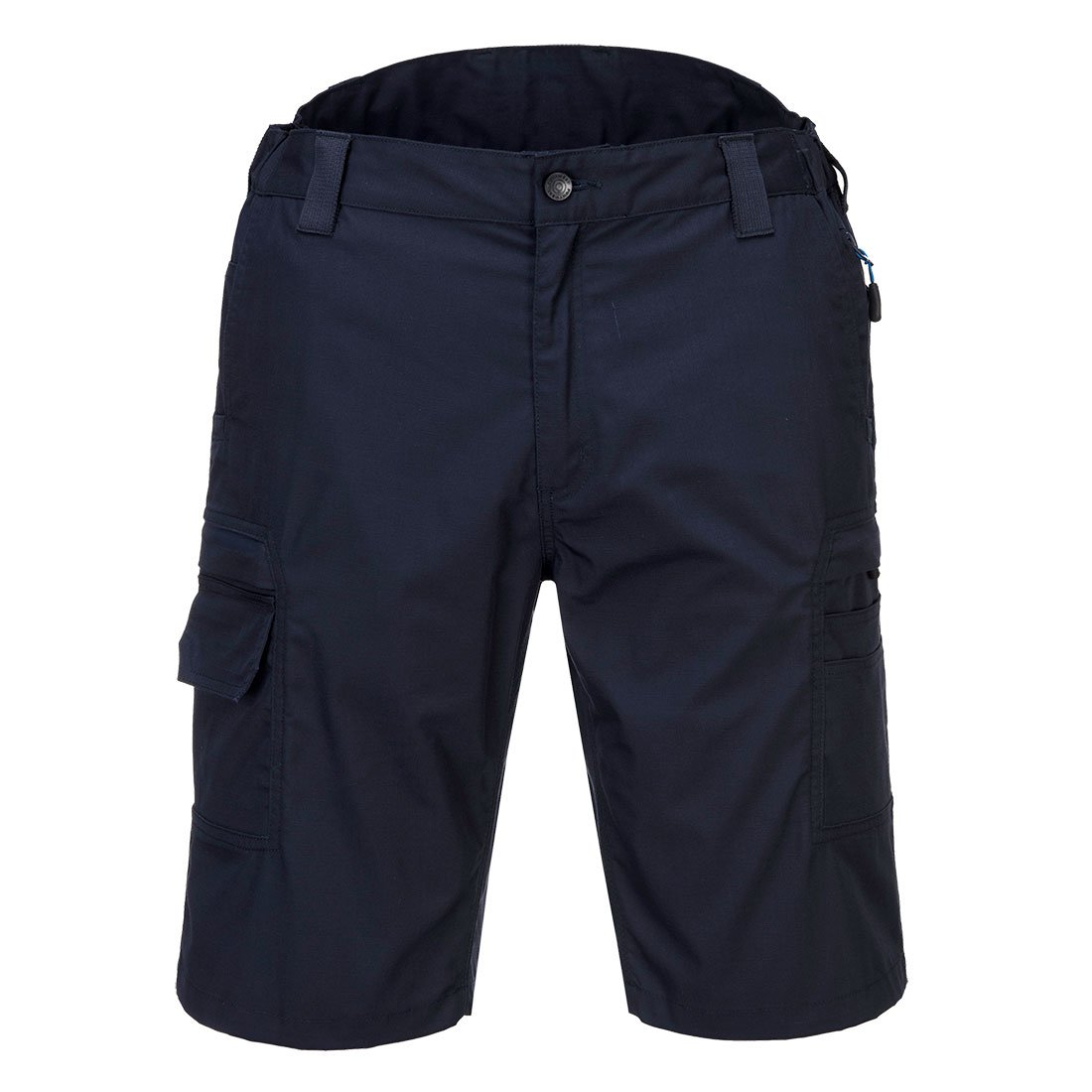
Browse Veelianpro’s Workwear Catalogue
Review current garment references, then send the fit and construction details for your program.



Custom Sun Protection Clothing, Built Precisely
A practical OEM and private-label workflow for turning approved garment requirements into production-ready bulk programs.
Brief-to-Tech-Pack Support
Share a tech pack, sketch, sample, or product idea; we help translate it into clear development requirements for review.
Material and Trim Sourcing
Specify fabric composition, stretch, weight, hand feel, colors, and trims for sourcing review aligned with your garment concept.
Pattern and Fit Development
Develop patterns, size grading, coverage details, and garment structure around buyer-approved measurements before bulk production is considered.
Sampling Before Commitment
Review samples to confirm fit, construction, materials, branding placements, and project-specific evidence needs before approving the production specification.
Branding and Finishing Options
Plan embroidery, printing, patches, labels, care information, and custom packaging to create a coordinated private-label sunwear presentation.
Inspection to Export Coordination
Coordinate quality checks, packing, and export preparation around the approved order requirements, destination, and shipment documentation needs.
Custom Sun Protection Clothing Development Options
Choose what you want to specify before sample approval.

Sun Shirts and Polos
Develop custom sun protection clothing around approved measurements, fabric options, collar or neckline details, sleeve configuration, labels, and decoration placements for a production-ready private-label sun shirt or polo.
Get a Quote
Hooded Layers and Jackets
Translate the chosen layer into an OEM development brief with pattern direction, closure and pocket choices, trim options, branding workflow, and project-specific documentation requirements for review before sampling.
Get a Quote
Rash Guards and Swimwear
Use a sample-led route to approve measurements, panel layout, color references, artwork files, labels, and construction details for custom sun protective clothing before bulk production is considered.
Get a QuoteCustom Sun Protection Clothing Materials to Review
Explore materials and fabrics
Polyester Elastane Jersey

A smooth, stretch-knit option for sun shirts, hooded layers, and active silhouettes. Specify the fiber ratio, desired recovery, weight, and surface finish for review; UV performance requires SKU-specific test evidence.
Nylon Elastane Knit

A softer, resilient stretch option suited to close-fitting rash guards, cover-ups, and movement-focused styles. Define the required hand feel, opacity, weight, and recovery; submit any recycled-content or UV documentation needs for review.
Polyester Interlock Knit

A stable double-knit surface that can suit long-sleeve sunwear and uniform-adjacent programs. Buyers can specify weight, drape, inside hand, and decoration method, then align any claimed UV performance with the applicable test scope.
Woven Polyester Shell

A lightweight woven direction for overshirts, cover-ups, or packable outer layers. Review yarn construction, weight, texture, airflow preference, and finish requirements alongside pocket and hood details; weather or UV claims need separate evidence.
Cotton Blend Jersey

A familiar, softer-hand route for casual resort, event, or staff sunwear where comfort is central. Confirm blend composition, knit weight, shrinkage expectations, and logo method during sampling; organic-content requests require relevant documentation review.
Custom Sun Protection Clothing Production Processes
Explore printing and finishing
Pattern Development
View details
We translate your tech pack, sketch, or approved concept into production patterns, aligning coverage details, pocket placement, hood shape, and garment balance before sampling. Measurements and fit targets are documented for review.
Size Grading
View details
After fit approval, we grade the selected pattern across your requested size range. The grading plan follows buyer-approved measurements, helping keep proportion, sleeve length, body shape, and coverage details consistent across sizes.
Precision Cutting

Approved fabric, panels, and components are prepared for cutting against the confirmed pattern and colorway. This stage supports organized assembly and helps maintain alignment between the approved sample, artwork placements, and bulk specification.
Garment Sewing

Sewing teams assemble custom sun protective clothing according to the approved construction plan. Buyers can specify seam approaches, reinforcement locations, gussets, pocket systems, closures, and other practical details for feasibility review.
Branding Application
We coordinate approved decoration and private-label elements, including embroidery, screen printing, heat transfer, patches, woven labels, care labels, and packaging. Artwork files, placement references, and color approvals should be locked before production.
Final Quality Checks

Finished garments are checked against the approved sample, measurements, construction requirements, labeling, and packing instructions. Where UV or other performance documentation is required, the applicable SKU, market, test scope, and evidence plan are reviewed separately.
Custom Sun Protection Clothing Trims, Labels, and Branding
Explore labels, trims and packaging
Woven Brand Labels
Woven main labels can be placed at the neck, side seam, or waistband to carry your private-label identity. Confirm label dimensions, fold style, yarn colors, and attachment method with the approved garment specification.
Care Content Labels
Care labels are added inside the garment where required for your target market. Provide fiber content, care instructions, country-of-origin requirements, and any approved SKU-specific documentation language for review before production.
Logo Application
Embroidery, screen printing, heat transfer, patches, or other logo treatments can be reviewed for chest, sleeve, back, or hem placement. Artwork, color references, garment fabric, and intended wash conditions should guide the selected workflow.
Utility Pocket Systems
Optional chest, side, or concealed pockets can support fishing, outdoor, resort, and workwear-adjacent use. Define pocket dimensions, entry direction, drainage needs, closure type, and reinforcement points during pattern and sample approval.
Custom Retail Packaging
View details
Custom packaging can combine branded polybags, hangtags, size stickers, barcode labels, and folding instructions for your distribution route. Confirm pack quantity, label artwork, destination requirements, and inspection criteria alongside the final bulk order.
Custom Sun Protection Clothing, Developed to Brief
Veelianpro is a Wuhan-based custom workwear manufacturer supporting sourcing teams, apparel brands, and uniform distributors with made-to-order garment development. We extend our documented OEM, ODM, private-label, sampling, and export-coordination workflow to feasible custom sun protection clothing projects where the brief, construction, materials, and required evidence are clearly defined.
Start with a tech pack, sketch, sample, or product idea, then align fabric and trim sourcing, pattern development, size grading, decoration, labeling, packing, and quality checks around the intended program. Production can begin from 100 pieces per style and color, subject to fabric, construction, and documentation requirements. Any UV or other performance evidence is reviewed at SKU and market level.
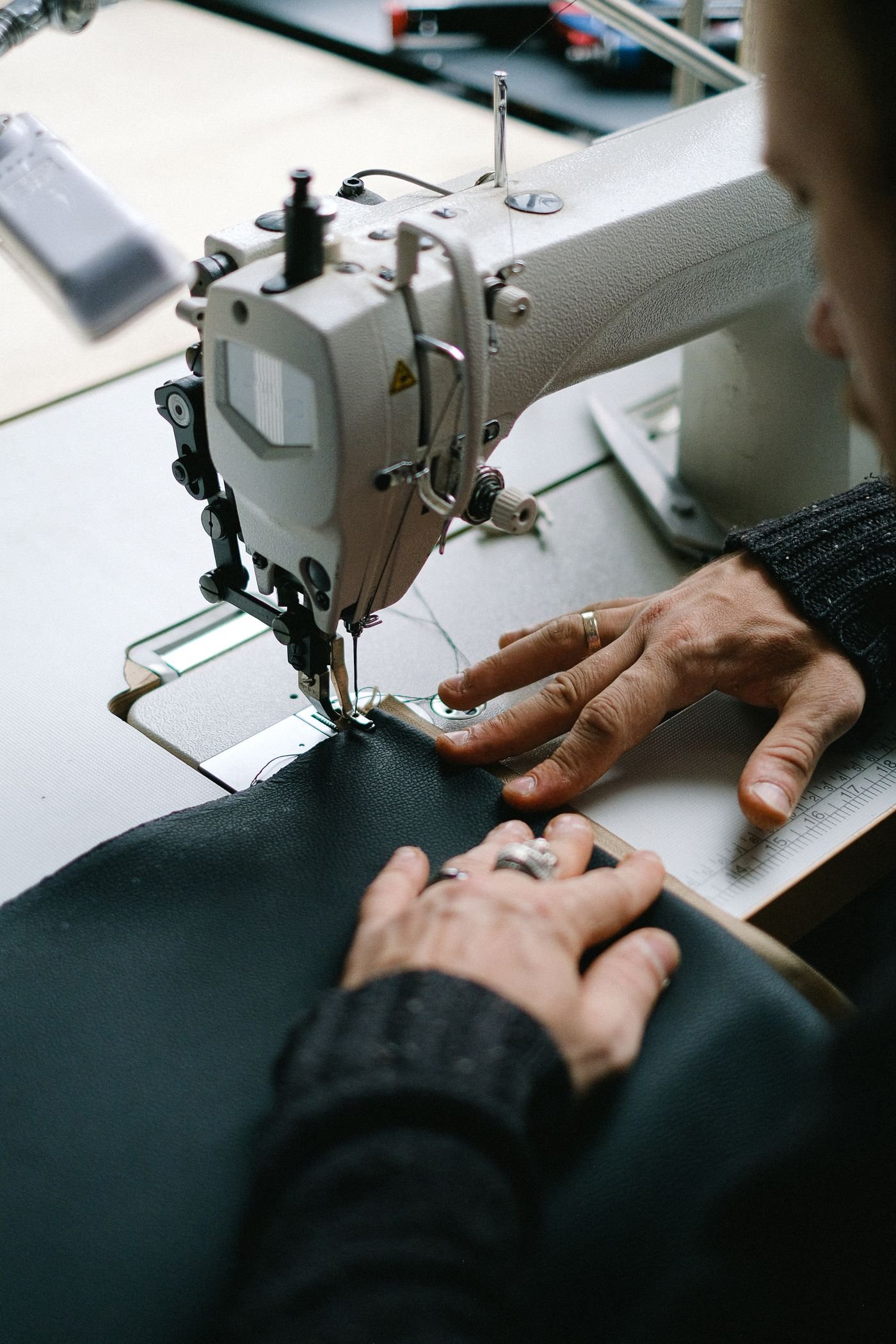
Custom Sun Protection Clothing: Made-to-Order Development
Start With a Usable Brief
We turn your custom sun protection clothing concept, tech pack, sketch, or reference sample into a feasibility review that aligns the intended activity, coverage priorities, branding, quantity, destination, and documentation needs before development begins.
- Define garment type, intended use, size range, colorways, and target quantity
- Identify coverage details such as collars, hoods, sleeves, cuffs, and layering intent
- Flag market-specific UV or material-evidence requirements for review
- Confirm feasibility from 100 pieces per style and color, subject to project requirements
Review Materials and Components
Material and trim choices are reviewed as part of the garment system, balancing hand feel, stretch, weight, opacity, recovery, construction, and decoration compatibility. We can source options for buyer review and keep unverified UV or sustainability attributes within the project documentation plan.
- Compare proposed fiber compositions, knit or woven constructions, and finish options
- Review zippers, drawcords, mesh panels, pocket layouts, and reinforcement choices
- Match screen printing, heat transfer, embroidery, patches, or labels to the garment area
- Request SKU- and market-level test or chain-of-custody evidence where required

Control Prototype Approvals
Before bulk production, we develop samples around the approved pattern, measurements, materials, trims, artwork, and label plan. This gives sourcing teams a practical checkpoint for fit, coverage, logo placement, color references, and construction details on private label sun protection apparel.
- Approve size grading and measurement tolerances for the selected fit
- Check hood, collar, sleeve, hem, and closure behavior in the intended use context
- Review artwork files, placement guides, woven labels, care labels, and packaging
- Record approved sample changes before moving to the production specification

Plan Quality for Repeatability
Production planning converts approved details into cutting, sewing, decoration, finishing, inspection, packing, and export checkpoints. For custom sun protective clothing, this helps protect consistency across colorways and reorders while keeping performance claims limited to evidence that applies to the specific SKU.
- Set inspection points for measurements, workmanship, branding, and packing
- Align color references, trims, labels, and artwork with the approved sample
- Document any required third-party testing scope before production release
- Retain approved specifications to support future reorder discussions

Custom Sun Protection Clothing: Development vs. In-Stock Decoration
Compare made-to-order development with decorating an existing garment before setting your brief.
← Swipe left or right to view →
Custom Sun Protection Clothing Timeline
A controlled development path from feasibility review to shipment, with approvals documented before bulk production begins.
Brief and Feasibility
Share the garment concept, intended use, quantity, destination, branding, and any documentation needs. We review whether the requested fabric, construction, and evidence scope are feasible.
Specification and Material Review
We develop the tech-pack direction and review fabric, fit, coverage details, trims, labels, and decoration options. UV or other performance evidence is planned by SKU and market.
Sampling and Approval
A sample is prepared for review against agreed measurements, construction, color references, artwork placement, and labeling. Buyer approval identifies the controlled version for quotation and bulk production.
Quotation and Order Confirmation
Confirm measurements, fit, coverage details, artwork placement, color references, construction choices, and inspection criteria before moving forward with sampling.
Bulk Production and Inspection
Cutting, sewing, reinforcement, decoration, finishing, and packing follow the approved specification. Quality checks focus on agreed workmanship, measurements, branding, packing, and any project-specific documentation requirements.
Shipment and Reorder Support
We coordinate export preparation and shipment details for the confirmed order. Approved samples, specifications, artwork, color references, trims, labels, and inspection criteria can support more consistent reorder discussions.
Plan Custom Sun Protection Clothing
Send a complete brief so our team can review feasibility, develop the right route, and prepare a project-specific quotation.
Share Your Brief
Tell us the garment type, intended setting, size range, colors, branding method, target quantity, destination, and timeline for your custom sun protection clothing program.
Define Materials and Evidence
Specify preferred composition, stretch, weight, hand feel, and any market-specific UV, recycled-content, organic-content, or other documentation requirements for SKU-level review.
Review Development Options
We discuss feasible fabric, trim, pattern, decoration, labeling, and packaging options, including whether the project can proceed from 100 pieces per style and color.
Approve the Sample Plan
Confirm measurements, fit, coverage details, artwork placement, color references, construction choices, and inspection criteria before moving forward with sampling and quotation.
Request Your Quote
After the specification is aligned, receive a project-specific quotation and next-step guidance for approved samples, bulk production planning, and repeat-order records.
Standards and Audit References


Custom Sun Protection Clothing Scenarios for Buyer Review
Illustrative scenario
Apparel Buyer
An outdoor brand sourcing team develops a hooded sun layer for a fishing collection. The brief adds sleeve coverage, logo placement, woven labels, and packaging requirements. Approval centers on the tech pack, material submission, graded measurements, artwork proofs, and a pre-production sample.
Illustrative scenario
Sourcing Manager
A uniform distributor plans custom sun protection clothing for field-based service teams. The project adjusts shirt structure, color blocking, pocket placement, and decoration locations. The buyer reviews the intended work setting, size range, trim selections, branding files, inspection points, and any SKU-specific evidence requirements before bulk approval.
Illustrative scenario
Production Planner
A private-label apparel team prepares a resort-oriented cover-up program. The development brief defines fit, coverage, fabric hand feel, color references, care-label content, and custom packaging. The team reviews the sample route and production specification, while requesting relevant documentation for the target market where needed.
Custom Sun Protection Clothing FAQ
Practical answers for private-label buyers planning made-to-order sunwear programs.
What is the starting quantity for custom sun protection clothing?
Can Veelianpro develop private-label sun protection apparel from an idea or tech pack?
How do we choose between a sun shirt, hooded layer, rash guard, jacket, or cover-up?
How should fit and coverage be approved before bulk production?
Which branding options can be used on custom sun protective clothing?
Can you support UPF, recycled-content, or organic documentation?
What should be locked for a repeat custom sun protection clothing order?
What payment and shipping details should we discuss before placing an order?
Custom Sun Protection Clothing: A Bulk Buyer’s Guide
Choose the right garment route, specifications, supplier workflow, and evidence plan for private-label programs—while avoiding approval gaps, unsupported performance claims, and costly reorder inconsistencies.
1. What Is Custom Sun Protection Clothing?
Custom sun protection clothing is a made-to-order garment program in which the buyer defines the silhouette, intended activity, coverage features, fabric brief, branding, labels, and packing for a private-label outdoor, fishing, active, resort, or workwear-adjacent collection. It is development work rather than a claim that a ready-made sunwear SKU is held in stock.
Coverage-focused design and verified UV performance are separate decisions. A hood, collar, long sleeve, cuff, or extended back can be specified to increase physical coverage, but a UPF or other UV claim requires SKU- and market-specific evidence for the finished material and garment scope; an image, fabric description, or development sample does not establish that evidence.
Veelianpro can develop custom sun protection clothing from a buyer’s tech pack, sketch, sample, or product idea, with fabric and trim sourcing, pattern development, sampling, decoration, labeling, packing, and export coordination available for review. The starting point is from 100 pieces per style and color, conditional on project feasibility, selected fabric, construction, and any required testing or documentation; buyers should state the destination market and evidence requirement at inquiry so the development route can be assessed before quotation.
2. How Sunwear Development Evolved
A fishing sun shirt, trail layer, resort cover-up, and workwear-adjacent overshirt place different demands on coverage, movement, pocket access, wet-use behavior, and logo visibility. That is why custom sun protection clothing requires an activity-specific brief that defines garment use, fit block, branding placement, and the approval path together.
UPF and SPF answer different questions. SPF is used for topical sunscreen protection, while UPF describes ultraviolet transmission through a textile; neither term should appear as a finished-garment claim merely because a fabric concept, photo, or decoration method is proposed. A requested UPF rating needs SKU- and target-market-specific third-party evidence covering the applicable fabric and garment scope.
The practical brief now connects coverage choices—such as collar height, sleeve length, hood shape, and thumb opening—with fit measurements, artwork method, labels, and packaging. Veelianpro can develop from a tech pack, sketch, sample, or product idea and review fabric and trim sourcing, pattern development, sampling, decoration, and packing; feasibility begins from 100 pieces per style and color, subject to fabric, construction, and evidence requirements.
3. Custom Sun Protection Clothing Types
Product choice begins with where skin coverage, movement, water contact, and logo visibility matter most. Each route should be specified from buyer measurements and intended use before sampling, rather than assumed from a product photo.
| Route | Best-Fit Decision | Development Path |
|---|---|---|
| Sun shirt | Sleeve and collar coverage | Custom or in-stock/decorate |
| Hooded layer | Hood depth and neck coverage | Usually custom |
| Rash guard | Close fit and stretch | Custom sample review |
| Jacket or overshirt | Layering and closure | Custom or in-stock/decorate |
| Cover-up | Length and openness | Custom review |
| Youth or team | Size range and artwork | Custom or in-stock/decorate |
Sun Shirts And Hooded Layers
Sun shirts suit fishing, trail, resort, and field programs needing a familiar long-sleeve silhouette. Approve body ease, sleeve length, collar shape, and logo zones.
Hooded layers add head and neck coverage decisions, plus hood depth and drawcord choices. Custom development suits a distinct pattern; an in-stock/decorate route may fit simpler artwork.
Rash Guards And Cover-Ups
Rash guards are water-contact garments where close fit, neckline, sleeve length, and recovery expectations need sample approval. Decoration placement must account for stretch and seam movement.
Cover-ups prioritize the desired amount of body coverage and how easily they layer over swimwear. Specify closure, length, and private-label details for feasibility review.
Lightweight Jackets And Overshirts
Lightweight jackets bring closure, pocket, cuff, and layering decisions into a sunwear program. Custom development is useful when garment structure or trim choices are central to the assortment.
Overshirts offer a shirt-like route for staff, travel, or uniform-adjacent use. Approve fit through measurements, then select screen printing, embroidery, patches, or heat transfer for review.
Youth And Team Programs
Youth programs require a defined size range, fit approvals, and artwork permissions before bulk production. Teams should lock color references, player or sponsor placement, and reorder identifiers.
Veelianpro can review custom development from 100 pieces per style and color, subject to fabric, construction, and evidence requirements. An in-stock/decorate route can reduce development choices when a suitable base garment is available.
4. Materials for Custom Sun Protection Clothing
Fabric selection starts with the use environment and the approved garment silhouette, not a generic protection claim. For custom sun protection clothing, specify the candidate fabric’s composition, structure, stretch, weight, hand, opacity, drying expectation, color, and required evidence.
| Candidate To Submit | Structure Or Hand | Decision To Approve | Evidence Request |
|---|---|---|---|
| Polyester | Knit; smooth or textured | Stretch, opacity, print compatibility | Composition and UV test scope if claimed |
| Polyamide | Woven or knit; firmer hand | Coverage, abrasion feel, drying expectation | Composition and applicable test scope |
| Polyester-elastane | Stretch knit | Recovery, fit, decoration route | Composition and UV evidence if claimed |
| Cotton blend | Knit or woven; natural hand | Drying expectation, opacity, care | Composition; organic evidence if claimed |
| Recycled-content blend | Project-specific construction | Hand, color, sourcing feasibility | Chain-of-custody and recycled-content evidence |
Build a Fabric Brief

A smooth polyester knit may suit printed performance layers, while a woven polyamide candidate can give a more structured hand. Cotton-blend options can change next-to-skin feel and drying expectations; submit each as a development option for review, not an assumed stock program.
- Identify knit or woven construction
- State stretch direction and recovery target
- Approve opacity under intended colorway
- Describe hand and drying expectation
Compare Candidate Materials
Use the same garment and color direction when comparing swatches. A recycled-content candidate, organic-content request, UV claim, or other test attribute requires SKU- and market-specific documentation before it appears in product copy.
Request Evidence Early
Color can affect opacity, print route, and the evidence plan, so approve lab dips or relevant color references alongside the fabric. Ask for composition records, source details, and any applicable test scope before sampling; a photo or prior example does not verify UV, recycled, or organic attributes.
- Name destination market and claim language
- Request test method and covered SKU
- Match documents to fabric and color
- Retain approved swatch reference
5. Customization, Branding, and Finishing
Branding changes how a sunwear garment is patterned, decorated, and packed. Lock artwork, placements, colorways, seam intersections, and care-label content on the approved sample before releasing bulk custom sun protection clothing.
| Approval Point | Custom Development | In-Stock Then Decorate |
|---|---|---|
| Garment basis | Pattern, coverage details, materials, and trims reviewed | Existing garment selected before decoration |
| Branding scope | Artwork can be coordinated with panels and seams | Placement follows the selected garment |
| Sign-off | Approve sample, colorway, labels, care content, and packing | Approve decoration proof, labels, and packing additions |
Prepare Production Artwork

Submit vector logo files, color references, placement measurements, and artwork scaled to each size range. Review whether screen print, heat transfer, or embroidery suits the fabric, stretch, and intended logo area.
Embroidery requires construction review where it crosses lightweight panels, seams, or stretch zones. Approve a strike-off or sample with the garment, not artwork alone.
Match Decoration To Route
Sublimation is a route to review only for suitable polyester or polymer-coated substrates; the process transfers dye with heat and pressure. Reference: https://vaporapparel.com/pages/private-label
For a simpler program, select an in-stock garment first and approve only the decoration, label, and packing additions. That route does not replace fit, substrate, or evidence review when the SKU requires them.
Approve Labels And Trims
Specify woven or heat-seal labels, hangtags, packaging, zipper pulls, hood shape, thumbholes, drawcord choices, and care-label wording in the trim sheet. Confirm colorway alignment and label placement against seams, neck tape, pockets, and decoration zones.
Veelianpro can review fabric and trim sourcing, sampling, decoration, labels, and custom packaging within the development brief. The conditional starting MOQ is 100 pieces per style and color, subject to project feasibility.
6. Construction Details Buyers Must Approve
Coverage becomes repeatable only when the approved pattern, components, and grading rules are documented together. For custom sun protection clothing, treat every construction detail as a buyer-controlled specification, then verify it on the development sample before bulk approval.
Lock The Measurement Points

Approve a measurement chart with garment lengths, sleeve length, chest, sweep, shoulder, and opening measurements, plus permitted tolerances. Specify whether measurements are taken flat, relaxed, or stretched.
Hypothetical review example: a buyer compares a medium sample against its approved chart, checks body and sleeve coverage in the intended movement, and records any pattern correction before size grading begins.
- Body and sleeve length
- Collar height or hood opening
- Chest, sweep, and cuff openings
- Grade rules across the size range
Specify Coverage And Components
A collar, hood, placket, pocket, zipper, elastic, or drawcord can change coverage and wear comfort. Define their location, operation, finished edge, and whether each is required, optional, or excluded from the approved style.
Place pockets and seams where they suit the wearer’s task and decoration layout. Request review of closure pullers, elastic recovery, and seam placement on the actual sample rather than relying on a sketch.
- Hood and collar coverage
- Pocket placement and size
- Closures and pullers
- Elastic and drawcord options
Approve Sample Build Quality
Confirm the stitch type, seam finish, reinforcement locations, bartacks, and any triple stitching or gusset requested for the project. These choices must match the approved construction sheet; they are not default performance claims.
Sample acceptance should compare measurements, grading notes, trim function, decoration clearance, workmanship, labels, and packing instructions. Keep the signed sample, revision log, and approved materials reference for reorder control.
- Seam finish and stitch consistency
- Reinforcement location approval
- Trim function checks
- Signed sample and revision record
7. Choosing a Custom Sunwear Manufacturer
A capable custom sun protection clothing manufacturer should convert a buyer’s intended coverage, fit, branding, and market-evidence needs into one controlled SKU record. At Veelianpro, feasibility begins with the tech pack, sketch, sample, or product idea and a review of fabric, construction, decoration, and documentation needs.
| Evaluation Point | Made-To-Order Development | In-Stock/Decorate Route |
|---|---|---|
| Garment basis | Buyer-approved pattern and material decisions | Existing blank garment |
| Approvals | Sample, specifications, trims, and labels | Blank garment, artwork, and decoration placement |
| Best fit | Distinct private-label SKU | Simpler branded program |
| Evidence request | Tied to finished SKU and market | Confirm scope for selected blank garment |
Compare The Supply Routes
Made-to-order development changes the garment itself: pattern, fabric route, labels, trims, and artwork can be approved together. An in-stock/decorate route means applying approved branding to an existing blank garment; it is not equivalent to custom construction.
Control The Development File
Assign one buyer-side owner for measurements, graded size range, color references, artwork files, label copy, and approval comments. Ask the manufacturer to identify the pattern, fabric, trim, decoration, and packing decisions that remain open before a sample is cut.
Review development samples for fit and coverage first, then pre-production samples for approved bulk details. Set inspection criteria around the approved sample, measurement tolerances supplied by the buyer, workmanship, artwork placement, labels, and packing.
- Confirm fabric composition and sourcing route
- Approve decoration method and placement artwork
- Lock care label, size label, and packaging copy
Request SKU-Level Evidence
If a program requires UV, recycled-content, organic-content, or other market evidence, request the applicable test report, certificate scope, chain-of-custody record, test method, SKU or fabric identification, and market applicability. A fabric photo, generic certificate, or supplier statement does not establish a claim for the finished garment.
The conditional starting MOQ is from 100 pieces per style and color, subject to fabric, construction, and evidence requirements. Include destination and required claim language in the quote request so feasibility can be reviewed before approval.
8. Custom Sun Protection Clothing Mistakes
Most costly errors enter custom sun protection clothing before sampling: a silhouette is chosen from a photo, then coverage, decoration, and evidence requirements are forced into it. Lock the intended activity and approval record before bulk planning.
Start With The Use Case
A fishing layer, resort cover-up, and workwear-adjacent overshirt can require different coverage, movement, pocket, and layering decisions. Define the wearer, exposure conditions, size range, and garment route before selecting a hood, collar, sleeve, or hem treatment.
Do not treat a product image as proof of UV protection. If an UPF claim is needed, specify the target market, SKU, test scope, and required documentation for feasibility review.
- Record use setting and coverage priorities
- Approve measurements and grade rules
- Request SKU-level evidence where required
Control Artwork And Decoration
Artwork approval needs a placement map, scale, color reference, and the exact garment panels affected. A logo that works on a flat chest may distort across stretch fabric, seams, pockets, or a curved hood.
Screen printing, heat transfer, embroidery, patches, woven labels, and care labels should not be mixed without a sample review. Confirm how each method behaves on the selected fabric and construction.
Illustrative Procurement Scenarios
Illustrative scenario — Uniform distributor: task, develop a hooded field layer; change, replace a photo-led brief with wearer movement and coverage requirements; approval, measurement sheet and sample.
Illustrative scenario — Apparel brand: task, add a chest logo; change, test artwork placement across the intended panel and decoration method; approval, placement map and decorated sample.
Illustrative scenario — Sourcing team: task, reorder a colorway; change, retain the approved sample, artwork, trims, labels, color reference, and inspection criteria; approval, signed reorder reference.
Do Not Assume Sustainability
Recycled or organic content is a documentation request, not something a fabric appearance can establish. State the composition claim, SKU, market, and chain-of-custody or test evidence needed before material approval.
For repeat orders, preserve the approved physical reference and its linked specifications. Without that record, substitutions in fabric, trim, shade, or decoration can pass unnoticed until inspection.
9. From Brief to Reorder: Launch Steps
A clean launch file prevents a sunwear sample from becoming a moving target. Start custom sun protection clothing development with the intended activity, buyer-provided measurement chart, size range, destination market, and any SKU-specific evidence request.
Build The Assortment Brief
Define each style’s coverage concept, fit intent, colorways, and expected quantity. Identify whether the route is made-to-order development or an in-stock garment decorated for a simpler program.
Submit fiber composition, stretch, hand feel, fabric weight, and trim options for feasibility review. UV, recycled, or organic claims require SKU- and market-specific documentation planning.
- Garment sketch or tech pack
- Measurement chart and grading request
- Destination, quantity, and timeline
- Applicable testing or evidence request
Control Sample Approvals
Provide editable artwork, placement dimensions, color references, and label copy before sampling. Confirm whether decoration is embroidery, screen printing, heat transfer, patches, woven labels, or another reviewed option.
Approve the sample against the spec sheet, not photographs alone. Record fit changes, seam or reinforcement decisions, trim substitutions, packing method, and the revision date.
- Artwork source files
- Approved placement map
- Label and care-content proof
- Sample comments with revision number
Lock The Reorder File
Bulk inspection should use agreed criteria for measurements, workmanship, decoration, labels, assortment, and packing. Veelianpro can review feasibility from 100 pieces per style and color, subject to fabric, construction, and evidence requirements.
Keep one approved sample and a controlled digital record for every SKU. A reorder should reference the same version-controlled file before any approved change is introduced.
| Record | What To Lock | Reorder Check |
|---|---|---|
| Approved sample | Fit, construction, hand feel | Compare before cutting |
| Spec sheet | Measurements and tolerances | Confirm revision |
| Artwork and colors | Files, placements, references | Proof before decoration |
| Labels, trims, packing | Approved components and method | Verify purchase order |
10. Custom Sun Protection Clothing Cost Drivers
A custom sun protection clothing quote changes when a simple long-sleeve silhouette becomes a hooded, pocketed, panel-built, or fully branded program. Fabric sourcing, pattern work, sample revisions, and decoration setup should be separated so a buyer can see which choices affect one-time development versus bulk production.
Veelianpro starts feasibility review from 100 pieces per style and color, but that quantity remains conditional on the approved fabric route, construction, decoration, and any required evidence package. A project requesting SKU- and market-specific UV, recycled-content, or organic documentation needs its documentation scope defined before pricing; no performance claim should be priced as assumed.
Compare quotations against one frozen brief: measurement chart, fabric composition and hand-feel target, color references, logo files, placement map, trim list, labels, packaging, sample stage, inspection criteria, destination, and requested documents. If one quote includes a development sample or custom carton and another does not, the unit figures are not like for like.
| Cost Driver | What Changes Cost | Quote Must Specify |
|---|---|---|
| Quantity and color split | Pieces per style, colorway distribution, and whether each color requires separate material or decoration preparation. | Total units; units by style, color, and size; reorder expectation. |
| Garment and fabric route | Base pattern versus new development; knit or woven selection; composition, stretch, weight, hand feel, and sourcing requirements. | Approved garment sketch or tech pack; fabric target and acceptable alternatives. |
| Decoration workflow | Embroidery, screen printing, heat transfer, patches, woven labels, or care labels have different artwork, placement, and setup requirements. | Artwork files; number of colors; placement count, dimensions, and approval standard. |
| Trims and packing | Hoods, closures, pockets, labels, hangtags, polybags, inserts, and custom cartons add components and handling steps. | Trim list, label copy, packaging configuration, and carton-marking requirements. |
| Samples, testing, and documents | Pattern samples, fit revisions, test requests, and SKU- or market-specific evidence are scoped work rather than automatic inclusions. | Sample approval route; test standard and scope; required report or chain-of-custody documents. |
Start Your Custom Sun Protection Clothing Brief
Send your tech pack, sketch, sample, quantity, destination, and SKU-specific evidence needs for a feasibility review and quotation.