
Custom Mountaineering Clothing
Develop custom mountaineering clothing with specification, sampling, and private-label support from 100 pieces per style and color, subject to project feasibility.
Garment and Development References
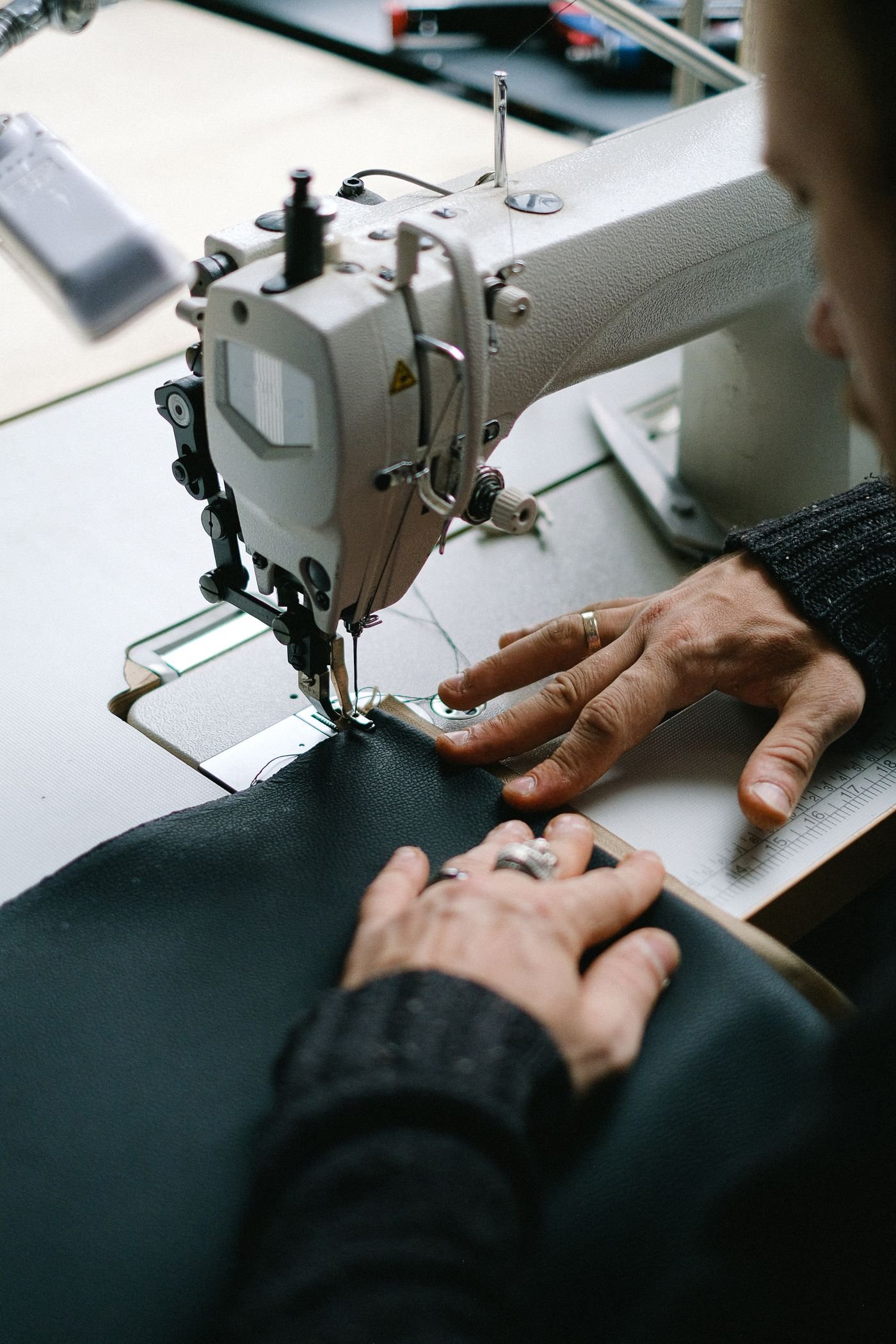

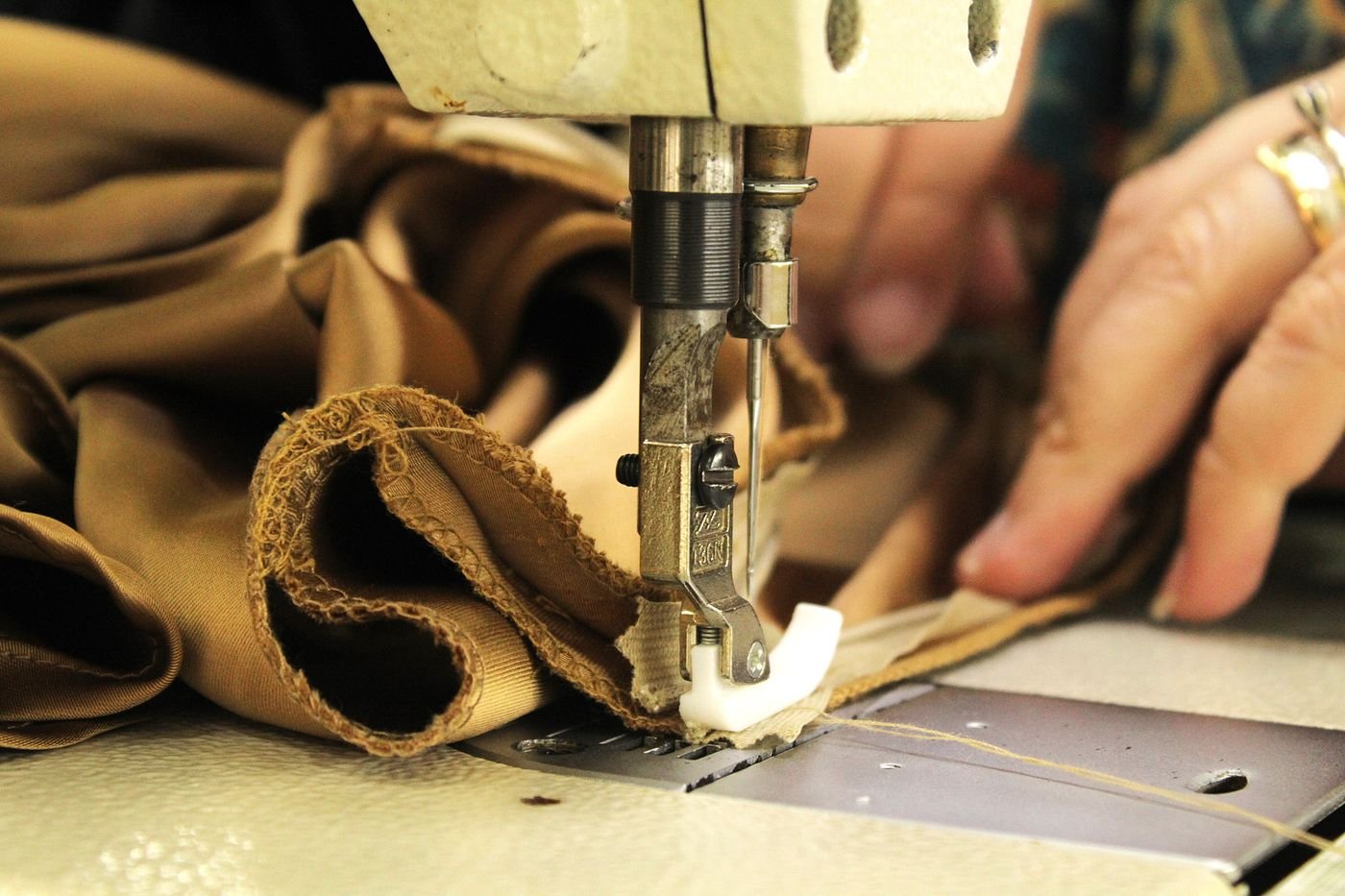
Browse Veelianpro’s Workwear Catalogue
Review current garment references, then send the fit and construction details for your program.



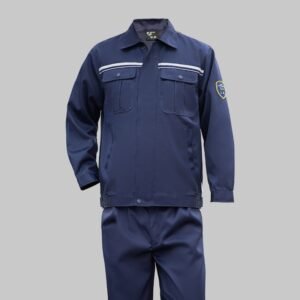


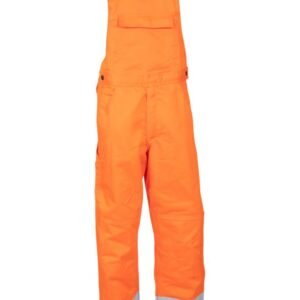
Custom Mountaineering Clothing, Specified
Build a project-ready specification with practical reviews at each stage, from material choices and fit through approved bulk handover.
Brief-to-Pattern Review
Share a tech pack, sketch, sample, or concept so we can review fit, garment architecture, construction details, and project feasibility before sampling.
Material and Trim Sourcing
Discuss shell, lining, insulation, reinforcement, zipper, cord, tape, and label options to align sourcing choices with your approved product brief.
Sample-Led Approval
Review measurements, color, construction, pocket layout, and mobility details on a sample before confirming the version intended for bulk production.
Branding Planned Early
Coordinate embroidery, screen printing, heat transfer, patches, woven labels, care labels, and packaging with artwork placement and decoration requirements.
Technical Scope Reviewed
For high-altitude applications, we review each requested technical feature individually; performance targets and supporting documentation remain project-specific.
Controlled Bulk Handover
After approval, align the production specification, quality checks, packing details, and export coordination for made-to-order bulk programs from 100 pieces per style and color, subject to feasibility.
Custom Mountaineering Clothing Development Options
Choose what you want to specify before sample approval.

OEM Shell Jacket Programs
Veelianpro develops the specification from a tech pack, sketch, sample, or product idea, then supports material and trim sourcing, pattern work, sampling, construction review, and private-label finishing for bulk approval.
Get a Quote
Private-Label Layering Systems
Build a coherent private-label range with selected decoration, woven labels, care labels, patches, and packaging. Specify each layer’s role and requested documentation early so feasibility can be reviewed garment by garment.
Get a Quote
ODM Trouser Development
Use an ODM path to develop custom mountaineering clothing from your concept, with pattern development, sample review, cutting, sewing, reinforcement options, and quality checks organized around the approved specification.
Get a QuoteCustom Mountaineering Clothing Materials for Project Review
Explore materials and fabrics
Shell Fabric

Specify fiber composition, fabric construction, weight, hand feel, and intended exposure for the outer shell. Waterproof, wind, breathability, and coating requirements are project-specific targets that require material documentation and final-garment evidence where needed.
Technical Lining

Choose lining construction around next-to-skin feel, layering compatibility, moisture handling expectations, and color coordination. Confirm the proposed lining against the approved sample, especially where print, light colors, insulation attachment, or branded interior details affect the build.
Insulation Fill

Review down or synthetic insulation as a development choice based on garment architecture, intended layering, care requirements, and packability goals. Fill power, fill origin, warmth, and temperature claims require project-level sourcing records and applicable testing evidence.
Reinforcement Fabric

Use reinforcement panels for buyer-specified high-wear zones such as knees, seat areas, shoulders, or cuffs. Define the fabric composition, placement, color, stretch requirement, and seam integration in the tech pack before sampling and bulk approval.
Stretch Fleece

Specify fleece weight, surface texture, stretch direction, and intended layer position for midlayers or panel applications. Evaluate pilling expectations, mobility, seam bulk, and decoration compatibility through material review and the approved prototype rather than assumed performance.
Fiber Documentation

For recycled or organic material requests, identify the required fiber content, chain-of-custody documents, market destination, and claim language early. Availability and documentation are reviewed per project; no environmental claim should appear on a custom mountaineering clothing program without supporting records.
Custom Mountaineering Clothing Construction Review
Explore printing and finishing
Pattern Development
View details
We develop patterns from your tech pack, sketch, sample, or product concept, then refine garment shape, panel placement, mobility areas, and pocket layout for the intended wearer and use conditions.
Sample Assembly
A development sample brings selected materials, colors, trims, branding, and construction together for review. Buyers can assess fit, measurements, appearance, and functional details before approving the bulk specification.
Size Grading
View details
After the base size is approved, patterns can be graded across the requested size range. Measurement specifications and fit comments should be locked before cutting to keep bulk garments aligned with the approved sample.
Reinforced Sewing

Cut panels are sewn with the requested seam construction, reinforcement placement, bartacks, gussets, and stitching details where feasible. Each technical choice is reviewed against the garment design rather than assumed for alpine use.
Finishing Inspection

Finished garments move through quality checks for approved measurements, construction, decoration, labels, and packing requirements. We prepare the order to the confirmed packing specification and coordinate export handling for the destination.
Trims, Branding & Functional Choices to Review
Explore labels, trims and packaging
Zipper Systems

Select front, pocket, or ventilation zipper configurations to suit the garment layout. Specify puller style, placement, and intended operation for feasibility review with the chosen shell, lining, and construction.
Pocket Configurations
Define chest, hand, sleeve, internal, or cargo pocket systems around the wearer’s carry needs. We review opening direction, closure choice, placement, and interaction with harnesses, layers, and branding areas.
Reinforcement Panels
Add reinforcement panels in specified high-wear zones such as knees, seat, shoulders, or lower legs. Panel material, shape, stitching approach, and compatibility with the base fabric remain subject to project review.
Reflective Tape Placement
Plan reflective tape placement for visibility-focused program requirements, including sleeve, torso, or leg positions. Final tape type, layout, and any performance documentation needed must be confirmed for the target market.
Private-Label Details

Build your brand into the garment with patches, woven labels, care labels, embroidery, screen printing, or heat transfer. Artwork, placement, decoration method, and compatibility with the garment materials are approved before bulk production.
Custom Packaging
View detailsSpecify folding, polybags, hangtags, size stickers, barcode labels, or branded packaging for your distribution workflow. Packaging format and label information can be coordinated with the approved garment specification and destination needs.
Custom Mountaineering Clothing, Built to Brief
Veelianpro is a Wuhan-based custom workwear manufacturer supporting OEM, ODM, private-label, and wholesale garment programs. We apply our established development workflow to feasibility-reviewed custom mountaineering clothing projects for sourcing teams, apparel brands, and uniform distributors without presenting them as off-the-shelf alpine products.
From a tech pack, sketch, sample, or product idea, our team can coordinate material and trim sourcing, pattern development, sampling, grading, cutting, sewing, decoration, finishing, inspection, packing, and export coordination. Orders can begin from 100 pieces per style and color, subject to fabric, construction, and project-specific documentation requirements.

From Brief to Bulk Approval
Brief and Tech-Pack Review
We turn your product idea, sketch, reference sample, or tech pack into a workable custom mountaineering clothing brief. The review aligns intended use, garment architecture, fit direction, branding, target quantity, destination, and the approvals needed before development begins.
- Define the activity, exposure conditions, layering role, and wearer profile.
- List required measurements, size range, colorways, pocket layout, and mobility preferences.
- Identify market-specific documentation or performance evidence required for the finished SKU.
- Confirm feasibility for orders from 100 pieces per style and color, subject to materials, construction, and evidence requirements.
Materials and Trim Selection
Select the shell, lining, insulation approach, reinforcement areas, closures, and branding components against the approved brief. We source options for review and help buyers connect each material and trim decision to the garment’s intended construction, decoration workflow, and documentation needs.
- Review shell, lining, insulation, stretch, reinforcement, and pocket-material options.
- Specify zipper, drawcord, cuff, hood, label, patch, and packaging requirements.
- Evaluate embroidery, screen printing, heat transfer, woven labels, and other requested branding methods.
- Request project-level documentation for recycled, organic, UV, waterproof, or other technical claims where needed.

Pattern, Fit, and Sample Control
Pattern development and sampling give your team a physical approval point before bulk production. We develop the garment around the agreed measurement chart and construction details, then capture approved changes so the final production specification is clear rather than assumed.
- Approve the measurement chart, grading direction, fit balance, and layering allowance.
- Check seam placement, pocket access, reinforcement locations, and mobility details on the sample.
- Verify color, fabric hand feel, trim selection, branding position, and decoration appearance.
- Record every approved revision in the production specification before bulk release.

Bulk Checks and Reorder Records
During production, quality checks follow the approved garment specification, from incoming materials through sewing, finishing, packing, and export coordination. For repeat custom mountaineering clothing programs, retained specifications help teams manage approved versions, material continuity, and controlled changes.
- Match bulk materials, colors, trims, labels, and packing details to approved records.
- Inspect construction and decoration against the signed-off sample and specification package.
- Flag proposed substitutions or changes for buyer review before they enter the approved version.
- Keep the approved style, measurement, artwork, and trim references ready for reorder planning.

Custom Mountaineering Clothing: Made-to-Order vs. In-Stock Decoration
Compare a specification-led development program with an existing garment selected for logo decoration.
← Swipe left or right to view →
Custom Mountaineering Clothing Workflow
From feasibility review to reorder support, we manage each approved specification through development, sampling, production, inspection, packing, and export coordination.
Brief & Feasibility Review
Share your tech pack, sketch, reference sample, intended use, quantity, destination, and technical evidence needs. We review whether the requested materials and construction are feasible.
Specification Development
We align pattern requirements, size range, fabric and lining options, reinforcement areas, pocket layout, trims, branding, and packaging details before preparing the sampling route.
Sampling & Approval
A development sample supports review of fit, measurements, color, logo placement, materials, and construction. Required changes are documented before quotation and bulk order confirmation.
Bulk Production & Control
After approval, cutting, sewing, reinforcement, decoration, finishing, and quality checks follow the confirmed specification. Production begins from 100 pieces per style and color, subject to project feasibility.
Inspection, Handover & Reorders
Finished garments are checked, packed, and prepared for export coordination. Retain approved specifications and change records to support consistent repeat orders and future program updates.
Start Your Custom Mountaineering Clothing Project
Give our team a complete buying brief so we can review feasibility, develop the right sample route, and prepare your order for confirmation.
Send Your Brief
Share the intended activity, tech pack, sketch, or reference, plus fabric direction, size range, quantity, branding method, destination, and required delivery timeline.
Review Project Feasibility
We assess the requested custom mountaineering clothing design, materials, construction, trims, evidence needs, and whether the starting quantity is feasible for your specification.
Approve Your Sample
Review the proposed sample for fit, measurements, material selections, color, logo placement, pocket layout, and construction details, then provide consolidated revisions or approval.
Confirm Order Requirements
Lock the approved specification, quantities by style and color, packaging, inspection expectations, shipping destination, and any SKU-level documentation needed before production planning begins.
Standards and Audit References


Custom Mountaineering Clothing: Illustrative Procurement Scenarios
Illustrative scenario
Apparel Buyer
A sourcing team briefs a layered outerwear program and requests revised pocket access for gloved use. Before bulk approval, it reviews the measurement chart, material and trim references, construction notes, color standard, and logo-placement proof.
Illustrative scenario
Sourcing Manager
An apparel brand develops custom mountaineering clothing from a sketch and asks to adjust the mobility profile and panel layout. Its approval package should confirm the sample fit, pattern revision, selected materials, decoration method, labels, and market-specific documentation requirements.
Illustrative scenario
Production Planner
A uniform distributor needs a branded mountain-program garment for a client brief and requests a different branding location. Prior to order confirmation, it verifies artwork, decoration sample, size range, packing requirements, destination details, and any project-specific evidence requested for the intended use.
Custom Mountaineering Clothing FAQ
Practical answers for sourcing teams planning a branded mountain apparel program with a controlled specification, sample approval, and bulk-order handover.
Can Veelianpro develop custom mountaineering clothing from our tech pack or concept?
What is the MOQ for a custom mountaineering apparel program?
Should we choose made-to-order development or decorate an in-stock garment?
How do we approve a custom mountaineering clothing sample before bulk production?
Can you provide waterproof, UV, recycled, organic, or insulation-performance documentation?
Which decoration methods can be reviewed for mountain apparel?
How are production timing, payment terms, and export shipping handled?
How do you handle artwork, labels, and confidential product details?
What should we retain for a controlled reorder of wholesale mountaineering clothing?
Complete Buyer’s Guide to Custom Mountaineering Clothing
A practical framework for selecting a development partner, defining technical specifications, approving samples, documenting project-specific claims, and avoiding costly errors when sourcing bulk alpine apparel programs.
1. What Is Custom Mountaineering Clothing?
Custom mountaineering clothing is made-to-order garment development for a branded outdoor or alpine program, not simply a logo added to a jacket. The buyer defines the product brief—intended activity, exposure, layering role, fit range, and garment architecture—so pattern work, material sourcing, trim selection, decoration, and sample approval can be evaluated as one specification.
For a sourcing team, Veelianpro can develop custom mountaineering clothing from a tech pack, sketch, sample, or product idea and supports fabric and trim sourcing through sampling, production, inspection, packing, and export coordination. The starting quantity is from 100 pieces per style and color, conditional on the selected fabric, construction, and any required evidence or documentation.
Specification-led development suits a program needing its own silhouette, pocket layout, reinforcement approach, hood or collar configuration, branding locations, and controlled repeat specification. An in-stock garment with decoration is a different route: the base garment architecture, available colors, sizing, and underlying materials are already fixed, leaving the logo method and placement as the primary variables.
Quote only after defining how wearers move, what layers sit beneath or above the garment, and whether exposure involves rain, wind, abrasion, or cold conditions. Those decisions determine which features should be reviewed for feasibility; any waterproof, UV, recycled, down, temperature, or protective claim requires project-specific SKU and market evidence rather than an assumption from a photo or sample.
2. How Alpine Apparel Development Evolved
Alpine apparel development is no longer a single-jacket exercise. A shell, insulating layer, next-to-skin layer, mobility zones, closures, and pocket access must work as a wearing system, so the sourcing brief should define how those elements interact.
That shift changes the sourcing brief. Product intent should state the wearer activity and expected layering relationship; construction choices should separately define silhouette, pattern mobility, reinforcement locations, seam approach, hood or collar configuration, and the selected zipper, cord, label, patch, or reflective-trim options for feasibility review.
Decoration also needs its own decision path. Embroidery, screen printing, heat transfer, patches, woven labels, care labels, and packaging have different artwork, placement, material, and sample-approval implications, so a logo request should not be embedded as an afterthought in a generic garment description.
Finally, evidence requirements are separate from the design target. If a program needs waterproof, UV, recycled, organic, down-origin, temperature, or protective claims, identify the exact SKU, destination market, test method or certificate scope, and approval evidence requested; a visual prototype or material name does not establish that claim. This separation lets Veelianpro review a buyer’s tech pack, sketch, sample, or product idea from fabric and trim sourcing through pattern development, sampling, and bulk-quality controls without treating custom mountaineering clothing as promotional merchandise.
3. Types of Custom Mountaineering Clothing
Choose the garment architecture before selecting fabric or decoration. A custom mountaineering clothing brief should map each piece to a layering role, expected movement, pack compatibility, and the evidence required for any technical claim.
| Garment Type | Primary Decision | Feasibility Inputs |
|---|---|---|
| Shell jacket | Weather-facing architecture | Hood, closures, pockets, documentation |
| Insulated jacket or vest | Warmth versus arm mobility | Insulation concept, layering space |
| Softshell layer | Mobility and reinforcement balance | Stretch zones, fit, abrasion areas |
| Pants | Stride and equipment compatibility | Gusset, knees, cuffs, pockets |
| Base layer or suit | System integration | Layer pairing, entry, evidence needs |
Shell Jackets
A shell is the weather-facing layer, so hood geometry, front closure, pocket access, and seam-treatment requirements should be reviewed together.
Submit the intended exposure, layering allowance, hem adjustment, cuff design, and any requested waterproof documentation for feasibility review.
- Hood and collar interface
- Pocket access with pack belt
- Closure and adjustment layout
Insulated Jackets And Vests
Insulated jackets prioritize warmth in a stop layer; vests retain core coverage while leaving arms less restricted.
Specify insulation type, baffle or quilt concept, intended layering space, and any down origin, fill-power, or temperature evidence required.
- Jacket or vest role
- Quilt or baffle concept
- Layering clearance
Softshell Stretch Layers
Softshell or stretch layers suit movement-focused use where articulation and abrasion-zone placement may matter more than a rigid outer structure.
Provide the activity, stretch-panel concept, reinforcement locations, ventilation preference, and fit block for development review.
- Articulated movement zones
- Stretch-panel placement
- Reinforcement concept
Mountaineering Pants
Pants must work with stride, harnesses, footwear, and knee flexion; a trim silhouette can conflict with layering or protective-panel space.
Flag waistband adjustment, gusset concept, knee articulation, cuff opening, pocket position, and reinforcement areas in the tech pack.
- Waistband and harness clearance
- Gusset and knee mobility
- Cuff and pocket placement
Base Layers And Suits
Base or midlayers manage the next-to-skin and insulation stages, while one-piece or expedition-style concepts require a complete entry, fit, and mobility review.
Specify layer pairing, size range, closure access, hood integration, and project-specific performance or PPE evidence before sampling.
- Layer pairing and fit
- Entry and closure access
- Project-specific evidence
4. Materials for Custom Mountaineering Clothing
Material selection starts with the exposure brief: wet snow, wind, abrasion, output level, layering space, and destination market. For custom mountaineering clothing, separate a desired material feature from a verified claim before sampling.
| Material family | Selection factors | Typical garment application | Evidence to request |
|---|---|---|---|
| Shell laminate or coated fabric | Weather exposure, hand, seam route | Outer shell or overpant | SKU and market test scope for claims |
| Synthetic or down insulation | Warmth, wet-use behavior, bulk | Parka or insulated layer | Fill and origin documentation where claimed |
| Lining, stretch, reinforcement | Layering friction, mobility, abrasion zones | Jackets and pants | Composition and approved sample reference |
| Recycled or organic input | Claim wording and chain of custody | Project-specific | Material-specific documentation |
Shell And Weather Barrier
A woven face fabric can be paired with a membrane laminate or a coating route; the choice affects hand feel, seam construction, repair expectations, and the evidence package. Specify the intended garment zone and whether seam sealing is under review.
Do not treat a photo, fabric description, or sample as proof of waterproof, UV, or weather performance. Request SKU- and market-level test documentation when a claim will appear in product copy or procurement requirements.
- Name face fabric composition and finish
- Identify membrane or coating route
- Define reinforcement zones for review
Insulation, Lining, And Mobility

Synthetic insulation, down, fleece, and uninsulated layering routes solve different warmth, drying, packability, and movement priorities. Down-origin, fill-power, and temperature statements require project-specific documentation; they are not implied by a quilted appearance.
Linings, stretch inserts, and abrasion panels should be specified by placement and function. Confirm compatibility with the shell, insulation, decoration method, and intended care process on the approved sample.
- Body and sleeve insulation layout
- Lining hand and layering friction
- Stretch and reinforcement panel placement
Recycled And Organic Requests
Recycled or organic inputs are procurement requirements, not visual features. Identify the requested material, chain-of-custody expectation, market, and claim wording before fabric sourcing.
Veelianpro can review fabric and trim sourcing within the development brief. Availability and supporting evidence remain subject to the selected SKU, construction, and documentation scope.
- State claim language before sourcing
- Request applicable transaction evidence
- Lock approved material references for reorders
5. Custom Mountaineering Clothing Design Options
Design starts by matching the fit block and feature map to the intended layering system, movement, and end-user profile. Veelianpro can develop from a tech pack, sketch, sample, or product idea; every alpine-specific feature remains subject to feasibility review.
| Design Decision | Approval Input | Interaction To Check |
|---|---|---|
| Fit block | Measurement chart and wearer layers | Mobility and size grading |
| Color blocking | Color references and panel map | Panel seams and material continuity |
| Logo decoration | Artwork file and placement proof | Shell surface, seams, and insulation |
| Labels and packaging | Label text and packaging artwork | Market requirements and final presentation |
Fit, Hood, And Pockets

Choose a regular, athletic, or layer-accommodating fit block, then approve the measurement chart and wearing allowance on the sample. Hood volume, brim shape, pocket access, and pocket placement should be reviewed against the planned garment architecture.
Options to specify for review include articulated shaping, gussets, reinforced zones, adjustable cuffs, and zippered pockets. Do not place a pocket or adjustment where it conflicts with a planned seam, insulation chamber, or logo area.
- Target wearer and layer plan
- Hood adjustment concept
- Pocket access and closure
- Size range and grading
Color And Brand Placement
Color blocking can visually separate high-wear zones, but each panel boundary changes cutting and sewing complexity. Provide approved color references and identify whether matching applies to shell, lining, tape, labels, and packaging.
Submit vector artwork or a high-resolution production file, placement measurements from defined garment points, and a placement proof. Woven labels, care labels, hangtags, and custom packaging are options Veelianpro can review within the project brief.
Decoration Workflow
Embroidery, screen printing, heat transfer, patches, and woven branding require different artwork preparation and application positions. The selected shell material, insulation, seam layout, and decoration size determine which route is feasible; specify each route for review rather than assuming compatibility.
Approve the logo strike-off or decorated sample alongside the garment sample. Record artwork revision, colors, location, orientation, and approval date so bulk production follows the accepted version.
6. Construction and Bulk Quality Controls
A prototype can look correct while bulk units drift at the graded size, panel junction, or trim-setting stage. The approved sample, measurement chart, and workmanship references must therefore become the controlled production standard for custom mountaineering clothing.
Patterns And Measurements
Lock the base-size measurement chart, grading rules, tolerance, and measurement method before cutting. Include garment lay-flat points, not only body measurements, so a bulk inspection uses the same reference as sample approval.
- Base size and graded size range
- Named measurement points and tolerances
- Approved fit sample and revision date
Seams And Panel Execution

Panel-heavy shells can shift when notches, seam allowances, or stretch direction are interpreted differently across lines. The technical package should identify panel joins, stitch type, visible topstitching, seam allowance treatment, and acceptable puckering or panel mismatch.
Reinforcements And Trims
Specify the exact placement and dimensions for reinforcement panels, bartacks, zippers, pullers, hook-and-loop tabs, cord locks, and cuff or hem adjustments. A prototype may use substituted trims unless the approved trim card and placement reference are tied to the bulk order.
- Reinforcement location reference
- Closure and puller specification
- Adjustment range and attachment method
Lining And Insulation Handling
For lined or insulated styles, define lining attachment, baffle or quilting layout where applicable, turning openings, and insulation containment expectations. Any warmth, down origin, fill power, waterproofing, or protective claim requires project-specific evidence rather than visual approval alone.
Bulk Inspection Checkpoints
Inspect pre-production components, first-off-line units, inline workmanship, and finished packed garments against the approved package. Record defects, rework decisions, labeling, color, logo placement, measurements, and packing configuration so reorders follow an identified approved version.
7. Choosing a Mountaineering Clothing Manufacturer
A capable partner turns an alpine concept into a controlled specification, not a generic jacket with a logo. Review the development route against the intended activity, fit, construction, materials, trims, evidence needs, and repeat-order controls.
| Criterion | Conditional Made-To-Order Development | In-Stock Garment Plus Decoration |
|---|---|---|
| Fit | Buyer measurement and grading brief | Existing size set |
| Garment structure | Project-specific panels and features | Existing silhouette |
| Customization | Materials, trims, and branding reviewed | Decoration on defined garment |
| Decoration workflow | Placement approved on sample | Artwork approved for existing surface |
| Approvals | Sample and specification package | Garment, artwork, and placement check |
| Quantity feasibility | From 100 pieces per style and color, subject to feasibility | Dependent on selected in-stock garment |
| Evidence documentation | Requested for exact SKU and market | Limited to available garment documentation |
Start With a Usable Brief
Send intended use, layer position, wearer measurements, size range, color targets, artwork, destination, target quantity, and required market evidence. Identify shell, lining, insulation, reinforcement, zipper, pocket, hood, and cuff choices as fixed or open for feasibility review.
Veelianpro can begin from a tech pack, sketch, sample, or product idea and supports sourcing through packing and export coordination.
- State whether the garment is a shell, insulated layer, or softshell.
- Attach vector artwork and placement dimensions.
- Separate design targets from tested performance claims.
Compare The Supply Routes
Made-to-order development suits a distinct fit or garment architecture; an in-stock garment plus decoration suits a defined existing silhouette. Compare the same intended use before treating the routes as equivalents.
Control Samples And Reorders
Approve a sample against a signed measurement chart, bill of materials, trim references, construction notes, color standard, logo placement, decoration method, and packing requirements. Request SKU- and market-level documentation where a project needs recycled, organic, UV, waterproof, chemical, or other technical evidence.
For reorders, reference the approved version and log every substitution or revision before release. Veelianpro’s starting MOQ is from 100 pieces per style and color, subject to fabric, construction, and evidence feasibility.
- Keep an approved sample record and revision date.
- Record fabric and trim supplier references.
- Approve substitutions in writing before bulk cutting.
8. Common Custom Mountaineering Clothing Mistakes
Custom mountaineering clothing programs fail when a visual concept substitutes for an executable specification. Treat every approved element as a controlled decision: intended use, claim evidence, placement, measurements, construction, quantity split, and revision record.
Brief Beyond Appearance
A mood board cannot define mobility, layering allowance, pocket access, or reinforcement locations, so pattern and material decisions drift during sampling. Supply an intended-use brief plus annotated sketches, wearer activity, fit block, and priority trade-offs before feasibility review.
Control Claims And Branding
Waterproof, UV, recycled, down, temperature, or PPE language becomes a procurement risk when assumed from a fabric name or photograph; request project- and market-specific evidence where required. Likewise, approve the logo on the actual garment panel, noting scale, placement, decoration method, seams, pockets, and zipper clearance.
- Illustrative scenario — Brand sourcing manager: shell launch; change chest logo away from pocket seam; approval: marked sample photo and artwork file.
- Illustrative scenario — Uniform distributor: cold-weather layer; change claim copy to evidence request; approval: SKU documentation checklist.
Lock Bulk And Reorder Controls
Skipping a measurement chart or construction approval leaves bulk teams to interpret fit, bartacks, stitching, trim, and color blocking from an incomplete sample. Fragmenting demand across colors and sizes can also make a proposed run unfeasible; consolidate the assortment and confirm whether the starting 100 pieces per style and color fits the project requirements.
- Illustrative scenario — Apparel product developer: trousers reorder; change knee reinforcement and size ratio; approval: dated revision-controlled specification.
- Record approved sample version, measurement tolerances, materials, trims, artwork, packing, and every authorized reorder change.
9. Launching a Custom Mountaineering Clothing Program
A launch file prevents a promising alpine concept from becoming an unrepeatable bulk order. Start with the wearer’s activity, exposure, layering plan, fit, branding, destination, and the evidence required for each proposed claim.
| Gate | Buyer Check | Release Record |
|---|---|---|
| Feasibility | Style-color quantity and technical scope | Reviewed brief |
| Sample | Fit, construction, branding, labels | Signed approval sheet |
| Bulk Release | SKU claims and market documentation | Controlled production file |
| Reorder | Material and trim continuity | Approved change log |
Build The Feasibility Brief
Send a tech pack, sketch, or reference sample with garment architecture, size range, colorways, logo artwork, and target quantity. Identify shell, insulation, lining, reinforcement, pocket, hood, zipper, and seam-treatment options for feasibility review.
Veelianpro can begin from 100 pieces per style and color, subject to fabric, construction, and documentation requirements.
- State activity and expected exposure
- Provide vector artwork and placement
- Name destination market and claim needs
Define Quote And Prototype Scope
Require the quotation to identify the approved fabric and trim direction, decoration method, sample scope, packing, inspection point, and export coordination. Separate design targets from documented waterproof, UV, recycled, down-origin, or PPE claims.
Request claim evidence for the exact SKU and destination market before it appears in product copy or labeling.
Approve The Production Sample
Check the prototype against the measurement chart, graded-size intent, color standard, logo position, pocket access, reinforcement locations, and finishing. Record every accepted change in a dated approval sheet; verbal approvals invite version drift.
Illustrative scenario: a uniform distributor consolidates two jacket colorways into one approved shell specification, then releases bulk production only after artwork and sample gates are signed.
Retain The Reorder File
Before release, align the approved sample, bill of materials, measurement chart, artwork files, label text, packing instructions, inspection criteria, and change log. During inspection, compare production against that controlled file rather than a memory of the sample.
For reorders, reconfirm material continuity and obtain written approval for any proposed substitution.
10. Custom Mountaineering Clothing Cost Drivers
A technical shell and an insulated parka do not share the same cost logic: architecture changes material consumption, cutting, sewing, and approval scope. For custom mountaineering clothing, compare quotations only after the intended use, approved design target, and inclusions are aligned.
Reduce cost by removing noncritical panels, duplicate pockets, or secondary decoration—not by substituting an unapproved shell, insulation route, or required evidence. Veelianpro reviews feasibility from 100 pieces per style and color, subject to fabric, construction, and documentation requirements.
| Cost driver | What changes cost | Quote must specify |
|---|---|---|
| Garment architecture | Shell, insulated layer, or multi-piece system; pocket and reinforcement complexity. | Style components, pattern version, construction details, and intended use. |
| Shell or insulation route | Specified fabric, lining, fill, membrane, or backing choices require feasibility review. | Material identity, color, performance target, and required SKU-level evidence. |
| Trims and decoration | Zippers, adjusters, labels, patches, embroidery, printing, or heat transfer add components and operations. | Trim list, artwork files, placement, color approvals, and decoration method. |
| Color and panels | Additional colors or panels increase cutting, matching, and sewing control. | Color references, panel map, logo colors, and acceptable shade variation. |
| Samples, documentation, order setup | Iterations, test documentation, size range, pack method, and quantities affect the quotation scope. | Sample approval points, evidence request, size breakdown, packing, destination, and reorder controls. |
Start Your Custom Mountaineering Clothing Specification Review
Send your tech pack, use case, quantity, colorway, branding, destination, timeline, and any required evidence scope for a practical quote review.