
Hiking Clothing Manufacturer
Develop branded shells, hiking pants, fleece layers, and sample-led collections from 100 pieces per style and color, subject to project requirements.
Garment and Development References


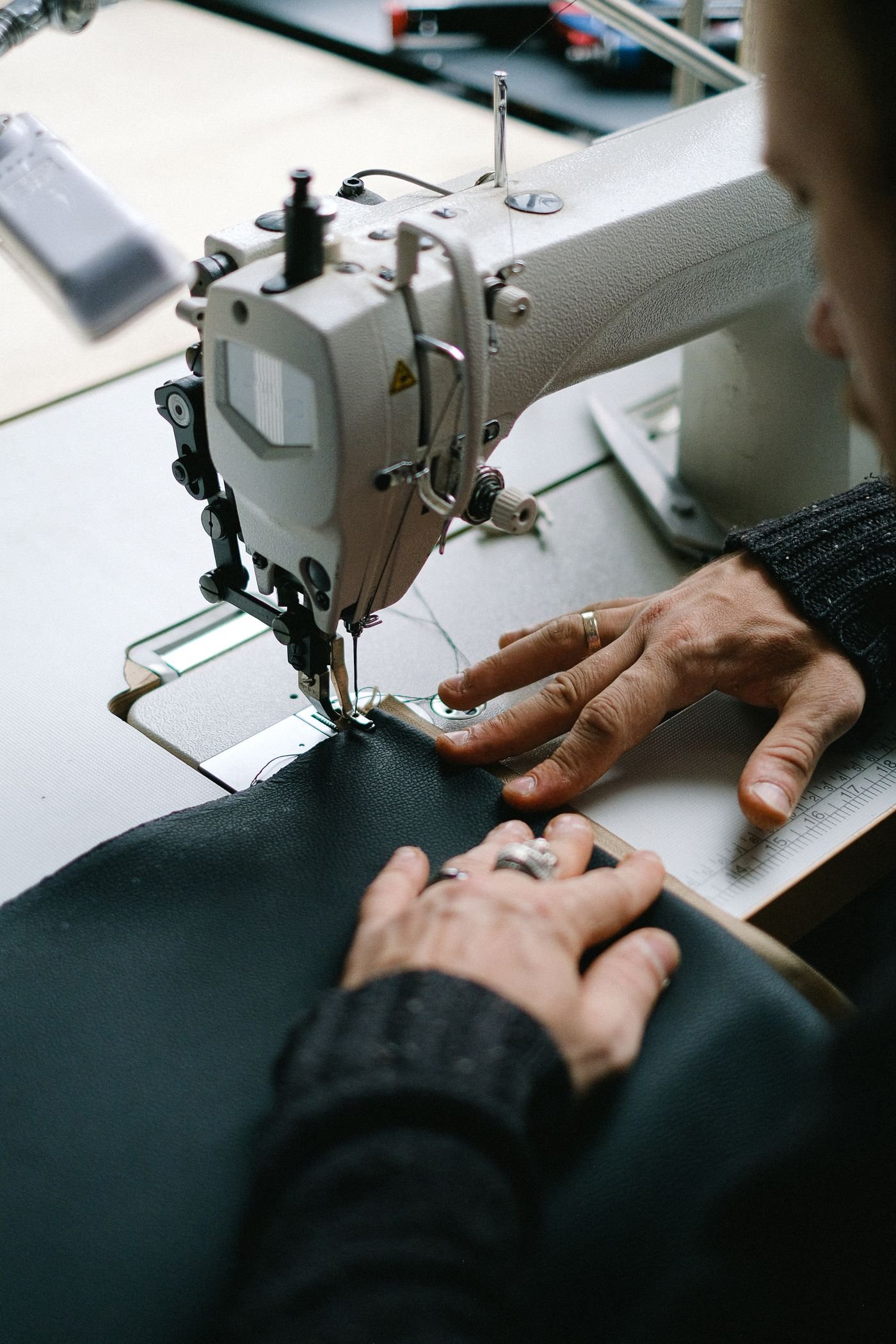
Browse Veelianpro’s Workwear Catalogue
Review current garment references, then send the fit and construction details for your program.
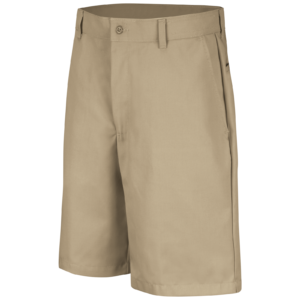
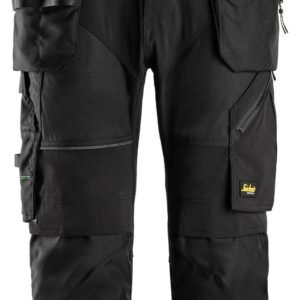

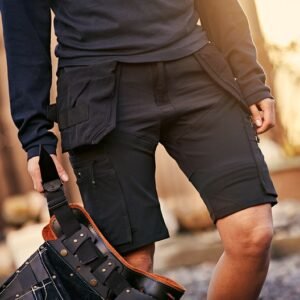
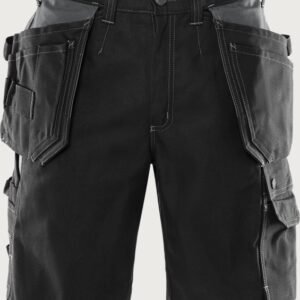
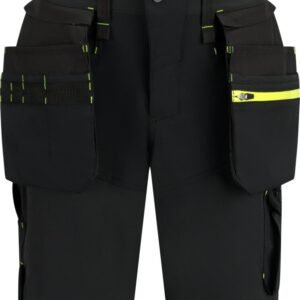


Why Source Custom Hiking Apparel With Veelianpro
Specification-led support for branded hiking apparel, from early garment concepts through approved bulk-order preparation.
Buyer-Led Development
Send a tech pack, sketch, reference sample, or product idea to align the hiking garment concept, fit requirements, and construction details.
Material and Trim Review
Review candidate nylon, polyester, fleece, stretch woven fabrics, closures, pocket components, and adjustment details against your intended hiking apparel specification.
Sample-Based Approvals
Use samples to check measurements, size grading, garment structure, pocket layout, labels, and branding placement before confirming bulk production.
Private-Label Workflows
Specify embroidery, screen printing, heat transfer, patches, woven labels, care labels, and custom packaging for a consistent branded presentation.
Production to Export Coordination
Coordinate cutting, sewing, finishing, quality checks, packing, and export preparation through one practical workflow for custom hiking clothing projects.
Hiking Clothing Manufacturer Development Options
Choose what you want to specify before sample approval.

Shell Jacket Programs
We develop samples from your tech pack, sketch, or brief, so your team can approve garment structure, trims, branding placement, and the evidence requirements for any requested weather-protection claim.
Get a Quote
Hiking Pant Development
Veelianpro can develop custom hiking clothing samples around your measurements, stretch-woven or other candidate material choices, pocket system, reinforcement requests, labels, and private-label presentation for review.
Get a Quote
Fleece Layer Collections
Our OEM and ODM workflow turns the collection brief into an approval path covering fabric and trim sourcing, pattern development, sampling, decoration, packing, and conditional bulk feasibility from 100 pieces per style and color.
Get a QuoteMaterials to Review for Custom Hiking Apparel
Explore materials and fabrics
Nylon Woven

A durable synthetic woven option to review for hiking pants and shell-oriented pieces where a firmer hand and abrasion-conscious construction are desired. Specify weight, weave, stretch content, finish expectations, and required documentation for evaluation.
Polyester Knit

A versatile knit candidate for base layers, tees, and lightweight hiking pieces. Buyers can define the desired surface, stretch, moisture-management target, color, and branding method; any performance claim or test requirement should be reviewed at SKU level.
Merino Blend

A natural-synthetic blend option for base-layer concepts when the buyer wants a softer hand and fiber-content direction. Submit the proposed blend ratio, garment use, care expectations, and documentation needs for sourcing and sample review.
Recycled Synthetics

Recycled polyester or nylon can be specified for custom hiking clothing projects seeking a particular material-content direction. Confirm the intended fiber composition, available evidence requirements, color, construction, and market documentation before material selection is approved.
Fleece Fabric

A warm, soft material direction for midlayers, zip tops, and insulated hiking apparel combinations. Define pile, weight, stretch, lining needs, and logo application method so the sample can reflect the intended bulk, feel, and garment structure.
Stretch Woven

A mobility-focused woven option for hiking pants, overshirts, and articulated garment panels. Share the desired recovery, hand feel, pocket layout, reinforcement areas, and intended use; we will review the fabric combination against your sample specification.
Custom Hiking Apparel Development Process
Explore printing and finishing
Tech Pack Review
We review your tech pack, sketch, reference sample, or product concept to clarify garment structure, intended use, fabric direction, pocket layout, closures, branding locations, and evidence requirements before development begins.
Pattern Development
View details
Patterns are developed around buyer-provided measurements, fit intent, and mobility needs for distinct hiking garments such as shell jackets, pants, fleece layers, or sun layers. Construction details remain subject to project review.
Sample Making
A development sample turns the approved direction into a physical garment for checking silhouette, panel arrangement, pocket access, trim choices, decoration placement, and overall make quality before bulk specifications are finalized.
Size Grading
View details
After fit approval, size grading can be prepared from the buyer’s measurement chart and target size range. This helps align measurements across the intended assortment while keeping fit standards specific to the program.
Precision Sewing

Cut panels are sewn to the approved construction plan, with project-specific reinforcement, seam treatments, gussets, pocket systems, and closure details reviewed for the garment’s intended hiking use and visual identity.
Finishing Checks

Finished garments move through decoration, labeling, pressing, packing, and quality checks against the approved sample and specification. Requested performance, recycled-content, UV, or weatherproof documentation requires separate SKU and market review.
Trims, Labels, and Branding Options to Specify
Explore labels, trims and packaging
Front Zipper Systems

Specify the zipper type, puller shape, color, and placement for shell jackets, fleece layers, or hiking pants. Buyers use this review point to align closure handling, pocket access, and the intended garment design.
Pocket Configurations
Define pocket count, entry direction, closure method, and intended contents for hiking apparel. Chest, hand, cargo, and internal pockets can be developed around the approved garment pattern and sample use scenario.
Adjustment Closures
Choose drawcords, cord locks, hook-and-loop tabs, snaps, or elastic finishes for hoods, cuffs, hems, and waist areas. These options help buyers refine fit adjustment and layering compatibility during sample development.
Reinforcement Details
Request reinforced panels, bartacks, or added stitching at project-defined stress areas such as knees, seat panels, pocket edges, and zipper ends. Construction choices are reviewed against the garment design and approved sample.
Private Label Finishes
Add woven labels, care labels, patches, embroidery, heat transfer, screen printing, or custom packaging to support a private label hiking apparel launch. Submit placement artwork and finish requirements for production review.
Outdoor Apparel Development With Veelianpro
Veelianpro is a Wuhan-based custom garment manufacturer supporting sourcing teams, apparel brands, and uniform distributors with OEM, ODM, private-label, and wholesale development. As your hiking clothing manufacturer, we turn a tech pack, sketch, sample, or product concept into a specification-led outdoor garment program built around your brand and target market.
Our workflow covers fabric and trim sourcing, pattern development, sampling, size grading, cutting, sewing, reinforcement, decoration, finishing, quality checks, packing, and export coordination. We develop hiking apparel as distinct garment combinations and sample routes, from shells and hiking pants to fleece layers and base layers, rather than treating them as standard workwear categories. Production may begin from 100 pieces per style and color, subject to fabric, construction, and documentation requirements.
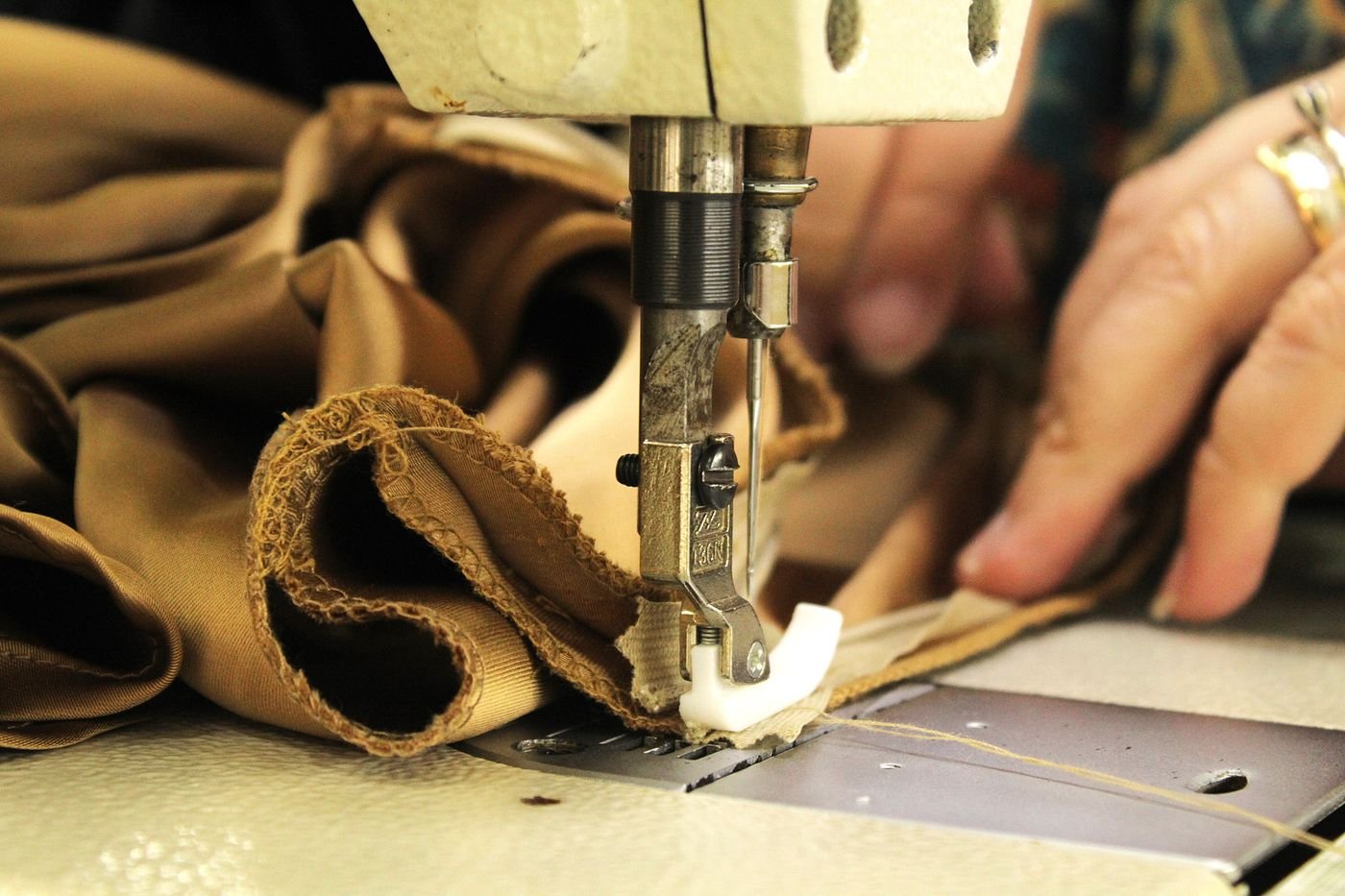
From Specification Review to Production Handover
Specification Review That Starts With the Garment
Bring a tech pack, sketch, reference sample, or product idea. We review the hiking garment as a complete system, aligning intended activity, fit direction, layer role, pocket access, mobility points, branding, and project-specific documentation needs before sampling begins.
- Define the garment path: shell jacket, hiking pant, fleece midlayer, base layer, or sun layer
- Review fit measurements, size range, grading direction, and movement requirements
- Map pocket layout, closures, adjustment points, reinforcement areas, and ventilation concepts
- Identify any SKU- and market-specific evidence needed for proposed performance claims

Materials and Trims Chosen for Your Brief
Our team sources fabrics and components against the approved brief, so buyers can assess hand feel, composition, weight, stretch, warmth, abrasion priorities, and brand presentation together. Candidate materials and trims are reviewed for suitability rather than presented as pre-approved performance claims.
- Specify nylon, polyester, merino blends, recycled synthetics, fleece, or stretch woven options for review
- Compare zipper, cord, elastic, hook-and-loop, snap, and pocket construction choices
- Plan woven labels, printed neck labels, care labels, patches, and custom packaging
- Request applicable material, recycled-content, UV, waterproofness, or breathability documentation by SKU

Pattern and Sample Development
A sample gives the hiking apparel team a practical approval point before bulk production. We develop patterns, size grading, construction details, and decoration placement around the agreed specification, then use buyer feedback to refine the garment route before written sample approval.
- Develop patterns from buyer measurements, technical files, approved sketches, or reference garments
- Check garment structure, seam placement, pocket function, and mobility during sample review
- Confirm embroidery, screen print, heat transfer, patch, or label placement on the sample
- Record revisions and approve the final sample specification in writing before production

Production Handover With Clear Controls
Once the sample and quotation are approved, we translate the confirmed hiking clothing specification into production checkpoints covering cutting, sewing, reinforcement, decoration, finishing, quality checks, packing, and export coordination. Projects can start from 100 pieces per style and color, subject to feasibility.
- Lock approved fabrics, trims, color references, labels, packaging, and decoration artwork
- Carry forward confirmed construction and size information into production instructions
- Coordinate quality checks and packing requirements against the approved order details
- Provide destination, quantity, timeline, and required documentation with your quote request
Made-to-Order Development vs. In-Stock Decoration
Compare specification-led custom hiking apparel development with an in-stock garment-plus-decoration route before selecting your sourcing path.
← Swipe left or right to view →
Custom Hiking Apparel Production Flow
Veelianpro moves custom hiking apparel from feasibility review through sample approval, controlled production, inspection, packing, and export coordination for specification-led bulk orders.
Feasibility Review
Send a tech pack, sketch, sample, or product idea with intended use, quantity, destination, and evidence requirements; we review construction, materials, and conditional order feasibility.
Specification Development
Confirm garment category, fit measurements, size range, fabric candidates, pocket layout, mobility details, trims, branding, and requested documentation before sample work begins.
Sample Approval
Develop the hiking garment sample for buyer review, then record revisions to fit, structure, labels, decoration placement, and components before quotation and bulk confirmation.
Order Confirmation
Finalize the approved specification, selected materials and trims, packaging direction, quantity, and commercial quotation; production proceeds only after order details are confirmed.
Production and Dispatch
Cutting, sewing, reinforcement, decoration, finishing, quality checks, packing, and export coordination follow the confirmed specification, with inspection before shipment arrangements are completed.
How to Start a Custom Hiking Apparel Project
Move from a hiking garment concept to a clear, approval-led production brief with Veelianpro.
Send Your Garment Brief
Share a tech pack, sketch, reference sample, or product idea with intended trail use, size range, colors, branding, quantities, destination, and required documentation.
Review Feasibility Together
We review garment structure, candidate fabrics, pocket layout, mobility details, trims, decoration methods, and any performance evidence requirements before recommending a practical development route.
Approve Sample and Quote
Review the hiking apparel sample, measurements, materials, labels, packaging, revisions, and written quotation so the approved specification reflects the product your team intends to buy.
Confirm Order Requirements
Confirm final quantities, color breakdown, approvals, packing instructions, export handover details, and production requirements. Orders can begin from 100 pieces per style and color, subject to feasibility.
Standards and Audit References


Sample-Approval Scenarios for Custom Hiking Apparel
Illustrative scenario
Apparel Buyer
An outdoor brand develops a shell jacket concept from a sketch. The requested change is a revised hood, pocket layout, and logo placement. Approval evidence includes the finalized tech pack, fabric and trim selections, measurement chart, decoration artwork, and signed sample comments before bulk review.
Illustrative scenario
Sourcing Manager
A sourcing team requests custom hiking pants for a private-label range. The change combines a revised fit block with specified reinforcement areas and closure choices. Approval evidence covers graded measurements, construction details, color approvals, label layout, and documented sample revision notes for the production file.
Illustrative scenario
Production Planner
A uniform distributor explores a coordinated hiking apparel assortment, beginning with a fleece layer and sun layer sample. The change aligns branding across garments and packaging. Approval evidence includes material submissions, logo application positions, care-label content, size range, and buyer confirmation of the approved sample set.
Custom Hiking Apparel FAQ for B2B Buyers
Practical answers for brands evaluating custom hiking apparel development, samples, documentation, and bulk-order readiness with Veelianpro.
What is the minimum order for custom hiking clothing?
Can a hiking clothing manufacturer develop shells, pants, fleece, and base layers as separate product types?
Which materials and trims should we specify for custom hiking clothing?
How should we handle waterproof, breathability, UPF, recycled-content, or insulation claims?
What should be approved in a hiking apparel sample before bulk production?
When is an in-stock decorated garment a better choice than made-to-order hiking apparel development?
How do private label, OEM, and ODM approaches differ for hiking apparel?
What payment, shipping, and IP details should we confirm before placing an order?
Hiking Clothing Manufacturer Buyer’s Guide
Use this framework to select a hiking clothing manufacturer, compare custom development with in-stock decoration, define specifications and approvals, and avoid costly sampling, evidence, and reorder mistakes.
1. What Is a Hiking Clothing Manufacturer?
A hiking clothing manufacturer turns a brand’s trail-use brief into bulk garments such as shell jackets, hiking pants, fleece midlayers, base layers, and sun layers. Unlike a workwear category page, the starting point is a hiking system: intended conditions, movement, layering role, fit measurements, pocket access, closures, branding, and any SKU-specific evidence needed for the destination market.
Veelianpro can review a tech pack, sketch, sample, or product idea and support fabric and trim sourcing, pattern development, sampling, grading, cutting, sewing, decoration, finishing, packing, and export coordination. Custom hiking-garment projects can start from 100 pieces per style and color when the requested fabric, construction, and evidence requirements are feasible; that is a project review point, not a universal approval.
Private label generally means a garment sold under the buyer’s brand; OEM commonly begins with buyer-supplied specifications; ODM uses a manufacturer-supported development starting point. An in-stock/decorate route applies branding to an existing garment and may suit a simpler launch, while made-to-order development allows the buyer to submit the fit, structure, and component decisions for review. Ownership, exclusivity, artwork use, patterns, and sample handling should be defined in the written agreement rather than assumed from any label.
2. From Outdoor Layers to Hiking Systems
A hiking kit works as an interacting system: a next-to-skin base layer handles moisture comfort, a midlayer adds adjustable insulation, a shell manages exposure, and hiking pants or shorts must accommodate continuous stride and abrasion. Treating these as one generic outdoor garment obscures the different fit, movement, and component decisions that each role needs.
For example, a close-fitting base layer needs its own body measurements and seam-placement review, while a fleece or padded midlayer needs enough ease to sit over it without binding under an outer layer. A shell requires a separate review of hood, closure, pocket access, cuff adjustment, and any requested weather claim; hiking bottoms need a distinct check of rise, knee articulation, gusseting, waistband adjustment, and pocket position.
At Veelianpro, development can begin from a tech pack, sketch, sample, or product idea, then move through material and trim sourcing, pattern work, sampling, and approval. Submit the intended layer role, expected wear conditions, size range, decoration method, and any requested waterproofness, breathability, UPF, recycled-content, or other evidence at SKU and market level; these are specifications to review and document, not assumed garment attributes.
3. Hiking Clothing Manufacturer Product Categories
A hiking assortment works when each layer has a defined trail use and does not duplicate another garment’s job. Start with the first SKU buyers can specify and sample confidently, then build outward.
Shell Jackets
Choose a shell jacket for rain, wind, or packable outer-layer briefs. Review hood shape, closure layout, pocket access, seam treatment request, and any required waterproof documentation at SKU level.
Hiking Pants And Shorts
For hiking pants or shorts, map terrain and movement before selecting pocket systems or articulated panels. Sample review should cover rise, inseam grading, waistband adjustment, knee mobility, and closure placement using buyer-provided measurements.
Fleece Or Insulated Midlayers

A midlayer decision separates fleece warmth needs from insulated constructions intended for rest stops or cooler conditions. Check layering room, zipper operation, collar height, hem finish, and the stated fill or fabric specification before approval.
Base And Sun Layers
Base layers and sun layers deserve separate briefs because next-to-skin fit and exposed-weather coverage solve different problems. Specify knit or woven preference, sleeve length, neckline, label comfort, and whether UV evidence is required.
Coordinated Capsule Assortments
Build a capsule only after each garment’s layering role is clear: shell, bottom, midlayer, base, or sun layer. Approve color continuity, logo hierarchy, size matrix, and cross-layer fit on samples before bulk confirmation.
4. Hiking Clothing Manufacturer Material Options
Material selection starts with the trail use and garment role, not a generic performance label. Submit candidate fabrics for feasibility review with the intended abrasion exposure, warmth, stretch, moisture-management, weight, and care priorities.
| Material Option | Likely Garment Use | Feasibility Questions | Documentation Needed |
|---|---|---|---|
| Nylon | Shell or hiking pant | Abrasion zones, weight, finish, care? | Requested test scope, if any |
| Polyester | Shell, lining, or fleece | Moisture route, warmth, care? | Requested test scope, if any |
| Merino blend | Base layer | Blend, hand feel, shrinkage, care? | Fiber-content evidence |
| Recycled synthetic | Any specified layer | Source, blend, claim wording? | SKU chain-of-custody evidence |
| Stretch woven | Hiking pant or softshell-style piece | Stretch direction, recovery, reinforcement? | Construction approval record |
| Fleece | Midlayer | Pile, warmth target, shedding, care? | Fiber-content and requested test evidence |
Match Fiber To Layer
Nylon is a candidate for abrasion-exposed shells or pants; polyester can suit shells, linings, or fleece. Merino blends are a base-layer option when fiber blend, care route, and next-to-skin feel require review.
Specify Fabric Construction

Stretch woven fabric may balance mobility and structure for hiking pants or softshell-style pieces, while fleece is a warmth-focused midlayer option. Request the proposed composition, fabric weight, stretch direction, surface finish, and wash-care recommendation before sampling.
Document Claimed Attributes
Recycled synthetics, organic inputs, UV claims, and any test claim need SKU- and destination-market-specific documentation. A photo or sample does not establish chain of custody, recycled content, or a protection claim; define the evidence required in the quote and approval file.
5. Customize Hiking Garments and Brand Details
Custom hiking garments succeed when the specification records where the garment sits and moves, not just its silhouette. Submit a measurement chart, grading rules, pocket map, adjustment points, closure choices, and branded-component locations for feasibility review.
| Decoration Route | Best Approval Focus | Common Structure Constraint |
|---|---|---|
| Embroidery | Stitch area, backing, and seam clearance | Bulky seams or lightweight panels |
| Screen print | Artwork scale, color, and print location | Stretch zones, zippers, and pockets |
| Heat transfer | Film size, surface, and wash-trial requirement | Textured fleece or uneven seam areas |
| Woven or printed labels | Copy, placement, and attachment method | Neck comfort and label-stack order |
Lock Fit And Function

Define the sample size, body measurements, finished-garment measurements, tolerances, and grade increments by size. Identify whether a shell must layer over fleece or whether hiking pants need room at the knee and seat.
Mark pocket opening direction, pocket-bag depth, hood adjustment path, waistband adjustment, cuff treatment, and each zipper, snap, hook-and-loop, or drawcord location on the tech pack.
- Base layer: low-bulk fit and neck-label position
- Fleece: layering allowance and seam placement
- Shell jacket: hood, hem, cuff, and pocket access
- Hiking pants: rise, articulation, waistband, and pocket map
Match Decoration To Structure
Embroidery, screen print, and heat transfer are decoration options to review against the fabric, seam layout, stretch, pocket construction, and intended logo size. A chest graphic may need repositioning when a zipper, welded pocket, insulation channel, or shoulder seam occupies the artwork area.
Provide vector artwork, color references, dimensions, and placement measured from stable garment landmarks. Approve the decorated sample before bulk release; an artwork proof alone cannot confirm appearance on the finished structure.
Specify Labels And Packaging
Woven labels, printed neck labels, care labels, hangtags, size stickers, polybags, cartons, and folding instructions should be documented as reviewable choices. State required copy, language, label order, barcode data, and destination-market documentation needs before sampling.
Keep branding files version-controlled so the approved sample, purchase order, and packing instruction use the same revision.
6. Construction Checks for Hiking Clothing
A hiking sample earns approval through movement and component checks, not a flat lay alone. Review the garment in its intended layer configuration, then turn each trail-use requirement into a written pass, fail, or revision point.
Map Stress Areas
Lift the arms, bend the knees, and shoulder a pack during the fit session. Check whether shoulder, side, crotch, and knee seams sit away from predictable rub zones for the proposed use.
Specify reinforcement as an option for review at knees, seat, cuffs, pocket openings, or pack-contact areas. Record the panel location, material candidate, stitch treatment, and any change required.
- Check gussets and articulated panels in motion
- Inspect bartacks at pocket and closure stress points
- Compare left and right seam alignment
Test Access And Adjustment
Operate zippers, snaps, drawcords, cuffs, hems, and pocket openings while wearing the intended layers or gloves. A pocket that is accessible standing still may interfere with a hip belt, harness, or pack strap in use.
Mark each closure by location and purpose: ventilation, secure storage, hem adjustment, hood adjustment, or cuff seal. Confirm puller type, pocket entry direction, lining interface, and label placement on the sample.
- Open each zipper through its full travel
- Check pocket depth against buyer-provided carry items
- Confirm hems and cuffs return to position
Separate Appearance From Evidence
Taped seams, insulation, coated fabrics, and UV-oriented materials can be inspected for workmanship, but appearance does not prove waterproofness, warmth, PPE, UPF, or breathability. Request the applicable test or documentation evidence at SKU and target-market level when a claim is required.
Between sample rounds, use a revision log with sample date, photo reference, location, requested change, owner, and approval status. Attach buyer-provided fit measurements and keep superseded comments visible.
- Approve visual workmanship separately from performance evidence
- Assign one version number to each sample
- Release bulk only against the approved revision
7. Choosing a Hiking Clothing Manufacturer
A capable hiking clothing manufacturer turns a trail concept into a controlled specification, not a generic jacket with a logo. Veelianpro reviews buyer tech packs, sketches, samples, measurements, intended use, branding, quantity, destination, and any required evidence before confirming feasibility.
| Criterion | Made-To-Order Cut-And-Sew | In-Stock Garment Plus Decoration |
|---|---|---|
| Fit | Buyer measurements and grading reviewed | Existing fit must be accepted |
| Structure | Custom panels and features reviewed | Existing construction remains |
| Decoration | Planned with garment development | Applied to selected garment |
| Approvals | Sample and specification approval | Garment, artwork, and placement approval |
| Quantity | From 100 pieces per style and color, conditional | Depends on selected garment feasibility |
| Specification Control | Buyer controls approved details | Limited to decoration and available options |
| Evidence | Requested per SKU and market | Confirm what supports selected garment |
| Reorder Dependency | Approved records and sourced components | Continued availability of selected garment |
Compare The Supply Routes
Made-to-order cut-and-sew suits a differentiated shell, pant, fleece, or sun layer. An in-stock garment-plus-decoration route means selecting an existing garment, if available, then applying approved branding; it should not be presented as custom development.
Review Materials And Structure
Submit candidate nylon, polyester, merino blend, recycled synthetic, fleece, or stretch-woven fabrics for sourcing review rather than assuming availability. Define layer role, pocket layout, closures, hood or waist adjustment, and mobility needs alongside the size chart.
- State target market and intended trail use
- Identify requested waterproof, UV, or recycled evidence
- Separate design goals from verified claims
Control Samples And Quality
Approve a sample against written measurements, garment structure, trim list, label artwork, decoration placement, color reference, and packing requirements. For any performance or content claim, request applicable SKU- and market-level test or chain-of-custody documentation before production approval.
Protect The Reorder Record
Keep the approved tech pack, graded measurements, bill of materials, artwork files, sample comments, inspection criteria, and version date together. A reorder should reconfirm fabric and trim feasibility, because substitutions require buyer approval rather than an assumed match.
8. Hiking Clothing Manufacturer Mistakes to Avoid
A reference image can establish a silhouette, but it cannot define the fabric, layer role, grading, or approval standard needed for bulk production. A hiking clothing manufacturer needs those decisions separated before sampling begins.
Turn References Into Specifications
A shell, fleece, and stretch-woven hiking pant solve different problems; combining their pocket, lining, or weather expectations into one brief creates avoidable revisions. Attach a marked reference, intended layer, target use, measurement points, pocket map, and closure choices.
Photos do not prove waterproofness, breathability, UPF, recycled content, or warmth. If a claim is required, identify the target SKU, market, test method, and documentation needed for review.
- Name the layer and intended trail use
- Mark each visible feature to retain or change
- Separate visual direction from performance evidence
Approve Decoration And Grading
A logo file alone does not control placement on a curved pocket, sleeve, hood, or chest panel. Approve a placement sample showing artwork scale, method, location, and relationship to seams, zippers, and reflective elements.
Missing base measurements and size-grade rules can leave a correct sample impossible to scale consistently. Provide the fit block, size range, measurement tolerances, and written sample comments before bulk release.
- Confirm logo position on the actual garment
- Review labels, patches, and packaging together
- Record revision number and approval date
Illustrative Procurement Scenarios
These are illustrative scenarios, not customer results or testimonials. A sourcing manager developing a hiking pant changed a photo-led brief into a pocket map and measurement sheet, then approved the revised sample in writing.
A brand product developer separating a fleece midlayer from a shell changed mixed weather requirements into layer-specific briefs, then approved fabric and construction choices for review. A uniform distributor changed an unplaced heat-transfer logo into a placement sample, then approved its location before bulk release.
9. Launching a Custom Hiking Apparel Order
A launch file turns a hiking concept into a repeatable production instruction. Begin with one assortment brief per style, then resolve materials, trims, fit, and claim-evidence needs before bulk authorization.
Build the Quote Brief
Name the garment, intended trail use, target market, quantity by color, size range, destination, and required delivery window. Attach a tech pack, sketch, or reference sample with buyer-provided measurements and pocket, hood, closure, and mobility requirements.
- Fabric candidates and composition targets
- Decoration method and artwork files
- Required SKU-level test documentation
Review Materials And Trims
Review fabric swatches alongside zipper, drawcord, stopper, label, and packaging choices; a shell, fleece, and hiking pant should not share assumptions. Request feasibility review for recycled content, UV, waterproof, or breathability claims, including the applicable market evidence.
Approve Samples In Writing
Use a prototype to check silhouette and construction, then a revised sample to close fit, grading, decoration placement, labels, and finishing questions. Record each approved change against a dated version, rather than relying on annotated photos or verbal confirmation.
- Measure against the approved size chart
- Check pockets, closures, and adjustment hardware
- Confirm logo colors and placement
- Flag claim wording needing evidence
Release Bulk And Retain Files
Bulk release should identify the approved sample, bill of materials, artwork, packing method, inspection checkpoints, and acceptance handling. Veelianpro can begin from 100 pieces per style and color, subject to fabric, construction, and evidence feasibility.
- Keep approved files and revision history
- Save inspection records and packing details
- Archive color, fabric, and trim references for reorders
10. Hiking Clothing Manufacturer Cost Drivers
A shell jacket quote and a fleece midlayer quote should never be treated as interchangeable: shell, lining, pocket system, seam and closure choices change the development and production scope. Veelianpro can review a buyer’s tech pack, sketch, sample, or product idea, then separate those choices into a usable quotation.
Request each cost element as its own line rather than accepting a single unit figure. Buyer-provided measurements must be identified as supplied measurements; any worked garment or quantity example must be labeled hypothetical, not a production promise.
- MOQ: feasibility begins from 100 pieces per style and color, subject to fabric, construction, and evidence requirements.
- Samples: confirm the revision count, sample purpose, measurements, and approval record before bulk approval.
- Route: compare made-to-order development with an in-stock/decorate route against the required fit, structure, and branding.
- Evidence: list the target SKU, destination market, requested test or documentation, and claim wording.
- Approvals: sign off on fit, materials, trims, decoration placement, labels, packing, and shipment terms.
| Cost driver | What changes cost | Quote must specify |
|---|---|---|
| Garment category and materials | Shell, hiking pants, fleece, or base-layer construction; shell fabric, lining, insulation, stretch or recycled-content options for review. | Garment type, candidate composition, color, lining, and requested material evidence. |
| Construction and trims | Pattern complexity, articulated panels, gussets, reinforcement, pockets, zippers, adjusters, cord, tape, and closure choices. | Tech pack or sketch, measurements, pocket layout, trim list, and approved construction target. |
| Branding and presentation | Embroidery, screen print, heat transfer, patches, woven labels, care labels, and custom packaging follow different workflows. | Artwork, placement, colors, label content, packaging configuration, and decoration approval. |
| Development and evidence | Sample revisions, fit changes, testing, or SKU-and-market documentation requests add separate work and review points. | Sample stages, revision scope, target market, requested test or document, and claim language. |
| Quantity and shipping terms | Quantity by style and color, packing method, destination, and agreed Incoterm affect the commercial comparison. | Size breakdown, destination, packing details, shipping term, and whether freight is quoted separately. |
Request a Quote for Custom Hiking Apparel
Send your tech pack, sketch, sample, target garment, quantity, branding needs, destination, and timeline for feasibility review and quotation.