




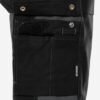


Develop custom utility work shorts for warm-site construction, installation, maintenance, and field-service teams with practical tool storage and private-label finishing.
Develop Custom Tradesperson Utility Work Shorts with Veelianpro
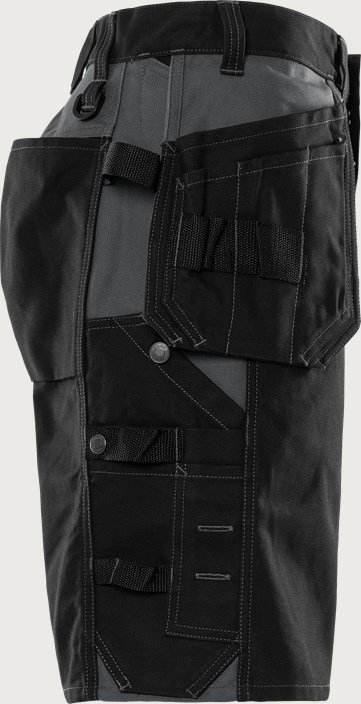
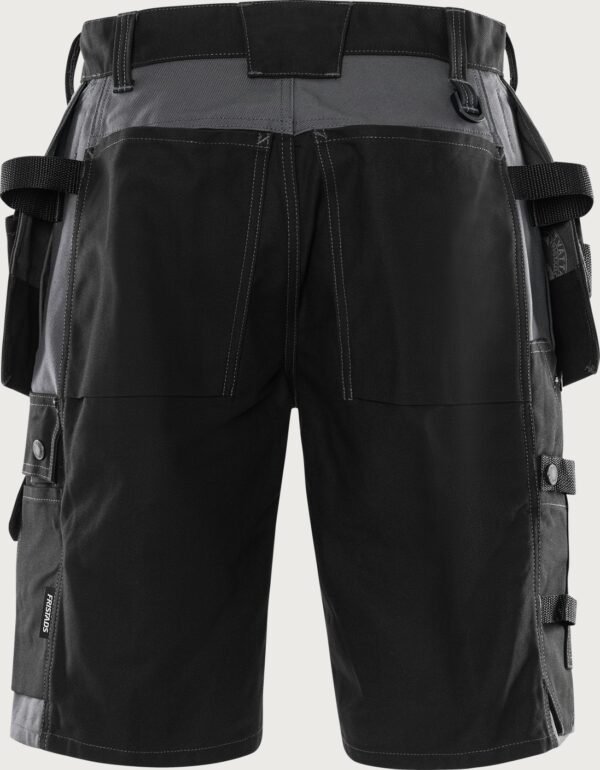
Custom Reinforced Holster-Pocket Craftsman Work Shorts can be developed with optional tuck-away holster pockets matched to daily tool carry. Veelianpro supports OEM/private-label development, sourcing and sampling; MOQ starts from 100 pieces per style and color, conditional on requirements.
Define the Workwear Brief
Base the program on a classic utility silhouette with optional tuck-away holster pockets, small-item organisation, and targeted reinforcement for the wearer’s actual workflow.
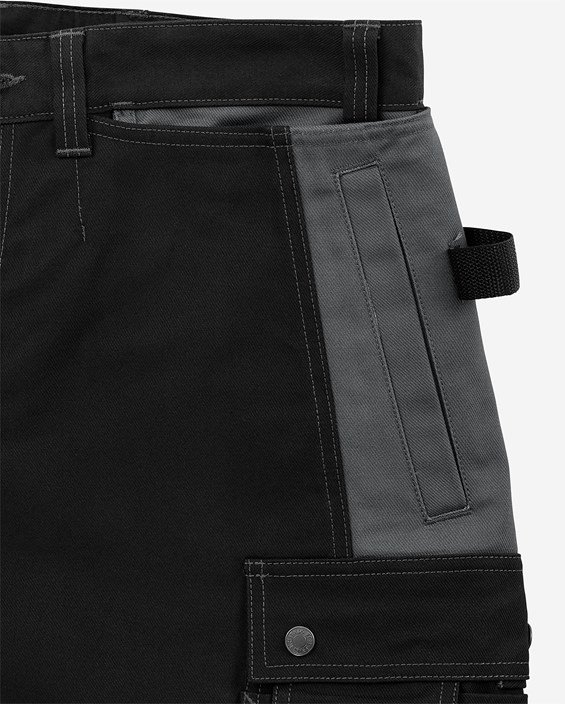
Map the actual shift load before selecting pockets. List hand tools, fasteners, measuring items, phone, and personal items with their approximate dimensions, access frequency, and retention needs. Use this information to define front, rear, utility, ruler, and small-item storage, avoiding an overloaded pocket plan that restricts movement or makes tools difficult to retrieve.
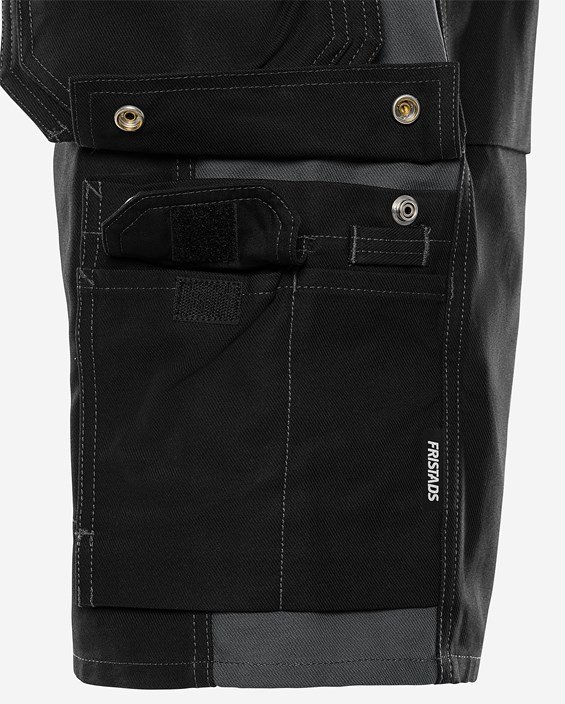
Choose whether loose-hanging holster pockets should remain visible, tuck away, or be omitted for a cleaner service-oriented profile. Confirm the number of compartments, pocket depth, opening shape, attachment method, and edge reinforcement. Review loaded-pocket access during bending, ladder work, kneeling, driving, and walking so the sample supports the intended workflow rather than appearance alone.
Specify high-contact zones according to the work environment, such as pocket mouths, holster bases, seat panels, hems, and stress points around attachments. Select suitable overlay fabric options and reinforcement stitching during development. The sample review should assess placement, seam bulk, flexibility, colour coordination, and wash appearance while any required protective performance remains subject to testing on the approved style.
Confirm waist grading, rise, inseam, leg opening, and mobility requirements for the intended wearer group. Define logo placement and decoration method alongside label content, care marking, folding, and packing requirements. Supply artwork, colour direction, size breakdown, target quantity, and destination with the sample brief so the approved specification can move efficiently into production planning.
Fabric, Fit and Construction Options
Select a durable woven base balancing comfort, airflow, hand feel, and wash needs. Cotton-rich, blended, stretch-supported, and contrast reinforcement options can be developed.
Plan pocket access for fasteners, measuring tools, and personal items during kneeling or climbing. Specify reinforcements, closures, belt loops, seams, logo placements, and finished measurements.
From Brief to Approved Sample
Provide target measurements, pocket loads, colours, branding, and packing requirements. Approve fit, function, workmanship, artwork, labels, care marking, and packing before bulk production.
- Brief Review Confirm end use, wearer tasks, tool load, sizing direction, pocket priorities, and private-label requirements.
- Material Planning Review base fabric direction, trims, reinforcement zones, colour options, hand feel, and comfort targets.
- Sample Development Develop patterns and a sample for fit, pocket access, construction details, artwork placement, and review.
- Approval Refinement Incorporate agreed feedback, finalise specifications, approve the sample, and prepare production-ready documentation.
What to Send for a Useful Quote
Use Case Share trade, climate, movement needs, wearer profile, and the daily tools or items to carry.
Design Details Provide pocket sketch, reinforcement preferences, colours, sizing range, fit direction, and sample requirements.
Branding Files Send artwork, label content, packing needs, quantity by colour, size breakdown, and delivery destination.
Custom Tradesperson Utility Work Shorts Procurement FAQs
Which tools and items must each pocket carry?
List each item by size, weight, access frequency, and retention needs. We map holster, utility, ruler, phone, and small-item pockets around real tasks, checking opening dimensions, load balance, stitch reinforcement, and movement clearance during kneeling, climbing, and driving before sample approval.
Are tuck-away holster pockets needed for this short?
Choose tuck-away holster pockets when workers regularly carry fasteners or hand tools and need a cleaner profile between tasks. Confirm depth, attachment method, tuck-away storage, edge reinforcement, debris release, and access. Review whether loaded pockets snag or stay usable during climbing, kneeling, driving, or walking.
Which zones need added abrasion resistance?
Prioritize pocket openings, holster-pocket edges, seat panels, and hems according to task contact points. Select abrasion-resistant overlay options and reinforcement stitching during development, then inspect placement, seam bulk, colour matching, flexibility, and wash durability on approved samples. Test any required protective performance on the final approved construction.
What inseam and leg opening suit warm-condition work?
Set inseam and leg-opening measurements from wearer movement, coverage preference, and climate. Review the range across the full size set, then wear-test walking, squatting, ladder use, and seated tasks to confirm hems neither ride up nor restrict circulation or catch on footwear.
Should the shorts have classic fit or stretch panels?
Use a classic fit for straightforward trade uniforms; add stretch panels or flexible construction where bending, climbing, or reaching is routine. Define locations, recovery expectations, fabric compatibility, and seam construction, then assess mobility, silhouette, and durability through a representative size-run sample.
What branding and packing details belong in the sample brief?
Specify logo position, decoration technique, artwork size, label content, colourway, care marking, folding method, polybag or carton requirements, and barcode needs. Provide approved artwork and packaging references early, then verify legibility, placement, colour consistency, and packing protection on the pre-production sample.
Discuss Your Custom Tradesperson Utility Work Shorts Program
Request a quotation with quantity by colour, size breakdown, destination, fabric direction, pocket specification, decoration, sampling needs, and delivery target.


Reviews
There are no reviews yet.