
Down Vests Manufacturer
Veelianpro develops custom down vests from your specification, sample, or concept, with project feasibility reviewed from 100 pieces per style and color.
Garment and Development References

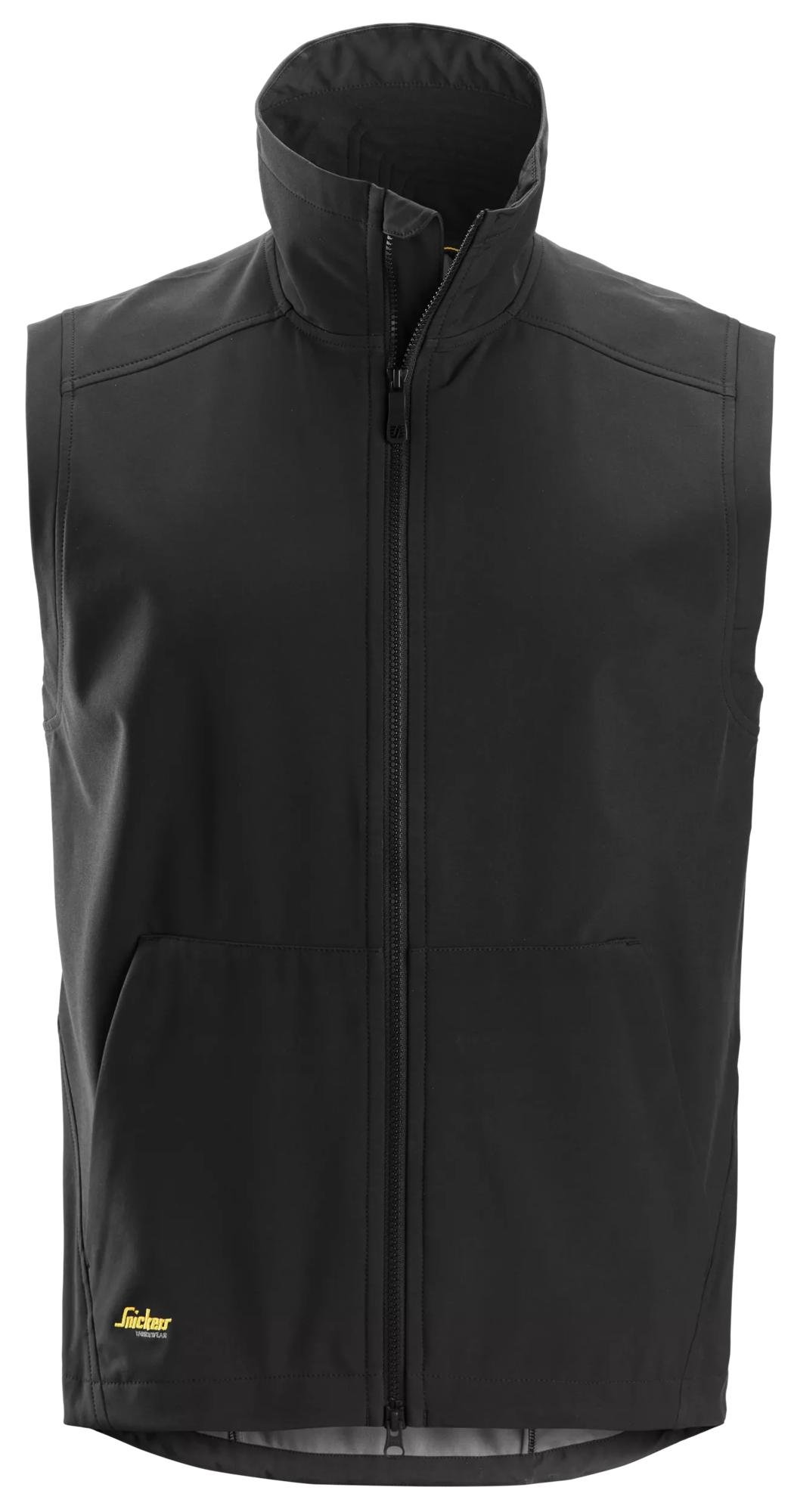
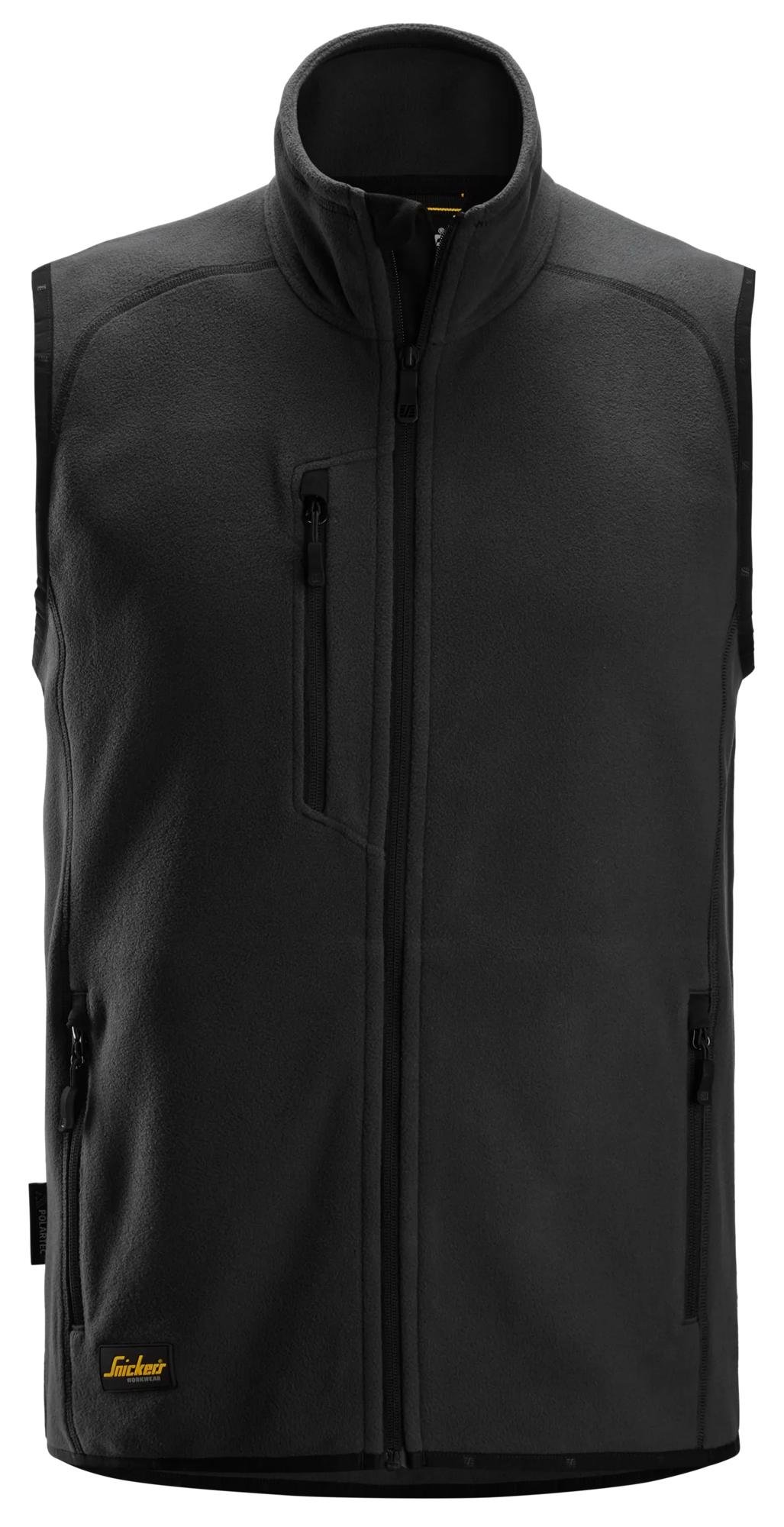
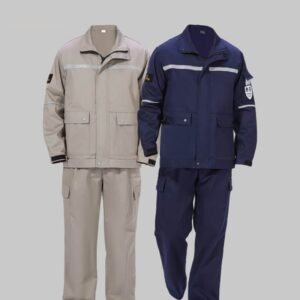
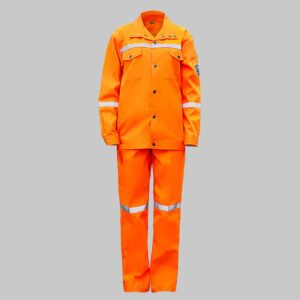
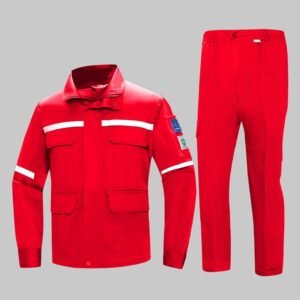
Browse Veelianpro’s Workwear Catalogue
Review current garment references, then send the fit and construction details for your program.




Custom Down Vest Development Advantages
Practical development support for custom down vest programs, from specification review through export-ready packing.
Specification Review
We review your tech pack, sketch, or sample to align silhouette, pocket layout, closures, materials, and approval needs before development begins.
Material and Trim Sourcing
Discuss shell, lining, insulation, zippers, labels, and packaging options with sourcing choices evaluated against your project requirements.
Patterns and Samples
Pattern development, size grading, and sample work help teams check fit, construction, and branded details before confirming a bulk specification.
Private-Label Details
Plan embroidery, printing, patches, woven labels, care labels, and custom packaging around your artwork and intended decoration placement.
Production Follow-Through
Our workflow covers cutting, sewing, finishing, quality checks, packing, and export coordination after specifications receive approval.
Conditional Starting Quantity
Programs can start from 100 pieces per style and color, subject to fabric, construction, and evidence requirements.
Down Vests Manufacturer Development Options
Choose what you want to specify before sample approval.
Private-Label Vest Programs
Veelianpro develops the project from a tech pack, reference sample, sketch, or product idea, with pattern work, sampling, size grading, branding choices, and quotation reviewed against the approved brief.
Get a Quote
Uniform Distributor Collections
We help translate the program requirements into a custom down vest specification, sample route, and packaging plan. From 100 pieces per style and color may be feasible, subject to fabric, construction, and evidence requirements.
Get a Quote
Workwear Layering Development
Our team reviews shell, lining, insulation, reinforcement, pocket, and branding options for feasibility. Any requested water resistance, warmth, fill origin, recycled content, or test documentation is handled as SKU- and market-specific evidence.
Get a QuoteMaterial Options for Custom Down Vests
Explore materials and fabrics
Down-Proof Woven Shell

A tightly constructed shell option to review for filled vest development, balancing the intended hand feel, visual finish, and construction route. Confirm fiber content, weight, color, and any required documentation during feasibility review.
Nylon Ripstop Shell

A woven shell option for buyers considering a grid-texture appearance and added structure in custom down vests. Submit the target composition, finish, color standard, and intended use so sourcing suitability can be reviewed.
Polyester Lining

A lining option that can be specified by hand feel, color, composition, and compatibility with the selected insulation and shell. Buyers should include care expectations and any recycled-content documentation requirements for review.
Natural Down Fill

A fill route to define by the buyer’s intended insulation profile, fill origin requirements, blend details, and evidence needs. Availability and documentation must be confirmed for the specific vest program before approval.
Synthetic Sheet Insulation

An alternative insulation route for a vest brief where loft, garment shape, care requirements, or fiber preferences guide the decision. Specify the proposed insulation type, weight target, and any recycled-input evidence requested.
Custom Down Vest Development Support
Explore printing and finishing
Tech-Pack Review
We review your tech pack, sketch, reference sample, or product idea alongside the intended market, size range, shell, lining, insulation, pocket, closure, and branding requirements to identify decisions that need confirmation before sampling.
Pattern Development
View details
Our team translates the approved vest silhouette into production patterns, considering fit, layering allowance, neckline, armhole shape, pocket placement, and closure alignment so the sample reflects the garment structure your program requires.
Size Grading
View details
Approved base measurements can be graded across your requested size range, with measurement points and tolerances documented for review. This creates a consistent reference for sample evaluation and later bulk production checks.
Quilting Construction

Quilting or baffle layout is reviewed against the chosen design, insulation plan, and visual direction. Channel placement, stitch lines, panel balance, and containment details are developed as project-specific construction choices rather than assumed specifications.
Cutting And Sewing

After specifications are approved, cutting and sewing bring together the selected shell, lining, panels, pockets, closures, and reinforcements. Construction details are checked against the approved sample and production requirements throughout the process.
Finishing And Checks

Finishing can include approved decoration, labels, care information, packaging, and final presentation details. Quality checks compare workmanship, measurements, components, and packing against the confirmed order specification before shipment coordination.
Trims, Labels, and Branding for Custom Down Vests
Explore labels, trims and packaging
Zipper Systems

Specify the front zipper, pocket zippers, puller shape, finish, and placement for review. A defined zipper system helps align opening function, visual direction, and branded trim requirements with the approved vest construction.
Pocket Configurations
Choose hand pockets, chest pockets, internal pockets, or utility pocket layouts based on the wearer and intended use. Pocket placement, closure type, lining, and reinforcement details should be shown in the tech pack.
Closure Details
Options such as snaps, hook-and-loop tabs, storm plackets, or adjustable hem closures can be considered during development. Define where each closure sits and how it operates so feasibility and sample workmanship can be reviewed.
Logo Patches
Woven, embroidered, printed, or other patch concepts can be submitted with artwork and placement notes. We review the intended application method against the shell material, baffle layout, and required brand appearance before sampling.
Labels and Packaging
View detailsSpecify woven neck labels, care labels, hangtags, size labels, and custom packaging as part of the private-label brief. Provide artwork, required label content, destination requirements, and packing preferences for quotation and approval.
Your Custom Down Vest Development Partner
Veelianpro is a Wuhan-based custom workwear manufacturer supporting OEM, ODM, private-label, and wholesale garment development for industrial, safety, hospitality, and service buyers. Our workwear operation began in 2012, with a practical mission: turn a clear buyer brief into a controlled, production-ready garment program.
For custom down vests, we work from your tech pack, sketch, sample, or product idea through material and trim sourcing, pattern development, sampling, size grading, cutting, sewing, finishing, quality checks, packing, and export coordination. Projects can start from 100 pieces per style and color, subject to fabric, construction, and documentation requirements.

Core Capabilities for Custom Down Vest Programs
Specification Intake That Resolves Decisions
We turn your tech pack, sketch, sample, or product idea into a reviewable down vest brief. The discussion can cover silhouette, fit block, baffle layout, hood treatment, pocket system, closures, color blocking, and intended branding before materials are committed.
- Review the garment’s intended use and collection position
- Define size range, measurement points, and grading needs
- Record pocket, collar, hood, closure, and quilting decisions
- Separate requested performance evidence from design targets

Materials and Trims Sourced to Brief
Our team supports sourcing discussions for shell, lining, insulation, and component choices so the specification reflects the intended garment. Down fill origin, recycled inputs, water resistance, UV attributes, and other claims require project-specific feasibility and supporting documentation review.
- Discuss shell and lining composition, hand feel, and color
- Submit insulation and containment requirements for review
- Select zippers, snaps, drawcords, labels, and packaging
- Align any evidence request with the target SKU and market

Samples Built for Clear Approval
A down vest sample gives your team a practical checkpoint for fit, construction, materials, artwork placement, and finish before bulk production. We support pattern development, size grading, sampling, and revision based on the approved specification rather than an assumed stock garment.
- Confirm fit and measurement expectations on the sample
- Check quilting, insulation containment, and pocket execution
- Approve embroidery, print, patch, or label placement
- Document revisions before pre-production handover

Controlled Handover Into Bulk Production
After specifications and samples are approved, we coordinate cutting, sewing, reinforcement where specified, decoration, finishing, quality checks, packing, and export coordination. Projects can start from 100 pieces per style and color, subject to fabric, construction, and evidence requirements.
- Lock approved materials, trims, artwork, and packing details
- Carry approved measurement and workmanship points into production
- Plan private labels, care labels, hangtags, and carton information
- Use the controlled specification as the basis for reorders
Made-to-Order Development vs. In-Stock Vest Decoration
Compare a specification-led custom program with decorating an existing vest style.
← Swipe left or right to view →
Custom Down Vest Development Process
From buyer inputs through export handover, each phase aligns the approved specification, materials, branding, workmanship, and commercial details before bulk release.
Brief and Feasibility Review
Share your tech pack, sketch, reference sample, target quantity, destination, and timeline. We review construction, requested documentation, and feasibility before development begins.
Materials and Trim Selection
Confirm shell, lining, insulation, closures, pocket components, labels, and packaging options. Any requested fill-origin, recycled, or performance documentation is reviewed at project level.
Pattern Development and Sampling
We develop patterns, size grading, and a sample from the approved brief. Fit, baffle layout, stitching, pocket placement, and branding details become tangible review points.
Sample Approval and Quotation
Revise and approve the sample, measurements, workmanship, artwork, and bill of materials. The quotation then reflects the confirmed specification and conditional MOQ from 100 pieces per style and color.
Bulk Production and Inspection
After order confirmation, cutting, sewing, reinforcement, decoration, finishing, and in-process quality checks follow the approved production specification and change-control requirements.
Packing and Export Handover
Approved garments are packed with confirmed labels and packaging, then prepared for export coordination. Final shipment details align with the destination, documentation, and agreed handover arrangement.
How Custom Down Vest Development Works
Move from an initial brief to an approved order through clear feasibility, sample, quotation, and handover decisions.
Send Your Brief
Share a tech pack, sketch, reference sample, or product idea with target quantity, colors, size range, destination, branding, and requested documentation.
Review Feasibility
Discuss silhouette, baffle layout, shell, lining, insulation, pockets, closures, labels, and construction requirements. We confirm whether the requested custom down vest program is feasible.
Approve Sample and Quote
Review the developed sample, fit, measurements, workmanship, materials, artwork, and quotation. Revise the specification as needed before approving the production reference.
Confirm Your Order
Finalize the approved specification, quantity, color allocation, packaging, commercial terms, and evidence requirements. Projects can start from 100 pieces per style and color, subject to feasibility.
Receive Production Handover
After order confirmation, proceed through production, inspection, packing, and export coordination. Keep the approved reference and specification for controlled repeat orders.
Standards and Audit References


Illustrative Custom Down Vest Procurement Scenarios
Illustrative scenario
Apparel Buyer
A uniform distributor supplies a vest sketch, logo artwork, size range, and destination. The request adds a stand collar and zipped pockets. Approval centers on the revised tech pack, material submission, artwork placement, and pre-production sample.
Illustrative scenario
Sourcing Manager
An apparel brand submits a reference sample and color direction for custom down vests. The development brief changes the fit block, quilting layout, and private-label package. The team reviews graded measurements, construction details, labels, and the approved sample before bulk commitment.
Illustrative scenario
Production Planner
A workwear wholesaler needs a separate down vest specification rather than a parent outerwear page. The brief defines intended use, shell and lining options, pocket layout, and branding. Feasibility review confirms whether the conditional quantity, requested evidence, and sample route can proceed.
Custom Down Vest FAQ for B2B Buyers
Practical answers on made-to-order specifications, samples, documentation, and conditional bulk ordering with Veelianpro.
What is the MOQ for a custom down vest order?
What should I include when requesting a quote from a down vests manufacturer?
Can Veelianpro develop a down vest from a sketch or reference sample?
How is made-to-order down vest development different from decorating an in-stock vest?
Which technical details should we approve before a custom down vest sample?
Can a down vests manufacturer provide recycled, organic, fill-origin, water-resistance, UV, or warmth documentation?
What happens after we approve a down vest sample?
What payment and shipping arrangements are available for custom down vests?
How should we protect our artwork and private-label details during a down vest project?
The Complete Custom Down Vest Buyer’s Guide
Compare made-to-order development with in-stock decoration, define an approvable vest specification, evaluate supplier evidence, and avoid sampling, documentation, and reorder mistakes before committing to bulk production.
1. What Is a Down Vests Manufacturer?
A down vests manufacturer develops a vest as a controlled garment specification, rather than simply applying a logo to a finished item. For Veelianpro projects, that can begin with a tech pack, sketch, physical reference, or product idea and moves through feasibility review, pattern development, material and trim sourcing, sampling, grading, cutting, sewing, finishing, and bulk-quality checks.
The distinction matters when the vest itself is part of the brand or uniform program. A made-to-order route lets the buyer approve the fit block, silhouette, pocket system, closure, quilting or baffle layout, shell and lining selections, insulation specification, labels, packaging, and decoration placement; those approvals form the replenishment specification. Any requested fill origin, recycled input, water resistance, UV protection, warmth, or test claim must be reviewed as SKU- and market-level evidence, not assumed from a reference image or material name.
An in-stock-and-decorate route starts with a pre-existing vest, so its sizing, construction, hardware, colors, and available sizes are already fixed; the buyer primarily controls artwork and placement. It can suit a straightforward issue program, while custom development suits teams needing repeatable ownership of the garment details. Veelianpro’s starting point is from 100 pieces per style and color, subject to fabric, construction, and evidence requirements in the feasibility review.
2. Why Down Vests Remain a Layering Category
A down vest leaves the arms free while adding an insulated torso layer, which makes it a flexible product category rather than a substitute for a jacket. A buyer can place the same basic silhouette in fashion, lifestyle, uniform, or outdoor-inspired assortments by changing the fit, surface treatment, pocket layout, branding, and insulation brief; each route still needs its own approved specification.
Its modular value is commercial as well as practical. Worn over a knit, polo, or work shirt, or under a shell when the pattern allows, a sleeveless layer lets a collection offer coordinated looks without treating one garment as a universal climate solution. A custom puffer-vest source describes lightweight and insulated styles for fashion, workwear, and lifestyle markets: https://www.ginwenwear.com/products2145373/Custom-Down-Vest.htm
The central development trade-off is silhouette versus insulation volume. A lighter-looking vest may suit transitional assortment planning and unrestricted arm movement, while a more insulated build can change bulk, drape, packability, material consumption, and the approval work for baffle distribution and containment. Do not infer warmth, water resistance, UV protection, or PPE status from appearance: define the intended condition, requested test method, and required SKU- and market-level evidence before material commitment.
3. Down Vests Manufacturer: Choose the Right Vest Type
Choose the vest architecture before selecting materials or decoration. Each path changes fit, insulation containment, trim complexity, and the sample questions a down vests manufacturer must resolve for a conditional made-to-order program.
Lightweight Layer Vest
A lightweight layer prioritizes low bulk under a shell or over a knit. Define the intended layering allowance, hem behavior, closure type, and whether insulation is down or another submitted option.
Approval risk: a trim-looking sample can restrict reach once worn over the buyer’s base layers. Approve fit on the intended size block and layering combination.
- Category card: low-bulk transitional layer
- Specify wearer layers and closure
- Review fill option for feasibility
Quilted Or Puffer Vest
Quilting creates the visible silhouette and divides insulation into controlled areas. Specify channel direction, baffle concept, pocket location, shell hand feel, and the desired fullness rather than copying a photo.
Approval risk: uneven fill distribution or stitch-line leakage appears only after handling and wear. Inspect the physical sample for balance, migration, and seam appearance.
- Category card: statement insulated silhouette
- Confirm quilt layout before sampling
- Check insulation distribution
Hooded Vest
A hooded vest suits wearers needing head coverage without jacket sleeves. Decide whether the hood is fixed, removable, or omitted from the final brief, plus its adjustment and collar overlap.
Approval risk: hood volume can interfere with helmets, collars, or branding placement. Trial it with the wearer’s expected outer layers and equipment.
- Category card: added head-coverage option
- Define hood attachment method
- Test collar and equipment clearance
Workwear-Inspired Vest
A workwear-inspired vest begins with task access, not merely an outerwear look. Map pockets, zipper pulls, reinforcement zones, and decoration areas to the wearer’s tools and movement.
Approval risk: utility details can create bulk or obstruct a logo. Provide the task list and artwork dimensions for pattern and placement review.
- Category card: task-oriented pocket layout
- Map tools to pocket access
- Approve decoration clearance
Uniform Or Distributor Program
A uniform or distributor vest needs a controlled specification that can be reordered by role, color, and size range. Define the approved measurement chart, branding file, labels, packing logic, and any market-specific evidence request.
Approval risk: an in-stock vest decorated afterward may simplify replacement but limits control over fit and construction. Veelianpro can review made-to-order feasibility from 100 pieces per style and color, subject to fabric, construction, and evidence requirements.
- Category card: controlled reorder specification
- Separate role colors from style changes
- Request evidence at SKU and market level
4. Materials and Technical Inputs for Down Vests
A vest specification starts with the material system, not a fabric name alone. Define shell, lining, insulation, containment method, hand feel, care target, and the evidence required for the destination market before feasibility review.
| Input | Decision Criteria | Documentation Needed | Trade-Off Or Use |
|---|---|---|---|
| Nylon shell | Hand feel, weight, surface appearance | Composition and finish request | Lightweight outerwear direction |
| Polyester shell | Color, durability target, budget | Composition and recycled-content evidence if claimed | Broader uniform or promotional use |
| Woven blend | Balance of hand, structure, and cost | Fiber breakdown and market claim support | Specified look or workwear influence |
| Down fill | Loft, silhouette, care, claim strategy | SKU- and market-level origin or test evidence | Compressible insulated direction |
| Synthetic insulation | Bulk, care, moisture-exposure brief | Fiber content and recycled-content evidence if claimed | Alternative insulation route |
Specify The Shell And Lining

Nylon, polyester, and woven blends can be proposed according to appearance, abrasion expectations, weight, and budget. Submit the intended composition, construction, color, finish request, and whether a recycled-content claim will be used.
A tight down-proof construction may be needed where loose down is selected; it is a construction requirement to review, not a blanket leakage or weather-performance claim.
- Shell composition and construction
- Lining composition and hand feel
- Color approval and finish target
- Recycled-content evidence request
Match Insulation To The Brief
Down fill and synthetic insulation create different development paths. State the desired loft, bulk, care expectations, intended exposure, and target silhouette; do not assume fill power, fill origin, water resistance, or warmth without project-specific evidence.
For down, request SKU- and market-level traceability or test documentation when the claim will appear on the garment or sales materials. For synthetic or recycled inputs, identify the requested content claim and chain-of-custody evidence.
Set Containment Requirements
Baffle layout, seam placement, fill access, and lining construction affect distribution and appearance. Include a sketch or reference sample showing the intended quilting channels and which areas require insulation.
Approve the material combination in a physical sample before bulk release, especially when a new shell, lining, or fill is paired together.
5. Customization and Finishing Choices
A development brief turns a vest concept into reviewable decisions before pattern work and samples begin. For a down vests manufacturer, every fit, quilting, trim, label, and decoration choice should be submitted for feasibility review rather than assumed available.
| Brief Item | Specify For Review | Approval Check |
|---|---|---|
| Fit and grading | Block, measurements, size range | Graded measurement set |
| Quilting and hood | Layout, collar or hood treatment | Pattern and sample appearance |
| Pockets and closure | Pocket map, zipper or snap route | Access and seam clearance |
| Branding and packaging | Labels, hangtags, pack-out | Artwork and physical sample |
| Decoration | Embroidery or heat-applied artwork | Placement on filled garment |
Fit And Exterior Layout

Specify the intended fit block, wearer measurements, size range, and grading rules. Identify the baffle or quilting layout, hood treatment or no-hood collar, color blocking, and the pocket configuration—including hand, chest, or internal storage—so pattern and placement conflicts can be reviewed.
A center-front zipper, snaps, placket, puller, or closure guard changes both appearance and assembly. Provide reference images only as direction; the approved specification must state the selected option.
Branding And Packing Details
Private labels, care labels, woven labels, hangtags, size marks, and custom packaging should be supplied as artwork and placement instructions. Request material, language, attachment method, fold, and pack-out details for review; care content and any origin or material statements require buyer-approved supporting information.
Decoration Placement Approval
Embroidery and heat-applied artwork are options to assess against the selected shell, insulation, baffle lines, seams, and pocket openings. Thick loft can distort small artwork or make a chest position inaccessible; a flat, uninsulated panel may be a better proposed location.
Approve artwork size, color, file format, position measured from stable garment landmarks, and a sample or strike-off before bulk approval. This prevents a logo from shifting when the vest is filled or quilted.
6. Construction Quality Checks Before Bulk Approval
Bulk approval should lock the vest that will be repeated, not merely a good-looking photo sample. Review the approved pattern, measurement sheet, construction notes, artwork, and packing instructions together before cutting begins.
Approve Fit And Pattern
Measure the pre-production sample against the buyer-approved size chart at defined points: chest, body length, shoulder, armhole, hem, and pocket position. Confirm grading, ease over the intended layer, and left-right symmetry before bulk release.
Record every approved change in a dated revision sheet. A comment on email or an unmarked reference sample can leave the factory working from an earlier pattern.
- Approve size chart and tolerance rules
- Mark measurement points on the sample
- Issue one current tech-pack revision
Inspect Insulation And Sewing
Lay the vest flat and check baffle alignment, fill distribution, and consistency between matching panels. Inspect seam lines, stitch consistency, lining integrity, and areas where fill could migrate through construction; flag empty-looking channels, puckering, skipped stitches, or trapped lining.
A sample or photo does not establish water resistance, temperature suitability, fill origin, or any protective claim. Request project-specific material and test evidence when those claims are required.
- Compare baffle rows across front and back
- Check armholes, hem, and zipper seams
- Inspect inside seams before closing bulk approval
Function, Trims, And Packing

Operate the zipper repeatedly and test every pocket, snap, drawcord, binding, label, patch, and decoration location against the approved specification. Check that care labels, size labels, and hangtags match the intended market and artwork file.
Approve folding method, polybag requirements, carton marks, assortment, and quantity packing as a separate checkpoint. At Veelianpro, the same controlled file can carry the approved changes from sample through inspection and export coordination.
- Zip and pocket operation
- Trim attachment and label placement
- Packing count and carton-mark review
7. How to Select a Down Vests Manufacturer
Select a down vests manufacturer by testing how well the team converts an intended vest into an approvable specification. The useful comparison is between a controlled development route and an in-stock vest decorated after purchase.
| Selection Point | Veelianpro Made-To-Order Development | In-Stock Vest Plus Decoration |
|---|---|---|
| Customization control | Project-specific fit, construction, materials, trims, and packaging reviewed for feasibility | Existing garment is selected; decoration is the primary change |
| Fit and structure | Measurements, baffles, pockets, closures, and grading require approval | Existing fit and garment structure remain |
| Artwork workflow | Branding, labels, care labels, patches, and packaging are approved in the project file | Artwork is adapted to decoration areas available |
| Approval burden | Specification, sample, materials, evidence, and bulk approvals are required | Garment selection and decoration proof are the core approvals |
| Quantity route | From 100 pieces per style and color, subject to feasibility | Quantity depends on the chosen in-stock route |
| Documentation | Request project-specific material, claim, and inspection records as needed | Confirm item identity and decoration approval; product evidence may be limited to stock documentation |
Review The Development Brief
Start with the silhouette, size range, shell and lining direction, insulation target, baffle layout, pockets, closure, hood treatment, and branding locations. A tech pack, sketch, sample, or product idea can begin Veelianpro’s feasibility review.
Ask which points remain options to source: shell composition, insulation type, zipper, labels, patches, hangtags, and packaging. The starting MOQ is from 100 pieces per style and color, subject to fabric, construction, and evidence requirements.
- Name the intended wearer and market
- Provide graded measurements or a fit reference
- Mark artwork size and placement
- State destination and required documentation
Control Samples And Evidence
Approve a sample against a measurement sheet, workmanship points, material and trim selections, and artwork proofs before bulk confirmation. Record any revision as a dated specification change rather than approving from photos alone.
Request SKU- and market-level evidence where fill origin, recycled or organic inputs, water resistance, UV, warmth, or testing is required. A requested claim is not approved until its applicable documents and garment scope are reviewed.
Plan Reorders Early
A reorder is more reliable when the approved sample, final artwork, size grading, material references, trim choices, packing instructions, and inspection criteria remain in one controlled file. Reconfirm availability and any revised documentation before repeating the order.
8. Common Down Vest Sourcing Mistakes
A reference photo can establish direction, but it cannot control fit, insulation, construction, or labeling. Prevent expensive revisions by converting each visual choice into an approved specification, sample checkpoint, or evidence request before bulk confirmation.
Specify More Than The Image
Quilting lines, pocket placement, shell hand feel, lining, closure, hood treatment, and fill type must be written into the brief. State whether down fill power, origin, down-proof construction, or a synthetic alternative is required for feasibility review.
Illustrative scenario: A brand sourcing manager submits a color-block image for a private-label vest. The task changes when the team approves a tech pack, shell and lining submissions, and a fit sample rather than treating the image as production-ready.
Test Branding On The Garment
Artwork approved on a screen can distort across baffles, pockets, zippers, or a curved chest. Test embroidery, screen print, heat transfer, patch, woven label, care label, and packaging placement on the approved sample.
Illustrative scenario: A uniform distributor needs a chest logo on a quilted vest. The change is a placement trial on the sample; approval follows review of position, scale, and decoration method.
Request Evidence, Not Assumptions
Recycled, organic, UV, waterproof, fill-origin, and test claims require SKU- and market-level documentation; a photo or material description is not evidence. Ask what document, scope, and garment configuration will support the requested claim before copy or labels are approved.
Illustrative scenario: A sourcing team requests a recycled-insulation story. The task changes to documenting the proposed input and claim scope; approval waits for the relevant evidence review.
Separate Stock From Development
An in-stock vest decorated after purchase is not the same route as made-to-order private-label development. The latter requires graded measurements, construction approvals, material and trim feasibility, and conditional MOQ from 100 pieces per style and color.
9. Launch a Down Vests Manufacturer Project
A clean launch file prevents a down vest concept from becoming an untraceable sample cycle. Start with the intended wearer, sales market, reference direction, and the decisions that must be proven before bulk approval.
Submit The Development Brief
Send a tech pack, sketch, or reference garment with the silhouette, fit intent, size range, baffle layout, hood decision, pocket configuration, closure, color, and branding locations. Identify the intended market and any requested fill-origin, recycled-input, water-resistance, UV, or test documentation so feasibility can be reviewed at SKU and market level.
Veelianpro can review fabric and trim sourcing, pattern development, sampling, grading, decoration, packing, and export coordination against that brief. The starting MOQ is from 100 pieces per style and color, subject to fabric, construction, and evidence requirements.
Approve Materials And Samples
Approve the shell, lining, insulation route, zipper, labels, patches, and packaging as project-specific options rather than assumptions. A sample should reveal fit, quilting balance, pocket access, closure operation, decoration placement, and the practical effect of material choices.
Return consolidated sample comments, then approve the revised sample and graded measurements. Lock artwork from editable source files, including logo scale, thread or print color references, label copy, and placement dimensions.
Release A Controlled Bulk Order
Before bulk release, confirm the approved specification, bill of materials, measurement chart, artwork, trim references, packaging instructions, and inspection points. A pre-production review is the last useful checkpoint for catching a mismatched zipper, label, fill route, or carton instruction before repetition begins.
Keep a dated revision log that records what changed and why. This gives a reorder the same controlled reference set instead of relying on photographs, memory, or an earlier quotation.
- Approved specification and graded measurements
- Editable artwork and placement approvals
- Trim, label, and packaging references
- Dated revision log with approvals
10. Down Vest Development Cost Drivers
A made-to-order down vest quote changes when the approved specification changes: the shell and lining, insulation route, baffle layout, component set, and packing all create separate material and labor decisions. Veelianpro reviews these details against the intended quantity before confirming feasibility.
The starting MOQ is from 100 pieces per style and color, subject to fabric, construction, and evidence requirements. A hypothetical example: adding an internal pocket, custom zipper puller, and branded hangtag changes the component list even when the vest block and insulation plan remain unchanged.
| Cost Driver | What Changes Cost | Quote Must Specify |
|---|---|---|
| Quantity and color split | Material purchasing, cutting efficiency, and setup are assessed by style and color allocation. | Total units; units per style and color; reorder expectation. |
| Shell, lining, and insulation | Selected composition, down or alternative insulation route, source documentation, and containment requirements affect sourcing. | Material references; target handfeel; insulation option; required evidence scope. |
| Baffles and garment structure | Quilting layout, panels, hood treatment, pocket count, closures, and reinforcement alter pattern, sewing, and assembly work. | Approved sketch or tech pack; measurements; baffle map; pocket and closure details. |
| Branding and packing | Woven labels, care labels, patches, embroidery, printing, hangtags, and custom packaging add components or operations. | Artwork; placement; label copy; pack method; carton and marking requirements. |
| Sampling, evidence, and shipment | Revisions, testing or documentation requests, inspection scope, and Incoterms must be scoped separately from the garment build. | Sample stages; approval criteria; requested documents; destination; named shipment terms. |
Brief Us on Your Custom Down Vest Project
Send garment type, work setting, fabric direction, size range, branding, quantity, destination, timeline, and required standards for feasibility review and quotation.