
Custom Food Processing Workwear Built Around Hygiene
Veelianpro is a Wuhan-based custom workwear manufacturer supporting OEM, ODM, private-label and wholesale food-processing programs, with sampling and MOQ starting at 100 pieces per style and color.
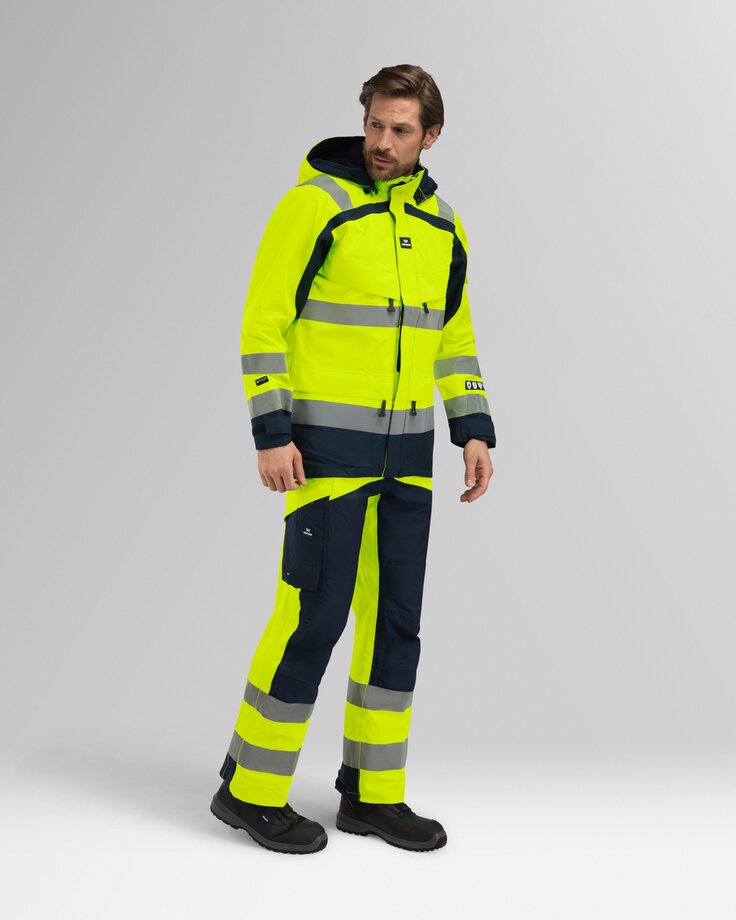
Reference Workwear Styles for Food Processing Programs




Related Product Catalogue and Quotation




Why Source Food Processing Workwear from Veelianpro?
Develop practical food-processing workwear around hygiene-oriented details, durable construction, team fit, branding requirements, sampling, and scalable production.
Hygiene-Oriented Details
Specify closures, cuffs, pockets, and trims around your facility’s hygiene procedures without assigning unsupported certification claims.
Durable Laundering Construction
Select suitable fabrics, reinforcement, stitching, and finishing for repeated industrial laundering, daily production wear, and reliable garment performance.
Role-Based Fit
Develop patterns, size grading, and garment combinations that support movement and consistent fit across production, sanitation, and supervisory teams.
Private-Label Branding
Apply embroidery, heat transfer, patches, woven labels, care labels, and custom packaging for a consistent customer-ready uniform range.
Sample Before Production
Review samples, construction details, materials, branding, and fit before confirming an OEM, ODM, or private-label production order.
Scalable OEM Supply
Build programs from 100 pieces per style and color, subject to fabric, construction, certification, and project requirements.
Uniform Categories for Food Processing Teams
Custom uniforms developed for hygiene-focused production, cold environments, wet work, and food-service operations.
Food Processing Workwear
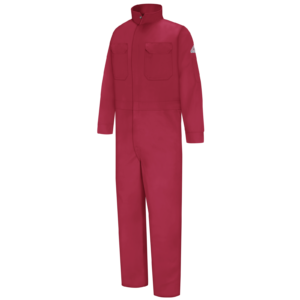
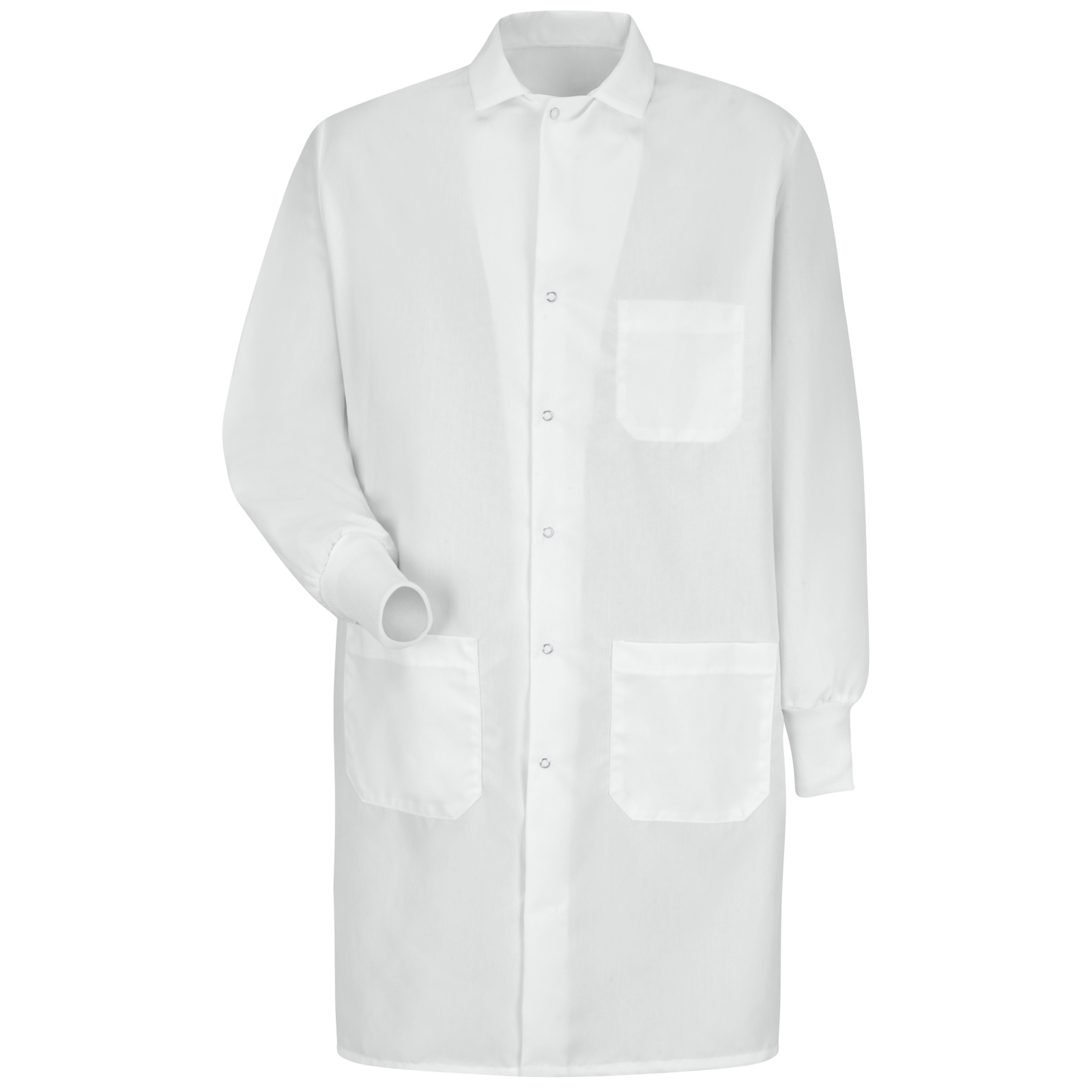
Develop coordinated shirts, trousers, coats, coveralls, and vest layers for processing-floor roles. Define the garment by zone, including closure style, pocket policy, color identification, labels, and branding, so the sample reflects the facility’s issued-uniform plan.
Get a Quote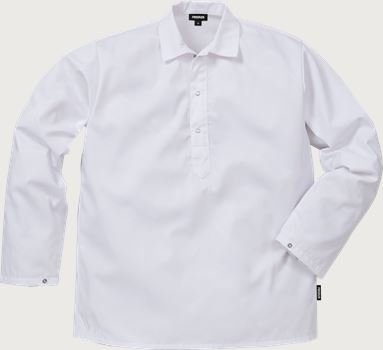
Meat Packing Workwear
Develop distinct uniform briefs for trimming, cutting, packing, and dispatch roles. Specify movement needs, pocket policy, closure details, reinforcement locations, moisture exposure, and branding; if protection is requested, provide the applicable standard and required evidence with the inquiry.
Get a Quote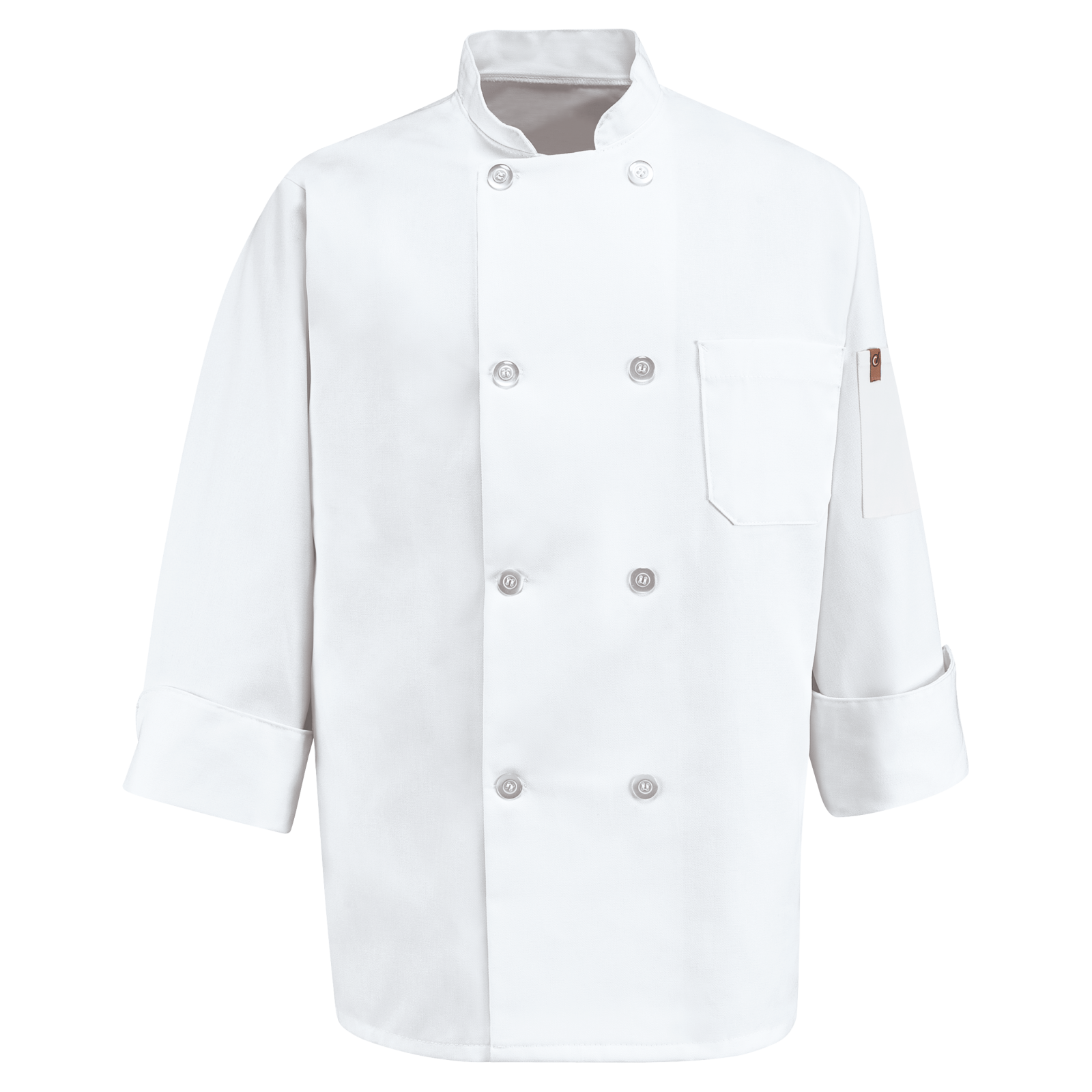
Bakery Workwear
Create separate bakery uniform bundles for production, preparation, packing, and front-of-house roles. Select coats, aprons, trousers, polos, tees, or outer layers according to the job, then document color allocation, logo placement, trim choices, and size range in the development brief.
Get a Quote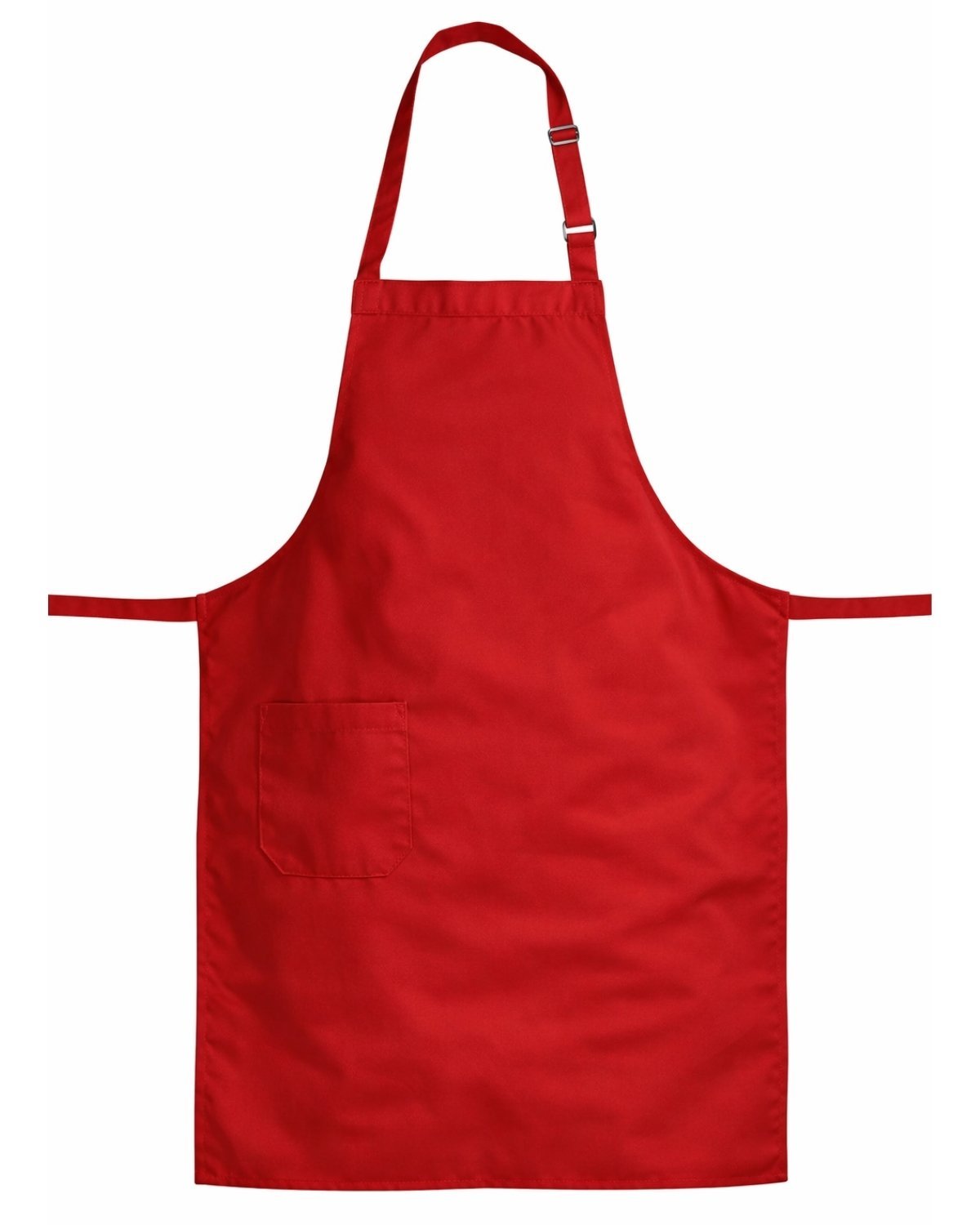
Brewery Workwear
Develop separate garments for brewing, bottling, warehouse, and taproom roles rather than forcing one style across all teams. The brief can define fabric target, pocket configuration, reinforcement locations, weather layers, decoration method, and role-identification colors.
Get a Quote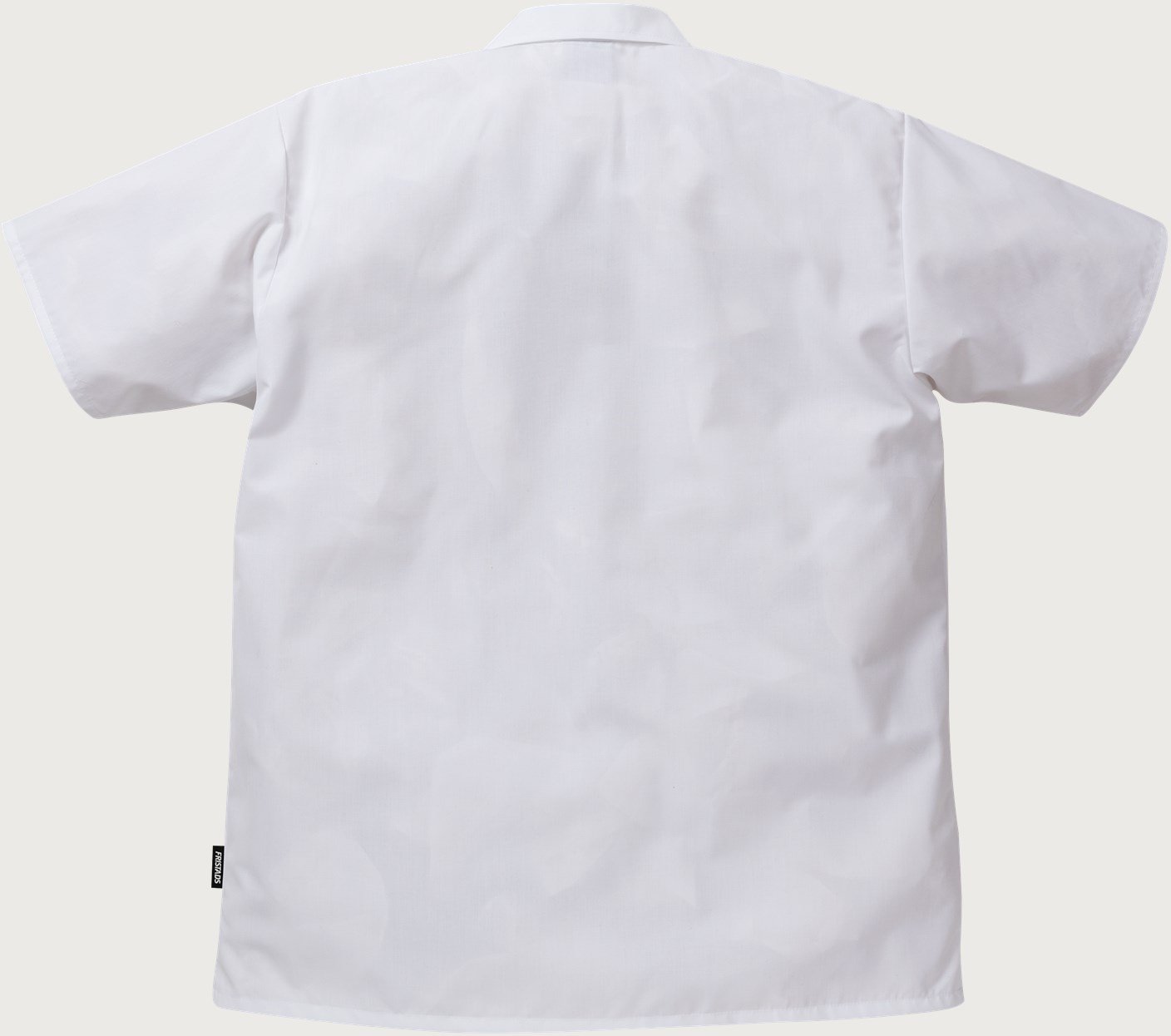
Dairy Workwear
Plan dairy uniforms around filling, processing, warehouse, and maintenance assignments, including when workers move between areas. Define the selected shirt, trouser, coverall, jacket, or vest configuration along with closures, pocket policy, branding, and any layer-change requirement set by the facility.
Get a Quote
Frozen Food Workwear
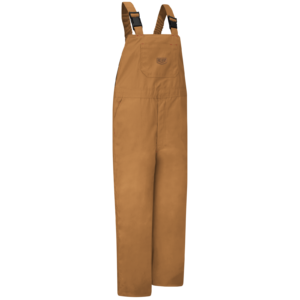
Develop layer systems for frozen-food production, storage, picking, and loading roles, such as fleece, padded outer layers, trousers, bib overalls, or coveralls. State the work duration, movement requirements, layer plan, branding, and any required test evidence; do not treat a product family as proof of a temperature rating.
Get a Quote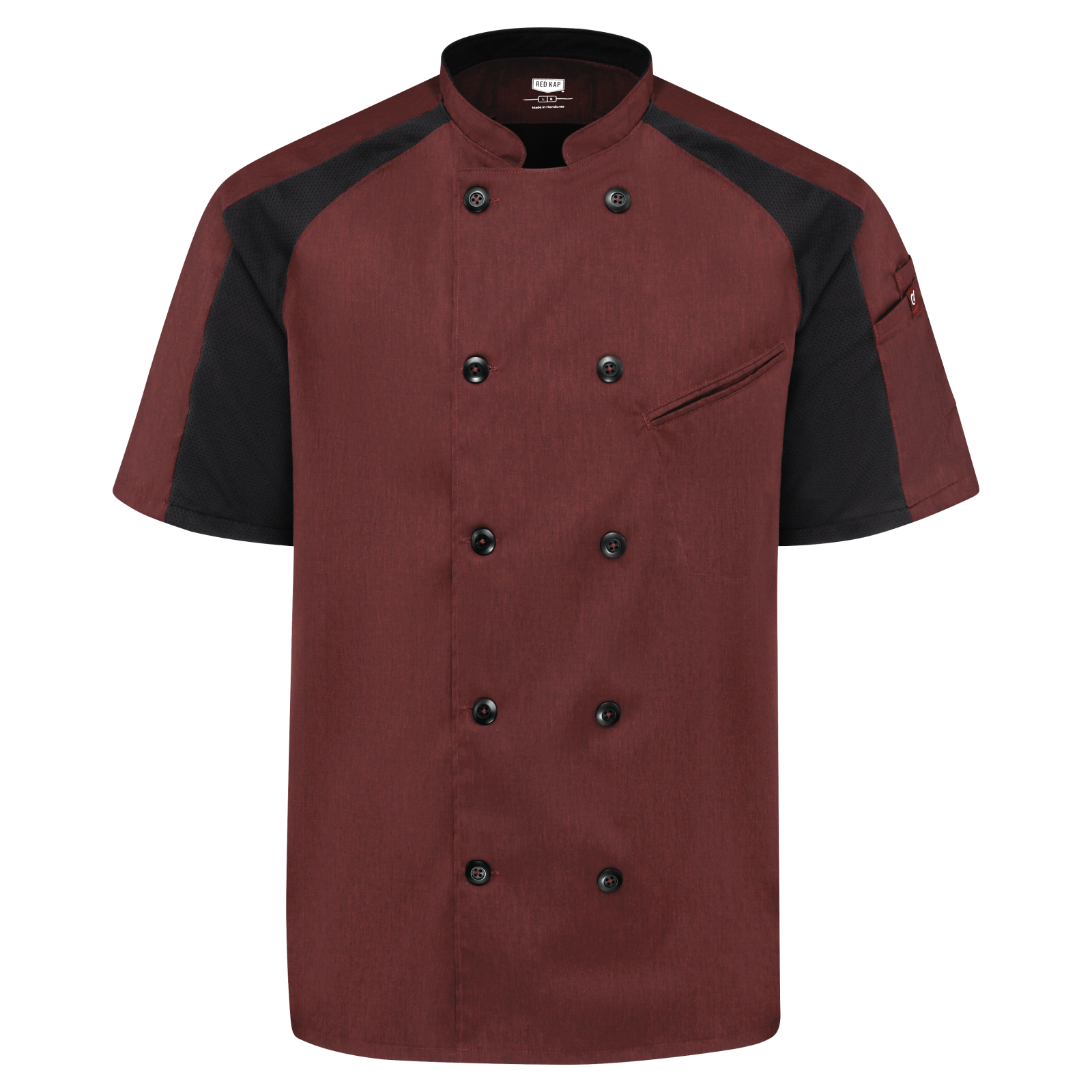
Seafood Processing Workwear
Develop seafood-team garments for receiving, preparation, processing, packing, and cold-chain work with each role’s wet-work and movement needs recorded in the brief. Select shirts, trousers, coveralls, bib overalls, jackets, or vests, then specify pocket policy, reinforcement locations, labels, and company identification.
Get a Quote
Commercial Kitchen Workwear
Develop coordinated chef and hospitality uniforms for kitchen, back-of-house, and service roles. Specify the role bundle—such as chef coat, apron, trouser, kitchen shirt, polo, or jacket—then confirm color, closures, pockets, grading, decoration, labels, and packaging in the approved brief.
Get a QuoteMaterial Options for Food Processing Workwear




Custom Decoration and Garment Processes



Accessories for Custom Uniforms for Food Processing Teams


About Veelianpro: Custom Uniforms for Food Processing Teams
Veelianpro’s workwear operation began in Wuhan in 2012, serving brands and sourcing teams across industrial, safety, hospitality and service apparel. Today, the company helps buyers turn a sketch, tech pack, sample or product idea into custom uniforms for food processing teams, with careful attention to hygiene-focused construction, fit, branding and production requirements.
Our OEM, ODM, private-label and wholesale capabilities cover fabric and trim sourcing, pattern development, sampling, size grading, cutting, sewing, reinforcement, decoration, finishing, quality checks, packing and export coordination. Buyers can develop shirts, jackets, vests, pants, coveralls, sets and specialist food-processing garments around their intended work setting and procurement specifications.
What sets Veelianpro apart is a practical development process built around buyer input and transparent scope. Materials, closures, cuffs, pockets, branding methods and performance targets are reviewed before production, while any requested certification or protective rating remains subject to SKU-specific testing and documentation. The starting MOQ is 100 pieces per style and color, subject to project requirements.

Core Capabilities Behind Custom Uniforms for Food Processing Teams
Tech Pack to Production Plan
Veelianpro reviews your tech pack, sketch, sample or product idea and translates it into a practical development plan. Our team aligns garment construction, intended work setting, materials, branding requirements and target quantity before sampling begins.
- Review sketches, samples and technical files
- Clarify fabric, fit, closure and pocket requirements
- Plan branding, packaging and production details
- Identify information needed for an accurate quote

Patterns, Grading and Sampling
Pattern development turns your concept into a repeatable garment. Veelianpro can refine proportions, build size grading and coordinate samples for review before bulk production, helping buyers evaluate fit, mobility and construction details across the intended size range.
- Develop patterns from approved design information
- Grade sizes for consistent team fit
- Coordinate sample revisions and approval points
- Prepare styles for repeatable production

Fabric, Trim and Decoration Sourcing
Choose materials and components around your processing environment, laundering expectations and brand requirements. Veelianpro supports fabric and trim sourcing alongside embroidery, screen printing, heat transfer, patches, woven labels, care labels and custom packaging.
- Compare fabric weight and composition options
- Specify cuffs, closures, labels and reflective details
- Select decoration methods for your brand identity
- Coordinate custom packaging for private-label programs

Controlled Production and Export Support
From cutting and sewing through reinforcement, finishing, quality checks, packing and shipment coordination, Veelianpro keeps the production path organized. OEM, ODM, private-label and wholesale programs can start from 100 pieces per style and color, subject to project requirements.
- Manage cutting, sewing and reinforcement stages
- Coordinate bartacks, triple stitching and gussets
- Perform quality checks before packing and shipment
- Support export coordination and reorder planning

Custom Uniforms for Food Processing Teams vs. Decorated Stock Garments
Compare a purpose-built food-processing program with an off-the-shelf garment purchased and decorated after selection. Starting MOQ is subject to fabric, certification and construction requirements.
← Swipe left or right to view →
Custom Uniforms for Food Processing Teams: From Brief to Reorder
Veelianpro develops custom uniforms for food processing teams from buyer briefs, tech packs, samples or product ideas. As a Wuhan-based manufacturer, we support OEM, ODM, private-label and wholesale programs, with MOQ starting at 100 pieces per style and color, subject to fabric, certification and construction requirements.
Review Requirements
Share garment types, work settings, fabrics, sizes, colors, branding, quantities, destination, timeline and any required hygiene or protection documentation.
Develop Materials and Patterns
Veelianpro evaluates fabrics and trims, then develops patterns around fit, closures, cuffs, pockets, mobility and practical production-team requirements.
Sample and Approve
We produce samples for review, refine measurements and construction details, and confirm the approved specification before production quantities are finalized.
Cut, Sew and Decorate
Approved materials move through cutting, sewing, reinforcement, quality checks and decoration such as embroidery, heat transfer, patches or woven labels.
Inspect, Pack and Ship
Finished uniforms are inspected, packed and coordinated for export, with reorder support available when your team needs consistent replenishment.
Veelianpro vs. Typical Food-Processing Uniform Suppliers
From your first tech pack or product idea to approved production, Veelianpro coordinates practical decisions for OEM, ODM, private-label, and wholesale programs.
Submit Your Requirements
Send a tech pack, sketch, sample, or product idea with garment types, work setting, sizes, colors, quantity, destination, and timeline.
Confirm Materials and Trims
Review fabric composition, weight, closures, cuffs, pockets, reinforcement, branding, and packaging with our team, including any required hygiene or protection specifications.
Review Samples and Quote
Assess fit, sizing, construction, decoration, and workmanship in samples, then confirm the quotation, MOQ, specification changes, and target production schedule.
Approve Production Details
Approve the final sample and production specifications so pattern grading, cutting, sewing, finishing, labeling, and quality checks follow your confirmed requirements.
Arrange Inspection and Shipment
Coordinate pre-shipment inspection, packing, export documentation, and delivery arrangements with Veelianpro before approving dispatch to your destination.
From Brief to Reorder: The Veelianpro Production Process


Custom Uniforms for Food Processing Teams: Scenario Planning
Illustrative scenario: A uniform buyer needs to separate general-production and packaging roles without relying on loose identifiers. The proposed solution is a color-coded two-piece program with documented fabric, closure, pocket, logo, and size-range choices; a development sample would be reviewed against the facility’s written hygiene, fit, and wearability acceptance criteria before bulk confirmation.
Illustrative scenario: A safety distributor needs a more enclosed coverall concept for a higher-hygiene processing zone and must avoid assuming that the design itself provides a protective rating. The proposed brief defines coverage, cuff and closure details, restricted accessories, and any required standard and evidence; fabric and construction samples would be assessed against the buyer’s documented acceptance criteria before bulk specifications are finalized.
Illustrative scenario: An enterprise sourcing team needs separate garments for sanitation, warehouse, and quality-control roles but has only a role matrix and logo files. The proposed solution is to convert the selected garment types, role identifiers, branding method, and fit requirements into a development brief and pre-production sample; acceptance would depend on the buyer’s documented facility criteria.
FAQ: Custom Uniforms for Food Processing Teams
Clear answers on MOQ, development, materials, branding, documentation, and delivery for custom food-processing workwear programs.
What is the MOQ for custom uniforms for food processing teams?
Can you develop custom uniforms for food processing teams from our tech pack?
What materials and closures are suitable for custom uniforms for food processing teams?
How much does a sample cost, and how long does sampling take?
What branding options are available for custom food processing uniforms?
What payment terms and shipping support does Veelianpro provide?
How does Veelianpro protect our designs and private-label information?
Can you provide certification evidence for food-processing uniforms?
Custom Uniforms for Food Processing Teams: Buyer’s Guide
A practical framework for selecting hygienic garment systems, evaluating customization and construction, comparing supplier scope, avoiding costly approval errors, and building a quote-ready specification for food-processing operations.
1. Custom Uniforms for Food Processing Teams Defined
A food-processing uniform program is a controlled set of garments and identifiers for specific people, tasks, and production areas—not simply matching shirts. It can combine coats, smocks, two-piece suits, coveralls, trousers, head coverings, and task-specific outer layers, with color, label, or logo placement used to distinguish roles without adding unnecessary loose components.
The specification begins with the zone: raw handling, processing, packing, quality checks, sanitation, warehouse movement, and visitor access do not create the same exposure or coverage needs. Foreign-object controls influence closure, pocket, trim, and decoration choices; cleaning responsibility influences fabric selection, change-out quantities, care-label instructions, and how the buyer defines an acceptable returned garment.
Purchase-only apparel supply and a laundering service are separate commercial models. A manufacturer produces the approved garments and packs them for the buyer or its distribution channel; a laundry provider typically manages recurring collection, washing, repair, replacement, and delivery, so its operating scope must be contracted independently.
For custom uniforms for food processing teams, Veelianpro develops garments from a tech pack, sketch, sample, or product idea and can source fabrics and trims, develop patterns, sample, produce, decorate, inspect, pack, and coordinate export. The starting MOQ is 100 pieces per style and color, conditional on the selected design, materials, decoration, certification requirements, and order scope.
2. Mapping Uniforms to Food-Processing Work Zones
A uniform brief should follow product exposure, traffic flow, and each job’s physical tasks—not a single plant-wide garment. Map every role to its zone before selecting coverage, identification colors, headwear, or protective add-ons.
| Zone or Role | Uniform Direction | Control Focus |
|---|---|---|
| General production | Two-piece suit or coverall | Coverage and headwear by site procedure |
| High-hygiene production | More enclosed garment configuration | Controlled transitions and containment |
| Packaging | Role-matched workwear | Product-adjacent hygiene rules |
| Quality inspection | Coat, smock, or designated uniform | Clear role identification |
| Warehouse | Practical workwear | Movement and traffic visibility |
| Sanitation | Dedicated workwear with approved add-ons | Chemical and wet-task assessment |
| Maintenance | Task-specific workwear | Repair hazards and zone access |
| Visitors | Clearly identified over-garment | Restricted access and headwear |
Build a Zone Role Matrix
Separate general production from higher-hygiene production, then list packaging, quality inspection, warehouse, sanitation, maintenance, and visitors. A worker crossing zones may need a defined change point or different outer layer; the site food-safety plan sets the final rule.
Zone Brief Comparison
Use this matrix as a starting brief, then reconcile it with the facility’s hazard analysis, hygiene procedures, and laundering model. It describes design choices, not universal compliance claims.
Match Coverage To Exposure
General production may use a two-piece work suit where movement and task access matter. Higher-hygiene production can call for more enclosed coverage, while sanitation or maintenance may require task-specific protective add-ons selected for the actual chemicals, moisture, or repair work.
- Production: two-piece set or coverall, role-approved headwear
- High-hygiene: enclosed coverage and controlled headwear
- Sanitation: garment base plus task-specific add-ons
- Maintenance: durable workwear with site-approved add-ons
Control Identification And Access
Color coding works best when it identifies a controlled role or area rather than becoming decoration. Assign colors only after confirming who may enter each zone, then keep logo placement and trims compatible with foreign-object-control procedures.
- Use distinct colors for roles or access groups
- Specify headwear by hair-containment procedure
- Keep visitor garments clearly identifiable
- Document approval rules for cross-zone movement
3. Types of Custom Uniforms for Food Processing Teams
Garment format sets the practical boundary between coverage, changing convenience, and freedom of movement. Build the assortment around each work zone and task, then develop the selected styles with Veelianpro from a tech pack, sketch, sample, or product idea.
| Format | Coverage | Practical Use |
|---|---|---|
| Two-piece set | Separate jacket and trousers | General production and packaging |
| Coverall | More enclosed body coverage | Higher-hygiene procedures |
| Coat or smock | Upper-body layer | Inspection, visitors, or packing |
| Shirt, trousers, apron | Adjustable task layers | Active or messy tasks |
| Headwear | Hair-control component | Role-specific uniform issue |
Two-Piece Sets
Jacket-and-trouser sets separate at the waist, making sizing, replacement, and task-specific layering straightforward. They are a practical starting format for general production, packaging, and warehouse-facing roles where mobility and garment separation matter.
Coveralls And Smocks
Coveralls create continuous torso-to-leg coverage and reduce the jacket-to-trouser gap. Consider them where a more enclosed format fits the facility’s hygiene procedure; coats and smocks provide lighter, easy-on coverage for inspection, visitor, or packing roles.
Shirts Aprons And Headwear
Work shirts with trousers suit active, lower-coverage assignments, while an apron adds a removable task layer for wet or messy work. Role-specific headwear should be specified alongside the garment so the buying team controls the complete issued look.
Specify The Role Bundle
Do not use one silhouette by default across every department. Define which roles receive a set, coverall, coat, apron, or head covering, then confirm closure, pockets, branding, and size grading in the development sample.
4. Materials and Technical Options for Food Teams
Fabric is a control choice, not a catalog afterthought. For custom uniforms for food processing teams, define fiber composition, construction, hand feel, wash exposure, and the work zone before selecting optional protection.
| Option To Specify | Operating Condition | Potential Benefit | Trade-Off | Specification-Sheet Question |
|---|---|---|---|---|
| Woven composition | Structured production garments | A construction choice to evaluate through the approved sample | May feel less flexible | What fiber blend, weave, and weight are proposed? |
| Knit construction | Active, lower-exposure roles | A construction choice to evaluate through the approved sample | May need different durability review | What knit type and recovery are required after washing? |
| Water-resistant finish | Wet or splash-prone tasks | A requested finish whose intended use and evidence must be documented | Can affect breathability and care | Which areas need it, and how will performance be documented? |
| Chemical-resistant material | Defined cleaning-chemical exposure | A requested material option pending substance-specific evidence | Must match exact substance and use | Which chemicals, contact conditions, standard, and evidence apply? |
| Anti-static option | Static-sensitive operations | A requested option pending the required performance evidence | Not a rating without evidence | What performance standard and certificate scope are required? |
Start With the Wash Cycle
Frequent laundering can change appearance, shrinkage risk, and comfort over time. Put the planned wash method, cleaning chemistry, drying method, and replacement expectation in the specification sheet.
Compare a submitted swatch and sample after the facility’s intended care process where possible. A fabric that feels right before washing may not be the right program choice afterward.
- Fiber composition and fabric weight
- Wash and drying method
- Color-retention expectations
- Required size stability review
Match Construction To Conditions

Woven fabric generally suits structured coats, trousers, and coveralls; knit constructions can favor stretch and airflow in lower-exposure roles. Neither construction is automatically cleaner, cooler, or more durable without the full specification.
Lint sensitivity, cold rooms, humidity, splash exposure, and movement should be recorded by role. Ask for the proposed composition, weave or knit type, weight, and a sample rather than relying on a generic fabric label.
Specify Optional Performance Carefully
Water resistance, chemical resistance, and anti-static performance are task-specific options, not universal uniform claims. State the exposure, substances, duration, and applicable standard or test evidence required before a protective claim is used.
A coating or finish can alter breathability, hand feel, cleaning behavior, and cost. Confirm whether the requirement applies to the whole garment, a panel, or separate protective equipment.
5. Customization for Food-Processing Uniform Control
Customization should make team roles legible without adding components that complicate a facility’s foreign-object-control program. Define the control objective first, then record every color, marking, closure, pocket, cuff, collar, and accessory decision in the tech pack.
| Illustrative role | Example color | Identification approach | Control consideration |
|---|---|---|---|
| Production | White | Department mark | Keep markings and accessories specified. |
| Quality assurance | Blue | Role identifier | Maintain clear role distinction. |
| Sanitation | Green | Department mark | Confirm compatibility with site rules. |
Role Colors And Identification
Color can distinguish roles at a glance, but the facility should assign meanings and control garment issue by zone. A department mark or name identifier can improve usability when its location and attachment method are approved.
Illustrative Role-Color Matrix
Example only: this matrix is a planning aid, not a Veelianpro program recommendation. Confirm color availability, contrast requirements, and laundering procedures before locking the specification.
Branding Without Overclaiming
Veelianpro can develop embroidery, screen printing, heat transfer, patches, woven labels, care labels, and custom packaging. Select the method by artwork, placement, garment construction, and the facility’s control rules; a decoration choice alone does not prove wash durability or food-safety performance.
Control-Oriented Garment Details
Specify closure type, pocket position, cuff finish, and collar shape as working details, not afterthoughts. Exposed or unnecessary pockets and removable or loose accessories can conflict with a site’s foreign-object-control goals, while a well-chosen closure and cuff can improve coverage and task usability.
- State whether pockets are omitted, internal, or permitted.
- Identify closure placement and acceptable exposed components.
- Define collar and cuff finish for the work zone.
- List removable accessories separately for approval.
6. Construction Details That Affect Wear and Control
Construction choices determine whether a uniform remains orderly through movement, repeated care, and daily inspection. A pre-production sample should show the actual seams, closures, finishes, pockets, and graded sizing—not only the approved silhouette.
Seams and Reinforcement
Inspect straight, even seam lines, secure thread ends, and consistent seam allowances across matching panels. Reinforcement belongs where the task creates repeated strain, such as pocket corners, crotch joins, or stress points identified in the tech pack.
Loose ends or skipped stitching can become a wear and foreign-object-control concern. Specify bartacks or triple stitching only where the garment design and duty justify them, then compare every reinforced location against the approved sample.
- Check inside and outside seam appearance
- Confirm reinforcement locations on both sides
- Inspect thread ends at joins and corners
Closures, Cuffs, and Pockets
Closures must fasten securely without creating awkward gaps at the front or collar. Inspect attachment strength, alignment, collar edges, cuff finish, and whether the chosen design supports the facility’s requirements for accessible components and coverage.
Pockets need a deliberate purpose. Unnecessary, deep, or hard-to-clean pocket construction can complicate control; where pockets are retained, verify placement, opening shape, stitching, and clean-out access on the sample.
Fit, Grading, and Care Review

A comfortable garment allows reaching, bending, and normal production movement without pulling open at the waist, wrist, or collar. Review the full size run and grading, not just one sample size, with the buyer’s size chart and intended underlayers.
Run the sample through the planned care routine before bulk approval where possible. Check for distorted seams, closure security, difficult-clean construction areas, and whether coverage still matches the assigned work zone.
- Wear-test reaching and bending movements
- Compare graded sizes to the approved chart
- Record care observations with sample revisions
7. Choosing Custom Uniforms for Food Processing Teams
A capable manufacturer turns a facility’s hygiene and branding requirements into a controlled order record, rather than relying on a reference photo. For custom uniforms for food processing teams, define what is being approved at each stage and who owns ongoing garment care.
| Control Point | Buyer Approval | Order Record |
|---|---|---|
| Fabric and trims | Composition, color, approved references | Order-specific material details |
| Decoration | Artwork, method, position | Approved proof |
| Bulk quality | Sample comparison criteria | Inspection and packing requirements |
| After delivery | Laundry and replacement owner | Separate operating procedure |
Build The Specification Record
Start with garment type, work zone, fabric composition and weight, color, size range, closure, pocket policy, trim, decoration location, packing, destination, and required documentation. If protection is requested, provide the applicable standard and exact test or certificate requirement; a design request is not a documented performance claim.
- Attach a tech pack, sketch, sample, or product idea
- Identify approved fabric and trim references per order
- State carton marks, folding, bagging, and label requirements
Approve Samples And Sizes
A development sample should resolve pattern, materials, construction, decoration position, and overall appearance before bulk production. Review a size set against the agreed grading and wearer profile; do not assume a sample size represents every size.
- Confirm logo artwork and placement proof
- Record revisions in the approved specification
- Keep the approved sample as the comparison reference
Set Checkpoints And Quote Scope
At Veelianpro, buyers can discuss fabric and trim sourcing, pattern development, sampling, size grading, cutting, sewing, reinforcement, decoration, finishing, quality checks, packing, and export coordination. Ask the quotation to identify the included garment configuration, decoration, packaging, sample terms, inspection scope, and shipment coordination.
Separate Garment Supply From Care
Purchase orders should assign laundering instructions, wash validation, issue-and-return control, repairs, and replacement inventory to the responsible party. Garment manufacturing and laundry-service programs are different supply models, so neither responsibility should be implied.
8. Common Uniform Program Mistakes and Remedies
Uniform failures usually begin in the specification sheet, not on the sewing line. A usable program records each zone, role, garment interface, ownership of laundering, and the exact sample that authorizes bulk production.
Start With Zone Mapping
Selecting styles before mapping raw handling, processing, packing, sanitation, warehouse, visitor, and QA areas can put the same garment where different coverage is needed. Build a zone-and-role matrix first, then assign color, garment type, headwear, and change requirements.
Use Coveralls Selectively
Treating coveralls as the default can add unnecessary changing time and heat burden in lower-control tasks; treating two-piece sets as universal can leave an unsuitable waist interface in a more enclosed area. Specify coverage by the facility’s documented zone requirements, not by appearance.
Control Components And Branding
Unreviewed pockets, closures, and logo placement create avoidable foreign-object and identification problems. Define whether pockets are omitted, enclosed, or permitted by role; identify the closure type; then approve a placement proof showing the logo location, dimensions, colors, and method.
Include Headwear And Service
Leaving headwear out of the garment brief creates a gap between uniform issue and actual wear. List the required head covering by role and confirm its interface with collars, hoods, and size range.
A purchase order supplies garments; it does not automatically include collection, laundering, repair, replacement, or wearer administration. State which party owns each service step before comparing quotes.
Approve The Complete Sample
Approving fabric or a digital mockup alone leaves fit, sewing, closures, headwear compatibility, labels, and decoration unresolved. Approve one complete pre-production sample against the final specification, including graded-size requirements and packaging details, before authorizing bulk production.
9. Launching Custom Uniforms for Food Processing Teams
A reliable launch converts facility rules into a controlled garment specification before production begins. Assign one buyer-side owner for approvals and one owner for post-receipt replacement or laundry decisions; garment procurement and laundering are separate scopes.
| Launch Record | Buyer Decision | Approval Evidence |
|---|---|---|
| Role matrix | Garment and material by zone | Signed specification |
| Artwork and colors | Decoration and identification plan | Approved artwork file |
| Pre-production sample | Fit and construction | Dated approval sheet |
| Receiving check | Conformity before issue | Inspection record |
Build The Facility Brief
Map each role to its work zone, hygiene requirements, exposure, coverage, and required headwear. Then select the garment type, fabric and closure details for that matrix, rather than applying one style across every team.
- Production and packaging roles
- QA and visitor requirements
- Sanitation-task exposure
- Warehouse and dispatch needs
Freeze Visual And Size Inputs
Provide approved logo artwork, placement dimensions, color references, labels, packaging instructions, and the size breakdown. Veelianpro can develop from a tech pack, sketch, sample, or product idea; unresolved details should remain open before a quote is confirmed.
Approve The Pre-Production Sample
Review the pre-production sample against the signed specification: fabric, fit, grading, pocket and closure configuration, decoration, sewing, labels, and packing. Record changes in one dated approval sheet, with photos where useful, so the bulk-order handoff uses one version.
Illustrative Multi-Role Order
Illustrative worked example: a buyer separates production, QA, sanitation, warehouse, and visitors into five lines on one role matrix. Each line records garment, color, headwear, size quantities, decoration, and acceptance notes; it does not assume a production quantity, lead time, or protection rating.
Receive And Maintain The Program
At receipt, compare cartons, sizes, colors, labels, decoration, and visible construction against the approved record before issue. Name who authorizes replacements, holds spare stock, receives wear feedback, and manages the laundry workflow; a purchase order alone does not establish those operating controls.
10. Pricing and Cost Drivers
A food-processing uniform quote changes when a basic coat or two-piece set becomes a zone-specific garment with specified closures, pocket policy, color identification, and branded components. The usable comparison point is the approved specification, not an assumed per-piece price.
Pattern development and samples should be scoped separately from bulk production when a buyer is introducing a new silhouette, size grade, or construction detail. Include the intended work zone and any required standard or test documentation so a design target is not presented as a verified protective claim.
Request confirmation of MOQ and commercial timing against the final specification, quantity, packaging requirement, destination, and logistics scope.
| Cost Driver | What Changes Cost | Quote Must Specify |
|---|---|---|
| Garment pattern and construction | Coverall versus two-piece layout, reinforcement, pocket configuration, closures, and sewing operations. | Style, sketch or tech pack, work zone, closure and pocket requirements. |
| Fabric and performance options | Composition, weight, finish, and any requested protective or documented performance scope. | Fabric target, wash conditions, applicable standard, and evidence required. |
| Branding and colorways | Embroidery, screen printing, heat transfer, patches, labels, placement count, and color allocation. | Logo files, method, position, dimensions, colors, and styles by role. |
| Sizing, samples, and quantity | Size grading, pre-production sample development, order volume, and style/color split. | Size range and ratio, sample requirements, quantity per style and color. |
| Packing and logistics | Individual or custom packaging, labeling, carton requirements, export coordination, and destination. | Packing specification, marks, delivery destination, and requested shipping scope. |


Request Custom Uniforms for Food Processing Teams Today
Send your garment, fabric, sizing, branding, quantity, destination, standards, and timeline for a tailored OEM or private-label review.