
Seafood Processing Workwear Manufacturer for OEM Buyers
Veelianpro develops custom seafood processing workwear through OEM, ODM and private-label programs from 100 pieces per style and color, subject to fabric, certification and construction requirements.
Featured Seafood Processing Workwear for OEM Development










Related Product Catalogue and Quotation




Why Choose a Seafood Processing Workwear Manufacturer
Develop practical workwear for wet, cold and hygiene-controlled areas with tailored construction, sourcing, branding and documentation support.
Custom Garment Development
Turn sketches, samples or tech packs into task-specific coats, trousers, aprons, coveralls and layered workwear for processing environments.
Material and Trim Sourcing
Review fabric weight, composition, waterproofing needs, thermal layers, reflective details, closures and trims for wet or cold work areas.
Practical Protective Construction
Specify coverage, secure pockets, reinforced seams, bartacks, movement allowances and wash-down considerations for cutting, packing and cleaning tasks.
OEM Private-Label Branding
Add embroidery, heat transfer, patches, woven labels, care labels and custom packaging for consistent brand presentation across your range.
Evidence-Based Performance
Align requested protection claims with SKU-specific testing and certification evidence, avoiding unsupported ratings for materials or finished garments.
Workwear for Seafood Processing Operations
Custom-developed garments for wet, cold, hygiene-sensitive processing environments, from production-floor basics to specialist protective apparel programs.
Work Shirts
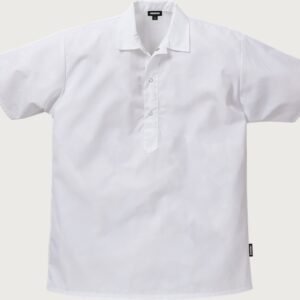
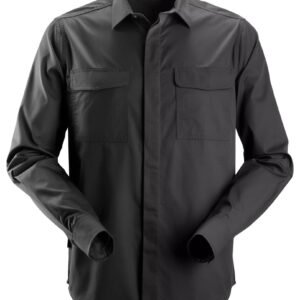
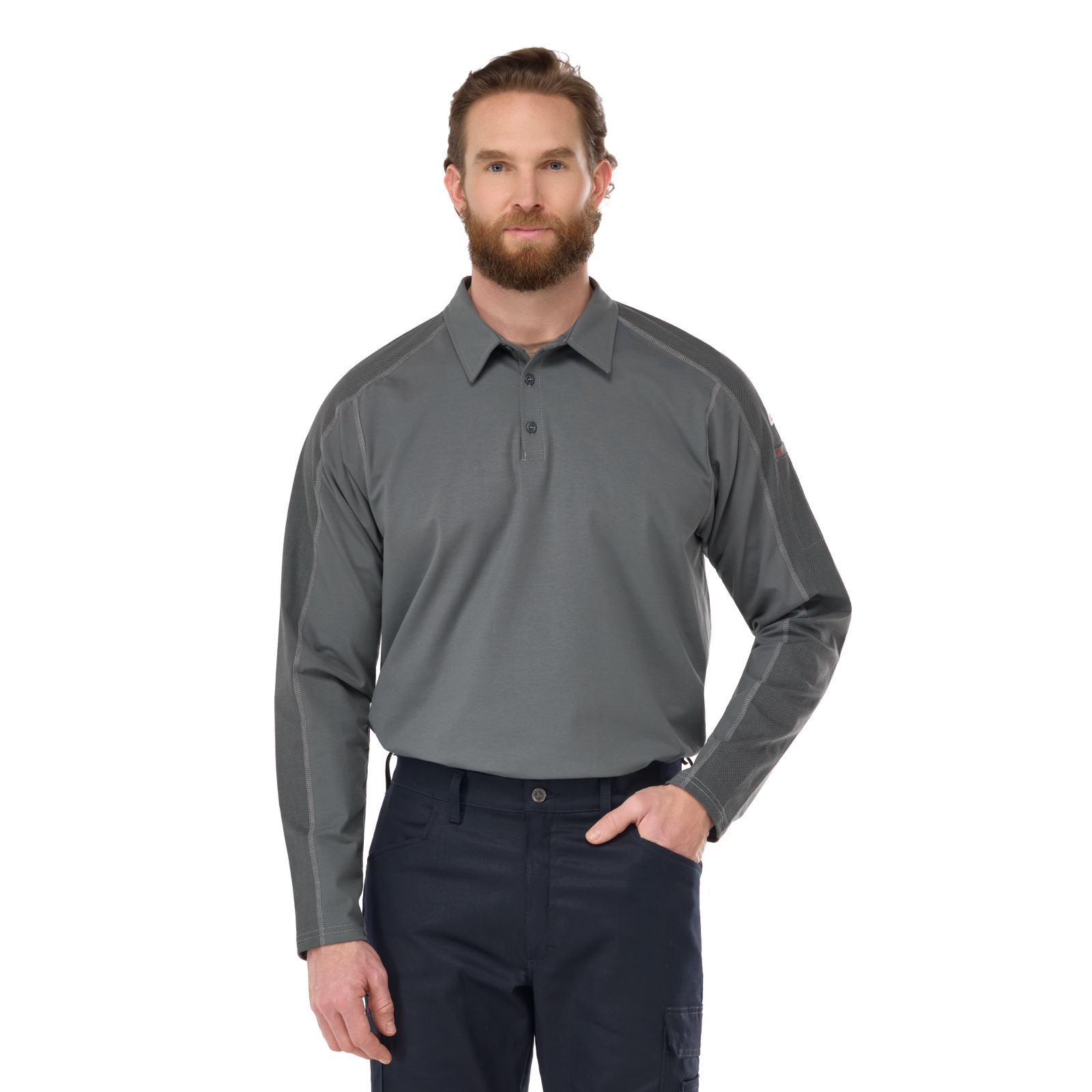
Work shirts for processing, receiving, maintenance, and dispatch teams can be developed with selected fabric compositions, pocket layouts, reinforced stress points, branded labels, and decoration methods. Specify the work setting, wash requirements, color, sizing, and intended layering arrangement during development.
Request a Workwear Quote
T-Shirts & Polos
T-shirts and polos provide lighter uniform layers for supervisors, logistics teams, visitors, and service-facing staff. Programs can include fabric sourcing, size grading, color matching, embroidery, screen printing, heat transfer, woven labels, and custom packaging for coordinated seafood-processing uniforms.
Request a Workwear Quote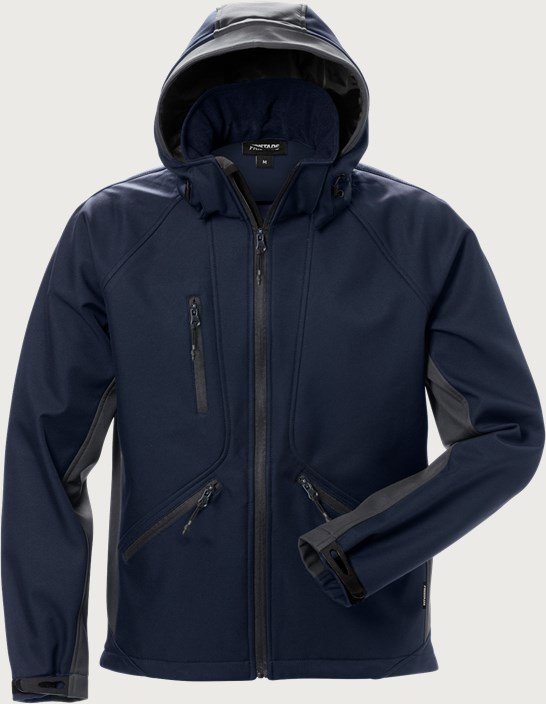
Work Jackets & Outerwear
Work jackets and outerwear can be developed as softshell, fleece, padded, or rain-jacket styles for dockside, transport, chilled work areas, and outdoor duties. Discuss weather exposure, insulation needs, pocket configuration, closures, branding, and compatible layers before sampling.
Request a Workwear Quote
Work Vests & Bodywarmers
Work vests and bodywarmers add practical warmth without limiting arm movement during packing, warehouse, loading, and equipment tasks. Development options include utility or safety-vest formats, pocket systems, reflective tape placement, insulation choices, labels, and logo decoration appropriate to the role.
Request a Workwear Quote
Work Pants & Shorts
Work pants and shorts can be built as standard work trousers, cargo pants, or task-specific shorts for warmer support areas. Buyers can define fabric, rise, size range, cargo-pocket layout, reinforced knees, gussets, bartacks, triple stitching, branding, and intended operating conditions.
Request a Workwear Quote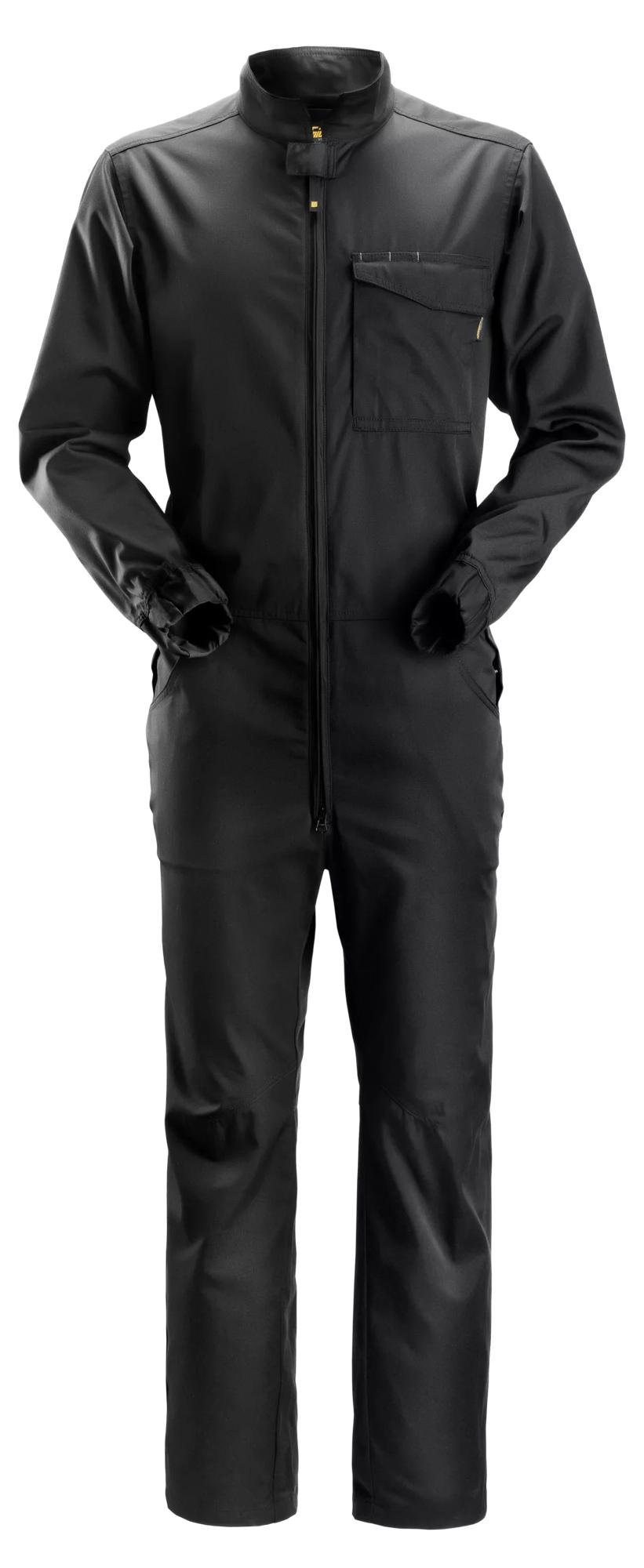
Coveralls & Bib Overalls
Coveralls and bib overalls provide all-over garment coverage for processing, maintenance, cleaning-support, and handling roles. Construction can be tailored through fabric selection, closure type, pocket placement, reinforcement, size grading, labels, and decoration, based on the wearer’s movement and layering requirements.
Request a Workwear Quote
Workwear Sets
Workwear sets coordinate shirts, jackets, trousers, vests, or other garments into a consistent uniform program. Veelianpro can develop matching fabrics, colors, trims, logos, labels, size grading, and packaging across roles while keeping each component suited to its work area.
Request a Workwear Quote
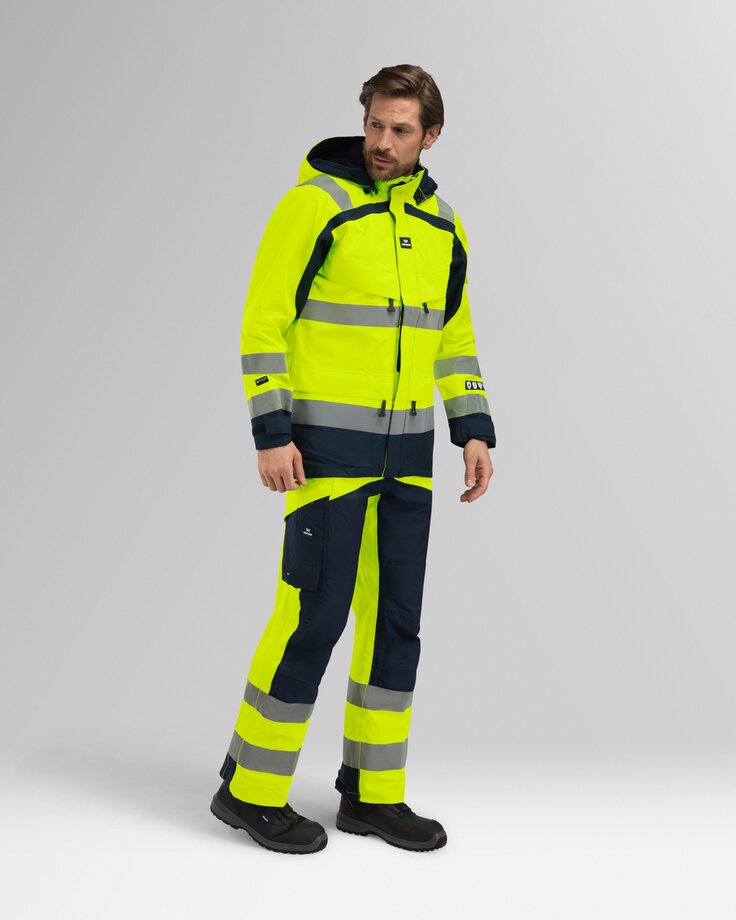
High-Visibility Workwear
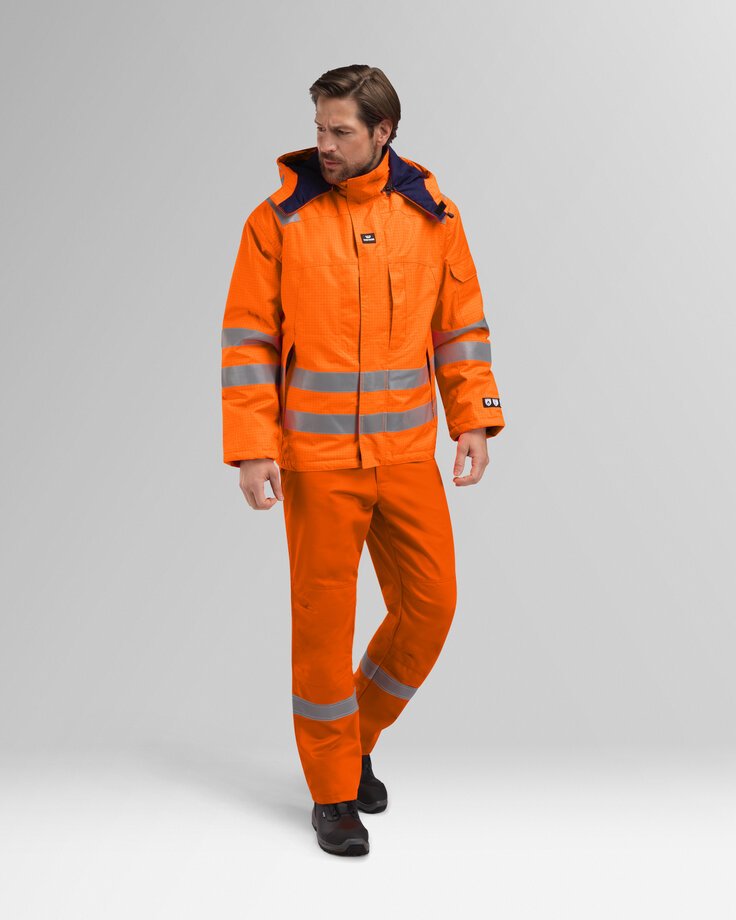
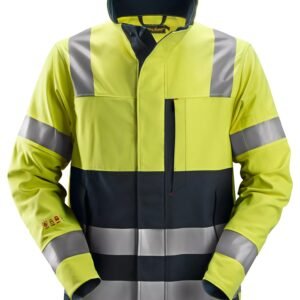
High-visibility workwear includes garments developed with visibility elements and reflective tape placement for yards, loading zones, vehicle routes, and low-light operations. Required standards, test scope, fabric, design, and certification needs must be provided before performance claims are made.
Request a Workwear Quote
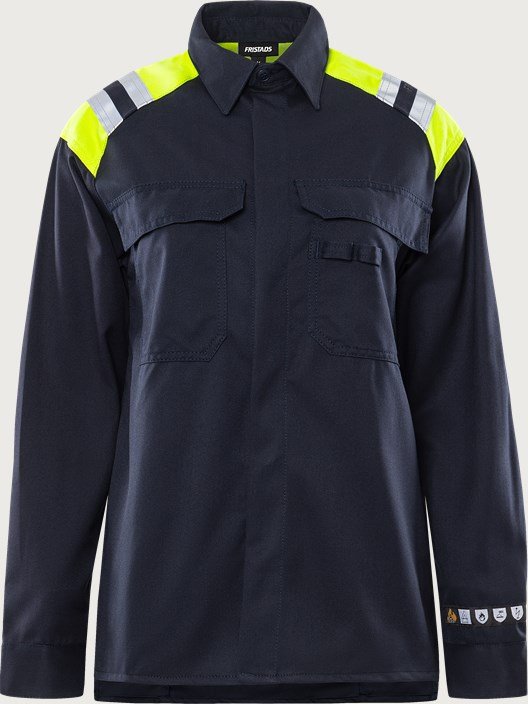
Flame-Resistant & Arc-Rated Wear
Flame-resistant and arc-rated wear is developed for roles where documented protective requirements apply, such as electrical or maintenance work. Provide the applicable standard, hazard assessment, required rating, fabric preference, and certification scope; protection claims depend on SKU-specific test evidence.
Request a Workwear Quote
Chemical-Protective Clothing
Chemical-protective clothing is a product-development category for tasks involving defined chemical exposure risks. Share the chemical type, concentration, exposure route, task duration, applicable standard, and required test documentation so garment materials, construction, and certification needs can be assessed appropriately.
Request a Workwear Quote
Cold-Storage Workwear
Cold-storage workwear can include insulated jackets, padded outerwear, bib overalls, and layered garments for refrigerated handling and storage areas. Define the operating temperature, activity level, shift duration, moisture exposure, mobility needs, garment layering, and requested branding before product development.
Request a Workwear Quote
Welding Workwear
Welding workwear is designed around the buyer’s stated welding process, heat and spark exposure, movement needs, and applicable protection requirements. Fabric, reinforcement, closures, pocket placement, size grading, labels, and any required test or certification scope should be defined before sampling.
Request a Workwear Quote
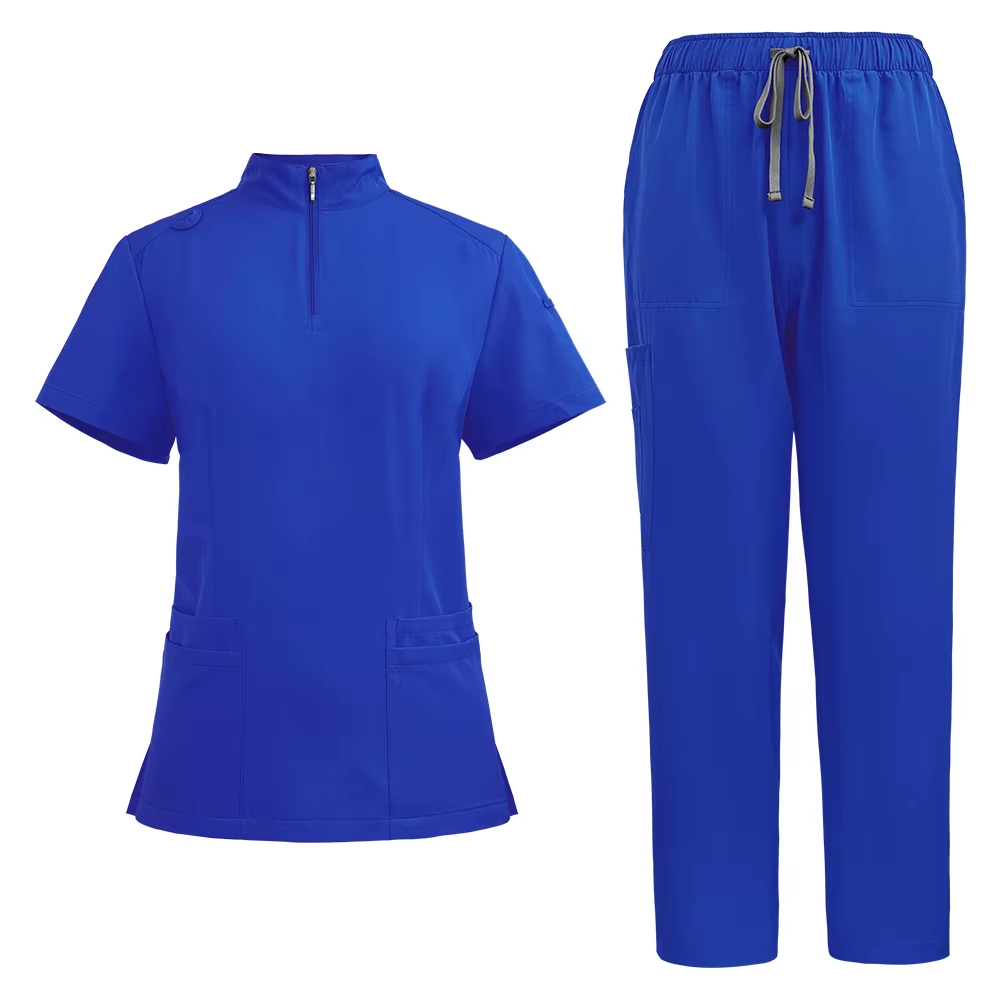
Medical & Cleanroom Wear
Medical and cleanroom wear covers garments for hygiene-sensitive environments, including medical scrubs and cleanroom or ESD product families. Share the controlled-environment requirements, contamination-control procedures, fabric expectations, closure details, color coding, sizing, and documentation needed for the intended use.
Request a Workwear Quote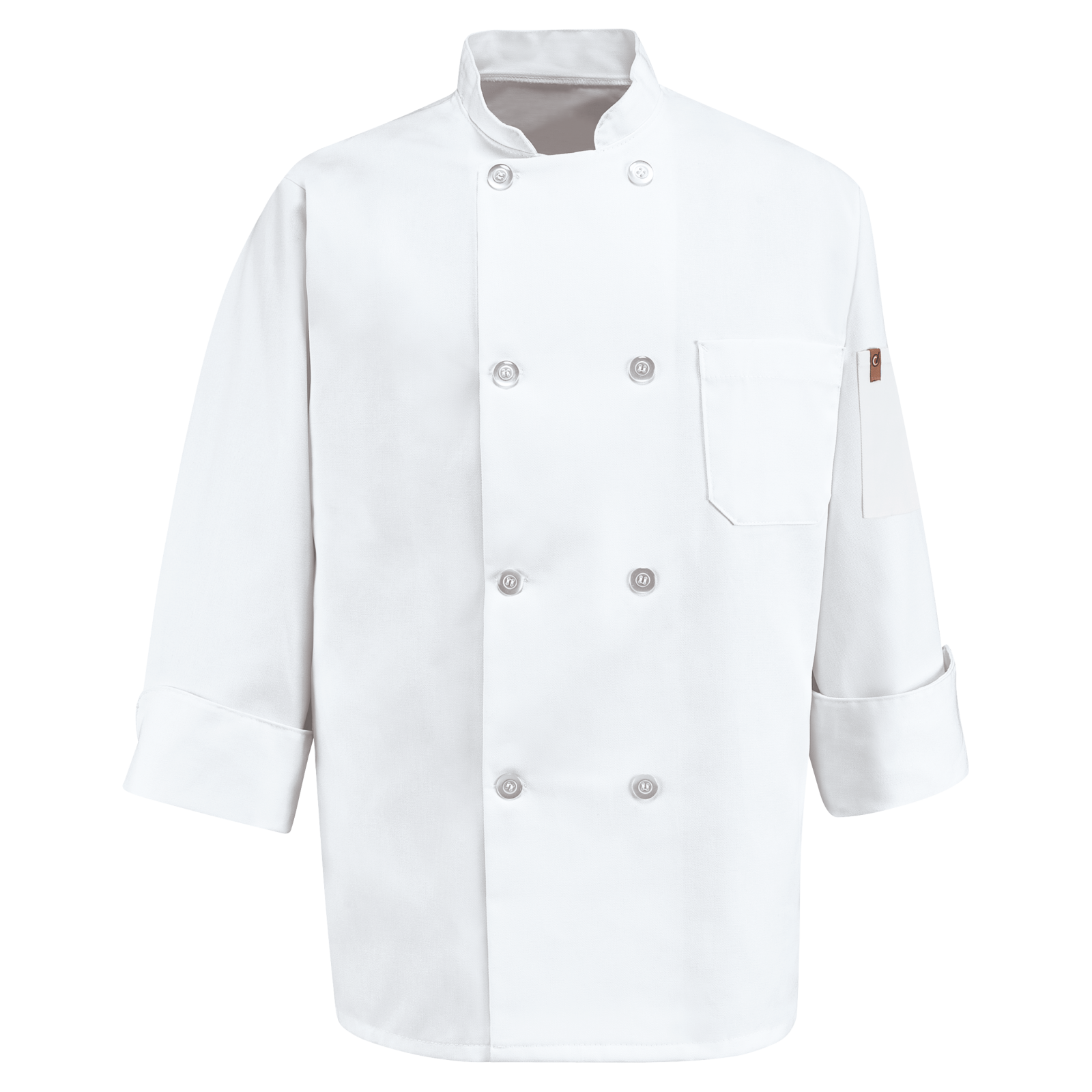
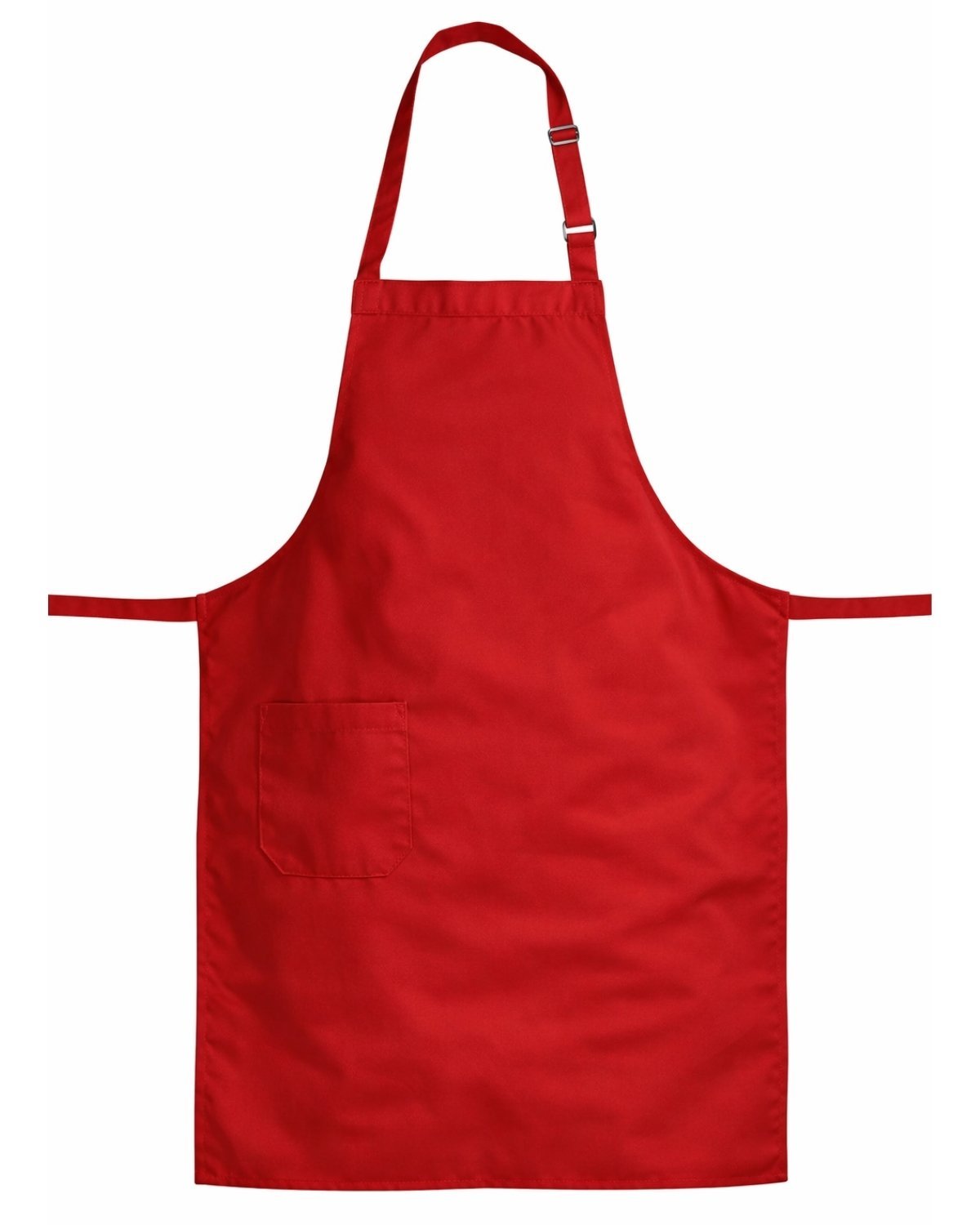
Chef & Hospitality Uniforms
Chef and hospitality uniforms include chef clothing and service apparel for seafood kitchens, restaurants, catering teams, and front-of-house operations. Programs may combine coats, shirts, polos, trousers, aprons, branding, color coordination, labels, and sizing tailored to staff roles and presentation needs.
Request a Workwear Quote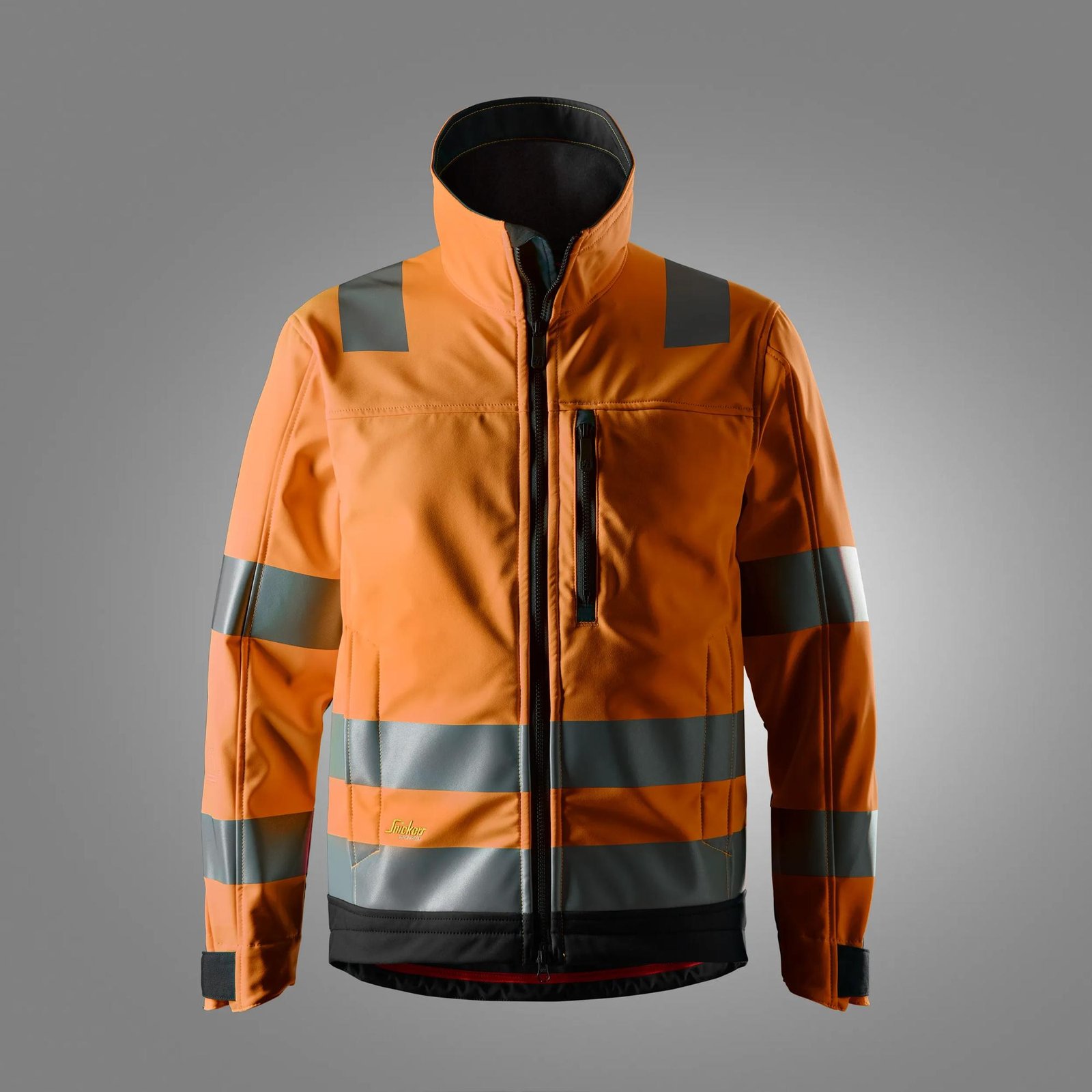
Industry Uniforms
Industry uniforms support seafood processing operations beyond the production line, including administration, maintenance, warehouse, transport, quality-support, and visitor teams. Garment families can be coordinated by department through fabric selection, colors, role-specific pockets, decoration, labels, and consistent packaging.
Request a Workwear Quote
Base Layers & Accessories
Base layers and accessories complete a layered workwear program for chilled, wet, or changing work conditions. Discuss the intended garment pairing, fabric composition, warmth needs, moisture exposure, color, sizing, branding, labels, and any accessory components required for the uniform system.
Request a Workwear QuoteMaterials for Seafood Processing Workwear Manufacturer Programs




Seafood Processing Workwear Manufacturer: Decoration and Garment Construction



Materials for Seafood Processing Workwear Programs


Decoration and Garment Construction for OEM Workwear
Based in Wuhan, Hubei, Veelianpro’s workwear operation began in 2012 with a practical mission: help brands and sourcing teams develop dependable apparel for demanding industrial and service environments. Today, the company supports OEM, ODM, private-label and wholesale programs for workwear buyers seeking clear specifications, responsive sampling and production aligned with their market.
As a seafood processing workwear manufacturer, Veelianpro begins with your tech pack, sketch, sample or product idea. Its workflow can include fabric and trim sourcing, pattern development, size grading, sampling, cutting, sewing, reinforcement, branding, finishing, quality checks, packing and export coordination. Buyers can define coverage, closures, pockets, fit, branding and intended use before production, while any protection rating remains subject to SKU-specific testing and documentation.
What sets Veelianpro apart is a development-led approach that connects design decisions with practical manufacturing execution. From shirts, jackets, vests and trousers to coveralls, cold-storage apparel and task-specific protective garments, projects are reviewed around fabric, construction, quantity and destination requirements. MOQ starts at 100 pieces per style and color, subject to project requirements and material or certification needs.

Core Capabilities from a Seafood Processing Workwear Manufacturer
Review the Product Brief
Veelianpro begins with your tech pack, sketch, sample or product idea. Our team reviews the intended processing zone, coverage, fabric goals, branding, size range and production quantity, then identifies practical construction details for wet, cold, hygiene-controlled or wash-down environments.
- Tech-pack and sketch review
- Use-case and construction feasibility checks
- Fabric, color and branding discussion
- OEM, ODM and private-label planning

Develop Fit and Function
Pattern development and size grading turn the approved concept into a wearable production sample. Veelianpro can refine movement, coverage and fit for cutting, packing, cleaning, loading or cold-storage tasks while coordinating practical details such as secure closures, pocket placement and reinforcement zones.
- Custom patterns and size grading
- Fit review across the requested size range
- Task-specific coverage and mobility adjustments
- Pocket, closure and reinforcement planning

Source Materials and Sample
We support fabric and trim sourcing around the garment’s intended use and target cost. Sampling allows buyers to assess weight, composition, flexibility, weather protection, branding placement and workmanship before order confirmation. Any requested performance rating or certification remains subject to SKU-specific testing and documentation.
- Fabric and trim sourcing support
- Prototype and pre-production sampling
- Embroidery, patches, labels and heat transfer
- Performance claims verified by project evidence

Control Production and Export
After approval, Veelianpro coordinates cutting, sewing, bartacks, triple stitching, decoration, finishing, quality checks, packing and export preparation. Inspection points help confirm dimensions, workmanship, branding and packing requirements, while your quotation defines the applicable MOQ, terms, timeline and shipment details.
- Cutting, sewing and reinforcement control
- Branding, finishing and packing checks
- Private-label packaging coordination
- Export preparation and reorder support

Custom Workwear Development vs. Stock-Garment Sourcing With Decoration
Compare a custom program with buying stocked garments and adding decoration. Starting MOQ is subject to fabric, certification and construction requirements.
← Swipe left or right to view →
Our Seafood Processing Workwear Manufacturer Process
Veelianpro coordinates seafood processing workwear development from inquiry through shipment, combining fabric and trim sourcing, pattern work, sampling, grading, production and inspection. OEM, ODM, private-label and wholesale programs can start at 100 pieces per style and color, subject to fabric, certification and construction requirements.
Share Your Requirements
Send a tech pack, sketch, sample or product idea with work setting, fabric goals, sizes, colors, branding, quantity, destination and timeline.
Review Feasibility
We review construction, protection targets, fabric and trim options, required documentation, and production feasibility before recommending a practical development route for your seafood workwear.
Develop and Sample
Select materials, closures, pockets, reinforcement, reflective details and branding; then approve patterns, size grading and a sample aligned with your intended processing zones.
Confirm Your Order
After sample feedback, Veelianpro confirms the quotation, MOQ, specifications, timeline and order terms, with 100 pieces per style and color as a starting point subject to requirements.
Produce and Ship
Production covers cutting, sewing, reinforcement, decoration, finishing, inspection, packing and export coordination, followed by shipment updates and support for approved reorders.
How to Work With a Seafood Processing Workwear Manufacturer
Move from product brief to approved production with practical sampling, clear quotations, documented requirements and reliable reorder support.
Submit Your Product Brief
Share a tech pack, sketch, sample or product idea, including work setting, garment type, materials, sizing, branding, quantity and timeline.
Confirm Technical Requirements
Review fabric, trims, construction, coverage, closures, protection targets and documentation needs with our team before sampling and quotation.
Review Samples and Pricing
Evaluate fit, workmanship, branding placement and functional details, then confirm the quotation, MOQ, production requirements and approved specifications.
Approve Production and Inspection
Authorize bulk production after sample approval, while Veelianpro coordinates cutting, sewing, quality checks, packing, shipment and reorder support.
Seafood Processing Workwear Manufacturer: Verified Certifications


Seafood Processing Workwear Manufacturer Scenarios
Illustrative scenario: A safety distributor developing a wet-line range submits apron, sleeve, and trouser coverage requirements. Veelianpro reviews pattern interfaces and material options, with sample acceptance focused on practical overlap at cuffs, gloves, and footwear during routine processing tasks.
Illustrative scenario: A uniform buyer needs a coordinated cold-room and processing-floor program. The development brief separates insulated outer layers from wet-area garments, then samples are reviewed for fit, layering allowance, pocket placement, branding, and the buyer’s specified cleaning routine.
Illustrative scenario: An enterprise sourcing team is replacing mixed workwear styles across wash-down operations. Veelianpro converts the approved garment concept into patterns, size grading, trim selections, and private-label details; acceptance criteria cover documented specifications, construction consistency, and project-specific use requirements.
Seafood Processing Workwear Manufacturer FAQ
Practical answers for sourcing custom garments for wet, cold, hygiene-controlled and task-specific seafood processing environments.
What can I request from a seafood processing workwear manufacturer?
What is the MOQ for seafood processing workwear manufacturer projects?
Can a seafood processing workwear manufacturer create task-specific garment combinations?
How do I choose materials for seafood processing workwear?
How much does sampling cost, and can I approve a pre-production sample?
What is the lead time for a seafood processing workwear manufacturer order?
What payment terms and shipping support are available?
How are my designs and brand details handled during private-label development?
What evidence is needed for protective seafood processing workwear claims?
Seafood Processing Workwear Manufacturer: A Buyer’s Guide
A practical framework for selecting task-specific seafood processing workwear, comparing material and construction trade-offs, evaluating customization and documentation, and avoiding sourcing mistakes before sampling, quoting, and production.
1. What Is a Seafood Processing Workwear Manufacturer?
Seafood-processing workwear procurement starts with the job layout, not a generic garment label. A buyer should map where workers handle wet product, perform wash-down, enter chilled areas, load goods, or support production. That map identifies the coverage, mobility, cleaning routine, layers, and garment-to-PPE interfaces that the brief needs to address.
The full kit may include buyer-selected items beyond the garments being developed, such as gloves, footwear, aprons, or sleeves. Define the responsibility and interface for each item before sampling. For example, a jacket specification should state the intended cuff, glove, trouser, and footwear relationships rather than assuming that separate purchases will work together.
Veelianpro develops custom industrial and service apparel from a tech pack, sketch, sample, or product idea. Its stated services include fabric and trim sourcing, pattern development, sampling, grading, production, quality checks, packing, and export coordination. Share the work zone, garment system, fabric and trim needs, size range, branding, destination, and any applicable standard, test requirement, or certificate scope. Confirm whether the selected garment and customization scope can meet the requested quantity during quotation.
2. Why Seafood Workwear Specifications Evolved
Seafood facilities can contain distinct work zones, including processing lines, sanitation areas, chilled storage, loading points, and support spaces. A single uniform specification can be unsuitable when roles differ in liquid contact, movement, layering needs, cleaning procedures, or required identification.
Turn the facility routine into procurement requirements. Record the work zone, task duration, expected movement, garment changes, cleaning method, inspection responsibility, and any equipment or PPE that must work with the garment. This makes a sample review more useful than a visual approval alone.
Cold-area layers, wet-area outer garments, and dock clothing should be specified as separate use cases where their requirements differ. A coordinated program can share colors, branding, labels, and size rules while retaining role-specific construction. Treat every protection, temperature, chemical, visibility, or hygiene-performance statement as a requirement to document, not as a claim created by the design brief.
3. Seafood Processing Workwear Manufacturer Product Types
A seafood-processing clothing brief should define a complete buyer-selected system rather than assume one garment addresses every task. Select each component by exposure zone—wet line, wash-down, cold room, or dock—and define the hand, cuff, hem, and boot interfaces before sampling.
| Component | Primary Coverage | Exposure Gap If Used Alone |
|---|---|---|
| Apron | Front torso and upper legs | Sides, lower legs, boots |
| Bib trousers | Waist to lower legs | Arms, cuffs, upper torso |
| Jacket and sleeves | Torso and arms | Hands and boot transition |
| Insulating layer | Cold-area warmth | External moisture barrier |
Aprons And Bib Trousers
If a buyer selects an apron, the brief should state the intended front-torso and upper-leg coverage; if bib trousers are selected, it should state the lower-body coverage and the interfaces still to be addressed. An apron specification alone does not define side, lower-leg, or footwear interfaces.
For localized wet tasks, define the required apron adjustment, base-layer relationship, and cleaning routine. For bib trousers, define movement, splash direction, waist coverage, and footwear overlap. Confirm that any selected component is within the supplier’s approved development scope before sampling.
Jackets Sleeves And Gloves
Where a buyer specifies an outer jacket or detachable sleeves, the brief should identify the intended torso, arm, and forearm coverage. It should also define the cuff-to-glove interface rather than assume a particular overlap will meet the use requirement.
For buyer-selected gloves, record the handling task, dexterity requirement, cleaning routine, and supplier scope. Trial the proposed sleeve-and-glove arrangement during the movements and cleaning process defined by the facility, then document the buyer’s acceptance criteria.
Footwear Headwear And Cold Layers
For buyer-selected footwear, specify how trouser hems must sit and move over the selected boot. Head or neck coverage should be defined only where the facility’s own hygiene rules or task conditions require it.
For cold-area clothing, define the proposed layer order, wearer activity, moisture exposure, and temperature conditions in the brief. Review the complete arrangement against the facility’s acceptance criteria; do not infer thermal or moisture-management performance from a layer description alone.
4. Materials for Seafood Processing Workwear
Material selection should be based on documented supplier information and the facility’s own use conditions. The buyer should define the required garment area, cleaning process, temperature range, contact points, expected movement, and service-life expectation before comparing coated or non-coated constructions. A material name alone does not establish finished-garment performance.
| Material Or Construction | Practical Use Zone | Strengths | Trade-Offs | Evaluation Questions |
|---|---|---|---|---|
| PVC-coated construction | Candidate construction for buyer evaluation | Confirm material construction, seam method, cleaning compatibility, and finished-garment evidence | Hand, flexibility, weight, and cold-condition behavior require sample review | Does it remain workable after cold exposure and repeated cleaning? |
| PU-coated construction | Candidate construction for buyer evaluation | Confirm composition, coating, base fabric, and finished-garment evidence | Cleaning, abrasion, seam, and use requirements must be defined in the brief | Which cleaners, seams, and abrasion points are in scope? |
| Flexible coated construction | Candidate construction for buyer evaluation | Evaluate fit, overlap, edge wear, and cleaning process on a representative sample | Acceptance criteria should state the required use, inspection, and replacement process | How does it perform at contact edges and high-rub zones? |
Match Material To Exposure
Do not select a construction solely from a material family name. Ask the supplier to identify the exact material and base fabric, seam method, care instructions, and any evidence relevant to the intended use. Compare those details with the facility’s cleaning process and the required garment interfaces.
A representative sample should be reviewed in the actual movement and layering arrangement. Record what must be checked, such as reach, bend, closure access, cuff overlap, surface condition after the facility’s cleaning routine, and any evidence required for a stated performance claim.
Evaluate Cold And Abrasion
Request material information and a representative sample before approving a construction for repetitive movement or contact with workplace equipment. Define the relevant contact edges, closures, overlaps, and likely wear points in the sample brief.
Use the facility’s documented cleaning and inspection process when reviewing the sample. Record observable changes and agree the acceptance criteria, review timing, and replacement responsibility with the buyer’s quality or operations team.
Specify The Whole Routine
Do not select the outer material in isolation. Define where water meets cuffs, gloves, boots, closures, and overlapping garments; those interfaces often govern practical dryness and cleanability.
For a custom brief, Veelianpro can discuss fabric and trim sourcing alongside the garment construction. Provide the work zone, wash-down method, temperature exposure, abrasion points, and any required use-specific documentation.
5. Custom Seafood Processing Workwear Options
Customization should begin with the exposure map, not a logo sheet. Define wet-line, wash-down, cold-room, and dispatch roles so coverage and identification serve the actual task.
| Decision | Wet Processing Line | Wash-Down Crew | Cold-Room Transfer |
|---|---|---|---|
| Coverage | Apron or bib based on splash path | Extended coverage specified by task | Layering space beneath outer garment |
| Identification | Department color or patch | Role marking where approved | Size and wearer identification |
| Fit Check | Reach and bend trial | Glove-cuff overlap trial | Mobility over insulating layers |
Coverage And Layering
For any buyer-selected apron or bib configuration, define the intended coverage, movement, and station changes in the brief. Review the proposed length and cut during the actual stair, pallet, bending, and reaching movements identified by the facility.
Specify whether the brief calls for an apron over garments, bib overalls, or a two-piece work suit. Identify accompanying sleeves, gloves, and footwear as separate interfaces, and confirm their supply scope rather than assuming they are included.
Closures And Glove Interfaces
Choose strap routing and closure placement around the worker’s motion: cross-back straps may distribute apron load differently from neck straps. Record adjustment range, quick-release needs, and any hygiene restrictions in the sample brief.
Cuff length and glove overlap need a wear trial with the intended glove. Elasticated, knit, neoprene, or other cuff options require editorial review for availability and suitability; do not treat any option as a tested barrier claim.
Color Sizing And Identification

Color zoning can distinguish departments, shifts, or garment ownership when the facility defines the system. It is an operational identification choice, not a safety or contamination-control claim.
Provide the size run, wearer measurements, logo position, name or role marking, care-label language, and packing rules before sampling. Veelianpro can develop custom labels, patches, embroidery, screen printing, heat transfer, and packaging; placement should avoid high-wear or wash-down friction zones.
6. Construction Details That Prevent Failures
A garment should be reviewed as a complete assembly, including joins, edges, closures, adjustment points, and interfaces with the other items in the kit. Inspect a production-representative sample while bending, squatting, reaching, and performing the movements defined in the buyer’s brief. The facility should set its own cleaning and inspection acceptance criteria.
| Inspection Area | Sample Observation | Failure To Prevent |
|---|---|---|
| Seam continuity | Check joins through flexing | Water ingress or split seams |
| Strap anchor | Pull under adjustment | Tear-out or loose fit |
| Cuff and glove | Wear both together | Wrist exposure or snagging |
| Leg and footwear | Walk and squat in boots | Riding hems or water entry |
Seams And Stress Points

Follow each seam from hem to cuff. Record discontinuities, exposed stitch holes, abrupt seam ends, and any other construction details that require review against the buyer’s stated use and cleaning criteria.
Check crotches, knees, pocket corners, and buyer-selected apron attachment zones while squatting and reaching. Specify reinforcement only where the task creates repeated pull or abrasion; confirm the resulting movement and cleanability requirements during sample review.
Straps, Edges, And Closures
Pull adjustable straps at their anchors and operate closures repeatedly with wet gloves. Weak anchors, sharp hardware, and closures that snag are common early-wear concerns in bibs, aprons, and outer layers.
Inspect bound edges, hems, pocket mouths, and flap ends for open folds or unnecessary crevices. A simpler, smooth finish is generally easier to inspect after cleaning than a design with multiple exposed overlaps.
Test The Wear Interfaces
Fit the complete kit, not an isolated garment. The cuff should overlap or connect cleanly with the selected glove, while the trouser or bib leg should sit appropriately over the intended footwear without dragging or riding upward.
During sample review, record where water could enter, where fabric bunches behind the knee, and whether a boot edge catches the hem. Send annotated photos back with the revision request before approval.
7. Choosing a Seafood Processing Workwear Manufacturer
Choose a seafood processing workwear manufacturer by matching each garment system to actual exposure, not a catalog category. The review should connect plant zones, wearer tasks, facility documentation, and an approval sample before production.
Map Zones And Wearers
Separate wet processing, heavy wash-down, cold storage, dock handling, and support areas. A jacket or apron suitable for one zone may create poor coverage, mobility, or layering at another.
List the user role, shift conditions, contamination-control routine, and interfaces with gloves, sleeves, boots, or headwear. This map prevents one universal specification from being applied to incompatible tasks.
Send A Buildable Brief
Provide the garment type, fabric or construction target, color, size range, pocket rules, coverage points, and branding method. Include artwork, a tech pack, sketch, or an approved reference sample where available.
At Veelianpro, the brief can move into fabric and trim sourcing, pattern development, sampling, grading, decoration, packing, and export coordination. Confirm MOQ, pricing, sample charges, timing, and any certification-related conditions in the product-specific quotation.
- Intended work zone and exposure
- Required garment and accessory interfaces
- Destination, quantity, and requested timeline
Check Documentation Fit
Ask for documentation tied to the intended facility use, rather than treating a design target as a proven protective claim. Food-safety scheme requirements vary by facility and jurisdiction, so the buyer must identify the applicable standard, test, or certificate scope.
For protective requests, provide the exact required standard and acceptance evidence during feasibility review. Do not label a garment high-visibility, flame-resistant, arc-rated, chemical-protective, or temperature-rated without matching documentation.
Define Sample Acceptance
Approve a sample against measurable checkpoints: pattern and sizing, seam and reinforcement placement, trim function, decoration position, coverage during movement, and compatibility with the planned wash-down routine. Record any deviations directly on the sample review.
Confirm production timing only after the chosen design, quantities, fabrics, trims, certification needs, and custom requirements are reviewed. This gives both the buyer and Veelianpro a controlled basis for quotation and production release.
- Approved color and branding placement
- Size-set or grading confirmation
- Packing and labeling requirements
8. Seafood Processing Workwear Manufacturer Buying Mistakes
The costly mistakes are usually specification gaps, not a missing garment category. Map exposure, movement, hygiene routine, and hand-to-foot coverage by zone before a seafood processing workwear manufacturer develops the sample.
Using One Kit Everywhere
A cold-room picker, wet-line trimmer, and wash-down crew do not face the same exposure. One universal kit can leave one role under-covered while burdening another with unnecessary bulk.
Remedy: issue a zone matrix that names task, liquid exposure, temperature conditions, required coverage, and changeover needs. Build coordinated garment combinations from that matrix.
Treating Outerwear as the Whole System
An outer-material request alone does not define mobility, abrasion review, hygiene procedures, or coverage at openings. Poorly matched layers can create fit or movement issues during repetitive work.
Remedy: assess the complete buyer-selected wear system during sampling, including bending, reaching, lifting, and transitions between wet and cold areas. Record the facility’s acceptance criteria instead of inferring performance from material descriptions.
Leaving Interfaces Unspecified
An apron edge, sleeve cuff, glove overlap, trouser hem, and boot top are interfaces that must be defined even when each buyer-selected item appears suitable on its own. Undefined interfaces also make responsibility unclear when a component changes.
Remedy: specify overlap direction, cuff style, glove length, trouser-to-boot relationship, and the intended layering order on the tech pack, then evaluate them against the facility’s use criteria.
Skipping Care And Evidence
For garments intended for wash-down use, the buyer should define cleaning, inspection, segregation, and replacement procedures with the facility’s quality team. A generic certificate is not evidence that a finished style meets a particular facility use or protective requirement.
Remedy: provide the applicable standard and intended use, then request documentation scoped to the exact material, construction, and claim. Treat protective performance as a design target until supporting test evidence is confirmed.
9. From Brief to Approved Sample
A usable brief separates exposure zones before it selects garments. Veelianpro can develop from a tech pack, sketch, sample, or product idea; the approval gate is a documented sample that matches the intended kit and facility requirements.
| Zone | Example Kit Focus | Sample Review Focus |
|---|---|---|
| Wet line | Apron and task layers | Coverage during repetitive handling |
| Wash-down | Dedicated outer protection | Closure and interface coverage |
| Cold room | Layered outerwear system | Mobility across temperature changes |
Map Zones And Kits
List each role, wet exposure, cleaning contact, temperature transition, and required coverage. Define the complete kit, including interfaces between outerwear, sleeves, gloves, and footwear, rather than approving an apron alone.
- Wet-line processing kit
- Wash-down crew kit
- Cold-room layer system
Write The Technical Brief
Specify fabric and trim targets, garment color, pocket layout, closures, reinforcement, size range, branding method, packaging, destination, and target quantity. For protective claims, attach the applicable standard and required test or certificate scope; a design request is not proof of tested performance.
Provide artwork files and placement dimensions for embroidery, screen printing, heat transfer, patches, woven labels, care labels, or custom packaging. Confirm the selected decoration, packaging, MOQ, and any certification-related conditions in the quotation for the approved specification.
Review Sample Before Approval
Check measurements, reach, closure access, seam and reinforcement locations, artwork legibility, and the intended relationship at cuffs, gloves, boots, and hood or collar. Run a controlled wear and cleaning assessment under the facility’s own routine, then record observations, revisions, and acceptance criteria before comparing quotations and releasing the order.
- Approve the revised specification
- Confirm size breakdown and colorway
- Match quote inclusions and exclusions
- Retain the signed sample record
Worked Kit Separation
Worked example only: a buyer could issue three linked briefs rather than one universal uniform. The comparison clarifies exposure and review points; it does not assert material performance or delivery outcomes.
10. Seafood Processing Workwear Cost Drivers
Different garment designs use different materials, components, pattern pieces, and sewing operations, so they should be quoted from an approved specification rather than treated as interchangeable. Coverage length, closures, cuff interfaces, pocket layout, reinforcement, decoration, labels, and packaging all affect the requested scope.
Veelianpro states a starting MOQ of 100 pieces per style and color, subject to fabric, certification, and construction requirements. Final MOQ, unit price, sample charges, and timing depend on the approved specification, size breakdown, decoration, packing, destination, and total order scope.
| Cost Driver | What Changes Cost | Quote Must Specify |
|---|---|---|
| Garment category and coverage | Aprons, bib overalls, jackets, trousers, and layered cold-area styles use different pattern pieces, materials, and assembly steps. | Work zone, required coverage, garment combination, closure type, and exposure points. |
| Material construction | Fabric composition, weight, coating or weather-protection construction, lining, and selected trims alter sourcing and cutting requirements. | Approved material target, color, wash-down routine, cold-area use, and any required documentation. |
| Reinforcement and customization | Bartacks, triple stitching, gussets, reinforced knees, reflective tape, embroidery, printing, patches, and labels add operations or components. | Exact reinforcement locations, artwork files, decoration method, label content, and placement. |
| Sizing and packaging | A broad graded size assortment, individual packing, custom bags, care labels, carton marks, and export packing affect preparation and packing scope. | Size ratio, grading needs, folding method, label languages, packaging format, and destination. |
| Sampling and quantity | Pattern development, prototype revisions, and order quantity affect how fixed development work is spread across the order. | Tech pack or sketch, sample approval route, pieces per style and color, and requested delivery window. |
Request a Seafood Processing Workwear Manufacturer Quote
Send your work setting, fabric, sizes, branding, quantity, destination, timeline, and applicable standards for feasibility review and quotation.