Custom Food Processing Workwear Built Around Hygiene
Veelianpro is a Wuhan-based custom workwear manufacturer supporting OEM, ODM, private-label and wholesale food-processing programs, with sampling and MOQ starting at 100 pieces per style and color.
Reference Workwear Styles for Food Processing Programs




Related Product Catalogue and Quotation


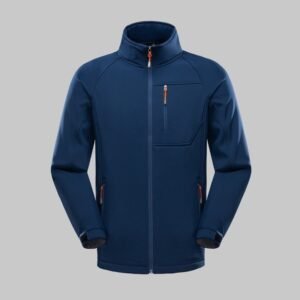

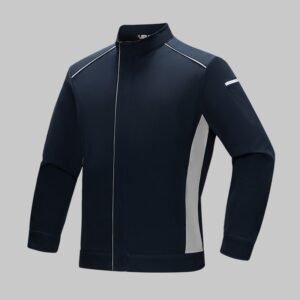
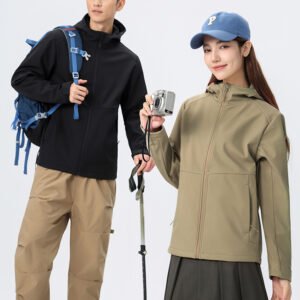


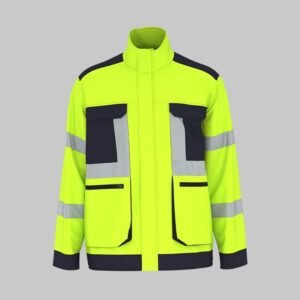
Why Source Food Processing Workwear from Veelianpro?
Develop practical food-processing workwear around hygiene-oriented details, durable construction, team fit, branding requirements, sampling, and scalable production.
Hygiene-Oriented Details
Specify closures, cuffs, pockets, and trims around your facility’s hygiene procedures without assigning unsupported certification claims.
Durable Laundering Construction
Select suitable fabrics, reinforcement, stitching, and finishing for repeated industrial laundering, daily production wear, and reliable garment performance.
Role-Based Fit
Develop patterns, size grading, and garment combinations that support movement and consistent fit across production, sanitation, and supervisory teams.
Private-Label Branding
Apply embroidery, heat transfer, patches, woven labels, care labels, and custom packaging for a consistent customer-ready uniform range.
Sample Before Production
Review samples, construction details, materials, branding, and fit before confirming an OEM, ODM, or private-label production order.
Scalable OEM Supply
Build programs from 100 pieces per style and color, subject to fabric, construction, certification, and project requirements.
Food Processing Uniform Categories for Every Team
Develop coordinated garments for production, packing, storage, sanitation and kitchen teams, with practical construction, branding and private-label support from concept to shipment.
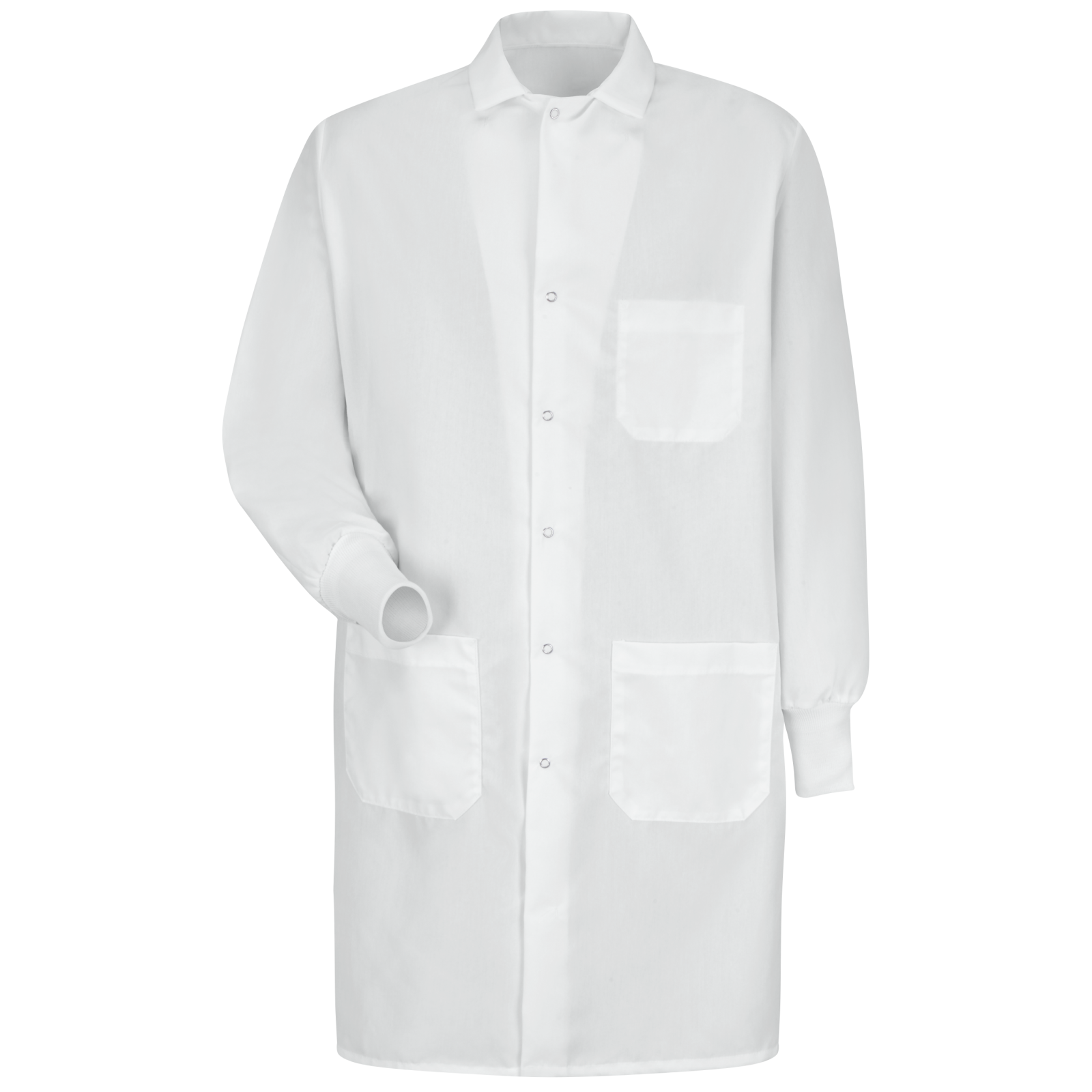
Food Processing Workwear
Explore food processing workwear options for your team’s materials, fit, branding and sampling brief.
Get a Quote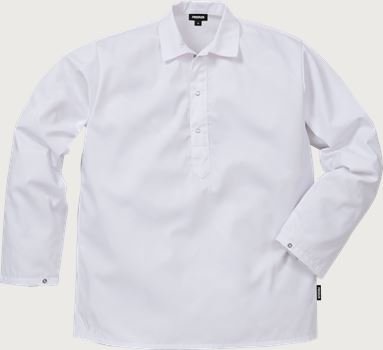
Meat Packing Workwear
Explore meat packing workwear options for your team’s materials, fit, branding and sampling brief.
Get a Quote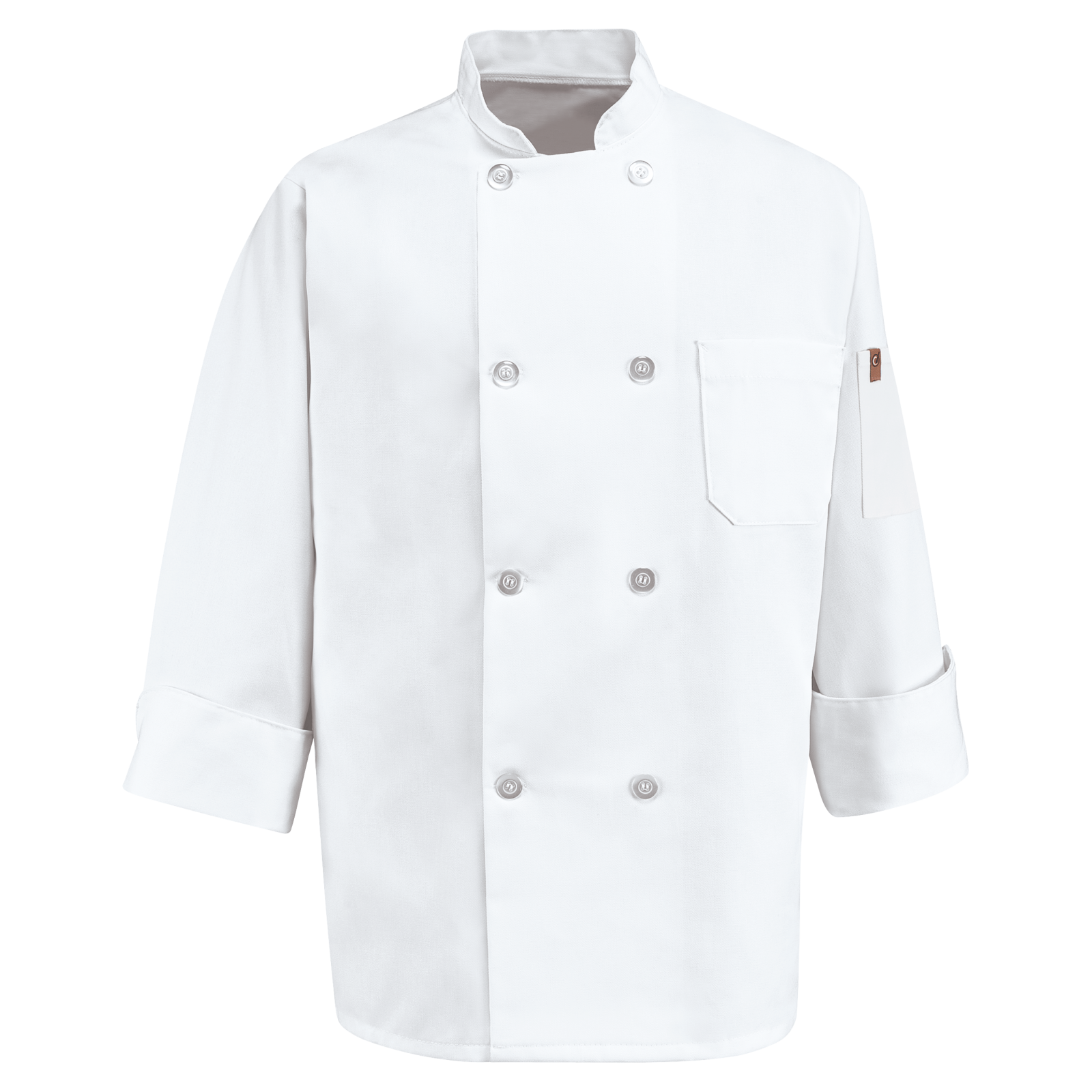
Bakery Workwear
Explore bakery workwear options for your team’s materials, fit, branding and sampling brief.
Get a Quote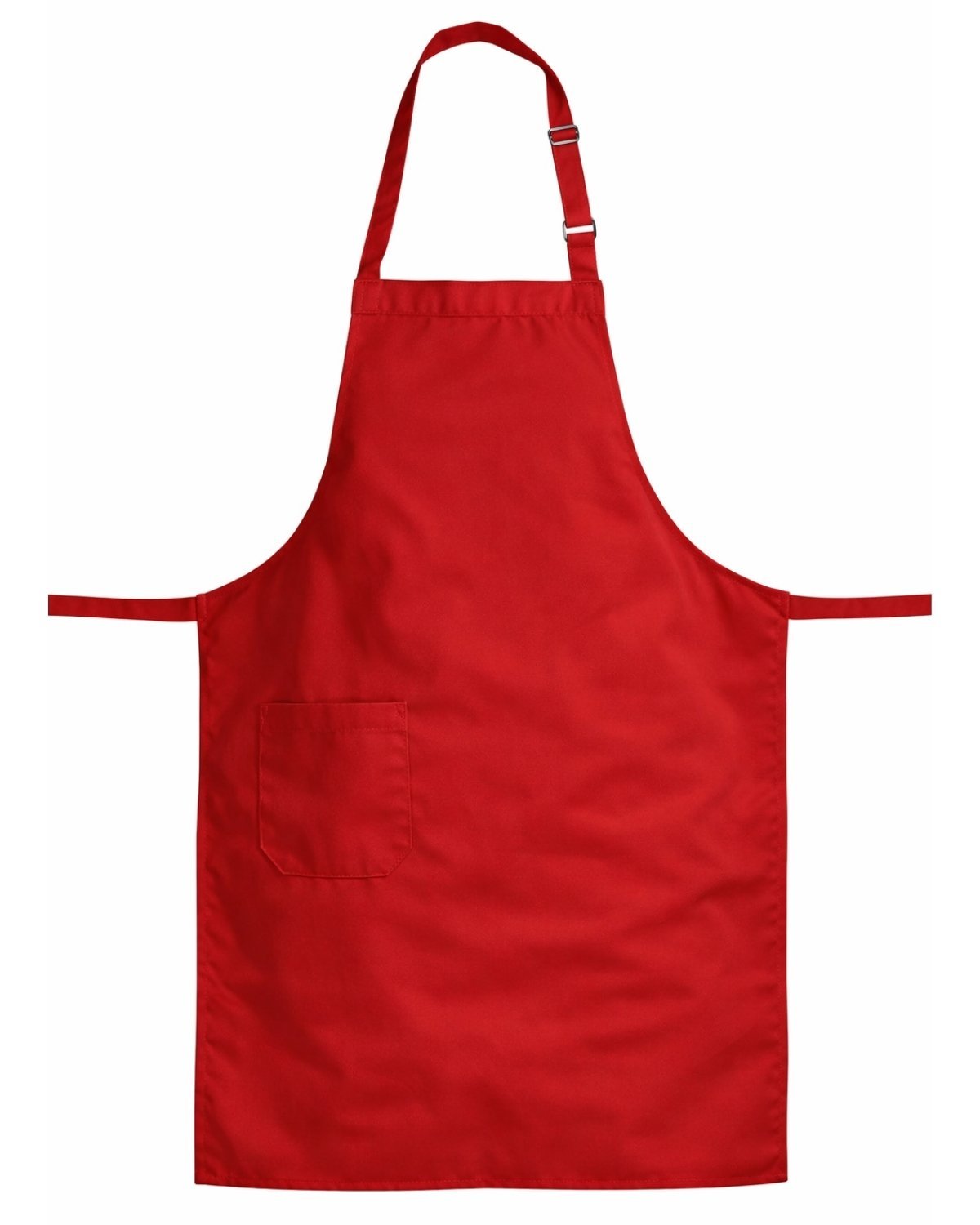
Brewery Workwear
Explore brewery workwear options for your team’s materials, fit, branding and sampling brief.
Get a Quote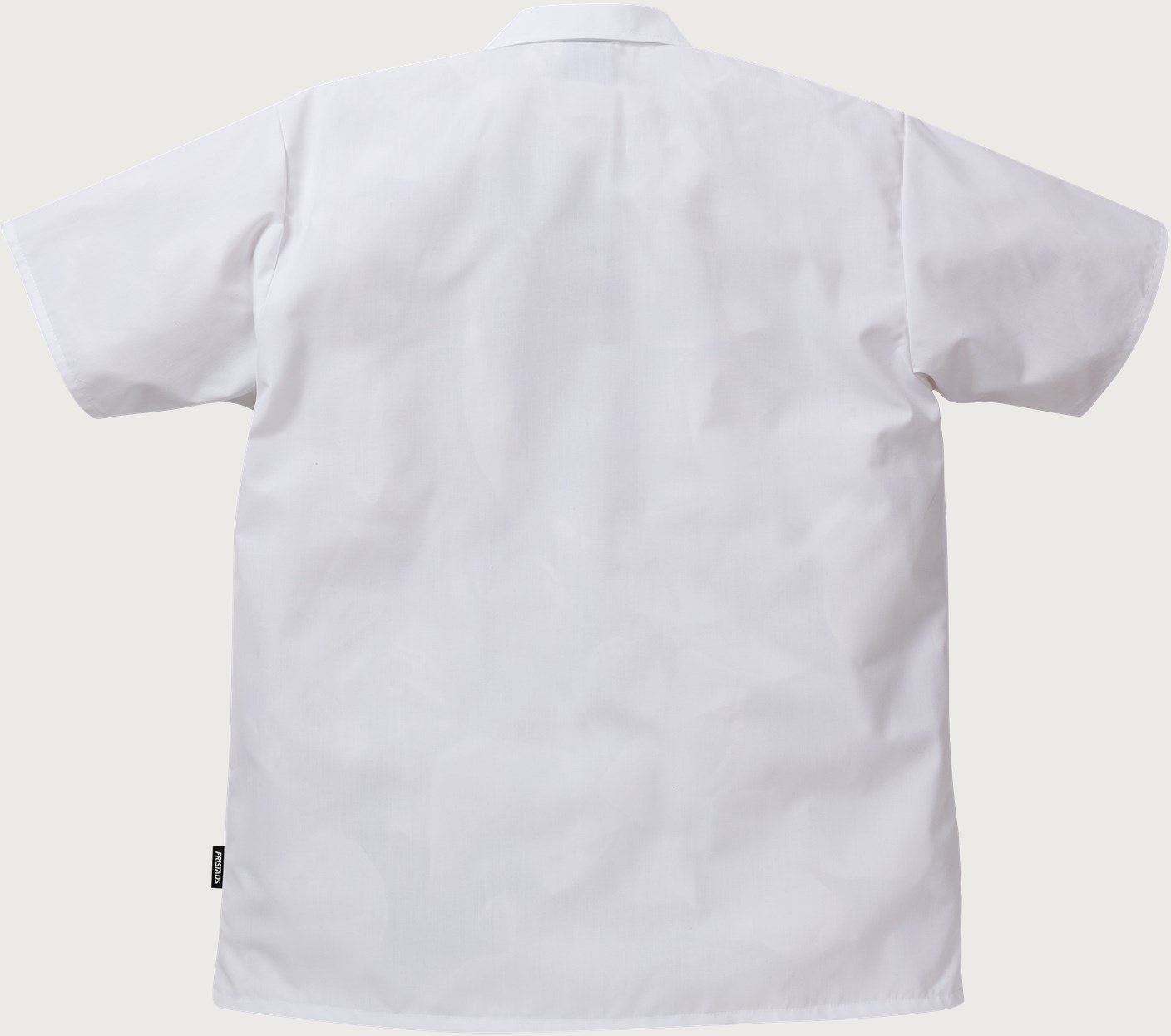
Dairy Workwear
Explore dairy workwear options for your team’s materials, fit, branding and sampling brief.
Get a Quote
Frozen Food Workwear
Explore frozen food workwear options for your team’s materials, fit, branding and sampling brief.
Get a Quote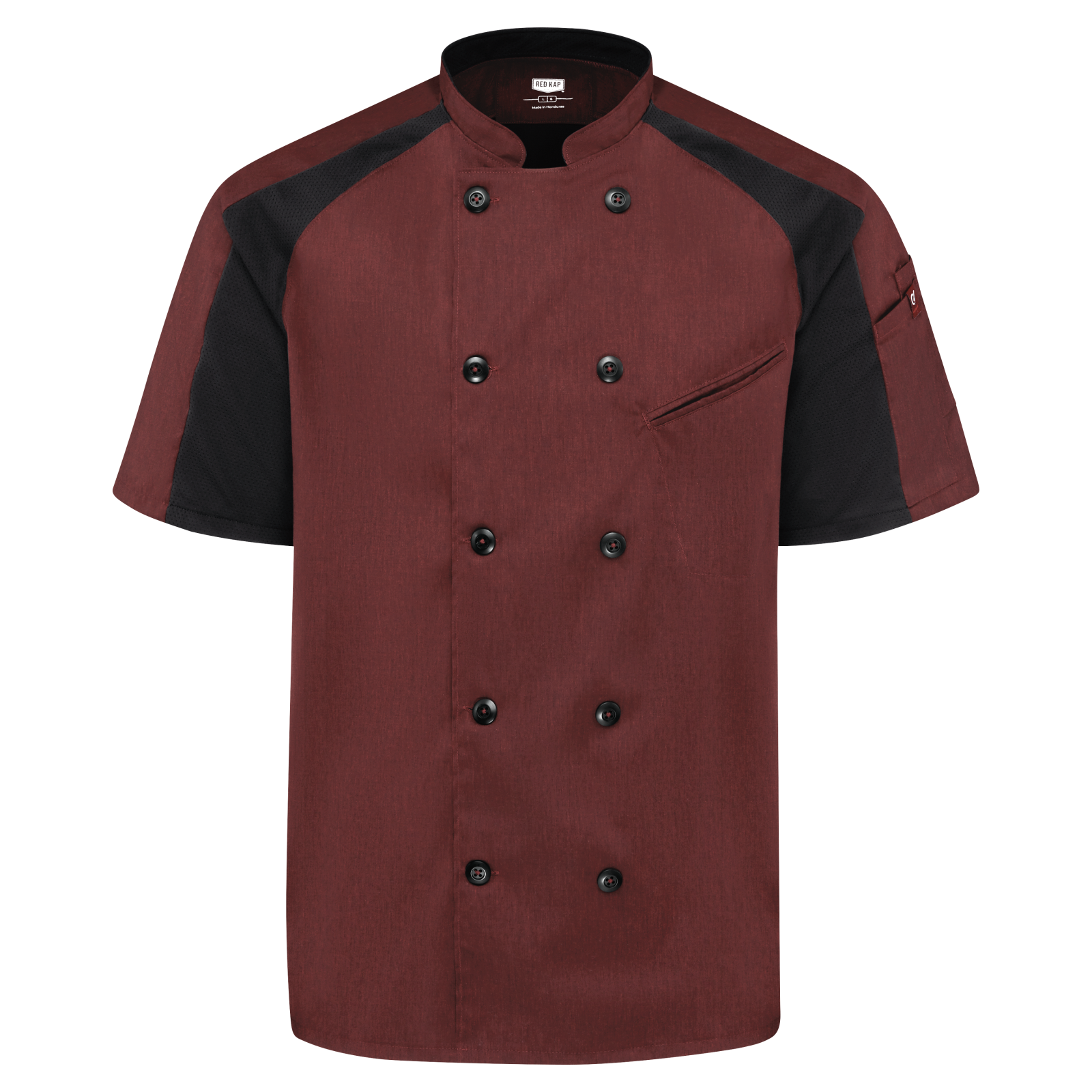
Seafood Processing Workwear
Explore seafood processing workwear options for your team’s materials, fit, branding and sampling brief.
Get a Quote
Commercial Kitchen Workwear
Explore commercial kitchen workwear options for your team’s materials, fit, branding and sampling brief.
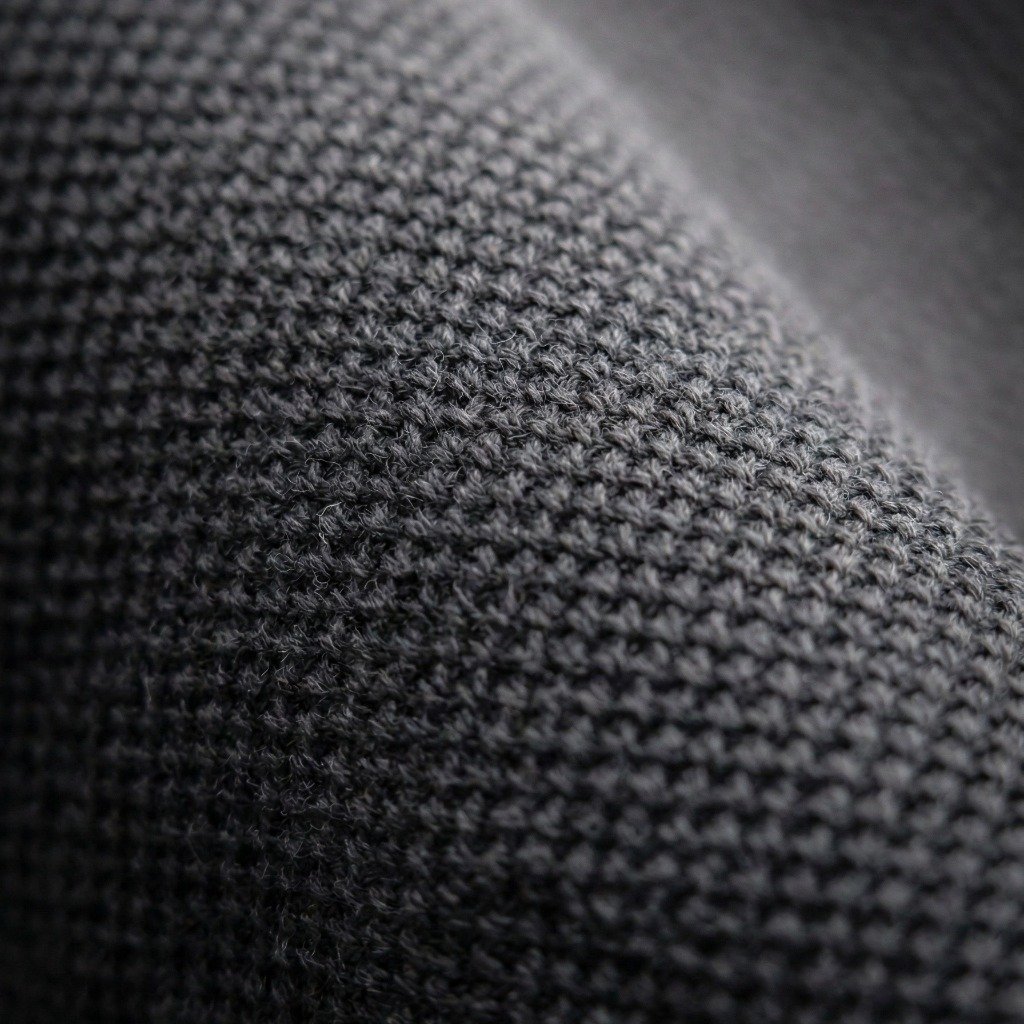
Get a QuoteMaterial Options for Food Processing Workwear



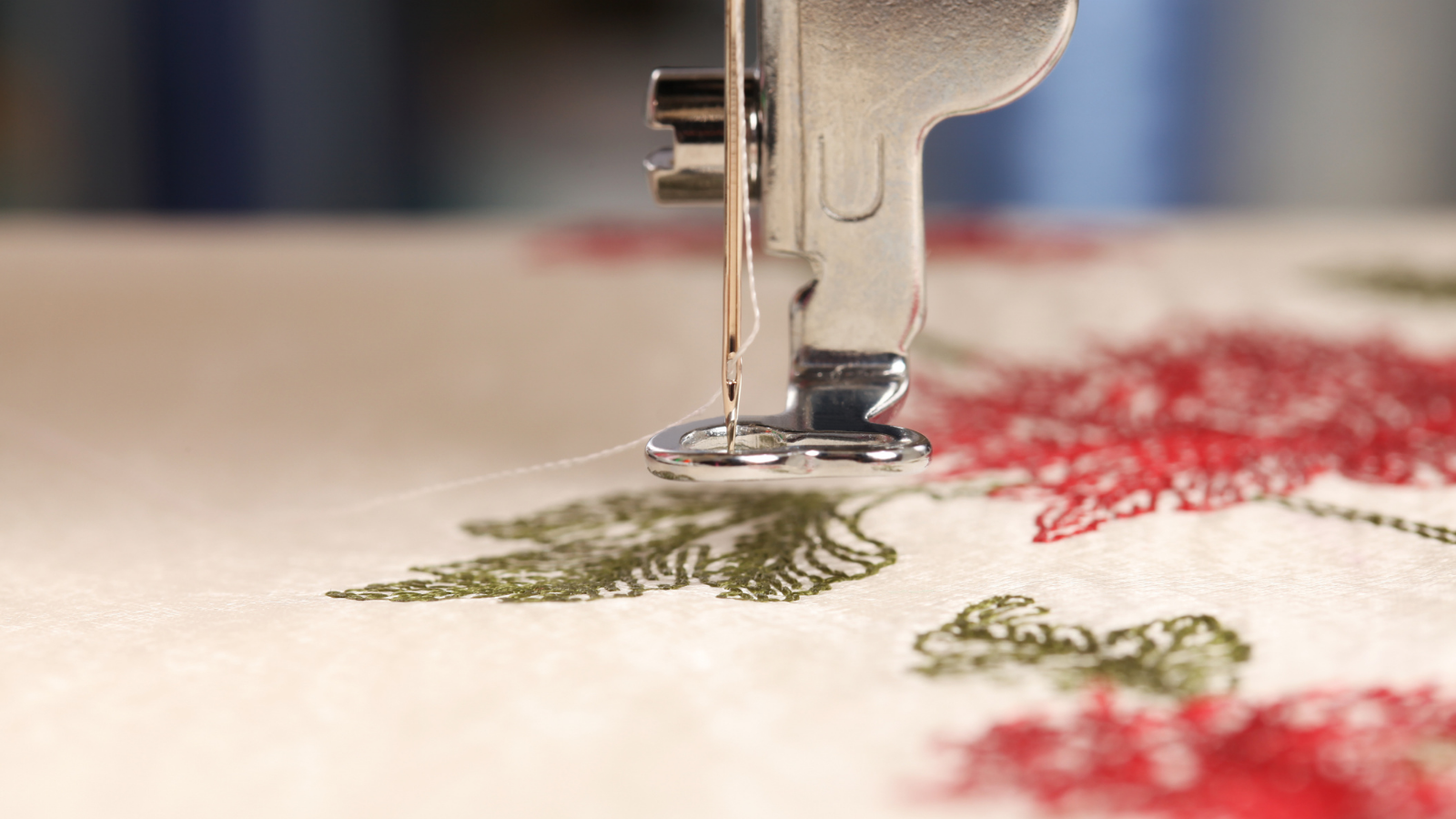
Custom Decoration and Garment Processes


Accessories for Custom Uniforms for Food Processing Teams


About Veelianpro: Custom Uniforms for Food Processing Teams
Veelianpro’s workwear operation began in Wuhan in 2012, serving brands and sourcing teams across industrial, safety, hospitality and service apparel. Today, the company helps buyers turn a sketch, tech pack, sample or product idea into custom uniforms for food processing teams, with careful attention to hygiene-focused construction, fit, branding and production requirements.
Our OEM, ODM, private-label and wholesale capabilities cover fabric and trim sourcing, pattern development, sampling, size grading, cutting, sewing, reinforcement, decoration, finishing, quality checks, packing and export coordination. Buyers can develop shirts, jackets, vests, pants, coveralls, sets and specialist food-processing garments around their intended work setting and procurement specifications.
What sets Veelianpro apart is a practical development process built around buyer input and transparent scope. Materials, closures, cuffs, pockets, branding methods and performance targets are reviewed before production, while any requested certification or protective rating remains subject to SKU-specific testing and documentation. The starting MOQ is 100 pieces per style and color, subject to project requirements.
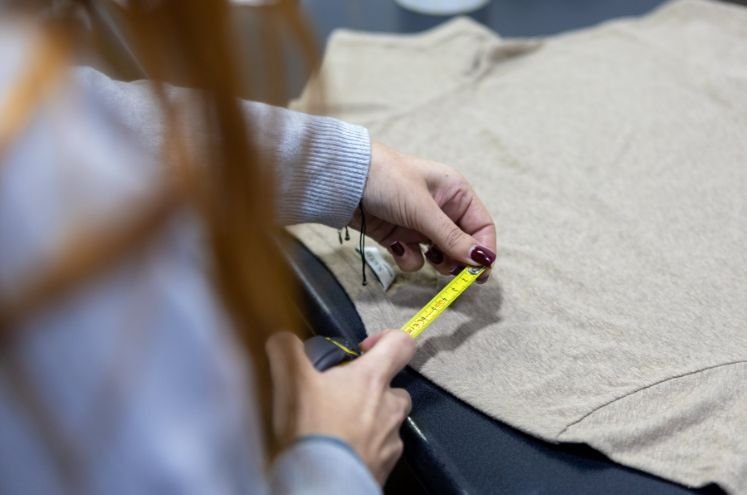
Core Capabilities Behind Custom Uniforms for Food Processing Teams
Tech Pack to Production Plan
Veelianpro reviews your tech pack, sketch, sample or product idea and translates it into a practical development plan. Our team aligns garment construction, intended work setting, materials, branding requirements and target quantity before sampling begins.
- Review sketches, samples and technical files
- Clarify fabric, fit, closure and pocket requirements
- Plan branding, packaging and production details
- Identify information needed for an accurate quote

Patterns, Grading and Sampling
Pattern development turns your concept into a repeatable garment. Veelianpro can refine proportions, build size grading and coordinate samples for review before bulk production, helping buyers evaluate fit, mobility and construction details across the intended size range.
- Develop patterns from approved design information
- Grade sizes for consistent team fit
- Coordinate sample revisions and approval points
- Prepare styles for repeatable production

Fabric, Trim and Decoration Sourcing
Choose materials and components around your processing environment, laundering expectations and brand requirements. Veelianpro supports fabric and trim sourcing alongside embroidery, screen printing, heat transfer, patches, woven labels, care labels and custom packaging.
- Compare fabric weight and composition options
- Specify cuffs, closures, labels and reflective details
- Select decoration methods for your brand identity
- Coordinate custom packaging for private-label programs

Controlled Production and Export Support
From cutting and sewing through reinforcement, finishing, quality checks, packing and shipment coordination, Veelianpro keeps the production path organized. OEM, ODM, private-label and wholesale programs can start from 100 pieces per style and color, subject to project requirements.
- Manage cutting, sewing and reinforcement stages
- Coordinate bartacks, triple stitching and gussets
- Perform quality checks before packing and shipment
- Support export coordination and reorder planning

Custom Uniforms for Food Processing Teams: Veelianpro vs. Typical Suppliers
Compare the practical development, customization and production support available for a food-processing uniform program.
← Swipe left or right to view →
Custom Uniforms for Food Processing Teams: From Brief to Reorder
Veelianpro develops custom uniforms for food processing teams from buyer briefs, tech packs, samples or product ideas. As a Wuhan-based manufacturer, we support OEM, ODM, private-label and wholesale programs, with MOQ starting at 100 pieces per style and color, subject to fabric, certification and construction requirements.
Review Requirements
Share garment types, work settings, fabrics, sizes, colors, branding, quantities, destination, timeline and any required hygiene or protection documentation.
Develop Materials and Patterns
Veelianpro evaluates fabrics and trims, then develops patterns around fit, closures, cuffs, pockets, mobility and practical production-team requirements.
Sample and Approve
We produce samples for review, refine measurements and construction details, and confirm the approved specification before production quantities are finalized.
Cut, Sew and Decorate
Approved materials move through cutting, sewing, reinforcement, quality checks and decoration such as embroidery, heat transfer, patches or woven labels.
Inspect, Pack and Ship
Finished uniforms are inspected, packed and coordinated for export, with reorder support available when your team needs consistent replenishment.
Veelianpro vs. Typical Food-Processing Uniform Suppliers
From your first tech pack or product idea to approved production, Veelianpro coordinates practical decisions for OEM, ODM, private-label, and wholesale programs.
Submit Your Requirements
Send a tech pack, sketch, sample, or product idea with garment types, work setting, sizes, colors, quantity, destination, and timeline.
Confirm Materials and Trims
Review fabric composition, weight, closures, cuffs, pockets, reinforcement, branding, and packaging with our team, including any required hygiene or protection specifications.
Review Samples and Quote
Assess fit, sizing, construction, decoration, and workmanship in samples, then confirm the quotation, MOQ, specification changes, and target production schedule.
Approve Production Details
Approve the final sample and production specifications so pattern grading, cutting, sewing, finishing, labeling, and quality checks follow your confirmed requirements.
Arrange Inspection and Shipment
Coordinate pre-shipment inspection, packing, export documentation, and delivery arrangements with Veelianpro before approving dispatch to your destination.
From Brief to Reorder: The Veelianpro Production Process


Verified Reviews for Custom Uniforms for Food Processing Teams
Approved customer testimonial pending verification of the customer name, project scope, order quantity, and measurable outcome.
Approved customer testimonial pending verification of the customer name, production details, lead time, and documented result.
Approved customer testimonial pending verification of the customer name, uniform specifications, quantity, and measurable performance outcome.
FAQ: Custom Uniforms for Food Processing Teams
Clear answers on MOQ, development, materials, branding, documentation, and delivery for custom food-processing workwear programs.
What is the MOQ for custom uniforms for food processing teams?
Can you develop custom uniforms for food processing teams from our tech pack?
What materials and closures are suitable for custom uniforms for food processing teams?
How much does a sample cost, and how long does sampling take?
What branding options are available for custom food processing uniforms?
What payment terms and shipping support does Veelianpro provide?
How does Veelianpro protect our designs and private-label information?
Can you provide certification evidence for food-processing uniforms?
The Complete Guide to custom uniforms for food processing teams
Use this decision framework to compare garment types, fabrics, construction, branding, suppliers, and costs for custom uniforms for food processing teams while avoiding hygiene, fit, sampling, and production mistakes.
1. What Are Custom Uniforms for Food Processing Teams?
’s workwear operation in Wuhan, where custom uniforms for food processing teams are specified as a coordinated system rather than a logoed shirt. The system aligns hygiene and contamination-control requirements with role coverage, worker comfort, fit, branding, and repeatable production details. Three common levels exist: decorated stock garments add embroidery, printing, or labels to an existing style; modified uniforms adjust features such as closures, pockets, cuffs, or colors; fully developed OEM or private-label programs use a buyer’s tech pack, sketch, sample, or product idea for pattern development, sampling, grading, and production. Veelianpro supports these development stages, subject to feasibility and documented requirements. Food-safety controls should come first, role requirements second, and brand identity third. com/HACCP-Uniforms. Veelianpro’s stated starting MOQ is 100 pieces per style and color, subject to fabric, certification, and construction requirements.
2. The Evolution of Food Processing Uniforms
Three forces reshaped food-processing workwear: contamination-control programs, industrial laundering, and increasingly mobile production teams. com/HACCP-Uniforms). Specify those controls by work zone and task instead of selecting one universal uniform. com/work-uniforms/industrial/food-processing). That development makes wash-cycle tolerance, dimensional stability, comfortable movement, and replacement availability current sourcing criteria for teams working across production, sanitation, cold areas, and logistics. Today, private labeling and modern OEM sourcing extend the system beyond a stocked coat or shirt. Veelianpro can develop custom uniforms for food processing teams from a tech pack, sample, sketch, or product idea, with branding and a starting MOQ of 100 pieces per style and color, subject to fabric, certification, and construction requirements; confirm each requirement during feasibility review.
3. Types of Custom Uniforms for Food Processing Teams
Five garment groups cover most food-processing roles, from enclosed production areas to cold rooms and dispatch.
Coats, Smocks, Shirts, And Polos
Snap-front coats and pocketless smocks suit production and sanitation where coverage and loose-part control matter. Specify stand collars, elastic or knit cuffs, close-but-mobile fits, and branding placed away from high-contact zones. Two- or three-button polos and work shirts suit supervisors, warehouse staff, and low-exposure packing areas.
Pants, Coveralls, Aprons, And Sleeves
Full-length pants or coveralls give production and maintenance teams continuous lower-body coverage; choose gussets, reinforced stress points, secure pockets, and ankle openings compatible with footwear and sanitation rules. Aprons add replaceable front protection for wet or messy tasks, while sleeve protectors cover forearms during handling.
Sanitation And Cold-Room Layers
Cold-room teams may need layered jackets, padded garments, gloves-compatible cuffs, and hem coverage; sanitation teams generally need washable outer layers with simple closures and minimal contamination-catching features. A practical allocation is smock plus pants for production, pocketless coat plus apron for sanitation, shirt plus pants for packing, jacket plus trousers for warehouse work, and polo plus coordinated trousers for supervisors.
4. Materials and Fabrics for Custom Food Processing Uniforms
100-piece style-and-color MOQ planning should begin with the facility’s process, climate, and laundering protocol.
Match Fabric To Process
65/35 polyester-cotton blends commonly balance comfort, colorfastness, abrasion resistance, and manageable shrinkage. They suit moderate production areas where industrial laundering is controlled. 100% polyester, including spun polyester, generally dries quickly and resists shrinkage; spun construction can feel softer than basic filament fabric.
Plan For Moisture And Stains
180–220 GSM lightweight fabrics suit warm facilities, while 220–300 GSM options add coverage for cooler rooms and heavier wear. Dark colors can hide soil visually, but light colors make contamination easier to identify. Cotton-rich fabrics improve hand comfort and moisture absorption but may shrink more and dry slowly.
Compare Practical Fabric Options
A fabric trial should use the actual detergent, bleach limits, temperature, drying method, and wash frequency.
| Fabric | Approx. GSM | Use case | Benefits | Trade-offs |
|---|---|---|---|---|
| Polyester | 150–240 | Warm production | Quick drying; low shrinkage | Can retain heat or odor |
| 65/35 blend | 180–260 | General processing | Comfort; durable; colorfast | Moderate shrinkage risk |
| Spun polyester | 160–240 | Hygiene-focused coats | Soft hand; stable; washable | May feel less breathable |
| Cotton-rich blend | 180–280 | Cool, lower-intensity areas | Absorbent; comfortable | Slower drying; more shrinkage |
5. Customization Options for Food Processing Team Uniforms
Custom uniforms for food processing teams should balance brand recognition with cleanability, fit control, and approved trim placement.
| Method | Durability | Surface | Setup |
|---|---|---|---|
| Embroidery | High; inspect wash wear | Stable woven panels | Digitizing required |
| Screen printing | Good; depends on ink | Smooth textiles | Screens and color setup |
| Heat sealing | Good with tested film | Smooth or coated areas | Artwork and press setup |
| Dye sublimation | High on polyester | Light polyester base | All-over artwork setup |
Color, Fit, And Private Label
Pantone references, approved color counts, and role-based color blocking help separate teams without creating unnecessary trim. Size grading should cover the confirmed range and be checked on fit samples before bulk cutting. Care labels, woven labels, and private-label packaging can carry brand and compliance information.
Branding Method Selection
Four common methods suit different surfaces and wash conditions; the final choice should follow the garment fabric, logo detail, and laundering process.
Hygiene, Trim, And Approval
Approved trim placement should avoid exposed-product contact, snag points, and restricted visibility areas. Minimize branding on hygiene-critical zones, cuffs, or garments where loose decoration could create contamination or safety concerns.
6. Construction Quality Elements That Matter
Specify construction from the facility’s hygiene process, movement demands, laundering cycle and audit records.
Closures And Pocket Placement
1 closure brief should define covered snaps, secure zippers or approved alternatives; facility rules may prohibit loose buttons. Pocketless fronts or below-waist pockets can reduce collection points, but placement remains a documented site requirement. 2 fit checks should confirm cuffs, neckline and hem stay secure during bending and reaching.
Seams And Reinforcement
3 seam standards should specify flatlock or enclosed seams where abrasion and contamination control matter, plus bartacks at pocket corners and stress points. Reinforced knees, gussets and triple stitching are durability choices tied to movement and laundering. 4 wash trials should examine seam opening, trim security, shrinkage and snag resistance after the buyer’s stated process.
Sizing And Audit Evidence
5 measurement points should be graded consistently across the approved size range, with tolerance tables covering chest, sleeve, inseam and rise. Consistent sizing reduces unsafe looseness, restricted movement and replacement confusion. 6 inspection records should link construction checks to the approved sample, color codes and packing instructions.
7. How to Choose a Custom Uniform Manufacturer
A 100-piece starting MOQ per style and color gives Veelianpro buyers a practical baseline, subject to fabric, certification, and construction requirements.
Confirm Technical Capability
A buyer’s tech pack, sketch, sample, or product idea should become a controlled specification covering fabric composition and weight, closures, cuffs, pockets, fit, branding, and hygiene requirements. Ask whether the supplier supports OEM, ODM, private-label, pattern development, grading, and material sourcing. Request evidence of sample revisions, size-set approval, and any required test reports or certificates.
- Which requirements are design targets, and which are tested claims?
- Who owns patterns, labels, and approved samples?
- What triggers MOQ or price changes?
Audit Production Controls
300-plus skilled workers are company-supplied operating information, so verify current capacity, line allocation, bottlenecks, and realistic lead times for sampling and bulk production. Review cutting, sewing, bartacks, reinforcement, decoration, inspection, packing, and export documentation. Compare suppliers using defect tolerances, inspection checkpoints, packaging specifications, and reorder records.
- Can you show a sample-to-bulk control plan?
- How are decoration and measurements checked?
- What is the repeat-order change-control process?
Test Repeatability Before Commitment
Two or more sample rounds may be appropriate when fit, fabric, trims, or decoration remain unresolved. Confirm wash testing, colorfastness, shrinkage, seam performance, and any protective testing required for the destination and work setting. Ask for a quotation that separates development, materials, certification, packaging, freight, payment terms, and production timing.
- What documents accompany each shipment?
- How are substitutions approved?
- Can the next order match the approved sample?
8. Common Mistakes Buyers Make With Custom Uniforms
Nine recurring errors can turn a workable uniform program into hygiene, comfort, or replenishment problems.
Validate Fabric And Laundry Conditions
1 wash cycle is not enough evidence. Match fabric composition, weight, colorfastness, shrinkage, and seam performance to the facility’s actual wash temperature, chemicals, bleach exposure, drying method, and frequency.
Remove Contamination And Snag Risks
3 details deserve a hazard review: pockets, exposed buttons, loose trims, drawcords, and decorative hardware can create retention, shedding, or snagging concerns. Do not assume a supplier’s standard style suits every processing zone. 4 checkpoints should cover closure security, pocket placement, cuff construction, and trim attachment.
Prove Fit, Decoration, And Wearability
2 sample rounds often reveal fit problems that a flat sketch misses. Test bending, reaching, lifting, glove use, layering, and size grading on representative workers, then record approved measurements. 1 decoration method must suit laundering and contact rules.
Budget Replacement Demand, Not Just MOQ
100 pieces per style and color is Veelianpro’s stated starting MOQ, but MOQ is not total cost. Include sampling, grading, freight, packaging, testing, inventory holding, color changes, and replacement stock in the landed-cost model. 12 months of issue data, if available, helps forecast turnover by role and size.
9. Steps to Launch Custom Uniforms for Food Processing Teams
Launch custom uniforms for food processing teams through documented gates, not a single bulk order.
Build The Requirements Brief
Start with a role matrix covering production, sanitation, cold storage, supervisors, and visitors, then record headcount, shifts, tasks, laundering method, climate, and contamination-control rules.
Specify And Shortlist Suppliers
Define fabric composition and weight, closure, cuff, pocket, seam, label, packaging, and decoration requirements before requesting comparable quotations. Shortlist suppliers that can explain sourcing, sampling, grading, inspection, export coordination, and documented protection claims.
Approve Before Production
Require a prototype, then conduct fit and wear testing across representative roles, sizes, movements, laundering, and shift conditions. Record revisions for pattern, measurements, trims, branding, and construction before approving a size set. Set written gates for size-set approval, pilot-order acceptance, pre-production sample signoff, bulk production release, inspection results, and shipment.
10. Pricing and Cost of Custom Food Processing Uniforms
100 pieces per style and color is Veelianpro’s stated starting MOQ, subject to fabric, certification, and construction requirements. Cost depends on garment pattern, fabric composition and GSM, closures, cuffs, pocket design, branding, trims, packaging, inspection, freight, and destination. 2012 marks the stated start of Veelianpro’s workwear operation.
| Quantity Tier | Indicative Cost Structure | Setup or Sampling Considerations | Lead-Time Considerations |
|---|---|---|---|
| 100–299 pieces | Higher unit cost; sampling, pattern work, trims, inspection, packaging, and freight quoted separately | Expect prototype or size-set costs where applicable; confirm whether approved samples are credited | Quote-dependent; confirm fabric availability and production schedule |
| 300–999 pieces | Unit cost may improve with shared fabric, trims, and bulk cutting; decoration remains specification-dependent | Confirm logo artwork, labels, care labels, and packaging configuration before approval | Quote-dependent; allow time for sample revisions and grading |
| 1,000–4,999 pieces | Greater leverage on fabric purchasing and production efficiency; destination freight still varies | Lock color references, size ratio, carton plan, and inspection scope | Quote-dependent; production timing depends on materials and capacity |
| 5,000+ pieces | Reorder and volume economics may improve; do not assume a fixed discount | Discuss repeatability, reserved materials, and reorder specifications | Quote-dependent; request a schedule with shipment milestones |


Request Custom Uniforms for Food Processing Teams Today
Send your garment, fabric, sizing, branding, quantity, destination, standards, and timeline for a tailored OEM or private-label review.