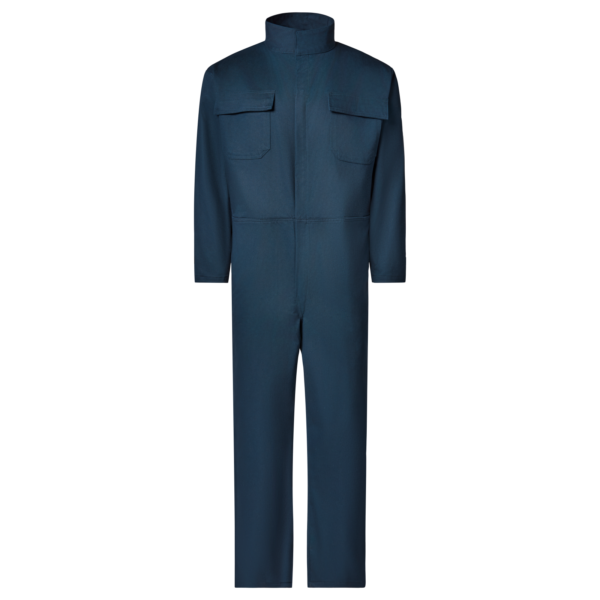
Develop a one-piece work coverall for welding, fabrication and industrial maintenance teams, with a covered front closure, secure pocket options, adjustable cuffs and an over-clothing fit shaped around workflow, branding and approved final-style test targets.
Develop Custom Work Coveralls & Overalls with Veelianpro
Veelianpro supports OEM, ODM and private-label coverall development from brief through sampling. We source fabrics and trims, develop patterns and fit, add decoration, labels and packing, and assess production feasibility from 100 pieces per style and color, conditional on final specifications and requirements.
Define the Workwear Brief
This welding-oriented direction develops practical industrial features: a concealed or covered two-way front opening, flap chest and rear pockets, inset front pockets, cuff adjustment and waist construction planned to reduce snag points and debris collection. These are development options, not established protective attributes. Pocket layout, closure method, seam placement and reinforcement should suit wearer tasks.
Map welding, fabrication, maintenance or utility tasks, layering needs and wearer movement before choosing materials or construction details.
Confirm applicable protective test targets and market requirements early; they guide fabric, trim, closure and final-style verification planning.
Select covered closure options, cuff adjustment, pocket access, secure fastenings and waist geometry through a practical wear sample.
Confirm logo method, labels, color references, packing and quantity. MOQ starts FROM 100 pieces per style and color, conditional on requirements.
Fabric, Fit and Construction Options
Choose body fabric after defining work conditions, comfort, durability, color and flame, heat, arc or visibility test targets. Source conventional or protective workwear systems for evaluation. Confirm hand feel, weight, blend, finish, shrinkage, breathability and care through material submissions, lab dips and approved samples. Protective materials and trims must support the final garment test plan.
Develop a covered two-way front closure, optional top fastening, adjustable cuffs, flap chest and back pockets, and inset hand pockets. Refine pattern shaping and seam placement for layering, reach, crouching and movement. Decide reinforcement, thread, pocket security, trims and logo placement during sampling.
From Brief to Approved Sample
Start with task use, target market, sizing, color, logo placement, labels, packing and quantity. Veelianpro develops a pattern and sample.
- Requirement Review Confirm tasks, wearer layers, material direction, branding and final-style protective test targets.
- Design Proposal Align coverall fit, covered closure, pockets, cuffs, waist details, trims and decoration placement.
- Prototype Sampling Review mobility, sizing, construction, pocket access, closure operation, fabric hand and artwork placement.
- Approval Planning Finalize specifications, packaging, quantities, production details and any applicable final-style testing plan.
What to Send for a Useful Quote
Job Conditions Share work environment, hazards, layering needs, wearer size range and task-specific pocket requirements.
Performance Targets List required standards, market expectations and test targets for the exact approved final style.
Artwork Details Provide logo files, label content, color references, packing needs and expected order quantity.
Custom Work Coveralls & Overalls Procurement FAQs
Which tasks will this welding coverall support?
Start by mapping welding, fabrication, maintenance, or utility tasks to the garment brief. Identify exposure zones, movement demands, layers worn underneath, tool-carry needs, and local PPE rules. We can develop construction around those needs, while final protective performance is verified through testing of the approved style.
What protective test targets should the final style meet?
Define the applicable hazard, market and required test standards before fabric approval. We treat flame, heat, arc, chemical, or visibility requirements as development targets, then align materials, closure design, seams and labels accordingly. Protective claims can be made only after the exact approved garment completes required testing.
Should this coverall fit over everyday work clothes?
Yes, an over-clothing fit can be built into the size specification. Confirm chest, waist, hip, torso length, inseam and intended under-layers with your size chart. Regular and long inseams can be sampled where needed. Check reach, crouching and seated movement before bulk approval.
Do you need covered closures, adjustable cuffs and pockets?
These are practical options for a welding-oriented sample: a covered front closure, cuff adjustment, chest-pocket flaps and secure pocket closures. Confirm glove use, access frequency, tool size and preferred fastening during sampling. Closure selection should also suit the approved protective brief and required final-style testing.
Which mobility features should be included in sampling?
Consider an action back, elastic waist sections, or gusseted sleeves when work involves reaching, climbing or crouching. Choose features that support the intended silhouette and layering plan. Evaluate range of motion, seam placement, recovery and wearer comfort on samples before confirming the production pattern.
Do you require high-visibility panels or reflective trim?
If visibility is needed, we can develop color blocking or reflective trim into the coverall design. Specify worksite conditions, placement preferences and maintenance expectations. Any visibility standard or protective claim remains a target until the approved fabric, trim and completed style undergo the required testing.
Discuss Your Custom Work Coveralls & Overalls Program
Request a tailored quote. MOQ starts FROM 100 pieces per style and color, conditional on requirements.


Reviews
There are no reviews yet.