
Visors Manufacturer
Veelianpro reviews custom visor projects from 100 pieces per style and color, subject to fabric, construction, and documentation requirements.
Garment and Development References



Browse Veelianpro’s Workwear Catalogue
Review current garment references, then send the fit and construction details for your program.


Build a Production-Ready Custom Visor
Veelianpro helps buyers turn approved visor requirements into production-ready specifications, samples, branded finishing, and export-ready orders.
Specification Review
Share a tech pack, reference sample, sketch, or artwork so visor shape, intended use, measurements, and approval requirements can be reviewed before quoting.
Materials and Trims
Specify cotton, polyester, mesh, straw or raffia-style fibers, blended textiles, headbands, closures, brim treatments, and trims for sourcing review.
Sample-Led Decisions
Sampling gives your team a practical checkpoint for fit, color, logo placement, decoration, finishing, and any revisions required before bulk production.
Branding Options
Plan embroidery, screen printing, heat transfer, patches, woven labels, care labels, hangtags, or custom packaging around your approved visor artwork.
Production Quality Checks
Our workflow includes checks through cutting, sewing, reinforcement, decoration, finishing, and packing against the approved project specification.
Quote to Export Coordination
From 100 pieces per style and color may be feasible after fabric, construction, and documentation requirements are reviewed; we coordinate packing and export steps.
Visors Manufacturer Development Options
Choose what you want to specify before sample approval.
OEM Specification Builds
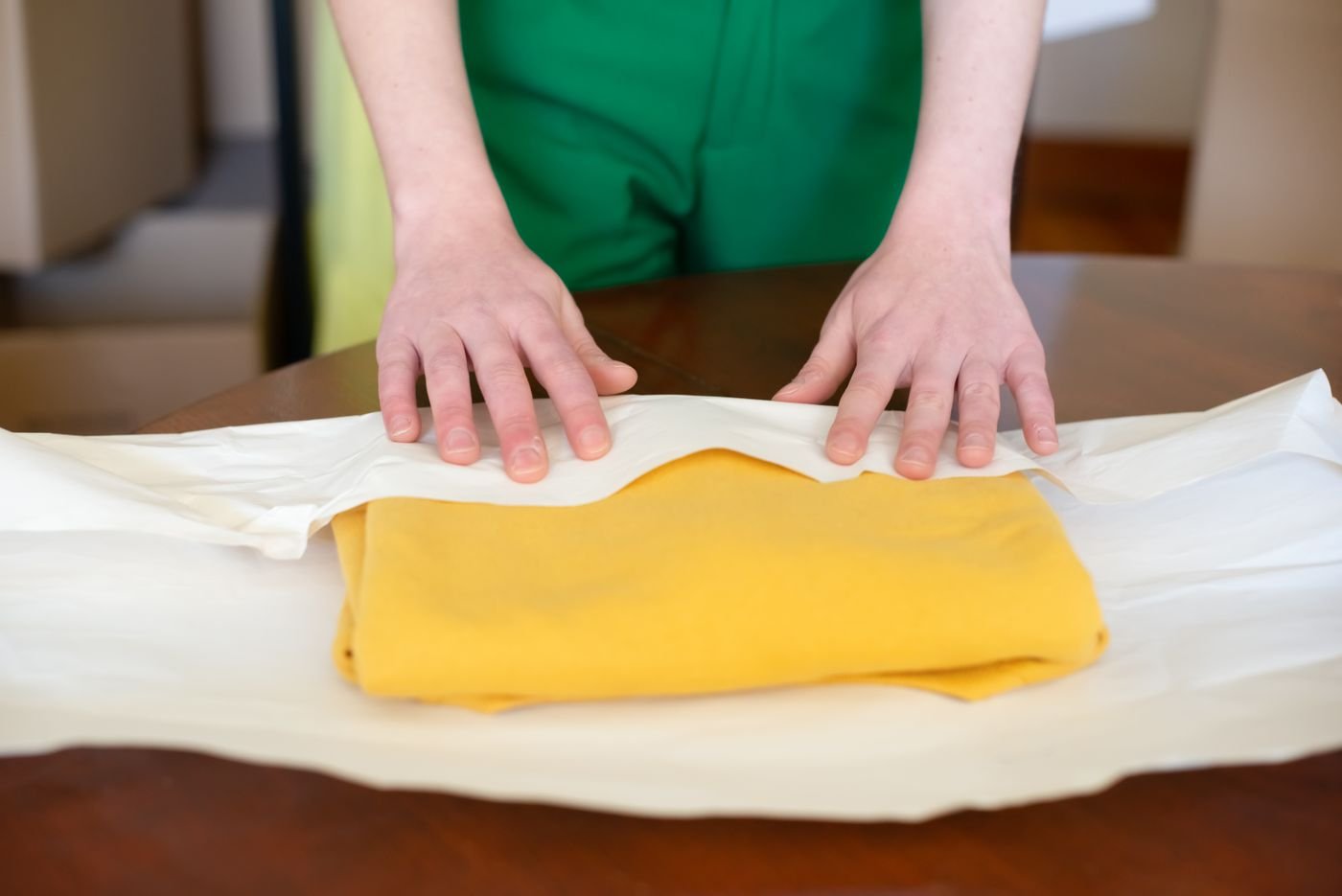
We develop custom visors against your approved specification, coordinating sourcing, pattern development, sample review, decoration, finishing, packing, and export coordination. Starting quantities are reviewed from 100 pieces per style and color, subject to project feasibility.
Get a Quote
Adapted ODM Directions
Start with your product idea, sketch, or reference and refine an ODM direction through material, trim, color, logo, and sample discussions. The resulting custom visor specification can be approved before bulk production is considered.
Get a Quote
Private-Label Visor Programs
We help structure a private-label visor brief around your branding workflow, including embroidery, screen printing, heat transfer, patches, woven labels, care labels, and custom packaging options for feasibility review and sample approval.
Get a QuoteMaterials for Custom Visor Development
Explore materials and fabrics
Cotton Twill

A woven cotton option with a structured hand and visible diagonal texture, suited to casual, golf, promotional, or uniform visor concepts. Specify weight, finish, color reference, and whether fiber-origin or organic documentation is required for review.
Performance Polyester

A synthetic textile option with a smooth surface and broad color-development potential, often considered for sport and promotional visor directions. Define knit or woven construction, hand feel, color target, and any recycled-content or test documentation needed.
Breathable Mesh

An open-structure textile for panels where airflow is part of the product brief, suitable for sport or warm-weather visor concepts. Identify mesh construction, panel placement, color, backing needs, and the required feel during sample review.
Raffia-Style Fibers

A textured fiber direction for sunwear or fashion-focused visor concepts, selected for its distinctive woven appearance. Submit the intended visual reference, brim shape, color direction, lining preference, and material documentation requirements for feasibility review.
Acrylic Panels

A synthetic panel material to consider where a specific surface appearance or fashion direction is central to the visor brief. Define the panel role, color, texture, construction pairing, and sample approval criteria before production planning.
Textile Blends

Blended textile constructions can balance the hand, structure, and visual direction requested for a branded visor. State the proposed composition, intended use, desired finish, color standard, and any fiber-content or market documentation needed for review.
Custom Visor Development Process
Explore printing and finishing
Specification Review

We review your tech pack, reference sample, measurements, artwork, intended use, material direction, and approval requirements to define a feasible custom visor specification before sampling and quotation.
Pattern Development
View details
For made-to-order visors, we develop or refine pattern components around the approved shape, fit direction, panel layout, brim profile, and headband construction for sample review.
Panel Cutting

Approved fabrics and components are prepared and cut according to the working specification, supporting consistent panel placement, seam alignment, color blocking, and efficient assembly during bulk production.
Sewing Assembly

Panels, headband elements, closures, and supporting components are sewn into the visor structure, with construction details reviewed against the approved sample and production specification.
Brim Integration
The selected brim and visor body are assembled to achieve the requested silhouette and wearing profile, while confirming how panel materials, edge treatment, and branded elements work together.
Decoration Finishing
Embroidery, printed artwork, patches, woven labels, care labels, hangtags, and custom packaging can be prepared for the approved custom visors, followed by quality checks and packing coordination.
Components, Trims & Branding Options
Explore labels, trims and packaging
Headband Construction
Specify the inner headband material, width, finish, and placement for the intended golf, sport, sunwear, promotional, or uniform use. This helps align wearer comfort, fit expectations, and the approved visor construction before sampling.
Adjustable Closures
Choose a closure direction for review, such as hook-and-loop, buckle, elastic, or another buyer-specified solution. Closure selection affects adjustability, rear presentation, trim sourcing, and the sample approval needed for your custom visors.
Brim Edge Binding
Request binding or another edge treatment around the brim when it suits the design brief. Define the color, material direction, and placement so the visor’s visual finish can be reviewed alongside fabric, shape, and construction choices.
Logo Patches
Add a patch specification for a visible front, side, or rear branding position. Provide artwork, target dimensions, attachment method, and placement reference so embroidery, printed, woven, or other patch options can be assessed for the project.
Woven Brand Labels
Specify woven labels for an interior or exterior brand touchpoint, including artwork, fold style, placement, and color direction. These details should be checked with the selected visor material and construction before bulk production is confirmed.
Hangtags and Packaging
View detailsCoordinate hangtags, care labels, and custom packaging with your brand presentation requirements. Share copy, artwork, barcode needs, packing method, and destination requirements so these finishing details can be included in the quotation review.
A Practical Development Partner for Custom Visors
Veelianpro is a Wuhan-based custom workwear manufacturer supporting OEM, ODM, private-label, and wholesale programs for industrial, safety, hospitality, and service buyers. We extend that practical development approach to custom visors when a project requires its own documented specification, sample route, and quotation rather than a generic parent-page inquiry.
Bring a tech pack, sketch, reference sample, or product idea. We coordinate material and trim sourcing, pattern development, sampling, grading, cutting, sewing, decoration, quality checks, packing, and export coordination. For visor projects, we review brim, headband, closure, branding, and market documentation needs before confirming feasibility; orders can start from 100 pieces per style and color, subject to requirements.

Move From Brief to Approved Specification
Turn Inputs Into a Clear Brief
Send a tech pack, sketch, reference visor, artwork, measurements, or product idea. We organize the details that affect made-to-order feasibility, including intended use, silhouette, brim direction, size approach, color references, logo locations, and target quantity before sampling is planned.
- Define the golf, sport, sunwear, uniform, fashion, or promotional application
- List target measurements, fit preferences, artwork files, and color references
- Identify required markets and any documentation to review at SKU level
- Confirm quantity by style and color for an initial feasibility discussion
Specify Materials and Components
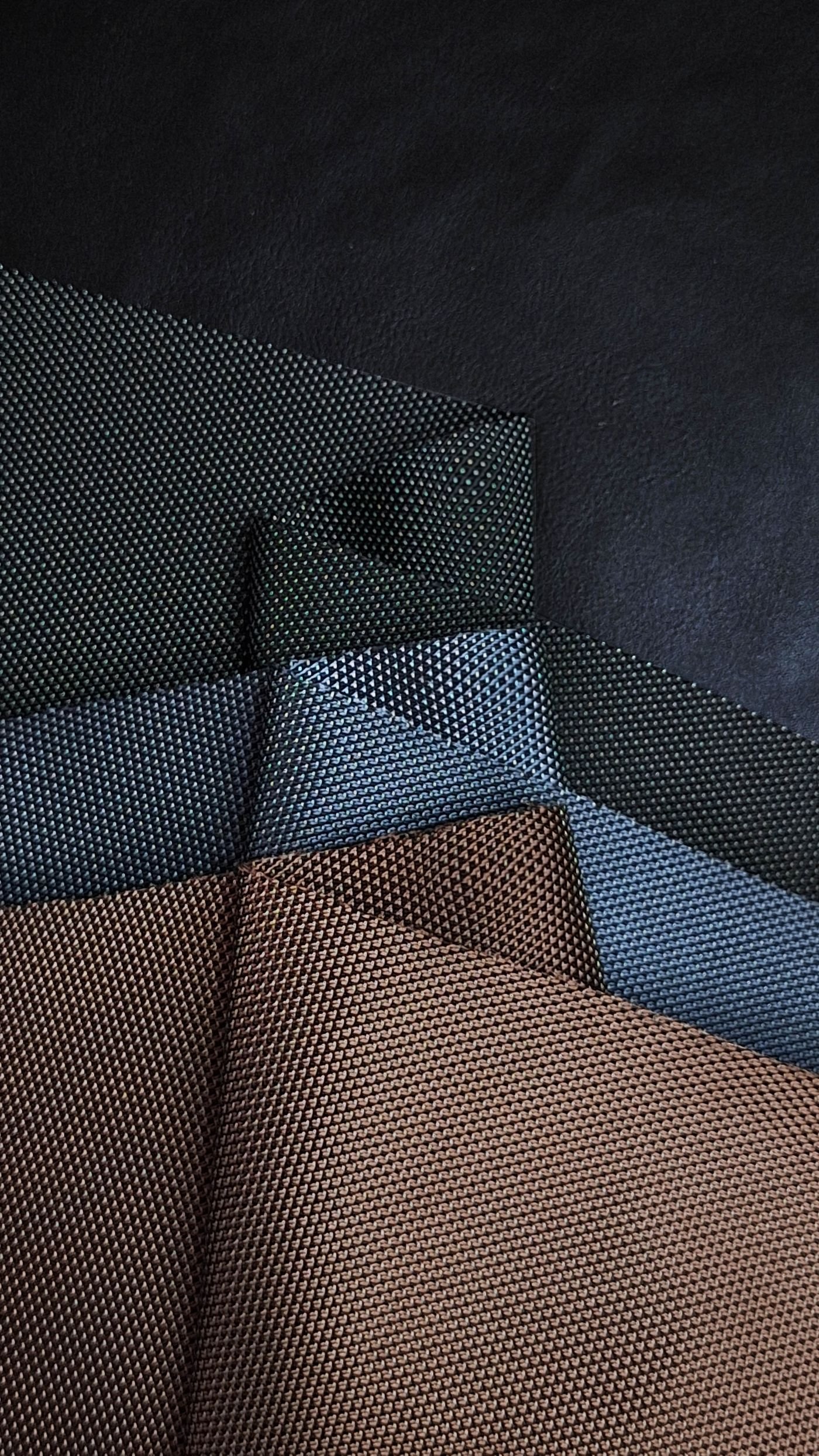
A custom visor specification can combine buyer-selected materials with construction and trim choices for review. Discuss cotton, polyester, mesh, acrylic, straw or raffia-style fibers, and blended textiles alongside headband, brim, closure, piping, label, patch, and packaging requirements.
- Compare material composition, hand feel, structure, and color requirements
- Choose headband, closure, brim treatment, and interior finishing options
- Plan embroidery, screen printing, heat transfer, patches, or woven labels
- Request recycled, organic, UV, or test documentation only where the project requires evidence
Approve the Production Reference
Before bulk production, Veelianpro can develop a sample route around the agreed visor specification. Review physical fit, material appearance, color, decoration placement, trims, labels, and finishing against the approved brief, then record revisions so the production reference reflects the final decision.
- Use a physical sample to review fit, shape, and construction direction
- Check artwork scale, logo location, thread or print appearance, and label placement
- Document approved revisions before confirming bulk specifications
- Discuss production from 100 pieces per style and color, subject to fabric, construction, and evidence requirements
Custom Development vs. In-Stock Decoration
Compare made-to-order custom visor development with an in-stock visor plus decoration route.
← Swipe left or right to view →
Custom Visor Production Flow
From project feasibility to export-ready packing, we align each custom visor specification, sample approval, production control, and documentation requirement to your individual order.
Feasibility Review
Share visor type, use case, target quantity, artwork, measurements, materials, destination, and timeline. We review construction and evidence requirements before confirming whether the project can proceed.
Specification Development
We refine the tech pack, sketch, reference sample, or product idea into a production brief covering brim, headband, closure, fabric, trims, branding placement, and packing needs.
Material and Sample Sourcing
Fabric, components, and decoration options are selected for review. A physical sample or relevant artwork and color approvals help verify fit, finish, logo placement, and specification details.
Bulk Production Approval
After the approved sample and final quotation are confirmed, we prepare patterns, materials, grading where required, and production instructions. Starting quantities are conditional from 100 pieces per style and color.
Inspection and Export Coordination
Finished visors are checked against the approved production specification before packing. We then coordinate export-ready packing and shipment details according to the confirmed order requirements.
How Custom Visor Development Works
A practical path from visor brief and feasibility review to approved specifications, production confirmation, and reorder support.
Share Your Brief
Send your visor type, intended use, target quantity, measurements, color references, artwork, materials, trims, destination, timeline, and any market-specific documentation requirements.
Review Feasibility and Quote
We review the custom visor specification, sample needs, fabric and construction options, branding workflow, and conditional MOQ from 100 pieces per style and color.
Approve Samples and Specifications
Confirm the physical sample, fit, brim, headband, closure, colors, logo placement, decoration, labels, packaging, and final production specification before order confirmation.
Confirm Order Details
After approvals, confirm quantities, size breakdown, artwork files, packing requirements, destination, and commercial terms so production can be scheduled against the agreed specification.
Plan Shipment and Reorders
Coordinate inspection, packing, export details, and shipment planning, then retain the approved visor specification for repeat-order reviews or future style updates.
Standards and Audit References


Visors Manufacturer Procurement Scenarios
Illustrative scenario
Apparel Buyer
A golf or sports program submits a visor reference, target measurements, and logo artwork. The brief requests a revised brim profile and adjustable closure. A physical sample, logo placement review, color approval, and final specification sign-off are requested before bulk production.
Illustrative scenario
Sourcing Manager
A uniform distributor needs custom visors aligned with a service-team program. The buyer asks to adapt the headband material, branding method, and packaging details. Approval evidence includes artwork confirmation, a fit review, trim confirmation, and a documented production specification.
Illustrative scenario
Production Planner
A promotional brand project requires wholesale visors for a campaign. The brief changes the visor color direction, patch option, and hangtag presentation. The buyer requests a decoration strike-off, color reference approval, packaging review, and signed sample comments before ordering.
Custom Visor FAQs
Clear answers for sourcing teams comparing made-to-order custom visors with in-stock decoration routes.
Should I choose a visors manufacturer for custom development or decorate in-stock visors?
Can Veelianpro produce custom visors from my tech pack, sample, or sketch?
What is the minimum order for custom visors?
What should I include in a visor quote request?
Which materials and components can I ask a visors manufacturer to review?
What approvals should be completed before bulk visor production?
How do OEM, ODM, and private-label visor projects differ?
How are payment, shipping, IP, and performance documentation handled?
The Complete Buyer’s Guide to Choosing a Visor Manufacturer
Compare made-to-order visor development with in-stock decoration, define specifications and supplier criteria, and avoid approval, documentation, and quote mistakes before committing to a bulk program.
1. What Is a visors manufacturer?
A visors manufacturer develops or supplies open-crown headwear for branded golf, sports, sun, fashion, uniform, and promotional programs. The relevant purchase can range from a fully specified visor—shape, brim, headband, closure, materials, trims, and logo treatment—to an existing visor that only receives decoration.
For sourcing teams, Veelianpro can review a visor tech pack, sketch, reference sample, or product idea for custom development, OEM, ODM, or private-label production. Starting quantity is from 100 pieces per style and color, conditional on the selected fabric, construction, and evidence requirements; submit the target use, artwork, measurements, color references, destination, and required approvals for feasibility review.
OEM means production to the buyer’s defined specification; ODM starts with a manufacturer-led base direction that the buyer adapts. Private label places the buyer’s identity on the approved product and presentation, while an in-stock visor plus logo route accepts the underlying visor as-is and focuses on embroidery, print, patch, or packaging. These distinctions reflect the degree of buyer control over product definition and branding described in https://combatwearfactory.com/guides/private-label-vs-oem-vs-odm and https://capitalworldgroup.com/oem-vs-odm-vs-private-label.
2. How visors manufacturer Sourcing Evolved
A visor program can begin with a supplier-owned base visor, but sourcing becomes materially different when the buyer defines the brim profile, headband, closure, fabric, artwork, and approval standard. An in-stock visor plus decoration route is appropriate when the underlying product is already acceptable and branding is the primary change.
OEM moves the control point to the buyer: the factory works from the buyer’s design, materials, and quality requirements, while ODM adapts a manufacturer-developed base product to a buyer’s needs. Private label centers the buyer’s branding on a producible product; these distinctions affect preparation, control, and development responsibility. Sources: https://capitalworldgroup.com/oem-vs-odm-vs-private-label and https://combatwearfactory.com/guides/private-label-vs-oem-vs-odm.
For a custom visor, record who owns or may reuse the pattern, artwork, and approved specification; identify every buyer-approved deviation from the reference or sample. Tie bulk approval to a physical sample and controlled artwork files, then issue written change control for adjustments to material, fit, logo position, trim, packing, or color reference. Veelianpro can review a tech pack, sketch, sample, or product idea for made-to-order development; feasibility begins from 100 pieces per style and color, subject to fabric, construction, and evidence requirements.
3. Visor Types for Buyer Programs
A visor program begins with the job the headwear must do, not a catalog label. Separate use cases early so brim profile, open-top fit, headband, closure, and logo location can be approved as one specification.
Golf Visors
Golf Visors: for club retail, events, or course uniforms where a consistent front-logo zone matters.
Specify the preferred brim profile, adjustable closure, sweatband preference, artwork dimensions, and a physical sample for review.
Sports Visors
Sports Visors: for team, training, or tournament programs needing a wear-specific fit brief.
Submit target measurements, open-top coverage preference, closure choice, color references, and decoration position before pattern or sample review.
Sunwear Visors
Sunwear Visors: for outdoor assortments where the buyer must define the intended brim coverage and market documentation needs.
List proposed material, brim shape, headband finish, closure, and any UV or recycled evidence required for SKU review.
Fashion And Resort Visors

Fashion and Resort Visors: for branded seasonal collections where silhouette and trim presentation drive the brief.
Review an open-top proportion, brim treatment, closure visibility, logo placement, labels, and packaging against the approved sample.
Promotional Visors
Promotional Visors: for campaigns where artwork readability and distribution practicality take priority.
Choose a defined base specification, front or side logo location, decoration method for review, closure, and packing presentation before confirming quantity.
Uniform Visors
Uniform Visors: for hospitality or service teams that require coordinated appearance across sizes and roles.
Provide the uniform color standard, wearer measurements, brim and headband preference, closure, logo placement, and any job-specific evidence requirements.
4. Materials and Options for Custom Visors
Material choice changes the visor’s hand, structure, decoration route, and review burden. Veelianpro can assess buyer-specified materials and components during feasibility review; they are not preapproved stock options or performance claims.
| Material Direction | Typical Brief | Review Questions | Documentation Needed |
|---|---|---|---|
| Cotton | Natural-hand visor | Weave, color, decoration? | Composition record |
| Polyester | Lightweight color program | Finish and print route? | Composition and test scope |
| Mesh | Ventilated panels | Placement and seam treatment? | Fiber specification |
| Acrylic panels | Structured fashion direction | Hand and color reference? | Material specification |
| Straw or raffia-style | Textured sunwear direction | Fiber source and brim behavior? | SKU-level evidence if claimed |
| Blended textiles | Balanced hand or function | Exact blend and component map? | Composition record |
Shell Material Direction

Cotton can suit a familiar natural hand; polyester may fit a lightweight or color-led brief. Blended textiles let buyers balance these priorities, but composition and intended market must be stated.
Mesh panels change ventilation and logo-placement areas. Acrylic panels, straw, or raffia-style fibers need an approved reference sample or clear surface expectation before development review.
- Specify fiber composition and target use
- Mark solid panels versus mesh zones
- Send a physical reference when texture matters
Sweatband And Brim
A sweatband or lining should be specified by contact material, width, finish, and attachment preference rather than described only as comfortable. Request review of absorbency, seam feel, and color transfer where relevant.
Brim reinforcement governs the retained silhouette and decoration stability. Identify the desired curve, edge treatment, stiffness reference, and whether the sample must retain its shape after buyer-defined handling.
- Sweatband contact material
- Brim curve reference
- Reinforcement construction review
Color And Evidence
Use Pantone references, approved swatches, or a retained sample to establish the color target; screen images are not sufficient approval. Record which component each color applies to, including shell, mesh, sweatband, closure, and trim.
Recycled, organic, UV, or test claims require SKU- and market-level evidence review. Request applicable chain-of-custody, test scope, and claim wording before placing them in artwork or product copy.
- List color references by component
- Define acceptable sample variation
- Request evidence before making claims
5. Visors Manufacturer Branding and Finishing
Decoration should be approved as a production workflow, not just a logo file. Veelianpro can review embroidery, screen printing, heat transfer, patches, woven labels, care labels, custom packaging, and buyer-specified finishing against the visor sample.
| Route | Buyer Controls | Approval Focus |
|---|---|---|
| Custom visor development | Material, structure, trim, branding | Physical sample and final specification |
| In-stock visor plus decoration | Artwork and presentation only | Existing visor acceptance and decoration sample |
| Private-label finishing | Labels, hangtags, packaging | Copy, attachment, pack-out review |
Prepare Production Artwork

Send editable vector artwork, intended dimensions, color references, and the logo’s required orientation. Identify whether small lettering may be simplified after a test, rather than assuming every artwork detail transfers cleanly.
List the decoration method as a review point: embroidery, printed artwork, patch, heat-applied graphic, or a proposed metal emblem. Metal emblems require feasibility review for attachment, edge contact, weight, and visor structure.
- Vector logo and linked fonts
- Color reference or approved swatch
- Artwork size and location
- Finish: matte, raised, woven, or printed
Approve Placement And Surface
A front-panel logo can behave differently on a curved brim, woven surface, mesh, or foam-backed panel. Approve placement on the physical sample from normal viewing distance and at close range, including any interaction with seams, panels, or binding.
DUGALL’s visor collection visibly presents embroidery, printed logos, woven labels, patches, custom closures, packaging, and metal-emblem examples; these are option references, not Veelianpro product claims. https://dugallhats.com/collections/visors
Choose The Development Route
Custom development suits a buyer who must approve visor material, structure, decoration position, and presentation together. An in-stock visor route is appropriate only when the underlying shape, material, closure, and fit are already accepted and branding is the remaining task.
For either route, record the approved artwork version, sample observations, hangtag copy, packaging format, and allowable color variation before bulk confirmation.
6. Construction Checks Before Bulk Approval
Bulk consistency starts with a visor sample that records the approved fit, silhouette, trim behavior, and presentation—not just a logo mockup. Treat each approval as a controlled reference for the production specification.
Buyer Fit Measurements
Provide the target head-size range, preferred coverage, and any reference visor. A buyer-supplied measurement sheet prevents a sample from becoming the only definition of fit.
Check how the headband sits against the forehead and whether the adjustment range operates smoothly. Record any approved change before moving to bulk.
- Head-size range
- Front height and coverage intent
- Headband material preference
- Closure adjustment range
Brim And Edge Review
Assess the physical sample from front, side, and wearer views. Confirm the agreed brim profile, stiffness expectation, edge finishing, and seam appearance rather than approving from a flat photograph.
Look for waviness, uneven binding, exposed thread ends, or asymmetry at the panel-to-brim join. These details affect repeatability across a bulk run.
Branding Strike-Off Approval
Approve artwork on the actual visor material whenever placement or decoration scale matters. An embroidery, patch, printed, or heat-applied strike-off shows alignment relative to the brim and crown.
Approve color against the buyer’s stated reference under the agreed viewing conditions. Artwork approval does not replace a finished physical sample approval.
Final Sample Sign-Off
Use one signed specification to connect the physical sample, approved artwork, color reference, trim list, labeling, and packing method. This gives the visors manufacturer a single production baseline.
Hypothetical example: a uniform distributor changes from a hook-and-loop closure to a buckle closure after wear testing; the revised closure, logo position, polybag instruction, and carton marking are re-approved before bulk release.
- Physical sample approval
- Artwork strike-off approval
- Color approval
- Fit approval
- Final specification sign-off
7. Choosing a visors manufacturer
Choose the route before comparing quotations: a visor that is already acceptable needs a different supplier workflow from a branded style requiring new fit, structure, materials, and approvals. Veelianpro reviews made-to-order feasibility from the supplied brief.
| Selection Criterion | Veelianpro Made-To-Order Development | In-Stock Visor Plus Decoration |
|---|---|---|
| Product control | Buyer brief drives feasibility review | Base visor is already defined |
| Fit and structure | Measurements, brim, headband, closure, and construction are specified for review | Underlying fit and structure remain the stock choice |
| Decoration workflow | Artwork, placement, labels, patches, and packaging are scoped with development | Logo or presentation is applied to the selected base |
| Quantity feasibility | From 100 pieces per style and color, conditionally | Depends on the chosen in-stock route and availability |
| Approvals | Specification, sample scope, changes, and bulk reference are documented | Confirm base visor, artwork proof, and finished decoration approval |
| Reorder control | Approved development records define the repeat order | Reconfirm the exact base visor and decoration setup |
Match The Development Route
Use made-to-order development when brim profile, open-top fit, headband, closure, fabric, or trim must be controlled. An in-stock visor-plus-decoration route suits a fixed base visor where artwork and presentation are the only changes.
OEM uses the buyer’s design and specifications, while an adapted manufacturer base starts with a pre-existing direction; document which route applies. https://combatwearfactory.com/guides/private-label-vs-oem-vs-odm
- State the intended wearer and use setting
- Supply measurements, artwork, color references, and destination
- Name requested materials and components for review
Control The Sample Record
A sample should identify the approved visor version, decoration placement, color reference, labels, packaging, and inspection points. Record every revision against a dated specification so bulk production is not approved against email fragments.
Assign change ownership in writing: buyer approval for product decisions, and a documented feasibility response before any substitution. Request SKU- and market-level evidence where UV, recycled, organic, or test claims are required.
Plan Reorders Early
Keep the approved sample, bill of materials, artwork files, measurement sheet, trim references, and packing instructions as the reorder baseline. At inquiry, confirm whether the project can meet Veelianpro’s starting quantity of 100 pieces per style and color, subject to fabric, construction, and evidence requirements.
8. Common visors manufacturer Mistakes
A custom visor quote covers development choices; an in-stock visor quote generally covers a defined base product and decoration. Compare them only after the same brim, material, closure, branding, sample, and packing scope is written down.
Compare Like-for-Like Routes
A low quote can omit pattern work, material sourcing, or a physical sample. Mark the route as made-to-order development or in-stock visor plus decoration before comparing inclusions.
Illustrative scenario: A sourcing manager requests golf visors, changes from a stock base to a custom brim, and approves a revised scope before quote comparison.
Complete Artwork And Measurements
A logo image alone does not locate embroidery or define visor fit. Submit editable artwork, target placement, color reference, brim measurements, headband preference, closure, and size assumptions.
Illustrative scenario: A uniform distributor updates an event visor brief with a rear strap choice and placement diagram, then approves the revised artwork file.
- Editable logo file and color reference
- Brim and headband measurements
- Closure, label, and packaging choices
Approve Physical Evidence
A rendering can check layout but cannot confirm feel, fit, stitching, color, or decoration execution. Specify whether a physical sample, artwork strike-off, and final reference sample are required.
Illustrative scenario: An apparel brand buyer changes a woven patch to embroidery after reviewing a sample and approves the final decoration route.
Control Revisions And Evidence
Unresolved trims create different assumptions: specify material for review, sweatband, closure hardware, edge finish, label, and packaging. For UV, recycled, organic, or other market claims, request SKU- and market-specific evidence before approval.
Name the revision owner, version date, changed field, and approver in one control sheet. This keeps a later reorder tied to the approved specification.
9. Launch and Reorder a Visor Program
A visor program moves cleanly when the inquiry becomes a controlled specification before any bulk release. Veelianpro reviews feasibility, develops the agreed sample route, and uses the signed approval record to anchor production and replenishment.
Submit the Production Brief
Identify the use case, target quantity, style-and-color allocation, destination market, required delivery window, and whether the route is OEM, ODM, or private label. Projects start from 100 pieces per style and color, subject to fabric, construction, and evidence feasibility.
- Visor reference, sketch, or tech pack
- Head measurements and size range
- Vector artwork and logo locations
- Color references and packaging needs
Define Materials And Trims
List materials and components for review rather than assuming availability: cotton, polyester, mesh, acrylic, straw or raffia-style fibers, sweatband, brim insert, closure, label, patch, or metal emblem. State any recycled, organic, UV, or test-document request by SKU and market.
Approve the Development Sample
The development sample is the physical reference for visor profile, fit, brim shape, artwork scale, decoration placement, color, and finishing. Record every accepted change in a dated approval sheet with files, revision number, and photos; unresolved points stay open rather than becoming assumptions.
Release, Receive, And Reorder
After written sample and quote-scope approval, bulk release should match the approved bill of materials, artwork, labels, packing, and inspection criteria. At receiving, compare cartons, style-color counts, logo placement, visible finish, and labels against the approval record before allocating stock.
- Keep the approved sample and revision file
- Report discrepancies by carton and style-color
- Confirm repeat quantity and unchanged specifications
- Recheck material, trim, artwork, and evidence requirements
10. Visor Quote Cost Drivers and FAQ
Quote custom visor development as a defined package, not a unit-price comparison. Confirm inclusions before comparing made-to-order production with a decorated stock route.
| Cost Driver | What Changes Cost | Quote Must Specify |
|---|---|---|
| Development | Pattern and sample scope | Deliverables; approval gates |
| Materials And Components | Fabric, brim, closure | Composition, color, selected parts |
| Branding And Packing | Decoration, labels, packaging | Files, placement, packout |
Custom Or Stock
Custom development suits buyers needing control of visor shape, materials, brim, closure, and branding. An in-stock route fits when the base visor already meets needs.
Ask which route the quote assumes; compare approval and presentation work directly before bulk commitment.
Material Requests
List the material requested for review, such as cotton, polyester, mesh, acrylic, straw or raffia-style fiber, or a blend. Material names alone do not establish recycled, organic, UV, or performance attributes.
State the intended market and request SKU-level evidence when needed.
Sample Approval
Approve a physical sample when fit, brim profile, headband feel, closure operation, or decoration placement matters. Artwork review alone cannot confirm how a logo sits on the finished visor.
Record the approved sample version, color reference, artwork file, before production.
MOQ Feasibility
Veelianpro starts from 100 pieces per style and color, subject to fabric, construction, and evidence feasibility. A quantity is not approved until the selected visor specification can be sourced and produced.
Provide color, size, destination, and documentation requirements clearly.
Evidence Requests
Request documentation at SKU and market level when a visor needs a composition, recycled-content, UV, or test claim. A photograph, material description, or sample does not verify that claim.
Name standard, required document, market, and acceptance point before feasibility review.
Artwork And Reorders
Supply editable artwork with placement dimensions, color references, and the selected decoration method for review. Embroidery, screen printing, heat transfer, patches, and woven labels create different artwork and approval checkpoints.
Identify artwork revision that governs the sample and bulk order.
Request a Custom Visor Feasibility Review
Send visor type, intended use, measurements, artwork, materials, trims, quantity, destination, and approval needs for a practical feasibility review and quote.